
News
Catch up on what’s happening in the world of global citizenship education.
1,668 results found
 UNESCO launches CodeTheCurve Hackathon to develop digital solutions in response to COVID-19 2020-04-07 UNESCO, in partnership with IBM and SAP, has launched the CodeTheCurve Hackathon to support young innovators, data scientists and designers across the world to develop digital solutions to counter the COVID-19 pandemic. Aside from its terrible impact on the health of thousands so far, the COVID-19 crisis is having profound effects on societies, from reliable information sharing to education, with school closures currently affecting more than 1.5 billion students across the planet.“Solving this unprecedented global crisis will require the collective expertise and imagination of all of us,” said Audrey Azoulay, Director-General of UNESCO. “We know that there are young women and men around the world with new and innovative ideas on how technology can help us handle the pandemic, but they need support to bring them to fruition. Through this Hackathon, in association with our partners, we hope to help make these ideas a reality.” CodeTheCurve is organized in two phases, beginning with a video competition for ideas, it will be followed by a Hackathon among 40 selected teams. The Hackathon will run until 30 April 2020. Participating teams will work on one of three main themes: 1) Ensuring continued learning 2) Data management and information, and 3) The present and the future: societal and health issues. “With so many young people currently at home due to COVID-19 school closures, 183 countries impacted, and a need for practical, fun, and virtual education, the IBM Z team is excited to launch CodeTheCurve with UNESCO, SAP, and our collaborators. Empowering youth with tech skills, entrepreneurial zest, professional development, and mentorship is really the secret sauce for inspiring the world to transition from consumers of technology into creators, makers, and doers empowered by technology,”says Melissa Sassi, Global Head – IBM Z Global Student Hub & IBM Hyper Protect Accelerator. Participating ‘Hackers’ will receive experience pitching their innovative solutions from relevant and supportive organizations that have been brought together under the umbrella of CodeTheCurve. The selected teams will be able to benefit from a series of webinars and activity kits offered by partner organizations, such as IBM, SAP, FOSSASIA, and iHackOnline. “During these unprecedented times, we need to empower young innovators as they engage in finding solutions to this crisis,” says Claire Gillissen-Duval, Director of EMEA Corporate Social Responsibility and Africa Code Week co-founder at SAP. “True to SAP’s vision of helping the world run better and improving people’s lives, our colleagues will resolutely support the CodeTheCurve hackathon by mentoring participants.” The CodetheCurve initiative is supported by UNESCO, IBM and SAP, and the generous contribution of TruChallenge.co.uk, AngelHack, iHackOnLine and with the collaboration of Pamplemousse Communication. The initiative builds upon UNESCO’s long-standing efforts to foster digital skills and professional development competencies for youth, with a particular focus on young women software developers and designers. YOUR IDEAS CAN CHANGE OUR FUTURE!PARTICIPATE IN THE CodeTheCurve HACKATHON!REGISTER ON CODETHECURVE.ORG: http://codethecurve.org Media contactBernard Giansetto b.giansetto@unesco.org(link sends e-mail) +33 (0)1 45 68 17 64More information on UNESCO information programme URL:https://en.unesco.org/news/unesco-launches-codethecurve-hackathon-develop-digital-solutions-response-covid-19
  SDG-Education 2030 Steering Committee Urges Protection of Education, now and post-crisis 2020-04-07 “We come together in a time of crisis, when our role to lead and coordinate the Education 2030 Agenda has never been greater,” said Assistant Director-General for UNESCO, Ms Stefania Giannini, opening the emergency virtual meeting of the SDG-Education 2030 Steering Committee on Thursday 2 April. In the face of school closures affecting 1.5 billion students in 187 countries, Steering Committee members focused their recommendations on the urgency of equity measures, supporting teachers and averting the fallout from a financial crisis that could exacerbate learning inequalities and deepen the education crisis. Describing the pandemic as both a human and health crisis, Ms Giannini stressed that solidarity and partnerships must guide the global education community’s response, drawing attention to the launch of the Covid-19 Global Education Coalition that brings together over 80 public and private partners. She urged the Steering Committee to take on the role of ensuring that education systems come out of the crisis stronger than before to protect the right to education of all learners – especially the most vulnerable. Make inclusion and equity the guiding principle of all COVID-19 education responses The message of global solidarity was reiterated by co-Chair, Professor Kazuhiro Yoshida of Japan, who declared “this is a moment that our humanity is tested.” He further emphasized that “the weakest should not be the losers,” and that “equity and inclusion should be our primary concerns.” The Minister of National Education of Colombia, H.E. Ms. Maria Victoria Angulo Gonzalez, shared the experience of Colombia as well as how Latin America has worked together as a region through the active sharing of best practices. The key tenets of Colombia’s education response strategy are the strengthening of family and teacher relationships. The Minister also emphasized the need for different approaches to learning for different contexts, spanning digital, radio and television. Socio-emotional skills and attention to mental health provision is also part of the support given. Colombia is also guaranteeing the continuation of the School-Food-Program at home for students who rely on it for their daily nutrition. Echoing the need for different approaches to ensure learning continuity, UNICEF’s Chief of Education, Mr Robert Jenkins, shared lessons learnt from the Ebola crisis, which exacerbated inequalities, particularly those related to gender. He recalled the increase in sexual violence, teenage pregnancy and high dropout rates because of school closures. Mr Jenkins also stressed the importance of disaggregated data to reach the most disadvantaged and called for proactive measures to enable children to get back to their formal learning systems as soon as the crisis abates. Recognise and support the critical roles that teachers play in the COVID-19 response and recovery Teachers are on the frontlines of learning continuity, but distance learning tools and methodologies tend to be imposed without consultation and large numbers lack adequate training to use them, said Mr Dennis Sinyolo of Education International (EI), drawing on first results from a recent country survey. He referred to EI’s 12 principles to protect learning and teachers as well as the recent six-point call by the International Task Force on Teachers for Education 2030, urging “all governments, education providers and funders – public and private – to recognize the critical roles that teachers play in the educational COVID-19 response and recovery”. Nelly Marete from the Kenyan Ministry of Education also placed emphasis on the teacher’s role, describing the country’s strategy to target 15 million learners, including refugee and nomadic learners. This includes uploading of a digital curriculum and enhanced TV programming. Teachers are being supported to handle digital content as well as to monitor learning effectively. She explained that connectivity is a huge challenge and acknowledged that the adaptation of digital content to learners with special needs remains essential. Ensure adequate political commitment and investment in education in the recovery phase Coming together to increase political commitment to education will be more than ever important in the face of a global economic recession that could severely impact education and aid spending, recalling the 2008-09 financial crisis. Representatives of Norway, the World Bank, the Global Partnership for Education, as well as the OECD urged all stakeholders to join forces and strengthen political leadership, support debt relief, protect social sector spending, warning that the implications of budget cuts could be dramatic. The World Bank’s Jaime Saavedra urged partners to make the “silent education crisis visible”, while Andreas Schleicher of the OECD called upon members to help countries prioritize the allocation of scarce resources in favour of equity and to capitalize on the current momentum to secure public commitment to education now but also beyond the crisis. Closing the meeting, co-Chair Stefania Giannini urged the Steering Committee “to relaunch a set of key policy messages” to support countries now and after the crisis, protect investment in education and seize the momentum to shape the education of the future. The SDG-Education 2030 Steering Committee is the global multi-stakeholder consultation and coordination mechanism for education in the 2030 Sustainable Development Agenda. Its primary objective is to harmonize and strengthen support to countries and their partners for the realization of the global education goal and targets and ensure follow-up and review of education related targets within the 2030 Agenda. URL:https://sdg4education2030.org/sdg-education-2030-steering-committee-urges-protection-education-now-and-post-crisis
 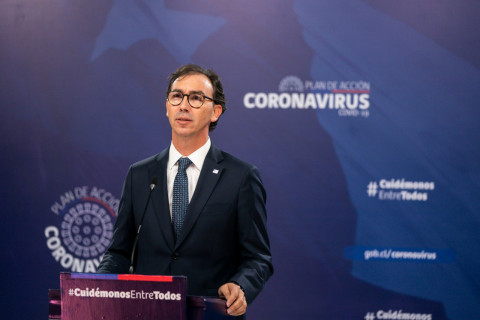 How is Chile facing the COVID19 education emergency? UNESCO talks with Raul Figueroa, Minister of Education of Chile 2020-04-06 At a moment when more than 1.5 billion students are out of school because of the COVID-19 emergency, countries face an unprecedented scenario: schools closed, families facing uncertain futures, and children and adolescents coping with disrupted routines and educational processes. Beyond the lack of classes, the disconnection with classmates, professors and the social fabric of the educational community affects all students. Consequences that go beyond the curriculum and learning outcomes are challenging education systems in scenarios in unexpected ways. The same is happening in high, middle and lower income countries. Within their local contexts, governments are seeking to offer options in the face of the emergency through initiatives aimed at various socioeconomic, geographic and technological realities. Difficult access to equipment, appropriate information and educational resources translates into enormous challenges, as do issues related to emotional support. UNESCO spoke with Raúl Figueroa, Chile´s Minister of Education, who, along with his peers in Latin America and the Caribbean is working to offer solutions that protect the right to education during the emergency, and to prepare for the re-opening of schools. “Following the complete suspension of classes in March, we made the platform Aprendo en línea available to the educational community, which has resources for students from 1st grade through the final year of secondary level” - Raúl Figueroa, Chile´s Minister of Education Minister, how has the Chilean educational system responded to the arrival of the virus? What measures have been taken? How are families being supported in this context? The Government started developing an Action Plan in January 2020 to face this threat. In that context, President Sebastian Piñera requested that we prepare for a scenario in which classes would be suspended. This allowed us to set a series of activities in motion that would provide continuity in our students’ learning, and maintain benefits for the most vulnerable sectors of society. Following the complete suspension of classes in March, we made the platform Aprendo en línea available to the educational community, which has resources for students from 1st grade through the final year of secondary level. To support the continuity of students’ learning, we formed an alliance with Athena, the Mobile Telephone Association of Chile to ensure free downloads of texts and study guides so that students would not need to use data from their phone plans to access this material. Students can also complement their studies with the Biblioteca Digital Escolar, which offers more than 10,000 free books available to all. As of end March, the platform has been used by more than two million users, which shows that we are on the right track. We need to keep working together in a coordinated way so that our students’ educational processes are not interrupted. We have also formed an alliance with Google and Fundación Chile to facilitate access and technical support to educational institutions seeking to use G Suite for Education and Google Classroom. These systems support teachers to organize the content of their courses, follow up on assignments and communicate with students. In order to support families, we have continued to provide school feeding benefits for approximately 1.600.000 children who represent the 60% most vulnerable groups in the country. We deliver a basket of goods and supplies that covers the nutritional needs of each child for fifteen days. Technology is not available to everyone, and connectivity is not the same everywhere, especially in rural areas. How is this being addressed in Chile? For those who have difficulties accessing the internet, we launched the “I Learn at Home” programme. We are distributing the same educational material in printed format, accompanied by notebooks for reinforcement that are being distributed to 3.700 rural schools and others with limited connectivity. We are using these methods to reach all corners of Chile with the needed pedadgogical tools. How is the educational system preparing for various kinds of crises? We are faced with a new situation,where working in a collaborative fashion with the authorities and educational communities is fundamental. Here the use of technology has been key as a tool for support of learning objectives, and to support parents that have had to assume active roles from home to guarantee the learning continuity for our students. Flexibility will be the key word for going back to school. You have described this period as a parentheses in the school year. How are you planning to ensure flexibility to ensure proper completion of the school year? We are facing unprecedented circumstances, and we are all learning. Flexibility will be key to resume classes and the academic calendar. The main point is that we are making every effort now to ensure learning continuity. It is a commitment that the entire educational community needs to make. The global situation that we are facing is a huge test for tele-working and distance learning. What lessons can Chile learn from this to face the future of Education? Although the work that happens in schools is unique and difficult to replace, digitalization is an important instrument that needs to be developed to face the future. Our Ministry is making progress on a series of initiatives that aim to strengthen these issues. The Assistant Secretary General of UNESCO, Stefania Giannini has said that “this is the moment to share our data and our solutions, to exchange knowledge, capacities and talents in accordance with the principles of inclusion and equity. In this sense, what does Chile expect from international cooperation, especially UNESCO? What can offer Chile to other countries? It is time for us to come together, not only to guarantee learning continuity, but to invest in the transformative power that education gives to people, communities and societies. Good ideas and practices need to be replicated. We are completely available for collaboration with other countries to strengthen educational systems and to mutually enrich ourselves to improve pedagogical tools that we make available to educational communities. What message would you lie to share with educational communities in Chile, teachers, educational workers, students and families? I would like to highlight the effort and commitment of educational communities, and to thank all for the collaborative work in which many have participated with ethical shifts, and which have helped us manage this health crisis. Two million users are already using our platform Aprendo en línea, approximately 1.600.000 students are benefitting from the school feeding programme and 3.700 rural and vulnerable schools have been integrated into the pedagogical tools network. This is the time to come together to ensure learning continuity. The actions of the Ministry of Education in Chile URL:https://en.unesco.org/fieldoffice/santiago/articles/minister-education-Chile-covid-19
  Inclusivity in Education: Tackling Inequalities and Promoting Quality Learning 2020-04-05 by Omar Mame Diop, Chief of Section and Programme Specialist in Education and Abhinav Kumar. To read the published version in the SCOONEWS click here Education offers the simple ability to read, write, count and calculate which plays a vital role in the process of social progress and development. Access to education has the power to improve the quality of life of an individual by providing economic opportunities; changing public perceptions towards human rights; giving a political voice and understanding legal rights- rights, which an individual might already possess but is not able to utilize because of a lack of knowledge and awareness about what it entails. While access to education is essential, the primary aim of schooling is to transfer knowledge and teach skills to students. In other words, it is important to balance an increase in ‘quantity’ of education with a simultaneous increase in the ‘quality’ of education which is accessible and affordable for each and every individual. With the vision of “Leaving no one behind”, the Sustainable Development Goals (SDG’s) 2030 Agenda by the United Nations has played a pivotal role in drawing attention to the inequalities which restrict access to quality education across the globe. While SDG 4 and SDG 10 specifically talk about ’Quality Education’ and ‘Reduced Inequalities’ respectively, the remaining 15 SDG’s directly or indirectly highlight the emergent need to build an inclusive environment which provides equitable access to quality education for all. Inequalities do not just exist in societies exclusively but in most cases, different forms of inequality intersect with each other and exacerbate the situation for some individuals. For instance, due to prevailing prejudices, a poor woman from an indigenous community living in a rural area is likely to be more disadvantaged than any other individual in the same locality. This highlights social injustice towards individuals within a community based on their gender, caste, location and cultural habitats. It is extremely important to realise that inclusivity is not restricted to providing access to schools by building infrastructure, ensuring school facilities and increasing enrolment. Geographical location; nutrition; mental health; disabilities are some of the many factors which need to be addressed whilst advocating for inclusivity in education. Bihar’s case highlighting the importance of inclusivity in educationSource: World Bank Data, 2016 While there are policy frameworks laid down by the Government of India to reduce and challenge inequalities, they are either not applied correctly or there are multiple forms of inequalities which make these policies redundant. In the education sector, The Right of Children to Free and Compulsory Education (RTE) Act, 2009 was passed in an attempt to boost primary level education enrolment rates for children aged between 6 and 14 (Government of India 2009). While this has had a positive impact on the enrolment rates in Bihar with student enrolment rates going above 90% for primary level education (Mukul 2015), figure 1 highlights the large number of disparities among different social groups. Nearly 60% of the Schedule Caste (historically termed as ‘socially backward communities’ in India) remain to be illiterate while the ‘general’ category seems to have better access to quality education with a 20% figure. Consequently, these differences tend to restrict access to other social protection systems in the long run. This implies the need to amend policies in a way which creates equal opportunities for every individual in the country, regardless of her/his economic status or social identity. Making foundational learning part of ‘Inclusive Education’ Inclusivity is also to be met with quality learning outcomes. The World Development Report 2018 entirely focused on the urgent need to promote learning to fully utilize the potential of education (World Bank 2018). The report shares a decline in the learning abilities of students mainly from developing countries and has emphasised on the need to prioritize learning and not just schooling. Amongst the developing countries, with a population of over 1.3 billion people spread across the 28 states and 8 union territories, the challenge of providing equal access to quality education is a tremendous one for India. In fact, as per the latest census data, India has a high child population (0-18 years) percentage (39%) highlighting the increased responsibility on the state for providing equitable access to quality education to all age groups (Government of India 2018). While this shows that India has a huge challenge to overcome right now, an optimistic way to look at it is that if an ‘efficient’ education system is put in place at the earliest, the country can reap benefits of its high demographic dividend in the long run. There are multiple pathways to build an ‘efficient’ education system in India. There is substantial evidence at both, international and national level to prove that one of the most effective ways to attain quality education for all is investment in Early Childhood Education (ECE) (OECD 2019). The India Early Childhood Education Impact (IECEI) study, conducted by the ASER Centre and the Centre for Early Childhood Education and Development (CECED), shows that children who have access to high-quality ECE are more ‘school ready’ than those who do not (Kaul et al. 2017). Over and above ECE’s potential to improve linguistic, cognitive and socio-emotional skills of the child, ECE is also extremely beneficial for the mother, the family and the national economy in the long run (OECD 2017). Despite increasing evidence that ECE contributes towards better education, social, health and economic indicators; universalization of pre-primary education was not given the priority it requires in India until recently. The draft National Education Policy (NEP) 2019 has stated that the learning gaps start even before children attend school. It has identified foundational learning as the root cause of the learning crisis in the country and it is now upon state governments to anticipate and simultaneously react to the challenges ahead in providing foundational literacy and numeracy skills to make all young children ‘school ready’. In order to make sure a holistic approach towards inclusivity in education, UNESCO defines inclusive education as- “Inclusion is seen as a process of addressing and responding to the diversity of needs of all learners through increasing participation in learning, cultures and communities, and reducing exclusion within and from education. It involves changes and modifications in content, approaches, structures and strategies, with a common vision which covers all children of the appropriate age range and a conviction that it is the responsibility of the regular system to educate all children” (UNESCO 2005). In its efforts to address inclusivity, the Government of India passed the Rights of Persons with Disabilities (RPWD) Act, 2016 which identified the types of disabilities have been increased from 7 to 21 and that the Central Government will have the power to add more types of disabilities. This was a great step taken in addressing inclusive education as it went beyond the physical aspects of disability and included mental aspects. Inclusive Education had to be rethought and implications of disabilities on learning had to be considered and addressed. UNESCO New Delhi is committed in promoting and ensuring the need to provide equitable access to quality education for all. Inclusive education comes out of a vision of the world based on equity, justice and fairness. In this regard, UNESCO New Delhi office launched, ‘N FOR NOSE - State of the Education Report for India 2019: Children with Disabilities’, in July 2019. It aims to articulate a vision of education for children with disabilities for 2030 as set out in national and international policy documents and legislative frameworks. Similarly, an annual report on Technical and Vocational Education and Training (TVET) will be released in 2020. As we step up our efforts in the countdown towards achieving the 2030 agenda, we reaffirm the need to form an education system which is inclusive by tackling social, cultural, economic and spatial inequalities within countries. Concerted and multi-sectoral efforts are the need of the hour to ensure the fulfilment of the SDGs’ pledge of ‘leaving no one behind’. In 2020 and during a period where almost all countries are going through a crisis situation due to Covid19, it is our duty to reflect on the difficulties of those people who cannot switch to e-learning methods due to their inability to access the internet, computers and laptops or even lack of knowledge about online learning courses. As we advocate for education for all in such testing times, we need to ensure that individual from all backgrounds are made part of the education ecosystem which can further empower them to fight situations like these in the future. To face the COVID-19 crisis, UNESCO has provided immediate support to countries by updating the distance learning guides for more than 1.47 billion children who are out of school because of school closures across the globe (UNESCO 2020). As a right, learning must continue and the efforts should go more to those who are the most disadvantaged. There is an urgent need to emphasize the role of education in responding to such crises. UNESCO New Delhi Education team will continue to think and reflect on: How to ensure the continuity of learning for all even in times of crisis/emergency How to train teachers for their preparedness and what to include in the content of their education How to organize distance education, home schooling and personalized pathways. URL:https://en.unesco.org/news/inclusivity-education-tackling-inequalities-and-promoting-quality-learning
 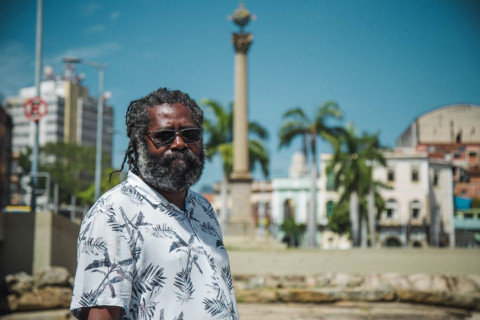 Fighting racism includes fighting for property, says Brazilian activist 2020-04-03 For 30 years, Brazilian activist Damião Braga, 53, has been fighting for the right of people of African descent to access land and property in Rio de Janeiro. On the International Day of Remembrance of the Victims of Slavery and the Transatlantic Slave Trade, this year raising awareness to the dagers of racism and prejudice, his struggle is newly in focus. A quilombola leader, he is frequently the target of threats and violence because of his activism. He demands from the State and the justice system the transfer of properties in a historical area of the city to the descendants of enslaved people. During slavery (16th to 19th century), the term quilombola referred to the enslaved African people and Afro-descendants who fled the sugar cane mills and farms to form small villages called quilombos. Today, the term refers to the descendants of these populations, who live in rural and urban communities, marked by cultural practices with strong links to ancestors. Quilombo territories and lands tenure regularization are guaranteed by the Brazilian Federal Constitution. Braga leads Pedra do Sal, one of the main Brazilian urban quilombos, located in central Rio. Pedra do Sal was a secular residence of the enslaved Africans and their descendants. The community wages a long-standing judicial and administrative battle to obtain ownership of the properties in the area, now owned by the State and claimed by the Catholic Church. In 2005, the area was recognized as quilombola territory by the Brazilian government. Despite this, 15 years later, only two Afro-descendant families actually live on the site, since the land titling process has not been completed and most of the families have been evicted. Photo: UN Brazil/Joana Berwanger“Our right has already been recognized, Pedra do Sal is a quilombola territory. But now that right must be actually guaranteed”, said Braga, attributing this delay to the recent appreciation of real estate in central Rio before and after the Olympics, in 2016. “For us, the titling of quilombola territories is a form of reparation, in the face of all that happened during the slavery period,” he said. “The territory was not titled precisely because of the structural racism that still persists”. Braga and 25 families are now awaiting the conclusion of judicial and administrative proceedings to enforce their right. For the community leader, his struggle for recognition is directly related to the fight against racism. “When we started to fight, to make this discussion about quilombola territory, the racism became even more evident, more visible.” According to data from the National Institute of Colonization and Agrarian Reform (INCRA) of 2019, there are 1,700 ongoing processes for certification of quilombola communities in Brazil. Braga is also a committee member of the Valongo Wharf Archaeological Site, listed as a World Heritage Site by the United Nations Educational, Scientific and Cultural Organization (UNESCO). Valongo is in the former harbour area of Rio de Janeiro in which the old stone wharf was built for the landing of enslaved Africans reaching the South American continent from 1811 onwards. An estimated 900,000 Africans arrived in South America via Valongo. “Valongo symbolizes the arrival of enslaved Africans in Brazil. The ‘Pretos Novos’ Cemetery symbolizes burial, those who are gone, and the Pedra do Sal quilombo symbolizes life, continuity, ”said Braga, citing historical sites in central Rio. UN against racism in Brazil On the occasion of the International Day in Memory of Victims of Slavery and the Transatlantic Slave Trade, the UN System in Brazil reminds all the work that is being done in the country to combat racism and discrimination. During his first official visit to Brazil, held in February, the representative for South America of the United Nations Office for Human Rights (OHCHR), Jan Jarab, met with quilombola leaders to verify the situation of these communities. The UN representative listened to the concerns of social leaders working in areas such as the rights of indigenous and quilombola peoples, rural movements and those affected by dams, focusing on the issue of violence in the countryside. Reaffirming the commitment to implement the International Decade for People of African Descent (2014-2024), the UN System in Brazil also launched in 2017 the “Vidas Negras” (Black Lives) campaign. The goal of the campaign is to draw attention and raise awareness of the impacts of racism, influencing strategic actors in the production and support of actions to combat discrimination and violence. URL:https://nacoesunidas.org/fighting-racism-includes-fighting-for-property-says-brazilian-activist/
 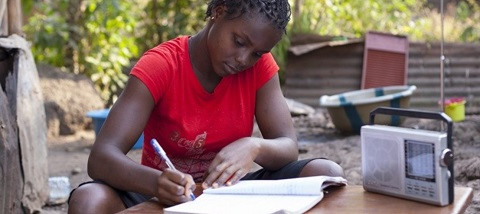 Covid-19 school closures around the world will hit girls hardest 2020-04-02 By Stefania Giannini, UNESCO Assistant Director-General for Education, and Anne-Birgitte Albrectsen, Chief Executive Officer, Plan International. As COVID-19 forces school closures in 185 countries, Plan International and UNESCO warn of the potential for increased drop-out rates which will disproportionately affect adolescent girls, further entrench gender gaps in education and lead to increased risk of sexual exploitation, early pregnancy and early and forced marriage. Out of the total population of students enrolled in education globally, UNESCO estimates that over 89% are currently out of school because of COVID-19 closures. This represents 1.54 billion children and youth enrolled in school or university, including nearly 743 million girls. Over 111 million of these girls are living in the world’s least developed countries where getting an education is already a struggle. These are contexts of extreme poverty, economic vulnerability and crisis where gender disparities in education are highest. In Mali, Niger and South Sudan — 3 countries with some of the lowest enrolment and completion rates for girls — closures have forced over 4 million girls out of school. For girls living in refugee camps or who are internally displaced, school closures will be most devastating as they are already at a disadvantage. Refugee girls at secondary level are only half as likely to enrol as their male peers. We are only beginning to understand the economic impacts of COVID-19, but they are expected to be widespread and devastating, particularly for women and girls. In the Global South, where limited social protection measures are in place, economic hardships caused by the crisis will have spill-over effects as families consider the financial and opportunity costs of educating their daughters. While many girls will continue with their education once the school gates reopen, others will never return to school. Education responses must prioritize the needs of adolescent girls' at the risk of reversing 20 years of gains made for girls’ education. Lessons from the Ebola crisis “Schools are left empty as an abandoned nest. I am so sad. Being at school can help to protect girls from pregnancy and marriage. Many of my friends are getting pregnant and I realised some have been forced into early marriage.”Christiana, 17, Sierra Leone (during the Ebola Crisis of 2014) While the magnitude of the COVID-19 crisis is unprecedented, we can look to the lessons learnt from the Ebola epidemic in Africa. At the height of the epidemic, 5 million children were affected by school closures across Guinea, Liberia and Sierra Leone, countries hardest hit by the outbreak. And poverty levels rose significantly as education was interrupted. In many cases, school drop-outs were caused by an increase in domestic and caring responsibilities and a shift towards income generation. This means that girls’ learning at home was limited, as shown by Plan International’s analysis. In villages with established “girls’ clubs” and existing sensitization efforts to promote girls’ education, fewer girls experienced adverse effects and were more likely to continue their learning. Several studies found that the closure of schools increased girls vulnerability to physical and sexual abuse both by their peers and by older men, as girls were often are at home alone and unsupervised. Transactional sex was also widely reported as vulnerable girls and their families struggled to cover basic needs. As family breadwinners perished from Ebola and livelihoods were destroyed, many families chose to marry their daughters off, falsely hoping this would offer them protection. In Sierra Leone, adolescent pregnancy increased by up to 65% in some communities during the Ebola crisis. In one study, most girls reported this increase was a direct result of being outside the protective environment provided by schools. Many of these girls never returned to the classroom, largely due to a recently revoked policy preventing pregnant girls from attending school. Applying lessons learnt from Ebola to COVID-19 For girls like Christiana, who have lived or are living through a crisis, education is a lifeline, offering protection from violence and exploitation and providing them with skills and hope for a brighter future. As governments prepare for indefinite school closures, policy makers and practitioners can look to lessons from past crises to address the specific challenges faced by girls. We therefore call on governments to protect progress made in favour of girls’ education through these six gender-responsive, evidence-based and context-specific actions: Leverage teachers and communities: Work closely with teachers, school staff and communities to ensure inclusive methods of distance learning are adopted and communicated to call for continued investments in girls’ learning. Community sensitization on the importance of girls’ education should continue as part of any distance learning programme. Adopt appropriate distance learning practices: In contexts where digital solutions are less accessible, consider low-tech and gender-responsive approaches. Send reading and writing materials home and use radio and television broadcasts to reach the most marginalised. Ensure programme scheduling and learning structures are flexible and allow self-paced learning so as not to deter girls who often disproportionately shoulder the burden of care. Consider the gender digital divide: In contexts where digital solutions to distance learning and internet is accessible, ensure that girls are trained with the necessary digital skills, including the knowledge and skills they need to stay safe online. Safeguard vital services: Girls and the most vulnerable children and youth miss out on vital services when schools are closed, specifically school meals and social protection. Make schools access points for psychosocial support and food distribution, work across sectors to ensure alternative social services and deliver support over the phone, text or other forms of media. Engage young people: Give space to youth, particularly girls, to shape the decisions made about their education. Include them in the development of strategies and policies around school closures and distance learning based on their experiences and needs. Ensure return to school: Provide flexible learning approaches so that girls are not deterred from returning to school when they re-open. This includes pregnant girls and young mothers who often face stigma and discriminatory school re-entry laws that prevent them from accessing education. Allow automatic promotion and appropriate opportunities in admissions processes that recognise the particular challenges faced by girls. Catch-up courses and accelerated learning may be necessary for girls who return to school. More information on UNESCO’s response to the COVID-19 crisis.More information on Plan International’s response to the COVID-19 crisis For UNESCO media enquiries please contact:Cynthia GuttmanEmail: C.Guttman@unesco.org(link sends e-mail)Phone: +33 1 45 68 08 56 For Plan International media enquiries please contact:Miranda Atty, Global Press OfficerEmail: miranda.atty@plan-international.org(link sends e-mail)Phone: +44 (0) 7989065738 URL:https://en.unesco.org/news/covid-19-school-closures-around-world-will-hit-girls-hardest
  Alternative Solutions to School Closure in Arab Countries to Ensuring that Learning Never Stops 2020-04-02 UNESCO estimates that, as of 26 March 2020, 165 countries have closed schools and universities nationwide, affecting over 1.5 billion children and youth – or 87% of the world’s student population and a further 11 countries have implemented localized school closures. As stressed during an emergency meeting of the principals of multilateral education partners that virtually took place on 24 March, equity is the principal concern because school closures adversely affect disproportionately vulnerable and disadvantaged learners and alternative distance learning modalities might even exacerbate learning inequities due to the gaps in technology access and in the resources and capacities of schools and teachers.The Arab region, where 13 million children and youth are already out-of-school due to conflict, has been additionally challenged with more than 100 million affected learners across the region, according to the Global monitoring of school closures caused by COVID-19.Against this backdrop, the UNESCO Regional Bureau for Education in the Arab States in close collaboration with field offices and cluster offices in the region is urging collective actions aiming to mitigate the collateral impacts of the pandemic on the education sector.Since the beginning of the pandemic, UNESCO Beirut has been monitoring school closures, national responses, and government circulars. This brief report, available for download below, provides a summary of some measures taken by countries in the region. URL:https://en.unesco.org/news/alternative-solutions-school-closure-arab-countries-ensuring-learning-never-stops
  Launch of the UNESCO Dynamic Coalition for Open Education Resources (OER) 2020-04-02 As the first major step since Member States adopted the UNESCO Open Education Resources (OER) Recommendation in November 2019, UNESCO launched the OER Dynamic Coalition took place online in March 2020 Monday. In response to the Covid-19 crisis, the meeting, which was foreseen originally to take place at UNESCO Headquarters was quickly adapted to an online format and launched as foreseen on 2 March 2020 for a month of consultation Thanks to the quick mobilisation of the speakers and experts, the presentations took place via video and questionnaires were sent out to the participants to collect feedback over the following days. Further to the support from the UNESCO Category 2 Centre for Artificial Intelligence (IRCAI - the Jožef Stefan Institute) in Slovenia, arrangements were made to ensure that presentations (videos, .ppt, etc.) could be made available on the Institute’s website: http://videolectures.net/OERCoaltion_2020/ Mr Cedric Wachholz, Chief of Section for Digital Innovation and Transformation, on behalf of the Assistant Director-General for Communication and Information, and Mr Borhene Chakroun, Director of the Division for Policies and Lifelong Learning Systems, on behalf of the Assistant Director-General for Education, jointly opened the Launch of the OER Dynamic Coalition via webcast. Mr Gasper Hrastelj, Deputy Secretary-General of the Slovenian National Commission highlighted in his intervention focussing on the role of Governments, and in particular National Commissions in the implementation of the UNESCO OER Recommendation, ‘.. Together with UNESCO, experts and a huge number of governments that have expressed their support for the Recommendation in the last General Conference, our common goal is this recommendation will be a huge success for everybody who is involved in this process ‘. Building on the Recommendation, the constitution of a Dynamic Coalition responds to two needs identified by Member States. Firstly, the Dynamic Coalition is the embodiment of the fifth objective of the Recommendation: facilitate international cooperation to promote the use of OER. It is composed of experts from institutions, inter-governmental organisations, civil society, the private sector and benefits from the particular support of UNESCO National Commissions. As such, it aims to represent the diversity of stakeholders in the field of OER, while ensuring the principles of gender equity and geographic distribution. The Dynamic Coalition exists to federate stakeholders in the field of OER, and to speak as one voice on its related issues and common goals. Secondly, the Dynamic Coalition will lead and structure the programmes of activities to achieve the other four objectives laid in the Recommendation, namely (i) building capacity of stakeholders to create, access, re-sue, adapt and redistribute OER; (ii) developing supportive policy; (iii) encouraging inclusive and equitable quality OER; and (iv) nurturing the creation of sustainability models of OER. For each objective, the Dynamic Coalition oversees a dedicated working group of experts. The purpose of this first meeting was to produce a Roadmap to implement these objectives. For each of the four areas of action, experts contributed to design activities, define timelines, and identify potential partners and funding mechanisms. The speaker’s video presentations on each area of action were shared with the experts, who subsequently provided their inputs via online questionnaires. After compiling and processing the results, UNESCO will deliver the Roadmap to the Dynamic Coalition. The Launch of the OER Dynamic Coalition was successful in federating at a distance a representative pool of experts in OER and in defining the modalities of the Roadmap. The questionnaire responses provided extensive inputs to support the examination of the first four areas of action of the UNESCO OER Recommendation with a view to establishing mechanisms for international and regional cooperation. The synthesis of the inputs provided the elements of a multi-stakeholder Roadmap to expand and consolidate commitments to actions and strategies in implementing the OER Recommendation. In the context of the COVID-19 sanitary crisis, the OER Dynamic Coalition Launch, originally foreseen as a two-day meeting at UNESCO Headquarters, was held over several weeks, allowing for fruitful and in-depth online exchanges on the key issues. The Roadmap produced through this process brings together the richness of these global inputs and defines a series of strategic and timely results, allowing the diverse set of stakeholders to jointly implement UNESCO’s OER Recommendation. New UNESCO Recommendation will promote access to educational resources for all UNESCO Recommendation on Open Educational Resources (OER) For more information about actions to support media, enhance access to information, and leverage digital technologies in the fight against the pandemic, visit:https://en.unesco.org/covid19/communicationrinformationresponse/mediasupport URL:https://en.unesco.org/news/launch-unesco-dynamic-coalition-open-education-resources-oer
 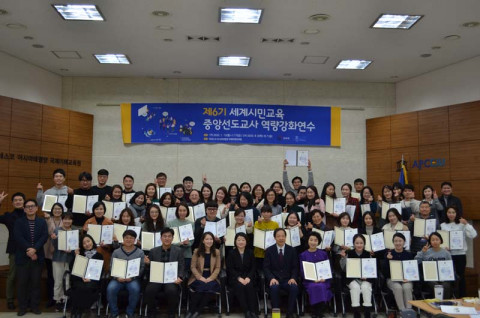 1st Capacity-Building Training Workshop for the 6th Batch of the National GCED Lead Teachers 2020-04-02 Co-organized by Ministry of Education of Republic of Korea and APCEIU, ‘1st Capacity-Building Workshop for the 6th Batch of the National GCED Lead Teachers’ was held during 13-17th of January, 2020, awarding a letter of appointment to 64 teachers who successfully completed the workshop. Those are representative teachers appointed by 17 MPOEs (Metropolitan and Provincial Offices of Education) to play pivotal roles in disseminating and implementing global citizenship education (GCED) in Korea. During five days intensive capacity-building workshop, the GCED lead teachers were engaged with various programmes and activities to learn concepts and themes of GCED in depth and GCED best practice cases at the school level while developing action plans and exploring implementation strategies that reflect the context of their respective regions for further dissemination of GCED. Launched in the year 2015, Korean GCED Lead Teachers Programme has annually produced 700 national and provincial GCED Lead teachers and over 3,000 teachers across the country are currently carrying out diverse GCED activities in cooperation with their schools and communities and 17 MPOEs. URL:1st Capacity-Building Training Workshop for the 6th Batch of the National GCED Lead Teachers > APCEIU News - APCEIU (unescoapceiu.org)
 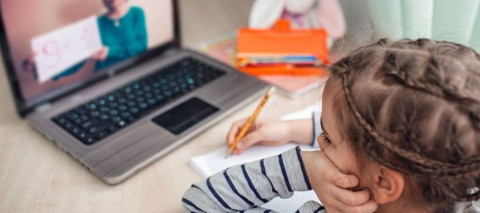 UNESCO rallies international organizations, civil society and private sector partners in a broad Coalition to ensure #LearningNeverStops 2020-04-01 At a time of when 87% of the world’s student population is affected by COVID-19 school closures, UNESCO is launching a global education coalition to support countries in scaling up their best distance learning practices and reaching children and youth who are most at risk. Over 1.5 billion learners in 165 countries are affected by COVID-19 school closures. “Never before have we witnessed educational disruption on such a scale,” said UNESCO Director-General Audrey Azoulay. “Partnership is the only way forward. This Coalition is a call for coordinated and innovative action to unlock solutions that will not only support learners and teachers now, but through the recovery process, with a principle focus on inclusion and equity.” Since closing schools to contain the COVID-19 pandemic, governments have been deploying distance learning solutions and grappling with the complexity of provisioning education remotely, from delivering content and supporting teachers to providing guidance to families and addressing connectivity challenges. Equity is the paramount concern because closures disproportionately hurt vulnerable and disadvantaged students who rely on schools for a range of social services, including health and nutrition. “We must speed up the ways we share experience, and help the most vulnerable, whether or not they have internet access”, said Angelina Jolie, UN High Commission for Refugees Special Envoy, who partnered with UNESCO in the establishment of the Coalition. UN Deputy Secretary General Amina Mohamed expressed the UN’s full commitment to the Coalition, warning that “for millions of children and youth from disadvantaged backgrounds, school closures could mean the loss of a vital safety net – of nutrition, protection and emotional support.” She added, “This is not a time to deepen inequalities. It is a time to invest in education’s power to transform. As we embark on the decade of action of the 2030 Sustainable Development Agenda, our responsibility as a global community is to leave absolutely no one behind.” Multilateral partners, including the International Labor Organization, the UN High Commission for Refugees, The United Nations Children’s Fund (UNICEF), the World Health Organization, the World Bank, the World Food Programme and the International Telecommunication Union, as well as the Global Partnership for Education, Education Cannot Wait, the OIF (Organisation Internationale de la Francophonie) the Organization for Economic Cooperation and Development, and the Asian Development Bank have joined the Coalition, stressing the need for swift and coordinated support to countries in order to mitigate the adverse impacts of school closures, in particular for the most disadvantaged. The private sector, including, Microsoft, GSMA, Weidong, Google, Facebook, Zoom, KPMG and Coursera have also joined the Coalition, contributing resources and their expertise around technology, notably connectivity, and capacity strengthening. Companies using learner and educational data have committed to uphold ethical standards. Philanthropic and non-profit organizations, including Khan Academy, Dubai Cares, Profuturo and Sesame Street are also part of the Coalition, mobilizing their resources and services to support schools, teachers, parents and learners during this time of unparalleled educational disruption. Media outlets are also invited to join the Coalition, as has done the BBC World Service as part of its commitment to supporting young people in lockdown across the globe. The BBC will be producing advice, stories, and media education materials to help isolated young people understand how the Coronavirus may affect them. With its emphasis on equity and gender equality, the Global Education Coalition will respond to countries’ specific needs, as envisaged during the meetings of Education Ministers convened by UNESCO. It will endeavor to match needs with free and secure solutions, bringing partners together to address connectivity and content challenges among others. It will provide digital tools and learning management solutions to upload national digitized educational resources, and curate resources for distance learning and strengthen technical expertise using a with a mix of technology and community approaches, depending on local contexts. In all interventions, special attention will be placed on ensuring data security and protecting the privacy of learners and teachers. Specifically, the Coalition aims to: Help countries in mobilizing resources and implementing innovative and context-appropriate solutions to provide education remotely, leveraging hi-tech, low-tech and no-tech approaches Seek equitable solutions and universal access Ensure coordinated responses and avoid overlapping efforts Facilitate the return of students to school when they reopen to avoid an upsurge in dropout rates “We are working together to find a way to make sure that children everywhere can continue their education, with special care to the most vulnerable and disadvantaged communities,” said Tedros Adhanom Ghebreyesus, Director-General of the World Health Organization, in a video message marking the Coalition’s launch, together with UNESCO Director-General and other personalities. **** Media contact: Clare O’Hagan, UNESCO Press Service, c.o-hagan@unesco.org+33 01456 81729 URL:https://en.unesco.org/news/unesco-rallies-international-organizations-civil-society-and-private-sector-partners-broad