
News
Catch up on what’s happening in the world of global citizenship education.
229 results found
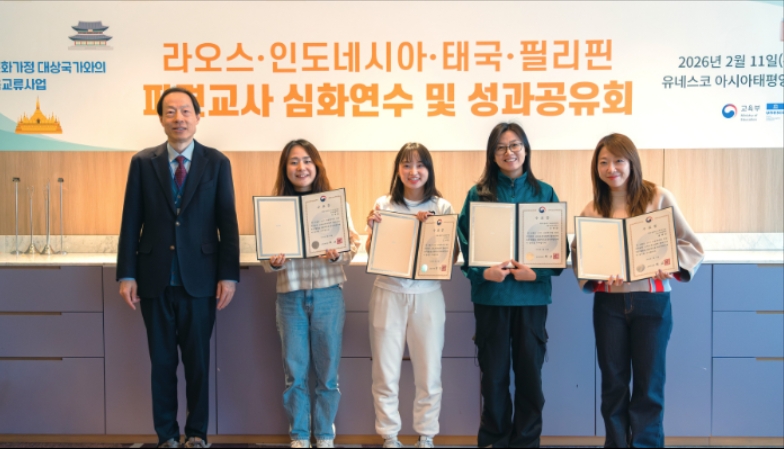 세계시민교육 실천과 파견 경험을 잇다: 2025 교유교류사업 하반기 파견교사 심화연수 및 성과공유회 성료 2026-03-17 유네스코 아시아태평양 국제이해교육원(이하 ‘아태교육원‘)은 2026년 2월 11일부터 13일까지 「2025년도 다문화가정 대상국가와의 교육교류사업」 (이하 ’교육교류사업‘)하반기 파견교사를 대상으로 심화연수 및 성과공유회를 성공적으로 개최하였다. 이번 행사는 2025년 하반기 라오스, 인도네시아, 태국, 필리핀에 파견되어 교육활동을 수행한 교사들의 경험을 공유하고 세계시민교육(Global Citizenship Education, GCED) 실천 성과를 확산하기 위해 마련되었다.이번 심화연수에는 하반기 파견교사 19명이 참여해 파견 경험을 바탕으로 한 교육활동 성과를 공유하고, 향후 학교 현장에서의 세계시민교육 실천 방향을 모색하는 시간을 가졌다. 연수는 유네스코 아태교육원과 더 링크 트리뷰트 포트폴리오 서울 회의장에서 2박 3일간 진행되었으며, 이후 재택연수를 통해 후속 과제 수행과 학습 활동이 이어졌다.심화연수는 세계시민교육과 다문화교육에 대한 이해를 심화하고 학교 현장에서의 적용 가능성을 높이기 위한 다양한 내용으로 구성되었다. 특히 국내 학교에서 다문화 배경 학생들을 대상으로 교육을 실천하고 있는 강사들의 강의가 참가자들의 높은 관심을 받았다.이경진 해밀학교 교장의 “AI 및 에듀테크를 활용한 다문화 교육” 강연은 우리말이 익숙하지 않은 다국적 학생들이 함께하는 교실에서 학습 격차를 줄이고 교과 수업 참여를 높이기 위한 에듀테크 활용 사례를 흥미롭게 소개하였다. 신경아 관산중학교 교사는 미술 활동을 통해 다문화 배경 학생들과 소통한 경험을 공유하며, 다문화 사회로 진입한 한국 교실에서 교사의 역할과 태도를 다시 생각해 볼 수 있는 의미 있는 시간을 제공하였다.아울러 기 파견자의 우수 후속활동 사례 발표를 통해 교육교류사업 참여가 일회성 경험에 그치지 않고 학교와 사회로 확산되는 다양한 실천 방식도 확인할 수 있었다. 또한 참가자들은 소그룹으로 나뉘어 파견 전후의 인식 변화를 진솔하게 나누는 시간을 통해 각국에서의 교육 경험을 공유하고 성찰하는 계기가 마련되었다.연수 기간 중에는 차기 파견 교사들을 위한 ‘국가별 현지문화 매뉴얼’ 제작을 위한 실습도 진행되었다. 참가 교사들은 각국의 교육환경과 문화적 특징, 학교 현장에서의 경험을 바탕으로 실제 현지 적응에 도움이 되는 정보를 정리하고 구조화하는 작업을 수행하였다. 해당 매뉴얼은 향후 파견 교사들에게 실질적인 참고 자료로 제공될 예정이다.2월 12일 개최된 ‘성과공유회’에서는 파견교사들의 현지 교육활동 결과와 세계시민교육 실천 사례가 공유되었다. 이날 행사에는 파견교사 19명과 시·도교육청 관계자, 교육부 및 아태교육원 관계자 등 약 50명이 참석하였다. 개회식에서는 교육부와 아태교육원 관계자의 격려사에 이어 파견교사들의 발표가 이어졌으며, 참가자들은 각국 학교에서의 교육활동 사례와 성과, 그리고 향후 후속 활동 계획을 발표하였다.교육교류사업은 대한민국 교육부가 주최하고 아태교육원이 시행하는 사업으로, 한국 교사를 대상국 학교에 파견하고 대상국 교사를 한국 학교에 초청해 참가국 간 상호 이해를 증진하고 세계시민교육의 가치를 확산하기 위해 추진되고 있다.
 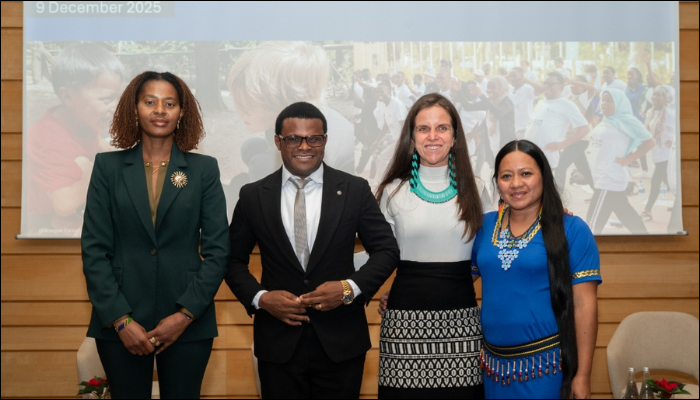 제1회 유네스코 세계시민교육상 시상식 개최 2025-12-15 2025년 12월 9일, 프랑스 파리 유네스코 본부에서 개최된 2025 유네스코 세계시민교육상(UNESCO Prize for Global Citizenship Education) 시상식에서 에콰도르의 '보스케 에스쿨라 테나(Bosque Escuela Tena)'와 탄자니아의 '아프리카 리더십 영향 구상(African Leadership Initiatives for Impact, ALII)'이 수상자로 선정되었다. 이 상은 세계시민교육(Global Citizenship Education)을 선도하고 평화롭고 포용적이며 지속가능한 사회 구축에 기여한 개인·단체를 격려하기 위해 제정되었으며, 격년제로 청년 주도 단체 부문과 일반 부문에서 수상자를 선정한다. 각 수상자에게는 미화 5만 달러가 수여되었다. 스테파니아 지아니니(유네스코 교육부문 사무총장보)는 기조연설에서 “세계시민교육은 유네스코의 평화 구축 사명 중심에 자리하고 있으며, 갈등 심화·불평등 확대·기술 변화 가속화 속에서 학습자가 필요한 지식·가치·태도·역량을 기르는 데 핵심적 역할을 한다”고 강조했다. 또한, 지아니니 사무총장보는 회원국들이 2023 유네스코 ‘평화·인권·상호이해·협력·기본적 자유·세계시민·지속가능발전을 위한 교육 권고’의 14개 원칙을 적극 이행하고 있음을 언급하며, 심사위원단의 노고와 수상자들의 성취를 높이 평가하고 향후 회원국 및 협력기관의 지속적인 참여를 당부했다.김진아 대한민국 외교부 제2차관은 세계적 불안정성이 고조되는 가운데 세계시민교육의 중요성을 재확인하며, 세계시민교육 증진을 위한 한국의 지속적인 리더십을 강조하였다. 아울러 이번 상이 학습자 역량 강화와 한국–유네스코 간 협력 증진에 기여할 것이라는 기대를 표했다. 변혁적 세계시민교육 실천을 선도한 2025년 수상 단체올해 수상자들은 76개국에서 제출된 150개의 후보 중, 5명의 국제 심사위원단의 평가를 거쳐 선정되었다. 심사위원단은 두 단체가 공감, 협력, 문화 간 이해, 지역사회 리더십 등 세계시민교육의 핵심 가치 구현에 탁월한 기여를 했다고 평가했다. 두 수상기관은 차별과 갈등을 극복하고 지역·국가·지역사회 차원에서 긍정적 변화를 촉진하는 실천 중심의 GCED 접근을 통해 21세기 주요 과제에 대응하고 있다.청년 주도 부문 수상자: 아프리카 리더십 영향 구상(ALII, 탄자니아)탄자니아의 비정부기구 ALII는 전국 규모의 ‘Youth4Peace Agenda’를 통해 청년이 평화·사회통합·안보 증진에 직접 참여하도록 역량을 강화한 공로로 선정되었다. 이 사업은 다양한 배경의 청년 리더를 교육·연계하여 혐오 표현, 허위정보, 차별에 대응하도록 지원하며, 지역사회 단위에서 지속가능한 발전과 공동체 결속을 이루는 데 기여하고 있다. ALII는 대화·분쟁 해결·문화 간 이해·시민 책임 등 GCED의 보편적 가치를 기반으로 활동하며, 온라인 캠페인, 학교 방문, 청년 평화 축제, ‘청년·평화·안보 포럼’ 등을 통해 지금까지 5만 명 이상의 청년에게 영향을 미쳤다. 또한 ‘Youth for Peace Coalition’을 운영하며 탄자니아 국가행동계획(YPS)에 청년 목소리가 반영될 수 있도록 플랫폼을 제공하고 있다.일반 부문 수상자: 보스케 에스쿨라 테나(에콰도르)아마존 열대우림 키추아 타미야 유라 공동체에 위치한 보스케 에스쿨라 테나는 2023년 설립된 학교로, “숲의 수호자, 미래의 건설자(Guardians of the forest, builders of the future)” 프로그램을 통해 유아부터 고등학생까지 지역사회와 자연을 보호하는 세계시민으로 성장하도록 이끌고 있다. 학교는 아마존 및 선주민 지식을 현대적 교수법과 결합하고, 숲 전체를 살아있는 교실로 활용하여 문화유산 존중, 생태 감수성, 글로벌 역량을 체험 중심 학습으로 강화하고 있다. 학생들은 지역 원로·예술가·과학자와의 활동을 통해 문화 간 대화, 분쟁 해결, 리더십, 환경 보호 등에 대한 통합적 관점을 배우고 있으며, 현재까지 110명 이상이 프로그램에 참여하였다.최종 후보 명단두 수상자 외에도 심사위원단은 전 세계적으로 다양한 방식으로 GCED를 실천한 6개 기관을 최종 후보로 인정하였다.청년 주도 단체 부문 최종 후보는 다음 세 기관이다.Cordilleran Youth Center(CYC), 필리핀: Youth in Action 프로젝트(일로카노어: Tignay Agtutubo)Asociación Latinoamericana Ímpetu, 에콰도르: Ímpetu Liderando la Educación Sin Fronteras (ILESF)Associação Internacional de Estudantes em Ciências Económicas e Empresariais(AIESEC 포르투갈): Global Volunteer 프로젝트일반 부문(개인·기관·비정부기구 등) 최종 후보는 다음과 같다.무자 알리 아메드 알사디, 오만 교육부 시민교육 전문가: Digital Citizenship for Empowered Learners도미니크 파올라 다쿠리, 코트디부아르 Centre Esther 및 Cœur d’Esther 설립자·원장: To the table... Green futureCool.org, 호주: Equipping Educators – Empowering young people 세계시민교육 증진을 위해 운영되는 유네스코 아시아태평양국제이해교육원은 2025년 수상자와 최종 후보자들에게 깊은 축하의 뜻을 전한다. 이번에 선정된 혁신적인 공동체 기반의 실천 사례들은 평화롭고 지속가능한 사회를 구축하는 데에 있어 세계시민교육이 지닌 변혁적 잠재력을 명확히 보여주고 있다.
 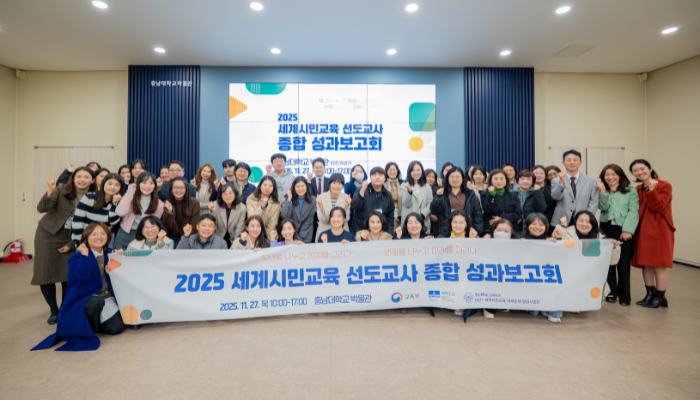 세계시민교육 선도교사, 걸어온 길을 나누고 함께 갈 길을 그리다 2025-12-11 아태교육원은 지난 11월 27일, 대한민국 교육부 및 충남대학교 교육학과 BK21 세계시민교육 미래인재 양성사업단과 함께 「2025년 세계시민교육 선도교사 종합성과보고회」를 개최했다. 충남대학교 박물관에서 열린 이번 행사에는 교육부와 시·도교육청 관계자를 비롯해 1~11기 선도교사, 충남대학교 학생 및 교수진 등 세계시민교육 선도교사 프로그램에 관심을 가진 교육 관계자 약 120명이 참석했다.이번 종합 성과보고회는 2025년 11기 선도교사 활동과 분과연구모임의 성과를 조망할 뿐만 아니라, 1~10기 기참가자들이 함께 모여 지난 10년간의 국내 세계시민교육 선도교사 활동을 되돌아보고 향후 방향을 모색하는 자리로 마련되었다. 그 과정에서 다양한 경험과 통찰이 풍성하게 이어졌다.이날 행사는 아태교육원 임현묵 원장의 개회사로 문을 열었다. 임 원장은 지난 10년 간 세계시민교육을 이끌어 온 교사들의 수고와 헌신에 특별한 감사를 표했다. 이후 교육부 나은종 글로벌교육정책담당관의 축사와 충남대학교 이광복 사범대학장의 환영사가 이어졌다.충남대학교 박환보 교수가 ‘2025 세계시민교육을 말하다’ 라는 주제로 전한 기조 강연에서는 세계시민교육의 실천과 쟁점, 그리고 향후 방향과 과제에 대해 나누며 참가자들의 큰 공감을 얻었다. 대전광역시교육청 홍정화 장학사는 시·도 교육청 사례 발표를 통해, 2015년 이후 그 동안 세계시민교육 저변 확대를 위해 힘써왔다면 이제는 미래교육 혁신 안에서 세계시민교육이 추구하는 본질적 가치를 어떻게 담아낼 지에 초점을 맞출 필요가 있다고 역설했다.‘2025 중앙선도교사 활동 성과 공유’ 세션은 5~7기 중앙선도교사로 활동하며 현재 멘토교사로 참여 중인 김화선 교사가 올해 선도교사 활동의 특징을 정리하며 시작했다. 각 시·도 대표교사들은 전국 각지에서 한 해 동안 펼친 활동을 세 가지 키워드 중심으로 소개하고, 이어서 ‘커리큘럼·수업 혁신’, ‘교육자료 개발’, ‘시·도 간 협력 및 지역사회 연계’를 주제로 패널토론 형식의 질의응답 시간을 가졌다. 특히 올해는 시·도 간 협력이 활발하게 이루어져 앞으로도 더욱 확대할 가치가 있는 의미 있는 성과로 평가되었다. 동시에 시·도별 세계시민교육에 대한 관심과 지원 격차에 대한 심도 있는 논의도 이어졌다.‘2025 중앙연구회 분과연구모임 결과 공유’ 세션에는 다양한 주제를 가지고 활동한 분과연구모임(연결고리, 국경 없는 선생님과 세상의 모든 영화, Global Educators Network (GEN), 스위치, 에듀무비공작소, 지역기반+AI도구 SDGs 연구모임)들이 참여해 올해 연구활동 결과를 공유했다. 또한 연구모임 운영 노하우와 실제 학생들의 변화를 나누며 다른 교사들에게 큰 동력을 제공했다.‘비전 대화: 2030 세계시민교육을 그리다’ 세션에서는 오랫동안 세계시민교육 선도교사 프로그램을 운영한 이지홍 전문가(전 아태교육원 교육연수실장)가 모둠 활동을 통해 참가자들의 생각을 이끌어냈다. 이날 참가자들은 각자의 세계시민교육 실천 경험을 돌아보고, 어려웠던 점과 이를 해결하기 위해 앞으로 바라는 변화를 나누었다. 이를 통해 ”세계시민교육은 ‘나(우리)’의 문제에서 출발하며, 일상에서 삶으로 실천하는 것”이라는 공감대를 형성했다.마지막으로 교육부 전구슬 교육연구관은 참가자들의 발표 내용을 꼼꼼히 살펴 의견을 전하고, 앞으로 교육부가 주력할 정책 방향과 격려의 메시지를 전했다. 2025년 종합 성과보고회는 국내에서 세계시민교육이 걸어온 길을 공유하고, 앞으로 함께 걸어갈 길을 모색하는 뜻 깊은 대화의 장이었다.아태교육원은 2026년에도 세계시민교육 역량강화 연수를 비롯한 다양한 프로그램을 운영할 예정이며, 12기 선도교사 선발 관련 세부사항은 각 시·도교육청 안내를 통해 확인할 수 있다.
 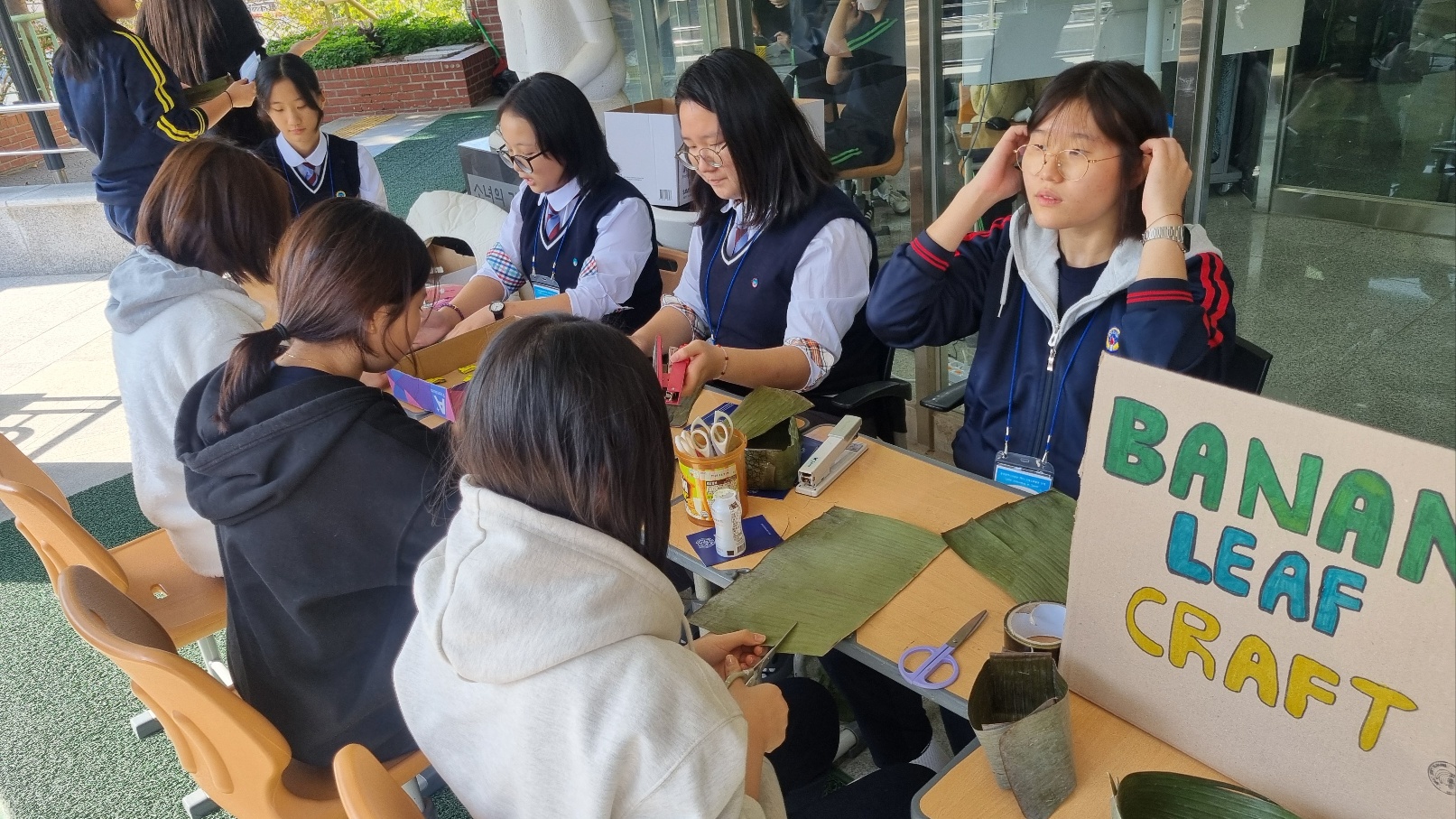 광주수피아여중, ‘세계 민주시민의 날 행사’ 실시 2025-11-07 광주수피아여자중학교(이하 광주수피아여중)는 6일 본교 운동장에서 전교생을 대상으로 ‘세계 민주시민의 날’ 행사를 진행했다.이번 행사는 학생들이 다른 나라의 문화를 이해하는 동시에 자랑스러운 우리나라의 역사와 문화를 세계에 알리는 세계시민으로 성장하도록 돕고자 마련됐다.행사는 광주시교육청의 대면 국제교류 사업을 통해 인도네시아 뜨라미아 학교를 다녀온 재학생 12명이 직접 기획하고 운영했다.프로그램은 인도네시아 의상, 음식, 전통놀이 체험, 바나나잎 공예, 인도네시아 지식 골든벨 등 참여형 활동으로 구성됐다. 특히 학생들이 현지에서 직접 보고 느낀 생생한 경험을 기반으로 기획해 호응을 얻었다.아울러 독도의 날 행사와 학생 독립운동 계기교육의 하나로 세계 친구들에게 독도를 알리는 메시지 만들기, 독도 VR 체험, 독립운동 ZEP 퀴즈 활동도 함께 운영됐다.안예담(3학년) 학생은 “인도네시아 친구들과 함께 경험한 문화를 학교 친구들에게 알릴 수 있어 매우 뿌듯하고 보람 있었다"며 "세계 속 광주와 한국을 알리는 민주시민이 되도록 노력하겠다"고 소감을 밝혔다.광주수피아여중 서계상 교장은 "학생들이 주도적으로 국제 교류의 성과를 학교 구성원들과 나누는 자리가 마련돼 뜻깊었다"며 "학생들이 국제 교류를 통해 세계시민으로 생생하게 성장할 수 있도록 다양한 기회를 마련해 지원하겠다"고 말했다.
 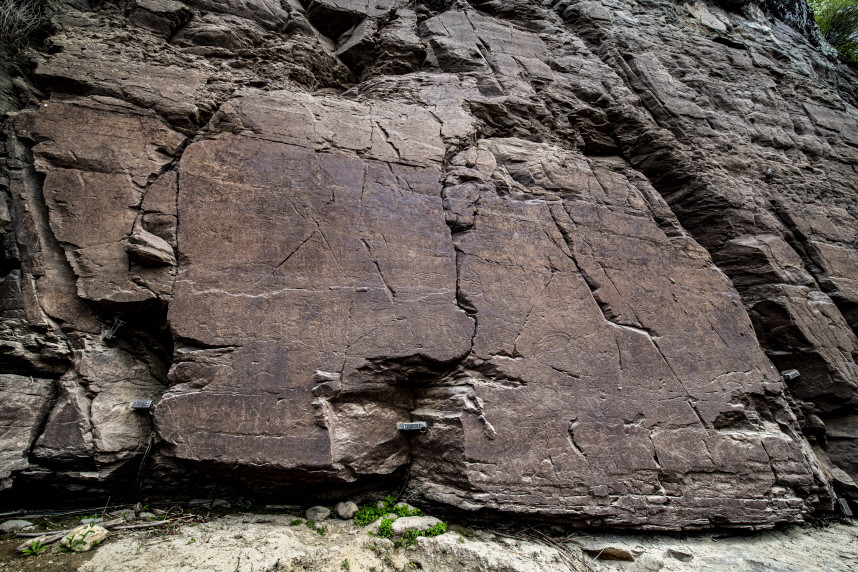 「반구천의 암각화」 유네스코 세계유산 등재 2025-07-15 2025-07-14 「반구천의 암각화(Petroglyphs along the Bangucheon Stream)」가 유네스코 세계유산에 등재되었다. 지난 7월 6일부터 프랑스 파리에서 개최되고 있는 제47차 세계유산위원회(7.6.~7.16.)는 현지 시간으로 7월 12일 오전 「반구천의 암각화」를 세계유산 목록에 등재하기로 최종 결정했다.「반구천의 암각화」는 2010년 세계유산 잠정목록에 등재된 이후 15년 만에 결실을 맺었고, 이로써 대한민국은 총 17건의 유네스코 세계유산(문화유산 15건, 자연유산 2건)을 보유하게 되었다. URL: https://www.khs.go.kr/cop/bbs/selectBoardArticle.do?nttId=91280&bbsId=BBSMSTR_1002&pageIndex=1&pageUnit=10&searchCnd=&searchWrd=&ctgryLrcls=&ctgryMdcls=&ctgrySmcls=&ntcStartDt=&ntcEndDt=&searchUseYn=&mn=NS_01_03
 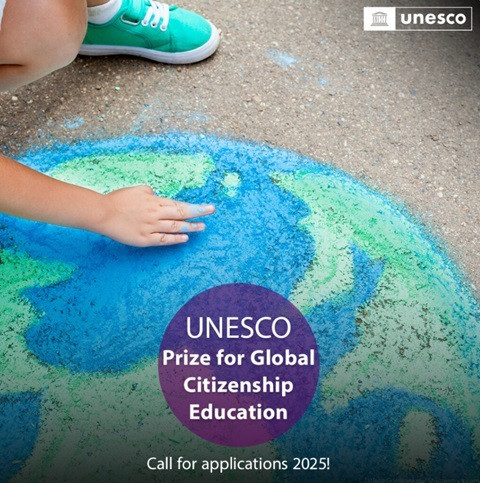 제1회 유네스코 세계시민교육상 공모 안내 2025-07-10 유네스코와 대한민국 정부가 공동으로 제정한 ‘유네스코 세계시민교육상(UNESCO Prize forGlobal Citizenship Education)’이 2025년 첫 수상자를 모집합니다. 이 상은 전 세계에서세계시민교육(Global Citizenship Education, GCED)을 통해 평화롭고 정의로운 사회 실현에기여하는 우수 프로젝트를 발굴·시상하고자 마련되었습니다. 전 세계 시민 교육의 선도적사례를 널리 알릴 기회에 여러분의 많은 참여를 기다립니다. 공모 개요 공모 기간 : 2025년 9월 1일까지 수상자 수 : 2개 부문별 각 1개 청년 주도 조직(Youth-led organizations) : 만 18~30세 청년이 이끄는 단체 기타(Other) : 개인, 기관, NGO 등 시상금 : 각 50,000 USD 시상식 : 2025년 말 예정 지원 자격 세계시민교육(GCED) 분야 프로젝트로 최소 1년 이상 구체적 활동 실적 보유 유네스코 본부의 재정지원 또는 직접 관여를 받지 않은 프로젝트 대한민국 내 신청자는 유네스코한국위원회를 통해 신청 가능(최대 3개 후보 추천 가능) 주요 심사 기준 인권, 포용, 평등, 지속가능성 등 GCED 가치 반영 여부 지역사회 및 이해관계자 협력도 실질적 성과와 변화 교육의 질 향상 및 평생학습 기여 창의적 접근과 지속가능성 확보 계획 신청 일정 2025년 7월 17일(수)까지 유네스코한국위원회 이메일(ap.center@unesco.or.kr)로 사전 신청 의사 전달 2025년 7월 31일(목)까지 유네스코 GCED 상 공식 온라인 플랫폼 등록 및 신청서 작성 2025년 9월 1일(월)까지 유네스코한국위원회가 추천 여부 검토 후, 유네스코 본부에 최종 추천 ※ 공모 세부 안내 및 공식 영문 가이드: https://www.unesco.org/en/prizes/global-citizenship- education?hub=87862 문의유네스코한국위원회 ap.center@unesco.or.kr URL: https://unesco.or.kr/250701_01/
 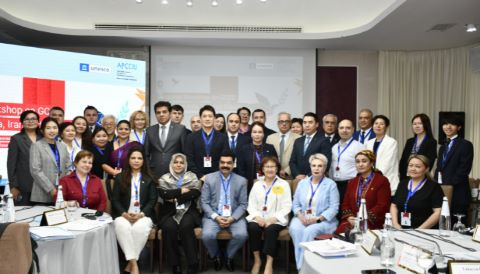 Sub-regional Workshop on GCED in Almaty, Kazakhstan: Connecting UNESCO 2023 Recommendation and the Asia-Pacific Road Map to Central Asia’s Educational Aspirations 2025-05-29 APCEIU hosted a three-day sub-regional workshop from 19 to 21 May in Almaty, Kazakhstan, to promote the implementation of the UNESCO 2023 Recommendation and the Asia-Pacific Regional Road Map. The workshop aimed to build the capacity of participating countries to effectively integrate these frameworks into their national education systems. Co-organized with the UNESCO Almaty Office, the workshop brought together over 30 education officials from seven countries — Iran, Kazakhstan, Kyrgyzstan, Pakistan, Tajikistan, Turkmenistan, and Uzbekistan. Key speakers from UNESCO Category 1 institutes, such as UNESCO MGIEP and UNESCO IITE, also joined, raising expectations for expanded future collaboration.On the first day, participants shared country-specific challenges and opportunities, deepening mutual understanding of current educational contexts. This was followed by sessions that offering an in-depth overview of the UNESCO 2023 Recommendation and Asia-Pacific Road Map, as well as the theoretical foundations of GCED and related pedagogical strategies emphasizing democratic communication. The second day featured presentations of regional case studies aligned with key action areas and themes highlighted in the UNESCO 2023 Recommendation, such as learning environments, teacher education, media and information literacy (MIL), social and emotional learning (SEL), and climate change. These sessions encouraged peer learning and cooperation among countries. Later, participants visited local schools to observe real-life examples, including school management models and student-led initiatives. On the final day, based on the content covered in earlier sessions, participants worked collaboratively to develop and present a draft regional action plan focused on five priority areas: Curriculum and pedagogy, Assessment and evaluation, Learning environments, Development of teachers and education personnel, and Regional collaboration and partnership. The draft action plan, shaped through multiple rounds of group discussions, outlines actionable and contextually relevant strategies. It will undergo further review before being submitted to the respective Ministries of Education. This workshop served as a valuable platform not only to deepen understanding of the UNESCO 2023 Recommendation, the Asia-Pacific Road Map, and GCED, while simultaneously fostering regional education cooperation and networks. In particular, it is significant not only from a regional perspective of Central Asia but also for APCEIU that this workshop laid the groundwork for the implementation and cooperation of GCED in Central Asia—a region that has had relatively limited opportunities for collaboration with APCEIU until now. Moving forward, APCEIU plans to continue providing tailored support and cooperation for Central Asia, Iran, and Pakistan, centered around the action plan developed through this workshop. URL: https://www.unescoapceiu.org/post/5337
 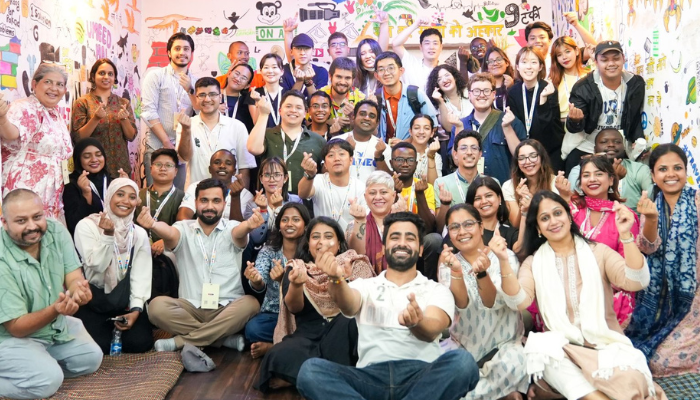 UNESCO Institutes Join Forces to Support Thirty Youth Leaders from ODA Countries to Tackle Global Challenges 2025-05-15 NEW DELHI – Over thirty young changemakers from around the world have converged in New Delhi this week for the 11th Youth Leadership Workshop on Global Citizenship Education (GCED). A four-day Youth Leaders Workshop (YLW) brought together promising young leaders to explore the intersection of Global Citizenship Education (GCED) and Social-Emotional Learning (SEL). Hosted by UNESCO's Asia-Pacific Centre of Education for International Understanding (APCEIU) and the Mahatma Gandhi Institute of Education for Peace and Sustainable Development (MGIEP), this comprehensive programme ran from April 14-17, 2025, in India.Since 2015, the Workshop has engaged over 400 young leaders worldwide, fostering a community of changemakers. This year’s workshop will bring together 40 youth leaders to explore how SEL and GCED can inspire collective action for peace and sustainability. Through discussions, activities, and networking, participants will deepen their understanding of how SEL and GCED address global challenges and promote peace. This journey of empowerment invites youth to raise their voices as peacebuilders, creating a ripple effect of positive change in their communities and beyond. View event album "Social-emotional learning provides young people with the foundational skills needed to become effective global citizens. This workshop offers a crucial platform for youth to develop both the emotional intelligence and global perspective required to address our world's most pressing challenges," said Prof Obijiofor Aginam, Director, UNESCO MGIEP. Throughout the workshop, regular reflection periods allowed participants to process their learning experiences, while carefully designed breaks, including a guided forest walk, offered opportunities for informal connections. Feedback sessions concluded each day, ensuring continuous improvement of the program. This holistic approach to youth leadership development blended theoretical understanding with practical skills, combining UNESCO's expertise in global citizenship education with cutting-edge social-emotional learning techniques. By bringing together these complementary frameworks, the workshop equipped youth leaders with the tools needed to navigate personal challenges while fostering positive change in their communities and beyond."From rising temperatures and escalating conflicts to growing inequality and a deepening mental health crisis, we need the energy and innovative solutions of young people more than ever. Empowering youth with the tools to navigate both personal and global challenges is essential to achieving the SDGs. This workshop represents the kind of empowering approach to education we need for peaceful, inclusive societies," said Shombi Sharp, UN Resident Coordinator in India. URL: https://mgiep.unesco.org/article/unesco-institutes-join-forces-to-support-thirty-youth-leaders-from-oda-countries-to-tackle-global-challenges
 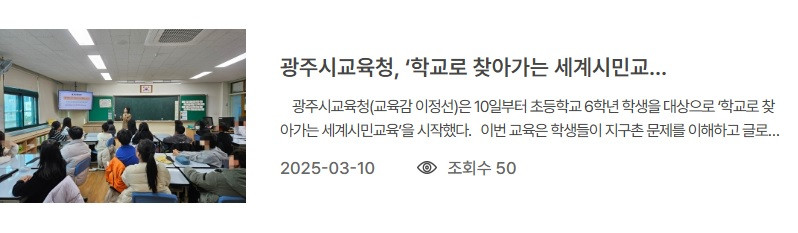 광주시교육청, ‘학교로 찾아가는 세계시민교육’ 운영 2025-03-12 광주시교육청(교육감 이정선)은 10일부터 초등학교 6학년 학생을 대상으로 ‘학교로 찾아가는 세계시민교육’을 시작했다.이번 교육은 학생들이 지구촌 문제를 이해하고 글로벌 시민으로 책임감을 키울 수 있도록 지원하고자 마련됐다.오는 7월 10일까지 실시되는 교육에는 초등학교 6학년 77개 학급 학생 1천690명이 참여한다. 특히 세계시민교육 전문 강사진이 학교를 방문해 ‘지구촌 문제 해결을 위한 이해와 참여’, ‘문화 다양성 존중 및 글로벌 소통 역량 강화’ 등 2개 주제로 학급별 맞춤형 강의를 진행한다.학생들은 뉴스 영상, 사진, 스토리텔링을 통해 기후 변화, 빈곤, 인권문제 사례를 학습하고, 다른 학생들과 모둠활동을 하며 해결 방안을 찾는다. 또 세계 각국의 음식, 의상, 축제, 인사법 등을 체험하며 문화적 차이에 대해 배운다.시교육청은 스토리텔링, 역할극, 프로젝트 기반 학습(PBL) 등 다양한 교수법을 적용해 학생들이 적극 참여하도록 할 계획이다.세계시민교육에 참여한 한 학생은 “기후변화와 빈곤 문제 등 지구촌 문제에 대해 깊이 고민하는 시간이었다”며 “환경 보호와 인권 존중을 위해 나부터 작은 실천을 해야겠다고 느꼈다”고 소감을 밝혔다.이정선 교육감은 “이번 교육은 학생들이 세계화시대에 발맞춰 국제문제를 올바르게 이해하고, 긍정적인 방향으로 풀어가는 지혜를 가질 수 있도록 지원하고자 마련했다”며 “학생들이 성숙한 세계민주시민으로 성장할 수 있도록 다양한 프로그램을 운영하겠다”고 말했다. URL: https://enews.gen.go.kr/v5/?sid=25&wbb=md:view;uid:48453;
  Capacity-building Traning Workshops on GCED for the 11th Batch of National GCED Lead Teachers 2025-03-04 The Ministry of Education of the Republic of Korea and APCEIU conducted the first capacity-building training for 65 GCED Lead Teachers, selected from 17 provincial and metropolitan education offices. This training took place from January 21 to 23 in a face-to-face format and included remote training on February 21. It aimed to lay the foundation for GCED, broaden perspectives on various issues through special lectures, and provide opportunities for sharing classroom practices and developing future activity plans as GCED Lead Teachers. The first day of the face-to-face training began with an orientation session for participants to get to know each other, followed by a lecture on GCED. Mr. Jaehong Kim, Head of Education and Training, shared the theoretical background and practical cases of GCED, emphasizing the discomfort that can arise during the process of expanding one’s identity as a global citizen and how to internalize these experiences. In the afternoon lecture, Dr. Seung-mi Lee from the Korea Institute for Curriculum and Evaluation introduced the common ground between the 2022 revised curriculum and GCED, sharing ways to incorporate GCED into the current curriculum. This provided an opportunity to reflect on the position of GCED within the national curriculum and its future direction. Subsequently, there were lectures on key issues related to GCED and sharing of classroom cases. Professor Hyo-je Cho of SungKongHoe University, who has conducted in-depth research on the relationship between “climate crisis and human rights”, emphasized the importance of fostering a sense of responsibility and solidarity as global citizens in the context of global crises. He encouraged reflection on the mindset needed to coexist with climate refugees and the importance of proactive education in addressing climate issues. Additionally, a lecture on “AI Literacy and Citizenship” provided insights into the demands of global citizenship in the age of artificial intelligence and explored the current state of education using AI. This was followed by a time for exploring various themes and methodologies of transformative education through the sharing of diverse teaching and learning practices by former GCED Lead Teachers. A workshop was also conducted to introduce and apply teaching materials that can be effectively utilized for GCED. The “Becoming a Global Citizen in the Classroom” workshop helped teachers come closer to lessons focused on Sustainable Development Goals. In particular, “Becoming a Global Citizen through Geographical Imagination,” the recently published resource by APCEIU at the end of last year, was introduced to cover interconnected global issues from a geographical perspective. Through these processes, the participants established directions for activities in their respective provinces throughout the year and subsequently collaborated with their affiliated education offices to develop more specific plans. During the follow-up remote training, the GCED Lead Teachers shared drafts of their operational plans, seeking additional activities and collaboration between provinces. Additionally, through a special lecture by Young-mi Kim, a specialized PD in reporting on international conflicts, participants reflected on the significance of GCED informed by insights gained from experiences in war and disaster contexts, recognizing the necessity of media literacy for global citizens. Having completed the first training, the GCED Lead Teachers will receive certificates of appointment from the Ministry of Education and collaborate with their affiliated education offices and local lead teachers to carry out various activities aimed at promoting GCED throughout the year. The activities from each province will be presented at the second capacity-building training scheduled for July, as well as during the year-end review meeting. Since 2015, APCEIU has trained over 60 GCED Lead Teachers annually through the capacity-building programme, and as of 2025, more than 620 National Lead Teachers and approximately 6,000 Provincial Lead Teachers continue to engage in GCED activities tailored to local contexts. URL: https://www.unescoapceiu.org/post/5294