
News
Catch up on what’s happening in the world of global citizenship education.
248 results found
 UN’s ‘Responsibility to Deliver’ Will Not Waver, after US Announces Wthdrawal from Dozens of International Organizations 2026-01-13 By Vibhu Mishra8 January 2026 ❙ UN AffairsSecretary-General António Guterres has expressed regret over the decision by the United States to withdraw from a number of UN entities, while underscoring that the system will continue to deliver on all its mandates.“As we have consistently underscored, assessed contributions to the United Nations regular budget and peacekeeping budget, as approved by the General Assembly, are a legal obligation under the UN Charter for all Member States, including the United States,” a statement issued by the UN Spokesperson said on Thursday.Wednesday night’s presidential memorandum directs US executive departments and agencies to take immediate steps to withdraw from dozens of international organizations, conventions and treaties deemed by Washington to be contrary to US interests.According to the US memorandum, the decision affects 31 UN agencies and entities. These include:the UN Population Fund (UNFPA), which supports maternal and child health, and combatting sexual and gender-based violence;the UN Framework Convention on Climate Change (UNFCCC), which fosters global cooperation against climate change;the UN Democracy Fund, which funds and mentors civil society projects for democracy;other offices of the UN Secretariat based in New York and elsewhere, such as those dealing with children in armed conflict and ending sexual violence as a weapon of war.The list also includes four of the five UN regional commissions (Asia-Pacific, Western Asia, Africa, and Latin America and the Caribbean), which are key platforms for multilateral cooperation.For UN entities, “withdrawal means ceasing participation in or funding to those entities to the extent permitted by law,” the memorandum states.The work will continue: GuterresDespite the announcement, the Secretary-General stressed that the work of the Organization would continue.“All United Nations entities will go on with the implementation of their mandates as given by Member States,” the statement said.“The United Nations has a responsibility to deliver for those who depend on us. We will continue to carry out our mandates with determination.”Under the UN Charter, assessed contributions to the Organization’s regular and peacekeeping budgets are approved by the General Assembly and are considered binding obligations for all Member States.For 2026, the General Assembly approved $3.45 billion regular budget – a sharp reduction from previous years – including a 15 per cent reduction in financial resources and a nearly 19 per cent cut in staffing.A blow to climate cooperationResponding specifically to the US decision to withdraw from UNFCCC, its Executive Secretary Simon Stiell said the move marked a step back from global climate cooperation.“The United States was instrumental in creating the UN Framework Convention on Climate Change and the Paris Agreement, because they are both entirely in its national interests,” Mr. Stiell said in a separate statement on Thursday.“While all other nations are stepping forward together, this latest step back from global leadership, climate cooperation and science can only harm the US economy, jobs and living standards, as wildfires, floods, mega-storms and droughts get rapidly worse. It is a colossal own goal which will leave the US less secure and less prosperous.”Mr. Stiell noted that UNFCCC would keep working tirelessly, adding, “the doors remain open for the US to reenter in the future, as it has in the past with the Paris Agreement.”
 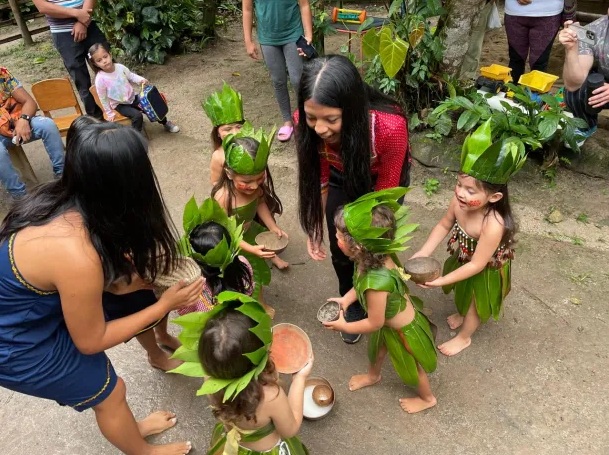 Projects from Ecuador and the United Republic of Tanzania Win First Edition of UNESCO Global Citizenship Education Prize 2025-12-15 Two exceptional projects from Ecuador and the United Republic of Tanzania were recognized in the inaugural edition of the new UNESCO Prize for Global Citizenship Education (GCED), funded by the Republic of Korea.9 December 2025 - Last update:10 December 2025The 2025 edition honoured a school project in the Amazon rainforest in Ecuador that guides children to become empathetic community leaders and forest guardians, and a youth-led non-governmental organization in the United Republic of Tanzania that mobilizes youth nationwide to counter hate speech and promote peace and security.The two laureates were selected out of 150 nominations from 76 countries, submitted by UNESCO Member States or by non-governmental organizations in official partnership with UNESCO. An independent international jury of five experts reviewed the nominated applications. The two initiatives were recognized for their excellence in promoting the values of global citizenship education and addressing some of the interconnected and complex challenges of the twenty-first century by helping learners or community members to collaborate, overcome differences, promote values of understanding and empathy and make a meaningful impact at local, national or regional levels.Awarded every two years, the UNESCO Prize for Global Citizenship Education (GCED), recognizes outstanding efforts in promoting and advancing GCED principles and values by two categories of applicants: 1) youth-led organizations and 2) a general category of applicants, which includes individuals, institutions, non-governmental organizations and other entities.Each laureate received an award of USD 50,000 during a ceremony held at UNESCO Headquarters in Paris on 9 December 2025, also coinciding with the International Day of Commemoration of the Victims of Genocide, Affirmation of their Dignity and Prevention of this Crime. African Leadership Initiatives for Impact (ALII), United Republic of TanzaniaThe African Leadership Initiatives for Impact (ALII), a youth-led NGO in the United Republic of Tanzania, received the UNESCO GCED Prize in the youth category for its Youth4Peace Agenda project. The project places young people at the center to promote social cohesion, peace and security. They are trained, connected and empowered across different groups to become changemakers, and to create unity, social cohesion and promote sustainable development at community level while countering misinformation, hate speech and discrimination.Grounded in local needs and youth priorities, the project promotes key universal values of global citizenship, such as dialogue and understanding, conflict resolution, and cross-cultural collaboration. The organization has reached over 50,000 young people through targeted and mass educational online campaigns, educational outreach through secondary schools, youth peace festivals, and the annual national Forum on Youth, Peace and Security. Through its Youth for Peace Coalition and Agenda, young change- and policy-makers have a platform to co-create and inform the country’s National Action Plan on Youth, Peace and Security. Bosque Escuela Tena, EcuadorBosque Escuela Tena, a school in the Kichwa Tamia Yura community of Tena, in the Amazon forest region of Ecuador, received the 2025 Prize for its Guardians of the forest, builders of the future programme. Founded in 2023, the school guides children from preschool to high school to protect nature and to become guardians of a more just and sustainable future. Amazonian and ancestral wisdom are interwoven with innovation in the school’s multicultural and multilingual spaces, fostering respect for diversity and heritage through creative, hands-on educational activities that nurture global citizenship and empathetic action in learners.Transforming the surrounding forest into a living classroom, the programme addresses today’s challenges, including climate change and community marginalization, by valuing cultural diversity and connecting youth to their heritage, and by developing ecological awareness and personal responsibility. By engaging with elders, artists, and scientists, students are exposed to multiple approaches to learning skills for intercultural dialogue, conflict resolution, leadership and ecological stewardship. Since 2023, the programme has enrolled over 110 children and youth with a vision to reach many more. Other shortlisted candidatesThe international Jury also recognized outstanding efforts in the field by 6 runners-up, three in each category, further highlighting the diversity in GCED approaches and initiatives, and their relevance and impact in all the regions of the world.The runners-up for the category of youth-led organizations were:Cordilleran Youth Center (CYC), Philippines, for their project Youth in Action (Ilocano language: Tignay Agtutubo)Asociación Latinoamericana Ímpetu, Ecuador, for their project Ímpetu Liderando la Educación Sin Fronteras (ILESF)Associação Internacional de Estudantes em Ciências Económicas e Empresariais, Portugal, for their project: Global Volunteer.The runners-up for the general category of individuals, institutions, nongovernmental organizations and other entities are:Mouza Ali Ahmed Alsaadi, Citizenship Education specialist, Ministry of Education, Oman, for the project Digital Citizenship for Empowered LearnersDominique Paola Dakouri, Founder and Director of Centre Esther and Coeur d’Esther, Côte d’Ivoire, for the project To the table... Green futureCool.org, Australia, for their project Equipping Educators –Empowering young people About global citizenship educationThere is an urgent need to address global challenges, such as the resurgence of armed conflicts and community tensions, worsening climate change, rising forms of hatred, polarization, discrimination and racism, and persistent and growing inequities at both local and global levels.The UNESCO Recommendation on Education for Peace, Human Rights and Sustainable Development (2023) provides a framework to address these issues through education.Global Citizenship Education (GCED) is an approach which responds to such challenges by promoting a sense of belonging to a global community and encouraging the active participation of every person to collaborate, bridge inter-group divides and find solutions in solidarity. UNESCO Prize for Global Citizenship EducationLearn more →
 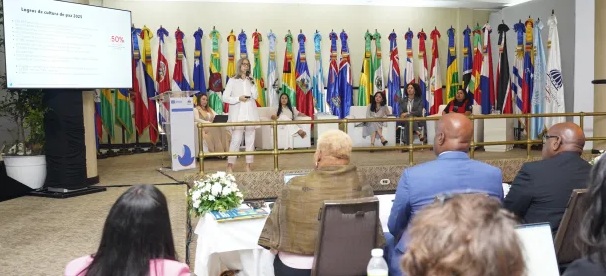 Latin America and the Caribbean Move Toward Education for Peace: Santo Domingo Sets the Stage for a Regional Roadmap 2025-12-15 Delegates from 20 countries shared experiences in transformative education and discussed priority actions within the scope of UNESCO’s Recommendation, laying the foundation for future debates and planning measures at the national level.25 November 2025 - Last update:26 November 2025 How can education become a driving force for more just and peaceful societies? This question guided the Regional Meeting on the Recommendation on Education for Peace, Human Rights and Sustainable Development, organized by UNESCO’s Regional Office in Havana and the Ministry of Education of the Dominican Republic, held in Santo Domingo from November 12 to 14.Over three days, representatives from ministries of education, teachers, researchers, and civil society organizations debated proposals and actions that will serve as a starting point for a roadmap aimed at strengthening educational policies and practices in Latin America and the Caribbean, in line with the Recommendation adopted in 2023 by UNESCO’s 193 Member States. "The regional meeting was a polyphony of ideas, exchanges of experiences, and innovative initiatives for transformative education. Beyond a starting point for a roadmap, what we are creating is a community of practice where UNESCO Member States can support each other in an ongoing conversation"Anne LemaistreDirector of UNESCO’s Regional Office in Havana The vision behind this normative instrument is clear: peace is not limited to the absence of violence but is conceived as an active, multidimensional process that transforms social, political, and economic structures to prevent violence at its roots and create conditions for political, climate, and cultural justice."The Recommendation is a lens through which we view our policies. Once we commit to peace, inclusion, and attention to diversity, we can no longer see the world in any other way"Vannina TrentinDeputy Coordinator for Training at UNESCO’s International Institute for Educational Planning (IIEP) for Latin America and the Caribbean Among the topics discussed was the need for transformative education: curricula integrating environmental education, civic ethics, and the arts; continuous teacher training; safe learning environments; and policies that incorporate human rights and sustainability perspectives at all educational levels."Education cannot remain neutral in the face of today’s challenges; it must be a conscious act of building citizenship and peace" Ancell SchekerVice Minister of Education of the Dominican Republic Regional experiences and consensusTwenty-one Member States shared initiatives showing how education can become a driver of peace: programs against racism and hate speech, school coexistence plans based on a culture of peace, curricula integrating global citizenship and sustainable development, and strategies for the ethical use of technology and artificial intelligence. Innovative proposals such as educational games for teachers and students were also presented.Organizations like the Latin American Campaign for the Right to Education (CLADE) and Education International (EI) reaffirmed education as a human right and a public good. From academia, experiences included Brazil’s Paulo Freire Institute, emphasizing South-South dialogue between Latin America and Africa and the fight against racial discrimination; Chile’s Universidad Católica Silva Henríquez, with studies on youth life projects; and Uruguay’s UNESCO Chair on Social Transformations and Human Condition, working with communities through a culture of peace.Ministries also showcased concrete progress. “We have incorporated programs that strengthen knowledge and promote harmony among students, the community, and nature, aiming for every student to become a social agent and promoter of peace,” said Alexander Colón from the Dominican Republic’s Ministry of Education. From Panama, Jaime Castillo highlighted: “We are transforming the curriculum to integrate peace, sustainable development, and human rights, placing students and families at the center of the education system.”The importance of a territorial approach to building peace from communities was also emphasized, involving local actors and knowledge. Representatives from Learning Cities and Biosphere Reserves agreed these spaces are essential for linking education, culture, and sustainability. The UNESCO Associated Schools Network also demonstrated its potential as a living laboratory of ideas and transformative practices. An indicative roadmap and tools for actionThe meeting concluded with the presentation of the Santo Domingo Roadmap, conceived as a starting point to deepen debate and plan measures at the national level. Indicative actions include creating a community of practice among focal points, horizontal cooperation among Member States, and awareness campaigns on the Recommendation. Strategic lines were also defined in policies and laws, curricula, teacher training, and educational materials."In a world where we face so many challenges every day, it is essential for Member States to work together to implement the 2023 Recommendation. When we act collectively, we achieve more"Sithree van HeydoornMinister of Education, Science, Culture and Sports of CuraçaoTo support implementation, UNESCO presented a Resource Kit with guides and methodologies adapted to different educational levels, including the Implementation Guide for the Recommendation, the Handbook for Preventing Hate Speech, the “Education in Colors” methodology, and innovative materials such as the board game African Diaspora, along with resources on socio-emotional learning and integrating the General History of Africa into education systems. With this indicative roadmap and shared resources, the region now has a foundation to advance toward education systems that integrate peace, human rights, and sustainability. The meeting made clear that this process requires cooperation among Member States, educational communities, and partners—and that the conversation initiated in Santo Domingo will be key to guiding future policies and practices.
 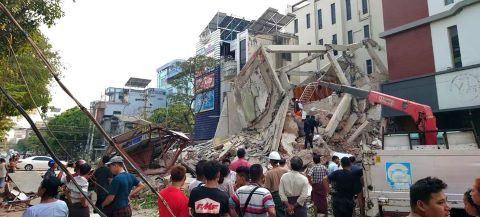 Myanmar earthquake: Search and rescue efforts continue in race against time 2025-03-31 30 March 2025 | Humanitarian Aid The human toll of the earthquake which devastated central Myanmar continues to rise, UN humanitarians warned on Sunday, putting more pressure on nearly 20 million people who were already in need of aid. According to news reports citing Myanmar’s military leader, around 1,700 are confirmed dead from Friday’s 7.7 magnitude quake, with some 3,400 injured and hundreds still missing.In the Thai capital Bangkok which was also rocked by the seismic event, 76 construction workers are reportedly still missing following the collapse of an unfinished skyscraper. The death toll there now stands at 17.The search and rescue effort in Myanmar is focused on the major cities of Mandalay and the capital, Nay Pyi Taw. Some survivors continue to be pulled from the rubble and multiple international aid teams have reached the stricken areas – although the aid effort is being hindered due to damage to airports. Shelter, medicine, water “People urgently need shelter, medical care, water and sanitation support. This disaster puts more pressure on already vulnerable people facing an alarming crisis,” the UN aid coordination office in the region, OCHA, said on X.Burmese civilians are also stuck between forces of the military junta and numerous armed militia battling for control of the country since the February 2021 coup. More than three million have been displaced by the fighting.The National Unity Government which represents the democratically-elected civilian administration overthrown by the coup, called on rebel fighters to observe a two week ceasefire to allow humanitarian aid to reach those in need.But the military regime is reportedly continuing to carry out airstrikes, including in areas close to the epicentre of the earthquake Call for ‘immediate ceasefire’ The Human Rights Council-appointed independent expert who monitors the situation in Myanmar, Tom Andrews, said in a social media post on Sunday that the junta should follow opposition forces and declare an immediate ceasefire.“Military conscription should be suspended; aid workers should not have to fear arrest and there should be no obstructions to aid getting to where it is most needed. Every minute counts,” he added.The UN reproductive health agency, UNFPA, is one of the agencies on the ground urgently working with partners and local communities to assess critical needs and deliver life-saving aid – particularly for women and girls. Women and girls face ‘increased risks’ In an update, UNFPA said early assessments highlight significant damage to health facilities, population displacement and the disruption of essential services, including sexual and reproductive healthcare.“In emergencies like this, women and girls face increased risks, from compromised access to life-saving maternal healthcare to heightened risk of gender-based violence, " said Jaime Nadal Roig, UNFPA Representative for Myanmar.“UNFPA is committed to supporting relief efforts, placing the well-being of women and girls – including pregnant women, mothers, and adolescents – at the heart of our humanitarian response efforts.”UNICEF Myanmar's Ko Sai, said in a post on X from Mandalay, that the quake was “an absolute catastrophe” for children in the region, with many youngsters and families in Mandalay still missing.“We need urgent assistance, especially for the children, who often suffer the most in this kind of situation,” he added. Lifesaving medical supplies The UN World Health Organization, WHO, has rushed nearly three tonnes of medical supplies from its emergency stockpile in Myanmar’s largest city, Yangon, to hospitals in Mandalay and Nay Pyi Daw.The UN World Food Programme (WFP) Country Director in Myanmar, Michael Dunford said in a tweet that the agency carried out its first emergency food distribution in Nay Pyi Taw on Sunday which included high energy biscuits “and we're about to scale up our assistance.”WHO on Sunday issued a 30-day flash appeal for $8 million to deliver trauma care, prevent disease outbreaks and restore essential services that have been decimated by the quake. Click here to donate to the UN emergency appeal for Myanmar © UNICEF / A major road in Nay Pyi Taw shows severe structural damagefollowing the 7.7 magnitude earthquake that struck Myanmar. URL: https://news.un.org/en/story/2025/03/1161716
 ![[ONU Mujeres/Sultan Mahmud Mukut] Activistas se manifiestan en Cox's Bazar, Bangladesh, portando pancartas en protesta por la violencia sexual y de género durante los "16 Días de Activismo contra la Violencia de Género" en noviembre de 2022.](https://s3-ap-northeast-2.amazonaws.com/gced-public/news_image/News250319_UN%27s%20Commitment%20to%20gender%20equality.jpg) Los Estados reafirman su compromiso con la igualdad de género 2025-03-19 11 Marzo 2025 | Mujer Los Estados miembros adoptan una Declaración Política en la que se comprometen a respetar, proteger y promover los derechos, la igualdad y la autonomía de todas las mujeres y niñas. Con motivo de la apertura del 69º período de sesiones de la Comisión de la Condición Jurídica y Social de la Mujer, los Estados miembros adoptaron por consenso este martes una Declaración Política en la que se comprometen a respetar, proteger y promover los derechos, la igualdad y la autonomía de todas las mujeres y niñas.Con motivo de su adopción, la directora ejecutiva de ONU Mujeres declaró que hacer frente a los retos y las oportunidades de la igualdad de género “exige una acción colectiva y decisiva” en todos los Estados Miembros.“En un momento en el que los logros en materia de igualdad de género, conseguidos con tanto esfuerzo, están siendo atacados, la comunidad mundial se ha unido en una muestra de unidad en favor de todas las mujeres y las niñas, en todas partes”, dijo Sima Bahous. Participación en la resolución de conflictos y educaciónLa Declaración Política reafirma los compromisos de la Declaración y Plataforma de Acción de Beijing, adoptada originalmente en 1995 en la Cuarta Conferencia Mundial sobre la Mujer, subrayando la necesidad de defender todos los derechos humanos y libertades fundamentales de todas las mujeres y niñas, sin excepción.Refuerza los compromisos con las mujeres, la paz y la seguridad, haciendo hincapié en la necesidad de integrar las voces y el liderazgo de las mujeres en todas las etapas de la prevención de conflictos, la consolidación de la paz y la resolución de conflictos.Subraya la importancia de erradicar la pobreza en todas sus formas, entre otras cosas garantizando el derecho de las mujeres y las niñas a la educación, especialmente en los campos de las ciencias, la tecnología, la ingeniería y la matemática, y aumentando las inversiones públicas en sistemas de asistencia. Brecha digital y acoso en líneaReconociendo el vasto potencial de la tecnología, subraya la necesidad de cerrar la brecha digital de género y pide una inversión renovada en estadísticas y datos de género para impulsar la formulación de políticas informadas.La Declaración recomienda a los Estados miembros que eliminen todas las formas de violencia contra las mujeres y las niñas, incluidas las formas emergentes como la violencia digital, el acoso en línea y el ciberacoso.Además, reconoce que lograr avances en estos ámbitos requiere recursos y financiación sustanciales. Pide que se refuercen los sistemas nacionales, los mecanismos para la mujer y los mecanismos internacionales, incluida una Comisión de la Condición Jurídica y Social de la Mujer (CSW) revitalizada, para acelerar los esfuerzos en pro de la igualdad de género a escala mundial.Bahous recordó que ninguna nación ha alcanzado aún plenamente la igualdad de género. “Esta audaz Declaración deja claro que los gobiernos del mundo reconocen 2025 como un momento crucial, en el que las promesas hechas hace 30 años ya no pueden aplazarse”, dijo, añadiendo que es un “trampolín” para garantizar que cumplimos los compromisos con la igualdad de género y el empoderamiento de las mujeres para todas las mujeres y niñas, en todas partes”. ONU/Evan Schneider En la Asamblea General de la ONU se celebra una reunióncon el Secretario General de la ONU y la sociedad civil. Guterres: Hay que poner fin al furioso retroceso contra la igualdadPor su parte, el Secretario General de la ONU hizo un llamamiento a la acción a las representantes de la sociedad civil en una reunión que tuvo lugar este martes en el marco de la Comisión de la Condición Jurídica y Social de la Mujer.“El aumento de la misoginia y el furioso retroceso de la igualdad amenazan con frenar y hacer retroceder el progreso”, declaró António Guterres.En el acto, líderes de la sociedad civil expresaron su preocupación por la reducción del espacio cívico, la escasa financiación de los movimientos feministas y el aumento de la violencia de género. Retroceso en derechosAunque reconoció los avances en materia de salud materna y educación, el titular de la ONU advirtió de que los logros conseguidos con tanto esfuerzo están en peligro.Las amenazas a las que se enfrentan las defensoras de los derechos de las mujeres son motivo de gran preocupación. “En todo el mundo, las defensoras de los derechos de las mujeres sufren acoso, amenazas y violencia, e incluso asesinatos”.“Se enfrentan a la reducción del espacio civil y de los fondos. El resultado: la erosión de los derechos y un déficit de rendición de cuentas”, advirtió.Linda Sestock, de la Federación Canadiense de Mujeres Universitarias, preguntó al responsable de la ONU cómo podría integrarse mejor la sociedad civil en las negociaciones de la Comisión.Guterres reconoció el reto, señalando que “el poder nunca se da, hay que tomarlo” e instó a los movimientos feministas a movilizarse. Poder y paridadEl Secretario General hizo hincapié en las desigualdades estructurales que persisten. “Seguimos viviendo en un mundo dominado por los hombres, con una cultura dominada por los hombres”, afirmó.Por su parte, en las intervenciones también se destacaron el predominio masculino en tecnología e ingeniería.“El claro predominio masculino en áreas como las tecnologías, la ingeniería y las matemáticas (...) puede verse en que muchos de los algoritmos producidos por la industria tecnológica están sesgados en contra de las mujeres”, dijo Guterres.Para estar informado de la actualidad internacional, subscríbete a nuestro boletín URL: https://news.un.org/es/story/2025/03/1537166
Los Estados reafirman su compromiso con la igualdad de género 2025-03-19 11 Marzo 2025 | Mujer Los Estados miembros adoptan una Declaración Política en la que se comprometen a respetar, proteger y promover los derechos, la igualdad y la autonomía de todas las mujeres y niñas. Con motivo de la apertura del 69º período de sesiones de la Comisión de la Condición Jurídica y Social de la Mujer, los Estados miembros adoptaron por consenso este martes una Declaración Política en la que se comprometen a respetar, proteger y promover los derechos, la igualdad y la autonomía de todas las mujeres y niñas.Con motivo de su adopción, la directora ejecutiva de ONU Mujeres declaró que hacer frente a los retos y las oportunidades de la igualdad de género “exige una acción colectiva y decisiva” en todos los Estados Miembros.“En un momento en el que los logros en materia de igualdad de género, conseguidos con tanto esfuerzo, están siendo atacados, la comunidad mundial se ha unido en una muestra de unidad en favor de todas las mujeres y las niñas, en todas partes”, dijo Sima Bahous. Participación en la resolución de conflictos y educaciónLa Declaración Política reafirma los compromisos de la Declaración y Plataforma de Acción de Beijing, adoptada originalmente en 1995 en la Cuarta Conferencia Mundial sobre la Mujer, subrayando la necesidad de defender todos los derechos humanos y libertades fundamentales de todas las mujeres y niñas, sin excepción.Refuerza los compromisos con las mujeres, la paz y la seguridad, haciendo hincapié en la necesidad de integrar las voces y el liderazgo de las mujeres en todas las etapas de la prevención de conflictos, la consolidación de la paz y la resolución de conflictos.Subraya la importancia de erradicar la pobreza en todas sus formas, entre otras cosas garantizando el derecho de las mujeres y las niñas a la educación, especialmente en los campos de las ciencias, la tecnología, la ingeniería y la matemática, y aumentando las inversiones públicas en sistemas de asistencia. Brecha digital y acoso en líneaReconociendo el vasto potencial de la tecnología, subraya la necesidad de cerrar la brecha digital de género y pide una inversión renovada en estadísticas y datos de género para impulsar la formulación de políticas informadas.La Declaración recomienda a los Estados miembros que eliminen todas las formas de violencia contra las mujeres y las niñas, incluidas las formas emergentes como la violencia digital, el acoso en línea y el ciberacoso.Además, reconoce que lograr avances en estos ámbitos requiere recursos y financiación sustanciales. Pide que se refuercen los sistemas nacionales, los mecanismos para la mujer y los mecanismos internacionales, incluida una Comisión de la Condición Jurídica y Social de la Mujer (CSW) revitalizada, para acelerar los esfuerzos en pro de la igualdad de género a escala mundial.Bahous recordó que ninguna nación ha alcanzado aún plenamente la igualdad de género. “Esta audaz Declaración deja claro que los gobiernos del mundo reconocen 2025 como un momento crucial, en el que las promesas hechas hace 30 años ya no pueden aplazarse”, dijo, añadiendo que es un “trampolín” para garantizar que cumplimos los compromisos con la igualdad de género y el empoderamiento de las mujeres para todas las mujeres y niñas, en todas partes”. ONU/Evan Schneider En la Asamblea General de la ONU se celebra una reunióncon el Secretario General de la ONU y la sociedad civil. Guterres: Hay que poner fin al furioso retroceso contra la igualdadPor su parte, el Secretario General de la ONU hizo un llamamiento a la acción a las representantes de la sociedad civil en una reunión que tuvo lugar este martes en el marco de la Comisión de la Condición Jurídica y Social de la Mujer.“El aumento de la misoginia y el furioso retroceso de la igualdad amenazan con frenar y hacer retroceder el progreso”, declaró António Guterres.En el acto, líderes de la sociedad civil expresaron su preocupación por la reducción del espacio cívico, la escasa financiación de los movimientos feministas y el aumento de la violencia de género. Retroceso en derechosAunque reconoció los avances en materia de salud materna y educación, el titular de la ONU advirtió de que los logros conseguidos con tanto esfuerzo están en peligro.Las amenazas a las que se enfrentan las defensoras de los derechos de las mujeres son motivo de gran preocupación. “En todo el mundo, las defensoras de los derechos de las mujeres sufren acoso, amenazas y violencia, e incluso asesinatos”.“Se enfrentan a la reducción del espacio civil y de los fondos. El resultado: la erosión de los derechos y un déficit de rendición de cuentas”, advirtió.Linda Sestock, de la Federación Canadiense de Mujeres Universitarias, preguntó al responsable de la ONU cómo podría integrarse mejor la sociedad civil en las negociaciones de la Comisión.Guterres reconoció el reto, señalando que “el poder nunca se da, hay que tomarlo” e instó a los movimientos feministas a movilizarse. Poder y paridadEl Secretario General hizo hincapié en las desigualdades estructurales que persisten. “Seguimos viviendo en un mundo dominado por los hombres, con una cultura dominada por los hombres”, afirmó.Por su parte, en las intervenciones también se destacaron el predominio masculino en tecnología e ingeniería.“El claro predominio masculino en áreas como las tecnologías, la ingeniería y las matemáticas (...) puede verse en que muchos de los algoritmos producidos por la industria tecnológica están sesgados en contra de las mujeres”, dijo Guterres.Para estar informado de la actualidad internacional, subscríbete a nuestro boletín URL: https://news.un.org/es/story/2025/03/1537166 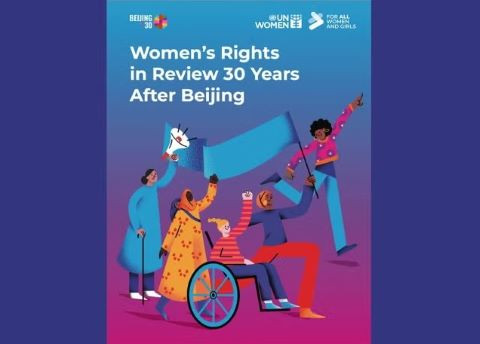 One in Four Countries Report Backlash on Women’s Rights in 2024 2025-03-11 On International Women’s Day, UN Women calls on everyone to stand up for Rights, Empowerment and Equality for ALL Women and Girls 6 March 2025 Women’s and girls’ rights are facing unprecedented growing threats worldwide, from higher levels of discrimination to weaker legal protections, and less funding for programmes and institutions that support and protect women.UN Women’s latest report “Women's Rights in Review 30 Years After Beijing”, published ahead of the UN 50th International Women’s Day on 8 March, shows that in 2024 nearly a quarter of governments worldwide reported a backlash on women’s rights. Despite important progress, only 87 countries have ever been led by a woman, and a woman or girl is killed every 10 minutes by a partner or member of her own family. Digital technology and artificial intelligence spread harmful stereotypes, while the digital gender gap limits women’s opportunities. In the past decade, the world registered a disturbing 50 percent increase in the number of women and girls living in conflict, and women’s rights defenders confront daily harassment, personal attacks and even death. Recent global crises—like COVID-19, the climate emergency, soaring food and fuel prices—are only increasing the urgency to respond. “When women and girls can rise, we all thrive. Yet, globally, women’s human rights are under attack. Instead of mainstreaming equal rights, we’re seeing the mainstreaming of misogyny. Together, we must stand firm in making human rights, equality and empowerment a reality for all women and girls, for everyone, everywhere,” said António Guterres, UN Secretary-General. “UN Women is committed to ensuring that ALL Women and Girls, everywhere, can fully enjoy their rights and freedoms,” affirmed UN Women Executive Director Sima Bahous. “Complex challenges stand in the way of gender equality and women’s empowerment, but we remain steadfast, pushing forward with ambition and resolve. Women and girls are demanding change—and they deserve nothing less.” 2025 marks 30 years of progress since the Beijing Declaration and Platform for Action, the most visionary roadmap on women’s rights. The “Women's Rights in Review 30 Years After Beijing” report, which draws on feedback provided by 159 Governments to the United Nations Secretary-General, shows progress that must be acknowledged - since 1995, parity has been achieved in girls’ education and maternal mortality has dropped by a third. Women’s representation in parliaments more than doubled, and countries continue to remove discriminatory laws, with 1,531 legal reforms between 1995 and 2024 in 189 countries and territories. It demonstrates that when women’s rights are fully upheld in their countries, families, communities, and economies flourish. Yet, significant efforts are still required to achieve gender equality and bring us closer to the 2030 Agenda for Sustainable Development. That’s why today’s report also features the new Beijing+30 Action Agenda, a courageous roadmap to complete our unfinished business by focusing on: A digital revolution for all women and girls: We must ensure equal access to technology, equip women and girls to lead in AI and digital innovation, and guarantee their online safety and privacy. Freedom from poverty: Investments in comprehensive social protection, universal health coverage, education, and robust care services are needed for women and girls to thrive and can create millions of green and decent jobs. Zero violence: Countries must adopt and implement legislation to end violence against women and girls, in all its forms, with well-resourced plans that include support for community-based organizations on the front lines of response and prevention. Full and equal decision-making power: Temporary special measures like gender quotas have proven their effectiveness in rapidly increasing women’s participation. Peace and security: Fully finance national plans on women, peace and security and gender-responsive humanitarian aid are essential. Frontline women’s organizations, so often the first responders to crisis, must receive dedicated, sustained funding to build lasting peace. Climate justice: We must prioritize women’s and girls’ rights in climate adaptation, center their leadership and knowledge, and ensure they benefit from new green jobs. Across these six Actions, putting young women and girls at the heart of our efforts is the best way to guarantee success, both today and tomorrow. These six plus one actions have the potential to unleash progress on women’s rights and put us back on track for 2030. The Beijing+30 commemoration and the forthcoming UN Commission on the Status of Women (CSW69) are clear opportunities to enshrine this Action Agenda into national policies, regional strategies, and global agreements. In a pivotal year for women and girls, that is also a year of pushback and crises like no other, let us push women’s rights forward to create a world where all women and girls enjoy equal rights and equal opportunities. We can be the first generation that can live in an equal world. Read UN Women’s full report.
 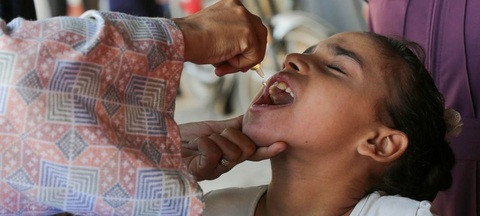 UN Regrets US Exit from Global Cooperation on Health, Climate Change Agreement 2025-02-10 21 January 2025 - Humanitarian Aid UN agencies responded on Tuesday to President Trump’s executive orders ending US membership of the World Health Organization (WHO) and its adherence to the Paris Climate Agreement, highlighting the massive potential negative impact on public health and efforts to curb global warming.“The WHO regrets the announcement that the United States of America intends to withdraw from the Organization…We hope the United States will reconsider,” said WHO spokesperson Tarik Jasarevic, hours after the new President signed an executive order at the White House, bringing US involvement in the UN agency to an end in 12 months. The US joined WHO in 1948 after a joint resolution was passed by both chambers of Congress. The resolution requires the country to provide one year’s notice to leave the organization. President Trump took steps to withdraw from the WHO in 2020 during his first term – but the move was reversed by the Biden administration. Responding to journalists’ questions in Geneva, Mr. Jasarevic insisted that WHO “plays a crucial role in protecting the health and security of the world’s people, including Americans, by addressing the root causes of disease, building stronger health systems, and detecting, preventing and responding to health emergencies, including disease outbreaks, often in dangerous places where others cannot go.” Asked about the impact of the US withdrawal, Mr. Jasarevic pointed out that he saw the executive order “this morning like everyone else” and that further analysis will be needed. He confirmed that the US was WHO’s largest single donor, accounting for 18 per cent of the agency’s budget in 2023. Also in Geneva, UN humanitarian affairs office (OCHA) spokesperson Jens Laerke highlighted the UN health agency’s importance, saying that “the world lives longer, healthier, perhaps a little bit happier because of WHO”. “WHO is in places where others cannot go,” Mr. Laerke said, including Gaza, Yemen, Afghanistan and Sudan. “It is an indispensable part of the international humanitarian system,” he insisted. Climate shock From the UN World Meteorological Organization (WMO), spokesperson Clare Nullis reacted to President Trump’s vow to quit the universally adopted 2015 Paris Agreement - marking an immediate return to the policies of his first presidential term, which ended in January 2021. The need for all countries to respect the accord was “pretty obvious”, she said, given that 2024 “was the hottest year on record”, at about 1.55°C above the pre-industrial era. “It is the defining challenge of our time,” she insisted. In the wake of the recent devastating and deadly massive wildfires that ripped through Los Angeles, the WMO spokesperson also noted that the US had suffered the bulk of global economic losses from weather, climate and water-related hazards. “It has sustained 403 weather and climate disasters since 1980 where overall damages/costs reached or exceeded $1 billion. The total cost of these 403 events exceeds $2.915 trillion, according to US figures,” Ms. Nullis said. Her comments echoed those of the UN Spokesperson’s Office late on Monday which responded to journalists’ questions insisting that “the transformation envisaged in the Paris Agreement is already underway”, with a renewable “energy revolution” offering opportunities for jobs and prosperity. “The Secretary-General remains confident that cities, states and businesses within the United States - along with other countries - will continue to demonstrate vision and leadership by working for the low-carbon, resilient economic growth that will create quality jobs and markets for 21st century prosperity," the statement continued. “It is crucial that the United States remains a leader on environmental issues,” it concluded. URL: https://news.un.org/en/story/2025/01/1159211
 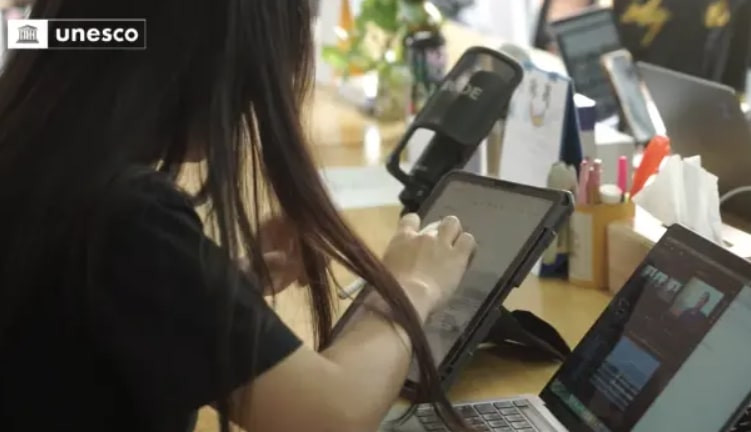 Climate Change in News Media, South-East Asia 2024-10-30 Last update: 30 September 2024 South-East Asia is among the regions most vulnerable to the effects of climate change, where rising sea levels and intensifying natural hazards affect millions of people in densely populated areas and coastal zones. As the extreme weather events increasingly impact livelihoods and cause displacement in the region, information for making decisions on climate change mitigation and adaptation is becoming all the more important. UNESCO implemented the “Climate Change in News Media” training project for news organizations in Indonesia, Malaysia, the Philippines, Thailand and Timor-Leste. The programme, which ran from March to September 2023, reinforced the climate change and environmental reporting by broadcast and online media outlets by strengthening the use of key online sources, fact-checking, data visualization, satellite imagery, cartographic regression and the like. "We use data from open sources, which allows us to create stories about environmental issues. We also use artificial intelligence and the latest technologies to help make these environmental stories resonate with the young audience."Participating media from Malaysia Enhancing Climate Change and Environmental Reporting in South-East AsiaDiscover In 2024-2025, UNESCO continues its efforts through targeted programmes in the region, including in Cambodia and Timor-Leste, to strengthen media capacity for climate reporting and disaster management. URL: https://www.unesco.org/en/climate-change/news-media/south-east-asia
 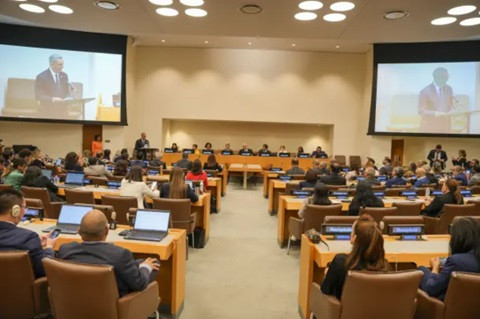 Latin American and Caribbean governments and international cooperation urge more investment in education 2024-10-07 Dominican Republic, Chile and multilateral organizations highlighted education as a catalytic investment for the region's sustainable future On the sidelines of the 79th session of the United Nations General Assembly and the Summit of the Future, the governments of the Dominican Republic and Chile, together with multilateral organizations, made an urgent call to increase financing for education in Latin America and the Caribbean. The call to action, supported by UNICEF, UNESCO, ECLAC, the Inter-American Development Bank (IDB), the World Bank, the Development Bank of Latin America and the Caribbean (CAF), the Organization of Ibero-American States (OEI), the Latin American Campaign for the Right to Education (CLADE), and the Varkey Foundation, calls on countries to invest now to achieve Sustainable Development Goal 4, which seeks to ensure inclusive, equitable and quality education. “Education is the driver of development and the key to transforming our societies; therefore, in the Dominican Republic we are determined to make schools the centre of development and public policies, where the future of our nation is forged,” said Luis Rodolfo Abinader Corona, President of the Dominican Republic. “We invite all sectors of society to join this effort. It is a commitment we must make together to ensure that education is, essentially, the pillar of equitable and sustainable development in our region.” Nicolás Cataldo, Minister of Education of Chile, said, “As co-chairs of the SDG 4 High-Level Steering Committee, we believe that it is essential to participate in and promote initiatives like these to amplify decisions taken at the global and regional levels related to education. Reflecting on the enabling conditions for educational processes, and above all, sustainable financing, is crucial to move from commitment to action and ultimately to achieve the SDG 4 targets.” In Latin America and the Caribbean, 75 per cent of students in the region do not achieve basic skills in mathematics and 50 per cent in reading. The limited realization of the right to education in the region has deepened in recent years due to prolonged crises, the impact of multiple emergencies, including the COVID-19 pandemic, and persistent inequalities. "If you want economic success, if you want jobs, if you want growth, if you want investments, make sure your education system is delivering. There is no other way, right now," said economist Jeffrey Sachs. Although countries have made significant efforts to reach the agreed minimum funding for education, at least 4 per cent of GDP and 15 per cent of total public expenditure, the sustainability of funding remains a challenge and the region is lagging behind. Currently, on average, Organisation for Economic Co-operation and Development (OECD) countries invest about five times more per student than the average for Latin America and the Caribbean. For this reason, the Dominican Republic and Chile, together with the coalition of multilateral organizations, urge all governments in the region, international cooperation, civil society and the private sector to ensure enabling conditions and adequate, sustainable, equitable and efficient financing for education. In particular to: Increase public investment in education, prioritizing the allocation of resources in areas where evidence shows higher returns and for students in situations of greater vulnerability. Enhance sustainable financing strategies for education, increasing the mobilization of resources for education through instruments such as progressive fiscal policies. In addition, complement these efforts with innovative measures such as the Global Partnership for Education (GPE) multiplier fund, debt swaps, blended financing, among others. Increase the share of official development assistance allocated to education, fostering long-term investments in public education systems. Strengthen management and information systems to plan investments and monitor the impact of financing in education, ensuring that it is sufficient, equitable, effective, efficient and transparent. Stefania Giannini, UNESCO Assistant Director-General for Education, during her presentation. Naciones Unidas "Education serves as an engine of inclusion, growth, and sustainable development. Through their Call to Action on Education Finance, Latin American countries have established a bold political and social pact to transform education,” said Stefania Giannini, UNESCO Assistant Director-General for Education. She invited all ministers and stakeholders to join the Call to Action. Regarding this call to the countries, the Director of UNESCO’s Regional Office for Latin America and the Caribbean, Esther Kuisch Laroche, emphasized: "It is crucial that all stakeholders commit to mobilizing national and international resources, reforming their fiscal systems, and prioritising education on their political agendas. Only in this way can we ensure that no boy or girl is left behind, and that Latin America and the Caribbean can become a leading region in fulfilling the Sustainable Development Goals, especially SDG 4. This is our moment to act decisively and with a forward-looking vision, because investing in education is investing in a more just, peaceful, and sustainable world."*** URL: https://www.unesco.org/en/articles/latin-american-and-caribbean-governments-and-international-cooperation-urge-more-investment
 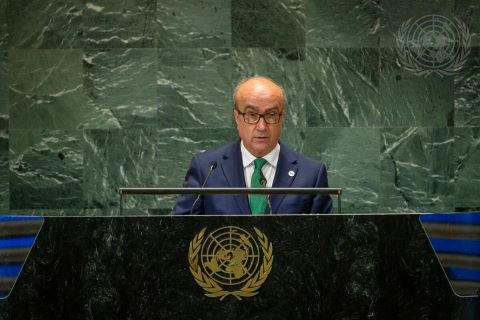 En Nueva York, el Secretario General de la OEI hace un llamado a "pisar el acelerador" de la inversión en educación, cultura y ciencia para promover el desarrollo 2024-10-07 Desde la Cumbre del Futuro que se celebró hoy en Nueva York, Mariano Jabonero señaló los avances de la región en materia educativa, al tiempo que advirtió de la necesidad de incrementar los recursos para reducir las brechas aún existentes. Mariano Jabonero, secretario general de la Organización de Estados Iberoamericanos para la Educación, la Ciencia y la Cultura (OEI), participó esta tarde en la Cumbre del Futuro que se llevó a cabo en la ciudad de Nueva York, en el marco de la 79ª sesión de la Asamblea General de las Naciones Unidas. Durante su intervención, Jabonero hizo un repaso de los logros y los desafíos que aún se presentan en Iberoamérica para la consecución de las metas que componen los Objetivos de Desarrollo Sostenible (ODS) de la Agenda 2030. “América Latina y el Caribe está en camino solo de alcanzar un 22% de las metas de los ODS (Fuente: CEPAL)”, debido en parte a que “los gobiernos dirigen sus esfuerzos a solucionar urgencias derivadas de la coyuntura económica y geopolítica mundial y regional, lo que limita su margen de acción para reforzar las acciones necesarias para cumplir los compromisos de la Agenda 2030”, señaló. En lo que tiene que ver con el ODS4 de educación, el secretario general de la OEI apuntó la convivencia de avances significativos con brechas sociales y educativas que aún persisten en la región y que se acrecientan por causa de nuevas dimensiones como la transformación digital. "Debemos ser más eficientes y eficaces", precisó. La región de América Latina y Caribe, en concreto, “ha alcanzado casi la universalización de la educación primaria, un 97%, y se destaca un progreso significativo en educación secundaria, con una tasa neta de matrícula del 77%, de acuerdo con el Banco Mundial, así como un salto espectacular en la educación superior: en una década, la matrícula de educación superior aumentó en un 32%, según cifras de la OEI. Sin embargo, la calidad, la inclusión y la equidad en la educación son bajas”, aseguró. En este sentido, Jabonero hizo un llamamiento a la necesidad de “pisar el acelerador” e incrementar los recursos financieros destinados a la educación, cultura y ciencia, “clave para forjar un futuro más equitativo y sostenible”. "Hay que movilizar recursos. Comparativamente los países de la OCDE invierten tres veces más que los de la región iberoamericana en educación. En cultura todavía no alcanzamos el 1% del PIB". “Solamente invirtiendo más y mejor lograremos reducir las desigualdades y aprovechar de los beneficios de la cuarta revolución industrial”, apuntó Jabonero, a la vez que instó a la autocrítica de la cooperación multilateral para responder efectivamente a las necesidades y facilitar así un futuro mejor para las personas. Una cumbre para pensar el futuro Bajo el tema “Nuestra agenda común”, la Cumbre del Futuro, realizada en Nueva York con la participación de jefes de Estado y de Gobierno de todo el mundo, tuvo por objetivo forjar un nuevo consenso internacional a fin de mejorar el presente y salvaguardar el futuro del planeta. Para ello, la cumbre ha adoptado tres documentos de alto nivel ratificados por los participantes: el Pacto para el Futuro, la Declaración sobre las generaciones futuras y el Pacto Digital Global. Los documentos presentan estrategias en una amplia gama de temas que incluyen la paz y la seguridad, el desarrollo sostenible, el cambio climático, la cooperación digital, los derechos humanos, el género, la juventud y las generaciones futuras, y la transformación de la gobernanza global. Se trata de la primera vez que la Organización de Estados Iberoamericanos (OEI) tiene turno de palabra en una planaria de las Naciones Unidas como organismo observador, estatus que le fue otorgado por unanimidad de los miembros de su Asamblea General el pasado mes de octubre. URL: https://oei.int/oficinas/secretaria-general/noticias/en-nueva-york-el-secretario-general-de-la-oei-hace-un-llamado-a-pisar-el-acelerador-de-la-inversion-en-educacion-cultura-y-ciencia-para-cumplir-los-ods-2023