
News
Catch up on what’s happening in the world of global citizenship education.
172 results found
 UN’s ‘Responsibility to Deliver’ Will Not Waver, after US Announces Wthdrawal from Dozens of International Organizations 2026-01-13 By Vibhu Mishra8 January 2026 ❙ UN AffairsSecretary-General António Guterres has expressed regret over the decision by the United States to withdraw from a number of UN entities, while underscoring that the system will continue to deliver on all its mandates.“As we have consistently underscored, assessed contributions to the United Nations regular budget and peacekeeping budget, as approved by the General Assembly, are a legal obligation under the UN Charter for all Member States, including the United States,” a statement issued by the UN Spokesperson said on Thursday.Wednesday night’s presidential memorandum directs US executive departments and agencies to take immediate steps to withdraw from dozens of international organizations, conventions and treaties deemed by Washington to be contrary to US interests.According to the US memorandum, the decision affects 31 UN agencies and entities. These include:the UN Population Fund (UNFPA), which supports maternal and child health, and combatting sexual and gender-based violence;the UN Framework Convention on Climate Change (UNFCCC), which fosters global cooperation against climate change;the UN Democracy Fund, which funds and mentors civil society projects for democracy;other offices of the UN Secretariat based in New York and elsewhere, such as those dealing with children in armed conflict and ending sexual violence as a weapon of war.The list also includes four of the five UN regional commissions (Asia-Pacific, Western Asia, Africa, and Latin America and the Caribbean), which are key platforms for multilateral cooperation.For UN entities, “withdrawal means ceasing participation in or funding to those entities to the extent permitted by law,” the memorandum states.The work will continue: GuterresDespite the announcement, the Secretary-General stressed that the work of the Organization would continue.“All United Nations entities will go on with the implementation of their mandates as given by Member States,” the statement said.“The United Nations has a responsibility to deliver for those who depend on us. We will continue to carry out our mandates with determination.”Under the UN Charter, assessed contributions to the Organization’s regular and peacekeeping budgets are approved by the General Assembly and are considered binding obligations for all Member States.For 2026, the General Assembly approved $3.45 billion regular budget – a sharp reduction from previous years – including a 15 per cent reduction in financial resources and a nearly 19 per cent cut in staffing.A blow to climate cooperationResponding specifically to the US decision to withdraw from UNFCCC, its Executive Secretary Simon Stiell said the move marked a step back from global climate cooperation.“The United States was instrumental in creating the UN Framework Convention on Climate Change and the Paris Agreement, because they are both entirely in its national interests,” Mr. Stiell said in a separate statement on Thursday.“While all other nations are stepping forward together, this latest step back from global leadership, climate cooperation and science can only harm the US economy, jobs and living standards, as wildfires, floods, mega-storms and droughts get rapidly worse. It is a colossal own goal which will leave the US less secure and less prosperous.”Mr. Stiell noted that UNFCCC would keep working tirelessly, adding, “the doors remain open for the US to reenter in the future, as it has in the past with the Paris Agreement.”
 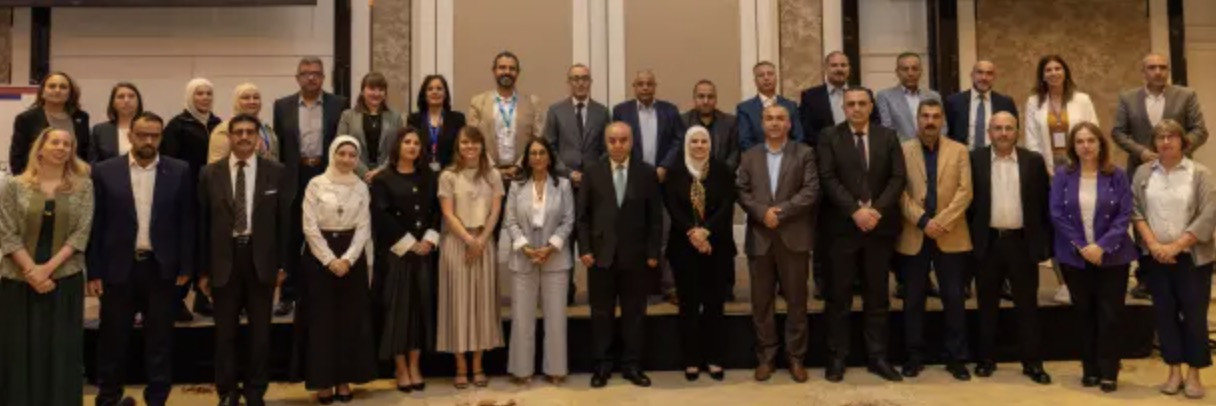 Ministry of Education holds Joint Annual Review Meeting (JARM) with Partners on the Education Strategic Plan 2024-10-16 30 September 2024Under the Patronage of the Minister of Education, H.E. Prof. Azmi Mahafzah, the Ministry of Education (MoE) kicked-off a two-day joint review of the progress made in 2023 for the implementation of its Education Strategic Plan (ESP) with education stakeholders and partners.Ahead of the JARM, the MoE has released its annual ESP report for 2023. The report aims to inform strategic planning for 2024/2025 and serves as the foundation for discussions during the two-day event, outlining progress, challenges and recommendations across all six ESP domains (Early Childhood Education and Development, Access and Equity, System Strengthening, Quality, Human Resources, and Vocational Education). It also addresses education financing, partnership and coordination, and gender.In His Excellency’s opening remarks, the Minister of Education, Dr. Azmi Muhafza, stressed that the ESP is well in line with the vision of His Majesty King Abdullah II bin Al Hussein, and aims at improving educational outcomes, quality, and competitiveness in Jordan to ensure sustainability, development, and modernization of the educational system.The JARM brings together key education stakeholders and partners, including representatives from the Royal Hashemite Court, the Prime Ministry, the Ministry of Education, the Ministry of Planning and International Coordination, education sector partners and stakeholders.MoE staff and education stakeholders are expected to discuss the progress made so far towards the ESP goals and targets, and collaboratively identify actions to achieve the Kingdom’s educational objectives, in line with the Economic Modernization Vision, and ongoing public sector reform. Among those are the need to expand access to KG2 through expansion of current infrastructure, increased focus on inclusion in education, enhanced teacher training, improved learning outcomes through examination reforms, and pursue the ongoing restructuring of TVET for better learning to earning outcomes.The co-chairs of the Education Development Partners Group commended the MoE for its efforts under the ESP, particularly emphasizing the importance of evidence-based planning and policy making, stating that they “remain committed to working alongside the Ministry to achieve shared goals and priorities of the Education Strategic Plan and the Economic Modernization Vision, particularly in strengthening the coordination structure.”The JARM also marked the reaffirmation of joint commitments by the MoE and its partners to the right to education for all, in alignment with Sustainable Development Goal 4, which emphasizes inclusive and equitable quality education and lifelong learning opportunities. The support provided to the MoE for the 2023 ESP annual review is part of ongoing technical assistance from UNESCO, implemented through a Multi-partner Trust Fund supported by Canada, the Italian Agency for Development and Cooperation (AICS), Norway, and Switzerland in support of system strengthening for the education sector. URL: https://www.unesco.org/ar/articles/wzart-altrbyt-waltlym-tqd-ajtma-almrajt-alsnwyt-almshtrkt-m-alshrka-bshan-alkhtt-alastratyjyt-lltlym
  في اليوم الدولي للسلام.. الإيسيسكو تدعو إلى تبني استراتيجيات مبتكرة وتنسيق الجهود لترسيخ ثقافة السلام 2024-10-16 تغتنم منظمة العالم الإسلامي للتربية والعلوم والثقافة (إيسيسكو) مناسبة اليوم الدولي للسلام، الذي يحتفي به العالم سنويا في الحادي والعشرين من سبتمبر، ويأتي هذا العام تحت شعار “زرع ثقافة السلام”، لدعوة المنتظم الدولي إلى بذل جهود أكثر تنسيقا، لتوجيه وترسيخ وتعزيز ثقافة السلام، من أجل مجتمعات أكثر مرونة وازدهارا، في ظل تزايد التحديات التي تواجه السلام والأمن، والأزمات البيئية والاقتصادية والاجتماعية، التي تعصف بعدد من دول العالم وتدعو الإيسيسكو إلى احترام المعايير والمبادئ الإنسانية الواجب اتباعها أثناء الحروب والصراعات، وذلك لتوفير حماية أفضل للفئات الضعيفة، كالأطفال والنساء وكبار السن والأشخاص ذوي الهمم، بالإضافة إلى تقديم كل أوجه الدعم المادي والمعنوي لهذه الفئات وتؤكد الإيسيسكو أنها تعمل على غرس قيم السلام والتسامح والحوار الحضاري، وذلك من خلال مقاربة الإيسيسكو “360 درجة للسلام”، التي تدمج جميع العوامل القائمة على التنمية لنهج شامل لبناء السلام، من خلال تنفيذ برامج متنوعة تعبئ صانعي السياسات والقادة الملهمين والنساء والشباب من المجتمع المدني، تعتمد على نهج متعدد التخصصات يركز على الأبعاد الثقافية والاقتصادية والنفسية والاجتماعية والتعليمية والدينية ودمج الذكاء الاصطناعي والتقنيات الحديثة وسعيا إلى بناء مجتمعات سليمة قادرة على الصمود، تلتزم الإيسيسكو بمواصلة جهودها في مجال السلام والأمن، وتجدد استعدادها للتعاون مع الجميع لعقد شراكات متينة دفاعا عن السلام والاستقرار، عبر التآزر وتنسيق الجهود في هذا الشأن https://icesco.org/ar/2024/09/20/في-اليوم-الدولي-للسلام-الإيسيسكو-تدعو :URL
 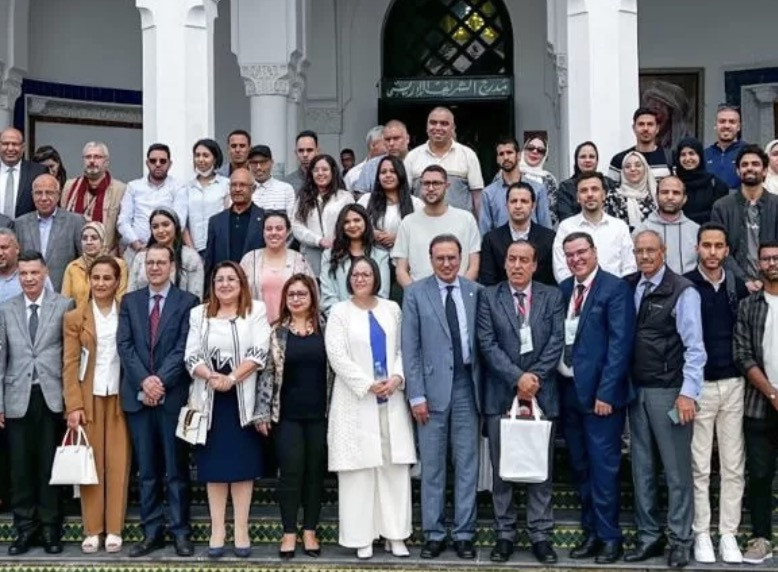 اختتام المؤتمر الدولي حول التعلم من خلال الخدمة والمشاركة المجتمعية 2024-08-13 Dr. Abdelilah Benarafa, Deputy Director General of the Islamic World Educational, Scientific and Cultural Organization (ICESCO), participated on Monday (May 13, 2024) in the Fourth International Symposium on Social Sciences Spring, entitled: “Migration and Values in the Context of Risk and Uncertainty: What Contribution of Social Sciences?”, organized by the Faculty of Arts and Humanities at Mohammed V University in Rabat, Al Akhawayn University, the Council of the Moroccan Community Abroad, and the Ibn Khaldoun Center for Migration and Citizenship Studies, and witnessed a high-level presence of officials, prominent figures and specialized researchers.Dr. Benarafa delivered ICESCO’s speech during the opening session of the symposium, which is held over three days at the Faculty of Arts and Humanities at Mohammed V University in Rabat, where he addressed the phenomenon of migration and its significant role in value changes and enhancing cultural cross-fertilization between different ethnicities, thus contributing to building civilization as a physical embodiment of this cultural and value-based blending and fusion.The Deputy Director General of ICESCO highlighted the “World Day of Mercy” initiative, issued within the recommendations of the International Conference on “Civilizational Values in the Prophet’s Biography” organized by ICESCO, and approved by the Conference of Foreign Ministers of the Member States of the Organization of Islamic Cooperation in March 2022, and then submitted this initiative to the United Nations General Assembly to allocate a World Day of Mercy on April 21 of each year. He also referred to the cooperation and partnership agreement signed by ICESCO and the International Organization for Migration to implement a set of programs, projects and activities in areas related to migrants, and to raise awareness of the contents of international conventions for safe and regular migration in order to achieve the goals of sustainable development. URL:https://icesco.org/ar/2024/05/14/الإيسيسكو-تشارك-في-الندوة-الدولية-لرب/
 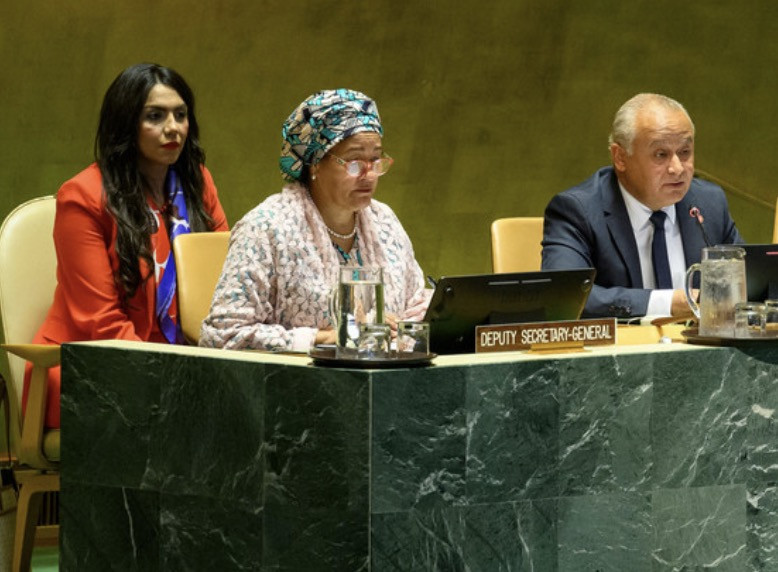 المؤتمر الدولي للأنثربولوجيا الإنسانية 2024 2024-08-13 Mohammed’s remarks came in her speech at the opening session of the 17th Conference of States Parties to the Convention on the Rights of Persons with Disabilities, which kicked off on Tuesday and will continue until June 13. The conference focuses on three main areas: international cooperation to promote and transfer technological innovations for an inclusive future, persons with disabilities in situations of risk and humanitarian emergencies, and promoting their rights to decent work and sustainable livelihoods.The conference’s broad theme is “Rethinking the inclusion of persons with disabilities in the current international context and in preparation for the Summit of the Future.”The Deputy Secretary-General said that persons with disabilities in humanitarian emergencies such as natural disasters and armed conflicts continue to be left behind. She added that 39 per cent of persons with disabilities “face significant difficulty, or are simply unable to evacuate in situations of risk or humanitarian emergencies. This is unacceptable,” noting that this percentage has remained almost unchanged since 2015.She said that persons with disabilities must be included in disaster planning and preparedness, as well as in processes aimed at mitigating the risks and barriers they face.She stressed that "children with disabilities are particularly vulnerable, and face grave risks if they are left behind. As we saw years ago in Sierra Leone, and as we see today in Gaza." Investing in TechnologyOn technology and persons with disabilities, the UN official said that the global need for assistive technology remains largely unmet, as 2.5 billion people worldwide need to use at least one type of assistive technology.She called for a significant increase in investments in assistive technologies that enable persons with disabilities to access education, earn a living and fully participate in their communities.She also pointed out that with regard to decent work, “persons with disabilities faced greater risks of poverty and continued marginalization in their societies,” calling for ensuring their equality and right to decent work and equal opportunities in employment.In concluding her speech, the Deputy Secretary-General recalled “the fierce conflicts affecting our world today, in Sudan, Ukraine and Palestine.”She warned that these conflicts continue to cause unimaginable suffering, especially for women, children and persons with disabilities. She renewed the call for “an immediate humanitarian ceasefire in Palestine.”Courage and determinationThe President of the United Nations General Assembly, Dennis Francis, addressed the gathering via video message at the opening session, noting that there are more than 1.3 billion people with disabilities worldwide, “who are among the most vulnerable, suffering disproportionate levels of poverty, marginalization and discrimination.”But he also noted that there are many positive examples of what people with disabilities are doing, “who continue to inspire us with their courage and determination, and remind us of what can be achieved when they are empowered and supported to reach their full potential.”He stressed that with 190 countries joining the Convention on the Rights of Persons with Disabilities, its near-universal ratification reflects growing global solidarity with and commitment to their rights.Francis called on all governments and stakeholders to mainstream the rights of persons with disabilities, to integrate their views into all policy design and implementation, to work with persons with disabilities to create and deliver solutions in every country and community, and to act urgently to uphold their rights."A unique opportunity"Tunisian Ambassador to the United Nations and President of the 17th Conference of States Parties to the Convention on the Rights of Persons with Disabilities, Tarek Adab, said that there is much that needs to be done, and can be done, to make a difference in the lives of more than 1.3 billion people with disabilities around the world.He stressed that the conference will provide "a unique opportunity for us to collectively reflect on experiences and lessons learned over time, and to identify gaps in the implementation of the Convention and the 2030 Agenda by strengthening efforts to promote the inclusion of persons with disabilities."He pointed out that this year's conference is particularly important given the current international situation, the challenges that exist and are emerging, and before the Future Summit next September. He paid tribute to persons with disabilities, "who continue to amaze and inspire us with their will to live, their challenge to all difficulties, and their achievements and positive energy." Opportunities and risksFor her part, Heba Hagras, Special Rapporteur on the rights of persons with disabilities, stressed that there is much to be done, especially in light of the global challenges of armed conflict, climate change and economic crisis.She added that “the world is changing rapidly on many fronts. This creates opportunities and risks for protecting and exercising the rights of persons with disabilities in line with the Convention on the Rights of Persons with Disabilities, or whether it will lead to regression and exclusion.”She pointed out that the rapid development of new technologies, including artificial intelligence, can be a radical change for the rights of persons with disabilities, “but only if they are included in design and regulations to prevent discriminatory effects.”She stressed that much of her future substantive work that she will focus on will be in the field of transformative and systemic changes, noting that there is a close link between the Convention on the Rights of Persons with Disabilities and the Sustainable Development Goals.She stated that her first report, which she will submit to the United Nations General Assembly later this year, will address the inclusion and participation of persons with disabilities in the Sustainable Development Goals and related discussions.An opportunity for change and breaking barriersKhadija Jellouli, a young woman from Tunisia, spoke about her experience to the audience at the opening session. She is the CEO of Hokar, a startup dedicated to improving people’s lives by providing convenient, accessible and sustainable electric mobility solutions.“Growing up, I faced physical limitations that could have marginalized me. But I refused to accept those limitations. Instead, I turned my unique perspective into an opportunity for change,” said Khadija, who is a person with a disability.She stressed that the message she is sending to the audience “speaks to the essence of our common humanity. And the importance of breaking barriers to inclusion in social life.”She stressed that in order to create a more just and equitable society, startups like Hokar must be supported to be changemakers and advocates for inclusion. “We must not make inclusion a dream, but a reality where no one is left behind,” she added. URL:https://news.un.org/ar/story/2024/06/1131686
 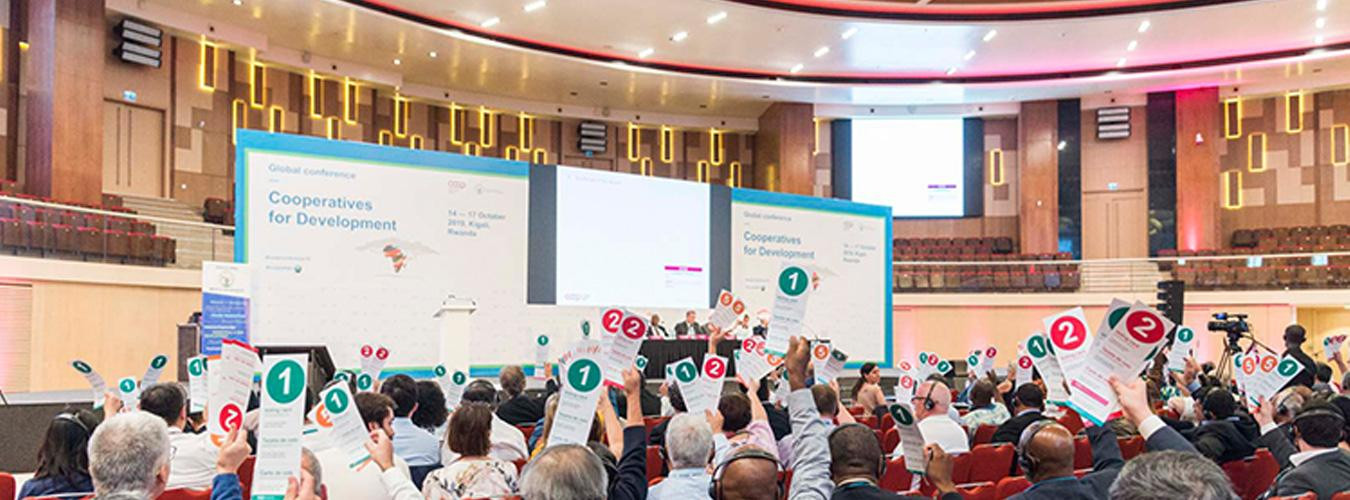 اليوم الدولي للتعاونيات 2024-08-13 Cooperatives Building a Better Future for AllThis year on July 6, cooperatives around the world will celebrate the International Day of Cooperatives with the theme "Cooperatives Building a Better Future for All". Cooperatives will have the opportunity to showcase their current and historical contributions to building a sustainable future, accelerating efforts to implement the Sustainable Development Goals (SDG) by 2030. The theme aligns well with the objectives of the upcoming UN Summit of the Future whose theme is "Multilateral solutions for a better tomorrow".For the 2024 #CoopsDay, cooperatives can showcase their high standards for inclusive and sustainable growth, and service as stewards for protecting the environment and fighting climate change. Through democratic governance and shared ownership, cooperatives set an example for peace and stability, bringing people from diverse backgrounds together on equal terms, and fostering understanding and respect.The 2023 UN Secretary-General Report on Cooperatives in Social Development acknowledged that cooperatives have a track record of promoting the economic and social development of all people including marginalized groups. This day will build the momentum towards the 2025 International Year of Cooperatives, which was declared by the UN last year.The Co-operatives MovementCo-operatives have been acknowledged as associations and enterprises through which citizens can effectively improve their lives while contributing to the economic, social, cultural and political advancement of their community and nation. The co-operative movement has been also recognized as a distinct and major stakeholder in both national and international affairs.Co-operatives' open membership model affords access to wealth creation and poverty elimination. This results from the co-operative principle of members' economic participation: 'Members contribute equitably to, and democratically control, the capital of their co-operative.' Because co-operatives are people-centred, not capital-centred , they do not perpetuate, nor accelerate capital concentration and they distribute wealth in a more fair way.Co-operatives also foster external equality. As they are community-based, they are committed to the sustainable development of their communities - environmentally, socially and economically. This commitment can be seen in their support for community activities, local sourcing of supplies to benefit the local economy, and in decision-making that considers the impact on their communities.Despite their local community focus, co-operatives also aspire to bring the benefits of their economic and social model to all people in the world. Globalization should be governed by a set of values such as those of the co-operative movement; otherwise, it creates more inequality and excesses that render it unsustainable.The cooperative movement is highly democratic, locally autonomous, but internationally integrated, and a form of organization of associations and enterprises whereby citizens themselves rely on self-help and their own responsibility to meet goals that include not only economic, but also social and environmental objectives, such as overcoming poverty, securing productive employment and encouraging social integration. URL: https://www.un.org/en/observances/cooperatives-day
 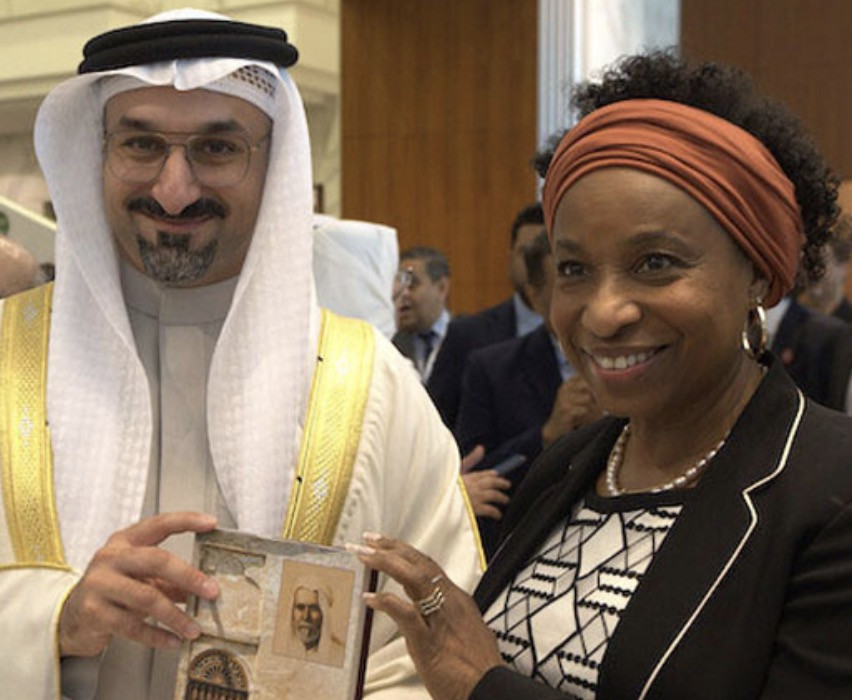 الابتكار يتصدى للتحديات: افتتاح المنتدى العالمي لرواد الأعمال والاستثمار في البحرين 2024-06-07 The Forum* is held under the supervision of the General Secretariat of the Investment and Technology Promotion Office of the United Nations Industrial Development Organization (UNIDO) in the Kingdom of Bahrain.Through a strong coalition of stakeholders driving the agenda, the International Forum paves the way for dialogue and action-oriented initiatives aimed at reshaping the global economic landscape while advancing the Sustainable Development Goals. Critical roleIn an interview with UN News, Ms. Fatou Haidara, Deputy Director-General of UNIDO and Director-General of the Department of Global Partnerships and External Relations, emphasized the pivotal role of the private sector in economic development, especially in the developing world.She stressed that “the private sector has a critical role when it comes to economic development and small, micro, and medium enterprises, especially in the developing world. This demonstrates the importance of the Forum not only for the private sector, but also for all actors, policy makers, academia, investment and financial institutions to come together and consider how "We can accelerate the achievement of the Sustainable Development Goals."Haidara stressed the need for collective action, stressing that "the challenges we face today cannot be addressed by one entity or group. We need a collective effort."By focusing on strengthening partnerships, the Global Entrepreneurship and Investment Forum aims to stimulate international cooperation and unite Arab and African stakeholders to promote investment and entrepreneurship development. Six transitional paths for investmentDuring the opening session of the forum, Rula Dashti, Executive Secretary of the United Nations Economic and Social Commission for Western Asia (ESCWA), explained the forum’s commitment to translating sustainable development goals into tangible results.“Our forum’s theme, Six Transitional Investment Pathways to Achieve the Sustainable Development Goals, challenges us to rethink and reshape our approaches across policy sectors, such as energy and digital connectivity,” she said.Dashti urged stakeholders to benefit from digital transformation and strengthen education systems to combat climate change and create inclusive job opportunities, stressing the urgent need for strategic partnerships to confront pressing global challenges."Architects of the next revolution"Dashti highlighted the pivotal role of young leaders and entrepreneurs in advancing global development. She explained that they are "the architects of the next revolution in global development. Let us be inspired by the collaborative spirit of this forum and remember that our work does not end here."She encouraged participants to harness their ideas to bridge the digital divide, create sustainable environments, and formulate pathways out of poverty. The role of academiaThe Global Entrepreneurship and Investment Forum emphasizes the importance of partnerships across sectors, including academia.Dr. Lydia Taki, Professor at Akinten Abia-Minka University (Ghana), emphasized the importance of the forum’s timing in addressing the employment challenges faced by graduates, and highlighted the university’s investment in entrepreneurship and skills training.She stressed the importance of providing students with entrepreneurship skills, access to smart financing, and networking opportunities, also emphasizing the role of academic institutions in promoting innovation and economic growth.The Global Forum also calls on academic institutions to step up investment in research and development, as such a strategic move could generate new technologies capable of tackling some of the world's most difficult challenges. Tanzanian experienceSokwene University of Agriculture in Tanzania is doing this because it has found ways to empower its students even before they graduate. It established a cooperative association for graduate entrepreneurs, which serves as an incubator for them.In an interview with UN News on the sidelines of the forum, Refukatos Kimariu, Executive Director of the cooperative, said, “We want to commercialize agriculture; we have the students. Now we are providing them with entrepreneurship skills in addition to technology.”Currently, the Sokoin University Graduate Entrepreneurship Cooperative has established a solar-powered irrigation system. This technology allows the association's members to farm sustainably, and this has enabled them to secure a market for sweet lemons in Dubai, United Arab Emirates.“We want to make agriculture the first choice and not the last choice for university graduates,” said Kimario, who attended the forum in his capacity as a businessman.Benefit from African resourcesPromoting entrepreneurship by providing access to smart finance and networking opportunities is another approach cited by UNIDO as a way to advance the Sustainable Development Goals.Olive Olive Kigongo, president of the Uganda Chamber of Commerce, says what African countries are doing now is sending their resources abroad.She added during a panel discussion on building sustainable partnerships and creating a brighter future for Arab and African entrepreneurs, “We give our resources to developed countries, and we export jobs and resources. Many Ugandans work abroad because they cannot be employed in Uganda.”She stressed, "We must add value to our resources. Without that, small and medium enterprises will never grow. Let us join hands, because two minds are better than one. You have the money and we have the resources." Bahrain's roleKhaled Al-Maqoud, the United Nations Resident Coordinator in Bahrain, said, “The timing of holding the forum this year coincides with the Arab League summit, which will be attended by the Secretary-General of the United Nations, António Guterres.” He explained that "the coincidence of the two events reflects the increasing role played by Bahrain in the multilateral platform and its positioning as an active player," adding that "holding the Global Entrepreneurship and Investment Forum this year coincides with the formulation of the United Nations framework for cooperation in the field of sustainable development for the period from 2025 to 2029." “What we did this year was to hold a series of consultations and negotiations with the government and national stakeholders at different levels so that we could formulate the new cooperation framework.”Al-Muqod said that this year is the first time that civil society has been included as part of national stakeholders, in addition to the private sector and other development partners in Bahrain.He added, "National ownership was reflected in the discussions as the Government of Bahrain embraced consultations and negotiations, and we reached the basic pillars of the new cooperation framework, which will be the cooperation framework for Bahrain."Message to women entrepreneursReem Siam, President of the Economic Businesswomen Council of the Federation of Egyptian Chambers of Commerce and a member of the Board of Directors of the World Federation of Chambers, is among the beneficiaries of UNIDO’s training programmes.Speaking to UN News, Siam said, “I am one of the female entrepreneurs who have benefited from UNIDO programs. I received UNIDO training in 2015 here in Bahrain, through the organization’s Investment and Technology Promotion Office. I really benefited from this training. It helped me a lot in My work opened doors to financial institutions and banks. My message to female entrepreneurs is to believe in yourself.”Orange economyThe second day of the forum focuses - among other things - on how to harness agricultural technology to achieve food security, and the role of the orange economy, also known as the creative economy, to accelerate the achievement of the Sustainable Development Goals.Felipe Buitrago, former Minister of Culture of Colombia, also known as the founding father of the Orange Economy, will be among the keynote speakers on the second day's events.According to the United Nations, the creative economy is an evolving concept that relies on the contribution and potential of creative assets to achieve economic growth and development.The orange economy includes economic, cultural and social aspects that interact with technology, intellectual property and tourism objectives. It is a group of economic activities based on knowledge and of a more local nature, and has a development dimension and comprehensive links at the macro and micro levels of the overall economy.*The Global Entrepreneurship and Investment Forum received the support of a group of influential partners, including the League of Arab States, the Union of Arab Chambers, the Arab Bank for Economic Development in Africa, and the Schengen Union for the Promotion of Entrepreneurship, in addition to many local, regional and international entities. URL: https://news.un.org/ar/story/2024/05/1130956
 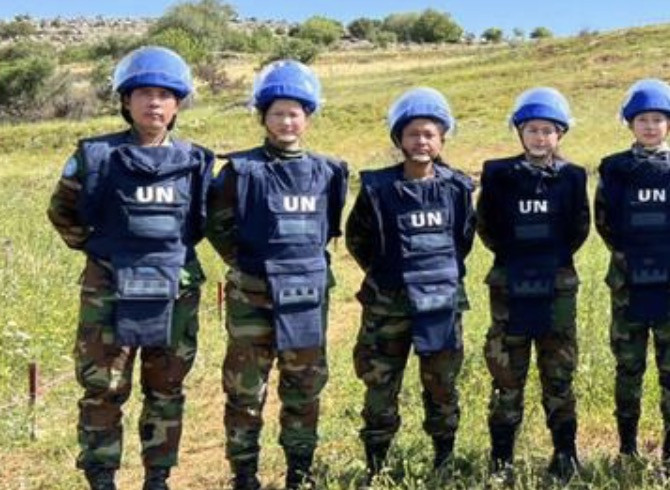 UN Honors Blue Helmets 2024-06-07 In the first event, UN Secretary-General António Guterres laid a wreath at a memorial honoring the lives of more than 4,300 military, police and civilian peacekeepers who have died in the line of duty since the UN deployed its first missions in 1948.76 years of service and sacrificeFor 76 years, UN peacekeepers have worked to save lives and change the lives of people living in the world's most fragile political and security situations. Since 1948, more than two million uniformed and civilian personnel have helped countries transition from war to peace. Today, more than 76,000 men and women from 121 countries are deployed in 11 UN peacekeeping operations.This year's celebration comes under the slogan: “Ready for the future, we build better together.” It highlights the valuable contributions made by military, police and civilian peacekeepers over the past seven decades, and embodies the spirit of progress and collective work towards creating a more equal, just and sustainable world.In the second event, the Secretary-General also presented the “Dag Hammarskjöld Medal” in honor of the memory of 61 women and men, from 33 countries, who are peacekeepers, who gave their lives, during the past year, while performing their duty in peacekeeping missions in various parts of the world.The Secretary-General also presented Major Radhika Sen, of India, with the prestigious 2023 UN Military Gender Advocacy Award. Different in their destinations but united in their goalBefore beginning his speech at the event, United Nations Secretary-General António Guterres asked the audience to stand for a minute of silence, in honor of the peacekeepers who sacrificed their lives for the cause of peace. He extended his deepest sympathy to the families and friends of the peacekeepers and victims. He stressed, "We will never forget them."He said that the memory of the fallen Blue Berets reminds us of the tragic human cost of the conflict, and every loss of life underscores the urgent need to prevent violence, protect the most vulnerable groups, and spare no effort to end these deadly conflicts. He explained that the Blue Berets come from all over the world but are united in their mission for peace, doing their essential work in some of the most dangerous places in the world.The Secretary-General said that peacekeepers are a true model of multilateralism. “They have shown us what peace looks like by protecting the most vulnerable. Maintaining fragile ceasefire agreements. Defusing local conflicts. Clearing landmines and explosive remnants of war. Strengthening local institutions and systems.” Democracy on which peace and development depend. Listening to women's voices, supporting and protecting themNearly 25 years ago, the Security Council adopted historic Resolution 1325 on Women, Peace and Security. The resolution reaffirmed the vital role of women in preventing and resolving conflicts. He recognized that the full and equal participation and inclusion of women was essential for peace.Since then, the Secretary-General said that UN peacekeeping forces have made unremitting efforts to achieve this commitment, and have made progress to ensure that the voices of women living in conflict areas are heard, supported, protected and empowered.In this regard, the Secretary-General congratulated Major Radhika Sen on winning the Gender Advocacy Award, praising her work in an escalating conflict environment in North Kivu (Democratic Republic of the Congo), where her forces actively engaged with conflict-affected communities, including in particular women and girls.He added: “Major Sen is a true leader and role model. Her service represents a real source of pride for the entire United Nations. I thank her and all peacekeepers for their service, leadership and commitment to the women, peace and security agenda.” Gender perspective in peacekeeping operationsMajor Radhika Sen worked in the Democratic Republic of the Congo from March 2023 to April 2024, where she amplified women's voices, created safe spaces for men and women to work together, and strengthened gender-sensitive peacekeeping operations. She is the second Indian peacekeeper to receive this award. At the event, a short film was shown about her work in the field.Speaking at the event, Major Sen said: “This award is special to me because it recognizes the hard work of all peacekeepers working in a challenging environment.”She added that through her work, she had the opportunity to engage and interact with local communities on topics ranging from women, health, education, child care, gender equality, women’s employment, and combating sexual violence in conflict, in addition to various skills development programs to enhance self-reliance.She stressed that a gender perspective in UN peace operations is essential for an effective, comprehensive and sustainable peace process, noting that women and girls are disproportionately affected by conflict, and face increasing risks and violations. From Lebanon to South Sudan, peacekeepers are making a differenceFor his part, Under-Secretary-General for Peace Operations Jean-Pierre Lacroix said that peacekeeping forces make a tangible difference in the lives of millions of people around the world.He added: “In southern Lebanon, peacekeepers play a critical role between the IDF and the Lebanese Armed Forces to help prevent current dangerous tensions from escalating further. They protect hundreds of thousands of civilians in the Central African Republic, South Sudan and the Democratic Republic of the Congo. Today, we salute more than 4,300 men.” and women who lost their lives while serving under the UN flag since 1948.” URL: https://news.un.org/ar/story/2024/05/1131351
 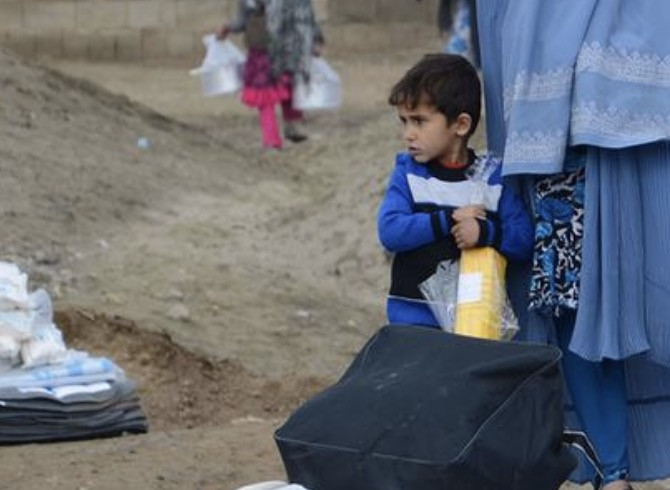 Special Representative of the Secretary-General for Afghanistan calls for removal of restrictions on Afghan women 2024-05-18 The Special Representative of the Secretary-General for Afghanistan, Roza Otunbayeva, expressed concern about the numerous negative trends observed, including the denial of civil, cultural, economic, political and social rights of the population, repressive policies and measures against women and girls, public manifestations of violence including corporal punishment and death penalties, and the lack of Inclusive governance and marginalization of minorities.In her briefing before a Security Council session held today, Wednesday, to discuss the situation in Afghanistan, Otunbayeva added that the United Nations Assistance Mission in Afghanistan (UNAMA) will continue to work to maintain its communication with the de facto authorities there (the Taliban) regarding respect for human rights and ways to increase consultations. With the local population, as well as their participation in political decision-making, so that all available resources in Afghanistan can be deployed to achieve the interests of the country.She explained that the mission will continue to call for more funding to be directed towards basic humanitarian needs to build more social and economic resilience, adding that assistance with basic services is “a lifeline for the most vulnerable Afghans, as women constitute the majority of beneficiaries.”She also said that they will encourage donors to identify areas where they can provide long-term sustainable assistance that “directly benefits the Afghan people,” which includes measures to reduce the effects of climate change, reduce the effects of the opium ban, and support the demining process in Afghanistan. In cooperation with the de facto authorities.She added, "We will work to strengthen measures aimed at supporting economic stability as a basis for reducing poverty."The importance of the Doha meetingsThe Special Representative of the Secretary-General in Afghanistan said that in the next phase, UNAMA will begin preparations for the next meeting in Doha, adding that “the next meeting should have a practical agenda and should involve the de facto authorities as well as other Afghan stakeholders.”Otunbayeva stressed the importance of the recent meeting held in the Qatari capital, Doha, of special envoys concerned with Afghanistan, in which the Secretary-General of the United Nations participated.She said that despite the de facto authorities' decision not to attend, the meeting was "important" for several reasons, including reaffirming the international consensus reached at the first Doha meeting in May last year on ensuring that the needs of the Afghan people remain met. top the international agenda, allowing special envoys to hear the views of Afghan civil society, and reaffirming the international community's ongoing concerns about human rights in Afghanistan.The UN official explained that during her discussions with the de facto authorities in Afghanistan after the Doha meeting, “they made clear that their decision not to attend was not a rejection of their declared desire to deal with the international community, but rather a reflection of their concern that they would not be treated as full stakeholders in the discussions on Afghanistan,” stressing that The mission will do its utmost to encourage their participation in the next meeting in this way.Serious harm to girls and womenThe Special Representative noted that although the daily security situation has improved for millions of people since the Taliban took power, “this has come at an enormous cost.” Just two days away from International Women's Day, which this year highlights the need to invest in women, "what we are seeing in Afghanistan is exactly the opposite," she said.She added that denying women and girls access to education and work, and keeping them out of many aspects of public life, has caused serious harm to their mental and physical health and livelihoods. “The recent arbitrary arrests for alleged violations of the Islamic dress code amount to another human rights violation, and carry an enormous stigma for women and girls,” Otunbayeva said.She warned that this matter has a horrific impact among women on a broader scale, as many of them now fear moving around in public places. She called on the de facto authorities to abolish these restrictions, adding that the longer these restrictions continue, the greater the harm.Independent evaluationThe Special Representative of the Secretary-General in Afghanistan touched on the independent assessment presented by the United Nations Special Coordinator for Afghanistan, Feridun Sinirlioglu, at the end of last year, which calls for Afghanistan to be fully reintegrated into the international system by accepting its international obligations and pledges.Some de facto powers are not convinced of the need for this, she said, “however, many recognize that Afghanistan would benefit from full implementation of the recommendations of the independent assessment.”The UN official spoke about the role that the international community has played in supporting the Afghan people since the collapse of the republic, including donors providing nearly $8 billion to finance humanitarian needs and basic humanitarian services, ensuring that vital assistance is provided to about 32 million Afghans so that they can have enough. Of food, water, adequate shelter, and income opportunities. URL: https://news.un.org/ar/story/2024/03/1128992
 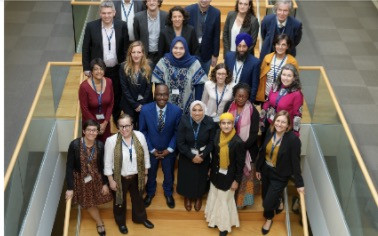 KAICIID Hosts Pivotal 2024 Spring Leadership Meeting in Lisbon: Shaping the Future of Sustainable Development through Interreligious Dialogue 2024-05-10 Bridging Faith and Development: In the picturesque city of Lisbon, from February 27th to 29th, 2024, the International Dialogue Centre – KAICIID, a key player in fostering global interreligious and intercultural dialogue, proudly hosted the annual governance meeting of the International Partnership on Religion and Sustainable Development (PaRD) as the co-chair of its Steering Board, on behalf of the multilateral organizations’ constituency. The 2024 Spring Leadership Meeting of PaRD, not only set the tone for the year's collaborative efforts but also was a testament to the collective resolve to harness the potential of religious and faith-based organizations in achieving the Sustainable Development Goals (SDGs).At the heart of the discussions was the willful spirit of cooperation and shared vision among the close to 170 members of PaRD. The meeting, primarily an internal leadership gathering, was a vibrant forum for the Steering Board members, co-leads of workstreams, and task forces to deliberate on PaRD's Operational Plan for 2024, budget and financial planning, and the identification of key engagements and initiatives in the coming year. “As an international actor, KAICIID has embarked on the journey to pursue the Sustainable Development Goals and Agenda 2030 which have inspired multi-stakeholder partnerships. An example of such a transformative partnership is our work with PaRD which started in 2016. KAICIID is currently a co-chair of the Steering Board, on behalf of the multilateral organizations’ constituency and is actively contributing in different Workstreams with a focus on Women Empowerment, Climate and Peacebuilding.” Said, Dr. Zuhair Alharthi, Secretary General of KAICIID.Mr Khushwant Singh, Head of Secretariat at PaRD, added by saying, “The PaRD leadership meeting is an annual tradition which reflects the inclusive nature of our partnership. A tradition, where we discuss collegially and strategically amongst the Steering Board, the Leads of the Workstreams and Taskforces our key priorities for the current year. I thank our long-standing member KAICIID for hosting this fruitful meeting in wonderful Lisbon”. The meeting's agenda was comprehensive, covering a wide range of topics from financial planning to strategic decision-making regarding PaRD's Annual Forum. The diverse representation on the Steering Board, including members from governments, multilateral entities, academia, and civil society, particularly religious and faith-based actors, underscored the multifaceted approach PaRD takes towards development challenges. One of the highlights of the meeting was the focus on thematic workstreams such as Gender Equality and Empowerment and SDG16 where KAICIID has a co-leading role, Health, and Water, Environment, and Climate Action (WECARE). These workstreams are pivotal in directing the partnership's energy and resources towards critical areas of the SDGs. The co-leads and task forces discussed their annual work programs, setting the stage for a year of concerted action and mutual support. KAICIID hosted a reception, coinciding with the Leadership Meeting, where attendees engaged with influential stakeholders in Lisbon, including members of PaRD's Steering Board, diplomats, and religious leaders. This gathering served as a significant platform for attendees to gain insights into KAICIID's collaborations with external entities like PaRD and to connect with local stakeholders keen on the Centre's initiatives.Looking ahead, the leadership meeting laid a solid foundation for PaRD’s activities in 2024, including the much-anticipated Annual Forum to be held in conjunction with the G20 Interfaith Forum event in Brazil from August 19th to 22nd. This upcoming forum represents a significant opportunity for PaRD to further its mission on a global stage, engaging with an even broader spectrum of stakeholders, including those from Latin America, in the pursuit of a just world and a sustainable planet.The PaRD leadership has collectively determined the priority themes for 2024, which will guide the partnership’s collaborative efforts throughout the year, focusing on crisis response and preparedness, with particular attention to addressing hunger, pandemics, and conflict.This thematic framework underscores the importance of strategic religious engagement and emphasizes the critical role of local engagement in effective crisis response and preparedness initiatives. Furthermore, it will inform collaborative efforts across PaRD's Workstreams and Taskforces, fostering synergies among cross-cutting issues such as gender equality, well-being and health, environmental protection, climate action, and FoRB. It will also serve as a guideline for defining priorities and concrete activities in the framework of policy processes, including the Annual Forum.By prioritizing these themes and emphasizing collaboration and strategic engagement, PaRD aims to enhance its impact and effectiveness in addressing pressing global challenges and advancing sustainable development.As the participants left Lisbon, they carried with them not just the plans and commitments for the year ahead but also the enduring spirit of collaboration that defined the 2024 Spring Leadership Meeting. The path forward is clear, with faith and sustainable development intertwined in a shared journey towards a better future for all.URL: https://www.kaiciid.org/stories/features/kaiciid-hosts-pivotal-2024-spring-leadership-meeting-lisbon-shaping-future