
News
Catch up on what’s happening in the world of global citizenship education.
172 results found
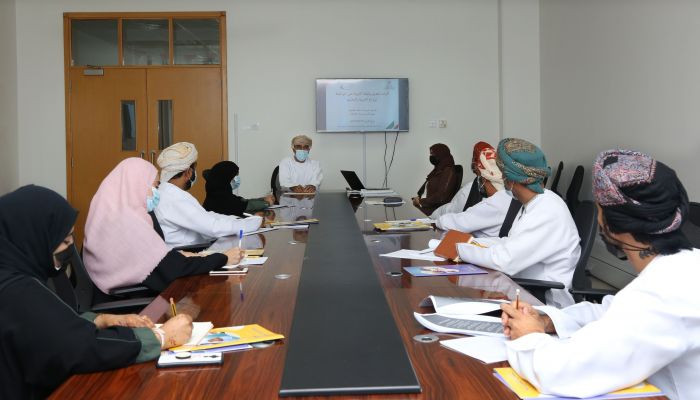 حلقة تدريبية حول آليات تفعيل وثيقة التربية على المواطنة بوزارة التربية 2021-06-25 نفذت وزارة التربية والتعليم ممثلة بدائرة المواطنة بالمديرية العامة لتطوير المناهج، صباح اليوم "الأربعاء" حلقة تدريبية حول" آليات تفعيل وثيقة التربية على المواطنة بالوزارة "، وبحضور الدكتور يحيى بن خميس الحارثي المدير العام للمديرية العامة لتطوير المناهج بالوزارة، وذلك بقاعة (صحار) بديوان عام الوزارة. تعزيز الشراكة استهدفت هذه الحلقة التدريبية (15) من العاملين المعنيين بتفعيل الوثيقة بمختلف المديريات العامة بديوان عام الوزارة، والمعهد التخصصي للتدريب المهني للمعلمين، واللجنة الوطنية العُمانية للتربية والثقافة والعلوم، ودائرة التواصل والإعلام بالوزارة؛ وذلك بهدف التعاون في صياغة آليات تفعيل وثيقة التربية على المواطنة، وتحديد المراحل الزمنية لتفعيلها، وتوعيتهم بأهمية الوثيقة كمرجع يستند إليه العاملون والمختصون بالتربية على المواطنة، والتي تسهم في إعداد النشء، إلى جانب تعزيز مبدأ الشراكة بينهم ودائرة المواطنة حول ما يتعلق بالتربية على المواطنة. وثيقة مؤطرة بدأت الحلقة التدريبية بكلمة ترحيبية ألقاها الدكتور يحيى بن خميس الحارثي المدير العام للمديرية العامة لتطوير المناهج بالوزارة، قائلًا:" نرحب بالمشاركين في هذه الحلقة التدريبية، كما نتقدم بالشكر الجزيل للقائمين على إعداد هذه الوثيقة التي طال انتظارها، والشكر للجهود الكبيرة التي تبذلها الوزارة خلال السنوات المنصرمة حول موضوعات التربية على المواطنة، ولا شك أن الكل في مجال اختصاصه يعمل على غرس وإكساب الطلبة وتنشئتهم على المواطنة، فهنالك الكثير من الجهود المبذولة سواء على مستوى المناهج، أو الإشراف، والبرامج التدريبية، والمتابعات المستمرة في الحقل التربوي من قبل المشرفين والمعلمين وإدارات المدارس، إلى جانب الجهود المبذولة في التنسيق مع الكثير من الجهات المعنية بالتربية على المواطنة من خارج الوزارة ، وقد سعت الوزارة إلى تأطير هذه الجهود المشتركة في وثيقة واحدة، وهي: "وثيقة التربية على المواطنة" ؛ وذلك للتوضيح بأن التربية على المواطنة لها أبعاد ومجالات ومعايير ومخرجات عدة، التي ينبغي على الجميع إدراكها والاتفاق عليها بل ممارستها بشكل مهني، حيث أن الهدف العام منها هو تنشئة الأجيال وإكسابهم المفاهيم والمعارف والتوجهات ذات العلاقة بالتربية على المواطنة". أبعاد تشاركية وأشار الحارثي إلى : "في الأعوام المنصرمة كانت هنالك العديد من التحديات التي تواجه النشء، والتي تتطلب التكاتف من قبل الجميع سواء على الصعيد الولاء للسُلطات، أو على البعد التقني ووسائل التواصل الاجتماعي؛ والوقوف عليها، والتركيز على الجوانب المهمة، وهذا التكاتف لا يأتي فقط من قبل الجهات بالوزارة وإنما من الجهات الأخرى من خارج الوزارة المعنية بالتربية على المواطنة في السلطنة؛ وذلك كون أن التربية على المواطنة ذات "أبعاد تشاركية"، لذا نحن نحاول كجهات مختصة على مستوى الوزارة تقديم الخطط والتوجيهات وتدريب كل من المشرفين والمعلمين على آليات تفعيل هذه الوثيقة، إلا أن العبء الأكبر سيكون ملقى على عاتق المدارس؛ كونها الجهة المنفذة والمتابعة في تطبيق هذه الوثيقة، والتغيير في سلوك الطلبة، وتربيتهم على المواطنة". لننشئهم على المواطنة واختتم الدكتور يحيى بن خميس الحارثي المدير العام للمديرية العام للتطوير المناهج كلمته، قائلا:" المؤمل من هذه الحلقة التدريبية التعرف على الوثيقة بشكل عام، وآليات تفعيلها على مستوى الوزارة، وعلى مستوى المحافظات التعليمية والصفوف الدراسية؛ بهدف تنشئة الطلبة التنشئة الجيدة وإكسابهم السلوكيات الحميدة، وتعريفهم بمسؤولياتهم وواجباتهم تجاه هذا الوطن؛ ليكونوا مواطنين صالحين قادرين على بناء وطنهم والمفاخرة به". آليات تفعيل الوثيقة عقب ذلك قدمت بدرية بنت حمد المشرفية رئيسة قسم دراسات المواطنة بدائرة المواطنة بالوزارة، ورقة عمل حول " آليات تفعيل وثيقة التربية على المواطنة"، وقد تضمنت عدة محاور، منها: توضيح أهداف الوثيقة: العامة، والخاصة، ومبررات إعدادها، وتوضيح المفاهيم والمصطلحات الواردة فيها، والمرتكزات التي تقوم عليها، ومجالاتها، وأبعادها، والتعريف بأهم تطبيقات ووسائل التربية على المواطنة، وتجارب السلطنة، وخبراتها الإقليمية والعالمية في مجال التربية على المواطنة، والتعريف بالمعايير والمؤشرات المتضمنة في وثيقة التربية على المواطنة. وفي ختام الحلقة التدريبية قدم المشاركون والمعنيون بتفعيل وثيقة التربية على المواطنة من مختلف الجهات المعنية بالتربية على المواطنة عدة مقترحات لآليات تفعيل هذه الوثيقة. URL:https://shabiba.com/article/159957
  الإمارات ضمن الـ20 الكبار في مؤشرات خاصة بالتسامح والتعايش خلال 2020 2021-06-15 أظهرت البيانات التي تصدرها 3 من كبريات المرجعيات الدولية المتخصصة بالتنافسية إدراج الإمارات ضمن قائمة الدول الـ20 الكبار في العالم. وذلك في 8 من مؤشرات للتنافسية الخاصة بالتسامح والتعايش خلال العام 2020، الأمر الذي يعني نجاح الدولة في تحقيق مستويات صدارة عالمية في هذا المجال تفوق الأرقام المستهدفة في "رؤية 2021". وشملت قائمة المرجعيات الدولية التي منحت الدولة تصنيفاً رفيع المستوى في المؤشرات الخاصة بمحاور التسامح والتعايش، كلاً من المعهد الدولي للتنمية الإدارية، ومعهد ليجاتم بالإضافة إلى كلية إنسياد، وذلك وفقاً لما تم رصده من قبل المركز الاتحادي للتنافسية والإحصاء. الإمارات تؤيد قرار السعودية بقصر الحج على المواطنين والمقيمين وفي التقارير السنوية لعام 2020، كما أصدرتها هذه المرجعيات الدولية ذات الاختصاص في رصد التنافسية، فقد احتلت الإمارات المرتبة الرابعة في مؤشر التسامح مع الأجانب وفقاً لتقرير مؤشر تنافسية المواهب العالمية الصادر عن كلية إنسياد، فيما صنفها بالمرتبة التاسعة في ذات المؤشر تقرير مؤشر الازدهار والذي أصدره معهد ليجاتم. وفي تقرير التنافسية الرقمية العالمية الصادر عن المعهد الدولي للتنمية الإدارية فقد حازت الإمارات على المرتبة الخامسة عالمياً في مؤشر التوجهات نحو العولمة، كما حصلت على نفس المرتبة في ذات المؤشر بموجب الكتاب السنوي للتنافسية العالمية الصادر عن نفس المرجعية. وجاءت الإمارات في المرتبة السابعة في مؤشر التماسك الاجتماعي وفقاً للكتاب السنوي للتنافسية العالمية، والحادية عشرة في مؤشر التسامح مع الأقليات بحسب تقرير مؤشر تنافسية المواهب العالمية، كما صنفها الكتاب السنوي للتنافسية العالمية أيضاً في نفس المرتبة في مؤشر المرونة والقدرة على التكيّف. وفي موضوع المسؤولية الاجتماعية التي تنهض بها الإمارات تجاه المواطنين والمقيمين، فقد احتلت الإمارات المرتبة الثانية عشرة على مستوى العالم بحسب الكتاب السنوي للتنافسية العالمية. وتأخذ أرقام الصدارة الإماراتية في تنافسية التسامح والتعايش، خصوصيتها من كون التسامح والتعايش برنامجاً وطنياً جرى تمكينه خلال السنوات الست الماضية بطموح أن تكون دولة الإمارات عاصمة عالمية للتسامح والذي سبق به وأسبغت اسمه على عام 2019. وكان صدر في يوليو 2015 مرسوم بقانون بشأن مكافحة التمييز والكراهية يهدف إلى إثراء التسامح العالمي ومواجهة مظاهر التمييز والعنصرية أياً كانت طبيعتها، عرقية أو دينية أو ثقافية. وفي عام 2016 اعتمد مجلس الوزراء البرنامج الوطني للتسامح والذي يهدف إلى إثراء ثقافة التسامح ومواجهة مظاهر التمييز والعنصرية من خلال منظومة قانونية صلبة لبيئة التعايش والقبول والتسامح. وعلى مدى السنوات الماضية حققت دولة الإمارات شبكة رائدة من الشراكات الدولية في موضوع التسامح والتعايش استهدفت بناء القدرات ومنع العنف ومكافحة الإرهاب والجريمة، وعززتها بمنصات حوار أممي بين الأديان والثقافات. وشكل استحداث الحكومة الاتحادية وزارة التسامح والتعايش، نموذجاً فريداً على المستوى الدولي في جديّة تنفيذ البرنامج الوطني للتسامح، وتمكين مختلف فئات المجتمع من خلال المبادرات والخدمات والتسهيلات وتوفير مرافق الخدمة بحفاوة مؤسسية. ويعود نجاح الإمارات في مواصلة تحقيق أرقام الصدارة الأممية في تنافسية التسامح والتعايش، إلى كفاءة تنفيذ أهداف رؤية الإمارات 2021، وإلى وجود خريطة شاملة لأدوار ومسؤوليات الجهات ذات العلاقة في تنفيذ الأجندة الوطنية. يشار إلى أن التقارير الدولية التي منحت دولة الإمارات مرتبة أممية متقدمة في مؤشرات التسامح والتعايش، أشادت بتخصيص فرق عمل وطنية تعمل ببرمجة مؤسسية على تعزيز دور الحكومة كحاضنة للتسامح، وترسيخ دور الأسرة المترابطة في بناء المجتمع، مع تحصين الشباب من التعصب والتطرف، وإثراء المحتوى العلمي والثقافي بمبادرات ومراكز تفعيل، مع برامج مبتكرة لمسؤولية التسامح في المؤسسات. URL:https://al-ain.com/article/uae-top-20-indicators-tolerancecoexistence-2020
  UNESCO rehabilitates critical buildings in 3 universities, in partnership with the EAA Foundation and the support of the Qatar Fund for Development, as part of « Li Beirut » 2021-06-13 Beirut, June 10 2021 - UNESCO launched today a partnership with the Lebanese University (LU), the American University of Beirut (AUB) and Saint Joseph University in Beirut (USJ), during a ceremony held at the organization’s office in Beirut, with the aim of rehabilitating university buildings damaged by the port explosions on August 4, 2020, and under the auspices of the Lebanese Ministry of Education and Higher Education (MEHE). This project is implemented in partnership with the Education Above All Foundation - EAA-EAC, with the support of the Qatar Fund for Development, and comes within the framework of UNESCO's flagship "Li Beirut" initiative, through which the organization is rehabilitating more than 100 damaged educational sites at schools and universities. The ceremony was attended by His Excellency the Lebanese Minister of Education and Higher Education, Tarek Majzoub, His Excellency the Ambassador of Qatar in Beirut, Mohammed Hassan Jaber Al-Jaber, the President of the Lebanese University, Dr. Fouad Hussein Ayoub, AUB’s president Dr. Fadlo Khuri, and USJ’s president Father Salim Daccache, to celebrate this project which encompasses the restoration of 22 faculties and the central administration building at the Lebanese University, 8 buildings at AUB, most of which are heritage buildings, and 2 buildings at USJ. In addition to that, equipment and furniture are being provided in 7 buildings to replace what was damaged by the blasts, while the implementation counts on national experts and local contractors. The partnership between EAA and UNESCO supports the initial phase of building back the education system affected by the explosions and providing a safe and accessible learning environment for learners, to ensure their right and access to education. The project is in line with UNESCO’s programme focusing on education for vulnerable populations, and directly linked with UNESCO’s Arab Regional Strategy for Education in Crisis Situations (2018- 2021). As the global lead on the Sustainable Development Goal 4, as well as the School Rehabilitation Coordinator in Lebanon, UNESCO considers education as the most critical life-saving and life enhancing tool, crucial for the development of prosperous and peaceful societies. Speaking during the ceremony, Minister Majzoub said that "there are many spaces of hope in times of despair with the presence of countries and international parties that are friends, and that view education as a basis for general advancement. “In this context comes the "Li Beirut" initiative. It received support from the State of Qatar, which took in charge the rehabilitation of schools, TVETs and the buildings of the Lebanese University, AUB, and USJ. The UNESCO Regional Office coordinated this process and today, we launch the partnership with UNESCO for the process of rehabilitating these university buildings with the support of the Emir of the State of Qatar, the Education Above All Foundation and the Ambassador of Qatar in Lebanon. Together with the educational and university family, we strive to sustain education in Lebanon, because education is a right and education is above all. From here comes our appreciation and gratitude for the beautiful countries, organizations, and institutions that respond to our growing needs in light of the cumulated crises that we cannot bear alone. One goal that unites us is to raise generations through their upbringing and education, whether education is done in presence, by distance or mixed. Therefore, our endeavors focus on protecting the educational sector and protecting those responsible for it and its workers as a national priority. We have received support in our endeavors and we have succeeded in placing education at the beginning of the vaccination campaign, so that our children return to schools and universities”. For his part, the Ambassador of the State of Qatar in Beirut, Mohammed Hassan Jaber Al-Jaber, indicated that "the Education Above All Foundation and UNESCO have united their efforts with the financial support of the Qatar Fund for Development, which amounts to about USD 10 million, in order to rehabilitate 55 schools, 20 TVETS and 3 universities. All with the aim of ensuring the continuity of the educational mission, and ensuring the right of children and youth to return to the classrooms and receive their education in a safe and accessible environment”. Al-Jaber confirmed that nearly 30,000 people have benefited from the foundation's projects in Lebanon since 2013. Costanza Farina, Director of the UNESCO Regional Office for Education in the Arab States in Beirut, thanked the Government of Qatar for its generous support, and praised the role of the Ministry of Education and Higher Education in trusting UNESCO with the coordination of the rehabilitation and recovery of the sector. Farina mentioned that the “Li Beirut” initiative aims to place education and culture at the heart of reconstruction efforts and to mobilize international and local resources and partnerships, with the aim of supporting two very vibrant sectors in the country, namely education and culture. She noted that Lebanon still faces enormous challenges, as recently reported by the World Bank. She added: "In times of severe crisis, we all count on the role of higher education and the support for local communities. Rebuilding Beirut begins with reviving the education sector and its cultural fabric, and universities have a critically important role to play to ensure that the right to quality education and learning opportunities for all is not compromised. And that no one is left behind. The graduates of AUB, USJ and the LU are leaders in politics, healthcare, business, government and education everywhere in the world. As Lebanon continues to battle multiple crises, education must be protected to avert a generational catastrophe. When education is interrupted, it affects everyone – not just students and teachers, but the future of nations”. In his speech, the President of the Lebanese University, Dr. Fouad Hussein Ayoub, highlighted the importance of this cooperation between the Lebanese University and UNESCO in general, especially in the current crises, in regards to health, economy or security, and following the Beirut blasts, which paralyzed the higher education sector and the Lebanese University on the humanitarian and infrastructure levels. President Ayoub emphasized that the UNESCO office in Beirut was the first to help the Lebanese University confront these obstacles and rehabilitate the destroyed buildings and infrastructure through the "Li Beirut" initiative. He also thanked UNESCO Beirut specialists for this constructive initiative and the great support given, which has enabled 87,000 men and women to continue their studies. The President of the American University of Beirut, Dr. Fadlo Khuri, said that Lebanon has often been said to be rising, stronger and better, after each disaster over the years, like the Phoenix of the Greek mythology. “The great work you are doing to rescue Lebanon’s heritage not only memorializes its history, he added, but it also builds much needed hope within this country, reminding us that resilience and continuity are possible after all. Post-disaster urban and architectural reconstruction develops resilient cities that are empowered by lessons learned from the past to reinvent themselves for a better future. Immediately after the tragic Port of Beirut blast, UNESCO rushed to conduct rapid assessments and commence the rescue process in different parts of Beirut. The fruits of these labors are becoming increasingly evident today. We thank you for prioritizing universities in your initiative and we thank the Education above All Foundation, which, as it rightly describes itself, is an “enabler of human development”. A long-time friend of AUB, UNESCO has been supporting this university’s cultural initiatives, honoring its outstanding faculty, and partnering with it on youth education and development for decades. It has witnessed first-hand some of the historical significance of the buildings it rescues today on this campus, those that represent more than 150 years of the history of the peoples of this region. These buildings have been the liberal space where more than 70,000 alumni worldwide obtained their education, interacted on campus, and created lifetime memories. They are also where much Arab thought emerged and regional history was shaped. Reconstruction through the Li Beirut initiative will enhance these iconic structures at AUB”. As for the President of Saint Joseph University in Beirut, Father Salim Daccache, he expressed his thanks and gratitude to UNESCO and the "Li Beirut" initiative, which hastened to help Beirut rise from its depression and supported USJ. "We are appealing to UNESCO today for at least moral and material assistance on three levels, he said. The first is to help anchor our youth in their homeland, so that they can continue to trust their university institutions and higher education in particular. These institutions must remain strong so that students feel that the university in Lebanon will remain impregnable, firm and pioneering in its academic educational mission in education, scientific research and community service. The second is to persuade some universities, especially in Europe, to stop hunting our students so that they don’t lure them with money and equipment, and thus work to empty this country of the elements needed for our institutions to carry out their mission. Thirdly, the need is urgent to support everything related to the field of informatics, such as hardware, software, newspapers, books and electronic magazines, and this constitutes at least forty percent of the annual procurement budget today, since it is a necessity for students, professors and researchers. When we call UNESCO, we consider it the incubator of culture, science and education. Higher education institutions define themselves as holders of a national non-lucrative mission, and who else can be the tool that secures science, education, culture, competencies and skills”. The explosions at the Beirut Port damaged more than 200 schools, 32 universities and 20 TVET centers, and therefore resulted in diminishing or excluding access to education for over 85,000 children and youth. Li Beirut is an international flagship initiative launched from Beirut by the Director-General of UNESCO, Audrey Azoulay, in the aftermath of the explosions, on August 27, 2020, to support the rehabilitation of schools, historic heritage buildings, museums, galleries and the creative industry, all of which suffered significant damage in the deadly explosions. For more information on the UNESCO “Li Beirut” campaign: https://en.unesco.org/fieldoffice/beirut/libeirut Education Above All (EAA) Foundation The Education Above All (EAA) Foundation is a global education foundation established in 2012 by Her Highness Sheikha Moza bint Nasser. EAA envisions bringing hope and real opportunity to the lives of impoverished and marginalized children, youth and women, especially in the developing world and in dire circumstances such as conflict situations and natural disasters. We believe that education is the single most effective means of reducing poverty, generating economic growth and creating peaceful and just societies, as well as a fundamental right for all children and an essential condition to achieving the Sustainable Development Goals (SDGs). For more information, visit educationaboveall.org. EAA is comprised of four programmes: Educate A Child (EAC), Al Fakhoora, Reach Out To Asia (ROTA), and Protect Education in Insecurity and Conflict (PEIC). In addition to providing access to education for children around the world, EAA advocates to safeguard inclusive and quality education for all. Educate A Child (EAC) Educate A Child (EAC), a global program of EAA, aims to trigger significant breakthroughs and a material difference in the lives of children who have no access to primary education. EAC has been helping millions of the hardest to reach out of school children (OOSC) around the world realize their right to a quality education. Through partnership and innovation, millions of children continue to be supported to overcome the barriers blocking their path to quality education. Playing a catalytic role in the field of OOSC and for those most at risk of dropping out of primary education, EAC strives to achieve individual and social outcomes for these children, their communities and a more sustainable world for us all. URL:https://en.unesco.org/news/unesco-rehabilitates-critical-buildings-3-universities-partnership-eaa-foundation-and-support
 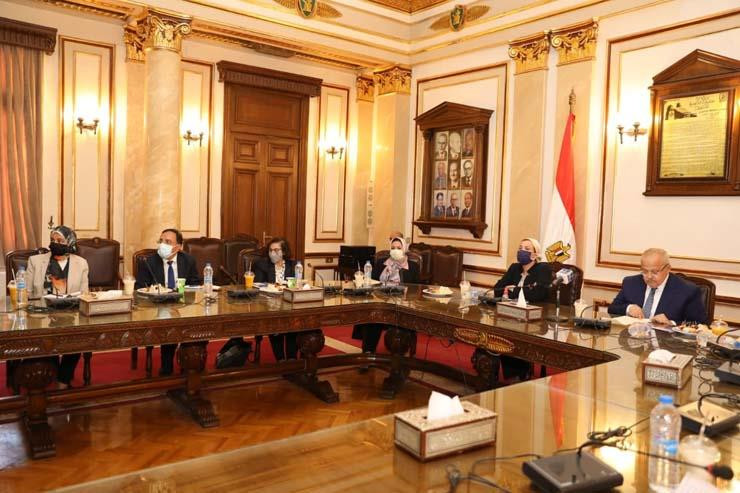 وزارة البيئة وجامعة القاهرة يوقعان مذكرة تفاهم لإعداد "برنامج جامعي لعلوم البيئة" 2021-06-10 كتب- مصراوي: وقعت الدكتورة ياسمين فؤاد وزيرة البيئة، والدكتور محمد عثمان الخشت رئيس جامعة القاهرة، مذكرة تفاهم بين وزارة البيئة وجامعة القاهرة لإعداد برنامج جامعي لعلوم البيئة من خلال مشروع إدارة تلوث الهواء والتغيرات المناخية والذي يتم تنفيذه بالتعاون مع البنك الدولى ، وذلك فى إطار الاتفاق بين وزارة البيئة ووزارة التعليم العالى والبحث العلمى لدمج المناهج البيئية فى التعليم الجامعى وذلك بحضور الدكتورة إيناس أبو طالب الرئيس التنفيذي لجهاز شئون البيئة والمهندسة داليا لطيف كبير أخصائى البيئة بالبنك الدولى وعدد من أساتذة ونواب الجامعة والقيادات المعنية بوزارة البيئة. وقالت الدكتورة ياسمين فؤاد، إن هذا التعاون يأتي في إطار توجه الدولة في تحقيق أهداف التنمية المستدامة ٢٠٣٠، وتنفيذًا للتكليفات الرئاسية المتعلقة بتنفيذ مشروع متكامل يعمل على تقليل تلوث الهواء والتغيرات المناخية، والذي يتضمن في إطاره نشر والتوسع فى الوظائف الخضراء، و يشمل بناء القدرات والإمكانيات الفنية فى ممارسة تلك الوظائف من خلال تعليم جامعي مختص بعلوم البيئة، مشيرة الى ان استحداث تعليم جامعي بيئي تحت عنوان "استحداث الوظائف الخضراء"، يهدف إلى إنشاء وبناء جيل قادر على التعامل مع متطلبات العصر والمستقبل من حماية و تنمية بيئية . مضيفة ان هذا النشاط في إطار المشروع يستهدف خلق مناهج تعليمية جامعية متقدمة تؤهل الخريجين للعمل في سوق العمل البيئي بمفاهيمه المختلفة بوعي وتكامل مع التطور الذى يشهده هذا المجال على المستوى الوطني والعالمي ، مما يعطى المنشآت و الكيانات التي سوف تستفيد من خريجي هذا البرنامج القدرة على مواكبة المتطلبات الفنية للتوافق البيئي مع القوانين البيئية المصرية و الدولية ومتطلبات حماية البيئة و مواردها و دعم التنمية المستدامة بمفهومها الواسع. وأضافت وزيرة البيئة، أن المجتمع ككل شركاء في ملف البيئة من بحث علمي وقطاع مصرفي ومجتمع مدني وغيره، مشيرة إلى البدء في مشوار ربط السياسة بالعلم لسد الفجوة منذ سنتين حيث تم التعاون مع وزارتي التربية والتعليم والتعليم العالي لدمج البيئة في المناهج التعليمية، مؤكدة أهمية تخصيص مناهج تعليمية خاصة بالبيئة، لخلق كوادر مؤهلة للعمل في المجال البيئي. وأضافت أن شعار يوم البيئة العالمي لهذا العام "أستعادة النظام البيئي.. من أجل الطبيعة"، ينطبق على الهدف من مذكرة التفاهم من خلال خلق كوادر تمنع التدهور البيئي وضمان استدامة دعم سوق العمل بالعمالة المؤهلة علميا ، فموضوع مثل تغير المناخ يحتاج إلى توافر كوادر ومنهج ودراسة باحتياجات السوق والتعرف على التكنولوجيات والرؤى المختلفة فى هذا المجال .مقترحة ان يتم من خلال مذكرة التفاهم دعم ابحاث موضوعات تغير المناخ وخاصة وان مصر بصدد استضافة مؤتمر تغير المناخ ال٢٧ وهو أكبر مؤتمرات الأمم المتحدة فى مجال البيئة. ومن جانبه أكد الدكتور محمد الخشت رئيس جامعة القاهرة على أن إطلاق تلك البرنامج يأتي في إطار تكامل خطة الجامعة التعليمية والبحثية مع رؤية مصر الاستراتيجية 2030 . مضيفا أنه تم تصميم البرنامج بصورة ديناميكية تتسم بالعمق والشمول وترتكز على الابتكار والفكر الإبداعي والتعلم التشاركي والمناقشات المتزامنة والعمل الجماعي والتفكير الناقد ومعالجة التحديات المعاصرة والإدارة المثلى للأزمات وهو ما يميز الجيل الرابع من التعليم. حيث يتميز برنامج العلوم البيئية بدراسة وتحليل ومعالجة التحديات البيئية المعاصرة كالاحتباس الحراري والتغيرات المناخية وارتفاع مستوى سطح البحر والتصحر وتلوث الهواء والمياه والتربة والاستدامة البيئية. وأضاف الخشت، أن هذا البرنامج يعد الأول من نوعه على مستوى أفريقيا والشرق الأوسط، وأن البرنامج مصمم لتأهيل جيل مطور وكوادر من الخريجين المتميزين على دراية بتحديات العصر والإستدامة المعرفية والتنموية والاقتصادية والبيئية، مطبقا لتقنيات الذكاء الاصطناعي، وتطويع إمكانات البرمجيات الحديثة ونظم المعلومات والاستشعار عن بعد، وتم إعداده طبقا لمعايير الجودة العالمية وبالتعاون والشراكة مع العناصر المختلفة لسوق العمل والهيئات ذات الصلة محليا ودوليا ومنها جهاز شئون البيئة التابع لوزارة البيئة وعلى الصعيد الدولي جاري الاختيار بين عدد من الجامعات المتميزة عالميا لعمل توأمة خاصة بالبرنامج ليتميز بالصبغة الدولية ولتطوير الخبرات وتبادل المؤهلات والامكانيات. وأوضحت ممثلة البنك الدولي أن الهدف من برنامج إدارة تلوث الهواء وتغير المناخ هو هدف تنموي، مشيرة إلى أهمية الربط بين العلم وسوق العمل لخلق فرص عمل للشباب وخلق الكوادر المناسبة لتحديات المستقبل المختلفة فيما يخص حماية البيئة والتغيرات المناخية، موضحة أن من مميزات هذا البرنامج انه يؤهل الطالب لشغل الوظائف الخضراء، موضحة أهمية توأمة هذا البرنامج مع الجامعات الدولية لتبادل الخبرات ، وأن و يتم محاكاته بتطبيقه في كافة الجامعات المصرية الأخرى. ويلتزم الطرفان وفقا لمذكرة التفاهم بإعداد مقرر علمى باللغتين العربية والإنجليزية لبرنامج التعليم الجامعى المختص بعلوم البيئة ( خريجين ودراسات عليا وتدريب مستمر)، وتصميم وتنفيذ برنامج تدريبي خاص بأعضاء هيئة التدريس والهيئة المعاونه لتضمين المفاهيم البيئية داخل برامج التعليم الجامعي القائمة والمستحدثه. وأيضا ادراج مناهج علمية على مستوى مراحل الخريجين والدراسات العليا عن إدارة تلوث الهواء والتغيرات المناخية، وإنشاء كيان لتنظيم برامج تدريبية معتمدة بصورة دورية للعاملين فى مجال البيئة وحمايتها، وعقد ورش عمل دورية للتعريف بالقضايا البيئية، واطلاق حملة توعية مشتركة حول إدارة تلوث الهواء والتغيرات المناخية. URL:https://www.masrawy.com/news/news_egypt/details/2021/6/7/2035928
 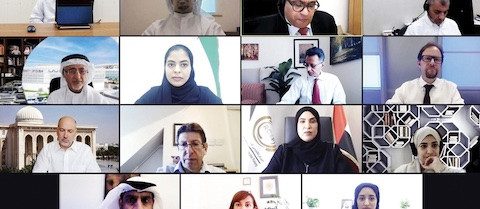 UAE universities play a pivotal role in achieving the 2030 Sustainable Development Goals 2021-06-02 The higher education sector in the United Arab Emirates is built on a solid foundation and plays an important role in consecrating sustainable development plans for 2030, as the country embraces more than 1,200 accredited academic programs in various disciplines in licensed educational institutions, and has the largest number of foreign university branches in a single country in the world. This is what the Minister of Education and Learning in the UAE, Hussein bin Ibrahim Al Hammadi, affirmed, stating that the institutions are characterized by the diversity of their educational systems, with a common national base that they have to abide by through the application of licensing and academic accreditation standards, and the fulfillment of the specifications of the different levels of qualifications, defined by the national system. The minister made these remarks during a national workshop titled “The Role of Higher Education Institutions in Achieving the Sustainable Development Goals (SDGs) in the UAE” which was implemented by the Regional Center for Educational Planning in partnership with the Ministry of Education, UNESCO, the UAE National Commission for Education, Culture and Science, the UNESCO Regional Office for Arab States in Beirut and the UNESCO Sub-regional Office for the Gulf states, with the participation of 13 universities in the country. The workshop aims to provide representatives of higher education institutions in the UAE with various and general aspects of the sustainable development goals and their relationship to the diverse work of universities, and to provide representatives of higher education institutions in the UAE with practical information on how to contribute to the achievement of the sustainable development goals and the role they can play. In his opening speech, Minister Hussain bin Ibrahim Al Hammadi said that the vital role of higher education institutions is not limited to achieving quality and comprehensive education only, but that it rather extends its impact by achieving the various goals, through teaching, learning, research outputs, campus initiatives and higher education institutions, to facilitate social, environmental and economic development. He noted that higher education institutions have become one of the most important incubators of ideas and solutions to global problems, mainly with their central location between government networks, civil society and industry partners, which means that they have enormous potential to generate a positive impact. He also stressed that the steps taken by the Ministry of Education and the setup of an education road map that derives from national visions and targets, their path, tasks and goals, and that is in line with the 2030 Sustainable Development Goals, is unfolding according to a well-established and clear methodology with specific features, and is bearing fruit as it stems from a deep vision and extensive studies. He also pointed out that the national strategy for higher education in the UAE aims to develop an innovative and high-quality educational system in both academic and professional tracks, that achieves effective research outputs and contributes to supporting the knowledge economy. He added: "The National Strategy for Higher Education 2030 is based on 4 main axes, which are quality, alignment, efficiency and innovation. The UAE has the largest number of foreign university branches in one single country in the world, which contributed to achieving global competitiveness indicators through the proportion of non-citizens students in the UAE”. Thirteen universities participated in the workshop, and five universities in the country, namely the Emirates, Khalifa, Zayed, the American University of Sharjah, and the Higher Colleges of Technology in Sharjah, presented specialized presentations, in which they reviewed their strategies and their connection with the national strategies and the sustainable development goals in order to integrate these goals in the universities societal programs, activities and research programs, and how to implement these goals at the levels of the university building, the student activities and academic and research programs, so that the challenges of implementing these goals are overcome nationally, regionally and globally. The universities also presented their strategic and technical partnerships in this field. For her part, Mahra Al-Mutaiwee, Director of the Regional Center for Educational Planning, said that with the launch of the sustainable development goals, many universities at the national, regional and global levels have begun to review their agendas, plans and strategies, to start putting forward and implementing initiatives and projects that are consistent, and work to support the implementation of the sustainable development goals. She stated that universities have begun coordinating their activities with the sustainable development goals, highlighting the effective role played by higher education institutions in addressing urgent challenges in the world, and noting that the international community is aware of the essential importance of higher education to achieve all 17 Sustainable Development Goals (SDGS), which aim to eradicate poverty, protect the planet, promote gender equality, defend and promote cultures and cultural understanding. She also said that universities are dedicated to helping the world achieve those goals. On her side, Salma Al Darmaki, Secretary-General of the National Committee for Education, Culture and Science, stressed that this workshop represents a qualitative and distinct initiative to motivate and encourage higher education institutions, to develop plans and programs aimed at contributing to achieving all sustainable development goals without being limited to the fourth goal of quality education. She considered that the role of higher education institutions is fundamental and is not limited to research and innovation, but rather includes the human element which is more important, since students are the future leaders who will continue to work to achieve the goals of sustainable development. The more their understanding and awareness for these goals, the more it will reflect positively on the way they deal with them in the future. Dr. Anasse Bouhlal, higher education program specialist at the UNESCO Regional Office for Education in the Arab States in Beirut, gave aspecialized presentation on the importance of the role of higher education institutions in achieving sustainable development goals, and reviewed regional experiences in this field as well as strategies for integrating sustainable development goals into the university’s plans and programs, with regard to scientific research programs and their role in addressing the challenges that impede the achievement of sustainable development goals at the national, regional and global levels. He also highlighted the efforts of countries in this field, and reviewed the the UNITWIN/UNESCO Chairs Programme, and how national, regional and international universities are relating to this programme. Giving an overview of UNESCO Chairs and their importance in supporting scientific research, and the mechanisms and strategies for joining them, he underlined how they can benefit the university and the state. URL:https://en.unesco.org/news/uae-universities-play-pivotal-role-achieving-2030-sustainable-development-goals
 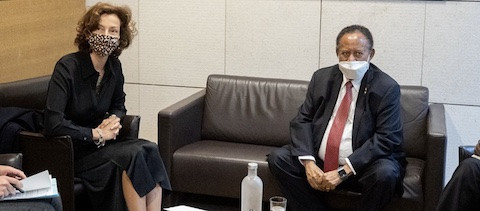 Sudan Conference: UNESCO intensifies cooperation on press freedom, a key driver of democratic transition 2021-05-19 Meeting in Paris ahead of the International Conference convened by France to Support the Sudanese Transition, Abdalla Hamdok, Prime Minister of Sudan, and the Organization’s Director-General Audrey Azoulay agreed to reinforce ongoing cooperation to support press freedom and media development, key pillars of the democratic transition underway in the country. Press freedom is a cornerstone of any democratic society, and a key driver of the democratic transition in Sudan. UNESCO is committed to provide its expertise and guidance for a safe press environment. Working closely with Sudan since 2019, we have put together a Media Reform Roadmap to be implemented over the next 3 years, and we stand ready to step up our efforts.-- Audrey Azoulay, UNESCO Director-General On 25 September 2019, the Prime Minister of Sudan requested UNESCO's support to introduce media reforms as part of the transitional process during the UN General Assembly Event on Media Freedom, when he announced Sudan's signing of the Global Pledge for Media Freedom spearheaded by Canada and the United Kingdom. In response, UNESCO launched a first assessment of the country’s media environment using its Media Development Indicators. In September 2020, the outcomes of these consultations were consolidated and published in the form of a Media Reform Roadmap. The next stage of UNESCO’s cooperation with Sudan in this area will consist of implementing the Roadmap over the next three years. The areas to be reinforced in line with the Roadmap concern: legislative reform, institution building, training and employment of media professionals, and investment in technical infrastructure. Since 2019, Sudan established a National Team for Media Reform, comprised of media experts, media owners and managers, journalists, officials of the Ministry of Culture and Information and civil society representatives who took part in the assessment of the media landscape. UNESCO is promoting the participation of women in the media and has supported safety training for over 250 women journalists. UNESCO has also trained security officers on freedom of expression and the safety of journalists. Also in February 2020, UNESCO launched an assessment of internet development in Sudan based on its Internet Universality Indicators, which is scheduled to be completed by the fourth quarter of 2021. This project is funded by the Swedish International Development Cooperation Agency (SIDA) through UNESCO's International Programme for the Development of Communication. Financial support for these activities has been sourced through UNESCO's Multi-Donor Programme on Freedom of Expression and Safety of Journalists. Throughout 2020, UNESCO launched a series of capacity-building sessions for over 300 Sudanese journalists to address disinformation and prevent violent extremism and hate speech. UNESCO is seeking additional support to build capacities of the media and strengthen national institutions such as the Sudanese National Commission on Human Rights. URL:https://en.unesco.org/news/sudan-conference-unesco-intensifies-cooperation-press-freedom-key-driver-democratic-transition
 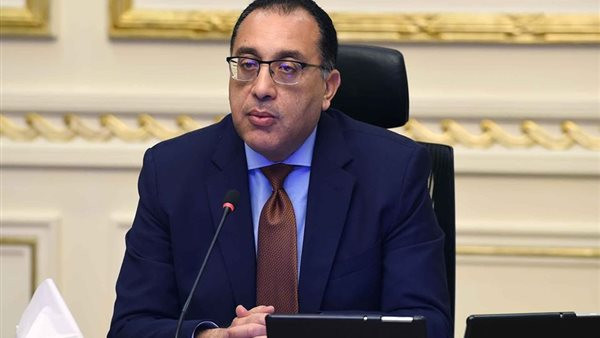 بعد أزمة "التكدس".. رئيس الوزراء يهنئ المسيحيين بعيد القيامة: المواطنة صمام أمان لوحدة الشعب 2021-05-01 هنأ الدكتور مصطفى مدبولى رئيس مجلس الوزراء، جموع المصريين المسيحيين داخل مصر وخارجها بمناسبة عيد القيامة المجيد، متمنيا أن يعيده الله عليهم بالسعادة والخير. وقال مدبولى فى برقية تهنئة اليوم الأربعاء، إن قيمة المواطنة التى تسود بين جموع الشعب المصرى بمختلف معتقداته، ستظل صمام أمان يفرض صلابة ووحدة هذا الشعب الذى يكتسب عظمته من تنوعه، راجيا الله أن ينعم على مصر وشعبها بالأمن والرخاء. URL:https://www.cairo24.com/1196835
  2021 World Press Freedom to promote Information as a Public Good in a severely challenged media landscape 2021-04-28 UNESCO and the Government of Namibia will host the World Press Freedom Day Global Conference in Windhoek from 29 April through 3 May, World Press Freedom Day. The laureate of the 2021 UNESCO/Guillermo Cano Press Freedom Prize will be honoured during the conference, on 2 May. Professional journalists and other media stakeholders at the Conference will call for urgent measures to counter the threats that are weakening independent and local news media around the world, a crisis worsened by the COVID-19 pandemic. They will put forward solutions to bolster media viability, push for greater transparency from social media companies, and measures to improve the safety of journalists and support independent media. Participants are also expected to urge governments to invest in media and information literacy training to help people recognize, value, and defend fact-based journalism as an essential part of information as a public good. Some 40 sessions will be held during the 5-day conference including three thematic discussions on issues currently affecting media viability, the transparency of online platforms, and ways to strengthen media and information literacy. Hage Geingob, the President of Namibia, and UNESCO Director-General Audrey Azoulay will address the conference on 2 May, alongside senior African government officials and UN Secretary-General Antonio Guterres (through a video message). Keynotes and interviews with over 250 world-renowned journalists, media and tech leaders, experts, policy makers, and activists will be held during the event which be an opportunity for registered participants to network, and interact with speakers, and access an offering of podcasts, films, and artistic contributions on a conference online platform. Notable speakers will include: Joseph Stiglitz (USA), Nobel Memorial Prize in Economic Sciences Irene Khan, UN Special Rapporteur on the Promotion and Protection of the Right to Freedom of Opinion and Expression Agnès Callamard, Secretary General, Amnesty International Maria Ressa (Philippines), CEO of Rappler Swe Win, Editor in Chief of Myanmar Now, recognized media outlet for its collaborative and investigative reporting on human rights abuses. Julie Owono, Member of Facebook’s Oversight Board. Executive Director of Internet sans Frontiers Miranda Johnson, The Economist, Deputy Executive Editor Stephen Dunbar-Johnson (USA), President, International of The New York Times Sir Nicholas Clegg, Vice-President for Global Affairs and Communications at Facebook Notable programme highlights will include: Six Regional Forums on specific, regional aspects of press freedom and ways to tackle current trends and challenges. The Forums build on the regional seminars that followed the UNESCO’s first African press freedom seminar in Windhoek in 1991. A one-on-one dialogue about information as a public good with Joseph Stiglitz, Nobel Memorial Prize in Economic Sciences and Miranda Johnson, Deputy Executive Editor of The Economist. 30 April: Presentation of key findings from UNESCO’s global study on online violence against women journalists, a trailblazing research project that assesses the scope and impact of the new frontline of media safety through big data analyses and an in-depth literature review. Link for registration here The digital revolution has weakened business models of most independent media and damaged their viability. The loss in revenue in 2020 is estimated to total US$30 billion. Local news 'deserts' are becoming ever more common as media outlets close, merge, or downsize in many parts of the Global North and South, and political interest groups take control of struggling media outlets. Due to the COVID-19 disruption, two-thirds of staff and freelance journalists worldwide have also suffered pay cuts, lost revenue, job losses, cancelled commissions or worsening working conditions, according to a survey carried out by the International Federation of Journalists IFJ. A survey by the International Center for Journalists and the Tow Center at Columbia University found that over 40% of surveyed journalists reported losing more than half their income. The COVID-19 pandemic has seen a steep rise in the in attacks on journalists and a weakening in regulations protecting freedom of expression. UNESCO’s forthcoming study on online violence against women journalists shows that 73% of the women journalists surveyed had experienced online violence relating to their work. Online violence, often in the form of coordinated misogynistic attacks, goes from hateful language to threats of sexual or physical violence. According to the International Press Institute, countries have reported more than 400 media freedom violations linked to the COVID-19 crisis, including restrictions on access to information and excessive regulations against alleged fake news, ostensibly meant to address COVID-19 related disinformation. The role of journalists in producing and sharing factual information is essential to all members of society. Whether exposing corruption, alerting us to conflicts or debunking disinformation on COVID-19, the information they provide must be recognized as a public good. This year’s celebration of World Press Freedom also marks the 30th anniversary of the Windhoek Declaration, developed by African journalists pressing for a free, independent, and pluralistic African press at a seminar organized by the UN and UNESCO in Windhoek in 1991. The declaration which triggered the proclamation of the 3rd May as World Press Freedom Day by the UN General Assembly. The Award Ceremony of the UNESCO/Guillermo Cano World Press Freedom Prize will take place on 2 May. The Prize, unique in the UN system, honours a person, organization or institution that has made an outstanding contribution to the defence and, or promotion of press freedom anywhere in the world, especially in the face of danger. Related links Programme Read our FAQs Read the concept note Visit World Press Freedom Day website UNESCO/Guillermo Cano World Press Freedom Prize Register your World Press Freedom Day event URL:https://en.unesco.org/news/2021-world-press-freedom-promote-information-public-good-severely-challenged-media-landscape
 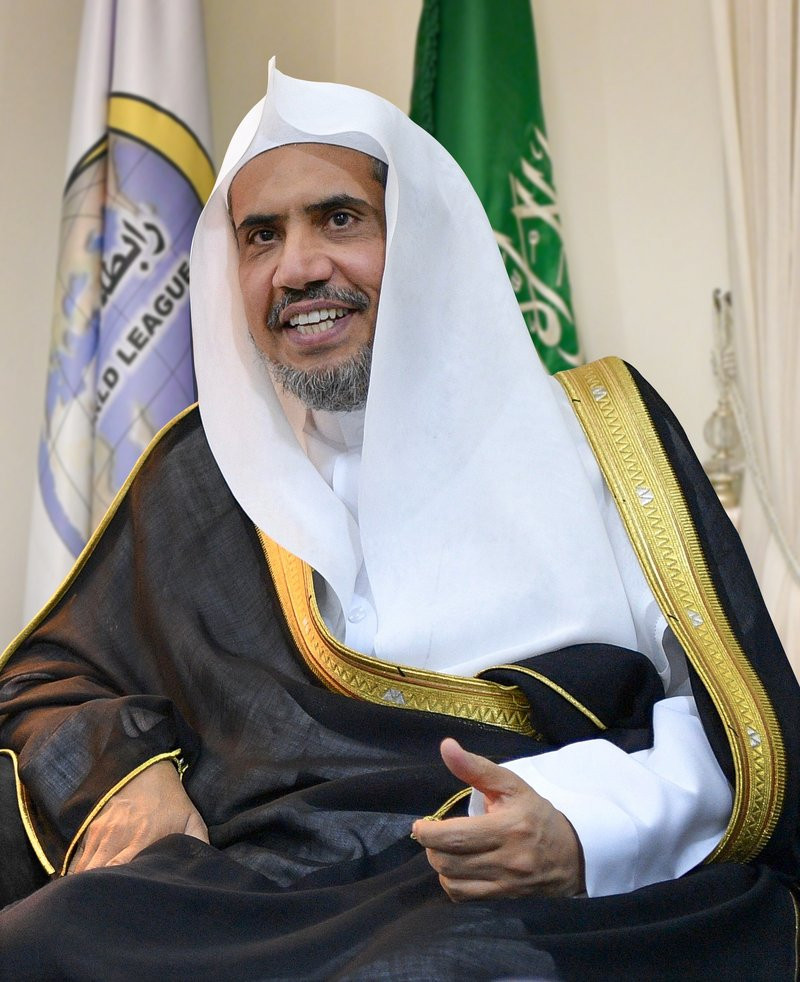 "العيسى" يقود حوار التعايش لإحلال السلام ووضع حد للصراعات بالعالم 2021-04-11 تقوم رابطة العالم الإسلامي بجهود عظيمة لتكريس ثقافة التعاون والتعايش بين الأمم والشعوب بهدف إحلال السلام والوئام ووضع حد للصراعات الدينية التي جرّت الويلات على البشرية.وتشكل الحوارات التي يقودها الشيخ الدكتور محمد بن عبدالكريم العيسى أمين رابطة العالم الإسلامي مع مختلف القيادات الدينية حول العالم منعطفاً مهماً لتأسيس حالة جديدة يسودها السلام والمشتركات الإنسانية.وأوضح الشيخ العيسى في لقاء في برنامج "في الآفاق" عبر قناة إم بي سي أن الحوار حينما يقوم على المناقشة المنطقية والتحليل الصحيح فإنه يفضي إلى النتيجة السليمة، وقال: "كان هناك تقرير بيننا وبينهم على أن من كان على أرض يجب أن يحترم دستورها وقانونها وثقافتها، ولا أحد يناقش في هذا، أو يغادر، فكان هناك اتفاق على احترام القانون والدستور والثقافة العامة".وفيما يتعلق بالخصوصية الدينية، بين العيسى أن اليمين المتطرف أقر بأهميتها، وضرورة احترامها، أو على أقل تقدير أن يكون هناك حوار ومناقشة في حال عدم وجود قانون لم يحقق الخصوصية الدينية في جزئية معينة.وأضاف، الخصوصية الدينية لا تتقاطع أبدًا مع وجوب التعايش بين الجميع، لأن الخصوصية الدينية لا تتدخل مطلقًا في نصوص الدستور الذي ضمن للجميع الحق في ممارسة الأمور المتعلقة بخصوصياته.وأوضح أمين عام رابطة العالم الإسلامي أن المشتركات الإنسانية بين مختلف الأديان مشتركات كثيرة، وقال: "الوئام الوطني في تلك البلدان، والتعايش الوطني يقوم على هذه المشتركات".كما أكد الدكتور العيسى أن نقاشاته مع اليمين المتطرف كانت إيجابية، حيث قال: "ولله الحمد، كل من حاورتهم من اليمين المتطرف هم الآن أصدقاء لرابطة العالم الإسلامي، لأنه كان هناك حوار عقلاني ومنطقي ينطلق من هدي الإسلام ومن الحكمة، ومن الواقع الذي يجب أن ننتهي إليه جميعاً"، مؤكداً أن 10% من المشتركات الإنسانية بين مختلف الأديان كفيلة بإحلال السلام والوئام في عالمنا. URL:https://sabq.org/LJgXZK
 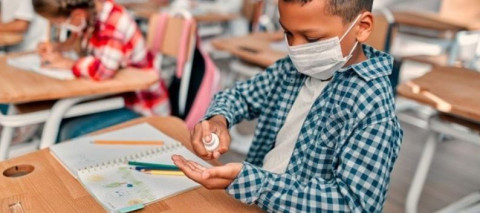 Connectivity, gender and teachers: How the Global Education Coalition is supporting COVID-19 learning recovery 2021-04-05 The COVID-19 pandemic hit the education sector with full force, disrupting schools globally and threatening to strip off decades of progress made towards learning. A year into the crisis, the situation remains bleak: Half of the world’s student population is still affected by full or partial school closures; nearly one-third cannot access remote learning; more than 11 million girls may never return to the classroom; and over 100 million children will fall below the minimum proficiency level in reading due to the impact of school closures. Unless urgent action is taken today, over 24 million children and youth are at risk of dropping out of school. As the pandemic revealed and amplified inequalities in education, UNESCO quickly mobilized support to ensure the continuity of learning around the world by establishing the Global Education Coalition in March 2020. This multi-sector Coalition brings together 175 institutional partners from the UN family, civil society, academia and the private sector currently working in 112 countries around three central themes: Connectivity, gender and teachers. A new report, published ahead of a high-level ministerial meeting, is showcasing the innovative responses that have been achieved through this unique partnership in the past year. How is the Global Education Coalition operating and what are its achievements? The Global Education Coalition has become an essential platform to support Member States to respond to the unprecedented challenges facing the education sector. Coalition contributions do not replace national responses, but rather engage new actors that would not have been obvious partners, such as technology and media organizations, to complement and support national efforts to ensure the continuity of learning. Coalition members are currently engaged in 233 projects across 112 countries. At least 400 million learners and 12 million teachers are benefitting directly or indirectly from the actions of the Coalition. Here are a few global, regional and country-specific examples of actions that have been achieved so far. In West Africa, the Francophone African regional online learning platform Imaginécole was launched as a key component of a Global Partnership for Education project to improve the quality of distance education in 10 countries: Benin, Burkina Faso, Cameroon, Côte d'Ivoire, Guinea, Mali, Niger, Senegal, Chad and Togo. The platform offers a large-scale experience in distance education for 6.6 million students and 200,000 teachers with over 600 educational resources. More than 5 million girls in the 20 countries with the greatest gender disparities in education will be supported to fulfil their right to education, with a focus on bringing back to school the most marginalized girls through wide range of actions. This includes information and awareness raising, skills acquisition and providing evidence-based recommendations to decision-makers. The Global Skills Academy, established to help equip 1 million youth with digital skills to adapt to changes in the workplace, reaching to date 142,000 beneficiaries. Since its launch, the Academy has mobilized more than 150 TVET institutions across 56 countries and is actively working with 15 partners to enroll 75,000 additional students and teachers in the coming days. In response to the explosion that rocked Beirut, Lebanon in August 2020, Coalition members mobilized financial commitments, technical assistance and capacity building support to rehabilitate damaged schools, provide technical assistance to teachers, ensure access to distance learning with content and support higher education. UNESCO and partners are supporting the rehabilitation of 55 public schools, 20 public Technical and Vocational Education and Training institutions, and 3 universities. In South Africa, a phone app-based support service for teachers developed with a partner was launched to provide a real-time chat-based learning and mentorship platform, along with a wellness and safety feature. It currently has over 67,200 users and plans to reach 400,000 more teachers in the upcoming months. UNESCO is supporting an open source platform for home-based distance learning and a regional repository of curriculum aligned resources for learners and teachers in Kiribati, Marshall Islands (Republic of), Samoa, Solomon Islands, Tonga and Tuvalu. With GIZ’s support, UNESCO is launching a teachers’ training programme for 20 Caribbean countries and a digital and social emotional skills training for migrants and refugees in Peru. Read and explore the Global Education Coalition’s latest progress report.Access the first progress report from September 2020. UNESCO is convening a high-level ministerial event on 29 March to take stock of lessons learnt, the greatest risks facing education today and strategies to leave no learner behind. It will show how the Global Education Coalition has mobilized partners to support learners, teachers and policy-makers with new tools and knowledge. URL:https://en.unesco.org/news/connectivity-gender-and-teachers-how-global-education-coalition-supporting-covid-19-learning