
News
Catch up on what’s happening in the world of global citizenship education.
172 results found
 تعزيز المواطنة العالمية: وسيلة الجامعات لمكافحة العنصرية 2020-08-26 By Hossam El-Din Khalil In a world afflicted with various forms of racism and exclusion, universities are often seen as saviors from these practices through their role in educating generations and shaping awareness as part of their moral responsibility toward the societies that embrace them. However, universities in the Arab region are often accused of being part of the problem rather than the solution because of their deviation from the political and social reality surrounding them and their administrations’ focus on what is going on on campus only, which may result in practicing some of the policies that increase the inequality they are supposed to address. As universities are part of their societies and share their sufferings and problems, even if they lock their doors upon themselves, they are still vulnerable, in one way or another, to the occurrence of racist practices on their campuses or against their students. This calls us to reconsider the required role of universities as educational institutions that are more involved in promoting the values of tolerance and harmony among the world’s population on humanitarian issues; in other words, supporting what is known as global citizenship. The concept of global citizenship calls for the rejection of local, regional or national prejudices, so that a person becomes a global citizen belonging to all parts of the world and is busy finding solutions to its issues. This leads to the production of a harmonious global society dominated by mutual respect that works to serve humanity despite the differences in religion, race, color and ethnicity, and this contributes to transforming the world into a better place than we know now. Humanity’s Common Fate Perhaps one of the biggest lessons the world is supposed to learn from the Covid-19 pandemic is that the fate of humanity is one, and that its future is shared. The virus does not differentiate between its victims on the basis of color or gender, nor does it distinguish between a developed and a developing country, where the safety of everyone has become linked to everyone. Unfortunately, awareness of such a lesson has been absent in the midst of international racism, as many governments have chosen to achieve their own interests at the expense of other peoples, and some of them may even exploit the fear of the pandemic to implement racist policies toward the most vulnerable segment of the societies, like refugees or foreign students as in the decision to deport foreign students, which the US administration retracted after raising the matter to the judiciary recently. Universities in the Arab region are often accused of being part of the problem rather than the solution. Moreover, talking about promoting universality and confronting racism is not a scientific or moral luxury. Racism in its various forms is the main reason for failing to face the major challenges threatening humanity; such as climate change, weapons of mass destruction, crimes of ethnic cleansing, genocide and the subjugation of vulnerable peoples, as it was among the main causes of the First and Second World War. That is why it is not an exaggeration that racism is considered one of the most dangerous evils of our times, if not the most dangerous of all. Responses to Racism in the U.S. Recently, the killing of George Floyd, an African-American man, by white police officers in the United States and the unprecedented protests that followed constituted an opportunity for a number of major universities around the world to declare a position on racism, thus reinforcing the values of global citizenship. Many of them have made good use of this to push suspicions away from themselves. However, much work is still needed, as in Britain alone, universities fail to confront tens of thousands of racist incidents that take place on their campuses every year, according to the government equality watchdog. If we look at Arab universities, we find that many universities did not express any position on the issue of Floyd’s death, even though it is primarily a humanitarian issue, or turned a blind eye to it. It could have constituted a review point for any racist policies practiced, or at least have been a starting point to discuss some of the international racist practices of which our universities themselves may be victims. Among the striking examples of discrimination practiced by some Arab universities is the expulsion of Qatari students from universities in other Gulf states and shutting down their accounts on the official websites of these universities without legal justification. (See a related article, “Arab Students Caught in Regional Conflict With Qatar.”) Of course, there is not a lot of statistical data on racist behavior on our campuses as research is not done in a neutral and transparent manner. However, a study published by the National Society for Human Rights in Saudi Arabia, which included 170 female students in a Saudi university, indicated that 32.4 percent had experienced discrimination on the basis of their origin, while 35.5 percent answered “I don’t know.” As for the type of discrimination, tribal discrimination occupied 52.4 percent and religious discrimination formed 15.9 percent. A Bigger Role for Universities Many may believe that universities’ mission is limited to producing knowledge. This is undoubtedly true, but the knowledge produced by universities should never be separated from the values of global citizenship, because knowledge by itself is not separated from globalism, as it always opens new horizons and ways to see the world. This does not mean that universities should be separated from their local reality, because this reality is not global, just as it is not purely national, but rather an interactive reality between the two, and from here it had a bigger role in promoting the values of citizenship, instead of being confined to the narrow concept of the nation-state. If we look at Arab universities, we find that many universities did not express any position on the issue of Floyd’s death, even though it is primarily a humanitarian issue, or turned a blind eye to it. One of the goals that our educational curricula should pursue—regardless of the nature of the subject being taught—is for students to acquire global competencies, in order to open horizons for them beyond the local context in which they live, and make them realize that their lives are connected to the lives of others despite the geographical distance. This matter is now possible more than ever due to the tremendous communications revolution in our times, which was tested and activated well during the coronavirus crisis. For example, we can now hold joint semesters attended by our universities and a number of other universities, and open joint seminars and research projects to promote this. We can also engage in a serious international alliance with a number of universities to achieve this purpose, and benefit from the strategic plan proposed by UNESCO for education (2030) through which it committed itself to support global citizenship education (GCED). To achieve global citizenship, is not enough for our universities to have students of other nationalities only, or to establish memoranda of understanding and cooperation, which do not exceed, in most cases, a signature. Today, there is a good opportunity—I hope it will not be lost—to reconsider the role of our universities and the opportunities available through them to build a fair society in which everyone shares the opportunities to build a better tomorrow away from the evils of racism. Hossam El-Din Khalil is a senior researcher at Hamad Bin Khalifa University’s College of Islamic Studies, in Qatar. URL:https://www.al-fanarmedia.org/2020/08/global-citizenship-a-way-to-combat-racism-on-campuses-and-beyond/#.Xz0KNlgIk-A.whatsapp
 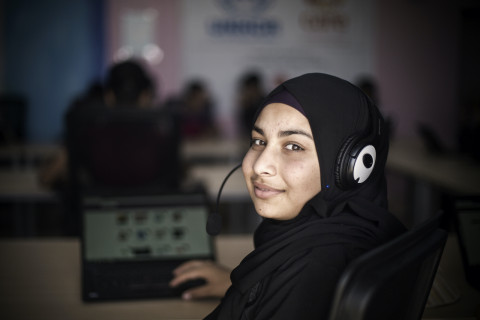 شراكة بين مؤسسة عبدالله الغرير للتعليم والمفوضية السامية للأمم المتحدة لشؤون اللاجئين من أجل تطوير المهارات ورفع مستوى الوعي بالوظائف بين الأشخاص الذين تُعنى بهم المفوضية 2020-08-26 دبي، الإمارات العربية المتحدة: أعلنت مؤسسة عبدالله الغرير للتعليم اليوم عن شراكة تجمعها مع المفوضية السامية للأمم المتحدة لشؤون اللاجئين في مسعى لمنح الأشخاص الذين تُعنى بهم المفوضية فرصة الوصول إلى برنامج الغرير للمفكرين اليافعين في دولة الإمارات العربية المتحدة، بهدف مساعدتهم في تطوير المهارات التي من شأنها تحسين فرص توظيفهم ومستوى معيشتهم. وبرنامج الغرير للمفكرين اليافعين هو منصة إلكترونية ثنائية اللغة (عربي وإنجليزي) مُصممة لرفع مستوى الوعي بالوظائف وتطوير المهارات الشخصية، من خلال الدورات التدريبية عبر الإنترنت التي تهدف إلى مساعدة الشباب الإماراتي والعربي في كسب مؤهلات عملية موائمة لاحتياجات سوق العمل والتعزيز من مسار التعلم. ويستفيد حالياً ما يزيد عن 20,000 مستخدم في المنطقة العربية من هذه المنصة، غالبيتهم في دولة الإمارات العربية المتحدة. وتقدّم مؤسسة عبدالله الغرير للتعليم من خلال هذا البرنامج مجموعة من الندوات عبر شبكة الإنترنت التي تساعد عدداً من موظفي المفوضية السامية للأمم المتحدة لشؤون اللاجئين وتدرّبهم على الترويج لبرنامج الغرير للمفكرين اليافعين. بالإضافة إلى ذلك، تعمل على تدريب مجموعة من الشباب الذين تعنى بهم المفوضية والذين سيعملوا على ترويج المنصة بين أفراد مجتمعاتهم ويدعمونهم أثناء استخدامهم لهذا البرنامج. وستتمحور الدورات التدريبية على هيكلية البرنامج وأهدافه ومنافعه بهدف الترويج الفعال للمنصة الإلكترونية. هذا وستقيم مؤسسة عبد الله الغرير للتعليم ورش عمل لبناء المهارات تضم الأشخاص الذين تعنى بهم المفوضية، وتركّز بشكل خاص على المهارات الشخصية مثل الذكاء العاطفي، ومهارات العرض والتحدث أمام الجمهور؛ وهي من المهارات الأساسية التي يجب أن يتمتع بها المرء لتحقيق النجاح على مقاعد الدراسة وفي الحياة العملية. وإلى جانب بناء المهارات الشخصية، تدعم ورش العمل الأشخاص الذين تعنى بهم المفوضية السامية للأمم المتحدة لشؤون اللاجئين ليتمكّنوا من تكوين فكرة أوضح وأشمل لوظائف المستقبل والحصول على الموارد والاستشارات التي ستدعمهم في الخيارات التي سيتخذونها على الصعيدين التعليمي والمهني. أما الأشخاص الذين تُعنى بهم المفوضية فيشملون اللاجئين والنازحين داخلياً وطالبي اللجوء والأشخاص عديمي الجنسية والعائدين، وقد ساعدت المفوضية الملايين من هؤلاء في إعادة بناء حياتهم عبر تقديم المأوى والطعام والماء وغيرها من الخدمات الأساسية. وفي هذا الإطار، أعربت الدكتورة سونيا بن جعفر، الرئيسة التنفيذية لمؤسسة عبدالله الغرير عن سعادة المؤسسة بالتعاون مع المفوضية السامية للأمم المتحدة لشؤون اللاجئين خاصة خلال هذه الأوقات الصعبة ، وقالت: «تأتي هذه الشراكة لتضيف إلى الخطوات السابقة وتوطّد العلاقة الطويلة التي تجمعنا بالمفوضية السامية للأمم المتحدة لشؤون اللاجئين داخل الإمارات وخارجها. وتؤكد هذه الشراكة على أهدافنا المشتركة التي تقوم على خدمة الشباب الأكثر ضعفاً ودعمهم وتمكينهم وتزويدهم بالمهارات اللازمة التي تساهم في تنميتهم والارتقاء بمستوى معيشتهم.» وعن هذه الشراكة قالت نادية جبور مديرة مكتب المفوضية السامية للأمم المتحدة لشؤون اللاجئين في دولة الإمارات: «إننا نفخر بشراكتنا الاستراتيجية مع مؤسسة عبدالله الغرير للتعليم التي تعيد التأكيد على التزام هذه المؤسسة بمساعدة الجيل الشاب المحتاج، لا سيما في ظل جائحة فيروس كوفيد-19 وتأثيرها الاقتصادي. ونأمل أن يستفيد الشباب العربي من هذا البرنامج، لا سيما أولئك القادمون من بلدان دمّرتها الحرب وتُعنى بهم المفوضية، من أجل تعزيز تعليمهم وحياتهم الوظيفية.» -انتهى- حول مؤسسة عبد الله الغرير للتعليمتأسست مؤسسة عبدالله الغرير للتعليم عام 2015، وتدعم تأمين فرص التعليم ذات الجودة العالية للشباب الإماراتي والعربي في المنطقة، بالإضافة إلى حلول تطوير المهارات اللازمة للانتقال الناجح إلى الجامعة وإلى الحياة الوظيفية. وبصفتها واحدة من أضخم المؤسسات الخيرية الممولة من القطاع الخاص في المنطقة، تركز مؤسسة عبدالله الغرير للتعليم على تمكين الشباب الإماراتي والعربي من أجل تحقيق النجاح والمساهمة في التطوير المستدام للمنطقة من خلال تقديم حلول تعليمية مبتكرة قائمة على التكنولوجيا وإقامة الشراكات الحقيقية والجديرة بالثقة، بالتوافق مع الهدفين الرابع والثامن من أهداف الأمم المتحدة للتنمية المستدامة اللذين ينصان على التعليم الجيد والمنصف والشامل الذي يؤدي إلى ارتقاء مستوى المعيشة للجميع. لمزيد من المعلومات، يُرجى التواصل مع ألفة عبيدي على oabidi@alghurairfoundation.orgأو تفضّل بزيارة موقعنا على www.alghurairfoundation.org حول المفوضية السامية للأمم المتحدة لشؤون اللاجئينتقود المفوضية العمل الدولي الهادف لحماية الأشخاص المجبرين على الفرار من منازلهم بسبب الصراع والاضطهاد. نحن نقدم مساعدات منقذة للحياة كالمأوى والغذاء والمياه ونساعد في الحفاظ على حقوق الإنسان الأساسية ونسعى لإيجاد الحلول التي تضمن حصول الأشخاص على مكان آمن يدعونه وطناً حيث يمكنهم بناء مستقبل أفضل فيه. ونحن نعمل أيضاً لضمان منح الجنسية للأشخاص عديمي الجنسية.للمزيد من المعلومات، يُرجى زيارة موقعنا على: www.unhcr.org Send us your press releases to pressrelease.zawya@refinitiv.com © Press Release 2020 URL:https://www.zawya.com/mena/ar/press-releases/story
  "تعليم الكبار " تناقش التقرير العالمى الخامس لتحقيق أهداف التنمية المستدامة 2020-08-18 دشنت الهيئة العامة لتعليم الكبار اليوم الأحد ، سلسلة اللقاءات التشاورية حول استبيان التقرير العالمي الخامس لتعليم وتعلم الكبار، بمشاركة منظمات المجتمع المدني، والجهات الحكومية. وقال الدكتور عاشور عمري، رئيس الهيئة العامة لتعليم الكبار، المنسق الوطني لإعداد وكتابة التقرير العالمي الخامس لتعليم وتعلم الكبار بمصر؛ إنه تم توجيه الدعوة للمجتمع المدني، ممثلاً في الشبكة العربية لمحو الأمية وتعليم الكبار، وبعض المؤسسات الحكومية، ممثلة في: المركز الإقليمي بسرس الليان (أسفك)، ومركز تعليم الكبار جامعة عين شمس، ومجموعة من الخبراء ومثلي الجمعيات الأعضاء بالشبكة العربية لمحو الأمية وتعليم الكبار؛ لإقامة مجموعة من اللقاءات التشاورية حول التقرير العالمي الخامس بشأن تعليم وتعلم الكبار لرصد التقدم المحرز لخفض نسبة الأمية في مصرنا الحبيبة، وإلى أي مدى تتوافر الإتاحة وتحسينها بشكل متميز يتسم بالجودة، والمساواة، وعدم التمييز، وكذلك تعزيز فرص التعلم، ومراجعة أنشطة تعليم وتعلم الكبار وتقويمها، وتحسين عملية التعليم والتعلم على ضوء التوجهات العالمية لأدبيات تعليم وتعلم الكبار، وكذا تحقق الشراكة والتشبيك بين هيئة تعليم الكبار والمجتمع المدني في مجال تعليم الكبار، واستعراض أبرز التجارب الناجحة لتعميم الفائدة، وكذلك التحقق من السعي الدؤوب لتحقيق أهداف التنمية المستدامة 2030 ، والعمل على جودة تعليم الكبار، وتنوع مصادر التمويل، وإطلاق القدرات الإبداعية لتعليم وتعلم الكبار. وترأس الاجتماع الدكتور عاشور عمري، والدكتورة إقبال السمالوطي، رئيس الشبكة العربية لمحو الأمية وتعليم الكبار، وبحضور الدكتور سلامة العطار: أستاذ أصول التربية جامعة عين شمس _ وخبير تعليم الكبار والدكتور أشرف محرم: مدير المركز الإقليمي لتعليم الكبار (أسفك) والدكتور إسلام السعيد: مدير مركز تعليم الكبار جامعة عين شمس. وتم التشاور حول بنود استبيان التقرير الخامس لتعليم وتعلم الكبار ومحاوره، حيث أكد الحضور على إنجازات الهيئة وتطورها في الفترات الأخيرة، ولاسيما ما تناوله التقرير الرابع من إشادة بجهود مصر في تعليم وتعلم الكبار. وأكد الاحتماع على تطور مفهوم تعليم وتعلم الكبار؛ نتيجة الثورة الرقمية والمعرفية، لينتقل من مجرد محو الأمية إلى إعداد المواطن لجودة الحياة في شتى المجالات وبخاصة الصحية والتعليمية والاجتماعية والبيئية، وإعطاء فرص متنوعة للتعلم ومواصلته ولاسيما للمرأة وذوي الإعاقة والمهمشين، من أجل تقدم مصر ورقيها، ولتصبح بلا أمية. URL:https://www.youm7.com/story/2020/8/16/%D8%AA%D8%B9%D9%84%D9%8A%D9%85-%D8%A7%D9%
  Syrian student overcomes challenges through learning and training opportunities 2020-08-15 Ahmad Al-Turk, 19, has a lot to teach us about persistence. Ahmad and his family left Syria in 2012, arriving in Jordan with little more than the clothes on their backs. They moved in with family in the northern city of Mafraq and prepared to start fresh. Wanting to help his family to make ends meet, an 11-year-old Ahmad got a job at a clothing store, folding clothes and cleaning. For two years, he worked full time, trying to help his family get back on their feet. Finally, Ahmad’s father got a job as a building manager in Amman and secured an apartment for his family. Ahmad’s parents enrolled him in school again but since Ahmad had missed two years, he had to begin in 5th grade rather than 7th. For a few years, Ahmad played catch up, leaving school to return to the world of work after finishing the 8th grade. First, he rented a cart from a vendor and sold steamed corn and then found a job distributing water door-to-door. I bounced from one job to another for a while. My family and people from my community kept reminding me that I hadn’t completed my education and I felt really badly about this but didn’t feel like I had a choice as I needed to earn money and help out--Ahmad Al-Turk Then one day, the mother of one of Ahmad’s friends told him about scholarship opportunities she had seen advertised. “The Technical and Vocational Education and Training (TVET) scholarships were appealing to me as they didn’t require applicants to have succeeded at Tawjihi. I had nothing to lose, so I applied for the Hospitality programme”. The scholarships are offered as part of the UNESCO “Provision of TVET for vulnerable Jordanian and Syrian Refugee Youth” project, implemented with generous funding and strong partnership from the Government of the Republic of Korea, in cooperation with Luminus Technical University College (formerly Al Quds College). Through the project, UNESCO supports youth to receive quality training programmes as a way of finding employment. The project is aligned with the 2030 Agenda for Sustainable Development and in particular, the Sustainable Development Goal 4, which focuses on ensuring inclusive and quality education for all and promoting lifelong learning. “When I learned that I had been accepted into the programme, I was overcome with happiness. It was that moment that I realized that I had a chance to prove myself to all those who had criticized me for leaving school. I knew things were going to change for me”, shared Ahmad. A week later, Ahmad began his studies. I gained so much knowledge, skills and confidence during the programme. Going in, I felt I was completely out of my league but the programme was so packed with value. For me, one challenge was learning English, but I improved upon my skills as time went on. In the hospitality field, you need to deal with tourists from all around the world so its important to have a second language. I really enjoyed the HACCP certification course and learning about safe food handling.-- Ahmad Al-Turk HACCP is an international standard defining the requirements for effective control of food safety and handling processes. Luminus instructors are licensed to issue the certificates to students who receive a satisfactory grade on the HACCP exam. His Excellency Lee Jae-wan, Ambassador of the Republic of Korea to Jordan, is pleased by the powerful impact of this TVET project. Korea believes that young people like Ahmad serve as a strong example to others, and demonstrate the power of perseverance. Youth have an opportunity to thrive and develop new skills through TVET training. We are delighted to be continuing to provide this valuable support through this UNESCO project.-- His Excellency Lee Jae-wan, Ambassador of the Republic of Korea to Jordan In early 2019, Ahmad finished the on-the-job training portion of his programme and began knocking on the doors of businesses looking for work in his new field. After three days, he found a job as a waiter in a restaurant in Amman, where he has worked for the past year. Reflecting on what it means to start over many times, Ahmad has a message for those searching for direction: “If you have lost hope in life, you must find it again. This programme brought hope back into my life and gave me an objective. Now my family is proud of me. When I think of the future, I feel that everything is going to be ok”. To learn more about this project, click here. URL:https://en.unesco.org/news/syrian-student-overcomes-challenges-through-learning-and-training-opportunities
  New resources to counter COVID-19 conspiracy theories through critical thinking and empathy 2020-08-15 UNESCO, in cooperation with the European Commission, Twitter, and the World Jewish Congress, is launching a series of easily accessible and comprehensive visual learning resources to raise awareness of the existence and consequences of conspiracy theories linked to the COVID-19 crisis. The resources also address how to recognize conspiracy theories, understand what drives them, refute them with facts and respond effectively to those who are spreading them. The COVID-19 pandemic has unleashed a parallel pandemic of dangerous misinformation and rumours in the form of conspiracy theories, including far-fetched explanations of the origins of the virus, how it can be cured and who is to blame for its spread. Conspiracy theories undermine science, facts and trust in institutions, and pose an immediate threat to individuals and communities. There have always been conspiracy theories, but the pandemic underway has proved to be a particularly fertile ground for their spread. They are part of a wider trend of increasing hate speech, and increased racist, xenophobic, and anti-Semitic attacks, which also target LGBTQ communities. UNESCO Director-General Audrey Azoulay underlined the dangers of misinformation and rumours in relation to the pandemic and other issues. “Conspiracy theories cause real harm to people, to their health, and also to their physical safety. They amplify and legitimize misconceptions about the pandemic, and reinforce stereotypes which can fuel violence and violent extremist ideologies,” she said. The infographics, available in Arabic, Chinese, English, French, Russian and Spanish, will be widely disseminated on social media via the hashtag #ThinkBeforeSharing, UNESCO MIL CLICKS social media pages, and through the European Commission’s website on fighting disinformation. Věra Jourová, Vice President of the European Commission for Values and Transparency, said: “Disinformation and conspiracy theories harm the health of our democracies – this has been made very clear in the context of a global pandemic. Citizens must be equipped with useful tools to recognise and debunk them. To support citizens, public institutions need to work together and with digital platforms, media professionals, fact checkers and researchers, as the European Commission and UNESCO are doing.” The visual learning resources complement UNESCO's work on Media and Information Literacy (MIL) and related educational graphics produced as part of the Organization’s COVID-19 response. They draw on the expert advice of Professor Michael Butter, author of the Guide to Conspiracy Theories, as well as Stephan Lewandowsky and John Cook, authors of the Conspiracy Theory Handbook. As part of the launch of the resources, Prof. Butter stressed the important role of education: “There is by now a lot of evidence that shows that people who have been taught what conspiracy theories are and how they work are much less receptive to them. It's easy: education is key.” Mr Lewandowsky affirmed the fact that conspiracy theories may be viewed as light-hearted, but can be dangerous, saying that “conspiracy theories have adverse consequences on society. This is especially true during a pandemic, when belief in conspiracies can harm or even kill people. It is therefore essential for the public to be informed about how to spot conspiracy theories so that they can be ignored.” The campaign is undertaken as part of UNESCO’s work in Media and Information Literacy and to counter hate speech, and supports its programmes on Preventing violent extremism through education and Global Citizenship Education. URL:https://en.unesco.org/news/new-resources-counter-covid-19-conspiracy-theories-through-critical-thinking-and-empathy
 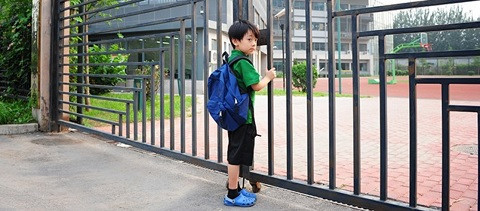 UN Secretary-General warns of education catastrophe, pointing to UNESCO estimate of 24 million learners at risk of dropping out 2020-08-08 UN Secretary-General António Guterres today launched the Education in the time of COVID-19 and beyond Policy Brief warning that the pandemic has created the most severe disruption in the world’s education systems in history and is threatening a loss of learning that may stretch beyond one generation of students. School closures are also likely to erase decades of progress, according to the Policy Brief, which builds on UNESCO’s data and features recommendations on ways to avert the looming catastrophe. UNESCO led the drafting of the Secretary-General’s Policy Brief which contains inputs from 15 sister organizations. “We already faced a learning crisis before the pandemic,” said UN Secretary-General Antonio Guterres in a video statement to launch the Policy Brief. “Now we face a generational catastrophe that could waste untold human potential, undermine decades of progress, and exacerbate entrenched inequalities.” The Brief calls for national authorities and the international community to come together to place education at the forefront of recovery agendas and protect investment in education. With this objective, UNESCO will convene a special session of the Global Education Meeting before the end of the year. UNESCO data shows that nearly 1.6 billion learners in more than 190 countries, 94% of the world’s student population, were affected by the closure of educational institutions at the peak of the crisis, a figure that stands at 1 billion today. As many as 100 countries have yet to announce a date for schools to reopen. The Policy Brief points to UNESCO’s projections whereby 24 million learners from pre-primary to tertiary education risk not finding their way back to their studies in 2020 following the COVID-19-induced closures. The largest share of learners at risk, 5.9 million, live in South and West Asia. Another 5.3 million students at risk are in sub-Saharan Africa. Both regions faced severe educational challenges even before the pandemic, which is likely to worsen their situation considerably. According to UNESCO, tertiary education is likely to experience the highest dropout rate and a projected 3.5% decline in enrolment, resulting in 7.9 million fewer students. Pre-primary education is the second worst affected level with a projected 2.8% decline in enrolment, i.e. 5 million fewer children attending. According to these projections, 0.27% of primary and 1.48% of secondary education students, corresponding to 5.2 million girls and 5.7 million boys at both levels, risk dropping out of school. “These findings emphasize the urgent need to ensure the continuity of learning for all in the face of this unprecedented crisis, in particular the most vulnerable,” says UNESCO Director-General Audrey Azoulay. “The Brief calls to protect investment in education at all levels, and warns that according to UNESCO estimates, the pandemic will increase the gap in funding needed to reach the internationally agreed 2030 Sustainable Development Goal on Education (SDG4) in low and lower-middle income countries by one third, from the already staggering shortfall of USD 148 billion.” School closures do not only undermine education. They also hamper the provision of essential services to children and communities, including access to a balanced diet and parents’ ability to go to work. They also increase risks of violence against women and girls. Preventing the learning crisis from becoming a generational catastrophe must become a top priority for world leaders and for stakeholders across the education community, says the brief, emphasizing education’s role in driving economic progress, sustainable development and lasting peace. The Brief makes recommendations in four areas to mitigate the effects of the pandemic: Suppress transmission of the virus and plan thoroughly for school reopening: this covers health and safety measures, attention to the needs of marginalized children and joint planning and consultation with teachers, parents and communities The UN has issued guidance to help governments in this complex endeavour. Protect education financing and coordinate for impact: despite public spending constraints, national authorities must protect education budgets and include education in COVID stimulus packages. The international community must protect official development assistance for education. Relieving, postponing and restructuring debt for low and lower-middle income countries is part of the solution to help countries invest in education. Strengthen the resilience of education systems for equitable and sustainable development: Building back resilience requires a priority focus on equity and inclusion, with measures to address the needs of the most marginalized and vulnerable learners and to ensure that economic strains and gender norms do not prevent girls from returning to school. Risk management capacities need to be reinforced at all levels. Reimagine education and accelerate positive change in teaching and learning: The scale of innovations made in a short time to ensure learning continuity proves that change can happen quickly. They have set the ground to reimagine education and build systems that are more forward-looking, inclusive, flexible and resilient. Solutions must address learning losses, preventing dropouts, particularly of the most marginalized, and ensuring the social and emotional welfare of students, teachers and staff. Other priorities include better support to the teaching profession, removing barriers to connectivity, investing in digital technologies and flexible learning pathways. The UN Policy Brief is being launched alongside #SaveOurFuture, a multi-partner campaign led by ten entities, including UNESCO, to raise awareness of the global education emergency and urge increased investment to build better, more inclusive and resilient education systems for the future. **** Secretary-General’s Policy Brief on Education and COVID-19 UNESCO COVID-19 Advocacy Paper: “How many students are at risk of not returning to school?" #SaveOurFuture campaign URL:https://en.unesco.org/news/secretary-general-warns-education-catastrophe-pointing-unesco-estimate-24-million-learners-0
 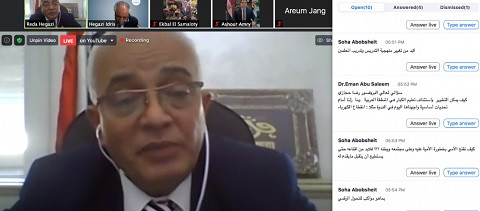 UNESCO hosts a webinar: ‘Towards a strategic framework on reopening adult learning and education programmes for the Arab States’ 2020-07-30 Beirut, 29 July 2020- Given the constant changes on the political, social and economic levels, in the Arab States, adult learning and education programme (ALE) has become a driving force for Sustainable Development Goals implementation. There is evidence that adult education can lead to positive change in social, economic, and political spheres, as well as in the health sphere, which in turn leads to building more sustainable societies. In this regard, over the past 5 decades, the Arab region has made significant progress in the field of literacy owing to the salient increase in school enrolment rates, political commitment and financial support to promote access to education. Despite the progress achieved, an estimated number of 50 million adults are still illiterate in the region and the ALE programme was not exempted from the massive education disruption caused by current COVID-19 pandemic since this March. When it comes to emergencies, UNESCO Institute for Lifelong learning (UIL) highlighted in their recent international review of education – Journal of Lifelong Learning that ALE can play a pivotal role as the promotion of health literacy is one of its part and the importance of populations having at least a basic level of literacy and numeracy will enable them to receive and act on vital information during crisis. Against this backdrop, UNESCO Regional Bureau for Education in the Arab States - Beirut in cooperation with the Regional Centre for Adult Education (ASFEC), organized a webinar titled “Towards a strategic framework on reopening adult learning and education programmes for the Arab States “ which aimed to identify the ALE status in the region and facilitate the development of strategic framework on reopening ALE programme by assessing multi-dimensional needs from diverse stakeholders. Government officials, educators and professionals in field of ALE and lifelong learning took part in the webinar, in addition to high-level personalities including Deputy Minister of Education and Technical and Vocational Training in Egypt Dr Reda Hegazi. The webinar was attended by ALE education officials and managers, ALE programme teachers at local communities, and academia in lifelong learning and ALE. In this opening of the webinar, UNESCO Beirut’s Programme Specialist for Basic Education Dr Hegazi Idris spoke of the importance of ALE for sustainable development. He pointed out to the dimensions that must be taken into consideration when developing ALE, the most prominent of which are: promoting social dialogue and communication between teachers and learners, guaranteeing the health and safety of students and teachers in the places where ALE programmes are offered, ensuring welfare and providing psychological, social and emotional support to learners, professional training for teachers and facilitators, securing funding for ALE programmes through partnerships between the private and public sectors and civil society. Then, Deputy Minister of Education and Technical and Vocational Training in Egypt Dr Reda Hegazi made a speech in which he said: “Education is no longer based on “feeding” information, because knowledge has become available for everyone. Education today means the organization of study. The teacher is not a “feeder” but an organizer of studies". He added: "As for curricula, they are a social construct and must therefore evolve in line with the evolutions of the national contexts and the needs of learners". Hegazi highlighted that: "The problem of illiteracy in our region derives from three problems which are reluctance to pursue education, reversion to illiteracy, and dropout from education. Hence, we must find solutions to these problems to ensure adult education and literacy." He concluded by saying that ensuring the quality of adult education passes through building partnerships with civil society: “Government agencies must organize adult education services, not provide these services because civil society has successful experiences and good practices that enable it to provide educational programs for adults with a high level of quality and innovation". This was followed by a speech by the Director of the General Authority for Adult Education in Egypt D Raafat Radwan who stated that "the world post-COVID19 will be different from the world before COVID19" noting that the post-COVID19 world will be characterized by “stability and continuity - because the complete disruption of service provision is no longer an option -, by the highest levels of human innovation and creativity to develop solutions to emergency situations, and by strong reliance on technology". Radwan pointed out the most pressing challenges facing adult education and literacy in the Arab region, especially in the COVID-19 context. He said that the most important challenge is the lack of access to technology and to the Internet, especially in rural areas, which makes it necessary to develop "technologies for the poor", i.e. radio and television. He asked: "How can the interaction between the teacher and the learner be guaranteed during remote learning through the radio and television? How can the curriculum be adapted to remote learning?" Then the Director of the Regional Center for Adult Education (Egypt) Dr Ashraf Muharram spoke of the importance of building partnerships between civil society and ALE programmes stakeholders, and of the sharing good practices to ensure the quality of ALE programmes and their adaptation to the needs of the learners. The Director of the General Authority for Adult Education in Egypt Ashour Amry talked about the Authority's response to the COVID-19 crisis, noting that the authority has established a unit for technological development whose mission is to develop online platforms for ALE and convert curricula from paper to digital resources. Lastly, Secretary General of the Arab Network for Literacy and Adult Education Dr Iqbal El Samaloty made a presentation in which she stressed the link between literacy and social development, and highlighted the need for developing ALE programmes based on unconventional and out-of-the-box methods that attract learners and respond to their needs. She added: "Civil society organization offer pioneering experiences and inspiring models in the field of adult education and literacy, which they developed in partnership with academics and relevant authorities and stakeholders. Therefore, civil society organizations should be involved in the adult education process to ensure its success". El Samaloty mentioned that ALE programmes have been a victim of the COVID-19 crisis in the absence of policies and mechanisms to deliver adult education remotely. “Remote teaching and learning has deepened discrimination against the illiterate people, which means the poor, and raised the issue of economic empowerment in our Arab societies,” she said. The webinar offered a platform to enhance the participants’ understanding of strategies and key elements necessary to resume ALE programmes, and to raise awareness on the importance of ALE relevant to health literacy for national emergency strategies and preparedness to future possible crisis. Resources Global Report on Adult Learning and Education (GRALE)(EN) The status of adult learning and education in the Arab States (EN) Arab Adult Education Is Not Accessible for Many (EN,AR) Adult education and learning (EN) Recommendation on Adult Learning and Education (EN) ‘Impact of Distance Education on Adult Learning’ project (IDEAL) (EN) URL:https://en.unesco.org/news/unesco-hosts-webinar-towards-strategic-framework-reopening-adult-learning-and-education
 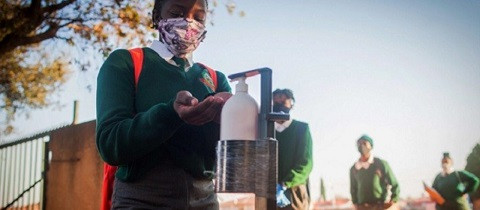 UNESCO and key education partners support the Ministry of Education on school reopening in Palestine 2020-07-28 As COVID-19 affected the globe, it forced many students to rely on distance learning as schools closed. With no end to the pandemic in sight, governments and organizations need to adapt to the new realities of this pandemic. The Palestinian Ministry of Education (MoE), recognizing the changes unfolding, plans to reopen schools early August, 2020. In this context, on 11 June, the Palestinian MoE and UNESCO organized a meeting with key education partners (including Ireland, Finland, UNRWA, Save the Children, and UNICEF) to discuss the school re-opening plan in Palestine in hopes of finding solutions and raising awareness on different issues to be faced. The meeting focused on policy formulation regarding appropriate restructuring of learning for the school reopening. The Minister of Education, Dr. Marwan Awartani, attended the meeting and expressed his appreciation to all education partners supporting the Ministry to have a safe return to school. Besides the urgency of finalizing the plan for reopening schools, he notably emphasized the need for greater coordination among ministries and other key actors with a view to ensuring that measures such as social distancing among students are effectively implemented. He also confirmed that an assessment of distance learning, which is important for remote areas with limited access to technical resources, was necessary. In order to guide the back to school planning process in Palestine, UNESCO Ramallah, presented the global framework, developed by UNESCO, UNICEF, WFP and the World Bank designed to guide different countries around the world in this critical intervention. The importance to consider safe operations, well-being, blended learning and the most vulnerable of students in responses and interventions was also underlined, as well as the necessity of ownership by the national stakeholders. During the discussions, it became clear that several ideas and draft plans (e.g. from UNRWA) already existed on which it was suggested to build upon in order to optimize the use of the funds available and avoid duplication of efforts. UNRWA presented their draft plan, which the Ministry was interested to consider. The meeting ended with several positive notes. While the rapid spread of the COVID-19 in Palestine is unfortunate, it also presents an opportunity to try new desired methods for teaching and learning. While the current landscape is unpredictable, it is important to agree upon specific principles in order to begin the implementation of the back to school plan. Any reopening should take into account a possible resurgence of a second wave of the pandemic. Thus, parents should be heavily involved to prepare and guide their children in education. At the same time, parents must not be seen as substitute teachers, as this would not provide the required equity of education to all students. While the meeting was attended by the Ministry of Education, UNESCO and other international agencies involved in education, more partners such as private schools and the civil society, should be involved in future discussions. As a concrete way forward, the formation of a specialized Task Team (TT) on School Reopening was suggested. Smaller teams would meet to discuss key issues in areas of the school reopening framework, presented by UNESCO, which should inform the work of the TT. The Ministry of Education was also advised to present its emergency plans and the initial plan for school reopening in the upcoming Education Sector Working Group meeting. The Ministry of Education suggested that UNRWA, UNESCO and other key agencies meet as soon as possible to develop a concrete plan, based on the discussions brought up in this meeting. A follow-up meeting took place on 30 June to discuss the progress on the school re-opening plan. The MoE, UNESCO, UNRWA, UNICEF and Save the Children attended the meeting. Dr. Basri Saleh, Deputy Minister opened the meeting, confirming that ensuring the readiness of schools, students, teachers, content and tools are very important pillars in the school re-opening plan. He further emphasized that education partners should continue the discussion with different departments at the Ministry for the preparation of the plan. Interventions, including related to hygiene, safety, teacher training, and distance learning, will be integral elements in the development of the plan, which will also include the financial needs for all activities. He also commended the work done by the education partners on all fronts as the only way to have a safe return to school. UNRWA mentioned its financial gap for the implementation of its plan for school re-opening, mentioning some 5 million US$ to cover the expenses of additional teachers and counselors. UNRWA’s plan is to open from Saturday to Thursday for half of the students, every day, depending on the spread of the virus using a blended approach. For more information on UNESCO’s activities in Palestine, please visit www.unesco.org/ramallah and visit us on : Unesco Ramallah Office For more information on this event, please contact Ms. Sonia Ezam, Senior Programme Officer at the Education Unit of UNESCO National Office for Palestine, at s.ezam@unesco.or(link sends e-mail)(link sends e-mail) URL:https://en.unesco.org/news/unesco-and-key-education-partners-support-ministry-education-school-reopening-palestine
 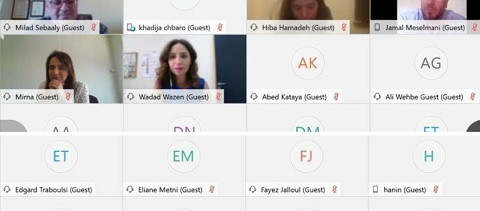 UNESCO explores “Online Teaching and Learning” during the Lebanese Internet Governance Forum 2020-07-24 On 23 July 2020, Joseph (USJ), Notre Dame University (NDU), and UK Leb TechHub the Lebanese Multi-Stakeholder Advisory Group organized the Lebanese Internet Governance Forum under the theme “Rethinking Internet Governance in times of crisis”. In this context, UNESCO Beirut hosted a panel on “Online Teaching and Learning”, in partnership with the American University of Beirut (AUB), the University of Saint. The COVID-19 outbreak in Lebanon has translated into a major education crisis due to schools and universities closure. As part of its response to the crisis, Lebanon’s Ministry of Education and Higher Education has developed three tracks to ensure the continuity of learning: learning through the TV, online learning, and traditional learning. Online teaching and learning met several challenges, mainly internet access and internet infrastructure in the country, the availability of online/digital teaching material, and teachers’ preparedness to switch to this kind of teaching. Against this backdrop, the session on “Online Teaching and Learning” aimed at exploring the impact of COVID-19 on the education sector in Lebanon, and discussing the challenges associated with remote/online learning and how to move forward towards adopting a new way of teaching and learning post-COVID 19. In his welcome speech, UNESCO Beirut’s Programme Specialist for Communication and Information, Mr George Awad, said that: “The Covid-19 pandemic reminded the world of the importance of the Internet as a means to access information and education. Yet the digital divide between those who are “connected” and those who are not may become the new face of inequality. Lack of internet access in some regions in the country has deprived students from the opportunity to benefit from remote/online learning”. Awad added: “This situation adds to the relevance of the universal right to access the internet, which was unanimously recognized by the 195 Member States of UNESCO in 2015. UNESCO’s framework for universalizing Internet access has endorsed four principles (ROAM principles): that the Internet be based on human rights, openness, accessibility to all, and be managed through the participation of multiple stakeholders”. Awad added: “The Covid-19 crisis is an opportunity to rethink education, educational philosophy and means of delivering education to learners. We must think about what remote education is and find solutions to the challenges that stand in the way of everyone's access to inclusive and quality education before and after the COVID-19 crisis”. High-level speakers participated in the session: Member of Parliament Mr Edgar Traboulsi; Educational Technology Expert at the Center of Educational Research and Development (CERD), Mr Milad Sibaaly; the Head of New Educational Technologies section at USJ, Mrs Wadad Wazen; School Academic Director, Mrs Hiba Hamadeh; co-founder of TABSHOURA and Lebanese Alternative Learning, Mrs Nayla Fahed. The highly-interactive session allowed participants to reflect on the challenges of online teaching and learning in Lebanon and means to improve infrastructure to provide quality teaching. URL:https://en.unesco.org/news/unesco-explores-online-teaching-and-learning-during-lebanese-internet-governance-forum
 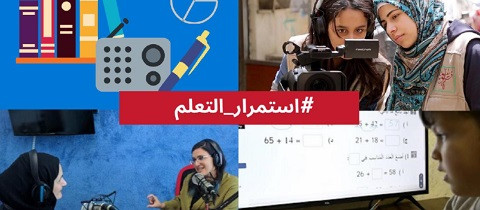 Virtual workshop on distance education programmes using radio and television in the Arab States 2020-07-22 In the Arab region, where 13 million children and youth are already out-of-school due to conflict, an additional 100 million learners have been affected by school closure due to the COVID-19 pandemic. In a similar manner as countries of other regions, some Arab countries have adopted online learning modalities to provide alternative educational resources for students amid suspension of regular classes. However, given that more than half (51.3%) of the population in the Arab States are not using the Internet nor mobile internet, TV-based learning is the most widely adopted measure as opposed to radio-based learning, which is only used in a handful of countries identified by the report of the UNESCO Regional Bureau for Education in the Arab States on “Alternative Solutions to School Closure in Arab Countries”. Against this backdrop, the UNESCO Regional Bureau for Education in the Arab States (UNESCO Beirut) joined hands with the Division of Policies and Lifelong Learning Systems in the Education Sector at UNESCO Paris, the European Broadcasting Union (EBU) and the Arab States Broadcasting Union (ASBU), to organize on 21 July 2020 a virtual workshop to facilitate knowledge sharing on educational radio and television broadcasts, in the context of school closures during and after COVID-19. The webinar started with the opening remarks of Dr Hegazi Idris, Programme Specialist for Basic Education and Literacy at UNESCO Beirut, who raised the following questions: “How can quality audio-visual educational programmes be developed and implemented? What capacities are needed? What is the role of educators, communicators and education authorities in supporting TV and radio-based education? What are the expected learning outcomes and how can they be measured and monitored?” Then, Ms. Sara Bin Mahfooz, Programme Specialist at the Division of Policies and Lifelong Learning Systems at UNESCO Paris, presented a global overview of the use of TV/Radio in the context of the continuity of learning in the Arab region. Ms Bin Mahfooz said: “With the outbreak of the pandemic, UNESCO conducted a survey to monitor the use of radio and TV by Member States to ensure the continuity of learning. The study showed that 92 countries have TV or radio-based education programs- 10 percent of which are Arab States”. She added: “Survey results show that 11 out of the 13 countries in the Arab region are using TV and only 3 are using Radio”. Bin Mahfooz presented recommendations as to how to improve the quality of distance learning through Radio and TV, including the following: establishing effective collaboration between the public and private sector; being innovative in the delivery of TV/radio educational programmes through, for example, engaging celebrities and influencers to attract the learners; developing mechanisms for monitoring and assessment of learning when using TV/Radio to monitor progress ; developing educational programmes through TV and Radio as a means for learning even after the crisis is over. Mr Hani Hamed, consultant at UNESCO Beirut, presented a regional overview of the use of TV/Radio in the context of the continuity of learning. He highlighted that teaching through TV/Radio was an effective means to overcome the digital divide and provide education to children who do not have access to the internet. Hamed also spoke of the challenges and lessons learnt, and provided recommendations to improve the quality of education through TV and radio, including: ensuring the quality of educational programs, motivating learners especially the youngest among them, developing educational programmes for life skills and supporting children and families emotionally and socially, adopting various types of live and recorded broadcasts, developing partnerships with the telecommunications sector. Then, Ms Nicola Frank, Head of Institutional and International Relations at the European Broadcasting Union, spoke of the importance of public-private partnerships to ensure the continuity and quality of learning, and highlighted the key role of the Global Coalition for Education launched by UNESCO in this regard. This was followed by country presentations: Mr. Mohamed El Moustapha Idoumou Abdi Jiyed, General Secretary at the Ministry of Education in Mauritania presented the Mauritanian experience in the field of Radio/TV learning; Mr. Mohamad El Mokhtar, Deputy General Director of the educational channel at the Ministry of Education in Yemen, spoke of the Yemeni experience; Mr. Hammadi Ghidaoui, Chief Editor at the Tunisian Public Television spoke of the Tunisian experience; and Ms. Hilda Khoury, Director of the Counselling and Guidance Department (DOPS) at the Ministry of Education and Higher Education in Lebanon, and Ms. Souhad Dandash, General Coordinator for the Special Education Unit at DOPS, presented the Lebanese experience. In addition, Mr. Robert Fortuijn, Channel Manager Zapp & Zappelin, Public Broadcaster, NPO, Netherlands, made a presentation about educational Radio and TV programmes in the Netherlands, presenting the challenges, lessons learnt, and concrete examples and success stories. The event concluded with the remarks of Dr Hegazi Idris and Mr. Gwang-Chol Chang, Chief of the Division of Policies and Lifelong Learning Systems at UNESCO Paris, who praised the efforts made by the states in the Arab region to ensure the quality and continuity of learning despite school closure, and who reasserted the importance of public-private partnerships to guarantee that learning never stops, highlighting the successful example of the Global Coalition for Education launched by UNESCO at the beginning of the COVID-19 crisis. The virtual workshop provided an opportunity to share knowledge, exchange good practices in the development of educational audiovisuals, and share regional challenges and opportunities of using TV and radio in distance learning in order to strengthen collaboration between educational content developers and audiovisual specialists. The recordings of the workshop will serve as a basis for the production of modules and other resources for all interested countries. URL:https://en.unesco.org/news/virtual-workshop-distance-education-programmes-using-radio-and-television-arab-states