
News
Catch up on what’s happening in the world of global citizenship education.
172 results found
 لمديرة العامة لليونسكو تضم صوتها إلى قادة العالم في دعوتهم لتوطيد الالتزام السياسي لتحقيق المساواة بين الجنسين 2020-10-07 UNESCO Director-General Audrey Azoulay has cautioned that much remained to be done for gender equality as world leaders gathered at a High-Level Meeting during the UN General Assembly to mark the 25th anniversary of the visionary Beijing Declaration and Platform for Action (1995) that set a global agenda for the empowerment of women and girls and called for the recognition of women’s rights as human rights, "Much has been achieved since the 4th World Conference on Women took place in 1995, and yet the struggles to achieve full Gender Equality remain dire in all societies [...] I call upon women worldwide to be inspired by the extraordinary achievements of the Beijing Declaration and to take control and full leadership in every aspect of life and domain of society to build back a better future for all." --- UNESCO's Director-General, Audrey Azoulay Evidence suggests that women and girls are hit hardest by economic down-turns, violence, conflict and climate change, and the COVID-19 crisis has proved no different. The pandemic and its associated school closures and lockdowns have had a disproportionate impact on the life and wellbeing of millions of women, putting many of the Beijing Declaration’s objectives at risk. The exacerbated burden of unpaid care has further limited the time women and girls are able to dedicate to learning; more than 767 million girls were out of school due to the COVID-19 lockdowns, 11 million of whom are unlikely to return to school. According to UN-Women, the pandemic will push 47 million more women and girls below the poverty line. Gender-based violence increased dramatically during lock downs around the world. Women scientists, journalists, artists and creators found and continue to find themselves at increased risks of different forms of harassment, censorship and abuse, both online and offline. We also learned how wide the gender digital divide really was with only 54% of women connected to mobile internet. This limits the access of millions of women to information and to a diversity of information sources that is necessary to sift out disinformation. 767 million girls were out of school due to the COVID-19 lockdowns 11 million of these girls might never go back to school 47 million more women will be pushed below the poverty line Only 54% of women are connected to mobile internet Recognizing the vision of the women who made history in Beijing in 1995, UNESCO’s Director-General declared that “The Beijing Declaration and Platform for Action are the most powerful examples of how the global agenda can be written for women and by women. Twenty-five years after their launch we still owe a lot to those visionary women leaders, and we remain accountable to the new generations in ensuring that the multilateral system amplifies their voices and strives towards full equality in all societies.” With signs of an impending recession likely to have a devastating impact on the poorest and as social spending appears likely to shrink, decision makers worldwide have a collective responsibility to prioritize work on gender equality. Ambitious legislation, measures and policies to ensure gender equality are needed to avoid detrimental economic, social, cultural, political and environmental consequences that will jeopardize the achievement of the internationally agreed 2030 Agenda for Sustainable Development. UNESCO is determined to work with its partners to make gender equality, the empowerment of women and girls a central driving force in optimizing recovery from the socio-economic and cultural impact of COVID-19. Now is the time to defend and advance women and girl’s human rights. Now is the time for the Beijing Declaration and its legacy to be fully delivered. Now is the time to work toward a new Generation Equality. URL:https://en.unesco.org/news/unesco-director-general-joins-world-leaders-call-highest-political-commitment-achieve-gender
  مؤسسة قطر تنظم حلقة نقاشية حول ترجمة أهداف التنمية في الفصول الدراسية 2020-10-06 الدوحة - قنا نظمت مؤسسة قطر للتربية والعلوم وتنمية المجتمع حلقة نقاشية حول كيفية ترجمة أهداف الاستدامة العالمية في الفصول الدراسية المحلية وذلك ضمن الحلقات الافتراضية التي عقدتها المؤسسة بمناسبة أسبوع أهداف الأمم المتحدة للتنمية المستدامة 2020. عقدت الحلقة النقاشية التي جاءت تحت عنوان "عولمة التعليم لأجل مستقبل مستدام"، في إطار تعزيز الحوار ومناقشة الأفكار التي تساعد على وضع حلول للتحديات الرئيسية التي يواجهها العالم، ومن أجل دفع عجلة التغيير المحلي والإقليمي والعالمي عبر مزيد من المعرفة والابتكار. وتطرقت الحلقة إلى طرق تمكين الطلاب في مرحلة التعليم ما قبل الجامعي من اتخاذ التدابير الكفيلة بمساعدة العالم على تحقيق الأهداف البيئية الحيوية، وكيف يجب تغيير النظم البيئية للتعليم من أجل إتاحة الفرصة للجيل القادم لإحداث التأثير الإيجابي المنشود. وفي هذا الإطار، أوضح السيد مهدي بن شعبان المدير العام لمعهد التطوير التربوي التابع للتعليم ما قبل الجامعي بمؤسسة قطر أن العالم يحتاج إلى التفكير بجوهر التعلم الحقيقي أكثر من أي وقت مضى، وأن تكون له قيمة محلية، واهتمام عالمي وأن يسهم في تعزيز صلة الطلاب بالمستقبل ويكون أكثر فعالية. وأضاف أن التركيز المفرط على التدريس وليس على التعلم من أسباب عدم النجاح، لافتا إلى أن المناهج الدراسية تضم الأمثلة الجيدة للأنشطة البيئية، ولكنها لا تصل إلى المستوى التعليمي الذي نتحدث عنه اليوم. لافتا الى أن واقع العالم اليوم يحتم على الطلاب أن يتعلموا بطريقة تتكيف مع واقعهم الحالي، فالمناهج لا تتغير بالسرعة المطلوبة، ولا يمكنها مواكبة السرعة التي يتطور بها الطلاب. من جانبها، قدمت سعادة الشيخة نوف أحمد آل ثاني المدير التنفيذي للمبادرات الإستراتيجية والشراكات في التعليم ما قبل الجامعي في مؤسسة قطر، للجمهور لمحة عامة عن منظومة التعلم في مؤسسة قطر على مدار 25 عاما منذ إنشائها، وكيف يعزز اهتمام الأطفال والشباب بالبحث والتراث الثقافي واللغة العربية وتنمية المجتمع. وقالت الشيخة نوف أحمد آل ثاني: "إن رؤية المؤسسة لا تقتصر على دمج الطلاب مع من حولهم في العالم فحسب، بل أيضا في توفير فرص التعلم المحلية وتزويدهم بالخبرات"، مشيرة إلى أن تعزيز علاقة التعليم في المدارس بالابتكار والثقافة والتراث والقيم على المستوى المحلي هو وسيلة لإرساء تعليم مخصص وجاذب للطلاب. بدوره، قال السيد سام بارات، رئيس وحدة الشباب والتعليم والمناصرة التابعة لقسم النظم البيئية لدى برنامج الأمم المتحدة للبيئة، :"عندما يتعلق الأمر بالبيئة، فإن المناهج قديمة، ويتعين أن نفكر بشكل أكثر عمقا في التعلم متعدد التخصصات". وأضاف أن العقد المقبل سيحقق "أكبر تحول شهدناه على الإطلاق وأن المهارات التي سنحتاج إليها لم يتم إعدادها بعد، وبات من الضروري العمل على ذلك"، موضحا أن الأمر يتطلب أن يكون طلاب هذا العقد استثنائيين، وهذا بدوره سيتطلب من المعلمين منحهم القدرة على التفكير والابتكار حتى يأتي الشباب بأفكار مدهشة. بدورها، أوضحت الدكتورة أليسون بيلوود، مدير مبادرة "أكبر درس عالمي" وهي مبادرة تشجع الأطفال والشباب على فهم أهداف التنمية المستدامة للأمم المتحدة ودعمها، أن الفرص هائلة لرعاية الشباب الذين يفهمون القضايا العالمية ويطبقونها محليا، ولديهم شغف لإحداث فارق، ولكن التحديات هائلة بنفس القدر". وشددت على أهمية تمكين المعلمين وتحويلهم من مجرد ناقلين للمعرفة إلى ميسرين للتعلم، وإشراك الطلاب في عملية التعلم، رغم أن ذلك يتطلب تحولا كبيرا في طريقة التفكير. URL:https://al-sharq.com/article/04/10/2020
  جائحة كوفيد-19: حثّ البلدان على اتخاذ إجراءات أكثر قوة لوقف انتشار المعلومات الضارة 2020-10-02 The World Health Organization (WHO) together with the UN, specialised agencies and partners today called on countries to develop and implement action plans to promote the timely dissemination of science-based information and prevent the spread of false information while respecting freedom of expression. WHO, the UN, UNICEF, UNAIDS, the UN Development Programme (UNDP), UNESCO, the International Telecommunication Union (ITU), the UN Global Pulse initiative and the International Federation of the Red Cross and Red Crescent Societies (IFRC), together with the governments of Indonesia, Thailand and Uruguay held a webinar on the margins of the 75th UN General Assembly to draw attention to the harm being done by the spread of misinformation and disinformation, the latter being deliberate misinformation to advance an agenda. “As soon as the virus spread across the globe, inaccurate and even dangerous messages proliferated wildly over social media, leaving people confused, misled and ill-advised”, said UN Secretary-General António Guterres. ”Our initiative, called “Verified”, is fighting misinformation with truth. We work with media partners, individuals, influencers and social media platforms to spread content that promotes science, offers solutions and inspires solidarity. This will be especially critical as we work to build public confidence in the safety and efficacy of future COVID-19 vaccines. We need a ‘people’s vaccine’ that is affordable and available to all.” “Misinformation and disinformation put health and lives at risk, and undermine trust in science, in institutions and in health systems,” said WHO Director-General Dr Tedros Adhanom Ghebreyesus. “To fight the pandemic we need trust and solidarity and when there is mistrust, there is much less solidarity. False information is hindering the response to the pandemic so we must join forces to fight it and to promote science-based public health advice. The same principles that apply to responding to COVID-19 apply to managing the infodemic. We need to prevent, detect and respond to it, together and in solidarity.” “On top of the immediate impact on pandemic responses, disinformation is undermining public trust in democratic processes and institutions and exacerbating social divides”, said UNDP Administrator Achim Steiner. “It’s one of the most concerning governance challenges of our time. UNDP is actively collaborating with Member States, fellow UN agencies, and other partners to find holistic responses which respect human rights.” “Misinformation is one of the fastest growing challenges facing children today,” said Henrietta Fore, UNICEF Executive Director. “It takes advantage of the cracks in trust in societies and institutions and deepens them further, undermines confidence in science and medicine, and divides communities. In its most pernicious forms, such as when it convinces parents not to vaccinate their children, it can even be fatal. Because misinformation is more a symptom than a sickness, countering it requires more than just providing truth. It also requires trust between leaders, communities and individuals.” “We can beat COVID-19 only with facts, science and community solidarity,” said Executive Director, Winnie Byanyima. “Misinformation is perpetuating stigma and discrimination and must not come in the way of ensuring that human rights are protected and people at risk and those marginalized have access to health and social protection services.” “Since the start of the pandemic, UNESCO has mobilised its international networks of media partners, journalists, fact-checkers, community radio stations, and experts, to give citizens the means to fight against false information and rumours — phenomena that have been exacerbated by the pandemic,” said Audrey Azoulay, the UNESCO Director-General. ”Collective mobilisation to promote quality and reliable information, while strictly ensuring respect for freedom of expression, is essential. A free, independent and pluralistic press is more necessary than ever.” “Trust is a cornerstone of our digital world,” said Houlin Zhao, Secretary-General of the International Telecommunication Union. “Building on the long-standing WHO-ITU BeHe@lthy BeMobile initiative, ITU has been working with national ministries of telecommunications and health and mobile network operators since the beginning of this crisis to text people who may not have access to the internet, providing them with science- and evidence-based COVID-19 health advice directly on their mobile phones.” WHO and partners urged countries to engage and listen to their communities as they develop their national action plans, and to empower communities to build trust and resilience against false information. “Engaging communities on how they perceive the disease and response is critical to building trust and ending outbreaks,” said Jagan Chapagain, IFRC Secretary General. “If our response does not reflect the communities’ concerns and perceptions, we will not be seen as relevant or trusted by affected populations, and the epidemic response risks failure. More than ever, local responders are at the forefront of this crisis. We need to recognize the incredible role they play in understanding and acting on local knowledge and community feedback.” The co-hosts also called on the media, social media platforms, civil society leaders and influencers to strengthen their actions to disseminate accurate information and prevent the spread of misinformation and disinformation. Access to accurate information and the free exchange of ideas online and offline are key to enabling effective and credible public health responses. "UN Global Pulse was set up a decade ago inside the UN System to pioneer the use of real-time and predictive insights to protect vulnerable communities in times of crisis”, said Robert Kirkpatrick, Director of UN Global Pulse, the United Nations Secretary-General’s initiative on big data and artificial intelligence (AI). “During this pandemic we have seen a tremendous increase in requests for advanced analytics from across the UN System and Member States. We will continue to work with WHO and other partners to help identify and combat mis- and disinformation.” Note to Editors WHO defines an infodemic as an overabundance of information, both online and offline. It includes accurate information as well as mis- and disinformation. In May 2020, WHO Member States passed Resolution WHA73.1 on the COVID-19 response at the World Health Assembly. The Resolution recognises that managing the infodemic is a critical part of controlling the COVID-19 pandemic: it calls on Member States to provide reliable COVID-19 content, take measures to counter mis- and disinformation and leverage digital technologies across the response. The Resolution also called on international organisations to address mis- and disinformation in the digital sphere, work to prevent harmful cyber activities undermining the health response and support the provision of science-based data to the public. URL:https://www.who.int/news-room/detail/23-09-2020-covid-19-pandemic-countries-urged-to-take-stronger-action-to-stop-spread-of-harmful-information
  تركيا.. تصاعد العنف ضد المرأة أثناء الوباء 2020-10-02 قالت المديرة القُطرية، لهيئة الأمم المتحدة للمرأة، في تركيا، إن العنف ضد النساء والفتيات اشتد منذ بدء تفشي وباء كورونا المستجد، حيث احتُجز العديد منهن في نفس منازل المعتدين. وتُظهر البيانات الحديثة أن العنف ضد النساء والفتيات اشتد منذ تفشي وباء كورونا المستجد، حسبما قالت، آسيا فاربانوفا، لصحيفة حريت ديلي نيوز. وأضافت فاربانوفا "أدى انخفاض الدخل، وقلة فرص التواصل الاجتماعي، والصعوبات في الوصول إلى الخدمات والدعم المجتمعي، إلى بقاء العديد من النساء محاصرات، مع من يسيئون إليهن في المنزل، مع القليل من الدعم أو خيارات الخروج". وقالت فاربانوفا "تظهر أدلة على أن الفتيات معرضات بشكل متزايد لخطر زواج الأطفال كآلية سلبية للتكيف مع وباء كورونا، المرتبط بالتداعيات الاقتصادية وإغلاق المدارس". وأشارت إلى أن "الاستخدام المتزايد للتكنولوجيا خلال وباء كورونا، سهّل العنف عبر الإنترنت ضد النساء والفتيات مثل المطاردة والتحرش الجنسي". في أبريل الماضي أجرت هيئة الأمم المتحدة للمرأة تقييماً لقياس الآثار الاقتصادية والاجتماعية المباشرة لوباء كورونا على النساء والرجال في تركيا. وأظهر التقييم، أن المسؤوليات المنزلية والرعاية في المنزل، لكل من النساء والرجال، ازدادت بشكل كبير منذ بدء الوباء، حسبما ذكر مسؤول الأمم المتحدة، ومع ذلك، تم تحميل العبء بشكل غير متناسب على النساء". ولفتت فاربانوفا إلى تفاقم آثار الوباء على النساء والفتيات في جميع المجالات، من فقدان وظائفهن ودخلهن إلى التعرض لخطر أكبر للعنف المنزلي، والعنف الإلكتروني، فضلاً عن زيادة مستويات التوتر بسبب الارتفاع الكبير في الأعمال المنزلية والرعاية التي يقمن بها". وفيما يتعلق بالمشاركة الاقتصادية للمرأة، ذكرت المسؤولة الأممية أن بعض القطاعات الأكثر تضرراً من الوباء، هي القطاعات التي تعتمد على العنصر النسائي، والتي تتميز بتدني الأجور، وظروف العمل السيئة، بما في ذلك الافتقار إلى تدابير الحماية الأساسية للعمال، مثل الإجازة المرضية والعائلية". وقالت في هذا الصدد، "يُظهر تقييمنا السريع للنوع الاجتماعي أن كلاً من النساء والرجال، يُبلغون عن عواقب اقتصادية سلبية، من حيث تقليل ساعات العمل بأجر، وفقدان الوظائف، والمخاوف المالية، في حين أن تخفيض ساعات العمل مدفوعة الأجر، أثر على الرجال أكثر، حيث ذكر 57%، من الرجال، و46%، من النساء، أن ساعات العمل المخصصة للعمل بأجر قد انخفضت، ومع ذلك فقدت النساء وظائفهن بدرجة أعلى، 19%، فقدن وظائفهن، و14% من الرجال فقدوا وظائفهم". URL:https://www.alarabiya.net/ar/arab-and-world/2020/09/30
 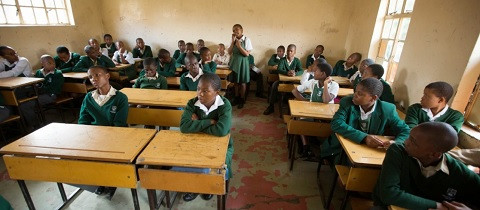 UNESCO, UNICEF and WHO update safety guidance for schools during COVID-19 pandemic 2020-09-17 UNESCO Director General, Audrey Azoulay; Director-General of the World Health Organization (WHO), Tedros Adhanom Ghebreyesus and Executive Director of the United Nations Children’s Fund (UNICEF), Henrietta Fore yesterday presented recommendations to ensure the continuity of education safely during the COVID-19 pandemic in an online press conference. The recommendations on managing educational establishments for children up to the age of 18 are detailed in the joint publication, Considerations for school-related public health measures in the context of COVID-19. They were developed with input from the Technical Advisory Group of Experts on Educational Institutions and COVID-19, established by the three UN organizations in June 2020. Recognizing the importance of schools, the experts reviewed the latest available evidence to develop interim guidance, taking into consideration equity, resource implications and feasibility. The guidance provides information on ways to implement a risk-based approach according to the level and intensity of the transmission of COVID-19, with age-appropriate considerations for physical distancing and masks in schools to mitigate the spread of the disease. At the forefront of all considerations and decisions should be the continuity of education for children for their overall well-being, health and safety. This is an annex to the WHO Public Health and Social Measures in the context of COVID-19 replacing an earlier version published by the WHO on 10 May 2020, and applies to educational settings for children under the age of 18 years. Specific recommended measures in this updated advice include staggering the times for school opening, closing, mealtimes and breaks; handwashing facilities; cleaning of surfaces and shared objects; and establishing mechanisms to share information with parents, students and teachers. #LearningNeverStops Related contentUNESCO/SADC Cooperation - 2019 - UNESCO ROSA creates Youth Network - Lobby for licencing of community radio stations - Namibia adopts National Environment Education and ESD Policy - Three SADC countries to undertake ESD course - Call for Proposals: ESA Commitment Evaluation (Re-Advertisement) - Call for consultants: Needs Assessment on CSE for Learners with Disabilities - Call for consultants to coordinate Goodwill Ambassadors for Comprehensive Sexuality Education - Call for expression of interest: Development of a Project Proposal in response to SDG Fund call - Development of liberation heritage materials kick starts - Launch Meeting of the Be-Resilient Project URL:https://en.unesco.org/news/unesco-unicef-and-who-update-safety-guidance-schools-during-covid-19-pandemic
 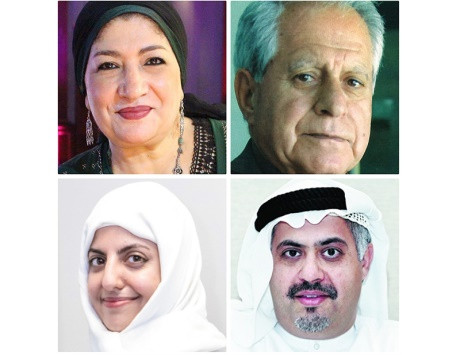 ندوة بالفجيرة: الفنون ساحة للتسامح ونتاج كل البشرية 2020-09-14 * مريم البلوشي: لغة صامتة تنقل الأفكار والرسائل بلا مترجم* علي العبدان: لا تعترف بنوازع شخصية قد تتسم بالعنصرية الفجيرة: «الخليج» أكدت ندوة نظمها المتحف الرقمي للفن التشكيلي الإماراتي التابع لجمعية الفجيرة الاجتماعية الثقافية، مساء أمس الأول، أن الفنون البصرية أحد ميادين التسامح المهمة باعتبارها صوراً حضارية للمجتمعات تتجاوز التقسيم وتقبل الآخر وترتقي إلى كونها منجزاً بشرياً يملكه الجميع. الندوة التي حملت عنوان «التسامح وفكرة قبول الآخر في الفنون البصرية»، حضرها خالد الظنحاني رئيس الجمعية، واستضافت عبر تطبيق «زووم»، النحات والناقد الفني السوري د.محمود شاهين، والناقدة والفنانة التشكيلية المصرية د.أمل نصر، والفنان والناقد الفني الإماراتي علي العبدان. وأدارت الحوار الفنانة المهندسة مريم البلوشي التي أوضحت في مستهل حديثها أن الفن هو الصورة الحضارية لأي مجتمع، واللغة الصامتة التي تنقل الأفكار والرسائل دون مترجم، باعتبارها التجربة المتجردة في لحظتها المتوشحة بروح المشاعر التي تنتقل بصدق من روح الفنان للمجتمع الصغير، ومن ثم الكبير. وأكد شاهين أن للفنون التشكيليّة مهمة عظيمة عليها تأديتها في الحياة وللحياة، مضيفاً أن «هذه المهمة تبدو مطلوبة بإلحاح شديد في وقتنا الحالي الطافح بالتوترات والمشاكل والخلافات، بين الأمم والشعوب، ذلك لأن هذه الفنون لم تكن يوماً عنصر ترف في التجربة الإنسانيّة، ولا عاشت على هامشها، وإنما كانت وستبقى أهم أوعية الحضارة، وأبرز عناوين التقدم والرقي، وهي نتاج مشترك ساهمت فيه البشريّة جمعاء، وراكمته من خلال التعاون والتسامح والتواصل». وأشار إلى ضرورة مد جسور المحبة والاحترام بين الشعوب والأمم، وتحطيم جدران الانعزال والتطرف والعداء، لأن البشريّة أسرة واحدة، تتأكد كينونتها وتتسامى بالحوار المتكافئ، والمحبة المتبادلة، والسعي الجاد، لتطوير الحياة وصونها، والتأسيس الصحيح والسليم لمستقبل أجيالها. وأكد أن الحداثة التي شهدها الفن العالمي مطالع القرن الماضي، ما كانت لتتم، لولا إخراج الفنان الأوروبي رأسه من الأرشيف البارد للإرث الإغريقي ـ الروماني، وتمزيق (أوروبيته الضيقة) والتواصل مع الأمم. وأوضحت د.أمل نصر أن العالم يعيش حالة من التقارب والاتصال والمشكلات المشتركة، وأننا نستطيع من خلال ذلك أن نسعى لإقامة صيغة حضارية جديدة تأخذ فى اعتبارها هذا التنوع الإنساني الخلاق وتسعى إلى التركيز على القواسم المشتركة بين حضارات العالم جميعاً، وتبني ثقافة التسامح وقبول الآخر لرسم خرائط عقلية جديدة للإنسانية، تتأسس بها علاقات التفاعل المتبادل والقبول السمح للآخر. وأشارت نصر إلى أن «إعادة قراءة فنون هذه الحضارات وإدراك الاتجاهات الدفينة لمراحل الخلق في الماضي كانا بمثابة مواصلة أصيلة للهدف الأساسي الممتد عبر آلاف السنين في كل العهود، وكل الحضارات، وهو تجاوز اللوحة الوصفية الزخرفية لخلق عالم مختلف عن عالم الطبيعة». وأضافت:«بشكل عام، فإن هذا التواصل ما بين الفنان الحديث والفنون البدائية وفنون الحضارات القديمة والحضارات الشرقية وضع الفنون الغربية على مسارها الجديد بروح تعتمد على فكرة قبول الآخر بعيداً عن تقصي النموذج الغربي وحده». واستعرض العبدان في مداخلته قيمة التصالح والتسامح في الفنون البصرية إنثروبولوجياً عبر تقسيم المعرفة الإنسانية إلى ثلاث مراحل: البدائية حيث كانت المعارف والفنون تعتمد على التعامل مع السحر والوثنية لخلق التصالح مع الكون، ثم مرحلة الديانات السماوية حيث كانت المعرفة تستقي من الوحي أو الدين، ثم المرحلة الأخيرة التي تأتي في التقسيم الأنثروبولوجي، وهي مرحلة العلم الحديث حيث تتسم بالنزعة الموضوعية في المعرفة، الأمر الذي يعني حجب أية نوازع شخصية قد تتسم بالعنصرية وعدم التسامح في العلاقة مع الآخر. وأوضح العبدان أن «الفنون البصرية كانت محل جدل كبير في الأوساط الفنية والثقافية في المجتمع، ذلك لأن الفن في الإمارات كان منذ البدايات قابلاً للاختلاف والتنوع في الإنتاج الفني، وهذا ما أثار الكثير من ردود الفعل التي وصلت إلى حد الاعتراض على عرض بعض الأعمال أحياناً، إلا أن اهتمام قيادات الدولة بنشر الثقافة الفنية، وتشجيع الفنون البصرية، وتنظيم المعارض، وإصدار المؤلفات النقدية جيدة المحتوى، أدى إلى مرحلة جديدة من التفهم والتسامح». استمع URL:http://www.alkhaleej.ae/alkhaleej/page/6263e8bc-7500-451a-9f93-84c788d3c868
 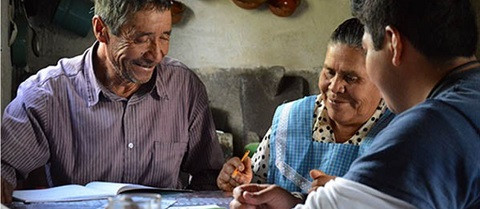 While the COVID crisis increases inequalities, UNESCO recalls that reading is the basis of development 2020-09-08 While 773 million adults and young people around the world still lack basic literacy skills, UNESCO will host an online International Conference on literacy teaching and learning in the COVID-19 crisis and beyond On International Literacy Day, 8 September. The conference will bring together experts and educators to reimagine literacy teaching and learning for youth and adults, in line with UNESCO’s Futures of Education initiative. UNESCO’s International Literacy Prizes 2020 will also award five outstanding literacy programmes from Ghana, Mexico, Nepal, United Kingdom and Yemen. The near-global lockdown caused by COVID-19 has disrupted education, affecting more than 91% of students and 99% of teachers. Reading is the key to development. Adult literacy programs should not be the adjustment variable of education.-- Audrey Azoulay, UNESCO Director-General This year’s UNESCO’s International Literacy Prizes recognizes excellence in literacy programmes in the spirit of the theme of the Organization’s Literacy Day celebration. The two UNESCO King Sejong Literacy Prize awards for mother-tongue literacy education and training, sponsored by the Government of the Republic of Korea, will be given to: Ageing Nepal for its national programme: ‘Basic Literacy Class for Older Persons,’ Nepal. The country’s first programme to target older people who have moved from rural settings to urban areas. It empowers the elderly by supporting their ability to live independently through intergenerational adult literacy education in the national language, Nepali. Ageing Nepal is a national leading non-government organization registered with the government of Nepal and affiliated to the Social Welfare Council. United World Schools for its programme ‘Providing Non-Burmese Speaking Out-of-School Children with Access to Education’, United Kingdom. The programme provides access to primary education for out-of-school children from linguistic minority communities in Myanmar’s Shan State. By employing and training community members as teachers, the programme allows children to study in their mother tongue, while bringing employment and capacity-building opportunities to teachers. United world schools (UWS) is an international charity based in the United Kingdom that focuses on sustainable quality education. The three awards of the UNESCO Confucius Prize for Literacy, supported by the Government of the People’s Republic of China, for work that benefits rural populations and out-of-school youth, particularly girls and women, will be given to: Centro Universitario de Participación Social of the Benmérita Universidad Autónoma de Puebla for its literacy programme: 'Learning by Teaching, Mexico'. Based on the creation of support networks, the programme supports the idea of global citizenship whereby volunteer college students, previously trained by mentors, live together in a rural community to teach young people and adults how to read and write, while also educationally supporting children. It is a unique model of participatory training and critical reflection on the different social problems in the context of life skills training. This approach aims to ensure sustainability and building relationships between different sectors of the society to create positive interdependency. The General literacy office in Sanaa, Yemen, for its programme ‘Educating and integrating refugees in literacy classes in Yemeni society,’. This exemplary local programme operating despite war and displacement, caters to illiterate refugees regardless of their nationality. It helps them acquire literacy skills so that they can benefit from a range of learning opportunities throughout life, including the acquisition of life skills needed to face the social and economic challenges. The programme employs flexible pedagogies adapted to different age groups and abilities to help them qualify for enrollment in formal education. The General Literacy Office in Sanaa is part of the Literacy and Adult Education Organization of the Yemeni ministry of Education, which operates in 21 provinces and supervises over 215 literacy centres in 11 districts in Yemen. Just Commit Foundation (JCF) for its programme ‘Inspirational Business Stories,’ Ghana. This programme has an innovative approach to literacy teaching and learning through business story books that inspire and guide children and youth to create sustainable businesses with limited resources. It promotes the use of waste such as paper, plastic, fabric and e-waste to create new, inexpensive and reusable products. The beneficiaries learn eco-entrepreneurship in both their local language and English, including how to develop business models, set up and run successful, sustainable and environmentally-friendly businesses. The programme also develops young peoples' personal skills such as confidence, team-work, leadership and problem-solving, and combines literacy and sustainability for the broader community. JCF was established in 2017 as a non-profit organization to leverage innovation at the service of youth and children. URL:https://en.unesco.org/news/while-covid-crisis-increases-inequalities-unesco-recalls-reading-basis-development
 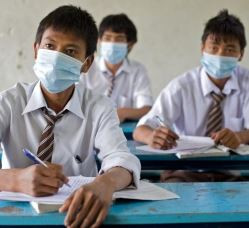 سؤال وجواب: المدارس وكوفيد-19 2020-09-03 A new school year has begun! Find out here what precautions should be taken to keep children, teachers, other staff and the wider community safe. Q: Are children at lower risk of COVID-19 than adults? Children are less often reported as cases when compared with adults, and the illness they experience is usually mild. From data reported to WHO, children and adolescents up to 18 years of age represent 1 to 3% of reported infections, even though this age group makes up 29% of the global population. While children may be less affected, they may also have a greater number of contacts in school and community settings. Further studies are underway to assess the risk of infection in children and to better understand transmission in this age group. Q: What is the role of children in transmission? The role of children in transmission is not well understood. To date, few outbreaks involving children or schools have been reported. However, the small number of outbreaks reported among teaching or associated staff also suggests that spread of COVID-19 within educational settings may be limited. As children generally have milder illness and fewer symptoms, cases may sometimes go unnoticed. Importantly, early data from studies suggest that infection rates among teenagers may be higher than in younger children. Some modelling studies suggest that school re-opening might have a small effect on wider transmission in the community, but this is not well understood. Further studies are underway on the role of children in transmission in and outside of educational settings. WHO is collaborating with scientists around the world to develop protocols that countries can use to study COVID transmission in educational institutions, which will soon be available at this link. Q: Should children with underlying health conditions (asthma, diabetes, obesity) return to school? Whether a child should go to school depends on their health condition, the current transmission of COVID-19 within their community, and the protective measures the school and community have in place to reduce the risk of COVID-19 transmission. While current evidence suggests that the risk of severe disease for children is lower overall than for adults, special precautions can be taken to minimize the risk of infection among children, and the benefits of returning to school should also be considered. Current evidence suggests that people with underlying conditions such as chronic respiratory illness, obesity, diabetes or cancer are at higher risk of developing severe disease and death than people without other health conditions. This also appears to be the case for children, but more information is still needed. Q: Should teachers and other staff with underlying health conditions return to school? Adults 60 years and older and people with underlying health conditions are at higher risk for severe disease and death. The decision to return to a teaching environment depends on the individual and should include consideration of local disease trends, as well as the measures being put in place in schools to prevent further spread. Q: What is the incubation period for children? The incubation period for children is the same as in adults. The time between exposure to COVID-19 and when symptoms start is commonly around 5 to 6 days, and ranges from 1 to 14 days. Q: What should be considered when deciding whether to re-open schools or keep them open? Deciding to close, partially close or reopen schools should be guided by a risk management approach to maximize the educational, well-being and health benefit for students, teachers, staff, and the wider community, and help prevent a new outbreak of COVID-19 in the community. The local situation and epidemiology of COVID-19 may vary from one place to another within a country, and several elements should be assessed in deciding to re-open schools or keep them open: 1. Benefits and risks: what are the likely benefits and risks to children and staff of open schools? Including consideration of : Disease trends: are COVID-19 cases being reported in the area? Effectiveness of remote learning strategies Impact on vulnerable and marginalized populations (girls, displaced, disabled, etc.) 2. Detection and response: are the local health authorities able to act quickly? 3. Collaboration and coordination: is the school collaborating with local public health authorities? In addition to the local situation and epidemiology, a careful assessment of the school setting and ability to maintain COVID-19 prevention and control measures needs to be included in the overall risk analysis. Q: What benefits would school re-opening provide? The decision to open schools should include consideration of the following benefits: Allowing students to complete their studies and continue to the next level Essential services, access to nutrition, child welfare, such as preventing violence against children Social and psychological well-being Access to reliable information on how to keep themselves and others safe Reducing the risk of non-return to school Benefit to society, such as allowing parents to work Q: What are the prevention and control measures to be prepared and put in place in schools? There are several actions and requirements that should be reviewed and put in place to ensure the safety of children and school staff while at school. Special provisions should be considered for early childhood development, higher learning institutions, residential schools or specialized institutions. WHO recommends the following: Policy, practice and infrastructure: Ensure the necessary resources, policies and infrastructure are in place that protect the health and safety of all school personnel, including people at higher risk. Behavioural aspects: Consider the age and capacity of students to understand and respect measures put in place. Younger children may find it more difficult to adhere to physical distancing or the appropriate use of masks. Safety and security: School closure or re-opening may affect the safety and security of students and the most vulnerable children may require special attention, such as during pick-up and drop-off. Hygiene and daily practices: Hand hygiene and environmental cleaning measures should be in place to limit exposure. Schools should consider training of staff and students, a schedule for daily cleaning, availability of hand hygiene facilities and national/local guidance on the use of masks. Screening and care of sick students, teachers and other school staff: Schools should enforce the policy of “staying home if unwell”, waive the requirement for a doctor’s note, create a checklist for parents/students/staff to decide whether to go to school (taking into consideration the local situation), and consider options for screening on arrival. Communication with parents and students: Schools should keep students and parents informed about the measures being implemented to ensure their collaboration and support. Additional school-related measures such as immunization checks and catch-up vaccination programmes: Ensure continuity or expansion of essential services, including school feeding and mental health and psycho-social support. Physical distancing: Physical distancing of at least 1 metre between people should be implemented in the school premises and in the classrooms. This includes increasing desk spacing and staging recesses, breaks and lunchbreaks; limiting the mixing of classes or age groups; considering smaller classes or alternating attendance schedules, and ensuring good ventilation in classrooms. Remote learning: Tele-schooling and distance learning options such as delivering assignments, broadcasting lessons on radio or television and frequent follow-up support should be adapted to the situation. Q: What are the risks during transportation to and from schools? The following adaptations to transport to and from school should be implemented to limit unnecessary exposure of school or staff members. Promote and put in place respiratory and hand hygiene, physical distancing measures and use of masks in transportation such as school buses, in accordance with local policy. Provide tips for how to safely commute to and from school, including for public transportation. Organize only one child per seat and ensure physical distancing of at least 1 metre between passengers in school buses, if possible. This may require more school buses per school. If possible and safe, keep the windows of the buses, vans, and other vehicles open. Q: Does WHO recommend staff and children to wear masks at school? And if yes, what type of masks? The decision to wear a mask depends on the assessment of risk. For example, how extensive is COVID-19 in the community? Can the school ensure physical distance of at least 1 metre from others? Are there students or teachers with underlying health conditions? Fabric masks are recommended to prevent onward transmission in the general population in public areas, particularly where distancing is not possible, and in areas of community transmission. This could include the school grounds in some situations. Masks may help to protect others, because wearers may be infected before symptoms of illness appear. The policy on wearing a mask or face covering should be in line with national or local guidelines. Where used, masks should be worn, cared for and disposed of properly. It is important that anyone feeling unwell should stay at home and call their health provider. Q: Are there any specific recommendations on school ventilation and air conditioning use? Clean, natural ventilation should be used inside buildings where possible, without re-circulating the air. If air re-circulation is necessary, filters and duct systems should be cleaned regularly and routinely changed according to the manufacturer’s instructions. Heating and cooling systems should be well maintained. Q: What should be monitored after re-opening of school? Monitoring of the following should be considered through a range of mechanisms: Detection of new COVID-19 cases in educational institutions and success of contact tracing Implementation of and adherence to recommended public health measures in school settings Information on school drop-out, disaggregated for sex, age, disability and socio-economic status Effectiveness of remote education strategies Effects of policies and measures on educational objectives and learning outcomes Effects of policies and measures on the health and well-being of children, siblings, staff, parents and other family members Based on what is learned from this monitoring, further modifications should be made to continue to provide children and staff with the safest environment possible. URL:https://www.who.int/emergencies/diseases/novel-coronavirus-2019/question-and-answers-hub/q-a-detail/q-a-schools-and-covid-19
 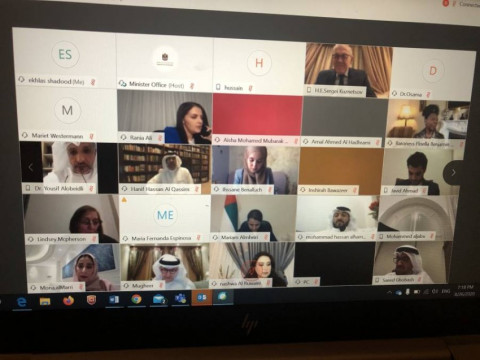 مؤتمر «دور المرأة في تعزيز قيم التعايش» يستشرف إسهامات الإماراتيات لـ50 عاماً مقبلة 2020-08-28 أكد أصحاب قرار وقيادات نسائية محلية وعالمية شاركوا في مؤتمر دور المرأة في تعزيز قيم التعايش «استشراف إسهامات المرأة في الخمسين»، الذي نظمته وزارة التسامح والتعايش عن بُعد، أن المرأة الإماراتية اليوم تجاوزت التمكين لتصل إلى المشاركة البناءة، لافتين إلى دورها الحيوي في البناء، معتمدة على الدعم الكبير الذي تتلقاه من الحكومة وأصحاب القرار.وأشاروا إلى الأرقام المشرفة التي حققتها المرأة في مختلف المجالات، وخاصة دورها في الصفوف الأولى بمواجهة انتشار وباء كورونا.أكد وزير التسامح والتعايش الشيخ نهيان بن مبارك آل نهيان أهمية دور المرأة في بناء الدولة عبر توسع قدراتها على اتخاذ القرار لتكون مواطنة منتجة تشارك في مختلف المجالات، لافتاً إلى أن 70% من خريجي الجامعات في الدولة من العنصر النسائي، ما يدل على أهمية تمكين المرأة في بناء الوطن. وقال في المؤتمر الذي انعقد بمناسبة يوم المرأة الإماراتية: «ندرك اليوم أن المرأة تساعد في إطلاق العنان لقوة التسامح ويتزايد تأثير النساء لأنهن يشكلن البيئة العالمية بسبب حكمتهن، خاصة في هذه الأوقات العصيبة، ونرى بادرة أمل كبيرة بسبب النساء اللواتي يلعبن دوراً مهماً في القيادة الاستثنائية والعاملين الصحيين ومقدمي الرعاية، ويساهم تألقهن في بناء المستقبل». ومن جهتها، قالت وزيرة تنمية المجتمع حصة بوحميد: «نسلط الضوء على الخمسين سنة القادمة في الإمارات، وما تحمله من آفاق وتطلعات تنموية ترسخ ريادة المرأة الإماراتية».وأشارت إلى تغريدة لصاحب السمو الشيخ محمد بن راشد آل مكتوم نائب رئيس الدولة رئيس مجلس الوزراء حاكم دبي، رعاه الله، التي كشف سموه من خلالها عن إحصاءات المتقدمين لبرنامج الإمارات لرواد الفضاء، حيث كان العدد 4300 متقدم، منهم 1400 متقدم من فتيات دولة الإمارات.وأوضحت أن أرقام مشاركة ابنة الإمارات في الحكومة مشرفة، وعرضت شاهداً آخر على تميز المرأة في العمل التنموي والوطني، وبالتحديد خلال فترة كوفيد-19 وإطلاق الحكومة الاتحادية حملة كبيرة تشمل العمل الاتحادي والمحلي في حملة للتطوع بعنوان الإمارات تتطوع، وشارك فيها أكثر من 22 ألف متطوع 50% منهم من العنصر النسائي.بدورها، قالت وزيرة دولة لشؤون الشباب شما بنت سهيل بن فارس المزروعي، إن الأرقام التي نقرأها اليوم جاءت من تعب واجتهاد وإرادة ونجاح بعد محاولات ودعم الأب والأم والزوج للمرأة وإيمانهم بأن المرأة والرجل يكملان بعضهما البعض.وقالت: «تشغل النساء 75% من المناصب في قطاعي التعليم والصحة، و95% من النساء الحاصلات على شهادة الثانوية يلتحقن بالتعليم العالي، ما يعد مؤشراً على مستقبل مشرق ينعكس على مستقبل الدولة لتكون الشابة الإماراتية متسلحة بالعلم والمعرفة بأعلى المهارات والتخصصات في المجالات العلمية».وأردفت: «كما تدير 23 ألف سيدة أعمال مشاريع تفوق كلفتها 50 مليار درهم إماراتي، وهذا رقم مبشر يؤكد أن لكل شابة إنجازاتها ورسالتي لهن أن نكون نحن مصدر النور لمن لا يستطيع إبصاره وآن الأوان لمضاعفة تلك الأرقام عبر تدريب المستجدات في كل المجالات لمضاعفة عدد النساء في مختلف المجالات».وقالت وزيرة دولة للتكنولوجيا المتقدمة سارة الأميري: «من المؤسف أننا نرى تمثيلاً ناقصاً للمرأة في مجال العلوم على مستوى العالم ونحن بحاجة إلى إثبات حقيقة أن القدرات مهمة بغض النظر عن الجنس ونحن بحاجة للعمل مع أشخاص من جنسيات وأجناس مختلفة».وتابعت أنه يمكن للمرأة أن تكون أماً، وهذا لا يمنعها من التفوق في التعليم العالي، موجهة رسالة مفادها «علينا تمكين العلم من خلال التأكد من وجود المرأة والتنوع».وقالت إن عام 2020 شهد إنجازاً غير مسبوق تمثل في إرسال مسبار عربي إلى كوكب المريخ وهو مسبار الأمل، ولم تكن المرأة الإماراتية غائبة عن هذا الإنجاز، إذ كان ما يقارب 34% من أعضاء فريق مسبار الأمل من النساء.من جهتها، قالت مدير طبي في مستشفى هيلث بوينت الدكتورة مي الجابر: «وصلت المرأة إلى مرحلة تشكل فيها إضافة نوعية في كل قطاع وقد تجاوزت مرحلة التمكين لتصل إلى مرحلة الشراكة الشاملة، والذي جاء نتيجة اهتمام القيادة بدعم المرأة ودفعها للنجاح».وقالت مدير المكتب الإعلامي لحكومة دبي نائبة رئيسة مجلس الإمارات للتوازن بين الجنسين منى غانم المري: «للمرأة في العالم العربي دور مهم في المجتمع، وفي الإمارات نتبنى قوة التعايش مع أكثر من 200 جنسية». URL:https://www.alroeya.com/173-76/2160858
 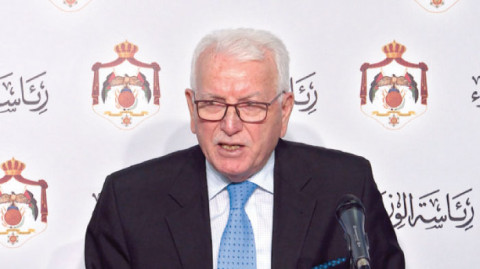 “التعليم العالي” تقر التعليم “الهجين” بالفصل الدراسي الجامعي الأول 2020-08-27 عمان- الغد- أعلن مجلس التعليم العالي عن تفاصيل وآليات الدراسة في الجامعات للعام الجامعي الجديد، قائلا في بيان أمس الثلاثاء إن “المجلس قرر أن يكون شكل التعليم في الفصل الدراسي الأول للعام الجامعي القادم 2020/2021 هجينا، أي يمزج بين التعليم العادي (وجهاً لوجه) والإلكتروني (عن بعد) والمدمج، وذلك بالاستفادة من تجربة التعليم الإلكتروني في الفصل الدراسي الثاني الماضي والفصل الصيفي. وبحسب البيان وافق المجلس على عودة أعضاء الهيئة التدريسية في الجامعات الأردنية الرسمية بتاريخ 20 أيلول (سبتمبر) المقبل على أن تكون عودة الطلبة وبدء التدريس بتاريخ 27 من الشهر نفسه، أما الجامعات الخاصة فيبدأ العام الدراسي بتاريخ 18 تشرين الأول (اكتوبر) المقبل على أن تطبق الأسس الآتية فيما يتعلق بالتدريس والامتحانات في الجامعات الأردنية في الفصل الأول للعام الجامعي المقبل: أولاً: طلبة البكالوريوس: 1. تدريس جميع متطلبات الجامعة ومتطلبات الكلية (الاجبارية والاختيارية) إلكترونياً (عن بعد).2. تدريس المساقات التـي تحتاج إلى مختبرات أو مشاغل أو تطبيقات عملية أو بدنية ولا يمكن تعليمها إلكترونيا (عن بعد) في الحرم الجامعي وبالطريقة الاعتيادية مع مراعاة شروط الصحة والسلامة العامة.3. تدريس متطلبات التخصص داخل الحرم الجامعي مع مراعاة شروط الصحة والسلامة العامة.4. لمجلس عمداء الجامعة استثناء مواد محددة من البند (3) أعلاه بحيث تعطى من خلال التعليم المدمج (Blended Learning) على ألا تقل نسبة التدريس داخل الحرم الجامعي عن (50 %). 5. إجراء كافة امتحانات متطلبات الجامعة ومتطلبات الكليات إلكترونياً (عن بعد) مع اتخاذ كافة الإجراءات اللازمة لضمان نزاهة ومصداقية الامتحانات.6. تجرى كافة الامتحانات (أعمال الفصل والامتحانات النهائية) لمساقات التخصص في كل كلية في الحرم الجامعي وبالطريقة الاعتيادية، مع مراعاة شروط الصحة والسلامة العامة.7. يطبق مبدأ ناجح/ راسب باختيار الطالب على المساقات التي تدرس إلكترونياً (عن بعد)، فقط أما المساقات التي تدرس داخل الحرم الجامعي بالطريقة الاعتيادية أو عن طريق التعليم المدمج فيطبق عليها نظام العلامات النافذ في الجامعة ولا يتاح للطالب فيها خيار (ناجح / راسب). ثانياً: طلبة الدبلوم المتوسط في كليات المجتمع:يطبق على طلبة الدبلوم المتوسط ما يطبق على طلبة مرحلة البكالوريوس. ثالثاً: طلبة كليات الطب البشري وطب الأسنان:يتم تدريس طلبة كافة السنوات في الحرم الجامعي وبالطريقة الاعتيادية، ويترك لمجالس العمداء بناءً على تنسيب مجالس الكليات تدريس وتقييم بعض المساقات من متطلبات الكلية والتخصص (الإجبارية والاختيارية) على نظام التعليم المدمج. رابعاً: طلبة الدراسات العليا: 1. يتم تدريس جميع مساقات الدراسات العليا (دبلوم عالي/ ماجستير/ دكتوراه) عن طريق التعليم المدمج شريطة ألا تقل نسبة التدريس داخل الحرم الجامعي عن (50 %)، وأن تتم جميع الامتحانات في الحرم الجامعي وبالطريقة الاعتيادية.2. يتم إجراء مناقشات رسائل الدراسات العليا في الحرم الجامعي وبالطريقة الاعتيادية أو إلكترونياً (عن بعد) وحسب ما تقرره كل جامعة. خامساً: الطلبة الموجودون خارج المملكة: 1. التأكيد على طرح شعبة واحدة على الأقل تدرس الكترونياً (عن بعد) من المساقات الدراسية المخصصة لطلبة مستوى السنة الأولى في جميع التخصصات لتمكين الطلبة خارج الأردن من الالتحاق بالدراسة.2. يترك لمجالس عمداء الجامعة خيار تدريس هؤلاء الطلبة إلكترونياً (عن بعد) في المساقات التي نص هذا القرار على تدريسها داخل الحرم الجامعي، وفي حال عدم تمكنهم من العودة إلى المملكة لتقديم الامتحانات النهائية داخل الحرم الجامعي يترك للجامعات حرية إجراء الامتحانات النهائية لهم لتقييمهم بالطريقة التي تراها مناسبة، أو رصد علامة “غير مكتمل” لهم في هذه المساقات.3. يترك للجامعات القرار لاتخاذ اللازم بشأن تدريس وتقييم طلبة الطب البشري للمراحل السريرية (السنوات الرابعة والخامسة والسادسة) وطلبة طب الأسنان (السنتين الرابعة والخامسة) والموجودين خارج المملكة. سادساً: أحكام عامة: 1. مخاطبة الجامعات الأردنية للقيام بتجهيز بوابات الكترونية يتمكن الطلبة من خلالها من استكمال إجراءات التسجيل في الجامعات وتحميل الوثائق الرسمية المطلوبة من كل منهم.2. ينظم الجدول الدراسي للجامعة بحيث يتواجد في الحرم الجامعي وفي وقت واحد الحد الأدنى الممكن من الطلبة وأحد الأشكال التي يمكن اعتمادها (أحد، ثلاثاء، خميس) لبعض الطلبة و(اثنين، أربعاء) للبعض الآخر.3. تراعى منظومة السلامة العامة في القاعات التدريسية عند توزيع المواد على هذه القاعات.4. تقوم الجامعات بإعطاء محاضرات توعوية وتوزيع أدلة إرشادية لجميع الطلبة الذين يعودون للحرم الجامعي حول فيروس كورونا المستجد وطرق الوقاية منه وإجراءات الصحة والسلامة العامة، ولهذا الأمر تم وضع دليل العودة للجامعات. 5. توزع كافة الامتحانات التي تعقد داخل الحرم الجامعي بطريقة تراعي عدم عودة طلبة كافة الكليات في نفس الوقت ومراعاة إجراءات الصحة والسلامة العامة. أما بخصوص طلبة طب الأسنان فتراعى كافة التعليمات والبروتوكولات الصادرة عن لجنة الأوبئة مع مراعاة أقصى درجات السلامة العامة”.6. مخاطبة الجامعات لتركيب بوابات إلكترونية (إذا لم تكن موجودة) وبرمجتها بحيث لا يستطيع الطلبة الذين لا توجد لديهم محاضرات من دخول الجامعة.7. خفض عدد النشاطات الرياضية والثقافية والترويحية إلى الحد الأدنى الضروري.8. مراعاة التعليمات الخاصة بفتح المطاعم والمتاحف التي أقرتها الحكومة.9. في حالة إغلاق اللواء أو المحافظة التي يوجد فيها الجامعة أو الكلية يمنع دخول الطلبة للجامعة أو الكلية ويصبح التعليم إلكترونياً. وقال البيان إن اعتماد الآلية السابقة جاء انطلاقا من حرص مجلس التعليم العالي على تقديم تعليم جامعي نوعي ذي جودة عالية يحقق مبدأ العدالة ويقلل الفاقد التعليمي وفجوة التعلم التي يمكن أن تحدث نتيجة انقطاع التعليم العادي واللجوء إلى تنويع الأساليب والمحتوى، والمواءمة مع التطورات العالمية الحاصلة في مجال التعليم الإلكتروني (عن بعد)، والحرص أيضاً على المحافظة على صحة وسلامة الطلبة وأعضاء هيئة التدريس، والعاملين في مؤسسات التعليم العالي، إضافةً إلى المحافظة على وجود الطلبة الوافدين المسجلين حالياً في الجامعات الأردنية واستقطاب أعداد جديدة منهم للدراسة بداية العام الجامعي المقبل، واقتداءً بأوامر الدفاع ذات العلاقة خاصة أمر الدفاع رقم (7) وأمر الدفاع رقم (11) نظراً للحاجة لخفض عدد الطلاب الذين يحضرون إلى الحرم الجامعي دفعةً واحدة وأيضاً خفض عدد الطلاب في الغرف الصفية لتقليل فرصة انتقال العدوى بين الطلاب لا سمح الله، وأخيراً الالتزام بدليل العودة إلى الجامعات الذي سيقره مجلس التعليم العالي بعد مراجعته من قبل وزارة الصحة ولجنة الأوبئة. URL:https://alghad.com/%D8%A7%D9%84%D8%AA%D8