
News
Catch up on what’s happening in the world of global citizenship education.
229 results found
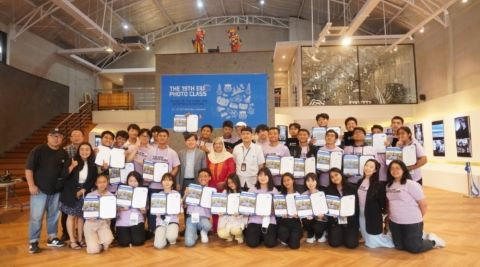 The 19th EIU Photo Class Held in Bali, Indonesia 2022-11-20 On 20 – 27 October, APCEIU implemented the 19th EIU Photo Class in Bali, Indonesia in collaboration with the Indonesian National Commission for UNESCO and the Bali Provincial Education, Youth, and Sport Office. This year, APCEIU invited 8 Korean students, 20 Indonesian students, and 3 professional photographers to participate in the programme’s first overseas implementation of the programme since 2019. The students learned about photography and engaged in cultural exchanges with each other and the local community under the theme, “Island of the Gods: the Inception of Nature”. Students received instruction from professional photographers in order to learn how to use the light around them to express their perspectives on their subjects. Students integrated EIU/GCED frameworks into their experiences by participating in an EIU/GCED workshop. As part of the programme, students captured on their cameras cultural rituals such as Saraswati, celebrating the Goddess of Knowledge and Wisdom, at local secondary school SMA N 8, and Banyu Pinaruh at Sanur Beach. They also visited the Ubud Palace, Batuan Temple, Klungkung Regency, Taman Ujung, Tenganan Pegringsingan, and Alas Harum Coffee Plantation as part of their photography trips. The photos captured during the programme were then displayed at Superlative Gallery in Kuta, Bali in a digital exhibition. Ms Itje Chodidjah (Executive Chairperson, Indonesian National Commission for UNESCO), Mr Kim Jong-Hun (Head, Office of Planning and Administration, APCEIU), and Mr Gusti Ngurah Kama Wijaya (Coordinator for the 19th EIU Photo Class, Bali Provincial Education, Youth and Sport Office), delivered opening remarks in the Opening Ceremony of the exhibition. In their speeches, they emphasized the importance of cultural exchanges and education through initiatives such as the 19th EIU Photo Class in fostering global citizenship. Since it was launched in 2006, the EIU Photo Class Programme has offered opportunities for students from around the world to learn EIU and GCED through photography. Photos from previous programmes can be found in the EIU Photo Class archive. URL:http://www.unescoapceiu.org/post/4615
 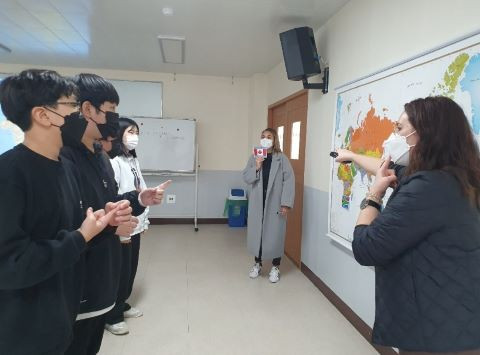 전라남도국제교육원, 2022 Go Global 세계시민 영어캠프 운영 2022-11-20 글로벌 교육환경에서 세계시민으로 성장하는 역량을 길러요 ! 전라남도국제교육원 ( 원장 허광양 , 이하 국제교육원 ) 은 초등학교 6 학년 학생 200 명을 대상으로 2022 Go Global 세계시민 영어캠프를 운영한다 . UN 이 제시한 SDGs( 지속가능발전목표 ) 를 기반으로 △ Around the World( 세계문화체험 ) △ Zero Waste( 제로 웨이스트 ) △ Team Building( 협력과 파트너십 ) △ Health & Well-Being( 건강과 복지 ) 등의 주제를 다루었고 , 다양한 활동을 통해 원어민 강사와의 의사소통 기회와 정서적 교감을 극대화하기 위해 노력했다는 평이다 . 1 기 캠프에 참여한 성산초 6 학년 김 ○○ 학생은 “ 평소 햄버거를 무척 좋아하는데 , 한 개의 햄버거가 내 입에 들어오기까지 어떠한 과정을 거치게 되며 , 그 과정에서 얼마나 많은 탄소를 배출하는지 알게 되었다 .” 며 “ 앞으로 생활 속에서 음식 쓰레기 양을 줄이고 , 건강과 환경에 도움이 되는 식습관을 가질 수 있도록 노력하겠다 .” 라고 말했다 . 국제교육원 허광양 원장은 “ 우리 원을 방문한 학생들이 본 캠프 참여를 통해 최적의 글로벌 교육환경에서 세계시민으로 성장하는데 필요한 다양한 문화와 가치를 접할 수 있기를 바란다 .” 며 “ 지속 가능한 미래를 위해 고민하고 행동하는 글로벌 리더를 길러낼 수 있도록 최선을 다하겠다 .” 라고 말했다 . 본 캠프는 영어 의사소통능력 향상과 세계시민성 함양을 목표로 11 월 16 일부터 12 월 14 일까지 총 5 기 일정으로 운영되며 , 다양한 체험중심 프로그램을 통해 학생들이 실용 영어 활용 능력을 높이고 세계시민의식을 함양할 수 있도록 교육과정을 구성 ‧ 운영하고 있다 . 출처: 전라남도국제교육원 보도자료URL:https://jiei.da.jne.kr/user/indexSub.action?codyMenuSeq=392120946&siteId=jiei_da&menuUIType=sub&dum=dum&boardId=392120947&page=1&command=view&boardSeq=1506952969&status=
 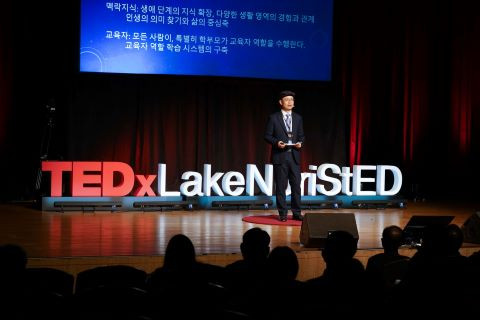 고양특례시, TEDx 컨퍼런스 '미래 교육' 강연 전 세계에 공개 2022-11-14 고양특례시 TEDx 컨퍼런스 강연 전세계 공개- 테드엑스호수누리길 강연, TED 플랫폼에 영상으로 올라와 고양특례시가 TED 온라인 플랫폼에 TEDx 컨퍼런스 강연을 전세계적으로 공개했다고 14일 전했다. 고양시가 공개한 강연은 지난 10월 11일 고양아람누리 새라새극장에서 개최한 TEDx 컨퍼런스 ‘테드엑스호수누리길(TEDxLakeNuriStED)’ 강연 영상이다. TED 온라인 플랫폼인 유튜브 ‘TEDx Talks’ 채널을 통해 공개된 강연 영상은 TED 번역 자원봉사자를 통해 전 세계 언어로 번역될 예정이다. TED의 라이선스를 받아 독립적으로 조직된 테드엑스호수누리길(TEDxLakeNuriStED)는 평생교육 및 미래교육 전문가인 초청연사와 학생, 시민학습자 등 다양한 교육의 주체인 시민연사가 강연을 통해 고양시 미래교육에 대한 가치 있는 아이디어를 공유하는 자리였다. 초청연사로는 국가평생교육진흥원 강대중 원장과 한국협업진흥협회 윤은기 회장이 참여했으며, 시민연사는 심사를 통해 선발된 5명(권예주, 안이환, 윤신희, 이승주, 임은정)이 참했다. 영상은 유튜브 ‘TEDx Talks’ 채널과 ‘TEDxLakeNuriStED’ 채널을 통해 확인할 수 있다. 출처: 고양특례시 보도자료URL: https://www.goyang.go.kr/news/user/bbs/BD_selectBbs.do?q_bbsCode=1090&q_bbscttSn=20221114135913977&q_estnColumn1=All
 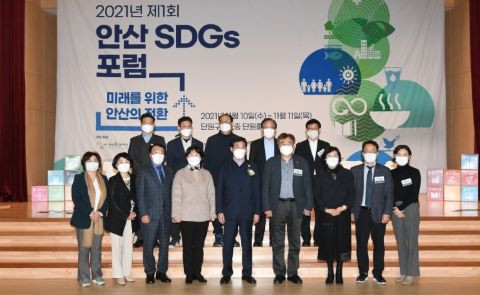 안산시, 지속가능 발전‘제1회 안산 SDGs 포럼’개최 2022-11-14 지속가능발전·도시문제 해결 위한 대안 마련 위해 윤화섭 시장 “지속가능 발전 목표 달성 위해 시민들과 함께 최선 다할 것” 안산시(시장 윤화섭)는 지속가능한 발전으로 더 나은 미래를 만들어 나가기 위해 ‘미래를 위한 안산의 전환’이라는 주제로 ‘제1회 안산 SDGs 포럼’을 개최했다고 11일 밝혔다. SDGs(Sustainable Development Goals)는 2030년까지 인류가 중점적으로 달성해야 하는 목표로, 2015년 9월 유엔 회원국가들이 모여 합의한 17개 과제와 169개 세부지표로 이뤄져 있다. 단원구청 단원홀에서 전날부터 이날까지 진행된 포럼은 재단법인 안산환경재단, 안산시지속가능발전협의회, 안산시사회적경제지원센터, 사단법인 더좋은공동체가 공동 주최·주관하고, 안산시가 후원했다. 포럼은 ‘미래를 위한 안산의 전환’을 주제로 6개 세션에서 4개의 주제 발표와 2개의 메인·마무리 세션으로 진행됐다. 먼저 주제 세션은 ▲사회적 공유경제 활성화 방안 ▲상호문화도시 안산의 발전 방향 모색 ▲안산시 주민자치 전면실시에 따른 관계자 집담회 ▲안산시 일회용품 없는 장례문화 만들기 토론회 및 협약식 등으로 구성됐다. 메인 세션은 ‘도시의 전환과 미래를 위한 준비’를 주제로 송창석 (재)희망제작소 이사의 강연과 박연희 이클레이 한국사무소장이 진행하는 분야별 전문토크콘서트로 이뤄졌다. 마무리 세션에서는 박은경 시의장과 참여기관 대표들의 좌담회로 SDGs포럼 스케치 영상과 주제세션 내용 및 결과를 공유하며 포럼을 마무리했다. 윤화섭 시장은 “이번 포럼이 앞으로 우리가 나아갈 방향과 방법에 대해 고민하는 뜻깊은 시간이었다”라며 “지속가능발전 목표 달성을 위해 시민들과 함께 최선을 다하겠다”라고 말했다. 출처: 안산시 보도자료URL:https://www.ansan.go.kr/www/common/bbs/selectBbsDetail.do?key=274&bbs_code=B0238&bbs_seq=1525552&sch_type=sj&sch_text=SDGs¤tPage=1
 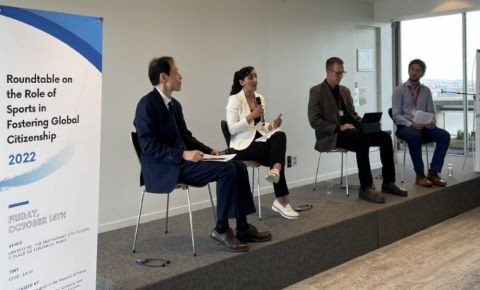 UNESCO GCED Roundtable on the Role of Sports in Fostering Global Citizenship Education 2022-11-14 APCEIU co-organized the UNESCO GCED Roundtable on the Role of Sports in Fostering Global Citizenship Education with the Group of Friends for Solidarity and Inclusion with GCED, the Permanent Delegation of the Republic of Korea (ROK), UNESCO, and UNESCO on 14 October. The event, which was conducted as an in-person event at UNESCO HQ in Paris, France, aimed to highlight the role of sports in fostering values and virtues embraced by global citizenship, share practices of GCED through sports and discuss practical challenges, and make GCED friendlier and easily accessible for the wider public. Approximately 90 participants from 40 countries participated in the event. H.E. Ms Bak Sang Mee, Ambassador and Permanent Delegate of the Republic of Korea to UNESCO and Ms Stefania Giannini, Assistant Director-General for Education of UNESCO, delivered opening remarks to begin the event. In her speech, Ambassador Bak stressed the need to enhance the visibility of GCED and make GCED more easily and broadly accessible to the public through interesting themes such as sports. Ms Stefania Giannini expressed concern over reduced accessibility to education and sports for disabled children and young girls as a result of the COVID-19 pandemic, and highlighted the critical role of GCED in transforming education to foster critical thinking and be inclusive. After the opening remarks, Mr Lim Hyun Mook, Director of APCEIU, moderated presentations from the speakers, a panel discussion on the practices of GCED through sports and challenges in strengthening the role of sports in fostering global citizenship, and a Q&A session. Ms Khalida Popal, former captain of the Afghanistan Women’s National Football Team and founder/director of Girl Power Organization, shared her experience in using soccer as a medium to advocate for women’s rights in Afghanistan. Dr Simon Darnell, Associate Professor of Sports for Development at the University of Toronto, offered his insights as an academic, proposing that sports and GCED offers each other mutual benefits, where GCED offers sports a conceptual framework for sports to have a positive impact on humanity, and sports offers GCED a popular and tangible cultural form through which it can be realized. Ms Jane Njue, Assistant Director of Applied Research at the Kenyan Institute of Curriculum Development summarized Kenya’s experience in implementing a GCED-integrated curriculum in the post-conflict county of Baringo. Finally, Mr Izzat Jandali, shared his experiences in teaching soccer to refugees in Za’atari, Jordan. In the panel discussions, the presenters emphasized the need for both sports-related organizations to encourage athletes to demonstrate their global citizenship, as well as the need for community-based changes. In his concluding remarks, Mr Lim Hyun Mook expressed that as GCED should be realized through our actions and attitudes in all aspects of life, sports should also provide platforms for cooperation and solidarity. He also introduced APCEIU’s plans to publish a GCED material, “Learning GCED through Soccer” with the ROK Ministry of Foreign Affairs. URL:http://www.unescoapceiu.org/post/4610
 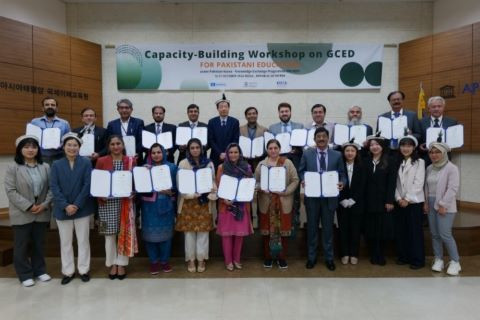 Capacity-Building Workshop on GCED for Pakistani Educators (12-21 October) 2022-11-14 From 12 to 21 October, Capacity-Building Workshop on GCED for Pakistani Educators was held upon the request of the UNESCO Islamabad Office. APCEIU provided a 10-day training programme for 15 district education officers from Pakistan on GCED, Education for Sustainable Development (ESD) and educational development in Seoul, Republic of Korea. The workshop was composed of two modules. The first module focused on raising awareness about GCED/ESD in the context of SDGs, deepening their understanding of core themes of GCED/ESD, and introducing innovative policies and practices in Korea related to GCED/ESD. Through the second module, experiences of Korean education, including teacher development models, good cases, and innovative educational policies and practices were shared to broaden the participant’s perspectives on educational development. Each module was composed of lectures, discussions, hands-on workshops, and study visits to relevant sites in Korea. The participants learned about the concept of GCED, its principles, policies and practices. Through the relevant sessions, they were able to understand the interconnectedness and interdependency of the society we live in and the challenges we face, recognizing GCED as a transformative educational initiative to effectively deal with the global issues. This inspired the participants to rethink what it means to be a global citizen. Moreover, through sessions on the thematic areas, including gender equality, human rights, and climate crisis, participants could deepen their understandings of global issues and important role of education in coping with global challenges. To observe educational practices in Korea, the participants visited schools and educational institutions, including Daejeon Seobu Office of Education, National Institute for Lifelong Education, Seoul Munsung Elementary school, and Daejeon Moonjung Middle School. Through the study visits, participants witnessed educational system and practices in Korea and learned about how GCED/ESD is practiced at institutions and schools. Also, through active Q&A, they could learn details of school curriculum, culture and learners’ experiences at schools in Korea and how they coped with challenges, including learning gaps caused by COVID-19. Through the Workshop, participants were empowered and motivated to take the lead and help their communities to work together towards sustainable development and quality education. After the workshop, one of the participants said, “I could get to know new concepts of GCED/ESD and moreover how these are practiced in schools and communities. Visiting various institutes/organizations not only broadened my horizon but also helped to observe the innovative and technology oriented methodologies being followed there.” The participants shared that they will share their learning experiences with fellow educators in their regions and incorporate GCED/ESD in education policies of their respective districts. URL: http://www.unescoapceiu.org/post/4606
 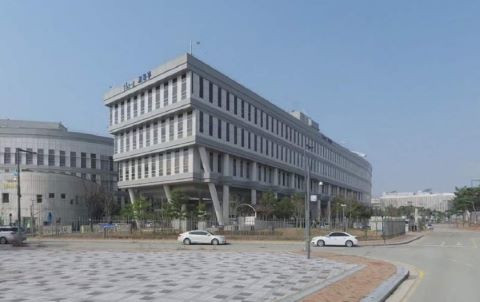 교육부, 제18차 아시아태평양경제협력체(APEC) 미래교육토론회(포럼) 개최 2022-11-10 □ 교육부(부총리 겸 교육부장관 이주호)와 아시아태평양경제협력체(APEC, 이하 ‘에이펙’) 국제교육협력원(이사장 박동선)은 ‘에이펙 회원국의 지속가능한 발전을 위한 교육정책 방향’을 주제로「제18차 아시아태평양경제협력체(APEC) 미래교육토론회(포럼)」을 11월 10일(목) 온라인으로 개최한다. ㅇ 2005년 대한민국의 제안으로 처음 시작된 에이펙 미래교육토론회(포럼)는 에이펙 역내 최장기 및 최대 규모의 교육분야 전문 토론회이며, 이번 토론회는 에이펙 회원 21개국의 교육 전문가와 교사가 함께 미래교육에 대한 논의의 장을 열고 국제교육협력 우수사례를 공유하기 위해 마련되었다. □ ‘제18차 아시아태평양경제협력체(APEC) 미래교육토론회(포럼)’는 장상윤 교육부 차관의 개회사(녹화영상 송출)와 박동선 에이펙 인적자원개발 실무그룹 의장의 축사로 시작하여, 기조 강연과 세 개의 주제별 분과로 나누어 진행된다. ㅇ 기조 강연 분과에서는 ‘에이펙 회원국의 지속가능한 발전을 위한 교육정책 방향’을 주제로 한 마이클 워커(Mr. Michael Walker) 미국 교육평가원 심리평가책임의 기조 강연에 이어 정해문 전 한-아세안 센터 사무총장, 이정택 전 에이펙 인적자원개발 실무그룹 의장이 ‘아시아태평양경제협력체 차원의 지속 가능한 발전을 위한 기초학력과 고등교육의 교육정책 방향성’에 대해 토의한다. ㅇ 첫 번째 주제별 분과에서는 ‘교육디지털화의 도전과 전망’을 주제로 마가리타 발레스테로스(Dr. Margarita Ballesteros) 필리핀 교육부 국제협력국장이 ‘필리핀 디지털 문해력 증진을 위한 정책 현황과 방향’에 대해 소개하고, 카를라 마그다레나(Ms. Karla Magdalena) 멕시코 교육부 언어교육센터 조정관이 ‘교원 및 교육정책가의 디지털 역량 강화를 위한 정책 방향’을 제안한다. ㅇ 두 번째 주제별 분과에서는 ‘학생의 이동성과 고등교육의 미래’를 주제로 염재호 한국 태재대학교 총장이‘학생의 이동성을 고려한 미래교육의 설계’에 대해 발표하고, 수몰타 무앙실라파삿(Dr. Sumoltha Muangsilapasat) 태국 교육부 고등교육과장이‘고등교육의 미래와 대학교육으로의 연계 방안’에 대해 제시할 예정이다. ㅇ 세 번째 주제별 분과에서는 ‘미래일자리를 위한 21세기 역량’을 주제로 미치 사라빌로(Ms. Michelle Sarabillo) 시미오 이노텍(SEAMEO INNOTECH) 전문관이‘변화하는 미래사회를 고려한 글로벌 역량 개발 교육과정’에 대해 공유하고, 크리스티나 스콜레베흐(Ms. Christina Schoenleber) 환태평양대학협회(APRU) 정책연구 책임이 ‘변화에 강한 인재양성을 위한 교육환경 및 생태계조성 사례’에 대해 소개할 예정이다. □ 행사 2일 차인 11월 11일(금)에는 회원국이 모여 국제교육협력의 우수사례를 소개하는 「제20차 국제교육협력단(알콥, AlCoB) 회의(콘퍼런스)」가 진행된다. ㅇ 에이펙 교육협력사업은 아태지역 내 최대 규모의 교육 인적 관계망(네트워크)인 국제교육협력단 알콥(APEC Learning Community Builders, ALCoB)을 기반으로 역내 지식정보 격차 해소 및 공동 번영을 위해 추진 중이다. ㅇ 코로나19 이후 학교 단위에서 시행한 에이펙 회원국 간 온오프라인 수업을 통한 문화교류 사례를 소개하고, 아태지역 교사의 정보통신기술(ICT) 활용 교수학습 및 문화이해 역량 강화를 목표로 시행한 ‘국제교육협력단 파견 사업(ALCoB ICT Volunteer)’ 결과를 공유할 예정이다. ㅇ 또한, 교육현장 국제화 촉진을 위한 국제 교사연구회의 연구 결과를 발표하고, 학교장의 역량(디지털·글로벌 리더십) 강화를 위한 연수 결과와 교육 혁신 실천 사례 등을 발표한다. □ 장상윤 교육부 차관은 개회사에서 “미래 인재를 양성하고 아태지역 공동의 경제·사회 발전을 도모하기 위해 다양한 의견들과 우수사례를 아낌없이 공유하기를 바라며, 아울러 이번 행사가 에이펙 회원국을 넘어 세계적인 교육 협력과 교류를 촉진하는 계기가 되기를 희망한다.”라고 밝혔다. 출처: 교육부 보도자료URL: https://www.moe.go.kr/boardCnts/viewRenew.do?boardID=294&boardSeq=93006&lev=0&searchType=null&statusYN=W&page=1&s=moe&m=020402&opType=N
 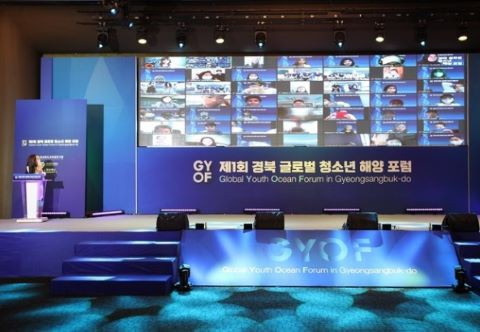 경상북도교육청, 세계시민교육 국제 포럼 개최 2022-11-09 경북교육청(교육감 임종식)은 오는 11월 30일(수)부터 12월 2일(금)까지 경주 우양미술관에서 국제교류 운영학교를 대상으로 세계시민으로서의 덕목과 글로벌 리더로서의 역량 강화를 위해 ‘2022 경상북도교육청 세계시민교육 국제 포럼’을 개최한다. 이번 포럼은 지난해 여름 진행했던‘제1회 경북 글로벌 청소년 해양 포럼’의 연장선으로 포럼의 주제를 지속가능개발 목표(SDGs)로 변경해 운영되며, 올해는 17개 세부 목표 중 14번째 해양 생태계로 선정해 △청소년 포럼 △교육관계자 포럼 △전시 등 관련 행사를 해당 주제로 통합해 운영하게 된다. 3일간 날짜별로 그룹을 나누어 진행되는‘청소년 포럼’은 초·중·고 학급별로 국제교류 매칭 학교와 자료 및 사례 조사 등을 협업해 2~3개 학교가 그룹을 지어 영어로 발표를 하게 된다. 발표를 제외한 토론 및 토의는 한국어로 진행되며, 현장에는 한영 동시통역이 제공되어 포럼 준비에 참여한 해외 학교 학생들도 줌(Zoom)으로 접속해 화상으로 참관할 수 있다. 30일(수) 오후 1~3시까지 진행되는‘교육관계자 포럼’은 국내외 교육관계자의 주제별 정책, 사례 발표 및 토론 등을 통해 경북교육의 세계 표준 기틀을 마련하고, 글로벌 교육 네트워크를 구축할 목적으로 진행될 예정이다. 이번 포럼의 좌장으로는 정우탁 전 유네스코 아태교육원장을 초청했으며, 주제 발표는 미국 AFS 교육지원 디렉터 Jill Woernern, 한국해양교육연구회 신춘희 회장, 대만의 국립대만해양대학교육연구소 Ray Yan 부교수 등이 지속가능개발 목표와 한국과 대만 등의 해양교육 관련 내용을 발표하게 된다. 또한 포럼 주제와 연계한 영상, 사진, 텍스트 등 다양한 자료로 공간을 구성해 포럼 참가자와 일반 관중들에게도 효과적인 주제 의식 전달을 위한 전시 등 다양한 볼거리를 제공할 예정이다. 12월 2일(금)은 재외 한국학교를 대상으로 독도 재단 등과 협업해 독도 알리기 사업의 일환으로 △독도 전문가 강연 △독도 퀴즈 등을 온라인으로 진행할 예정이며 중국 상하이한국학교, 베트남 호치민한국국제학교, 싱가포르한국국제학교 등 약 500명의 재외 한국학교 학생들이 참가를 신청했다. 아울러 2022 국제교류운영학교, 글로벌 토크단 성과보고회, 다문화 학생 이중언어 발표회 등 지난 1년간 경북교육청에서 진행된 크고 작은 국제교류 관련 행사들을 준비해 운영할 예정이다. 임종식 교육감은 “코로나19로 온라인 국제교류가 더욱 활성화 되고 있으며, 방문교류도 조금씩 활성화 되고 있다”며 “경북의 아이들이 세계시민의 덕목을 지닌 세계의 리더로서 성장할 수 있도록 다양한 사업들을 개발해 추진해 나가겠다”고 밝혔다. 출처: 경상북도교육청 보도자료URL: http://www.gbe.kr/news/na/ntt/selectNttInfo.do?mi=17643&bbsId=4744&nttSn=1252957
 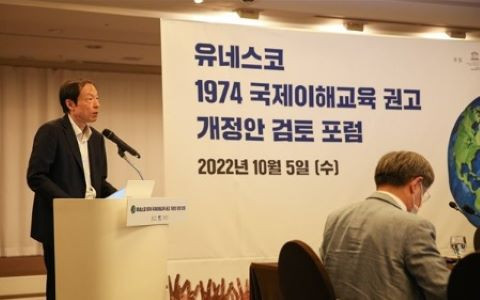 「유네스코 1974 국제이해교육 권고 개정안 검토 포럼」 성료 2022-11-05 유네스코 아태교육원(원장 임현묵)은 2022년 10월 5일 오후 2시부터 오후 5시 40분까지 유네스코한국위원회(사무총장 한경구), 한국국제이해교육학회(회장 박순용)와 함께 「유네스코 1974 국제이해교육 권고 개정안 검토 포럼」을 비대면(ZOOM)으로 개최했다. 이번 포럼은 1974 국제이해교육 권고의 개요와 추진현황, 권고 개정안 초안의 주요 내용 및 질의응답, 세계시민교육 등 각 분야의 전문가 의견과 종합토론의 순서로 진행되었다. 개회사에서 한경구 사무총장은 1974 국제이해교육 권고가 “국제교육이 전 세계적으로 발전하는 계기가 된 역사적인 규범이자 지속가능발전교육 및 세계시민교육 등 다양한 새로운 교육 개념으로” 이어졌음을 강조하고, 변화하는 글로벌 환경과 과제에 부응하여 유네스코가 동 권고의 개정을 추진함을 설명하였다. 임현묵 원장은 팬데믹을 비롯한 복합적 위기 극복을 위해 “세계시민교육과 지속가능발전교육 같은 변혁교육의 중요성이 한층 더 커졌”음을 언급하며, 이번 포럼이 1974 국제이해교육 권고에 대한 관심과 실행 의지를 높이는 계기가 되기를 기대”한다고 하였다. 박순용 회장은 1974 권고의 상당 부분이 오늘날의 맥락에서도 여전히 유효함을 지적하고, “새 권고안은 인류가 교육을 통해 국제이해, 협력, 평화의 이상적인 상태로 나아가는 데 중요한 이정표 역할을 한 것으로 향후 기억되리라”는 기대를 나타냈다. 제1부 1974 국제이해교육 권고 개정 배경 및 현황유네스코 아태교육원 세계시민교육연구소 이양숙 부소장과 유네스코한국위원회 교육팀 홍보강 교육팀장이 1974 국제이해교육 권고의 개요와 개정 배경 및 현황에 대하여 설명하였다. 이어서 1974 국제이해교육 권고 개정 국제전문가그룹(IEG)에 참여한 강순원 한신대학교 교수가 IEG의 주요 활동 및 권고 개정안 초안의 주요 내용을 설명하면서, IEG 구성의 문제점과 운영방식을 설명하였다. 아울러, 강순원 교수는 권고의 국제이해교육 개념의 시대적 의미를 짚어보고, 국제이해교육이 지속가능발전목표의 세부목표 SDG 4.7과 긴밀히 접목되어야 함을 강조하였다. 특히, 글로벌 평화와 연대를 향한 국제이해교육/세계시민교육으로 개념적 변혁이 이루어져야 하며, SDG 4.7의 제 영역이 국제이해교육/세계시민교육의 틀 안에서 국가교육과정에 반영되어야 하고, 오늘날에도 유효한 권고의 시대정신에 비추어 정의 기반의 국제이해교육/세계시민교육 교수법을 체계적으로 발전시켜야 할 필요성을 강조하였다. 이와 함께, 앞으로의 과제로 권고 개정안에 대해 전문가 집단의 비판적 목소리를 담아내는 데 유네스코 아태교육원의 노력과 내년 5월에 열리는 유네스코 특별위원회까지 회원국 검토 과정에서 유네스코한국위원회의 역할을 강조하였다. 2부 1974 국제이해교육 권고 개정안 초안 검토1974 국제이해교육 권고 개정안 초안 검토에서는 각 분야의 다양한 전문가들이 초안에 대한 검토 의견을 발표한 후에 한건수 강원대학교 교수가 좌장이 맡아 종합토론을 통해서 의견을 공유하는 시간을 가졌다. 조대훈 성신여자대학교 교수는 시민교육 패러다임의 확장, 협의의 시민교육 또는 국제이해교육에서 세계시민교육으로의 패러다임 전환을 개정안의 가장 두드러진 성취로 꼽았고 권고 개정안의 성격이 시민교육 차원에서 보다 뚜렷해질 필요성과 부정적인 문제-쟁점 현상의 언급의 생략을 권고 개정안이 내포한 쟁점과 과제로 평가했다. 김병연 서울 양재고등학교 교사는 평화교육의 관점에서 평화와 평화교육의 위상, 글로벌 관점의 강조, 보편성과 특수성에서 조화로운 평화교육 등에 대하여 발표를 했고 이 외에도 디지털 기술을 활용한 교육 방안 강조, 문화다양성 존중과 보편적 가치 존중 사이에 존재하는 문제에 관심, 권고안 체계의 범위와 계열의 검토 필요를 언급하였다. 이어서 권혁장 국가인권위원회 인권교육기획과장은 인권교육 관점에서 본 개정안 초안에 대하여 설명하였고 인권-평화-지속가능발전의 연관성, 인권교육에 대한 국가의 역할 등이 개정안에 포함되기를 기대한다고 밝혔다. 이선경 청주교육대학교 교수는 지속가능발전교육의 관점에서 발표하였다. 개인적 수준의 실행과 연계된 다양한 접근 방법과 고려 사항들은 잘 제시되어있지만 지속가능발전을 담을 수 있는 교육환경의 중요성과 이 교육환경과 교육과정 및 교수학습이 연계되는 것의 중요성과 이에 대한 강조의 필요가 요구된다는 의견을 제시하였다. 다음으로 변순용 서울교육대학교 교수는 인공지능에 대한 다양한 윤리적 전제와 원칙들을 통해 인공지능 시대에 필요한 시민의 자질이나 역량 혹은 윤리적 원칙에 기반한 시민들의 AI역량과 AI시민성을 추출하고 이를 주 내용으로 하는 시민교육의 필요성을 강조하였다. 이동연 한국예술종합학교 교수는 문화다양성의 관점에서 살펴보았을 때 동시대 차별과 혐오에 맞서는 인권교육의 재정립, 새로운 시대에 대응하는 문화적 표현의 역량 강화, 지속가능한 사회를 위한 생태적 삶의 실현을 핵심적인 주제로 정리하였고 각 항목의 시사점을 발표하였다. 이어서 손동빈 서울시교육청 민주시민생활교육과 과장은 시도교육청의 학교 급별 교육정책 운영의 관점에서 권고 개정안을 살펴보았고 학교 급별 요구사항을 균형있게 서술할 필요가 있고 다양성 존중에 대한 언급이 충분하지 않다고 말했다. 종합토론에서는 참가 전문가들의 질의응답과 토론을 통해, 권고의 성격과 내용을 잘 이해할 수 있도록 하기 위한 설명서 발간이나 권고 개정안의 핵심 개념들인 세계시민성, 평화, 인권, 지속가능발전의 상호연계성을 정리하는 작업의 필요성이 제기되었다. 무엇보다, 의미있는 개정이 이루어질 수 있도록 노력함과 아울러, 권고의 효과적인 실행 방안과 향후 우리나라 교육의 질적 개선을 위한 활용방안 모색의 중요성이 강조되었다. URL: http://www.unescoapceiu.org/post/4601
 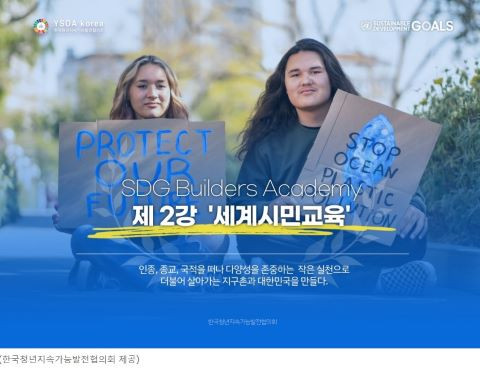 Korea Youth Sustainable Development Council, SDGs Youth Builder Academy 2nd lecture 'Global Citizenship Education' held... Successful completion 2022-11-02 [Korea Youth Council News / Intern Reporter Kwon Hyo-min] On October 28th, the Korea Youth Sustainable Development Council (hereafter Cheong Ji-hyeop) conducted 'Global Citizenship Education' as the second lecture of the SDGs Youth Builder Academy. Following the first lecture with the theme of 'Peace and Human Rights', many young people interested in sustainable peace participated again this time. First, the academy opened with global citizenship education. The lecture was conducted by invited lecturer Lee Ji-yeon of the Hi Global Citizenship Education Instructor Council. This lecturer, who said that he has more foreign friends than Korean friends, shared with the young people what he had experienced while traveling around the world. It showed that even people of different cultures can form deep relationships with each other, and emphasized the responsibility of global citizens to respect diversity and coexist. In addition, this lecturer explained that most of the refugees who cause terrorism are those who have experienced hatred and discrimination, and argued that hating and excluding refugees has rather negative consequences. Therefore, it conveyed the message that refugees entering Korea should be treated with hospitality rather than hate. After the global citizenship education, in October, we had time to share best practices for the 'Peace and Human Rights' mission. Recalling the 'Refugee Refugee NGO Afghan Consultation' held on October 1 and the 'IOM Seminar on the Rights of the Elderly and Persons with Disabilities' held on October 6, youth builders were able to reflect on their activities in the beginning of October. In addition, remembering the 'Refugee Education for Refugees' held on October 18 and the latest video of the Ukraine-Russian War watched on the 19th of the same month, we also shared the activities of the second half of October, and what activities young people can do for sustainable peace. I had time to look back on what I did. In addition, each individual shared their personal activities and donations to discuss small changes in their practices and ideas they would like to propose in the future. It was a place for dialogue to remind us that human beings can help each other, solidarize, and create a peaceful world, free from hate and war. As the last ceremony, we had time to guide the SDG Youth Builder mission in November. The theme of the November SDGs implementation mission is “Living as a global citizen”. After listening to this lecture, youth builders will find, plan, and execute activities that they can practice, and conduct a performance report in November. The goal is to enable people to move forward as global citizens through practices that respect diversity regardless of race, religion, or nationality. The second lecture of the SDGs Youth Builder Academy was concluded with the announcement that the third lecture of the next academy will be conducted under the theme of 'disability and human rights'. CEO Jeongpil Kim, who also successfully concluded this event, said about the significance of this education, “Peace and partnership, one of the 17 goals and prerequisites of the SDGs, seems to ‘start with human rights and end with human rights’.” Education is the foundation for thinking about the rights of all people in the global village beyond the Korean Peninsula by examining how we living in Korea are connected to each other and how citizens living in different continents and cultures are connected to each other and how each other's actions affect each other. It was very meaningful to be prepared.” URL: https://www.mediayouth.kr/news/668052