
News
Catch up on what’s happening in the world of global citizenship education.
229 results found
 Workshop for GCED Schools in Bangkok, Thailand 2023-08-14 On July 23, the GCED Cooperation Centre (Director: Prof. Athapol Anunthavorasakul, Faculty of Education, Chulalongkorn University), established at Chulalongkorn University in Thailand through an MOU with APCEIU in 2021, held a workshop for GCED Schools in Bangkok in cooperation with the Bangkok Metropolitan Administration (hereafter, BMA) to develop an action plan for integrating GCED into existing curriculum, and participated by about 60 teachers from these schools. This workshop is a special occasion as it is the first time a local government has supported the activities of a GCED Cooperation Centre (hereafter, GCC), and The BMA will continue to cooperate with the GCC-Thailand on capacity building activities for teachers in Bangkok. In his congratulatory remarks delivered during the opening session of the workshop, Dr Lim Hyun-mook, Director of APCEIU, explained the special partnership between Thailand and South Korea and expressed his gratitude and congratulations to Chulalongkorn University for its participation in the GCC project, which APCEIU has implemented with the support of the Korean government since 2021. In addition, Dr Min Joung Park from the Institute for Global Citizenship Education at APCEIU introduced the GCED Lead Teacher Program in Korea and the GCED Policy of the Seoul Metropolitan Office of Education. The following day, the delegation visited Bangkok City Hall and held a one-hour policy meeting with Chadchart Sittipunt, Governor of Bangkok, and Sanon Wangsrangboon, Deputy Governor of Bangkok in charge of social development and education, to share the GCED Lead Teacher Program in Korea and other GCED policies of the Metropolitan & Provincial Offices of Education in Korea. In particular, they expressed their appreciation for the BMA’s support for the GCC at Chulalongkorn University, asked for their continuous assistance for the GCC to develop into a hub for GCED in Thailand, and suggested that the BMA take a leading role in expanding GCED to other local governments in Thailand. The delegation also visited Chulalongkorn University, where they met with Dr Parichart Sthapitanonda, Vice President for Academic Affairs and Social Outreach, to express their appreciation for the university's support of the GCC-Thailand and requested that it continue in the future. The delegation also met with Dr Wang Libing, Chief of the Section for Educational Innovation and Skills Development, and also the Interim Acting Director of UNESCO Bangkok, and Faryal Khan, Programme Specialist for Education of UNESCO Bangkok, to discuss mutual cooperation, particularly in relation to the 1974 Recommendation concerning on Education for International Understanding, Cooperation and Peace and Education relating to Human Rights and Fundamental Freedoms, which is currently under revision, and agreed to jointly explore the possibility of organizing an Asia-Pacific meeting in Korea in the first half of next year to discuss how to implement the revised Recommendation once the UNESCO General Conference finalizes the revision in November this year. URL:https://www.unescoapceiu.org/post/4863
 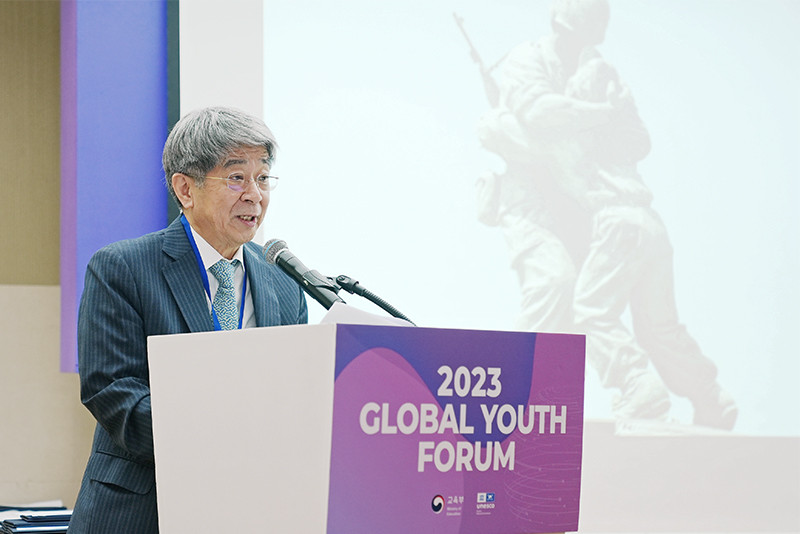 청년의 눈으로 바라본 전쟁과 평화 : 2023 유네스코 글로벌 청년 포럼 '청년선언문' 채택 2023-08-03 교육부(사회부총리 겸 교육부장관 이주호)가 주최하고 유네스코한국위원회(사무총장 한경구)가 주관한 ‘2023 유네스코 글로벌 청년 포럼’이 “청년의 마음속에 평화를: 전쟁을 넘어 지속가능한 평화로”를 주제로 7월 26일(수) ~ 28일(금), 3일간 서울 프레지던트 호텔에서 개최됐다. 이번 포럼은 6·25 전쟁 정전 70주년을 맞이해 UN 참전 및 의료지원국 19개국* 청년들과 대한민국 청년 등 70명이 한자리에 모여 전쟁과 평화에 대해 논의하는 자리로, 청년의 관점에서 지속가능한 평화의 의미를 재발견하고 성찰하기 위해 마련됐다. * 6·25 참전국·의료지원국 22개국 중 19개국 참가: 미국, 영국, 캐나다, 튀르키예, 호주, 필리핀, 태국, 네덜란드, 콜롬비아, 뉴질랜드, 에티오피아, 벨기에, 프랑스, 남아프리카공화국, 인도, 스웨덴, 노르웨이, 이탈리아, 독일 포럼 주관기관인 유네스코한국위원회 한경구 사무총장은 폐회사에서 “오늘 나와 우리 가족이 누리는 일상의 평안이 누군가에게는 일생일대의 소원일 수 있다"며 "지구 공동체의 일원이자 세계시민으로서 지속가능한 평화를 만들어가는데 있어 청년들의 적극적인 연대를 희망한다"고 말했다. 이번 포럼은 참가 학생들이 3개월여에 걸쳐 전쟁과 평화를 주제로 사전 탐구활동을 진행했다는 점이 특징이다. 지난 4월에 선발된 청년 참가자들은 8개 그룹으로 나뉘어, ‘교육’, ‘문화’, ‘과학기술’, ‘사람’, ‘미디어정보리터러시’, ‘환경’, ‘국제기구의 역할’, ‘군사주의’ 등을 주제로 3개월간 탐구하고 토론한 결과를 본 포럼에서 발표했다. 포럼은 7월 26일(수) △ 개회식 △ 인트로토크 △ 조별 프로젝트 발표를 시작으로 27일(목) △ 스페셜토크 △ 오산 죽미령평화공원 현장방문, 28일(금) △ 유네스코토크 △ 종합평가 및 청년 선언문 채택 △ 폐회식 등으로 진행됐다. 26일(수) 인트로토크에서는 대한민국 6·25 참전 유공자회 김기제 사무총장과 마리아 카스티요-페르난데즈 주한유럽연합 대사, 그리고 참전 용사의 후손인 국내외 청년 대표 참가자가 함께 참여해 평화에 대한 생각과 의견을 나눴다. 27일(목) 스페셜토크에서는 한국에서 활발하게 활동 중인 독일 출신 방송인 겸 피아니스트 다니엘 린데만이 연사로 나서, 분단의 아픔을 겪은 독일의 역사를 돌아보며 미래세대를 위한 평화의 의미를 전했다. 이어 참가자들은 6·25 전쟁 당시 UN군 초전지였던 오산 죽미령평화공원을 방문해 UN참전용사들에게 헌화하는 시간을 가졌다. 28일(금) ‘전쟁, 평화 그리고 청년’을 주제로 진행된 유네스코토크에서는 MBC <100분토론> 사회자 정준희 교수가 진행을 맡았다. 대담자로는 6.25 피난민과 월남자, 이산가족 문제를 연구해온 김귀옥 교수, 그리고 분쟁전문 PD로서 동티모르, 아프가니스탄 등 전 세계 곳곳의 분쟁지역을 누빈 김영미 PD가 참가하여 청년들과 소통하는 시간을 가졌다. 이어, 참가자들은 그 동안의 탐구 프로젝트 활동 결과를 토대로 ‘청년 선언문 ’을 채택하였는데, 이 선언문은 청년들의 입장과 시각에서 조별 활동을 한 8개 주제 영역에서 지속가능한 평화 구축을 위한 구체적인 실천방안을 담고 있다. 폐회식을 끝으로 지난 3개월간의 여정을 마무리하는 이번 ‘2023 유네스코 글로벌 청년 포럼’은 대한민국과 세계 19개국의 청년들이 전쟁이 사회 여러 분야에 미치는 영향을 이해하고 평화의 의미와 중요성을 깊이 새기는 계기가 될 것으로 기대된다. 붙임. 유네스코 글로벌청년포럼 청년선언문(Call to Action) 관련기사: 유네스코한국위, '글로벌 청년 포럼'서 청년선언문 채택(연합뉴스 0728) 출처: 유네스코 한국위원회 홈페이지 > 한국위원회 소식 URL:https://www.unesco.or.kr/news/press/view/2477/page/0?
 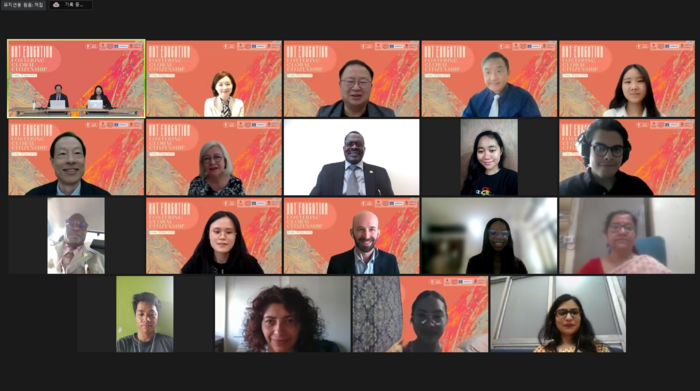 유네스코 아태교육원, 2023년 제1차 세계시민교육 우호그룹 라운드테이블 “세계시민을 함양하는 예술 교육” 개최 2023-06-30 아태교육원은 6월 16일 주 유네스코대한민국대표부와 세계시민교육 우호그룹(이하 우호그룹), 유네스코 사무국과 협력하여 ‘세계시민교육 우호그룹 라운드테이블: 세계시민을 함양하는 예술 교육 (“Roundtable of the Group of Friends for Solidarity and Inclusion with GCED: Art Education Fostering Global Citizenship”)’을 개최하였다. 온라인으로 진행된 이번 라운드테이블은 세계시민성을 함양함에 있어 예술 교육의 중요한 역할을 재조명하고 예술 교육과 세계시민교육이 어떠한 방향으로 연계교육이 되는지 대해 논의할 수 있는 대화의 장을 마련하였다. 이번 행사는 20여 개 국에서 50여 명의 관계자들이 참석하였다.박상미 주유네스코대한민국대표부 대사는 개회사를 통해 세계시민교육과 문화예술 교육의 중요성을 강조하며, 문화예술 인프라가 부족하거나 접근이 어려운 소외지역 및 계층에 대한 관심과 접근성 확대를 통해, 섹터간 연계교육을 하는 문화예술교육 지속적인 노력의 필요성을 언급하였다.세계시민교육 우호그룹 리처드 보셔 (Richard M. Bosire) 주 유네스코케냐대표부 대사는 개회사를 통해 예술 교육이 개인에 다양한 문화의 연결성을 일깨우고 함께 공유하는 문화 유산을 통해 세계시민교육의 핵심인 관용과 역동성을 갖춘 세계시민 양성을 언급하였다. 스테파니아 지아니니(Stefania Giannini) 유네스코 교육사무총장보는 세계시민교육과 예술 교육이 변혁 교육의 중심을 자리하는 강력한 힘임을 언급하며, 예술은 자기표현과 창의성, 그리고 자아인식을 함양하는 도구가 됨을 강조하였다. 또한 국경과 구분을 뛰어넘는 예술은 세계시민교육을 함양에 있어 가치있는 도구가 될 수 있음을 언급하였다.임현묵 아태교육원장의 진행 하에 4개 지역별 연구 및 사례 발표가 있었다. 핀란드 마리아-리나 윤투넨(Marja-Leena Juntunen) 음악교육과 교수, 유네스코 베이루트 사무소 마르코 파스쿠알리니(Marco Pasqualini) 교육 전문관, 한국 어윤일 교수, 그리고 나이지리아 <더 케이블> 클레어 맘 기자가 예술 교육을 통한 세계시민교육 사례와 프로젝트에 대한 발표를 진행하였다. 발표자들은 세계시민을 함양함에 있어 예술 교육의 중요성과 진행하고 있는 프로젝트와 연구 사례 및 관련 여러 당면 현안에 대해 발표하였다.임현묵 아태교육원장은 이번 행사를 통해 세계시민교육 증진에 있어 예술 교육의 중요성을 알고 있는 것에만 그치는 것이 아니라 적극적인 실천이 필요함을 강조하였다. 또한, 교육의 전환시대에 세계시민교육과 예술교육이 교육개혁을 위한 효과적인 도구가 될 수 있음을 강조하며 행사를 마무리 하였다. URL: https://unescoapceiu.org/post/4832
 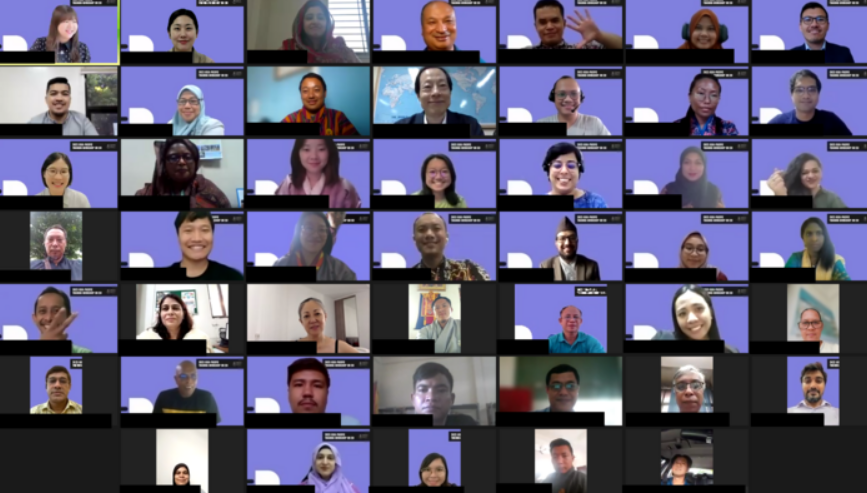 유네스코 아태교육원, 2023년도 아태지역 교원연수 실시 2023-06-30 유네스코 아태교육원은 2023년 5월 30일부터 6월 7일까지 아시아 태평양 지역 16개 유네스코 회원국의 56명의 교육자들이 참석한 가운데 2023년도 아태지역 교원연수 (Asia-Pacific Training Workshop on EIU/GCED)를 개최하였다. 올해 워크숍은 '세계시민교육, 변화를 위한 공동의 비전 (GCED as a common vision for change)'이라는 세부 주제 하에 진행되었다. 본 연수에서 참가자들은 지속가능발전목표 및 세계시민교육의 다양한 주제 영역 뿐 아니라, 보다 혁신적이고 창의적인 세계시민교육 페다고지에 대해서도 더 깊게 배우는 등 변혁적 교육에 대해 탐구하고 토론하는 의미 있는 시간을 가졌다.참가자들은 크게 1) 실시간 전문가 특강 및 질의응답과 2) 소그룹 활동을 통하여 지식을 쌓았고, 학습자, 동료 교육가 및 소속 지역사회와 함께 세계시민교육을 실천할 수 있는 구체적인 방안에 대하여 고찰하였다.먼저, 참가자들은 실시간 전문가 특강을 통하여, 글로컬 정의, 불평등, 양성 평등과 포용적 교육, 미디어 리터러시와 디지털 시민성을 포함한 사회·교육적 현안에 대해 돌아보며, 교육가 및 교사의 역할에 대하여 고민하는 시간을 가졌다. 변혁적 교수법 관련 세션에서는 효과적인 세계시민교육 교수법 및 확산 방안에 대하여 심도 깊은 논의를 진행하였다. 뿐만 아니라, 기 참가자들과의 대화를 통해 성공적인 후속 프로젝트 사례와 이를 위한 전략에 대해 배우고 논의하는 시간을 가지기도 하였다.참가자들은 소그룹 활동 및 토론을 통해 배우고 느낀 점들 및 각자의 경험을 나누며 학습을 심화하였다. 이를 통해 쌓인 아이디어들을 바탕으로, 워크숍 마지막 날 참가자들은 세계시민교육 후속활동 계획에 대해 공유하는 시간을 가졌다. 본 워크숍은 각 참가자들의 세계시민교육 후속활동에 대한 기대와 함께 성료되었다. 아태교육원은 워크숍 수료자 중 지원 및 선정된 참가자를 대상으로 멘토십/그랜트 프로그램을 운영하여, 7월-8월 중 전문가 멘토십을 및 그랜트 지급을 통해, 이후 세계시민교육 프로젝트를 실천에 옮길 수 있도록 지원할 계획이다.URL: https://unescoapceiu.org/post/4821
 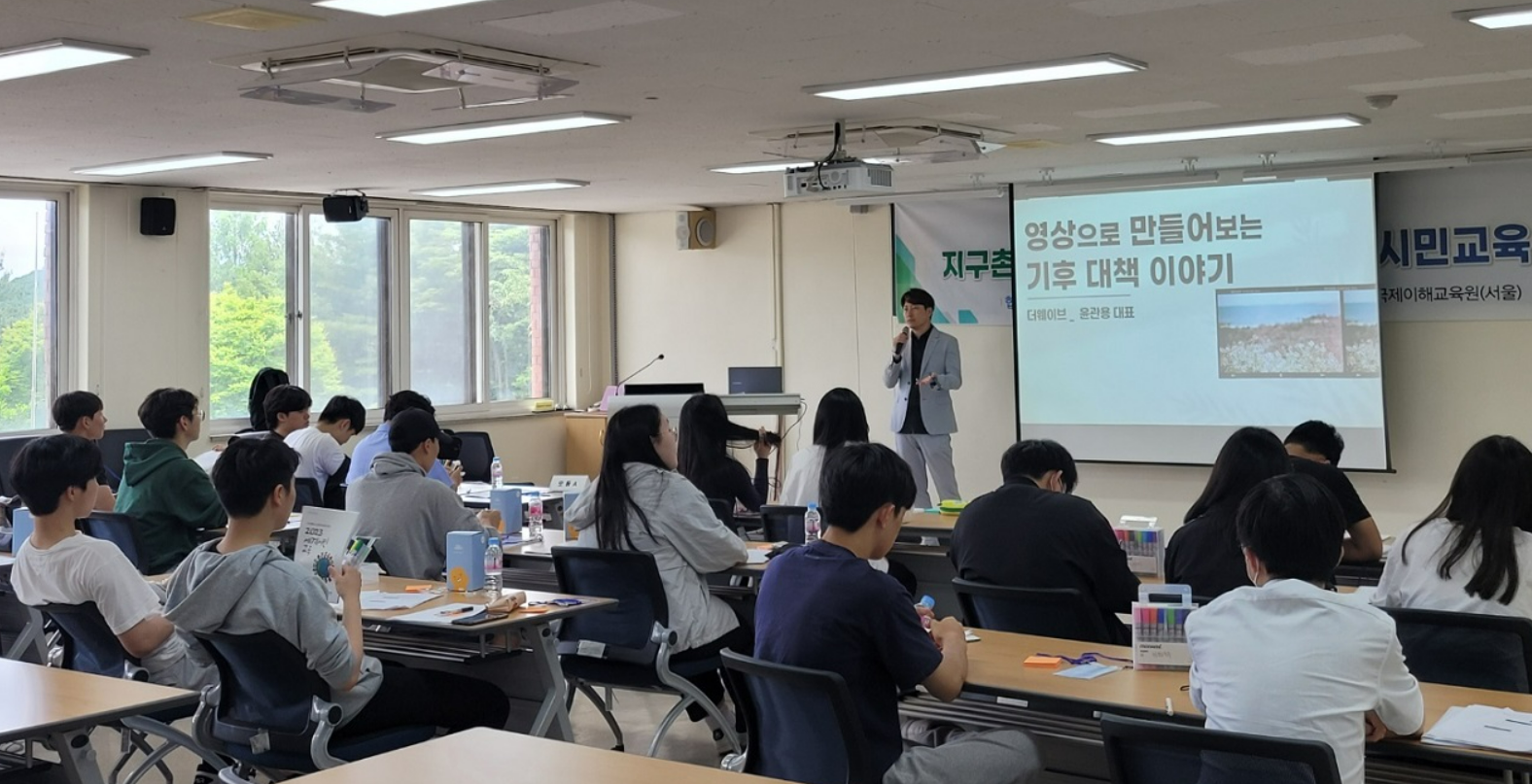 대전교육연수원, 대전지역 고교생 대상 ‘세계시민교육’ 2023-06-30 대전교육연수원, 대전지역 고교생 대상 ‘세계시민교육’ 9월 7일까지 37개교 102명 대상 3일간 통학교육 [굿모닝충청 황해동 기자] 대전교육연수원 학생교육부는 올 9월 7일까지 ‘2023 세계시민교육’을 운영한다.대전 관내 고등학교 37개교 1학년 학생 102명을 대상으로 3일 동안 지구촌의 가치와 다양성 존중의식 함양을 위한 다양한 통학형 교육활동을 진행한다.1일차에는 세계시민성 함양 특강과 지구촌 위기 해결을 위한 협력 프로젝트 활동을 진행하고, 2일차에는 백제역사유적지구 부여에서 유네스코 세계문화유산인 부소산성과 낙화암·고란사를 답사한다.3일차에는 유네스코아시아태평양국제교육이해교육원을 방문해 기후위기를 의제로 모의 유네스코총회 활동, 세계시민여권 만들기 등의 체험활동에 나선다.이상호 대전교육연수원 원장은 “범지구적 과제 해결을 위해 경험하는 토론과 협력 활동이 학생들이 건강한 세계시민으로 성장하는 좋은 계기가 되길 바란다”며 “앞으로 보다 풍부하고 다양한 학생교육 활동 프로그램 운영과 지원에 노력하겠다”고 했다.출처 : 굿모닝충청(http://www.goodmorningcc.com)URL: https://www.goodmorningcc.com/news/articleView.html?idxno=290010
 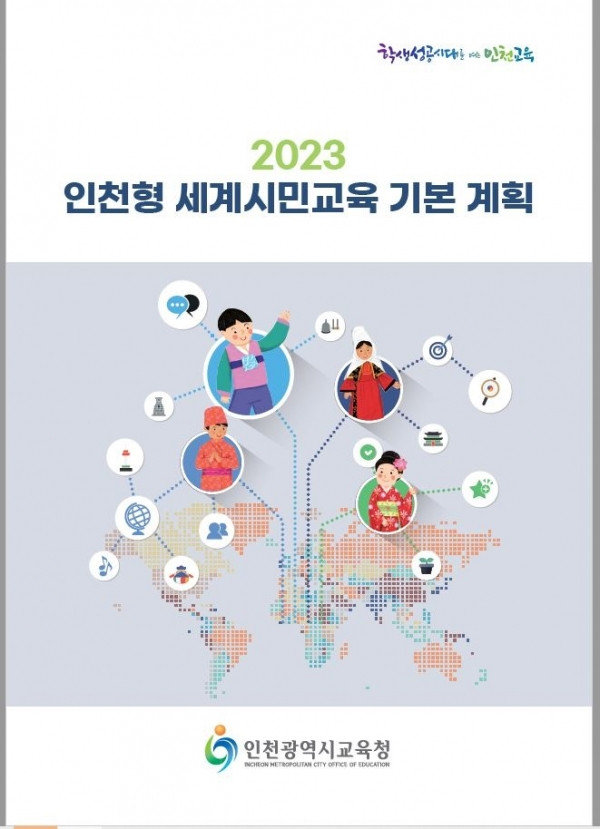 인천시교육청, 인천형 세계시민교육 담당교사 역량강화 연수 2023-06-30 인천시교육청, 인천형 세계시민교육 담당교사 역량강화 연수 [인천=김정호기자]인천광역시교육청은 초등학교 210교, 중학교 105교 등 총 315교 세계시민교육 담당자를 대상으로 비대면 역량 강화 연수를 실시했다고 27일 밝혔다.연수는 인천형 세계시민교육 홍보 동영상을 시작으로 ▶정책의 방향과 개념 ▶초‧중학교 교육과정 연계 인천형 세계시민교육 운영방안 안내 순으로 진행했다.세계시민교육 선도교사들이 학년과 학교급별 성취기준에 맞춰 인천 지역자원과 연계한 세계시민교육 프로젝트 수업 우수 사례를 발표하고 실시간 채팅창으로 질의응답 하는 시간을 가졌다.인천형 세계시민교육은 인천의 이해와 지역자원을 연계한 교육활동을 통해 세계시민성과 글로벌 역량을 함양하는 교육이다.자신의 진로를 주도적으로 개척하고, 지속가능한 지구촌 실현을 위해 책임감 있게 행동하는 세계시민을 양성한다.인천시교육청은 도성훈 교육감 2기 공약사업인 ‘인천형 세계시민교육 추진’을 위해 인천세계시민학교 61교를 선정하고 연간 최소 68회 이상 학교 교육과정과 연계해 세계시민교육을 운영할 방침이다.이와 더불어, 인천 전체 초등학교 81%(210교)와 중학교 74%(105교)가 교육과정과 연계해 학교별 특색있는 인천형 세계시민교육을 운영할 예정이다.도성훈 교육감은 “학생의 자기주도성과 변혁적 역량이 필요한 시대에 인천의 특성을 반영한 세계시민교육이야말로 글로벌 역량을 갖춘 세계시민을 양성하는 가장 최선의 교육방안”이라며 “글로벌 학습도시 인천의 지역자원과 인프라를 연계한 세계시민교육을 통해 지구촌 인재로 성장하는 학생성공시대를 실현하도록 더욱 노력하겠다”고 말했다.출처 : 경인매일 URL:https://www.kmaeil.com/news/articleView.html?idxno=391919
 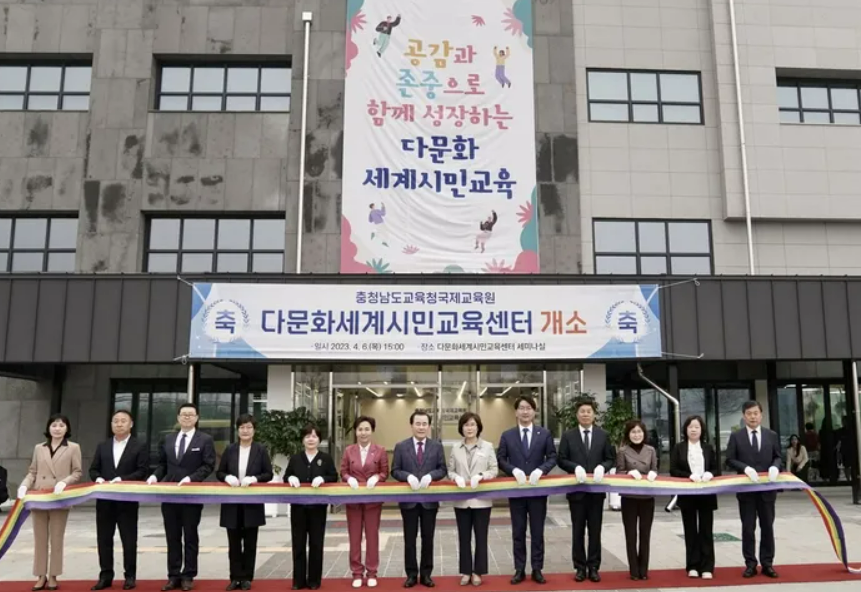 충남교육청, ‘맞춤형 다문화교육’ 다문화세계시민교육센터 개소 2023-06-30 폐교된 월랑초등학교 자리서 문 열어교원 대상 다문화 교육 역량 강화 연수도충남교육청은 중도입국·외국인 학생 등을 대상으로 맞춤형 다문화 교육을 진행하는 다문화세계시민교육센터를 개소했다고 9일 밝혔다.충남 아산시 음봉면 옛 월랑초등학교 자리에 문을 연 다문화세계시민교육센터 4층 규모로 조성됐다.1층에는 북카페와 사무실, 2층은 의생활, 식생활, 주생활 체험실과 문화예술체험실 등으로 구성된 다문화 체험관이 들어서 있다. 3층은 세계시민 체험공간이다. 이곳은 평화, 인권, 다문화, 세계시민, 지속 가능 발전 등 총 5개 주제의 체험공간으로 구성돼 있다. 4층은 중도입국·외국인 학생들에게 한국어와 한국문화를 가르치는 공간이다.다문화세계시민교육센터 외국인 학생들의 원활한 공교육 진입을 위해 한국어 교육과 함께 한국문화를 이해할 수 있는 교육을 진행할 예정이다.먼저 오는 5월부터 ‘다우리 다문화 캠프’와 ‘세계시민 캠프’를 개최해 학생들에게 다문화를 이해할 수 있는 교육을 진행하기로 했다. 또 교원을 대상으로 한 ‘다문화 교육 역량 강화를 위한 연수’도 추진하기로 했다. 외국인 학생들이 더 쉽게 한국어를 배울 수 있도록 하기 위해 교재 개발에도 나설 계획이다.김지철 충남교육감은 “중도입국·외국인 학생과 국내 학생들이 서로의 문화를 이해하고, 존중할 수 있는 다문화 이해 교육을 집중적으로 진행할 것”이라고 말했다.출처: 경향신문URL:https://m.khan.co.kr/national/national-general/article/202304091332001#c2b
 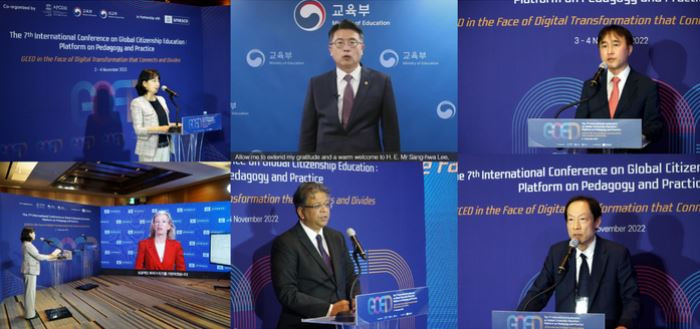 ‘제7회 세계시민교육 국제회의’ 디지털 시대의 세계시민교육에 대한 실천 및 논의의 장을 만들어가다 2022-12-05 The 7th International Conference on GCED (IConGCED), co-organized by APCEIU, the Ministry of Education, and the Ministry of Foreign Affairs of the Republic of Korea and in partnership with UNESCO, was held virtually for two days on 3-4 November 2022. Under the overarching theme of GCED in the Face of Digital Transformation that Connects and Divides, the Conference provided a venue to discuss the changes brought by digital transformation and the future of education from the perspective of global citizenship education. Over 3,000 education policymakers, educators, stakeholders from academia, international organizations and civil society organizations and youth members from around 100 countries attended the Conference. The Conference started with the Opening, moderated by Jeongmin Eom, Head of Research and Development, APCEIU, with a brief introduction of the context of the theme and the aims of the Conference, and the offering of a moment of silence to express condolences and solidarity over the tragic incident in South Korea that took place on 29 October 2022 and over all others around the world that lost lives and loved ones over all forms of violence or tragic disasters. The Opening Speeches from Sang-Yoon Jang, Vice-Minister of Education of the Republic of Korea, H.E. Sang-hwa Lee, Ambassador and Deputy Minister for Public Diplomacy of the Ministry of Foreign Affairs of the Republic of Korea, and Stefania Giannini, Assistant Director-General for Education of UNESCO confirmed the importance of enhancing the capacity of digital literacy, especially the ability to critically analyze information and eradicate hate speech and urged GCED to take active roles in promoting tolerance and respect for diversity. H. E. Khondker Mohammad Talha, Ambassador of Permanent Delegation of Bangladesh to UNESCO congratulated the Conference, emphasizing digital transformation as the universal initiative with GCED to solve self destructing problems such as climate change, cybercrimes and unregulated new technologies. He strongly affirmed that the 1974 resolution must be updated and all stakeholders should cooperate to resolve problems with accountability. Finally, Hyun Mook Lim, Director of APCEIU, warmly welcomed the speakers and the audience to participate and enrich the discussion on how GCED can be implemented in this time of digital transformation and tackle emerging challenges. He also highlighted that it is timely that we discuss the Revision of the 1974 Recommendation during this Conference as GCED is anchored in this Recommendation and regarded as a 21st-century version of education for international understanding. On the first day in the Moderated Conversation on the digital transformation and the future of GCED, Neil Selwyn, Professor of School of Education Culture & Society at Monash University of Australia, Shamah Bulangis, Co-chair of Transform Education hosted by UNGEI Philippines, and Elisa Guerra, Teacher and Founder of Colegio Valle de Filadelfia in Mexico as panels and Soon-Yong Pak, Professor of Yonsei University as a moderator discussed the overall impact of digital transformation, new issues emerging from the change, and the action plans for GCED to build just and safe future in response to those challenges. Positive aspects and opportunities of digital transformation were addressed while at the same time acknowledging the limitations such as still existing inequalities, the spread of hate speech in the digital space and lack of human interaction. Panelists emphasized the importance of the strategic utilization of technology to enhance GCED in the digital space and the need to promote universal access to digital technologies to reduce the digital divide. In the following first Plenary Session, Dylan Wray, Director of Center for Learning, Human Responsibility Accelerator moderated the discussion among Janice Richardson, International Advisor of Insight SA, Alton Grizzle, Programme Specialist of Section for Media and Information Literacy and Media Development at UNESCO, Peck Cho, Chair-Professor of Korea University’s Institute of General Education, and Lisa van Wyk, Global Communications Manager of World Wide Web Foundation, regarding major challenges that GCED faces in the digital era and the current education trend. Janice Richardson stressed that “connection, content, and behavior are at risk when it comes to global citizenship education and functional, digital, media Information, and socio-emotional literacy can turn those risks into opportunities”. Alton Grizzle argued that controlling and managing the influx of information is necessary, which is why it is crucial to take action to put MIL at the center of all levels of education. Peck Cho pointed out that COVID-19 not only exposed the danger of the digital divide between the haves and have-nots but also the divide between students’ thinking and feeling. As online classrooms are not effective in engaging students emotionally as much as conducting cognitive activities, there are limitations on the development of creativity and citizenship in students. Therefore, he suggested that all educators should design not only curriculum content but educational experiences in order to connect the cognitive and affective domains. During the Concurrent Sessions, which were divided into three sessions, participants shared ideas and good practices on how GCED should address different types of emerging issues in the digital world and contribute to building up digital citizenship. In Session 1.1, participants addressed issues emerging in the digital age, such as the digital divide and the polarization of information. In Session 1.2, participants shared best practices on how efforts are being made by UNESCO or civil society to foster digital citizenship and media and information literacy (MIL). In the Special Concurrent Session, APCEIU’s youth project “Street Dialogue” was introduced as best practice. The youths from various countries participating in the project shared their thoughts and conversations on global issues with citizens in their respective communities and streets. The session provided a room for the youths as global citizens who actively participated in the civic dialogue to share their experiences. The second day began with the second Concurrent Sessions sharing lessons learnt from previous experiences while implementing global citizenship education and discussing ways to keep the important values of global citizenship education against the emerging risks in the digital era. In Session 2.1, which was moderated by Neil Selwyn, Professor of School of Education Culture & Society at Monash University of Australia, Ethel Agnes Pascua-Valenzuela, Director of Southeast Asian Ministers of Education Organization (SEAMEO) Secretariat, Marco Pasqualini, Education Programme Specialist of UNESCO Regional Bureau for Education in the Arab States, Phinith Chanthalangsy, Unit Head of Social and Human Sciences Sector of UNESCO Regional Office for Southern Africa, and Md Walid Bin Quashem, First Secretary of Permanent Delegation of Bangladesh to UNESCO suggested what policies should be made to overcome education-related problems that emerged in the digital era, such as the digital gap that has been widened due to COVID-19 and the lack of teachers' capacities in information and communication technology (ICT), and how global citizenship education should be conducted to attract learners' participation in a digitalized environment. In Session 2.2, moderated by Shamah Bulangis, Co-chair of Transform Education hosted by UNGEI Philippines, Dylan Wray, Director of Center for Learning, Human Responsibility Accelerator, Rowena Hibanada, Director of Community Partnership and Extension Office at Philippine Normal University in the Philippines, and Jihong Lee, Head of Office of Education and Training at APCEIU discussed curriculum, pedagogy, and practice that utilized possibilities provided by the digital era. Panelists introduced online platforms that can effectively train youth using digital technology, shared the case of how APCEIU’s GCED Curriculum Development and Integration Project took place in the Philippines despite the difficulties arising from the pandemic and introduced GCED online campus that enabled the implementation of GCED during the pandemic. Session 2.3 was moderated by Esther Care, Professorial Fellow of Melbourne Graduate School of Education at the University of Melbourne in Australia, and Roshan Bajracharya, Senior Regional Advisor for Asia and the Pacific of UNESCO Institute for Statistics (UIS), Ralph Carstens, Senior Research Advisor of International Association for the Evaluation of Educational Achievement (IEA), Rachel Parker, Senior Research Fellow of Education and Development at Australian Council for Education Research (ACER), Hwanbo Park, Associate Professor of Department of Education at Chungnam National University and Daehoon Jho, Professor of Department of Social Studies Education at Sungshin Women’s University as panelists discussed GCED monitoring strategies for effective implementation of SDG 4.7. Professor Hwanbo Park and Daehoon Jho introduced APCEIU’s GCED monitoring research project and shared how the monitoring system has been developed that is in line with the global indicator (SDG 4.7.1) and simultaneously reflects the Korean context and feasibility. In the second Plenary Session, the moderators from each of the Concurrent Sessions 2 presented key ideas discussed in the previous Concurrent Sessions and concluded with recommendations for the effective implementation of GCED in various areas in the face of digital transformation and beyond. During the Session, questions were posed to the panelists and the audience about enhancing GCED in the areas of ‘Policy and advocacy’, ‘Curriculum, pedagogy and practice’, and ‘Monitoring’: ‘What actors other than teachers need to be involved in GCED?’, ‘How to move the current face-to-face teaching to online?’, ‘What are the implications of digital monitoring?’. The Conference concluded with a Special Session, sharing the background and progress on the revision of the 1974 Recommendation concerning Education for International Understanding, Co-operation and Peace and Education relating to Human Rights and Fundamental Freedoms and discussing the key issues regarding the Recommendation. Although the 7th IConGCED was held online through the Online Conference website and YouTube due to COVID-19, it received positive reviews for providing a venue for various participants from different countries to examine the role of GCED in the era of digital transformation. URL:http://unescoapceiu.org/post/4625
 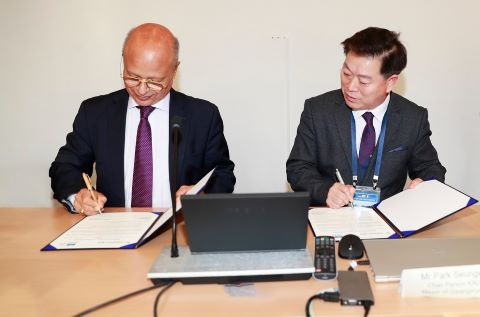 광명시장, 유네스코 평생학습 국제기구와 ESG 평생학습 활성화 위한 MOU 체결 2022-11-29 박승원 광명시장은 지난 12일부터 20일까지 유네스코 평생학습 국제기구(이하 ‘UIL’)의 초청으로 ‘한국-유럽 학습도시 교류 서밋’에 참여해 ESG(환경․사회․거버넌스) 평생학습 활성화를 위해 UIL과 양해각서(MOU)를 체결했다. 전국평생학습도시협의회(이하 ‘협의회) 주관으로 진행된 이번 서밋 연수에는 광명시, 안성시, 수원시, 서울 은평구, 충남 공주시, 전북 부안군, 광주광역시 서구 등 7개 도시 단체장과 EBS교육방송 및 대한민국평생교육진흥재단이 참석했다. 협의회는 이번 양해각서 체결로 대한민국의 평생학습 발전을 위한 글로벌 협력 네트워크를 구축했다. 또한, 협의회 연수단은 국제 평생학습 선진사례를 학습하고 정책 방향 논의를 위해 ▲유네스코 본부 ▲주 유네스코 대한민국 대표부 ▲함부르크ESD센터 ▲학습플래닛연구센터 ▲독일성인교육연합회 국제기구(DVVI) ▲본(Bonn) 시민대학 ▲글로벌 학습도시(독일의 함부르크·본, 프랑스의 에브리 쿠쿠론)에 방문하여 한국의 학습도시가 세계로 나아갈 수 있는 도약의 기회를 마련했다. 박승원 광명시장은 “개인, 지역, 도시가 함께 성장할 수 있는 지속가능한 학습도시를 위해 ESG 학습은 필수적이며, 시민이 학습을 통해 자신의 역량을 증진하고 더 나아가 학습 공동체를 구현하여 지역 실천 활동으로 선순환될 수 있어야 한다”며, “ESG 평생학습이 선진적으로 실현되고 있는 이번 사례들을 토대로 시민 누구나 누릴 수 있는 평생학습 실천적 모델을 만들겠다”고 말했다. 광명시는 대한민국 평생학습 제1호 도시이며, 최초의 장애인 평생학습 도시로서 국내 학습도시를 선도적으로 이끌고, 국외 학습도시와의 끊임없는 네트워크 구축을 통한 글로벌 학습도시로서의 위상을 만들어 가고 있다. 출처: 광명시 보도자료URL:https://news.gm.go.kr/bbs/view.html?idxno=1957
 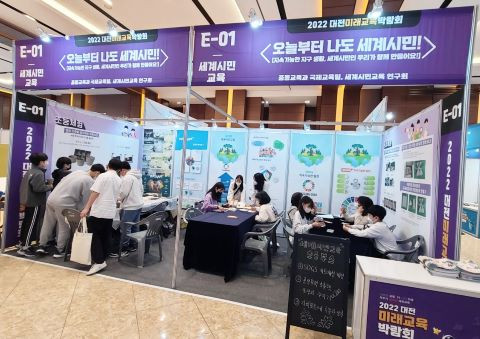 대전교육청, 2022 세계시민교육 나눔 한마당 개최 2022-11-27 □ 대전광역시교육청(교육감 설동호)은 2022년 11월 23일(수)부터 11월 25일(금)까지 3일간 호텔ICC 컨벤션홀 3층(대전미래교육박람회 체험관)에서 초·중·고 학생, 학부모 및 대전시민을 대상으로 2022년 세계시민교육 나눔 한마당을 개최했다고 밝혔다. ○ 이번 행사에는‘오늘부터 나도 세계시민’이라는 주제로 세계시민교육 UN 17개 지속 가능한 발전목표(SDGs)*를 탐색하고 실천해보는 다양한 체험활동 기회를 제공하기 위한 체험 부스 운영과 세계 평화를 주제로 한 ‘평화 버스킹’을 운영했다. 이는 초·중등 대전세계시민교육 교사연구회와 초·중·고 세계시민교육 동아리 학생들이 주축이 되어 학교 현장의 세계시민교육 참여 확대 및 세계시민 의식 확산을 위해 실시되었다.* 평화, 자유, 정의, 인권, 관용, 환경 등에 관한 인류 보편적 문제를 해결하고자 UN이 정한 국제적 공동 목표 ○ 학생들은 부스에서 공정무역 초콜릿 디자인하기, 커피자루방향제 만들기, 지피포트에 씨앗심기, 세계시민 선언문 작성하기, 지속 가능한 발전목표(SDGs) 카드게임 등을 통해 세계시민교육의 가치를 체험했다. ○ 중·고등학교 교사들로 구성된 버스킹 공연에서는 지구촌에서 일어나고 있는 전쟁과 폭력, 갈등을 극복하고 좀 더 평화롭고 행복한 세상을 염원하는 음악들을 선보여 평화의 가치와 소중함을 생각해보는 기회를 제공했다. 특히 버스킹 마지막에 용운초등학교 6학년 학생들이 불렀던 ‘내가 바라는 세상’은 세계시민교육이 지향하는 세상에 대한 함축된 의미를 표현하고 있어 시민들의 큰 호응을 얻었다. □ 대전광역시교육청 최재모 중등교육과장은 “학교현장에 학생 실천 중심의 세계시민교육을 활성화하여 미래사회에 갖추어야 할 세계시민 역량을 함양할 수 있도록 적극 지원할 것이다.”라고 말했다. 출처: 대전교육청 보도자료URL: https://www.dje.go.kr/boardCnts/view.do?boardID=8&boardSeq=3227317&lev=0&searchType=null&statusYN=W&page=1&s=dje&m=0402&opType=N&prntBoardID=0&prntBoardSeq=0&prntLev=0