
News
Catch up on what’s happening in the world of global citizenship education.
229 results found
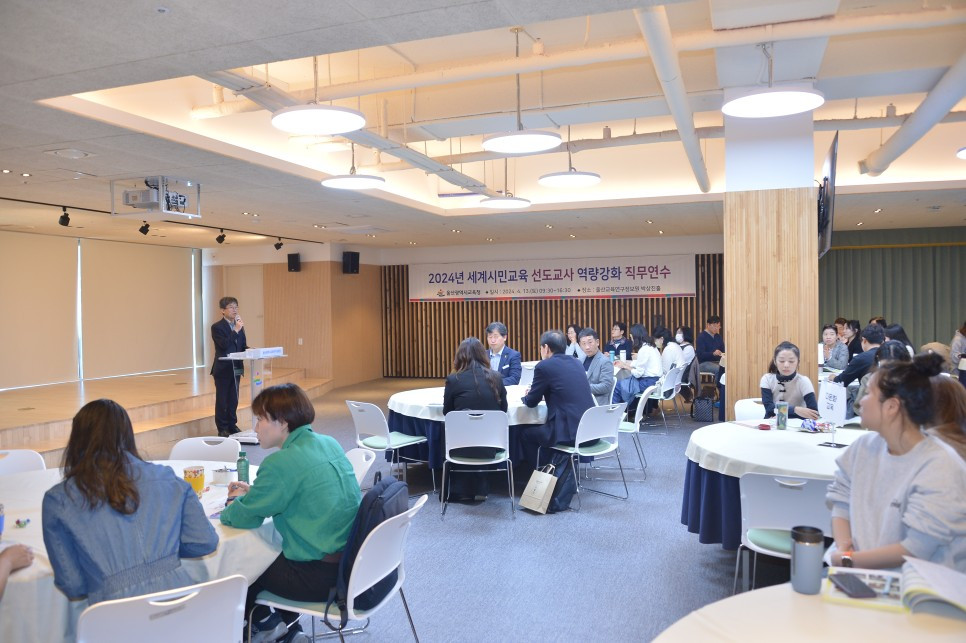 울산교육청, 세계시민교육 학교 현장으로 확산 2024-05-01 - 11월까지 선도 교사 등 역량 강화 맞춤형 연수- 선도 교사 선발·운영, 교사연구회 운영 등 지원울산광역시교육청(교육감 천창수)은 세계시민교육을 학교 현장으로 확산하고자 선도 교사와 담당 교사 역량 강화를 지원한다. 세계시민교육은 세계 시민사회 주체이자 책임 있는 구성원으로서 전 지구적 문제를 비판적으로 성찰하고, 세계적인 소속감으로 민주적 의사결정에 참여해 더 좋은 지구촌의 변화를 유도하는 총체적인 교육을 뜻한다. 지난 2015년 인천 송도에서 열린 ‘세계교육포럼’에서 주요 실천 의제로 채택돼 유네스코 195개 회원국이 공동으로 추진하고 있다. 세계시민교육이 추구하는 핵심 가치는 평화로운 세계, 인권 존중, 문화의 다양성 이해 등이다. 울산교육청은 세계시민교육 담당 교사의 역량을 강화하고자 이달 13일을 시작으로 오는 11월까지 5회에 걸쳐 집합·체험 연수를 진행한다. 이와 관련 울산교육청은 지난 13일 오전 10시 울산교육연구정보원 박상진홀에서 세계시민교육 선도 교사와 담당 교사 60명을 대상으로 역량 강화 직무연수를 했다. 이날 연수는 세계시민교육 주관기관인 유네스코 아시아 ‧태평양 국제이해교육원 임현묵 원장을 초청해 ‘세계시민교육 개관’을 주제로 특강을 했다. 특강에 이어 울산교육청은 학교 실천 사례 연수를 진행하고 우수사례 등을 공유했다. 앞으로 울산교육청은 세계시민교육 선도 교사 선발·운영, 역량 강화 연수, 교사연구회 운영, 실천 학교·학생동아리 운영 등을 중점 지원할 계획이다. 울산교육청 관계자는 “미래세대 주역인 학생들이 세계시민으로서 자질을 함양하고, 나아가 지구촌 문제에 더욱더 관심을 가진 글로벌 인재로 자라날 수 있도록 적극 지원하겠다”라고 말했다. URL: https://blog.naver.com/us_edu/223423788198
  [전북교육청] 문화다양성 교육으로 세계시민 발돋움 2024-04-09 전북특별자치도교육청(교육감 서거석, 이하 전북교육청)은 지구촌에 대한 이해와 관심을 높이고, 세계시민의식을 함양하고자 ‘2024. 문화다양성 및 세계시민교육’을 추진한다. 전북교육청은 세계시민교육 교사연구회 및 유관기관 근무 또는 강사 경력이 있는 사람으로 ‘JB-지구촌 지원단’을 구성하고, 4~11월까지 119개교에서 598회의 교육을 진행한다고 8일 밝혔다. JB-지구촌 지원단은 개별 학교로 찾아가 학생, 교직원 및 학부모를 대상으로 세계시민교육 및 문화다양성 교육을 담당하게 된다. 학생 교육은 학교 교육과정에 맞춰 2차시 프로그램으로 진행하고, 학부모 및 교직원 연수 프로그램은 1~2차시로 이루어진다. 세계시민 역량을 키우기 위한 문화다양성 교육 이론, 문화 수용성 등의 개념 이해, 학교에서 필요한 문화감수성 함양 교육 등으로 진행된다. 김지유 민주시민교육과장은 “학생들이 세계시민의식을 키우고 문화다양성을 함양하는 계기가 될 것”이라면서 “다문화사회에 대한 편견을 해소하고, 건강한 학교문화를 조성하는 데 도움이 될 수 있기를 희망한다”고 말했다. URL: https://news.jbe.go.kr/board/view.jbe?boardId=BBS_0000222&menuCd=DOM_000001201001000000&paging=ok&startPage=1&searchOperation=AND&dataSid=620459
 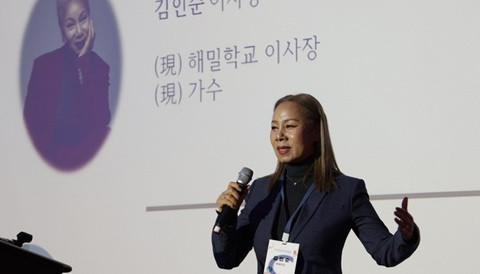 「다문화가정 대상국가와의 교육교류사업」 시·도 교육청 및 배치학교 관계자 협의회 2024-03-21 아태교육원은 2024년도 「다문화가정 대상국가와의 교육교류사업」 시·도 교육청 및 배치학교 관계자협의회를 지난 2월 14일부터 15일까지 강릉시 세인트존스호텔에서 개최하였다. 시·도 교육청 및 배치학교 관계자 약 100명이 함께 한 이번 행사는 강원도교육청 국제교육원 이웅 원장의 축사, 유네스코 아태교육원 임현묵 원장의 개회사에 이어 해밀학교 김인순 이사장의 기조연설로 막을 열었다. “다문화 학생들의 마음의 근육을 길러주고자 하는 소망으로 해밀학교를 시작했다”는 김인순 이사장은 “교육을 통해 자신감을 갖고 이 사회의 구성원으로서 역할을 하는 졸업생들을 볼 수 있었다”며 교육의 중요성과 문화 간 이해를 기반으로 하는 본 사업의 역할에 대해 강조하였다. 이어진 사업소개 세션에서는 팬데믹 이후 3년만에 재개하게 된 대면사업의 성과를 공유하기 위해 ‘23년도 사업에 참가한 파견교사, 초청교사 배치학교 협력교사 및 학교장의 사례 발표가 있었다. 특히 이번 협의회에 참가한 배치학교 관리자 및 협력교사들은 구체적인 사례들을 통해 배치학교의 역할과 중장기적 성과 등을 이해할 수 있는 시간이 되었다. 또한 오후에 진행된 관계자 협의회는 교육부 신미경 국제화담당관의 환영사를 시작으로 ’24년 사업 추진 계획 공유 및 이에 대한 의견 교환으로 이어졌다. 한편, 충남대 박환보 교수는 세계시민교육의 맥락에서 진행되고 있는 본 사업에 대한 이해를 돕기 위한 특강에서 국내 각 지역에서 진행되고 있는 세계시민교육의 양상을 소개하고, “학생과 교사의 세계시민성 증진을 위해 단순히 개인적 차원의 학습을 넘어, 동료 학생과 교사의 지지, 사회참여에 적극적인 학교 풍토 조성과 부모의 사회적 관심 증진이 필요하다”고 강조했다. 주최 및 주관 기관을 비롯하여 시·도교육청과 배치학교까지 사업의 주축이 되는 모든 관계자들이 한 자리에 모여 진행된 이번 협의회는 본 사업이 온라인으로 대체되는 동안 다소 느슨해졌던 네트워크를 다시 한번 공고히 구축하고, 관계자들의 의견을 수합하여 사업의 장기적인 방향성을 논의하는 기회가 되었다. 「다문화가정 대상국가와의 교육교류사업」은 한국 교육부가 주최하고 아태교육원이 주관하는 아태지역 국가 양자 간 국제교육교류 사업으로, 아태지역 7개국(라오스, 말레이시아, 몽골, 인도네시아, 캄보디아, 태국, 필리핀)을 대상으로 실시되고 있다. URL: https://www.unescoapceiu.org/post/5029
 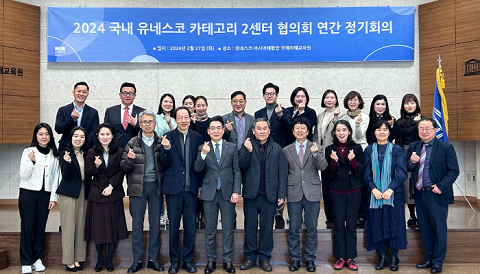 2024년도 국내 유네스코 카테고리 2센터 협의회 연간 정기회의 개최 2024-03-10 지난 2월 27일 아태교육원에서 ‘2024년도 국내 유네스코 카테고리 2센터 협의회 연간 정기회의’를 개최하였다.이날 정기회의에서는 국내 유네스코 카테고리 2센터 간 기관별 업무 공유 및 협업 가능한 사업 발굴을 목표로, 유네스코 아태교육원(APCEIU)을 포함한 총 9개의 관계기관이 참여하여 상호이해를 증진하고 올해 기관 사업간 협력을 위한 토대를 구축하는 장을 마련하였다. 각 기관에서는 2024년 주요 사업과 현안을 공유함과 동시에 기관 간 연수 참가자 프로그램 상호협력, 전문가 풀 구성, 연구 주제 공동 발굴 등 다양한 협업 방안들을 논의하였다. 그리고, 이날 회의에서 ‘협의회’ 구성원들은 현재 설립 추진 중인 유네스코 국제보호지역연구훈련센터(GCIDA)를 위한 각 기관의 경험과 자문을 제공하며, GCIDA의 성공적 설립과 국내 유네스코 카테고리 2센터 정보 및 비젼 공유를 통해 상호 기관 발전에 기여할 것으로 기대하고 있다. (참여 기관: 유네스코아태교육원(APCEIU), 유네스코물안보국제연구교육센터(i-WSSM), 유네스코아태무형유산센터(ICHCAP), 유네스코국제무예센터(ICM), 유네스코국제기록유산센터(ICDH), 유네스코세계유산국제해석설명센터(WHIPIC), 유네스코한국위원회, 환경부 자연생태정책과, 유네스코 MAB한국위원회) URL: https://www.unescoapceiu.org/post/5018
 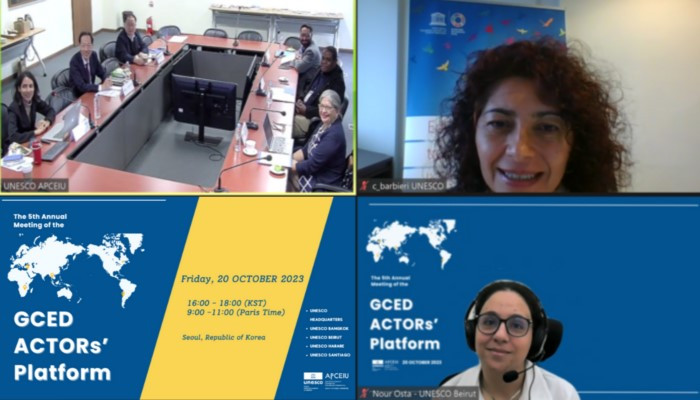 제 5회 세계시민교육 네트워크 플랫폼(GAP) 회의 개최 2023-11-03 Together with UNESCO, APCEIU co-hosted the 5th GCED Actors' Platform Meeting on 20 October 2023. Following a three-year hiatus from in-person gatherings, this meeting brought together regional coordinators from four Regional GCED Networks, encompassing the Arab States, Asia-Pacific, Latin America and the Caribbean, and Sub-Saharan Africa in Seoul to share their achievements in advancing Global Citizenship Education (GCED) in their respective regions over the past year and discuss current challenges and potential ways to strengthen GCED implementation on both regional and global levels. The meeting commenced with the opening remarks from Mr Hyun Mook Lim, Director of APCEIU. In his remarks, Mr Lim reiterated the objectives of the GCED network and expressed optimism for generating fresh momentum to advance GCED within the various regions. Following the opening remarks, Ms Cecilia Barbieri, Chief of the Section of Global Citizenship and Peace Education at UNESCO HQs, welcomed the participants and gave a presentation on the future directions of GCED. Additionally, she underscored the significance of the revision of the 1974 recommendation and provided insights into UNESCO's strategies for upcoming years. APCEIU then offered an overview of the GCED Network programme since its inception. Regional coordinators from 4 regions were also invited to share the latest GCED programmes/initiatives and opportunities for implementing GCED and suggestions for joint GCED actions. Dr Faryal Khan from the UNESCO Bangkok Office gave updates on the GCED activities in the Asia-Pacific region, including the GCED publication targeting different Learners. Dr Charles Chikunda from the UNESCO Harare Office presented on the GCED activities in Sub-Saharan Africa, including the integration of GCED and Southern Africa Liberation History in the curriculum. Mr Cristián Bravo, from the UNESCO Santiago Office, presented on GCED activities in the LAC region, such as capacity building MOOC. Similarly, Ms Nour Osta from the UNESCO Beirut Office provided updates on the GCED activities in the region, including the integration of GCED into higher education institutions. The participants also engaged in a discussion session led by Director Lim of APCEIU. Participants discussed strategies to enhance the integration of Global Citizenship Education within their specific regions. Other Key topics explored during this session encompassed the significance of youth voices and the role of academia in integrating GCED, the importance of synergies among existing networks, fostering a shared understanding of GCED, and potential future partnerships between different offices and networks. URL:https://www.unescoapceiu.org/post/4915
 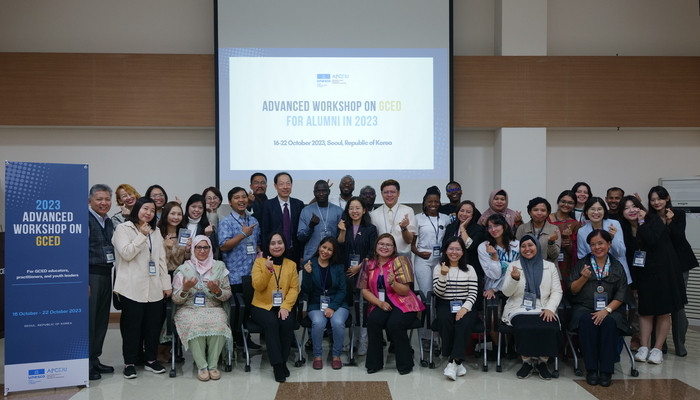 Advanced Workshop on GCED for Alumni in 2023 2023-11-02 APCEIU held the 'Advanced Workshop on Global Citizenship Education (GCED) for Alumni in 2023' from October 16th (Monday) to 22nd (Sunday). This workshop brought together 27 educators and youth leaders from 13 countries who have diligently implemented GCED projects in their local communities over the past three years. Participants, who have been practising GCED in various social and educational settings, engaged in in-depth workshops that included poster presentations, case study forums, and participation in 'The 8th International Conference on Global Citizenship Education’, and also shared their experiences and discussed the diverse possibilities, impacts, and future directions of GCED. On the first day, during the poster presentation session, participants displayed various visual materials such as posters, brochures, pamphlets, reports, or case study videos to introduce and share their educational activities and projects. Additionally, through four case study forums, all participants shared their experiences in teacher education, global citizenship education practices in classrooms and communities, and youth-led global citizenship education activities. They presented the effects and influences of their activities on students, fellow educators, schools, and local communities based on their years of experience. After the presentations, there were discussion sessions where they shared advice and ideas for future activities. On October 18th and 19th, during the two-day conference, 'The 8th International Conference on Global Citizenship Education,' participants engaged as speakers, panelists, debaters, and attendees. Through presentations, debates, and exchanges with GCED experts, educators, and practitioners worldwide, participants had the opportunity to learn about various GCED practices, policies, and development strategies globally. This allowed them to broaden their perspectives and identify potential future collaborative partnerships for their future activities. Following the conference, participants engaged in workshops with themes such as ''Critical Digital Citizenship' and 'Creating Peaceful and Safe Learning Spaces.' During the 'Critical Digital Citizenship' workshop, participants utilized the Media and Information Literacy (MIL) guidebook developed by APCEIU, which allowed them to integrate digital citizenship into their GCED projects, critically examining the competencies and roles that contemporary global citizens should possess. Also, participants discussed the significance of creating peaceful and safe learning spaces and practical plans educators should pursue in that learning culture in diverse educational settings. On the last day, participants shared their impressions, insights, practical applications, and future plans based on the three elements of GCED, known as '3H' (Head, Hand, and Heart - Cognitive, Socio-Emotional, and Behavioral). They expressed that this workshop allowed for a deeper understanding of the true meaning of GCED. They emphasized that they had the meaningful opportunity to experience interconnectedness and a sense of solidarity, reflect on their past educational activities, and contemplate their roles as global citizens and practitioners, strengthening their determination to promote GCED. Participants committed to continue networking with fellow educators and youth leaders, promoting and practising global citizenship education. URL:https://www.unescoapceiu.org/post/4909
 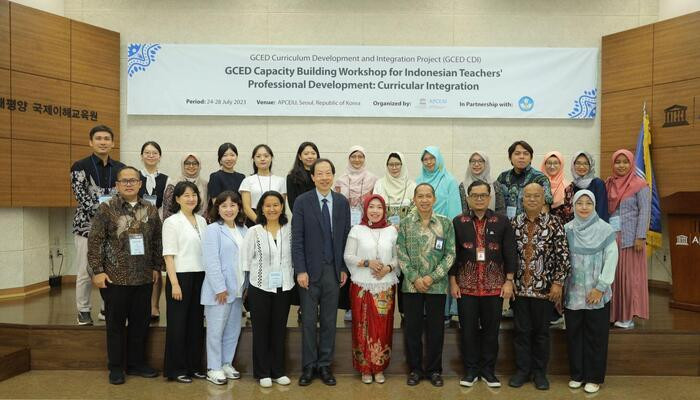 Indonesian Educators Working on GCED Curriculum Integration: Capacity-building Workshop to Develop GCED-integrated Teaching Modules for Indonesia 2023-10-22 3 August 2023 The GCED Capacity Building Workshop for Indonesian Teachers’ Professional Development: Curricular Integration was held in Seoul, Korea from 24 to 28 July and successfully concluded with inspiring presentations from Indonesian teachers and resourceful comments from APCEIU experts.Indonesia is one of the partner countries for the 3rd Round (2021-2023) of the GCED Curriculum Development and Integration Project (GCED CDI), which APCEIU has been carrying out since 2016, to facilitate the partner country to mainstream GCED through curricular integration.The GCED Capacity Building Workshop, organized by APCEIU in collaboration with the Directorate General of Teacher and Educational Personnel, Ministry of Education, Culture, Research, and Technology of the Republic of Indonesia (DGTEP), aimed to enhance Indonesian Curriculum Development Committee (CDC) members’ understanding of GCED, capacity to integrate GCED into their teaching and curricula, and the draft teaching modules and lesson plans at primary school level. The workshop started with an opening ceremony, welcomed by APCEIU Director Mr. Hyun Mook Lim, and attended by fifteen Indonesian CDC members, including Ms. Nunuk Suryani, Director General of DGTEP, who gave the opening remarks. Mr. Gogot Suharwoto, Education attache of the Embassy of the Republic of Indonesia in Seoul, ROK also attended the ceremony on behalf of the Ambassador, delivering his congratulatory remarks. The Workshop mainly provided a series of GCED seminars and write-up sessions to enhance the CDC’s competences in designing GCED integrated teaching modules and to review and revise their draft modules. Held in S. Korea, the Workshop also provided Indonesian participants with opportunities to learn about GCED practices in S. Korea and to network with Korean teachers. Good practices of GCED presented by GCED lead teachers in Korea inspired Indonesian CDC members, while the joint sessions with 30 Korean teachers were a great opportunity to learn and discuss intercultural understanding and socio-emotional learning and to share their ideas on GCED integrated classes. Based on the seminars, discussions, and consultations provided through the workshop, especially through the write-shop sessions, the draft teaching modules and lesson plans prepared by the Indonesian CDC were discussed and reviewed. The final presentations of their revision plans clearly demonstrated the participants’ enhanced understanding of GCED and curriculum integration and their effective integration of what had been learned throughout the Workshop. At the end of the Workshop, DGTEP also expressed its commitment to introducing GCED as a key learning area to the literacy and numeracy education of Indonesia.By November this year, the Indonesian CDC will focus on the finalization and dissemination of the teaching modules and lesson plans, which will then be authorized by the MOECRT to be used nationwide in Indonesia. URL:https://www.unescoapceiu.org/post/4869
 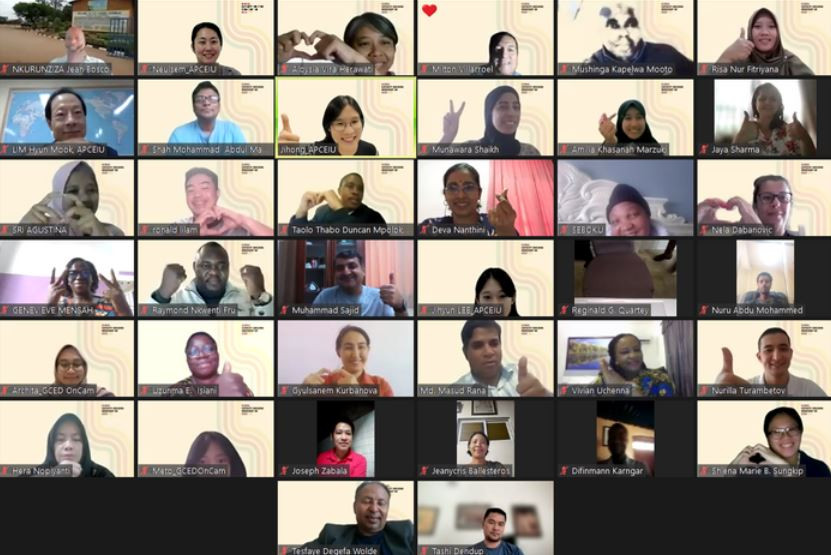 2023 Global Capacity-Building Workshop on GCED – Transforming Education through Critical Reflection, Dialogue, and Action 2023-08-14 APCEIU held the 8th Global Capacity-Building Workshop on GCED with 50 teacher educators from 28 countries in the Africa, Arab States, Asia-Pacific, Europe and North America, Latin America and the Caribbean from 13 July to 21 July, 2023. This year's workshop focused on the theme, "Transforming Education through Critical Reflection, Dialogue, and Action." At the workshop, various lectures, presentations, and exemplars from all over the world were shared. Dr Toh Swee-Hin, Ms Lisa van Wyk, Ms. Molly Beauregard, Dr Hans Schattle, Ms Jennifer Geist, Ms Lea Espallardo, Mr Jefferson Plantilla, Ms Ivy Josiah and Dr Jason Beech participated as a facilitator, delivered insightful lectures and presentations. Moreover, alumni of APCEIU shared their own experiences and projects, inspiring participants and encouraging them to explore alternative and innovative ideas and approaches. Despite the time zone difference, all participants exhibited unwavering enthusiasm and engagement during both real-time and non-real-time sessions. They actively participated in online small group meetings, even extending discussions beyond regular sessions to review their learnings and exchange ideas. The 8th Global Capacity-Building Workshop on GCED concluded on 21 July, 2023, with a closing ceremony led by Lim Hyun-mook, the Director of UNESCO APCEIU, expressing his appreciation to all attendees for this workshop. Participants who have successfully completed the 8th Global Capacity-Building Workshop on GCED are given the opportunity to apply for the mentorship by APCEIU’s experts group, where they will be provided with the advice on their project planning and implementation, along with the grant for project execution by APCEIU. URL:https://www.unescoapceiu.org/post/4864