
News
Catch up on what’s happening in the world of global citizenship education.
1,668 results found
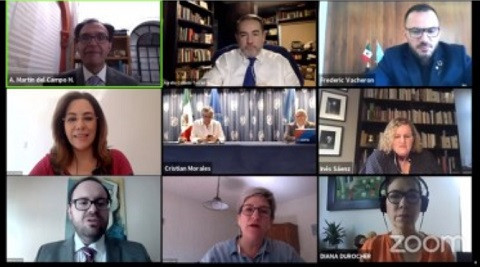 Pandemic, democracy and human rights: new challenges in journalism 2020-05-13 UNESCO, Tec de Monterrey and INAI celebrated the digital seminar "Pandemic, democracy and human rights: new challenges in journalism", in the frame of World Press Freedom Day. To understand how to turn relevant in people's lives, the media must rethink how they are designing their agendas because, although the problems they face have been exacerbated by the COVID-19 pandemic, this is also a great opportunity to show that journalism is public service good, said Alejandra Xanic, General Editor of the Fifth Element Lab, at the Seminar about press freedom organized by the United Nations Educational, Scientific and Cultural Organization (UNESCO) in Mexico, the National Institute of Transparency, Access to Information and Protection of Personal Data (INAI) and the Technological Institute of Superior Studies of Monterrey (ITESM).During the virtual dialogue table held this Wednesday, the Pulitzer Prize winner emphasized that, in this context of health crisis, local or regional journalism is crucial to offer people information about what is happening in their communities that allows them to know how to act, how to protect themselves and how to make decisions. This is an important 'shake to how the issues of society have to be at the center of the media agendas and that the best position in a newspaper should not be the journalist of politics, but the journalist of health and education-- Alejandra Xanic The seminar on disinformation, safety of journalists and other challenges that the health emergency imposes on press freedom was chaired by the Resident Coordinator of the United Nations System in Mexico, Antonio Molpeceres; the WHO / PAHO Representative in Mexico, Cristian Morales; the Dean of the School of Humanities and Education at the Tec de Monterrey, Inés Sáenz; and the UNESCO Representative in Mexico, Frédéric Vacheron.Along with Xanic, Guilherme Canela, Head of the Section of Freedom of Expression and Security of Journalists of UNESCO, the INAI Commissioner, Blanca Lilia Ibarra, and Aurelio Collado, professor at the School of Humanities and Education at ITESM, participated in the discussion panel of the digital seminar "Pandemic, democracy and human rights: new challenges in journalism". Alejandro Martín del Campo, also from ITESM, served as moderator in a session in which journalists, academics and students participated.Guilherme Canela agreed that the media, especially local and community, are also at risk of closing or being captured by private interests due to the lack of resources for their subsistence, thus affecting a free and plural media environment, reason why he made a call to recognize the role of journalism in societies and support it.Canela explained that, although UNESCO has detected attempts to control information or to suppress access to information through various mechanisms, he stressed that the responsibility for tackling mass disinformation also rests with journalists, verifying facts, documenting cases and contrasting information.For Aurelio Collado, professor at the School of Humanities and Education of the ITESM, the challenge of the media is not only found in the battle for credibility, but also in the formation of more critical audiences so that people can have the tools to select the pertinent information among all that is produced and shared in the so-called “infosphere”. Having clear, timely, truthful information and from reliable sources is vital so that people [...] can know what to do, can know how to behave, can know how to protect themselves [...]. The media can, then, contribute to a change in behaviors that help reduce the spread of the disease and not overburden health services-- Cristian Morales Meanwhile, INAI Commissioner Blanca Lilia Ibarra pointed out that it is essential that governments guarantee adequate channels, so that the media can carry out their work without facing grievances, with professional ethics, in an inclusive and responsible manner, since “the journalistic exercise allows to save lives. "This was the first of a series of open and free seminars that UNESCO, Tec de Monterrey and INAI, will organize in May in order to underpin brave and favoritism-free journalism, as well as the safety of journalists and the sustainability of the media. In the coming months we will face unsuspected challenges of health, education, employment, inclusion, social cohesion and preservation of natural resources. It is vital, above all, to protect the most vulnerable groups such as women, the elderly, indigenous communities […] Without ethical and courageous journalism, this protection work will be harder, slower, and more costly for society-- Frédéric Vacheron Links of interest: High-level online dialogue: Press freedom and the fight against disinformation in the context of COVID-19 Journalism, press freedom and COVID-19 URL:https://en.unesco.org/news/pandemic-democracy-and-human-rights-new-challenges-journalism
  Viet Nam: Planning for education based on sound evidence and a crisis-sensitive perspective 2020-05-13 “No doubt, planning does not create development, but development demands planning. In addition, planning is an intellectual discipline that requires governments to think of the present in terms of the future and to think of the future in terms of deliberate choices.” - René Maheu, former Director-General of UNESCO, 1963. Education planning is an imperative process to set out a common vision and shared priorities that guide educational development of a country. It is both visionary and pragmatic, engaging a wide range of actors in defining education’s future and mobilizing resources to reach its goals. Furthermore, in fragile and transitional contexts, a crisis-sensitive education sector plan can serve as a vehicle for harmonizing emergency or early recovery education responses with longer-term development strategies for the education sector. Viet Nam is undergoing a rapid socio-economic transformation that brings about unprecedented opportunities and challenges in meeting the demand for high quality human resources. Besides, it is anticipated that the current COVID-19 pandemic will have far-reaching repercussions for the education system and human resource development of the country, which are likely to persist beyond the pandemic. The immediate impact of COVID-19 on learners and the education system has been gradually documented and it has triggered a growing sense of urgency to engage in strategies that reduce further risks. Concurring with the “Decade of Action” that calls for accelerated efforts to ensure quality education and lifelong learning opportunities for all by 2030, Viet Nam is currently in the process of developing a thorough Education Development Strategic Plan (EDSP) that maneuvers the education sector in the 2021-2030 period. With the financial support from the Global Partnership for Education, UNESCO, in cooperation with UNICEF and other development partners, is providing technical assistance to the Ministry of Education and Training (MOET) in this important planning process. UNESCO is also well-positioned to collaborate with MOET and other partners to assess the multilayered impact of COVID-19 on education in both short and long terms in order to formulate appropriate policies to ensure that #LearningNeverStops in any context, especially among the most vulnerable groups. In Viet Nam, education is a top priority of the country's political and development agendas. The Government's strong commitment to education and unwavering cultural and social support for education have resulted in remarkable progress in the sector. At the national level, Viet Nam has high completion rates in primary education, strong gender parity, low student-teacher ratios and relatively low out-of-school rate. However, it is pivotal to look further into education-related equity issues that need to be addressed, e.g. disparities between geographical areas, populations, etc. COVID-19 resulting in school closures and disrupted schooling has shed light on existing inequalities among learners, notably the digital divide that has hindered many disadvantaged learners from learning through online platforms. Understanding the intersectionality of vulnerabilities is key to identifying the most left behind populations and taking suitable measures to accommodate their specific needs and protect their right to education. Over the past months, UNESCO and its International Institute for Educational Planning (IIEP) have worked closely with national experts from MOET to sketch out an Education Sector Analysis (ESA) report. The ESA report aims to present a close snapshot of the national education system and existing disparities in the country and to provide sound evidence for the development of the EDSP 2021-2030. A crisis-sensitive perspective will also be employed throughout the entire process, from education sector diagnosis to education sector planning, to strengthen the resilience of the national education system to future crises or disasters as well as contribute to the safety and social cohesion of communities and education institutions in Viet Nam. In the forthcoming period, UNESCO will continue mobilizing its long-standing technical expertise in education sector diagnosis, education planning as well as crisis-sensitive planning techniques to support MOET in methodically studying the education sector and then formulating well-argued education policy options for the next 10 years. At the same time, UNESCO will capitalize on its convening power to bring together relevant education stakeholders and development partners during this process to achieve sustainable results. By Toshiyuki Matsumoto, Education Programme Specialist, and Nhat Linh Nguyen, Education Project Officer, at UNESCO Ha Noi Office. URL:https://en.unesco.org/news/viet-nam-planning-education-based-sound-evidence-and-crisis-sensitive-perspective
  What Will Europe Day 2020 Mean for the Future of Europe? 2020-05-11 "Europe will not be made all at once, or according to a single plan. It will be built through concrete achievements which first create a de facto solidarity." – Schuman Declaration, 1950 Held on the 9th May, Europe Day is a day to celebrate peace and unity in Europe. The date marks the 70th anniversary of a historic speech given in Paris in 1950, a time when the nations of Europe were still struggling with the aftermath of WWII. French foreign minister Robert Schuman shared his vision for a new form of political cooperation in Europe that would make war between Europe’s nations unthinkable. A first step towards a more united Europe, and the beginning of what is now the European Union. “As we mark this anniversary, our thoughts are with those before us whose dream for Europe has become a reality.” - Whitepaper on the Future of Europe, 2017. Seventy years on, Europe Day 2020 pays tribute to “the many Europeans who, in a spirit of solidarity, are helping our Union get through the coronavirus crisis”. As the current pandemic echoes a moment of crisis and uncertainty felt in Europe in the 1950s, it seems we are once again at a pivotal moment in time, in which the future of Europe stands to be reshaped. The White Paper on the Future of Europe released by the European Commission in 2017 explored a wide range of scenarios for the EU by 2025, yet the underlying message was clear: change may be inevitable, but the European values of democracy and solidarity, the continued freedom of speech and press, and a Union where all citizens should be treated equally, remain the same. “These values and aspirations will continue to bind Europeans and are worth fighting for.” Conference on the Future of Europe The recognition that citizens need a stronger role in the EU decision-making process and priority setting has been central to the discussion around the Future of Europe. Today was set to mark the launch of the Conference on the Future of Europe, an ambitious two-year process proposing “a bottom-up approach to shape the future of Europe together with citizens of all backgrounds and age”, and promising the meaningful inclusion of citizens and youth through multiple thematic open forum discussions. While the formal launch has been delayed due to the coronavirus pandemic, with such a major opportunity for democratic and civil renewal in Europe on the horizon, we must ask ourselves, how can we best equip European citizens to participate in these discussions? Transformative Education For this process to result in meaningful engagement, citizens must be willing and able to participate as active players. Bridge 47 believe transformative education is crucial to ensure such agency. Transformative education is one which fosters engaged, active and critical learners and builds constructive and democratic approaches to difference. SDG target 4.7 describes education as transformative when it is value-based and designed to promote global citizenship, sustainable development, human rights, gender equality, peace and appreciation of cultural diversity. Bridge 47 envisages the implementation of transformative education as a life-long learning process and a public good: promoting change and the necessary development of individuals, communities and systems. It will be key to achieving the Sustainable Development Goals (SDGs) as set out in the 2030 Agenda, which include meaningful participatory democracy for all European citizens. Citizens Take Over Europe What could active participation look like? One great example is Citizens Take Over Europe Day, a citizen and civil society led event, which will also take place on Europe Day 2020 with a full programme of online events. And their message is strong. They intend to re-centre citizens and residents in the conversation about the future of Europe, driven by the belief that “it is crucial for people in Europe to self-organise across borders to realise the Europe we want: a Europe that cares and is taken care of.” A Global European Citizen A sustainable future that upholds European values of freedom, democracy, equality and human rights will require active and empowered citizens who are critical and reflexive. Citizens who are able to celebrate Europe without being Eurocentric. To take pride in a European way of life without prejudice to others. To recognise that in an increasingly globalised world, we exist in a global network in which we are all connected, and our actions have impacts and consequences. Dirk Van Damme, Senior Counsellor in the Directorate for Education and Skills at the OECD, touched on this issue at a recent webinar hosted by GENE and Enabel. Van Damme outlined the OECD’s perspective on the key transformative competencies needed to approach what he described as a growing rejection of the so-called “globalist agenda” including the ability to reconcile dilemmas, shoulder responsibility and embrace different perspectives and uncertainties. The COVID-19 crisis has seen a decrease in trust between countries which jeopardises progress towards the SDGs. Van Damme reflected the need to enhance global competence and understand “otherness” does not preclude debate but rather encourages discursive action to reach common ground. He argued that equipping learners with an awareness firstly of their own cultural identities – the biases, the contradictions – was a crucial first step before fully connecting with others. The Future As a new story of Europe’s future is written, we must expand what it means to look, feel and be European, in a way that is inclusive and reflective of modern society while continuing to uphold the competencies we value most. Bridge 47 are committed to building a better future, and have created a Roadmap that outlines transformative education’s key competencies and how these can be implemented within Europe. If the EU is truly committed to building a Europe from the shared vision, hopes and dreams of its citizens, it should invest in the transformative power of education to equip citizens with the tools to engage with the Future of Europe process and access their systemic rights. Author: Kyrstie Brown URL:https://www.bridge47.org/blog/05/2020/what-will-europe-day-2020-mean-future-europe
  Flexible learning during Covid-19: how to ensure quality higher education at a distance 2020-05-09 By Michaela Martin and Uliana Furiv, respective lead and consultant working at the UNESCO International Institute for Educational Planning programme specialist on a project on flexible learning pathways. The Covid-19 outbreak closed universities and other tertiary education institutions in 175 countries and communities, affecting over 220 million post-secondary students. While some institutions moved their classes to online and distance education platforms thanks to their pre-existing experience, many others struggled. In some countries, this lack of preparedness resulted in delays in moving the courses online; in others, governments have halted higher education completely for an indefinite period of time. In 2018, the UNESCO International Institute for Educational Planning (IIEP-UNESCO) launched a project to help guide countries identify policies and instruments that support flexible learning pathways (FLP) in higher education. The research included a stocktaking exercise of good practices in the field, an international survey, and eight in-depth country case studies to analyse factors for an effective implementation of flexible learning pathways. Many lessons can be drawn for the current context, now that distance learning is a key mode of education delivery, rather than just an add-on to face-to-face learning. India offered distance education as a major alternative mode of delivery long before the arrival of Covid-19. The country has more than 15 open universities and 110 Dual Mode Universities, which provide education through distance modes. For the period of Covid-19 outbreak, the government has also allowed top 100 India’s HEIs to provide fully online degrees. In addition, the government even integrated online learning in the New Education Policy currently under review. One interesting practice India uses to deliver distance learning is with the Study Webs of Active Learning for Young Aspiring Minds (SWAYAM) platform which aims to provide access to Massive Open Online Courses (MOOCs) and other e-learning content developed by various education providers. An important aspect of MOOCs hosted on the SWAYAM platform is their potential to receive recognition by higher education institutions. Under current provisions, a student entering a higher education study programme in a university can transfer up to 20 per cent of credits from relevant online courses completed on SWAYAM – something that one could imagine being a useful model for other countries to follow in current circumstances. As we are seeing in many countries around the world, many students in rural areas are unable to access online content, and television or radio broadcasting is often more effective. The Indian government therefore created the SWAYAM Prabha programme, which disseminates the audio-visual content developed as part of the SWAYAM-hosted MOOCs through 32 educational TV channels. Within the current context, such platforms can be accessed immediately so that learning continues and is recognised when credits are issued at a later stage. In Malaysia, the Wawasan Open University (WoU), a private university established by a consortium of Malaysian public universities, mainly delivers distance learning programmes to non-traditional learners, such as working Malaysians who have not proceeded to higher education after secondary education. In a context where most higher education institutions have been forced to close, the pandemic has not interrupted students’ learning thanks to the virtual learning platforms that existed before the crisis: “We are, after all, an Open Distance Learning (ODL) university!”, reported the Vice-Chancellor on the universities’ webpage. In Finland, a similarly effective online system has been created. There, the national policy framework emphasises equality and quality education for all and universities and universities of applied sciences in the country offer Open Studies courses that are open to everyone regardless of education and age. The courses are offered by over twenty Finnish universities free of charge and can be recognised in students’ degrees. Quality assurance of online learning is a challenge Online distance learning is common in many countries. Findings from our international survey suggest that a majority of UNESCO member states (78%) already had flexible modes of delivery of programmes prior to Covid-19, even if the quality and validation of such delivery modes (e.g., through credit transfer or credit recognition of online courses) is not a straightforward issue for many. Evaluating students’ learning acquired through distance learning has been a challenge for quality assurance, however, regarded with scepticism by some quality assurance and accreditation bodies, although it is likely that under the present circumstances these will now disappear. One good example to draw from on this point comes from the Netherlands where the Accreditation Organisation of the Netherlands and Flanders (NVAO) has published a memorandum on online and blended learning. This memorandum includes the formal recognition of MOOCs by higher education institutions. Another example comes from the USA, where the U.S. Department of Education (USDE) issued a guidance document intended to provide both institutions and accreditors with flexibility regarding accrediting visits and for distance education. There is no doubt that there are many challenges to implement and assure quality of online education. In addition to issues of access and Internet connectivity, not all programmes can be supported by online technology, such as lab-based research programmes, for example. And governments need to be aware of the inequalities that online learning can create as students from lower socio-economic strata find it more difficult to access to IT infrastructure and internet packages. There should be a coordinated approach between governments, quality assurance agencies and higher education institutions that addresses not only available resources but also a broader vision of what flexibility of learning can provide. Offering more flexible higher education in terms of delivery and pacing will be unavoidable if the Covid-19 crisis is going to be around for a while, and defining flexible quality standards for it will be indispensable as well. URL:https://gemreportunesco.wordpress.com/2020/05/07/flexible-learning-during-covid-19-how-to-ensure-quality-higher-education-at-a-distance/
 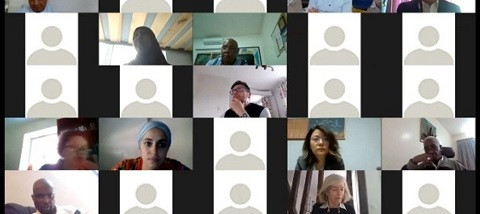 Global Partners’ Meeting of the Teachers/Teaching and Learning Cluster of the Education Response to COVID-19 coordinated by UNESCO Nairobi/IICBA/IITE, 28 April 2020 2020-05-08 "We have all to work together and pool our resources for maximum impact and to benefit African countries in this difficult time" The COVID-19 pandemic has led to a world-wide school and university closure affecting over 1.5 billion learners and 63 million teachers of primary, secondary and tertiary institutions. This situation has led to countries looking for alternative forms of delivering education in order to make sure that learning continues. The obvious and only option in the current situation is the use of distance and online platforms to reach the large number of learners who are compelled to stay at home. In order to support countries in the provision of education through distance and online platforms, UNESCO has mobilised UN agencies, IT companies, and distance education, telecom and Internet service providers into a Global Coalition for Education. Within this context, the UNESCO Nairobi Office, the International Institute for Capacity Building in Africa (IICBA), and the International Institute for Technology in Education (IITE) reached out to partners to bring them together and support African countries in the provision of education through distance and online modes of delivery. There have been a series of virtual meetings of partners to realise this goal and one such meeting took place on 28 April 2020. The meeting brought together over 100 participants and was opened by the remarks of Ms. Stephania Giannini, the UNESCO Assistant Director General for Education. Other dignitaries who attended the meeting included Mr. Firmin Matoko, UNESCO Assistant Director General, External Relations and Africa, Directors of the UNESCO Regional offices in Africa, and the Directors of IICBA and IITE. The meeting was chaired by Ms. Ann Therese Ndong-Jatta and co-chaired by Mr. Tao Zhan, Director of IITE. Ms. Giannini appreciated the interest and commitment of the various partners that are providing much-needed support to African countries in their fight against the COVID-19 pandemic. She highlighted the challenges the global community is confronted with and the need to pool expertise and resources to meet the challenge. Mr. Matoko on his part, commended the partners and UNESCO entities that have brought them together to deliberate on a very important issue of making sure learning continues despite the closure of schools and other educational institutions. The meeting continued for two and half hours and partners disclosed the support they can provide in the form of digital tools, online content and various delivery mechanisms. As next steps, the meeting decided to go down to country level identification of needs and provision of tangible support as quickly as possible. It also resolved that everything should be done to leave no one behind and to target vulnerable groups and rural populations where connectivity and Internet service are a big challenge Liste to the webiner here. ContactJallow, Saidou SirehEmail: ss.jallow@unesco.org(link sends e-mail)Chief of Education:UNESCO Regional office for Eastern Africa URL:https://en.unesco.org/news/global-partners-meeting-teachersteaching-and-learning-cluster-education-response-covid-19
  Online film festival for children in lockdown is themed on solidarity and citizenship 2020-05-08 An online film festival opens up the world for children and youth, strengthens links with teachers and builds values of citizenship, solidarity and respect. The festival, Takorama, has a rich catalogue of films for children aged 3+, 6+, 9+, 12+ and 15+. All the films are silent and can be accessed through the multi-lingual website. Teachers can register a class to participate in the festival, enjoy the films and then give opinions and vote for their favourites. Parents can also register and share the films with their children. The event, which runs until May 24, 2020, is supported by UNODC's Education for Justice initiative. UNESCO and UNODC, a member of the Global Education Coalition, are partnered in bridging the gap between education and justice by empowering young people to become engaged citizens. All the films, which have been curated to focus on youth and information and communication technology (ICTs), address the values of solidarity, respect, empathy and sustainable development. One of the festival's main objectives is to tighten links between teachers and students to ensure #LearningNeverStops. As part of UNESCO and UNODC's joint initiative on helping children and youth to understand how democracy works, become engaged citizens, and promote fair and just societies, the partnership has produced policy guidance and interactive handbooks which can be used in school and non-school settings. More on Global citizenship education URL:https://en.unesco.org/news/online-film-festival-children-lockdown-themed-solidarity-and-citizenship
 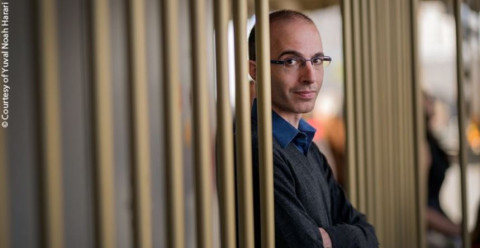 Yuval Noah Harari: “Every crisis is also an opportunity” 2020-05-07 In an interview with the UNESCO Courier, Yuval Noah Harari, Israeli historian and author of Sapiens, Homo Deus, and 21 Lessons for the 21st Century, analyses what the consequences of the current coronavirus health crisis are likely to be, and underlines the need for greater international scientific co-operation and information-sharing between countries. How is this global health pandemic different from past health crises and what does it tell us? I am not sure it is the worst global health threat we have faced. The influenza epidemic of 1918-1919 was worse, the AIDS epidemic was probably worse, and pandemics in previous eras were certainly far worse. As pandemics go, this is actually a mild one. In the early 1980s, if you got AIDS – you died. The Black Death [the plague that ravaged Europe between 1347 and 1351] killed between a quarter and half of the affected populations. The 1918 influenza killed more than ten per cent of the entire population in some countries. In contrast, COVID-19 is killing less than five per cent of those infected, and unless some dangerous mutation occurs, it is unlikely to kill more than one per cent of the population of any country. Moreover, in contrast to previous eras, we now have all the scientific knowledge and technological tools necessary to overcome this plague. When the Black Death struck, people were completely helpless. They never discovered what was killing them and what could be done about it. In 1348, the medical faculty of the University of Paris believed that the epidemic was caused by an astrological misfortune – namely that “a major conjunction of three planets in Aquarius [caused] a deadly corruption of the air” (quoted in Rosemary Horrox ed. The Black Death, Manchester University Press, 1994, p. 159). In contrast, when COVID-19 erupted, it took scientists only two weeks to correctly identify the virus responsible for the epidemic, sequence its entire genome, and develop reliable tests for the disease. We know what to do in order to stop the spread of this epidemic. It is likely that within a year or two, we will also have a vaccine. However, COVID-19 is not just a health-care crisis. It also results in a huge economic and political crisis. I am less afraid of the virus than of the inner demons of humankind: hatred, greed and ignorance. If people blame the epidemic on foreigners and minorities; if greedy businesses care only about their profits; and if we believe all kinds of conspiracy theories – it will be much harder to overcome this epidemic, and later on we will live in a world poisoned by this hatred, greed and ignorance. In contrast, if we react to the epidemic with global solidarity and generosity, and if we trust in science rather than in conspiracy theories, I am sure we can not only overcome this crisis, but actually come out of it much stronger. To what extent could social distancing become the norm? What effect will that have on societies? For the duration of the crisis, some social distancing is inevitable. The virus spreads by exploiting our best human instincts. We are social animals. We like contact, especially in hard times. And when relatives, friends or neighbours are sick, our compassion arises and we want to come and help them. The virus is using this against us. This is how it spreads. So we need to act from the head rather than the heart, and despite the difficulties, reduce our level of contact. Whereas the virus is a mindless piece of genetic information, we humans have a mind, we can analyse the situation rationally, and we can vary the way we behave. I believe that once the crisis is over, we will not see any long-term effects on our basic human instincts. We will still be social animals. We will still love contact. We will still come to help friends and relatives. Look, for example, at what happened to the LGBT [lesbian, gay, bisexual and transgendered] community in the wake of AIDS. It was a terrible epidemic, and gay people were often completely abandoned by the state, and yet the epidemic did not cause the disintegration of that community. Just the opposite. Already, at the height of the crisis, LGBT volunteers established many new organizations to help sick people, to spread reliable information, and to fight for political rights. In the 1990s, after the worst years of the AIDS epidemic, the LGBT community in many countries was much stronger than before. How do you see the state of scientific and information co-operation after the crisis? UNESCO was created after the Second World War to promote scientific and intellectual co-operation through the free flow of ideas. Could the "free flow of ideas" and co-operation between countries be strengthened as a result of the crisis? Our biggest advantage over the virus is our ability to co-operate effectively. A virus in China and a virus in the United States cannot swap tips about how to infect humans. But China can teach the US many valuable lessons about coronavirus and how to deal with it. More than that – China can actually send experts and equipment to directly help the US, and the US can similarly help other countries. The viruses cannot do anything like that. And of all forms of co-operation, the sharing of information is probably the most important, because you cannot do anything without accurate information. You cannot develop medicines and vaccines without reliable information. Indeed, even isolation depends on information. If you don’t understand how a disease spreads, how can you quarantine people against it? For example, isolation against AIDS is very different from isolation against COVID-19. To isolate yourself against AIDS, you need to use a condom while having sex, but there is no problem talking face to face with an HIV+ person – or shaking their hands and even hugging them. COVID-19 is an entirely different story. To know how to isolate yourself from a particular epidemic, you first need reliable information about what causes this epidemic. Is it viruses or bacteria? Is it transmitted through blood or breath? Does it endanger children or the elderly? Is there just one strain of the virus, or several mutant strains? In recent years, authoritarian and populist politicians have sought not only to block the free flow of information, but even to undermine the public’s trust in science. Some politicians depicted scientists as a sinister elite, disconnected from “the people”. These politicians told their followers not to believe what scientists are saying about climate change, or even about vaccinations. It should now be obvious to everyone how dangerous such populist messages are. In a time of crisis, we need information to flow openly, and we need people to trust scientific experts rather than political demagogues. Fortunately, in the current emergency most people indeed turn to science. The Catholic Church instructs the faithful to stay away from the churches. Israel has closed down its synagogues. The Islamic Republic of Iran is punishing people who go to mosques. Temples and sects of all kinds have suspended public ceremonies. And all because scientists have made some calculations and recommended closing down these holy places. I hope that people will remember the importance of trustworthy scientific information even after this crisis is over. If we want to enjoy trustworthy scientific information in a time of emergency, we must invest in it in normal times. Scientific information doesn’t come down from heaven, nor does it spring from the mind of individual geniuses. It depends on having strong independent institutions like universities, hospitals and newspapers. Institutions that not only research the truth, but are also free to tell people the truth, without being afraid of being punished by some authoritarian government. It takes years to build such institutions. But it is worth it. A society that provides citizens with a good scientific education, and that is served by strong independent institutions, can deal with an epidemic far better than a brutal dictatorship that has to constantly police an ignorant population. For example, how do you make millions of people wash their hands with soap every day? One way to do it is to place a policeman, or perhaps a camera, in every toilet, and punish people who fail to wash their hands. Another way is to teach people in school about viruses and bacteria, explain that soap can remove or kill these pathogens, and then trust people to make up their own minds. What do you think, which method is more efficient? How important is it for countries to work together to disseminate reliable information? Countries need to share trustworthy information not only about narrow medical issues, but also about a wide range of other issues – from the economic impact of the crisis to the psychological condition of citizens. Suppose country X is currently debating which kind of lockdown policy to adopt. It has to take into consideration not only the spread of the disease, but also the economic and psychological costs of lockdown. Other countries have already faced this dilemma before, and tried different policies. Instead of acting on the basis of pure speculations and repeating past mistakes, country X can examine what were the actual consequences of the different policies adopted in China, the Republic of Korea, Sweden, Italy and the United Kingdom. It can thereby make better decisions. But only if all these countries honestly report not just the number of sick and dead people, but also what happened to their economies and to the mental health of their citizens. The rise of AI and the need for technical solutions has seen private companies come forward. In this context, is it still possible to develop global ethical principles and restore international co-operation? As private companies get involved, it becomes even more important to craft global ethical principles and restore international co-operation. Some private companies may be motivated by greed more than solidarity, so they must be regulated carefully. Even those acting benevolently are not directly accountable to the public, so it is dangerous to allow them to accumulate too much power. This is particularly true when talking about surveillance. We are witnessing the creation of new surveillance systems all over the world, by both governments and corporations. The current crisis might mark an important watershed in the history of surveillance. First, because it might legitimate and normalize the deployment of mass surveillance tools in countries that have so far rejected them. Secondly, and even more importantly, it signifies a dramatic transition from “over the skin” to “under the skin” surveillance. Previously, governments and corporations monitored mainly your actions in the world – where you go, who you meet. Now they have become more interested in what is happening inside your body. In your medical condition, body temperature, blood pressure. That kind of biometric information can tell governments and corporations far more about you than ever before. Could you suggest some ethical principles for how these new surveillance systems can be regulated? Ideally, the surveillance system should be operated by a special health-care authority rather than by a private company or by the security services. The health-care authority should be narrowly focused on preventing epidemics, and should have no other commercial or political interests. I am particularly alarmed when I hear people comparing the COVID-19 crisis to war, and calling for the security services to take over. This isn’t a war. It is a health-care crisis. There are no human enemies to kill. It is all about taking care of people. The dominant image in war is a soldier with a rifle storming forward. Now the image in our heads should be a nurse changing bed-sheets in a hospital. Soldiers and nurses have a very different way of thinking. If you want to put somebody in charge, don’t put a soldier in charge. Put a nurse. The health-care authority should gather the minimum amount of data necessary for the narrow task of preventing epidemics, and should not share this data with any other governmental body – especially not the police. Nor should it share the data with private companies. It should make sure that data gathered about individuals is never used to harm or manipulate these individuals – for example, leading to people losing their jobs or their insurance. The health-care authority may make the data accessible to scientific research, but only if the fruits of this research are made freely available to humanity, and if any incidental profits are reinvested in providing people with better health care. In contrast to all these limitations on data sharing, the individuals themselves should be given as much control of the data gathered about them. They should be free to examine their personal data and benefit from it. Finally, while such surveillance systems would probably be national in character, to really prevent epidemics, the different health-care authorities would have to co-operate with one another. Since pathogens don’t respect national borders, unless we combine data from different countries, it will be difficult to spot and stop epidemics. If national surveillance is done by an independent health-care authority which is free of political and commercial interests, it would be much easier for such national authorities to co-operate globally. You have spoken of a recent rapid deterioration of trust in the international system. How do you see the profound changes in multilateral co-operation in the future? I don’t know what will happen in the future. It depends on the choices we make in the present. Countries can choose to compete for scarce resources and pursue an egoistic and isolationist policy, or they could choose to help one another in the spirit of global solidarity. This choice will shape both the course of the present crisis and the future of the international system for years to come. I hope countries will choose solidarity and co-operation. We cannot stop this epidemic without close co-operation between countries all over the world. Even if a particular country succeeds in stopping the epidemic in its territory for a while, as long as the epidemic continues to spread elsewhere, it might return everywhere. Even worse, viruses constantly mutate. A mutation in the virus anywhere in the world might make it more contagious or more deadly, putting in danger all of humankind. The only way we can really protect ourselves, is by helping to protect all humans. The same is true of the economic crisis. If every country looks only after its own interests, the result will be a severe global recession that will hit everyone. Rich countries like the US, Germany and Japan will muddle through one way or the other. But poorer countries in Africa, Asia and Latin America might completely collapse. The US can afford a $2 trillion rescue package for its economy. Ecuador, Nigeria and Pakistan don’t have similar resources. We need a global economic rescue plan. Unfortunately, so far we don’t see anything like the strong global leadership we need. The US, which acted as world leader during the 2014 Ebola epidemic and the 2008 financial crisis, has abdicated this job. The Trump administration has made it very clear that it cares only about the US, and has abandoned even its closest allies in Western Europe. Even if the US now comes up with some kind of global plan, who would trust it, and who would follow its lead? Would you follow a leader whose motto is “Me First”? But every crisis is also an opportunity. Hopefully the current epidemic will help humankind realize the acute danger posed by global disunity. If indeed this epidemic eventually results in closer global co-operation, it will be a victory not only against the coronavirus, but against all the other dangers that threaten humankind – from climate change to nuclear war. You speak about how the choices we make now will affect our societies economically, politically and culturally, for years to come. What are these choices and who will be responsible for making them? We are faced with many choices. Not only the choice between nationalistic isolationism and global solidarity. Another important question is whether people would support the rise of dictators, or would they insist on dealing with the emergency in a democratic way? When governments spend billions to help failing businesses, would they save big corporations or small family businesses? As people switch to working from home and communicating online, will this result in the collapse of organized labour, or would we see better protection for workers’ rights? All these are political choices. We must be aware that we are now facing not just a health-care crisis, but also a political crisis. The media and the citizens should not allow themselves to be completely distracted by the epidemic. It is of course important to follow the latest news about the sickness itself – how many people died today? How many people were infected? But it is equally important to pay attention to politics and to put pressure on politicians to do the right thing. Citizens should pressure politicians to act in the spirit of global solidarity; to co-operate with other countries rather than blame them; to distribute funds in a fair way; to preserve democratic checks and balances – even in an emergency. The time to do all that is now. Whoever we elect to government in coming years will not be able to reverse the decisions that are taken now. If you become president in 2021, it is like coming to a party when the party is already over and the only thing left to do is wash the dirty dishes. If you become president in 2021, you will discover that the previous government has already distributed tens of billions of dollars – and you have a mountain of debts to repay. The previous government has already restructured the job market – and you cannot start from scratch again. The previous government has already introduced new surveillance systems – and they cannot be abolished overnight. So don’t wait till 2021. Monitor what the politicians are doing right now.The opinions expressed in this interview are those of the author, and not necessarily those of UNESCO and do not commit the Organization. Read more: Who owns science? The UNESCO Courier, May 1999Medicine and health, The UNESCO Courier, August 1987World health: ten years of progress, The UNESCO Courier, May 1958 URL:https://en.unesco.org/courier/news-views-online/yuval-noah-harari-every-crisis-also-opportunity
 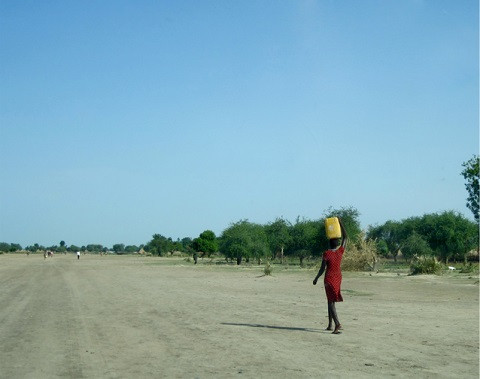 How traditional gender narratives can be used to advocate for girls’ and women’s education 2020-05-06 By Emily LeRoux-Rutledge, Lecturer in Social Psychology, University of the West of England “Education is very important for girls, women and for everyone. Education is the thing that will develop our country, and without education, the country will never go ahead,” declares a voice on community radio, in rural South Sudan. It is the voice of a primary school teacher, urging his community to send its girls to school. His words perfectly encapsulate a socially shared narrative prominent in South Sudan and much of the world: the educated woman narrative, in which a woman who finishes school is expected to earn an income, acquire material security for herself and her family, and work for the development of the country. “When the girl is educated, it will reduce the level of poverty…” he continues, “Let’s say your daughter gets married for 30 cows, and then an educated one gets married for 150 cows. That means… [the] poverty that was in that family—she reduced that.” Has he misunderstood the point of girls’ education? Not necessarily—he is now drawing on another socially shared narrative in South Sudan: the bride narrative, in which marriage happens through the giving of cows. This example demonstrates but one of the ways in which people in South Sudan are creatively using traditional gender narratives to promote gender and development goals, such as girls’ education. In a recently published study in World Development—which draws on qualitative interviews and focus groups with 94 research participants in three rural South Sudanese communities, as well as hours of community radio content—the findings repeatedly show traditional gender narratives being used in this way, alongside modern ones, to promote gender and development goals, including education. Why does this matter? In development circles, there’s a tendency to blame traditional gender roles and norms for slow progress towards goals such as girls’ education. The conclusion always seems to be that, for gender and development goals to be realized, traditional gender narratives must be challenged and changed. For example, a recent UNESCO report on South Sudan claims, “[There is] a strong bias against girls’ schooling… [F]emales tend to be viewed as a source of wealth for the family as a result of dowry payments and relocation of the girl to her husband’s family once married.” But, as we’ve just seen, the bride narrative can be used to advocate for girls’ education. So is the narrative really the problem, or the way it is sometimes used? To put it another way, is there any harm in using traditional gender narratives to support goals such as girls’ education? Perhaps. If inegalitarian gender beliefs are intrinsic to traditional narratives, then perpetuating those narratives might perpetuate gender inequality. But avoiding, or directly opposing traditional narratives risks being ineffective, and ignores the ways in which people on the ground may be creatively deploying them. Scholars who study the ways in which human rights for women are pursued and enacted in local contexts maintain that they must be “vernacularized,” or framed, in terms of existing norms, values and practices. The more successfully this is done, the more traction the ideas get. More importantly, traditional narratives need not be used in isolation. Arguments based on traditional norms, values and practices can exist alongside arguments based on gender equality. As the opening example shows, girls in South Sudan can be encouraged in their education both because it will make them more desirable marriage partners, and because women deserve to take their place alongside men in developing the country. Moreover, if material changes in women’s education levels are actually achieved, then shifts in traditional attitudes, norms and values may follow. Indeed, traditional narratives are not necessarily static, a mistake that many development practitioners make. They can change over time—especially if they are used to support gender and development goals. In South Sudan, an educated girl used to be less desirable as a marriage partner, but a man must now offer more cows to marry an educated girl. Thus, it may be that the bride narrative in rural South Sudan is taking on a new dimension, which reinforces the value of girls’ education. This is why the aforementioned World Development article argues there may be value in considering how to harness, rather than reject, traditional narratives in pursuit of goals like girls’ education. It may be time for us to carefully re-evaluate the assumption that traditional narratives are barriers, and critically assess when the use of such narratives is helpful to achieve gender and development goals. Ideally, we should do this without ignoring the possibility that traditional narratives may perpetuate gender inequalities, and without forgetting that transformational arguments, based on gender equality, can be used simultaneously. This strategy can work. It worked for Elizabeth, a South Sudanese women who was extraordinarily determined to get an education as a child—so much so that she even said, “I had to kill myself because my parents wouldn’t let me go to school”. First, she explains her ambition using the educated woman narrative: “If I continue my education, then I will be educated, and I will be somebody that can help…. Someone who is progressing, someone who is coming up, there are so many things you can do, and so many ways you can help your country.” However, she persuaded her parents to send her to school using the bride narrative, and is extremely proud of the cows her education brought to her family: “My husband brought so many cows that my parents were happy…. If I had not reached Primary 7, then the cows that I was married with might have not been brought to my parents. Because I know, so far, if you are educated, then you can bring many cows and so many good things to your parents.” This raises a final point: that women often legitimately value the identities, roles and norms represented in traditional narratives, which emphasize close family relationships—one of the most important determinants of well-being. For all of these reasons, it may be time to let go of the idea that traditional narratives are barriers to girls’ and women’s education. Critically harnessing traditional narratives would recognize the fact that traditional narratives are strategic for women, are valued by women, and are currently used to support some of the very gender and development goals that the international development community seeks to achieve. URL:https://gemreportunesco.wordpress.com/2020/04/30/how-traditional-gender-narratives-can-be-used-to-advocate-for-girls-and-womens-education/
 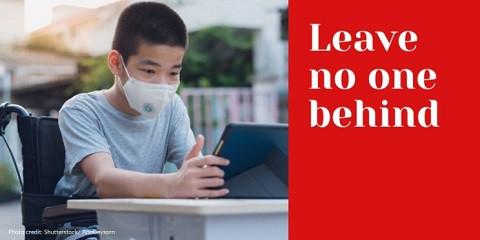 Empowering students with disabilities during the COVID-19 crisis 2020-05-06 Key facts Approximately 15% of the world’s population, 1representing more than 1 billion people, live with disabilities, and 2% to 4% find day-to-day life challenging without assistance. Disability is more prevalent in low- and middle-income countries than in high-income countries. 2 Disability, gender, nationality, ethnicity, poverty and many other factors affect internet access. An online-based, high-tech approach is not always ideal for creating an inclusive learning environment. Currently, because of a lack of disaggregated data and information, it is unclear how many students with disabilities are receiving inadequate educational support as a result of the COVID-19 pandemic.Educational needs for students with disabilities amid COVID-19 Around the globe, the lives of at least 1.5 billion students and their families have been significantly affected by the school closures caused by the COVID-19 outbreak. 3 Governments have responded by holding classes remotely – largely online – to ensure that students continue to study. However, this measure does not address educational discontinuity and disruption for all students. The estimate of 1.5 billion affected students does not take into account all of those who are marginalized, disadvantaged or “invisible” in educational systems. Online and high-tech-based learning platforms and resources need to be available and all students’ needs must be accommodated in order for governments, schools and teachers to ensure that learners are not left behind during school closures as well as after schools reopen, whether this occurs in six months or in a year.Barriers to education through remote-learning practices Students with disabilities experience a variety of barriers to education. For example: In health crises such as COVID-19, persons with disabilities are often provided with less help and inadequately trained teachers. 4 More time and resources are required for students with disabilities to actively participate in learning. 5 This includes equipment, internet access and specially designed materials and support. This makes learning more costly for students and their families. Students with disabilities are negatively affected by the classroom shutdown in additional ways. They lose access to school meals 6 and to play with their friends, 7 which are equally important for development and learning. Another barrier is that many teachers lack ICT skills and knowledge. Forty percent of teachers in OECD countries, on average, lack professional ICT skills. 8 They are unprepared to teach online and cannot ensure student engagement, specifically for students with disabilities. Currently, there is no available data on special-education teachers’ digital skills in developing or least-developed countries.Addressing barriers to education and relevant resources Governments can improve learning processes and outcomes of students with disabilities during a crisis such as COVID-19 by: 1. Assessing accommodationsEducators, parents and individual students assess each student’s situation and discuss adjustments needed for remote learning. Some examples include using alternatives to print, such as audio or other formats in instruction, as well as pictures, flexible scheduling and deadlines, and assistive technology. Resources Designing for Accessibility with Perceivable, Operable, Understandable and Robust (POUR) School, interrupted: 4 options for distance education to continue teaching during COVID-19 2. Modifying curricula and instructionsLearning in a remote setting may differ from mainstream, classroom-based environments. This includes expectations for students and course methodology. Curricula must often be adjusted. For example, homework can be simplified, allowing students to dictate rather than type, and audio materials can be provided for reading assignments. Resources Key Questions to Consider When Planning Lessons Example of the Government of Alberta - Student learning during COVID-19 3. Utilizing universal design for learning (UDL)UDL aims to help teachers reach a wide variety of students, focusing on how students learn and demonstrate knowledge. Resources Remote learning resources by CAST UDL guidelines by CAST 4. Implementing project-based learningStudies show that students with disabilities learn more by using research and analysis to complete a project. Project-based learning also improves self-esteem and promotes positive engagement. Both special and general-education teachers are vital for this type of learning. They need to design and introduce assignments and make sure that everyone understands how to complete them. Resources Project Based Learning for Special Education and Inclusion Understanding Project-Based Learning in the Online Classroom Project-Based Learning In eLearning: What eLearning Professionals Should Know 5. Ensuring individualized education programme (IEP)IEP requires that educators, students, parents and families work together to decide on the effectiveness of a remote-learning setting and how to best proceed with each student’s education. Resource Tips for Parents With Special Needs Children and IEPs During The COVID-19 Crisis 6. Supporting teachersAs schools transition to online learning during the COVID-19 crisis, it is important to provide teachers with guidance and relevant, evidence-based resources on how to deliver lessons in remote and online settings in special education. Resources EducatingAllLearner.org Distance Learning & Special Education for Special Educators by The Arizona Department of Education Best Practices for Educating Online by the Council for Exceptional Children and eLuma 7. Providing family and caregiver supportSystemic approaches are necessary to help parents and caregivers with both their domestic responsibilities and students’ education. Resources The Government of the United Kingdom: Guidance – Help children with SEND continue their education during coronavirus Chicago Public Schools’ REMOTE LEARNING Guidance for ParentsCollective responsibility – more work needs to be done The abovementioned suggestions are just the tip of the iceberg. It is the collective responsibility of governments, teachers, parents and caregivers to help reduce educational inequality for students with disabilities, especially during a time of crisis like the COVID-19 virus. In order to ensure that systematic, long-term solutions are provided, all factors that affect access to education, including policy, legislation, financing, human resources and data, must be explored. References1World Health Organization. (n.d.). “Disability”. Retrieved from https://www.who.int/health-topics/disability#tab=tab_12Ibid.3UNESCO. (2020). Learning never stops – tell UNESCO how you are coping with COVID-19 school closures: https://en.unesco.org/news/learning-never-stops-tell-unesco-how-you-are-coping-covid-19-school-closures-04UNICEF. (2020). COVID-19 response: Considerations for Children and Adults with Disabilities. Retrieved from https://www.unicef.org/disabilities/files/COVID-19_response_considerations_for_people_with_disabilities_190320.pdf5OHCHR. (2020). COVID-19 AND THE RIGHTS OF PERSONS WITH DISABILITIES: GUIDANCE. Retrieved from https://www.ohchr.org/Documents/Issues/Disability/COVID-19_and_The_Rights_of_Persons_with_Disabilities.pdf?fbclid=IwAR2k4WVrFxgLiKXDUAnfRb509X_NDFux_wYm1L0oXBW1tyNfKwBWOHYtYk46UNICEF. (2020). Futures of 370 million children in jeopardy as school closures deprive them of school meals – UNICEF and WFP. Retrieved from https://www.unicef.org/press-releases/futures-370-million-children-jeopardy-school-closures-deprive-them-school-meals7OHCHR. (2020). COVID-19 AND THE RIGHTS OF PERSONS WITH DISABILITIES: GUIDANCE.8OECD. (2019). Countries must make teaching profession more financially and intellectually attractive. Retrieved from https://www.oecd.org/education/countries-must-make-teaching-profession-more-financially-and-intellectually-attractive.htm URL:https://bangkok.unesco.org/content/empowering-students-disabilities-during-covid-19-crisis
 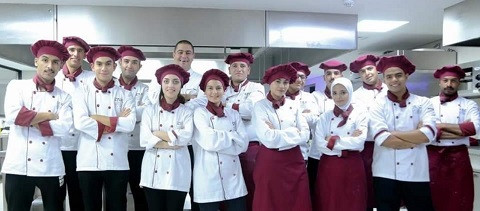 Jordan transforms education challenges into opportunities during COVID-19 crisis 2020-05-06 Each evening at 18H, sirens echo throughout Jordan, announcing the curfew, which lasts until 10H each morning. The kingdom has been under lockdown since March 21st, 2020 as a result of the COVID-19 crisis. As of May 3rd, 459 cumulative cases of COVID-19 have been recorded in Jordan. While Jordan’s case load may seem modest in comparison to the over 3 million cases confirmed globally, the country is not taking any chances and thus far appears to be containing the spread of the disease. A country wide closure of kindergartens, schools, universities and all educational institutions has been in place since March 15th, 2020 affecting 2,372,736 learners. The Technical Vocational and Education Training (TVET) sector has been seeking to ensure the continuity of education during this crisis as not all Higher Education Institutions are able to provide online alternatives for students. Availability of online practical training, which lies at the core of TVET, has been a challenge for students. TVET has enabled the provision of learning opportunities to those most at risk in Jordan, including adolescent girls, refugees and vulnerable Jordanian youth. The immediate impact of COVID-19 must be monitored closely, targeting in particular TVET drop-outs and finding innovative ways to address this challenge. Recently, Aseel Sheikh Ahmad, 22, completed her Hotel Management programme with a scholarship offered under the UNESCO “Provision of Technical and Vocational Education and Training (TVET) for vulnerable Jordanian and Syrian Refugee Youth” project, implemented with generous funding and strong partnership from the Government of the Republic of Korea. Following her completion of the practical on-the-job training portion of the programme, Luminus hired Aseel as a Barista. While I wait for this challenging time to pass, I am at home watching tutorials about new recipes and how to create new barista drinks. I am in constant contact with my colleagues, checking up on each other to make sure we are all coping-- Aseel Sheikh Ahmad Chaza Aladawi also concluded her TVET scholarship and studies prior to the onset of the COVID-19 crisis, and had begun working as a chef at a local restaurant. Originally from Syria, Chaza came to Jordan with her family in 2002 and settled in Amman. “At first, I had a hard time sitting at home, and worried that the restaurant might fire me or cut off my salary. I miss cooking for people a lot, and the escapism it offers me”, said Chaza. “After a while, I realized that if we stay at home, we will reduce the danger of getting more people sick. In my time off, I am trying to learn more about cooking Arab cuisine”. Chaza is grateful to have had the opportunity to learn such practical skills and thankful to have a job to return to. UNESCO, together with UNHCR, has been coordinating closely within the Education Sector Working Group in Jordan for weekly updates on TVET and higher education sectors, as well as mapping of existing programmes and possible responses to the impact of COVID-19 on the two sub-sectors. Good practices have emerged during this crisis, which should inform the transformation and rethinking of education in the medium to long term future, transforming challenges into opportunities. Globally, 91% of the world’s students are now affected by temporary closures of educational institutions – that’s more than 1.5 billion children and young people. During this challenging time, the education system, students, teachers, parents and caregivers have demonstrated remarkable skills to adapt to an unprecedented national and global situation. As an immediate response to school closures and in order to ensure continuity of education and learning, the Ministry of Education (MoE) has activated online learning solutions through both televised lessons and an e-learning platform (www.darsak.gov.jo). During the first 10 days of the crisis, this e-platform was accessed by an estimated 500,000 students online; 800,000 students have also accessed education through the TV programme. In view of addressing the challenge of teachers’ capacities, the MoE has also launched a platform to support them in this new context (https://teachers.gov.jo/). In Jordan, together with sister UN agencies and education partners, UNESCO will also focus its intervention on crisis sensitive planning, looking at both the response and the preparedness, with particular attention in supporting the MoE in aligning their response plan to their national Education Strategic Plan (ESP). While supporting the planning in line with the ESP and focusing on the humanitarian/development nexus, UNESCO is advocating for the safeguarding of learning for all age groups, with emphasis on equity and equality and the support to the most vulnerable children and youth. UNESCO has long been working to respond to crises around the world and have thus gained solid knowledge and expertise, especially in areas of its mandate and comparative advantage in the context of the lead role in the Education 2030 Agenda. The COVID-19 pandemic affects all levels and forms of education around the globe, and UNESCO, as the custodian of Sustainable Development Goal 4, has the mandate to address different educational dimensions in support of national institutions and building on strong partnerships at global, regional and country levels. For more information on UNESCO’s COVID-19 response, please visit: https://en.unesco.org/covid19/educationresponse URL:https://en.unesco.org/news/jordan-transforms-education-challenges-opportunities-during-covid-19-crisis