
News
Catch up on what’s happening in the world of global citizenship education.
1,668 results found
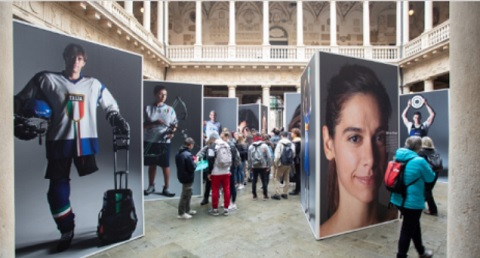 Inclusive distance learning for students with disabilities at the University of Padua 2020-06-02 The COVID-19 pandemic has resulted in school closures across the world and in the adoption of distance learning. Students with disabilities are amongst those facing the biggest obstacles, as the specific support and teaching tools they require are not always available in distance and online learning. The University of Padua (Italy), host institution of the UNESCO Chair in Human Rights, Democracy and Peace, has taken specific measures in order to address their needs and ensure access of students with disabilities to online teaching and other services. In this interview, Professor Laura Nota, deputy Rector for Inclusion and Disabilities and lecturer in psychological counselling for the inclusion of disabilities and social discomfort at the University of Padua, tells us more about these inclusive measures. How are lecturers taking into account the needs of students with hearing and visual impairments in the preparation of their online classes? Since the COVID-19 outbreak, the Inclusion Unit of the University of Padua has expanded its online services, including specific support related to online teaching for students with all kind of vulnerabilities. For instance, students with hearing impairment can benefit from the online stenotype service, which consists of the transcription of both synchronous and asynchronous lectures, that allows them to easily follow their courses. As far as they are concerned, the Inclusion Unit has contacted students with visual impairment to inform them about the special services put in place. The University "Inclusive Tutoring Service" has been made available online to provide support throughout the preparation of exams. Did the university elaborate guidelines to address the needs of persons with hearing disabilities? Was there any other – broader or specific – guidance developed? As soon as the emergency period started, some user-friendly tutorials on the use of online platforms were made available by the Digital Learning and Multimedia Office of the University. Similarly, the Inclusion Unit developed specific guidelines on how to prepare digital documents accessible to every student, including those with disabilities. The Rector of Padua University called on all lecturers to do their utmost to take the guidelines into consideration to ensure the accessibility of every student to online courses. The Inclusion Unit has been collaborating with all the lecturers whose courses require a stenotype service, to ensure that students with hearing impairment can access this service online. More generally, the academic staff of the University of Padova has been very active in the framework of the “Teaching4Learning” initiative which aims at facilitating continuous peer-to-peer support, sharing experiences and discussing challenges related to online teaching during the COVID-19 pandemic. The University of Padua is developing, together with the University of Turin, new accessibility guidelines for the elaboration of online admission tests for persons with disabilities, especially students with visual impairment and learning disorders. © Université de Padoue - Massimo Pistore How many students have already benefited or are expected to benefit from these measures? Between 9 March and 23 April 2020, the Inclusion Unit provided 234 stenotype services for a total of 335 hours of teaching. At the same time, the Unit held 24 online meetings with future and current students with disabilities or learning difficulties and received about 20 requests for personalized exams. In addition, the inclusive tutoring service has been activated for 19 students. Regarding the admission tests for the 2020/2021 academic year, the Inclusion Unit is expected to receive more than 300 requests for personalized tests. What is the role of the UNESCO Chair in Human Rights, Democracy and Peace regarding these measures? The Chair participates in the interdisciplinary group of the University of Padua developing a project on the promotion of an inclusive learning environment that ensures equal opportunities for students with disabilities. With the student community of the University of Padua becoming increasingly diverse, the project aspires to adapt teaching to the students’ needs and make it more inclusive. In particular, the project aims to: increase lecturers’ knowledge in relation to disabilities and difficult health conditions. The university created an online platform through which the lecturers have access to: videos and other digital materials on the value of inclusive teaching and inclusive learning contexts; experts’ advice on learning disorders and disabilities and the description of relevant University services; the first-hand experience at University of students with disability or learning disorders. encourage lecturers to reflect on their educational practices and on how to make them more inclusive through the adoption of specific measures tailored to the needs of students such as personalized teaching and exams. Similarly, the lecturers will be urged to involve students in educational activities, to promote attitudes of fairness, inclusion, and to uphold human rights and social sustainability. establish university networks on inclusive learning that bring together lecturers, technical-administrative staff, and students. sustain the General Course (GC) “Human Rights and Inclusion” accessible to bachelor’s and Master’s Degree students. The GC is aimed to increase awareness about diversity present within our social fabric and about human rights, as well as to stress the need to invest in an inclusive society. The GC was launched four years ago within the bachelor’s degree Course “Political Sciences, International Relations and Human Rights” directed by the UNESCO Chair holder. This year the GC, held in telematic mode, was attended by over 430 students. Pilot actions to test the effectiveness of these measures have been started in online mode. ***Professor Laura Nota works at the department of Philosophy, Sociology, Pedagogy and Applied Psychology at the University of Padova, which she joined in 2000. Her research focuses notably on the psychology of disabilities and inclusion and the psychology of orientation. Since January 2020 she co-coordinates the working group ‘Inclusion and Social Justice’ within the Network of Universities for Sustainable Development. See also Universities tackle the impact of COVID-19 on disadvantaged students Fostering Rights, Inclusion and Non-Discrimination COVID-19 - Protect human health and dignity, respect universal values Cooperation between UNESCO and its Chairs dealing with human rights and social inclusion stems from the need to better understand the social impact of COVID-19 on the most vulnerable, and the mitigating measures adopted so far. This article was prepared with inputs from the UNESCO Chair in Human Rights, Democracy and Peace in the University of Padua (Italy). URL:https://en.unesco.org/news/inclusive-distance-learning-students-disabilities-university-padua
 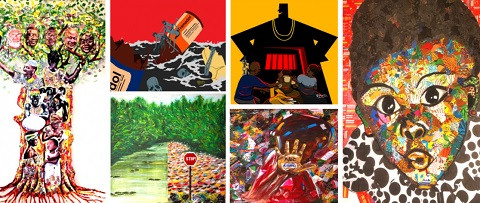 Youth Voiced Out, Stepped Up and Took Actions for Sustainable Development through the Civic-Care Project in Ghana 2020-06-02 Sustainable development is unthinkable while young people face exclusion and inequality.-- Ms. Irina Bokova, Former Director-General of UNESCO, in 2016 Bearing that youth are Africa’s foremost social capital with the potential to accelerate economic growth, reduce poverty, and create a sustainable and peaceful future, UNESCO Multisectoral Regional Office in Abuja launched the Youth Civic Engagement (YCE) Initiative in October 2018. This underpins Axis 3 of the UNESCO Operational Strategy on Youth (2014-2021), while making the Organization’s Meaningfully Engaging with Youth approach more context specific. From an inception workshop including a training of the trainers targeting youth-led organizations from Ghana, Liberia, Nigeria, and Sierra Leone, the initiative provided a timely opportunity to instill in selected youth the key theoretical tenets for meaningfully engaging with UNESCO, as well as a platform for concrete interaction with key national stakeholders contributing to an enabling environment for youth empowerment. Above all, it is an opportunity to strengthen youth capacities and instilling youth-led knowledge co-production, but also the co-design and co-delivering of youth-centered innovative solutions to the challenges that the world is facing. To support the implementation of acquired knowledge and skills, youth from different participating countries were called upon to team-up for the design and submission to UNESCO of one proposal per country of a research-action to be implemented in each of the four countries, with financial support from the Organization. Research-action reports were to be submitted to UNESCO, including a project proposal that provides an innovative solution to one of the key problems identified in the study. The research-action reports and project proposals from the four country teams where then put in competition. These included: From Liberia Team made up of the Mano River Union Parliament-Liberia Chapter, and the Federation of Liberian Youth, a research action on “Assessing Gaps and Constraints of Youth Civic Engagement in Liberia”, with a project proposal entitled “Youth Civic Engagement to Sustain Liberia’s Peace”. Nigeria, with a three-organizations Team composed of One Africa Child Foundation, Building Nations Initiative & Women Environment and Youth Development Initiative (WOYODEV) submitted a research-action on “Role of Youth-Led Organization in Peaceful Election and Political Participation of Young People in Selected States of Nigeria”, with a project proposal on “Strengthening advocacy for youth civic engagement and accountability (SAYCEA)”. Sierra Leone Team was represented by the Centre for Coordination of Youth Activities. They initiated a Research-Action on “Youth Participation in Local Council Decision making in Sierra Leone: Accountability Monitoring and Budget Tracking of Youth Programmes”, and from which emerged a project proposal on the theme: “Youth Action and Civic Engagement (popularization and full implementations of the National Youth Policies) in Post Elections Sierra Leone”. For Ghana, Innovation Village Foundation that then changed its name into Ulti-Leaf Foundation undertook a research action on the theme “Youth Civic Engagement in Ghana: Issues, needs and opportunities with use of mobile phone and social media”, which was submitted with a project proposal entitled “Civic-Care: Voice-Out, Step-Up, and Take Action”. As the result from the review process by UNESCO, the project from Ghana Team was identified as the best, and sponsored for implementation with a 10,000 USD grant from UNESCO. The Civic-Care project was designed to enhance youth voice, provide them space and initiating actions for their empowerment and development through physical and virtual engagement, with effective impact at their communities’ level. The main project activities included: Civic skills and competence training workshops for youth and youth-led organization; Set-up of designated friendly and safer space for youth in selected communities and online platforms; Development and production of tailored knowledge products, such as the Young Creatives, Drama Contest and the Young Visual Arts Call. An Entry of the Young Visual Arts Call Besides, as implementation period coincided with the COVID-19 outbreak, the Civic-Care project strengthened youth’s social innovation in contribution to the country’s response to the COVID-19 pandemic. Youth-friendly messages for prevention and protection from the COVID-19 were developed and effectively disseminated. In this regard, different channels such as flyers, civic-chats on WhatsApp, community dialogues, and social media engagement were used. Furthermore, a Wear-Your-Mask Photo Challenge was organized in order to encourage people to obey the mandatory facemask wearing of in Ghana, enforced after a three-week lockdown. #WearUrMask Photo Challenge By the project conclusion, 2,500 young people, including 1,100 women and girls, and 24 youth-led organizations were trained, with their civic skills and competences increased. Three safe spaces for youth civic actions and seven youth-initiated civic platforms were created, while 3,482 youth were reached via social media platforms. Moreover, 2,800 youth were mobilized and reached out to with civic knowledge products, of which 40% of participants are from rural areas. The project contributed to a great visibility for UNESCO in Ghana and attracted interest from other development partners, including the UN, with special activities undertaken in the frame of the International Women’s Day, among others. Above all, this implementation demonstrated youth capacity, readiness, willingness and relevance in making the difference in the social fabric for civic participation, community engagement and development, social cohesion and peaceful coexistence. This indeed underpins the UNESCO Meaningfully Engaging with Youth approach, and the Youth Civic Engagement Model set-up through the UNESCO Regional Office in Abuja, for translating into concrete terms Axis 3 of the UNESCO Operational Strategy on Youth (2014-2021). It further puts into practice Aspiration 6 of the African Union Vision 2063 as well as the recommendations of the United Nations Security Council resolutions 2250 and 2419, all geared towards the effective participation of youth as key actors in the promotion and enforcement of peace and security. Above all, the interventions under this project insightfully contributed to the 2030 Agenda for Sustainable Development, adding in particular to SDGs 4, 5 and 16, while leveraging on the partnership called upon under SDG 17, and connecting beautifully with the 5Ps ambition of the SDGs to impact on People, Planet, Peace, Prosperity and Partnership, while leaving no one behind, notably the youth. URL:https://en.unesco.org/news/youth-voiced-out-stepped-and-took-actions-sustainable-development-through-civic-care-project
  #TheWorldin2030: Help UNESCO set the global agenda on the issues you care about! 2020-06-02 Help UNESCO set the global agenda on the issues you care about! UNESCO is launching an unprecedented public survey to gain insights into global sentiment on the major challenges that threaten peace around the world today and the solutions needed to address them. The results will assist UNESCO in setting the global agenda on these issues over the next decade to ensure #TheWorldin2030 is one we want to live in. Take the survey: Click here The survey is being launched at a time of profound societal upheaval linked to the COVID-19 pandemic. There are urgent calls for reflection on the world that will emerge from the crisis and how we will address major ongoing challenges such as climate change, violence, widespread inequalities and massive technological disruption. “The next ten years are critical for putting the pieces into place for the world to come after the COVID-19 crisis, and addressing the already-severe challenges from before it began,” said UNESCO Director-General Audrey Azoulay. “This new survey is part of UNESCO’s commitment to leading a global reflection on these issues. Understanding the obstacles people are facing and their hopes for overcoming them is crucial, and I call on everyone from all regions to take part and tell us what they think.” Amid questions from some on the effectiveness and relevance of multilateralism in today’s world, the survey will also gain insights into how the international community, including UNESCO through its mandate to build peace in the minds of men and women, can better address the concerns of all populations. The survey is open to all around the world and it will soon be available in at least 20 languages. It will be open for the next three months, with the results to be released in September 2020 as part of a special “World in 2030” report analysing global and regional views on the challenges of today. A special focus has also been placed on ensuring a large number responses from young people. Through the survey, UNESCO aims to give them an opportunity to express their points of view and ideas and contribute to discussions on what the future should look like. The survey is being held as part of UNESCO’s ongoing Strategic Transformation. It also fits into wider efforts by the Organization to reflect upon the world to come, including the recent launch of the UNESCO Forum series. This series kicked off this week with video interviews featuring leading women thinkers, artists and activists, in which they aired their views on the challenges and opportunities the world will face in the wake of the COVID-19 crisis. URL:https://en.unesco.org/news/theworldin2030-help-unesco-set-global-agenda-issues-you-care-about
 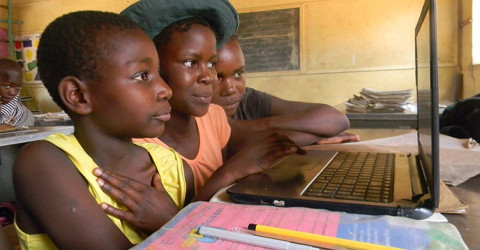 La Coalition mondiale pour l’éducation facilite l’accès gratuit à l’enseignement à distance par Internet dans plusieurs pays 2020-06-01 Major mobile telephone operators that are part of UNESCO’s Global Education Coalition have stepped up efforts to improve connectivity by providing free access to online educational content for students in all regions of the world affected by Covid-19 induced school closures. “While the Global Education Coalition supports both online and offline solutions, aiming towards connectivity for all is an important imperative, especially when our data shows that 43% of the world’s households do not have access to the internet,” said UNESCO Director-General Audrey Azoulay. “Cost is also a major obstacle for students from disadvantaged backgrounds all over the world, The Coalition’s initiative is an example of the concrete results that can be achieved by bringing together the United Nations and the private sector. By ensuring free of charge connection to educational content in a number of countries, these corporations give a strong signal as to the need to provide free access to online educational options, especially where schools remain closed.” The operators, Orange and Vodafone, are offering free of charge access to distance education platform in some countries as a response to the closure of schools which still affects 1.26 billion learners worldwide. In sub-Saharan Africa, Orange through its subsidiaries, provides free access to accredited learning platforms in Burkina Faso, Guinea, Mali and Democratic Republic of the Congo. Similar packages are planned in Botswana, Cameroon, Côte d'Ivoire, Liberia and Madagascar. The practice is also being extended to countries in other regions: Egypt, Jordan, Morocco, and Tunisia, free connection is provided to digital education contents. “For several years now, Orange has had the ambition of improving access to education for all. It is in this context that we have opened our Digital Schools and launched our socially-priced mobile data packages dedicated to online training,” said Alioune Ndiaye, Executive Director of Orange for the Middle East and Africa. “Since April, the majority of our subsidiaries have been offering free access to school and university content from our partners to enable students to continue learning from home. We hope that e-learning, which has now demonstrated its added value, will continue to develop in Africa as a complement to traditional means". In Samoa, Vodafone is providing around 80,000 learners with a free Student Sim Card that gives unlimited 4G data access to a range of approved educational websites. The company is working with the Ministry of Education, Sports & Culture and UNESCO to develop and host a free student e-Learning Portal utilizing the national learning curriculum. “Our investment into the future of our children says a lot about our values and mission. Vodafone is all about empowering future generations to be the best they aspire to be. This initiative and free Student Sim have all you need to stay on top of your studies and succeed academically,” says Vodafone CEO, Satish Sharma. UNESCO estimates that despite the efforts of governments worldwide to provide alternative remote learning, at least 500 million children and youth are currently excluded from public educational provision, partly because of lack of connectivity. While the share of students with no access to internet at home is under 15% in Western Europe and North America, it is as high as 80% in sub-Saharan Africa. Although mobile phones can enable learners to access information, connect with teachers and with one another, about 56 million learners, almost half of them in sub-Saharan Africa, live in areas that are not covered by mobile networks. To take stock of lessons learned in recent months and explore solutions to bridge digital divides, UNESCO organized a webinar on connectivity on 22 May, which brought together partners from the Coalition and beyond, including ITU, Microsoft, Ericsson, Mastercard Foundation and several UNESCO Chairs specializing in technology and education. All stressed the need for collaboration to provide public connectivity so as to maintain the right to education and enable digital learning inside and outside the classroom, leveraging new financing models, especially to benefit the most under-served areas. The Global Education Coalition which brings together over 100 partners was launched on 26 March to pool the skills and resources of a wide range of public and private entities and deploy inclusive and equitable distance learning options tailored to countries’ needs, prioritizing connectivity, teachers and gender. **** Media contact: Clare O’Hagan, UNESCO Press Service, c.o-hagan@unesco.org, +33(0)145681729 URL:https://en.unesco.org/news/global-education-coalition-facilitates-free-internet-access-distance-education-several
 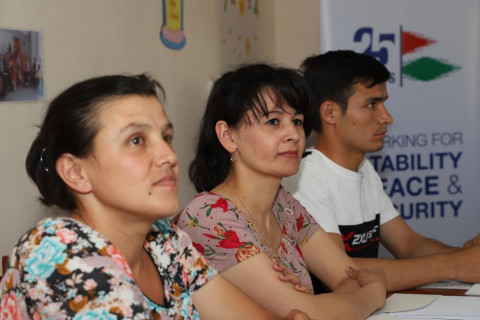 Расширение прав и возможностей инвалидов в Таджикистане посредством тренинга «Знай свои права» 2020-05-29 Twenty-seven year-old Gulrukhsor Meliboeva is a single mother from northern Tajikistan and has a hearing disability. “I did not know about social protection for people with disabilities and what support is available to them. I had no idea where and how to look for what I am entitled to,” she said. After her divorce, life has not been easy. She is raising her daughter on her own. Gulrukhsor did not apply for alimony from her former husband as she was not aware that she had the right to do so. Having left school after the eighth grade, she got married when she was only 17. She and her husband lived in his parent’s house and Gulrukhsor found herself subjected to domestic violence. It was not only her former husband who treated her badly, demanding obedience for his every whim. “His mother constantly criticized me,” she recalled. With her marital life becoming unbearable, she took her daughter and went back to her mother’s house. “Soon after that I divorced my husband,” said Gulrukhsor, who spoke with help from a sign language interpreter. But now that she has attended a workshop helping disabled people to claim their rights, she feels more confident: “Now that I have learned about the law, I know what to do to apply for alimony for my daughter.” The workshop Gulrukhsor attended was one in a series of events entitled “The Inclusive Moot Court Training” that the OSCE Programme Office in Dushanbe supported in 2019-2020. Gulrukhsor, and a friend who told her about the initiative, are part of more than 80 people who have completed the workshop. (Photo: OSCE/Farhod Nabiyulloev) The training workshops were specifically devised for persons with different disabilities. They aim to inform disability rights representatives and members of their organizations about their legal rights in Tajikistan. During the workshops they acquire vital skills, such as how to properly prepare submission of legal cases and appeals, how to speak in front of a real court and how to assert their rights. The ultimate goal is to empower participants by improving their confidence to claim and defend their rights. The events were organized by the “Durnamo” and “Noil” youth organizations and held in five locations: in Khujand and Kanibadam, in the northern Sughd region; in Khorog, the provincial centre of the Gorno-Badakhshan Autonomous Region (GBAO) in the east; in Bokhtar, the centre of the southern Khatlon region, and in the capital, Dushanbe. The workshops had an additional element of inspiration as they were conducted by trainers who themselves had a disability. One of them, Firuz Shamsiddinov, explained how being involved in delivering training courses gives him confidence in overcoming his disability. “Although I am visually impaired, I am able to help others build their abilities, and it makes me feel good and motivates me.” (Photo: OSCE/Farhod Nabiyulloev) The outcome of the training courses and the fact that they took place across the country contributed further to the gradual change in attitudes, as well as to awareness efforts on the issue of disabilities throughout Tajikistan. Although Tajikistan signed the UN Convention of the Rights of Persons with Disabilities in 2018, it was only recently that the approximately 140,000 people registered with a disability were recognized as holding legitimate rights, rather than just receiving pensions and medical care. The more inclusive policy adopted by Tajikistan has paid significantly more attention on the situation of those with disabilities. This has helped improve their living conditions, as well as to broaden the understanding and respect of the public towards people with disabilities. However, for anyone with a disability to be included in public and political life, it is essential to become informed about their human rights, and familiarized with existing tools to ensure those rights can be realized and respected. The Programme Office is actively engaged in this process by raising public awareness in each region of Tajikistan. The Office reaches out to women and girls with disabilities, who require support and face serious restrictions of their rights. (Photo: OSCE/Farhod Nabiyulloev) The training workshops are part of the OSCE Programme Office in Dushanbe’s work aimed at supporting people with disabilities. Other activities include awareness raising events that reach out to several hundred people across Tajikistan. Attending the training was a short break for Gulrukhsor, who earns money by making national dresses. In her free time, she likes dancing and meeting her friends for a chat, some of whom she met through the workshop. URL:https://www.osce.org/programme-office-in-dushanbe/450718
  The Role of Transformative Education in UNESCO’s Futures of Education Initiative 2020-05-28 UNESCO’s Futures of Education initiative aims to stimulate and capture global conversation on re-imagining education, learning and knowledge for an increasingly complex and unpredictable world. Transformative education lies at the heart of this process. It promotes the change and necessary development of individuals, communities and systems, and will be key to implementing meaningful and lasting change. First launched in September 2019 at the High-level Political Forum (HLPF) on Sustainable Development in New York, UNESCO appointed an independent International Commission with the mandate to develop a global report on the Futures of Education for release in 2021. This report will provide an agenda for action and discussion by policy makers and practitioners. As part of the initiative, UNESCO are looking for a diverse range of perspectives on the challenges and opportunities for the future of education and learning. People from around the globe are encouraged to lead or participate in focus groups, which will inform the commission’s final report. With submissions open until 30th June 2020, this is an exciting opportunity for both individuals and organisations who believe in the power of transformative education to mobilize their stakeholders and networks, and contribute to the global conversation on what the futures of education can, and should, look like. There are multiple ways to participate in this process. Those interested in leading a consultation group will receive an easy to follow facilitation plan and reporting template from UNESCO. However, you can also submit a written response, artwork or complete a short online survey on UNESCO’s website. Experiences From Finland In Finland, civil society engaged in Global Citizenship Education recently contributed to UNESCO’s Futures of Education initiative by coming together for an online consultation in April. Organised by Fingo and facilitated by Sanna Rekola, Fingo’s Advocacy coordinator on GCE, this workshop united civil society and GCE actors in Finland to reimagine what the future of learning could look like in 2050. UNESCO’s Future of Education video set the tone, followed by an introduction from Director of Advocacy at Fingo and Chair of Bridge 47 Rilli Lappalainen, who encouraged participants to use their imagination when envisioning what the future could look like. Participants were first asked to share their hopes and concerns for the future. While many felt optimistic about new technologies and an increased awareness of global interdependencies and responsibilities, they also expressed concerned over climate change, growing inequalities and populism that drives short term policy making. They were then split into smaller working groups. The first group chose to discuss the purpose of learning and education. Their ideas included stimulating curiosity, creativity and open mindedness, the importance of empathy towards other people and the planet, the ability to self-reflect and unlearn behaviours and attitudes negatively affecting the planet, and to act as agents of change. The second group considered what we should learn. They emphasised the need to be able to dream, to be curious and creative, to learn how to cooperate with others, and gain the skills and knowledge to feel and act as a global citizen. The third group explored how we learn, touching on the importance of a future focused approach, and how we can learn from the Coronavirus pandemic. The final group looked at where we learn, highlighting how recognising the value of formal, non-formal and informal education means learning can take place anywhere. With the recent uptake of online learning, some participants also voiced concerns over completely digitised education system, suggesting a balance between physical and online learning would be key. Finally, Fingo asked participants to consider how NGOs and CSO’s can be actors of change for the future of education and learning. "While our current reality might feel quite uncertain, participants still felt motivated and responsive when tasked to envision a future far beyond the present day", Sanna reflected. "The current crisis demonstrates that people are resilient and can adapt quickly to a crisis. This should inform how we plan for the future", she concluded. Adapting the Plan for an Online Workshop While UNESCO’s facilitation plan is meant to inform an in-person workshop, here are Sanna’s top tips for online success: Give yourself more time. The facilitation plan suggests the workshop should only take an hour, however Fingo’s online workshop took two and a half hours. This was to accommodate any technical difficulties and allow for a break halfway through the session. Online tools are your friends! During the workshop, participants were split into working groups using Zoom’s breakout room function, and the discussions were self-recorded by participants on Jamboard. More than one facilitator. While Sana facilitated the workshop, someone else from Fingo offered technical support on Zoom, responsible for managing the breakout rooms and monitoring the chat box. Don’t skip the icebreakers. Sanna recommends taking the time to warm up, as soft exercises help build a trusting environment for sharing ideas, especially among strangers. Take advantage of this opportunity. Fingo also used this workshop to ask participants to consider how civil society can be actors of change in the Futures of Education process - an important question that was not included in the facilitation plan. Don’t be afraid to ask questions outside of the facilitation plan, as long as they are relevant to the discussion. How to Engage Focus group – Download UNESCO’s consultation guidelines.Survey – Answer a one-minute survey on UNESCO's website.Written response – Submit your ideas on the future of education in writing on UNESCO's website.Artwork – Create an artistic depiction of what education, learning and knowledge might look like in the year 2050, and submit this on UNESCO's website. URL:https://www.bridge47.org/news/05/2020/role-transformative-education-unescos-futures-education-initiative?mc_cid=13fb4b9b30&mc_eid=f827c3ed29
  [APCEIU Insights] What Changes Do We Want in the Post-Coronavirus World? 2020-05-27 What Changes Do We Want in the Post-Coronavirus World? LIM Hyun Mook (Director, APCEIU) Something beyond our imagination is occurring. The novel coronavirus is forcing humanity into the greatest crisis since World War II. Even the United States and European countries, regarded as advanced nations, are being hit hardest due to the ongoing pandemic. However, crises sometimes bring about positive changes. The 1918-19 influenza triggered the introduction of national health services in European countries. What changes do we want once the coronavirus crisis has passed? While overcoming the immediate crisis is an absolute priority, we need to look beyond that. Globalization in Retreat? Some predict that globalization will recede, and the role of the state will be strengthened again. Actually, almost all countries have closed their borders and blocked the entry of foreigners. Exports of medical supplies have been banned, and global supply chains of manufacturing components have been disrupted. Some countries have halted food exports. Along with these actions, the authority and responsibility of states are expanding unprecedentedly. From forceful lockdown measures to the allocation of workers and resources, countries are behaving much like during the times of war. Some critics fear health fascism. The state is also mobilizing large amounts of public money to provide disaster aid to the people and nationalize companies on the brink of bankruptcy. Accelerated globalization over the past several decades has connected the lives of humanity more closely than ever, which means that no single country can be safe alone. COVID-19 has evidenced the stark risk of such globalization. Will market globalism retreat after the coronavirus crisis and will state sovereignty, resource nationalism, and protectionism resurge? Is this change positive? If not, should we go back to pre-coronavirus globalization? In history, crises did not necessarily lead to positive changes. The opposite was often the case. Economic inequality in South Korea widened after the 1997 financial crisis, and polarization has deepened in many countries since the 2008 global financial crisis. Strengthening Democracy and the Public Sector As we go through this crisis, we feel the desperate need to strengthen the public sector above all. We realize that, at the cost of enormous sacrifices, citizens’ health and safety cannot be protected by privatization but by social solidarity and public systems. We must not forget that countries that have cut the number of public health workers and budgets and put public health in the hands of the market are suffering the most in this crisis. Each country's response strategies and policies inevitably vary depending on its infection control, the medical system, and the political regime. There can be no one-size-fits-all strategy. However, it is essential to learn from the experiences of other countries. While most countries have declared an emergency and are struggling to slow the spread of the virus, South Korea has succeeded in flattening the infection curve due to its citizens’ participation and cooperation without employing coercive measures. The utilization of technologies such as the tracking of movements of those that tested positive also played a significant role in South Korea, but more importantly, the citizens' willingness to cooperate for the safety of the community was paramount to its success. When disasters and crises strike, people naturally feel fear first, which is followed by unusual behaviors such as panic-buying. The most effective antidote to combat this fear is democratic leadership. Democratic leadership instills trust in its citizens and promotes civic cooperation. This is because it prioritizes the health and safety of citizens and responds quickly to the needs of civil society in times of crisis. In some countries, the government's coercive responses are temporarily supported by its citizens. However, coercive measures suppress the voluntary cooperation and creative response of a country’s citizens and eventually diminish the community's capacity for responding to crises. In addition, accurate and sufficient information is important. This is also the foundation of democracy. Media reports that blame others and fake news can hinder citizens' responsible actions and undermine the morale of those striving to overcome the crisis. The news media that responsibly deal with an infectious disease crisis are another critical factor that strengthens the public sphere. Viruses are said to be equal to everyone, but in reality, they sacrifice vulnerable people more. It is the politicians, assisted by scientists, who take special steps to protect them and make decisions to allocate insufficient medical resources for them. This brings to mind the importance of democracy. Likewise, it is international politics that coordinates internationally assistance for low-income countries with weak medical systems. International Solidarity and Cooperation COVID-19 has revealed the vulnerable reality of high-income countries so much so that it is frightening just to imagine how badly low-income countries will be damaged if such explosive outbreaks happen. International support and cooperation for them are desperately needed. However, global governance aimed at tackling the pandemic crisis is not functioning well. Even the strongest nation in the world, the United States, is focusing on its domestic countermeasures. Moreover, European Union countries have failed to show strong joint action. International solidarity and cooperation could be less robust than before if globalization retreats after the coronavirus pandemic and state sovereignty continue to rise. This is not good for world peace and safety. What we need is not higher walls, but more cooperation. Sustainable Civilization Ironically, the COVID-19 crisis has made the skies clean. As lockdowns in many countries have dampened industrial activities, there is a significant drop in fossil fuel consumption. Fine dust has also decreased. We are in a paradoxical situation where the pandemic crisis helps to fight the climate crisis. The cause of the continued emergence of mutated viruses such as SARS, MERS, and COVID-19 may be attributed to modern industrial civilization. As animal and plant habitats are destroyed, and the ecosystem is disrupted by climate change, there are more chances for virus strains to spread to humans. In addition, urbanization has concentrated the population, and globalization has led to frequent international movements, both factors that generate a favorable environment for the virus to spread worldwide. Epidemics are likely to outbreak again in the future. In view of this, while we need to fully reinforce the quarantine and medical system, more fundamentally, we need to reflect on whether our lives are sustainable. The coronavirus may be a “canary in a coal mine” that warns of the dangers of modern industrial civilization, captivated by the tenet of economic growth based on fossil fuel. The Role of Education What role should education play for positive changes to be pursued in the post-coronavirus world? What lessons will we as responsible citizens learn and pass on to the next generation in this pandemic crisis, the biggest one since World War II? Above all, the first lesson should be that fighting hate and discrimination, and practicing the spirit of solidarity and cooperation, is absolutely important in overcoming a crisis. Under the current crisis, some people equated certain groups with the virus; they stigmatized, hated, and wielded violence against them. On the other side, there have been many cases of people showing solidarity and cooperation in order to narrow the psychological distance while avoiding physical contact. Regardless of racial, national, and ethnic distinctions, citizens of the world showed empathy with the suffering of victims, appreciated the strenuous effort of medical workers and quarantine authorities, and did whatever small things they could do to contribute to overcoming the crisis. This has moved and encouraged us all. Understanding the value of democracy and the public good, empathizing with the suffering and hardship of those affected by the disease, and practicing solidarity and support, particularly for the vulnerable and underprivileged people and low-income countries with weak medical systems should also be an important lesson. In addition, it will be essential to develop literacy that enables a critical understanding of the information disseminated from social media channels and the press. Reflections on the sustainability of modern society are also a critical lesson that has emerged from this crisis. The questions the coronavirus is asking us, such as the climate crisis caused by the use of fossil fuels, lives of humanity closely interconnected under globalization and the resulting greater risks and vulnerabilities, and the harmony between the protection of personal information and community safety, are all important and urgent. Sharing these lessons and finding their meaning together is perhaps the most important educational task of the time. Global citizens who have developed their capabilities through such education will become agents for driving positive post-crisis changes. UNESCO should further strengthen its efforts to promote Global Citizenship Education in this regard. APCEIU will also continue to contribute to this effort. I extend my respect and gratitude to medical workers and quarantine authorities around the world who are struggling to fight the crisis even at this moment. I also appreciate the solidarity and cooperation displayed by global citizens sharing common humanity beyond all distinctions and differences. URL:(No.1) What Changes Do We Want in the Post-Coronavirus World? > EIU in the World - APCEIU (unescoapceiu.org)
  Group of Friends launched to boost global citizenship education post COVID-19 2020-05-27 A new group made up of UNESCO Member States and focused on exchanging experiences and finding ways to counter hate and discrimination in the post COVID-19 period, has held its first virtual meeting. The Group of Friends on Solidarity and Inclusion with Global Citizenship Education is a platform open to all UNESCO Member States to exchange views and experiences on how to reinforce international solidarity through the promotion of Global Citizenship Education (GCED) and how to effectively respond to the rise in incidents of hatred, discrimination and stigmatization amplified by the pandemic. Organized by the Republic of Korea, the launch meeting on Tuesday, 26 May 2020 was opened by H.E. Mr Kim Dong Gi, Permanent Representative of the Republic of Korea with representatives from Armenia, Austria, Bangladesh, Colombia, Italy, Jordan, Kenya, Philippines, Serbia, and Senegal. In her welcoming remarks UNESCO Director-General Ms Audrey Azoulay spoke of the increased need for solidarity and multilateralism. She said: “This solidarity is necessary to ensure that, for 1.2 billion children and youth in 150 countries, school closures do not affect their fundamental right to education. This is why we launched the Global Education Coalition. We urgently need to work together. Your political support is key to making our efforts successful – especially when we consider that this crisis, which has revealed the relevance of global citizenship education, is a warning.” H.E. Mr Kim Dong Gi said: “The Group of Friends is established to consolidate our efforts to uphold UNESCO ideals and values against misunderstanding of others and selfishness in the context of COVID 19. For the successful pursuit of our noble objectives, we need to have knowledge of the highly interconnected world, a sense of belonging to a society and concrete actions for mutual benefits of the global community.” In a video statement the Minister of Foreign Affairs of Korea, H.E. Ms Kang Kyung-wha, said: “While the virus harms the body, discrimination harms the mind. Just as we need a vaccine to protect against a viral disease, we need education to fight against prejudice and hatred.” In a joint statement by the Friends they expressed their commitment to serve as a platform for solidarity and meet the challenges of COVID-19 and beyond. “GCED has been instrumental in enabling people, young and old to develop empathy, solidarity and respect for others regardless of their race, nationality, ethnicity, gender or religion. We hope to help strengthen social trust through the transformative power of GCED. We invite everyone to join in our voice.” Expert presentations were given by Ms Vibeke Jensen, Director of the Division for Peace and Sustainable Development, UNESCO on Preparation for the Post-Pandemic period; by Mr Rilli Lappalanien, Director of Finnish Development NGOs on the Impact of COVID-19 Pandemic on Global Solidarity and by Mr Lim Hyunmook, Director of Asia-Pacific Centre of Education for International Understanding (APCEIU) on COVD-19 Pandemic and GCED. Ms Jensen said: “While our focus is still on the immediate educational needs of countries and their urgent response to ensuring continuity of learning, it is precisely the transformative skills that GCED imparts that will be needed for long-term recovery and the building of more resilient education systems.” In her closing remarks Ms Stefania Giannini, Assistant Director-General for Education, UNESCO said: “I warmly welcome the establishment of this group and thank the Republic of Korea for this initiative. It is my sincere hope that this will be a group for action and opportunity to champion and accelerate transformative education. This can happen through advocacy – within your own countries, parliaments and educational constituencies to implement effective GCED policies and actions plans – to translate global commitments into collective and collaborative local action. It can happen through using the wealth of diverse experience of the group to share, reflect and learn in order to advance the implementation of Target 4.7.” The group will meet again soon to define their future action plans. UNESCO and Global Citizenship Education More on COVID-19 Educational Disruption and Response URL:https://en.unesco.org/news/group-friends-launched-boost-global-citizenship-education-post-covid-19
  Rebuilding a ‘new normal’ for girls’ education amid COVID-19 2020-05-27 An intergenerational dialogue between young women activists and the CEO of Plan International was held to discuss the vision for a ‘new normal’ for girls’ education. Organized by the United Nations Girls’ Education Initiative (UNGEI) - partner of the Gender Flagship, this is part of a series of dialogues facilitating the inclusion of youth voices in COVID-19 educational responses. The COVID-19 pandemic forced most governments around the world to temporarily close educational institutions to contain the spread of the virus. At the peak of the pandemic, more than 1.5 billion learners, or over 90% of the world’s student population from pre-primary to higher education, have seen their education disrupted and at times interrupted. Digital solutions vs. reality “There’s an assumption that everybody can just move online,” said Anne-Birgitte Albrectsen, CEO of Plan International. While all eyes turned to digital technologies to provide learning continuity, the existing digital gender divide was made increasingly clear, and risking to further marginalize girls. We know from data and experience that millions of girls around the world are not online and therefore may not have access to the learning which is taking place in the digital space. “How do we expect girls who are trying to survive to afford expensive data to get online,”, said Maryjacob from Activista Nigeria. ‘The world has gone digital and those girls are being excluded.” “Even if a home is connected, girls can’t even use the internet. Why? Because they are busy doing chores while their brothers are using the internet,” said Maryjacob. To respond to these challenges, youth-led networks are working around issues of connectivity. They have taken to low-tech approaches such as community radio learning programmes to reach girls everywhere. Youth activists are also supporting those girls who are online through digital literacy to help them navigate, use and report abuse via social media applications. Listening to girls As the world progressively reopens its schools, it may need to pause and listen. “We are planning to get girls back to school but nobody will actually have listened to girls and heard about their needs, experience and trauma,” said Albrectsen. Listening to girls about their experience during the pandemic can help ensure their issues and needs are being addressed as part of actions to bring girls back to school after COVID-19. Young activists highlighted measures such as scholarships and grants, provision of stationary and other incentives that can promote girls’ education and return to school. “Most families will have lost their means of livelihood during the pandemic.” said Tolani from VSO Nigeria. “Scholarships can encourage parents to send girls back to school.” Maintaining appropriate menstrual hygiene in schools including water in the toilets, sanitary pads and painkillers and a space to rest can also boost girls’ return and retention. Young activists also called for policies that guide the process of girls’ return to school, especially in contexts where these stand in the way of pregnant girls getting an education. A focus on schools as safe spaces for learning was also highlighted by Faith from Girls’ Advocacy Alliance, Liberia. “Our attention should be driven to issues of awareness and engaging girls and stakeholders alike to ensure girls are safe for advancement now and beyond this pandemic,” she said. A crisis and an opportunity Experience shows that crises often disproportionately affect girls and young women, exacerbating gender-based violence, exploitation, early marriage and unintended pregnancy. This is especially the case as girls are out of school. “So many girls may come back pregnant,” said Maryjacob. “And in some societies, pregnant girls are not allowed back in schools. This is the time for governments to instill policies that allow girls to have free and equal access to education, regardless of their situation.” Programmes and responses being developed need to “involve youth in the decision-making process but also parents’, said Beatrice from Plan International Kenya. ‘It is also an opportunity to test gender-based violence reporting and referral systems.” Now is also the time to tackle gender bias and harmful stereotypes embedded into textbooks and teaching materials. Governments are currently reviewing and creating new learning content for radio, television and digital use. “There has never been a better opportunity when we are changing,” said Albrectsen. What is your new normal? Under the work of UNESCO’s Global Education Coalition, the Gender Flagship seeks to leverage this period to foster a ‘new normal’ where gender equality and inclusion are central to education systems. When asked what their vision is for a ‘new normal’ in education, the young women activists taking part in the dialogue were eager to respond. “A world where a girl is not just a community member but a decision maker in the community,”, said Beatrice. But also, “a world where girls go to school, are well educated, and in which all girls have access to the latest technologies and can use as well as much as boys can,” said Tolani from VSO Nigeria. And ‘a world where girls are safe to learn free from violence’, said Pooja from Plan International Nepal. As Albrectsen noted, “the new normal must be the one where the needs of Beatrice, Maryjacob, Tolani, Pooja, Faith, Maryam and Nivaal becomes reality.” These activists and the youth-led and youth-serving organizations they work for are critical partners in the education response. A set of recommendations inspired by this dialogue will be made available soon. Under UNESCO’s Global Education Coalition, the Gender Flagship provides a collaborative platform for stakeholders committed to gender equality, and girls’ and women’s empowerment in and through education. An integral area of action of the Gender Flagship is youth participation and the meaningful inclusion of youth voices into COVID-19 education response plans. Interested in supporting this work? Contact the Gender Flagship at Gender.ed@unesco.org(link sends e-mail) More information Recording of the dialogue Link to UNGEI blog for updates on other Intergenerational Dialogues Issue Note: Addressing the gender dimensions of school closures COVID-19 school closures around the world will hit girls hardest URL:https://en.unesco.org/news/rebuilding-new-normal-girls-education-amid-covid-19
  Resources for Ministries of Education: COVID-19 crisis 2020-05-27 The Inter-American Committee on Education (CIE) is a permanent ministerial dialogue mechanism responsible for the development and follow-up on the lines of action established by the Ministers of Education to respond to the mandates emanating from the Inter-American Meetings of Ministers of Education, the General Assembly and the Summits of the Americas. They have put together some resources to make them available for Ministries of Education of the region in order to support their work during the COVID-19 crisis. URL:https://portal.portaleducoas.org/es/redes/educaci-n/inicio-home