
News
Catch up on what’s happening in the world of global citizenship education.
1,668 results found
 First Global Virtual Summit celebrates World Oceans Day and upcoming UN Decade of Ocean Science for Sustainable Development 2020-06-16 On the occasion of World Oceans Day (June 8th), UNESCO’s Intergovernmental Oceanographic Commission (IOC) organized the first Virtual Ocean Literacy Summit, with the support of the European Global Ocean Observing System (EuroGOOS), Ocean Wise and Experiential Atelier*. During a four-hour session, ocean experts, sports and business people, high-level government representatives, and artists from across the globe exchanged ideas, experiences and insights on the future of Ocean Literacy in the context of the UN Decade of Ocean Science for Sustainable Development (2021-2030). Defined as the understanding of the ocean's influence on us, and of our influence on the ocean, Ocean Literacy is a key framework to create a society able to make informed and responsible decisions. As a global leader in Ocean Literacy, UNESCO’s IOC celebrated the 2020 World Oceans Day with a deep dive into this increasingly influential field that combines ocean research and management with education and learning. Under the theme ‘’Ocean Literacy in the context of UN Decade of Ocean Science for Sustainable Development 2021 – 2030”, the summit focused on answering questions such as how Ocean Literacy can help transform ocean knowledge into action; which Ocean Literacy strategies are needed to contribute to the achievement of Sustainable Development Goal 14; how to bring together different backgrounds, actors and perspectives to use Ocean Literacy as a vehicle to inspire action; and how to create learning opportunities through worldwide collaboration and partnerships. “In the face of COVID-19, World Oceans Day is a key to bring together the global ocean community, strengthening international collaboration and maintaining momentum for decisive and innovative actions. This is particularly important as we move towards the launch of the UN Decade of Ocean Science for Sustainable Development. (…) However, innovation and action can only happen when knowledge is available to everyone.” said Audrey Azoulay, General Director of UNESCO. The new European Ocean Coalition (EU4Ocean) initiative on Ocean Literacy was officially launched during the event through a video of the Commissioner for Environment, Oceans and Fisheries, Virginijus Sinkevičius. Aligned with the theme of the year’s (“Innovation for a Sustainable Ocean”), an Ocean Literacy video was produced by “The Experiential Atelier” with an artist collective featuring Altın Gün's new music "Kesik Çayır” with an immersive computer-generated animation by Mixed Reality Specialist Can Büyükberber. “Everyone is a stakeholder in education for sustainable development and every country should benefit from the conservation and sustainable use of the ocean and seas. UNESCO’s Ocean Literacy framework and approach are encouraging capacity building programs, supporting communities of practice and promoting continuous professional development in the field of marine science and climate change”, explained Vladimir Ryabinin, Executive Secretary of UNESCO’s IOC. The summit consisted of three panels that investigated the role of the ocean in connecting, inspiring and engaging people from across the globe. It featured 19 speakers** from a vast diversity of sectors including the media, private sector, governments, civil society, arts, NGOs and the scientific sector. © UNESCO Interactive discussions, with the more than 1600 participants, centered on how ocean literacy can catalyze advocacy for sound marine policy and public action, mainstream ocean topics into educational systems, foster more responsible citizenry and behavioral changes, encourage ocean aware corporate practices, and stimulate young people to start a career in the ocean affairs. Participants highlighted the potential that the UN Decade of Ocean Science offers in term of developing innovative and transformative actions across different groups of stakeholders “While the ocean is suffering from climate change – including ocean acidification, sea rise level, and deoxygenation – the Decade will provide a common framework to ensure that science can fully support countries’ actions to sustainably manage marine ecosystems. Ocean science should remain at the heart of the education system while our ocean is being jeopardized.” stated Peter Thomson, UN Special Envoy for the ocean. UNESCO’s IOC will continue to work in close collaboration with all the players involved in environmental and scientific education to develop tools that will improve the dissemination and mainstreaming of Ocean Literacy methodologies. An “Ocean Literacy Strategic Plan to support the UN Decade of Ocean Science (2021-2030)” will be released by UNESCO’s IOC on January 2021. ***For more details, please contact:Francesca Santoro, Programme Specialistf.santoro@unesco.org(link sends e-mail) *in collaboration with: IPMEN, COSEE, Canadian Ocean Literacy Coalition , NMEA, Australian Marine Education Network, Ocean Literacy Italia, European Marine Science Eucators Association, Direção-Geral de Política do Mar, Aquamater, Asia Marine Educators Association, Irish Ocean Literacy Network, Oceano Azul Foundation, Ciência Viva, Universidade Federal de São Paulo, Red de Educación Latinoamericana para el Océano, and the EU4Ocean coalition supported by DG MARE, European Commission. **List of speakers:Vladimir Ryabinin (Executive Secretary of UNESCO’s IOC), Peter Thomson (UN Special Envoy for the Ocean), Tyler-Rae Chung (Member of the Early Career Ocean Professionals Group of the UN Decade of Ocean Science), Ricardo Serrão Santos (Minister of the Sea of Portugal), Thomas Remengesau Jr. (President of Palau), Chip Cunliffe (Head of Sustainability, AXA), Helen Ågren (Ambassador for the Ocean - Sweden), Margaret Leinen (Director of Scripps Institution of Oceanography), Kerstin Forsberg (Founder and Director Planeta Oceano), Nina Jensen (CEO REVOcean), Jyotika Virmani (Executive Director Schmidt Ocean Institute), Markus Reymann (Alligator Head Foundation and TBA21 Academy), Sylvia Spalding (International Pacific Marine Educators Network and National Marine Educators Association), Can Büyükberber (Visual Artist), John Canning (Interactive and MR Producer), Altin Gün (Musician), Drėėėmy (Sound artist and ethnomusicologist), Görkem Hayta (Cultural Diplomacy Expert), Lorenzo Bertelli (Head of Corporate Social Responsibility Prada S.p.A), Alexia Barrier (Skipper, International Monohull - Open Class Association), Virginijus Sinkevicius (European Union Commissioner for Environment, Oceans and Fisheries), Kenza Khallafi (Mohammed VI Foundation for Environmental Protection), Julian Barbière (Head, Marine Policy and Regional Implementation Section, UNESCO’s IOC). URL:https://en.unesco.org/news/first-global-virtual-summit-celebrates-world-oceans-day-and-upcoming-decade-ocean-science
 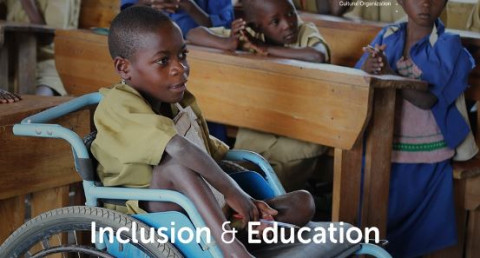 The 2020 GEM Report on inclusion and education launches soon. Take part! 2020-06-15 The 2020 GEM Report on inclusion and education, All means all, will be launched on the 23rd June. It calls on countries to concentrate on those being left behind and to move towards inclusion and education – a particularly poignant message for those now rebuilding their school systems after the arrival of Covid-19. With a shift to an online launch, we have many different activities for people to join, hoping to reach all our different audiences around the world. Please join us and help share our messages in the run up to launch day. Events: Please register for our online Global Launch Event on 23 June to hear from inclusion champions, ministers, teachers and celebrities whose stories and efforts go to the very heart of the theme of inclusion. Please register for a World Bank and GEM Report high-level dialogue on 25 June looking at the importance of partnering to ensure a focus on inclusion in education in the aftermath of the pandemic. ANY QUESTIONS ANSWERED – for academics Take part in a session designed for academics to have Your Questions Answered on the 2020 GEM Report in a written live online discussion on 29 June. The series will offer academics a direct line of communication with the GEM Report’s authors all day, who will respond to your questions and reactions to the Report’s new evidence, data and recommendations. It will be hosted on the GEM Report’s World Education Blog, with queries and answers posted as comments – and replies to comments – and public for all to see. To confirm your interest in taking part email gemreport@unesco.org. Join our Twitter Q&A with Ministers of Education The GEM Report have launched a Twitter Q&A on their policies on inclusion with ministers of education from sub-Saharan Africa. The first Ministers taking part in the campaign are @MatthewOPrempeh (Ghana) and @dsengeh (Sierra Leone) Tweet your question to the Minister you choose including @GEMReport and #AllmeansAll to take part. We will interview the ministers and share their responses to the questions you pose in a podcast series released later in the month. Find out about our social media activities: One Big Idea campaign: We have been calling for “One Big Idea” from youth between the ages of 15 – 35 on how to achieve an inclusive education system in the ten years left in the decade of action towards 2030. We will be announcing the best ideas at the end of the month on @GEMReport. Watch this space! Champions of inclusion: Don’t miss the stories of the ten global champions for inclusion nominated during our 2020 campaign and now being featured on our blog. Photo competition winners: Be sure to follow the Report on Instagram to see the winning images from the 2020 GEM Report photo competition. Sign-up campaign: Sign up here to receive your copy of the 2020 GEM Report as soon as it’s released. URL:https://gemreportunesco.wordpress.com/2020/06/11/the-2020-gem-report-on-inclusion-and-education-launches-soon-take-part/
 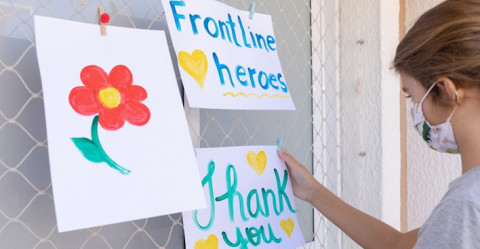 The socio-cultural implications of COVID-19 2020-06-15 Professor Fethi Mansouri, UNESCO Chairholder for Cultural Diversity and Social Justice at Deakin University, Melbourne (Australia) and UNITWIN Convenor for Inter-religious Dialogue and Intercultural Understanding, shares his views on the socio-cultural implications of COVID-19. Worldwide, the COVID-19 response has been largely premised on physical distancing, though this has, unfortunately, been discursively referred to in formal and informal discourse as social distancing. There is a big difference between the two concepts, with physical distancing not necessarily precluding social connectedness, whereas social distancing unavoidably presumes disconnectedness. But for physical distancing not to also engender social distancing and inter-personal disconnectedness, certain societal conditions need to be met and made available indiscriminately. These include, first and foremost, access to basic infrastructure such as shelter, internet and basic everyday living needs. Sadly, across the world, and even within some developed societies, this has not always been the case. Entrenched social inequalities and economic marginalization have resulted in large proportions of the world’s populations being deprived of the most basic of human needs, let alone the capacity to be physically distant while at the same time socially connected and adequately supported to meet living needs. The problem of social and economic inequalities are amplifying the challenge of managing the rapid spread of COVID-19 globally, but what has also emerged is the systematic racism, particularly against people of Asian background, in Western émigré societies. Indeed, there is plenty of anecdotal evidence of racist attacks in many countries. This is not altogether a new phenomenon; a significant existing body of evidence shows that at times of crises – be they economic, environmental, security or health-related – minority groups are often made scapegoats and are subjected to racist, exclusionary, often violent discourses and practices. COVID-19 is already showing us a variety of patterns of racism aimed at Asian people ranging from cyber bullying to physical attacks, racist trolling, and a variety of xenophobic conspiracy theories that have been articulated not only by ordinary citizens but also some politicians and world leaders. None of this serves the intercultural dialogue agenda, with its emphasis on cross-cultural contact, mutual understanding, respectful engagement and inter-communal solidarity. Yet, perhaps one of the main paradoxes of this pandemic is that the challenges of physical distancing and disruption to the normal service provision systems has meant that solidarity, both local and transnational, has also come to the fore of our collective responses. Indeed, we have seen many creative community-led practices emerge in response to COVID-19 lockdowns that reflect the core principles of intercultural dialogue. These range from the emergence of real-world examples, such as citizens of New York, Paris and many other cities gathering nightly to applaud healthcare workers, to online intra-community solidarity, where local neighborhoods work together to ensure that the most vulnerable, the elderly and the less well-off are also supported and cared for. During a time when fewer social services are being delivered, and often not in the traditional mode that many recipients are accustomed to, acts of altruism and care are being reported on a daily basis – from individuals and communities in local neighborhoods delivering shopping to the needy, to checking in on elderly neighbours and others in need of support. It is true that citizenship has emerged as the main marker of belonging. However, as governments tighten border controls and close airports, many groups within civil society have been working hard to advocate for and demand rights and protections for non-citizens, especially asylum seekers and temporary workers. Internationally, and in terms of relations between nation states, transnational solidarity has become at once a victim of COVID-19 and a key component in the global collective response strategy. Indeed, initially at least, transnational solidarity was sacrificed in the rush to contain, suppress and hopefully eliminate COVID-19. This was the case across many countries that hastily moved to shut their borders to non-citizens, stop international student mobility, shut down airports and all but stop international trade and tourism. These are all measures that represent a significant blow to globalization and its reliance on free movement of services, people and goods. It is equally a blow to the guiding principles of intercultural dialogue, which require deliberative engagement on issues of mutual concerns, including border crossings and exchange of those goods and services that affect the lives and livelihoods of individuals across borders. But the current COVID-19 situation also offers us hope for new ways of forming and sustaining solidarity across cultural backgrounds, faith traditions, political systems and geographic borders. This new, more positive transnational solidarity was showcased in the form of intercultural, transnational ‘medical diplomacy’, where countries have been sending doctors, paramedics, medicines and medical equipment across borders to those countries hit most severely by the pandemic and that lacked certain medical expertise and supplies. The examples of Cuba, China and India are good cases in point, where doctors, medicines and medical equipment have been respectively used to engage in this new form of transnational solidary at a time of acute health crisis. This form of transnational engagement highlights the deeply intersected nature of our globalized world and the extent to which it is not only intimately hyper-connected but, more critically, irreversibly inter-dependent. Our post-COVID-19 world order must heed the lessons of this pandemic as it reconfigures international relations, intercultural engagement and transnational solidarity in ways that will ensure we are better able to deal with future crises when they happen again. The outbreak of the coronavirus in Wuhan, China, and its rapid spread across the world, exemplifies this inter-dependence and highlights the urgent need for more collaboration across medical, technological, economic, environmental and social fields in order to ensure the safety and wellbeing of all global citizens irrespective of geography, ethnicity, religion or level of domestic economic development. What pandemics such as COVID-19 are exposing is that the global community will only be as capable of containing highly infectious viruses as the public health system of its least developed nations will be supported. Eliminating the current health threat, as well as other global threats, requires not less but more transnational solidarity, more intercultural dialogue and more equitable capacity-building around the aspirational Sustainable Development Goals. Transnational solidarity and intercultural dialogue are not only worth pursuing for their utopian, cosmopolitan and ethical tendencies, but also for their practical, critical and transformational roles in ensuring the safety, wellbeing and sustainability of the entire global community. *** Professor Fethi Mansouri, PhD, is Director of the Alfred Deakin Institute for Citizenship and Globalization at the Deakin University in Melbourne, Australia. He is the UNESCO Chairholder for Cultural Diversity and Social Justice, and UNESCO UniTwin Convenor for Inter-religious Dialogue and Intercultural Understanding (IDIU). Email: fethi.mansouri@deakin.edu.auFethi Mansouri | Alfred Deakin Institute | UNESCO Chair Cultural Diversity and Social Justice Recent Books:(2019), ‘Contesting the Theological Foundations of Islamism and Violent Extremism’.(2019, 2nd edition in French): ‘L'interculturalisme à la croisée des chemins: perspectives comparatives sur les concepts, les politiques et les pratiques’. UNESCO Publishing, Paris. * ICD = Intercultural Dialogue *** The ideas and opinions expressed in this article are those of the author and do not necessarily reflect the views of UNESCO. The designations used in this publication and the presentation of the data contained therein do not imply the expression of any opinion on the part of UNESCO concerning the legal status of countries, territories, cities or areas or their authorities, or concerning the layout of their borders or boundaries. URL:https://en.unesco.org/news/socio-cultural-implications-covid-19
 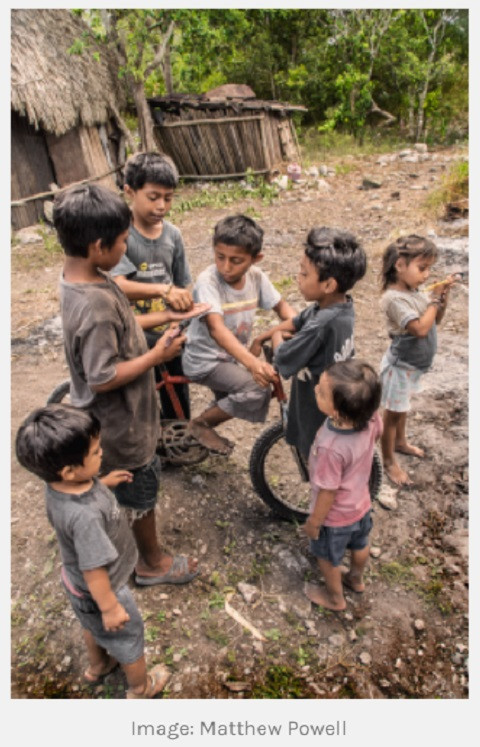 COVID-19 pandemic and indigenous and non-indigenous students in Mexico 2020-06-13 By Enrique Valencia López Throughout the pandemic, indigenous communities have emphasised that remote learning strategies should not solely rely on online access to provide educational services. Otherwise, existing inequalities between indigenous and non-indigenous students may exacerbate as many indigenous households are in rural areas with limited internet connectivity. Access to effective remote distance learning platforms is not the only concern; countries with strong cultural diversity, as in Mexico, should also aim for these services to be culturally and linguistically pertinent. Indigenous peoples have limited access and inadequate infrastructure for distance learning Since the arrival of COVID-19, Mexico’s Ministry of Education (SEP) has launched a comprehensive remote learning platform that integrates TV, radio, internet, and mobile applications—Aprende en Casa. While Aprende en Casa has reached many children and teenagers during the lockdown period, indigenous students may fail to fully benefit from it. First, there is the question of access. Data from the 2018 National Household Survey (ENIGH) shows that there is a considerable digital divide between indigenous and non-indigenous children, with one in five indigenous children aged 3 to 17 years lacking either access to electricity, television, or internet at home. Alternatively, online resources are available by mobile connection. But a report from Mexico’s Communication agency (IFT) shows that while 64% of indigenous localities have access to a network (2G, 3G, and 4G), less than 40% of them are in a 4G network area, which is important for downloading large amounts of data, making video calls, and reproducing online videos. IFT also notes disparities within indigenous populations: 65% of Mayan people have access to a 4G network, while that is the case for only 18% of the Huichol people. More recently, SEP has broadcasted radio programs in an attempt to reach the most isolated indigenous communities, but even then, approximately 10% of school-aged indigenous children have reported that they do not listen to the radio or did not have access to the physical apparatus at home. Distance education is rarely translated into minority languages or delivered as individualised learning Beyond access, strategies for distance learning should also look at the pertinence of each medium of instruction for different linguistic and cultural backgrounds. In terms of Aprende en Casa, there seems to be an urban-rural divide. While in rural areas the government’s main concern has been to increase access to linguistically appropriate content, in urban areas, where more students can download, watch or tune in to any platform, many of these services are predominantly in Spanish. Not enough time has passed to know if this strategy is effective. In rural areas, the government has provided limited airtime to lessons in 15 indigenous languages in 18 community radio stations. Classes have also been broadcasted at night. However, it is unclear the extent to which these lessons are used for at-home learning in indigenous households. In semi-urban and urban areas, more indigenous children have reliable access to TV and internet, but their level of fluency in Spanish or that of their parents is unknown. Whichever way you look at it, benefiting from online services should not be a matter of whether indigenous students speak Spanish or not. Mexico has long ago recognised that indigenous languages are as important as Spanish, which means that all children have the right to be taught in their mother tongue, regardless of where they live. While it may not be possible to translate all distance learning resources into indigenous languages quickly, the government and civil society must continue ensuring that materials, beyond textbooks, are available in languages other than Spanish, even after children return to school. Otherwise, more indigenous individuals may decide to abandon their tongue in favour of Spanish. They may feel that preserving their language will put them at a disadvantage or increase their cost of accessing fundamental services. Dropout is another challenge schools may face over this time. Research has shown that perceived irrelevance of curricular contents or boredom may contribute to student disengagement, which has consistently predicted school dropout. Such situation, when combined with the potential loss of income due to the lockdown, may force indigenous parents – many of whom work in sectors economically vulnerable to the pandemic – to send their children to work instead of keeping them at school. Working with teachers to respond in the short and long term Besides being accessible and pertinent, remote learning also has to be effective, particularly for indigenous children and those from disadvantaged backgrounds. Evidence from China and India suggests that it is possible to use computer-assisted and remote learning programs to improve student learning. However, many of these interventions were designed as complementary to in-school instruction and were never meant to substitute traditional teaching and learning methods, as is now happening. While we do not know yet how effective online distance learning can be as a substitute, we do know that teachers and students can provide valuable input in the design, implementation, and evaluation of Mexico’s remote learning strategy. The government should aim to allow and act upon that input. For example, teachers working with indigenous communities could give feedback on the extent to which each community could work with a specific type of distance learning component and find appropriate ways to conduct follow-up with students. Other teachers can provide feedback to the online platform of Aprende en Casa in terms of accessibility, engagement, and curricular alignment. To make sure we can maximise distance learning strategies for indigenous students, governments will need to systematically consult and empower indigenous teachers and students and listen to their voices in how these platforms can better work for them. URL:https://gemreportunesco.wordpress.com/2020/06/12/covid-19-pandemic-and-indigenous-and-non-indigenous-students-in-mexico/
  Support to deliver quality and equitable education in Uganda 2020-06-12 The COVID-19 pandemic has led to a world-wide closure of learning institutions affecting over 1.5 billion learners and 63 million teachers globally. This has led countries to look for alternative forms of delivering education so that that learning continues. The option of distance education using traditional mass media platforms like radio and TV and online teaching and learning platforms to reach the large number of learners compelled to stay at home, are being used in varying degrees. In Uganda, the closure of educational institutions on 18 March 2020 has disrupted learning for over 15 million students and 548,000 teachers. The Ministry of Education and Sports consequently developed a COVID-19 Education response plan which among others, supports continuity of learning through multiple solutions – eLearning, printed self-study packs, radio and TV broadcasts and social media platforms. As schools are unlikely to open soon, there is need to discuss widely how the COVID-19 Education response plan can better be supported and implemented. In order to support countries in the continuity of learning both during and post-COVID-19 periods, UNESCO had mobilised UN agencies, technology partners, continental/regional organizations, NGOs/CSO to accompany countries which have now moved to country level engagement with government, UN Resident Coordinator and other education stakeholders. In Uganda, the country-level engagement meeting took place on 6th May 2020, bringing together participants from government, UN System, Local Education Group, technology partners and other Development Partners. Ms. Ann Therese Ndong Jatta, Director of UNESCO Regional Office for Eastern Africa, Nairobi, under-scored the promise of the development community to “Leave No One Behind” in the 2030 development agenda. She commended the partners for ensuring that learning must not stop. The lockdowns should not mean the minds are also locked. -- Ms. Ann Therese Ndong Jatta, Director of UNESCO Regional Office for Eastern Africa Other stakeholders that participated included the UN Resident Coordinator, Rosa Malango; UNICEF Country Representative, Doreen Mulenga; Secretary-General Uganda National Commission for UNESCO (UNATCOM), Rosie Agoi; Director Basic and Secondary Education; Zhan Tao, Director of UNESCO IITE; Alexander Brecx, Belgian Embassy & Chair of Education Development Partners in Uganda. The UN Resident Coordinator, Rosa Malango, appreciated UNESCO, and reaffirmed commitment of her office to support the regional Initiative to drive the agenda for Continued Learning during COVID-19 situation. She highlighted the open space offered by the government of Uganda that has enabled a coordinated response and support during COVID-19 pandemic period. She informed the meeting of the UN flash appeal in Uganda which provides for inclusion of the most vulnerable people to access services, including learning. She thanked UNESCO for the coordination and leadership in guiding the new way of learning and working. Ms. Rosie Agoi, the Secretary-General of UNATCOM, appreciated the Ministry and the Education partners for supporting COVID-19 National Response plan. She highlighted the need to improve on the education data for planning and decision making. She further re-echoed the need to ensure that the response plan covers all sub-sectors of education. Some of the partners expressed interest in providing support while others shared information on solutions that are available to support the country using digital tools, online content and free online courses, among others. The meeting agreed to strengthen and work through the already existing structures to support Ministry of Education and Sports Task Force. URL:https://en.unesco.org/news/support-deliver-quality-and-equitable-education-uganda
  Media and information literacy against racial discrimination: Experts speak 2020-06-12 Information transmitted through people, media, technological platforms, and books influences the way different cultures, religions and ethnic groups are perceived. Stereotypes and preconceived images of others are derivatives of the process. A critical understanding of the functions of digital, media, and information systems is therefore indispensable in countering prejudice and discrimination, and promoting tolerance, social inclusion, and dialogue. While many people get accustomed to a highly digitalized daily routine, various forms of racism burgeon in online spaces. They often take shape in disinformation and hate speech targeting diverse population segments. The root causes are intricate. Whereas, the lack of critical thinking about information, media content, and purposeful use of technology as a key factor is evident. UNESCO fosters media and information literate societies, which can contribute to enabling people to acquire this critical understanding and necessary skills to identify and counter discriminations in all forms in information and media content - online or offline. The UNESCO Media and Information Literacy Policy and Strategy Guidelines highlight cultural and linguistic diversity as central development framework to foster media and information literate societies for human solidarity. The UNESCO MIL Massive Open Online Course (MOOC) also includes a module about intercultural dialogue that addresses stereotypical representation of people based on cultures, race, religion, ethnicity, and gender. Article 1 of the Universal Declaration of Human Rights Article 1 of the Universal Declaration of Human Rights reminds us that, “All human beings are born free and equal in dignity and rights. They are endowed with reason and conscience and should act towards one another in a spirit of brotherhood.” It is this reasoning and conscience that the acquisition of media and information literacy competencies can stir in all peoples.Against this backdrop, UNESCO caught up with several media and information literacy (MIL) experts in a series of short interviews, who shared their personal experiences and insights concerning MIL and anti-racism.Below are the first two interviews in the series: Dr Maha Bashri (USA), Associate Professor of Communication at United Arab Emirates University, and Olunifesi Suraj (Nigeria), Senior Lecturer from the University of Lago. Interview 1: Dr Maha Bashri, Associate Professor of Communication at United Arab Emirates University UNESCO: Dr Bashri, you are a woman and a MIL expert/practitioner. How do you think MIL is relevant to tackle racial discrimination? Maha Bashri: Racism stems from engrained biases that are upheld by institutional structures. MIL tackles information and how different audiences synthesize it. MIL programs should play a role in educating and raising awareness about systemic racism in society. There are many tactics that can employed to this- for example school and higher education curricula that incorporate the importance of diversification in media representations. UNESCO: Have you had a personal experience of racial discrimination? Maha Bashri: As a black woman the question should not be if I have had a personal experience but how I have learned to cope with microaggressions and racial discrimination in my life. To answer the question, it’s an experience I live all the time- more so in certain societies. UNESCO: How did you respond to the experience? Maha Bashri: The rational approach is to try take the higher road but not before pointing out the discrimination. However, there are situations when having a rational discourse with the perpetrator is not possible. For example, when power dynamics are not in my favor and I cannot initiate such discourse I am unable to point it out - e.g. a traffic stop by the police. UNESCO: How would you characterize incidents of racial discrimination? Maha Bashri: Racial discrimination exists not only in the United States (my country) but globally. The US is now in the court of public opinion because of what audiences are watching play out as a direct consequence of recent events. However, racism is everywhere around the world. It’s not only the US that is guilty of it. As a black woman I can attest (from my personal experiences) that microaggressions as well as explicit racism continue to be directed at people of color globally. UNESCO: Do you know how MIL is being applied in your country address these challenges? Maha Bashri: I am not aware of MIL programs utilized in the US (on a large scale) to address the challenges. I believe there is definitely room to do so. But most importantly, it has to be ensured that those who suffer from the consequences of racism have a voice in how these MIL programs/approaches are designed and implemented. Interview 2: Olunifesi Suraj (Nigeria), Senior Lecturer from the University of Lago UNESCO: Dr Suraj, you are a MIL expert/practitioner. How do you think MIL is relevant to tackle racial discrimination? Olunifesi Suraj: Racial Discrimination is a cultural stigma which appeal to some people sensibility. Media plays a role in amplifying this unfortunate social disorder. Ignorantly, some people promote it and often, media also is culpable in amplifying the cultural stereotype. Media and information literacy is needed to understand the underlying ideology and the intended purpose behind racial discrimination. Media and information literacy will empower people to challenge the media stereotype and question the ideology behind racism. It will make people to go beyond the racial message to revealing the identity of people behind the information they are consuming. In this regard, they will be empowered to provide a counter-narratives that can counter the racist ideology. UNESCO: Have you had a personal experience of racial discrimination? Olunifesi Suraj: I have never experience racial discrimination, but I have heard people complain about it. I have equally read it in the media. I have read and seen blacks discriminated against in parts of Asia which went viral. I have equally read about Xenophobic attacks of other black nationals in South Africa. Apartheid issues in South Africa where majority blacks were discriminated against by minority whites are also well documented. UNESCO: How did you respond to the experience? Olunifesi Suraj: Like I said I have not been a victim of racism but where it has happened, we have seen violent reaction which has resulted in killings and arson. Some have equally reported it to the authorities concerned. Some have publicly complained and set up demonstrations. UNESCO: How would you characterize incidents of racial discrimination? Olunifesi Suraj: In Nigeria, there are about 250 ethnic tribes and three major tribes. Hence, ethnic discrimination is a common place. The consequences are inter-ethnic rivalry, nepotism, lopsided appointment which favour the tribe in power, unnecessary favouritism which have divided the country along ethnic bias. It has made the political arena highly unstable with far reaching consequences. UNESCO: Do you know how MIL is being applied in your country address these challenges? Olunifesi Suraj: We have been trying to stress intercultural dialogue and intercultural sensitivity. The need to recognize identity of differences and intercultural tolerance is crucial. Media and information literacy for journalists and media practitioners to moderate speech and media content has been on the front burner. Besides, through UNESCO Regional Office in Nairobi, association of media practitioners, relevant government ministries, academics, NGO and civil associations known as Media and Information Literacy Coalition of Nigeria (MILCON) has been formed to address racial and ethnic discrimination. Follow our website for others in the series MIL Experts Speak. Disclaimer: The ideas and opinions expressed in these interviews are those of the experts Maha Bashri and Olunifesi Suraj; they are not necessarily those of UNESCO and do not commit the Organization. The interviews were conducted by Alton Grizzle, UNESCO Programme Specialist in Media and Information Literacy. URL:https://en.unesco.org/news/media-and-information-literacy-against-racial-discrimination-experts-speak
 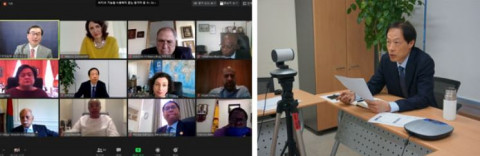 Launch of the UNESCO GCED Group of Friends to combat hatred and discrimination exacerbated by COVID-19 Pandemic 2020-06-12 On 26 May 2020, the Group of Friends for Solidarity and Inclusion with Global Citizenship Education (GCED) was launched and held its first meeting virtually with the participation of about 110 representatives of UNESCO Member States and relevant organizations. The group was launched in line with the global community’s effort to find collective solutions to fight against hatred, discrimination, and stigmatization exacerbated by COVID-19 Pandemic, and to enhance global cooperation through GCED. Led by the Republic of Korea as the chair of the group, the meeting was participated by 11 UNESCO Member States including Armenia, Austria, Bangladesh, Colombia, Italy, Jordan, Kenya, Philippines, Serbia, and Senegal. Celebrating the launch of the Group of Friends, Director-General of UNESCO Mme Audrey Azoulay highlighted the importance of GCED, which promotes critical thinking, understanding each other, and empathy - the essential competencies to combat the messages of hate that divides our society. In the congratulatory message, Foreign Minister of the Republic of Korea Ms Kang Kyung-wha said how GCED plays a significant role as a psychological vaccine to defend ourselves from hatred and prejudice. Furthermore, she appreciated the contribution of APCEIU in disseminating and promoting GCED regionally and internationally. Mr Kim Dong Gi, Ambassador and the Permanent Delegate of the Republic of Korea to UNESCO, chaired the meeting and underlined that the Group of Friends upholds UNESCO’s ideas and values against misunderstanding and prejudice. GCED was presented as a useful tool to materialize the aim of the Group of Friends. He also pledged to cooperate with UNESCO and other educational institutions as an action-oriented group. In the light of UNESCO’s leading role of supporting SDG 4.7, Assistant Director-General for Education of UNESCO Ms Stefania Giannini highlighted the importance of APCEIU’s culture of disseminating GCED. Moreover, she reiterated that GCED is one of the ways for us to foster empathy and responsibility to face the newly emerging challenges. As part of the expert presentation session, Mr Lim Hyun Mook, Director of APCEIU, shared these thoughts with the topic of ‘COVID-19 Pandemic and GCED’. He underlined important lessons from COVID-19 for GCED and suggested future plans on how the Group of Friends could promote GCED. He stressed the urgent call to Member States for action and the willingness of APCEIU to support the process. Ms Vibeke Jensen, Director of the Division for Peace and Sustainable Development at UNESCO Headquarters, shared that while it is a reality that the immediate educational needs of countries and their urgent response are essential, GCED plays a vital role in long-term recovery. Mr Rilli Lappalainen, Founder and Chair of the Bridge 47 Network that focuses on working for GCED, emphasized the importance of investing to support global citizenship that will bring forth social transformation. While all the Member States mentioned the core value of GCED in the line of enhancing global solidarity, Ambassador of Serbia has mentioned how the APCEIU’s Capacity-Building initiatives supported its effort to educate Serbian education officials on GCED, which is now a necessity amidst the global pandemic. In a joint statement, the GCED Group of Friends has pledged to work as an open platform to combat hatred and discrimination through strengthening international cooperation with GCED. The outcomes of the launch meeting were decided to be shared during the next Executive Board Meetings of UNESCO to gather further support among Member States and to implement relevant action at different levels. (Photo Credit: ROK MOFA, APCEIU) URL:Launch of the UNESCO GCED Group of Friends to combat hatred and discrimination exacerbated by COVID-19 Pandemic > APCEIU News - APCEIU (unescoapceiu.org)
  COVID-19 highlights ‘life and death’ stakes for greater digital cooperation 2020-06-11 Managing the digital divide better, has become “a matter of life and death” for people unable to access essential healthcare information during the COVID-19 pandemic, the UN chief has told a virtual high-level meeting on rapid technological change. “Far from distracting us from the urgency of digital cooperation, COVID-19 is making it more important than ever, and demonstrating the interconnected nature of the challenges we face”, Secretary-General António Guterres informed Thursday’s “High-level Thematic Debate on the Impact of Rapid Technological Change on the Sustainable Development Goals (SDGs) and Targets”, taking place in the UN General Assembly. We cannot reap the full benefits of the digital age without the global cooperation needed to reduce its potential harms.The Roadmap for Digital Cooperation has concrete actions to connect, respect and protect people in the digital age. https://t.co/ms1qoZmYvv pic.twitter.com/84iaeqXQpJ— António Guterres (@antonioguterres) June 11, 2020 Noting that digital technology is central to almost every aspect of effective pandemic response – including vaccine research, online learning models, e-commerce, and work-from-home tools – he pointed out that the digital divide between those on and offline, is threatening to become “the new face of inequality”, reinforcing the social and economic disadvantages suffered by women and girls, people with disabilities and “minorities of all kinds”. Post-COVID roadmap Mr. Guterres told the meeting that we are only beginning to understand the social implications of a post-COVID world. “But one thing is certain”, he stated, “as we recover and rebuild, digital technology will be more prominent and important than ever”. The UN chief maintained that those without access will be left further behind and referenced a 2018 report of the High-level Panel on Digital Cooperation concerning the optimization of technology, while mitigating its potential downsides. He announced that its recommendations to close the digital divide, including growing human and institutional capacity for today’s digital age; upholding human rights in digital contexts; building cyber trust and security; and agreeing on a new global architecture for digital cooperation; were all a part of the UN’s Roadmap for Digital Cooperation, which was also launched on Thursday. “We cannot reap the full benefits of the digital age without mobilizing global cooperation to close digital gaps and reduce potential harms”, upheld the Secretary-General. Stressing the urgent need for “global vision and leadership”, Mr. Guterres said that the roadmap calls on everyone to take concrete action together to “connect, respect and protect people in the digital age”. “Future generations will judge whether we seize the opportunities of this unprecedented moment”, he concluded. SDGs hang in balance Opening the General Assembly meeting, President of the world body, Tijjani Muhammad-Bande, acknowledged that the COVID-19 pandemic has forced everyone to “change the way we work, teach and learn; even the way we mourn and heal”. According to Mr. Muhammad-Bande, the digital divide is not only about how inequalities to access exist, but also about how rapid technological change may actually widen those disparities. “Educational opportunities may be lost by lack of awareness and high cost of connectivity”, he elaborated, adding that digital literacy, “already a defining feature of this century”, will determine how societies deal with future challenges, from human rights to the climate crisis (SDG13) – encompassing a sweeping range of SDGs. The Assembly president said, “the need to eradicate poverty [SDG1], end hunger [SDG2] and achieve quality education for all [SDG4] is more urgent than ever.” Against this backdrop, he maintained that it is the responsibility of the international community to make sure that “rapid technological changes, including their economic, social and ethical impacts, are taken into account and responded to”. Women too The Assembly President also underscored the need to step up the pace to remove barriers to women’s and girl’s full participation in the digital world (SDG5), reiterating that “limited access to quality education, and affordability, as well as cultural norms, still prevent many from entering such fields”. And pointing out that 2020 marks the beginning of the Decade of Action and Delivery on the SDGs, he said, “we must be mindful not to lose sight of the commitments we have made to achieve the 2030 Agenda for Sustainable Development”. “We must make sure that we harness the promise of emerging technologies towards accelerating the achievement of the SDGs”, concluded the Assembly chief. URL:https://news.un.org/en/story/2020/06/1066132
  Eleven theses for a counter-isolation pedagogy 2020-06-11 By the Pansophia Project: María Eugenia Arias, Mayra Botta, Delfina Campetella, María Laura Carrasco, Cristina Carriego, Agustina Lenzi, Mariano Narodowski, Emiliano Pereiro and Gustavo Romero In these confusing and uncertain times due to forced homeschooling, authors from the Pansophia Project propose that we pause and reflect on this new reality before deciding on the best way to move forward to preserve key educational gains. Eleven theses on pedagogy are presented here to provide food for thought as we navigate the current COVID-19 pandemic. 1. Digital culture can breed a false sense of security If COVID-19 had been unleashed just 20 years ago, even the most fortunate of us would have had to rely on radios, cable TV, dial-up internet access and flip cell phones. No digital platforms, social networks, video calls and no streaming services were yet available. What would have happened to schooling? We would have had to accept that months of education would be lost, while we planned for the return of children to their classrooms. Today’s digital culture could lull us into thinking that we are going to lose less or lose nothing at all. After all, we have mobilized technology to keep schooling going, right? But in fact, maybe we need to pause and reflect as we design a counter-isolation pedagogy for today and for similar shocks in the future. 2. Pedagogy is the opposite of isolation Modern pedagogy aims to educate as many children and young people in the best possible way: in school. Pedagogy is, therefore, the opposite of isolation. Its tools rely on an encounter between teacher and student in a school – a non-transferable and unique encounter that is structured around knowledge. 3. A house is not a school Houses are nothing like schools. A school is a complex organization led by specialized teachers who earn their wages from their work. Schools are spaces where students must go to learn a body of knowledge common to them all. They are state-regulated and, mostly, state-funded. Schools are part of the public sphere, and an integral part of what unites us as a community. Schools may even provide the care, control and affection that may be missing at home. Even so, nobody is paid to be part of a household, and households themselves are only ‘regulated’ in extreme circumstances, such as during quarantine. 4. Confinement isn’t ‘normal’ Learning at home does not mirror learning in a classroom. Faced with a lockdown, our initial response was focused on performance and efficiency. Initial bewilderment became hyperactivity and then exhaustion as we tried to impose a sense of ‘normalcy’ on a situation that was anything but. No one was prepared for such an abrupt change: most schools lacked the technological capacity and few parents were prepared to teach their children fulltime, in a formal manner and by themselves. The image of a home equipped with the materials and resources of a school has been accurate for only a tiny fraction of the world’s households – if that. 5. Lockdown deepens inequalities that schools have not been able to resolve Schools provide the greatest potential for equity in human history: populations that were excluded from knowledge for millennia now have access to learning. Yet schools have failed to reach everyone and the access to knowledge they provide is not immune to broader processes of segregation and inequality. These inequalities are not erased by lockdown: they just become deeper. Available data shows that a lack of internet connection and technology leaves most students worldwide unable to ‘virtualize.’ And those who have connectivity may find it hard to interact with their teachers via cell phone. While some resources for distance learning are available for free, socioeconomic conditions reinforce existing disparities – for many, even free resources are unattainable. And of course, the economic impact of lockdown harms children and teenagers from the most vulnerable groups, whose health and food deficits have increased, reducing their chances of continuing their education. The social distribution of technology will remain unfair as long as network access remains limited to teach and learn. And something that has been denied will become only too clear: students do not abandon schools but schools abandon students when we do not give them a realistic alternative. 6. Remote teaching is not equal to moving the school to the teacher’s house. Remote teaching means relying on information and communication technologies (ICTs), and adapting the teacher’s work implies a profound transformation. The means change, but so does the nature of the education itself, which abandons face-to-face interaction, is provided remotely and requires major modifications. Structured and planned remote teaching usually requires changes in content and even the actors involved, with greater reliance on the support of tutors or counselors to monitor each student. In theory, it demands careful, systematic and predictable design and planning. That, in turn, typically entails time-consuming preparation of specific materials from didactic guides to evaluation tools and the division of teaching functions into different roles, such as content specialists and virtual design experts who are paid specifically for the design of remote classrooms and lessons. In lockdown, however, the opposite is happening: teachers add all the different roles required for remote teaching to their school responsibilities – and all for the same price. The rapid and immediate virtualization of teaching carries a high cost, and teachers, parents and learners pay for it. Rather than a systematic approach to remote learning, what we have is a kind of emergency remote schooling. That is not enough. 7. Technology is an aid, not a solution There is a belief that for every problem there is probably a technological solution. This technological solutionism is foolish when it fails to answer the biggest question: can technology solve the educational issues posed by lockdown? It is clear that the technology at home is no substitute for the technology that is available in some schools. But just as important as the technical limitations are the didactic limitations: re-opening the debate between the defenders of traditional schools and the ‘techno-fundamentalists’ who advocate for the replacement of school technology with artificial intelligence. This fascination with technology is an obstacle if we expect it to achieve the same results as schools during lockdown. Better to move forward with tools that foster innovation, making sure that all teachers and families have devices and connectivity. 8. Create educational continuity in other ways It is time to adapt our expectations to the new reality, allowing ourselves more flexibility, and selecting content, activities, care, quantities and qualities in a smart and measured way. Schools resolved the challenges of catering for students of different ages and educational levels two centuries ago. But without schools, the solutions – classrooms, breaks, timetables and tests – become illusions. And the younger the student, the greater their reliance on adults and the lower their chances of learning without depending on a school. Trying to replicate a school schedule during lockdown is also unlikely to succeed. Some teachers use more complex platforms and could impose a schedule similar to the one in school if families have the economic, housing, technological and cultural conditions to go along with it – i.e. the smallest and richest sector of the population. Perhaps lockdown entails testing options that will enhance the educational experience once it ends. But even in the best-case scenario, there is no certainty that the digital model will work as well as the school model. 9. Go back to basics – time to prioritize Social isolation forces us to detach ourselves from the school timetable and re-think teaching: what are we going to do and how are we going to do it once we reject the idea of doing for the sake of doing? Prioritizing content and experience seems less ambitious, yet more realistic than trying to force continuity for something that is no longer there. Prioritizing means building relevant criteria for disciplines, contents and knowledge, but also for the bond with and among students. Prioritization criteria should be the foundation for every decision and should be filtered by the question: why? The schoolteacher is only one type of teacher, and maybe this forced exile encourages us to question the meaning of what we do. Perhaps the first priority should be dealing with the socio-emotional situation of our students and of ourselves: the context cannot be ignored, and pedagogical continuity requires ongoing reflection from teachers that cannot be paused due to confinement. Prioritizing is the bedrock of building a counter-isolation pedagogy. It means establishing deep feelings that connect us through knowledge and encounters that, while remote and mediated, allow us to reconstruct the pedagogical relationship that is missing. 10. Build a flexible, realistic and pansophic project Perceiving the sound of a person’s voice, their writing and even their image on a screen, but without experiencing the actual presence and gaze of the other is a challenge. This pretense that things are somehow the same must give way to a realistic approach that allows the continuation of educating in the context of lockdown. We lack a play book for this – not because governments, international organizations, and specialists have become silent, but because nobody has instructions to give. Once again, no one taught the teachers, and teachers themselves are having to figure it out. Acknowledging uncertainty is the first step to avoid hyperactivity that rings hollow or the anguished “nothing can be done” paralysis. Moving forward, it is essential to map out the situation, creating a realistic diagram of the contingency of social isolation conditions that can adapt to the variations that we are facing. It needs to be pansophic enough – in other words, an approach that ensures that all human knowledge is equally accessible to all human beings, despite socio-economic and other such barriers – to enable a counter-isolation pedagogy through which we can maintain opening the paths of education for ourselves and others, even during lockdown. 11. When experience is not enough, we need to draw on the present There are no magic recipes for the new. Counter-isolation pedagogy needs to consider everything that needs to be thought about and done, but not just anything. Having no prior experience with confinement and school closures on this massive global scale, we need to draw and reflect on the lessons we are learning now as we navigate the challenges in the present. After all, education itself is the possibility of thought. And thought is the virus we all need to catch. URL:http://uis.unesco.org/en/blog/eleven-theses-counter-isolation-pedagogy
  It is the time for nature: World Environment Day 2020 2020-06-10 Prepared for deliveryInger Andersen, Under-Secretary-General of the United Nations and Executive Director of the UN Environment Programme World Environment Day is a day of celebration. It is a day upon which, for over forty years, people the world over have advocated and acted for a healthy environment. From beach clean-ups to mass tree-planting to marches, individuals, communities and governments have come out to stand shoulder-to-shoulder for our planet. This year, we cannot take to the beaches, forests and streets. We must stay at home, keep our distance and mark World Environment Day virtually. This is because we all stand in solidarity with those suffering from the global pandemic. We need to protect the sick, the poor and the vulnerable from the worst ravages of this disease. In particular, our thoughts are with the Americas, where the pandemic is now hitting hard. I pay tribute to Colombia, this year’s World Environment Day host nation, for making this event happen, and to the many thousands of advocates honouring this day with their own virtual events during these difficult times. While these online celebrations are a tribute to human commitment and ingenuity, the fact that we have to do it this way means something is terribly wrong with human stewardship of the Earth. This virus is not bad luck, or a one-off event that nobody could see coming. It is an entirely predictable result of humanity’s destruction of nature – which will cause far greater suffering if left unchecked. Humanity’s unhealthy relationship with nature The science does not lie. We can tell much of the story of the damage our species has wrought with a few facts. Humanity has altered 75 per cent of the Earth’s ice-free surface. Since 1990, 420 million hectares of forest, equal to three times the size of South Africa, have been lost. Nearly one million species face extinction, while the illegal wildlife trade is the fourth largest illegal trade crime in the world. COVID-19, which was transmitted from animals to humans, is a direct warning that nature can take no more. COVID-19 is zoonotic, a type of disease that transmits between animals and humans. We are facing it in large part because humanity’s expansion into wild spaces and exploitation of species brings people into closer contact with wildlife. COVID-19 may be one of the worst, but it is not the first. 75 per cent of all emerging infectious diseases are of zoonotic. origins. Ebola, SARS, the Zika virus and bird flu all spread from animals to people, often due to human encroachment on nature. But zoonotic illnesses are not the only warning sign that the degradation of nature is threatening health, peace and prosperity. As ecosystems and biodiversity fall to cities, agriculture, infrastructure, climate change and pollution, nature’s ability to provide food, oxygen, clean water and climate regulation plummets. This directly impacts human health and wealth. Meanwhile, the climate emergency has not gone away. CO2 levels in the atmosphere hit an all-time high in early May. In April, the World Meteorological Organization said temperatures have increased 1.1 degrees centigrade above pre-industrial levels. We are seeing the consequences in bushfires, acidifying oceans and locust invasions – which could push millions of people in East Africa into hunger. And while greenhouse gas emissions may dip this year because of lockdowns, we should not celebrate. Think of the atmosphere as a bathtub, and emissions as the water that flows from the tap. We have only turned down the tap slightly. The tub is still filling. This means, as Joseph Stiglitz and other luminaries recently said, we face going out of the COVID frying pan into the climate fire. COVID-19 recovery packages can spark change So, lockdowns are not a silver lining for the environment. They have, however, shown that nature can still flourish, if we give it the chance. During the lockdowns, we saw air pollution clear and nature coming out of hiding – from penguins wandering the streets of Cape Town to kangaroos bouncing through Adelaide. This gives us a glimpse into how much better our lives could be if we lived in harmony with nature. But we need to make this happen in a way that lasts. Now is not the time to set aside environmental laws and norms in the name of recovery, as we have seen done in some places. We need to strengthen environmental protection to build back better. We have the opportunity to do just that. Governments have already invested trillions of dollars to stabilize our economies and protect the most vulnerable. They will invest trillions more to restart our economies. These funds should be aligned with pro-nature growth in line with the Sustainable Development Goals, the Paris Agreement and the upcoming global framework on biodiversity. These agreements form the only viable global roadmap to protecting the natural world that sustains us and lifting billions of people out of poverty. But what does this actually mean? It means investments and policies that focus on investments in “nature’s infrastructure” for climate regulation: our wetlands, forests, mangroves and more besides. Keeping wild spaces wild, stopping deforestation and restoring degraded land to protect biodiversity, boost food production and store carbon. Making agriculture biodiversity positive. Integrating natural infrastructure with built infrastructure to reduce climate impacts and bring biodiversity back. Backing sustainable production and consumption to conserve the planet’s resources. Ending fossil fuel subsidies and making renewable energy the future. Retrofitting our built infrastructure to be more energy efficient. Investing in public transport expansion and bicycle paths. These are all smart investments. COVID-19 has killed hundreds of thousands of people and shrunk the global economy by trillions of dollars. Climate change, pollution and biodiversity carry price tags that are heftier and longer lasting. But if we make the right investments, we don’t just avoid future damage. We make everyone’s lives better. COVID-19 has hammered home that addressing inequality is one of humanity’s biggest pieces of unfinished business. The World Bank estimates that COVID-19 is likely to cause the first increase in global poverty since 1998. We cannot afford to delay environmental action, as it is the poorest and most vulnerable that will suffer the most. Time for nature This is why we say it’s time for nature. If anyone needs further convincing, perhaps it is useful to highlight some numbers that show what nature already gives us, and how much more it could give if we treat it with the respect it deserves. Around half of global GDP depends on nature. Our oceans and forests sustain billions of people and provide green jobs – 86 million green jobs from forests alone. Four billion people rely primarily on natural medicines. Natural climate solutions – such as afforestation and using greenery to cool our cities and buildings – can provide around one-third of the emissions reductions needed to meet the goals of the Paris Agreement. Nature is of even greater significance in Colombia and the wider Latin American region, home to the Amazon and so much more. 6 countries in the region are considered megadiverse: Brazil, Colombia, Ecuador, Mexico, Peru and Venezuela. The economic value of terrestrial nature’s contributions to people in the Americas is estimated at USD 24.3 trillion per year. The world’s top biodiversity body, IPBES, estimates that restoring degraded lands in Latin American and the Caribbean could bring USD 23 billion in economic benefits in the next 50 years. These benefits are in clear and present danger. But Colombia and other nations are aware of this. They are acting. Colombia adopted national strategies on the circular economy, electric mobility and low-carbon development. The National Council to Combat Deforestation and other Environmental Crimes, established in 2019, reported a reduction of about 50 per cent in some of the deforestation hotspots during the last quarter of 2019. At the World Economic Forum in January, President Duque announced Colombia’s target to plant 180 million trees by August 2022. In Latin America and the Caribbean, 24 per cent of land is designated as protected, as opposed to the global average of 15.2 per cent. But we all have to do a lot more, including my organization.Working in partnership: the role of UNEP Everything UNEP does is geared towards creating a healthy natural world that will support human health, peace and prosperity for generations to come. When UNEP publishes science to help governments design and implement the right policies, it is for nature. When UNEP provides technical advice on issues as diverse as ecosystem fragmentation, circularity, and food waste, it is for nature. When UNEP works through its network of global multilateral agreements – the glue that binds the international community together on environmental action – it is for nature. When UNEP collaborates with the private sector to encourage banks, businesses and investors to shift their investments towards sustainability, it is for nature. When UNEP creates partnerships and coalitions across the UN system, governments, the private sector and civil society to accelerate action on climate change, sustainable consumption and production, biodiversity loss and pollution, it is for nature. Everything UNEP does is in partnership. This is because the world is too big and interconnected for anybody to go it alone in the face of the environmental problems challenging our species. Isolationism and short-termism will help no one in the long run. Countries cannot close their borders to climate change or biodiversity loss. Today, on World Environment Day, I call on all everyone to work together to protect the nature that supports us all. The stronger our planet’s life support systems are, the better human health and wealth will be. It is, without a doubt, time for nature. URL:https://www.unenvironment.org/news-and-stories/speech/it-time-nature-world-environment-day-2020