
News
Catch up on what’s happening in the world of global citizenship education.
1,668 results found
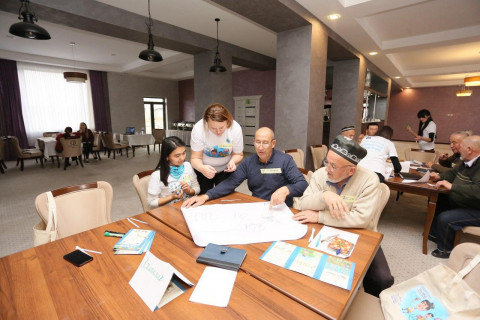 Developing the communication capacity of NGOs representatives in Uzbekistan 2020-05-21 On February 11-13, the representatives of 22 water and environmental NGOs from Andijan, Namangan and Fergana regions took part in a special meeting organized in Fergana by CAREC with the involvement of the State Committee on Ecology and Environmental Protection of Uzbekistan (Goskomekologiya). The Committee and CAREC presented plans to develop cooperation with NGOs in addressing environmental protection issues, and the public shared what socially-oriented eco-solutions are required in the Fergana Valley. Also, the capacity, conducted by specialists of NGO “Center for Development of Modern Journalism” within the EU-funded project UzWaterAware. The meeting with NGOs from the Fergana Valley was opened by Director of CAREC Branch Office in Uzbekistan Ms. Shakhnoza Umarova, who noted that such events, which create conditions for dialogue between public sector and government agencies, international and regional structures, have become an annual tradition of CAREC not only in Uzbekistan but also in other country offices. “CAREC has been cooperating with environmental NGOs since its foundation, and the schemes of this interaction have changed depending on the opportunities, priorities of donors, and the availability of projects supporting NGOs as a target group,” said Shakhnoza Umarova. “But what is important, it was possible to change the qualitative component of such cooperation in the process, to create conditions for the transition of NGOs from the role of seminar and training participants to that of experts, consultants, speakers, and facilitators. CAREC with great interest engages the expertise of NGOs in the implementation of specific activities under its major projects through subcontracts. In Uzbekistan, these are CAMP4ASB, Smart Waters and UzWaterAware projects funded by the World Bank, USAID and the European Union. For example, within the national project UzWaterAware, funded by the European Union, we work with 17 different public organizations of the country, implementing socially-oriented activities with their support and participation, creating information products aimed at raising public awareness.” Shakhnoza Umarova noted that CAREC would continue the existing practice of cooperation with NGOs, as well as would create new conditions for strengthening the interaction of NGOs with government agencies and media. “This meeting in Fergana was very informative and I am sure it will bring results by joining forces with the public sector. NGOs have demonstrated active citizenship, especially in water and environmental issues, and it is clear that they are in close contact with the population. It is important for us to meet, listen to their opinions on topical issues, as well as talk about the plans of the State Committee for Environmental Protection of Uzbekistan, defining the vector of common efforts. The dialogue took place and NGOs identified topics and problems important to their region. We are grateful to our permanent partner CAREC for organizing such events, where state agencies and NGOs have the opportunity to meet at one venue,” mentioned Ms. Irina Mirzaeva, the head of press service of Goskomekologiya. It should be noted that the meeting with NGOs and the two-day training in Fergana were held at the request of representatives of the Association “For Environmentally Clean Fergana”, who previously applied to CAREC Branch Office following one of the training seminars of the UzWaterAware project and asked to organize a similar event in the Fergana Valley. The project responded with great interest to this proposal, taking into account the great contribution of the public sector in addressing socially important issues. “Our organization is the coordinator of all NGOs in the Fergana Valley. And I know that the representatives of NGOs here are constantly trying to learn something new and strive for development, so I suggested holding a training in Fergana, organized by CAREC in November 2019 in Tashkent province, as the knowledge and materials obtained from this training were successfully used by us in subsequent events,” shared Mr. Ibragim Domuladjanov, the head of Association “For Environmentally Clean Fergana”. “Special thanks to CAREC for organizing a meeting with representatives of the State Committee on Ecology and Environmental Protection of Uzbekistan as part of this field event, which brought together NGOs from Andijan, Namangan and Fergana regions. All NGOs had the opportunity to ask questions, share plans, make suggestions to the responsible environmental committee and exchange direct contacts.” The training “Developing the communication capacity of NGOs” was conducted by experienced specialists of the NGO “The Center for Development of Modern Journalism”, which was involved by CAREC within the UzWaterAware project. Ms. Saida Sulaimanova, Ms. Lola Islamova, and Ms. Daria Osmanova spent two days explaining to NGO representatives what techniques and channels of effective communication should be used, how to interact with journalists and a wide audience, as well as familiarizing participants with modern methods of disseminating socially-oriented information. After the training participants shared their feedback on the event. Kobuljon Tillaboev, the head of “Hillya Bulogi” Society, Pakhtaboysky District, Andijan region: “It was very interesting to learn about modern approaches in establishing relations with the population through information, social networks, messengers. This is worth using because time changes very quickly and if we want to be heard, we should have these modern communication tools. Both the meeting and the training were very informative. I was interested to learn about the plans of the Goskomekologiya, to tell about our plans in these areas, and also, for example, to hear about such a concept as “environmental hygiene”. It was a pleasure to talk these days with representatives of other NGOs and young people from our large Fergana Valley, to exchange contacts with them for further communication, and to share practical experience.” Zhamoliddin Ergashev, “Baimok-Damobod Obi Hayoti” NGO, Chust District, Namangan region: “The main task of our organization is to provide the population with clean drinking water. I would like to note that the training allowed us to understand how to solve problematic issues in practice by consistently building a dialogue with the population and representatives of various organizations. The coaches managed to provide all the information in an accessible language.” Nurbek Pulatov, “Tarakkiyot” Population Development Support Centre, Fergana region: “During the meeting and training, we were able to establish closer contact with CAREC and representatives of Goskomekologiya. I hope we will actively cooperate with them and implement projects that are currently actual for rural areas. For example, problems with the construction of eco-toilets in areas where there is no sewerage management and water supply system. The meeting also addressed the problem of interaction between NGOs themselves. This event allowed to gather NGOs from different parts of the Fergana Valley and created new opportunities to strengthen their cooperation both with each other and with Goskomekologiya. I am sure that all participants, having received here certain experience, will actively apply it in the activity and train colleagues on the ground.” The UzWaterAware project is implemented by CAREC with the financial support of the European Union during the period 2016-2019. The overall objective of the project is to sensitise and generate a greater degree of awareness on the strategic importance of water saving, water conservation and environmental protection under the conditions of climate change. The project is funded by the European Union. URL:http://www.carececo.org/en/main/news/razvitie-kommunikatsionnogo-potentsiala-u-predstaviteley-nno-uzbekistana/
 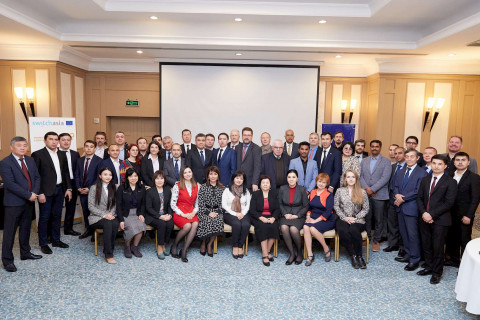 SWITCH-ASIA запуск проектов в Центральной Азии 2020-05-21 TASHKENT - 3-4 March 2020- SWITCH-ASIA Grants Launch in Central Asia, organized by the SWITCH-Asia SCP Facility and the European Union Delegation to Uzbekistan took place. This event was dedicated to the extension of the second phase of SWITH-Asia to the Central Asia through starting 7 projects in Kazakhstan, Kyrgyzstan, Tajikistan and Turkmenistan. Ambassador Eduards Stiprais, Head of the EU Delegation to the Republic of Uzbekistan highlighted the importance of the SWITCH-Asia programme, recently expanded to Central Asia, in further supporting the country’s ongoing work and achievements, in particular in the context of the European Green Deal: «The European Green Deal puts a strong emphasis on supporting the transition to clean energy in line with a more ambitious climate policy». Newly awarded beneficiaries - implementing organizations introduced projects, which will promote environmentally friendly technologies, behavior change of consumers, better policy dialogue, etc. to promote sustainable consumption and production in the areas of tourism, textile and leather, and agri-food. The consortia of 7 organizations from Austria, Germany, India, Kazakhstan, Tajikistan and Uzbekistan will implement the project: “Resource Efficiency in Agri-food Production and Processing (REAP)” in the Republics of Uzbekistan and Tajikistan. The consortia includes the following members: the Regional Environmental Centre for Central Asia, the Chamber of Commerce and Industry of Uzbekistan, the National Association of Small and Medium Business of Tajikistan, Adelphi Research gGmbH, Austria Recycling, STENUM Asia Sustainable Development Society and TERI - The Energy and Resources Institute. The project will promote the resource-efficiency in the agri-food production and processing industries along the entire supply chain, thus creating an enabling environment through clusters and incentives. The project will increase the efficiency of water use, reduce food losses, decrease energy and resource inefficiency and enhance the competitiveness of small and media agro-enterprises in Uzbekistan and Tajikistan. URL:https://carececo.org/en/main/news/switch-asia-zapusk-proektov-v-tsentralnoy-azii-/
 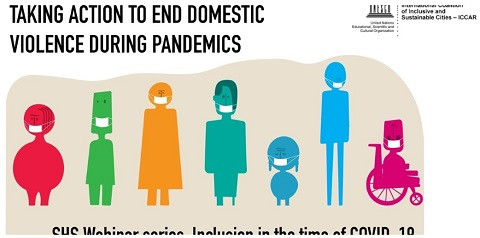 Taking action to end domestic violence during pandemics 2020-05-21 Pandemics have different impacts on women and men, girls and boys and non-binary people, among different socio-economic classes and age groups. Violence, harassment and oppression against women and girls during every type of emergency tend to increase. In view of the current situation, UNESCO organized an online conference entitled “Taking action to end domestic violence during pandemics” on 19 May 2020, which gathered global leaders and experts from national authorities, civil society organizations and the Multilateral system. Ms Saniye Gülser Corat, UNESCO’s Director for Gender Equality, opened the debate presenting the existing data on domestic violence which appears to be “scarce, yet worrisome”. Several reports suggest that there is an increase of up to 35% in domestic violence as a result of confinement measures to prevent the spread of the disease. Due to the difficulty in asking for help in the current circumstances, the magnitude of the phenomenon could be even greater. Ms Corat recalled that domestic violence is not only a women’s issue. A holistic approach to gender equality is vital to ensure a safe and empowered future for all women and girls. UNESCO was indeed among the first UN agencies to envisage a strong participation of men and boys in this field, since an expert group meeting was convened on this matter by the Organization in 1997 in Oslo, Norway. At UNESCO, we also consider the specific issues affecting the LGBTI population with regards to different forms of violence. Ms Corat introduced the other speakers and passed the floor to H.E. Ms Elena Bonetti, Minister for Equal Opportunities and Family of the Republic of Italy, who shared some actions that the Government of Italy has been taking to ensure women’s safety during and after this new pandemic that has seriously affected the country. COVID-19 has not only impacted the world’s health and economic systems but has also shifted life paradigms. According to the Minister, it is time to implement actions aimed at ensuring that women become key actors of this new paradigm where gender equality is the main pillar. To do so, it is vital that they have the necessary skills to be involved in the work force at all levels, including in leadership and decision-making positions. Through targeted campaigns, the Minister implemented specific measures to make sure that women know how and where to they seek help if they feel unsafe at their place. One of such campaigns is named “Libera puoi” (a free woman can), and it is aimed at providing women with financial stability so that they have the means to escape from violent homes. Nine years ago, in May 2011, the Council of Europe was opening for signature the Convention on preventing and combating violence against women and domestic violence, better known as the Istanbul Convention, a landmark for human rights. Ms Snežana Samardžić-Marković, Director General of Democracy at the Council of Europe, was a speaker at the online conference too. During her intervention, she shed light on new concerns this pandemic has brought in relation to domestic violence and other forms of violence against women and girls, such as the exposure to control of the perpetrators, women’s further isolation from face to face support, as well as disruptions of existing support services. Some examples of the actions taken by the governing bodies of the Convention include a statement by GREVIO to uphold the Parties’ standards during the COVID-19 pandemic, and a declaration by the Committee of the Parties asking countries to support and protect survivors from further acts of violence by ensuring the function of support services and access to information. Ms Samardžić-Marković also called on stakeholders to pay special attention to groups that are exposed to greater risk, such as migrant women, women with disabilities, sex workers, elderly women and women from minority groups. Asylum seeking women should be provided with access to information and resources, as support services for women without resident permit is extremely limited in some countries. Following her presentation, Mr Humberto Carolo, Executive Director of the White Ribbon (Canada) shared with the participants a different perspective: how men and boys can become allies in eliminating gender-based violence. By playing a dominant role at home, men too often have control over family lives. Violent behaviors are on the rise during economic crises, especially when jobs are lost. Changing men’s mindsets is vital to address this situation. Using social marketing campaigns could be an effective means to present healthy and non-violent ways that men can use to address personal issues. Mr Carolo further explained how the entire community, starting from neighbors and family members, can play an important role in preventing violence against women and girls. Mr Carolo called upon men to speak up against all forms of gender-based violence, and to be strong allies in the fight against domestic violence which is one of its worst forms. Ms Ângela Melo, Director, SHS Policies and Programmes at UNESCO gave some concluding remarks. She thanked the speakers and highlighted the importance of extending international efforts to uphold basic human rights and of collecting sex-disaggregated data to better understand this phenomenon. She further recalled that this conference was part of a series of dialogues organized by the Social and Human Sciences sector titled “Inclusion in the time of COVID-19”. A lively debate took place between the speakers and around 150 people that attended the online meeting. URL:https://en.unesco.org/news/taking-action-end-domestic-violence-during-pandemics
  UNESCO Organizes a Webinar on Opportunities, Challenges and Best Practices in the Development of Distance Education Resources for Museums in Eastern Africa 2020-05-20 On 14 May 2020, UNESCO IICBA and UNESCO Regional Office for Eastern Africa co-organized a webinar on “The Opportunities, Challenges and Best Practices in the Development of Distance Education Resources for Museums in Eastern Africa”. The webinar discussed how to support museums in East Africa, to develop distance learning education resources and programmes which are adapted to country contexts, and take into consideration low-tech environments, equity/inclusive education, and gender perspectives. In attendance, there were over 75 participants including museum directors, education experts, teachers, development partners and UNESCO colleagues across the world. Ms. Karalyn Monteil, Regional Advisor for Culture of UNESCO Regional Office for Eastern Africa moderated the webinar. From IICBA, Dr. Binyam Sisay, Programme Officer of IICBA, Teacher Education and Curriculum Development, demonstrated the benefits of museums for teachers, as well as opportunities for and challenges to developing distance education programmes for museums and teachers in the region. The webinar was concluded with closing remarks by Dr. Yumiko Yokozeki, Director of IICBA, in which she expressed her gratitude for the informative and inspiring webinar, and her enthusiasm for much-needed collaboration between schools and museums. The webinar opened our eyes to the amount of material available virtually at museums all around the world. Teachers and learners can make use of these resources during the school closure. IICBA and UNESCO Regional office for Eastern Africa will continue the information exchange and discussions. Link to the UNESCO Regional Office for Eastern Africa web news on the webinar:https://en.unesco.org/news/unesco-webinar-explores-ways-strengthen-distance-education-eastern-african-museums Recording of the Webinar URL:http://www.iicba.unesco.org/node/389
 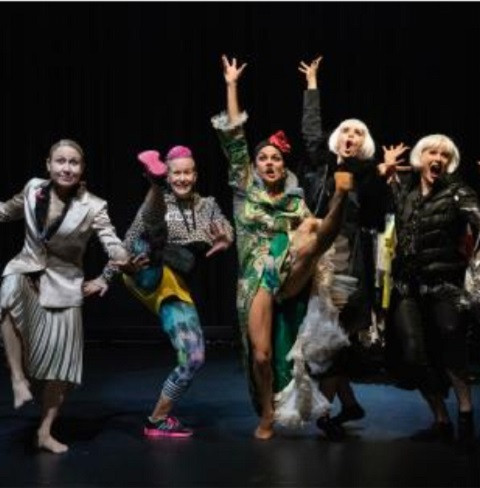 Innovation Stories: Empress' New Clothes project from Finland 2020-05-20 By Pro Ethical Trade Finland and Marek Kakaščík Art has the potential to raise complex issues even with young audiences. A collaboration between an NGO and a dance company used a contemporary dance performance to talk to primary school kids about the consumption and sustainability of textiles. Fast fashion is quickly becoming one of the most severe threats to sustainable development. It is a significant contributor to climate change – it produces roughly 10% of the world's carbon emissions, is the second-largest consumer of the world's water supply and pollutes nature's ecosystems with chemicals and microplastics. In Finland, consumers spend less money in fashion than before, but the quantity of clothes sold is on the increase. Given that vigorous marketing and global consumer trends reach everyone at a very young age, there is an urgent need for innovative methods to discuss the issues related to the production and usage of textiles with children. In Finland, the current basic education curriculum encourages such topics and methods. However, the feedback from teachers is that many don't have the expertise and resources for them. Art is a powerful tool to communicate complex issues to children There is plenty of evidence for the benefits of art education. In addition to the apparent benefits of art education at school, it can, for example, increase the sense of belonging in the classroom and lead to increased interactive skills and empathy in children. Dance, in particular, is currently not accessible to all children – studies have shown that there is a vast discrepancy in accessibility to dance art based on family background. A Finnish contemporary dance group, Willman Dance Company, creates original contemporary dance pieces that focus on the central questions of humanity. Their children's production "The Empress' New Clothes" marries the method and theme: it concentrates on the sustainability of fashion and how it shapes social interaction in children and youth through social media. The dance production is accompanied by a photo exhibition that visualises the journey of the costumes used in the production – skillfully designed and upcycled from second-hand materials. Topics related to sustainability are extremely timely in schools. Pro Ethical Trade Finland (PETF) is one of the non-governmental actors in Finland that promote awareness on human rights issues in the production chains of consumer products and sustainable consumption in general, for example, through organising workshops and teaching materials for schools. With the expertise from PETF, a workshop concept was developed for schools: the dance production could be brought into the classroom via video, and the children could dive deep into the theme in a workshop. Bringing arts and critical thinking into the classroom The Covid-19 pandemic meant adapting the original plans of running face-to-face workshops into remote learning. Thanks to the lengthy closure of schools, the students were already familiar with different online tools, and the teachers were excited to pilot a new workshop provided by an educator from an expert NGO. PETF educator and the class teacher embraced the challenge. They co-created teaching material that includes the dance performance in video format, video lessons with the exhibition photos, exercises based on exploratory learning, as well as a teacher's guide for running the workshop. A narrative style suited for young ages is repeated throughout the exhibition as dialogue and questions in speech bubbles. Extra time spent on planning paid off: the feedback was excellent. A creative, positive take on complex development issues through exploratory learning and personal experiences made the topic more accessible and interesting. For example, in the exercises, the children were asked to examine the materials of their favourite clothes, mark production countries on an interactive map, and interview their relatives about changes in consumption. According to the feedback from the children, the combination of professional art (dance and photography) and teaching videos was enjoyable, and the exercises were concrete enough for them to tackle even remotely. The class teacher and the dance company considered the workshop as a great way for children to learn both facts and values needed in "thinking green" and making a positive impact in general. As recorded lessons are publicly available, the workshop can now be distributed even more widely than initially planned. The pilot shows that performing arts, such as dance, can and should be used in teaching - both live and in video format. URL:https://www.bridge47.org/blog/05/2020/innovation-stories-empress-new-clothes-project-finland
 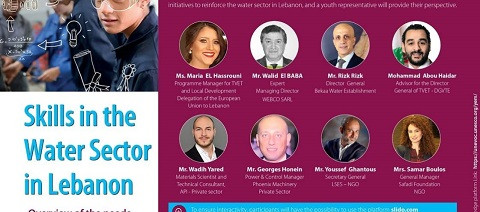 اليونسكو تنظم ندوة عبر الانترنت حول "المهارات المطلوبة في قطاع المياه في لبنان: لمحة عامة عن الاحتياجات بعد كوفيد-19" 2020-05-20 In the first months of 2020, the outbreak of COVID-19 pandemic has created significant challenges for governments worldwide. And while the response to the pandemic has been multifaceted, Healthcare and Education were among the top priorities of governments' responses. Lebanon, like most of the Arab countries, faces significant socio-economic challenges such as a high unemployment rate, particularly among youth, leading many young people to feel frustrated and disengaged. The COVID-19 crisis is expected to exacerbate economic challenges in countries affected by the pandemic, leading to more unemployment among the youth. Against this backdrop, and in the context of the Youth Employment in the Mediterranean Project (YEM)[1], UNESCO Beirut organized on 12 May 2020 a national webinar on “The Skills in the Water Sector in Lebanon: Overview of the needs after COVID – 19”. The webinar, which was attended by 60 participants representing the public and private sector in Lebanon, as well as youth organizations, aimed at exploring the value chain of the Water sector in Lebanon, the occupations, jobs and skills needed in this sector, as well as at allowing the youth to share their concerns. The webinar was attended by high-level personalities, including Ms Maria El Hassrouni, Programme Manager for TVET and Local Development at the Delegation of the European Union to Lebanon; Mr Rizk Rizk, Director General of the Bekaa Water Establishment; Dr Mohammad Abou Haidar, Advisor for the Director General of TVET at the Ministry of Education and Higher Education. The event started with the welcome remarks by Mr Oussama Ghneim, Team leader of YEM project, who highlighted the three components of the project, and shed light on the importance of anticipating skills in the Curriculum development in TVET. Then, Mr Salim Shehadeh, UNESCO Beirut’s Programme Specialist for TVET, made a speech in which he highlighted that “employment and employability, especially for young people, is a common priority for the YEM countries”. He explained that technological change, globalization and demographic changes have an impact on labour markets and education and training systems, and that there is broad consensus on the importance of anticipating labour market needs in order to match the skills taught in the education system with the skills needed in the labour market. Mr Shehadeh said that after COVID-19, an opportunity presents itself to TVET providers in the Water sector to develop strategies, establish partnerships with the private sector, review the curricula, train the teachers, coach and monitor the implementation of different activities and programs, hence the relevance of the webinar organized by UNESCO. In her turn, Ms El Hassrouni assured that the European Union supports TVET in Lebanon through a variety of initiatives and programmes, including the YEM Project. She highlighted that the Delegation of the European Union to Lebanon is committed to supporting the Water sector in Lebanon and mentioned that the European Union spent 100 million EUR to this end. The European Union is planning to support the operations of the water establishments with a specific response package of approximately EUR 10 million in the future to ensure that service levels will be guaranteed during Covid-19 as the Water sector is key for reducing the transmission of the virus. Then, Dr Abou Haidar praised UNESCO for organizing this timely webinar, given that the water sector can provide solutions to the ongoing COVID-19 crisis. Abou Haidar stressed on the need for a better understanding of the occupations and skills needed in the water sector, and spoke of the commitment of the Directorate General for TVET to work with all public and private stakeholders to develop and strengthen the TVET sector in Lebanon. This was followed by a series of presentations. Mr Walid El Baba, Managing Director at WEBCO SARL, presented an overview of the value chain and occupations in the water sector in Lebanon. Mr El Baba highlighted that SDG6 stipulates that “safe and affordable drinking water for all by 2030 requires to invest in adequate infrastructure, provide sanitation facilities and encourage hygiene”. Stating that “It is time to put more efforts and investment in our human resources mainly in skilled technicians for a clean water system”, he said that the following skills are needed in the Water sector: “Plumbers, welders for steel and plastic pipes, fitters for special jointing like grooved for big pipes diameters, electricians (for motors, contactors, relays etc..), electronic technicians for control, automation, instrumentation and chemical technicians for water analysis, chemical dosing products etc..”. Then Mr Rizk, Director General of the Bekaa Water Establishment, presented an overview of the impact of the COVID-19 crisis on the water sector. He explained that “the COVID-19 crisis led to a change in work modalities in the water sector: when we adopted remote working, we discovered the need for new skills and specializations”. Mr Rizk mentioned that the sector needs specialists who master the following tools and technologies: Water Balance, the GIS system, SWMS and SCADA systems. He also stated that specialists are needed to develop and manage the Call Center of the Bekaa Water Establishment, and the e-payment modalities. Mr Wadih Yared, Materials Scientist and Technical Consultant at API, spoke of the challenges in terms of skills needed from the point of view of the private sector. After a brief introduction of API’s profile and vision for the future, Mr Yared presented Lebanese manufacturing capabilities in the area of Water and highlighted potential employment opportunities. He stressed on the importance of sound scientific knowledge in the field of plastics processing and on the role and importance of operators, engineers and installers. Mr Yared insisted on the need for a well-trained and educated workforce, while stressing the importance of self-awareness and respect for the world around us as key factors for both success and survival in this delicate environment we live in. Mr Georges Honein, Power & Control Manager at Phoenix Machinery, gave an overview of the Water Management System and the occupations and skills needed. He explained that: “ Water supply represents a vital problem for people, and this imposes the need to know the information regarding consumptions, resources and production. This implies a continuous supervision of the water supply process in order to allow any problem that could appear to be solved, and in the same time, to maintain normal functioning parameters”. Mr Honein added: “Proper solutions imply automation and monitoring architectures which contain: a supervision and control system for the real time installation, programmable logic controllers with Wireless feature communication and dedicated field devices as level, pressure and water quality sensors, power meter, drives and safety equipment. The informatics systems present the possibility of analyzing, processing, storing and retrieving the data, leading to an optimum functioning and reducing the operation costs. In this way, the automated system monitor and control the technological parameters in the water distribution stations, which will allow the optimum functioning of the pumping system, safety and endurance growth in the equipment and efficient energy usage”. Mr Youssef Ghantous, Secretary General of LSES NGO, presented the work of a youth NGO. Mr Ghantous said: “Water and energy are related in many aspects. Both are resources that are dwindling with the unplanned behavior of the humans. Energy is important for water availability and water can be the source of energy. On the other hand, if well planned they can be both a source of sustainable development and can provide employment opportunities for the youth if the proper capacity building is provided for them”. He added that: “LSES focuses on advocating the use of Renewable Energy and Sustainability in Lebanon. It has been involved in many projects that combine sustainability with job creation in the energy and water sectors such as solar pumping and solar water heating.” Mr Ghantous stated that “there are still many opportunities to develop youth knowledge in these areas, and cooperation and coordination are required among all local and international stakeholders to achieve this objective”. Lastly, Mrs Samar Boulos, General Manager at Safadi Foundation, gave an overview of the youth’s understanding of the water sector in Lebanon based on an online rapid assessment conducted by Safadi Foundation and aimed at studying the skills needed in this sector and looking at the point of view of youth regarding the water sector projects and job opportunities in Lebanon. Mrs Boulos presented the findings of this assessment as follows: “In general the youth have limited understanding and knowledge of the sector since most of them assumed that the Lebanese government is the one responsible of the sector exclusively and that despite the abundance of water residents are still paying to get water services. 65% of youth are aware of some implemented projects in Lebanon under the water sector, while 76% of youth considered that the water sector is open to creating job opportunities, however, their perception of needed skills in this sector revealed a limited knowledge of the sector, whilst 70% of youth expressed their interest in working in the water sector.” Mrs Boulos said that the Safadi Foundation as a highly experienced TVET provider, recommends the following: “Promoting Green TVET and training youth on new and emerging operating technologies; developing a demand-driven curriculum; conducting awareness-raising activities regarding the water industry; building networking including among students, trainers, and employers; and developing a learning environment by providing new technologies”. The presentations were followed by an interactive and lively discussion between participants who shared their concerns and spoke of the challenges the water sector faces. [1] The YEM Project is a 36-month regional project funded by the European Union and implemented by UNESCO over the period of 2018-2020, with an overall objective to support national authorities, the private sector, TVET providers and youth organizations in the South Mediterranean region in understanding and anticipating labour market changes with a view to inform the design, implementation and evaluation of relevant TVET policies, strategies and programmes, aimed at increasing youth employment and entrepreneurship. URL:https://en.unesco.org/news/skills-water-sector-lebanon-overview-needs-after-covid-19#_ftnref1
  UNESCO and INEE organize a Webinar on Ensuring Inclusive Education during COVID-19 2020-05-20 The COVID-19 outbreak has translated into a major education due to school closure and the interruption of regular education services. In the Arab region, where 13 million children and youth are already out-of-school due to conflict, an additional 100 million learners are now affected by school interruption. When it comes to learners with disabilities, the current coping measures to the COVID-19 pandemic such as school closures, confinement and social distancing have been compounding challenges in spite of exerted efforts to provide continued access to education for them. Against this backdrop, UNESCO Beirut and the Inter-Agency Network for Education in Emergencies (INEE) organized on 18 May 2020 a regional webinar on Inclusive Education during COVID-19 with particular focus on children and youth with disabilities in the region. This webinar aimed to share regional good practices on inclusive education since the COVID-19 outbreak; discuss the main concerns of vulnerable learners, especially children and youth with disabilities, during the COVID-19 crisis as well as the major challenges of practicing inclusive education; exchange expertise on how to ensure and promote ‘education for all’ in such specific times; and provide practical action plans for supporting inclusive education in the Arab region in response to the COVID-19 crisis. The webinar was attended by more than 80 participants who are INEE members, UNESCO partners, representatives of UN Agencies, of Ministries of Education in the MENA region, National Commissions, and practitioners including CSOs and NGOs working in the inclusive education field, academics and experts of inclusive education in the region. In his welcome words, Mr Aiman Qwaider, Arabic facilitator of INEE, spoke of the importance of ensuring equal education opportunities for all children because education is a human right. Qwaider mentioned that INEE developed a set of resources in 5 languages in order to ensure that education does not stop despite the COVID-19 outbreak and the closure of schools. Then, Dr Hegazi Idris, UNESCO Beirut’s Regional Programme Specialist for Basic Education, spoke of the challenges and opportunities in the field of inclusive education in the Arab states and the vision of UNESCO. "The issue of inclusive education is at the top of UNESCO's priorities, and our organization places inclusive education at the heart of all its programmes." -- Dr Hegazi Idris, UNESCO Beirut's Regional Programme Specialist for Basic Education Dr Idris added: "What is the state of inclusive education, especially when it comes to children with disabilities, in the Arab region? There is a disparity between countries in ensuring inclusive education, especially with regard to the inclusion of people with special needs. Some countries are very advanced in this field and others do not give sufficient importance to this topic." Dr Idris highlighted that: "There are several obstacles standing in the way of inclusive education in the region. The Arab region is subject to several conflicts which affect the education sector, and prevents people with disabilities from obtaining their right for education. Community awareness of the issue of inclusive education is still not enough. Also, the media sometimes plays a bad role. Despite all of this, it must be recognized that there has been progress during the past 15 years with regard to states’ awareness of the necessity of ensuring inclusive education and implementing sound policies to achieve this objective. ” Dr. Idris said that, “The COVID-19 pandemic has translated into a major education crisis. Children with disabilities are the most affected by this crisis due to their difficulty to access education. However, the current crisis provides us with an opportunity to rethink education and adapt it to meet the needs of people with disabilities.” He concluded by presenting some recommendations to countries, including: "The need to collect data on people with special needs and their enrollment in education, providing adaptable technological resources, enhancing networking and knowledge sharing, teachers’ training and capacity-building, and engaging the media, religious authorities, and civil society”. The webinar covered a wide range of topics. Dr. Nabil Eid, Director of Global ICT Accessibility and Inclusion at Ruh Global IMPACT, made a presentation about available Online Platforms to increase educational access for children and youth with disabilities. Dr. Alaa Sebeh, Regional Adviser on Disability - Inclusive Social Development Section/Social Development Division at ESCWA United Nations Economic and Social Commission for Western Asia , spoke of key considerations in MENA when it comes to inclusive education in the time of COVID-19. Dr. Hanan El-Kanash, Chief of teaching and learning division at UNRWA HQ Amman, presented UNRWA’s experience with inclusive education, and Dr. Khaled Abu Fidda, from Palestine’s Ministry of Education and Higher Education, presented a case study about inclusive education in the Gaza strip. The webinar was interactive and an open discussion followed with the participants about the challenges of inclusive education in the Arab states, and ways to advance it. URL:https://en.unesco.org/news/unesco-and-inee-organize-webinar-ensuring-inclusive-education-during-covid-19
  COVID-19 pandemic creates opportunities to strengthen public trust in media in South East Europe 2020-05-20 COVID-19 pandemic creates opportunities to strengthen public trust in media in South East Europe As the unprecedented pandemic of COVID-19 has been leading to a parallel infodemic, the past months indicated that people still strongly rely on traditional independent media to be informed with verified and accurate information in times of crisis. This is good news in a context where trust in media has been declining over the past decade across the world, including in South East Europe. UNESCO’s recent policy brief Journalism, Press Freedom and COVID-19, highlights how the pandemic boosted the audiences of major news organizations and how journalists have helped the general public in better understanding the pandemic, with trust in news media rating significantly higher than information received on social media. According to various surveys, the COVID-19 pandemic showed that social media is facing the biggest “trust gap”, with only a minority of persons considering this source to be trustworthy. In South East Europe and Turkey, press and media councils are currently taking stock of the effects of the pandemic on the media landscape and, indirectly, on trust in media. There are major worries over the economic impact of the crisis in particular the plummeting of advertising revenues for media outlets. However, in a region considered among the most vulnerable to the spread of disinformation, media councils highlight how news media have enabled access to reliable information on the pandemic vs. the disinformation shared on social media. A webinar on the “Impact of the Corona Crisis on Press Councils”, organized on 6 May 2020 together with 17 press councils belonging to the Alliance of Independent Press Councils in Europe, provided the opportunity to highlight media’s efforts to comply with the highest professional and ethical standards in crisis situation. Notwithstanding the efforts, several press councils reported several ethical breaches, notably concerning privacy issues and sensationalist coverage of the pandemic. Within the framework of the EU-funded UNESCO Project Building Trust in Media in South East Europe and Turkey – Phase 2, press councils from the region repeatedly called on media to avoid sensationalism when reporting on COVID-19, reminding them of their crucial role in responsibly and accurately informing the public through sharing specific guidance (such as a video Albanian Media Council). In parallel, self-regulatory mechanisms reached out to their audiences to remind them of their right to file complaints about unethical reporting. Few complaints have so far been handled by press and media councils in South East Europe. To further build trust in media, the Council of Media Ethics of Macedonia (CMEM) has now launched a competition to award professional coverage of the COVID-19 pandemic by journalists in North Macedonia. The Call for Best Journalistic Stories is open to all professional journalists and media having covered the health crisis in North Macedonia. Links Building Trust in Media in South East Europe and Turkey – Phase 2 UNESCO's Journalism Resource Centre of Response to COVID-19 Journalism, Press Freedom and COVID-19 World Trends in Freedom of Expression and Media Development URL:https://en.unesco.org/news/covid-19-pandemic-creates-opportunities-strengthen-public-trust-media-south-east-europe
 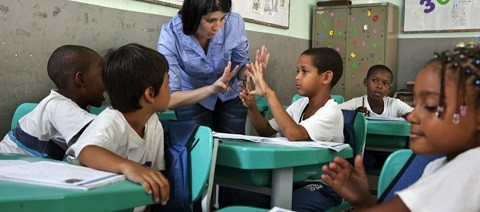 Call for applications and nominations for the 2020 UNESCO International Literacy Prizes 2020-05-20 UNESCO has now opened its call for applications and nominations for the 2020 UNESCO International Literacy Prizes. This year UNESCO will reward five individuals or organizations around the world for their outstanding projects that promote literacy within the theme ‘Teaching and learning literacy: the role of educators and changing pedagogies’. This year’s thematic focus is highlighting teachers who are at the frontline of delivering literacy learning, and their contribution to promoting youth and adult literacy, linked to target 4.6 of the Sustainable Development Goal on Education (SDG4), where literacy is perceived as a continuum developed throughout life. Since 1967, the UNESCO International Literacy Prizes have rewarded excellence and innovation in the field of literacy. Over 495 projects and programmes around the world have already received recognition and support for their excellent work. Who can apply and who can nominate? Governments, non-governmental organizations and individuals who promote literacy through projects and programmes are welcome to apply. All applications should be submitted to nominating entities, such as the National Commission for UNESCO in the country of the programme, or an NGO that is in an official partnership with UNESCO. Candidates can submit their applications through the online platform. Details about the application and nomination process are on the UNESCO International Literacy Prizes’ website. National Commissions and non-governmental organizations (NGOs) in official partnership with UNESCO are encouraged to nominate individuals, institutions and organizations who are making outstanding contributions to promoting literacy and who request a nomination. Deadline for candidates to submit applications to nominating entities: 28 June 2020 (midnight, Paris time). Deadline for nominating entities to submit their nominations to UNESCO: 12 July 2020 (midnight, Paris time). The nominations will be assessed by an independent International Jury, composed of five experts on the basis of the selection criteria. Based on the recommendations of the International Jury, the Director-General of UNESCO will select the finalists to be awarded at the occasion of International Literacy Day (8 September). About the Prizes Through two prestigious literacy Prizes, UNESCO supports effective literacy practices and encourages the promotion of dynamic literate societies to close the literacy gap of approximately 750 million of people. UNESCO distinguishes between two Literacy Prizes which are given to five laureates in total: The UNESCO King Sejong Literacy Prize (2 awards), was established in 1989 and is supported by the Government of the Republic of Korea. It gives special consideration to programmes that focus on the development and use of mother-tongue literacy education and training. The UNESCO Confucius Prize for Literacy (3 awards), was established in 2005, and is supported by the Government of the People’s Republic of China. This Prize recognizes programmes that promote literacy amongst adults in rural areas and out-of-school youth, particularly girls and women. Each prizewinner receives a medal, a diploma and US$20,000. Contact: literacyprizes@unesco.org(link sends e-mail) UNESCO International Literacy Prizes URL:https://en.unesco.org/news/call-applications-and-nominations-2020-unesco-international-literacy-prizes
  The Importance of Monitoring and Improving ICT Use in Education Post-Confinement 2020-05-18 By Silvia Montoya, Director, UNESCO Institute for Statistics; and Alexandre Barbosa, Head of the Regional Center for Studies on the Development of the Information Society, under the auspices of UNESCO, Brazil (Cetic.br). The global provision of schooling is facing unprecedented challenges as a result of the COVID-19 crisis. Within the span of a few months, 191 countries had closed their schools to deploy social distancing measures in accordance with the World Health Organisation (WHO) recommendations. More than 1.5 billion students from pre-primary to university-level have been affected by these closures, with classroom-based learning interrupted for indefinite periods of time. While some education systems, teachers, students and parents were somewhat prepared to adapt to existing distance learning programmes and platforms, millions were not. In the context of COVID-19 school closures, paper-based and digital distance education platforms have become essential to the continued provision of education for all. After more than a month of school closures across the world, many students are still struggling with remote learning. Global estimates suggest that 826 million students are without a household computer, 706 million lack internet access at home and another 56 million lack coverage by mobile 3G/4G networks. To better gauge the scope of the impact of school closures and of the ensuing national education responses, a survey of ministries of education developed jointly by UNESCO, UNICEF and the World Bank was recently launched to more accurately inform a collaborative global education response. Without adequate information and communication technology (ICT) devices, internet/mobile network access, educational resources and teachers’ training, students simply cannot partake in distance education to continue on their learning trajectories. At most risk of being left behind are students from resource-poor areas, remote rural areas and low-income households. In addition, learners with disabilities or those who use a different language in the home than in school will require more individualised support. Multiple delivery channels are an essential component to reach all children and youth during this pandemic. A recent UNICEF survey found that 68% of the 127 countries were using a combination of digital and non-digital delivery of remote education (i.e. TV, radio and take-home packages). Even before the COVID-19 related school closures, the use of radio, video and television for remote learning has proven to be strong components of well-designed numeracy, literacy and financial education programmes for children, youth and adults living in remote and rural communities. However, the implementation and reach of such programmes require the monitoring and support of trained educators. Distance learning also requires that school systems consider the needs of parents and guardians who have to step in to facilitate learning to ensure the pedagogical continuity of their children, especially for the children in earlier grades (Grades 1-3) who need more one-on-one support. The ability for parents and guardians to effectively facilitate home-based learning depends on a variety of interacting factors, including their education level, native language and time availability. Understanding parental digital literacy – which could be estimated from SDG 4 Indicator 4.4.1 that assesses ICT skills among youth and adults – is essential for targeting skill support and development for parents. Without ICT skills support for the adults in the home, children from families with poor digital literacy are likely to fall even further behind. Developing ICT skills to ensure education weathers the storm of future crises Reports of parents, teachers, communities and networks that have developed innovative and makeshift interventions, such as mobile-based Wi-Fi networks as well as on-demand content and textbooks available in clouds — to broaden digital capacities have certainly sparked optimism. However, these grassroots efforts largely serve as a short-term band-aid solution. Although they are inspiring, more fundamental developments to bolster access to and use of ICT are required – both at home and in schools, and especially for younger learners at the primary and secondary levels where gaps are largest. Hastily put-together remote teaching approaches have not proven to be optimal learning experiences and could be off-putting to some students. School closures such as those currently experienced by the more than 1.5 billion students worldwide are commonplace in some countries due to natural emergencies, conflict as well as budgetary or labour negotiations. Once schools reopen, building skills and support for distance education in schools so learners can continue learning in the home can help minimise learning interruptions as well as deter learners from leaving school early or dropping out in the event of future crises. In addition, there remains a possibility that the COVID-19 crisis and its ensuing confinement measures may not be short-lived as flare-ups of cases may spark future school closures in certain countries. As some countries begin to reopen their schools, they will need to select innovative remote teaching modalities that blend with face-to-face teaching to ensure that learners are better prepared for future school closures. Thus, given the importance of distance education in the current context and in anticipation of future crises, countries need to take responsibility for monitoring, facilitating and enabling access to ICT in schools as well as in the homes of all learners. Current measures of ICT availability fall short of capturing the needs in certain countries and regions as they fail to report on factors, such as the availability of electricity (grid- or solar based) and access to computers for pedagogical purposes, which are primary necessities. At a global level, these indicators are needed to monitor ICT use and detect national trends. However, they are not sufficiently detailed or policy-oriented to provide governments with adequate information to improve access to and use of ICT in education as well as sufficient information on teacher training and digital skills. For instance, counting the number of computers per school or per student poorly reflects the use of computers, which may in fact be minimal if these devices are locked in computer labs. Monitoring ICT use in schools to better inform education policies post-confinement Reliable data from school-based surveys can provide the quality ICT use data required to better inform education policy and practices, especially in developing countries. Capturing the complex set of factors involved will paint a more accurate picture of what is available and used by both students and teachers. This includes information, such as availability of digital infrastructure; internet connection speed; school activities in which teachers use ICT; training received by teachers to empower them to integrate ICT into their practices; strategies implemented by schools to develop digital skills; and perceptions by principals and teachers on ICT use in education and its barriers. Furthermore, the presence of qualified technical staff (e.g. technicians, librarians) is required to support the use of ICT in schools, including ensuring digital access and ICT learning among teachers. These indicators and more are proposed in the Practical Guide to Implement Surveys on ICT Use in Primary and Secondary Schools – a joint publication by the UIS and Cetic.br (Regional Center for Studies on the Development of the Information Society). The guide discusses the relevance of survey data on ICT use in schools to inform policymaking and underscores the need for robust data to understand factors that determine equal access to and use of technologies by the teachers, principals, students and their families. The guide serves as an especially useful reference for government agencies, school authorities and other stakeholders looking to measure ICT access and use in education as it outlines the methodology and steps required to conduct a successful survey (i.e. planning, fieldwork, data processing, reporting and dissemination). This comprehensive document also examines the practical aspects of developing school-based surveys explicitly related to ICT and includes methodological datasheets for 26 core and optional indicators. As some countries begin to reopen their schools, promoting equity in ICT access and use will continue to be an important factor to consider when addressing educational challenges for disadvantaged schools and learners from vulnerable households. In addition, the availability of computers, tablets, mobile phones and other potential learning devices, along with the provision of internet access in the home, will ultimately determine which children will be able to participate in distance learning and be more likely to complete their education in the event of future school closures. Bridging the digital divide at home and in schools Evidence indicates that there is a substantial ‘digital divide’ in access to ICT between countries. For example, according to estimates from the International Telecommunication Union (ITU), 21% of learners in Africa cannot be reached by 3G mobile networks. In terms of internet access, 82.2% of households in Africa lack access in the home (see Figure 1). To bridge the divide and encourage mobile-based education, and in addition to infrastructure investment, lowering the cost to consumers to gain access to online data needs to be considered as these are prohibitive in many countries. Source: International Telecommunication Union (ITU) Under Sustainable Development Goal (SDG) 4 to ensure inclusive and equitable education and promote life-long learning opportunities for all, governments have committed both to increase digital skills and expand ICT infrastructure in schools. To support distance education, schools will need to better equip learners with the skills to migrate onto these online learning platforms. Moreover, closing the ‘digital divide’ will require governments to invest in supporting learners in the early grades of school. In this endeavour, the first step is to map within and between countries where investment is most needed. This requires better measures of access to and use of digital technologies in schools. The latest UIS data for SDG Indicator 4.a.1 on the availability of electricity, computers and internet in schools for pedagogical purposes indicate that certain regions are behind in their capabilities to support learners. Although sub-Saharan Africa as well as Central and Southern Asia do not have sufficient data for this indicator in lower education levels, there is adequate data for upper-secondary schools. Only about one quarter of upper-secondary schools in sub-Saharan Africa and one-half in Central and Southern Asia are equipped with internet access (see Figure 2). Electricity – another necessity – is also not available equitably across regions and school levels. In sub-Saharan Africa, only 33.8% of primary schools have access to electricity while the same holds true for 57.2% of upper-secondary schools in the region. The situation is bleaker still in the Democratic Republic of the Congo where only 13.7% of upper-secondary schools have access to electricity. Source: UNESCO Institute for Statistics, SDG 4 Data Explorer (data for the latest available year used). Teacher training as part of the solution to closing the ICT skill gap As noted, beyond the provision of internet access and ICT equipment in education, there is also a need to support learners by building their ICT skills. But what about teachers? During this period of school closures, teachers require training in the use of distance learning platforms to ensure teaching and learning can continue. While some of the 63 million primary and secondary school teachers who were displaced by COVID-19-related school closures have managed to reach students with their existing set of skills and equipment, many have not received basic teacher training. It is therefore disconcerting that most teacher training programmes do not include the use of ICT in education to develop appropriate learning and teaching strategies. In sub-Saharan Africa, only 64% of primary and 50% of secondary teachers have received minimum training. Indicators recommended in the Practical Guide to Implement Surveys on ICT Use in Primary and Secondary Schools can point to specific areas in which teacher training needs to be reinforced to improve ICT skills. Use of ICTs for education during the COVID-19 crisis and beyond is a reality for which teachers and learners must be better prepared. This crisis marks the time for government-led initiatives for schools to test innovative methods to reach out to students, learn from other countries and incorporate effective approaches into the regular provision of education. Digital technologies need to be integrated within sound learning programmes to create effective student learning experiences. Countries need to make the necessary preparations to better map teaching and learning needs for future crises in education. As a necessary step, this requires collecting robust survey data on ICT use in schools to adequately guide policymaking. URL:https://sdg.uis.unesco.org/2020/05/15/the-importance-of-monitoring-and-improving-ict-use-in-education-post-confinement/