
News
Catch up on what’s happening in the world of global citizenship education.
1,668 results found
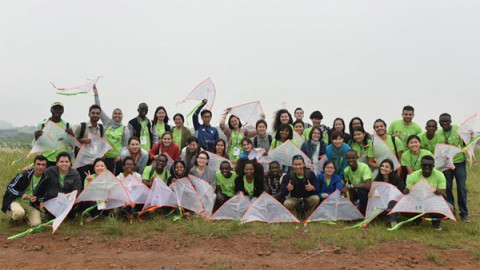 [APCEIU Insights] Youth Voices on the COVID-19 Pandemic and a New World 2020-06-20 The COVID-19 pandemic is challenging the social, political and economic dynamics of the world. This global pandemic is forcing us to ponder our actions while changing the life of many people and raising a lot of questions for the future, especially for young people across the world. Through these short stories, we aim to take you on a journey around the world through the eyes of young people facing the COVID-19 pandemic. From Bhutan to Zambia, youth are suffering the effects of the pandemic, but they are also working to tackle them by helping their communities. When facing the current crisis, young people are reminding everyone the importance of realizing that we all live in one same global village in which we are responsible for one another. While the novel coronavirus has disrupted entire countries, it has also brought people closer despite national, political or social boundaries. This global crisis has also shined the spotlight back to the people and their most fundamental needs and rights. We are therefore facing an opportunity that we can all take advantage of in order to foster global citizenship at all levels with the hope of building a more sustainable and prosperous world. If Not Now, When? The isolated Kingdom of Bhutan was watching the world from afar when the effects of the pandemic ravaged through the economies and the social lives of people around the globe. Within days, it hit Bhutan as well. Bhutan was not prepared or equipped to deal with the pandemic when a 76-year old American tourist became the first to test positive for COVID-19. However, he was treated with the utmost care, and sincere prayers and messages flooded social media for his quick recovery. This incident showed how important it is to consider one nation’s problem as another’s concern. The American tourist, despite having underlying medical conditions, fully recovered and now expresses his gratitude to Bhutan. This depicts the ideals of global citizenship and the importance of support and solidarity that extends beyond one’s border in times of need. On the other hand, it caused a lot of panic among the country’s citizens with a heated blame game of neglect and irresponsibility. Gradually, people came together as a community to fight the virus. Young people in Bhutan have played a significant role in these difficult times. Youths across the country are rendering their services as volunteers. The essence of global citizenship is realised locally as Bhutanese youth have united and are determined under a common cause. They have scattered around the country as volunteers with some raising awareness in rural Bhutan, patrolling the borders, and offering to work in the food sector and in every other area where help and service is needed. All the positive cases in Bhutan are associated with the youth who returned to the country from abroad. They have been doing their part firstly by coming out on social media sharing their experiences and raising awareness. The Bhutanese, in general, have started stigmatising people who have tested positive for COVID-19 and foreigners in Bhutan with racism. Youths who have tested positive as well as youths who are volunteering have been advocating and addressing society -especially those in rural Bhutan - on the stigma and racism associated with COVID-19. Sonam Zam is a 26 year-old high school teacher in rural Bhutan who has been volunteering to patrol the India-Bhutan border. She has been managing her time between online lessons and her service as a volunteer. Likewise, Kesang, a 26 year-old dentist is volunteering as a frontline worker. Meanwhile, another Sonam (26) is volunteering to serve the other volunteers with food and drinks. There is also Ninjay (21), who has been staying home, keeping himself updated with the latest news while educating and informing his family about COVID-19. When asked what motivates them to unite in these difficult times, a common response echoed, “If not now, then when?” Their services have helped their communities remain calm and provide the country with hope and strength. The youth of the country make up the largest section of this landlocked country and the King of Bhutan, who is highly revered by its people, has always said “the future of Bhutan will depend upon the youths of today.” Waving Flags Away The COVID-19 pandemic has strongly affected Latin America and the Caribbean. Guatemala, the most populous country in Central America, is struggling to deal with the effects of what started as a sanitary challenge and evolved into a multi-source crisis. With over 60 per cent of the national population below the age of 35, the country’s youth are both at the frontline of the efforts to tackle this crisis and also are some of the most affected. In addition to young people, people living in the rural areas, women and indigenous people are among the most affected by the pandemic in the country. The Guatemalan government has failed to contain the spread of the virus and does not seem to have a clear strategy on how to deal with the negative economic and social effects brought on by the pandemic. As of early June 2020, the number of new cases has not ceased and the very weakened public health system is on the verge of collapse As a result of the lockdown and curfew policies enforced in the country since late March, thousands of people have lost their source of income as they rely on informal economic activities that cannot be practiced in the current context; therefore the levels of poverty and extreme poverty are rising. One of the most visible effects of the COVID-19 crisis is the widespread hunger that numerous families are facing. All across the country, entire families take to the streets to waive white flags at cars and pedestrians in a desperate call for help as they are hungry and do not have any more resources to feed themselves. Due to the needs of the many facing hunger and the lack of effective actions from the local authorities, a group of young citizens created an initiative called “La Olla Comunitaria (The Community Pot);” an initiative that focuses on feeding all of those in need. This movement started in Guatemala City and was quickly replicated in six other cities across the nation and later in El Salvador as well. For over two months, each Community Pot fed over a 1,000 people and provided supplies to many more every day. They use their own resources as well as donations given by many fellow citizens. Despite the high risk environment, groups of young friends would cook and serve meals and deliver supplies across the country. Unfortunately, due to their popularity, some Community Pots have been forced to close to avoid becoming clusters of infection. However, people are still hungry and many are now left alone on the streets to fend for themselves. The Community Pots are a very clear example of global solidarity being raised by young people across Central America and beyond. The COVID-19 crisis has allowed people across the world to better understand the desperate need to foster global citizenship due to disruption of people’s everyday lives. This experience has made it very clear that we are all vulnerable and are not that different from one another when facing adversities. Therefore, the best and only way to ensure a sustainable future for all is to come together as a global community, leaving all pre-existing tags and flags behind. This pandemic is a call for more caring and empathetic communities. It is a call for tolerance and solidarity. It is a call for critical thinking citizens and, above all, a call for individual actions to have a global impact. “Let’s take advantage of this crisis to transform ourselves and realize that it’s possible to have another type of humanity,” said Byron Vasquez, founder of La Olla Comunitaria. A Place to Call Home The pandemic that the world is facing today has brought back many nationalist ideas that challenge the way people and countries interact with one another in today's globalized and connected world. Shortly after China first announced an outbreak of COVID-19 in the city of Wuhan, many Chinese and Asians around the world became the target of prejudice and different forms of violence. Citizens of different countries started blaming China for the spread of the virus believing that all Chinese people were virus carriers. Later on, as the virus spread around the world, each country started applying containment policies. Regions with high levels of cooperation and exchange such as Southeast Asia, Europe and South America have gone back to more traditional nationalistic approaches to preserve the wellbeing of their own. Therefore, the institution of the traditional nation state has regained importance as today’s citizens rely on their governments to assist them in weathering this crisis. However, many people around the world cannot count on any government since they do not have the legal requirements to be considered as a citizen of the territory in which they reside. This is the case of thousands of refugees and displaced people around the world, particularly coming from conflict areas and currently seeking to locate themselves elsewhere due to violence, war, natural disasters, etc. Although we do not hear from them during this global crisis, they are also suffering from the effects of the pandemic in ways that few people can imagine. This is the current situation affecting many Syrian refugees. To be a refugee means to be away from home, away from families and friends. It also means that they struggle to adapt in a new country with new cultural values and norms. To have to go through this while quarantined can be a very challenging task that can have a strong impact on their lives. In light of this, a group of young Syrian refugees in Turkey have created an innovative platform for Syrian refugees around the world to connect and accompany each other during these difficult times. This initiative is called “My Home is Your Home” and it is based on the principle of solidarity. This initiative consists of an online volunteer-based platform that facilitates open spaces for dialogue and exchange between Syrian refugees. Through this platform, people can access sessions facilitated by experts in fields such as civil participation, psychology and other areas of expertise that are relevant to overcome the effects of isolation brought on by the confinement and lockdown policies in many countries. In Syria, the COVID-19 situation is very complex and diverse between regions. There is an overall lack of resources to deal with the pandemic as the health system has been decimated as a result of almost a decade of civil war. In late April, the United Nations called for a nationwide ceasefire in Syria in order to focus on the pandemic. However, the war is still ongoing. As of 10 June, the government controlled areas reported around over 150 cases of COVID-19. However, young people in Syria believe that the authorities refuse to admit the gravity of the situation and are not doing enough to support the population. This initiative showcases the potential that individual experiences can have when transformed on a collective community action, therefore highlighting the importance of all forms of diversity in our societies and the importance of cooperation. At the same time, it is a clear example of how today’s young people around the world remain connected regardless of the physical distances that separate one another. Even when being away from the place that was once called home, a sense of community and belonging will remain strong when supporting one another regardless of where they come from and where they may end up in the future. Together, Apart Zambian youths are piercing into their power like never before and demanding a space to make their voices heard. They are the front runners of their generation and are working towards a more successful and compassionate world. As a young person involved in making a meaningful impact through driving social inclusion movements for underrepresented communities, I (Zanji Sinkala) believe this should be an opportune time to reach populations that the market and governments are unable to account for. To my dismay, certain factors such as lockdowns, have hindered and restricted my efforts inevitably. As a solution to this, I write journalistic articles about the diverse ways youths have been responding to COVID-19 to highlight their voices and foster solution-based action plans. It is to not only render help where it is needed, but to ensure that young people’s voices are raised alongside other communities’ voices in the roll-out of health and non-health interventions in response to this pandemic, because our reactions and responses have been often overlooked. Typing furiously on her laptop keyboard, Kasuba Kaisa creates a petition for her college institution to introduce online graduation amidst the pandemic so that she and her peers can graduate. Without her degree, she can't get a stable job anywhere. "I don't know how long this will go on for or how long I will be jobless," laments Kasuba, "Even if they sent my degree via email, I wouldn't mind. I just desperately need it." Kasuba hopes that this petition can speak for the potential graduates countrywide who feel like their lives and dreams have been put on hold abruptly and indefinitely. Mulenga Chileshe, a young professional Zambian tennis player and coach, stands on an empty court in Roma Park in Lusaka. In his 12 years in the game, he has never experienced a significant plummet in business like this. "I went from having 13 consistent clients a week paying me per one-hour session, to three vacillating clients I wouldn't even be certain would attend," he said. Aside from his tennis job, Mulenga helps run his family's restaurant in downtown Lusaka. However, the crisis has pulverized his business, leaving his five workers unpaid and uneasy. "It hurts me that there's nothing I can do to help them right now," he noted. "I am equally struggling." To combat the economic effects of the unprecedented retrenchments countrywide, Victoria Hospital, a private medical institution, with the help of youth volunteers, recently donated bags of corn flour ? Zambia’s staple food mostly known as Mealie Meal ? to individuals who lost their jobs due to the COVID-19 crisis and could not secure a single meal. Speaking of meals, a youth initiative called “The Lab Lunch,” created by Orange Tree Public House, pulls their weight by providing free lunches for the scientists and healthcare workers treating the numerous people infected with the coronavirus. In the midst of the devastation and distress, a sliver of hope manifests through the selfless acts of young people in Zambia who have chosen to rise to the plate and cushion the tangible impact of the virus on their fellow citizens. Lusaka Helps is an initiative run by youths in Lusaka, which supports the efforts of young people making a difference in their communities during the COVID-19 crisis. This includes highlighting even the simplest of gestures made by young people, such as letters of encouragement written to healthcare workers or phone calls made to people suffering emotional breakdowns. As the country learns to live in this “new normal,” it continues to work ‘together, apart’ proving fierce solidarity and a strong sense of togetherness in the face of uncertainty. - Diego Manrique from Guatemala is a Core Team member of the GCED Youth Network. He studied political science and currently works as an international development consultant.- Tshering Zangmo from Bhutan is also a member of the Network’s Core Team. She is a former TV producer in Bhutan and currently a master’s student in communication.- Zanji Sinkala from Zambia, a member of the Network, is an investigative journalist currently working with Reuters to report the COVID-19 crisis in sub-Saharan Africa. She is also a human rights activist.- Hadi Althib from Syria, a former member of the Network’s Core Team, works as a program manager of #MeWeIntl based in Turkey. He helped Diego with the article by providing information on the COVID-19 situation in Syria. For Previous Articles:(APCEIU Insights 1)- “What Changes Do We Want in the Post-Coronavirus World?” by Dr. LIM Hyun Mook- https://gcedclearinghouse.org/news/apceiu-insights-what-changes-do-we-want-post-coronavirus-world (APCEIU Insights 2)- “Reflecting on Global Citizenship Education in the Era of the Pandemic” by Prof. PAK Soon-Yong- https://gcedclearinghouse.org/news/apceiu-insights-reflecting-global-citizenship-education-era-pandemic URL:(No.3) Youth Voices on the COVID-19 Pandemic and a New World > EIU in the World - APCEIU (unescoapceiu.org)
  Amplifying Young Voices in the Face of Global Crises 2020-06-20 Last week, educational practitioners from across Scotland came together for an online learning event, organised by Bridge 47, City of Edinburgh Council, Learning for Sustainability Scotland, and Edinburgh-based charity Scotdec. “Students are not citizens in waiting, they are citizens.” - Professor Pete Higgins Over 100 teachers joined our virtual conference, ‘Whose Voice is it Anyway? Active Participation for a Better World’. The purpose of the event was to explore innovative ways to engage and empower young learners to effect change and deal with the uncertainties of the global issues facing our world today. It aimed to inspire educational practitioners to bring the Sustainable Development Goals to life in the classroom. Professor Pete Higgins from the University of Edinburgh opened the event with an introductory keynote speech on what new meanings ‘Learning for Sustainability’ (a curriculum theme within Scotland’s education system) takes on in today’s context. Participants were then divided into eight interactive workshops facilitated by experts on a variety of interrelated topics. A session on climate justice and responsible digital storytelling was led by Professor Ali Watson and Bennett Collins from climate justice think tank, the Third Generation Project, based at the University of St Andrews. Joanne Doddie of Fox Covert Primary School in Edinburgh talked participants through her approach to rights-based learning and how to give a platform to quieter voices in the classroom. Other workshops included STEM solutions for the planet led by Krissie Davis, global school partnerships led by Sandy Radford, and pupil voice led by Blair Minchin. A session on outdoor learning, a hot topic within Scottish education, was facilitated by Ruth Prince from the Water of Leith Conservation Trust. While a workshop on storytelling was led by professional storyteller Alette Willis and a session on literacy was run by Charlotte Dwyer of Scotdec. To capture the conversation in a creative way, graphic recorder Jem Milton was illustrating live throughout the proceedings. Below you can see a brilliant visual summary of the conference, featuring some of our speakers. Staying true to our key theme of voice, a live poll at the beginning and end of the event gauged how teachers themselves were feeling during the current Covid-19 crisis. The word ‘overwhelmed’ was the most common response at the start of the day. However, following the opportunity to connect and engage remotely with other practitioners and hear about new ideas, the final resounding feedback was ‘inspired’. The impact of the current pandemic is being felt both in and out of the classroom. This event offered the chance to explore new ways of working, collaborating and thinking about the world. By bringing participatory and value-based learning into teaching spaces, young students are better equipped to engage with global issues and to embrace their role as active global citizens. Our co-organisers:Learning for Sustainability ScotlandCity of Edinburgh CouncilScotdec URL:https://www.bridge47.org/index.php/news/06/2020/amplifying-young-voices-face-global-crises
 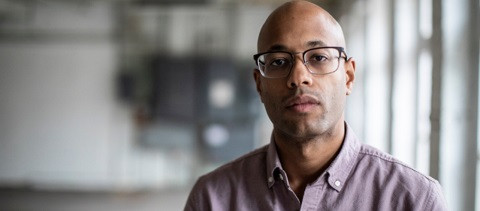 Take action against racism and discrimination! Interview with Webster 2020-06-20 Aly Ndiaye, alias Webster, is a veteran of the Quebec hip-hop scene. Active since 1995, he now travels the world through his concerts, writing workshops and conferences. Passionate about history, the rapper from Limoilou has been particularly interested in slavery and the black presence in Quebec and Canada since the time of New France. Why has the COVID-19 pandemic fuelled many acts and messages of hatred? The overlap between a disaster, its place of outbreak and the perception of different cultural habits was sufficient to give free rein to racism. If we add to this the fear for many people of the emergence of certain countries such as the next world superpowers, it did not take more for people, in the media, and on the web, to slip into rhetoric racists of the “Yellow Peril” of past centuries. While countries faced racism, citizens gave in to the fear of the foreigner as the accelerator of this pandemic. We have witnessed the differential and anti-black treatment given to African and Afro-descendant people in restaurants, hotels and properties in certain cities. In the UNESCO webinar on “Confronting the heritage of slavery together: racism” on May 28, you said “It is not the races that created racism, but racism that created the races” (tdlr). In light of these words, how would you analyze the manifestations of hatred against "the other" in our current context? This hatred is rooted in a relatively recent historical concept; it was not until the 18th century, the Age of Enlightenment, that the notion of race was theorized. Thus, through a categorization, essentialization, and hierarchization of human beings according to their pigmentation, European thinkers, philosophers and theorists have constructed a perception of the "Other" that still prevails today. This purely ideological construction gave an appearance of intellectual legitimacy to slavery and the colonial enterprises of the last centuries. As the modern world is a result of these past colonial dynamics, the racial biases inseparable from these endeavors have continued to color minds throughout the 20th century. Of course, we have begun, as humans, to shed some of these habits and mentalities, but the social and political impacts of the racist thinking that prevailed for centuries remain very real. In your opinion, as a hip-hop artist, writer, historian and lecturer, how can essential history lessons on slavery and racism be conveyed to today's youth? I feel that in order to transmit notions of history and combat racism, we need to go beyond the usual academic framework. The latter is, of course, important (we need only think of the fact that slavery and the Afro-descendant presence in Quebec and Canada are subjects that are little discussed or have even been completely expunged from the learning of history in this country), but I do not believe that it is sufficient to facilitate the understanding of certain concepts or their perpetuation in the collective consciousness and unconsciousness. The arts, however, play a vital role in the transmission of knowledge and its retention in all segments of society. Thus, music, books, visual arts, or cinema are essential vectors for a better understanding of these issues, be they social, political, or historical. © Ludvig Germain Auclair What message can you give to young people around the world who want to take action against racism and discrimination? What means are at their disposal? Everyone can make a difference from where they are in society, regardless of their age. As individuals, we are all part of this great whole and we all have a role to play; each brick has its importance in the building. For example, a person may decide to get involved in a local organization or just organize with a few friends to help bring about change. You can decide to make informative clips, humorous videos, theme songs, or simply go out and vote. The important thing is to understand that these are not dynamics that are beyond us, they concern all of us as individuals. For example, a person can contribute by taking a stand when they witness racist words or actions and make a difference in their classroom, school or neighborhood. Taking the time to educate oneself and take an interest in these dynamics is already a gesture towards change. This presupposes above all a serious reflection on oneself and on one's attitudes towards the "Other" whom one presents as different. See also The Slave Route General History of Africa Fostering Rights, Inclusion and Non-Discrimination Inclusion in the Time of COVID-19: Confronting slavery’s legacy of racism together UN info: Racism is a scourge that exists in all societies (in French) Podcast: Inclusion in the Time of COVID-19: Confronting slavery’s legacy of racism together (in French) Racism, the legacy of slavery that we must confront together (in French) Watch a full video / a video clip of the interview ***Aly Ndiaye, alias Webster, is the author of a hip-hop writing textbook, À l'Ombre des Feuilles (Quebec America, 2019), of a children's book about Olivier Le Jeune, the first African slave in Canada, Le Grain de Sable (Septentrion, 2019), and a booklet “Slavery in Canada” (Canadian Commission for UNESCO, June 2020) URL:https://en.unesco.org/news/take-action-against-racism-and-discrimination-interview-webster
  New UN report shows countries failing to protect children against violence 2020-06-20 While global attention is focused on containing the COVID-19 pandemic, one out of two of two children across the world continue to be affected by physical, sexual or psychological violence, according to a new report released by WHO, together with UNESCO, UNICEF, the Special Representative of the United Nations Secretary-General on Violence against Children and the End Violence Partnership. The report – Global Status Report on Preventing Violence Against Children 2020 – brings to light the increasing number of children who are suffering injuries, disabilities and death because countries are not following established strategies to protect them from harm. The first of its kind, it charts countries’ progress against the “INSPIRE” framework, a set of seven strategies for preventing and responding to violence against children. The report includes the first ever global homicide estimates for children under 18 years of age. In 2017, an estimated 40150 children were victims of homicide. It also draws on data from UNESCO’s 2019 report, Behind the Numbers: Ending school violence and bullying, highlighting that bullying is a major problem worldwide, with 32% of students aged 11- 15 bullied by their peers at school at least once in the last month. “During the COVID-19 pandemic, and the related school closures, we have seen a rise in violence and hate online – and this includes bullying. Now, as schools begin to re-open, children are expressing their fears about going back to school,” said UNESCO Director-General Audrey Azoulay. “It is our collective responsibility to ensure that schools are safe environments for all children. We need to think and act collectively to stop violence at school and in our societies at large.” Uneven progress in implementing violence prevention strategies Laws that ban corporal punishment of children in all settings, including schools, have the potential to reduce the violence perpetrated by adults on children, and also between children, the report finds. Yet, while 79% of countries which responded for the report ban corporal punishment, only 30% of respondents believe that those who are violent towards children for whatever reason, including teachers, will be sanctioned. “This report is a strong reminder that having good policies is not enough, and that we need to work constantly to make sure that these policies are enforced, said UNESCO Assistant Director-General for Education Stefania Giannini. “It will be impossible to achieve inclusive and equitable quality education for all if children cannot learn in schools that are safe and free of violence, including violence perpetrated by students, teachers and other school personnel, and corporal punishment.” COVID-19 response and its impact on children Stay-at-home measures, including school closures, have limited the usual sources of support for families and individuals such as friends, extended family or professionals. This erodes victims’ ability to successfully cope with crises and the new routines of daily life. Spikes in calls to helplines for child abuse and intimate partner violence have been observed. And while online communities have become central to maintain learning, support and play for many children, an increase in harmful online behavior including cyberbullying, risky online behavior and sexual exploitation have also been identified. URL:https://en.unesco.org/news/new-report-shows-countries-failing-protect-children-against-violence
 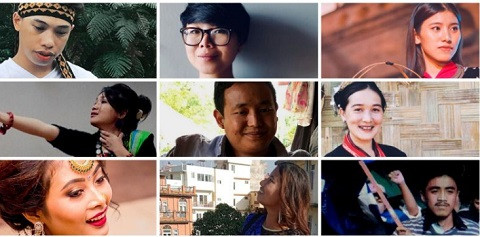 In the face of the COVID-19 crisis, indigenous youth offer new solutions 2020-06-18 When the COVID-19 pandemic hit Bangladesh, 27-year-old Chandra Tripura was paralyzed with feelings of fear and uncertainty. “For the first two weeks, I was kind of frustrated because I realized this will be tragic for us,” Chandra said. “If a country like China, which is developed, had to suffer for three months ... Bangladesh, which is underdeveloped, could take six months.” It did not take long, however, before Chandra, a professional dancer and social entrepreneur, realized that she had to channel her frustration into action. Two weeks after Bangladesh imposed strict lockdown and curfew measures, she began communicating with other social entrepreneurs to explore alternative ways of conducting their businesses, and also to work with artists to provide support to affected communities. A member of the Tripura ethnic group in Bangladesh, Chandra is one of many indigenous young people in South and Southeast Asia who have not only been impacted by COVID-19, but have also chosen to respond to it. As it is, indigenous groups in the region already face major challenges. When it comes to education, employment, and health, they are on average more marginalized and without access. With the spread of COVID-19, these problems have become even greater. One of the more obvious issues facing indigenous youth and their communities during the pandemic has been access to public health. With disruptions in transportation and road closures, there has been a shortage of medical supplies reaching remote areas where many indigenous communities live. Many health workers lack knowledge of local cultures and languages, making communication between with their patients a challenge. As one example in April, a 22-year-old Tripura woman in Bangladesh died in child birth. Road conditions under the lockdown measures prevented her from safely giving birth in a healthcare facility. In neighbouring Myanmar, Ke Jung, a student from the Naga indigenous group who is studying at Yangon University of Economics, experienced similar feelings to Tripura. His family lives in the country’s northwest Naga territory, which has limited access to health and public services. “I feel like I can’t do anything at all,” the 30-year-old said. “The worry is that if something happens to Naga, what can we do? It takes two days for shipments to reach hospitals there.” Education is another challenge facing indigenous youth. While the shift to online instruction has allowed many students to continue learning, it also aggravates inequalities due to the digital divide. For young indigenous learners, many of whom live in remote areas with no or limited internet access, online education is nearly impossible. “Schools should also take into consideration indigenous students who do not have access to the internet and to the devices needed for e-learning,” said Ned Tuguinay, a 22-year-old activist from the Igorot community in Luzon, Philippines. “We are trying to convince universities to suspend online learning, and to end or extend the semester instead.” But for many, including indigenous people, loss of income is more critical than access to education. With people working in vulnerable industries such as tourism, construction and agriculture, an untold number of indigenous youth have lost their jobs. Some are stranded in cities under lockdown without any money, while others have left for their hometowns, potentially spreading the virus. For young indigenous social entrepreneurs such as Juvita Wan, a 35-year-old Kenyah woman in Malaysia who co-founded the Tuyang Initiative, the pandemic has largely shut down commercial activities. “Earning opportunities were already scarce,” Wan said. “Now, imagine being away from family and community, having zero income, and being locked in a town or city that’s not home.” While most governments in the region have implemented strict measures to control the spread of the virus, there have been varied responses to the additional risks facing indigenous communities. In some cases, there has been little attempt to support and consult with representatives of indigenous communities, resulting in slow and uncoordinated aid distribution and information sharing. “We need to elect leaders who are not only responsible and accountable, but most importantly inclusive,” said Jal Mustari, a 23-year-old Maranao man living in Marawi City in the Philippines, founder of the social enterprise Aretes Style. There has also been a movement towards self-sufficiency within these communities that is being demonstrated during the pandemic. Rather than letting their businesses fail, young social entrepreneurs in Bangladesh and Nepal are redirecting services to deliver food to people who are unable to leave home. Indigenous farmers in northern Thailand have started sharing surpluses from their crop yields with their communities’ most disadvantaged people. In neighboring Myanmar, young activists like Ke Jung have been coordinating efforts to provide supplies to people who are quarantined, as well as working with the Myanmar government to translate COVID-19-related information from Burmese into his native language. Finally, several young indigenous persons in Bangladesh and the Philippines are raising funds among university students to provide support to indigenous communities. “People are now challenging themselves to do something productive,” said Barsha Lekhi, a 27-year-old Tharu woman who was crowned Miss International Nepal in 2016. ““This is a kind of stress that we need … and [to] feel [the] pressure of not doing anything.” COVID-19 has dramatically altered lives across South and South-East Asia, but for the most vulnerable groups, including indigenous communities, the pandemic has aggravated problems that were already there. Indigenous youth have shown resilience in the face of these problems, but they need more support from governments and civil society to build back better for their communities. By David Young, a UNESCO Bangkok consultant for Social and Human Sciences, and Communication and Information *This article was first published in Rappler. URL:https://bangkok.unesco.org/content/face-covid-19-crisis-indigenous-youth-offer-new-solutions
 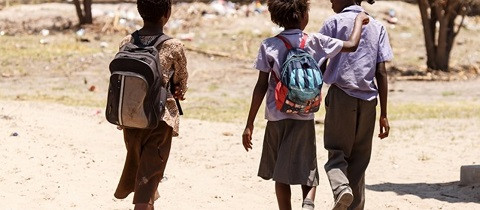 Build back better: Education must change after COVID-19 to meet the climate crisis 2020-06-18 In May, as the COVID-19 pandemic dominated the headlines and every aspect of our lives, a study found that in 50 years one billion people could live in insufferable heat. Areas home to a third of the world’s population would be hotter than the Sahara, while hundreds of millions more would have to abandon their homes to rising sea levels. This virus hit as we exited the hottest decade in recorded history, with unprecedented natural disasters, floods and fires. Meanwhile, projections show Governments around the world will not meet either the 1.5°C or 2°C targets needed to avoid the catastrophic effects of climate change. We must unite to fight the impending threat of COVID-19, which has already killed over 400,000 people. But we cannot forget that the climate crisis is also a battle for our lives, and that many will die from its effects if we do not act now. UN Secretary-General António Guterres has called upon Governments to “build back better” after the current crisis by creating more sustainable, resilient and inclusive societies. This must include education, as societies cannot transform if what and how we learn remains the same. Rebuild education to create change-makers, ready for global challenges School closures in over 180 countries have laid bare inequalities in education, deficiencies in remote learning, the cost of the digital divide, as well as the important role schools play in student health and wellbeing. After this crisis, Governments around the world will need to reassess learning systems to meet these challenges. This is a once in a generation opportunity to improve education, alongside economies, to fight the climate crisis. It is a time for education leaders to use this period of disruption to ensure what people learn is truly relevant to their lives and to the survival of the planet. Last year, the UN General Assembly recognized Education for Sustainable Development (ESD) as a model for rethinking learning to achieve the Sustainable Development Goals. ESD reassesses what we learn, where we learn and how we learn. It develops the knowledge, skills, values and attitudes that enable learners to make informed decisions and actions on global problems such as the climate crisis. It empowers learners of all ages to change the way they think and work towards a sustainable future. ESD addresses the content of education so that curricula include learning about environmental integrity, economic viability and how to work towards a just society. But it also reassesses education methods and outcomes to form critically minded, empathetic students who can work together to solve problems and act on local and global emergencies. A recent UNESCO study showed countries have heavily emphasized cognitive learning over social-emotional and behavioral learning, which are crucial tools to empower learners and make change happen. We need to ensure education gives students the tools to tackle the problems of the present and future, to fight the climate crisis and to transform society. Education should make us resilient to situations like the current pandemic and the climate crisis... ESD is a key enabler for all 17 Sustainable Development Goals, but it also may be key to preparing the world for future crises like COVID-19. The pandemic has shown us the importance for individuals and societies to have the ability to quickly respond to unexpected risks. This implies the ability to understand complexity, to anticipate different scenarios, to negotiate trade-offs, to be ready to act quickly based on limited information, and to collaborate in finding the best solutions. ESD has long advocated for precisely these competencies for the promotion of sustainable development. Equally important for the immediate crisis response and the prevention of future crises are individual socio-emotional skills. The response to massive crises that affect every part of life requires a great dose of resilience in dealing with uncertainty and change to living conditions. Learning to live with ambiguity is a skill to deal with stress and anxiety in uncertain times. It’s crucial to avoid the appeal of simplified answers, misinformation and conspiracy theories. Promoting this socio-emotional skill set an important element of ESD, as it has been for related approaches such as Global Citizenship Education. These elements of ESD will prepare learners for situations like this pandemic but are also vital to promote sustainable development. By using ESD as a roadmap to the future of education, we will be strengthening our capabilities to tackle both challenges. …. and try to prevent them. We do not yet know for certain how COVID-19 was contracted by humans. We do know that Zoonosis – diseases transmitted from animals to humans – becomes much more likely as wild animals are losing their habitats. Humanity has an immediate survival interest to protect natural habitats. May 22 heralded World Biodiversity Day, a time to reflect that humans have changed three-quarters of the land and two-thirds of the ocean. ESD’s promotion of understanding the importance of the natural world creates tomorrow's champions of biodiversity: students that understand that the health of humanity depends on the well-being of nature. Learning should foster global interconnectedness Global problems require global solutions. This is as true for the response to the COVID-19 pandemic, as it is for the response to climate change and to achieve all Sustainable Development Goals. ESD can help us understand the global nature of today’s challenges, including their inequitable distribution. It can provide us with the tools to search for solutions at the global level and help us translate responses into concrete solutions for the local living environment. ESD also encourages collaborative learning outcomes, encouraging students to work together. The climate crisis needs to be attacked with the same velocity as COVID-19, and this cannot happen without rethinking learning. Some have pointed to the reduction in CO2 emissions over this global slowdown as a positive outcome, but without commitment to radical change emissions will return to previous levels or possibly even increase. Governments, policy makers and education leaders need to ensure that Education for Sustainable Development continues to be built into education frameworks at every stage of national education. The commitment to ESD must include learning in all contexts, for all learners no matter their gender, location, socio-economic status or connection to the internet. Later this year, UNESCO will launch a Roadmap towards Education for Sustainable Development that will lay the groundwork for action in the next ten years, on the basis of the ‘ESD for 2030’ framework recently adopted by our Member States. I invite all education stakeholders – Governments, education and training leaders, policy-makers, teachers, students and parents – to commit to ESD for 2030 and join us in discussion in the leadup to and at the World Conference on ESD in Berlin in May 2021. The COVID-19 crisis leads us to question some of the fundamental assumptions about ourselves and our lives When it comes to education, we need to strengthen an approach that promotes the well-being of people and the planet. We need education that goes beyond providing basic knowledge and skills and leads to awareness, ideas and action that help us advance towards sustainable development. Education for Sustainable Development empowers learners to transform themselves and transform societies. This transformation is as urgent as the response to COVID-19, let’s not squander this opportunity to change learning and build a better world. URL:https://en.unesco.org/news/build-back-better-education-must-change-after-covid-19-meet-climate-crisis
  MY COVID-19 Story: how young people overcome the covid-19 crisis 2020-06-18 During these unprecedented times due to the COVID-19 pandemic, young people find themselves stuck at their homes across the world. This unusual experience of self-isolation has significantly altered their lives and reality, bringing not only concerns and doubts, but also opening doors for new opportunities and possibilities. People inside the community start to be more aware of how much their behavior can affect the world, … toward a more sustainable mentality to appreciate what really matters in life: health and family.-- Laura (26), a student from Italy As part of UNESCO’s initiative “MY COVID-19 Story”, young people have been invited to tell their stories and experiences: how they feel, how they act, what makes them feel worried and what future they envision, how the crisis has affected their lives, the challenges they face, new opportunities being explored, and their hopes for the future. This campaign was launched in April as part of UNESCO’s response to the COVID-19 pandemic. It aims to give the floor to young people worldwide, share their views and amplify their voices. While the world grapples with the challenges of the COVID-19 pandemic, many young people are taking on new roles, demonstrating leadership in their countries and communities, and sharing creative ideas and solutions. To this day, UNESCO has already received more than 150 written testimonials. Self-isolation can be a difficult time… However, many young people worldwide decided to tackle this with productivity and positivity. Monty (17), a secondary school student from the United Kingdom, is developing new digital skills and has created his own mini radio station. Lockdown helped Öykü (25), a young filmmaker from Turkey, to concentrate on her creative projects. And for Joseph (30), a teacher from Nigeria, this time is a way to open up to lots of learning opportunities through webinars. © UNESCO The crisis has changed not only the daily routine, but also perceptions of everyday life. For some young people rethinking the value of time and common moral principles appears to be key. “The biggest lesson for me is understanding … [the value of] time. During these last months I made more use of my time than in a past year.” - shares young tech entrepreneur Barbara (21), from Russia. Ravikumar (24), a civil engineer from India, believes “This crisis makes us socialize more than ever. We are eating together, sharing our thoughts and playing together which happened rarely within my family before.” Beyond the crisis After massive upheavals in the lives of many people, the future for young people seems to be both a promising perspective to seize some new emerging opportunities, and a time filled with uncertainty about the crisis consequences and the future world order. “It is giving us an opportunity to look into how we need to better support our vulnerable populations, in terms of food and educational resources”, says Anusha (19), from the United States of America. For Mahmoud (22), from Egypt, the COVID-19 crisis is a call to action: “After the pandemic, I will put a lot of efforts into helping people who have been affected by COVID-19. I am planning to improve their health by providing sports sessions, highlighting the importance of a healthy lifestyle.” But not all young people are optimistic about the future. Phone (17), a student from Myanmar expresses his worries: “This crisis makes our lives harder. I do feel that our world is not ready to fight against the pandemic. The damages for developing countries like ours become double or triple compared to developed countries who have a great economic stimulus package.” © UNESCO The COVID-19 pandemic brings uncertainty and instability to young people across the world, making them feel worried about this new reality they’re living in and presenting several new challenges every day, as they find themselves at the front line of the crisis. That is why, more than ever, we need to put the spotlight on young women and men and let their voice be heard! Be part of the campaign! Join the “MY COVID-19 Story” campaign! Tell us your story! We will share it on UNESCO’s social media channels (Twitter, Facebook, and Instagram), our website, and through our networks across the world. You can also share your testimonials by recording your own creative video! How? Sign up and create your video here: https://zg8t9.app.goo.gl/Zw2i. More information on the campaign URL:https://en.unesco.org/news/my-covid-19-story-how-young-people-overcome-covid-19-crisis
 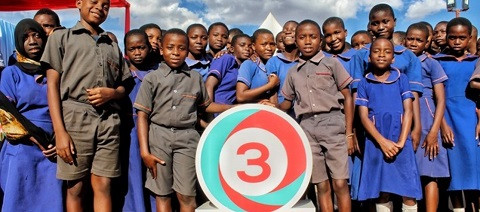 Empowering adolescents in sub-Saharan Africa during COVID-19 2020-06-18 School closures to contain the spread of the COVID-19 pandemic have impacted almost 92% of the world’s student population. In sub-Saharan Africa, where high rates of new HIV infections, early and unintended pregnancy, gender-based violence and child marriage, continue to threaten young people, the negative consequences of confinement on health and well-being are heightened. As part of UNESCO’s work supporting countries to mitigate the impacts of school closures, particularly for more vulnerable communities, UNESCO is reaching out to 33 countries in sub-Saharan Africa through the Our Rights, Our Lives, Our Future (03) program to ensure that children and young people understand basic, age-appropriate information about coronavirus disease (COVID-19), including its symptoms, complications, how it is transmitted and how to prevent transmission. Digital channels and radio programs will be harnessed to communicate sexual and reproductive health information to young people. A series of videos and short articles for young people have also been developed, aimed at helping them to cope with COVID-19 school closures. Supported by the Governments of Sweden, Ireland, Norway and France, the David and Lucile Packard Foundation, as well as funds received in UNESCO’s capacity as a member of the UN Joint Programme on AIDS (UNAIDS), 03 is the world’s largest comprehensive sexuality education program. It envisages a Sub-Saharan Africa where adolescents and young people are healthy and resilient and have the capacity to reach their full potential and contribute to the development of their community, country and region. “COVID-19 has not only interrupted the delivery of education, but it has also affected the provision of comprehensive sexuality education, and basic services provided by schools such as nutrition, linkages to sexual and reproductive health care and support to address and prevent gender based violence,” said UNESCO Assistant-Director General for Education, Stefania Giannini. “The 03 program is perfectly placed to respond to the challenges presented by the COVID-19 pandemic, thanks to its strong emphasis on health education and its experience with recent outbreaks of cholera and typhoid in sub-Saharan Africa. It reflects UNESCO’s recognition of education, health and gender quality as the three pillars of the education system, and in 2018-2019 alone, reached almost 15 million young people with life skills based comprehensive sexuality education.” Ambassador Anna Brandt, Permanent Representative of Sweden to UNESCO, said, “Early and unintended pregnancy, HIV and other sexually transmitted infections, and gender-based violence don’t stop in periods of crisis or school closures. Neither does our support. Through Sweden’s funding, UNESCO will reach over 30 million young people in Africa with good quality comprehensive sexuality education (CSE) by the end of 2022.” The O3 programme benefits 33 countries in sub-Saharan Africa, with a specific focus on 23 focus countries and programme acceleration countries which benefit from targeted funding and intensive support. Young People Today UNESCO ROSA COVID-19 Video Series 1: Dealing with anxiety during lockdown UNESCO ROSA COVID-19 Video Series 2: How to study during lockdown UNESCO ROSA COVID-19 Video Series 3: Am I safe after lockdown? URL:https://en.unesco.org/news/empowering-adolescents-sub-saharan-africa-during-covid-19
 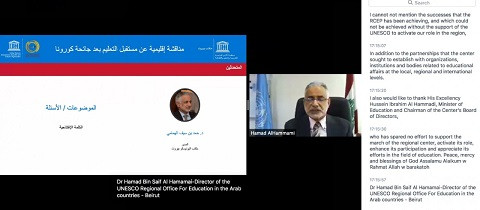 UNESCO Beirut and the Regional Center for Educational Planning initiate a regional dialogue on the Future of Education after COVID-19 2020-06-18 The current global pandemic has changed anticipated futures across the globe. The COVID-19 crisis is both world-shattering and world-making as there is a widely shared sense that humanity is at a defining moment for rethinking the future. While a reflection on probable/anticipated and possible/alternative futures is well underway within UNESCO’s Futures of Education: Learning to Become initiative launched before the crisis in September 2019, the COVID-19 pandemic has made this initiative more timely, giving it a key momentum. Against this backdrop, UNESCO Regional Bureau for Education in the Arab States (UNESCO Beirut), in partnership with UNESCO HQ and the Regional Center for Educational Planning (RCEP), organized on 16 June 2020 an Arab Region Dialogue on the Future of Education after COVID-19. The webinar aimed to examine the impact of COVID-19 on educational continuity in the Arab region, to reflect on the lessons learnt from the challenges faced during the COVID-19 crisis as we look to the futures of education, and to explore and analyze plans and strategies proposed to frame the vision of education after COVID-19. The webinar is built upon the achievement of a 2017 regional think tank seminar on “Rethinking Education” organized in Sharm EL Sheikh, Egypt and reaffirms the 2016 Cairo Declarations for rethinking education. It also comes in the framework of UNESCO’s Education Response to the COVID-19 crisis and the Organization’s continuous support for Arab Member States during and after COVID-19. The event was attended by high-level personalities including H.E. Hussain Ibrahim Al Hammadi, UAE Minister of Education, UNESCO Beirut Director Dr Hamed al Hammami, RCEP Director Dr Mahra AlMutawiei, and Dr Sobhi Tawil, Chief of Section for Education Research and Foresight at UNESCO HQ. 500 participants took part in the Dialogue. Idris The event started with welcome remarks by Dr Hegazi Idris, UNESCO Beirut’s Programme Specialist for Basic Education, who highlighted that: “This regional discussion aims to answer the following questions: What are the options in educational policies and opportunities that we can benefit from for the future of education in the Arab region? What do we mean by new pedagogy or pedagogy 4.0? What are the options in practice to ensure continuity of education, especially in countries in crisis and for children outside of school? What about children with special needs now and in the future? What are the lessons learnt about the parents’ role in learning and education? Do children now and after returning to school need psychosocial support? Finally, what about UNESCO’s Global Initiative on the Future of Education 2050?” Al Mutaweiei As to RCEP Director Dr AlMutawiei, she stated that “the COVID-19 pandemic has cast a long shadow and took its toll on the educational systems around the world, as the crisis impacted the education process of 1.6 billion students who ceased going to schools and universities and engaged in distance learning. This has pushed education stakeholders to think out of the box to provide unconventional and alternative approaches for education via several means such as; the internet and TV”. Al Mutawiei added: “There were, nonetheless, constructive and positive changes created by this pandemic. Therefore it is inevitable that educational systems shall discover novel methods to prepare and qualify the teachers and educators, so as to they may attain the required skills and capabilities to tackle and keep pace with this changing reality of the educational process. Moreover, the systems shall review and upgrade the matrix of skills given to students in a manner that shall make students more equipped and prepared for encountering the future. And due to the fact that the pandemic has imposed a significant challenge concerning the quality of the provided education, educational systems shall initiate new measures for benchmarking the quality of education and tackling with the current digital gap”. She concluded: “It is essential and inevitable to develop a worldwide framework for coordination and cooperation, as well as to initiate effective and operative partnerships between public and private institutions with the aim that all the students around the world receive equitable and quality education”. Al Hammami Then, UNESCO Beirut Director Dr Hamed Al Hammami made an opening speech in which he highlighted that: “ Education in the Arab region after COVID-19, and the features of teaching and learning, will witness great transformations. We should draw lessons from the challenges faced by ministries of education and educational systems during this pandemic”. He added: “Among the challenges faced by educational systems during COVID-19 are the unreadiness of some education systems in the Arab region for remote learning, weak educational infrastructure, inequality in terms of access to the internet, and teachers’ unpreparedness to switch to remote learning”. Dr Al Hammami said: “We can turn this crisis into an opportunity by building a more resilient education system. We should capitalize on IT, enhance teachers’ capacities, review assessment methods, engage in a comprehensive digital transformation, and build effective partnerships. It is also necessary to review old educational philosophies, as well as the goals and outputs of the educational system, in line with recent evolutions and the requirements of the labor market”. Al Hammadi This was followed by a keynote speech by UAE Minister of Education H.E. . Hussain Ibrahim Al Hammadi in which he presented his country’s vision of the future of education after COVID-19. Minister Al Hammadi said that “the future of education is perhaps the most important issue to be examined at the moment regionally and globally”. Al Hammadi explained that urgent discussions should be taking place about this topic, as the new reality of education requires a radical shift in educational practices, as well as innovative educational strategies and policies, new educational tools, and extensive cooperation between countries towards institutionalizing educational systems that are able to adapt with the world post COVID-19. Further, H.E. Minister Al Hammadi highlighted that “the UAE has made great strides in this context, as it was proactive in adopting educational strategies, plans, and scenarios that would achieve an effective smart learning system supported by multiple educational resources and means. This was accomplished years ago, thanks to the guidance and support of the wise UAE leadership. All of this has paved the way to activate the smart learning system for almost 1.2 million Emirati school students”. Minister Al Hammadi added that “the possibility of improving educational frameworks and achieving the best educational opportunities post COVID-19 depends on our ability to address the challenges and problems that have arisen, while simultaneously building on emerging educational developments. This will ensure equitable and inclusive education for all, while offering lifelong learning without excluding any specific category or segment of students”. He also outlined four enablers for developing education post-COVID-19, namely improved infrastructure, reorganized policies and frameworks, evolving curricula, and improved qualification and training processes. Lastly, Al Hammadi indicated that the outcomes of any educational system should be measured based on imperative guidelines, which include an integrated evaluation framework that tracks performance, utilizing smart monitoring systems, and impact tracing functions, in addition to creating educational partnerships that are based on knowledge exchange, as well as investing heavily and holistically in education at the country level. Presentations The event featured presentations by renowned speakers. Dr Sobhi Tawil spoke of the “Future of education from a global perspective”, highlighting the efforts UNESCO has initiated to launch a global reflection on the matter. Dr Tawil stressed that: “The COVID=19 crisis offers us the opportunity to address longstanding disparities in access to education, to reframe the right to education, and to reimagine the purpose of education and the organization of learning”. He added: “Close to half of all primary and secondary students being provisioned by national online learning platforms, do not have access to the Internet at home. We need to ensure universal connectivity and close digital divides to advance learning for all”. Dr Yin Cheong Cheng, Emeritus Professor of Education and Senior Research Fellow (APCLC) at the University of Hongkong spoke of the lessons learnt from the challenges that faced education systems during the pandemic, suggesting the way forward to build on these lessons to design the future of education. He highlighted, in particular, the need to capitalize on IT and artificial intelligence to re-define learning in nature, context, players, format & speed, creating unlimited opportunities for learning; and the importance of contextualization and creativity to meet multiple developments and disruptions. H.E. Khalfan Belhoul, CEO of Dubai Future Foundation, spoke of the scenarios for the future of education in the short and long term after the end of the pandemic. As to Dr Federico Biagi, researcher at the European Commission, he made a presentation on the impact of COVID-19 on students’ learning and achievement. He stressed that: “Estimates for a few selected EU countries consistently indicate that, on average, students will suffer a learning loss. It is also suggested that COVID-19 will not affect students equally, will influence negatively both cognitive and non-cognitive skills acquisition, and may have important long-term consequences in addition to the short-term ones. Policy makers and stakeholders should collaborate and try to improve the efficacy of online and blended learning models, while reducing educational inequalities”. Dr Sami Nassar, Dean of the faculty of Education Studies at the National Egyptian E-Learning University, spoke of “Education : the 4th generation”. He stated that: “The pandemic revealed the size of the falsehood which we have lived for a time, and the shortcomings of the educational system and institutions we have built. It has also revealed the weakness of the values that we always pretend to preserve and defend. It also proved the weakness and shortcomings of the “routine” we had inserted our daily social and economic life in”, encouraging education stakeholders to think of a more flexible and resilient education system in the future. Lastly, Dr Ahmad Ouzi, Emeritus Professor at University of Mohammed V, presented a new pedagogical paradigm for the future of education. After closing remarks by Dr Idris, Dr AlMutawiei, and Dr Sobe Noah Webster, Senior Project Officer for Education Research and Foresight at UNESCO – HQ, an interactive debate took place with the participants. The Regional Dialogue provided a platform for participants to reflect on the educational challenges and opportunities offered by the COVID-19 pandemic and to share lessons learnt during the crisis. It also allowed participants to learn from the diverse insights of regional and international education thinkers with respect to the future of education during and after COVID-19. URL:https://en.unesco.org/news/unesco-beirut-and-regional-center-educational-planning-initiate-regional-dialogue-future
 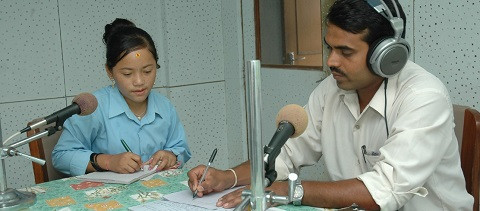 COVID-19 educational disruption and response: Continuation of radio education for secondary level students in Nepal 2020-06-18 The global COVID-19 pandemic has led to the closure of educational institutions worldwide, affecting over 90% of students. In Nepal as well, this pandemic has led to the closure of all educational institutions for an indefinite period. To ensure access to quality education for all, UNESCO and the Ministry of Education, Science and Technology are collaborating with ACORAB Nepal to continue a radio education programme for secondary level students. With the objective of leaving no one behind, this programme aims to reach out to students in rural areas throughout Nepal who do not have access to the internet and television. The programme, using materials developed by the Ministry of Education, Science and Technology and the Centre for Education and Human Resource Development, is being aired through seventy community radio stations. “The global COVID-19 pandemic has hampered students’ learning. To minimize the impact on the continuity of learning for students, the Ministry of Education, Science and Technology has launched the campaign to adopt distance learning mode through radio lessons in FM radio stations,” stated Giriraj Mani Pokharel, Honorable Minister of Education, Science and Technology during the launching of the programme. “In Nepal, the impact is deeply felt by children and students, especially in rural and remote areas without access to online learning. This could widen the gap between advantaged and disadvantaged children,” said Christian Manhart, UNESCO Representative to Nepal. He stressed, “We cannot let this happen. I hope the children will benefit from this program, especially students in remote areas.” UNESCO will be collecting feedback from both students and parents in order to make the programme more effective and find out how much the students are benefitting from it. UNESCO is hopeful that these radio programmes will have a positive impact on the learning outcomes of students across the country. URL:https://en.unesco.org/news/covid-19-educational-disruption-and-response-continuation-radio-education-secondary-level