
News
Catch up on what’s happening in the world of global citizenship education.
1,668 results found
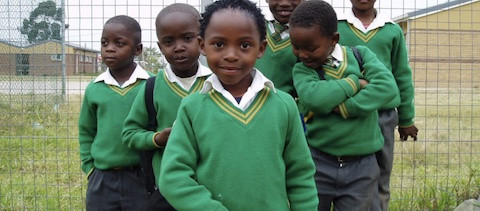 Eswatini joins the Sustainability Starts with Teachers programme 2021-05-12 Eswatini became the ninth country to join the Sustainability Starts with Teachers (SST) programme. A virtual workshop held from 4 - 5 May 2021 kick-started the implementation of the programme in the country. Over 55 Teacher Educators, Technical Vocational Education, and Training educators, senior government officials and Education for Sustainable Development (ESD) experts attended the event. Participants developed a common understanding of the context for ESD in the country, shared ideas for the implementation of the SST programme, including its vision, objectives and expected impact. In his opening remarks, Permanent Secretary in the Ministry of Education and Training, Mr Betram Steward expressed confidence that the training programme would equip teacher educators with the necessary skills to work towards sustainable development. This [Capacity Building Programme] will further capacitate the present generation to utilise the natural resources without compromising the future generations to have quality and enjoyable lives. -- Mr Betram Steward - Permanent Secretary, Ministry of Education and Training In spite of the enabling policy framework, various speakers acknowledged systemic weaknesses in integrating ESD in the entire education system. The main constraining factors raised include the general lack of understanding of ESD, which leads to a lack of political will, and supporting structures within institutions. Participants also pointed at poor implementation plans, resistance to transform to ESD-compliant pedagogies and an exam-oriented system that appears to promote rote learning as other constraints to ESD integration in the education system. The gaps and opportunities presented during the workshop inspired participants in developing initial ideas for their own institutions’ "Change Projects”. These are institutional transformative initiatives in Teacher Education and TVET institutions supported by the SST programme. Eswatini will join Malawi and Tanzania in the Regional Training Course on ESD starting in September 2021. Traditionally, the course takes place at Rhodes University but due to the Covid-19 pandemic, this year’s course session will be online. The course will give participants an opportunity to present and further develop ESD Change Projects in their institutions. URL:https://en.unesco.org/news/eswatini-joins-sustainability-starts-teachers-programme-0
  Interview ‘Transforming lives through reading’ 2021-05-10 As we mark World Book Day, the UNESCO Institute for Lifelong Learning spoke to Dawn Stitzel, National Program Director of the Library of Congress Literacy Awards (USA), about the importance of literacy and the response to the COVID-19 pandemic of two internationally-focused Library of Congress Literacy Award-winning organizations. Dawn, what is the importance of reading in your view? Reading and the information obtained from books and other sources are essential to life’s basic functions as well as to more elevated technical and cultural pursuits. As Carla Hayden, the United States’ Librarian of Congress, observes, ‘Literacy powers the pursuit of learning, knowledge and opportunity around the world’. Beyond the classical library work, how does the Library of Congress promote a culture of reading? Through its outreach programmes, the Library of Congress seeks to nurture and expand this culture of literacy and reading. The Literacy Awards Program is one such effort. David M. Rubenstein launched the literacy awards with the Library of Congress in 2013 to honour national and international nonprofit organizations that were doing exemplary, innovative and replicable work to advance literacy in their communities. Each year, the Library of Congress awards close to $350,000 to deserving organizations. What impact did the COVID-19 pandemic have on your awardees? With the arrival of COVID-19 and the closure of schools and other (physical) learning spaces, learners served by literacy organizations have been among the hardest hit. In the best of times, these learners are more likely to struggle with their own education as well as that of their children. Access to the internet and digital devices is often limited and there may be fewer literacy resources at home. The pandemic highlights the need for additional assistance to support these learners to continue building essential digital skills for themselves and to facilitate the remote learning of their children. In sum, the COVID-19 pandemic and the consequences of lockdown are magnifying existing literacy challenges. Therefore, calling attention to the work of these remarkable organizations and sharing how they have adjusted to their new circumstances is more important than ever. Could you name two examples of projects that have been successful in promoting literacy skills throughout the pandemic and explain how they do so? While many of our awardees deserve to be highlighted, let me name two: Pratham Books in Bangalore, India, and Room to Read in San Francisco, California. Both organizations are fully engaged in ensuring that learners in many parts of the world continue to build critical literacy skills through an emphasis on books and reading and via innovative and inclusive distance learning opportunities. © Pratham Books Pratham Books is a recipient of the 2017 International Prize and the 2020 David M. Rubenstein Special Response Award. It is a children’s book publisher that has helped millions of children gain access to engaging, affordable books in multiple languages. As demand surged during the pandemic for digital learning resources, Pratham Books created programmes that can be used in low-resource environments, including a Learn at Home programme, thematic reading lists, audio-visual books and a phone-based dial-a-story programme that allows a child to locate a story in a chosen language by dialing a toll-free number. StoryWeaver, Pratham’s online, openly licensed, digital repository of multilingual children’s stories, allows users free access. The platform also enables the creation, translation, downloading and printing of stories. The repository has over 23,000 stories in 259 languages and continues to grow. In addition, StoryWeaver translated 3,000 books into 28 new languages, including books about the coronavirus, health and hygiene, and social and emotional issues. UNESCO and the World Bank listed StoryWeaver as a resource for homebound children during the pandemic. © Room to Read A second example is Room to Read, which is also featured in UIL’s literacy database. Room to Read received the David M. Rubenstein Prize in 2014 and the David M. Rubenstein Special Response Award in 2020. It seeks to transform the lives of children in low-income communities by focusing on literacy and gender equality in education. Its Literacy in Primary School initiative helps children become independent readers through community engagement, provision of quality books and teaching tools, and advocacy beyond the classroom. The Girls’ Education in Secondary School Initiative supports girls in building skills to succeed academically and make key life decisions through mentorship and other means. To date, Room to Read has worked in 16 countries and benefited 20 million children. How did the project respond to learners’ needs during the pandemic? During the pandemic, Room to Read’s digital platform, Literacy Cloud, originally developed for educators and book creators in Indonesia, expanded exponentially. It now includes over 1,000 original Room to Read children’s book titles in 19 languages. The titles are available as a free resource for students, parents and teachers. Simultaneously, the organization is working to harness the power of education to end systemic inequality and to build a more inclusive view of the human experience. Room to Read’s 1,600 culturally diverse book titles teach children how to relate to others with empathy, tolerance and justice. What is your key take-away from the pandemic when looking at the development of these two initiatives? As COVID-19 and recent social unrest continue to divide us, Pratham Books and Room to Read have found multiple ways to promote books and reading to connect to their audiences and adapt to the evolving circumstances and needs of the communities they serve. The pandemic has been a stark reminder of how critical the work of literacy organizations can be as they enhance distance learning opportunities and provide resources for learning at home. Such programmes are critical as they assist learners in adapting to new learning environments. The Library of Congress Literacy Awards Program website and interactive map provide additional information on the awards and previous winners. URL:https://uil.unesco.org/literacy/interview-transforming-lives-through-reading
  Call for nominations for the 2021-2022 UNESCO-Hamdan Prize for Teacher Development 2021-05-09 The three winning projects will receive US $100,000 to support their further development. UNESCO is pleased to invite Governments of Member States and NGOs in official partnership with UNESCO to nominate outstanding projects or programmes for the 2021-2022 UNESCO-Hamdan Prize for Teacher Development.The UNESCO-Hamdan Prize honours institutions, organisations or educational institutes for exemplary projects or programmes in the field of enhancing teaching and learning in line with UNESCO’s principles and objectives. The Prize also recognises the role of teacher development as an integral element of Sustainable Development Goal 4 on Education. The winner will be selected by the Director-General of UNESCO, from a shortlist of outstanding candidates prepared by an independent international jury. To be considered eligible for nomination, projects must meet the following criteria:• the program/project must be ongoing for at least three years• it must represent an outstanding contribution to the fundamental objectives of UNESCO and the United Nations in the fields of quality education for sustainable development• the work accomplished must be exemplary and likely to stimulate similar initiative• it must have shown itself to be effective in mobilizing new intellectual and material resourcesEntrants must be nominated by a Permanent Delegation to UNESCO from a member state, or by an NGO in official partnership with UNESCO. Self-nominations will not be accepted. Each member state or NGO can make up to five nominations.Nominations must be submitted in English or French by midnight (Paris time) on 31 October 2021.Further information on the Prize is available on the Prize website, and the nomination process is explained in the application guide.The Prize is funded by the Hamdan Bin Rashid Al Maktoum Foundation for Distinguished Academic Performance of the United Arab Emirates. The Prize was established in 2008 and will be awarded for the seventh time next year. The 2021-22 Prize will be the first since the sad passing of the Prize’s donor, His Highness Sheikh Hamdan bin Rashid Al-Maktoum. The Sheikh will be remembered for his unwavering support for quality education, and for the teaching profession in particular. It is hoped that the UNESCO-Hamdan Prize for Teacher Development will pay tribute to this legacy for many years to come. URL:http://en.unesco.kz/call-for-nominations-for-the-2021-2022-unesco-hamdan-prize-for-teacher-development
 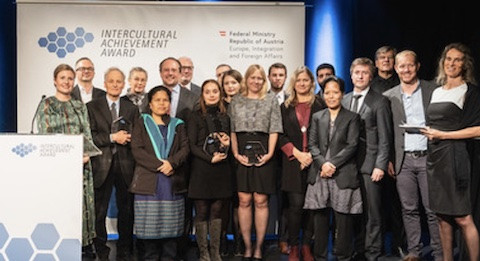 Intercultural Achievement Award (IAA) 2021-05-09 INTERCULTURAL ACHIEVEMENT AWARD (IAA) 2021 Call for applications:We are looking for successful, solution-oriented intercultural and interreligious dialogue projects! The Intercultural Achievement Award (IAA) is a key project for intercultural dialogue of the Austrian Federal Ministry for European and International Affairs. The award honours successful and innovative projects in the field of intercultural and interreligious dialogue, both in Austria and on a global scale. The award is open to all those who identify and make use of opportunities which positively shape intercultural co-existence. It also rewards those who successfully break new ground in intercultural dialogue, who have mastered a specific challenge through intercultural action, and who promote the dialogue of cultures and religions through their media presence. What are the requirements? We are looking for both large and small projects implemented by organisations or individuals. The IAA specifically promotes intercultural and interreligious projects in the fields ofArts/Culture, Youth, Human Rights, Global Citizenship Education and Integration. The projects need to be either in the process of being implemented or already completed. Who is eligible to apply? Applications are open to both non-profit organisations (including non-governmental organisations as well as associations, foundations, charitable educational institutions or religious organisations) and commercial organisations. Individuals from civil society can also participate. Applications are not open to governmental, scientific, research and international institutions. Which prizes are awarded? International: Category Sustainability: “Best ongoing project on the cross-cutting topic of environment and interculturality” Category Recent Events: “Best project with reference to the priority theme 2021 Covid-19 pandemic” Category Technology: “Best application of technology in the context of an intercultural project” Category Innovation: “Most innovative intercultural project” Category Media: “Best media contribution for intercultural understanding” Austria: Special prize: "Integration in Austria" Special prize: “Best Austrian project” Specific criteria have to be met for each category. Applications for both special prizes are only possible for Austrian organizations/citizens. There will only be one winner per category. For the exact submission criteria in each category please read the attached call for tender. Send your application per e-mail to dialog@bmeia.gv.at. Deadline: 6 June 2021 URL:https://www.bmeia.gv.at/en/european-foreign-policy/international-cultural-policy/dialogue-of-cultures-and-religions/intercultural-achievement-award/
  Call for applications and nominations for the 2021 edition of UNESCO International Literacy Prizes 2021-05-07 UNESCO has just opened its call for applications and encourages all champions in the field of literacy learning to apply for the prestigious UNESCO International Literacy Prizes. This is also a call for nomination entities to be ready to engage and nominate their favorite candidates from around the world. Like every year, UNESCO rewards six individuals or organizations for their outstanding projects that promote literacy learning. This year the projects and programmes are requested to reflect the theme ‘Inclusive distance and digital literacy learning’. The theme highlights innovative practices that literacy promoters have been initiating as a way to ensuring the continuity of literacy learning during the COVID-19 crisis. By finding solutions for continuing literacy learning for even the most vulnerable populations has made a difference during a critical time, where face-to-face teaching and learning is restricted. In line with the UNESCO Strategy for Youth and Adult Literacy, the focus is, but not limited to, literacy learning in a lifelong learning perspective. Throughout the pandemic, distance learning has shown many faces and been supported by high-, low- and no tech solutions as well as hybrid learning that combined face-to-face learning. The laureates will be celebrated on International Literacy Day, on 8 September. Since 1967, the UNESCO International Literacy Prizes have rewarded excellence and innovation in the field of literacy. Over 500 projects and programmes around the world have already received recognition and support for their excellent work. Who can apply and who can nominate? Governments, non-governmental organizations and individuals who promote literacy through projects and programmes are welcome to apply. All applications should be submitted to nominating entities, such as the National Commission for UNESCO in the country of the programme, or an NGO that is in an official partnership with UNESCO. Candidates can submit their applications through the online platform. Details about the application and nomination process are on the UNESCO International Literacy Prizes’ website. National Commissions and non-governmental organizations (NGOs) in official partnership with UNESCO are encouraged to nominate individuals, institutions and organizations who are making outstanding contributions to promoting literacy and who request a nomination. Deadline for candidates to submit applications to nominating entities: 13 June 2021 (midnight, Paris time). Deadline for nominating entities to submit their nominations to UNESCO: 27 June 2021 (midnight, Paris time). The nominations will be assessed by an independent International Jury, composed of five experts on the basis of the selection criteria. Based on the recommendations of the International Jury, the Director-General of UNESCO will select the finalists to be awarded at the occasion of International Literacy Day (8 September). About the Prizes Through two prestigious literacy Prizes, UNESCO supports effective literacy practices and encourages the promotion of dynamic literate societies to close the literacy gap of approximately 773 million of people. UNESCO distinguishes between two Literacy Prizes which are given to six laureates in total: The UNESCO King Sejong Literacy Prize (3 awards), was established in 1989 and is supported by the Government of the Republic of Korea. It gives special consideration to programmes that promote mother language-based literacy development. Each UNESCO King Sejong Literacy Prize winner receives a medal, a diploma and US$20,000. The UNESCO Confucius Prize for Literacy (3 awards), was established in 2005, and is supported by the Government of the People’s Republic of China. This Prize recognizes programmes that promote literacy, including functional literacy, leveraging technological environments, in support of adults in rural areas and out-of-school youth. Each UNESCO Confucius Prize for Literacy winner receives a medal, a diploma and US$30,000. More information: UNESCO International Literacy Prizes International Literacy Day What UNESCO does on Literacy Contact: literacyprizes@unesco.org URL:https://en.unesco.org/news/call-applications-and-nominations-2021-edition-unesco-international-literacy-prizes
  Empathy through education is key to address antisemitism 2021-05-07 A simple barber’s station, on display at the Holocaust Memorial Center for the Jews of Macedonia in the Republic of North Macedonia, teaches profound lessons about history that are relevant worldwide. Through such everyday artifacts, students and young people are invited to learn about and imagine the lives of ordinary Jews before the Holocaust – and, in turn, reject age-old antisemitic myths about Jewish wealth and power that continue to breed hatred and discrimination in the present day. These personal artifacts invite curiosity and help to develop empathy, intercultural understanding and critical thinking, as learners ask questions about the lives and stories of individuals who owned and used each object. Such critical thinking is urgently needed, and not just in North Macedonia. Recent reporting on digital hate has shown antisemitism flourishing on social media and the internet, affecting Jewish young people as well as adults, threatening their safety and well-being, and undermining human rights for all of society. The COVID-19 pandemic has propagated and reinforced these deeply rooted prejudices and conspiracy theories about Jewish people and communities, with bigotry and misinformation thriving during moments of instability and fear. As antisemitic and other forms of hate speech are on the rise globally, UNESCO and partners are committed to addressing antisemitism as an immediate concern and long-term educational investment. Within the framework of global citizenship education, these efforts build knowledge and awareness about antisemitism, including its origins, nature and history, as well as common tropes, stereotypes and conspiracy theories, empowering learners to recognize antisemitism and counter it in all of its manifestations. In the first of a series of regional capacity-building conferences on 26 and 27 April 2021, UNESCO and the OSCE’s Office for Democratic Institutions and Human Rights (ODIHR) trained more than 65 policy-makers, teacher trainers and members of civil society organizations on how to address antisemitism through education in Southeast Europe, followed by a national workshop for educators in North Macedonia on 28 April. The conference and workshop highlighted how education about antisemitism helps to counter prejudice by engaging learners’ sense of belonging to a common humanity and building respect for both differences and similarities among peoples. ‘Education has a fundamental role to play in this respect: education that sharpens young people’s critical thinking against violent extremist ideologies and hate speech; education that promotes young people’s constructive political and ethical engagement in their societies,’ Ana Luiza Thompson-Flores, Director of the UNESCO Regional Bureau for Science and Culture in Europe, said. UNESCO and ODIHR jointly developed the first guidelines for policymakers on addressing antisemitism through education in 2018, followed by four training curricula for school directors and primary, secondary and vocational educators in 2020. Work in this area contributes to the UN Strategy and Plan of Action on Hate Speech, which enhances UN efforts to address root causes and support the empowerment of a new generation of digital citizens, prepared to recognize, reject and stand up to hate speech. The pandemic and associated ‘infodemic’, often riddled with antisemitic and other hateful tropes, further highlights the importance of critical thinking and media and information literacy in building resilience against so-called ‘fake news’, misinformation and conspiracy theories online, and the role of education to provide practical strategies to counter their dissemination. ‘Educators can “pre-bunk” antisemitic conspiracy theories by encouraging rational thinking, questioning and fact-checking, and alerting learners to the arguments behind the most common conspiracy theories,’ Dr. John Cook, a postdoctoral researcher at Monash University, told the conference. As antisemitism continues to threaten Jewish individuals and communities and advance violent extremist ideologies, it is imperative that the international community support the development of educators’ knowledge, skills and confidence to teach about and counter antisemitism. More about UNESCO’s work to address antisemitism. The regional conference was attended by representatives from Albania, Bosnia and Herzegovina, Bulgaria, Croatia, Cyprus, Greece, Malta, Montenegro, Republic of Moldova, North Macedonia, Romania, Serbia and Slovenia. It was funded by the Government of Bulgaria and through ODIHR’s Words into Action to Address Intolerance project with funding from the Governments of Canada, Germany, the United States and other OSCE-participating Member States. Photo: An exhibition depicts bystanders watching the introduction of anti-Jewish measures and deportation of Macedonian Jews during the Holocaust. © Holocaust Memorial Center for the Jews of Macedonia URL:https://en.unesco.org/news/empathy-through-education-key-address-antisemitism
 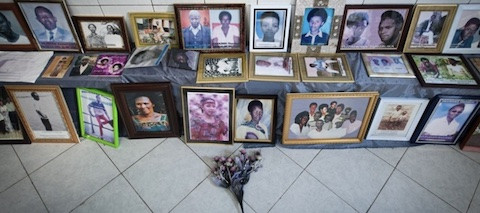 Remembering the 1994 genocide against the Tutsi to counter hate speech and prevent genocide 2021-05-07 At the primary school that Freddy Mutanguha attended, teachers would make Tutsi children stand up in class and verbally abuse them as “cockroaches” and “snakes”, decades-old dehumanizing language laying the foundations of the future genocide. As a child, Mr. Mutanguha went home to his mother, a teacher at the school, and asked her why she would choose to be Tutsi. “We lived in a country with fear. All adults have horrible experiences of discrimination and many parents actually were afraid at the future for the children. From that hate speech, many Tutsi were killed,” said Mr. Mutanguha, a survivor and now Executive Director of the Aegis Trust, an international NGO working to prevent genocide and mass atrocities. He lost both parents, his four sisters and members of his extended family in the murders. Beginning on 7 April 1994, more than 1 million people were killed within 100 days, the overwhelming majority of whom were Tutsi and including moderate Hutu and Twa people. On the International Day of Reflection on the 1994 Genocide against the Tutsi in Rwanda, UNESCO, the Permanent Representative of Rwanda to UNESCO and the USC Shoah Foundation organized an online discussion to honour the victims and survivors and examine the connection between hate speech and incitement to violence. Hate speech on the rise In the present day, hate speech is on the rise around the world, proliferating in social media and compounded by the COVID-19 pandemic, exploiting divisions in every country based on race, ethnicity, gender, religion and socioeconomic status. Often these narratives are promoted for political gain, heedless of the consequences, preying on the fear and ignorance of their audience, and in some cases inciting violence and murder. The genocide against the Tutsi must be remembered, acknowledged and better understood, from the colonial legacy to the post-independence era. In the years leading up to April 1994, media such as Radio Television Libre des Milles Collines (RTLM) and Kangura newspaper conducted systematic campaigns of disinformation and hatred dehumanizing Tutsi as not truly Rwandan. “When the perpetrators launched their mission to eliminate the Tutsi, hate speech had played a major foundational role in preparing the ordinary people who joined the killings to destroy the Tutsi into believing they were doing the right thing,” said Alice Wairimu Nderitu, United Nations Special Adviser on the Prevention of Genocide. “If we have to prevent such calamities, we have to be watchful on all forms of hate speech. No country in the world can consider itself immune to the risk of atrocity crimes.” Reflection on the genocide also acknowledges that most of the international community, including the United Nations, largely stood silent as violence targeted Tutsi for decades and amid the deluge of hate speech leading to 1994. “All of this heartache was avoidable, because there were warning signs, because the history of the genocide did not begin on 7 April 1994,” UNESCO Director-General Audrey Azoulay said. “27 years on, we have still not fully learned all of the lessons. In a different world where new technology gives new vectors for broadcasting, distributing and exemplifying murderous ideologies, those with extreme ideologies can use this technology all over the world, which leads to the risk of new waves of hatred.” Education and media literacy are key Education, media literacy, learning respect for others and dialogue are the foundations of resilience against hatred and bigotry. As part of UNESCO’s programme on global citizenship education, the Organization and its partners promote education about violent pasts and genocide to help learners to become critical thinkers, responsible and active global citizens who value human dignity and respect for all, and to reject racism and other forms of prejudice that can lead to violence. This includes strengthening educational responses to hate speech, while promoting freedom of expression, in line with the United Nations Strategy and Plan of Action on Hate Speech. “We are here to reflect on the power of words and deeds,” said Dr. Stephen Smith, UNESCO Chair on Genocide Education and Finci-Viterbi Executive Director of the University of Southern California Shoah Foundation. “Their dual power to stigmatize, dehumanize and polarize communities, but also their power to bring people together, foster understanding and build relationships in the most divided societies.” Survivors of the genocide against the Tutsi have in many cases turned their anger and pain to efforts to build peace in the future focusing on education. The Aegis Trust based in Kigali has developed learning materials about the genocide, which have been shared with the Central Africa Republic, South Sudan, Kenya and other countries. “Peace education programmes really help Rwandan children look back on the errors of the past and try to resolve the challenges of today to prepare the future,” Mr. Mutanguha said. “This is an experience that the whole world should learn from so that we can make this world a better place to be together.” In October 2021, UNESCO and UN Office on the Prevention of Genocide and the Responsibility to Protect will organize a Ministerial Forum on addressing and countering hate speech through education. UNESCO’s work education about the Holocaust and genocide © Pierre Antoine Pluquet URL:https://en.unesco.org/news/remembering-1994-genocide-against-tutsi-counter-hate-speech-and-prevent-genocide
 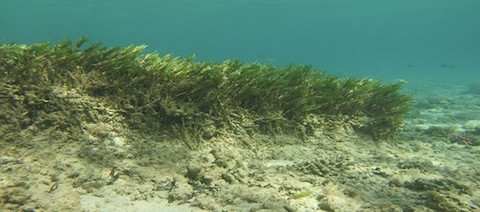 UNESCO cautions ocean risks losing its ability to absorb carbon, exacerbating global warming 2021-05-05 In absorbing carbon dioxide (CO2), the oceans play a crucial role in regulating the climate, a role yet to be fully understood. However, the oceans’ ability to contribute to climate regulation may decline and even be reversed in the future. The oceans that are now the blue lungs of our planet, could end up contributing to global warming. Integrated Ocean Carbon Research: A Summary of Ocean Carbon Knowledge and a Vision for Coordinated Ocean Carbon Research and Observations for the Next Decade, a report newly published by UNESCO’s Intergovernmental Oceanographic Commission (IOC) sets out to accomplish the vital task of studying the evolution of CO2 uptake. It presents a synthesis of the state of knowledge about the oceans’ role in the carbon cycle and points to the way ahead. Its objective is to provide decision-makers with the knowledge needed to develop climate change mitigation and adaptation policies for the coming decade. The report also emphasizes the importance of scientific knowledge to the taking of informed decisions within the United Nations Framework Convention on Climate Change in order to achieve the goals of the Paris Agreement and build more resilient societies. The report highlights the role of the ocean since the industrial revolution as a sink for carbon generated by human activity. Indeed, without ocean and land sinks, atmospheric CO2 levels would be close to 600 ppm (parts per million), 50% higher than the 410 ppm recorded in 2019, which is already well above the agreed target of limiting global warming to two degrees Celsius. But there is a danger that this process will be reversed. Instead of absorbing carbon, the oceans could contribute to the warming greenhouse effect of CO2 emissions. The IOC report thus examines available observations and research to determine whether the oceans will continue to “help” humanity or whether they will turn against it, making mitigation and adaptation to warming more difficult. The broader question is how humanity is altering the ocean carbon cycle, including through carbon dioxide removal schemes, and how this impacts marine ecosystems. In developing the report, the IOC brought together experts from the five [1] international research and coordination programmes on ocean-climate interaction, which have been working together since 2018 in the IOC Working Group on Integrated Ocean Carbon Research (IOC-R). Together they propose an innovative joint programme of medium- and long-term integrated ocean carbon research to fill the gaps in this field. The report was developed as part of the ongoing UN Decade of Ocean Sciences for Sustainable Development (2021-2030). This is a unique opportunity to bring together all stakeholders around common scientific priorities to strengthen action on the changing ocean carbon cycle.-- Audrey Azoulay, UNESCO Director-General Report: Integrated ocean carbon research: a summary of ocean carbon research, and vision of coordinated ocean carbon research and observations for the next decade Study on the role of 'blue carbon' in World Heritage sites United Nations Decade of Ocean Science for Sustainable Development (2021-2030) Media contact: Clare O'Hagan(link sends e-mail), +33(0)145681729 [1] The International Ocean Carbon Coordination Project (IOCCP), the Integrated Marine Biosphere Research Project (IMBeR), the Surface Ocean – Lower Atmosphere Study (SOLAS), the Climate and Ocean Variability, Predictability and Change (CLIVAR) project and the Global Carbon Project. URL:https://en.unesco.org/news/unesco-cautions-ocean-risks-losing-its-ability-absorb-carbon-exacerbating-global-warming
 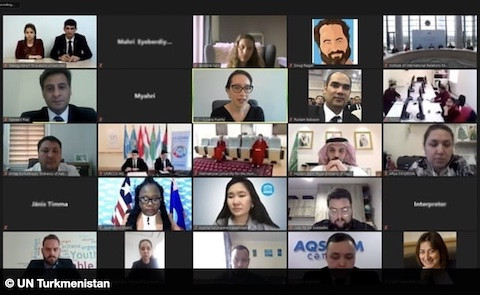 Engaging youth in peace and trust global discussion 2021-05-05 On 29 March 2021, the United Nations and the Government of Turkmenistan have convened the International Youth Forum for Peace and Trust which was organized as a follow up to the Resolution adopted by the UN General Assembly on 12 September 2019 proclaiming the year 2021 as the International Year of Peace and Trust. The high-level forum organized in a video-conference format brought together the representatives of the UN System, in particular the Office of the UN Secretary General's Special Envoy for Youth, UNFPA, UNICEF, UNESCO, UNDP, UN-Habitat, UNODC, OHCHR, UNRCCA, as well as the National Youth Councils, regional youth organizations and the civil society to facilitate a global dialogue to promote youth participation in formal peace dialogues and amplifying the importance of creating a climate of trust between the nations.The Forum aimed at encouraging the UN Member States, UN entities, regional and sub-regional organizations and other relevant actors to consider instituting mechanisms to engage youth in the promotion of a culture of peace, tolerance and intercultural and interreligious dialogue and develop, as appropriate, an understanding of respect for human dignity, pluralism and diversity. During the first segment of the Forum young leaders representing youth organizations and networks from the region and beyond exchanged their views on importance of youth participation for regional peace and creating a culture of trust at all levels. They also contributed to the Joint Appeal of the participants of the Forum that was later adopted.The results of the Ashgabat Youth Forum will contribute to the Economic and Social Council (ECOSOC) Youth Forum to be held on 7 and 8 April 2021. URL:http://en.unesco.kz/engaging-youth-in-peace-and-trust-global-discussion
  The Fight for Equal Rights for Women Is Growing in Central Asia 2021-05-05 Savia Khasanova. Photo: CABAR.asia On March 30, IWPR Central Asia held an online discussion on the topic “Women’s Activism in Central Asian Countries: the Fight for Women’s Rights Is Relevant Again”. The activists of the women’s movement for equal rights from four Central Asian countries participated in the online discussion. They discussed issues of gender equality and violation of women’s rights in Kazakhstan, Kyrgyzstan, Tajikistan and Uzbekistan. The moderator of the discussion was Lola Olimova, IWPR Program Coordinator. She noted that regrettably, the situation with the violation of women’s rights is worsening in Central Asian countries. After 30 years of independence of the countries in the region, the women have to defend their rights again. Gender inequality is revealed in many areas, in particular, women, despite state programs, laws and populist statements by the authorities, find it difficult to overcome the barriers to advance the careers in politics, governance, distribution of economic benefits, etc. Women in Central Asia have to fight for their social and political rights, while facing strong opposition from men insisting that women should follow the conservative traditions of their ancestors. A Kyrgyz performer, known for her songs in defense of women’s rights and against violence, Zere Asylbek, set the tone for the conversation. She spoke standing in front of a court building in Bishkek, where there was a hearing of the case of a woman raped by bailiffs. Zere said that she came there to support the victim of violence, who seeks justice for 8 years already. The activist spoke about the aggravating situation of women in her country. “The cases of bride kidnapping still exist. In addition, during the pandemic, the number of complaints from women about domestic violence increased by 40%. It is scary to think about where it all is going, because the unstable political situation is most disadvantageous for women. This makes me think about what will happen next,” Zere Asylbek said. She recalled the protest on March 8, 2019, when women in Bishkek went out to state their position against the violence. The government did not protect the women’s march then. According to Zere, the authorities pretended that they had nothing to do with it, hired some people who attacked the women, while the police detained not the attackers, but the women participating in the peaceful demonstration. “The state not only knows about the problems women encounter, but it also ignores these problems. It seems that the state does not want to solve these problems, and suppresses the activists who are struggling with it. The situation of women in corrupt countries is aggravating,” Zere said. Nevertheless, young girls and women in Kyrgyzstan do not give up and continue to fight for equal rights. The march on March 8 this year became symbolic and showed that the feminist movement in the country became stronger. In conclusion, Zere introduced the participants of the online discussion to young girls who came to one of the district courts in Bishkek with posters to support a woman fighting for her rights. We should add that a DoS attack was launched against the online discussion. At the beginning, during the speeches of activists from Kyrgyzstan, the opponents of women’s equality were able to interfere with the speeches for a short time, posting obscene comments and pictures, thereby discrediting the event. The organisers quickly regained control by blocking some of the participants with unidentified nicknames. The discussion went on without interruptions. The next speaker was Savia Khasanova, a researcher and data journalist from Kyrgyzstan. Savia manages several analytical platforms: Central Asian Analytical Network, UZAnalytics, and regularly publishes her materials on the online media Kloop.kg. She actively works on research on femicide, gender-based violence and women’s economic empowerment. Her presentation was titled “Fight for Women’s Rights in Kyrgyzstan: an Agenda Against Stereotypes, Discrimination and Violence”. She said the topic was inspired by the protest marches that took place in 2019 and 2021. According to Savia Khasanova, largely, the discrimination and violence against women arise from the stereotypes existing in society. “Most of the comments about women’s activism in the Kyrgyz segment of social media say, “What are you thinking of? Who is stopping you?” On paper, everything is fine in the Kyrgyz Republic. Women’s rights are enshrined in various laws, the National plan for achieving gender equality, etc. However, when it comes to opportunities, in fact, everything is not so perfect,” she said. In her presentation, the researcher showed the deterioration in the situation of women in Kyrgyzstan over the past twenty years. One of the most important indicators is the participation of women in economic life of the country. The comparative analysis conducted by her shows that the employment gap between men and women over 15 years old is growing. In 2002, every second woman between 20 and 29 years old worked, but by 2019, this figure dropped to 37%. In political representation, 30% gender quotas for women adopted in 2011 have never been implemented. The representation of women in Parliament has not exceeded 17% over the past five years. The number of officially registered cases of domestic violence in Kyrgyzstan is growing. In 2019, 8,159 cases of domestic violence were registered, 95% of the victims were women. At the same time, the numbers do not reflect the real picture, according to Khasanova. She presented data on the Gender Inequality Index, annually provided by UNDP. It shows that among the CIS countries, Kyrgyzstan has made the least progress. This indicator reflects the complex situation in the country with the women’s status. Both activists of the gender equality movement from Kyrgyzstan noted that the change of power in their country does not encourage optimism and, possibly, it will add new challenges to their struggle. “Just yesterday, President Japarov signed a decree on the creation of a group for preparation of a concept of spiritual and moral development. We do not understand what criteria will be included in this spiritual and moral development. What will be promoted under this concept? In general, how will this affect the women’s role in our country? I urge everyone to follow this situation. In case of something inappropriate, we should ring the alarm,” Savia Khasanova said in conclusion. Zulaykho Usmonova, PhD, leading researcher at the Institute of Philosophy, Political Science and Law of the National Academy of Sciences of the Republic of Tajikistan, women’s rights activist and researcher, spoke about the situation with the women’s status in Tajikistan. Women’s rights movement in Tajikistan is not as developed as in Kazakhstan and Kyrgyzstan. Zulaykho Usmonova told the discussion participants about the first attempt to get together and celebrate International Women’s Day on March 8 last year. Then, a small group of women, about 50 people, decided to gather in one of the cafes in Dushanbe, and faced incredible opposition from the state security officers. According to Usmonova, this meeting was decided to be held in another cafe, but it never took place, because its organiser Nisso Rasulova was asked to immediately stop the meeting due to the danger of coronavirus spread, although at that time, the authorities officially denied the presence of this virus in Tajikistan. Later, many women reported that they were summoned for questioning by the State Committee for National Security. This was the only attempt to control the feminist movement in Tajikistan. After that, women in Tajikistan no longer gathered. Meanwhile, the situation of women in this country is also rapidly aggravating. “The main obstacles to gender equality in Tajikistan and in other countries, in my opinion, are phenomena that can be called superstructural, considering the Marxist theory of base and superstructure – the phenomena that are related to spiritual, not material life. The prevalence and persistence of stereotypes, which, unfortunately, rapidly appeared in our countries after the Soviet Union collapse. First, they relate to the role and position of women. These stereotypes in Tajikistan acquire new contexts and become a real disaster and threat to the development of gender equality,” Usmonova said. Unfortunately, despite the fact that the state adopts fair laws, strategies and programs, despite the commitment of the country’s government to international norms and documents on gender equality, the women in the country are not allowed access to the power. This happens for various reasons, but, first, because there are quite few educated women who can professionally engage in politics, economics, and banking. This results from the fact that girls are forbidden to continue their education after the marriage. This negatively affects the role of women, therefore, there are several times fewer candidates and doctors of science among women than among men, as Zulaykho Usmonova emphasized. The feminists from Kazakhstan, human rights activists and co-founders of the Feminist Initiative “Feminita” Zhanar Sekerbaeva and Gulzada Serzhan spoke about their fight for equal rights. Their presentation was titled “Why Is Feminism Equal to LGBT in Kazakhstan?” Zhanar Sekerbaeva said that their initiative is unregistered, since “the patriarchy resists them with all its power”. She said that together with Gulzada, she has been monitoring, researching and advocating for vulnerable women since 2014. “Our mission clearly defines the groups of women whose advocacy and monitoring we conduct. These are lesbian, bisexual, queer and trans women. The sex workers are also registered there, and this definition very often embarrasses officials. They are constantly trying in to say that this group of people is very terrible,” said Zhanar Sekerbaeva. She noted that, despite the repeated criticism of identity politics, they equate feminism and LGBT, which is often used against them. Zhanar spoke about the preparation and realisation of the feminist march in 2021 initiated by their group, and about the excitement in society about it. “It becomes unclear to everyone how feminism and the women’s movement are suddenly connected with LGBT people? No one thinks that these are, mostly, the women. Even when we try to explain that they are women too and they have the same problems, just their sexual identity is a little different, very few people understand us,” she said. “The protest on March 8 in Kazakhstan has become historic. For the first time, about 1000 people came to such a march. Even the opposition and those who oppose the transfer of land to China were unable to gather so many people. However, the lesbians, female sex workers, women living with HIV organised such a peaceful march with so many people. It was the safest and largest feminist march,” Zhanar Sekerbaeva highlighted. She urged women to stand up for their rights and not be afraid of stereotypes. Gulzada Serzhan spoke about her feelings about this march and an invitation to a TV talk show after it. The devaluation of their activities and accusations of ties with the authorities [the Almaty Akimat issued permission to hold this march, and “Feminita” initiative is accused of using the pro-government connections] could not destroy their positive attitude in the fight for their rights. On the contrary, all these accusations and the quoting out of context led to an increase in the number of views of their websites and social media pages. “According to our laws, it is prohibited to gather more than a thousand people for the peaceful protests. However, those who are afraid of us claimed there were three thousand people. We wonder what would happen if next year, every woman brings two friends with her? What should we do then?” said Gulzada Serzhan. Irina Matvienko, journalist and women’s rights activist, founder of the “Ne Molchi” [“Do not be silent” – Tr.] Movement in Uzbekistan, informed the discussion participants about the situation in her country. Her presentation was titled “Uzbekistan: The Illusion of Equality”. The Article 18 of the Constitution of the Republic of Uzbekistan guarantees equal rights and freedoms, regardless of gender, race, nationality, language, religion, and so on, but in fact, all this is an illusion, Matvienko said and presented statistics. The women make up only 2.9% of the government of the Republic of Uzbekistan, and 12.8% – of the judicial system. In 2019, the women made up 26.6% among the managers at the level of heads of departments in ministries, 11.1% – among the heads of enterprises, and only one fifth – among the heads of households. The women make up less than a quarter of the adult population who own land. The wage gap between men and women is 36.2%, but if we consider the unpaid domestic work, then women are occupied with such work much more. Higher education enrolment is also much lower among women. The Uzbek expert cited the scary headlines from the Uzbek media, which indicate a growth of femicide in the country. “The women are beaten, are killed. The women throw themselves under the train with their children, because her husband blames her for not giving birth to a boy. They are beaten because they were late at work and did not have time to cook dinner. The women are raped. This is scary,” said Irina. The activists in Uzbekistan are fighting for their rights, she said. Last year, a flash mob “Fight against stereotypes” was launched in Tashkent, where the girls participated with posters and slogans “Kelinka [daughter-in-law – Tr.] is not a servant”, “My body, my choice”, “A woman is not an incubator”, etc. The activists of the “Ne Molchi” movement prepared a petition for women’s rights protection, but the commission under the Oliy Majlis, consisting of eight men, rejected this petition, stating that the rights of women in Uzbekistan are already protected. In the conclusion, Irina Matvienko showed a movie “Hear Me Out, Too” by Mukhlisa Azizova, an Uzbek director. The movie demonstrates the vulnerable position of girls and women from the countries of the region. URL:https://cabar.asia/en/the-fight-for-equal-rights-for-women-is-growing-in-central-asia