
News
Catch up on what’s happening in the world of global citizenship education.
1,668 results found
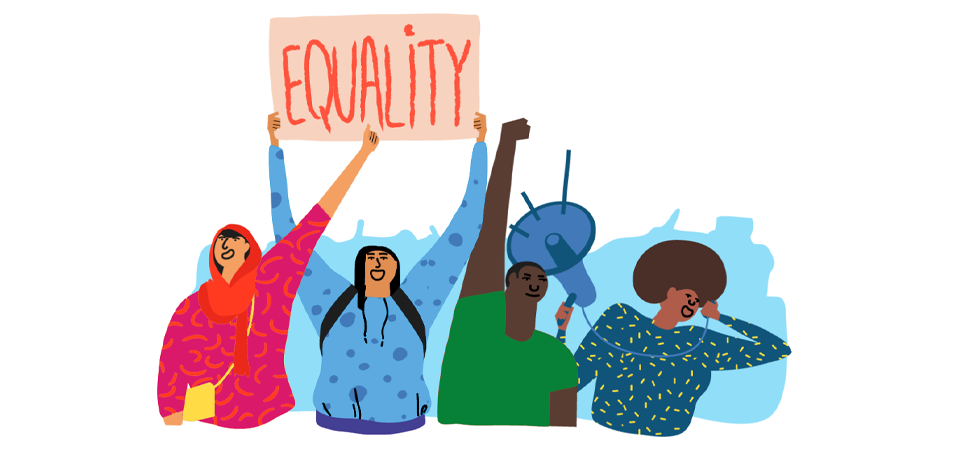 Seven ways to change the world 2021-07-04 Convened by UN Women, co-hosted by the governments of Mexico and France, together with civil society and youth, the Generation Equality Forum is taking place in Paris, from 30 June to 2 July. Here’s how it’s set to be catalytic and action-oriented, unveiling major investments, programmes, and policies that accelerate progress on women’s rights. Equal rights and opportunities for all people, of all genders, everywhere. It’s not a new vision, but still a bold one, as no country in the world has achieved gender equality in all aspects of life. Since 2020, the COVID-19 pandemic has claimed more than 3.7 million lives globally and created and exacerbated a gender equality crisis. Even before COVID-19, almost one in three women worldwide experienced abuse; during the pandemic, calls to helplines increased five-fold in some countries. The World Economic Forum estimates that at the current rate of progress, women will not achieve pay or leadership equity with men for at least another 135.6 years. The upcoming Generation Equality Forum in Paris, from 30 June – 2 July, is an inflection point to confront the gender equality crisis and spur major investments, policy, and programmes to advance gender equality and women’s rights. Convened by UN Women and co-hosted by the governments of Mexico and France, in partnership with youth and civil society, the Forum will bring together governments, feminist leaders, youth, and change makers from every sector, to announce trailblazing gender equality investments, programmes, and policies. It will mark the beginning of a five-year action journey led by six Action Coalitions and a Compact on Women, Peace and Security, and Humanitarian Action. Together, the Action Coalitions and the Compact have identified the most catalytic actions and targets needed to make irreversible progress by 2026. For instance, policies that recognize, reduce, and redistribute care work and create an additional 80 million decent care jobs; laws that protect 550 million more women and girls from gender-based violence; and doubling the proportion of women working in technology and innovation, while increasing investment in gender-responsive climate solutions.As we head towards the Paris Forum, here are seven ways to change the world, and find out how you can #ActForEqual. 1. End gender-based violence Putting an end to gender-based violence is essential for fulfilling the vision of a gender-equal world. An estimated 736 million women—almost one in three—have been subjected to intimate partner violence, non-partner sexual violence, or both at least once in their life. What needs to change? More governments must ratify international and regional conventions that prohibit all forms of gender-based violence, and strengthen, implement, and finance evidence-driven laws, policies, and action plans. “Everyone agrees that women’s rights organizations need to receive better funding,” says Céline Bonnaire, Executive Director of the Kering Foundation and a member of the Action Coalition on Gender-Based Violence. “But when you have a look at where the money goes, women and girl-lead organizations are receiving just seven per cent of the global philanthropic funding.” That’s why the Action Coalition on ending gender-based violence is focused on increasing the amount of quality, flexible funding from governments, private sector, and other donors to girl-led and women’s organizations, as well as the broader need to scale-up and improve survivor-centred services. “Everyone has a role to play in putting an end to violence against women,” says Bonnaire. “I want a future where there are no more women that have to be survivors of violence.” 2. Guarantee economic justice and rights Women and girls are particularly disadvantaged in social protection systems. The gender gap in labour force participation has not shifted in 30 years, stagnating at 31 per cent. Young women, aged 15-29, are three times more likely to be outside the labour force and schools than young men. Transforming the care economy is one key component of guaranteeing economic justice and rights for women and girls everywhere. Women spend, on average, triple the amount of time performing unpaid care and domestic work that men do, so it is essential that labour rights reward and represent care workers. Pay equity and decent work must become the norm. Diane Ndarbawa, President of Manki Maroua, an association of girl-child mothers in Cameroon, and a member of the Action Coalition on Economic Justice and Rights, says, “Legal change is needed urgently because it will significantly speed up progress on gender equality and contribute to economic justice, as well as safeguard this progress in the long term.” Supporting organizations that work with local communities, such as those offering expertise and financial backing to girls and women entrepreneurs, is another key action to drive progress, says Ndarbawa. “We want to make our voices heard… so that [women] have access to decent work, a professional career, a business—and so they are not left behind,” she stresses. 3. Ensure bodily autonomy and sexual and reproductive health and rights Empowering women and girls to exercise their sexual and reproductive health and rights and make autonomous decisions about their own bodies free from coercion, violence, and discrimination is an urgent need and critical to achieving a gender-equal world. Worldwide, 45 per cent of girls and women, aged 15-49, who are married or in unions cannot make decisions about their own bodies, such as deciding about contraception or saying no to sex. Further, women and girls in humanitarian emergencies face specific and exacerbated challenges—60 per cent of maternal deaths happen in countries affected by humanitarian crisis or fragile conditions. The upcoming Generation Equality Forum in Paris is discussing key solutions, such as expanding comprehensive sexuality education and increasing the quality of and access to contraceptive services for millions more adolescent girls and women by 2026. The Action Coalition on Bodily Autonomy and Sexual and Reproductive Health and Rights is also focused on ensuring that, in five years’ time, 50 million more adolescent girls and women live in jurisdictions where they can access safe and legal abortion. “For us, bodily autonomy is not just about removing individual friction in securing services, but also about shifting the broader market systems within which decisions are taken about what services to provide for whom and where,” says Kate Hampton, CEO of the Children’s Investment Fund Foundation and Action Coalition member. Central to this effort is placing the perspectives and needs of women and girls at the centre of decision-making, rather than treating them as an afterthought, says Hampton. 4. Feminist action for climate justiceA changing climate affects everyone, but it’s the world’s poorest and those in vulnerable situations, especially women and girls, who bear the brunt of environmental, economic, and social shocks and face greater health and safety risks. Yet, women and girls are underrepresented in advancing climate justice across all levels and sectors, and climate interventions fail to adequately account for women’s and girls’ realities in climate crises, such as violence, healthcare needs, fraught economic resilience, and unpaid care and domestic work. Joanita Babirye, from Uganda, is the Co-founder of Girls for Climate Action and member of the Action Coalition on Feminist Action for Climate Justice, and she knows this reality firsthand. “I grew up in a community where women and girls interact with the environment every day for food, income, and to take care of their households,” she shares. “We started having to travel longer distances to look for water. We noticed that changes to the seasons were having a negative impact on agriculture, which made us increasingly concerned.” Babirye felt that something had to be done to further feminist action for climate justice, so she joined forces with other Action Coalition members from around the world to increase direct access to financing for gender-just climate solutions, enable women and girls to lead a just transition to a green economy, and increase the collection and use of data on gender and the environment. “Women and girls should be able to demand climate justice, but this is only possible when they are equipped with the tools and knowledge to hold everyone accountable,” says Babirye. “The transformation needed is to make women and girls fully aware of the issues and leaders of the solutions.” 5. Foster technology and innovation for gender equalityWhat would the world look like if women and girls had equal opportunities to access, use, lead, and design technology and innovation? This question is central to the Generation Equality Action Coalition on Technology and Innovation for Gender Equality, which is set to bridge the gender digital divide across generations, double the proportion of women working in technology and innovation, and eliminate online gender-based violence. Kyzzhibek Batyrkanova, a champion for women and girls in STEM and leader of Kyrgyzstan’s first Space Programme, believes that investing in feminist technology and innovation is a key part of building an inclusive and accountable future. “We encounter many negative comments that this programme will fail because girls and women are engaged in it. People do not even consider any other factors such as lack of funding and infrastructure,” she says. To level the playing field for women and girls, the diverse partners that make up the Action Coalition on Technology and Innovation are proposing concrete steps to widen innovation ecosystems, embed transparency and accountability in digital technology, and expand inclusive digital economies. “We need…to break the glass ceiling and expand opportunities for women and girls in science,” says Batyrkanova, who works to promote STEM education for young women and girls, including courses on soldering, 3D-modeling, and 3D-printing. “We want to show by our own example that girls are capable of anything, even reaching for the stars,” she shares. 6. Invest in feminist movements and leadershipWithout increased action to advance feminist movements and leadership, we are far from achieving gender parity in political life. At the current rate of progress, equal gender representation will not be achieved in national legislative bodies until 2063. Feminist leaders, including trans, intersex and nonbinary people, indigenous women, young feminists, and other historically excluded people, have vital contributions to make today. “I find it problematic that, even in 2021, we still need to justify why women can and should be leaders,” says Bogolo Joy Kenewendo, an economist from Botswana, leader, and member of the G7 Gender Equality Advisory Council, as well as the United Nations Secretary-General’s High-Level Panel on Digital Cooperation. “A lot of work has been done since the 1995 Beijing Declaration and Platform for Action. Why should I now, 26 years later, still have to justify my position in leadership?” she asks. “Feminist organizations are on the front lines in their communities as we have seen throughout the COVID-19 pandemic. They have been supporting the poorest and most vulnerable, fighting and advocating to ensure that those dependent upon on services, such as women’s shelters, can continue to have access. These are the people on the ground who are making change happen on a day-to-day basis, and we must support them,” says Karina Gould, Minister of International Development at the Government of Canada, and member of the Generation Equality Forum Action Coalition on Feminist Movements and Leadership. “Canada signed up to co-lead the Action Coalition because it recognizes that investing in feminist movements and feminist leaders is critical for advancing gender equality”, says Minister Gould. “We see challenges and barriers to feminist movements and leadership that we want to help mitigate,” she adds. “A big challenge is funding. Less than one per cent of development assistance goes towards feminist organizations. We simply need more.” Motivated by the same sentiments as Minister Gould, the Action Coalition on Advancing Feminist Movements and Leadership are putting forth actions to fund and support diverse feminist activists, organizations, and civic space for feminist action. By 2026, the Coalition aims to advance the leadership and decision-making power of women, girls, and nonbinary people around the world. 7. Put women in the heart and at the helm of peace, security, and humanitarian actionTwo decades have passed since the landmark UN Security Council resolution 1325 was adopted, enshrining the role of women in securing and maintaining peace. Peace and equitable crisis response and disaster prevention are prerequisites for health, human security, and sustainable development. As we convene for the Paris Forum, some two billion people are living in countries affected by conflict, another billion are caught up in protracted crises, and millions more face the ever growing threat of climate change. Even in the midst of COVID-19, guns were not silenced, and women continued their efforts to keep peace or act as first responders, often without much recognition or resources. In conflict-affected countries, women’s representation in COVID-19 taskforces stands at a low 18 per cent. Although evidence shows that when women are at the negotiating table, peace agreements are more likely to last 15 years or longer, on average, women made up only 13 per cent of negotiators, six per cent of mediators, and six per cent of signatories in major peace processes between 1992 and 2019. The policies and measures to change this are already in place, but implementation and investment is lacking, in women as peacebuilders, front-line humanitarian workers, and human rights defenders. At the Generation Equality Forum in Paris, a diverse coalition will announce how they plan to accelerate implementation of the agenda. “Women and young people have a profound understanding of their countries’ peace and security situation, gender and power relations, and humanitarian needs, because they live this reality every single day,” says Mavic Cabrera Balleza, Founder and CEO of the Global Network of Women Peacebuilders, which is part of the Compact on Women, Peace and Security and Humanitarian Action. Balleza and the many diverse partners engaged in developing the Compact will leverage existing peace and security and humanitarian frameworks to dismantle discriminatory barriers and promote the protection of women's rights and the work of women peacebuilders, front-line responders, and women human rights defenders. After more than 30 governments, United Nations entities, and global civil society organizations sign the Compat at the Forum, signatories are expected to implement these actions and report on progress over the next five years. “When local populations are able to shape the implementation of the Women, Peace and Security and humanitarian agendas, it becomes inclusive, participatory, intersectional, and it fosters strong ownership,” says Balleza. “This is what we need to prioritize to effectively respond to the violent conflicts, the pandemic, and other humanitarian crises.” You can #ActforEqual 2021 can be a landmark year for gender equality if we #ActForEqual and step up for gender equality. Register for the Generation Equality Forum by 27 June 2021 to join the multi-actor and inter-generational gathering and follow UN Women on social media to stay up to date with Forum news. To learn more about each Action Coalition’s commitments, see the Forum’s microsite for commitment making. URL:https://www.unwomen.org/en/news/stories/2021/6/feature-seven-ways-to-change-the-world
  Students take on global challenges during virtual AI hackathon 2021-07-03 UNESCO YouthMobile and Microsoft have partnered to host the Imagine Cup Junior Virtual AI Hackathon, a practical journey into digital literacy on the theme “AI for Earth”. From 18 to 20 June 2021, high-school students from Europe, the Middle East and Africa engaged in an intensive online experience to understand what AI is, learn how to adapt to a constantly changing intelligence landscape, and build the skills they need to take ethical control of the development and use of AI. Following the highly successful All-Girls hackathon earlier this year, the event aimed at emphasizing the impact that AI can have on the future of our planet: the practical exercises and real-life examples used during the event all focused on the use of AI to better understand and address sustainability, particularly climate change and the loss of biodiversity. These issues are all relevant to the United Nations’ Sustainable Development Goals (SDGs), which recognize the importance of tackling climate change and working to preserve our oceans and forests. The hackathon culminated in a design challenge, where participants from Egypt, Russian Federation, Spain, Romania, Ireland, Nigeria, Morocco and Oman worked in teams to envision an AI solution to a real-world problem that would benefit the Earth. A panel of judges ultimately awarded 4 ideas: Team Autonomus from Egypt proposed a project that would enable governments and wildlife organizations to track elephant populations using a combination of acoustic sensors, bioacoustics recorders, camera traps and aerial imagery. Team Regression from Egypt exposed a solution to protect elders who live alone during emergency situations, in which they are unable to call for help, through an AI supervised learning and classification to correctly identify an emergency. Team Gauss from Romania worked on preservation of tiger subspecies by tracking tigers through social media and using classification for discerning pictures. Team Binary from Russian Federation proposed to mitigate the effects of the ongoing pandemic by developing an AI that can predict the degree of congestion in various areas, letting users know which high-risk places they need to avoid. I really enjoyed this Hackathon, I expected it to be harder than what we actually do but I learned things that I can’t learn at school in a “magic, interesting and unseen” way. This Hackathon showed me what I really want to do with my life and that I can actually do a lot of things that I like. It was a pleasant experience and I can’t wait to learn new things and participate to the next Hackathon.-- One of the participating students Supported by their teachers and by mentors volunteers, students started their journey by learning how to think like a programmer, break down a problem into a precise sequence of instructions, and create coding solutions that include sequences, events, loops and conditionals. On the second day, students were driven through the history of AI – from the first conceptualization of an automaton in the Greek myth of Talos to the super AIs of today. They learned about the pioneers who first defined what constitutes an AI and were shown the difference between narrow, general and super AIs. There were discussions on ethics and the responsible use of AI before moving on to more technical insights and machine learning techniques. Finally, to prepare for the design challenge, they underwent a series of exercises exploring various applications of AI in the context of sustainability. Using their knowledge of regression, classification and clustering, students were able to work in various tools and languages to solve a series of challenges, including predicting water consumption, deciding which is the best place to plant trees, and saving endangered species like penguins or the elusive snow leopard. UNESCO leverages young people’s digital creativity to shape solutions for the world. In today’s world, becoming digitally literate requires to further explore, understand, push limits and learn complex skills, such as the basics of AI. Equipped with digital skills, young people could develop digital solutions to address local challenges, supporting themselves and their communities. In consideration of recent developments in the social and digital domains, including artificial intelligence, privacy issues, the increasing importance of social competencies such as digital citizenship and education for sustainable development, UNESCO recently launched its updated curriculum on media and information literacy: “Think critically, Click Wisely: Media and Information Literate Citizens”. The event was a contribution to the Global Education Coalition, launched by UNESCO in 2020, which brings together more than 175 members from the UN family, civil society, academia and the private sector to ensure that #LearningNeverStops. Related links UNESCO YouthMobile UNESCO's programme on Media and Information Literacy Girls design artificial intelligence solutions during virtual hackathon held by Microsoft and UNESCO UNESCO’s Global Education Coalition Keeping girls in the picture campaign #LearningNeverStops UNESCO’s work on education and gender equality Artificial intelligence in education Girls’ and women’s education in science, technology, engineering and mathematics (STEM) ICT in Education URL:https://en.unesco.org/news/students-take-global-challenges-during-virtual-ai-hackathon
  UNESCO makes commitments to key-drivers to gender equality: education, science and culture 2021-07-02 As the world meets at the Generation Equality Forum, UNESCO is launching a set of concrete commitments to achieve tangible progress towards gender equality in key areas over the next five years while COVID-19 has magnified deeply rooted structural gender inequalities: On Girls’ Education, UNESCO will continue to lead a multi-stakeholder global coalition to support girls’ education in the wake of COVID-19, reaching 28 million learners in more than 80 countries with quality gender-transformative teaching and learning that promotes gender equality; On Technology and Innovation, UNESCO will work to close the digital gender divide, empower women scientists, and promote the ethical use of Artificial Intelligence which is free of gender bias and sexism. UNESCO will, for example, enable 10,000 women physicists to take leadership roles and provide access to at least 10,000 girls in Africa to studies on microscience; On Creativity, UNESCO will work to economically empower women artists and those working in the creative industries in Africa, by improving their access to audiences, funds, social protection schemes and increasing the number of creative industries enterprises owned and led by women, while promoting women’s rights to create, free of violence, sexism, and sexual harassment. Gender Equality is a global priority for UNESCO that cuts across its fields of competence: education, science, culture and communication. Gender equality cannot be achieved without concrete measures. Access to education for women and girls is a priority for UNESCO. Among other efforts, we are strengthening their access to scientific training where they are still under-represented. Our work also focuses on culture, where women’s representations are essential and where they are the most affected by the pandemic.-- Audrey Azoulay, Director-General of UNESCO Although women have been on the front lines of the crisis, they are suffering sever backlashes. In education, 767 million young women and girls were impacted by school closures and 11 million may never return to class, joining the 132 million who were already out of school before the crisis struck. From the economic perspective, the recession is pushing 47 million more women and girls into poverty, destroying their economic independence and making them more vulnerable to gender-based discrimination and violence. We must ensure that progress achieved by countries around the world is sustained notably in education, where, according to a new UNESCO report, girls’ primary school completion rates have reached 87%, almost 20 percentage points more than 25 years ago. Women still face all too many obstacles in science, despite the brilliant success of researchers like Kati Kariko, from Hungary, who contributed significantly to the creation of the Pfizer-BioNTech mRNA vaccine against coronavirus. UNESCO’s data shows that women make up only one out of three scientific researchers although they constitute 45 to 55% of all university students and 44% of PhD students. Only 3% of female higher education students, however, choose to study information and communication technologies. This is why UNESCO funds young women PhD researchers through its Organization for Women in Science for the Developing World. It also provides STEM mentorship programmes for high school girls to nurture their interest in the sciences through role models and provides courses in coding, robotics and Artificial Intelligence. UNESCO further promotes the careers of young women scientists and gives visibility to their achievements through the annual UNESCO/L'Oréal For Women in Science Award. Since 1998, more than 3,600 women scientists have been recognized, 3,500 Young Rising Talents, PhD candidates and post-doctorates, were supported through financial support and leadership training. In addition, 117 Laureates have been honored for their excellence in science, including five who have gone on to win a scientific Nobel Prize. In the field of culture, UNESCO’s recent publication Gender & Creativity: Progress on the Precipice, analyses the gender gaps in the cultural and creative industries where women artists and creators continue to face unequal access to decent work, unfair remuneration, marginalization, as well as limited access to information and communication technologies. Related links: UNESCO Priority Gender Equality UNESCO Report: “I’d blush if I could” URL:https://en.unesco.org/news/unesco-makes-commitments-key-drivers-gender-equality-education-science-and-culture
  Citizenship education key to building sustainable and healthy communities, finds workshop 2021-07-01 UNESCO learning cities from around the world underscored the importance of citizenship education, especially in the recovery from the COVID-19 pandemic, at a workshop on 17 June 2021. Almost 100 participants discussed strategies and programmes on the workshop theme, Citizenship Education for Healthy and Sustainable Communities. The event was spearheaded by the UNESCO learning cities of Gdynia (Poland) and Tongyeong (Republic of Korea), the UNESCO Institute for Lifelong Learning and the coordinators of the UNESCO Global Network of Learning Cities (GNLC) cluster on citizenship education, the cities of Larissa (Greece) and Yeonsu (Republic of Korea). Strengthening community confidence to combat the pandemic through global citizenship education Participants acknowledged the key role of citizenship education in driving collective participation and engaging the passions of citizens, entrepreneurs, and civil society in building a better, healthier and more sustainable quality of life in cities across the globe. “Tongyeong has reached self-esteem, self-recognition and self-confidence in combating the pandemic as a result of their 16 years working in expanding global citizenship education and lifelong learning.”-- Dr Eun Kyung Park, Chairperson of the Tongyeong Education Foundation for Sustainable Development Delegates argued that that innovation will play a key role for cities and communities in managing present and future crises, and noted the key part education has to play in supporting this. “Education ensures our survival, our lives and our relationship with people.”-- Mr Jarosław Józefczyk, Deputy Director at the Municipal Social Welfare Center in Gdynia Citizenship education: A pillar of sustainability In the context of Sustainable Development Goal (SDG) 4 on education, citizenship education drives collective action in promoting sustainable communities. To achieve sustainability, cities must provide concrete actions in terms of providing effective and efficient policies, democratizing access to knowledge, and involving stakeholders such as students, teachers and civil society. Proactive community and citizen engagement approaches are also needed. Ms Kim Jung Ae described how, in the city of Gwangmeong (Republic of Korea), citizenship education and participation in creative activities, such as through Net Zero Cafés, were crucial to addressing urban restructuring and the demolition of natural spaces. Ms Han Ae Lee (Republic of Korea) underlined how promoting inclusive and welcoming societies was reflected in Yeonsu city’s intergenerational lifelong learning programme to integrate new migrants and enable community engagement. Citizenship education: Fostering health and well-being Innovative and creative practices that promote dialogue and participation and support bottom-up initiatives sustain cities’ well-being. In the City of Gdynia, the Social Innovation Laboratory and the Green Hub were created as avenues to drive people’s participation on issues related to the environment and climate change. Ms Anna Posłuszna of the Gdynia Emigration Museum explained how opening a digital platform to showcase the museum’s work through active social media engagement enabled engagement with thousands of citizens. Fostering the well-being of the citizens, digital infrastructures, expanded health services and outreach through citizenship education are also crucial. Mr George Bagakis, from the City of Corinth (Greece), emphasized how teachers need to be supported so they can fulfil their roles effectively. Challenges at the time of crisis During the pandemic many citizens have experienced feelings of loneliness, isolation, lack of trust in institutions, and declining mental health. However, the pandemic also brought new perspectives on how to better work with technologies and communities, and to establish more positive collaboration and communication among people. Therefore, customized approaches to address the needs of vulnerable groups are also critical to restore and sustain the health and well-being of communities. Moving forward Citizenship education will play a key role in supporting the recovery and resilience of cities, building further solidarity and empowering excluded and vulnerable groups. More dialogue among stakeholders, better collaboration and exchange of best practice among institutions and cities, and continued capacity- building are needed to realize the potential of citizenship education in promoting sustainable and healthy cities. More insights will be presented and discussed when Yeonsu hosts the Fifth International Conference on Learning Cities from 27–30 October 2021. UIL’s work on citizenship educationFifth International Conference on Learning Cities URL:https://uil.unesco.org/lifelong-learning/learning-cities/citizenship-education-key-building-sustainable-and-healthy
 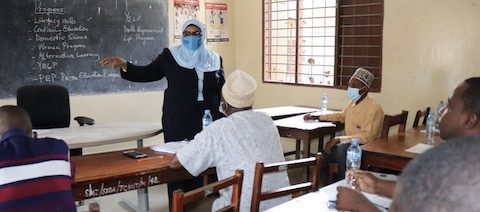 Tanzania strengthens evidence-based data collection to support girls’ education 2021-07-01 Strong data collection and evidence are crucial to inform policy-making, planning and the design of interventions that advance gender equality in and through education. In Tanzania, data on education is collected and provided by Basic Education Statistics Office, managed by the President's Office-Regional Administration and Local Government. While this work is important, gaps still exist. For example, Tanzania does not currently measure data around adult and non-formal education and does not have a set of indicators to understand the context and challenges affecting girls’ education. In Zanzibar, guidelines to collect and manage data in education do not exist. UNESCO is supporting efforts to strengthen data collection and management at central, regional, and district levels. This work is key to inform and strengthen the development of gender-responsive education policies and programmes that benefit girls and women in Tanzania. As part of this work, UNESCO provided capacity building trainings to data collectors and recommendations to improve existing data collection and management guidelines at formal and non-formal education levels. As a result, more than 1,200 data collectors in mainland Tanzania and Zanzibar strengthened their capacity to collect, analyze and use gender-responsive data. In addition, UNESCO provided technical support for developing data collection tools and guidelines for adult and non-formal education and vocational training in Zanzibar. A set of indicators around gender-based violence and adolescent pregnancy has been integrated into the Education Management Information System. Meet Haji Juma Haji After participating in the capacity building training, Haji Juma Haji, a Literacy Officer at the Department of Alternative Learning and Adult Education, Zanzibar Ministry of Education and Vocational Training, is now working with his colleagues to improve their data collection and management systems. This training and guidance helped me gain a better picture of the challenges girls and women face-- Haji Juma Haji, Literacy Officer, Department of Alternative Learning and Adult Education, Zanzibar Haji is now sharing the knowledge he gained with colleagues who did not join the training, for instance, how to collect and analyze data to understand the context around sexual and reproductive health education. His department plans to revise a list of indicators used within the adult and non-formal education sectors following knowledge-sharing session. UNESCO provides support on the development of evidence-based data collection and management to promote girls' education in Tanzania as part of the UNESCO-UNFPA-UN Women Joint Programme, 'Empowering Adolescent Girls and Young Women through Education in Tanzania' supported by the Korea International Cooperation Agency. More information UNESCO-UNFPA-UN Women Joint Programme Meet Angel and Fatma: Empowered through education in Tanzania Tanzanian girls and young women empowered through income-generating activities How water, sanitation and hygiene contribute to girls’ education in Tanzania URL:https://en.unesco.org/news/tanzania-strengthens-evidence-based-data-collection-support-girls-education
  UNESCO-APCEIU Virtual Consultation Meeting on Global Citizenship Education (GCED) for East Asian Countries 2021-07-01 On 17 June 2021, UNESCO Beijing Cluster Office, in close collaboration with the Asia-Pacific Center of Education for International Understanding (APCEIU), jointly organized the virtual consultation for East Asian countries on Global Citizenship Education (GCED) progress at country level. A total of 20 government officials and experts from the Ministries of Education, the National Commissions for UNESCO, education institutions and civil society organizations in China, Japan, Mongolia and Republic of Korea participated in the sub-regional consultation for East Asia. The main objective of the sub-regional consultation was to review the progress of GCED implementation at the country level. The participants shared knowledge and experiences related to GCED initiatives, policy, capacity development, sharing best practices and discussed innovative strategies to strengthen and scale-up GCED in the cluster countries. Prof. Shahbaz Khan, Director of UNESCO Beijing Office, opened the virtual sub-regional consultation on GCED. He welcomed the participants and highlighted in his remarks the need to strengthen Global Citizenship Education (GCED) in the Cluster Countries and informed the participants that GCED remains one of UNESCO’s strategic responses to the many global challenges including COVID-19 pandemic that had affected all the countries. He reiterated the significance of scaling-up GCED by promoting, exchange, interaction and policy dialogue on GCED that will guide the world to find innovative solutions to a more just, peaceful, tolerant, inclusive and secure societies. Dr. Hyun Mook LIM, Director of APCEIU, highlighted in his opening remarks the necessity to further strengthen and deepen the policy and strategic dialogue, advocacy and monitoring of GCED at local, national, regional and global levels. He highlighted the slow pace of GCED implementation and integration in Member States. He highlighted the vision and mission of GCED to support countries integrate GCED in the education systems and assured the participants that APCEIU is strongly committed to play its role to advance GCED in all the countries. The sub-regional consultation was timely for the Member States to review the status of implementation of GCED and identify practical strategies to scale up GCED implementation at country level with a sharper focus on the SDG4.7 indicators and implementation of SDG4.7 and implications of COVID-19 pandemic, and to identify alternative solutions together to enhance GCED at all levels. Mr. Mark Manns from the UNESCO Asia-Pacific Regional Bureau for Education in Bangkok then shared with the participants the update of the GCED regional activities implemented and coordinated by the Regional Bureau within the Asia-Pacific Region. The Regional Bureau acknowledged the excellent on-going partnership with APCEIU to further advance and mainstream GCED at country and regional level. Mr. Jay Jaehong Kim then followed the regional update from APCEIU who presented the update on the progress by APCEIU GCED initiatives and progress at the global and regional level. He highlighted the strategic partnership with UNESCO Regional Bureaus in all the regions to advance GCED in further performing its core functions as a category II Centre to promote policy dialogue, capacity development, and knowledge sharing through the GCED clearinghouse and monitoring evaluation and research. He urged all participants to register and take part in some of the GCED on-line courses offered by the APCEIU to increase their knowledge and understanding of GCED. The four Member States (China, Japan, Mongolia and Republic of Korea) covered by the UNESCO Beijing Cluster Office, made brief country presentations to inform the participants about the current progress, GCED scaling up, country actions, initiatives in GCED implemented in each of the cluster countries. Japan recognized the importance of GCED, which is fully integrated in the ESD Programme implemented in ASPnet Schools throughout Japan. Mongolia had fully implemented GCED aligned with the national strategy to mainstream GCED at all levels of the education system. China places GCED as an important priority. It hopes that the newly established UNESCO ASPnet Category II Centre will further promote GCED at the global and school level. Republic of Korea highlighted the importance of developing SDG4.7 indicators and wish to work closely with UIS to further expand on the global Indicators work related to SDG 4.7. The participants from cluster countries acknowledged the significant coordination role of the Regional Bureau and APCEIU in facilitating, supporting and coordinating the effective GCED implementation at the global, regional and country levels. They noted that the sub-regional consultation was very useful and informative in sharing good practices and experiences in the promotion of GCED and related technical issues on SDG4 Target 4.7. Indicators. After the update on the GCED progress and challenges by cluster countries, Mr. Roshan Bajracharya, Regional Advisor from UNESCO UIS Regional Desk, presented to the participants on SDG4.7 indicators and challenges. He highlighted on the technical aspects of developing SDG4.7 global indicators and challenges include the lack of data related to the SDG4.7 Indicators. All the participants have recognized the need to discuss more on the core indicators of SDG4.7 and address some of the challenges in separate UIS capacity building workshops in education statistics and SDG4 indicators. All participants at the consultation agreed that there is more work to be done on the SDG4.7 Indicators and more dialogue is needed. The participants unanimously agreed on the importance for a collaborative approach to work together in strengthening GCED implementation at country level in the East-Asia Sub-region. The participants from the cluster countries have agreed to establish a joint mechanism to share and to promote GCED good practices, SDG4.7 indicators, and data collection matters, which will ultimately contribute towards the achievement of SDG 4.7 and Education 2030 Agenda. In the closing remarks, Mr. Robert Parua, Programme Specialist for Education from UNESCO Beijing Office, thanked all the participants from the four cluster countries, Regional Bureau and UIS in participating in the first GCED sub-regional virtual consultation and assured the participants the continuation of the GCED dialogue on an annual basis to track progress. Mr. Lim, Director of APCEIU, thanked UNESCO Beijing for jointly organizing the GCED Consultation for East Asia and assured all participants that APCEIU is strongly committed to supporting the East Asian countries in strengthening the implementation of GCED at country level. The consultation closed with consensus to continue the constructive dialogue for GCED in the sub-region. Global Citizenship Education (GCED) is a strategic priority area of UNESCO’s Education Sector programme and builds on the work of Peace and Human Rights Education and culture of peace and non-violence. GCED has become an integral part of the global education agenda in order to achieve the Sustainable Development Goals and has now become increasingly important since our world is more interconnected than ever before. UNESCO has established strategic collaboration with the UNESCO Category II Centre (APCEIU) in Seoul, Republic of Korea in advancing and promoting GCED at the global, regional and national levels through policy dialogues, capacity building and knowledge sharing in GCED. In close collaboration with APCEIU and the Government of the Republic of Korea, UNESCO has organized various global, regional, sub-regional and national consultations and conferences to further advance the GCED global agenda and to strengthen the capacity of education stakeholders in order to achieve SDG 4.7. More to read:GCED at UNESCO website: https://en.unesco.org/themes/gced APCEIU website: http://www.unescoapceiu.org/ GCED: Taking it local in Asia-Pacific: https://unesdoc.unesco.org/ark:/48223/pf0000372869 A how-to guide for ‘taking it local’: https://unesdoc.unesco.org/ark:/48223/pf0000375115 GCED learning and assessment: an analysis of four case studies in Asia: https://unesdoc.unesco.org/ark:/48223/pf0000375112 GCED Clearinghouse: https://gcedclearinghouse.org GCED Online Campus: http://www.gcedonlinecampus.org UIS Target 4.7 Indicators Framework: http://tcg.uis.unesco.org/target-4-7-global-citizenship/ URL:https://en.unesco.org/news/unesco-apceiu-virtual-consultation-meeting-global-citizenship-education-gced-east-asian
 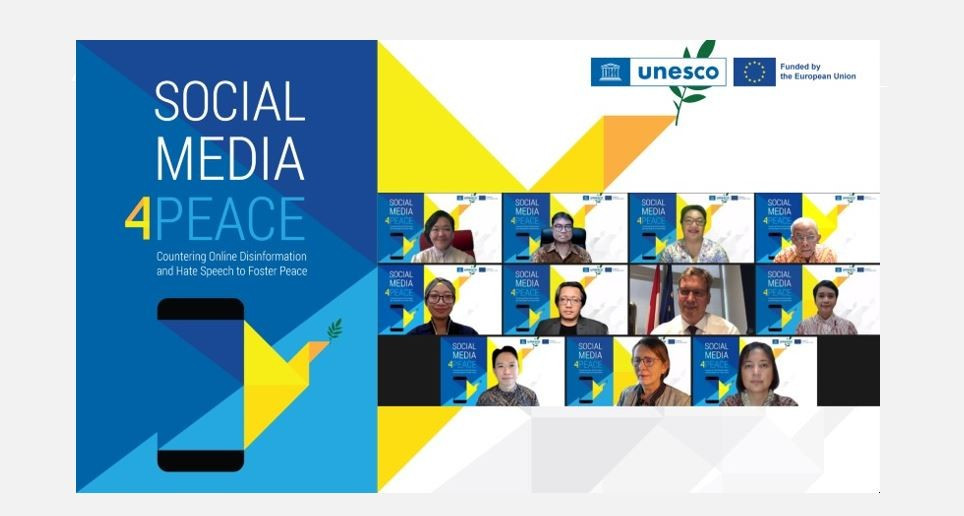 Collaboration Key to Societies’ Resilience against the risks of Harmful Content Online 2021-06-28 At a time when we are increasingly connected through digital technology, how to harness their potential to promote peace? How to balance the fight against hate speech and the respect to fundamental rights such as Freedom of Expression and Access to Information? Those questions posed by H.E Vincent Piket, Ambassador of the European Union to Indonesia were the focus of an online event entitled “Countering Online Disinformation and Hate Speech to Foster Peace” held on 23 June 2021 to mark the launching of the Social Media 4 Peace Project in Indonesia. “It is our hope that the Social Media 4 Peace project will contribute to the achievement of Sustainable Goal 16 and to the UN Action Plan of Action on Hate Speech launched by UN Secretary General Antonio Gutierrez to combat the online disturbing groundswell of xenophobia, racism and intolerance” Ms Julliand noted in her introductory remarks. “The Government of Indonesia calls for all relevant stakeholders to work hand in hand to address the risk of information disorder and hate speech. Stakeholders have their share to ensure a safe and peaceful digital world for our nation. Through our collaborative efforts, we can greet the benefits of Indonesia digital transformation agenda for better Indonesia and moving towards an inclusive and robust digital society,” said Ms Mira Tayyiba, Secretary General of the Ministry of Communication and Informatics, Republic of Indonesia The second half of the event saw practitioners and experts explored and discussed the various aspects of the spread of harmful content through social media and the strategies to increase resilience of the people to those consequences both online and offline. Present at the discussion was Dr Novi Kurnia from the Department of Communication, Universitas Gadjah Mada and Indonesian Digital Literacy Community, Ms. Anita Wahid from Indonesian Anti-Hoax Community, Mr. Agung Yudha, the Director of Public Policy Twitter Indonesia and Malaysia and Mr. Asep Setiawan, Head of Organizational Development, the Indonesian Press Council. It was clear from the discussion that different stakeholders need to come together and seek collaborative solutions to answer the pressing issue of the spread of harmful content online, including disinformation and hate speech. One of the core objectives of Funded by the European Union Instrument contributing to Stability and Peace and led by UNESCO, the Social Media 4 Peace project aims to strengthen the capacities of societies be be resilient against the risks of harmful content spread online, notably through social media. The project also aims to enhance the understanding of roots causes of harmful content online as well as promote multi-stakeholders collaboration Indonesia is one of the three pilot countries alongside Bosnia and Herzegovina as well as Kenya. The lessons learnt at the country level will feed into the global discussion. As the UN Agency with the mandate to promote and protect freedom of expression, UNESCO brings together relevant stakeholders including representatives of social media platforms, national authorities, civil society organizations promoting freedom of expression, conflict prevention and peace building organization as well as conflict-affected communities through this project. UNESCO is the principal UN agency that promotes the freedom of expression including its corollary of press freedom and access to information. UNESCO contributes to the achievement of Sustainable Development Goals 16 to promote just, peaceful and inclusive societies. For more information: Social Media 4 Peace (unesco.org)UN Action Plan of Action on Hate Speech URL:https://en.unesco.org/news/collaboration-key-societies-resilience-against-risks-harmful-content-online
 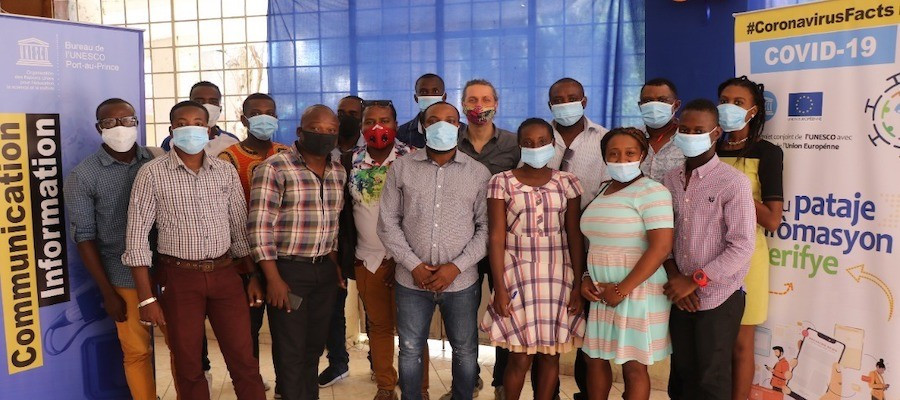 #CoronavirusFacts: strengthening access to reliable information amidst tensions and the pandemic in Haiti 2021-06-28 The ongoing pandemic and ‘disinfodemic’ on COVID-19 have emphasized the need for reliable information produced by professional journalists. In Haiti, journalists, fact-checkers and specialized NGOs have experienced increased difficulties to effectively and safely report and therefore, are looking for help to perform their role during the health crisis. In this context, UNESCO with the support of the European Union, implemented over the past year the project #CoronavirusFacts to support media professionals in reporting on the pandemic and debunk mis- and disinformation on COVID-19. "In this hectic information ecosystem, with all kinds of fake news, this project allowed us to distinguish facts from rumors." -- Meth-Saina Alexandre, Radio Sans Soucis The UNESCO Office in Port-au-Prince initiated the implementation of the project with local partners and Civil Society Organizations (CSOs) in May 2020. The project has enabled better promotion of the Haitian creole version of the media code of ethics, accepted by all the main media associations and journalists in the country. Because its guiding principles are at the heart of fighting disinformation, the code is used in the project discussions and activities such as in trainings for journalists across the country. The series of trainings on data journalism started in the regions of Ouanaminthe (North East) for 18 participants, Cap-Haïtien (North) for 22 journalists, and Mirebalais (Center) for 19 participants in December 2020. Participating journalists have made their own videos from the trainings accessible here and here. In March 2021, a two-day workshop covering data journalism, ethical and professional processing of information, identification of rumors and how to treat and debunk mis-and disinformation, were organized in Jérémie (Grand’Anse) for 22 participants, des Cayes (South) for 24 participants, de Miragôane (Nippes) for 16 participants, and de Jacmel (South East) for 20 participants. Through practical exercises, participants get knowledge on web Content Management Systems and social media accounts management. Electricity and 4G internet coverage issues in Haiti made it important to organize in-person seminars further contributed to the need ensure that this series of trainings could reach journalists working on the ground also in rural areas and in all parts of the country to help strengthen their skills to bring reliable information to the public. It also allowed to tailor discussions to the local context and experience. In total, more than hundred journalists across seven out of ten departments of the country have received trainings on how to debunk disinformation and misinformation and creating online media sharing of reliable information, contributing to a more peaceful dialogue in the Haitian society. "This training funded by the European Union is a real opportunity offered by UNESCO in Haiti to strengthen my capacities, in particular by mastering the tricks of management of social networks, fact-checking, mapping for a faster dissemination of the information." -- Jaudelet Junior Saint-Vil, Voice of America Correspondent Following these sessions, and to ensure sustainability, regional working groups were established where relevant information on COVID-19, best practices, key principles and values for information processing are shared through WhatsApp and other Social Media platforms. These professional networks aim at reinforcing relationships between journalists who participate in the project and more generally contribute to a strengthened journalistic profession in Haiti. “It is now much easier for journalists to report, because we have many more means of communication and these tools which are within our reach, we had to learn to use them”. -- Fritz Ronel Thermessan, Cap-Haitien The security situation in Haiti has continued to deteriorate in recent months. Gang violence in Port-au-Prince and several provincial towns have forced thousands of people to abandon their homes, despite the coronavirus pandemic which continues to claim many lives among the population. These training sessions come at a critical time when people need reliable information from credible sources. Parallel to these trainings, the project also supports and enables national campaigns against disinformation. Particular emphasis is placed on increasing media and information literacy for the population at large, and on the promotion of the Code of Ethics for media partners. With the support of civil society partners, the last step will be to consider a mechanism for the adoption of the code by new online media, not yet regulated or organized. The capacity building introduced thanks to the #CoronavirusFacts project directly contributes to professionalizing Haitian journalism and factchecking communities. About the #CoronavirusFacts project Based on the central tenet that information is the opposite of disinformation, the UNESCO project #CoronavirusFacts leverages the pivotal role of freedom of expression and access to information to address information needs in times of COVID-19 and to tackle the massive wave of disinformation which threatens to impact democracy, sustainable development and stability around the world. Funded by the European Union and implemented in nine countries and four regions, the project supports professional, diverse and independent media’s capacity to report on the pandemic; strengthens local fact-checking organisations to debunk misinformation; and empowers youth and other citizens to critically process what they read and hear linked to COVID-19 through training in media and information literacy. Due to unprecedented challenges for the media and digital technology sectors, UNESCO has created a Resource Center of selected responses to COVID-19. To learn more, visit: https://en.unesco.org/covid19/disinfodemic/coronavirusfacts URL:https://en.unesco.org/news/coronavirusfacts-strengthening-access-reliable-information-amidst-tensions-and-pandemic-haiti
 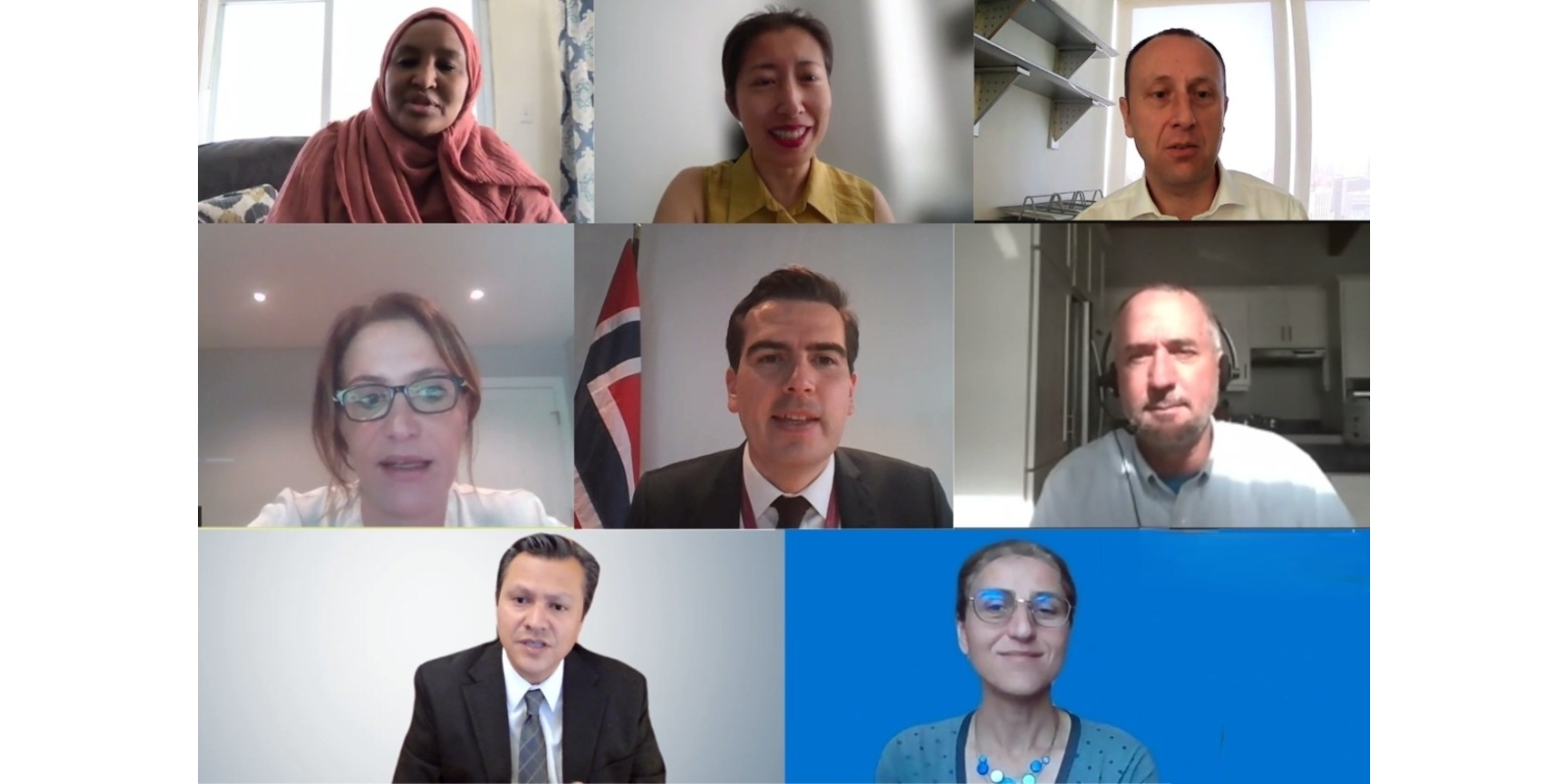 Friends for Education Call for Getting Learning Back on Track 2021-06-26 On June 24, the Group of Friends for Education and Lifelong Learning organized a briefing on education recovery as part of its mid-year meeting. Panelists from UNESCO, UNICEF and the World Bank shed light on the new joint Mission Recovery initiative and presented constructive recommendations on how to reopen schools safely and make up for learning losses for students through catch-up programmes and teachers’ empowerment. The Group also discussed strengthening the focus on the provision of quality and inclusive education for all at the UN level through important upcoming initiatives. Briefers underlined the huge learning losses for students across the globe due to the COVID-19 pandemic. Currently close to half the world’s students are still affected by partial or full school closures and over 100 million additional children will fall below the minimum proficiency level in reading. In response to this learning crisis, UNESCO, UNICEF, and the World Bank recently launched a joint mission – Mission: Recovering Education 2021 – that is focused on three priorities: bringing all children back to schools, recovering learning losses, and preparing and supporting teachers. Calling for a system-wide transformation, Robert Jenkins, Chief of Education and Associate Director of Programme Division at UNICEF, urged members to seize the opportunity during the recovery to rebuild resilient education systems through broad-based partnerships. Getting marginalized children back to school and providing them with a full range of support and care should be a priority. Joining the discussion on the financial side, Mrs Raja Bentaouet Kattan, Lead of Partnerships at the World Bank, expressed serious concern about the widening learning poverty exacerbated by the COVID-19 pandemic. As per UNESCO Institute for Statistics, she noted that COVID-related school closures could increase the learning poverty rate in the low- and middle-income countries by 10 percentage points, from 53% to 63%. In this context, she underlined three components of the World Bank’s actions in support of the Mission Recovery initiative: supporting foundational learning; promoting after school tutoring and other catch-up programmes; measuring students’ learning losses and performances while tailoring teaching to each student’s needs. She particularly stressed the importance of integrating digital technologies into schools by improving digital infrastructure and preparing students and teachers with digital literacy skills and numeracy skills. Bringing the focus on teachers, Carlos Vargas Tames, Chief of Section for Teachers Development at UNESCO, stressed the importance of supporting them in leading educational change in the recovery and driving the transformation of learning globally. Assisting teachers to adapt curriculum and assess students’ learning needs as well as fully utilize the digital technologies would pave the way for effective transformation of education. He also highlighted UNESCO-led events and initiatives, such as the Global Education Meeting, the Global Education Coalition and the Global Teacher Campus, in mobilizing partnerships in response to the education crisis and achieving the goal of reaching 1 million teachers by the end of 2021. Following the panel discussion, members of the Group exchanged recent updates and activities on the education front. Among others, members were invited to join a high-level event in commemoration of the second International Day to Protect Education from Attack to be held on September 9, 2021. Additionally, they were sensitized on the upcoming Global Education Summit: Financing GPE 2021-2025 that will take place on July 28 and 29, 2021 as co-hosted by the UK Prime Minister Boris Johnson and Kenyan President Uhuru Kenyatta. The meeting also welcomed the Kingdom of the Netherlands as a new member of the Group. URL:https://en.unesco.org/news/friends-education-call-getting-learning-back-track
 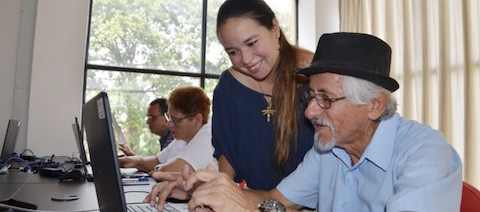 UNESCO Chairs gather for knowledge sharing and collaboration ahead of September’s International Literacy Day 2021-06-26 On 10 June 2021, UNESCO organized an online meeting with nine UNESCO Chairs and one observer prior to this year’s International Literacy Day (ILD), which will focus on “The right to literacy in times of COVID: the contribution of digital literacy and distance learning programmes”. Among the 31 participants were UNESCO Chairs in literacy, lifelong learning, and skills development, and ICT and education from universities in Belarus, China, Cyprus, France, , the Netherlands, Uganda, Ukraine, USA, and the UK. This was the first time such a meeting with UNESCO Chairs was organized to enhance cooperation between the Organization and UNESCO Chairs for the promotion of literacy in the lead up to ILD 2021 and beyond. Participants were introduced to UNESCO’s work on literacy, identified key issues to be addressed through the ILD celebrations, and explored potential areas for future collaboration. The meeting facilitated interaction between the chairs, resulting in the UNESCO Chair in Literacies, Green Skilling and Capacity Development for Sustainable Communities in Africa, and the UNESCO Chair in Knowledge Transfer for Sustainable Development supported by ICTs being connected for possible collaboration in Uganda. UNESCO’s work in related areas In the Opening Session, Mr. Borhene Chakroun, Director of the Division for Policies and Lifelong Learning Systems at UNESCO Education Sector (ED/PLS), highlighted the importance of digital learning in today’s world, and the need to understand the interplay between literacy and digital skills: literacy is required for acquiring digital skills, while literacy without digital skills is no longer sufficient. Mr. Chakroun invited UNESCO Chairs’ contribution to ILD and to implement the UNESCO Strategy for Youth and Adult Literacy 2020-2025. Noting how youth and adult literacy was not always prioritised in national COVID-19 responses, Mr. David Atchoarena, Director of the UNESCO Institute for Lifelong Learning (UIL) reiterated that literacy is at the core of lifelong learning and essential to the right to education. Mr. Atchoarena encapsulated the world as an extensive laboratory for the massuse of digital technology in education and highlighted both benefits and risks of this, including amplifying inequalities and exclusion, which must guide our endeavours for shaping future education. Mr. Sobhi Tawil, Director, Future of Learning and Innovation Team (ED/FLI), UNESCO, which hosts the UNITWIN/UNESCO Chairs Programme, introduced UNESCO’s normative work in developing an international declaration of connectivity and technology in support of the right to education, as well as the right to information and knowledge more broadly. Through the Futures of Education initiative, UNESCO will launch a report of the International Commission in November and continue to catalyse public debates and research on futures of learning. Mr. Tawil stressed the importance of interdisciplinary research, which is key to addressing education and development challenges ahead. Ms. Mari Yasunaga, Programme Specialist, Section of Youth, Literacy and Skills Development, ED/PLS, UNESCO and Ms. Rakhat Zholdoshalieva, Team Policy Support and Capacity Development Manager at the UIL, provided an overview of UNESCO’s activities in youth and adult literacy at a global level. Ms. Sarah El Attar, Education Programme Coordinator at UNESCO Kabul, then detailed UNESCO’s literacy work in Afghanistan. Key questions for promoting distance literacy learning in a digital world through effective, equitable, and inclusive learning The following session centred on how to harness the potential of technology for distance literacy learning. Mr. Dan Wagner, Professor of Education at the University of Pennsylvania, United States of America (UNESCO Chair in Learning and Literacy) emphasised that skill requirements had changed over time, and digital skills and literacy are bound together in today’s world. Two key questions were: Does digital technology accelerate or constrain literacy learning? What are the target groups, with regard to challenges faced by non-literate youth and adults such as limited connectivity and language issues? On the issue of access and quality, Mr. Wagner said: “Should access be priority, or quality of instruction? It is not enough to provide learners with digital devices.” Another dilemma emphasised was equity, raising the question of whether we opt for providing digital learning opportunities to some with connectivity and electricity, or if we should reach out to more people. “Digitalization is a huge motivation for many learners, but we must pay attention to risks and equity,” said Mr. Wagner, reemphasising the need for appropriate policies and interventions to bridge formal education and less-resourced adult and non-formal education. Ms. Nikleia Eteokleous, Associate Professor of Education at Frederick University in Cyprus and UNESCO Chair in Lifelong Learning and Adult Education, highlighted three aspects to be considered for successful online education for youth and adults: communication and interaction between and among, instructor and learners,; educational materials corresponding to the principles of online and blended learning; and technological tools and applications for digital learning. “During the COVID-19 pandemic, teaching and learning practices have dramatically altered. We need to realize what we have gained and must take one step further with the use of technology,” said Ms. Eteokleous and suggested ten recommendations for the use of technology in education, including enhancing pedagogical frameworks, materials, assessment methods and quality assurance mechanisms for distance learning, and the need to support educators who play the crucial role. Potential areas for future collaboration The final session reflected on potential areas for future collaboration. Ms Inga Nichanian, Senior Programme Assistant, ED/FLI, introduced York University’s (Canada) video, ‘UNESCO Chair in 3 minutes: UNESCO Chair in Reorienting Education towards Sustainability’. Subsequently, Mr Willy Ngaka, Senior Lecturer and Head of the Department of Adult and Community Education, Makerere University, Uganda (UNESCO Chair in ‘Literacies, Green Skilling, and Capacity Development for Sustainable Communities in Africa), explained how the Chair intends to develop a multi-stakeholder platform for research and capacity development that bridges multiple areas – literacy and digital skills, education for sustainable development, learning of refugees. Mr. Ngaka stressed the importance of regional and international cooperation, and engaging communities. He also elucidated the concept of ‘green skilling’ which employs community knowledge and abilities to develop and sustain a resource efficient society. He argued that in times of Covid-19 we must do more with less and see the recovery as an opportunity to bring together social, community, and ecological goals. The meeting concluded with closing remarks from Mr Hiromichi Katayama, Chief at the Section of Youth, Literacy, and Skills Development at UNESCO, who thanked participants for their contributions. Noting that of 40 UNESCO chairs in literacy, lifelong learning, skills development, and ICT and education, only about 40 per cent are outside Europe and North America. He reiterated the importance of cognitive diversity and the need to expand partnerships with universities across the world for continued collaboration with UNESCO Chairs towards ILD2021 and in the Covid-19 recovery phase. The following UNESCO Chairs participated in the meeting Launched in 1992, UNESCO’s UNITWIN programme promotes international cooperation and networking between universities and currently involves about 840 institutions in 114 countries in UNESCO’s field of competence. Of about 40 UNESCO Chairs literacy, lifelong learning, skills development and ICT and education, the following Chairs participated in the meeting: UNESCO Chair on Vocational Education in the Sphere of Information and Communication Technologies (ICTs) of Persons with Special Needs, Belarus, UNESCO Chair in Regional Education Development and Lifelong Learning, China, UNESCO Chair on Lifelong Learning and Adult Education, Cyprus, UNESCO Chair in Digital anthropology, Panthéon Sorbonne University, France, UNESCO chair in Lifelong learning, youth, and work in the Netherlands, UNESCO Chair in ‘Literacies, Green Skilling and Capacity Development for Sustainable Communities in Africa' in Uganda, University of Pennsylvania Chairholder, UNESCO Chair in Learning and Literacy in the USA, UNESCO Chair in Adult Literacy and Learning for Social Transformation in the UK, and UNESCO Chair in New Information Technologies in Education for All in Ukraine, as well as a candidate of UNESCO Chair in Global Adult Education in Malta (observer). Learn more: International Literacy Day What UNESCO does to promote literacy UNESCO Strategy for youth and adult literacy 20202025 UNESCO Institute for Lifelong Learning (UIL) Global Alliance for Literacy within the Framework of Lifelong Learning (UIL) Futures of Education UNITWIN/UNESCO Chairs Programme UNESCO’s response to the COVID19 crisis URL:https://en.unesco.org/news/unesco-chairs-gather-knowledge-sharing-and-collaboration-ahead-septembers-international