
News
Catch up on what’s happening in the world of global citizenship education.
1,668 results found
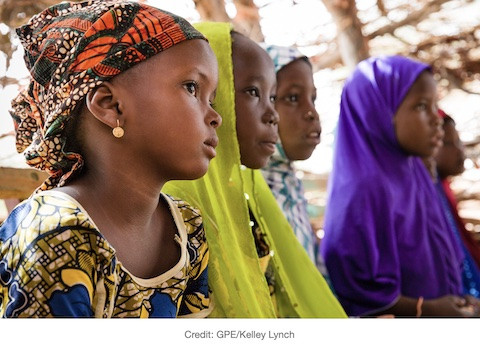 Transforming education will require innovation, not just money 2021-08-08 By Alina Lipcan, Director of Impact and Innovation at the Global Schools Forum (GSF) and Modupe Adefeso-Olateju, Managing Director of Nigeria’s TEP Centre and an adviser to GSF’s Learning Labs Programme. This week’s Global Education Summit is an important moment as governments, foundations and others commit funds to support systems to recover from the educational consequences of COVID-19 and tackle the wider learning crisis. But whilst the amount of funding pledged is important, so too will be ensuring that funds are spent effectively, and that spending results in improvements to learning outcomes. In our view, a key part of that will be investing in supporting education systems to innovate. Supporting innovation is not just beneficial in the short term but can also increase resilience to future crises. Over the last year, in response to the pandemic, we’ve seen governments and educational organisations across the world problem-solve, experiment, iterate, and partner for scale. The result has been new, cost-effective models to equitably and sustainably deliver education, benefiting children across the world. In Uganda, Rwanda, and Kenya, Educate! conducted skills training with young people via SMS and conference call. Rising on Air partnered with governments in Liberia and Sierra Leone, among others, to deliver radio lessons. In Botswana, Young 1ovepartnered with district-level and national-level officials to adapt the Teaching at the Right Level curriculum for the pandemic. The benefits of supporting innovation are very high. Michael Kremer estimates that USAID’s early investments as part of the Development Innovations Venture generated a 5:1 ratio of social benefits to costs. That is, the benefits of supporting successful innovations far outweighed the costs of investing in failed innovations.We need to build on these advances and create an ecosystem which enables this resourcefulness to continue, ensuring that future crises cannot catch us unprepared. This means: More funding to de-risk innovation Despite the benefits, education innovations are underfunded overall, and are often ignored by international aid funds. The use of Official Development Assistance (ODA) for innovation is less significant than other sources of funding such as philanthropic and domestic government funding, or donations from individuals and communities. In 2017 only 11% of education innovations were funded by international aid dollars. More ODA for innovation could help amplify the benefits of existing private and domestic investments in the space and further align them with governments’ education sector goals. It could also catalyse new blended finance initiatives, multiplying the private capital invested in this space. Embedding routes to scale from the outset Globally, education innovations are more likely to originate in the non-state sector than in government. According to Brookings, 62% of innovations in the education space were initiated by NGOs, 26% by private sector companies, and only 12% by governments. Yet governments remain a key route to scale for many innovations. Without government as a trusted partner, it is nearly impossible for education innovations to achieve scale and amplify their impact. Innovators should therefore look to partner with governments to: Assess an innovation’s alignment with national education sector plans; Fund and direct international aid resources to innovation – with smaller bets for the earlier stages, and larger bets on innovations with more evidence; Incorporate a clear plan for creating and using evidence about the innovation’s effectiveness; Evaluate initial cost-effectiveness evidence, and plan for adaptation and iteration; Select the best models through which an innovation can be scaled up; Embed the innovation into public systems. This requires that innovators are aware of political agendas, build partnerships, cultivate champions, and communicate about evidence. It may also require that innovators are willing to give up their ‘brands’ as these innovations are institutionalised in government systems. Strong communities of practice using evidence on what works and what doesn’t. Innovations don’t tend to spread in education because, in part, education innovators do not often publicly share their own data about what has worked and what hasn’t, and why. Addressing this issue requires strong and active communities of practice which (i) support innovators and governments to be more evidence-driven, (ii) share evidence of successes and failure openly and in digestible formats, and (iii) encourage quick and deep learning through regular engagements and peer-learning. We strongly encourage the global education community to build on existing initiatives to support innovation to expand, deepen and sustain the impact of effective education innovations. This includes supporting knowledge exchange, evidence building, and innovative finance. At Global Schools Forum, we have long acted as a thriving community of practice for promising education innovations. With the support of Jacobs’ Foundation, we are looking forward to expanding our role as we launch a new Learning Labs initiative this autumn, which will fund and support our community to unlock and test innovations across our network. We very much look forward to sharing what works, what doesn’t and why more widely in due course. URL:https://gemreportunesco.wordpress.com/2021/07/29/transforming-education-will-require-innovation-not-just-money/
 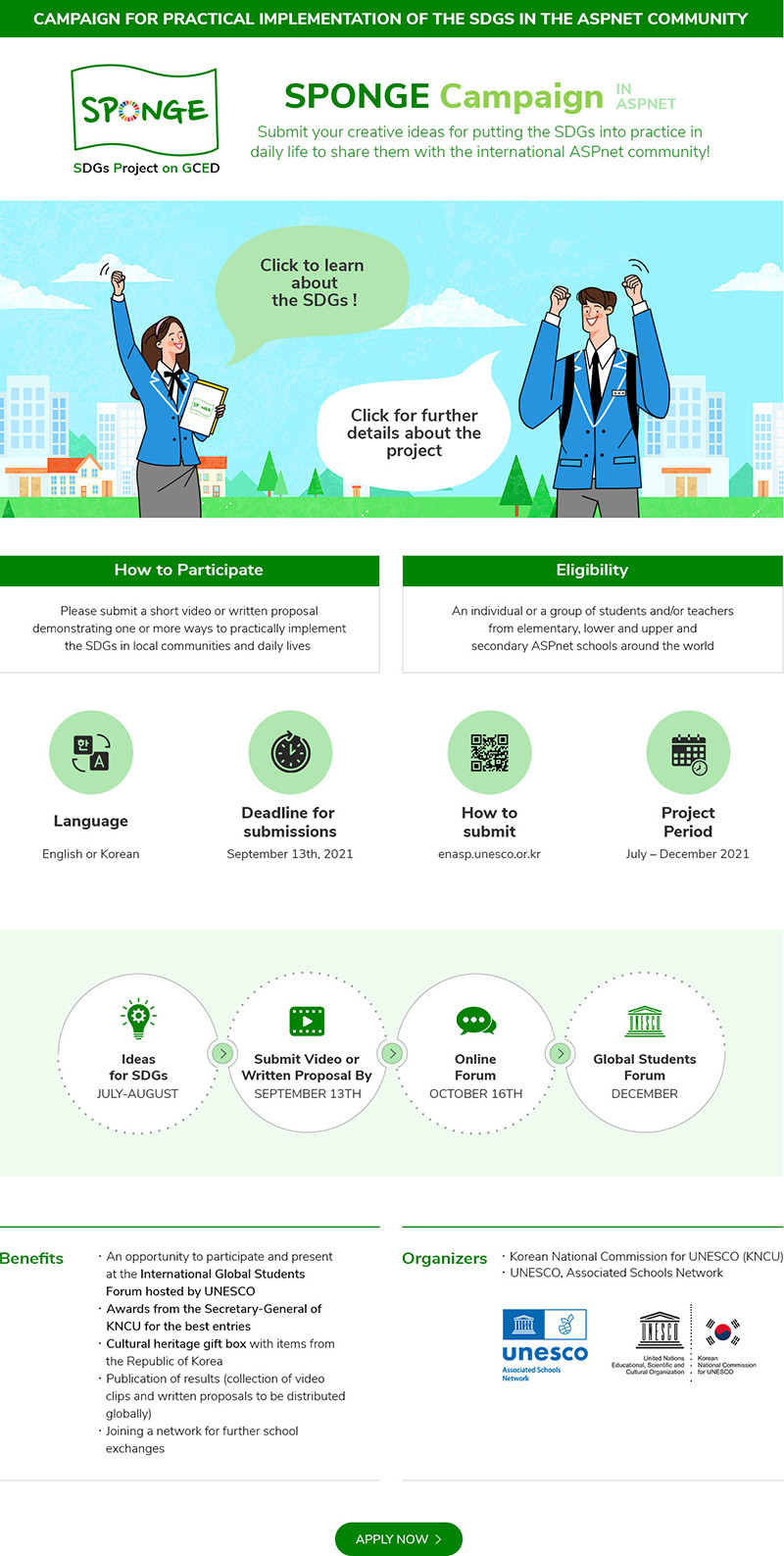 SPONGE Campaign (SDGs Project On Global Citizenship Education) 2021-08-07 1. Introduction and Objectives Global Citizenship Education (GCED), which builds on the work of peace and human rights education, is a strategic area of UNESCO’s Education Sector and one of the core values to be disseminated by the UNESCO Associated Schools Network (ASPnet). GCED is not only a clearly stated target (target 4.7) in the Sustainable Development Goals (SDGs), it also relates to the intersectional areas of the SDGs. UNESCO, Associated Schools Network, the Korean National Commission for UNESCO (KNCU) and the Ministry of Education of the Republic of Korea (MOE) believe that putting the SDGs into practice at school level, notably in the ASPnet community, is key to the successful promotion of GCED and the eventual achievement of the SDGs, empowering students and teachers to become active promoters of more peaceful, tolerant, inclusive, secure and sustainable societies. “SDGs Project on Global Citizenship Education” (“SPONGE Campaign” for short)’s primary aim is to collect good practices relating to implementation of the SDGs in local communities around the world, in the form of short videos and written proposals containing creative ideas for practices that aim to identify and solve local issues relating to the SDGs. By identifying problems relevant to one or more of the 17 SDGs in their neighborhood and coming up with creative ideas to solve such issues, students and teachers can gain in-depth knowledge of GCED and the SDGs and build a localized or contextualized understanding of how they can be applied in their daily lives. The Campaign will also contribute to building a strong network of international ASPnet schools by promoting understanding and friendship, and will facilitate the sharing of experiences and ideas through an online forum on GCED in October, and the international Global Students Forum hosted by UNESCO in December, 2021. Participants with the most creative ideas will be given an award by the Secretary-General of KNCU, along with a chance to participate in international forums. The results of the campaign will be disseminated to the international ASPnet community. 2. Objectives Sharing good practices and knowledge in the field of “global citizenship and the local implementation of the SDGs” in the international ASPnet community Exploring how global citizenship and the SDGs are used in schools and local communities to create sustainable communities Interdisciplinary engagement of teachers and students in activities to promote the SDGs Discussion and sharing among ASPnet schools of good practices to spread the values of global citizenship by implementing the SDGs at local level 3. Submission: Submission page on enasp.unesco.or.kr/ website 4. Deadline: September 13th, 2021 (midnight, UTC) 5. Participation and Commitments No registration or participation fee Attendance and active participation in the Online Forum Completion of individual and team assignments related to the topics Promotion of campaign activity and knowledge gained from the campaign in teaching & learning community URL:https://www.unesco.or.kr/news/notice/view/1594/
  IPCSD | Culture for Reduced Inequalities 2021-08-06 Rationale‘Leave no one behind’ is the overarching motto of the 2030 Agenda, in a world marked by increasing disparities characterized by inequitable access to jobs, basic services, education, health, culture or the digital realm. These inequalities are conducive to increased fragmentation of the social fabric as well as disparities within and between societies – a situation further exacerbated by the current pandemic. Culture can be a driving force towards a more inclusive world, by creating job opportunities – including for the most vulnerable – notably through the creative economy and cultural tourism. It also contributes to greater societal wellbeing, through upholding cultural rights and benefits linked with decent work. Boosting Technical and Vocational Education and Training (TVET) in relation to the cultural and creative sectors, including in non-formal education settings, is thus particularly important in fostering youth employment and entrepreneurship in the cultural sector. The cultural sector is also particularly strategic to foster gender equality and active engagement of youth, especially as more young people 15-29 are employed in the sector than any other fields of economic activity. Areas of focusi) Job creation; ii) Sustainable and inclusive digital transformation; iii) Technical and Vocational Education and Training (TVET); iv) Social security, working conditions, including fair remuneration and intellectual property; v) Intercultural dialogue and social inclusion; vi) Data and evidence (notably related to the afore-mentioned areas). Expected outcomes Strengthen policy engagement and research to support a more sustainable and inclusive digital transformation, with a view to foster equal access to culture, the protection of online cultural and linguistic diversity, including through a more balanced regulation of online platforms; Build on the cultural and creative economy to stimulate job creation and promote sustainable and inclusive growth patterns, which are more embedded in local economies and more conducive to social inclusion, notably for women, migrants, young people, rural communities, indigenous peoples and informal workers; Strengthen regulation and public support schemes to ensure fair remuneration (online and offline) of cultural professionals, providing an enabling environment to cultural employment through training, social security, employment, income and tax conditions, mobility and enhanced freedom of expression; Develop innovative partnerships to collect data and document the economic weight and contribution of the cultural sector, thus opening-up pathways for more inclusive and sustainable economic models; Expand synergies between culture and education by bolstering policy schemes and investment in TVET, with a view to spark the most needed adaptation and innovation skills, thus preparing learners to adapt to fast-evolving labour markets and work patterns including in non-formal education settings. Build synergies across different policy areas to promote cultural tourism as a driver for sustainable development, notably by fostering inclusive, socially responsible tourism patterns as well as local and environment-based approaches. IPCSD Main Page URL:https://en.unesco.org/news/ipcsd-culture-reduced-inequalities
 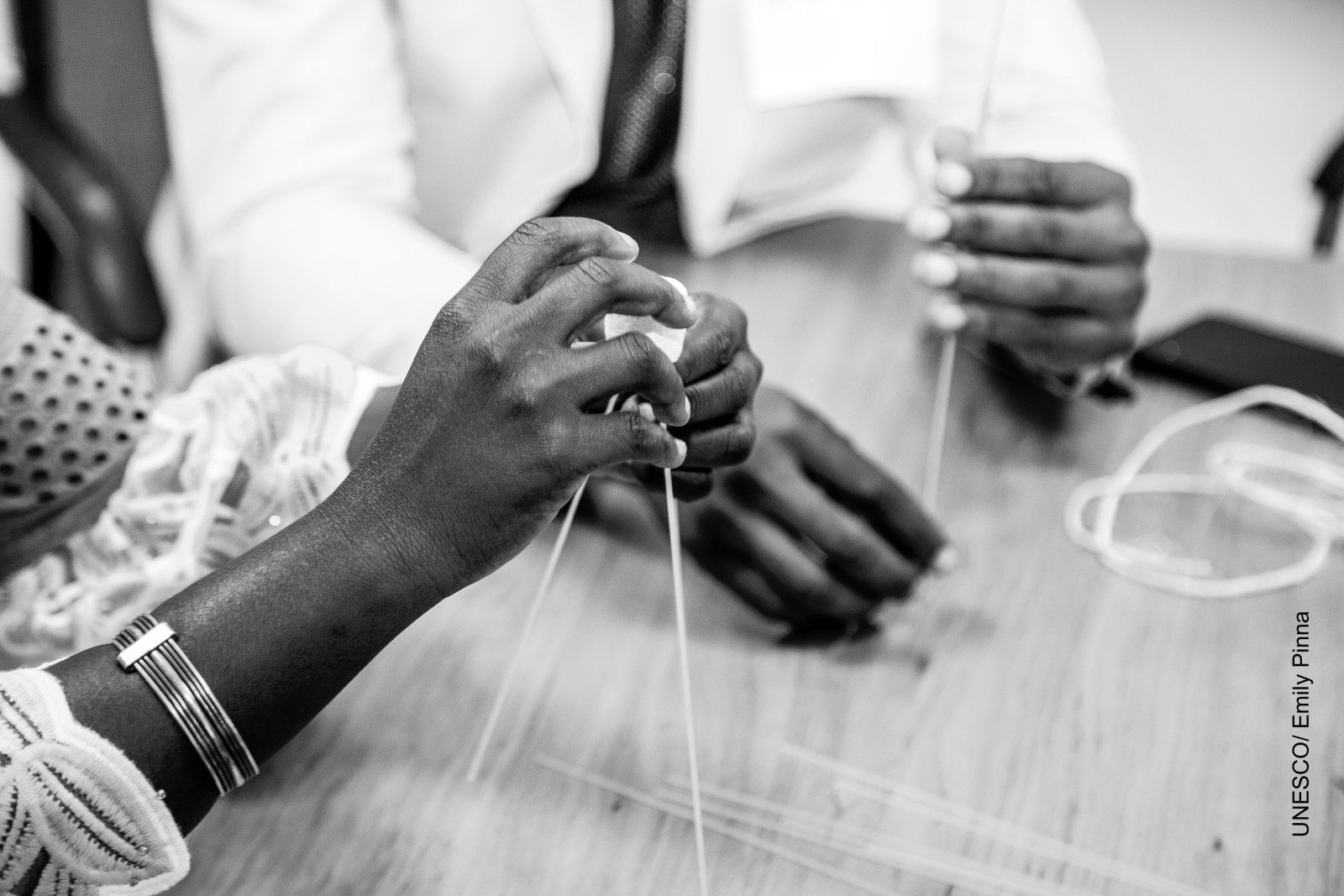 Interview: Seven questions to Christian Achaleke, young leader from Cameroon 2021-08-02 Christian Achaleke is a young culture of peace specialist from Cameroon and former coordinator of the Commonwealth Youth Peace Ambassador Network(CYPAN). In this interview, he shares his personal story, the importance and role of youth in the culture of peace, and what remains to be done to make it sustainable. "The role of young people in peacebuilding and countering violent extremism is a growing conversation." 1. What does the concept of a "culture of peace" mean to you? To me, I think a culture of peace are sets of values, lifestyle, morals and ethics which are developed as a way to prevent conflict or violence and also to engage people towards a peaceful and ethical living. 2. In your own opinion, what concrete activities can be carried out in order to consolidate peace on the African continent? For activities to be carried out to harness a culture of peace in Africa I am suggesting firstly engaging young people and women in this process. With women and young people at the forefront of this process, then activities like research are very important towards informing context and background of conflict, and also to be able to capture perspectives. Capacity building in the form of workshops and trainings are also strategic. It is also important to work around developing resources and financing for initiatives, especially at community levels, and also opportunities to experience sharing and pollination of ideas. All these are very key things and ideas towards building peace in the African continent. 3. What made you decide to become a peace activist? My decision to become a peace activist was actually influenced by my personal experience. I grew up in a community that was plagued by a lot of violence, and as a young person, it was a way of life. At some point, I came to realise that violence leads us to nowhere, because in the course of this I lost some friends and acquaintances, some of them being stabbed and others thrown into jail. That was how through volunteering in civil society, I found a different perspective at life, which was around peace and helping communities to become better, and I started early using theatre to preach these core values within my community. That is how I found myself into this work since 2007, and since then it’s been a life changing experience, with a lot of inspiration. "The message I am sharing with everyone is that, we should not underestimate the power of young people." 4. What is the role of young people in peacebuilding and countering violent extremism? The role of young people in peacebuilding and countering violent extremism, is a growing conversation, but as a young person who has been in this space and has been leading other young people, designing and implementing initiatives, I will say that our role has really been underestimated, because sometimes I feel that communities, leaders, institutions give a blind eye to what we are doing. But all of this is quick changing with UN Security Council resolutions on youth , peace and security. Our role is very important, because we are the ones who suffer the most in times of conflict, we are also the most victimised in times of war and every other difficult moment. The need for this same group that has been trapped or plagued by this violence to respond to is more relevant, because; I have seen that, what makes us strategic is that we speak to our peers. Most often in my work, when I go to prisons, speaking to other young people who have committed crimes, they relate with me and see the reasons to become better. So I think that the role of young people firstly, the peer to peer conversation is very transformative and the fact that the same challenges our peers went through before resulting to violence is the same ones we are living but have not used violence, so sometimes, we are able to show them that; there are better ways of responding to the challenges that you face, and that is what we have been doing. This is what makes our role very strategic because we have the abilities to convince our peers and develop solutions to the drivers of this conflict, because we make majority of the population in our countries across the world, though it vis not just about the number, but that zeal, burning passion, and ability to do things the way things are supposed to be done, is one of the things that guarantees how strategic young people are in building peace. 5. How to involve young people more in peace processes? I think the UN Security Council Resolution 2419, has come to give more hope to the involvement of young people in peace processes, of which I personally was part of the process of development and consultations. The way in which we in Cameroon have been working on this has been firstly, trying to demystify the whole perspective around peace processes; where there has been a lot of mystification and exclusion of young people, so we in Cameroon started by mobilising other stakeholders like the UNESCO Regional Office in Cameroon, the British High Commission, the Government etc., to inform them of how strategic it is to involve young people in the peace process. This was very inspiring because they bought the idea and we are working all this while towards building capacity which is a key challenge in the conversation of the peace process. Giving them necessary skills to involve in mediation and other components in the peace process, at the same time; our advocacy is strengthened to ensure that they have a safe space to involve in this process, considering that mediation and peace process had been made to be something of the old people, especially men only, excluding women. We also focus around research, which is to be able to bring evidence, to guarantee and inform people around the role of young people and the need to create more space for them. For example, we came out with a publication; Opportunities and challenges for youth participation in youth processes in Cameroon. We were able to go deep, as this publication has been able to guide other conversations. Another key project that we been working on, is providing young people with the opportunity to engage in local community peacebuilding and peace process initiatives; giving them guidance, mentorship and support. That is how I have been personally involved in this process at multi- level to ensure that at the level of the community, it resonates. 6. "Cultural and heritage diversity of Africa and its diasporas: firebrand of conflicts or breeding ground for peace?" What does this theme inspire you? I think that the theme of culture, diversity and heritage are words that are very important to me as a Cameroonian, firstly because I am currently living in a country where, we are currently faced by violence conflict, because of the fact that our culture, diversity and diaspora were not harnessed properly. I have been able to see how it has led to violence, so this theme will be very important for a country like ours; Cameroon and other countries across the continent, where we are losing our core cultural values, our inheritance, with modernism coming not to compliment, but is instead used by other people to wipe away our cultural values and heritage, which should serve as a unifying rather than a dividing factor. So I feel that, managing culture, heritage, diversity and our diaspora community is very important for peace and it is something that we have been trying to practice for a long time. 7. What message of peace would you like to share with everyone who will read this interview? The message I am sharing with everyone is that, we should not underestimate the power of young people, though little is being spoken about young people changing the face of the African continent. This does not mean that we are not doing good work. I am calling of heads of states, members of government, policy makers, international development stakeholders, communities and every person of good will to stand and support young boys and girls equivocally and ensure that they can lead transformations in their countries with safe spaces, with financial and technical support and of course with capacity necessarily for an efficient and sustainable involvement of young people in building our continent. Read all the information about the Biennale of Luanda 2021 here. URL:https://en.unesco.org/news/interview-seven-questions-christian-achaleke-young-leader-cameroon
  Southern African Liberation History and Global Citizenship Education: SADC Ministers approve Roadmap for integration into Member States’ Curricula 2021-07-29 The Southern African Development Community (SADC) Ministers responsible for Education and Training, Science, Technology and Innovation convened a virtual meeting on the 16th June 2021 chaired by the Republic of Mozambique. The Ministerial Meeting, chaired by the Honourable Minister Carmilita Rita Namashulua, Minister of Education and Human Development of the Republic of Mozambique, strongly emphasized on strategic importance of Social and Human Capital Development as critical levers for regional integration. The SADC Deputy Executive Secretary Regional Integration, Dr Thembinkosi Mhlongo called on the Ministers to come together in support of the realisation of the SADC Vision of “a peaceful, inclusive, competitive, middle to high income industrialised Region, where all citizens enjoy sustainable economic well-being, justice and freedom”. In this framework, the Ministers approved the Roadmap for the integration of Southern African Liberation History (SALH) and Global Citizenship Education (GCED) in Member States curriculum that has been developed jointly by SADC Secretariat and the UNESCO Regional Office for Southern Africa (ROSA) in a consultative process in 2020 and 2021. This breakthrough followed the adoption by the SADC Member States of the Decision 22.1 in 2018 that stipulates that the teaching of the SALH should “promote social cohesion and regional identity”, while also “contributing to the implementation of Sustainable Development Goals (SDG) 4 Target 7 in relation to ‘promotion of cultural diversity and of culture's contribution to sustainable development’”. The Roadmap is also complemented with a Curricula Review of SADC Member States’ curricula that indicated the most relevant entry points for integration of the GCED and SALH contents. Moving forward, The Ministers requested UNESCO and other International Cooperating Partners (ICPs) to support the SADC Regional Working Group on SAHL and Member States in rolling out the Roadmap. This will require a systemic approach that includes Education Policy review, Teacher Training, Development of teaching materials and modules, as well as community engagement with students, parents, research institutions, and civil society organisations. In 2021-2022, UNESCO will support the SADC Secretariat in undertaking some of the priority actions, which include a first series of engagement with teachers. URL:https://en.unesco.org/news/southern-african-liberation-history-and-global-citizenship-education-sadc-ministers-approve
 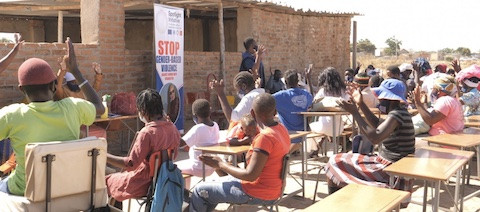 Fighting Gender-based Violence and Harmful Practices against Women and Girls with Disabilities 2021-07-24 Ruvheneko is a woman with albinism from Bulilima. She was raped at the age of 17 and got pregnant and her parents sent her away to her husband. Her husband’s family disliked her and they kept taunting him about marrying a woman with albinism. Finally their relationship changed as he succumbed to the pressure. He started beating her and withholding financial support from her. Eventually she could not stand the abuse, she left him. She is now venturing in vending but people do not buy things from her due to stigma towards albinism. Such experiences are not exceptional – they happen recurrently in many communities in Zimbabwe, affecting many girls and women with different disabilities. The majority of violence is perpetuated by the family or close community members and goes unreported. Globally, women and girls with disabilities continue to face intersecting forms of discrimination due to their gender, disability, social and cultural norms as well as religious beliefs. These factors increase their vulnerability and put them at a higher risk of GBV, SGBV, and Harmful Practices and in most cases denial of Sexual and Reproductive Health Rights and services. Community leaders as the custodians of traditional practices are critical in any intervention that seeks to redress cultural and social norms. Within the EU-funded Spotlight Initiative, UNESCO has worked closely with Organizations of Persons with Disabilities (OPDs) to open spaces for the community members and leaders to share information and advices, to engage in a change of perception and practices, and to set up solidarity schemes to address this discriminatory and violent social ill. The National Association of Societies for the Care of the Handicapped (NASCOH), Deaf Women Included (DWI), and Disabled Women Support Organization (DWSO) conducted meaningful engagement of persons with disabilities, community and religious leaders, traditional chiefs, and school heads to impel a culture of inclusivity of women and girls with disabilities in their communities, while addressing sexual gender-based violence, gender-based violence, sexual reproductive health rights and harmful practices. Through this partnership, over 600 women and girls with disabilities have been capacitated on GBV and SRHR. The beneficiaries are women with disabilities in marginalized areas in eight districts targeted by the Spotlight. Speaking at the Hopley training for women and girls with disabilities, one of the participants with a physical impairment indicated that previously GBV and SRHR activities did not reach them, but through the Spotlight Initiative, they were now accessing this critical information. Their capacity to identify and respond to GBV cases has been strengthened and now they know how to respond when they are abused. Through these trainings to build GBV capacity for women with disabilities, the OPDs were also able to identify SGBV cases that had not been reported and were able to offer victims the support services needed in response to SGBV. DWI has also gone further to develop case management system and referral pathways for victims of GBV with disabilities. This has been done with the support of the Ministry of Women Affairs, Community, Small and Medium Enterprise, Ministry of Public Service, Labour and Social Welfare as well as ZRP Victim Friendly Unit. In Guruve the stakeholders of this initiative have also had follow up meetings with the victims. OPDs have also been able to set up community support groups. These support groups currently have been established in four districts that NASCOH has been implementing with the support of Zimbabwe National Association of Mental Health (ZIMNAH). DWSO through these interventions has been able to document the GBV and SRHR experiences of women and girls with disabilities and create a database that can be used in the inclusion of persons with disabilities in community initiatives. An estimated 300 Community leaders who include chiefs, village heads, religious leaders, health care workers and school heads have been engaged by the OPDs. Through these interventions, the perceptions of community leaders towards disability have changed. Most traditional leaders made a commitment to ensure the inclusion of women with disabilities at community gatherings and ensure their needs are addressed. Speaking at a community dialogue in Shamva, one councillor indicated that the interventions had changed his perceptions about disability. After the interventions by DWI in our community, the way I view disability has changed. At one point I was surprised to see a woman with a disability pregnant but now I have been equipped with the knowledge that persons with disabilities are also sexual and also need SRH services.-- Councillor from Shamva District Through this experience, the Spotlight Initiative has given persons with disabilities and OPDs that represent them an opportunity to lead on interventions on the plight on women and girls with disabilities in rural areas and to cover the gaps that existed in GBV initiatives that usually do not involve women with disabilities in rural areas. The resources and networks produced will be made available as invaluable resources for the local and national stakeholders, as well as for the Spotlight Initiative team, for a continuous fight against intersectional discrimination and violence in Zimbabwe. URL:https://en.unesco.org/news/fighting-gender-based-violence-and-harmful-practices-against-women-and-girls-disabilities
  Nepal National Framework on SDG 4 Education 2030: Information dissemination in Gandaki Province 2021-07-24 With the technical and expert support of UNESCO, in 2019 the Ministry of Education, Science and Technology developed, approved, and published the SDG 4 Education 2030 Nepal National Framework. This framework has been a major guiding document in strengthening the education system in the country and includes the national vision, objectives, priority areas, and strategic approaches to align with SDG 4 and its targets. To share and disseminate information about the Framework and help the provincial and local governments of the Gandaki Province develop a new education plan in alignment with SDG 4, UNESCO organized a virtual event on 18 July 2021, in collaboration with the Ministry of Culture, Science, Technology and Social Development of the province. Thirty-seven participants including members of the Gandaki Province Assembly, representatives from the Ministry, Education Directorate, local government, headteachers, and the Chief of Education Development and Coordination Unit attended the workshop. In his welcome remarks, Ramchandra Sharma, Director, Centre for Education and Human Resource Development (CEHRD) highlighted the objectives of the event. Dr Balaram Timalsina from UNESCO shared the overview of SDGs, particularly SDG 4 and its targets and indicators. “All the three tiers of the government play an important role in achieving the SDG4 and its targets, and UNESCO is committed to supporting the government to achieve these,” he said. Baikuntha Prasad Aryal, Director General of CEHRD, highlighted the vision, mission, objectives, strategies, and indicators of the Framework. The Framework will be the guiding document for the provincial and local governments to develop implementation and action plans for achieving these targets.-- Baikuntha Prasad Aryal, Director General of CEHRD Chief Guest of the event, Netranath Adhikari, Speaker, Gandaki Province Assembly, expressed his commitment to the Framework, saying, “The Assembly will develop the necessary acts and regulations to facilitate the implementation of the National Framework in the province. The chair of the programme, Binod Bahadur Kunwar, Secretary, Ministry of Culture, Science, Technology and Social Development, expounded on the province’s activities. He assured the gathering that the Ministry would follow the Framework and accelerate the implementation of educational activities. “Provincial governments are closer to local governments. Therefore the provincial government will work closely with the local governments and develop local level action plans, as they play a major role in achieving SDG4 and its targets,” stated Kunwar. URL:https://en.unesco.org/news/nepal-national-framework-sdg-4-education-2030-information-dissemination-gandaki-province
  #SocialMedia4Peace: Pilot Bosnia and Herzegovina counters online disinformation and hate speech 2021-07-23 On 29 June 2021, the European Union and the Antenna in Sarajevo of the UNESCO Regional Bureau for Science and Culture in Europe officially inaugurated the ‘Social Media 4 Peace’ project in pilot country Bosnia and Herzegovina. Discussions emphasised the powerful role that social media and ICT play in shaping socio-political realities, and the need to strengthen the resilience of civil society in the face of potentially harmful content distributed online especially content that incites hatred and violence. The lessons learnt at the local level will feed-in for the global discussion at the international level. The increasing digitalisation of societies worldwide has led to unprecedented opportunities for the free flow of information. However, there are growing concerns about how digital communication tools have become instrumental platforms to spread harmful content with a significant impact on conflict dynamics and peace. Apart from spreading hate, social media is also increasingly used to spread disinformation, misinformation, and propaganda designed to mislead a population, as strongly noticed during the COVID-19 health crisis. The moderation and curation rules of online, potentially harmful content is mostly discussed at the global level in a “one size fits all" fashion. Yet, the complexity of addressing possibly detrimental cyber content lies in the impossibility to define precisely the boundaries of the type of content covered irrespective of the context. This is why the project foresees to, in addition to using human rights principles as a universal baseline, take into account social, cultural, and linguistic nuances to develop and review content moderation and curation rules and tools in a localised manner. Digital technologies, in particular social media, are not systematically used in peace-building processes; although there are few recent examples of organisations and campaigns that have successfully mobilised social media to empower people, notably the youth, to allow an inclusive dialogue on issues such as climate change. This is why the project will maximise digital technologies’ potential to promote initiatives and narratives that create incentives for peace rather than violence to become a critical element of peace building. The 36-month ‘Social Media 4 Peace’ project is financed with €3 million investment from the EU’s Instrument Contributing to Stability and Peace. It started in January 2021 and it will run through December 2023 is conducted in 3 pilot countries: Bosnia and Herzegovina, Indonesia and Kenya. The overall goal of the project is to strengthen the resilience of civil society to potential harmful content spread online, in particular hate speech, which incites violence, while enhancing the promotion of peace through digital technologies, particularly social media. As the UN Agency with the mandate to promote and protect freedom of expression, UNESCO is relying on its convening power to bring together major relevant stakeholders to pilot a dialogue gathering among others, representatives of social media platforms, of national authorities, of civil society organizations promoting freedom of expression, conflict prevention and peace building organization and conflict-affected communities. At the project launch event on 21 June, UNESCO facilitated through its Antenna in Sarajevo a session bringing together representatives from Bosnia and Herzegovina’s authorities at the state and local levels, journalist associations, academia as well as civil society organisations active in the field of peace and reconciliation. The discussion highlighted the powerful role that social media and ICTs play in shaping socio-political realities, including their misuse as a tool to polarize society by manipulating and amplifying disinformation or by increasing hate speech and intolerance that could even fuel conflict. “The European Union is committed to supporting programmes that encourage the use of digital technologies to promote peaceful and resilient societies. Disinformation and hate speech are not new – they are as old as mankind. But the dominance of social media has increased the speed and reach of disinformation and hate speech, and their potential to do damage.” Ambassador Johann Sattler, EU Special Representative and Head of the EU Delegation, underlined in his intervention. “We need to create spaces for collaboration between social media platforms, civil society, authorities to ensure that potential harmful content online does not fuel tensions and violence in already fragile societies.” The project will seek to improve the understanding of the root causes, scale and impact of harmful content as well as the effectiveness of the tools to address it in the 3 pilot countries. On this basis, the project will work hard to formulate actions in the second phase to restrict harmful content in accordance with international standards for the protection of freedom of expression. The project will work with the media, fact-checkers and civil society representatives to strengthen the promotion and support of peacebuilding narratives and initiatives through digital technology and social media. URL:https://en.unesco.org/news/socialmedia4peace-pilot-bosnia-and-herzegovina-counters-online-disinformation-and-hate-speech
 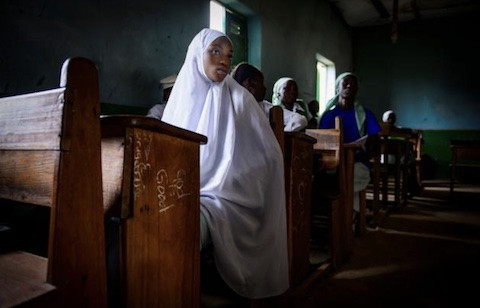 Gender equality in education: Digging beyond the obvious 2021-07-22 Young girls in class in the Kaduna region of Nigeria. When we talk about gender inequality in education, we first think about the barriers to schooling for girls and young women. And for good reason: three-quarters of the children who are at risk of never going to school are girls. Yet disparities exist in other dimensions of education, sometimes to the detriment of boys. To reduce them, IIEP-UNESCO favours an intersectional approach, which looks at gender through all other forms of discrimination and social exclusion. Here is how it works. Globally, progress towards gender parity in schools has been significant over the past 25 years. According to UNESCO data, the number of girls enrolled in primary and secondary school has increased by 180 million over this period, including 69 million in sub-Saharan Africa. Yet girls and young women still face the most severe forms of exclusion, which are the result of several cumulative factors. Among them are socio-economic status, place of residence, ethnicity, religion, and living with a disability. As a result, nine million girls aged 6 to 11 will never go to school worldwide, compared to about three million boys. Poverty, rurality and intersecting inequalities The recent Education Sector Analysis (ESA) of Sierra Leone shows that only 5% of poor, rural girls complete secondary school, compared to 68% of urban boys from better-off backgrounds. This high vulnerability of rural girls has also been observed in Nigeria. These two recent gender-sensitive ESAs are part of the Priority to Equality Initiative, the technical component of which is led by the IIEP-UNESCO Africa Office. Beyond the issue of schooling, gender inequalities are manifested in other components of education, such as learning or school guidance. Two types of obstacles are generally distinguished. On the one hand, are those related to the educational offer, which are directly related to education systems, policies, or schools. On the other hand, are those related to the demand for education, i.e. the obstacles inherent in families, children, and society at large. Ultimately, all these factors are linked and impact each other. What about boys? Contrary to popular belief, gender disparities in education also weigh on boys. The social expectation for young men to earn an income can lead them to drop out of school before the end of lower secondary school. They may even never attend school to help their families. In Sierra Leone, 67% of boys who drop out of school do so for economic reasons, compared to 53% of girls, according to the ESA. In Nigeria, food shortages during the rainy season and armed conflict in some areas are seen as additional barriers to boys' retention and completion. Addressing the weight of social gender norms Around the world, IIEP observes the growing political and legal commitment of countries to gender equality in education. While early pregnancy and early marriage are among the leading factors in girls' dropout from secondary school in sub-Saharan Africa, many states have recently lifted bans that previously prevented pregnant girls from attending classes. Sierra Leone and Mozambique, for example, did so in 2020. This is an example of a significant step towards more inclusive education. "However, the presence of entrenched gender norms at the local level, combined with weak institutional capacity, can hamper the implementation of gender policies and strategies in education," explains Fabricia Devignes, Head of the Gender at the Centre Initiative at IIEP-UNESCO Africa Office. Social gender norms are the set of implicit ideas, stereotypes, and rules that consciously or unconsciously dictate how a person should supposedly be and act, depending on whether they are a woman, man, girl, or boy. These norms manifest themselves, for example, through an unspoken rule that men should be strong and financially support their families. Or through the conditioning of boys' educational orientation towards technological and scientific paths, and less towards 'care' professions, for example (personal services, health and social work), associated with lower salaries. In Niger, only 6% of science, technology, engineering and mathematics graduates are women. Schools can play a key role in challenging these gender norms, the impact of which can have serious consequences for children's education and women's economic empowerment. But it can also reinforce and reproduce them, if education policies and systems are not based on the principles of gender equality. "In education, we see significant differences in the treatment of girls and boys, linked to socio-economic realities, ethnicity, vulnerability to conflict, or gender norms. Taking these specificities into account is a way to produce more comprehensive and effective education sector analyses and plans.Fabricia Devignes, Head of the Gender at the Centre Initiative at IIEP-UNESCO Africa Office Gender-responsive education planning: What conditions, what solutions? Gender-sensitive educational planning is not limited to the formulation of strategies to combat gender inequalities. It must take into account the weight of gender norms and social roles in both process and content. In addition to IIEP's support for the whole process of gender-sensitive planning, strengthening the gender sensitivity of budgets is one of the technical levers promoted by the Institute to the member countries of the Gender at the Centre Initiative. This approach ensures that investments in the education sector advance gender equality. IIEP also works with countries on gender mainstreaming within education administrations. The aim is to strengthen their capacity to introduce gender into their operations in a systematic and considered way. This includes building the capacity of all staff in ministries of education on gender issues at all levels. It may also involve increasing the representation of women in senior positions in ministries of education. URL:http://www.iiep.unesco.org/en/gender-equality-education-digging-beyond-obvious-13854
  UNESCO convenes world education ministers to relaunch global cooperation for accelerated progress 2021-07-19 Over 85 education ministers and leaders of the international education community endorsed a reform to improve global cooperation in education to better respond to the grave and lingering learning disruption caused by COVID-19 and to put education at the center of political agendas. The ministerial segment of the Global Education Meeting, organized by UNESCO on the sidelines of the United Nations High-Level Political Forum, sent a powerful message about the joint commitment of countries, of multilateral, bilateral and regional organizations, of civil society, the teaching profession, and students and youth themselves, to embark on a new path towards acceleration of the 2030 Agenda. At the beginning of the meeting, UNESCO Director-General Audrey Azoulay recalled the need for more effective international collaboration in the area of education: “we need a Global Coordination Mechanism that is more agile, more efficient and more focused on shared priorities’’. Ministers commended UNESCO’s leadership in leading consultations to improve the global education cooperation mechanism over the past eight months. The proposal to reset the existing mechanism aims to create a better policy environment to drive recovery and accelerate countries’ progress towards SDG4. The Director-General called for improved action in three education priority areas: collecting and sharing more and better data; investing more and investing better in education; and streamlining and strengthening international cooperation. To improve coordination in the area of data, UNESCO announced the establishment of a Global Education Observatory that will provide Member States and the international community with a gateway to education-related data and up-to-date information on education policy practices and responses to the COVID-19 pandemic. The meeting saw the launch of the UNESCO-UNICEF-World Bank-OECD Survey on national education responses to COVID-19 covering 142 countries. The Survey finds that around one in three countries where schools are or have been closed is not yet implementing remedial programmes post-COVID-19 school closures. During the meeting, education ministers shared their innovative responses in transforming their education systems amid the crisis, as well as the immense challenges that still remain. Many ministers emphasized the importance of skills to adapt to an increasingly digital and globalized environment, build resilience to future shocks and to steer the transition towards green societies. “There is urgent need to develop human resources that will be the driving force for social transformation,” said Koichi Hagiuda, Minister of Education, Culture, Sports, Science and Technology of Japan, and co-chair of the current SDG-Education Steering Committee. The Minister emphasized the importance of education for sustainable development and its role in helping individuals and societies respond to future shocks. “We know that by working more coherently together, our collective efforts will be more effective in accompanying countries to accelerate towards SDG4 in the Decade of Action,” said UN Deputy Secretary-General Amina Mohammed. As part of the reformed Global Education Cooperation Mechanism, a High-level Steering Committee will be established at the Global Education Meeting, that will be chaired by France and scheduled for November 2021, on the fringe of UNESCO’s General Conference and the Paris Peace Forum, as announced by the French Education Minister, Jean-Michel Blanquer, who said that education required massive investments and a universal vision. Chaired by the UNESCO Director-General and a Head of Government, the High-level Steering Committee will provide strategic guidance, review progress, and make recommendations on priorities, monitor and advocate for adequate financing, and encourage harmonization and coordination of partner activities. “The commitments you make here will only have meaning if they are acted on - by putting education once again at the top of the political agenda,” said Ms Azoulay. Media Contact: Clare O’Hagan, + +33 145 68 17 29 URL:https://en.unesco.org/news/unesco-convenes-world-education-ministers-relaunch-global-cooperation-accelerated-progress