
News
Catch up on what’s happening in the world of global citizenship education.
1,668 results found
 Media and Information Literacy for Youth Civic Engagement 2021-05-30 UNESCO Windhoek office is launching Media and Information Literacy (MIL) for Youth Civic Engagement in Namibia in partnership with the National Youth Council (NYC) and Namibia National Commission for UNESCO (NatCom) with support from the Japanese government. The project aims to engage youth-led organisations and youth in general to participate in MIL workshops, webinars and online trainings to navigate the digitalized information ecosystem. Media and information literacy is a lifelong learning tool for youth to assess and verify messages; Fed and received on social media platforms and the internet; Be aware of content providers’ business model, political, commercial and societal agendas and to interpret and disseminate reliable information by an agency of their own informed choice; Seeking, interacting and sharing information online also implies privacy issues, which is closely associated with transparency of internet companies regarding collection of data and algorithm; Education on digital citizenship is thus another vital component of media and information literacy. Under the project framework, UNESCO Windhoek office, NYC and its partners will organize workshops with youth-led organizations to enhance their MIL capacities and eventually contribute towards recommendation guidelines for the integration of MIL in youth organization’s daily operations. At individual level, online trainings and webinars on UNESCO’s MILCLICKS initiative and MIL-related topics like tackling online hate speech and disinformation are open to every Namibian youth aged 16-35 years old. The development of MILCLICKS micro-learning infographics and videos is anticipated from the participating youth, with the guidance of trainers, to ensure active engagement. The vision of this project, is to enable youth to make informed decisions, become actively involved in wide-ranging societal affairs and be the change-maker in their professional fields. For youth organizations wishing to attend the workshop, please fill in the online survey. Registration closes 11th June 2021, @ 11:59 pm latest. For youth individuals interested in online trainings and webinars, please fill in the registration form. Registration closes by 11th June 20201, @ 11:59 pm as well. Youth participants are encouraged to sign up for MIL MOOC COURSE as complementary learning materials and will receive online certificate once they have completed the course. For more information, please contact Ms. Yang Wang ya.wang@unesco.org(link sends e-mail) and Brian Prince bprince@nyc.org.na URL:https://en.unesco.org/news/media-and-information-literacy-youth-civic-engagement
  Lutaa’s journey for Media and Information Literacy in Mongolia 2021-05-30 Disinformation, misinformation and rumours are proliferating in Mongolia. In this context Media and Information Literacy (MIL) is more important than ever. Journalists, civil society activists and government officials in Mongolia are working together to raise awareness on the value and importance of MIL and to influence decision-making at the national policy level. But it’s a long way to tangible results, which must be accompanied by outstanding personalities. Lut-Ochir (Lutaa) Vanganjil is a specialist working at the National Center for Lifelong Learning of the Ministry of Education, Culture and Science of Mongolia. He is an active member of the National Network for Media and Information Literacy in Mongolia, and is passionate about strengthening informed and critical use of media and information among children, youth and adults. Together with his colleagues and fellow members of the national network, Lutaa produced and disseminated 17 video tutorials in 2020, to provide knowledge on essential topics related to access to information, critical and responsible use of information, as well as evaluation of information. Lutaa’s journey with the National Network for MIL began two years ago when he participated in a stakeholder workshop to learn about the concept of MIL,and discuss the needs and challenges for its promotion in Mongolia. The workshop, organized by the Press Institute of Mongolia with support from UNESCO’s Multi-Donor-Programme for Freedom of Expression and Safety of Journalists, was part of an initiative to raise awareness about the importance of MIL among relevant stakeholders and to establish a national network working to create an enabling environment for MIL. The people of Mongolia enjoy a great variety of choices when it comes to media and information sources. Although Mongolia is one of the most sparsely populated countries in the world, with a total population of 3 million, there were more than 450 media outlets as of January 2020, including 16 national television channels, 10 national daily newspapers, more than 70 radio stations and around 150 online news media outlets, according to the Press Institute of Mongolia. The number of subscribes to Internet services reached 2.3 million in January 2020, and mobile phone use is also booming, with 4.42 mobile connections recorded the same month. « Due to the dramatic increase in the flow of information driven by new technologies, it is extremely important that citizens learn how to find and use information that is relevant to them », says Lutaa. The National Center for Lifelong Learning, where he works, offers training opportunities for children, youth and adults in the areas of family, ethics, aesthetics, life skills, civic education, science and health, law, financial education, sustainable development and literacy. Since joining the National Network for MIL, Lutaa has begun to introduce components of a MIL curriculum into the National Center’s programmes. The MIL curriculum, developed by a group of school teachers, civil society activists and education experts led by the Press Institute of Mongolia, has been approved by the Institute for Teachers Professional Development, a central government agency responsible for capacity building of secondary school teachers. Lutaa is also a professional IT teacher. Before joining the National Network for MIL, he taught computer courses to around 600 lifelong learning tutors across the country. « Working in the National Network for MIL has opened my eyes », said Lutaa. « Equal access to and use of information is the basis for all for all fundamental rights in today’s world. However, we must ensure that no one is left behind when it comes to learning critical media literacy, especially in the context of the increasing proliferation of disinformation », he stressed. Dramatically increased information flows driven by new technologies make it extremely important for citizens to be educated on how to locate and use information that is relevant to them. -- Lutaa Vanganjil, member of Mongolia’s Network for Media and Information Literacy The initiative to promote MIL in Mongolia, supported by UNESCO, has made significant progress in the past two years. Under the leadership of the Mongolian National Committee for UNESCO and the Press Institute of Mongolia, as well as governmental and non-governmental stakeholders, the initiative has organized several consultation meetings to advance knowledge and understanding of MIL as a composite concept and to build consensus among multiple stakeholders on the urgency of policy-level efforts to strengthen MIL competencies across society. A background document and position paper were developed outlining the current status of MIL levels in Mongolia and proposing strategic priorities to create an enabling environment for MIL development. The initiative also included two National MIL forums and a series of ten workshops for media professionals and school teachers to promote the integration of MIL into curricula and teaching practices in secondary schools. « Currently we have fifteen members in our network, representing fifteen very different organizations, such as the Mongolian National Broadcaster, General Police Office, and the National Network for Child Protection », Lutaa mentioned. For him, it is very important that the Network has a clear vision based on a shared understanding of MIL, and a strong agreement on specific roles and responsibilities of the members. “There is so much to do, and I am excited to be part of this great initiative”. About the Multi-Donor Programme for Freedom of Expression and Safety of Journalists (MDP) The MDP serves to further strengthen UNESCO’s work at a global, regional, and national levels, by channeling funds towards emerging priorities and the most pressing needs to achieve its mandate on freedom of expression. It enables UNESCO’s Communication and Information Sector to address complex issues through the design and implementation of holistic medium and long-term interventions at national, regional and global levels. The clear advantage of this mechanism is that it allows UNESCO and its partners to achieve greater impact and sustainability, whilst reducing fragmentation of activities in the same field. Related links To protect free, independent and pluralistic media, visit: Multi-Donor Programme on Freedom of Expression and Safety of Journalists Let Free Media Thrive: Stories of impact More inspiring articles on the impact of communication and information on people’s life: Communication and Information: Human stories URL:https://en.unesco.org/news/lutaas-journey-media-and-information-literacy-mongolia
  IMAGINE 4.7 Global Event 2021-05-30 Bridge 47’s IMAGINE 4.7 Global Event took place online at the end of May, bringing together people from around the world to share collective learnings on SDG Target 4.7, and to celebrate the Bridge 47 Network’s journey over the past four years. The three-day event looked to create opportunities for participants from a wide range of sectors to exchange ideas, experiences and best practices. IMAGINE 4.7 opened with video remarks from Jutta Urpilainen, the EU Commissioner for International Partnerships, who highlighted the transformative effect of Global Citizenship Education, urging participants to: “Dare to image a better world. Dare to raise our voices. Dare to stand up and take action for a more sustainable future for all.” This call to action set the tone of the event, with a wide range of innovative sessions on policy, partnership opportunities and transformative educational practices, all from a transformative education perspective. Stefania Giannini, UNESCO’s Assistant Director-General for Education, highlighted the importance of Target 4.7 in her keynote speech, stating: “Sustainable Development will not happen without education for global citizenship. To build back more equal, inclusive and resilient, education has to transform.” Other keynote speakers included Ninawa Huni Kui, President of the Federation of the Huni Kui people in Acre, Brazil, who gave a moving speech calling for a change in understanding of education, and Lysa John, Secretary-General of CIVICUS, who affirmed the important role of civil society in addressing structural injustice. Chair and Founder of Bridge 47, Rilli Lappalainen looked to the future in his closing remarks for IMAGINE 4.7: "I invite everyone to use the Bridge 47 network now and in the future. It is up to us all to use our imagination for how we want to go forward.” DAY 1 IMAGINE 4.7 opened with a panel discussion on ‘Envision 4.7: Imagining a Future with Target 4.7’, which revisited the Envision 4.7 Roadmap to highlight the continued relevance of collaborating on transformative education in our ever-changing world. Moderated by Brikena Xhomaqi, Director of the Lifelong Learning Platform, the session explored the ways in which joint action had been taken in national, regional and global contexts, and invited panellists and participants to imagine our next steps forward on the path to implementing Target 4.7. Next, a keynote speech from Stefania Giannini, UNESCO’s Assistant Director-General for Education, stressed that the capacity to take action for sustainability comes down to education for global citizenship. In the afternoon, the Frame, Voice, Report! project led an interactive workshop on ‘Framing - How to Engage Your Audience’, which outlined innovative methodologies for engaging citizens to the Sustainable Development Goals, sharing reflections, successes and learning outcomes from projects around Europe. The day closed with a thought experiment on ‘Education 2048’ led by the Gesturing Towards Decolonial Futures collective. In part one of the session, participants were asked to decide the direction of education after a period of catastrophic events causes by human choices. In part two, participants were invited to process their responses through engagement with the poem Co-sensing with Radical Tenderness. DAY 2 Day two of IMAGINE 4.7 began with an introduction to the ‘Current State of Research on Global Education and Global Citizenship Education in Europe’. Professor Douglas Bourn and Professor Massimiliano Tarozzi led the session, presenting evidence gathered from the Academic Network for Global Education and Learning (ANGEL) network’s Global Education Digest. Next, a panel discussion on ‘Where the Magic Happens! Partnerships Beyond the Comfort Zone’ reflected on Bridge 47’s successful partnership journeys across Europe. Moderated by Charo Lanao Madden, representatives from the National Health Service (NHS) Scotland, Deloitte Ireland and Latvian Museum Association were invited to share their perspectives on engaging in GCE focussed partnerships, their collaborative activities, and the challenges, learning and impact made on their partnerships journey. Ninawa Huni Kui, President of the Federation of the Huni Kui people in Acre, Brazil delivered a powerful keynote speech calling for a change in understanding of education, one that shifts away from greed and accumulation and towards community and care of the planet. In highlighting the need for critical reflection, and moving towards building new worlds, Ninawaa Huni Kui stated: “There is no way forward without dealing with what happened in the past." The final session of the day was an innovative and experiential learning session on ‘Singing for Sustainability: Facilitating Transformative Learning through Group Songwork’. Facilitated by Dr Ash Brockwell, the session explored songwork as a transformative learning practice, structured to allow participants to build the missing ninth ESD competency: eco-social competency, or 'systems-feeling'. DAY 3 On the final day of IMAGINE 4.7, Lysa John, Secretary-General of CIVICUS gave a keynote speech reflecting on emerging trends in civil society, based on CIVICUS' State of Civil Society report. On the important role of civil society, she affirmed: "There has been an emergence of a new frontier of civil society and civic action. Civil society's pervasive ability to address structural injustice is important to the role and relevance of civil society around the world". Next, ‘Partnerships Beyond Ticking the Boxes’ expanded on the idea of civil society addressing structural injustice. Co-facilitated by an NGO in India and in Scotland, the session explored the possibility of building just and equitable international non-profit partnerships between the organisations from oppressed and oppressor nations, through the lens of Global Citizenship Education. The last session of the day on ‘Fishbowl: Transformative Learning for Powerful Civil Society!’ explored the potential of transformative learning as a driving force in the work of civil society. Led by Helena Sirén Gualinga (Indigenous environmental and human rights activist from the Kichwa Sarayaku community in Pastaza, Ecuador), Manish Jain (Shikshantar Institute and Swaraj University), Karen Pashby (Manchester Metropolitan University) and Robbie Guevara (International Council for Adult Education, ICAE), participants were invited to envisage a different civil society and share ideas as to how transformative learning can build civil society capacity in a fishbowl format. The day closed with a formal reception to celebrate the success of Bridge 47 and toast to network members’ achievements over the last few years. Chair and Founder of Bridge 47, Rilli Lappalainen looked to the future in his closing remarks for IMAGINE 4.7, encouraging everyone to utilise the Bridge 47 Network and use their imagination for our next steps forward. URL:https://www.bridge47.org/news/05/2021/imagine-47-global-event
  Reconciliation and Global Citizenship Education in Canada 2021-05-30 What we have learned Our lessons learned in Canada related to education on reconciliation with Indigenous Peoples have been profound, empowering, and full of hope for our future. These lessons may well be universal paths to peace, respect and solidarity no matter our geography or circumstances. They remind us that: The younger we start reconciliation education, the more certain our success in equipping learners with the knowledge, values and capacity required to live together in peaceful, respectful coexistence. Reconciliation is not possible without first fearlessly and openly seeking out all aspects of truth. Acknowledgement and recognition of each human being’s truth is essential to the establishment of respectful relationship. There is far greater honour of earning a global reputation as a country that demonstrates the courage and integrity to face our colonial history, accept responsibility and take action toward reconciliation than to continue to enjoy a national notoriety based on mistruth and flawed historical narratives. In matters of the heart and humanity children are often the teachers of their parents and grandparents, and are most certainly the most courageous agents of social change. The journey from the heart to the head is a long one but is possible with genuine intention and commitment to humanity, one person at a time. A context for reconciliation in Canada In recent history in Canada, the term “reconciliation” is most commonly associated with the work of the Truth and Reconciliation Commission of Canada (TRC) that officially launched on June 2, 2008 and held closing ceremonies on June 3, 2015 (delivering the final report on December 15, 2015). One of five components of the Indian Residential School Settlement Agreement (IRSSA), the TRC was a process through which survivors of the Indian Residential School system would educate all Canadians in their own words. The mandate of the TRC was “to inform all Canadians about what happened in Indian Residential Schools (IRS). The Commission will document the truth of survivors, families, communities and anyone personally affected by the IRS experience.” In the broadest of terms, most Canadians consider reconciliation as the concept of repairing and rebuilding the relationship between Indigenous (First Nations, Metis and Inuit) peoples and non-Indigenous Canadians. Some Canadians chose what could be considered the path of least resistance, or of least personal responsibility. In their estimation the federal government and the churches that operated the schools are solely responsible to make right the historical, political and ethical wrongs of the country. Indeed, early steps were taken in this direction in the form of apologies delivered by the Prime Minister of Canada and the leaders of each federal political party on June 11, 2008. This was followed immediately by compensation made available to Indigenous Peoples, specifically those who were forcibly removed from their homes, families and communities to be placed in Indian Residential Schools. The Independent Assessment Process and the Common Experience Payment were designed to address for the human rights violations perpetrated against them in those schools. But we know that financial compensation is not enough and that countries, organizations, agencies don’t reconcile. People reconcile. For the survivors of Indian Residential School who represented their fellow survivors in the negotiations of the IRSSA, the education of Canadians in the truth regarding their treatment, experiences and impacts, both direct and intergenerational, was of highest priority. That said, over the operational period of the TRC and beyond, the term ‘reconciliation’ has garnered more attention and debate than perhaps the actual processes that were established under the Indian Residential School Settlement Agreement. One of the most common question posed in forums on truth seeking and reconciliation during the time of the TRC was “What is reconciliation?” followed closely by “How do we achieve reconciliation?” It has become abundantly clear that reconciliation means different things to different people. For some residential school survivors, it means reconciling with the facts about how the system evolved and why their families and communities were targeted in such inhumane ways by government and churches. Many intergenerational survivors of residential school cited a need to reconcile with the anger, bitterness and resentment that they had long harboured toward their survivor parents, for the pain that they had suffered as children. Most had no knowledge of the trauma that their parents had suffered and subsequently passed on to them. For many non-Indigenous Canadians reconciling with the shock and devastation around our colonial history and who we really are as a country has been overwhelming. Some have responded with denial, others with shame and disillusionment. But a large portion of the population has chosen to take action for reconciliation: to learn more, to live differently; in essence to educate themselves for the benefit of all. In a similar vein of looking toward authentic and unabridged education as a path to a more peaceful Canadian society, many Indigenous peoples maintained the mantra “Truth before Reconciliation”. Indeed, what is “truth seeking” if not education. The Truth and Reconciliation Commission of Canada was certainly heavily focused on education, both formal and public education, to address the demands of survivors and the majority of Canadians who reported being completely ignorant of the Indian Residential School System that had operated officially for over 160 years in Canada. In the 94 Calls to Action released by the TRC on June 3, 2015, the Commissioners dedicated two sections of their directives specifically to education. Calls to Action 6-12, Education, very pointedly called upon the federal government to address the education inequities that Indigenous, and more specifically First Nations, students face in Canada on a daily basis. Inequities including funding levels, relevant curricula, Indigenous language rights, Treaty relationships, and Indigenous participation in all decisions aimed at resolving these issues, at the family, community and Nation levels. In a second education focused section of the TRC Calls to Action, Education for Reconciliation, there is a clear and direct alignment between Calls to Action 62-65 and the basic principles of Global Citizenship Education (GCED), a principle promoted by UNESCO. In these Calls to Action, the Commissioners call upon all levels of government to provide funding and to collaborate with Indigenous Peoples to develop Indigenous focused, mandatory education curricula, resources, and programs for all students across the country. Specifically, the Commission calls for “age-appropriate curriculum on residential schools, Treaties, and Aboriginal peoples’ historical and contemporary contributions to Canada a mandatory education requirement; curriculum and learning resources on Aboriginal peoples in Canadian history, and the history and legacy of residential schools; to utilize Indigenous knowledge and teaching methods in classrooms.” This section of the Calls to Action sets out parameters and processes to facilitate action on these required changes including the calls for identifying teacher-training needs and to “provide the necessary funding to post-secondary institutions to educate teachers; establish senior-level positions in government at the assistant deputy minister level or higher dedicated to Aboriginal content in education; establish a national research program with multi-year funding to advance understanding of reconciliation with the goal of building student capacity for intercultural understanding, empathy, and mutual respect.” The importance of education in the pursuit of reconciliation emerged more and more clearly as the mandate of the TRC unfolded. So much so that in the analysis of the 94 Calls to Action, in which only 2 of the 22 headings name education in their titles, one can identify education activities in approximately 80% of the actions identified in the document. As Truth and Reconciliation Chief Commissioner, Justice Murray Sinclair, has stated on many occasions, “education is what got us here, and education is what will get us out.” The role of education in reconciliation in Canada What better model of education to light the pathway out of such a dark legacy in Canada than that of Global Citizenship Education. The commitment and courage of classroom teachers has been key to answer the calls, not only from the TRC Commissioners, but those of survivors, families and communities, to seek truth and take reconciliACTION (a term coined by intergenerational survivor Stan Wesley, Cree from Moose Factory, Ontario). Many of these agents of change have accessed excellent education resources from the Legacy of Hope Foundation or their respective teachers’ associations, at a time when there were very few resources readily available to teachers. Many others created their own lessons, modules and resources as they learned alongside their students. One such program, Project of Heart, began with a query from a student and grew to become a nationally acclaimed education programme that has provided a critical learning path for thousands of teachers and students in every province and territory of Canada. Ottawa high school teacher Sylvia Smith immediately recognized the importance of her student’s query about residential schools and took action to develop a brilliant inquiry-to-action learning initiative driven by her students. Smith then reached out to engage teachers and students across the country to join the movement. There are several characteristics that make Project of Heart such an excellent example of how education not only supports reconciliation, but actually drives it. The fact that Ms. Smith developed Project of Heart through a responsive and engaging process of learning with her students is key. She facilitated the truth-seeking journey of her students, guided them with value-based markers, trusted them as active and responsible learners and empowered them to become the authors of their own narratives and agents of change. Together teacher and students created a step-by-step critical learning path that provided for -- in fact required -- place-based adaptation of the learning that positions students as players in the narrative of history and social change. The Project of Heart inquiry-to-action learning journey is fired by each student’s desire for raw truth from which they can draw their own conclusions. Students’ pursuit of knowledge and understanding are derived from primary source documents, both survivor voices and little-known documentation crafted and held by governments and churches. As a tangible way to both acknowledge the truth and commit to action for social change, each learner creates physical representations of reconciliation in the form of small wooden tiles, each one to honour the life of a child lost to the Indian Residential School system. Finally, and most importantly, students are challenged to undertake acts of social justice, things that they can do to make a difference, and contribute to achieving reconciliation in Canada. To bring the learning full circle, in a process of active and responsible citizenship and solidarity, students and teachers compile a compelling and concise blog post. They then submit the post to the keepers of the Project of Heart website, the now retired founding teacher Sylvia Smith and her family, to be shared on the public access site. The collection of posts inspires and engages other teachers and students across the country and beyond to seek truth and take action for reconciliation in their respective communities, situated within the territories of the original peoples of the land. Conclusion Reconciliation education is fundamental to a new way for people to live together on these lands, in justice and peace. Based in honest and courageous seeking of the truth, and tangible acts of reconciliation and social justice, it transforms students from mere learners to active changemakers. This is the heart of Global Citizenship Education, and it gives real hope for our future. ------------------------------------------------------------------ Author Charlene Bearhead, Director of Reconciliation at the Royal Canadian Geographical Society and education. Within the context of the TRC National Events between 2012-2015, she coordinated the Education Days for the Truth and Reconciliation Commission of Canada. Bearhead served as the first Education Lead at the National Centre for Truth and Reconciliation at the University of Manitoba, the first Education and Programming Lead at the Indian Residential School History and Dialogue Centre at the University of British Columbia, and the Education Coordinator for the National Inquiry Into Missing and Murdered Indigenous Women and Girls in Canada. URL:https://en.ccunesco.ca/idealab/reconciliation-and-education-in-canada
 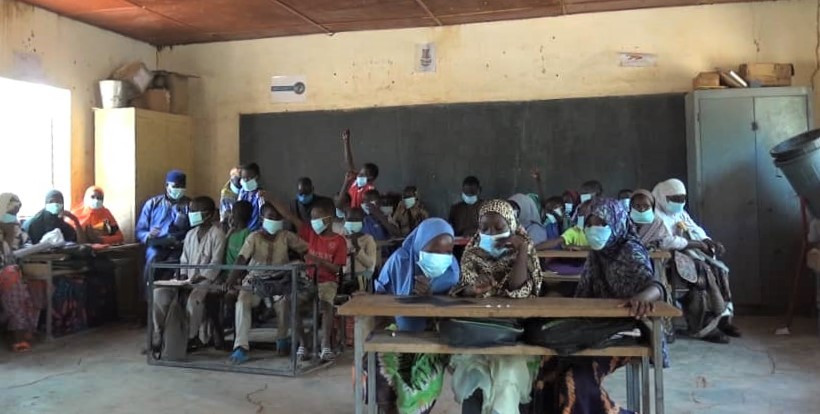 Des enseignants du Niger apprennent à prévenir l'extrémisme violent et à introduire la culture de la paix en classe 2021-05-24 In target schools in Niger’s Tillabéri region, teachers participate in workshops on youth empowerment and peacebuilding ©INDRAP/Issaka Harouna In the Diffa and Tillabéri regions of Niger, insecurity caused by violent extremism is undermining stability and hindering the right to access quality education for all. To address this situation, UNESCO's Capacity Development for Education (CapED) Programme supported the contextualization of a teacher's guide on the prevention of violent extremism for the Sahel region, designed by the International Institute for Capacity Building in Africa (IICBA). Following the validation of the guide in 2019, UNESCO conducted a pilot test of the guide in schools in the Diffa region, which was followed by a training workshop for 65 teachers from targeted primary and secondary schools in the Tillabéri region in April 2021. For the teachers in training, the first step was to identify the values to be transmitted to prevent violent extremism. "We discovered pedagogical approaches that can help build resilience and prevent violent extremism through the development of values in students, such as empathy, respect, tolerance, dialogue, and reconciliation" -- Djamila Gado Abdou, a teacher working in Torodi.Once these values were identified, it was necessary to find anchor points in the official curriculum, according to the subjects and grade. Through transformational pedagogy, which places students at the heart of the learning process, learners will be instilled with these values, and will be able to use and transmit them in contexts outside of school. "Transformational pedagogy [...] can positively impact students’ communities" says Yayé Touré, regional pedagogical inspector and trainer. "Little by little, the prevention of violent extremism and the resilience of communities will increase, with behavioral changes occurring first at the student level, and then transferred to the community level." -- Yayé Touré, regional pedagogical inspector and trainerThe trainers believe that this training should be replicated to maximize the expected results in other Sahel regions. "My wish is to expand this training beyond the pilot schools, because almost all of our schools exist amid insecurity, hence the absolute need to instill everyone with this innovative transformational pedagogy. This training is relevant for teachers as it allows them to take charge of insecurity issues, and thus prevent violent extremism. Thanks to this, there will be a change in behavior in regard to the violence that we experience on a daily basis" -- Issaka Halidou, deputy regional director and trainer in the Tillaberi region Following this training, the teachers' guide will be revised to better consider lessons learned. Trained teachers will continue to be supported by regional supervisors and trainers to develop ways to apply the transformational pedagogy, help students gain autonomy, and support youth in peace building, resilience, and prevention of violent extremism through education. This workshop, organized by the Niger technical team, accompanied by UNESCO's Multisectoral Regional Office for West Africa (Sahel), took place from 19 - 30 April 2021. It was co-financed by CapED in Niger and by a voluntary contribution from France. URL:https://en.unesco.org/news/teachers-niger-learn-prevent-violent-extremism-and-bring-culture-peace-classroom
 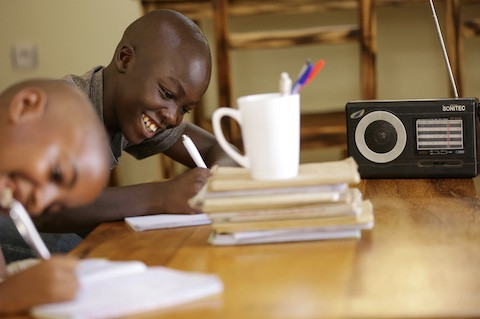 COVID‑19 highlights an opportunity for out-of-school children 2021-05-23 The response of education during the pandemic has revealed the possibilities, both digital and non-digital, to reduce the number of out-of-school children, including those who were already excluded before the COVID‑19 crisis. By Wongani Grace Taulo, Suguru Mizunoya, Garen Avanesian, Frank Van Cappelle, Jim Ackers Until about a year ago, being out of school was solely about who you were, where you were born, where you lived and your social and economic conditions. Today, COVID‑19‑related school closures have impacted all children and young people, keeping them out of school for prolonged periods. At its peak, nationwide school closures affected over 90 per cent of the world’s student population resulting in extraordinary challenges to the continuity of learning – particularly for children in marginalized groups. With pandemic school closures, the concept of out-of-school children has taken on a new meaning and attracted increased attention. In 2018, the UNESCO Institute for Statistics estimated that over 258 million children, adolescents and youth were out of school – one sixth of the global population of this age group. Lessons from previous school closures show that not all children will return to schools when they reopen. However, as schools reopen, there is a desire to reopen ‘wider’, to accommodate those learners who were already out of school pre‑COVID‑19 – but action is needed now to ensure the numbers of out-of-school children do not increase after this pandemic. Can COVID‑19 lessons help against the global problem of out-of-school children? Efforts to deliver remote learning have shown us that there is an opportunity to exploit the creativity that has emerged in how education can be delivered through more differentiated approaches beyond schools. We have a window to build on the emerging concept of education being delivered any place, any time, to anyone, especially children from the most marginalized populations. The energy that has been put into finding innovative ways to keep children learning can be harnessed for solutions to help out-of-school children more generally. The school closures have shown us that we need multipronged approaches to the various needs of children to learn wherever they are, and information and communications technology (ICT) can be one of the keys to these. While there are immediate issues in connecting all children, initiatives like Reimagine Education which includes GIGA, aim to connect all schools in the near future. Beyond schools, universal community access to the internet will be a force for enhancing equity and realizing the right to life-long learning – the pinnacle of Sustainable Development Goal 4. ICT is not a panacea, though, and must be complemented with other modalities of learning. What can we do as schools reopen? Are there any quick wins? As schools reopen, we need to extend enrolment to those children who were already out of school pre‑COVID‑19. Similarly, non-formal educational programmes and institutions, including alternative learning programmes (ALPs), should be supported to accommodate the out-of-school children who wish to follow this route. We also need to incentivize the enrolment of children who were out of school before the pandemic.This can be done by removing financial barriers, providing learning resources, loosening registration requirements and offering flexible programmes, both in school and in non-formal programmes tailored to their needs. In doing this, it is important to engage communities withtargeted back-to-school campaigns and messages to reach out-of-school children, plus strategies to track their numbers. Enrolling all new entrants into school regardless of age is a key strategy. Monitoring the enrolment of grade/class one entrants will be particularly critical. In some countries, government officials and school staff make door-to-door visits to get all children enrolled. We also need to change policies which ban pregnant girls from school and allow pregnant girls and young mothers to return to school. The Malala Fund estimates that 20 million adolescent girls may drop out of school due to the impact of the pandemic, including pregnancy, similar to the case during Ebola in West Africa. The Government of Sierra Leone recently overturned a long-standing ban on pregnant girls being in school. Such a strategic decision can make a big difference to attendance. Addressing all groups of children out of school will increase the chances of success. For instance, some strategies may work for children from poor households, but additional approaches may be needed for children with disabilities. Similarly, it is important to distinguish children who have never entered school from those who entered late or are likely to drop out, and to develop strategies that respond to their unique needs. What about systemic changes in the medium- to long-term? While nothing can replace face-to-face learning, the COVID-19 education crisis has shown the possibility to deliver education beyond the school. Learning can take place anywhere, any time. Adapting remote learning to both online and offline modalities will help reduce the number of out-of-school children. Programmes such as Storyweaver, EkStep, Learning Links and radio education are examples that can be explored to accelerate provision beyond schools. With many adolescents failing to transition from primary to secondary school, and even fewer to upper secondary education, systemic shifts must ensure remote learning strategies flexible for out-of-school adolescents, allowing them to develop the skills they need for work. We need to retain those who are in school by institutionalizing early warning systems, to identify the risk of dropout and so prevent the problem. This must include a system for monitoring children’s educational participation, achievement and general well-being at school. The early identification of risks will increase the success rates of interventions and is cost-effective in the long term. Rethinking school schedules, curricula and assessment, and makinglearning more attractive to all children, not just to academically inclined learners, will also help keep children in school. This can be achieved through flexible school schedules and rethinking ways to assess learners, tailoring approaches to their varying needs and gearing them towards reducing inequalities. The experiences of remote leaning have also taught us the importance of parental and caregiver engagement in children’s learning. This is a practice that must be institutionalized while ensuring parents and caregivers get adequate support and resources. The Speed School programme in Mali is a good example that can be emulated. Similarly, the contributions of private partners in education must be harnessed beyond the current crisis to explore ways of ensuring that effective innovations remain in place to respond to the long-term needs of OOSC. Education for all children is a fundamental human right that must be fulfilled at all costs. Quality and inclusive education for all will be key to the COVID‑19 recovery and to securing the current generation’s future. Without creating new opportunities to ensure education, training and work for all, we risk creating disenfranchised societies and further exacerbating socioeconomic inequalities. We must seize the opportunity now to invest in effective alternative models to school learning, including the development of both digital and non-digital modalities, to help reach out-of-school children and provide them with access to quality education wherever they are, whoever they are. URL:https://gemreportunesco.wordpress.com/2021/05/14/covid%E2%80%9119-highlights-an-opportunity-for-out-of-school-children/
 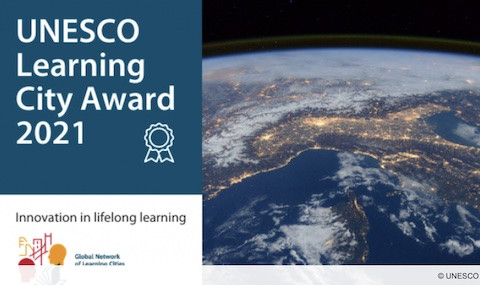 Appel à candidatures : Récompense UNESCO des villes apprenantes 2021 2021-05-23 Celebrating cities’ innovation in lifelong learning The UNESCO Institute for Lifelong Learning (UIL) is calling for applications for the UNESCO Learning City Award 2021. The award recognizes impactful, creative and innovative lifelong learning strategies and practices at urban level. All 229 members of the UNESCO Global Network of Learning Cities (GNLC) are invited to apply by 25 June 2021. Awardees will be honoured on 27 October 2021 during the fifth International Conference on Learning Cities in Yeonsu, Republic of Korea. Education is key to sustainable development and, with more than half of humanity living in urban areas, cities are at the forefront of efforts to live more sustainably. The cities making up the UNESCO GNLC aim to provide quality education and lifelong learning opportunities within their local communities to people of all ages and from all socio-economic and cultural backgrounds. While each learning city has its unique story, all UNESCO GNLC members benefit from the sharing of best practices within the network. UNESCO established the UNESCO Learning City Award in 2015. It is open to all member cities of the UNESCO GNLC and recognizes best practice in lifelong learning at urban level, the promotion of lifelong learning through effective and innovative projects or programmes, and innovative work in the field of lifelong learning. Key dates25 June 2021: Submission of application by the applicant city to the National Commission for UNESCO in the respective country.16 July 2021: National Commissions approve applications for a maximum of two cities per country.1 September 2021: Awardees decided by an international jury on behalf of the UNESCO GNLC; announcement of awardees.27 October 2021: Award ceremony during the fifth International Conference on Learning Cities in Yeonsu, Republic of Korea. Share your learning city story with us and apply for the 2021 Learning City Award! Further information How to apply Learning City Award concept note Learning City Award flyer with key dates URL:https://uil.unesco.org/lifelong-learning/learning-cities/call-applications-unesco-learning-city-award-2021-0
 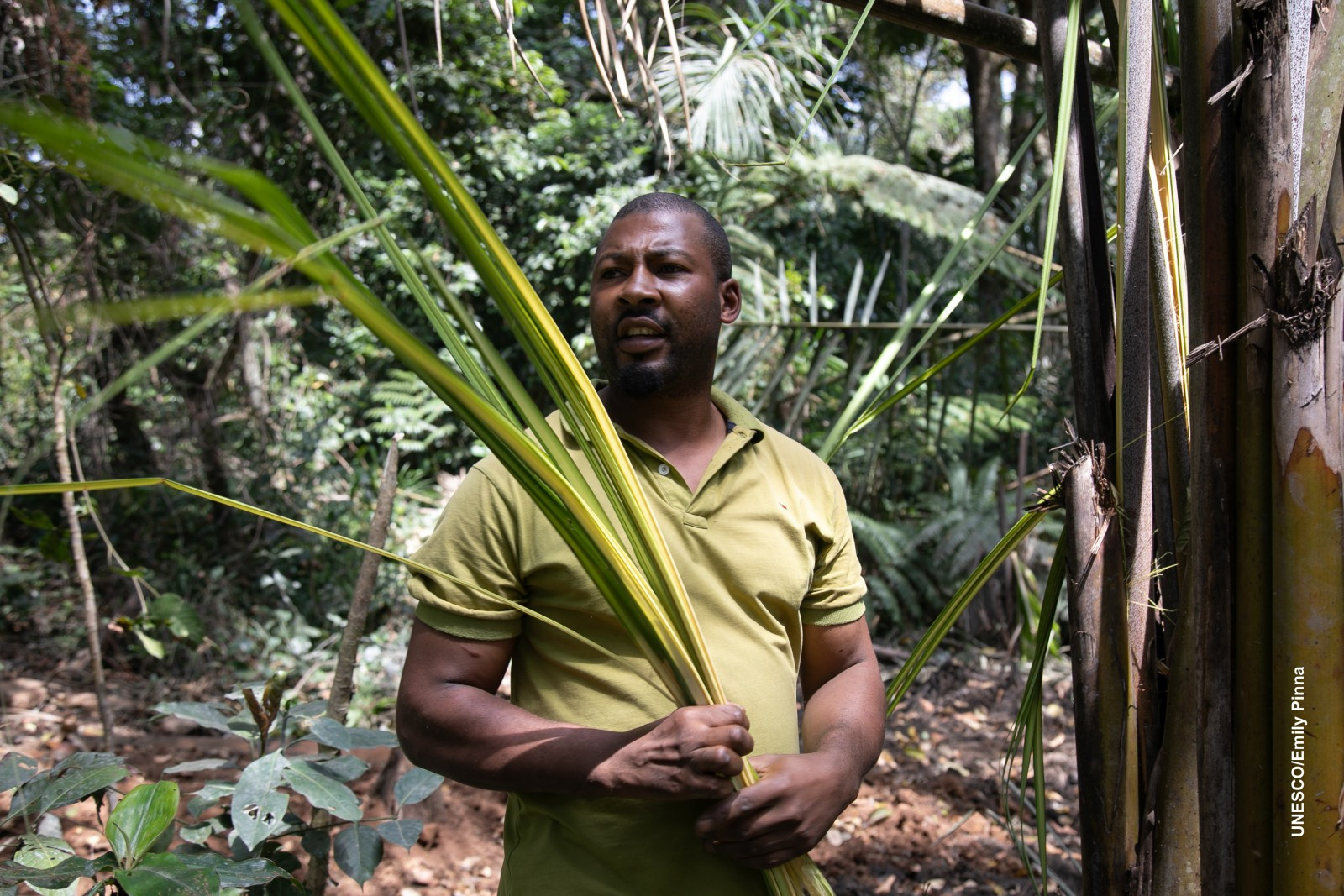 International Day for Biological Diversity 2021 “We’re part of the solution” 2021-05-23 Why do we celebrate Biodiversity? When biodiversity has a problem, humanity has a problem Biological diversity resources are the pillars upon which we build civilizations(link is external). Fish provide 20 per cent of animal protein to about 3 billion people. Over 80 per cent of the human diet is provided by plants. As many as 80 per cent of people living in rural areas in developing countries rely on traditional plant‐based medicines for basic healthcare. But loss of biodiversity threatens all, including our health. It has been proven that biodiversity loss could expand zoonoses - diseases transmitted from animals to humans- while, on the other hand, if we keep biodiversity intact, it offers excellent tools to fight against pandemics like those caused by coronaviruses.Biodiversity is the living fabric of our planet. It underpins human wellbeing in the present and in the future, and its rapid decline threatens nature and people alike. According to the Global Assessment Report on Biodiversity and Ecosystem Services released in 2019 by the Intergovernmental Science-Policy Platform on Biodiversity and Ecosystem Services (IPBES) at UNESCO, the main global drivers of biodiversity loss are climate change, invasive species, over-exploitation of natural resources, pollution and urbanization. The Global Report demonstrated the responsibility of human activities in the loss of biodiversity, which amounted to 75% for terrestrial ecosystems. This assessment also indicated that solutions existed and that it was not too late to act. To halt or reverse this decline it is vital to transform people’s roles, actions and relationships with biodiversity. Many solutions exist: UNESCO’s diverse networks, programmes and partners have observed positive and inspiring seeds of change around the world. UNESCO also accompanies Member States and their people in their efforts to halt biodiversity loss by understanding, appreciating, safeguarding and using biodiversity sustainably. Now is time to act for biodiversity! The United Nations has proclaimed May 22 The International Day for Biological Diversity (IDB) to increase understanding and awareness of biodiversity issues. This International Day is part of the year 2021 defined as a super year for biodiversity with major events planned (and for most postponed to a later date) such as the IUCN World Conservation Congress, the 15th Conference of the Parties (COP15) of the Convention on Biological Diversity or the UN Biodiversity Forum. URL:https://en.unesco.org/news/international-day-biological-diversity-2021-were-part-solution
  GoF for Education and Lifelong Learning Activities 2021-05-22 Interview with H.E. Ms. María del Carmen Squeff, Ambassador and Permanent Representative of Argentine to the United Nations Question: The COVID-19 pandemic has caused major setbacks in educational learning for students around the world. This has been exacerbated for students who lack reliable internet access, as they have been disproportionately affected by the current pandemic. In that regard, can you share with us what steps Argentina has taken to provide remote learning opportunities for students while schools are closed? Reducing educational inequalities is one of the Argentine government's priorities that cannot be postponed. The COVID 19 pandemic has intensified this challenge, revealing dynamics of school injustice that the health emergency has dramatically deepened, including the digital divide that severely affects children's educational opportunities from the poorest families. On 16 March 2020, Argentinean schools suspended their face-to-face activities. From that moment on, a series of actions and programmes were deployed that sought to guarantee pedagogical continuity through virtual means and, at the same time, through the production of analogue pedagogical resources and inputs that would guarantee the right to learning for children and young people whose living conditions did not allow access to digital devices and connectivity. Within this framework, the Seguimos Educando Programme was developed, aimed to produce and distribute educational resources in digital, printed, television and radio formats for students at all levels of compulsory education. Through it, theuring 2020, 50 million notebooks with educational activities were distributed, organized weekly for all ages of the school cycle; more than 2,000 hours of educational radio and television were produced and more than 120,000 notebooks were distributed to families in vulnerable educational situations. Likewise, the Ministry of Education continues to develop the Juana Manso Federal Plan with free and open access to digital pedagogical resources for pupils, students, and teachers. This public platform allows browsing and is a pioneering initiative in Latin America free of charge and is a pioneering initiative in Latin America. The process of safely reopening educational institutions is accompanied by rigorous health monitoring, with the Cuidar Escuelas Platform, which makes it possible to monitor all schools' epidemiological situation in real-time. It is worth noting that, from the perspective of the Argentinean government, the challenge of reducing the digital divide is not only reduced with access to technology and the expansion of the internet network, but also with an effort of pedagogical production that allows for the expansion of learning opportunities for all, leaving no one behind. Question: Argentina has been an avid supporter of youth skills development. Indeed, promoting skills and lifelong learning for inclusive growth and decent work has been at the forefront of the country's national policy agenda. Why empowering young people with skills for work and life is a priority in these challenging times? What is the role of technological innovation and digitalization in preparing young people for the future of work and the development of their lives? The 2030 Agenda has set the path for us: we must work to ensure inclusive, equitable, and quality education and promote lifelong learning opportunities for all, leaving no one behind. An agenda that is in line with our National Education Law, which affirms education as a right and the obligation of the national state to guarantee the teaching-learning processes, providing all the necessary tools for the exercise of that right. The cross-cutting role of education in our contemporary societies is inscribed in the conception that sustainable development cannot be achieved only through technical solutions, regulatory policies, or fiscal incentives, but requires a fundamental change in the capacities, knowledge, attitudes, and values of all individuals and communities and values of all people, and that only education at all levels and in all contexts can make it possible to build more just, peaceful, sustainable and egalitarian societies. In this sense, it is the mandate of education systems to create and maintain an enabling environment for young people to exercise their rights and fulfill their obligations, to grow as human beings, to develop as critical subjects and to be heard, taken into account and valued as social agents and knowledge holders in specialized fields. Hence, in the critical context of the pandemic we are going through, we have developed various strategies at all levels of the education system with emphasis on the connectivity plan and distribution of equipment to get through the present, but also to guarantee the incorporation of young people into the full life of any adult subject in the near future. In parallel to the tools to guarantee pedagogical continuity in this particular situation (such as those mentioned above), we also focus on building a more resilient education system, as we have proposed at the G20, UNESCO, the OEI, and other international bodies. Because in a scenario of profound social transformations, it is essential to discuss what the foundations for the education of the future will be; to identify the skills required to favor integration into the society of the future and the world of work, and to guarantee their lifelong development. Consequently, we launched several initiatives, one of them being the National Programme of Education for Work and Sustainable Development, under the slogan "Training to work, working to produce". In these initiatives, we emphasize the holistic development of young people, promoting skills for an inclusive and sustainable future, critical thinking, creativity, problem-solving, communication, flexibility and collaboration, and digital skills such as programming, big data analysis, and robotics. Question: The COVID-19 pandemic has presented us with challenges and opportunities. Now is really the time to chart a vision of how education can emerge stronger from this global crisis. Looking ahead, what is Argentina's plan or strategy for harnessing education technology to empower schools, educators, and students and accelerate the digital transformation in education? To answer this question, we need to consider actions at two interrelated levels: the national level and the international level. At the national level, we begin 2021 with one of the most significant budget increases in Argentine education in these almost 40 years of democratic life. We will exponentially expand the investment and distribution of netbooks, reaching more than 500,000 computers to support connectivity and access to digital content in the framework of the combined education processes (face-to-face and virtual) that we are undergoing. Similarly, we will develop an ambitious teacher training programme that will expand opportunities for updating and, in particular, improve the digital skills of our teachers. We will carry out further development of infrastructure and equipment; a digital inclusion plan; technical education; among other initiatives. Finally, we decided to increase by more than 50% the number of students benefiting from the ProgresAR Scholarships, a comprehensive programme of educational scholarships that accompanies students at all levels of education during their academic career, through an economic incentive and personal stimulus, which would allow them to advance in their studies until they complete them. At the international level, international cooperation has proven to be a vital tool to accompany and design priority strategies to support the actions carried out against the effects of the coronavirus in the field of education. We must strengthen and expand all international educational cooperation partnerships. No country will emerge from this pandemic alone. And no education system will be able, in isolation, to design the best alternatives to a crisis that has unified our agendas and our challenges. As the Minister of National Education, Nicolás Trotta, together with the 24 ministers of the different Argentinean jurisdictions have said at the Federal Education Council: "without health there is no present and without education, there is no future". Guaranteeing the future of social justice, opportunities, well-being, and dignity that our people deserve requires strong decisions in education. To know more:https://www.argentina.gob.ar/educacionhttps://www.educ.ar/noticias/etiqueta/seguimos-educandohttps://progresar.educacion.gob.ar/https://recursos.juanamanso.edu.ar/homehttps://www.argentina.gob.ar/educacion/becas/becas-manuel-belgranohttps://www.argentina.gob.ar/noticias/trotta-fortalecer-el-sistema-educativo-es-el-mejor-camino-para-el-trabajo-y-el-desarrollohttps://www.argentina.gob.ar/educacion/cuidarescuelas URL:https://en.unesco.org/news/gof-education-and-lifelong-learning-activities
 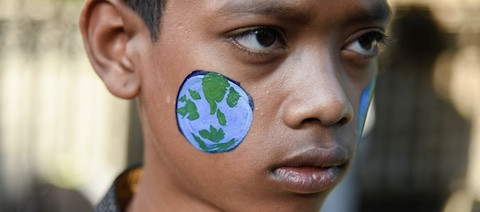 UNESCO declares environmental education must be a core curriculum component by 2025 2021-05-21 Over 80 ministers and vice ministers and 2,800 education and environment stakeholders committed to taking concrete steps to transform learning for the survival of our planet by adopting the Berlin Declaration on Education for Sustainable Development (ESD) at the end of a three-day virtual World Conference held from 17 to 19 May. The Conference, followed online by over 10,000 viewers, was organized by UNESCO in cooperation with the Federal Ministry of Education and Research of Germany and the German Commission for UNESCO as advisory partner. UNESCO has called for Education for Sustainable Development to be a core component of all education systems at all levels by 2025. Education can be a powerful tool for transforming our relationship with nature. We must invest in this field in order to preserve the planet.-- Audrey Azoulay, UNESCO Director-General UNESCO’s launch of a new publication, which analyzed educational plans and curricula frameworks in close to 50 countries informed the discussions. UNESCO found that more than half make no reference to climate change, while only 19% speak about biodiversity. The Berlin Declaration on Education for Sustainable Development outlines a range of policies to transform learning encompassing teaching, learning, professional training and civic engagement. It also highlights the need to implement Education for Sustainable Development with focus on cognitive skills, social and emotional learning, collaboration skills, problem solving, resilience-building. We need training for sustainable development not to be a privilege but accessible to all people. The success of the Education for Sustainable Development programme for 2030 will bring us closer to all the SDGs.-- Angela Merkel, German Chancellor “We need training for sustainable development not to be a privilege but accessible to all people. The success of the Education for Sustainable Development programme for 2030 will bring us closer to all the SDGs,” said German Chancellor Angela Merkel in her welcoming address, describing Germany’s broad network of partners working on sustainability at all levels of education and training. Throughout the Conference, countries shared plans to integrate Education for Sustainable Development. Ms Anja Karliczek, Germany’s federal minister of education and research, shared the commitments of 18 countries of the European Union to implement the Education for Sustainable Development for 2030 framework, underscoring it as a driver for the achievement of all the SDGs. We must focus not only expanding access and improving learning outcomes, but also on the kind of education needed in our world. Education for Sustainable Development will be at the core of reimagining education.-- Amina Mohammed, UN’s Deputy Secretary-General Laurent Fabius, who presided COP21 where the Paris Agreement was sealed, stated the “fight against climate change begins at school.” He recalled commitments in the Paris Agreement to education, and called for increased efforts to improve teacher training on ESD and increase financing. “2021 is the year in which we will overcome the pandemic and embark on a sustainable development model for the future that must include ESD. If we miss this occasion, we will lose decades. This is a race against the clock.” The voices of young people were given a platform throughout the Conference, as those leading the call for change so that they can #LearnForOurPlanet. Building a whole new lifestyle is not an easy, but slowly and together I’m sure we can do it. But education needs to give us the tools to do this. Learning not just about our planet but for our planet needs to be part of every young person’s education, everywhere in the world.-- Rajwa Pandhita, a student from Indonesia The adoption of the Berlin Declaration will create momentum for the implementation of ESD for 2030 Roadmap – the framework for this decade of Education for Sustainable Development. Every UNESCO Member State will be asked to create a network of actors who together can implement the ambitious vision for education. From Berlin, 2021 will provide key opportunities for governments to apply this commitment, including the United Nations Biodiversity Conference (COP 15) and the United Nations Climate Change Conference (COP26) in Glasgow. URL:https://en.unesco.org/news/unesco-declares-environmental-education-must-be-core-curriculum-component-2025