
News
Catch up on what’s happening in the world of global citizenship education.
1,668 results found
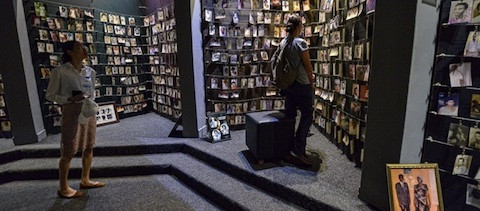 Addressing hate speech through education: United Nations Global Education Ministers Conference and Multi-stakeholder Forum 2021-06-15 Hate speech is on the rise worldwide, with the potential to incite violence, undermine social cohesion and tolerance, and cause psychological, emotional and physical harm based on xenophobia, racism, antisemitism, anti-Muslim hatred and other forms of intolerance and discrimination (UN, 2020). History has shown us that genocide and other atrocity crimes begin with words – there is a collective responsibility to address hate speech in the present day to prevent further violence in the future. In June 2019, UN Secretary-General António Guterres launched a strategy to enhance the United Nations response to the global phenomenon of hate speech. As part of the implementation of the UN Strategy and Plan of Action on Hate Speech, the Secretary-General called upon UNESCO in partnership with the United Nations Office on the Prevention of Genocide and the Responsibility to Protect (OSAPG) to convene the ‘Global Education Ministers Conference and Multi-stakeholder Forum on addressing hate speech through education’, to be held respectively on 30 September – 1 October 2021 and 26 October 2021. In this context, education can play a fundamental role to address hatred both on- and offline, and help to counter the emergence of group-targeted violence. Strengthening educational responses to build the resilience of learners to exclusionary rhetoric and hate speech also lies at the core of the Education 2030 Agenda, and more specifically Target 4.7 of Sustainable Development Goal 4 (SDG 4), which touches on the social, moral and humanistic purposes of education. Global Education Ministers Conference 26 October 2021 A half-day, high-level online conference, in the presence of Heads of State and Government, Ministers of Education, the United Nations Secretary-General and UNESCO Director-General to endorse global commitments to address hate speech, both on- and offline, through education. Multi-stakeholder Forum 30 September – 1 October 2021 Two days of high-level online dialogues, bringing together civil society organizations, human rights experts, tech and social media companies, and government representatives, with a view to promote meaningful engagement and identify key recommendations for a way forward. URL:https://en.unesco.org/news/addressing-hate-speech-through-education-united-nations-global-education-ministers-conference
 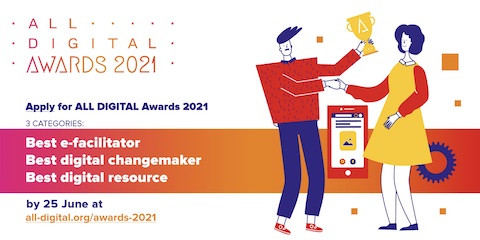 All Digital Awards 2021 2021-06-14 The ALL DIGITAL Awards celebrate the individuals and organisations across Europe that enable citizens to transform and enrich their lives through the benefits and opportunities created by digital technologies. Thousands of individuals and hundreds of organisations around Europe work daily with communities to empower citizens through technology and the Internet: from teaching digital and media literacy and online safety to helping people carry out government, financial or commercial transactions and to training in coding, robotics and cybersecurity. These individuals and organisations often support entrepreneurship and employability in an ever-changing digital environment and labour market and unite different stakeholders in campaigns and projects that aim to ensure digital inclusion and enable digital social innovation. ALL DIGITAL has established the Awards to recognise and celebrate their innovation, dedication and the inspiring role they play to many people. What we celebrateIn 2021, ALL DIGITAL Awards will recognise individuals and organisations in three main categories: Best e-facilitator Best digital changemaker Best digital resource See the full description and assessment criteria by clicking each link. Awards The Awards ceremony is planned to be held online on 13 October 2021. The winners will receive trophies and will have the opportunity to present their initiatives to an audience of a few hundred participants. Terms and conditions Nominations are accepted from organisations and individuals working in wider Europe (not limited to EU27) in the field of enhancing digital skills. Nominations for the Best Digital Resource category should be submitted by ALL DIGITAL member organisations. Nominations must be completed in English and submitted through online forms, indicated in each category description. The jury, consisting of the members of the Advisory Board of ALL DIGITAL, will assess the nominations against a set of criteria and choose three finalists and winner in each category. Criteria and scoring are indicated in the Application Guidelines. Timeline Submission deadline: 25 June 2021 (extended from the original 10 June) Evaluation: July-August 2021 Announcement of finalists: September 2021 Awards Ceremony and announcement of winners: 13 October 2021 Social media: #AllDigitalEU, #DigitalSkills #AllDigitalAwards See full ALL DIGITAL Awards 2021 Application guidelines Background Previously also known as Telecentre-Europe Awards and Digital Inclusion Awards, they were given to organisations and individuals working in the field of digital inclusion to acknowledge their work. Good practices and nominations have been presented on the Unite-IT e-inclusion network portal, which is the focal point of information, news, resources, database of practices and policies in Europe with specific focus on ICT for inclusion and social cohesion. See the finalists and winners of previous awards URL:https://all-digital.org/awards-2021/
 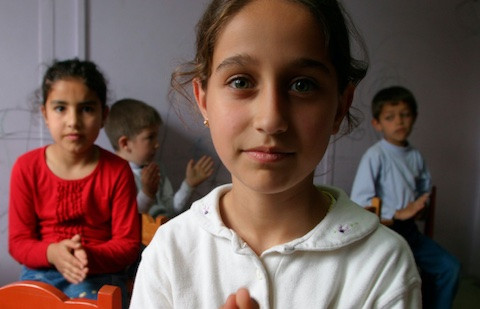 A pesar de los avances, la educación segregada persiste en Europa Central y Oriental, el Cáucaso y Asia Central 2021-06-13 Today, the regional edition of the GEM Report on inclusion and education in Central and Eastern Europe, the Caucasus and Central Asia has been released in Russian, with an executive summary version produced in almost 30 regional languages, from Albanian to Uzbek and from Latvian to Georgian. A regional webinar and region-wide media release called on countries to shed one of the most poignant legacies of the second half of the 20th century: segregated education, once wrongly regarded as an efficient solution. All means all, produced by the GEM Report, the European Agency for Special Needs and Inclusive Education and the Network of Education Policy Centers, shows that in 15 out of 30 education systems, school admission depends on medical-psychological assessment and other selection procedures. While there has been progress, for instance as the percentage of children with disabilities in special schools fell from 78% in 2005/6 to 53% in 2015/6, segregation persists. One in three students with special needs in Central and Eastern Europe is placed in a special school. Even those no longer enrolled in such schools may be placed in other non-inclusive arrangements, such as special classes or home schooling. What is considered in some countries to be inclusive pedagogy may instead be a medically defined focus on disability. In Belarus, integrated classes use two curricula: a standard one for general education and another for special education; joint instruction is limited to a narrow list of subjects. Roma children continue to be the most excluded in the region. New analysis found that about 60% of Roma, Ashkali and Egyptian youth in the Balkans do not attend upper secondary school; only 3% of the Roma complete secondary school in Montenegro. Roma children are also disproportionally diagnosed with intellectual disabilities. In Slovakia, learners with a Roma background, made up 63% of all children in special classes and 42% of those in special schools. A rights-based commitment to national minorities has resulted in 22 of the 30 education systems creating separate schools or classes in the home language, with additional content on history and culture for linguistic minorities. However, this parallel provision often works against inclusion; few examples provide truly inclusive practice with ethnic majorities and minorities learning together from one intercultural curriculum, as in Slovene-Hungarian bilingual schools. In Bosnia and Herzegovina, the education system is segregated along ethnic lines. As the region enters the final decade of action to achieve SDG 4, with COVID-19 raising new inclusion challenges, the Report urges countries to follow these 10 recommendations: Widen the understanding of inclusive education: It should include all learners – and all means all. In laws and other documents, 19 of the 30 education systems reviewed in the region define special education needs in relation to disability. Put students at the centre: Inclusion is not just a result; it is first and foremost a process and an experience. A review of history, civics and geography curricula in 14 countries found no mention of national minorities in Albania, one in the Czech Republic, and no mention of Roma in 9 countries, including Bulgaria, Serbia and Slovakia, where they are a sizeable minority. Only the Republic of Moldova reported involving students in curriculum design. Aside from student councils in some countries, little evidence is found of student voices being heard and acted upon. Engage in meaningful consultation with communities and parents: Inclusion cannot be enforced from above. In total, 25 out of 30 education systems in the region have policies supporting parental involvement in school governance. Such involvement has helped provide feedback on curriculum and annual programme plans in Croatia and manage additional financial resources in the Russian Federation. But many efforts in the region to encourage parental participation are isolated initiatives carried out as pilot projects or implemented by NGOs. Make space for non-government actors to challenge and fill gaps: Ensure that they work towards the same inclusion goal. In Romania, a grassroots push for desegregation of schools for Roma led to legislation and policy changes. Armenia’s development of a national inclusive education policy is largely attributed to effective support by and collaboration with non-government organizations. In total, 24 education systems have legislation or policy setting out a role for organizations representing vulnerable groups, though not necessarily in both advocacy and watchdog tasks. Ensure cooperation across government departments, sectors and tiers: Inclusion in education is but a subset of social inclusion. Analysis of responses from the 30 education systems showed that inter-ministerial collaboration in policy development, implementation and coordination was common. In Lithuania, the education, health and social ministries have agreed to jointly develop measures to help children identified with autism or other developmental disabilities. However, collaboration on data collection is missing in nearly half of the education systems. Share expertise and resources: This is the only way to sustain a transition to inclusion. Countries should allocate funds based on recognized needs of schools or local authorities for support services. In the Czech Republic, a per pupil allocation is being replaced by an amount per staff member with the aim to take into account the cost of support measures and salary levels. Schools should be granted autonomy to allocate funds flexibly to support those with the greatest needs, as in Slovakia. Apply universal design: Ensure that inclusive systems fulfil every learner’s potential. All students should learn from the same flexible, relevant and accessible curricula, which recognize diversity and enable teachers to respond to various learners’ needs. Romania’s curriculum has offered a comprehensive framing of Roma history since 2017. Various models of adapted assessment can help learners demonstrate their progress and increase opportunities for those with special education needs. In Georgia, sign language standards have been elaborated to assist inclusion of learners with hearing impairment, and standards for learners with visual impairment are in preparation. Nevertheless, national assessment systems have a long way to go to become fully inclusive and respond to individual needs. Prepare, empower and motivate teachers and support personnel: They should all be prepared to teach all students. Among 14 countries in the region, only about one in two lower secondary school teachers in 2018 felt prepared to work in mixed-ability classrooms and one in three in culturally diverse classrooms. The ageing of the teaching force makes this need more pressing. Support personnel are often lacking: In about a dozen education systems, for every 30 teachers, there is 1 specialist and 1 teaching assistant, on average. Teaching assistants are just becoming part of policy in countries such as Albania and Serbia. Collect data on and for inclusion with attention and respect: Avoid labelling that stigmatizes. Historically, the region has focused data collection efforts on learners with special education needs and disabilities. Identifying groups helps make those who are disadvantaged visible. But it can also reduce children to labels, which can be self-fulfilling. The desire for detailed or robust data should not take priority over ensuring that no learner is harmed. Learn from peers: A shift to inclusion is not easy. Inclusion in education represents a move away from discrimination and prejudice. Much can be learned from sharing experiences at all levels, whether through teacher networks and learning communities or through national, regional and global platforms. URL:https://gemreportunesco.wordpress.com/2021/06/07/despite-progress-segregated-education-persists-in-central-and-eastern-europe-the-caucasus-and-central-asia/
  UNESCO rehabilitates critical buildings in 3 universities, in partnership with the EAA Foundation and the support of the Qatar Fund for Development, as part of « Li Beirut » 2021-06-13 Beirut, June 10 2021 - UNESCO launched today a partnership with the Lebanese University (LU), the American University of Beirut (AUB) and Saint Joseph University in Beirut (USJ), during a ceremony held at the organization’s office in Beirut, with the aim of rehabilitating university buildings damaged by the port explosions on August 4, 2020, and under the auspices of the Lebanese Ministry of Education and Higher Education (MEHE). This project is implemented in partnership with the Education Above All Foundation - EAA-EAC, with the support of the Qatar Fund for Development, and comes within the framework of UNESCO's flagship "Li Beirut" initiative, through which the organization is rehabilitating more than 100 damaged educational sites at schools and universities. The ceremony was attended by His Excellency the Lebanese Minister of Education and Higher Education, Tarek Majzoub, His Excellency the Ambassador of Qatar in Beirut, Mohammed Hassan Jaber Al-Jaber, the President of the Lebanese University, Dr. Fouad Hussein Ayoub, AUB’s president Dr. Fadlo Khuri, and USJ’s president Father Salim Daccache, to celebrate this project which encompasses the restoration of 22 faculties and the central administration building at the Lebanese University, 8 buildings at AUB, most of which are heritage buildings, and 2 buildings at USJ. In addition to that, equipment and furniture are being provided in 7 buildings to replace what was damaged by the blasts, while the implementation counts on national experts and local contractors. The partnership between EAA and UNESCO supports the initial phase of building back the education system affected by the explosions and providing a safe and accessible learning environment for learners, to ensure their right and access to education. The project is in line with UNESCO’s programme focusing on education for vulnerable populations, and directly linked with UNESCO’s Arab Regional Strategy for Education in Crisis Situations (2018- 2021). As the global lead on the Sustainable Development Goal 4, as well as the School Rehabilitation Coordinator in Lebanon, UNESCO considers education as the most critical life-saving and life enhancing tool, crucial for the development of prosperous and peaceful societies. Speaking during the ceremony, Minister Majzoub said that "there are many spaces of hope in times of despair with the presence of countries and international parties that are friends, and that view education as a basis for general advancement. “In this context comes the "Li Beirut" initiative. It received support from the State of Qatar, which took in charge the rehabilitation of schools, TVETs and the buildings of the Lebanese University, AUB, and USJ. The UNESCO Regional Office coordinated this process and today, we launch the partnership with UNESCO for the process of rehabilitating these university buildings with the support of the Emir of the State of Qatar, the Education Above All Foundation and the Ambassador of Qatar in Lebanon. Together with the educational and university family, we strive to sustain education in Lebanon, because education is a right and education is above all. From here comes our appreciation and gratitude for the beautiful countries, organizations, and institutions that respond to our growing needs in light of the cumulated crises that we cannot bear alone. One goal that unites us is to raise generations through their upbringing and education, whether education is done in presence, by distance or mixed. Therefore, our endeavors focus on protecting the educational sector and protecting those responsible for it and its workers as a national priority. We have received support in our endeavors and we have succeeded in placing education at the beginning of the vaccination campaign, so that our children return to schools and universities”. For his part, the Ambassador of the State of Qatar in Beirut, Mohammed Hassan Jaber Al-Jaber, indicated that "the Education Above All Foundation and UNESCO have united their efforts with the financial support of the Qatar Fund for Development, which amounts to about USD 10 million, in order to rehabilitate 55 schools, 20 TVETS and 3 universities. All with the aim of ensuring the continuity of the educational mission, and ensuring the right of children and youth to return to the classrooms and receive their education in a safe and accessible environment”. Al-Jaber confirmed that nearly 30,000 people have benefited from the foundation's projects in Lebanon since 2013. Costanza Farina, Director of the UNESCO Regional Office for Education in the Arab States in Beirut, thanked the Government of Qatar for its generous support, and praised the role of the Ministry of Education and Higher Education in trusting UNESCO with the coordination of the rehabilitation and recovery of the sector. Farina mentioned that the “Li Beirut” initiative aims to place education and culture at the heart of reconstruction efforts and to mobilize international and local resources and partnerships, with the aim of supporting two very vibrant sectors in the country, namely education and culture. She noted that Lebanon still faces enormous challenges, as recently reported by the World Bank. She added: "In times of severe crisis, we all count on the role of higher education and the support for local communities. Rebuilding Beirut begins with reviving the education sector and its cultural fabric, and universities have a critically important role to play to ensure that the right to quality education and learning opportunities for all is not compromised. And that no one is left behind. The graduates of AUB, USJ and the LU are leaders in politics, healthcare, business, government and education everywhere in the world. As Lebanon continues to battle multiple crises, education must be protected to avert a generational catastrophe. When education is interrupted, it affects everyone – not just students and teachers, but the future of nations”. In his speech, the President of the Lebanese University, Dr. Fouad Hussein Ayoub, highlighted the importance of this cooperation between the Lebanese University and UNESCO in general, especially in the current crises, in regards to health, economy or security, and following the Beirut blasts, which paralyzed the higher education sector and the Lebanese University on the humanitarian and infrastructure levels. President Ayoub emphasized that the UNESCO office in Beirut was the first to help the Lebanese University confront these obstacles and rehabilitate the destroyed buildings and infrastructure through the "Li Beirut" initiative. He also thanked UNESCO Beirut specialists for this constructive initiative and the great support given, which has enabled 87,000 men and women to continue their studies. The President of the American University of Beirut, Dr. Fadlo Khuri, said that Lebanon has often been said to be rising, stronger and better, after each disaster over the years, like the Phoenix of the Greek mythology. “The great work you are doing to rescue Lebanon’s heritage not only memorializes its history, he added, but it also builds much needed hope within this country, reminding us that resilience and continuity are possible after all. Post-disaster urban and architectural reconstruction develops resilient cities that are empowered by lessons learned from the past to reinvent themselves for a better future. Immediately after the tragic Port of Beirut blast, UNESCO rushed to conduct rapid assessments and commence the rescue process in different parts of Beirut. The fruits of these labors are becoming increasingly evident today. We thank you for prioritizing universities in your initiative and we thank the Education above All Foundation, which, as it rightly describes itself, is an “enabler of human development”. A long-time friend of AUB, UNESCO has been supporting this university’s cultural initiatives, honoring its outstanding faculty, and partnering with it on youth education and development for decades. It has witnessed first-hand some of the historical significance of the buildings it rescues today on this campus, those that represent more than 150 years of the history of the peoples of this region. These buildings have been the liberal space where more than 70,000 alumni worldwide obtained their education, interacted on campus, and created lifetime memories. They are also where much Arab thought emerged and regional history was shaped. Reconstruction through the Li Beirut initiative will enhance these iconic structures at AUB”. As for the President of Saint Joseph University in Beirut, Father Salim Daccache, he expressed his thanks and gratitude to UNESCO and the "Li Beirut" initiative, which hastened to help Beirut rise from its depression and supported USJ. "We are appealing to UNESCO today for at least moral and material assistance on three levels, he said. The first is to help anchor our youth in their homeland, so that they can continue to trust their university institutions and higher education in particular. These institutions must remain strong so that students feel that the university in Lebanon will remain impregnable, firm and pioneering in its academic educational mission in education, scientific research and community service. The second is to persuade some universities, especially in Europe, to stop hunting our students so that they don’t lure them with money and equipment, and thus work to empty this country of the elements needed for our institutions to carry out their mission. Thirdly, the need is urgent to support everything related to the field of informatics, such as hardware, software, newspapers, books and electronic magazines, and this constitutes at least forty percent of the annual procurement budget today, since it is a necessity for students, professors and researchers. When we call UNESCO, we consider it the incubator of culture, science and education. Higher education institutions define themselves as holders of a national non-lucrative mission, and who else can be the tool that secures science, education, culture, competencies and skills”. The explosions at the Beirut Port damaged more than 200 schools, 32 universities and 20 TVET centers, and therefore resulted in diminishing or excluding access to education for over 85,000 children and youth. Li Beirut is an international flagship initiative launched from Beirut by the Director-General of UNESCO, Audrey Azoulay, in the aftermath of the explosions, on August 27, 2020, to support the rehabilitation of schools, historic heritage buildings, museums, galleries and the creative industry, all of which suffered significant damage in the deadly explosions. For more information on the UNESCO “Li Beirut” campaign: https://en.unesco.org/fieldoffice/beirut/libeirut Education Above All (EAA) Foundation The Education Above All (EAA) Foundation is a global education foundation established in 2012 by Her Highness Sheikha Moza bint Nasser. EAA envisions bringing hope and real opportunity to the lives of impoverished and marginalized children, youth and women, especially in the developing world and in dire circumstances such as conflict situations and natural disasters. We believe that education is the single most effective means of reducing poverty, generating economic growth and creating peaceful and just societies, as well as a fundamental right for all children and an essential condition to achieving the Sustainable Development Goals (SDGs). For more information, visit educationaboveall.org. EAA is comprised of four programmes: Educate A Child (EAC), Al Fakhoora, Reach Out To Asia (ROTA), and Protect Education in Insecurity and Conflict (PEIC). In addition to providing access to education for children around the world, EAA advocates to safeguard inclusive and quality education for all. Educate A Child (EAC) Educate A Child (EAC), a global program of EAA, aims to trigger significant breakthroughs and a material difference in the lives of children who have no access to primary education. EAC has been helping millions of the hardest to reach out of school children (OOSC) around the world realize their right to a quality education. Through partnership and innovation, millions of children continue to be supported to overcome the barriers blocking their path to quality education. Playing a catalytic role in the field of OOSC and for those most at risk of dropping out of primary education, EAC strives to achieve individual and social outcomes for these children, their communities and a more sustainable world for us all. URL:https://en.unesco.org/news/unesco-rehabilitates-critical-buildings-3-universities-partnership-eaa-foundation-and-support
 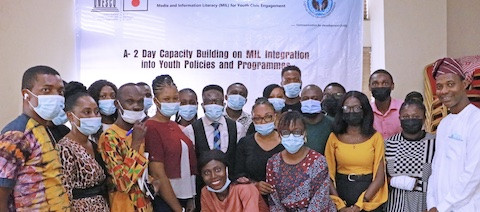 UNESCO, LADI, Japan train youths, calls for Media and Information Literacy (MIL) integration into policies and programmes 2021-06-13 Over 85% of youths actively engaged in the social world are either uploading or sharing information that may be harmful to society and endanger lives. Few would argue with the need to offer youth effective educational platforms to help them understand the role of information in an increasingly hypermedia age. To this end, the UNESCO Regional Office with funding support from the Government of Japan, and through its implementing partner Light-up African Development Initiative (LADI) organized a two-day training workshop to empower 20 youth-based organizations with the necessary MIL tools and skills needed to enhance their organizational capacities, within their local, national and regional spheres of influence. The workshop had 22 participants in total drawn from all over Nigeria where they were trained to conduct social media campaigns to engage the millennial and Generation Z categories in particular and youth organizations in general, towards the promotion of MIL in online spaces. Dr. Olunifesi Suraj, who is also the Coordinator, UNESCO University Network on Media and Information Literacy and Inter-cultural Dialogue in Nigeria, said there was a need for integrating MIL into youth policies and programmes because it gives direction and helps to identify rules of engagement, remarking that it was paramount to educate the youths as they remain the voice to push for its establishment through their various organizations with relationships with government actors. The youth have the drive and energy, it is helpful to prepare them mentally, especially those already leading in the development sector, to be the voice of the voiceless, to be the voice that can articulate ideas that can shape how they are being governed and or how government govern the people.-- Dr. Olunifesi Suraj, In his view, the Programme Support Officer of the NGO, Nwaeze Nwaeze, said; “We feel that youth Organisations can also be at the forefront in helping to build capacity of others on MIL.” Nwaeze stated that the participants are expected to carry on the workshop through step down trainings in their local communities or Organisations. Winner of UNESCO Call for Jingles challenge in 2020, Christine Serrano was on hand to share with the participants on “Understanding the Media Space in Nigeria and how the use of Media and Information Literacy guidelines have helped navigate this space.” In the same vein, Oluwabunmi Ajao, a participant who won a digital camera prize, in one of the activities of the project #MILCreative, said the workshop was timely, as the havoc being brought about by fake news and misinformation, are getting deeper and even more worrisome. She appreciated the organisers for the initiative and opportunity to participate in the workshop. Another participant and winner of a television prize for the same #MILCreative entry, Precious Ajunwa who is a Project Director at Galaxy for Peace said all well-meaning Nigerians should take part in fighting misinformation and disinformation for the purpose of peaceful co-existence and social cohesion. At the end of the workshop, the NGO provided twelve Organisations seed grant to organize stepdown workshops in their different communities. All entries for the grant went through a process of evaluation from independent jury. #MILCreative was a Call for Creative content contest organised by Light-up African Development Initiative in collaboration with UNESCO. It was conceived in developing creative-promotional contents that address fake news, misinformation and disinformation and the dangers they pose through an online competition. 51 entries were received via all social media channels which included cartoons, instructional videos, jingles, banners, flyers, poetry, spoken word and podcast. URL:https://en.unesco.org/news/unesco-ladi-japan-train-youths-calls-media-and-information-literacy-mil-integration-policies
 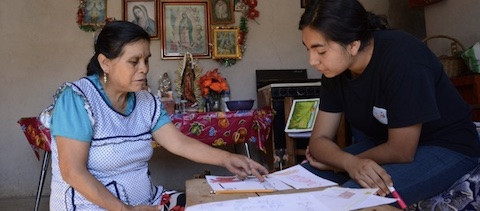 Distance and digital learning during COVID-19 crisis: UNESCO Literacy Prizes laureates share their experiences 2021-06-13 On 3 June 2021, UNESCO organized an online consultation with UNESCO International Literacy Prizes’ laureates from previous years to inform this year’s theme of International Literacy Day (ILD): “The right to literacy in times of COVID-19: Contributions of distance and digital learning”. The programme representatives were invited to the meeting due to the diverse nature of their literacy learning activities and wide regional distribution, relevant for informing and adding to a rich discussion on the different way literacy learning programmes have coped with distance and digital learning during COVID-19. The meeting brought together eight laureates who shared their respective experiences with distance and digital literacy learning, investigating the various kinds of distance learning solutions that were adopted in the different countries, communities and contexts. The laureates shared the challenges they faced in their transition and implementation of literacy learning to distance learning, and what they learned from these emergency responses that could feed into their programmes in the future. The participating laureates included: Ageing Nepal and United World Schools (United Kingdom), both laureates of the UNESCO King Sejong literacy Prizes in 2020; BASABali from Indonesia, laureate of the UNESCO Confucius Prize for Literacy in 2019; Nigerian Prisons Service, winner of the Confucius Prize in 2018; the Centre for the Study of Learning and Performance, Concordia University (Canada), winner of the UNESCO King Sejong Literacy Prize in 2017; The Citizens Foundation, a Pakistani programme, and Fundza from South Africa, both winners of the UNESCO Confucius Prize for Literacy in 2017; We Love Reading, from Jordan, laureate of the UNESCO King Sejong Literacy Prize in 2017. Some insights about the transition to distance literacy learning during the pandemic Recognizing the importance of human interaction, most of the literacy programmes used hybrid approaches to distance learning combining face-to face instruction and distance learning of different kinds supported by high, low- and no-tech solutions. Digital tools were used for literacy instruction and teacher training, as well as for creating a virtual community to support peer interactions, where connectivity was possible. Other means of distance learning, low-tech solutions such as radio, TV and distribution of print handout were also used to ensure continuity of literacy learning during the pandemic, often combined with face-to face learning in small groups, for instance. Distance learning, however, has posed a range of challenges, including digital divide in terms of infrastructure, the cost of digital tools, and digital skills of educators and learners. The real impact on learning outcomes are still to be understood. Many representatives mentioned the need for appropriate infrastructure to implement distance learning for both high-tech solutions but also low-tech and no-tech practices. Global Manager of the ‘Centre for the Study of Learning and Performance’, Ms Anne Wade, said. “In terms of infrastructure, one concern with this shift to using distance learning or distance education is that governments are going to assign a lot of money towards installing equipment in schools. But the concern would be that governments also address the teacher’s professional development that goes alongside that, how to maintain and support that equipment overtime and finally how to replace that technology in the long term.” Furthermore, a majority of the programmes worked with learners who did not have access to digital learning nor to electricity. Chief Executive of ‘United World Schools’, Mr Tim Howarth said: “Within the context in which we work, in very remote villages typically with no electricity, almost always off the grid in terms of connectivity, had to make sure the programme was accessible and relevant to the communities.” Founder and director of the programme ‘We Love Reading’, Ms Rana Dajani, highlighted that the programme had to cope with many challenges including the cost of distance learning, the distribution of learning materials, an inadequate level of parents’ literacy skills when teaching children, and the need for content to be adapted to learners in terms of language, culture, and learners’ engagement. Ageing Nepal stressed that older people needed to acquire basic literacy skills as a precondition to gain access to and use digital technology. We Love Reading, United World Schools, the Citizens Foundation and Fundza highlighted the need for literacy learnings to be holistic. Issues of multilinguism, social and emotional learning, mental health, gender equality and economic disparities were highlighted as important elements to be incorporated in literacy distance learning. Several participants also highlighted the opportunities that were created by the forced transition to distance learning. Controller of Correction of the Nigerian Prisons Service, Mr Frank Enabore put forward the case of learning in carceral environments and highlighted the positive side effects:“What is significant with the e-learning platforms and distance learning programmes is that inmates now have a programme that outlives the period they spend in custody. Before, when we were having in-person learning programmes, if an inmate terminated his time in prison, it was not possible to keep contact with him or for him to continue the programme. Now, however, when inmates are leaving prison, they are still able to continue the programme. We are proud to say that we are still able to reach most of the convicts who left prison when we had our e-platforms in place and that they are making great progress.” Since 1967, UNESCO International Literacy Prizes have rewarded excellence and innovation in the field of literacy. Over 500 projects and programmes undertaken by governments, non-governmental organizations and individuals around the world have been awarded these prestigious Prizes, through which UNESCO seeks to support effective literacy practices and encourages the promotion of dynamic literate societies. More information: UNESCO International Literacy Prizes International Literacy Day What UNESCO does on Literacy Contact: literacyprizes@unesco.org Photo: © CUPS URL:https://en.unesco.org/news/distance-and-digital-learning-during-covid-19-crisis-unesco-literacy-prizes-laureates-share
 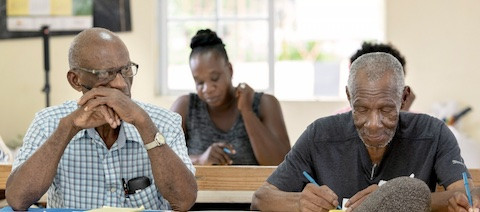 Caribbean consultation held on adult education challenges and opportunities in preparation of CONFINTEA VII 2021-06-11 On 28 April 2021, the UNESCO Cluster Office for the Caribbean and the UNESCO Regional Office for Education in Latin America and the Caribbean (OREALC), in collaboration with the UNESCO Institute for Lifelong Learning (UIL), hosted online the regional preparatory Consultation in the Caribbean Sub-region for the Seventh International Conference on Adult Education (CONFINTEA VII). This consultation aimed to build consensus among Caribbean countries on the key issues and priorities in the field of adult learning and education. It also contributes to promote regional dialogue and strengthen the decision-making process towards achieving the Education 2030 Agenda in the Caribbean. More than 10 representatives from the Caribbean sub-region, including Antigua and Barbuda, Belize, Dominica, Grenada, Guyana, St. Kitts and Nevis, St. Lucia, came together to identify current key issues, discuss innovations, challenges and forward-looking strategies for renewing policies and interventions in adult learning and education (ALE) in their respective national contexts, and propose benchmarks and recommendations for CONFINTEA VII. The results will feed into the CONFINTEA VII Regional Conference for Latin America and the Caribbean and eventually into CONFINTEA VII itself, which will be hosted by Morocco in 2022. Adult Learning and Education is integral to learning and living, as it links education and the economy - leveraging the wide range of learning in schools, enterprises, or individual initiatives to develop fundamental knowledge, competencies, and professionalism in adults.-- Saadia Sanchez-Vegas, Ph.D., Director, UNESCO Cluster Office for the Caribbean Saadia Sanchez-Vegas, Ph.D., Director and Representative, UNESCO Cluster Office for the Caribbean, highlighted the integral role of adult education in learning and living, as it links education and employment, but also includes learning to live with others as productive global citizens. Claudia Uribe, Director of OREALC, pointed out in her speech that ALE is still an unfamiliar concept for the region and the lifelong learning paradigm has not yet been fully embraced. Therefore, UNESCO's goal is to learn from the experiences of countries, regional organizations and civil society to build regional consensus and set priorities in order to leave no one behind in education. Werner Mauch, Senior Programme Specialist and Team Leader at the UNESCO Institute for Lifelong Learning, UIL, gave a brief introduction to CONFINTEA VII and presented the context of the sub-regional consultation. He pinpointed the importance of Adult learning to Education 2030 approaches such as Lifelong Learning, and he also stressed the importance for ALE in the COVID-19 response. During the consultation, representatives from the Organisation of Eastern Caribbean States (OECS), the Caribbean Association of Training Agencies (CANTA) and the International Council for Adult Education for the Caribbean (ICAE) shared perspectives from Caribbean organizations and civil society on the current state of ALE in their respective countries. Sisera Simon, Head of Education Development Management Unit at OECS, identified the barriers to enhance digital learning, which consist mainly of lack of student connectivity and lack of financial, infrastructure, and human resources. Further concerns pertaining student dropout, mental health and wellbeing are increasing and need to be adequately addressed. Following this, seven Caribbean countries, facilitated by Faryal Khan, Programme Specialist for Education at the UNESCO Cluster Office for the Caribbean, shared their perspectives on the development of ALE, focusing on previous achievements, current issues and challenges, as well as future planning to advance the Education 2030 Agenda. Challenges for ALE in the region during COVID-19 were also identified, which include access to internet for distance education especially for marginal groups, limited government funding for ALE, as well as lack of priority setting. In addition, in some countries the training opportunities for ALE facilitators are limited. Despite challenges, Caribbean countries have made improvements in ALE participation and provision especially for women and people with special needs. Countries also presented one of their flagship ALE programmes as evidence of achievements since CONFINTEA VI. There were also many commonalities among the participating countries in terms of perspectives for future development of ALE. Antigua and Barbuda and Saint Lucia, for example, emphasized the importance of inclusive education for vulnerable students and increasing educational opportunities specifically for persons with disabilities. Dominica prioritized ALE funding for marginalized groups such as migrants, adults with disabilities, adults disadvantaged due to lack of education and skills, residents of remote or rural areas as well as urban areas, and minority groups. Countries have also identified the need to increase teacher training, especially to reflect changes in the industry and new trends. Grenada highlighted the potential to increase the supply of qualified teachers, including through international cooperation in teacher training. Further, the need on improving the capacity of teachers to integrate ICT in the delivery of the curriculum and as a source of information on curriculum content has been identified. Belize and St. Lucia have noted the possibilities to support the opening of new ALE programmes and training facilities over the next 5 years and to refocus their efforts through collaboration with key stakeholders/partners to promote and support adult literacy initiatives, among others. Pursuing ALE was a transformative force in my life. After the birth of my last child and as a woman, I decided that I needed to start my own business and build capacity, especially as a female entrepreneur, I wanted to go my own way. -- Ellisha Fletcher, ALE student from Grenada. Session 4, which was moderated by Latoya Swaby-Anderson, National Programme Officer for Education Team, UNESCO Cluster Office for the Caribbean invited adult educators and adult learners to share their experiences.Esther Martin from Guyana shared her story, "I dropped out of high school at 17 but went back to school at 24 and became a primary school teacher. I have taught in both the private and public sectors in Guyana." "After the birth of my last child and as a woman, I decided that I needed to start my own business and build capacity, especially as a female entrepreneur, I wanted to go my own way," said Ellisha Fletcher, ALE student from Grenada. "Pursuing ALE was a transformative force in my life,” added Ms Fletcher, “I saw the need to lift someone else's life as a mother - I chose the class to help my two young children get an education". Grace Oliveras, ALE educator from Guyana, explained that during COVID-19, many of the ALE teachers benefited from the strategies of the Guyana Ministry of Education, which supported teacher training, switched to blended learning and developed individual strategies. The last session invited the participations to join group discussions in virtual breakout rooms to discuss in-depth possibilities to enhance the provision of ALE through (governance, policy, funding, quality) and strategies to enhance inclusion in ALE programmes. Agenda Sub- Regional Consultation Caribbean, 28 April 2021 Presentations Brief introduction on global preparation of CONFINTEA VII Werner Mauch, Team Leader MAL, UIL Overview of the objectives of the Regional and Sub-regional Consultation for CONTINTEA VII in Latin America and the Caribbean regionYayoi Segi-Vltchek, Senior Programme Specialist / Chief of Section Right to Education, UNESCO Regional Bureau for Education in Latin America, and the Caribbean Find out more on CONFINTEA here. URL:https://en.unesco.org/news/caribbean-consultation-held-adult-education-challenges-and-opportunities-preparation-confintea
 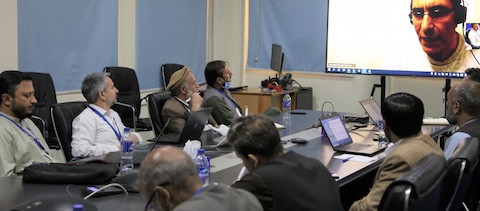 Non-formal curriculum syllabi developed to increase its relevance and quality for youth and adults in Afghanistan 2021-06-11 Afghanistan is built on a rich heritage of oral and written traditions and possesses a wealth of literature in Dari and Pashtu. Unfortunately, due to four decades of devastating wars in the backdrop of a volatile political and socio-economic context, its rich literary tradition may remain unknown to the broader public. Literacy rates in Afghanistan are among the lowest in the world at about 45 percent for men and 17 percent for women. In order to tackle the issue of illiteracy in the country and ensure that youth and adults acquire basic literacy skills, the MoE, with the support of UNESCO, developed a Basic General Literacy (BGL) curriculum for youth and adults in 2004. This curriculum was implemented for more than a decade to 1.2 million learners throughout the country and revised multiple times throughout its implementation stages. In the simplest terms, ‘curriculum’ is a description of what, why, how and how well students should learn in a systematic and intentional way. According to UNESCO’s International Bureau of Education (IBE), the curriculum is not an end in itself but rather a means to fostering quality learning. Over the last decade, there has been an increased focus within the Ministry of Education (MoE) to increase the relevance and quality of learning opportunities for youth and adults in Afghanistan. In 2014, based on a needs assessment of the curriculum’s effectiveness, the Curriculum Framework for Youth and Adult Literacy and Basic Education (YALBE) was developed to provide a guiding framework for developing a YALBE curriculum (textbooks, teacher guides and assessment tools) in three different levels equivalent to grades 1-9 of general education. The framework also paved the way for the development of a proper Teacher Guide to guide literacy facilitators through teaching methodologies, teaching approaches, teaching plans and learner’s assessment modalities. The development process of YALBE level 1 curriculum, which is equivalent to grades 1-3 of general education, was completed in 2017 and officially launched in 2018. Through an extensive capacity development process of the MoE on Non-Formal Education (NFE) curriculum development, UNESCO has dedicated efforts since early 2019 to supporting the MoE in the development of YALBE curriculum level 2, equivalent to grades 4-6 of general education. The syllabi for the subject areas literacy, numeracy and life skills for YABLE level 2 have already been developed which is competency based, activity based and learner oriented. The new syllabi features ease the process of learning through different activities and styles of learning. It also focuses on those learning areas and competencies which allow learners to become productive members of society. Furthermore, the syllabi are learner centered, which means that the teacher is only facilitating the discussion and it is the learners themselves who get engaged thoroughly in the learning process. The objective of YALBE curriculum goes beyond learning how to read and write, it will help the learners acquire skills that could support them in their daily lives and in the labour market. Ihsanullah Madani, curriculum developer at the MoE’s Literacy Department emphasizes that “learning how to read and write is not the only concern of the illiterate population in Afghanistan nowadays. Learners want to acquire skills and competencies that can open doors to new opportunities and new approaches to life.” He further added that the YALBE curriculum is “a fundamental tool to respond to all the needs—reading, writing and competencies required for a meaningful social and economic life— of illiterate youth and adults within the country. “ For the time being, UNESCO and MoE curriculum developers are developing instructional materials for the YALBE level 2 language textbooks. Upon completion of these textbooks, the instructional materials for numeracy and life skills books alongside the assessment tools and teacher guides will be developed and completed. The expected deadline for completion of the instructional materials is set to be the end of 2021 and its pilot phase will start in early 2022. Throughout the years of working intensely on YALBE curriculum level 1 and 2, UNESCO stands by the fact that curriculum development is never a one-time task but rather a continual process in need of regular revision based on the contextual developments of a country, including socio-economic, political, cultural and societal changes. With this context, YALBE curriculum is developed for the purpose of preparing youth and adults to become productive and useful members of society. The YALBE curriculum development process is supported through the BESAF (Better Education System for Afghanistan’s Future) project, funded by the Government of Sweden through SIDA. Through BESAF, UNESCO aims to support the MoE to develop, implement and monitor a robust education sector plan, revise curricula and learning resources for formal basic education, non-formal adult education, and higher education; and to increase access to general literacy and skill-based literacy programs. URL:https://en.unesco.org/news/non-formal-curriculum-syllabi-developed-increase-its-relevance-and-quality-youth-and-adults
 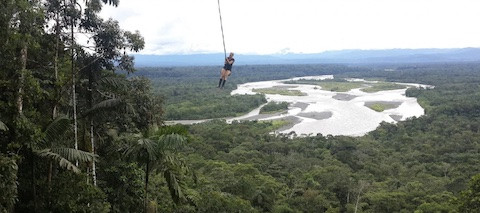 Confronting the gender gap in environmental education 2021-06-10 A global citizen and lifelong learner with a deep-rooted passion for the environment and sustainable development, Devonne Goad is an education consultant at UNESCO. She has been tasked with project-based policy analysis, assessments and evaluations across the region of South-East Europe and the Mediterranean. She wrote the UNESCO publications; “Mapping the Mainstreaming of Education for Sustainable Development Across SDG4.7: A Comparative Analysis of the Mainstreaming of ESD in Cyprus, Greece, Malta and Turkey”, and “Scoping the Implementation of Education for Sustainable Development in South-East Europe, Including the Impact of COVID-19” (forthcoming). She contributed to publication “The Intersection of gender equality and quality education in four Mediterranean countries: a regional situation analysis of the nexus between SDG4 and SDG5 in Cyprus, Greece, Malta, and Turkey”. Prior to obtaining her Master’s degree in Environmental Resource Management, she worked in community education projects in South America focusing on climate change and ecology. She was also an English as Second Language (ESL) teacher. Have you always been interested in education, particularly environmental education? To be honest, my passion for the environment came first. I grew up in rural Canada and spent a lot of time outside – hiking, snowboarding, kayaking, swimming and so on. Some of my earliest memories are hiking through the forest with my father. As an undergraduate, I studied sustainability, conservation, and biodiversity and quickly became very passionate about these issues. However, I soon recognised a discrepancy between my studies and those of my peers – business, economics, finance, to name a few. The same discrepancy became apparent during a summer job during university working with children. I felt that the ideals and principles that underlie sustainability needed to be broadly integrated for different ages and different sectors. Thus, my interest in environmental education arose as a solution to these global challenges studied in school, as in each new professional position yielded an opportunity to support the development of contextually specific behaviours and attitudes that can help shape a better future. What has been your experience working as a woman? What would you tell young women starting out in this field? How has COVID-19 affected your work and working conditions? How do you manage working remotely from abroad? Working in environmental conservation and education, I have always felt included in my sphere of work. However, this is not always the case for everyone, as women and minorities have been – and continue to be – excluded from environmental policy and conservation decisions, as well as from the associated formal or non-formal education initiatives related to these issues. Centring the voices of underrepresented women in education for sustainable development can help empower and enable critical reflection and action towards a more just, prosperous, and sustainable future for all. Women offer a unique set of knowledge, experiences, capacities, and priorities. Any young woman interested in starting a career in environmental education should recognise that their unique perspectives can make a significant difference in supporting solutions to the complex demands and challenges of the 21st century. I consider myself very lucky to have been able to work remotely during the first year of the pandemic. For the most part, I had been living in a relatively rural area with access to green spaces. The ability to walk, explore and wander has been an important aspect in keeping me on track; helping me maintain focus during the week. Tell us about your publishing with UNESCO, and how important is it to you? My first publication with UNESCO is one achievement that I am most proud of thus far in my career. Not only does it represent the visible end product of my training in Education for Sustainable Development with the UNESCO Regional Bureau for Science and Culture in Europe, but I feel it also highlights some of my strongest skills – research, analysis and written communication. Most importantly, however, this publication offered me the opportunity to get acquainted with some of the leading experts in the field, many of whom are women in leadership positions and whose actions, ambitions and dedication truly inspires me every day. What is the biggest problem that you see nowadays in environmental education? How do you think this can be addressed? The COVID-19 pandemic is not the first crisis to become victim of society’s repudiation of science and the creation of “facts” that serve alarming and ominous purposes; the prosecution of climate change, for example, through misinformation online has grievously contributed to hindering progressive pro-environmental policies. I would consider Disinformation, Misinformation and Malinformation to be some of the biggest challenges facing environmental education today. However, given UNESCO’s broad mandate in education – which encompasses aspects of nonformal and informal education, as well as formal education and training, and their expertise in digital literacy, there also lies significant opportunity to support solutions to these burgeoning challenges. Education can and does help to actively tackle “the infodemic” or the “disinfodemic” through the development of digital competences, critical thinking skills, and greater understanding of digital rights, all of which is needed to counteract the divisive and catalytic impacts of disinformation. Links Mapping the Mainstreaming of Education for Sustainable Development Across SDG4.7: A Comparative Analysis of the Mainstreaming of ESD in Cyprus, Greece, Malta and Turkey (2020) The Intersection of gender equality and quality education in four Mediterranean countries: a regional situation analysis of the nexus between SDG4 and SDG5 in Cyprus, Greece, Malta, and Turkey (2019) URL:https://en.unesco.org/news/confronting-gender-gap-environmental-education
  Educational responses to COVID-19: What was the outcome of 2020? 2021-06-10 By Alejandro Vera and Martín Scasso, UNESCO Regional Bureau for Education in Latin America and the Caribbean (OREALC/UNESCO Santiago) It has already been a year since the start of the COVID-19 pandemic, when almost every country in Latin America and the Caribbean decided to suspend in-person learning. This was the education sector’s first swift reaction to a situation that was both unprecedented and uncertain. It was to be followed by a series of strategies designed to provide educational continuity, which involved diverse measures and stakeholders. It has been a year of uncertainty, dynamic scenarios and accelerated processes. Reflecting back on what happened in 2020 allows us to better understand the events in question and should help us to make better decisions in the future. This reflection is made possible by the numerous efforts that were made to monitor countries’ educational responses in different contexts and on different scales during the crisis. In this regard, due to their scope, two global initiatives have been particularly important: the Global Monitoring of School Closures Caused by COVID-19, conducted by UNESCO; and the Survey on National Education Responses to COVID-19 School Closures, conducted by UNESCO, UNICEF and the World Bank. Two surveys were carried out: one that took place in April and the other in October 2020. A third phase is currently underway. Based on the information collected from these inquiries, the National education responses to COVID-19: the situation of Latin America and the Caribbean report by the OREALC/UNESCO Santiago, presents a regional perspective on the in-person learning situation in 2020, the countries’ responses to ensure pedagogical continuity and support to the education community, and the status of plans for reopening at the moment that the survey was carried out. What does the data tell us about what happened in 2020? How did Latin American and Caribbean countries react to the crisis caused by COVID-19 in the educational sphere? Analysing the number of days accumulated without in-person learning reveals that the region’s nations reacted quickly in closing schools at the start of the pandemic, but that they have experienced difficulties in finding the right paths to return to in-person learning. By the end of 2020, various countries – including the most populous – had been unable to start the reopening process. From the beginning of the pandemic to December 2020, over 100 million of the region’s students had no access to any kind of in-person learning. Upon analysing the national educational responses that have been implemented, a markedly heterogeneous picture emerges. The data reveal that countries had to come up with their own answers, with no precedent that they could follow, without a script or a prescription. Perhaps the clearest indicator that can be used to identify similar responses is the start date of the academic year in each country. The number of school days affected tends to fall along these lines, with the number being lower in those countries that begin the academic year in August or September. Another finding of the strategies analysed is that the measures implemented are predominantly those requiring lower investment, while the costliest tend to be implemented less frequently, demonstrating the budgetary constraints under which countries are working. As an example, when analysing the measures taken to support teachers, those that involved training and the distribution of content for remote classes have been implemented by more countries than the provision of computer equipment or funds to improve connectivity. Many responses also demonstrate the climate of uncertainty in which decisions were made during 2020. It is notable that many countries have no answer when asked about their future plans, such as changes to the school calendar, strategies for returning to in-person learning or the financial resources available for the next school year. This underlines the exceptional nature of the COVID-19 crisis: not only has it been an unprecedented situation, but its duration and evolution have also been undetermined, which have affected decision-making. The survey addresses various areas, one of the key aspects of which is the clear lack of information about the loss of learning opportunities at the national level, which is expected to be a relevant issue for 2021. As countries have suspended or postponed the majority of their national and international-level assessments, the information available at this time, and the information that is expected to be available in the near future, is anticipated to be provided mainly by individual schools. Although this information is a key resource for teachers on a local level, it has fundamental limitations when it comes to providing a diagnosis at the national level. These scenarios may have changed since Latin American and Caribbean countries completed the survey, but it is probable that the structural conditions in the region’s education systems have remained unchanged and will obstruct the implementation of many measures necessary to respond to the effects of the pandemic. A lack of access to different educational resources, as well as their unequal distribution within each country, pose additional challenges in planning for education. It is important to insist that education is prioritized in national response and recovery plans and that, above all, educational budgets are maintained, particularly when considering that many of the region’s countries have recently begun a new school year. Another priority is the strengthening of information sharing and the development of a rapid diagnosis system to understand the severity of effects, evaluate the scope of the measures implemented and the ability to respond. In this regard, it is important to place those populations with a higher risk of exclusion at the centre of government policy. Now more than ever, they need concrete effective action to ensure that inequalities are not deepened. URL:https://en.unesco.org/news/educational-responses-covid-19-what-was-outcome-2020