
News
Catch up on what’s happening in the world of global citizenship education.
1,668 results found
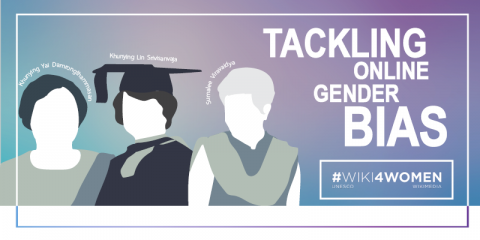 Raising the visibility of women in the digital space 2019-04-10 Khunying Srivisanvaja was the first Thai woman to receive a medical degree and practise medicine in Thailand. Sumalee Viravaidya was a journalist who ensured a gender equality clause was added to the Thai constitution. Khunying Yai Damrongthammasan was a devout dhamma practitioner who wrote a widely celebrated Buddhist text. What do all of these women have in common? Relative anonymity. They do not have a Wikipedia page or the online presence commonly associated with their male peers. And yet their accomplishments have had lasting impacts on Thai society. Upon her return from studying abroad in 1924, Khunying Srivisanvaja, née Margaret Lin Xavier, also familiarly known as Dr Lin, became an obstetrician, working for the Thai Red Cross, Chulalongkorn Hospital and the Ministry of Public Health medical facility in Bang Rak district, where she mainly treated sexually transmitted diseases. She also established a medical clinic with her half-sister Chan Xavier, who worked as the clinic’s pharmacist. Dr Lin was clearly a woman ahead of her time. According to the book Naree Phu Mee Khun (roughly translated as “Virtuous Women”) published by the National Identity Office in 1992, she cared for patients of all social classes, not only the Thai aristocracy. At the Bang Rak facility, many of her patients were poor sex workers, whom she treated free of charge. Even when she was breastfeeding, Dr Lin still continued to work, going home to breastfeed in the middle of the work day and returning to work in the afternoon. She opted to breastfeed her children herself, although most women of her status during that time would have employed a wet nurse. Sumalee Viravaidya was a Thai journalist who wrote for The Nation and The Bangkok Post in the 1970s. She was the only woman on the committee drafting the constitution after the 14 October 1973 student uprising and subsequent resignation of the military government. According to a New York Times profile in 1973, she initially wanted the word “sex” to be added to a sentence stipulating “Every person, regardless of race or religion, is equally protected by this Constitution.” Her request was overwhelmingly overruled. Sumalee took issue with laws that relegated every woman to be legally inferior to her husband upon marriage. At that time, there were many things a Thai woman could not do – get a job, obtain a passport, buy property – without her husband’s consent. In the end, the committee reached a compromise, adding a clause that stated: “Marriage shall be based on the equality of the partners, both legally and morally.” Born in 1886, Khunying Yai was taught to read and write, unlike most Thai women at the time. She studied with monks and became well learned in Buddhist doctrine. Upon the death of her husband, she spent the rest of her life meditating and studying scripture at a monastery in southern Thailand until her death in 1944. Evidence strongly suggests that she was the author of the well-known Buddhist text Thammanuthamma-patipatti. These are all historically significant contributions. Unfortunately, these women, like so many others, are not widely known or recognised simply because of their gender. It’s also interesting to note that they are often only mentioned alongside – or overlooked in favour of – men. Some sources in Thai, including Naree Phu Mee Khun, dedicate some, if not most, of the text to how Dr Lin was a most eligible bachelorette who was the object of many men’s affection, before being set up with and marrying Phraya Srivisanvaja. The name Khunying Srivisanvaja, as she was most likely known in aristocratic social circles, was only bestowed upon her as the wife of a nobleman. Sumalee is often referred to as the sister of the more famous Mechai Viravaidya, the former politician and family planning activist who became synonymous with condom use in the 1970s and is the founder of the longstanding charity and restaurant Cabbages and Condoms. But Sumalee was an activist in her own right, fighting for gender equality in Thai law drafted and dominated by men. She was also an avid philanthropist, donating to causes such as the Camillian Social Center, a facility in Rayong providing assistance for women and children living with HIV/Aids. In the case of Khunying Yai, academic research conducted in 2013 by Dr Martin Seeger, an associate professor of Thai studies at the University of Leeds, concluded she was the author of the prominent Buddhist treatise, not the high-profile monk Luang Pu Mun Bhuridatta, to whom it had often been credited to since 1949. According to Seeger, it is unlikely that Khunying Yai had even met the esteemed monastic. She never claimed authorship of the work, for reasons that remain unknown. A quick Google search easily yields information on prominent men spanning every period of history, but their female peers have far less of a presence in the digital sphere. Phraya Srivisanvaja, Mechai Viravaidya and Luang Pu Mun all have dedicated Wikipedia pages in Thai, English or both. Women’s achievements remain unrecognised – and in some cases suppressed. On the other hand, you may wonder, why does it matter? What is so important about having a Wikipedia page? A closer look is revealing. Only 17 per cent of biographies on Wikipedia feature women. Only 10 per cent of people who create and edit content on Wikipedia are women. It reflects how women’s accomplishments have been dismissed, because, let’s face it, most of history has historically been written by men. On this year’s International Women’s Day earlier this month, the #Wiki4Women project was initiated by UNESCO in cities all over the world, including Cairo, Lima, Paris, New Delhi, Reykjavik and Bangkok. At the event hosted at the UNESCO Bangkok Office, like-minded digital citizens gathered to edit and create content on Wikipedia to highlight more historical female figures in the areas of education, science and culture. The “edit-a-thon” was carried out with guidance from a team of volunteers from Wikimedia Thailand. It was a cause that struck a personal chord with participants. “Nowadays, we can see many talented women in Thailand and around the world, but there are not many events to give them an opportunity to showcase their works, so I responded to #Wiki4Women straight away when I saw it,” said Nathanik Klaklangsmorn, Editorial Liaison Officer at Associated Press. “More profiles of talented women on both digital media and the real world will showcase and could eventually inspire current and new generations to follow in their footsteps.” Chadatan Osatis, a lecturer from the College of Population Studies, Chulalongkorn University, suggested that women’s stories have been historically hidden because of how hard it has been to break the patriarchal status quo. “In society, especially in Thai norms, the stereotype of ‘good’ women is fixed,” she said. “It is difficult for women in each period to reveal their opinions or their real desires for change. To showcase more women on Wikipedia is a great channel to reveal all their contributions both in the past, the present and the coming future.” The gender gap is one of the enduring issues that Wikipedia is facing. “It’s all about gender equality,” said Athikhun Suwannakhan, one of the main coordinators from the Wikimedians in Thailand User Group. “It is clear that women are represented less in comparison with men, and it is true for both the real world and digital spaces. The gender gap on Wikipedia contributes to the systemic bias in Wikipedia content.” “This event was a good starting point to turn it around. In the long run, we would like to see more women getting involved in our movement,” he said. “At the end, it is not applied only to women, but also to other underrepresented groups such as people of colour, LGBT and ethnic minorities.” Movements like #Wiki4Women are bringing more stories of notable women to light and may allow people to become more aware of the great contributions women have given to help shape our common history and society. But it will be better still when an accomplished woman can be included and featured prominently, not as tokenism or an afterthought or solely in relation to her male counterparts, but as a simple norm. To be accurate, history needs more of her story.By Chariya Chiumkanokchai, a Programme Assistant for Education for Sustainable Development and Global Citizenship at UNESCO Bangkok.*A version of this article was first published in The Bangkok Post URL:https://bangkok.unesco.org/content/raising-visibility-women-digital-space
  ‘Once-in-a-generation opportunity’ will be squandered, warns Guterres, unless social, economic, environmental challenges are met 2019-04-10 Unless the world faces its “social, economic and environmental challenges head-on”, United Nations Secretary-General António Guterres said on Tuesday, the Sustainable Development Goals (SDGs), will not be met. Addressing the final plenary of the UN Youth Forum on Tuesday, he warned that “the once-in-a-generation opportunity we have to end poverty and bring lasting prosperity for all on a healthy planet, will have been squandered”. According to Mr. Guterres, each challenge has one common denominator: “the need for those in power to live up to their responsibilities; to do what is right for people and planet alike”. Lauding youth’s courage and persistence, he said that “more often than not, young people in our world today are a lightning rod for change”. “Because it is your future, your livelihoods, your freedom, your security, your environment, you do not, and you must not, take no for an answer,” spelled out the Secretary-General, offering the partnership of the UN on “the journey towards a more peaceful, just and prosperous world”. He enumerated some of the challenges ahead, including curbing unemployment, poverty and illiteracy, along with various actions he and the UN is taking to meet them. “To make sure our work is relevant and effective, we need your ideas, your energy and your creativity”, said the UN chief, pointing to their work in inclusion, gender equality and human rights. He reminded the group that world leaders will meet in New York to catalyze “greater ambition, leadership and action” to achieve the goals of the Paris Agreement and the 2030 Agenda for Sustainable Development saying that the key messages and outcomes of the Forum’s discussions would be shared with decision-makers and policy-makers in those meetings.“But that is not enough”, he underscored, “We need you to mobilize. We need you to activate your networks. “We need you to engage in the youth-focused events leading up to September, including Youth Day before my Climate Action Summit”.He urged everyone “above all”, to “be the change we need” and to “push world leaders” to step up their ambition and meet their responsibilities “to do what is right for people and planet alike”. He pledged the UN’s support as an organization “that truly works with you”.“Together we can ensure peace, prosperity, opportunity and dignity for all on a healthy planet”, he concluded. For her part, President of the UN Economic and Social Council (ECOSOC) Inga Rhonda King said that without youth, “we will not be able to move forward”. She called on countries to “engage young people in a meaningful way to make our world a better place” and encouraged them to be inclusive, involve youth in decision-making and to listen. Youth drive the Sustainable Development Goals SDG1, No poverty: The International Lavour Organization ( ILO) said that in 2017, an estimated 16.7 per cent of employed youth in emerging/developing countries earn less than $1.90 per day. SDG2, Zero hunger:The World Food Programme (WFP) cited studies showing that every $1 invested in school meals programmes brings a $3-$10 economic return from improved health, education and productivity. SDG3, Good health and well-being: The UN Children's Fund (UNICEF) noted that adolescent girls are disproportionately affected by HIV, accounting for nearly two thirds of all new HIV infections among adolescents. SDG4, Quality education: The UN Educational, Scientific and Cultural Organization (UNESCO) said that 750 million adults – two-thirds of whom are women – remain illiterate. SDG5, Gender equality: ILO noted that young women earned around 22 per cent less than young men, largely because combined crowd work with childcare and other household responsibilities interfere with them taking on higher-paying tasks. SDG6, Clean water and sanitation: The World Health Organization (WHO) and UNICEF said that 12 per cent of schools had a limited sanitation service. SDG8, Decent work and economic growth: ILO revealed that globally there are 202 million unemployed people, 40 percent of whom are youth. SDG9, Industry, innovation and infrastructure: The International Telecommunications Union (ITU) reported that youth represent almost one-fourth of all individuals using the Internet worldwide. SDG10, Reduced inequalities: The UN Department of Economic and Social Affairs (DESA) showed that the net income of combined social assistance and housing benefits is systematically lower for 20-year-olds than for the average recipient. SDG11, Sustainable cities and communities: UNDP said that by 2050, 66 per cent of the world will live in cities, making job creation critical for 73 million unemployed youth. SDG12, Responsible consumption and production: If current consumption/production patterns continue, by 2050, we would need the equivalent of almost three planets worth of resources to sustain our way of living. SDG13, Climate action: The UN Development Programme (UNDP) noted that close to half a million youth globally have taken action on climate change. SDG16, Peace, Justice and Strong Institutions: WHO says that globally, nearly one-in-three adolescent girls aged 15–19 years has been a victim of emotional, physical and/or sexual violence perpetrated by their husband or partner. URL: https://news.un.org/en/story/2019/04/1036421
 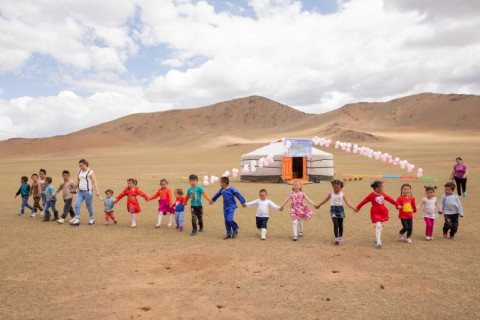 175 million children are not enrolled in pre-primary education 2019-04-10 NEW YORK, 9 April 2019 – More than 175 million children - around half of pre-primary-age children globally - are not enrolled in pre-primary education, missing a critical investment opportunity and suffering deep inequalities from the start, UNICEF warned in a new report released today. In low-income countries, the picture is much bleaker, with only 1 in 5 young children enrolled in pre-primary education. “Pre-primary schooling is our children’s educational foundation – every stage of education that follows relies on its success,” said UNICEF Executive Director Henrietta Fore. “Yet, too many children around the world are denied this opportunity. This increases their risk of repeating grades or dropping out of school altogether and relegates them to the shadows of their more fortunate peers.” A World Ready to Learn: Prioritizing quality early childhood education – UNICEF’s first ever global report on pre-primary education – reveals that children enrolled in at least one year of pre-primary education are more likely to develop the critical skills they need to succeed in school, less likely to repeat grades or drop out of school, and therefore more able to contribute to peaceful and prosperous societies and economies when they reach adulthood. Children in pre-primary education are more than twice as likely to be on track in early literacy and numeracy skills than children missing out on early learning. In Nepal, children attending early childhood education programmes were 17 times more likely to be on track in their early literacy and numeracy skills. In countries where more children attend pre-primary programmes, significantly more children complete primary school and attain minimum competencies in both reading and math by the time they finish primary school. The report notes that household wealth, mothers’ education level and geographical location are among the key determinants for pre-primary attendance. However, poverty is the single largest determining factor. Some key findings: Role of poverty: Across 64 countries, the poorest children are seven times less likely than children from the wealthiest families to attend early childhood education programmes. For some countries, the rich-poor divide is even more apparent. For example, children from the wealthiest households in the Republic of North Macedonia are 50 times more likely to attend pre-primary education than those from the poorest. Impact of conflicts: More than two thirds of pre-primary-age children living in 33 countries affected by conflict or disaster are not enrolled in early childhood education programmes. Yet, these are the children for whom pre-primary education has some of the greatest benefits. Pre-primary education helps young children affected by crises overcome the traumas they have experienced by giving them a structure, a safe place to learn and play, and an outlet to express their emotions. Cycle of educational achievement: Across countries with available data, children born to mothers who have completed secondary education and above are nearly five times more likely to attend an early childhood education programme than children whose mothers have completed only primary education or have no formal education. In 2017 an average of 6.6 per cent of domestic education budgets globally are dedicated to pre-primary education, with nearly 40 per cent of countries with data allocating less than 2 per cent of their education budgets to this sub-sector. In West and Central Africa, 2.5 per cent is allocated to pre-primary education, with 70 per cent of children missing out on early education in the region. Across Europe and Central Asia, governments dedicate the highest proportion – more than 11 per cent of their education budgets – to pre-primary education. This lack of worldwide investment in pre-primary education negatively impacts quality of services, including a significant lack of trained pre-primary teachers. Together, low- and lower middle-income countries are home to more than 60 per cent of the world’s pre-primary-age children, but scarcely 32 per cent of all pre-primary teachers. In fact, only 422,000 pre-primary teachers currently teach in low income countries. With expanding populations, assuming an ideal pupil-teacher ratio of 20 to 1, the world will need 9.3 million new pre-primary teachers to meet the universal target for pre-primary education by 2030. “If today’s governments want their workforce to be competitive in tomorrow’s economy, they need to start with early education,” said Fore. “If we are to give our children the best shot in life to succeed in a globalized economy, leaders must prioritize, and properly resource, pre-primary education.” URL:https://www.unicef.org/press-releases/175-million-children-are-not-enrolled-pre-primary-education-unicef
 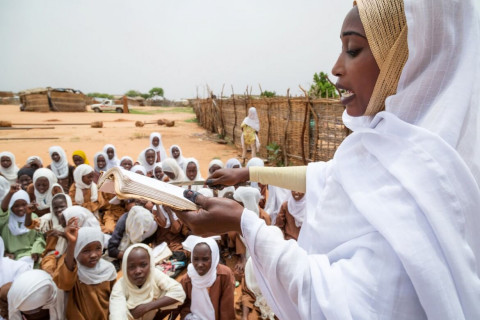 The path to gender equality runs through education 2019-04-10 Why gender matters in educationIn focus: Girls' education and gender equalityUNGEI and GPE, with other partners, are helping developing countries identify gender barriers within their education systems and put in place strategies and policies to address them through their education sector plans. Countless times we’ve heard it said that education is the great equalizer. Education is the surest investment to break down social and economic differences between people.Further, when done right, schools can unravel the most deep-seated inequalities based on gender. In fact, from our perspective, the path to gender equality runs through education.Fundamentally, gender equality is about choice: equipping girls and boys, women and men, with the same knowledge and opportunities to make informed decisions about their lives.Yet here we run into a flaw in our argument, because it is not just about equal numbers of girls and boys in school or about individual opportunities. For even where girls and boys have equal access to education, we know that gender equality is not a given.In many countries, girls are the first to drop out of school, the first to be failed by the system. In others, it is boys who consistently underperform. And the system itself - teaching and learning tools and practices, classroom culture and how education is managed – can reinforce rather than break down beliefs about what girls and boys should do and be. For education to fulfill its potential to create a gender-just world, both girls and boys (and all girls and boys) must equally benefit from it. The critical question is what will it take to achieve gender equality in education, and what will it take for schools to promote gender equal societies? The education sector plan: a critical windowOne thing is clear: to tackle gender barriers in education, a business as usual approach will not work.For wholesale systemic change to happen, education systems need to be gender-responsive by design. Just as the design of a building originates with an architect’s plan, the entry point has to be the education sector plan (ESP).As a country’s blueprint for education reform, the ESP represents a critical opportunity to embed gender equality into the DNA of all aspects of education – from the vision of the type of schools a country hopes to establish, to the way education data are collected and analyzed, to what policies are created, and how schools and education institutions are managed.What we are advocating for therefore is gender-responsive education sector planning (GRESP). Building on existing tools for sound education planning, UNGEI, GPE and partners developed a guide to bringing a gender lens to this work. For this reason, on International Women’s Day 2017, with the support of UNICEF, UNGEI and GPE published the Guidance for Developing Gender-Responsive Education Sector Plans. URL:https://www.globalpartnership.org/blog/path-gender-equality-runs-through-education
 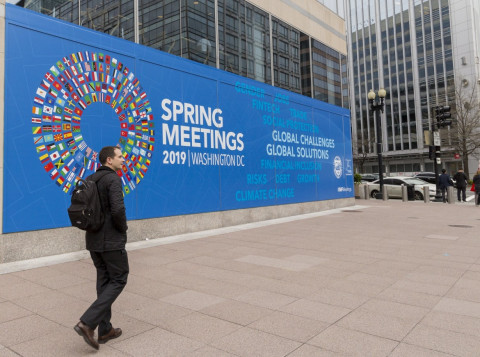 Education events at the World Bank/IMF Spring Meetings 2019-04-09 The World Bank Group and International Monetary Fund are holding their Spring Meetings this week in Washington to discuss issues of global concern, including the world economic outlook, poverty eradication, economic development and aid effectiveness.Among the many seminars, briefings and press conferences, education will feature prominently several times throughout the week, in particular at a flagship event on Friday. Learning matters: Why we need a learning revolutionFriday, April 12. 2:30 - 4:00 pmLocation: Preston auditorium, World Bank HeadquartersWatch liveThe key education event will gather prominent education advocates and leaders, including Henrietta Fore from UNICEF, Allen Blue from Linkedin, Annette Dixon from the World Bank, Penny Mordaunt from DFID, Julia Gillard from GPE, Sigrid Kaag from the Netherlands, as well several ministers from developing countries (to be announced).Together they will discuss how, following global progress in getting more children into classrooms, we can ensure that these children are learning. They will examine the promise of innovation and technology to make this goal a reality and to ensure entire country systems are geared toward delivering quality learning outcomes.Please check the live page to get information on new panelists when they are confirmed and to submit questions for the panelists in advance of the event.Other events on education or relevant to education are listed below chronologically. Note that the list is not exhaustive and new events may be added.Subscribe to our blog alerts Tuesday, April 9CSO Forum: Inclusion, Social Accountability and Human Capital3:00 - 4:30 pm – Room MC 8-100The discussion will tackle these questions: to what extent have social accountability programs been successful in promoting greater inclusion and equity? Have social accountability interventions led to more equitable access to services or more inclusive human capital development? Are tools and methodologies currently available adequate to meet the challenge of inclusion? Wednesday, April 10Education Data Solutions Roundtable Technical MeetingBy invitation onlyThe members of the roundtable gather one last time to take stock of the progress over the past year since it was established and start shaping recommendations to address the data challenge in education in GPE partner countries. The Economic and Social Case for Human Capital Investments2:00 - 3:00 pm. Room: MC Building Preston AuditoriumThe evidence is clear: Healthy, educated, skilled and resilient people drive economies. Smart and timely investments in nutrition, health, quality education, jobs and skills will yield the highest returns at this critical juncture in human history. This high-level panel will discuss the need for wide-reaching international collaboration on these critical issues, including how to create the right conditions to move the needle on more and better investments in people.CSO Forum: Overcoming Obstacles to Educate Girls to Reduce Child Marriages and Improve Economic Opportunities for Women4:00 – 5:30 Room: I 2-210This session explores early marriage, period poverty, cultural customs and norms, refugee situations, and post-conflict communities that restrict girls’ access to education. It will also discuss strategies to remove the barriers that keep girls out of school and break the cycle of vulnerability and dependency. Thursday, April 11Building Human Capital in Africa: The Future of a Generation9:30 - 11:00 am. Room: MC Building Preston AuditoriumYoung people are crucial drivers of Africa’s economy and future. With 11 million youth expected to enter Africa’s labor market every year for the next decade, now is the time for urgent action to build and nurture the region’s human capital. This high-level event will provide a platform for African youth, leaders, and influencers to showcase their success stories and challenges, inspiring dialogue and change. The event will also mark the launch of the World Bank’s ambitious new Human Capital Plan for Africa. #WriteTheWrongs Because Early Moments Matter 10:30 am – 12:00 pm. Location: Ritz CarltonRegisterUNICEF and TheirWorld are launching two new reports on learning in the early years and panelists will discuss why early childhood development are crucial. TheirWorld will introduce a new donor scorecard on early learning and pre-primary education and UNICEF will present a new global report title ‘A World Ready to Learn: Prioritizing Quality Early Childhood Education’. CSO Forum: The Importance of Investing in Disability Inclusive Early Childhood Development1:30 – 3:00 pm. Room: I 2-250The session will address how to leave no child behind when learning starts, including through increasing disability-inclusive investment in early childhood development. CSO Forum: Private Provision of Education through PPPs3:30 – 5:00 pm. Room: I 2-250This event will present a new report exploring World Bank policy and programmatic support for public-private partnerships that fund private education provision. It will discuss the newly adopted Abidjan Principles and application of human rights standards.For more information and to get the latest locations, timings and panelists, please check the overall meeting program. URL: https://www.globalpartnership.org/blog/education-events-world-bankimf-spring-meetings
 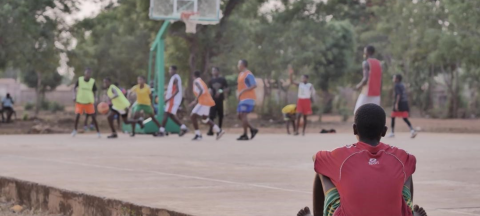 Sport for Development addressing SDG 4 2019-04-08 Despite the growing momentum around sport for development, it remains an underutilized tool, particularly as it relates to educational development objectives. To commemorate the April 6th International Day of Sport for Development and Peace, we take an in-depth look at how sport for development can be used to effectively address SDG4 and help “ensure inclusive and equitable quality education and promote lifelong learning opportunities for all.” Sport for Development (SFD) in addressing the SDGs The April 6th International Day of Sport for Development and Peace, mandated by the United Nations General Assembly in 2013, was created as part of a larger initiative in “recognizing the transformative power of sport and its great potential in advancing positive social change”. Sport is similarly recognized by the 2030 Agenda for Sustainable Development as an “important enabler of sustainable development.” During the UNESCO Sixth International Conference of Ministers and Senior Officials Responsible for Physical Education and Sport (MINEPS VI-Kazan 2017), sport was officially recognized as a tool to address 10 of the 17 Sustainable Development Goals with the most relevant listed below: SDG 3: Good Health and Well Being SDG 4: Quality Education SDG 5: Gender Equality SDG 8: Decent Work and Economic Growth SDG 10: Reduce inequality SDG 11: Sustainable Cities and Communities SDG 16: Peace, Justice, and Strong Institutions Sport for Development plays an important role in Educational Development Goals In addressing SDG4, sport proves to be an innovative tool in that it is cross-cutting, and engages students in both formal and informal educational environments in a way that traditional teaching methods cannot. Accordingly, the Kazan Action Plan documents particularly influential ways in which sport tackles educational development goals: Physical Education and sport are “Fundamental rights for all” and important components of equitable and quality education (SDG 4.1) Quality physical education and sport learning environments contribute to broader educational outcomes (SDG 4.7) Sport promotes transferable soft-skills (leadership, discipline, empathy, respect) and improves school attendance (SDG 4.5) Sport provides experiential and empowering education and engages a diverse range of students (SDG 5.1) Sport contributes to eliminative gender disparities through inclusive and equitable delivery of sport programs (SDG 4.5) Sport promotes holistic development and life-long learning, and is a platform to develop leadership skills to promote sustainable development (SDG 4.7). NGO LYSD using basketball as a tool to tackle different development themes present in Togo and Cote d’Ivoire Sport for Development initiatives with an educational focus Non-Governmental Organizations (NGOs) are pioneering the use of sport to address educational development goals, providing a pertinent example to the ecosystem of development actors as to just how powerful this tool can be. These NGOs are leveraging sport in a variety of ways, increasing school participation, tackling psychological barriers to increase educational achievement, or even teaching STEM through sport. Three NGOs in particular, Right to Play, RUN, and MLSE LaunchPad, demonstrate diverse and successful development strategies within the education sector. Right to Play in partnership with the French Development Agency (Agence Française de Développement) is using sport as part of their “Playdagogy” methodology as a way to keep Burundian children in school. The “Playdagogy” methodology works as a participatory strategy that “uses sports games to raise children’s awareness of the importance of school, but also to dismantle stereotypes around poverty, gender, or disability”. The “Playdagogy” strategy has impacted over 10,000 Burundian children. It also has grassroots programs in Haiti, India, and Kosovo among other locations. In Hong Kong, the non-profit organization, RUN, has intertwined sport and education to help rehabilitate adult refugees and asylum seekers that have been denied access to education. RUN does this by providing sport opportunities as a means to help participants overcome psychological challenges. In addition, RUN provides online educational programs along with IT and healthcare training courses for participants, believing that educational empowerment will ultimately lead to increased employment opportunities. As a newly created NGO, RUN has seen tremendous success with over 79% of participants reporting “being calm, peaceful and happy after hiking/fitness” and having gained newly acquired skills and knowledge through online education. The innovative Sport + STEM program, implemented by MLSE LaunchePad and Visions of Science Network for Learning Inc., leverages sports as a pedagogical tool to teach Science Technology Engineering and Math concepts delivered entirely through hands-on sport activities. The program works by linking each one of MLSEs four core concepts, “ecosystems, block chain coding, design thinking and geometry,” to specific sport curriculum linked to the sports of basketball, hockey, soccer and football. Within just six short-months of its inauguration, over 200 youth (aged six-29) have seen significant increases in STEM educational achievement levels with “89% of participants stated that it was easier to learn new concepts through sport than in a classroom,” and “94% of participants reporting that the soccer activities helped them to better understand ecosystems.” Education and Sport for Development in the future The recently created Kazan Action Plan (2017) highlights the importance of sport, particularly as it relates to educational initiatives within the 2030 Agenda for Sustainable Development. Furthermore, we’ve seen how NGOs are innovatively leveraging sport to address SDG4. What is lacking, however, is a serious application of sport within the more formal education sector. This gap is likely the result of a shortage of robust research and indicators within the field of sport for development in addressing educational goals. More research and proper monitoring and evaluation of SFD projects is needed in order for sport to play a more serious role at the service of SDG4 and other goals. Additionally, national sport ministries and education ministries would be wise to engage in cross-sectoral coordination in order for sport to be more integrated within formal educational strategies. Nevertheless, the growing momentum around Sport for Development presents exciting opportunities for how sport can be innovatively employed in the advancement of educational development objectives. URL:https://learningportal.iiep.unesco.org/en/blog/sport-for-development-addressing-sdg-4
  Key publications on education and skills coming up in 2019 2019-04-08 By Andreas SchleicherDirector, OECD Directorate for Education and SkillsRevolution. Contained within that often frightening word is another, less destabilising one: evolution. If we look at the future as the result of a series of advances propelled by megatrends, then we have a better chance of meeting the challenges it presents, rather than being ambushed by them. We will also be better equipped to prepare tomorrow’s learners. So we will start the year in January with our tri-annual report Trends Shaping Education, which scans the horizon for megatrends that will shape the demand and supply of educational opportunities, and outlines the most significant challenges facing education over the years to come.But how will education reinvent itself to respond to these megatrends and educate learners for their future? Governments cannot innovate in the classroom, but they can help build and communicate the case for change. Government can also play a key role as platform and broker, as stimulator and enabler; it can focus resources, set a facilitative policy climate, and use accountability to encourage innovation rather than compliance. But education needs to better identify key agents of change, champion them, and find more effective approaches to scaling and disseminating innovation. That is also about finding better ways to recognise, reward and highlight success, and making it easier for innovators to take risks and pursue new ideas.It is easy to talk about innovation in education, but how do we know where and how this innovation is happening? With our Measuring Innovation report in January, we will look at some of the tools that can make innovation visible, and explore what these tools reveal about the capacity of our education systems to prepare learners for their future, rather than our past.Another trend shaping education has been the rapidly increasing social and ethnic diversity in student populations. Our Strength Through Diversity report in February will summarise successful policies and practices for integrating students with an immigrant background through education.In March, ministers of education and teacher union leaders from the best performing and most rapidly improving school systems will meet in Helsinki to explore how to build strong foundations in early childhood education and care in order to shift the emphasis from access to quality, and from care to fostering learning and child well-being. They will also explore how to best support staff in early childhood education to develop the right balance of cognitive, social and emotional competencies. Our background report, Starting strong through quality early childhood education and care, will shed light on this.In April, we will publish our report on work-based learning in school-based VET programmes, a topic that has been of growing interest to countries seeking to improve the relevance of learning.What knowledge, skills, attitudes and values will be at a premium in tomorrow’s world, and how can countries best design curricula and instructional systems to support schools in fostering them? Over the last couple of years, governments and a wide range of stakeholders – including students, educators, researchers and those who represent the demand side of education – have been working together to answer these questions. Their answers will be published in our Education 2030 learning framework in May.Most countries have well-established institutions for educating young learners, but how do we elevate the skills of adults in the face of rapidly changing requirements in life and work? The 2019 edition of the OECD’s Skills Outlook in May will focus on the interplay between digitalisation and the development and utilisation of skills. May will also see an update of the OECD Skills Strategy, which provides a compilation of tools and policies to ensure that countries effectively develop and use the right skills.One of the highlights of this year will be the first results from the new Teaching and Learning International Survey (TALIS). For the last five years, nearly 50 countries have been working together to develop internationally comparable data on the changing landscape of teaching; on how to attract and effectively prepare candidates for the teaching profession; and on how to provide opportunities for their professional growth and continuous development. Our report Teachers and School Leaders: Continuous Learners in June will present a initial analysis of these questions.In July, we will be publishing results from the third and final round of the OECD’s Survey of Adult Skills, which will further expand the geographic reach of the first global assessment of adult skills. In July, we will also publish a synthesis of results from our project Benchmarking Higher Education System Performance.In September we will publish our annual indicators report Education at a Glance, which provides the OECD’s report card on the output of educational institutions and the impact of learning; access to education, participation and progression; the financial resources invested in education; and teachers, learning environments and school organisation. This year, for the first time, Education at a Glance will focus on tertiary education.During this month, we will also publish our comparative analysis of education policies, with the 2019 edition of our Education Policy Outlook under the theme "Working Together to Help Students Achieve Their Potential". The volume will examine the evolution of policy priorities related to school improvement, evaluation and assessment as well as governance and funding.In October we will be publishing an analysis of the very first survey of staff in early childhood education and care. The results will give those working in early childhood education a voice on how to better support quality learning and the well-being of children. We will also mark another "first" in November, with the publication of results from the first international assessment of early learning and child well-being.And we will conclude the year in December with the first results from the 2018 Programme for International Student Assessment (PISA): the most rigorous and comprehensive international assessment of quality and equity in student learning outcomes to date.This is just a small selection of more than 50 publications and reports that we plan to publish this year to improve the evidence base on learning outcomes and the performance of education systems, to deepen our understanding of human learning and effective pedagogies, and to help countries with implementing policies that work. So stay tuned! URL: http://oecdeducationtoday.blogspot.com/2019/01/key-publications-on-education-and.html
 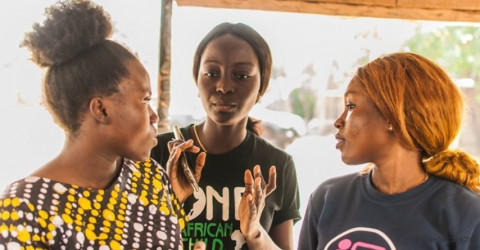 9 questions for a youth education advocate 2019-04-05 “When we invest strongly in education, everyone benefits!” Meet Victoria Ibiwoye from Nigeria, the Youth Representative for the SDG-Education 2030 Steering Committee. She is a passionate young leader who also founded the OneAfricanChild Foundation for Creative Learning, an NGO focused on Education for Sustainable Development and Global Citizenship Education for low-income community children in Africa. Ahead of her participation at the Economic and Social Council (ECOSOC) Youth Forum in New York on 8-9 April, Victoria answered nine questions on the youth perspective of Sustainable Development Goal 4. Where would you place education in the Sustainable Development Goals? Education holds the key to unlock all the SDGs, and no doubt, it is rightly placed at the centre of the 17 sustainable development goals. In a world with over 7 billion people, education empowers individuals and society to learn to live together sustainably. It inspires us to act responsibly, based on the understanding that what we do today has a major impact on the lives of people and the planet in the future. How can youth worldwide actively contribute towards achieving SDG4 in their communities? As a young person, I understand the need to exercise my civic rights because I have seen and felt what it feels like to be deprived of quality and inclusive education. I have also seen the power of education breaking the cycle of poverty, transforming lives and building resilient societies. When we invest strongly in education, everyone benefits! Young people are usually more conversant with the pain points and challenges at the grassroots. Some have been victims of the system, and this robust knowledge of the problem and its pains can be a driver for stimulating solutions in them. Our unique experiences, which include our stories, can be a powerful tool in driving advocacy and making significant changes in our communities. How do we place young people at the heart of decision-making processes? Leaders need to see young people not only as beneficiaries but also as an agency that accounts for nearly 25% of the world’s population. Youth are societal actors and our choices and action affects society. There is a huge opportunity in viewing young people as actors, knowledge holders and innovators. Recognizing young people as leaders of today gives meaning to our contribution as autonomous civic agents. Young people are key stakeholders in any developmental thinking process. They can contribute to the consultation, planning, implementation and follow-up of any initiative or task. What are the challenges faced by marginalized youth groups and how do we address them? The scale of the global problem of out-of-school children – especially when it comes to migrant and refugee children – has increased faster than our efforts. Today, there are four million out-of-school refugee children. Among the challenges faced is a lack of academic and skills accreditation and certification recognition in host countries. Many refugees are forced to flee their countries of origin without official documentation – when they are forced to leave at short notice, it is not surprising many travel with just the clothes they are wearing. Those that do manage to take necessary documentation often find that it is not recognized when they reach the safety of their host community. Without the necessary documentation or with documentation that isn’t recognized, many refugees are unable to access essential services from their host country authorities, including access to education to continue their studies. How do we ensure that education systems are more inclusive and equitable? By recognizing the needs of these groups and creating a model that removes barriers and boundaries. The global community dedicated to SDG 4 needs to address the critical challenge of cross-border recognition of credentials for children and young people who find themselves displaced, and forced to flee their homes, communities, and their education. Efforts to provide and protect quality education for out of school children, especially the most disadvantaged around the world, need to be doubled by nations, NGOs, industry, and all those involved in the provision of education around the world. How should education systems change to address the learning needs of youth? Experiencing a paradigm shift towards soft skills such as critical thinking, problem solving, creativity and emotional intelligence. We must ensure that education systems are more fluid with bridges to different courses and levels, and that they take into account not only formal but also non-formal education. Are today’s teachers/educators ready to create the leaders we need tomorrow? No, many teachers don’t have what it takes to build the leaders of tomorrow and the quality of education cannot grow beyond the capacity of the teachers in it. Youth can take charge by equipping educators with skills that can empower the next generation and educators can leverage digitization to access best practices from different parts of the world. We need interactive and immersive sessions through virtual reality and constant optimization of teaching methods to suit both generic and specific needs of learners via artificial intelligence. We also need education to focus more on human rights, gender equality, global citizenship, peace and non-violence and cultural diversity. What skills and attitudes are important for youth to learn in order to build just and peaceful societies? Young people must learn empathy, advocacy and civic rights. This learning can happen in institutions, virtual classrooms, faith centers, and professional workspaces. How do we ensure that such learning become priorities everywhere? Policymakers and key stakeholders have to draw a roadmap that makes both the governments and private institutions accountable and responsible for the promotion of life-long learning both within and outside the walls of the education space. Find out how UNESCO is leading the Education 2030 Agenda. URL:https://en.unesco.org/news/9-questions-youth-education-advocate
  In a fast-paced digital world, future leaders will require social and emotional intelligence to succeed 2019-04-04 In a world flooded with information, we are getting increasingly distracted and fearful, which is leading to stress, dissatisfaction and depleting confidence level of youngsters. Social and emotional skills (SES) have become way more important today than it was two decades back. As per a survey by the World Economic Forum’s Global Agenda Council on the Future of Software and Society, emotional intelligence, which does not feature in the top 10 most demanded skills today, will be one of the key features in 2021 list. “Researches have proven that social and emotional skills are more relevant than academic skills in predicting life success. Universities and recruiters need to pay more attention to social and emotional learning (SEL) process to produce a cadre of emotionally intelligent generation of humans for the future world,” said Richard Davidson, William James and Vilas Professor of Psychology and Psychiatry, University of Wisconsin and co-author, Altered Traits: Science Reveals How Meditation Changes Your Mind, Brain and Body. SEL is one of the basic building blocks that enable other forms of learning. It becomes difficult for students to learn academic concepts when they are unable to regulate their attention. Highlighting the directly proportional relationship between academic success and socio-emotional skills, Davidson added, “A large-scale research analysis conducted in the US with close to 280,000 school children revealed that on an average, kids who go through social and emotional learning programmes score 11% higher on a standardised test.” “Creativity is missing from the Asian education system due to lack of education on the topic. Intellectual and emotional intelligence go hand in hand and the focus should now be on making SEL strategies widely available in universities,” said Anantha Duraiappah, director, UNESCO Mahatma Gandhi Institute of Education for Peace and Sustainable Development (MGIEP). URL:https://www.educationtimes.com/article/10/20190114201901121859378294381d39c/In-a-fastpaced-digital-world-future-leaders-will-require-social-and-emotional-intelligence-to-succeed.html
  SDG 4.7 Contents in the Curricula of 13 Countries in Asia 2019-04-04 UNESCO Bangkok analyzed the extent to which learning contents related to concepts, values and behaviours relevant to SDG Target 4.7 were included in the eighth grade curricula of 13 countries in Asia.1 The subjects of the examined curricula included mathematics, national language, science and social studies.2 The data were sourced from a study undertaken in 2016-2017 by the Mahatma Gandhi Institute of Education for Peace and Sustainable Development (MGIEP), in which independent consultants were asked to analyze the frequency of the appearance of SDG 4.7-related words and phrases in the curricular documents of each country, using a common coding scheme.3 The coding was organized by categories of topics and key words relevant to SDG 4.7. The data obtained from 13 countries were used for the charts presented below. Each dot represents the number of times that a category appears per 100 pages in the curricular documents of a country. The yellow bar represents the average of frequency counts for all countries in the respective category. Concepts Related to SDG 4.7Concepts related to 'environmental sustainability', 'human rights' and 'interconnectedness' are addressed most often in the curricula of the 13 countries. References to ‘good health and well-being’ are also made with significant frequency in three countries. On the other hand, concepts related to ‘gender equality’, ‘global issues’ and ‘global systems, structures and processes’ are hardly present in the curricula, suggesting the particular need to strengthen education for gender equality and Global Citizenship Education in the region. Values Related to SDG 4.7Among the values that the countries’ curricula refer to most are 'nation as privileged referent of identity', ‘solidarity, global solidarity, common humanity’, and 'attitudes of care, empathy, dialogue, respect and compassion'. In two countries, national identity seems to be highlighted in particular. Strong emphases seem to be placed on values related to ‘solidarity, global solidarity, common humanity’ in one country. Values related to ‘curiosity’, ‘tolerance’, ‘resilience’, ‘diversity’, and ‘justice’ are also present though not at a high level, indicating that most countries consider them moderately important. On the other hand, many countries’ curricula seem to pay little attention to values related to ‘democratic participation’, ‘self-awareness’, and ‘anti-discrimination/anti-racism’. There is no reference made to ‘democratic participation’ in nine countries, and to ‘anti-discrimination/anti-racism’ in eleven countries. Behaviours Related to SDG 4.7Overall, fewer references are made to 4.7-related behaviours in the curricula. The most frequently mentioned category is ‘participation and active citizenship or civic engagement’, suggesting that social participation is encouraged in many countries. Discussions around ‘environmentally sustainable lifestyles’ and ‘social-ethically responsible consumers’ also seem to be included in the curricula of most countries. On the other hand, many countries do not seem to be interested in encouraging ‘engagement in debates on socio-political issues’, ‘current future participation in civic protest’, and ‘direct action on issues of global reach’. In fact, no country’s curricula refer to ‘direct action on issues of global reach’, implying, as found in the analysis of 4.7-related concepts, the need to accelerate and strengthen the promotion of Global Citizenship Education in the region. This information note was prepared for the Third Asia-Pacific Meeting on Education 2030 (APMEDIII), held between 4 and 7 July 2017 in Bangkok, Thailand. For inquiries, please contact esd.bgk@unesco.org. URL:https://bangkok.unesco.org/index.php/content/sdg-47-contents-curricula-13-countries-asia