
News
Catch up on what’s happening in the world of global citizenship education.
1,668 results found
 Digitalization of Economy Could Transform Sustainable Development: UN Task Force 2020-09-03 story highlights A vision of “citizen-centric finance” is at the heart of a report from the Task Force on Digital Financing of the SDGs. Informing citizens how to link their consumer spending with the SDGs is one of five parts of an Action Agenda set out in the report. The UNDP Administrator and co-chair of the Task Force suggested remodeling the financial system to reflect the role of citizens’ pensions and savings in global investment flows. A widespread shift to digital finance could provide the means to meet the costs of achieving the 2030 Agenda, according to a UN task force. A group of technology and finance leaders, development experts, and government and UN officials launched a report on using financial technology and digital finance to advance sustainable development, focusing on empowering citizens to better align their money with their needs. The Task Force on Digital Financing of the SDGs was established by the UN Secretary-General in 2018, as part of a four-year strategy on financing the 2030 Agenda, and as a complement to the High-level Panel on Digital Cooperation. The 17-member Task Force is led by Achim Steiner, UN Development Programme (UNDP) Administrator, and Maria Ramos, ABSA Group’s former CEO. "Citizens need to have a say over where their pension contributions go." The Task Force launched its report titled, ‘People’s Money: Harnessing Digitalization to Finance a Sustainable Future,’ on 26 August 2020. It lays out a five-part Action Agenda to “empower citizens as tax-payers and investors in envisaging a digital transformation at scale that better aligns people’s money with their needs,” which are collectively expressed in the SDGs. These five catalysts are: Aligning the “vast pools” flowing through global capital markets with the SDGs; Increasing the effectiveness and accountability of public finance; Channeling digitally-aggregated domestic savings into long-term development finance; Informing citizens how to link their consumer spending with the SDGs; and Accelerating “lifeblood financing” for small and medium-sized businesses. At the virtual launch of the report, Steiner said “the Task Force was keen to bring back the notion that the citizen is at the center of the economy. Citizens need greater transparency, and to have a say over where their pension contributions go,” as well as to see public benefits from their contributions. He noted that the COVID-19 pandemic has accelerated the popularity and adoption of digital tools, such as digital cash transfers, connecting schools to broadband, and remotely connecting people to government and parliamentary processes. In addition, the widespread adoption of smartphones enables people to manage their finances more actively. He suggested that the financial system could be remodeled to reflect the role of citizens’ pensions and savings in global investment flows. UN Secretary-General Antonio Guterres said that among all of the Task Force’s findings, “what has truly drawn my attention is the conclusion that digitalization will make a difference by giving people greater control over how global finance — their own money — is used,” and that it increases the ability to hold financial institutions accountable. He endorsed the Task Force’s “vision of citizen-centric finance.” Citing the “dislocation” between the commitment to the SDGs and decision-making around public financing, Guterres said the report provides a set of ideas to “deliver financing for the Sustainable Development Goals, by shifting the center of gravity of the financial system towards empowered citizens.” Publication: People’s Money: Harnessing Digitalization to Finance a Sustainable Future Task Force website UN News story UNDP press release URL:http://sdg.iisd.org/news/digitalization-of-economy-could-transform-sustainable-development-un-task-force/
  Gender Norms Still Define Politics as Masculine Space, Researchers Find 2020-09-03 story highlights The ALIGN publication finds that, in exercising their right to political participation, many women still find their way barred by gender norms. The guide considers progress since the Beijing Declaration was adopted, such as the doubling of women's parliamentary participation. The UN General Assembly will convene a high-level meeting on concrete actions to realize gender equality and the empowerment of women and girls, on 1 October 2020. The Advancing Learning and Innovation on Gender Norms (ALIGN) platform released a guide on gender norms and women in politics, in the lead-up to the 25th anniversary of the Beijing Platform of Action. The guide titled, ‘Gender norms and women in politics: Evaluating progress and identifying challenges on the 25th Anniversary of the Beijing Platform,’ published in August 2020, is authored by Rachel George with Emma Samman, Katie Washington, and Alina Ojha. The 1995 Beijing Declaration includes a goal to ensure women’s equal access to and full participation in power structures and decision-making. The ALIGN publication finds that women are increasingly exercising their right to political participation, but many still “find their way barred by the gender norms that see politics as a masculine space.” The guide highlights how, 25 years after adoption of the Beijing Declaration, gender norms still influence women’s parliamentary representation, women’s experiences running for and standing in leadership positions, and women’s engagement in civic action and social movements. The authors determine that “across many cultures and societies, it is increasingly common for young generations of girls to aspire to political leadership.” This is due to rising access to and achievement in education and economic shifts, as well as women’s movements and women leaders of wider social movements, among other factors. At the same time, the authors report, coalitions and movements that don’t support gender equality also are growing in power and influence. The guide also presents statistics showing trends in women’s political participation. Women’s parliamentary representation has doubled since 1995, from 12% to 25% worldwide. The number of countries with more than 30% female representation has risen from 5 to 51. At the level of heads of state and government, the authors report that women account for just 10% of leaders worldwide – but in 1966, no country had ever had an elected female leader. Sub-nationally, fewer than 5% of the world’s mayors are women, and women account for just 20% of local councilors worldwide on average, although data on these trends are limited. ALIGN is a digital platform and programme of work aiming to create a global community of researchers and thought leaders committed to gender justice and equality. The initiative provides research, insights, and grants to examine and change discriminatory gender norms. ALIGN is currently led by the Overseas Development Institute (ODI), with funding from the Bill and Melinda Gates Foundation and the Government of Canada. On 1 October 2020, the UN General Assembly will convene a high-level meeting to commemorate Beijing+25. The high-level meeting on 1 October will focus on ‘Accelerating the realization of gender equality and the empowerment of all women and girls.’ The concept note indicates the plenary segment will focus on concrete actions to achieve this goal. Publication: Gender norms and women in politics: Evaluating progress and identifying challenges on the 25th Anniversary of the Beijing Platform ODI press release URL:http://sdg.iisd.org/news/gender-norms-still-define-politics-as-masculine-space-researchers-find/
  سؤال وجواب: المدارس وكوفيد-19 2020-09-03 A new school year has begun! Find out here what precautions should be taken to keep children, teachers, other staff and the wider community safe. Q: Are children at lower risk of COVID-19 than adults? Children are less often reported as cases when compared with adults, and the illness they experience is usually mild. From data reported to WHO, children and adolescents up to 18 years of age represent 1 to 3% of reported infections, even though this age group makes up 29% of the global population. While children may be less affected, they may also have a greater number of contacts in school and community settings. Further studies are underway to assess the risk of infection in children and to better understand transmission in this age group. Q: What is the role of children in transmission? The role of children in transmission is not well understood. To date, few outbreaks involving children or schools have been reported. However, the small number of outbreaks reported among teaching or associated staff also suggests that spread of COVID-19 within educational settings may be limited. As children generally have milder illness and fewer symptoms, cases may sometimes go unnoticed. Importantly, early data from studies suggest that infection rates among teenagers may be higher than in younger children. Some modelling studies suggest that school re-opening might have a small effect on wider transmission in the community, but this is not well understood. Further studies are underway on the role of children in transmission in and outside of educational settings. WHO is collaborating with scientists around the world to develop protocols that countries can use to study COVID transmission in educational institutions, which will soon be available at this link. Q: Should children with underlying health conditions (asthma, diabetes, obesity) return to school? Whether a child should go to school depends on their health condition, the current transmission of COVID-19 within their community, and the protective measures the school and community have in place to reduce the risk of COVID-19 transmission. While current evidence suggests that the risk of severe disease for children is lower overall than for adults, special precautions can be taken to minimize the risk of infection among children, and the benefits of returning to school should also be considered. Current evidence suggests that people with underlying conditions such as chronic respiratory illness, obesity, diabetes or cancer are at higher risk of developing severe disease and death than people without other health conditions. This also appears to be the case for children, but more information is still needed. Q: Should teachers and other staff with underlying health conditions return to school? Adults 60 years and older and people with underlying health conditions are at higher risk for severe disease and death. The decision to return to a teaching environment depends on the individual and should include consideration of local disease trends, as well as the measures being put in place in schools to prevent further spread. Q: What is the incubation period for children? The incubation period for children is the same as in adults. The time between exposure to COVID-19 and when symptoms start is commonly around 5 to 6 days, and ranges from 1 to 14 days. Q: What should be considered when deciding whether to re-open schools or keep them open? Deciding to close, partially close or reopen schools should be guided by a risk management approach to maximize the educational, well-being and health benefit for students, teachers, staff, and the wider community, and help prevent a new outbreak of COVID-19 in the community. The local situation and epidemiology of COVID-19 may vary from one place to another within a country, and several elements should be assessed in deciding to re-open schools or keep them open: 1. Benefits and risks: what are the likely benefits and risks to children and staff of open schools? Including consideration of : Disease trends: are COVID-19 cases being reported in the area? Effectiveness of remote learning strategies Impact on vulnerable and marginalized populations (girls, displaced, disabled, etc.) 2. Detection and response: are the local health authorities able to act quickly? 3. Collaboration and coordination: is the school collaborating with local public health authorities? In addition to the local situation and epidemiology, a careful assessment of the school setting and ability to maintain COVID-19 prevention and control measures needs to be included in the overall risk analysis. Q: What benefits would school re-opening provide? The decision to open schools should include consideration of the following benefits: Allowing students to complete their studies and continue to the next level Essential services, access to nutrition, child welfare, such as preventing violence against children Social and psychological well-being Access to reliable information on how to keep themselves and others safe Reducing the risk of non-return to school Benefit to society, such as allowing parents to work Q: What are the prevention and control measures to be prepared and put in place in schools? There are several actions and requirements that should be reviewed and put in place to ensure the safety of children and school staff while at school. Special provisions should be considered for early childhood development, higher learning institutions, residential schools or specialized institutions. WHO recommends the following: Policy, practice and infrastructure: Ensure the necessary resources, policies and infrastructure are in place that protect the health and safety of all school personnel, including people at higher risk. Behavioural aspects: Consider the age and capacity of students to understand and respect measures put in place. Younger children may find it more difficult to adhere to physical distancing or the appropriate use of masks. Safety and security: School closure or re-opening may affect the safety and security of students and the most vulnerable children may require special attention, such as during pick-up and drop-off. Hygiene and daily practices: Hand hygiene and environmental cleaning measures should be in place to limit exposure. Schools should consider training of staff and students, a schedule for daily cleaning, availability of hand hygiene facilities and national/local guidance on the use of masks. Screening and care of sick students, teachers and other school staff: Schools should enforce the policy of “staying home if unwell”, waive the requirement for a doctor’s note, create a checklist for parents/students/staff to decide whether to go to school (taking into consideration the local situation), and consider options for screening on arrival. Communication with parents and students: Schools should keep students and parents informed about the measures being implemented to ensure their collaboration and support. Additional school-related measures such as immunization checks and catch-up vaccination programmes: Ensure continuity or expansion of essential services, including school feeding and mental health and psycho-social support. Physical distancing: Physical distancing of at least 1 metre between people should be implemented in the school premises and in the classrooms. This includes increasing desk spacing and staging recesses, breaks and lunchbreaks; limiting the mixing of classes or age groups; considering smaller classes or alternating attendance schedules, and ensuring good ventilation in classrooms. Remote learning: Tele-schooling and distance learning options such as delivering assignments, broadcasting lessons on radio or television and frequent follow-up support should be adapted to the situation. Q: What are the risks during transportation to and from schools? The following adaptations to transport to and from school should be implemented to limit unnecessary exposure of school or staff members. Promote and put in place respiratory and hand hygiene, physical distancing measures and use of masks in transportation such as school buses, in accordance with local policy. Provide tips for how to safely commute to and from school, including for public transportation. Organize only one child per seat and ensure physical distancing of at least 1 metre between passengers in school buses, if possible. This may require more school buses per school. If possible and safe, keep the windows of the buses, vans, and other vehicles open. Q: Does WHO recommend staff and children to wear masks at school? And if yes, what type of masks? The decision to wear a mask depends on the assessment of risk. For example, how extensive is COVID-19 in the community? Can the school ensure physical distance of at least 1 metre from others? Are there students or teachers with underlying health conditions? Fabric masks are recommended to prevent onward transmission in the general population in public areas, particularly where distancing is not possible, and in areas of community transmission. This could include the school grounds in some situations. Masks may help to protect others, because wearers may be infected before symptoms of illness appear. The policy on wearing a mask or face covering should be in line with national or local guidelines. Where used, masks should be worn, cared for and disposed of properly. It is important that anyone feeling unwell should stay at home and call their health provider. Q: Are there any specific recommendations on school ventilation and air conditioning use? Clean, natural ventilation should be used inside buildings where possible, without re-circulating the air. If air re-circulation is necessary, filters and duct systems should be cleaned regularly and routinely changed according to the manufacturer’s instructions. Heating and cooling systems should be well maintained. Q: What should be monitored after re-opening of school? Monitoring of the following should be considered through a range of mechanisms: Detection of new COVID-19 cases in educational institutions and success of contact tracing Implementation of and adherence to recommended public health measures in school settings Information on school drop-out, disaggregated for sex, age, disability and socio-economic status Effectiveness of remote education strategies Effects of policies and measures on educational objectives and learning outcomes Effects of policies and measures on the health and well-being of children, siblings, staff, parents and other family members Based on what is learned from this monitoring, further modifications should be made to continue to provide children and staff with the safest environment possible. URL:https://www.who.int/emergencies/diseases/novel-coronavirus-2019/question-and-answers-hub/q-a-detail/q-a-schools-and-covid-19
  A new toolkit for gender equality in Asia-Pacific 2020-08-27 Designed to be used by gender focal points and education planners and implementers, this toolkit introduces key concepts and theoretical debates, and outlines practical approaches for mainstreaming gender equality throughout the education system, and within education policy. This year we are marking Beijing+25 as a pivotal milestone for the achievement of gender equality, girls and women’s empowerment, and inclusive and equitable quality education enshrined in Sustainable Development Goals (SDGs) 4 and 5. We may find ourselves asking once again: What has changed for women and girls around the world, and what progress can we see towards realizing gender equality in and through education? Steps towards gender equality in education in Asia-Pacific Achieving gender parity in education enrollment and completion is an essential first step towards achieving gender equality in education. The Asia-Pacific region, on average, has achieved gender parity in primary, lower secondary and upper secondary education enrollment (GPI is .98, 1.002 and 1.013 respectively; UNESCO, 2019). At the tertiary level, while globally women remain underrepresented in some science and technology fields, there are promising examples from Asia-Pacific. For example, almost half of graduates in engineering are female in Bangladesh (46%) and Brunei (48%), and the same is true for Information Technology (IT) graduates in India (50%), the Philippines (48%) and Thailand (48%). However, although the emphasis is often placed on increasing access to safe learning, it is important to note that this is not the only barrier to gender equality. Ensuring equal access to quality teaching and learning opportunities remains a challenge. Harmful social norms hold girls back The region still has much to do in improving the lives of women and girls who face violence, economic exclusion, and lack of political representation. Harmful socio-cultural norms and structural inequalities are a major barrier to schooling for adolescent girls in particular. Early marriage and pregnancy, which are often accompanied by social stigma, forced exclusion from school and higher rates of health complications following birth keep many girls out of upper secondary education even if they manage to complete lower secondary education. While the early marriage rate is less than 10% in Kazakhstan (7%), Mongolia (5%), Tonga (6%) and Turkmenistan (6%), it remains high in Bangladesh (59%), Nepal (40%), Lao PDR (35%) and Afghanistan (35%) (UNESCO, 2019). Compounding these poor sexual and reproductive health outcomes that keep girls from completing their education is a lack of quality comprehensive sexuality education (CSE). Only six countries in the region, Cambodia, China, Indonesia, Nepal, Papua New Guinea and Vietnam, have detailed CSE policies and while most have some form of national CSE curriculum, few include CSE at the primary level and data suggests that any implementation of existing curricula may be weak (2015). Girls are often expected to stay at home to undertake domestic duties or care for younger children and girls in rural areas are particularly likely to be excluded from schooling. Supply-side factors, such as poor school facilities and services (e.g. lack of segregated latrines or menstrual hygiene management facilities), lack of boundary walls and unsafe routes to school and incidence of school-related gender-based violence mean that parents can be reluctant to send their daughters to school. WHO/UNICEF found that 18% of primary and 13% of secondary schools worldwide had no sanitation facilities. This includes 19% of secondary schools in Oceania (excluding Australia/New Zealand) and 18% in Central and Southern Asia. Boys and men cannot be excluded from gender equality efforts. In many countries in the region, male learners face just as many or more obstacles as females in accessing, participating in and achieving in education (2018). In the Philippines, for example, the out-of-school rate for youth of upper secondary school age in the poorest quintile was 13.88% for females and 26.35% for males (2017). However, despite their own barriers to education, boys and men can also serve as important influencers in achieving equal access to education. The Parivartan program in India took note of this, training cricket coaches on promoting gender-equitable attitudes and approaches to address gender-based violence. Finally, in times of emergencies, these vulnerabilities are heightened. The recent global health crisis has disrupted education at unprecedented rates and, in many cases, has exacerbated gender inequalities in education through increased rates of domestic and gender-based violence, limited opportunities for girls to learn at home and increased disengagement in school by boys (2020). Gender in Education Network in Asia-Pacific (GENIA) The recently reactivated Gender in Education Network in Asia-Pacific (GENIA), hosted by UNESCO Bangkok, responds to these critical challenges through collaboration, advocacy, and partnership. As of May 2020, the network is comprised of 20 Gender Focal Points (GFP) from Ministries of Education in 19 countries who support gender equality through coordinated efforts and activities. GENIA encourages member countries to strengthen their approaches to gender equality and provides a platform for better monitoring of progress and challenges across the region. GENIA Toolkit: Promoting gender equality in education The revised and updated GENIA Toolkit provides training materials and resources to support GFPs, education planners and implementers address these ongoing challenges. The Toolkit introduces key concepts and outlines practical approaches for mainstreaming gender equality throughout the education system and within education policy. The toolkit can be used as a self-study tool and by trainers who are designing and delivering courses or training sessions on achieving gender equality in education. There is a wide range of tools in the kit, covering all levels of the education system and key thematic areas including education in emergencies, gender-based violence, teacher education and strategic planning. By sharing successes to advancing gender equality in education and collaborating to address areas where there remains a crucial need for progress, the GENIA network and toolkit are valuable contributions to advancing the realization of SDG 4 and SDG 5 in Asia-Pacific. by Juliette Myers, Enabling Education Network and Amelia Martin, UNESCO Bangkok URL:https://www.globalpartnership.org/blog/new-toolkit-gender-equality-asia-pacific
  Media and information literacy against racial discrimination: Experts from Nigeria and Russia speak 2020-08-27 Following UNESCO’s launch of the interview series, Media and Information Literacy (MIL) Experts Speak against racial discrimination, a youth MIL practitioners from Nigeria and a UNESCO MIL Chair in Russian Federation share their personal narratives. They talk about how, by becoming media and information literate, people can resist all forms of stereotypes that lead to discrimination and hate. Non-racial discrimination and anti-hate speech are the "raison d’être" of UNESCO. UNESCO was founded in 1945 after the Second World War on the famous maxim that “if wars begin in the minds of men, it is in the minds of men that the bastion of peace should be constructed.” “We can also say that if racial discrimination and hate begins in the minds of men and women, it is by enabling people’s critical thinking and values of tolerance, respect, and empathic thinking that prejudice and discrimination can be abated,” said Alton Grizzle, UNESCO Programme Specialist on MIL. UNESCO is undertaking many purposefully designed actions to this end. For instance, the UNESCO Media and Information Literacy and Intercultural Dialogue University Network Response to the COVID-19 Pandemic focuses on uniting people under the cause of discerning factual information from destructive discourses. This initiative aims to promote human solidarity, cultural diversity, and the fight against racism through media and information literacy in these unprecedented times. The UNESCO Mahatma Gandhi Institute of Education for Peace and Sustainable Development (MGIEP) advances social and emotional literacy as integral to media and information literacy. UNESCO MGIEP has launched a Global Lesson in Social-Emotional Learning for people to self-empower by cultivating skills such as empathy, mindfulness, forgiveness, gratitude, and compassion. Follow the links to connect and get involved in both initiatives above! Continue to read and to share in the experiences and thinking of the two interviewees below. Daniel Nwaeze (Nigeria) Media and Communications, Afrika Youth Movement and Global Coordinator of The UNESCO MIL Alliance Youth Committee UNESCO: You are a young MIL/practitioner expert. How do you think MIL is relevant to tackle racial discrimination? Daniel Nwaeze: I believe MIL dissects and deconstructs the facade that people are made to believe from excessive consumption of a single narrative. A narrative that projects one race or colour to be higher than the other has lost touch with time. As experts, we have to consciously build the narrative that people of different races are equal and endowed with same inalienable rights to expression, life and the pursuit of happiness. In doing this, MIL brings to light critical thinking and record gains in the fight against racial discrimination. UNESCO: Have you had a personal experience of racial discrimination? Daniel Nwaeze: Yes. In 2017, while on a short training in Germany, someone asked me "are you the Nigerian Prince?" This phrase is mostly used by online scammers/fraudsters. Outside this, it is a derogatory term to reflect fraud and used to mock a person. For a few moments, I felt sad that the first impression someone on another continent had of me is that of a fraudster. Even sadder, I had to work extra hard to prove that I merited being on the same stage with the person, and that I am not just another "Nigerian Prince". UNESCO: How did you respond to the experience? Daniel Nwaeze: I responded saying " a simple google search would have made you known that Nigeria is a multi-cultural society with historically great kingdoms. So no, we do not have a single prince, but we also practice a presidential system meaning our presidents are elected. I extended an invitation to Nigeria and offered to host the person whenever. This helped lightened the mood and we went on to discuss many other things. Meanwhile, I unpreparedly doubled as a promoter of my continent as a few other persons asked more questions about Africa and Africans. UNESCO: How would you characterize incidents of racial discrimination in your country or in general? Daniel Nwaeze: While racial discrimination is not dominant in Nigeria, its undertones exist in the form of tribalism, ethnicism, and religious bigotry. It led us to a bitter civil war that cost the lives of over 3 million (mostly children and youth) and currently threatening the very fabrics of our national unity. It is very common to see normal issues beginning to tilt towards religious, tribal, and/or ethnic lines. This goes to show that MIL is highly needed more than ever to help eliminate bias in reporting on the part of the content creators and help build better understanding and analytic mindset on the part of the populace. UNESCO: Do you know about how MIL is being applied in your country address these challenges? Daniel Nwaeze: Yes. A lot of young MIL experts, including me, have been individually and collaboratively building deep knowledge on MIL. The government push forward the bills termed "Hate Speech Bill" and Social Media Bill" but these have been met with a lot of genuine criticisms especially for the lack of clarity on what exactly constitutes hate speech or the extent to which social media can be regulated. During issues of misinformation and disinformation, through the MIL Consortia in Nigeria (MILCON), we have helped debunk false information and publish factcheck pieces. Also, I have worked with amazing content creators, journalists, young leaders and civil society organisations who have dedicated their lives and work to address these challenges. We usually communicate faster through our WhatsApp platform and share info. Veronica Yarnykh (Russia) Head of Global Programmes, UNESCO Chair of Media Information Literacy and Media Education of Citizens for the Purpose of Social Transformations and Intercultural Dialogue, Moscow Pedagogical State University UNESCO: You are a MIL expert. How do you think MIL is relevant to tackle racial discrimination? Veronica Yarnykh: I think that MIL is a very good and practical tool for counteracting racial discrimination or any type of discrimination. All types of discrimination are based on stereotypes and gaps between truth, disinformation and outright lies. MIL competencies give the opportunity for all people to have clear and solid real understanding of the roots of any discrimination. UNESCO: Have you had a personal experience of racial discrimination? Veronica Yarnykh: No, I have not had personal experiences of racial discrimination. UNESCO: How did you respond to the experience? Veronica Yarnykh: So, as I have never had a personal experience, I would think that it's very hard in responding to such experience. There are people who were able to overcome resentment, grudge and rage, and could translate these feelings into the positive actions. I think that such people deserve the greatest of respect. UNESCO: How would you characterize incidents of racial discrimination in your country or in general? Veronica Yarnykh: I can characterize the incidents of racial or any discrimination in general. Historically, in difficult situations we are ready to blame others. This is influenced by stereotypes, the general informational background, and gossips. Negative information that ignores mutual respect and understanding always reinforce mutual intolerance. UNESCO: Do you know about how MIL is being applied in your country to address these challenges? Veronica Yarnykh: In Russian Federation, any discrimination is prohibited at the legislative level. But if we talk about the incidents of intolerance, a lot of work is being done in the system of education in the Russian Federation. When training teachers and journalists, we use MIL tools showing the opportunities for countering intolerance, and discrimination, etc. in information spaces. In secondary schools and colleges, teachers use MIL tools for work in multinational classes. Information and communication webinars are held to reach the widest possible audience for teaching how to use MIL as a tool in different spaces. Disclaimer The ideas and opinions expressed in these interviews are those of the interviewee and do not necessarily reflect the views of UNESCO. The designations used in this publication and the presentation of the data contained therein do not imply the expression of any opinion on the part of UNESCO concerning the legal status of countries, territories, cities or areas or their authorities, or concerning the layout of their borders or boundaries.The interviews were conducted by Alton Grizzle, UNESCO Programme Specialist in Media and Information Literacy. URL:https://en.unesco.org/news/media-and-information-literacy-against-racial-discrimination-experts-nigeria-and-russia-speak
  تعزيز المواطنة العالمية: وسيلة الجامعات لمكافحة العنصرية 2020-08-26 By Hossam El-Din Khalil In a world afflicted with various forms of racism and exclusion, universities are often seen as saviors from these practices through their role in educating generations and shaping awareness as part of their moral responsibility toward the societies that embrace them. However, universities in the Arab region are often accused of being part of the problem rather than the solution because of their deviation from the political and social reality surrounding them and their administrations’ focus on what is going on on campus only, which may result in practicing some of the policies that increase the inequality they are supposed to address. As universities are part of their societies and share their sufferings and problems, even if they lock their doors upon themselves, they are still vulnerable, in one way or another, to the occurrence of racist practices on their campuses or against their students. This calls us to reconsider the required role of universities as educational institutions that are more involved in promoting the values of tolerance and harmony among the world’s population on humanitarian issues; in other words, supporting what is known as global citizenship. The concept of global citizenship calls for the rejection of local, regional or national prejudices, so that a person becomes a global citizen belonging to all parts of the world and is busy finding solutions to its issues. This leads to the production of a harmonious global society dominated by mutual respect that works to serve humanity despite the differences in religion, race, color and ethnicity, and this contributes to transforming the world into a better place than we know now. Humanity’s Common Fate Perhaps one of the biggest lessons the world is supposed to learn from the Covid-19 pandemic is that the fate of humanity is one, and that its future is shared. The virus does not differentiate between its victims on the basis of color or gender, nor does it distinguish between a developed and a developing country, where the safety of everyone has become linked to everyone. Unfortunately, awareness of such a lesson has been absent in the midst of international racism, as many governments have chosen to achieve their own interests at the expense of other peoples, and some of them may even exploit the fear of the pandemic to implement racist policies toward the most vulnerable segment of the societies, like refugees or foreign students as in the decision to deport foreign students, which the US administration retracted after raising the matter to the judiciary recently. Universities in the Arab region are often accused of being part of the problem rather than the solution. Moreover, talking about promoting universality and confronting racism is not a scientific or moral luxury. Racism in its various forms is the main reason for failing to face the major challenges threatening humanity; such as climate change, weapons of mass destruction, crimes of ethnic cleansing, genocide and the subjugation of vulnerable peoples, as it was among the main causes of the First and Second World War. That is why it is not an exaggeration that racism is considered one of the most dangerous evils of our times, if not the most dangerous of all. Responses to Racism in the U.S. Recently, the killing of George Floyd, an African-American man, by white police officers in the United States and the unprecedented protests that followed constituted an opportunity for a number of major universities around the world to declare a position on racism, thus reinforcing the values of global citizenship. Many of them have made good use of this to push suspicions away from themselves. However, much work is still needed, as in Britain alone, universities fail to confront tens of thousands of racist incidents that take place on their campuses every year, according to the government equality watchdog. If we look at Arab universities, we find that many universities did not express any position on the issue of Floyd’s death, even though it is primarily a humanitarian issue, or turned a blind eye to it. It could have constituted a review point for any racist policies practiced, or at least have been a starting point to discuss some of the international racist practices of which our universities themselves may be victims. Among the striking examples of discrimination practiced by some Arab universities is the expulsion of Qatari students from universities in other Gulf states and shutting down their accounts on the official websites of these universities without legal justification. (See a related article, “Arab Students Caught in Regional Conflict With Qatar.”) Of course, there is not a lot of statistical data on racist behavior on our campuses as research is not done in a neutral and transparent manner. However, a study published by the National Society for Human Rights in Saudi Arabia, which included 170 female students in a Saudi university, indicated that 32.4 percent had experienced discrimination on the basis of their origin, while 35.5 percent answered “I don’t know.” As for the type of discrimination, tribal discrimination occupied 52.4 percent and religious discrimination formed 15.9 percent. A Bigger Role for Universities Many may believe that universities’ mission is limited to producing knowledge. This is undoubtedly true, but the knowledge produced by universities should never be separated from the values of global citizenship, because knowledge by itself is not separated from globalism, as it always opens new horizons and ways to see the world. This does not mean that universities should be separated from their local reality, because this reality is not global, just as it is not purely national, but rather an interactive reality between the two, and from here it had a bigger role in promoting the values of citizenship, instead of being confined to the narrow concept of the nation-state. If we look at Arab universities, we find that many universities did not express any position on the issue of Floyd’s death, even though it is primarily a humanitarian issue, or turned a blind eye to it. One of the goals that our educational curricula should pursue—regardless of the nature of the subject being taught—is for students to acquire global competencies, in order to open horizons for them beyond the local context in which they live, and make them realize that their lives are connected to the lives of others despite the geographical distance. This matter is now possible more than ever due to the tremendous communications revolution in our times, which was tested and activated well during the coronavirus crisis. For example, we can now hold joint semesters attended by our universities and a number of other universities, and open joint seminars and research projects to promote this. We can also engage in a serious international alliance with a number of universities to achieve this purpose, and benefit from the strategic plan proposed by UNESCO for education (2030) through which it committed itself to support global citizenship education (GCED). To achieve global citizenship, is not enough for our universities to have students of other nationalities only, or to establish memoranda of understanding and cooperation, which do not exceed, in most cases, a signature. Today, there is a good opportunity—I hope it will not be lost—to reconsider the role of our universities and the opportunities available through them to build a fair society in which everyone shares the opportunities to build a better tomorrow away from the evils of racism. Hossam El-Din Khalil is a senior researcher at Hamad Bin Khalifa University’s College of Islamic Studies, in Qatar. URL:https://www.al-fanarmedia.org/2020/08/global-citizenship-a-way-to-combat-racism-on-campuses-and-beyond/#.Xz0KNlgIk-A.whatsapp
 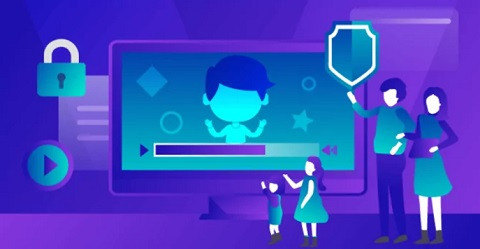 Parents' Guide for Safe YouTube and Internet Streaming for Kids 2020-08-26 By Aviva Zacks Cybersecurity Expert and Writer You work hard to keep your children safe from so many different dangers, but every day they are exposed to countless threats online. Predators, disturbing content, identity theft attempts, and other things you wouldn’t let them experience in real life are all waiting for them. Shockingly, 1 in 5 U.S. teenagers say they have been approached in a sexual way by strangers online; only 25% told their parents. As a parent, that’s terrifying. Young people have access to a nearly infinite pool of content thanks to websites like YouTube and Reddit. Worse, the Internet, the rise of smartphones, and the culture of social media allow us to access these things from anywhere. No matter what you think of it or how much you know about it, platforms like YouTube are changing how children are growing up. While that’s not always a bad thing, kids have more access to new sources of information, some good and some bad. Finding useful information on YouTube is easy, but so is stumbling across harmful or even malicious content. How can you restrict what your children watch on YouTube? The answer to this question isn’t simple. Fortunately, there are options available to parents when it comes to controlling YouTube and Internet access. The number one priority for parents should be to teach their children to protect themselves online and use social media safely. As a parent, you can’t monitor everything your child does all the time, and older teenagers might want (and genuinely need) some digital privacy. Instead, focus on being proactive about their safety while teaching your children how to protect themselves online. What Children Do Online In 2015, the Pew Research Center found that 92% of teenagers go online daily and that 75% own a smartphone. An Australian study later reported that 95% of 8- to 11-year-olds have accessed the Internet in the last month. The most common websites they used were YouTube, Facebook, and online games like Roblox. In fact, email and even text messaging have taken a backseat to social media for many younger users. Platforms like Instagram, YouTube, Snapchat, and others provide a nearly infinite supply of content. The Threat of Online Strangers Sites like Instagram and Twitter not only let you connect with close friends and family members, they also open communication with complete strangers. Nearly half of Facebook users accept friend requests from people they’ve never met before, and most users are familiar with stories of social media or chat requests gone wrong. But did you know that YouTube allows comments on most videos and that those comments sections can contain links posted by predatory adults hiding behind fake profiles? Parental Controls Many modern devices, apps, and web browsers offer parental controls that restrict access to certain content for their kids but did you know that many antivirus software titles already include parental controls? It’s two layers of protection with one installation. Some popular options include: Bitdefender – the premium version comes with a lot of features, but some of them are intrusive. These features include a webcam filter, activity reports, history and alerts, social media and mobile phone tracking, IP monitoring and blocking, SMS and call monitoring, website and app blocking, and location tracking. Norton – this household name features time, web, search, social media, and location supervision, protection of personal information, access request, and support for up to 10 devices. Avast – the website blocking feature is less intrusive than the other options mentioned. Parents can block specific websites and keywords. A quick search will show you which antivirus software includes parental controls but in our experience, the best way to encourage safe Internet browsing is education and conversation. Many platforms like Netflix have built-in parental controls that restrict content with a passcode. Netflix supports kid-focused user accounts to block adult-only shows. iPhones also have parental controls in their settings menus. Some tech-savvy kids can bypass parental controls by installing certain software. Prevent them from doing so by giving them access to non-administrator user accounts on your operating system. Most will only let certain accounts install new software. Finally, educating your kids on some smart browsing habits goes a long way toward ensuring their safety. You want to teach them to: Never share personal information online, like your phone number, email, address, or personal pictures. Think before you post. Your name is attached to everything you say online, so don’t post anything you wouldn’t want a teacher, a friend, a family member, or a potential employer to see. Understand that their actions online can have consequences in real life. Take some time to go through the privacy settings on Facebook and other online platforms. Don’t share passwords. Don’t meet someone you’ve befriended online without parental permission. These are just general guidelines. It’s worth looking into the specific services and platforms your children enjoy using the most to see if they offer any customized parental controls. Facebook Facebook is still one of the most popular social media platforms, but younger audiences are increasingly turning away from it. Chances are if your child does use Facebook, having a profile plays a huge role in your child’s ability to fit in with friends at school. Not only are the usual online dangers present, but what your child posts can impact his or her livelihood down the road. College admissions officers and job recruiters have reported that content on Facebook and other channels could harm an applicant’s chances. What does this have to do with streaming videos? Facebook introduced a streaming feature called Facebook Live. These are videos being broadcast to the user’s friends list, but the recording of it can be shared. That means raw, unedited footage of anything the user opted to broadcast can be shared to unconnected users. Unfortunately, Facebook has come under fire for some of these videos, especially ones of gang rape and of the murder of Philando Castile. YouTube YouTube modernized access to digital media and this popular video sharing website is used by people of all ages. Many parents rely on YouTube to entertain or instruct their children and while this works for many, there is a lot of troubling content on YouTube that masquerades as kid-friendly. YouTube has everything: children’s shows, toy reviews, video game footage interlaced with player commentary (known as “Let’s Plays”), and so much more. YouTube’s content creators are more than eager to provide content that appeals to young children. The official Peppa Pig YouTube account, for instance, streams episodes of the show live for free. But you can’t expect everything to be kid-friendly. Plenty of malicious and racy content can be found on YouTube. While users have the ability to “flag” objectionable videos and YouTube offers a kids’ mode, these solutions aren’t perfect. The only way to ensure safe browsing for very young children is to be aware of what they are watching. Let them watch without headphones so you can listen in on. Check their video history from time to time. Understand the current trends when it comes to questionable content (more on this later). Encourage them to watch channels that you know are kid-friendly. YouTube’s Darker Side Among the kid-friendly channels, it’s important to know how to recognize any questionable content your child might be exposed to on YouTube. There are countless channels that appear harmless on the surface, however, a deeper look will reveal how disturbing the content actually is. The Logan Paul Generation Logan Paul is a popular YouTuber with millions of subscribers, including many younger fans. The online celebrity experienced controversy in late 2017 after posting a video of a dead body while exploring Japan’s infamous Suicide Forest. He was heavily criticized for exploiting the man’s suicide for his online show. Logan eventually took down the video and issued an official apology but it was deemed “too little, too late” by many. Elsagate Another YouTube controversy is the Elsagate scandal. Recently, several videos featuring iconic child-friendly characters like Spiderman, Elsa from Frozen, and Peppa Pig emerged in videos that contained disturbing, non-child-friendly themes. These videos were produced illegally without permission from the official owners, yet many children watched them daily. While some of these videos were clearly fake, others featured standard animation, making it difficult for kids to tell the difference. In these videos, the characters would often: Inject each other with needles. Attack, steal, and break things. Get another one of the characters pregnant. There were countless videos featuring pregnant Elsa and other Disney characters. Bizarre Disney and Marvel Live Action Content There are also popular videos in which actors dress as Disney characters and create live action skits. Once again, these videos are full of disturbing content that is far from kid-friendly. The majority of these questionable videos often ranked well because their creators knew how to manipulate the YouTube algorithm. A simple search for Spiderman or Elsa would often put these videos near the top of the search because they were viral. Suggested Content Another issue parents have to deal with is suggested content. Many children are still building their attention spans, and after a few minutes in one video, they might click a suggested video from the sidebar. Suddenly, they’re falling down the rabbit hole that is YouTube’s suggested content feature. YouTube displays suggested content based on a set of specific ranking factors. If a video is extremely popular and somewhat related, it will be displayed. So, if your children click suggestions after watching a Frozen clip, it won’t take long for pregnant Elsa and Spiderman videos to pop up in their feed. As parents, this means your children are being served content that even adults would find creepy. How can you stop it? There’s virtually nothing you can do to stop this other than strict parental controls and monitoring your kids’ internet use in real-time. YouTube Parental Controls Parental controls exist on YouTube. They are far from perfect and some bad content will still sneak through, but you can minimize the risk that your children will see something disturbing. Here’s what you can do through YouTube’s parental controls: Block specific content types and creators. If there’s a specific channel you are aware of or a genre of content, you can block it. Allow approved content only. Parents can also limit what their children watch by approving specific content. Children will only be able to watch this content and nothing else. Turn the search off. The search function on YouTube can be turned off. This is a great option for parents of children who are able to read and write. Limit use to YouTube Kids. This is a popular option for parents who want a kid-friendly version of YouTube. While it doesn’t block everything, it does remove a lot of the adult content. Snapchat Snapchat is a messaging app for mobile devices where users can send images and videos to friends. The app is popular with teens and young adults, and surveys have shown that 32% of US teens have used Snapchat. Unlike Facebook, you cannot monitor your child’s activity on Snapchat without having direct access to his or her account. Instead: Ask your child to open Snapchat messages along with you. Go into the app’s settings and make sure messages can only be received from friends rather than strangers. In 2014, Snapchat was in the spotlight after a third-party “snap saving” app was hacked. Over 90,000 revealing photos were leaked on the Internet, many of which contained underage nudity. Remember, “snaps” can be pictures or videos, so the same concerns you may have about Facebook Live or YouTube content applies to Snapchat. Online Gaming Video games have increasingly moved toward an online multiplayer business model where players can interact and communicate with other players. Games like StarCraft, World of Warcraft, PUBG, and Fortnite are entirely multiplayer, while others like Minecraft and Call of Duty offer both single player and multiplayer modes. It’s important to understand that the ESRB rating system for determining age and content ratings for video games typically doesn’t consider online interactions. So, while a video game like Fortnite may seem child-friendly on the surface with its colorful graphics and cartoony art style, adult players can say anything they want to in the game’s voice chat. Gambling Online – The CS: GO Gambling Scandal Video game controversies can be extremely complex. Counter-Strike: Global Offensive (CS:GO) is an online multiplayer combat video game that offers in-game microtransactions, where virtual in-game items can be purchased using real money. In particular, CS:GO sells “skins,” or spray-painted designs to decorate a player’s weapons or character. Certain skins have been known to cost upwards of a thousand dollars. It’s also possible to trade skins between accounts. This has led to the creation of websites built to allow players to wager the value of their skins against other user’s skins. Trading websites like these employ famous YouTube celebrities to advertise the service to millions of viewers as well. Don’t fool yourself, these are gambling websites. On these websites, players bet and win skins based on random chance and betting on live matches. While this setup is essentially gambling, trading skins manages to dodge the legal definition of gambling by not involving actual money, but rather virtual items that can be sold for money. Nonetheless, the game’s developers have been hit with class-action lawsuits over the possibility of underage players gambling on these sites. There was even a major scandal in 2016 when popular Counter Strike YouTubers TmarTn and Syndicate, who were famous for creating videos of them gambling on these types of websites, were caught rigging bets on a website they owned. In these videos, the two players would gamble and show players how much they were winning. However, they never revealed to their audience that they were gambling on a website they owned. All of their winnings were staged, misleading their millions of supporters, many of whom were underage, and encouraging them to gamble. Loot Box Addiction A similar new trend is the rise of “loot boxes.” In certain games, players can purchase or earn a virtual crate which, when opened, give the player a randomized selection of further virtual items that can be used in-game. Thanks to the randomization factor, loot boxes have been claimed to be gambling in disguise. In fact, the Belgian government ruled against loot boxes, calling them a form of gambling. Major corporations continue to push loot boxes because of how lucrative they are. In the video game industry, major companies have even coined the term “whales” for users who purchase an excessive number of loot boxes. You might hear about loot boxes under different names. The video game Rainbow Six: Siege, for instance, refers to them as “Alpha Packs.” The screenshot above shows a seasonal “loot box” from Overwatch.In-Game Purchases Mobile phone games usually include microtransactions. These transactions involve any form of transaction that takes place in a game. They typically charge whatever credit card is linked to your App Store or Google Play Store account. PlayerUnknown’s Battlegrounds, Pokemon Go, and Roblox are a few examples of free-to-play games that include excessive microtransactions. Parents need to be aware of microtransactions. They can be addictive for your children, and in extreme cases, your child may rack up a large bill on your credit card. The Takeaway For the majority of kids and teenagers, the Internet has had a positive impact on their lives. Your responsibility as a parent, though, is to ensure a healthy balance between Internet use and your children’s online privacy and digital security. Talk to them extensively about social media and content consumption, and be prepared to step in whenever issues do come up. Be an active listener, educate them about the dangers of specific content, and make sure they understand that their actions online can have consequences. Take some time to understand the websites and services your children use the most as well. Teaching them how to engage with others online is integral to succeeding in an increasingly Internet-centered society. URL:https://www.safetydetectives.com/blog/parents-guide-for-safe-youtube-and-internet-streaming-for-kids/
  Why the world urgently needs a global plan to get all children safely back to school 2020-08-26 The COVID-19 pandemic has demonstrated more than ever that global crises require global solutions. In April, faced with a global health emergency like no other, the international community came together in what UK Prime Minister Boris Johnson hailed as a “new era of global health collaboration”. The World Health Organisation (WHO) led a virtual meeting where world leaders agreed to work together on a coronavirus vaccine and share research, treatments and medicines across the globe. This was followed in May with an EU-hosted virtual summit where leaders pledged nearly €7.4 billion to research COVID-19 vaccines and therapies, pledging that the money will be used to distribute any vaccine to poor countries on time and equitably. But the COVID-19 pandemic is not just a global health emergency. Efforts to mitigate the spread of the virus – such as school closures – are having a devastating impact on the lives of children everywhere, but especially in the poorest countries. School closures put girls at risk of child marriage, which has reportedly doubled in parts of Malawi according to Care International where, even before the pandemic, around half of all girls got married before the age of 18. In Kenya, reports of teenage pregnancy have spiked according to data from the International Rescue Committee, with some areas in Northern Kenya reporting a three-fold increase in pregnancies compared with the same period last year. Girls living in refugee camps are particularly vulnerable; at the Kakuma refugee camp, 62 pregnancies were reported in June 2020 compared with 8 in June last year. Save the Children Italy has been providing children and young people with study support and workshop activities to reduce the risk of children dropping out of school. After months of social isolation, many children and young people were finally able to meet again in the Educational Archipelago. Credit: Gianfranco Ferraro per Save the Children A month ago, Save the Children launched our Save Our Education campaign, highlighting the impact school closures are having on children around the world. We warned that the poorest and most vulnerable children were at risk of not returning to school. Our estimates proposed that around 10 million children may never go back due to the economic consequences of the pandemic and rising child poverty. Our team in Uganda for example have reported a doubling of teenage pregnancies, increase in child labour and child marriage, as well as increased reports of violence against children in some of the areas where we work. 15 million children have been out of school in Uganda since the end of March, including 600,000 refugee children. 85 out of 136 districts in Uganda have reported no cases of COVID-19. Investing in education matters for protecting the lives of vulnerable children right now. Yet to date, the international community has not sufficiently recognised the huge learning crisis now exacerbated by the pandemic, and how important education is for the recovery. This has resulted in limited action and so far a shocking lack of investment in education. Eugenia has been going door to door to raise awareness of the COVID-19 pandemic, promote learning at home for children, as well as providing psychosocial support to children in Zimbabwe. Credit: Sophie Hamandishe / Save the Children The Global Partnership for Education stepped up quickly to the challenge of COVID-19 and has unlocked a total of $500 million to help developing countries mitigate both the immediate and long-term impacts of the pandemic. Education Cannot Wait has called on donors to fund its emergency response fund to a total of $50 million – however, to date has received just over half of this amount. Given the stakes for millions of children around the world, these are worrying indications of a failure to respond with the urgency merited. However – this is more than just about money. A greater coordinated effort is required from the international community to strengthen the global education architecture and implement an urgent plan of action that will respond to the COVID-19 emergency and the broader learning crisis. Save the Children is calling for a global COVID-19 education action plan, that focuses on tangible action over the next 12-18 months – particularly on ensuring all children return to school and are supported to catch up on their lost learning. This plan should set out the targeted interventions that national governments should put in place in order to support all children – but particularly the most marginalised – safely back to school. These could include: targeted cash transfers; learning assessments on return to school to assess lost learning, coupled with the appropriate catch up classes; WASH facilities in schools; and local and community based ‘back-to-school’ campaigns to promote school re-opening. This plan should be fully costed, with support from both bilateral and multilateral donors. Distributing home learning packs in Kyangwali refugee settlement, western Uganda. While schools are closed during Covid-19, Save the Children has distributed home learning packs to more than 100,000 children across Uganda. Credit: Editor Asaba / Save the Children Some efforts to coordinate are being made, including the Save Our Future campaign and UNESCO’s Global Education Coalition. Last week also saw a letter led by UN Special Envoy for Global Education Gordon Brown and signed by nearly 300 former and current world leaders and experts highlighting the need for great global efforts to address the education crisis. But there is a real risk that these efforts remain in an echo chamber – rather than being heard by those who can affect real change. Our recovery from this crisis requires global cooperation and leadership on more than just vaccines. This is an unprecedented education crisis that could cause lasting damage to the futures of the COVID generation if urgent and coordinated global action is not taken today. URL:https://gemreportunesco.wordpress.com/2020/08/26/why-the-world-urgently-needs-a-global-plan-to-get-all-children-safely-back-to-school/#more-13282
 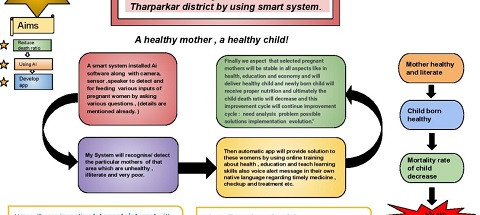 UNESCO’s Pilot programme: Equipping Girls to be Leaders and Problem Solvers in their Lives and their Community 2020-08-25 466 girls from different cities, school systems and colleges are working on their Artificial Intelligence (AI) models to solve problems -related to Sustainable Development Goals (SDGs) in Pakistan. UNESCO in collaboration with Technovation has launched an online 5-week free training on AI for girlsof age 10-18 years in six countries including Pakistan. Since the inception of the programme from 27 July 2020, it is replete with many opportunities for girls to understand and identifyproblems in their communities, and explore data with a solution to rectify the problems through the development of their own AI model. It is a self-paced programme, where girls alone and in teams attend the weekly sessions, participate in discussions and complete their assigned tasks delivered through google classrooms. A group of mentors from technology-based industries help students with their questions, concerns, comments and provide them feedback on their assignments. To encourage students to have more urge for learning, students are given prizes each week on completion of their timely tasks especially to those who come up with novel ideas to solve their community problems. In Pakistan, 466 girls from different levels with a diverse background have enrolled themselves in the programme. Students find the course modalities very interesting, informative and thrilling while gleefully working on their assignments along with exploring the AI around them. This led the girls to have a firm belief in themselves that they can develop their own AI models to resolve their identified issues. A student of the course Hina Khurram expressed her views,“The lessons are informative coupled with few challenges but we are determined to practice simulation exercises to get over challenges.” Girls are actively participating in different quizzes and other activities to top up their learning and many of them also extend help to the newcomers to catch up on the previous assignments. Moreover, a group of volunteers also hold weekly meetings to support those students who are unable to fulfill their assignments on time. The contents and learning oppurtunites of the course are helping students to identify, choose and resolve their community issues through developing a tailored AI model. It is encouraging to know that young girls are fully aware and concerned about various problems in the country and they have innovative ideas to solve those problems. Some girls have selected different SDGs as their priority areas to work on for their AI, and are working on various issues including hunger and food security, education and gender equity, health care facilities, child mortality, water scarcity, environmental pollution, deforestation, cyber-bullying, child-trafficking, kidnapping, and animal rights, etc. Some girls have chosen to develop AI models on innovative problems like helping children to deal with boredom, a girl is interested to develop to help children and people with mental disorders to find their homes with the location of their shoes. Another wants to develop phone apps to help people with grocery shopping with ease and minimal time. The list goes on and on. An anctive student, Anusha Shehzad wants to work on reducing hunger and food wastage. She is right in mentioning that there are inequalities in the distribution of food around the world. A lot of food wasted in different ways and forms, which can be saved and served to those who have difficulty accessing food. "I would like to solve world hunger, as it is one of the biggest problems the world is facing now. Here is my proposed solution, we can use AI to reduce food wastage with the help of the machines with sensors, which can detect and separate the food, which is good and can be consumed, as a lot of world’s food ends up in the trash." Another conscious young girl is concerned about the health facilities in the country. She wants to ensure proper and timely detection of diseases and easy access to health facilities. My problem is health care. The solution I have decided on is to make an app, which will help predict if a person is not feeling well. He/she can open the app to answer a few questions and the app will predict what kind of health issue the person has. If it is a serious health problem or one needs immediate attention the app can call the hospital or emergency, said a student Haajrah Nadeem. My problem is global warming says Udaya Pandit. She wants to reduce the rise in temperatures in the world through her AI model. I want to make a device that could calculate the amount of greenhouse gases in the air around each country. This would inform each country of how much they contribute to the CO2 in the air, and how much of a reduction they need to make. Once that is known, the individual factors that contribute (vehicles, fossil fuels) can be looked at and decided as to how much of each needs to be reduced. Through this method, countries can get and achieve their own targets. Others have decided to work on developing an AI translation model, which could help non-English speakers to learn and communicate in English. I want to train my model through maximum data so all that it can help students and youth to learn English, commented a student of the class, Amna Kamran. Participants appreciate the efforts of UNESCO and Technovation to introduce this course for them. They are of the view that through this course they have a chance to explore their abilities and interest in AI. They are now looking ahead to choose this area as a major in their higher studies and can pursue it as a career in the long run. The programme has the potential to help young girls to explore their abilities and boost their creativity. However, due to the pandemic, some students already being busy with their online classes find this course addition to their hectic routine, which limits their participation in the discussion and completion of their assignment on time. Issues of connectivity and electricity are some of the factors which influence on students’ performance in the course. Students’ familiarity and competencies in English are another areas that affect students’ participation in the course and creates hurdles for those who have enrolled in the course. URL:https://en.unesco.org/news/unescos-pilot-programme-equipping-girls-be-leaders-and-problem-solvers-their-lives-and-their
 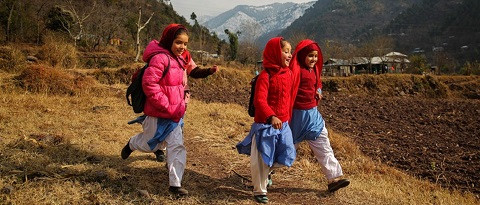 Launch of ‘girls back to school’ guide 2020-08-25 Malala Fund, Plan International, UNESCO, UNGEI and UNICEF are launching today Building Back Equal: Girls Back to School Guide. The guide aims to help policymakers and practitioners in Ministries of Education and their partners address the gender dimensions of COVID-related school closures. It provides targeted recommendations to ensure continuity of learning while schools are closed, and to establish comprehensive, timely and evidence-based plans for reopening schools in a way that is safe, gender-responsive and child-friendly, and meets the needs of the most marginalised girls. It emphasises an approach to ‘build back equal’ through gender-responsive measures that transform education systems, prioritise resilience, and address the key bottlenecks and barriers to girls’ education. This guide was developed by partners in UNESCO’s COVID-19 Global Education Coalition’s Gender Flagship, as part of a global campaign to be launched next week to ensure all girls can continue to learn during and after the COVID-19 pandemic. The Gender Flagship provides a collaborative platform for stakeholders committed to gender equality, and girls’ and women’s empowerment in and through education. Join us in our efforts to ensure that #LearningNeverStops URL:https://en.unesco.org/news/launch-girls-back-school-guide