
News
Catch up on what’s happening in the world of global citizenship education.
1,668 results found
 Experts from the Philippines and India Speak: Media and Information Literacy against Racial Discrimination 2020-08-08 Following the first two articles in the UNESCO Media and Information Literacy (MIL) Experts Speak interview series, two other MIL experts - from India and the Philippines, share their personal narratives about how, by becoming media and information literate, people can resist all forms of stereotypes that lead to discrimination and hate. UNESCO’s work in Communication and Information promotes a diversity of voices in all types of information, whether in books, digital platforms, or in the media. One way through which we do this is to promote MIL as an integrated set of information, digital and media critical thinking competences. The UNESCO Media and Information Literacy Curriculum for Teachers provides modules that can help people to understand the power of media representation and how to analyse messages in online or offline spaces. Journey with us into the minds of the two MIL experts/practitioners below. If you are inspired, then share your experiences and positive insights for human solidarity and peace in your preferred space online. As you share your insights about change through unity and mutual respect, put a note referencing this MIL Experts Speak series. Follow the ongoing UNESCO-UNAOC Media and Information Literacy and Intercultural Dialogue University Network’s Response to COVID-19 for intercultural dialogue and critical thinking during COVID-19 and way beyond. Ramon R. Tuazon, President, Asian Institute of Journalism and Communication, The Philippines UNESCO: Mr Tuazon, you are a MIL expert/practitioner. How do you think MIL is relevant to tackle racial discrimination? Ramon R. Tuazon: MIL provides competencies needed for discernment, expression, and action to mitigate harmful media messages and effects which promote or perpetuate intolerance, negative stereotyping, and spread of discrimination and prejudice. MIL enables (and empowers) individuals to assess media misrepresentations and disinformation which are purveyors of discrimination and hatred and incitement to violence (based on religion or belief). MIL provides the competencies required in intercultural (interethnic) communication and interreligious (interfaith) dialogue. These competencies include understanding commonalities among diverse groups/sectors; respect and value differences; tolerance and openness to differences; and building trust and enabling understanding and harmony. UNESCO: Have you had a personal experience of racial discrimination? Ramon R. Tuazon: No personal experience of racial discrimination. UNESCO: How would you characterize incidents of racial discrimination? Ramon R. Tuazon: In the Philippines, there is an emerging anti-Chinese sentiment resulting in prejudice and even forms of hatred. According to the Social Weather Stations (SWS) survey in September 2019, China is the least trusted country among Filipinos, with a net trust rating of -33. This negative sentiment can be traced to various geopolitical and socio-economic factors. The news media has consistently reported on illegal activities of migrants including gambling, drug trade, prostitution, and other types of criminalities. The oft-repeated reference to Wuhan, China as source of COVID-19 pandemic has added to negative perception. Some news stories highlight these migrants as competing for limited job opportunities among Filipinos. Prejudices and stereotyping are usually related to health, cleanliness, and wellness, trade and businesses (e.g., engaged counterfeit products and services), anti-Filipino attitude, etc. Unfortunately, negative sentiments are also conveyed to Filipino Chinese. It is estimated that there are at least 1.35 million Filipinos with Chinese ancestry or 1.3% of total population. UNESCO: Do you know about how MIL is being applied in your country to address these challenges? Ramon R. Tuazon: There have been continuing initiatives to promote understanding and appreciation especially among Filipino Chinese. Among these are the following: MIL is a required subject in the Philippine basic education. It is offered in Senior High School (Grade 11 or 12). Training courses for MIL teachers highlight intercultural communication and interreligious (interfaith) dialogue. The Bahay Tsinoy (Chinese-Filipino House) is a unique public museum which was set up in 1999. It traces the beginnings of ethnic Chinese in the Philippines and their significant contributions to the Philippine society over the years. Mano Po (a traditional hand gesture to show respect to an elder) is a film series which started in 2002. Seven productions have since been produced with 2020 as the latest. This blockbuster series focuses on culture, lifestyle, and tradition of Filipino Chinese which have contributed to greater awareness and understanding of the ethnic group. Chinoy TV is a lifestyle TV program for the past 10 years. The objective is to bridge Chinese culture to the Filipino community. It aired twice-a-week in ABS-CBN News Channel. Jagtar Singh, Professor, Department of Library and Information Science, Punjabi University, India UNESCO: Mr. Singh, you are a MIL expert/practitioner. How do you think MIL is relevant to tackle racial discrimination? Jagtar Singh: Discretion and discrimination lead to corruption. Hence, any type of discrimination is bad. Racial discrimination is very bad indeed. MIL is an effective way to tackle racial discrimination by increasing awareness, understanding, and critical thinking of the people being discriminated against. MIL must be implemented at policy, strategy and grassroot levels. UNESCO: Have you had a personal experience of racial discrimination? Jagtar Singh: Yes, I am a Sikh. Sikhs in India, like Muslims, have always been suffering from racial discrimination. There are jokes about Sikhs. India is a composite culture. Even then, some feel that all the castes, classes, communities, linguistic and religious minorities in India are Hindus. Differences of opinion and cultural identity of the minorities may not be respected. These minorities can regularly suffer from racial discrimination and be denied human rights, which are listed in the Constitution of India. UNESCO: How did you respond to the experience? Jagtar Singh: By organizing people against racial discrimination and creating awareness among voices through traditional and new media. There are many counter narratives in India challenging and fighting racial discrimination. “The Wire” is one such platform to challenge the commercial media being controlled by the governments, corporate tycoons, politicians and NGOs with vested interests. UNESCO: How would you characterize incidents of racial discrimination? Jagtar Singh: Racial discrimination in India is characterized by caste, class, lingual, religious, cultural and socio-political considerations. UNESCO: Do you know about how MIL is being applied in your country to address these challenges Jagtar Singh: I think MIL has not yet gained ground in India to tackle racial discrimination. Only value-based conscious people listen to their inner voice and fight against racial discrimination. . Alternative media is the only hope to promote MIL across frontiers and take the bull of racial discrimination by the horns. MIL is very much needed to develop critical thinking among people to reinforce human rights and counter disinformation, misinformation, radicalization of youth, violent extremism, cyberbullying, Internet trolling, and racial discrimination. There is a need to develop MIL policy, strategy and plans of action. There is a yawning gap between the rhetoric and reality as far as application of MIL is concerned to tackle racial discrimination. URL:https://en.unesco.org/news/experts-philippines-and-india-speak-media-and-information-literacy-against-racial-0
 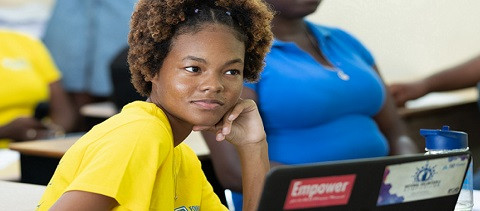 Placing media and information literacy at the heart of education 2020-08-08 Media and information literacy recognizes the primary role of information and media in our daily lives. It is at the heart of freedom of expression and information - because it enables citizens to understand the functions of the media and other information providers, to critically evaluate their content and to make informed choices as users and producers of information and media content. Therefore, empowering people through media and information literacy (MIL) is an important prerequisite for promoting equal access to information and knowledge and fostering free, independent and pluralistic media and information systems. Now, in the midst of the Covid 19 crisis, Media and Information Literacy (MIL) is more critical than ever: the current digital age, combined with the crisis of people staying at home and working from a distance and consuming news and information via digital platforms, has created an even greater need for connectivity, networking and interdependence. In order to strengthen media and information literacy among students and entire societies, training of teachers is vital. UNESCO's task is to promote MIL in all societies by embedding it in the teacher curriculum and developing guidelines for the development of national MIL policies and strategies. UNESCO has published the Curriculum for Media and Information Literacy for Teachers in 2011 to enable teachers with pedagogical approaches to integrate MIL into their classrooms. By focusing on teachers, UNESCO hopes to harness the potential of the multiplier effect. This means that teachers of media and information literacy should promote the media and information literacy of their students and thus lead to media and information literate societies. On 30 July 2020, UNESCO's Cluster Office in the English and Dutch-speaking Caribbean organized sub-regional consultations with experts and practitioners in media and information literacy, including teachers, information and media professionals. During the virtual consultation, the content of the existing curriculum was discussed in order to update the text for a second edition of the MIL curriculum and the draft global standards for MIL curriculum guidelines. The Caribbean Consultation on the MIL curriculum highlighted the many regional challenges in the Caribbean SIDS in terms of promoting media and information literacy for sustainable development, but also shed light on the different barriers at the national level. Policy makers need to be aware of the importance of MIL in order to promote it and include it in the national curriculum for teachers. Isabel Viera, UNESCO Advisor for Communication and Information at the Caribbean Cluster Office, urges that the UNESCO MIL curriculum be constantly updated to avoid a further widening of the digital divide. The experts participating from 10 English and Dutch Caribbean Countries and Territories discussed paragraph by paragraph and proposed changes to update the UNESCO MIL curriculum or include it in the second edition. As the COVID 19 crisis has shown, the experts call in particular for consideration of the dismantling of "false messages", including an appropriate definition of misinformation and disinformation The media and information literature course for teachers is an essential tool that empowers teachers to share knowledge with students on the use and understanding of media and information tools. We must act quickly to ensure that teachers receive the necessary professional support-- Katherine Grigsby, Director, UNESCO Cluster Office for the Caribbean Ms Dorcas R. Bowler National Library and Information Services of the Bahamas Ministry of Education raised the critical point that MIL is not only about computer skills, but also includes the ability to think critically. However, to address national challenges, closer cooperation and communication between Caribbean SIDS should be encouraged. Dr. Paulette Stewart, Head of the Library and Information Science Department at the University of the West Indies, Jamaica, agreed to include in the curriculum the consideration of the special developmental position of SIDS. In the same context, Kiran Maharaj, Director of the Media Institute of the Caribbean, stressed the integration of radio into the media dialogue. "In the Caribbean, radio still has a very broad use and reach - if we want to make a difference here, one component must be included via the media". She also urges more "real life activities with the media", e.g. partnerships with media houses, they could invite students to teach and show the media world. Cordel Green, Executive Director of the Jamaica Broadcasting Commission, argues on the importance of understanding the role and powers of the various media actors, whether public or private, as well as Amazon and Facebook and other major technology companies that influence the media landscape. Other points of discussion included ensuring human rights, freedom of expression and access to information in the debate on MIL, controlled and healthy media use, especially among minors, and the emphasis on digital rights and digital security. We need a different approach to critical thinking - we need to bring critical thinking back into the curriculum in Caribbean schools as it is an essential part of media and information literacy-- Kiran Maharaj, Director Media Institute of the Caribbean Mr Alexandre La Voci, UNESCO Co-Chair GAPMIL International, highlighted MIL as a process of lifelong learning. He also affirmed that the curriculum needs to be constantly updated, to stay ahead of the time. As practical solution he suggests the introduction of online courses for teachers and trainers, which must also be constantly updated in line of the advancement of digital solutions in the media and information landscape. The MIL curriculum must also be inclusive and serve all levels from the classroom to policy makers. URL:https://en.unesco.org/news/placing-media-and-information-literacy-heart-education-2
 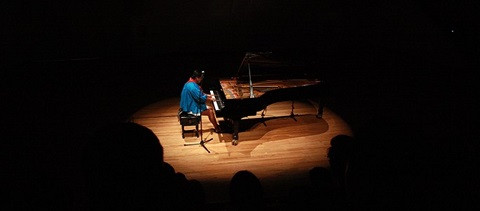 Amplify the voices of indigenous communities during crisis and beyond 2020-08-08 Healthy democracy requires open communication. Independent and plural media are essential for a society where ideas and information flow freely – citizens to decision-makers, decision-makers to citizens, and citizens to citizens – and access to information and knowledge is non-discriminatory. In Mexico, a country with the largest and most varied indigenous populations in Latin America[1], Indigenous and community media play an essential role in achieving equality among its diverse peoples: they act as an accessible medium and enable community members to express themselves and make their voices heard in decision-making processes. Such media also play a key role in promoting dynamic cultural and creative sectors by providing access to a diversity of content, often rooted in ancestral knowledge, in a diversity of languages. “Design of Public Policies for the Strengthening of Indigenous and Community Radios in Mexico and the Inclusion of Indigenous Content in Public and Commercial Media,” a UNESCO project supported by the European Union, has developed from these convictions. Through this project, indigenous and community radios are empowered to obtain a formalized legal status as well as to pursue a more sustainable business model. Participants will produce and disseminate their content not only among their communities and indigenous media, but also in commercial, public and national media. By reaching beyond their usual audience, the project can enhance the appreciation and perceived value of these diverse cultural expressions across the country. The current health crisis has further highlighted the necessity for indigenous and community media in order to realize a more sustainable, resilient, and democratic future. The COVID-19 pandemic has triggered an information crisis, where citizens have had difficulty finding accurate information, understanding complex data, and determining the validity of the news. In this climate, indigenous members of the society can be particularly vulnerable, as “mainstream” media often disregard how these communities are affected differently and possess varying resources to cope with an emergency of this magnitude. The novel coronavirus has also threatened rich and diverse cultural expressions across Mexico, safeguarded by members of the indigenous communities and created by indigenous artists across the country. As the lockdown measures accelerate the digital shift of cultural content, these non-mainstream, independent artforms risk being marginalized and left behind, often due to poor access to technologies or limited skills in using new digital tools. This resonates with the aspirations of the Los Pinos Declaration [Chapoltepek] adopted last February in Mexico which recognizes the need to strengthen support for the production and dissemination of original content by indigenous media. It calls for a greater presence of indigenous people in the media in general including an increase in the share of programmes in indigenous languages. The Declaration will guide the International Decade of the World's Indigenous Languages. Today, the benefits of indigenous and community media are clearer than ever: they can save lives, empower active citizenship, safeguard cultural expressions, and contribute to more sustainable, democratic societies. UNESCO, together with the Presidency of Mexico and the European Union, works to amplify the voices of indigenous communities during crisis and beyond. [1] Minority Rights Group International https://minorityrights.org/minorities/indigenous-peoples-4/ More information: Indigenous Peoples UNESCO Indigenous Peoples Bulletin Issue 1: Indigenous Peoples and the COVID-19 pandemic (August 2020) URL:https://en.unesco.org/news/amplify-voices-indigenous-communities-during-crisis-and-beyond
 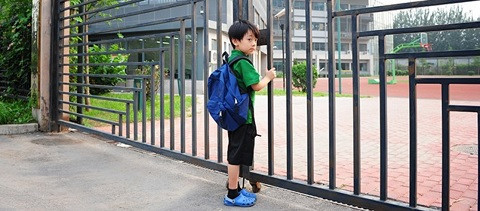 UN Secretary-General warns of education catastrophe, pointing to UNESCO estimate of 24 million learners at risk of dropping out 2020-08-08 UN Secretary-General António Guterres today launched the Education in the time of COVID-19 and beyond Policy Brief warning that the pandemic has created the most severe disruption in the world’s education systems in history and is threatening a loss of learning that may stretch beyond one generation of students. School closures are also likely to erase decades of progress, according to the Policy Brief, which builds on UNESCO’s data and features recommendations on ways to avert the looming catastrophe. UNESCO led the drafting of the Secretary-General’s Policy Brief which contains inputs from 15 sister organizations. “We already faced a learning crisis before the pandemic,” said UN Secretary-General Antonio Guterres in a video statement to launch the Policy Brief. “Now we face a generational catastrophe that could waste untold human potential, undermine decades of progress, and exacerbate entrenched inequalities.” The Brief calls for national authorities and the international community to come together to place education at the forefront of recovery agendas and protect investment in education. With this objective, UNESCO will convene a special session of the Global Education Meeting before the end of the year. UNESCO data shows that nearly 1.6 billion learners in more than 190 countries, 94% of the world’s student population, were affected by the closure of educational institutions at the peak of the crisis, a figure that stands at 1 billion today. As many as 100 countries have yet to announce a date for schools to reopen. The Policy Brief points to UNESCO’s projections whereby 24 million learners from pre-primary to tertiary education risk not finding their way back to their studies in 2020 following the COVID-19-induced closures. The largest share of learners at risk, 5.9 million, live in South and West Asia. Another 5.3 million students at risk are in sub-Saharan Africa. Both regions faced severe educational challenges even before the pandemic, which is likely to worsen their situation considerably. According to UNESCO, tertiary education is likely to experience the highest dropout rate and a projected 3.5% decline in enrolment, resulting in 7.9 million fewer students. Pre-primary education is the second worst affected level with a projected 2.8% decline in enrolment, i.e. 5 million fewer children attending. According to these projections, 0.27% of primary and 1.48% of secondary education students, corresponding to 5.2 million girls and 5.7 million boys at both levels, risk dropping out of school. “These findings emphasize the urgent need to ensure the continuity of learning for all in the face of this unprecedented crisis, in particular the most vulnerable,” says UNESCO Director-General Audrey Azoulay. “The Brief calls to protect investment in education at all levels, and warns that according to UNESCO estimates, the pandemic will increase the gap in funding needed to reach the internationally agreed 2030 Sustainable Development Goal on Education (SDG4) in low and lower-middle income countries by one third, from the already staggering shortfall of USD 148 billion.” School closures do not only undermine education. They also hamper the provision of essential services to children and communities, including access to a balanced diet and parents’ ability to go to work. They also increase risks of violence against women and girls. Preventing the learning crisis from becoming a generational catastrophe must become a top priority for world leaders and for stakeholders across the education community, says the brief, emphasizing education’s role in driving economic progress, sustainable development and lasting peace. The Brief makes recommendations in four areas to mitigate the effects of the pandemic: Suppress transmission of the virus and plan thoroughly for school reopening: this covers health and safety measures, attention to the needs of marginalized children and joint planning and consultation with teachers, parents and communities The UN has issued guidance to help governments in this complex endeavour. Protect education financing and coordinate for impact: despite public spending constraints, national authorities must protect education budgets and include education in COVID stimulus packages. The international community must protect official development assistance for education. Relieving, postponing and restructuring debt for low and lower-middle income countries is part of the solution to help countries invest in education. Strengthen the resilience of education systems for equitable and sustainable development: Building back resilience requires a priority focus on equity and inclusion, with measures to address the needs of the most marginalized and vulnerable learners and to ensure that economic strains and gender norms do not prevent girls from returning to school. Risk management capacities need to be reinforced at all levels. Reimagine education and accelerate positive change in teaching and learning: The scale of innovations made in a short time to ensure learning continuity proves that change can happen quickly. They have set the ground to reimagine education and build systems that are more forward-looking, inclusive, flexible and resilient. Solutions must address learning losses, preventing dropouts, particularly of the most marginalized, and ensuring the social and emotional welfare of students, teachers and staff. Other priorities include better support to the teaching profession, removing barriers to connectivity, investing in digital technologies and flexible learning pathways. The UN Policy Brief is being launched alongside #SaveOurFuture, a multi-partner campaign led by ten entities, including UNESCO, to raise awareness of the global education emergency and urge increased investment to build better, more inclusive and resilient education systems for the future. **** Secretary-General’s Policy Brief on Education and COVID-19 UNESCO COVID-19 Advocacy Paper: “How many students are at risk of not returning to school?" #SaveOurFuture campaign URL:https://en.unesco.org/news/secretary-general-warns-education-catastrophe-pointing-unesco-estimate-24-million-learners-0
 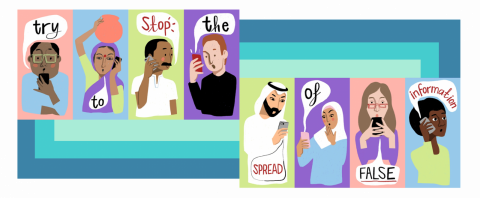 Determined Fighter against Disinfodemic: UNESCO Abuja is taking actions 2020-08-08 It’s 6:30 a.m. in Abuja, the sun just bloomed on the horizon, golden petals stretching outwards, and the skies were sending signals to Nigerians to go out and begin their daily activities. On this Monday morning, Macaulay Olushola was already on his second cup of tea and working on a number of things, including a project concept to address the disinfodemic in conflict prone environments, a webinar presentation of COVID-19 communication perceptions, and preparations for the five meetings he had scheduled for that day. Since the COVID-19 outbreak, the spread of fake news and rumors has contributed to a worldwide crisis of disinfodemic. Macaulay, working with UNESCO as the National Programme Officer for the Communication and Information (CI) Sector, was soon to discover that his work on Media and Information Literacy would propel him and his team to the frontlines of the fight to eliminate and reverse the adverse effects of mis- and dis-information outbreaks. Luckily for him, setting up a camp inside his home was a smooth and quick transition: his wife, Kehinde and their three kids, Emperor, Damilola and Toluwa, are attuned to his dedication to his job, as a result they were conscious not to disturb him when it comes to his office routines. “Daddy’s workloads seem to have increased since he started working from home. We do honestly understand how much he loves his work. Unfortunately we thought we could get the better part of him while working from home, but your guess is as good as mine.” His soft-spoken fourteen-year-old son, Emperor said, with mixed smiles. Macaulay joined UNESCO Abuja in 2016. He is the brain behind a series of interlinked interventions, such as regional investigations on communication perceptions on COVID-19, regional webinars, call-for competitions to engage large audience groups in media literacy campaigns to combat the accompanying disinfodemic, all of which are undertaken by UNESCO Abuja Regional Office, covering Benin, Côte d'Ivoire, Ghana, Guinea, Liberia, Nigeria, Sierra Leone, and Togo. To date, five webinars, two call-for competitions, and a host of other activities have been implemented. Considering the relatively low literacy rate in the region, with Nigeria as an instance where according to UNESCO Institute of Statistics, 62% of people aged 15 and above are described as literate in 2018, a remarkably low figure compared to the global average of 86%, the Sector designed complementary public education interventions, relying more on audio and visual expressions, to have a wider reach among the population. As such, a seven-clip educational drama radio “Tell Me Something”, was designed in Pidgin English (a pan-Nigerian lingua franca with different versions spoken in other West African countries). Through storytelling, reliable information on COVID-19 on prevention and transmission were embedded. Millions of people across all the geopolitical zones of Nigeria, Sierra Leone and Liberia were reached. "When we host a webinar, we are actually building bridges to connect high level government authorities, media professionals, economic and social experts and many key figures who, when given a platform to put their brains together, create a powerful think-tank and come out with spot on solutions to combat disinfodemic and mitigate their danger." -- Macaulay Olushola At 7 p.m., Macaulay was still deeply immersed in work meetings, when a message from a young webinar participant called his attention: “Thank you very much, UNESCO ABUJA REGIONAL OFFICE, for the webinar. It was an incredibly packed event and a timely one because it answered most of my questions and subtle fear on the recent happenings especially as it relates to communication and the future of work.” Macaulay cut the conversation short. He re-read the note, and allowed the positive feedback to refuel his tired self, then he read the message aloud. "Our work is sometimes so abstract as we work through third parties, and hardly ever engage with those who truly benefit from our work. It is so gratifying when, every once in a while, when one of them reaches out and tells us that we have empowered them to better their lives. It gives us confidence that we are on the right track, and that we should keep doing what we do." -- Macaulay Olushola Although the region is facing many challenges during this pandemic, including limited funding opportunities, digital and technological disparities within communities, and difficulties in working at the grassroots level due to the confinement, Macaulay, with his team, actively continues to respond and adapt various programmes to address the challenges. "It was easy for me to jump the gun. My passion for Media and Information Literacy as one of the flagships of CI sector of UNESCO is none to other. It gives me the urge to make a unique impact and contribute to UNESCO’s mandate of a culture of peace and good democratic governance." -- Macaulay Olushola It’s 9 p.m., Macaulay wraps up the day with a note-to-self to start the next day early with the preparation for the regional commemoration of the 2020 Global Media and Information Literacy Week which will take place between October 24 and 31, under the theme “Resisting Disinfodemic: Media and Information Literacy for Everyone and by Everyone”. It has been a long challenging day of remote working in UNESCO Abuja Regional Office, a typical mix of big challenges, small but impactful moments of gratification and many forged alliances and partnerships towards one common goal, building a culture of peace in a time of global crisis. "I see my work in these challenging times as an opportunity to roll out activities with colleagues, and to flag UNESCO’s leading role in freedom of expression and access to information. In contributing to independent, pluralistic media, and particularly to civic participation, I see the Media and Information Literacy as a key entrance to promoting culture of peace and non‐violence in the region that is enveloped with political instability." -- Macaulay Olushola He concludes. "I am grateful to be part of a network of colleagues, sister agencies and partners committed to protecting people from the harms caused by COVID-19 disinfodemic. We’ll continue firmly to promote the Organization’s mandate." -- Macaulay Olushola URL:https://en.unesco.org/news/determined-fighter-against-disinfodemic-unesco-abuja-taking-actions
  Call for Papers: Values, Knowledge and Curriculum in Global Citizenship Education 2020-08-07 PROSPECTS Comparative Journal of Curriculum, Learning, and Assessment: Special Issue Values, Knowledge and Curriculum in Global Citizenship Education Guest Edited by:Carlos Alberto Torres, University of California, Los AngelesEmiliano Bosio, University College London, Institute of EducationWilliam Gaudelli, Lehigh University Submit full draft of manuscript (up to 7000 words, APA style) for consideration by December 15, 2020 (more information below) Global citizenship education (GCE) calls for the education of values and knowledge that help learners to become informed and responsible global citizens. Yet there has been relatively little coverage on how educators in different geographic locations perceive GCE and implement it into curricula and classroom practices (Bosio, 2020). By focusing on these areas and following Torres and Bosio’s (2020) proposal that GCE can be “an essential tool to not only build understanding across borders and cultures but to advance our social, political, economic, and environmental interconnectedness necessary to address global and local issues”, this special issue seeks contributions that help us to better understand if and how GCE can be a pedagogical approach which has the potential to go beyond developing students’ basic sense of interconnectedness and broadening their cultural horizons, important as they are, to critically and reflectively locating the discourse in the context of globalization (Bosio & Torres, 2019; Torres, 2017; Gaudelli, 2016). We ask: How do educators understand the role of GCE? What pedagogical approaches to GCE do educators employ in their classes? How do educators support the values and knowledge of global citizenship in all curriculum areas? What do educators see as the key essential values and knowledge that students should be helped to develop through GCE? To address these and other related questions, the special issue welcomes both theoretical and empirical perspectives from the Global North and the Global South that investigate the ways in which educators perceive the values and knowledge of GCE and how their pedagogy adapts to it. The special issue invites contributors to extend critical consideration of GCE beyond Western-centric and neoliberal conceptions, and attempts to expand the definition of GCE and to think through its future possibilities. Therefore, we particularly welcome submissions that look at the ways in which and the extent to which educators encourage learners to develop critical values and knowledge such as critical consciousness and awareness of injustices, both environmental and social. We also welcome papers that describe other forms of values and knowledge educators feel they are promoting in their students in GCE teaching if not the ones detailed above. Collectively, the special issue attends to the full range of possible GCE pedagogical responses to current societal challenges (e.g., Covid-19), and therefore it engages with the implications of different envisaged futures – including progressive and critical ones. Deadlines December 15 2020: Full draft of manuscript (up to 7000 words, APA style), including articles for the Viewpoints/Controversies, Open File, and Cases/Trends sections, should be submitted before 15 December 2020 using the Editorial Manager system: https://www.editorialmanager.com/pros/default.aspx Note: Indicate that you are submitting your manuscript for consideration in the special issue, “Values, Knowledge and Curriculum in Global Citizenship Education”. Please follow the journal’s standard submission guidelines. All the submissions will be externally reviewed (double-blind peer review) and fast-tracked, with a planned publication date by the end of 2021. For any questions regarding the submission process, please contact Simona Popa, Prospects Managing Editor, at s.popa@unesco.org URL:https://www.springer.com/journal/11125/updates/18252736
 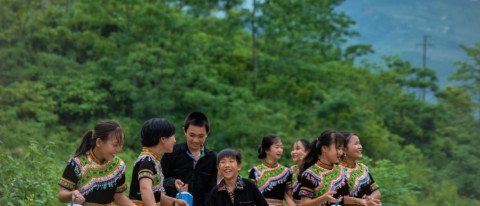 UNESCO Partners with the Signify Foundation to light up the future of ethnic minority communities in Viet Nam 2020-08-07 The right to education is a fundamental human right; everyone is entitled to have access to education. However, we know that there can exist numerous obstacles for the full realization of this right, especially for those who are in a disadvantaged and vulnerable situation. This is the case for ethnic minority children in Viet Nam, for while significant progress has been made in providing access to education among ethnic minority children over the last decade, more than 13% of the lower secondary school-aged ethnic minority children (14.3% for male and 12.3% for female) and almost 46% of the upper secondary school-aged ethnic minority children (48.4% for male and 43.1% for female) remained out of school in 2019, according to a survey report on the socio-economic status of 53 ethnic minority groups published by the Committee for Ethnic Minority Affairs and General Statistics Office in 2020. It is within this population that poverty is concentrated in the country, a combination of a number of socio-economic factors compounded by the challenging geography of the remote areas where the some of the poorest communities are found. In such place, many children need to wake up very early in the morning and walk a long distance to reach school on time, raising concerns about their safety of children on the way between home and school. In some cases, they must cope with limited access to electricity and poor lighting at home and in boarding facilities that affects their learning performance. To respond specifically to the latter, and compliment the Organization’s ongoing We are ABLE (Achieving Better Living and Education) Programme which is funded through the UNESCO Malala Fund for Girls’ Right to Education by CJ Group of the Republic of Korea to support quality education in ethnic minority areas, the Organization is partnering with the Signify Foundation and Signify Viet Nam in the project “Lighting up the future of the ethnic minority communities in Viet Nam”. With 1,900 portable solar lanterns and 150 solar street lighting systems provided for some 5,000 students from 16 lower secondary schools in Ha Giang, Ninh Thuan and Soc Trang provinces, the project aims to improve the quality of education and improve student safety. Through the provision of sustainable lighting solutions, the project will promote better access to education and reduce the drop-out of children. In addition, Lighting up the Future will also provide relevant educational materials to the school libraries, and engage students in discussions and activities related to sustainable and green living practices, including the use of renewable and clean energies such as solar energy, empowering them to become environmental advocates within their own families and communities and providing them with a practical STEM experience. For more information about the project, contact:UNESCO Ha Noi officeEmail: hanoi@unesco.org(link sends e-mail)Tel: 024.3850.0100 URL:https://en.unesco.org/news/unesco-partners-signify-foundation-light-future-ethnic-minority-communities-viet-nam
 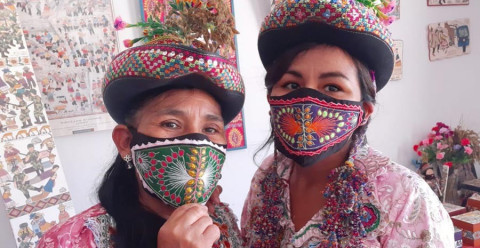 Indigenous peoples and the COVID-19 pandemic: a Global Overview 2020-08-05 From the Okavango Delta in Botswana to the Yucatan Peninsula in Mexico, how are indigenous peoples being impacted on by the COVID-19 pandemic and how has UNESCO responded? Contagious diseases and indigenous peoples have a long and painful history. As Jared Diamond described aptly in his 1998 Pulitzer Prize winning non-fiction book, Guns, Germs and Steel, the contemporary inequalities of our planet and the vulnerabilities of indigenous peoples are, in part, tied to pandemics that were brought about by unprecedented travel and colonization. The novel coronavirus and the COVID-19 pandemic have raised again the specific vulnerabilities and resilience required of indigenous peoples. The pandemic is severely affecting indigenous peoples while it also highlights conditions of social and economic marginalization that amplify the impacts on them as compared to the general population. On 30 January 2020, the World Health Organization (WHO) declared the Severe acute respiratory syndrome coronavirus 2 (SARS-CoV-2) outbreak a Public Health Emergency of International Concern. On 11 March 2020, with the virus spreading rapidly in Asia, Europe and other regions, WHO declared a pandemic of the coronavirus disease 2019 (COVID-19). UNESCO has responded swiftly to the pandemic while its staff simultaneously adhere to confinement and sanitary regulations of host countries. UNESCO’s COVID-19 response has mobilised all Sectors and offices as well as its important partnerships, including the Global Education Coalition and the International Coalition of Inclusive and Sustainable Cities -ICCAR. COVID-19 has amplified the need for scientific cooperation and for strengthening the nexus between policy decisions and sound scientific knowledge and practice when dealing with a global public health crisis. UNESCO’s International Bioethics Committee and its World Commission on the Ethics of Scientific Knowledge and Technology (COMEST) noted in a Joint Statement the increased fragility of marginalized groups in times of pandemic and the collective responsibility to protect them from any form of stigmatization and discrimination. UNESCO’s Intersectoral Working Group on Indigenous Peoples issues worked to assemble this newsletter to describe our understanding of the pandemic, to share the voices of indigenous partners and to describe actions currently being undertaken. UNESCO is guided by the UN Declaration on the Rights of Indigenous Peoples (2007) and the UNESCO Policy on engaging with indigenous peoples (2017). The purpose of the newsletter is to document the specific cooperation by UNESCO with indigenous peoples with the intention to promote a spirit of inclusion, respect, solidarity and leaving no one behind. Indigenous peoples are recognized in UN instruments as the guardians of much of the planet's biological, cultural and linguistic diversity. Despite the fact of their important roles in nature and culture, their societies and living conditions are still among the most vulnerable in the world. The crisis caused by COVID-19 has affected their communities in particular ways, notably when the virus has reached into remote areas with limited access to quality public services such as health and education. At the outset of the pandemic, UNESCO hosted major online meetings of Ministers of Science and Ministers of Culture to promote international cooperation and solidarity. UNESCO draws on its expertise and partnerships to help carry the burden of the pandemic and improve the quality of responses and cooperation. In alignment within its strategic plan and programme priorities, UNESCO supports the new forms of participation in cultural life and exchanges on how best to counter exclusion, while promoting global cooperation on scientific knowledge including through new initiatives on Open Science. The pandemic has highlighted that continuity of education must be ensured when many children cannot physically go to school. For children without access to electricity or adequate technology, this has been difficult or impossible. Further, we have been reminded that the information highway does not ensure accurate and reliable information gets into the fast lane. Misinformation and disinformation circulate rapidly with undesirable consequences. UNESCO has prioritized improved access to accurate and reliable information, encouraging these to be available in languages that are best understood by the users. The pandemic has exposed certain structural vulnerabilities and inequalities within and between countries. Within countries, the pandemic has further revealed inequalities faced by vulnerable groups, which may include indigenous peoples, in their enjoyment of human rights such as access to health care, information in languages that are best understood, and participation in decision-making, cultural life, national education and the economy. Specific vulnerabilities of indigenous peoples may be understood through the lens of their capacity to engage in cultural and livelihood practices, social organisation and initiatives that aim to deal with the current crisis. Some of the traditional knowledge and wellness practices, such as voluntary isolation, home-based care, economic solidarity and enclosure of their territories, may be particularly relevant today. During these difficult times, UNESCO has been inspired to see an outpouring of cooperation and solidarity that is nourished by human values, culture and knowledge from people in very different contexts all over the planet. In the news item on our partnership with an African indigenous peoples’ network, we saw that indigenous peoples are helping each other; reaching out to remote communities and promoting solidarity across borders. The response to the pandemic has entailed some degree of suspension of civil, political, social, economic, cultural or linguistic rights – the rights underpinned by the mandate and mechanisms of the United Nations. Important questions have been posed and reverberate globally: What is in the public good? How do we protect the most vulnerable parts of society? Does a national emergency response require differentiation to accommodate diverse local contexts? What role does culture play during a health crisis? How do we make the best use of available knowledge and resources when health, education and economic systems are under strain? "The already-critical situation for many indigenous peoples, who face entrenched inequalities, stigmatization and discrimination, including poor access to health care and other essential services, is exacerbated by the pandemic. It presents particular existential and cultural threats to indigenous peoples, and indigenous elders and indigenous peoples in voluntary isolation are especially vulnerable." -- From the UN SG Policy brief on COVID-19 and Human Rights: We are all in this together. UNESCO, as part of the UN family, has contributed to the UN Interagency Support Group communiqué on the pandemic and indigenous peoples. At the same time, the Office of the High Commissioner for Human Rights (OHCHR) has released guidelines on the human rights of indigenous peoples during the pandemic. You are invited to read through the different stories in this newsletter which elaborate actions by UNESCO across the world and with our indigenous partner organizations. Each crisis offers an opportunity for learning and integrating new strategies into our progress in ensuring the achievement of the Sustainable Development Goals and UNESCO’s unique objectives and mandate. During such a major crisis, it is a time to re-imagine our ways of living together, in harmony with nature and with each other. This newsletter is a contribution to the ideas for us to build back better. More information: Indigenous Peoples UNESCO Indigenous Peoples Bulletin Issue 1: Indigenous Peoples and the COVID-19 pandemic (August 2020) URL:https://en.unesco.org/news/indigenous-peoples-and-covid-19-pandemic-global-overview
 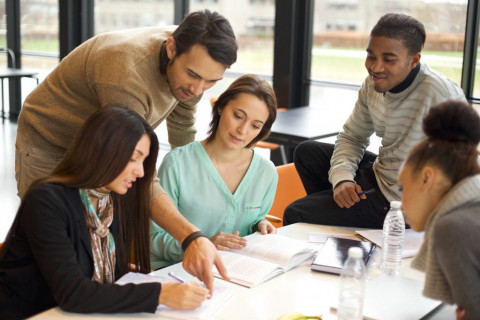 COVID-19: Re-connecting higher education to lifelong learning 2020-08-04 In the post-pandemic world, institutions of higher education must find holistic approaches to re-connect with society around them, integrating a lifelong learning approach into their core missions of teaching, research and service, argue Budd Hall and Rajesh Tandon. The disruption caused by COVID-19 to the everyday life of citizens around the world over the past six months has made it clear that that the future will entail new definitions of normal life. Most dramatically affected is the formal education system, from primary and secondary to tertiary. What also became obvious is that local leaders, supported by local communities, found local solutions to deal with the virus, solutions that relied on local experiences, local knowledge and local resources. As schools shut down, and with digital access in many communities weak, mobile smartphones, small study circles and ‘travelling’ tutors were appropriately galvanized to support the learning of young and old alike, outside classrooms and campuses. Suddenly, the compartments of life, study, work and leisure became meaningless divisions, and learning, studying, cooking, caring and chatting were inter-mingled, almost seamlessly and effortlessly. What theories, champions and institutions of lifelong learning could not accomplish over decades, the pandemic made possible almost immediately: integrating all education in a lifelong learning perspective. The narrative of lifelong learning begins with a simple proposition: learning takes several forms, including formal, non-formal and informal learning. Learning happens throughout life, in all aspects of life, and from all ways of living life (work, leisure, community service, family, etc.). Learning is life-long, life-wide and life-deep. UNESCO has been championing and supporting the development of lifelong learning for decades. The fourth International Conference on Adult Education (CONFINTEA IV), in Paris in 1985, recognized the ‘fundamental right of each and every individual to education, and that lifelong education is becoming an absolute requirement for social, economic, scientific and technological development in the modern world’. The declaration of the conferences noted that the right to learning is: the right to read and write;the right to question and analyse;the right to imagine and create;the right to read one’s own world and to write history;the right to have access to educational resources;the right to develop individual and collective skills. CONFINTEA VI, held in Belém, Brazil, in 2010, recognized that: Lifelong learning is critical in addressing global educational issues and challenges. Lifelong learning from cradle to grave is a philosophy, a conceptual framework and an organizing principle of all forms of education, based on inclusive, emancipatory, humanistic and democratic values. UNESCO, furthermore, in 2015, urged Member States to understand education as an important public good, essential to the achievement of the Sustainable Development Goals: Education must also change … new approaches to learning for greater justice, social equity and global solidarity. Education must be about learning to live on a planet under pressure. It must be about cultural literacy, on the basis of respect and equal dignity, helping to weave together the social, economic and environmental dimensions of sustainable development. And, more than two decades ago, CONTINTEA V’s 1997 Hamburg Declaration called for closer linkages between adult education, lifelong learning and higher education: The establishment of joint university/community research and training partnerships, bringing the services of universities to outside groups; carrying out interdisciplinary research in all aspects of adult education and learning with the participation of adult learners themselves; creating opportunities for adult learning in flexible, open and creative ways; providing systematic continuing education for adult educators; and the transformation of post-secondary institutions into lifelong learning institutions. In the post-pandemic era, institutions of higher education must find holistic approaches to re-connect with society around them. As educational institutions embedded in local contexts, their core missions of teaching, research and service need to be integrated in a proactive manner. Socially responsible higher education needs to connect with all providers of education in their contexts. The past division between primary, secondary and tertiary is artificial now, since new competencies are to be learned by all – students, learners, teachers and parents alike. As we emerge into an uncertain, still-malleable future, individuals, families and communities need to take greater responsibility for their own health. Such a shift entails learning new behaviours. As adult educators know, learning also entails unlearning, often quite stressful and challenging. Support for such life-protecting learning comes from family, community and schools, working together. How can higher education institutions support such local efforts? How can they undertake community-based participatory research to support the generation of local solutions for healthy and sustainable communities? The second UNESCO Conference on Higher Education in 2009 called for deepening and broadening community engagement in a socially responsible manner. At the heart of these recommendations is a call for embracing learning in all its forms, for all purposes, and, most importantly now, for global citizenship education. COVID-19 has already laid bare the inter-connectedness of all humanity; as higher education institutions begin to respond to these challenges, integrating a lifelong learning approach into their teaching, research and service activities will re-connect them to their local contexts and societal efforts. Budd Hall and Rajesh Tandon are UNESCO Co-Chairs on Community-based Research & Social Responsibility of Higher Education. Posted on August 3, 2020 by Paul Stanistreet URL:https://thelifelonglearningblog.uil.unesco.org/2020/08/03/covid-19-re-connecting-higher-education-to-lifelong-learning/
 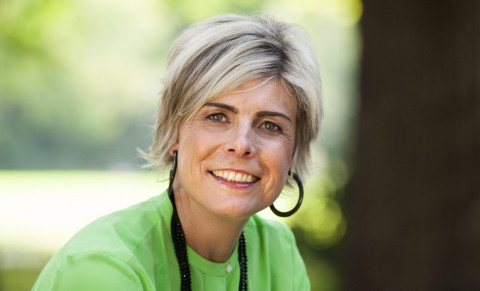 COVID-19: A wake-up call to invest in literacy 2020-08-04 The COVID-19 pandemic has hit the least advantaged the hardest and highlights the harsh reality of educational inequality. As we look to rebuild, we must ensure that the global literacy challenge is finally and decisively met, writes Princess Laurentien of the Netherlands, UNESCO Special Envoy on Literacy for Development. COVID-19 has disrupted education worldwide in an unprecedented way. Millions of students have not been able to continue learning in schools, universities, vocational training institutions and adult learning programmes. Many governments responded to the pressing need to provide school children with learning possibilities via online and distance learning. Virtual lessons were adopted, home learning materials distributed and education provided through TV and radio or in open air spaces. These efforts were essential and undeniably very challenging for many governments, teachers and students alike as it demanded a reshuffling not only of delivery mechanisms but also of roles and responsibilities. The crisis also shows us, with a frightening clarity, what consequences a lack of basic literacy skills can have. Some 773 million youth and adults globally lack basic levels of literacy and numeracy, two-thirds of them female. Most of these youth and adults face multiple disadvantages. They are often unable to acquire decent jobs, suffer from hunger and bad health, cannot make informed choices, and are excluded from social interaction and full participation in society. For more than 10 years, I have advocated for universal literacy as UNESCO Special Envoy on Literacy for Development. The challenges we are witnessing as a result of the COVID-19 pandemic are not new: literacy is of course covered by the Sustainable Development Goals (SDG-4). The question is: are we equipped to cater to the special needs of these vulnerable groups? Are governments conscious enough of their vulnerabilities, also in the way they organize their communications? How can these 773 million men and women have access to life-saving information when they are not able to read or write? How can they verify the information they are receiving if multiple sources differ in content? And how can mothers and fathers support their children with their school work in confinement when they themselves are non-literate? The answer is simple and sad: they barely can. Non-literate youth and adults will most likely be the hardest hit by educational, social and economic impacts of COVID-19. This pandemic shows us the urgency of investing in literacy for everyone – young and old. We cannot leave anyone behind. We must act now.It is critical that literacy for learners of all ages be integrated into global and national COVID-19 responses and recovery plans. We must ensure the continuity of learning, improved provision, and enhanced national lifelong learning systems and capacities. We must invest in open and distance learning opportunities. We must assist teachers in finding new ways to reach out to those lacking basic literacy skills. And we must provide adequate funding to ensure that skilled teachers are able to support their learners until they are able to read and write. The UNESCO Strategy for Youth and Adult Literacy and the work of the Global Alliance for Literacy are an ideal basis for these actions. Let us use this crisis to tackle the challenges that were already staring us in the face, a long time before COVID-19 was in our midst. This pandemic should be the final wake-up call to put into practice what we actually already knew was necessary: to enable everyone to read and write so that they can play their full part in social and economic life and in the process of rebuilding and renewal that must follow in the aftermath of the pandemic. We must prioritize the needs of those who were most disadvantaged before the pandemic began. This is essential if we are to make progress in meeting the commitments made by world leaders in adopting the 2030 Agenda for Sustainable Development, and in Sustainable Development Goal 4 on education in particular, with its target to ensure that all youth and a substantial proportion of adults, both men and women, achieve literacy and numeracy. Now, more than ever, we must ensure that the international community’s promise to ‘leave no one behind’ does not ring hollow. Her Royal Highness Princess Laurentien of the Netherlands is UNESCO Special Envoy on Literacy for Development. Posted by Katja Römer URL:https://thelifelonglearningblog.uil.unesco.org/2020/07/21/covid-19-a-wake-up-call-to-invest-in-literacy/