
News
Catch up on what’s happening in the world of global citizenship education.
1,668 results found
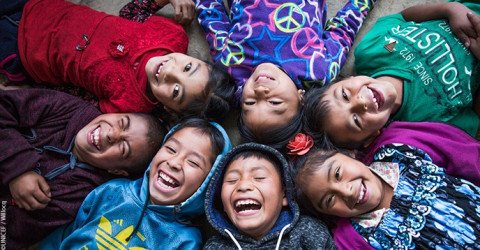 最新全球教育监测报告提醒勿忘弱势群体,并敦促拉美和加勒比国家在疫情下促进教育包容性 2020-11-13 A new GEM Regional report in partnership with SUMMA shows that COVID-19 has increased education divides in Latin America and the Caribbean, which was already the most unequal region in the world before the pandemic began. Although the report acknowledges the efforts made by countries to continue distance learning programmes, it points to the need to develop urgent measures to reach those left behind. Its recommendations show steps policy makers most prioritise in their response plans so that the education emergency does not turn into a disaster. The Report, Todos y todas sin excepción, produced by the Global Education Monitoring (GEM) Report and the Regional Bureau for Education in Latin America and the Caribbean (OREALC /UNESCO Santiago), along with the Laboratory of Education, Research and Innovation in Latin America and the Caribbean (SUMMA) shows that, prior to the pandemic, in 21 countries, children from the richest households were five times as likely as the poorest to complete upper secondary school. Learning outcomes were low before COVID-19. Only half of 15-year-olds achieved minimum proficiency in reading. In Guatemala and Panama, barely 10 disadvantaged 15-year-old students master basic mathematics skills for every 100 of their better-off peers. Indigenous people and Afro-descendants also have lower attainment and literacy rates. In grade 3, students who do not speak the language of the test are less likely to reach a minimum level of proficiency in reading. The probability of Afro-descendants completing secondary education was 14% lower than that of non-Afro-descendants in Peru and 24% lower in Uruguay in 2015. Adolescents with disabilities were on average 10 percentage points less likely to attend school than their peers. "The education systems in the region are not only characterized by low quality, but also by high levels of inequality and social exclusion. This problem has been exacerbated by the pandemic. For this reason, we must urgently invest and reform our education systems to develop their capacity to adapt to the particular needs of their students and territories, recognizing, valuing and building on diversity, as an essential and constitutive element of educational quality." - Javier González, Director at SUMMA The report includes a set of key recommendations for the next decade, which will help countries achieve the objectives of the 2030 Agenda and calls for schools to be more inclusive, which many still are not. A survey of 10% of schools in Jamaica showed only 24% had ramps and 11% had accessible bathrooms. Bullying urgently needs to be addressed: LGBTI youth in seven countries being heavily victimized were at least two times as likely to miss school. "Now more than ever Latin American societies need to come together as a society and build bridges. What all of us think and uphold matters. Everyday discrimination against migrants, backlashes against progress for gender equality, identity and expression, and false beliefs about the ceiling of potential for people with disabilities end up reflected in education systems. Change is urgently needed, but it won’t happen unless we all sign up." - Manos Antoninis, Director of the GEM Report Better data is needed on those left behind. In the Caribbean, only 4 of 21 countries have had a publicly available household survey since 2015 to disaggregate education indicators by individual characteristics. The Dominican Republic was the only country in the Caribbean to participate in a cross-national learning assessment in the same period. Training teachers to teach inclusively is also critical. In Brazil, Colombia and Mexico over half of teachers reported a high need for training on teaching students with special needs. Claudia Uribe, Director of OREALC said: “There is the expectation that teachers have strategies to compensate for these disadvantages, but it is difficult to do so if they do not have the tools and training to do so. Two-thirds of countries say they will train teachers on inclusion in the region, but data indicates that this is not yet the case in practice. Our Report urges countries to pay greater attention to this”. Curricula and textbooks must represent all groups are fairly, and respectfully. Textbooks in various countries tend to present indigenous peoples in stereotyped images and situations, when they are represented at all. Educational support is often not provided in the home language, affecting children from indigenous communities, children and young people of Haitian origin who have migrated to Spanish or English-speaking countries, and children whose mother tongue is different from the official language of the school, as is typically the case in Caribbean countries. In Suriname, for example, only 4% of children in Sipaliwini district speak the language of instruction, Dutch, at home. The Report shows that the region is often an example of strong laws and policies that express a will for change, but calls for these to be more adequately implemented. The analysis of the PEER educational profiles of each country in the world from the GEM Report on Inclusion shows that 10 of the 19 countries in the world that adopt inclusion for all in their educational laws are in Latin America and the Caribbean. However, although the laws in only 42% of the countries in the region provide for the education of persons with disabilities in separate settings, not many ordinary primary schools serve students with disabilities. In Nicaragua, for example, a third of the approximately 10,000 students with disabilities studied in special schools in 2019. In countries such as Trinidad and Tobago, among others, regulations have not yet been established to guarantee the right to education of refugee boys and girls and migrants from Venezuela, which has led national and international civil society actors to work together to meet their needs. The Report has ten recommendations in total, backed up with evidence based examples from across the region and invites countries to take them into account in their plans for action in the decade for action until 2030 and to prevent education progress backsliding as a result of COVID-19. The Report is the focus of a 2020 Regional Forum on Education Policy – Inclusion and Education in Post-Pandemic Times, 9-12 November with ministry officials and experts in education from across the region. This platform for exchange is co-organised by the UNESCO International Institute for Educational Planning (IIEP), the GEM Report, OREALC/ UNESCO Santiago, the UNESCO Institute for Statistics (UIS) and the UNESCO Division of Education 2030 Support and Coordination. The forum will provide a space for policy makers to develop concrete actions for developing policies to mitigate exclusion in the region. Contacts: Carolina Jerez, OREALC/UNESCO Santiago: c.jerez@unesco.orgKate Redman, GEM Report: k.redman@unesco.org URL:https://en.unesco.org/news/dont-forget-disadvantaged-says-new-gem-report-urging-countries-latin-america-and-caribbean
 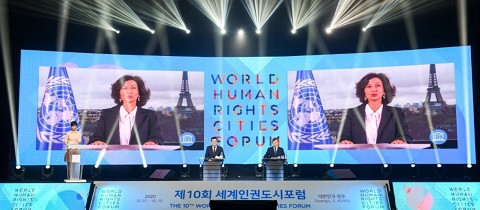 Racial discrimination deplored in the declaration of the 10th World Human Rights City Forum, co-hosted by UNESCO, in the City of Gwangju 2020-11-11 In deploring racial discrimination, the participants at the recently concluded 10th World Human Rights Cities Forum held in the South Korean City of Gwangju adopted a declaration “affirming a global-level solidarity for inclusion with the full understanding that the history of racial discrimination is a disease that obstacles coexistence and mutual benefit of human community”. The declaration also acknowledged the “significant role of women and youth as leaders and agents of change in confronting the COVID-19 crisis through their relentless efforts in building communities through sharing and engagement, both in urban and rural areas.” The issue of racism and discriminations became a major theme that resonated throughout the forum – an unequivocal expression of both the long-standing and contemporary challenges facing human rights in the 21st century. For the first time, UNESCO co-hosted the tenth edition of the Forum from 7 to 10 October 2020. With the theme: “The Future of Human Rights Cities: Local Memories and Global Sharing” the forum shed light on key areas such as the localization of Sustainable Development Goals; the defence and protection of human rights at the local level; and the fostering of inter-city cooperation. The Gwangju Metropolitan City has hosted the Forum since 2011 and, in this regard, has served as a focal meeting point for human rights cities and global social movements ever since, as it welcomed human rights experts and participants from around the world. The Forum comprised 35 panel discussions, with around 2,780 participants, including mayors, city officials and experts from 253 cities representing 76 countries. Cities… are true microcosms, places of all possibilities, of all encounters, of all creations… cities are exceptional laboratories, and places where the future is invented – like the citizens of Gwangju demonstrated when they rose up on 18 May 1980.-- Audrey Azoulay, UNESCO Director-General; Speech during the Opening Ceremony We can move forward from this pandemic to build the “next new normal” that will be better if we take the right decisions and if we prioritize again, the vulnerable groups. It is through this partnership towards our common goal of inclusive urban governance that the best interest of humankind will be served.-- Gabriela Ramos, UNESCO Assistant Director-General for Social and Human Sciences There is no better time than now for us to act collectively, retrospectively and most significantly, prospectively to secure our desired future in the post-COVID.-- Ângela Melo, UNESCO Director for Policies and Programmes, Social and Human Sciences Sector UNESCO hosted the roundtable meeting of the ICCAR Global Steering Committee (GSC), where a review of the Ten-Point Plans of Action was conducted in line with the global agendas on gender equality, intersectionality and human mobility. It especially underlined the issue of racism and discriminations, as manifested around the world, through the reviewed Ten-Point Plans of Action presented by the different coalitions during the meeting. In this regard, the Coalition of Arab Cities against Racism, Discrimination, Xenophobia and Intolerance expressed how they are “Concerned about the escalation of racism in all its forms and sources against some groups of citizens and inhabitants of Arab cities, and refusing those practices that represent a real threat to equality, peace, security and social cohesion.” The U.S. Coalition of Cities against Racism and Discrimination, further emphasized the complexity and magnitude of the issue noting that, “The most glaring and persistent of our entrenched problems is racism, a complex, self-defeating system of beliefs and behaviours grounded in the presumed superiority of the white race.” The Coalition of Inclusive Municipalities emphasized the importance of participatory and inclusive action in addressing the issue, expressing a commitment rooted in a concept, “Nothing for us without us: Ensuring that citizens of all ages have a voice in anti-racism initiatives and decision-making spaces.” The Asia-Pacific Coalition of Cities Against Discrimination, led by the City of Gwangju, discussed their Principles of Action, highlighting the need to “Promote equity, social justice, and shared prosperity in the city practices.” This was strengthened by a concrete commitment to “Develop targeted initiatives to address discrimination and promote equal opportunities.” The UNESCO Master Class Series against Racism and Discriminations was presented at the International Human Rights Education Center Workshop held in the Forum, together with the presentation of other human rights education projects. The Masterclass series seeks to empower students to become youth champions in their own schools and communities and to spread awareness on how to deconstruct the mechanisms underlying racism and discriminations. It was launched by UNESCO in 2019. The Declaration of the 10th World Human Rights Cities Forum (WHRCF) Photo gallery International Coalition of Inclusive and Sustainable Cities − ICCAR URL:https://en.unesco.org/news/racial-discrimination-deplored-declaration-10th-world-human-rights-city-forum-co-hosted-unesco
 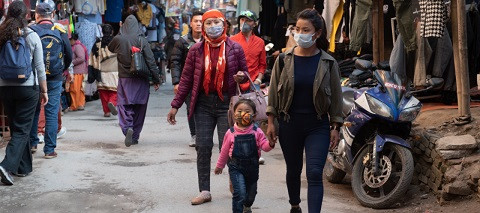 Gender and ethnic intersections: experts discuss how discriminations impact the Asia-Pacific region 2020-11-11 The fifth edition of the UNESCO Regional Expert Consultation Series against Racism and Discriminations was held on 20 October 2020. An exchange of essential ideas, various perspectives and valuable insights were central to the discussion which highlighted the scope and magnitude of COVID-19’s adverse impact on socio-economic conditions and violence against these vulnerable groups within the Asia-Pacific region, home to 60% of the world’s population. The consultation was opened by Ms Gabriela Ramos, Assistant Director-General for Social and Human Sciences of UNESCO. She highlighted the alarming increase of racism and discriminations around the world that have been accompanied by a wave of global tensions spanning across various sociopolitical and cultural areas. She also emphasized the imperative need to transform the existing narrative of inequality and discrimination in society by stating that “(t)hese excesses continue to confront us with the shared reality that things need to change.” Furthermore, she presented UNESCO’s response to this need through its various initiatives, including this consultation which highlights its “aspiration to advance the knowledge and understanding of the issue of racism and discrimination in order to take concerted, careful and collective action through participatory and holistic mechanisms.” Ms Kristin Dadey, Chief of Mission of the International Organization for Migration in the Philippines, discussed how COVID-19 exacerbated racism and discriminations and heightened xenophobia, especially in sensationalizing the cause of the pandemic by attributing its origins to specific groups. Migrants were particularly vulnerable, experiencing violent attacks and stigmatization, among others. In terms of crisis response strategies, she reinforced the idea that inclusivity enabled a more effective response to addressing the issues arising from the COVID-19 crisis, while also citing the significant role of women leaders in successfully implementing and achieving this objective. She further emphasized the need to counter existing issues by promoting “the accurate narrative of migration,” also noting how “migrants have been at the forefront of the response.” Dr Meghna Guhathakurta, Executive Director of Research Initiatives Bangladesh, emphasized the gap between “the haves and have nots” as the cause of a heightened form of racism in the context of commercialization of care services in light of the pandemic. Moreover, she presented the condition of double stigmatization in society and discussed the two trends that were also further unveiled during the pandemic. These trends correspond to access barriers experienced by racial groups and minorities in terms of health care facilities as well as heightened xenophobia against migrants. Gender and ethnic intersections were also tackled as contributing factors to increasing discrimination, especially in line with constriction of resources. Professor Sohail Inayatullah, UNESCO Chairholder in Futures Studies, further explored the issue through a foresight framework. Considering how the COVID-19 crisis pushed such issues to the forefront, he referenced the idea of “making the invisible, visible.” He emphasized the importance of the “humanity first” mindset in line with the actions of individual agency. In his Causal Layered Analysis, he discussed the importance of depth and measurement in a framework of levels of analysis that pertained to the collection of data and metrics for country performance in inclusion, supportive systems and legislations, and cultural worldview choices towards inclusion, as well as the need to challenge and shift existing metaphors in society. Ms Raushan Nauryzbayeva, Executive Director of the Development of Civil Society, cited how marginalized groups in Central Asia, including women, were the most adversely affected in terms of adequate assistance amid a crisis. She also presented how issues such as domestic violence and a decrease in income due to loss of employment were present especially in families and had a “negative impact on the good picture of the issue.” In this regard, she acknowledged the united efforts of NGOs in responding to the effects of the crisis. Meanwhile, in highlighting the existence of very tolerant state policies, she discussed the peaceful sustainability of the different groups – comprising more than 100 nationalities and ethnic groups living in Kazakhstan. Professor Gyonggu Shin, Director of Gwangju International Center (Republic of Korea), presented the need to reframe education to focus more on collaboration over competition, while also highlighting the importance of youth involvement. In this regard, he also further explained the importance of progressive NGO groups in support of government policies, especially in fighting against hate speech. On a global level, he emphasized the need to promote international cooperation while also acknowledging that the existence of contrasting values between stakeholders also brought rise to criticism and conflict. He expressed that “conflict gives us dialogues,” contributing to productive engagement. Themes such as participatory action and collaboration, education, accessibility and collection of data, responsive and inclusive governance, and addressing intersectionality, among many others emerged throughout the discussion and served as a framework for the emerging recommendations. Organized by UNESCO, this Series aims to unpack the societal challenges of the COVID-19 pandemic related to racism and discriminations and seeks to facilitate the necessary deep reflection on what direction the international community should take amid the renewed emergence of racist agendas. This edition was moderated by Ms Sue Vize, UNESCO Regional Adviser for Social and Human Sciences in Asia and the Pacific. Other editions were previously held, focusing on Africa, North America, Europe, and Latin America and the Caribbean. Links to the previous editions: 1st Edition, African Region 2nd Edition, North America 3rd Edition, Europe 4th Edition, LAC URL:https://en.unesco.org/news/gender-and-ethnic-intersections-experts-discuss-how-discriminations-impact-asia-pacific-region
 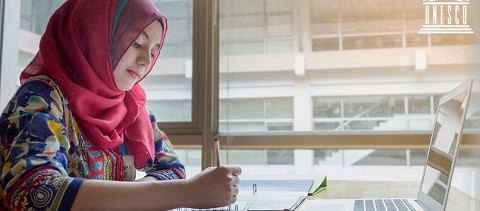 UNESCO, Ministry of Higher Education and Scientific Research and GIZ Launched a Capacity Development Programme for University Teachers to Deliver Quality E-Learning at National Higher Education Institutions 2020-11-10 Amman-9th November 2020- As a direct response to the impact of the COVID-19 on the education system the Ministry of Higher Education and Scientific Research, UNESCO and GIZ launched a capacity development programme for university teachers to deliver quality e-learning at national higher education institutions. UNESCO and the Germany Agency for International Cooperation (GIZ) signed an agreement on 10th of September 2020 to support the Ministry of Higher Education and Scientific Research (MoHESR) through the project “Strengthening national capacities to develop and deliver quality e-Learning in higher education institutions in Jordan”. This new partnership intends to provide support to the newly established National Centre of E-Learning and Open Education Resources at the MoHESR and is a direct response to the impact of the COVID-19 on the education system. Within this partnership, a capacity development initiative was launched today, which over the next seven weeks will certify a total of 50 master trainers from 23 public and private universities in Jordan with competencies in designing and providing quality e-learning. This programme will be the foundation to build the capacities of the National Center of E-Learning and Open Education Resources as those master trainers will then cascade the same training within all universities next year. Further technical assistance will be provided to equip the center with practical guidelines to support all universities in Jordan in developing standardized and quality online programmes. Ms. Costanza Farina, UNESCO Representative to Jordan emphasizes “it is important to recall the 2030 Agenda for Sustainable Development, the Sustainable Development Goal 4, which focuses on ensuring inclusive and quality education for all and promoting lifelong learning. The new UNESCO-GIZ partnership is critically important especially in light of the current COVID-19 pandemic, when the Government of Jordan is investing on strengthening the role of e-learning in the education system”. E-learning has become an essential element globally as it has in the higher education system in Jordan. While it has raised the importance of digital skills, it has also highlighted challenges in terms of assessment as well as the quality of e-learning content, which in turn increases pressure on the academic lecturers expected to develop and manage e-learning content. This new partnership will support the MoHESR in addressing these challenges. Enhancing the relevance and quality of e-learning, as well as improving the quality of teaching at the higher education level, will likely encourage more students to join higher education institutions. It will also respond to the needs of all students who will now be able to continue their off-campus studies, especially those more acutely affected such as vulnerable students, students with disabilities and female students. GIZ Head of Education Programmes, Ms Stephanie Petrasch, highlights that “especially during current times, e-learning is becoming more and more important ensuring inclusiveness in higher education and ensuring the continuous learning of all students. Jordan needs the appropriate infrastructure to deliver consistent high-quality digital education. However, key to providing quality digital education are well-trained and engaged university staff. Therefore, GIZ would like to stress the importance of not only equipping studios for producing digital content but also training university staff to secure that all university students benefit from the services.” The partnership is fully aligned with the national policies and strategies such as the National Strategy for Human Resource Development (2016-2025) and the National Strategic Plan on Higher Education (2019-2021) with the goal of enhancing learning innovation at higher education institutions. URL:https://en.unesco.org/news/unesco-ministry-higher-education-and-scientific-research-and-giz-launched-capacity-development
 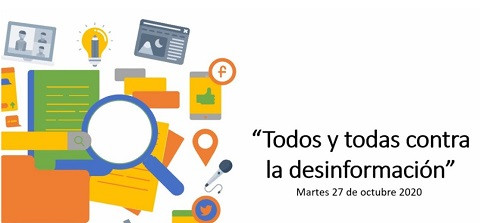 80 indigenous and community communicators strengthen their MIL capacities to fight disinformation 2020-11-10 UNESCO, INE, DW Akademie and Comunicares Association, offered a workshop to reinforce the importance of Media and Information Literacy among communicators who serve to the most vulnerable audiences in Mexico To equip people with the knowledge and skills to understand the functions of the media, critically evaluate the content they disseminate, make informed decisions, and respond appropriately to misinformation, UNESCO, the Instituto Nacional Electoral (INE), Deutsche Welle Akademie, and Comunicares Association, held a workshop for indigenous and community communicators about Media and Information Literacy (MIL). On October 27 and 28, communicators from Sonora, Sinaloa, State of Mexico, Mexico City, and other Mexican states, participated in the workshop "Todas y todos contra la desinformación" (All against disinformation). During that session, they acnowledged the skills and tools provided MIL for the development of a more reliable communication system that allows people to minimize the risks of false, malicious, or erroneous news that also circulate through social networks and digital platforms. 13 of the participants are Nahuatl speakers, 9 are Mayan speakers, and the rest of them speaks one of the other 44 indigenous languages (and Spanish). Most of the participants work at community radio, television, newspapers, and digital media, which allows MIL strategy to empower citizens in their relations with the media, and communication to extend to more people in Mexico, mainly those who belong to the most vulnerable communities, including indigenous communities. Representatives and collaborators of organizations such as Asociación Mundial de Radios Comunitarias de México (AMARC) and the Sistema de Radiodifusoras del Instituto Nacional de los Pueblos Indígenas (INPI) were part of the workshop developed by the Comunicares Organization. At the end of the workshop and through an evaluation, the participants expressed their interest in the learning process. They even requested more opportunities to "learn about the media and the challenges that it faces in today´s social network environment. They also wanted to know how to use tools to inform and to communicate. The workshop was conducted by Comunicares Association, partner of DW Akademie in media and information literacy teaching projects, especially when it comes to indigenous communities. The DW Akademie is Deutsche Welle's center for international media development, journalism training, and knowledge transfer. Through its projects, it strengthens the human right to freedom of opinion and free access to information. It also implements Media and Information Literacy in practice. The workshop is part of the DW Akademie's Campus AMI Central America digital meeting series within the framework of UNESCO's Global MIL Week. The National Electoral Institute was in charge of the calling for the workshop through the Local Boards, who sent the invitation to the community media of their entities. Likewise, it offered the webinar that closed the workshop, called "Media in a democratic context to strengthen the role of the media in the dissemination of true information to help in the construction of an informed, committed, and empowered society. The workshop is part of the cooperation agreement signed by UNESCO and INE on October 26, 2020, in a ceremony presided over by the UNESCO Representative in Mexico, Frédéric Vacheron, and the President of INE, Lorenzo Córdova Vianello. This ceremony marked the beginning of AMI Week in the country. Global MIL WeekWith the topic "Resisting Disinfodemics: Media and Information Literacy for All and by All," the Global Media and Information Literacy Week (GMW) 2020 runs from October 24th to October 31st. This is a response to the growth in misinformation that has accompanied the current SARS-CoV2 pandemic. It also highlights the need to "improve the skills of all people to interact critically with information, media and technology. Learn more at: https://bit.ly/2Gb7Cip. For more information:"> g.velazquez-alvarez@unesco.org URL:https://en.unesco.org/news/80-indigenous-and-community-communicators-strengthen-their-mil-capacities-fight-disinformation
  Together against bullying in school 2020-11-04 Stefania Giannini, Assistant Director-General for Education, UNESCO Their names are Monica, Yamin, Jimmy, and Colette, just four of the millions of students across the world affected by bullying in school. In Zambia, Monica is bullied by her classmates for being pregnant, while in China, Yamin is bullied because she is seen to act like a boy. At a school in Mexico, Jimmy sees a boy bullied simply for being poor, and in France, some students tell Colette she is ugly so many times that eventually, she believes it. Bullying affects students of all ages, in all countries and regions across the world. On the first International day against violence and bullying at school this 5 November, it’s high time to raise awareness on the extent of this scourge and how to tackle it. In recent research from UNESCO almost one in three students reported being bullied in the past month, making it the most prevalent form of violence in schools. One in ten students has been cyberbullied, and in the context of COVID-19, with many young people across the world spending increasing time online, it is expected that cyberbullying is on the rise. Bullying, especially if left unaddressed, can have a devastating effect on learners. It can be a barrier to their learning and have serious consequences for their mental health. Students who are frequently bullied are nearly three times more likely to feel like an outsider at school and more than twice as likely to miss school as those who are not frequently bullied. They have worse educational outcomes and are more likely to leave formal education after finishing secondary school. They are twice as likely to feel lonely, to be unable to sleep at night and to have contemplated suicide. It’s high time people stop thinking that bullying at school is an inevitable rite of passage to adulthood, that it is relatively harmless, and that little can be done to stop it. There are ways in which schools can prevent and address bullying; ways to stop what happened to Monica, Yamin, Jimmy and Colette, happening to anyone else. Many school systems across the world have been able to reduce school violence over time. They do this because they know that creating safe, supportive and friendly environments where students can learn and fulfil their potential, benefits everyone. But what does an effective approach look like? The Scientific Committee for the International Conference on school bullying, have released a set of recommendations to effectively prevent and manage all forms of bullying in schools. The Committee, consisting of experts in the prevention of school bullying from across the world, recommend a holistic whole-education approach, based on the best available evidence, and building on years of good practice from around the world. This starts with strong leadership and robust policy frameworks. It involves establishing a safe, positive physical and emotional school environment in which student wellbeing is prioritized and diversity is respected. Teachers benefit from professional learning opportunities, helping them to both implement measures to foster a safe learning environment and respond appropriately to bullying when it happens. Schools can actively teach students respectful behaviours, as well as reporting and help-seeking skills through curriculum-based approaches. This includes explicitly teaching about safe and responsible use of digital technology. Whole-school approaches should also reach into the local community, involving parents, broader community members and establishing links between the school and professional services, in case of a need for referral. The new UNESCO International Day against Violence and Bullying at School is a timely and necessary opportunity for us to come together with the common purpose of ensuring schools are free from fear and violence. Whether we are education practitioners implementing a whole-education approach, teachers and families providing education and support, bystanders intervening or victims speaking up, we all have a role to play. No student should live in fear of going to school. Rather, schools can and should be a place where all learners are accepted, welcomed and supported by their peers and teachers. Only then will our students be able to reach their full potential. URL:https://en.unesco.org/news/together-against-bullying-school
  Declaración de Seúl sobre la Alfabetización mediática e informacional Para Todos y Por Todos 2020-11-04 On the 10th anniversary of Global Media and Information Literacy Week, stakeholders from all over the world gave a resounding affirmation as to the urgency to strengthen people’s media and information literacy competencies. The number of celebratory events increased from one hundred events in 2019 to over three hundred events in 2020. The outcomes of the deliberations in the Feature Conference and Youth Agenda Forum have been immortalized in the Seoul Declaration on Media and Information Literacy for Everyone and by Everyone: A Defence against Disinfodemics. This Seoul Declaration benefited from a consultation with close to one thousand registered participants. Through the Seoul Declaration, partners and participants called for media and information literacy for all. They: Emphasized that “media and information literacy (MIL) is a core competency for addressing the disinfodemic, and that MIL also contributes to access to information, freedom of expression, protection of privacy, prevention of violent extremism, promotion of digital security and combating hate speech and inequality”. Recognized “UNESCO’s effort to promote a Global MIL Cities Framework to stimulate creative learning about MIL in city spaces and the involvement of non-traditional actors in promoting MIL”. Called on duty bearers at the national to city levels to “commit to advancing ‘Media and Information Literacy for Everyone and by Everyone’ through policy and resource allocation across all relevant areas, including education, health, elections, child protection, climate, gender equality, governance and regulation, to mention some examples”. Urged technological intermediaries to “play an accountable role, through institutionalized multi-stakeholder systems, as part of the social endeavor to tackle disinformation and to build communities that are media and information literate”. Requested UNESCO, in cooperation with other UN Agencies, to “maintain a focus on inclusion of disadvantaged groups in MIL engagements, and to continue to foster gender equality in relation to MIL.” Read the full Seoul Declaration on Media and Information Literacy for Everyone and by Everyone: A Defence against Disinfodemics. UNESCO is thankful to all our partners, chief among these the Republic of Korea for hosting and co-organizing the Global MIL Week 2020 Feature Events. UNESCO is also grateful to long standing supporters of the Organization’s global media and information literacy actions such as the European Commission and the Swedish International Development Cooperation Agency. UNESCO gives a big thank you to members of the UNESCO MIL Alliance and all our other partners. URL:https://en.unesco.org/news/seoul-declaration-media-and-information-literacy-everyone-and-everyone-0
 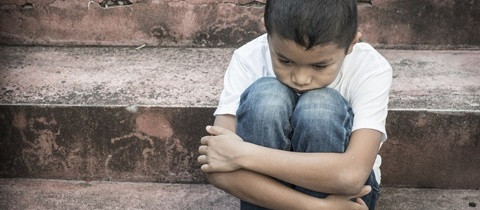 What you need to know about school violence and bullying 2020-11-04 Bullying in schools deprives millions of children and young people of their fundamental right to education. A recent UNESCO report revealed that more than 30% of the world's students have been victims of bullying, with devastating consequences on academic achievement, school dropout, and physical and mental health. The world is marking the first International Day against Violence and Bullying at School Including Cyberbullying, on 5 November. Here is what you need to know about school violence and bullying. What is school violence? School violence refers to all forms of violence that takes place in and around schools and is experienced by students and perpetrated by other students, teachers and other school staff. This includes bullying and cyberbullying. Bullying is one of the most pervasive forms of school violence, affecting 1 in 3 young people. What forms may school violence take? Based on existing international surveys that collect data on violence in schools, UNESCO recognizes the following forms of school violence: Physical violence, which is any form of physical aggression with intention to hurt perpetrated by peers, teachers or school staff. Psychological violence as verbal and emotional abuse, which includes any forms of isolating, rejecting, ignoring, insults, spreading rumors, making up lies, name-calling, ridicule, humiliation and threats, and psychological punishment. Sexual violence, which includes intimidation of a sexual nature, sexual harassment, unwanted touching, sexual coercion and rape, and it is perpetrated by a teacher, school staff or a schoolmate or classmate. Bullying as a pattern of behaviour rather than isolated incidents, which can be defined as intentional and aggressive behaviour occurring repeatedly against a victim. It can take various forms: Physical bullying, including hitting, kicking and the destruction of property; Psychological bullying, such as teasing, insulting and threatening; or relational, through the spreading of rumours and exclusion from a group; and Sexual bullying, such as making fun of a victim with sexual jokes, comments or gestures, which may be defined as sexual ‘harassment’ in some countries. Cyberbullying is a form of psychological or sexual bullying that takes place online. Examples of cyberbullying include posting or sending messages, pictures or videos, aimed at harassing, threatening or targeting another person via a variety of media and social media platforms. Cyberbullying may also include spreading rumours, posting false information, hurtful messages, embarrassing comments or photos, or excluding someone from online networks or other communications. Who perpetrates school violence? School violence is perpetrated by students, teachers and other school staff. However, available evidence shows that violence perpetrated by peers is the most common. What are the main reasons why children are bullied? All children can be bullied, yet evidence shows that children who are perceived to be “different” in any way are more at risk. Key factors include physical appearance, ethnic, linguistic or cultural background, gender, including not conforming to gender norms and stereotypes; social status and disability. What are the consequences of school violence? Educational consequences: Being bullied undermines the sense of belonging at school and affects continued engagement in education. Children who are frequently bullied are more likely to feel like an outsider at school, and more likely to want to leave school after finishing secondary education. Children who are bullied have lower academic achievements than those who are not frequently bullied. Health consequences: Children’s mental health and well-being can be adversely impacted by bullying. Bullying is associated with higher rates of feeling lonely and suicidal, higher rates of smoking, alcohol and cannabis use and lower rates of self-reported life satisfaction and health. School violence can also cause physical injuries and harm. What are the linkages between school violence and bullying, school-related gender-based violence and violence based on sexual orientation and gender identity or expression? School violence may be perpetrated as a result of gender norms and stereotypes and enforced by unequal power dynamics and is therefore referred to as school-related gender-based violence. It includes, in particular, a specific type of gender-based violence that is linked to the actual or perceived sexual orientation and gender identity or expression of victims, including homophobic and transphobic bullying. School-related gender-based violence is a significant part of school violence that requires specific efforts to address. Does school-related gender-based violence refer to sexual violence against girls only? No. School-related gender-based violence refers to all forms of school violence that is based on or driven by gender norms and stereotypes, which also includes violence against and between boys. Is school violence always gender-based? There are many factors that drive school violence. Gender is one of the significant drivers of violence but not all school violence is based on gender. Moreover, international surveys do not systematically collect data on the gendered nature of school violence, nor on violence based on sexual orientation and gender identity or expression. Based on the analysis of global data, there are no major differences in the prevalence of bullying for boys and girls. However, there are some differences between boys and girls in terms of the types of bullying they experience. Boys are much more exposed to physical bullying, and to physical violence in general, than girls. Girls are slightly more exposed to psychological bullying, particularly through cyberbullying. According to the same data, sexual bullying the same proportion of boys and girls. Data coming from different countries, however, shows that girls are increasingly exposed to sexual bullying online. How does UNESCO help prevent and address school violence and bullying? The best available evidence shows that responses to school violence and bullying that are effective should be comprehensive and include a combination of policies and interventions. Often this comprehensive response to school violence and bullying is referred to as a whole-school approach. Based on an extensive review of existing conceptual frameworks that describe that whole-school approach, UNESCO has identified nine key components of a response that goes beyond schools and could be better described as a whole-education system or whole-education approach. These components are the following: Strong political leadership and robust legal and policy framework to address school violence and bullying; Training and support for teachers on school violence and bullying prevention and positive classroom management Curriculum, learning & teaching to promote, a caring (i.e. anti- school violence and bullying) school climate and students’ social and emotional skills A safe psychological and physical school and classroom environment Reporting mechanisms for students affected by school violence and bullying, together with support and referral services Involvement of all stakeholders in the school community including parents Student empowerment and participation Collaboration and partnerships between the education sector and a wide range of partners (other government sectors, NGOs, academia) Evidence: monitoring of school violence and bullying and evaluation of responses More on UNESCO’s work to prevent and address school violence and bullyingRead UNESCO's publication Behind the numbers: Ending school violence and bullying Photo: Eakachai Leesin/Shutterstock.com URL:https://en.unesco.org/news/what-you-need-know-about-school-violence-and-bullying
 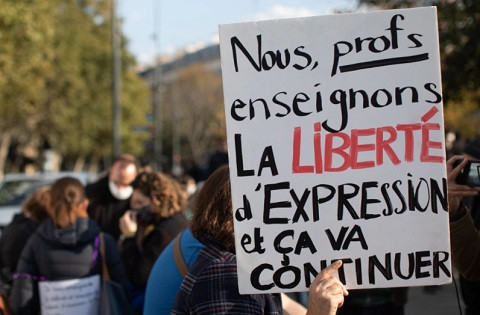 Now more than ever we need to talk about inclusion in schools 2020-11-03 No teacher should have to pay with their life for carrying out their job. The horrifically violent circumstances surrounding the death of Samuel Paty, in a suburb of Paris on October 16 have traumatised France. As French schools re-open today, teachers and students are paying tribute to the secondary school teacher who taught history and civics. Teachers have also been killed in attacks recently in Afghanistan, the Democratic Republic of the Congo and Somalia. The details and circumstances often remain unclear but are likely related to the pivotal role teachers play in their communities. Even more worrying have been the ongoing threats made by armed groups against teachers in Burkina Faso, Mali, and Niger for using the secular state curriculum, leading to thousands of school closures in the region. Providing ‘safe, non‑violent, inclusive and effective learning environments for all’ is actually a target of Sustainable Development Goal 4 (SDG 4). All means not only students, but also teachers. The Global Coalition to Protect Education from Attack (GCPEA) in its most recent Report found that the highest recorded numbers of teachers and students harmed by direct attacks were in Afghanistan, Cameroon, Palestine, and the Philippines. It is to the credit of the international community that it has endorsed the monitoring of such crimes through non-official sources, as a way to understand the magnitude of the challenge. France, therefore, is far from being the only country having to grapple with school violence and teacher safety – far too many are under threat for doing their job. This particular case has sent shockwaves around the world for various reasons: the teacher was targeted for teaching the subject of freedom of expression; the escalation that led to his killing was fuelled with misinformation and hate speech through social media channels that went out of control; and this violent incident is only the latest in a series that highlights the deep rifts in French society. The 2020 Global Education Monitoring Report focuses on inclusion and those actions and practices that embrace diversity and build a sense of belonging. These are rooted in the belief that every person has value and potential and should be respected. Yet, every society keeps skeletons in their closet and needs to confront the question of why some continue to be excluded. The 2020 Report touched on such sensitive issues around the world. Inclusion in education is a foundation for inclusion in society. Curricula are critical in reassuring all groups at risk of exclusion that they are at the core of the education project. Often, the overall historical narrative still favours the majority identity over other perspectives and voices. In some contexts, textbooks omit or misrepresent group characteristics, perpetuating stereotypes and undermining any pretence to inclusion. Through textbooks, minorities and vulnerable groups can see themselves included as equal contributors to national development, rather than relegated to a marginalized position in society, and can see their differences treasured and respected, rather than caricatured. The issue of religion and education is complex for most societies. In France, a secular public education system means that religion is primarily taught in the curricula as part of history and does not include discussions over belief and spirituality or over religious diversity in today’s society. A commitment to religious neutrality, which can be traced back to a specific historical context, stifles attempts to review the role of religion in public education, even though this may be a factor that weakens social cohesion. These are not easy issues for any country. There are political challenges regarding the kind of society people aspire to achieve through education. Countries vary in their history and their understanding of inclusion in education. Open any French newspaper today and you will find the full spectrum of views on the way forward, from those closing the door to those extending a hand. Those supporting a heavy-handed response are challenged by those who point that violence breeds violence. Those supporting a more conciliatory approach are confronted by critics aghast at the prospect of compromising the values on which their society is based. Just two weeks before the brutal murder, amidst the announcement of tough measures, President Macron had also promised increased funding in education to tackle radicalism, for instance through encouraging the teaching of Arabic in schools. This suggests a recognition that students from poor marginalised communities are more likely to feel alienated and fall prey to extremist beliefs and that their inclusion in education is necessary to heal divisions in French society. It is critical that these inclusive measures are not derailed after the recent tragic event. If anything, teachers need a lot more support to teach the complex topics that modern curricula are increasingly trying to tackle. What is also required is meaningful consultation between schools, communities and parents. Inclusion cannot be enforced from above. What the tragic killing of Samuel Paty demonstrates is that schools must increase their interaction within and outside their walls on the design and implementation of inclusive school practices through parent associations or student pairing systems. We need to remind ourselves of the need to protect schools. They are bastions of free expression but also important environments where ideas, including religious concepts, are discussed in a way that promotes understanding and diversity in society. As all French schools will gather for a minute of silence on the 2nd of November, this should be the sentiment that prevails. URL:https://gemreportunesco.wordpress.com/2020/11/02/now-more-than-ever-we-need-to-talk-about-inclusion-in-schools/
 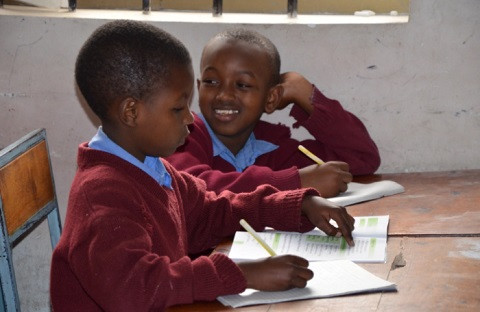 Prepared for the Future: A new indicator that combines completion with learning 2020-11-03 New global indicator will provide a simple, comprehensive measure of progress towards the education goal, SDG4. By Silvia Montoya, Director, UNESCO Institute for Statistics (UIS) and Manos Antoninis, Director, Global Education Monitoring Report The Sustainable Development Goal (SDG 4) for education recognizes that all children deserve, and have the right to, a quality education. Over the last three decades, enrollment has risen to historic highs, though school disruptions and the economic implications of COVID-19 will offset some of these gains. But enrollment is only a part of what children need. For children to be fully prepared for the future, they need to complete their education, and emerge having learnt at least the basics. The new global indicator will combine all these critical factors to provide a snapshot of progress towards SDG 4. Completing and learning are critical elements of a quality education Unfortunately, in some of the poorest regions where children are most in need of a high-quality education to get ahead, poor learning outcomes often result in higher drop-out rates with large numbers of children not completing school at all – or completing it when more than five years older than the intended graduation age for that level. In sub-Saharan Africa, for example, where 82% of primary aged children are enrolled in school at the right grade for their age, just 62% graduate from this level on time. When children don’t finish school, it is hard, if not impossible, for any more learning to happen. Even where education is free, poor families still pay for books and uniforms, and there is the perceived “opportunity cost” of lost income or help with household chores, while children are in school. If parents don’t see a pay-off from their investment in education, children can be pulled out of school before completing a level, or when transitioning between levels, from say, primary school, to lower secondary. Introducing the new indicator: Prepared for the Future To underline the need for countries to prioritize school completion, the UNESCO Institute for Statistics (UIS), working through the Global Alliance to Monitor Learning (GAML), is proposing a new, holistic, indicator that will track both completion and learning combined. The aim is to ensure that global leaders and education policy makers have the evidence they need to zero in on where they stand on their SDG 4 commitments. With ten targets and 42 indicators in the monitoring framework for SDG 4, some might argue that it is hard to quickly grasp where countries stand in their progress towards the goal. With so many touch-points, it risks calls for change being watered down. This new indicator will hopefully answer these concerns, providing a simple rallying reference point for all education actors to lobby for improvement, ensuring all children are prepared for the future. The focus in SDG 4 on the quality of education is encapsulated in Target 4.1 which combines the joint objective of enrollment and learning by asking all countries to “ensure that all girls and boys complete free, equitable and quality primary and secondary education leading to relevant and effective learning outcomes” by 2030. To measure the success of Target 4.1 and the overall quality of education, Indicator 4.1.1 considers learning outcomes and is defined as the “proportion of children and young people (a) in Grade 2 or 3; (b) at the end of primary education; and (c) at the end of lower secondary education achieving at least a minimum proficiency level in (i) reading and (ii) mathematics, by sex.” In March 2020, a new measure, Indicator 4.1.2, was approved and included in the SDG 4 Global Framework to address school completion. It is defined as: “completion rate (primary, lower secondary education, upper secondary education,” or the percentage of a cohort of children who have completed a given education level. The new indicator we are proposing today, Prepared for the Future combines these two elements and is defined as the proportion of children (a) reaching grade 3, (b) completing primary and (c) completing lower secondary and achieving minimum proficiency in (i) mathematics and (ii) reading, at the respective levels, by sex. This new combined indicator is measured by looking at the proportion of the school-age population completing school and whether or not they have achieved the minimum learning proficiency for their grade as defined by GAML. It looks at timely and ultimate completion, which have been calculated by the GEM Report. These differentiate between children who may complete education levels up to 3 or 5 years later than the official graduation age, which can be defined as timely completion, and the children who complete even later than that, which can be defined as ultimate completion. It shows, for instance, that at most 43% of children are completing primary school and learning worldwide, falling to only 18% in sub-Saharan Africa. At most 34% are completing lower secondary education and learning, falling to just 10% in sub-Saharan Africa. If we want our children to be prepared for the future, we have much work to do. Comparing progress using Indicator 4.1.1 vs. Prepared for the Future for reading (% of children) Source: UIS based on UIS database for indicator on Indicator 4.1.1 and GEM Report estimates for indicator on timely and ultimate completion When compared with Indicator 4.1.1, it is clear that the new, comprehensive indicator which includes learning AND completion, presents a more realistic view of the challenges ahead, particularly in areas with high drop-out rates. In sub-Saharan Africa, for example, while Indicator 4.1.1 shows that 29% of primary aged children are meeting learning objectives, the new indicator reveals that, due to high drop-out rates, only 18% are prepared for the future. On the other hand, in Eastern and South-eastern Asia, the difference between the two indicators is less pronounced (especially at the primary level) due to the fact that drop-out rates are far lower. To be fully prepared for the future, it is not enough for children and adolescents to simply be sitting in a classroom. They must be learning, and they must complete school to get the full benefits of the investment their families make. Our new indicator shines a light on where we stand and points to where we need to be to fulfill children’s right to quality education. URL:https://gemreportunesco.wordpress.com/2020/10/29/prepared-for-the-future-a-new-indicator-that-combines-completion-with-learning/