
News
Catch up on what’s happening in the world of global citizenship education.
1,668 results found
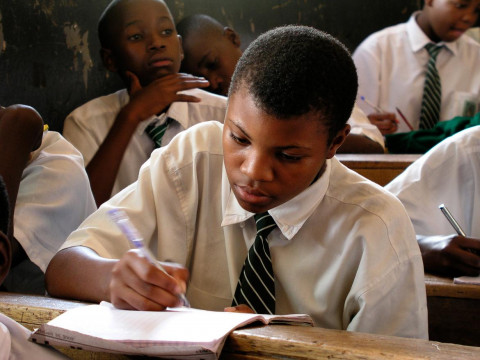 Beyond reopening schools: A practical vision for a stronger education after COVID-19 2020-09-23 This blog was adapted from a longer piece by the same authors on the Brookings website. The COVID-19 pandemic has resulted in at least one positive thing: a much greater appreciation for the importance of public schools. Recognition of the essential caretaking role schools play in society has skyrocketed. Gratitude for teachers, their skills and invaluable role in student well-being has risen as young people struggle to learn from home. It is hard to imagine another moment in history when the central role of education in the economic, social and political prosperity and stability of nations is so well understood by the general population. Let’s seize this moment and chart a vision for how education can emerge stronger from this global crisis. Strong and inclusive public education systems are essential to the short- and long-term recovery of society and there is an opportunity to leapfrog towards powered-up schools, schools that are at the center of a community and leverage the most effective partners, including those emerging during COVID-19, to help learners grow and develop a broad range of skills in and out of school. Empowering parents to support their children’s education should be sustained when the pandemic subsides. Is it realistic to envision education emerging stronger than before? Some emerging global trends help us answer this question: Education inequalities are accelerating, especially where these inequalities were high prior to the pandemic. Pre-pandemic analysis estimated that 90% of children Iow-income countries, 50% of children in middle-income countries, and 30% of children in high income countries failed to master the basic secondary-level skills needed to thrive in work and life. The COVID-19 pandemic still leaves more than 700 million children cut off from schools in developing countries. Innovation has suddenly moved from the margins to the center of many education systems. There is an opportunity to identify new strategies, that, if sustained, can help young people get an education that prepares them from our changing times. There are examples of new strategies and approaches that could, if scaled up, have the potential to rapidly accelerate or leapfrog progress to close the gap in education inequality. These include innovations to change the teaching and learning process by using playful learning approaches and new approaches in the way schooling is delivered, what is taught, and how teaching is done. There is newfound public recognition of how essential schools are in society and a window of opportunity to leverage this support for making them stronger. New education allies: The pandemic has galvanized new actors in the community - from parents to social welfare organizations to support children’s learning like never before. Alongside increasing recognition of the essential role of public schools, the pandemic has galvanized parts of communities that traditionally are not actively involved in children’s education like community health and social welfare organizations, technology companies and non-governmental organizations to contribute to supporting children’s learning in new ways. Five proposed actions to guide the transformation of education systems Based on these emerging trends, here are some actions that decisions makers can take to seize this moment and transform education systems, especially for the most disadvantaged children: Leverage public schools: put public schools at the center of education systems given their essential role in equalizing opportunity across dimensions within society. Public schools in many countries can bring together individuals from diverse backgrounds and needs, providing the social benefit of allowing individuals to grow up with a set of common values and knowledge that can make communities more cohesive. Emphasize the instructional core, the heart of the teaching and learning process. How educators engage with students and instructional materials, including education technology, is crucial for learning given the strong evidence that educators are the most important school-side factor in student learning. Harness education technology: Deploy education technology to power up schools long term in a way that meets the teaching and learning needs of students and educators, otherwise, technology risks becoming a costly distraction. Despite the expectation that ed-tech would radically transform teaching and learning, the impact of ed-tech interventions on student learning have so far been mostly disappointing. Emphasis should be to support educators to embrace the comparative advantages of technology. Without involving and supporting educators in innovation, efforts will not be sustainable over time. Forge stronger, more trusting relationship between parents and teachers. The COVID-19 pandemic is an opportunity for parents and families to gain insights into the skills involved in teaching and for teachers and schools to realize what powerful allies parents can be. Indeed, some of the early evidence emerging from innovations in the pandemic point to how effective parents can be in supporting learning. Embrace science to evaluate, course correct, document, and scale new approaches that can help power up schools over time. In most countries, there is a long road to travel before we fully understand how to leverage technology or transform parent engagement to realize a powered-up school for each community. The speed and depth of change mean that it will be essential to take an iterative approach to learning what works, for whom, and under what enabling conditions. Having a vision of the change we want to see matters and can help guide discussion, debate and ultimately action. With the dire consequences of the pandemic hitting the most vulnerable young people the hardest, it is tempting to revert to a global education narrative that privileges access to school above all else. This, however, would be a mistake. There are enough examples of education innovations that provide access to relevant learning for those in and out of a school building to set our sights higher. by Emiliana Vegas, Brookings and Rebecca Winthrop, Brookings URL:https://www.globalpartnership.org/blog/beyond-reopening-schools-practical-vision-stronger-education-after-covid-19
 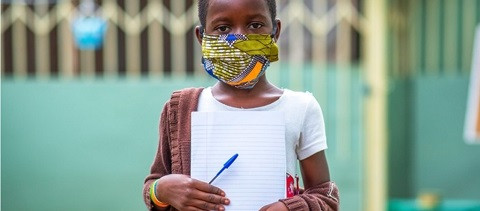 COVID-19: How the UNESCO Global Education Coalition is tackling the biggest learning disruption in history 2020-09-23 2020 is not just the year when the world came to a halt faced against the worst pandemic in over a century. It is also the year that saw the largest education disruption in history which forced, at its peak, nearly 1.6 billion students out of their classrooms in more than 190 countries. That represents over 90% of the world’s student population. The COVID-19 education disruption has been dramatically exacerbating learning inequalities across the globe. That is why in March 2020, UNESCO launched the Global Education Coalition, a multi-sector partnership to meet the urgent need worldwide for continuity of learning on an unprecedented scale. What is the Global Education Coalition? The Global Education Coalition is a platform for collaboration and exchange to protect the right to education during this unprecedented disruption and beyond. It brings together more than 150 members from the UN family, civil society, academia and the private sector to ensure that learning never stops. Coalition members rally around three flagships, namely connectivity, teachers and gender. How exactly is the Global Education Coalition operating? The Global Education Coalition has become an essential platform to support countries to respond to the unprecedented challenges facing the education sector. The actions of the Coalition are many and varied depending on the requests made by countries. The Coalition is designed to work in a flexible and agile manner in order to deliver responses for the continuity and quality of education. This new model for partnership to support education response has benefits in the way its initiatives are implemented in this crisis because interventions are fast, efficient, and able to leverage resources not normally available to deliver results. Coalition contributions do not replace national responses in different countries. Instead, the Coalition engages new actors that normally would not have been obvious partners, such as technology and media organizations, to complement and support national efforts to ensure continuity of learning. What are some of the achievements of the Global Education Coalition so far? The Global Education Coalition Members are currently engaged in supporting over 70 countries across the world. Below are some country-specific examples of actions that have been achieved:The Ministry of Education of Senegal, UNESCO, Microsoft, and Huawei have joined forces to support tens of thousands of teachers and students to continue learning. 82,000 teachers and 500,000 learners enrolled in the Ministry Distance Learning Platform and have started learning. Going forward, 1.5 million learners and teachers will be added with support from Microsoft. UNESCO is supporting training for 200 teachers to be ‘master trainers.’ Devices to improve connectivity of the 200 master trainers were distributed by Huawei. In the Democratic Republic of Congo, Education Cannot Wait (ECW) and UNESCO’s CapED programme are co-financing education response activities. With the country’s internet coverage estimated to be less than 20%, these joint interventions focus on remote learning via radio, especially community radio, with the aim of reaching over 4 million learners. UNESCO and ECW are adapting the primary education curriculum, as well as year 8, into radio lessons. The programme is also helping strengthen the capacities of 120 community radio stations and 240 community radio staff to broadcast the lessons. In Lebanon, UNESCO is supporting the production of communication and education resources targeting teachers and parents (brochures, videos and guides) and capacity building for the Ministry in the fields of ICT and education. 50 coordinators benefitted from this intervention. In addition, 280 video lessons from CANOPE/France, are being acquired for the online platform of the Ministry of Education, which will reach 1000 schools and 200 000 leaners in Lebanon. Vodafone is mobilizing US$7.5 million to offer free access to education data for 60 000 learners and teachers in Samoa. Orange through its subsidiaries, is providing free internet access to accredited learning platforms in Burkina Faso, Guinea, Mali, and the Democratic Republic of the Congo. Similar packages are forthcoming in Botswana, Cameroun, Côte d’Ivoire, Liberia and Madagascar. This best practice extends to other regions: in Egypt, Jordan, Morocco and Tunisia, free connection is provided for digital education content. A Global Skills Academy has also been established to equip 1 million youth with digital skills and help them find jobs during the looming recession. Partners are Coursera, Dior, Festo, Huawei, IBM, Microsoft, Orange Digital Centres and PIX. Organizations including ILO, ITU and OECD and WorldSkills International. The Academy is operating through a matching process facilitated by UNEVOC Network, UNESCO’s global network for institutions specialized in technical and vocational education and training.More country examples are available in the Progress report (available soon). What are the main education challenges and what are the next steps for the Coalition? According to UNESCO data, some 24 million learners are at risk of not returning to school, threatening a loss of learning that may stretch beyond one generation of students. Over 11 million girls – from pre-primary to tertiary education - may not return to school in 2020. This alarming number not only threatens decades of progress made towards gender equality, but also puts girls around the world at risk of adolescent pregnancy, early and forced marriage, and violence. UNESCO and members of the Coalition are currently running a girls’ education campaign to bring attention to this situation. In addition, the COVID-19 crisis risks increasing the annual funding gap for education in poorer countries to as much as US$200 billion per year. Many countries are still facing significant challenges when it comes to reopening schools and ensuring the continuity of learning especially for the most marginalized. The Coalition will continue its actions within the main strategic priority areas to ensure that learning never stops for everyone throughout this pandemic. On 25 September, UNESCO is hosting a side event to the United Nations General Assembly entitled ‘Education During Covid-19 and Beyond: The Global Education Coalition in Action’. The aim of the event is to share with countries measures and best practices in responding to immediate challenges of school closures and re-openings. Concrete examples on how the Coalition members are engaging in supporting country needs will be showcased. More about the event URL:https://en.unesco.org/news/covid-19-how-unesco-global-education-coalition-tackling-biggest-learning-disruption-history
 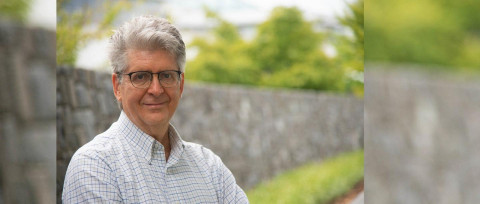 Fernando Reimers: “Giving priority attention to the most vulnerable students is essential if we are to provide opportunities for all” 2020-09-23 Venezuelan academic Fernando Reimers, director of the International Education Policy Program at Harvard University, is conscious that this is a crucial time for the teaching community to ensure that children and young people in vulnerable situations do not drop out of the system. With the Covid-19 pandemic worsening and the opportunity gap widening, Professor Reimers is working on a number of international projects seeking to ensure education for all through leadership, innovation and teacher training. An early conclusion: there is still hope. He tells us why, in this interview for Equal Times. In a recent webinar you said that, when the pandemic is over, members of the health and education community will ask their colleagues, “Where were you during the pandemic?” What did you do during that time? Allow me to put the same question to you now: what have you been doing during the pandemic? Even before the pandemic was declared, it did not require much foresight to see the potentially devastating effects it could have on education systems, given the serious limitations it would place on the ability of schools to continue to operate in the way they are accustomed to. Equally clear was the fact that its economic impact would affect the ability of families to keep up their children’s schooling and the ability of states to fund the education system. In the early 1980s, education systems in the developing world were severely impacted by a serious economic crisis, and that impact was the subject of my doctoral thesis. I expect the pandemic to have a more profound impact because its economic impact will be greater. This led me to ask myself what I could do to mitigate that educational impact on my own students and on the various educational institutions. As for my own students, we turned our postgraduate studies in education at Harvard into fully online programmes. The result has been to open up the opportunity for students from outside the US to take part in our graduate programmes, and for us to have the most diverse and experienced cohort of students I’ve seen since I began teaching at Harvard. It is undoubtedly the largest educational experiment Harvard has conducted in many decades. As regards the Global Education Innovation Initiative, I redirected my efforts towards producing information that might help to support educational decision-making. Then we launched our Schooling Disrupted, Schooling Rethought: How the Covid-19 pandemic is changing education report, in partnership with the OECD. This is a crucial time to prevent the education gap from widening and to stop too many children and young people being left behind. Based on your research on different educational experiences around the world, do you think governments are prepared for this historic moment? Or to be more specific, is there any country that has shown itself to be particularly adept in its management of education during the crisis? The widening of educational opportunity gaps between children from different social backgrounds is undoubtedly one of the greatest risks of the pandemic. The gap is widening, all over the world, and its growth is partly the result of poor leadership. Some families with greater purchasing power are making their own arrangements in response to the shortcomings of both public and private schools, such as organising themselves into small groups and hiring a person (in many cases a trainee teacher, recent graduate or retired teacher) to tutor their children. These so-called learning pods are a good idea, but that good idea is not within every student’s reach. Such arrangements are therefore likely to increase the social inequalities in the educational opportunities that students have access to during the pandemic. Ways must be found to provide more support to socially disadvantaged students so that their only option is not between attending school in conditions that put their health and that of their teachers at risk (when health conditions make face-to-face education high risk) or spend hours in front of a computer screen, listening to classes via Zoom, with teachers who have not been properly trained to provide quality education remotely. In some cases, the less privileged children do not have an adult at home in a position to support them with these tasks. This is a unique opportunity for the other institutions in society to show solidarity with those who need it most, an opportunity for universities around the world to involve their students in assisting teachers with the work they are doing to support the education of the most vulnerable children in primary and secondary schools. For education to reach everyone, it is essential that in-class schooling be increased but, as we are seeing in a number of countries, like Spain, where the rate of Covid-19 infection is rising to high levels again, many families are afraid to send their children to school. Is it possible to ensure both universal access to education and the safety of families? Ensuring educational opportunities for all under conditions that are adapted to the health situation in each region or local area is crucial. Giving priority attention to the most vulnerable students is essential to achieving opportunity for all. If the local health authorities establish that school attendance is contributing to the spread of the epidemic, and if infection rates are increasing to public risk levels, alternative ways need to be found to continue providing educational opportunities. Education can be provided in many ways, and it is certainly possible to do so even more effectively with adequate teacher training and the provision of students with the connectivity and equipment required. The efforts to develop alternative emergency arrangements during the months of April, May and June clearly show that they cannot completely replace face-to-face instruction in terms of its full potential to develop cognitive and social-emotional skills. It also has to be acknowledged that this potential is diminished by the adoption of social distancing measures in schools. What educational principles should never be lost sight of in the midst of urgent containment measures, remote education and a cautious return to school? The number one principle is to ensure the students’ psychological and physical wellbeing. The pandemic is affecting the health and the incomes of many families, creating a great deal of understandable anxieties. Prolonged anxiety has a detrimental effect on people’s mental health. Education should contribute to the wellbeing of students and teachers. The second principle is the need to maintain the continuity of students’ learning, to create enabling conditions for them to learn and to do so with pleasure. There should also be much greater emphasis on students developing knowledge and skills rather than on ‘covering content’. A third principle is the need to lead educational systems that foster dialogue. In those places where I have seen the most interesting innovations, I have also found humble educational leadership that encourages collaboration. The pandemic creates the risk of more authoritarian forms of leadership as an understandable response to uncertainty. In your book Empowering Students to Improve the World – and in your global curriculum – you argue in favour of complex lessons, discussing the cross-cutting issues of conflict – poverty, identity, nation, religion – to avoid infantilising students. But these issues are usually very close to one’s value system and there is often a fear of ideological debate in the classroom. How can this fear be overcome? The purpose of the three global citizenship curricula I have developed is to effectively engage students in active and collaborative learning experiences that enable them to develop the skills needed to tackle important issues that concern them, such as poverty, inequality, climate change, etc. The curricula are in use in many schools in various countries around the world, and the books are translated into many languages. I find there are, in fact, many educators who understand that empowering students to take charge of their own lives and equipping them with the skills to collaborate with others to improve the world is indeed the most important educational goal of our time. I think this pandemic has prompted many educators to reflect on these issues. What I am presenting in these curricula are opportunities for students to think, to debate, to develop their own ideas. The aim is not to indoctrinate students in one way of thinking or another. Disinformation, fake news, denialism, extremist discourse: what role does education – or the lack of it – play in the proliferation of all these destabilising forces? Is educating for democracy more important than ever? I honestly don’t know. When Germany’s Weimar Republic was replaced by Adolf Hitler’s Nazi regime in 1933, the country had one of the most highly educated populations in Europe. When the Latin American dictatorships reached Chile and Argentina in the 1970s, these countries had the highest levels of education in the region. So the connection between education and democracy or authoritarianism is complex, and it certainly takes more than years of schooling to develop the skills and the will to effectively engage in democratic citizenship. There is indeed an increase in intolerant movements around the world, often linked to a resurgence in nationalist populism, which are a challenge for pluralist democracies that respect the human rights of all people. Part of the ideology of this new populism is a mistrust of scientific expertise and institutions. Its attacks on educational institutions have been most clear-cut against universities, which it considers to be ‘elite’ institutions. It is not unusual for authoritarian governments to distrust institutions that cultivate critical thinking, and to attack universities, scientists and intellectuals. Hitler did it, Franco did it, Pinochet did it and many other autocrats have done it, ever since the first modern research university was established, in Berlin, in 1811. School is synonymous with hope, and I would like to end with this question. Is there any project, undertaken in a country of the Global South, that has raised your interest during the pandemic? Of the innovations I’ve been studying, I have found those that institutions or governments have come up with to keep teaching in areas where resources are hugely lacking very inspiring. The Alianza Educativa (Education Alliance) in Colombia, bringing together private universities and schools providing support for public schools attended by students from low-income families, has come up with ingenious ways of continuing to teach, remotely, during the pandemic, for example. In India, Reality Gives, a non-profit organisation that works with very vulnerable children living in the slums of Mumbai, has found a way to continue giving its English classes using mobile phones. In Brazil, the State Secretariat of Education in Maranhão has established a partnership with a non-governmental organisation to make use of technology to help mothers to provide quality early education. And as for government bodies that have demonstrated a capacity for innovation in educating vulnerable populations, the Municipal Secretariat of Education in Bogotá, Colombia, or the Secretariat of Education in the state of São Paulo, Brazil, come to mind. These and other examples clearly show that it is possible, that in the extremely difficult conditions created by the pandemic, it is possible to continue educating children living in highly vulnerable conditions. It is a matter of being aware of what we can do with all the resources at our disposal, of asking ourselves the question that we addressed at the beginning, that is, in the midst of this serious crisis that all of humanity is experiencing: “What am I doing to alleviate the suffering caused by the pandemic?” I am sure that if we ask ourselves this question and we do all we can to answer it, within the bounds of our own capabilities, it may be that, at the end of the long night that this pandemic represents, we will wake up to a better, more inclusive, more sustainable and more just world. This article has been translated from Spanish. By Claudio Moreno URL:https://www.equaltimes.org/fernando-reimers-giving-priority?lang=en#.X2oh5897kcR
  The PEERMENT Project: Community of Practice 2020-09-22 "After a while and as these people share their knowledge, their expertise, they learn together". The European project PEERMENT (Peer- Mentoring for Teachers "Change - Builders") was born out of the implementation of the concept of "community of practice" theorised by E. Wenger. What is the PEERMENT project?PEERMENT, its name deriving from ‘peer-mentoring' is an educational cooperation project at European level, founded by Erasmus +. Six partners are involved in this project, from 5 countries: Malta, Italy, Slovenia, Croatia, and France. These organizations are associations, NGOs, or professional institutes. The University of Malta is the lead partner. It combines peer mentoring, as an action research methodology, and the cross-cutting theme of Education for Sustainable Development (ESD) to interrogate: How can peer mentoring bring sustainable development to life in the formal education system? By extension, what is the role of the teacher in transformative education and education for global citizenship? The mission of the project was to pilot a model which, tried and tested by teachers and scientific partners (the "education specialists"), will enable Peer Mentoring for Sustainable Development to be integrated as a reliable tool for reaching SDGs and to be recognised as a new professional "competence". What is peer mentoring?“It is based on a constructivist view of learning, the idea of shared expertise and the model of integrative pedagogy, where teachers are trusted, and their professional autonomy respected” (Kirsi, 2014). Through this project, peer-mentoring focuses on the balanced, horizontal relationship between peers/all expert and learning “mentors”. In French, it could be more appropriately translated as "coopération entre pairs". Why peer mentoring for ESD?Peer Mentoring spaces have been designed to strengthen the didactic skills in ESD/ GCE but also the personal and social development skills of teachers. At the start of the project, many of them confided their difficulties in implementing ESD: personal involvement on the topic, how to "deal with controversial issues", isolation, the place of minority or overly theoretical SD in the curricula or the living environment of the schools. What are the first results to be shared?It shows that mentoring is one of the most effective methodologies for transforming schools into "learning communities", supporting teachers in building skills and confidence, and strengthening the provision of ESD in schools by "opening up" the subject and teams. More generally, peer Mentoring is a lever for improving the quality of education: by placing itself at the service of ESD, citizenship, intercultural exchange, and educational contents, it also contributes to SDG 4.7. Beyond the initial expectations of the project, it has also had other positive results: teachers have learned to replicate the mentoring to other subjects, to add explicit mention of SDGs in the curriculum (Malta). The teachers were able to overcome the generational gap, it even proved to be one of the most interesting aspects of the training courses. Finally, the crisis related to COVID-19 - which disrupted the finalization/dissemination phase of the project- demonstrated even more clearly the importance of ESD as a tool for a better future and the need for an environment of mutual support and educational cooperation. It generated new needs for peer support and mentoring, including the need for interaction and sharing of resources online. The project website https://peerment.eu/Take part in the European community of practice exchange:https://epale.ec.europa.eu/en/private/peer-mentoring-education-sustaianble-development By Carole Coupez, Solidarité Laïque, French partner of the projectccoupez@solidarite-laique.org URL:https://www.bridge47.org/blog/09/2020/peerment-project-community-practice
 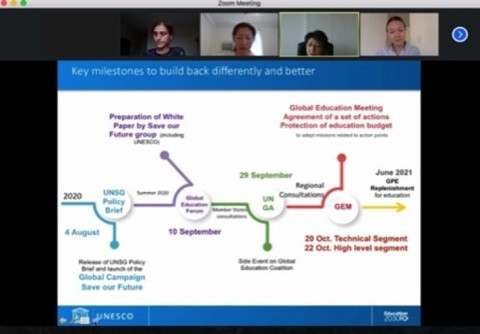 New York based Friends of Education discuss the upcoming Global Education Meeting 2020-09-21 On September 14th, 2020, the United Nations-based Group of Friends for Education and Lifelong Learning engaged in the preparation for the upcoming extraordinary session of the Global Education Meeting (2020 GEM). As the world experienced the unprecedented disruption of learning due to COVID-19 pandemic, the Group of Friends discussed steps necessary to mitigate this crisis at the virtual meeting, chaired by Ms Ayako Ito, Second Secretary at the Permanent Mission of Japan to the UN. On behalf of UNESCO, Ms. Maki Hayashikawa, Director of the Division of Education 2030 Support and Coordination at UNESCO, briefed the gathering on the collective efforts of the international education community since March this year. She highlighted the launch of the Global Education Campaign to ensure coordinated global support of national educational responses to the pandemic, as well as the upcoming the extraordinary session of the Global Education Meeting (2020 GEM) to be held on 20 – 22 October. The 2020 GEM, organized by UNESCO and the Government of the United Kingdom, will focus on the global priority actions to accelerate progress towards the Sustainable Development Goal 4 (SDG 4) in the context of COVID-19 pandemic and beyond, she said. This extraordinary session will serve as the platform for global leaders and high-level policy makers to agree on a set of global priority actions to be put in place by the end of 2021 for the recovery and strengthening of education systems at the country level. Ms Hayashikawa also informed that global leaders will explore a roadmap to improve the global SDG 4 - Education 2030 coordination mechanism. In the exchange with the participants, she stressed that efficient funding for education, safe reopening of schools, ensuring inclusion, equity and gender equality, as well as equitable access to connectivity and digital skills are among the main themes of the meeting According to her, the outcome document “2020 GEM Declaration” will carry a strong signal on the determination of leaders and decision takers to accelerate progress toward SDG 4 in the COVID-19 context and beyond by delivering on a set of concrete global priority actions. In the run up to the drafting of the Declaration, a number of thorough consultations with Member States, development partners, regional organizations and civil society will take place Ms. Simona Cruciani, Political Affairs Officer at the UN Office on Genocide Prevention and the Responsibility to Protect, also briefed participants on the work in place to harness education as a tool to fight hate speech. She highlighted the UN Secretary-General’s Appeal to Address and Counter COVID-19 Hate Speech (May 8, 2020) and United Nations Guidance Note on Addressing and Countering COVID-19 related Hate Speech in line with the UN Strategy and Plan of Action on Hate Speech launched last year. More specifically she briefed the participants on the preparations of the Global Education Ministers Conference on addressing and countering hate speech through education, organized jointly with UNESCO. The Group of Friends for Education and Lifelong Learning, co-chaired by Argentina, the Czech Republic, Japan, Kenya, and Norway, was established in January 2019 as an advocacy initiative to rally political commitments for education at the United Nations Headquarters. Together with 25 other countries-champions, the Group strives to advocate for the centrality of education for reaching the Sustainable Development Goals. URL:https://en.unesco.org/news/new-york-based-friends-education-discuss-upcoming-global-education-meeting
  What Does COVID-19 Mean for SDG 4’s Future? 2020-09-21 The Sustainable Development Goals (SDGs) are a collection of goals set by the United Nations to achieve better lives and future for all. There are 17 goals that are interconnected and address multiple challenges facing humanity ranging from poverty, inequality, quality education to gender and environmental issues. It is extremely important that these goals are achieved together by 2030 ideally. But of course, due to the inevitable issues taking place around the world, we cannot ensure that we will meet these goals anytime soon. The most challenging and fundamental one of them is SDG 4, which is to “Ensure inclusive and equitable quality education and promote lifelong learning opportunities for all” (The UN website). In the past few weeks, I was honored to be part of the Qatar Youth Delegation who participated in the Youth Assembly, a bi-annual global conference supported by the United Nations to connect global young leaders, advocates, and changemakers and give them the opportunity to discuss and exchange their opinions about the SDGs. The Youth Assembly also offers the youth with the opportunity to transform their vision for a better future through innovation actions. As a participant for the first time, I found this virtual conference to be very interesting and provides mindful insights about the general status of the goals, especially after the COVID-19 crisis which has hit the whole world. It also features ideas on how we should respond collaboratively. The 3-day program covered multiple panels, discussion forums, networking sessions, and several activities to reinforce the connection among delegates. For the sake of this article, I will focus on the panel “Human Capital – Investing in Quality Health and Education for Resilient Recovery” presented by The World Bank. I believe this panel gave quite an important review about education and aligns with most of the themes we cover here at WISE, especially ‘well-being’. According to Martin de Simone, an Education Specialist at The World Bank, we are not on track to achieve the SDG 4. That is even before the pandemic hit us, we had many students out of school, and the number has doubled since the crisis with at least 500 million students out of school globally. Moreover, we had learning poverty at 53%, which means being “unable to read or understand a simple text by the age of 10” (The World Bank website, 2019). Martin believed that COVID-19 will even exacerbate inequalities among students, especially those who do not have access to remote learning. The question then will be, how should we respond to make education more inclusive, effective, and impactful than it was before the crisis? The panelists suggested some strategies we can incorporate to tackle down the situation. The first strategy is that we must cope with the situation that schools are closed and try to find alternative methods to prevent learning loss and ensure the wellbeing of students. The second strategy is what they called “managing continuity” in which we have to continue with the efforts to help education through preparing for partial reopening, protecting health and safety in schools, and providing adequate finance for recovery needs. Finally, we must improve and accelerate, meaning that scale-up effective response approaches such as incorporating remote learning, teaching at the right level, and tracking at-risk students to prevent drop-out. These are some of the solutions which would help us respond effectively to COVID-19 and ensure it does not affect the initiative to achieve SDG. The most important takeaway from this session was that this can be only done if we work collectively as one community to fight the pandemic. Lastly, I am a firm believer that there are many aspects to education and it is not limited to formal learning only. These aspects range from culture, economic, safety, and wellbeing which we might call the ‘education system’. Thus, in order for us to achieve SDG 4 successfully in 2030, we have to revisit these notions even when schools reopen. Also, we should rethink what we might do differently after the crisis. URL:https://www.wise-qatar.org/what-does-covid-19-mean-for-sdg-4s-future/
  UNESCO-UNODC regional dialogue series: Giving youth a voice to build a fair post-COVID world 2020-09-19 A joint UNESCO-UNODC partnership working to promote the rule of law through education is launching a series of virtual regional dialogues to bring young people together with policymakers to hear what they want from education and justice systems in the post COVID-19 future. The pandemic has not only severely disrupted schooling, but has also fractured important connections between young people and education institutions. The impact has been hardest on vulnerable and marginalized young people, especially girls, for whom school offers not only a space for learning but also protection and nutrition. The dialogues will focus on Central America, South Asia and Europe and the Middle East and North Africa and will seize the opportunity for change offered by the pandemic to build discussion among young people, policy-makers, educators and representatives from education and justice sectors to engage them in building back better. Each one will be grounded in UNESCO's response to the pandemic which includes the Learning Never Stops and Futures of Education initiatives while reflecting regional contexts and needs. The opening event, Regional Dialogue on Citizenship Education Policies on 17 September, will focus on member countries grouped under the educative coordination body CECC-SICA (Belize, Costa Rica, Dominican Republic, El Salvador, Guatemala, Honduras, Nicaragua and Panama). The first part will take stock of how Global Citizenship Education and Education for Justice are implemented in each of the countries from the perspective of Ministries of Education and youth. The second part in the latter half of October will promote discussions among Member States on recommendations for an emergency curriculum for the region and will include input from youth, teachers and civil society leaders. The next regional dialogue, to be held during the last week of October, will focus on South Asia where the pandemic has worsened the existing education crisis. Before it, the region already had 95 million out of school children. With the crisis still unfolding, many of the 430 million children affected by school closures in the region are in danger of dropping out of the education system. UNICEF has reported that in South Asia, COVID-19 might also push nearly 120 million children into poverty. A further dialogue is planned from 23-25 November in association with the Council of Europe and will draw on research and a survey on teachers' assessments of how student voice and participation were affected by COVID-19. Recommendations from the dialogues will feed into the 14th United Nations Crime Congress on Crime Prevention and Criminal Justice to be held in March 2021, among other events. The UNESCO-UNODC Partnership on Global Citizenship on Education for the Rule of Law, aims to empower children and youth to understand and exercise their rights, think critically, make sound ethical judgments, and build just societies. It forms part of UNESCO's GCED and UNODC's E4J work which, among others, has produced a policy guide and education materials for primary and secondary schools. Access the Regional Dialogue (on 17 September at 9-11:30 am Costa Rica, 12-2.30 pm Santiago, 5pm-7:30 pm Paris) Zoom - Code: 745647 YouTube broadcast URL:https://en.unesco.org/news/unesco-unodc-regional-dialogue-series-giving-youth-voice-build-fair-post-covid-world
 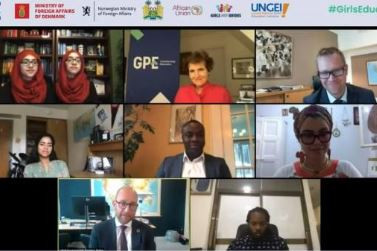 COVID-19 and girls’ education: what leaders and youth say must happen 2020-09-17 At its peak, COVID-19 left nearly 1.6 billion children out of school, including 767 million girls. Six months after COVID-19 was officially declared a pandemic, there are still more than 850 million children out of school. On September 9, GPE brought together political leaders from Denmark, Sierra Leone and Norway and youth activists from the African Union, UNGEI and Girls not Brides. The discussion, moderated by Maryam and Nivaal Rehman, twin activists, journalists and filmmakers, focused on the importance of ensuring that girls and other vulnerable groups are not left behind when countries build back from the health, economic and educational setbacks caused by COVID-19. Alice Albright, Chief Executive Officer of GPE, stated, “We’ve seen over the past few months - not just in the developing countries, but globally - how vulnerable education is to crisis. We know that when schools close girls are hit hard. There’s teenage pregnancy, there’s violence, there’s gender-based violence and there’s more early marriage.” Rasmus Prehn, Denmark’s Minister for Development Cooperation, shared how Denmark has been a strong political advocate for girls’ education and has helped developing countries fight against the pandemic. “It’s really necessary to support schools, and to support the work for gender equality, and especially girls’ rights. What we can see is that by having this focus in our education, we can actually empower young girls and women to set themselves free, to have the power to go after education rather than to just stick to traditions.”- Minister Prehn, Denmark Aksel Jakobsen, State Secretary of International Development, Norwegian Ministry of Foreign Affairs, also expressed Norway’s support to girls’ education during the pandemic. “Norway will continue its long-standing support for education for all, including girls and vulnerable groups, with the aim that no one should be left behind. Education for all is a key element to a safe future. And it’s a key element to resilient societies, and to reduce the difference between the rich and the poor, both nationally and in our global community.”- State Secretary Jakobsen, Norway Responding to the pandemic, David Sengeh, Minister of Basic and Senior Secondary Education of Sierra Leone explained how his Ministry is using a targeted and strategic approach to ensure that girls are continuing to learn. “Now, we are very intentional within the ministry in terms of disaggregated data, because you can only solve gender problems if you have the data – we are using a data focused approach,” said Minister Sengeh. The youth participants also provided an important perspective to the discussion. In many countries in Africa, nearly half of the population is under the age of 18. Aya Chebbi, African Union Youth Envoy, shared the importance of youth voices. “I think it’s really imperative that young people become an integral part of their government’s response and national plans, and producing these policies and national budgets on COVID-19. So, there are lots of ways that young people can be involved, and they should be involved. It’s not an option or a choice, it’s a must.” With many children learning from home, Sonita Alizadeh, Rapper from Afghanistan and Girls Not Brides Champion, expressed the important role parents play. “There is no spotlight on the parents. If we think about it, the first place that we learn about justice, injustice, equality, inequality, it is not in a classroom, it is not outside, it is inside our home, so parents are the initial teachers.” As a former child soldier, current law school student and peace activist, Mohamed Sidibay expressed the life-altering opportunity education can play in a child’s life. “The quality education that I subsequently received played a big part in expanding my world view. Education is the most important tool that can be used to harness potential, maximize productivity, and fight poverty.” Watch a recording of the discussion URL:https://www.globalpartnership.org/blog/covid-19-and-girls-education-what-leaders-and-youth-say-must-happen
 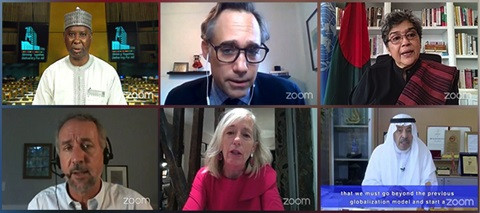 Reimagine education and promote culture of peace in the face of the global pandemic 2020-09-17 On the margins of the annual UN High-Level Forum on the Culture of Peace, the International Peace Institute and the Office of the President of the General Assembly co-hosted a virtual policy forum entitled “Learning Interrupted: Education, Covid-19, and the Culture of Peace” on September 10th, 2020. This event provided an important platform for key stakeholders to shed light on some efficient responses to the global learning crisis while promoting culture of peace in the minds of young men and women. In his opening remarks, H.E. Tijjani Muhammad-Bande, President of the 74th Session of the UN General Assembly, stressed the need for all governments to proactively and creatively address ongoing imbalanced access to quality education in order to promote a sustained culture of peace. He called on all Member States to give education primary consideration in all of their efforts to build back better and stronger. “This crisis provides an opportunity to reimagine education –– to build more resilient education systems that respect diversity and work for all. A culture of peace is intricately linked to a culture of inclusion. This is the starting point for educational recovery –– pulling all the stops to ensure that the most marginalized children and youth return to school and learn in safe environments, with special attention to girls, refugees and conflict situations”, said Stefania Giannini. She pointed out that, to reorient education systems around a culture of peace, students must be wired to defend human rights, act for social justice, gender equality as well as care for the environment. H.E. Rabab Fatima, Permanent Representative of the People’s Republic of Bangladesh to the UN, spoke highly of UNESCO’s tireless efforts in working with national governments to mitigate the impacts of the pandemic on education. She stressed the multiplier role that a culture of peace could play in “bringing back inclusivity in our pandemic response and SDGs implementation”. “The culture of peace can play a catalytic role to save humanity from the crisis by promoting inter-cultural and inter-religious dialogue, bridging divides and discrimination across and within societies, and fostering mutual respect, harmony and non-violence”, said Ambassador Fatima. Calling on the entire international community to shoulder on responsibilities and avert a “generational catastrophe”, Stefania Giannini, UNESCO Assistant Director-General for Education, underscored the urgent need to prioritize education in the recovery and to invest more in social and emotional skills that must be mainstreamed throughout education systems. Dr. Robert Jenkins, Chief of Education at UNICEF, believed that the global community now has a one-in-a-generation opportunity to reopen schools in new ways and to support schools and education systems to maximize the potential to transform learning, citing on-the-ground programs and initiatives in Brazil, Burkina Faso and Tanzania. “Focus on Reaching the most vulnerable students, transform the way learning is provided, meet the holistic needs of children”, Dr. Jenkins posed three clear messages and recommendations for governments. URL:https://en.unesco.org/news/reimagine-education-and-promote-culture-peace-face-global-pandemic
 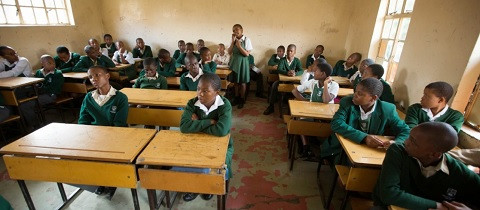 UNESCO, UNICEF and WHO update safety guidance for schools during COVID-19 pandemic 2020-09-17 UNESCO Director General, Audrey Azoulay; Director-General of the World Health Organization (WHO), Tedros Adhanom Ghebreyesus and Executive Director of the United Nations Children’s Fund (UNICEF), Henrietta Fore yesterday presented recommendations to ensure the continuity of education safely during the COVID-19 pandemic in an online press conference. The recommendations on managing educational establishments for children up to the age of 18 are detailed in the joint publication, Considerations for school-related public health measures in the context of COVID-19. They were developed with input from the Technical Advisory Group of Experts on Educational Institutions and COVID-19, established by the three UN organizations in June 2020. Recognizing the importance of schools, the experts reviewed the latest available evidence to develop interim guidance, taking into consideration equity, resource implications and feasibility. The guidance provides information on ways to implement a risk-based approach according to the level and intensity of the transmission of COVID-19, with age-appropriate considerations for physical distancing and masks in schools to mitigate the spread of the disease. At the forefront of all considerations and decisions should be the continuity of education for children for their overall well-being, health and safety. This is an annex to the WHO Public Health and Social Measures in the context of COVID-19 replacing an earlier version published by the WHO on 10 May 2020, and applies to educational settings for children under the age of 18 years. Specific recommended measures in this updated advice include staggering the times for school opening, closing, mealtimes and breaks; handwashing facilities; cleaning of surfaces and shared objects; and establishing mechanisms to share information with parents, students and teachers. #LearningNeverStops Related contentUNESCO/SADC Cooperation - 2019 - UNESCO ROSA creates Youth Network - Lobby for licencing of community radio stations - Namibia adopts National Environment Education and ESD Policy - Three SADC countries to undertake ESD course - Call for Proposals: ESA Commitment Evaluation (Re-Advertisement) - Call for consultants: Needs Assessment on CSE for Learners with Disabilities - Call for consultants to coordinate Goodwill Ambassadors for Comprehensive Sexuality Education - Call for expression of interest: Development of a Project Proposal in response to SDG Fund call - Development of liberation heritage materials kick starts - Launch Meeting of the Be-Resilient Project URL:https://en.unesco.org/news/unesco-unicef-and-who-update-safety-guidance-schools-during-covid-19-pandemic