
News
Catch up on what’s happening in the world of global citizenship education.
316 results found
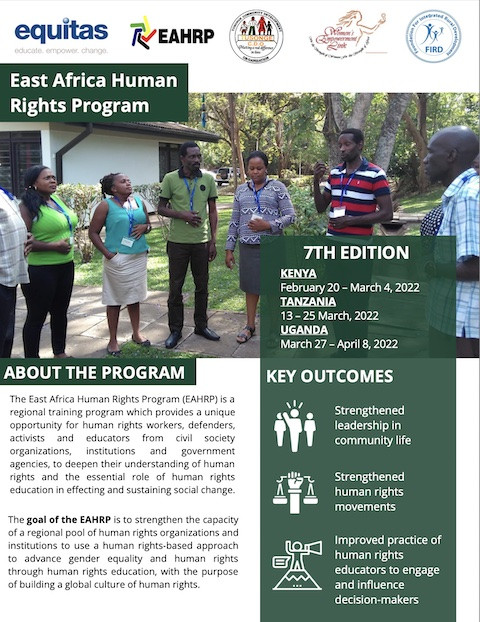 East Africa Human Rights Program 2021-10-01 The East Africa Human Rights Program (EAHRP) is a regional training program which provides a unique opportunity for human rights workers, defenders, activists and educators from civil society organizations, institutions and government agencies, to deepen their understanding of human rights and the essential role of human rights education in effecting and sustaining social change. Developed in partnership with Equitas training alumni from across East Africa, the goal of the EAHRP is to strengthen the capacity of a regional pool of human rights organizations and institutions to use a human rights-based approach (HRBA) to advance gender equality and human rights through human rights education (HRE), with the purpose of building a global culture of human rights. 2022 7th EAHRP Session – Application deadline: October 17, 2021 The EAHRP normally brings together participants from across East Africa for a two-week learning experience. However, due to the ongoing challenges around COVID-19, Equitas works with partners to implement National Training Sessions in Kenya, Tanzania and Uganda respectively for the 2022 EAHRP: Kenya: February 20 – March 4, 2022, implemented by Women’s Empowerment Link (WEL) Tanzania: 13 – 25 March, 2022, implemented by TUSONGE Uganda: March 27 – April 8, 2022, implemented by Foundation for Integrated Rural Development (FIRD) Equitas and the EAHRP team take the wellbeing and health of all participants of the 2022 EAHRP seriously and are committed to providing a safe and healthy learning environment. Be assured that as the COVID-19 situation evolves globally, so does our planning regarding the measures that are put in place to safeguard the health and wellbeing of all participants and facilitators. To learn more about the measures taken to ensure the safety of participants, visit this page. The goal of the EAHRP is to strengthen the capacity of a regional pool of human rights organizations and institutions to use a human rights-based approach (HRBA) to advance gender equality and human rights through human rights education (HRE), with the purpose of building a global culture of human rights. To this end, the program places a strong emphasis on the transfer of learning and on follow-up activities. Participants attending the program develop an Individual Plan for putting their learning into action as part of the training. Registrations for the 7th session are now open: Apply before October 17 2021! You will find all the documentation needed below : EAHRP 2022 Information Guide Application Form Memorandum of Agreement*For any questions about the EAHRP, please email eahrp2022[at]equitas.org. URL:https://equitas.org/where-we-work/east-africa/regional-program/
 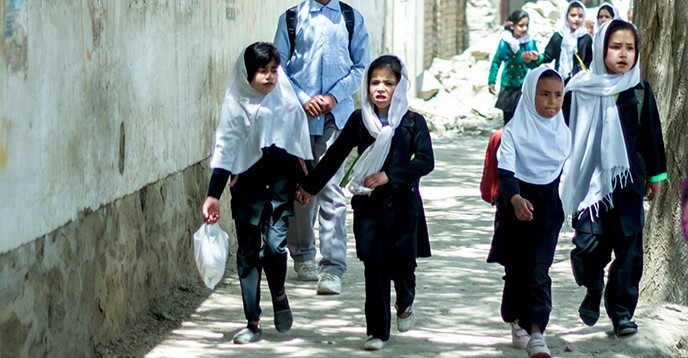 Afghanistan – UNESCO highlights key challenges for Education, Science and Culture in the country 2021-09-13 Afghanistan stands at a turning point in history. It is critical for the country, and for the entire region, that progress made over the last two decades, in terms of human rights, education and international standards remains in place. Since 2002, UNESCO and its Afghan and international partners have carried out several nation-wide programs to reform the education system, to protect cultural heritage, to increase scientific capacity, and to ensure the safety of journalists. These initiatives helped advance Afghanistan’s progress towards meaningful development. Afghanistan has made the following gains: A major increase in literacy rate, from 34% (2002) to 43% (2020) Beginning in 2006 with the support of partners including Sweden, Japan, Norway, Denmark, UN agencies and civil society organizations throughout the country, UNESCO led the largest literacy program in Afghan history, reaching 1.242.000 learners, including 800.000 women and girls. 45.000 police officers have also been reached and trained through literacy programs. From 2002 onwards UNESCO supported the government in the development of a nation-wide education revamp, encompassing all National Strategies for Education, the first-ever National Institute for Educational Planning, a global Education sector analysis, a General Education Curriculum reform (reaching over 1 million learners), and a strategic plan for higher education. UNESCO built capacity in Afghanistan: thousands of Afghan officials were trained: In the Education sector: we trained 741 planning officers from all 34 provinces. And in the Culture sector we trained several museum curators and professionals, as well as culture specialists capable of conducting inventories and monitoring heritage sites. Large-scale safeguarding operations were conducted for the preservation of the remains of the Bamiyan Valley, the Minaret of Jam and other iconic monuments that must be preserved as symbols of Afghan identity and national cohesion. Several cultural initiatives have been taken to revitalize Afghanistan’s cultural fabric and creativity, notably through the launch of the Bamiyan Cultural Center, an exhibition and training space, and through the photographic competitions which have helped give birth to the Kabul Photographic Biennale in 2017. Since 2018, the Physics Without Frontiers (PWF) programme run by UNESCO’s Abdus Salam International Centre for Theoretical Physics ICTP has been working with Kabul University to help faculty develop curricula in physics, including at undergraduate level. Some 400 Afghan students travelled to Kabul University from across the country to attend intensive Physics courses at Kabul University. Afghanistan is now home to one of the most dynamic media landscapes in the region, with 1,879 active media outlets, 203 TV channels, 349 radio stations, and 1,327 print outlets. In 2020, there were 1,741 women media workers in Afghanistan, including 1,139 women journalists These achievements all show that today Afghan society is very different from 20 years ago. The country has made huge strides, but they must be preserved or the country’s development will unravel. Many challenges lie ahead for Afghanistan: 12 million Youth and adults (15+) in Afghanistan still lack basic literacy skills 81 journalists were killed between 2006 and 2021, including 7 as of August 2021 From September 2020 - February 2021, almost one in five women journalists left the profession, due to ongoing violence and threats. UNESCO is committed to step up its support to the Afghan people. Recalling what has been achieved over the past two decades, UNESCO wishes to remind the international community what is at stake in its fields of competence, to serve as a benchmark for the future. More about: UNESCO is monitoring the evolving situation in Afghanistan with particular attention to issues concerning the universal right to education, freedom of expression and heritage. For further details, please read our statements here: UNESCO calls for respect of freedom of expression and safety of journalists in Afghanistan Afghanistan - UNESCO calls for the protection of cultural heritage in its diversity UNESCO Director General calls for unhindered right to education in Afghanistan For more information, please contact UNESCO Press Service: Clare O’Hagan URL:https://en.unesco.org/news/afghanistan-unesco-highlights-key-challenges-education-science-and-culture-country
 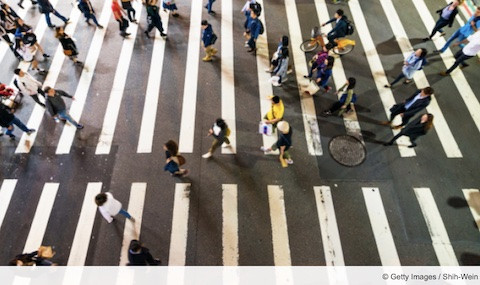 Join the UNESCO Global Network of Learning Cities! 2021-09-06 Applications open between 1 September and 1 November 2021 From 1 September to 1 November 2021, cities from UNESCO Member States are invited to apply for membership in the UNESCO Global Network of Learning Cities (GNLC). The UNESCO GNLC is an international policy-oriented network providing inspiration, know-how and best practice. Members benefit from the sharing of lifelong learning policies and practices, the production and exchange of knowledge on key challenges and solutions, capacity-building and training initiatives, and participation in global events such as the International Conference on Learning Cities. The 229 members of the network work in clusters on key issues such as education for sustainable development, equity and inclusion, and health and well-being. During the COVID-19 pandemic, UNESCO learning cities have closely worked together to share good practice, strategies and activities to minimise the disruption to learning caused by the pandemic and the resulting lockdown’. Becoming a learning city A learning city: effectively mobilizes resources in every sector to promote inclusive learning, from basic to higher education; revitalizes learning in families and communities; facilitates learning for and in the workplace; extends the use of modern learning technologies; enhances quality and excellence in learning; fosters a culture of learning throughout life. UNESCO learning cities enhance individual empowerment and social inclusion, economic development and cultural prosperity as well as sustainable development. They promote literacy and education for global citizenship, entrepreneurship, health and well-being. Submit your application by 1 November 2021! Applications must be submitted to the UNESCO National Commission in your country for endorsement and submission to the UNESCO Institute for Lifelong Learning. National Commissions for UNESCO are invited to submit up to three city membership applications no later than 30 November 2021. We will announce the new GNLC members in February 2022. More information Flyer "Join the UNESCO Global Network of Learning Cities!" (English, French, Spanish) Application form and procedureAbout the UNESCO Global Network of Learning citiesCurrent members of the UNESCO Global Network of Learning cities ContactUNESCO Institute for Lifelong LearningFeldbrunnenstr. 5820148 HamburgGermany Email learningcities@unesco.org Tel: +49 40 44 80 4144Fax: +49 40 41 077 23 URL:https://uil.unesco.org/lifelong-learning/learning-cities/join-unesco-global-network-learning-cities-0
 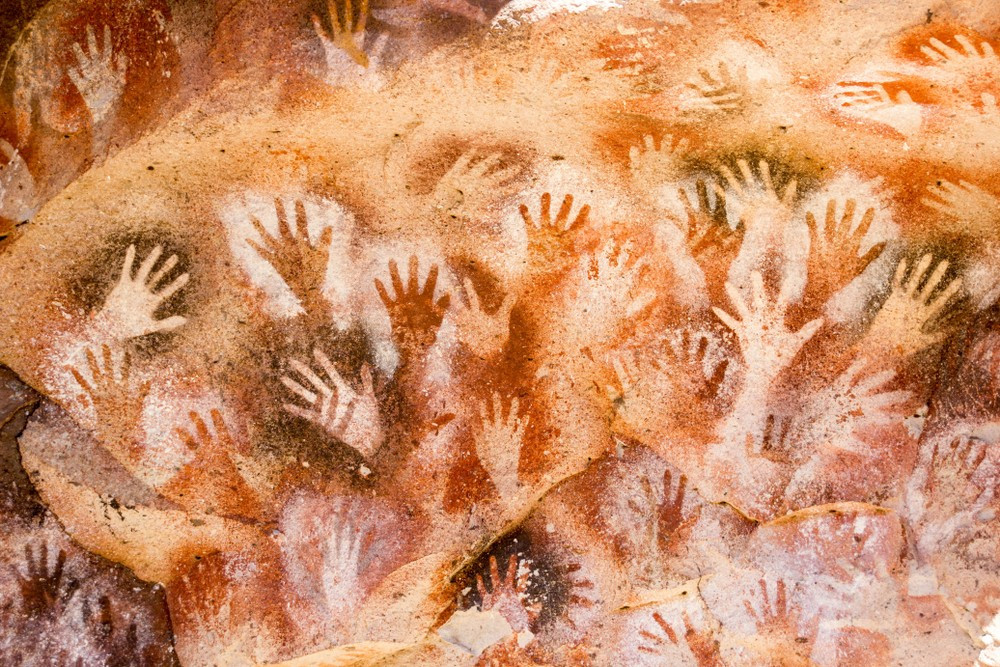 À l'horizon | Un réservoir intarissable : la diversité culturelle au service de l'avenir que nous voulons 2021-08-16 Culture, in all its diversity, is an infinite reservoir from which we gain our knowledge of the world and which we tap into to find solutions to contemporary issues. Ever since the emergence of Homo Sapiens, human progress has evolved thanks to cultural diversity, through the exchange between human groups of discoveries and innovations, institutional experience and knowledge. Culture is in constant flux, evolving across time and space, adapting to the circumstances of the day. Each culture is therefore rich with insights provided by this vast accumulation of knowledge. Our cultural diversity is our greatest strength. It is the ultimate renewable resource for humankind and societies. As such, valuing diversity and protecting and promoting cultures as asset for societies is imperative. The world is still not on track to attain sustainable development. Furthermore, the recent United Nations Sustainable Development Goal Report noted that “the pandemic has already had a very significant impact in a number of areas, undermining decades of development efforts.” Countries where inequality has grown are home to more than two thirds of the world population, according to the 2020 World Social Report. The UN Office of the High Commissioner for Human Rights frequently sounds the alarm on the rise of racism and xenophobia, with culture itself being instrumentalised to divide societies and communities in many parts of the world, as highlighted by a 2018 Report of the Special Rapporteur in the field of cultural rights. Moreover, the future of our planet is at stake: the climate crisis is upon us with 2021 being described as “a make-or-break year for people and planet” by UN Secretary-General, Antonio Guterres. In addition, new technologies have critical implications as to how we interact with the world and each other, with huge ethical implications for the future of humankind. Today's societies are resolutely multilingual and multicultural, many of them home to a large number of cultures and ethnic groups. This diversity has been nourished throughout the ages due to trade and migration. Colonialism, slavery and the displacement of populations due to conflict have also altered the social fabric of societies, leading to a loss of critical knowledge. Diversity not only refers to differences due to the presence of different cultural or ethnic communities, but also different life experiences due to gender, sexual orientation, disability or age. Cultures transcend national boundaries and digital technologies have also put people in contact in an unprecedented way, creating new communities across borders. Confronted by the diversity of codes and outlooks, States sometimes find themselves at a loss to know how to respond and harness cultural diversity for the common interest. Now, in the wake of the COVID-19 pandemic, States are recalibrating longer term policy choices among many seemingly competing priorities – be it health, infrastructure or employment. Where does culture fit in this panoply of public policies? History has shown us that following trauma, societies and peoples have turned to culture to find responses. UNESCO itself was created due to the conviction that rebuilding societies following the Second World War could not only be done through political and economic means but also a renewal of ideas and new solidarity, through our “fruitful diversity”. “Development without culture is growth without a soul”Traditional development policies, tethered to economic growth, were initially guided by the belief that an increase in prosperity would increase human well-being and reduce poverty. By the 1990s, it was clear that a purely growth-oriented approach had deepened economic and social divides within and between countries, thereby jeopardizing social inclusion and the evolution of peaceful and sustainable societies. Burgeoning ecological destruction was leading to worse natural catastrophes and increased global uncertainty. There was a conscious shift towards “human development”, based on the work of Amartya Sen, placing emphasis on widening individuals’ choices and expanding freedoms. Within the United Nations system, the Human Development Index was introduced to take into account dimensions such as health and education. Yet, individuals are not isolated atoms; they work together, cooperate and interact in many ways. It is culture that connects them with one another and makes the development of the individual possible. It is also culture that defines how people relate to the natural environment. It is in this sense that all forms of development, including human development, ultimately are determined by cultural factors. When culture is thus understood as the basis of development, the very notion of cultural policy has to be considerably broadened. Any policy for development must be profoundly sensitive to and inspired by culture itself. Far from being confined to arts and heritage, participants at the 1982 World Conference on Cultural Policies, Mondiacult, defined culture as: “the whole complex of distinctive spiritual, material, intellectual and emotional features that characterize a society or social group, not limited to the arts and letters, and including modes of life, the fundamental rights of the human being, value systems, traditions and beliefs.” Our Creative Diversity, a report produced by the World Commission on Culture and Development in 1995, stated that “if the communities of the world are to improve their human development options they must first be empowered to define their futures in terms of who they have been, what they are today and what they ultimately want to be.” Twenty years later, the 2030 Agenda whose, motto is "the future we want" would echo this spirit. Culture is “the whole complex of distinctive spiritual, material, intellectual and emotional features that characterize a society or social group, not limited to the arts and letters, and including modes of life, the fundamental rights of the human being, value systems, traditions and beliefs.” -- World Conference on Cultural Policies, Mondiacult, 1982 Whilst reaffirming a broad definition of culture, the 2001 UNESCO Declaration on Cultural Diversity gave policy direction to such cultural pluralism for the flourishing of creative capacities that sustain public life. It stated that “policies for the inclusion and participation of all citizens are guarantees of social cohesion, the vitality of civil society and peace” and that this was best achieved within a democratic framework. Indeed, “cultural diversity should be defined as the capacity to maintain the dynamic of change in all of us, whether individuals or group” posited the UNESCO 2009 World Report: Investing in Cultural Diversity and Intercultural Dialogue, adding a key dimension to the value of pluralism for resilience. Differences between cultures should therefore not be regarded as something to be feared, but as a fundamental trait which enriches us and which should prompt us to engage with the breadth of "spiritual, material, intellectual and emotional features" of the world. The UN 2030 Agenda for Sustainable Development, an inspirational agenda "for the people by the people" adopted in 2015, reflects the evolution of development models that aim to place social considerations on a par with economic ones, and explicitly recognises the power of culture - the first time this role was so clearly defined in an international development agenda. Member States affirmed that “we acknowledge the natural and cultural diversity of the world and recognize that all cultures and civilizations can contribute to, and are crucial enablers of, sustainable development.” Furthermore, countries pledged to “foster intercultural understanding, tolerance, mutual respect and an ethic of global citizenship and shared responsibility”. Culture, being a fundamental trait, does not have a stand-alone goal, but a transversal role contributing to all 17 of the Sustainable Development Goals. Culture is explicitly referenced in relation to education, notably its role in creating the conditions that are conducive to an appreciation of cultural diversity, valorizing all cultures equally in the respect of human rights and fundamental freedoms. Culture also contributes to sustainable tourism that is respectful of local culture, and to the protection of cultural and natural heritage to render human settlements more inclusive, safe, resilient and sustainable. Unity in DiversityThe use of culture as the main driver of national visions for development is nothing new. National cultural policies emerged in the late 18th century with the large public museums in Europe. By the 1960s, culture was a rallying call for newly independent countries and the engine of nation-building projects. For example, policies in the Arab States focused on the role of culture for creating identity and building unity. Similarly, in the Caribbean, culture became an important tool of emancipation for the majority of the population that had formerly been enslaved, as coming to terms with one's past is the only way to build the future. In Latin America, cultural priorities were shaped by the political needs of the 1980s and 1990s, when the socio-cultural effects of the transition to democracy were starting to be felt. As a result, cultural policies tended to put greater emphasis on the fight against poverty and exclusion, by reinforcing cultural rights. For many states, the protection of cultural diversity itself has long been at the heart of many states' visions for their long-term prosperity. For example, since its independence in 1949, Indonesia has adopted the national motto “Unity in Diversity” based on a 15th century Javanese mantra capturing a shared identity despite the diverse cultures and ethnicities of the 17,000 islands of the archipelago. Similarly, in the Pacific emerging from colonial rule, Samoa’s 1960 constitution is grounded on both “Christian principles and Samoan custom and tradition”, in recognition of its past. Over time, other countries have expanded their public policies to embrace the multiple identities of their population. Bolivia was perhaps the first country in 1967 to pass a law providing legal protection of its national folklore, expanding the definition of cultural law (to what we now consider to be intangible cultural heritage), while the 1987 Constitution of Haiti upgraded Haitian Creole to the status of official language alongside French in recognition of its population’s heritage. Indeed, old models of assimilation for nation-building, in which all groups were made homogenous, proved to be neither desirable nor feasible in the pursuit of more inclusive societies. Furthermore, a country’s culture is not static. On the contrary, it is dynamic and continually evolving reflecting its history, mores, institutions and attitudes, its social movements, conflicts, migrations and struggles, and the configurations of political power, internally and in the world at large. The world’s first national multicultural legislation appeared in Canada only in 1988 when the new Multiculturalism Act recognised cultural diversity as a fundamental feature of Canadian society. The act also recognizes Canada's multicultural heritage, enshrines Aboriginal rights, allows languages other than the official languages, English and French, to be used, and protects minorities' rights to enjoy their cultures. More recent national cultural policies also value the diversity of culture. For example, Jamaica’s 2003 National Cultural Policy laments that “formal processes have emphasized our European past far more than our African, Indian, Chinese and other heritage,” and states that “there is the need, especially in the intangible cultural heritage, to focus on the significance of traditional knowledge in the consolidation of communities and the wellness of the general society.” In Chile, following an unprecedented process of Indigenous Consultation carried out with the participation of the nine native peoples and Afro-descendant tribes, the Ministry of Cultures, Arts and Heritage was established in 2017. Referring to “cultures”, in the plural form, marked an important shift not only in recognizing the country’s cultural diversity but also creating policy mechanisms to ensure their flourishing. Furthermore, the country began working on a new constitution in July 2021 with a 155-member body representative of the whole country. Whilst a challenge, the diversity of the body - half of whom are women, a minimum of 17 who are indigenous and the youngest being 21 - is seen as a great strength to ensure a more just future in a country of deep inequalities. Furthermore, at the international level, there have been groundbreaking policy developments, such as the Permanent Forum on Indigenous Issues, established in 2002 as a consultative body of the UN, which was a milestone in the recognition, protection and promotion of cultural diversity, and a great achievement in cultural rights. The adoption of the UNESCO 2003 Convention for the Safeguarding of the Intangible Cultural Heritage by UNESCO Member States was equally visionary in achieving in more inclusive definition of cultural heritage. It valorised local traditions and know-how, and not just physical manifestations of heritage. Furthermore, it acknowledged that intangible cultural heritage is shared heritage, not bound to a particular territory, and that it is transformed over time. The Ministry is governed by the principles of cultural diversity, democracy and participation, cultural recognition of indigenous peoples, respect for the freedom of creation and social valuation of creators and cultural practitioners, as well as recognition of territorial cultures, respect for the rights of cultural practitioners and creators, and historical memory.-Ministry of Cultures, Arts and Heritage of Chile Culture: the dynamic for change Cultural diversity - harnessed appropriately - nurtures dialogue and mutual understanding and develops new models of citizenship, by providing access to meaningful knowledge. Local cultural codes can be a source of social cohesion and peace, including in countries that have experienced social strife. Chad’s national development plan aims to reinforce “national cohesion through cultural rehabilitation and the restoration of ancestral values”. Pakistan’s 2018 cultural policy, for example, recognises cultural diversity as a “unifying bond” to overcome inter-communal tensions. Mauritius - a kaleidoscope of ethnic and religious groups – attributes its high ranking in the Global Peace Index to respect for cultural diversity. In its 2019 Voluntary National Review (VNR), submitted to the United Nations as part of monitoring towards the Sustainable Development Goals, it states that the country “is a sovereign democratic state island of approximately 1.3 million people of different race, culture and faith, living in a spirit of unity, mutual respect and tolerance. These values have upheld the process of nation building.” As well as a vehicle for social cohesion, cultural diversity is a source for sustainable livelihoods and economic growth, drawing on unique intangible cultural heritage and a diversity of cultural expressions. Morocco’s Vision 2020, for instance, aims to consolidate cultural tourism by organizing festivals dedicated to the arts and artistic heritage expressions. Meanwhile, Panama’s initiative called “Ruta Afro”, a touristic route linking the Afro-Panamanians communities, not only gives their culture more visibility but also provides employment opportunities. Brunei Darussalam’s One Village One Product policy focuses on community-based cultural tourism through the promotion of handicrafts and intangible cultural heritage. Peru is also capitalising on cultural diversity through the recently launched Pact for Culture to boost its culture sector, aimed at protecting the country’s heritage, as well as promoting its cultural industries. Culture also defines how people relate to nature and their physical environment, to the earth and to the cosmos. The indigenous Quechua cosmovision centred on humanity as an integral part of the natural and social environment – ‘sumak kawsay’ or ‘well-being’ - was integrated into the Constitution of Ecuador in 2008, making it the first country to recognize rights to nature in its constitution. In the Pacific Small Island Developing States, cultural heritage is characterised by strong interlinkages between people and nature, which is mainly expressed through intangible cultural heritage. The Federated States of Micronesia, for example, highlights in its 2020 VNR how this sense of guardianship of some of the richest biodiversity in the world, coupled with strong and diverse traditions, positions the country to conserve both natural heritage and social heritage simultaneously. Hungary too, in its 2012 Constitution, couples culture and the environment, aiming for the “preservation and protection of material, intellectual and natural resources” for future generations: one of only a few documents around the world that articulates the principles of the rights of future generations to this legacy. Local and indigenous knowledge is, in fact, increasingly vital to tackle climate change and biodiversity loss, as the cultures of the world’s 350 million indigenous peoples worldwide are inextricably linked to the natural world. Indigenous knowledge, although relatively new to climate science, has been long recognized as a key source of information and insight in domains such as agroforestry, traditional medicine, biodiversity conservation, impact assessment, and natural disaster preparedness and response. Both the 1992 Convention on Biodiversity and the 2015 Paris Climate Change Agreement call upon states to respect, preserve, maintain and draw upon traditional and indigenous knowledge for relevant socio-economic and environmental policies. Furthermore, a large percentage of the world’s 7,000 language are indigenous, each of which reflects a unique world view and knowledge system. The objective of the Decade of Indigenous Languages 2022-2023 is to protect and promote these languages. In recognition that indigenous peoples hold a rich diversity of living heritage, including practices, representations, expressions, knowledge and skills, the UNESCO 2003 Convention for the Safeguarding of the Intangible Cultural Heritage provides an in-road for indigenous peoples to shape the international heritage discourse and ensure that their experiences are taken into account. Cities, museums and media: hubs for cultural diversity and global citizenship Cities, museums and media help shape and expand new knowledge but also enhance ways of living together. They are privileged spaces for the appreciation of cultural diversity. By 2050, 70% of the global population will live in cities, where the greatest diversity can be found. The mixing of lifestyles and forms of expression can be both a source of creation and innovation. Consolidating social integration with respect for ethnic and cultural diversity, and yet encouraging them to blossom, is a major public policy challenge. Mirroring global development trends, throughout the 1980s, in Western Europe and North America, urban cultural policies were designed to serve mainly economic objectives. The UN-endorsed 2016 New Urban Agenda fully acknowledges that “culture and cultural diversity are sources of enrichment for humankind and provide an important contribution to the sustainable development of cities, human settlements and citizens, empowering them to play an active and unique role in development initiatives.” In fact, culture, creativity, heritage and pluralism are referred to some 35 times in the Agenda. The diversity of the urban context has led to the burgeoning of new actors, particularly in civil society. It has opened up new cultural spaces and opportunities to celebrate cultural diversity, for example, through festivals. Furthermore, new ideas, concepts and tools - such as Creative Cities and the Historic Urban Landscape - have emerged, enriching approaches for more liveable places. It is also culture that defines a city as what the ancient Romans called the "civitas" - a coherent social complex, the collective body of citizens, as suggested in UNESCO’s 2016 publication Culture: Urban Future. Physical cultural heritage provides multiple layers of meaning whilst cultural expressions provide vehicles for collective identity. The 2011 UNESCO Recommendation on the Historic Urban Landscape encourages local decision-makers to adopt participatory planning and stakeholder consultations on what values to protect for transmission to future generations and to determine the attributes that carry these values. The UNESCO Creative Cities Network – through its seven creative fields – reinforces the dialogue that is indispensable for development. The Creative Cities are searching for innovative solutions to meet the needs of the most vulnerable populations, including housing, mobility, access to public space and cultural life. For example, in the Medina of Tunis - a World Heritage site, and a Creative City of Crafts and Folk Art – the Association for the Protection of the Tunis Medina has co-designed with the local authorities an ambitious programme to reclaim slum housing and restore historical buildings. The annual Crafts Fair and the Medina Festival also attract tens of thousands of visitors per year in celebration of the medina’s cultural diversity. Furthermore, “public spaces can create the environment to dispel the myths and destructive stereotypes associated with migration by fostering public debate about the varied and overwhelmingly positive contributions of migrants to the local communities,” as noted in the 2016 Barcelona Declaration on Public Spaces. A cultural approach to urban planning renews notions of the ‘right to the city’ for the common good. To tackle racism, racial discrimination and xenophobia and other societal ills resulting from social transformations including rapid urbanization, human mobility, and rising inequalities, UNESCO launched the International Coalition of Inclusive and Sustainable Cities in 2004. The seven reginal and national coalitions collaborate to advance inclusive urban development free from all forms of discrimination through policymaking, capacity-building to awareness-raising activities. An example of an event that brings people together in the public space is UN Jazz Day, initiated by UNESCO, which celebrates jazz and its origins in the battle for human rights and civil rights in US, as well as its roots in Africa and the Caribbean. The world’s 104,000 museums are also of “great importance for all societies, for intercultural dialogue among peoples, for social cohesion, and for sustainable development, society and as a factor in social integration and cohesion”, as highlighted in the UNESCO 2015 Recommendation concerning the protection and promotion of museums and collections, their diversity and their role in society. Yet, some studies suggest that they are not always welcoming to diverse populations due to ethnicity, gender, sexual orientation and identity, socioeconomic background, education level, physical ability, political affiliation and religious beliefs. For example, a 2017 study in the US found that racially and ethnically diverse visitors, as well as young people, were more likely to believe that cultural organizations were “not for people like me”. Many museums can invest more in their potential to promote cultural diversity and in valorising the diversity of cultures. Some museums around the world are coming up with innovative ways to reach marginalised populations, fulfilling their role as public spaces for reflection and debate on historical, social, cultural and scientific issues. A project in Edo Museum of West African Art, in Benin City in Southern Nigeria, due to open in 2025, intends to develop a shared understanding of the cultural heritage of the sub-region, contributing to the continent’s “cultural renaissance”. Opened in 1982, the National Museum of Popular Cultures in Mexico’s stated purpose is to be “an open door to the cultural diversity of ancestral traditions and new proposals of cultural manifestations… that promote respect for the cultural pluralism that characterizes our country.” Meanwhile, France has developed a model of mobile and low-cost digital museums called ‘micro-folies’ to improve social accessibility, whilst the Norway National Museum Network for Minorities and Cultural Diversity brings together over 20 museums to organize travelling exhibitions or the training of people of minority backgrounds to increase access to culture and inclusion of minorities in the respective institutions. Media and digital technologies are also vehicles for sharing cultural content. The UNESCO 2018 Re|Shaping Cultural Policies report found that watching television and listening to radio are such widespread cultural activities that they are indispensable to inform people about diverse cultural expressions and to ensure their human right to cultural participation. Yet, there is a risk of concentration of media and a homogenization of expressions, leaving many voiceless. Therefore, it is vital to develop media pluralism, by expanding access and ensuring regulatory frameworks that help create media which are representative of evolving societies. Furthermore, promoting media literacy training and developing cultural literacy is vital, particularly for professionals to become sensitive to diversity and avoid the pitfalls of discriminating, stigmatising and stereotyping. Global internet use penetration now stands at 53.6%, which means that nearly half of the world is still unable to partake in global online conversations, particularly women and people with disabilities, undermining fundamental rights. Furthermore, there is a vast linguistic divide in cyberspace today - with 77% of the internet in just 10 languages - that will only exacerbate the digital divide, as individuals and communities are marginalized. The UNESCO 2003 Recommendation concerning the Promotion and Use of Multilingualism and Universal Access to Cyberspace proposes measures fostering universal access to digital resources and services, and facilitating the preservation of their cultural and language diversity. Through algorithms, there is also a danger that, far from expanding choices, digital technologies and artificial intelligence can lead to a homogenization of access to cultural expressions. UNESCO is leading a global discussion on how to address issues around transparency, accountability and privacy on artificial intelligence. A global framework for regulating artificial intelligence containing action-oriented policy chapters on a variety issues, including culture, is set to be adopted later this year. The positive news is that communities are also using digital platforms to share and transmit their intangible heritage, as was particularly observed during the pandemic. The ultimate renewable resource Throughout the ages, culture has been the deep reservoir of innovation and creativity: the ultimate renewable resource. Yet, now more than any other time in history, the challenges we face are interlocked, multifaceted and indisputably global. Fragmented communities, rising inequalities, contemporary complex forms of conflict, coupled with the climate crisis and technological transformation are causing such upheaval that societies will only be able to overcome global challenges through enhanced diversification and tapping into cultural diversity, which is only possible if all cultures are equally valued. In the globalised world, the modern State is resolutely and irreversibly multicultural. To ensure unity in diversity and avoid social fragmentation and tensions, public policies must build inclusive societies – embracing the diversity of all citizens regardless of race, origin and gender - while ensuring respect for human rights and fundamental freedoms in a democratic environment. Institutional developments at country-level over the past decade – including new ministries of culture and the protection of cultural diversity in legal documents, such as constitutions – bears witness to this aspiration of many societies. Therefore, it is imperative for the State to guarantee respect for cultural diversity by designing policies that valorize cultural diversity as a positive resource for progress and not instrumentalised to sow division. Harnessing cultural diversity requires for States to adapt their policy instruments and build more comprehensive policies, encompassing the wider policy spectrum. By reviewing their policy tools and instruments, countries would be better adapted to today’s multicultural societies that are knowledge-driven by creating the conditions that are conducive to mobilizing the ingenuity of all segments of society. Furthermore, this approach would provide opportunities for all citizens to engage and to contribute, building true global citizenship by equipping individuals with the capacities to make change in the society in which they live and for them to expand their development pathways. Ensuring a flourishing of culture will propel new, more human-centred, models of economies and societies that build on and invest in human capabilities. When you invest in culture, you invest in human capital. Harnessing the power of culture is not limited to economic models but across the public policy spectrum from education, health, digital development, ecological transition and employment. Greater interdependence, but also diversification, are necessary for sustainable development. The spirit of the 2030 Agenda is that one size does not fit all. Only culture can bridge the gap between global ambitions and local solutions, as culture offers new platforms for dialogue between decision-makers and citizens. 2021 marks the first steps on the road to the UN Decade of Action to boost progress toward the achievement of the SDGs. Back in 1994, The World Commission on Culture and Development decried that “our social and political imagination has not kept pace with our scientific and technological imagination.” This observation is now more pertinent than ever. Now is the time to place culture at the heart of development strategies, using our creative diversity. URL:https://en.unesco.org/news/cutting-edge-infinite-reservoir-cultural-diversity-shaping-future-we-want
 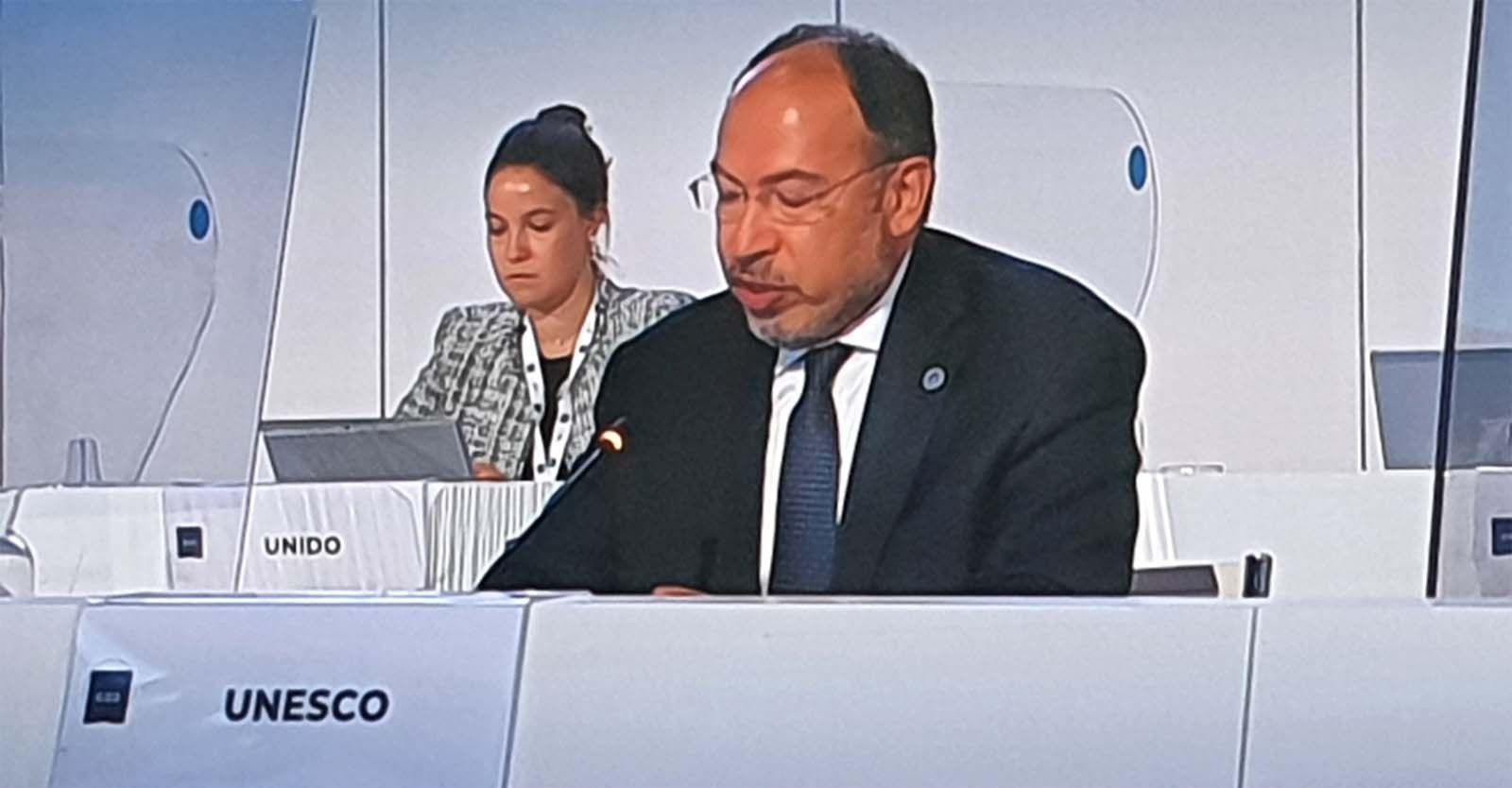 UNESCO dialogues with the G20 meeting of digital ministers 2021-08-14 To build a better future, we need to raise our level of ambition and digital co-operation. This is especially important for new technologies such as Artificial Intelligence (AI), quantum computing, blockchain, Internet of Things, among others. This was the message of a high-level UNESCO delegation to the meeting of the G20 countries digital ministers in Trieste, Italy last week. The G20 is a forum of the world’s major economies, covering 60 percent of the global population and 80% of GDP. Led by Tawfik Jelassi, Assistant Director-General for Communication & Information, the UNESCO team included Gabriela Ramos, Assistant Director-General for Social and Human Sciences. In his remarks, ADG Jelassi – himself a former minister of ICT - pointed to the lessons of the Covid-19 pandemic. “Digitalization offered many of us a lifeline during the COVID-19 pandemic. However, some digital divides were highlighted, such as the unequal access to connectivity; the unequal access to reliable information and knowledge; and the unequal capacities and competencies to create value through digital technology.” -- Tawfik Jelassi, UNESCO Assistant Director-General for Communication and Information The ADG explained how UNESCO is stepping up its actions to reduce, if not eliminate, these three divides based upon the framework for digital development agreed by UNESCO Member States. The framework, he said, consists of the ROAM principles: Human Rights, Openness, Accessibility, and Multi-stakeholder governance. The ADG invited ministers to make use of the Internet Universality Indicators for assessing national digital ecosystems and guide policy decisions. He further highlighted the tools of the “ICT Competency Framework for Teachers”, and the Organization’s new curriculum on Media and Information Literacy. The G20 Ministers were also invited by Mr Jelassi to join UNESCO’s “global consultations to improve the transparency of social media platforms, around the ways they share the information they receive, including through algorithms.” Turning to the subject of AI, the ADG noted that UNESCO had just concluded an AI needs assessment of 32 countries in Africa and would soon offer to 23,000 judicial operators in 150 countries a training on AI and the rule of law. “Also, we will soon deploy AI capacity-building platforms for youth and policymakers,” he added. Gabriela Ramos, Assistant Director-General for Social and Human Sciences, who leads UNESCO’s work on the Ethics of AI, shared with the G20 ministers the potential of UNESCO’s draft Recommendation on the Ethics of Artificial Intelligence. “G20 countries, along with all UNESCO’s membership, delivered an ambitious global standard on AI Ethics,” she said of the process which will culminate at the General Conference of UNESCO in November. “The Recommendation is a compass for international consensus on the 'what' as well as the 'how' of ethical governance of AI to protect and advance human rights, human dignity, inclusion, and non-discrimination,” she stated. The UNESCO delegation held various bilateral discussions with present delegations present, including those from Saudi Arabia, Argentina, Rwanda, Turkey, Italy, Brazil, and OECD. URL:https://en.unesco.org/news/unesco-dialogues-g20-meeting-digital-ministers
 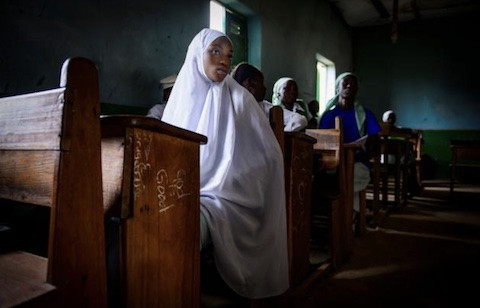 Gender equality in education: Digging beyond the obvious 2021-07-22 Young girls in class in the Kaduna region of Nigeria. When we talk about gender inequality in education, we first think about the barriers to schooling for girls and young women. And for good reason: three-quarters of the children who are at risk of never going to school are girls. Yet disparities exist in other dimensions of education, sometimes to the detriment of boys. To reduce them, IIEP-UNESCO favours an intersectional approach, which looks at gender through all other forms of discrimination and social exclusion. Here is how it works. Globally, progress towards gender parity in schools has been significant over the past 25 years. According to UNESCO data, the number of girls enrolled in primary and secondary school has increased by 180 million over this period, including 69 million in sub-Saharan Africa. Yet girls and young women still face the most severe forms of exclusion, which are the result of several cumulative factors. Among them are socio-economic status, place of residence, ethnicity, religion, and living with a disability. As a result, nine million girls aged 6 to 11 will never go to school worldwide, compared to about three million boys. Poverty, rurality and intersecting inequalities The recent Education Sector Analysis (ESA) of Sierra Leone shows that only 5% of poor, rural girls complete secondary school, compared to 68% of urban boys from better-off backgrounds. This high vulnerability of rural girls has also been observed in Nigeria. These two recent gender-sensitive ESAs are part of the Priority to Equality Initiative, the technical component of which is led by the IIEP-UNESCO Africa Office. Beyond the issue of schooling, gender inequalities are manifested in other components of education, such as learning or school guidance. Two types of obstacles are generally distinguished. On the one hand, are those related to the educational offer, which are directly related to education systems, policies, or schools. On the other hand, are those related to the demand for education, i.e. the obstacles inherent in families, children, and society at large. Ultimately, all these factors are linked and impact each other. What about boys? Contrary to popular belief, gender disparities in education also weigh on boys. The social expectation for young men to earn an income can lead them to drop out of school before the end of lower secondary school. They may even never attend school to help their families. In Sierra Leone, 67% of boys who drop out of school do so for economic reasons, compared to 53% of girls, according to the ESA. In Nigeria, food shortages during the rainy season and armed conflict in some areas are seen as additional barriers to boys' retention and completion. Addressing the weight of social gender norms Around the world, IIEP observes the growing political and legal commitment of countries to gender equality in education. While early pregnancy and early marriage are among the leading factors in girls' dropout from secondary school in sub-Saharan Africa, many states have recently lifted bans that previously prevented pregnant girls from attending classes. Sierra Leone and Mozambique, for example, did so in 2020. This is an example of a significant step towards more inclusive education. "However, the presence of entrenched gender norms at the local level, combined with weak institutional capacity, can hamper the implementation of gender policies and strategies in education," explains Fabricia Devignes, Head of the Gender at the Centre Initiative at IIEP-UNESCO Africa Office. Social gender norms are the set of implicit ideas, stereotypes, and rules that consciously or unconsciously dictate how a person should supposedly be and act, depending on whether they are a woman, man, girl, or boy. These norms manifest themselves, for example, through an unspoken rule that men should be strong and financially support their families. Or through the conditioning of boys' educational orientation towards technological and scientific paths, and less towards 'care' professions, for example (personal services, health and social work), associated with lower salaries. In Niger, only 6% of science, technology, engineering and mathematics graduates are women. Schools can play a key role in challenging these gender norms, the impact of which can have serious consequences for children's education and women's economic empowerment. But it can also reinforce and reproduce them, if education policies and systems are not based on the principles of gender equality. "In education, we see significant differences in the treatment of girls and boys, linked to socio-economic realities, ethnicity, vulnerability to conflict, or gender norms. Taking these specificities into account is a way to produce more comprehensive and effective education sector analyses and plans.Fabricia Devignes, Head of the Gender at the Centre Initiative at IIEP-UNESCO Africa Office Gender-responsive education planning: What conditions, what solutions? Gender-sensitive educational planning is not limited to the formulation of strategies to combat gender inequalities. It must take into account the weight of gender norms and social roles in both process and content. In addition to IIEP's support for the whole process of gender-sensitive planning, strengthening the gender sensitivity of budgets is one of the technical levers promoted by the Institute to the member countries of the Gender at the Centre Initiative. This approach ensures that investments in the education sector advance gender equality. IIEP also works with countries on gender mainstreaming within education administrations. The aim is to strengthen their capacity to introduce gender into their operations in a systematic and considered way. This includes building the capacity of all staff in ministries of education on gender issues at all levels. It may also involve increasing the representation of women in senior positions in ministries of education. URL:http://www.iiep.unesco.org/en/gender-equality-education-digging-beyond-obvious-13854
 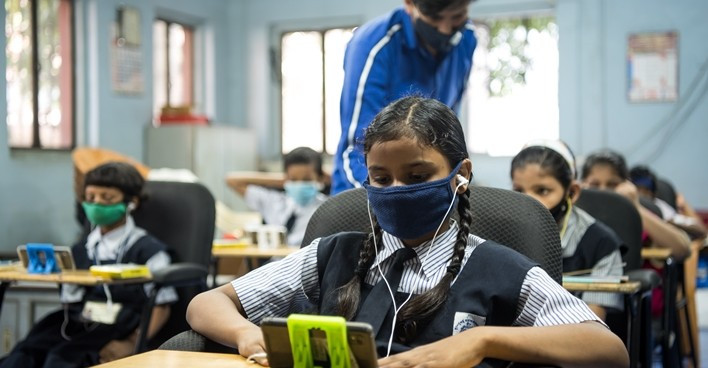 UNESCO convenes world education ministers to relaunch global cooperation for accelerated progress 2021-07-19 Over 85 education ministers and leaders of the international education community endorsed a reform to improve global cooperation in education to better respond to the grave and lingering learning disruption caused by COVID-19 and to put education at the center of political agendas. The ministerial segment of the Global Education Meeting, organized by UNESCO on the sidelines of the United Nations High-Level Political Forum, sent a powerful message about the joint commitment of countries, of multilateral, bilateral and regional organizations, of civil society, the teaching profession, and students and youth themselves, to embark on a new path towards acceleration of the 2030 Agenda. At the beginning of the meeting, UNESCO Director-General Audrey Azoulay recalled the need for more effective international collaboration in the area of education: “we need a Global Coordination Mechanism that is more agile, more efficient and more focused on shared priorities’’. Ministers commended UNESCO’s leadership in leading consultations to improve the global education cooperation mechanism over the past eight months. The proposal to reset the existing mechanism aims to create a better policy environment to drive recovery and accelerate countries’ progress towards SDG4. The Director-General called for improved action in three education priority areas: collecting and sharing more and better data; investing more and investing better in education; and streamlining and strengthening international cooperation. To improve coordination in the area of data, UNESCO announced the establishment of a Global Education Observatory that will provide Member States and the international community with a gateway to education-related data and up-to-date information on education policy practices and responses to the COVID-19 pandemic. The meeting saw the launch of the UNESCO-UNICEF-World Bank-OECD Survey on national education responses to COVID-19 covering 142 countries. The Survey finds that around one in three countries where schools are or have been closed is not yet implementing remedial programmes post-COVID-19 school closures. During the meeting, education ministers shared their innovative responses in transforming their education systems amid the crisis, as well as the immense challenges that still remain. Many ministers emphasized the importance of skills to adapt to an increasingly digital and globalized environment, build resilience to future shocks and to steer the transition towards green societies. “There is urgent need to develop human resources that will be the driving force for social transformation,” said Koichi Hagiuda, Minister of Education, Culture, Sports, Science and Technology of Japan, and co-chair of the current SDG-Education Steering Committee. The Minister emphasized the importance of education for sustainable development and its role in helping individuals and societies respond to future shocks. “We know that by working more coherently together, our collective efforts will be more effective in accompanying countries to accelerate towards SDG4 in the Decade of Action,” said UN Deputy Secretary-General Amina Mohammed. As part of the reformed Global Education Cooperation Mechanism, a High-level Steering Committee will be established at the Global Education Meeting, that will be chaired by France and scheduled for November 2021, on the fringe of UNESCO’s General Conference and the Paris Peace Forum, as announced by the French Education Minister, Jean-Michel Blanquer, who said that education required massive investments and a universal vision. Chaired by the UNESCO Director-General and a Head of Government, the High-level Steering Committee will provide strategic guidance, review progress, and make recommendations on priorities, monitor and advocate for adequate financing, and encourage harmonization and coordination of partner activities. “The commitments you make here will only have meaning if they are acted on - by putting education once again at the top of the political agenda,” said Ms Azoulay. Media Contact: Clare O’Hagan, + +33 145 68 17 29 URL:https://en.unesco.org/news/unesco-convenes-world-education-ministers-relaunch-global-cooperation-accelerated-progress
 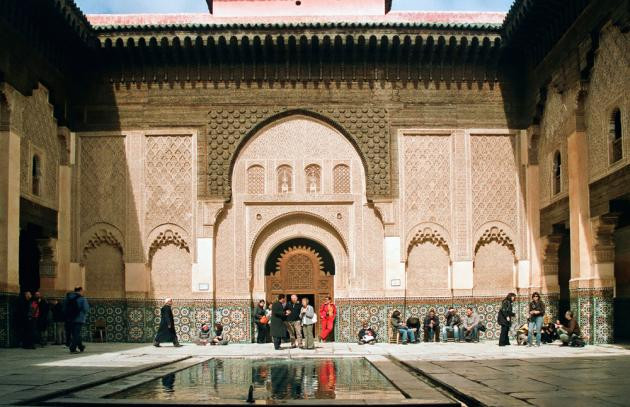 Forum international de politique éducative de l'IIPE-UNESCO : « L'enseignement supérieur doit s'adapter aux besoins des personnes » 2021-07-19 Flexible learning pathways (FLPs) are an important new policy direction in higher education systems worldwide. As the sector rapidly expands and students become more diverse, FLPs support students with everything from getting in to getting out of higher education. They can also help address equity and fairness, and prepare students for the realities of a changing world. New directions in higher education How to support flexibility for students in higher education was the focus of IIEP-UNESCO’s recent online International Policy Forum. From 6-8 July 2021, policy-makers, experts, and researchers from over 80 countries discussed how to improve the effectiveness of FLPs in a series of panels and parallel workshops.The forum was also an opportunity to share new research findings from IIEP’s multi-year international study on flexible learning pathways in higher education to advance the United Nation’s Education 2030 Agenda. Exploring the broad question of how national policies influence institutional practices to foster flexibility, the research zoned in on experiences from Chile, Finland, India, Jamaica, Malaysia, Morocco, South Africa, and the United Kingdom. “Higher education remains central to IIEP’s research to deliver on the global Sustainable Development Goals. Today, we are ready to share and discuss the findings with a truly international public of policy-makers.” -- Paul Coustère, Director a.i, IIEP The global picture Occurring amid the COVID-19 pandemic, the Policy Forum was an opportunity to discuss the rapid, global change facing the sector, as well as where it will go next. It also showed how prescient FLPs are: evidence is increasingly showing that institutions that already embraced flexibility were better equipped to face the crisis, which has affected some 220 million post-secondary students worldwide. “Higher education institutions that have been offering flexible approaches in the delivery of education are better equipped to respond to crisis. We need higher education systems that can accommodate these new realities.” -- Michaela Martin, Team Leader a.i, Research and Development, IIEP Aside from the current crisis, FLPs can help higher education institutions adapt to other global shifts. For example, the ongoing industrial revolution – and the development of artificial intelligence – requires a radical new approach to upskilling and reskilling, and therefore a more flexible approach to accessing higher education than taking part in full degree programmes. “There is a need for most of the working population to have their qualifications upgraded and skills as well as knowledge enhanced in line with the industrial 4.0 revolution.” -- Noraini Ahmad, Honourable Minister of Higher Education, Malaysia To help facilitate this, Institutions must embrace new technological developments to facilitate flexibility in terms of where, when, and how students learn. The current COVID-19 crisis advanced the practice of online learning; however, major questions still stand. How can FLPs truly benefit all students and ensure the relevance of higher education for years to come? Moreover, as IIEP’s Martin said, “the challenge now is to move from remote teaching to quality e-learning.” “Higher education is expanding in all world regions. However, it has been done at the expense of the most vulnerable. Not all segments can benefit from higher education.” -- Francesc Pedró, the Director of the UNESCO Institute for Higher Education in Latin America and the Caribbean. Supporting entry to higher education Diverse entry pathways are one of the most important ways to support the policy objective to improve availability and accessibility of higher education. To broaden access, successful recognized prior learning (RPL), for example, needs both national policies, funding and institutional investment. The variety of open universities, open studies, MOOCs, and micro-credentials shared during the Forum illustrated how to widen access and develop skills in new, shorter, and more accessible yet certified formats. “The time has come for micro-credentials. There is a demand for new competencies. People need to train, and retrain. We need to find new access to higher education and avoid this meritocracy trap.” -- Peter van der Hijden, Higher Education Strategy Advisor, Brussels, Belgium. However, quality assurance and recognition remain a challenge in many countries. And, with the proliferation of programme options, better information and individualized support is needed to help students make informed study choices and reorient when needed. Technology-based solutions Technology-enhanced learning empowers students to have choices in the pace, place, and mode of delivery. As mentioned, the pandemic has accelerated this shift to online learning at momentous speed. While its impact is still being explored, one thing is for sure: this mode of learning is here to stay. Therefore, moving from remote teaching to quality e-learning and defining quality standards for it is indispensable. Addressing disparities in technological access and recognition of online learning are also a work in progress, and the latter requires quality assurance in the same manner as face-to-face learning that will need to be organized between institutions, governments, and quality assurance agencies. Flexible progression through higher education Transfer policies in higher education are necessary to allow students to reorient their studies and increase their chances of succeeding in higher education. To help foster seamless transfers and recognized prior learning processes, national qualifications frameworks aligned with quality assurance will play a fundamental role. Guidance during one’s study, flexibility in the pace of learning, and combining work-based learning and traditional study are useful ways to adapt to the needs of diverse learners. “As the road to higher education can no longer be confined to only one pathway, diversification should be the new practice. Students need to be able to decide which course they want to embark in and when and where they want to study.” -- Mazlan Yusof, Secretary General, Ministry of Higher Education, Malaysia The way forward Higher education is a sector on the move, constantly evolving and adapting to changing realities, whether it be in what students want to learn or what the job market demands. Going forward – even when the current crisis subsides – flexibility will remain the policy target. “We need to stop and think and change. Today’s universities are not the same as yesterdays. It is not just about bachelors or masters, that is over, that is last century. We need to think about what people need.” -- Peter Wells, Chief of Higher Education Section, UNESCO Only by embracing change, and letting go of what higher education may have looked like in the past, will the sector remain relevant, equitable, resilient, cutting-edge, and a means for people to lead fruitful lives and contribute meaningfully to society. The challenge now is to strengthen governance and instruments that further enhance flexibility, and to balance regulation and quality standards with autonomy to create the higher education systems of tomorrow. The event was a collaborative effort between IIEP, the Commonwealth Tertiary Education Facility, the Malaysian Ministry of Higher Education, the Department of Higher Education (JPT), the Universiti Sains Malaysia, the Malaysian Qualifications Agency, and the Malaysian National Commission for UNESCO. URL:http://www.iiep.unesco.org/en/higher-education-needs-adapt-peoples-needs-iiep-international-policy-forum-13849
  Insecurity in northern Mozambique continues to forcibly displace thousands 2021-07-11 This is a summary of what was said by UNHCR spokesperson Babar Baloch – to whom quoted text may be attributed – at today's press briefing at the Palais des Nations in Geneva. UNHCR, the UN Refugee Agency, remains gravely concerned for the safety of civilians in northern Mozambique as armed conflict and insecurity in the coastal city of Palma continues to displace thousands of people, two and a half months after a brutal attack by non-state armed groups. People are fleeing daily in a desperate search for safety both in Mozambique and across the border in Tanzania. Those fleeing have told UNHCR staff that the situation in Palma remains very unstable, with regular gunfire at night and torching of houses. Some 70,000 people have fled Palma since 24 March, bringing the total number of displaced in Cabo Delgado province to nearly 800,000 according to humanitarian estimates. UNHCR continues to advocate for the internally displaced to receive protection and assistance in Mozambique and for vulnerable people seeking safety in neighbouring Tanzania to access asylum. The ongoing insecurity has forced thousands of families to seek refuge in the south of Cabo Delgado and Nampula provinces. The districts of Nangade, Mueda, Montepuez, Ancuabe, Metuge, Balama, Namuno, Chiure, Mecufi, Ibo and Pemba continue to register new arrivals every day. Thousands of others are reported to be stranded in very insecure areas around Palma with restricted humanitarian access. However, UNHCR and partner agencies were recently allowed access to some remote areas to help displaced people living in dire conditions. UNHCR continues to work with partners to assess their needs and provide life-saving assistance. We have distributed relief items to some 10,000 displaced people. Many others have attempted to cross the river that marks the border with Tanzania to seek international protection. According to Mozambican border authorities, more than 9,600 of them have been forcibly returned through the Negomano border point since January this year. Some 900 were pushed back into Mozambique in just a few days from 7 to 9 June. UNHCR teams have been supporting people arriving in a desperate condition, many separated from their family members. Those pushed back from Tanzania end up in a dire situation at the border and are exposed to gender-based violence and health risks as many are sleeping in the open at night in extreme cold without blankets or a roof over their heads. There is an urgent need for emergency relief items including food. UNHCR reiterates its call for those fleeing the conflict to have access to territory and asylum, and, in particular, for the principle of non-refoulement (no forced return) to be respected. Refugees must not be forced back into danger. URL:https://www.unhcr.org/news/briefing/2021/6/60c312e94/insecurity-northern-mozambique-continues-forcibly-displace-thousands.html#_ga=2.75711645.982380942.1625975801-329418574.1625975801
  Seven ways to change the world 2021-07-04 Convened by UN Women, co-hosted by the governments of Mexico and France, together with civil society and youth, the Generation Equality Forum is taking place in Paris, from 30 June to 2 July. Here’s how it’s set to be catalytic and action-oriented, unveiling major investments, programmes, and policies that accelerate progress on women’s rights. Equal rights and opportunities for all people, of all genders, everywhere. It’s not a new vision, but still a bold one, as no country in the world has achieved gender equality in all aspects of life. Since 2020, the COVID-19 pandemic has claimed more than 3.7 million lives globally and created and exacerbated a gender equality crisis. Even before COVID-19, almost one in three women worldwide experienced abuse; during the pandemic, calls to helplines increased five-fold in some countries. The World Economic Forum estimates that at the current rate of progress, women will not achieve pay or leadership equity with men for at least another 135.6 years. The upcoming Generation Equality Forum in Paris, from 30 June – 2 July, is an inflection point to confront the gender equality crisis and spur major investments, policy, and programmes to advance gender equality and women’s rights. Convened by UN Women and co-hosted by the governments of Mexico and France, in partnership with youth and civil society, the Forum will bring together governments, feminist leaders, youth, and change makers from every sector, to announce trailblazing gender equality investments, programmes, and policies. It will mark the beginning of a five-year action journey led by six Action Coalitions and a Compact on Women, Peace and Security, and Humanitarian Action. Together, the Action Coalitions and the Compact have identified the most catalytic actions and targets needed to make irreversible progress by 2026. For instance, policies that recognize, reduce, and redistribute care work and create an additional 80 million decent care jobs; laws that protect 550 million more women and girls from gender-based violence; and doubling the proportion of women working in technology and innovation, while increasing investment in gender-responsive climate solutions.As we head towards the Paris Forum, here are seven ways to change the world, and find out how you can #ActForEqual. 1. End gender-based violence Putting an end to gender-based violence is essential for fulfilling the vision of a gender-equal world. An estimated 736 million women—almost one in three—have been subjected to intimate partner violence, non-partner sexual violence, or both at least once in their life. What needs to change? More governments must ratify international and regional conventions that prohibit all forms of gender-based violence, and strengthen, implement, and finance evidence-driven laws, policies, and action plans. “Everyone agrees that women’s rights organizations need to receive better funding,” says Céline Bonnaire, Executive Director of the Kering Foundation and a member of the Action Coalition on Gender-Based Violence. “But when you have a look at where the money goes, women and girl-lead organizations are receiving just seven per cent of the global philanthropic funding.” That’s why the Action Coalition on ending gender-based violence is focused on increasing the amount of quality, flexible funding from governments, private sector, and other donors to girl-led and women’s organizations, as well as the broader need to scale-up and improve survivor-centred services. “Everyone has a role to play in putting an end to violence against women,” says Bonnaire. “I want a future where there are no more women that have to be survivors of violence.” 2. Guarantee economic justice and rights Women and girls are particularly disadvantaged in social protection systems. The gender gap in labour force participation has not shifted in 30 years, stagnating at 31 per cent. Young women, aged 15-29, are three times more likely to be outside the labour force and schools than young men. Transforming the care economy is one key component of guaranteeing economic justice and rights for women and girls everywhere. Women spend, on average, triple the amount of time performing unpaid care and domestic work that men do, so it is essential that labour rights reward and represent care workers. Pay equity and decent work must become the norm. Diane Ndarbawa, President of Manki Maroua, an association of girl-child mothers in Cameroon, and a member of the Action Coalition on Economic Justice and Rights, says, “Legal change is needed urgently because it will significantly speed up progress on gender equality and contribute to economic justice, as well as safeguard this progress in the long term.” Supporting organizations that work with local communities, such as those offering expertise and financial backing to girls and women entrepreneurs, is another key action to drive progress, says Ndarbawa. “We want to make our voices heard… so that [women] have access to decent work, a professional career, a business—and so they are not left behind,” she stresses. 3. Ensure bodily autonomy and sexual and reproductive health and rights Empowering women and girls to exercise their sexual and reproductive health and rights and make autonomous decisions about their own bodies free from coercion, violence, and discrimination is an urgent need and critical to achieving a gender-equal world. Worldwide, 45 per cent of girls and women, aged 15-49, who are married or in unions cannot make decisions about their own bodies, such as deciding about contraception or saying no to sex. Further, women and girls in humanitarian emergencies face specific and exacerbated challenges—60 per cent of maternal deaths happen in countries affected by humanitarian crisis or fragile conditions. The upcoming Generation Equality Forum in Paris is discussing key solutions, such as expanding comprehensive sexuality education and increasing the quality of and access to contraceptive services for millions more adolescent girls and women by 2026. The Action Coalition on Bodily Autonomy and Sexual and Reproductive Health and Rights is also focused on ensuring that, in five years’ time, 50 million more adolescent girls and women live in jurisdictions where they can access safe and legal abortion. “For us, bodily autonomy is not just about removing individual friction in securing services, but also about shifting the broader market systems within which decisions are taken about what services to provide for whom and where,” says Kate Hampton, CEO of the Children’s Investment Fund Foundation and Action Coalition member. Central to this effort is placing the perspectives and needs of women and girls at the centre of decision-making, rather than treating them as an afterthought, says Hampton. 4. Feminist action for climate justiceA changing climate affects everyone, but it’s the world’s poorest and those in vulnerable situations, especially women and girls, who bear the brunt of environmental, economic, and social shocks and face greater health and safety risks. Yet, women and girls are underrepresented in advancing climate justice across all levels and sectors, and climate interventions fail to adequately account for women’s and girls’ realities in climate crises, such as violence, healthcare needs, fraught economic resilience, and unpaid care and domestic work. Joanita Babirye, from Uganda, is the Co-founder of Girls for Climate Action and member of the Action Coalition on Feminist Action for Climate Justice, and she knows this reality firsthand. “I grew up in a community where women and girls interact with the environment every day for food, income, and to take care of their households,” she shares. “We started having to travel longer distances to look for water. We noticed that changes to the seasons were having a negative impact on agriculture, which made us increasingly concerned.” Babirye felt that something had to be done to further feminist action for climate justice, so she joined forces with other Action Coalition members from around the world to increase direct access to financing for gender-just climate solutions, enable women and girls to lead a just transition to a green economy, and increase the collection and use of data on gender and the environment. “Women and girls should be able to demand climate justice, but this is only possible when they are equipped with the tools and knowledge to hold everyone accountable,” says Babirye. “The transformation needed is to make women and girls fully aware of the issues and leaders of the solutions.” 5. Foster technology and innovation for gender equalityWhat would the world look like if women and girls had equal opportunities to access, use, lead, and design technology and innovation? This question is central to the Generation Equality Action Coalition on Technology and Innovation for Gender Equality, which is set to bridge the gender digital divide across generations, double the proportion of women working in technology and innovation, and eliminate online gender-based violence. Kyzzhibek Batyrkanova, a champion for women and girls in STEM and leader of Kyrgyzstan’s first Space Programme, believes that investing in feminist technology and innovation is a key part of building an inclusive and accountable future. “We encounter many negative comments that this programme will fail because girls and women are engaged in it. People do not even consider any other factors such as lack of funding and infrastructure,” she says. To level the playing field for women and girls, the diverse partners that make up the Action Coalition on Technology and Innovation are proposing concrete steps to widen innovation ecosystems, embed transparency and accountability in digital technology, and expand inclusive digital economies. “We need…to break the glass ceiling and expand opportunities for women and girls in science,” says Batyrkanova, who works to promote STEM education for young women and girls, including courses on soldering, 3D-modeling, and 3D-printing. “We want to show by our own example that girls are capable of anything, even reaching for the stars,” she shares. 6. Invest in feminist movements and leadershipWithout increased action to advance feminist movements and leadership, we are far from achieving gender parity in political life. At the current rate of progress, equal gender representation will not be achieved in national legislative bodies until 2063. Feminist leaders, including trans, intersex and nonbinary people, indigenous women, young feminists, and other historically excluded people, have vital contributions to make today. “I find it problematic that, even in 2021, we still need to justify why women can and should be leaders,” says Bogolo Joy Kenewendo, an economist from Botswana, leader, and member of the G7 Gender Equality Advisory Council, as well as the United Nations Secretary-General’s High-Level Panel on Digital Cooperation. “A lot of work has been done since the 1995 Beijing Declaration and Platform for Action. Why should I now, 26 years later, still have to justify my position in leadership?” she asks. “Feminist organizations are on the front lines in their communities as we have seen throughout the COVID-19 pandemic. They have been supporting the poorest and most vulnerable, fighting and advocating to ensure that those dependent upon on services, such as women’s shelters, can continue to have access. These are the people on the ground who are making change happen on a day-to-day basis, and we must support them,” says Karina Gould, Minister of International Development at the Government of Canada, and member of the Generation Equality Forum Action Coalition on Feminist Movements and Leadership. “Canada signed up to co-lead the Action Coalition because it recognizes that investing in feminist movements and feminist leaders is critical for advancing gender equality”, says Minister Gould. “We see challenges and barriers to feminist movements and leadership that we want to help mitigate,” she adds. “A big challenge is funding. Less than one per cent of development assistance goes towards feminist organizations. We simply need more.” Motivated by the same sentiments as Minister Gould, the Action Coalition on Advancing Feminist Movements and Leadership are putting forth actions to fund and support diverse feminist activists, organizations, and civic space for feminist action. By 2026, the Coalition aims to advance the leadership and decision-making power of women, girls, and nonbinary people around the world. 7. Put women in the heart and at the helm of peace, security, and humanitarian actionTwo decades have passed since the landmark UN Security Council resolution 1325 was adopted, enshrining the role of women in securing and maintaining peace. Peace and equitable crisis response and disaster prevention are prerequisites for health, human security, and sustainable development. As we convene for the Paris Forum, some two billion people are living in countries affected by conflict, another billion are caught up in protracted crises, and millions more face the ever growing threat of climate change. Even in the midst of COVID-19, guns were not silenced, and women continued their efforts to keep peace or act as first responders, often without much recognition or resources. In conflict-affected countries, women’s representation in COVID-19 taskforces stands at a low 18 per cent. Although evidence shows that when women are at the negotiating table, peace agreements are more likely to last 15 years or longer, on average, women made up only 13 per cent of negotiators, six per cent of mediators, and six per cent of signatories in major peace processes between 1992 and 2019. The policies and measures to change this are already in place, but implementation and investment is lacking, in women as peacebuilders, front-line humanitarian workers, and human rights defenders. At the Generation Equality Forum in Paris, a diverse coalition will announce how they plan to accelerate implementation of the agenda. “Women and young people have a profound understanding of their countries’ peace and security situation, gender and power relations, and humanitarian needs, because they live this reality every single day,” says Mavic Cabrera Balleza, Founder and CEO of the Global Network of Women Peacebuilders, which is part of the Compact on Women, Peace and Security and Humanitarian Action. Balleza and the many diverse partners engaged in developing the Compact will leverage existing peace and security and humanitarian frameworks to dismantle discriminatory barriers and promote the protection of women's rights and the work of women peacebuilders, front-line responders, and women human rights defenders. After more than 30 governments, United Nations entities, and global civil society organizations sign the Compat at the Forum, signatories are expected to implement these actions and report on progress over the next five years. “When local populations are able to shape the implementation of the Women, Peace and Security and humanitarian agendas, it becomes inclusive, participatory, intersectional, and it fosters strong ownership,” says Balleza. “This is what we need to prioritize to effectively respond to the violent conflicts, the pandemic, and other humanitarian crises.” You can #ActforEqual 2021 can be a landmark year for gender equality if we #ActForEqual and step up for gender equality. Register for the Generation Equality Forum by 27 June 2021 to join the multi-actor and inter-generational gathering and follow UN Women on social media to stay up to date with Forum news. To learn more about each Action Coalition’s commitments, see the Forum’s microsite for commitment making. URL:https://www.unwomen.org/en/news/stories/2021/6/feature-seven-ways-to-change-the-world