
News
Catch up on what’s happening in the world of global citizenship education.
316 results found
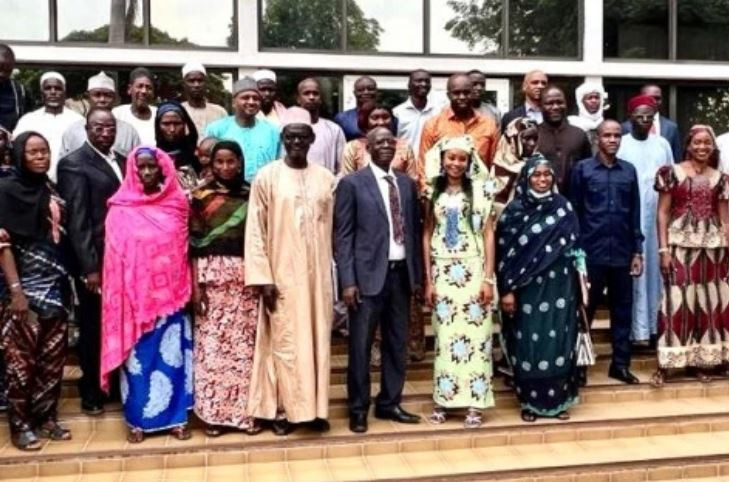 Tchad : Un atelier renforce le dialogue régional sur les systèmes de savoirs autochtones et l’adaptation aux changements climatiques 2022-10-21 ⓒ UNESCO As part of the UNESCO’s approach to strengthen the cooperation or dialogue between indigenous peoples, scientists and policy makers, a regional workshop on indigenous knowledge systems and climate change adaptation was held from 8 to 9 October 2022 in N'Djamena, Chad. In an interactive dynamic, work carried out by UNESCO and the Association des Femmes Peules et Peuples Autochtones du Tchad (AFPAT) has outlined the first elements necessary for the conduct of a process of development of a framework for the protection and preservation of traditional knowledge systems, within the framework of the free, informed and prior consent (FPIC) process. As Mrs. Hindou Oumarou IBRAHIM, Coordinator of AFPAT, noted in her opening remarks, addressing these indigenous women and men holders of traditional knowledge in several disciplines: "Even if you do not speak French and English, be aware that all the knowledge you have makes you doctors and has as much value as the greatest diplomas" In addition, the workshop also provided an opportunity to present the results of a six-years community-based research undertaken within the framework of UNESCO project "Knowing our changing climate in Africa " and to define the modalities for setting up an innovative system for storing data on indigenous peoples and their knowledge. Regional workshop on indigenous knowledge systems and climate change adaptation, October 2022, N'Djamena, Chad ⓒ UNESCO Organized by UNESCO's Local and Indigenous Knowledge Systems (LINKS) Programme, in collaboration with AFPAT, this workshop, under the high patronage of the Minister of Livestock and Animal Production, His Excellency Abdelkerim AWAT ATTEIB, brought together 25 participants from indigenous communities, scientific and governmental institutions. Over the course of two days, these indigenous communities, traditional knowledge experts, scientific experts, lawyers and policy makers explored, in detail, the contours of the promotion, valorization and legal protection of traditional knowledge. At the end of the workshop, eight key recommendations were addressed to UNESCO, AFPAT and the Government of the Republic of Chad, including the establishment of a mechanism for the legal protection of indigenous peoples and their traditional knowledge, the popularization of this knowledge and the establishment of databases on traditional knowledge. In his closing speech, Mr. Abdelkerim AWAT ATTEIB highlighted the obvious scope of this workshop on the economy, education, the national adaptation plan, and the Socio-Cultural Dimension of Chad. More information Local and Indigenous Knowledge Systems (LINKS) Indigenous knowledge of climate change URL:https://www.unesco.org/en/articles/chad-workshop-strengthens-regional-dialogue-indigenous-knowledge-systems-and-climate-change
 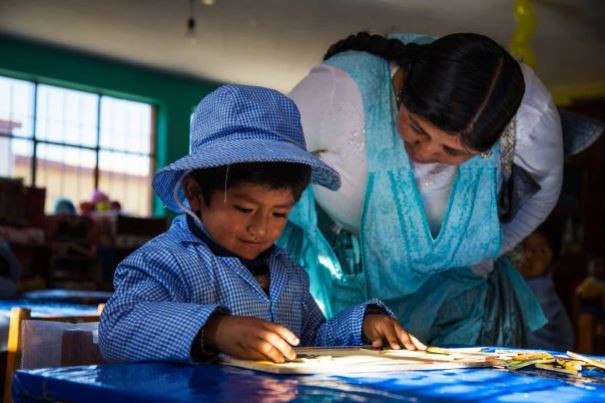 World Teachers’ Day: UNESCO sounds the alarm on the global teacher shortage crisis 2022-10-13 © StanislavBeloglazov/Shutterstock.com On World Teachers’ Day, Audrey Azoulay, Director-general of UNESCO, called on governments around the world to step up their support for teachers, warning that the profession is struggling to retain its workforce and attract new talent. Worldwide, 69 million teachers are needed to reach universal basic education by 2030. The largest deficit is in sub-Saharan Africa. "Lack of training, unattractive working conditions and inadequate funding all undermine the teaching profession and aggravate the global learning crisis. UNESCO has always placed teachers at the heart of the fight for the right to inclusive and quality education. There is an urgent need to better recognise this profession on which the future of our children depends." -- Audrey Azoulay UNESCO’s Director-General UNESCO’s estimates indicate the need for an additional 24.4 million teachers in primary education and some 44.4 million teachers for secondary education in order to achieve universal basic education by 2030. With some of the most overcrowded classrooms in the world, sub-Saharan Africa is also home to the most overburdened teachers and understaffed systems, with 90% of secondary schools facing serious teaching shortages. New UNESCO figures unveiled for 2022 World Teachers' Day show that 5.4 million teachers are needed at primary level in sub-Saharan Africa, and 11.1 million teachers at secondary level, if we are to achieve the targets set by the 2030 Agenda. The region with the second largest deficit is Southern Asia: UNESCO projects 1.7 million additional teachers will be needed at primary-level, and 5.3 million at secondary-level. Working conditions must be improved In low-income countries, the first obstacle is the heavy workload. According to a new UNESCO data, each primary teacher in these countries has an average of 52 pupils per class at primary level, while the global average is 26. The ratio is particularly high in sub-Saharan Africa – 56 pupils per teacher – and Southern Asia – 38. In Europe and North America there are only 15 pupils per teacher on average. Supervision difficulties are amplified by a lack of training, which means that teachers do not always have all the tools at hand to succeed in the classroom. UNESCO data shows that about 26% of primary and 39% of secondary school teachers do not have the minimum qualification requirements in low-income countries, compared to respectively 14% and 16% globally. In remote, underprivileged, and rural areas, conditions worsen and are exacerbated by multi-grade, multi-lingual and acute learning needs in the classroom. Female teachers are affected disproportionately due to lack of adequate housing, long and unsafe routes to school and a lack of childcare services making it difficult to keep women in remote teaching posts. The underrepresentation of female teachers in certain knowledge areas, and in leadership positions is another ongoing challenge. Better salaries must be offered The vocational crisis is also accentuated by non-competitive salaries. UNESCO data shows that 6 out of 10 countries pay primary school teachers less than other professionals with similar qualifications. This criterion is particularly evident in high-income countries. In 5 out of 6 countries in this group, primary school teachers earn less than other comparable professionals. Three high-income countries have a commendable teacher salary policy: Singapore, with an average salary equal to 139% of comparable professions, Spain (125%), and the Republic of Korea (124%). More information on World Teachers’ Day Transforming education from within: current trends in the status and developmen… Press contact:Clare O'Hagan (Head of Press office, ai)Phone: +33145681729 URL:https://www.unesco.org/en/articles/world-teachers-day-unesco-sounds-alarm-global-teacher-shortage-crisis
 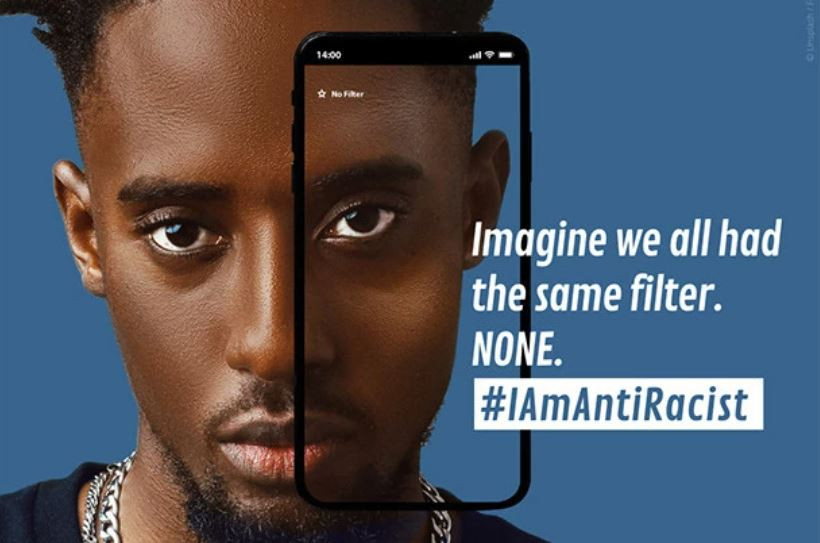 #IAmAntiRacist – Are you? Join our social media campaign! 2022-10-11 © Unsplash / Favour Otunji (original visual) As you can imagine, racism occurs all the time and everywhere.Have you been a bystander or a victim yourself? We invite you to share your experience. You can reduce racism through your own actions. We need to STOP racism together! From 6 October to 28 November 2022, join our #IAmAntiRacist social media campaign. Tell us your story on Twitter, Facebook, Instagram and TikTok! How to participate? Post a short video clip of 20 seconds up to one minute on your account. Show us how you deal with racism in everyday situations. Share your tips & inspire other people! How to make your video stand out: Record a video on your smartphone Use the hashtag #IAmAntiRacist Tag @UNESCO … And post it on your feed! Make it global: invite your friends, classmates, relatives or neighbors to participate! Anyone can become an antiracism champion! Need help? Use the tips at the bottom of this article. Bonus The 10 best videos will be promoted via UNESCO social media platforms, and screened during UNESCO’s 2nd Global Forum against Racism and Discrimination from 28-29 November 2022 in Mexico City, Mexico. This campaign is the initiative of UNESCO. It follows the success behind Finland’s Olen Antiracist campaign. Why through social media? As the most used media of expression for young people, social networks provide valuable opportunities to share strong messages and call for action. Through these platforms, young people can learn and appreciate different perspectives and worldviews to better understand the world around them and contribute to changing mindsets. It can also help them to raise awareness among their peers and have a real impact. The campaign is aligned with the efforts of the Social and Human Sciences Sector of UNESCO to address the ‘Global Call against Racism’. It is also organized in the context of UNESCO’s overall work to fight racism and discrimination since 70 years along with the annual Global Forum against Racism and Discrimination, the Master Class Series against Racism and Discriminations and the Routes of Enslaved Peoples project. ________________ Need help? Here are some tips(from Finland’s campaign How to tackle racism) 1. Identify the racist situation A racist situation can arise without targeting any particular individual. You may hear a racist joke or remark at a family celebration or among friends with no minority member attending. Racism may emerge anywhere, including at workplaces, on social media, while engaged in hobbies, on public transport, or at school. Racist situations can also involve physical violence, so consider your own safety when tackling racism. Remember that racism is also structural. 2. Support the person who is being targeted Show the person that they are not alone. Talk to the person who was the target of racist harassment. Ask how you can help. You can show support by approaching the individual and stand by them. Help them by escorting the person away from the situation. In social media, you can send a message to the person who is experiencing racist harassment and show support by responding to their content. 3. Tackling a racist situation Addressing a racist situation is not easy. Do not be afraid to fail. The main point is that you make an effort. Calmly tell the perpetrators that their behaviour is not acceptable. Ask them to stop. Do not provoke them. Try to remain calm. Ask other bystanders for help or support if you cannot tackle the situation yourself. Call emergency services if the situation is threatening. If a police presence is not required, then you may also notify some other party responsible for public safety, such as a security guard or doorkeeper. Act even if a racist joke or comment is not targeted at a particular person. Try to intervene at the moment. If you cannot because you are in a large crowd or feel uncomfortable, talk to the person in private. 4. Report racism Racist behaviours should be reported further. This should begin by asking victims whether they would like to report the incident. You may offer support in the reporting process. Reports may be sent to such parties as an event organiser, training provider, service provider, the Non-Discrimination Ombudsman or the police. Racism on social media may be reported to the platform administrators. 5. Work against racism every day You can act against racism even if you do not experience or face a racist incident. You can help to build a society free of racism through your own actions every day. Inform yourself about racism and antiracism. Develop yourself as an antiracist actor. Don’t be discouraged when you make mistakes, but learn from them. See also Learn more about UNESCO’s work on inclusion and non-discrimination UNESCO Master Class Series against Racism and Discriminations Further details of everyday anti-racist action (Finland’s campaign) URL:https://www.unesco.org/en/articles/iamantiracist-are-you-join-our-social-media-campaign
 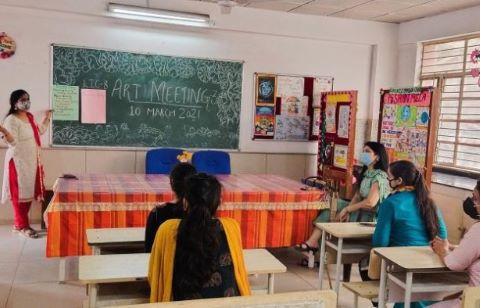 5 raisons d’investir dans le niveau intermédiaire pour améliorer l'enseignement et l'apprentissage 2022-10-06 On dit souvent que les enseignants sont au cœur de l'éducation. Cela dit, lorsqu'il s'agit d'améliorer pratiques des enseignants et résultats d’apprentissage, les personnes en charge de la planification ou de la décision se penchent de plus en plus sur les rôles à un autre niveau du système éducatif : le niveau intermédiaire. Travaillant entre l'école et le niveau central, ces personnels peuvent jouer un rôle précieux en changeant la façon dont les choses se passent en classe. Pas dans une seule classe, mais dans l'ensemble des classes qui composent le système éducatif. En effet, la ou le responsable de niveau intermédiaire agit comme un lien unique entre décideurs et enseignants, contribuant ainsi à un système d'apprentissage complet fondé sur la collaboration et la confiance. Plus précisément, les leaders du niveau intermédiaire - qui occupent souvent des fonctions au niveau du district ou de la région ou qui travaillent dans plusieurs écoles - peuvent partager leurs connaissances sur les meilleures pratiques, faire circuler les innovations dans les salles de classe et dispenser les indispensables orientations pédagogiques aux professionnels au niveau des écoles. Ces personnes comprennent également les problèmes réels auxquels sont confrontés de nombreux enseignants et, grâce à leur accès au niveau central, elles peuvent aller au-delà du soutien apporté à des classes ou à des écoles afin de favoriser la transformation de l'ensemble du système. Historiquement, les réformes politiques mondiales ont adopté une approche plus descendante, se concentrant davantage sur le niveau de l'école comme lieu où les réformes nationales sont finalement mises en œuvre. Les systèmes éducatifs d'aujourd'hui ne peuvent plus se permettre de négliger le niveau intermédiaire au moment où ceux-ci cherchent à reconceptualiser le développement professionnel et à soutenir les enseignants pour améliorer les apprentissages. Sur la base de nos recherches avec Education Development Trust, voici cinq raisons pour lesquelles il est important d’investir davantage dans le niveau intermédiaire. 1. Le niveau intermédiaire peut accroître la motivation et le professionnalismeL'efficacité des enseignants relève de nombreux facteurs. L’un des aspects qui n'est pas suffisamment pris en compte est le niveau de soutien professionnel dont ils bénéficient et comment ils collaborent entre eux. L'échelon intermédiaire peut être le fer de lance d'initiatives qui engagent directement directions d'école et enseignants, contribuant ainsi à favoriser une plus grande collaboration. Cela peut faire évoluer positivement la culture professionnelle en améliorant la motivation et en permettant aux enseignants de se sentir plus à l'aise pour essayer de nouvelles stratégies ou méthodes d'enseignement. « Avant, je travaillais seul plutôt qu’avec les autres. Maintenant j'apprécie de travailler avec d'autres personnes. »- Leader local d'apprentissage au Rwanda 2. L'échelon intermédiaire peut cultiver un système d'apprentissageAu cours des dernières décennies, de nombreuses réformes du secteur public se sont concentrées sur des solutions techniques et un contrôle de gestion au plus près. Pourtant, les réformes réussies sont souvent associées à une modification des pratiques professionnelles au quotidien, ce à quoi l'échelon intermédiaire peut apporter une aide précieuse. Des rôles de leadership pédagogique bien conçus peuvent garantir un solide développement professionnel pour celles et ceux qui sont en classe, face aux élèves. Cette approche crée des espaces de responsabilisation où les problèmes peuvent être résolus collectivement. De plus, elle renforce la capacité à y faire face au fil du temps. « Avant, nous nous plaignions continuellement que ceci ou cela n'arrivait pas. Nous n’évoquions que les problèmes. Maintenant, nous réfléchissons ensemble pour voir comment les résoudre. »-Coordinateur du développement des enseignants à Delhi 3. Le niveau intermédiaire a un effet multiplicateur et ne nécessite pas de changements complexes du systèmeÉtant donné que le niveau intermédiaire existe déjà - et est budgétisé - dans presque tous les pays, le renforcement de ce niveau du système ne nécessite pas de changements considérables. Il peut s'agir simplement de recentrer le rôle d'un poste ou de trouver un meilleur équilibre entre soutien et responsabilisation pour avoir un impact fort sur la culture et le professionnalisme d'un système. Les leaders pédagogiques à l'échelon intermédiaire, qui travaillent avec un grand nombre d'enseignants et d'écoles, ont un effet multiplicateur. Le renforcement des rôles de l'échelon intermédiaire offre ainsi un grand potentiel pour améliorer l'enseignement et les résultats d'apprentissage de manière efficace. 4. Le niveau intermédiaire peut équilibrer les mesures de responsabilisationL'alignement et l'orientation auxquels participe l'échelon intermédiaire autour d'un sens commun de l'objectif peuvent contribuer à contrebalancer la tendance à se concentrer excessivement sur la responsabilisation. Des routines de responsabilisation trop axées sur la conformité peuvent entraver le professionnalisme des enseignants et des directions d'établissement. Les leaders pédagogiques de l'échelon intermédiaire peuvent contribuer à contrebalancer cette dépendance excessive à l'égard de la responsabilisation et à redéfinir les priorités en matière d'apprentissage en donnant plus de pouvoir aux enseignants pour résoudre les problèmes à travers la collaboration et bénéficier d’opportunités de développement professionnel. « Nous apportons des solutions, pas des décisions. »-Leader du système, Pays de Galles 5. Le niveau intermédiaire peut contribuer à combler le fossé entre théorie et pratiqueLes leaders du niveau intermédiaire peuvent s'assurer que les expériences et les suggestions du terrain arrivent jusqu’aux décideurs politiques. En tant que porte-parole de la profession enseignante, ils peuvent traduire la politique en orientations concrètes sur ce qui doit se passer au niveau de l'école et s'assurer que les retours des enseignants et des directions d'établissement sont entendus et pris en considération. En ce sens, le niveau intermédiaire est le ciment du système car il l'oriente vers la collaboration, l'apprentissage et les possibilités de développement professionnel pour ses membres les plus précieux : ses enseignants. « Le niveau intermédiaire joue un rôle important dans la transmission de la politique gouvernementale vers les écoles. Les dirigeants de l'échelon intermédiaire sont les traducteurs et les interprètes des politiques, ainsi que les conseillers et les soutiens des écoles et des enseignants. »-Un responsable de Shanghai URL: https://www.iiep.unesco.org/fr/5-raisons-dinvestir-dans-le-niveau-intermediaire-pour-ameliorer-lenseignement-et-lapprentissage
  Répondre à la crise : quand leadership et résilience vont de pair 2022-10-06 Lors d’une session de formation de l’IIPE-UNESCO, un responsable du ministère fédéral de l'Éducation du Nigeria a fait remarquer que « Le leadership est un processus social collectif, plutôt qu'une fonction. » En ce sens, le leadership n'est pas l'affaire d'une seule personne. Il définit et renforce une administration entière en tant que première responsable de l'éducation. Une culture forte du leadership permet de garantir que des réponses pertinentes et durables sont non seulement élaborées, mais aussi mises en œuvre afin de protéger le droit à l'éducation, quoi qu'il arrive. De quel leadership parle-t-on concernant le ministère de l'Éducation dans les situations d'urgence ? Et comment le soutenir ? L'IIPE se penche sur ces questions depuis plusieurs années et sous des angles différents, afin de comprendre comment renforcer les capacités de ces ministères en matière de gestion de crise et comment soutenir l'engagement et le leadership lors des interventions d'urgence. L'IIPE a commencé par organiser un forum de partage des connaissances (en anglais), réunissant ministères de l'Éducation du monde entier, organisations humanitaires et de développement, et universitaires. Des études de cas par pays ont également permis d'approfondir les expériences du Burkina Faso, de la Jordanie et du Kenya. Dans le même ordre d'idées, l'IIPE s'est associé à Education Development Trust pour explorer le leadership pédagogique à l'échelon intermédiaire (en anglais) afin de comprendre comment leadership collaboratif et réseaux de leadership contribuent à une réponse efficace aux crises. Toutes ces activités ont permis de définir et d'articuler l'importance de celui-ci au niveau du ministère pour toujours préserver l'éducation et l'apprentissage. Voici quelques-unes des conclusions. 1. Le leadership latéral est la clé de la résilience des systèmes éducatifsLorsque des crises surviennent, aucune école, aucun responsable, n’a à sa disposition tout l’éventail des solutions à ces situations très complexes. Différentes solutions seront ainsi expérimentées dans différents endroits. C'est le partage de ces solutions qui permettra aux acteurs d'adopter les réponses les plus complètes et les mieux adaptées à leur contexte et à leurs capacités. Mais comment s'assurer que ces solutions sont communiquées aux écoles et communautés ?Les ressources comme les solutions sont naturellement réparties entre les nombreux acteurs locaux, notamment entre les écoles et d'autres acteurs tels que les parents, la communauté et les entreprises locales. La collaboration et le leadership dit « latéral » (relations informelles et formelles entre les écoles et les partenaires) sont aussi importants que les relations « verticales » et formelles traditionnelles.Lorsque le temps est compté, les solutions testées localement et partagées organiquement permettent une réponse beaucoup plus efficace et rapide. Par exemple, au Burkina Faso, le ministère de l'Éducation a engagé les acteurs locaux dans la planification de l'éducation dans le cadre de la réponse plus large du pays à la pandémie de COVID-19 par le biais de comités de coordination au niveau local. Ces acteurs régionaux, provinciaux et scolaires ont suivi et coordonné les activités de retour à l'école. Les systèmes éducatifs qui ont mis en place ces réseaux permettant la collaboration entre les écoles et les communautés, et où la confiance est déjà établie entre les acteurs, sont en meilleure position pour devenir plus résilients. 2. Investir dans des réseaux de leadership collaboratif de praticiens pour renforcer la résilience au niveau localS'il n'existe pas de schéma directeur pour répondre aux crises, les connaissances tacites des communautés sont une ressource précieuse. Les réseaux tels que les communautés d'apprentissage professionnel peuvent offrir une plateforme intéressante pour le partage des connaissances et des bonnes pratiques. Ils peuvent également aider les acteurs scolaires à se mobiliser et à agir en tant qu'agents de changement pendant les crises.Au Kenya, l'autonomie et le leadership des communautés de pratique, qui rassemblent les directions d'écoles primaires dans des réseaux autour du mentorat par les pairs, ont permis d'aborder des problématiques spécifiques qui ont été pertinentes pour leurs écoles pendant la pandémie. Bien connaître les contextes a permis de trouver des solutions sur mesure. La résolution des problèmes locaux et le leadership endogène facilités par les réseaux de collaboration ont conduit à des réponses scolaires localisées et agiles pendant la crise. Cela démontre l'importance de capitaliser sur les capacités existantes des écoles et sur l'apprentissage collaboratif pour améliorer le leadership. 3. Exploiter toute l'expertise de la main-d'œuvre du secteur et responsabiliser les professionnels au niveau intermédiaire et des écolesParfois, dans les contextes de crises humanitaires, des mécanismes et des systèmes de réponse parallèles sont créés. Il faut plutôt s’appuyer sur la capacité d'un système éducatif, de ses responsables de l'éducation dans les écoles et au niveau du système (en anglais), et exploiter leur potentiel. Cela suppose de distribuer le leadership à tous les niveaux et de faire confiance aux individus pour prendre des initiatives.Par exemple, le niveau intermédiaire des systèmes éducatifs et les professionnels travaillant entre l'école et le niveau central sont particulièrement intéressants. Les superviseurs, les accompagnateurs pédagogiques, les responsables de districts et les chefs d'établissement ou les enseignants mentors travaillant dans des groupes d'écoles sont stratégiquement bien placés pour contribuer à une réponse efficace aux crises. Ils agissent en collaboration pour coordonner le soutien entre les écoles et les enseignants. Grâce à leur proximité avec les enseignants et les écoles, ils disposent de connaissances locales et de l'agilité nécessaires pour répondre aux besoins locaux et pour façonner la réponse nationale.Pendant la pandémie, les leaders de niveau intermédiaire travaillant dans les écoles ont apporté un soutien émotionnel et du lien social tout en enseignant à distance et en éclairant les politiques nationales. Au Rwanda par exemple, les réseaux de niveau intermédiaire ont été les premiers recours des directions d'école et ont également permis la mise en œuvre sans heurts de la campagne de retour à l'école organisée par le ministère. 4. Le leadership en cas de crise doit aborder explicitement l'équité et le bien-êtreLorsque le COVID-19 a fait surface, de nombreux acteurs scolaires ont vu leurs priorités changer rapidement. Le bien-être personnel et collectif est souvent devenu une préoccupation majeure, ainsi que la continuité éducative, notamment pour les élèves les plus marginalisés. Les écoles du monde entier ont eu besoin d'un leadership explicite en matière d'équité et de bien-être. Au Rwanda, grâce aux communautés virtuelles d'apprentissage professionnel, le personnel éducatif national et local a pu centrer les discussions sur la manière de toucher les apprenants les plus vulnérables. Ce personnel a pu aider les autres enseignants à s'engager auprès des parents via des SMS et des visites à domicile, et à collecter des données sur les élèves les plus vulnérables.Au Royaume-Uni, les directions d'établissement ont utilisé leurs réseaux pour débattre de la meilleure manière d'aborder le bien-être des élèves et des enseignants lorsque la pandémie a frappé. Dans l'attente des orientations gouvernementales, les écoles ont élaboré leurs propres approches pour surmonter l'isolement, notamment des appels téléphoniques hebdomadaires entre enseignants et élèves et des appels virtuels quotidiens des directions d'école pour prendre des nouvelles des enseignants. Ces réseaux ont non seulement permis aux écoles de se rassembler autour d'un programme de bien-être pour les élèves, mais ont également favorisé le bien-être des enseignants et directions. De même, à Delhi, des réseaux d'enseignants mentors travaillant dans différentes écoles ont réorienté leurs sessions d'apprentissage professionnel pour discuter du bien-être. « Nous avons constaté beaucoup de stress, d'isolement et de souffrance chez les enseignants, les élèves et leurs familles. Il y avait un besoin d'être entendu et les réunions mensuelles du réseau en ligne sont apparues comme une plateforme pour se reconnecter. »- Ila Varma, enseignante mentor dans une école publique à Delhi, en Inde. Le leadership dans les situations de crise repose sur le fait que chaque niveau du système recueille et utilise des données et des informations pertinentes en mettant l'accent sur les questions d'équité. Pour améliorer l'équité et le bien-être, les points de vue et les expériences des populations touchées par la crise devraient également être systématiquement pris en compte dans la réponse à la crise. L'ouverture d'une communication dans les deux sens et la mise en œuvre d'un retour d'information peuvent renforcer le leadership du ministère de l'Éducation avant la crise et renforcer la résilience pour gérer la continuité de l'éducation et l'incertitude, pendant et longtemps après une crise. Restez à l'écoute ! Un prochain article de réflexion de Education Development Trust examinera le rôle des réseaux de leadership professionnel dans une réponse efficace à la crise. URL:https://www.iiep.unesco.org/fr/repondre-la-crise-quand-leadership-et-resilience-vont-de-pair-14281
  Lo que necesita saber sobre el acceso a la información 2022-10-01 Trayko Popov Recognizing the significance of access to information, the 74th UN General Assembly proclaimed 28 September as the International Day for Universal Access to Information (IDUAI) at the UN level in October 2019. 1. Why is freedom of information an important human right? International human rights law specifically recognizes the right to access to information. Article 19 of the International Covenant on Civil and Political Rights, echoing article 19 of the Universal Declaration of Human Rights, protects everyone's right to seek, receive and impart information of all kinds. States have an obligation to respect and ensure everyone enjoys this right without distinction. 2. Why is it essential to the flourishing of democracy? Access to Information Laws enable: Public authorities be accountable and transparent. For example, proper implementation of Access to Information law means action can be taken against public authorities with consistently poor performance in the field of access to information. Citizens to participate more fully in public life. For example, when a government plans to build a road, everyone nearby is given a chance to participate in discussions about it; citizens are invited to participate in town hall meetings, and government-held information about the development of the road, such as the way it will affect traffic and any environmental reports, is made available online. Governments to build trust in public institutions. During the COVID-19 pandemic, governments published their responses to the pandemic saving lives. Human rights bodies to be part of the decision-making process which ensures that algorithms do not discriminate against marginalized groups. 3. What kind of information has been made public in countries implementing Access to Information laws? Marthaline Nuah, lives in a village in northeastern Liberia and is eager to pursue her education. By listening to the radio, she learnt about her right to request public information and formulated an information request with the Ministry of Education to learn about available scholarships to assist with school fees. The information provided helped her apply for a scholarship. In Brazil, the government proactively published its budgetary information online in compliance with the law. Media outlets have used this information to enhance supervision of governmental programmes, spot inconsistencies and expose corruption and wrongdoings. 4. How, practically, does a citizen exercise his/her right to information? A citizen first needs to send a written request to the relevant public body. It is important to be as specific as possible with regard to the information that you seek, such as the authority that holds the information or the date when the record was created. Some Access to Information Laws specify how long public institutions have to process the requests of citizens. If a citizen does not receive the information requested, citizens can normally complain to the information commissioner. Access to Information laws also requires authorities to be proactive in putting information of public interest into the public domain, without the need for requests. 5. Can too many exemptions from Access to Information Laws, or provisions for Ministerial vetos render such laws meaningless? Limited exemptions must be based on narrow, proportionate, necessary and clearly defined limitations. Exceptions should apply only where there is a risk of substantial harm to the protected interest and where the harm is greater the overall public interest in having access to the information. Bodies should provide reasons for any refusal to provide access to information. The 2022 UNESCO survey on Access to Information, found that most countries evoke national security, privacy and legitimate commercial and other economic interests as permissible exceptions. 6. Does ‘implementation’ of Access to Information Laws include the obligation to inform the public of their rights as well as explaining how to exercise them ? In response to the annual UNESCO survey on access to information, information commissioners reported that their activities include the provision of implementation guidance and/or offered training to officials from public bodies. The majority of them also engage in activities to raise public awareness. The right to access to information forms part of media and information literacy skills so that young people can know the law, how to formulate an information request and how to appeal if their right is not respected. On 28 September 2022, International Day for Universal Access to Information, UNESCO publishes its annual Report, on Public Access to Information based on a survey of 123 countries and territories. URL:https://www.unesco.org/en/articles/what-you-need-know-about-access-information
 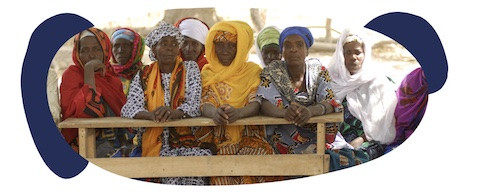 Lancement de notre projet entrepreneurial au Mali – Djonkoli Kènè, l’espace des femmes et des jeunes pour s’entreprendre 2022-06-29 LANCEMENT OFFICIEL DU PROJET « DJONKOLI KÈNÈ, L’ESPACE DES FEMMES ET DES JEUNES POUR S’ENTREPRENDRE » Au cours des cinq prochaines années, le Carrefour de solidarité internationale et l’Association Kilabo joignent leurs efforts pour mettre en place le projet Djonkoli kènè qui vise l’accompagnement de femmes et de jeunes au Mali dans la formation et la mise en œuvre d’activités entrepreneuriales. L’objectif? Une sortie progressive du cercle vicieux de la pauvreté pour ces populations d’un pays parmi les plus vulnérables au monde. UN PROJET DÉDIÉ AUX FEMMES, AUX JEUNES FEMMES ET AUX JEUNES HOMMES Entre crises sécuritaires, économiques, climatiques et politiques, le Mali fait face à de nombreux défis d’envergure. Parmi celles-ci, la pauvreté touche particulièrement les populations rurales féminines : leur autonomie limitée, leur faible pouvoir de décision et leurs difficultés d’accès au travail creusent les inégalités de genre et accentuent la précarité. Elles représentent pourtant 75% de la main d’œuvre agricole. Au sein d’une population particulièrement jeune (48% de la population malienne a moins de quinze ans), ce sont des centaines de milliers de femmes, de jeunes femmes et jeunes hommes peu ou pas formé·e·s qui arrivent sur le marché du travail d’un État n’ayant pas la capacité de les accompagner. En bamanankan, Djonkoli kènè signifie l’espace dédié à ses activités personnelles. Ainsi, le projet a pour mission de développer un service de soutien de proximité en entrepreneuriat pour soutenir des femmes et des jeunes à l’entrepreneuriat, solution clé pour engendrer une réduction de la pauvreté. À l’initiative de ce projet, un besoin propulsé par l’Association Kilabo qui résulte d’une réalité du terrain. Magnigné Mariko, une jeune femme de 32 ans à la tête d’un petit commerce d’ustensiles de cuisine qui peine à décoller, n’a pas pu cacher sa joie en apprenant le lancement du projet d’accompagnement : « C’est fini l’échec! Avec cette formule de mentorat, personne n’ira en faillite! Les affaires vont nous réussir. » UN PROJET À FORTE MOBILISATION LOCALE POUR L’IMPLANTATION D’UN SERVICE DE PROXIMITÉ Si le Carrefour de solidarité internationale œuvre entre le Mali et le Canada afin d’accompagner le développement d’un service de soutien de proximité en entrepreneuriat, ce sont les acteurs et actrices locaux qui portent ce dernier. Les bénéficiaires (femmes et jeunes) des 12 communes ciblées des cercles de Dioïla et Baraoueli seront soutenu·e·s par leurs fédérations paysannes, associations de femmes, forums villageois et leurs élu.e.s communaux, ainsi que par des ambassadrices locales et les ambassadeurs locaux, soit plus de 7 600 acteurs et actrices mobilisé·e·s. En développant ces moyens et ces compétences, Kilabo et le CSI assurent non seulement la durabilité du projet en l’ancrant localement, dans le temps et en permettant aux populations de s’en emparer pleinement, mais ils ambitionnent également que de plus en plus de jeunes et de femmes oseront se lancer dans l’aventure entrepreneuriale par la suite. Et qui sait, les premiers bénéficiaires du service de soutien de proximité en entrepreneuriat deviendront peut-être les ambassadrices et ambassadeurs locaux de demain pour contribuer à leur tour au déploiement du service grâce auxquels ils et elles se sont lancé.es en affaires. L’aide financière reçue permettra spécifiquement aux partenaires : D’améliorer les services de soutien de proximité à l’entrepreneuriat offerts par Kilabo ainsi que par les fédérations paysannes, associations de femmes et forums villageois. De favoriser l’engagement des femmes ainsi que des jeunes femmes et jeunes hommes dans des initiatives créatrices de richesses et respectueuses de l’environnement. D’augmenter la mobilisation entourant la protection du droit à un niveau de vie suffisant dans les régions de Koulikoro et de Ségou au Mali. DU MALI EN ESTRIE: UN PROJET CONSTRUIT SUR LES BASES D’UN PARTENARIAT DE LONGUE DATE Depuis 1990, le CSI et son partenaire Kilabo travaillent à l’amélioration de la qualité de vie des familles paysannes par des actions en agriculture, en économie sociale, en éducation et en santé des femmes, des nouveau-nés et des enfants. Un partenariat fort qui se consolide autour de valeurs chères aux deux organismes. Djonkoli Kènè résulte d’une vision à long terme portée par l’Association Kilabo et les associations locales qu’elle soutient. « Au CSI, nous sommes tous fiers de contribuer au développement de cette initiative et de voir autant d’expertises se mobiliser en soutien à l’entrepreneuriat » souligne avec enthousiasme Etienne Doyon, le directeur général du Carrefour de Solidarité Internationale. C’est notamment le cas de l’Accélérateur entrepreneurial Desjardins qui accepte de partager ses pratiques exemplaires pour le bien de cette initiative. Pour Jean Bibeau, son directeur, « entreprendre, c’est l’acte d’une personne confiante de prendre action et outillée pour mobiliser d’autres personnes à croire à sa capacité de réaliser des projets qui ont un sens pour soi et pour la société. Ces femmes et ces jeunes doivent être au cœur de cette quête de sens. ». UN FINANCEMENT DU GOUVERNEMENT CANADIEN DANS LE DEUXIÈME VOLET DE L’INITIATIVE PETITES ET MOYENNES ORGANISATIONS POUR L’IMPACT ET L’INNOVATION Le lancement de Djonkoli Kènè, l’espace des femmes et des jeunes pour s’entreprendre, est rendu possible grâce au financement accordé par le gouvernement du Canada. Le Carrefour de solidarité internationale recevra une aide financière de 2 millions dans le cadre des projets visant à réduire la pauvreté et la vulnérabilité dans les pays partenaires. « L’esprit d’entreprise est au cœur de la promotion du développement durable partout dans le monde. C’est pourquoi le Canada investit dans des programmes de développement des compétences pour les femmes et les jeunes en établissant des partenariats entre des petites et moyennes organisations canadiennes et des groupes locaux au Mali. En tirant parti des connaissances, de l’expertise et des ressources du CSI dans le cadre du projet Djonkoli kènè, nous offrirons non seulement des possibilités de leadership aux femmes et aux jeunes, mais nous créerons aussi des retombées économiques durables sur le plan environnemental pour les collectivités locales. » – Harjit S. Sajjan, ministre du Développement international et ministre responsable de l’Agence de développement économique du Pacifique Canada Djonkoli kènè, l’espace des femmes et des jeunes pour s’entreprendre a l’ambition d’améliorer les conditions de vie et d’accompagner une sortie du cercle vicieux de la pauvreté des femmes, des jeunes femmes et des jeunes hommes de douze communes rurales des cercles de Dioïla et Baraoueli au Mali. Ces ambitions sont rendues possibles grâce à notre partenariat avec l’Association Kilabo, l’Accélérateur entrepreneurial Desjardins et les nombreux intermédiaires locaux mobilisés sur place. URL:https://www.csisher.com/2022/05/11/lancement-projet-mali/
  Les entreprises canadiennes à l’international doivent assumer leurs responsabilités dans le respect des droits humains et de l’environnement 2022-06-29 28 avril 2022 – Le mois dernier, deux projets de loi sur la reddition de compte des entreprises canadiennes ont été déposés à la Chambre des Communes. La grande importance de l’imputabilité des entreprises canadiennes a été soulevée dans les témoignages de trois défenseur.e.s des droits humains invités hier par le Réseau canadien pour la reddition de comptes des entreprises (RCRCE) dans le cadre d’une table ronde virtuelle. Des entreprises canadiennes aux réputations douteuses Kalpona Akter, directrice du Centre de solidarité des travailleurs et travailleuses du Bangladesh (Dhaka, Bangladesh), le révérend Emmanuel Chikoya, secrétaire général du Conseil des églises de Zambie (Lusaka, Zambie), ainsi que Josefina Tunki, Présidente du Peuple Shuar Arutam (Sucúa, Équateur) ont tour à tour exposé la façon dont des entreprises revendiquant fièrement leur identité canadienne jouissent d’un déficit d’imputabilité criant à travers leurs chaînes d’approvisionnement mondiales, pouvant mener à des violations des droits humains et à une destruction environnementale. En effet, les entreprises canadiennes sont plus que jamais imbriquées dans l’économie mondiale et entretiennent des chaînes d’approvisionnement tentaculaires afin de répondre à leurs besoins. Dans ce contexte, nombre d’entre elles commettent des abus et violations des droits humains – directement ou par le biais de leur sous-traitants – comme en font foi les nombreuses polémiques ayant marqué l’actualité au cours des dernières décennies : travail forcé (esclavage moderne) et travail des enfants, violations des droits des communautés locales (prédation des ressources naturelles, contamination massive des sols et des eaux, expropriation des terres, entraves à la syndicalisation, viols et menaces sur les populations qui s’opposent/résistent, assassinats de leaders sociaux et environnementaux, etc). La protection des peuples et de la planète: un enjeu non négociable Dans ce contexte, les membres du RCRCE appuient deux projets de loi d’initiative parlementaire, C-262 et C-263. Le projet de loi C-262 vise à reconnaître aux entreprises qui opèrent à l’étranger la responsabilité de prévenir, adresser et réparer les impacts négatifs sur les droits humains et l’environnement. Le projet de loi C-263, quant à lui, vise à enfin donner à l’actuel ombudsman canadien de la responsabilité des entreprises (OCRE) des pouvoirs réels pour enquêter de façon indépendante sur les allégations de préjudice. Le Canada tire présentement de l’arrière alors que de nombreux pays ont déjà mis en place des lois pour reconnaître et protéger les droits humains et l’environnement, notamment la France, l’Allemagne et les Pays-Bas. L’adoption de ces deux projets de loi (C-262 et C-263) constituerait une mise à niveau nécessaire avec les bonnes pratiques internationales. Comme l’explique Kalpona Akter, « Nos communautés ont vécu de grandes injustices et cette loi est un premier pas important pour contraindre les compagnies à respecter les droits humains et à protéger l’environnement à travers le monde ». Une conversation qui doit aussi avoir lieu au Québec Dans le cadre de sa campagne Les droits humains ne sont pas négociables, les membres québécois du RCRCE invitent toutes les parties prenantes (organismes de coopération internationale, universités, entreprises, chambres de commerces, syndicats, organisations sectorielles) à prendre part à la conversation et à sensibiliser leurs réseaux à la diligence raisonnable en matière de droits humains et d’environnement. Dans le contexte de crise sociale et climatique actuel, il existe un momentum politique reflétant un souhait collectif sans précédent pour l’amélioration des pratiques d’affaires à l’international, en faveur d’une transition vers une économie plus juste. URL:https://aqoci.qc.ca/communique_rcrce_28avril2022/
  逾140位教育部长在教科文组织总部绘制教育变革路线图 2022-06-26 Kehinde Olufemi Akinbo/Shutterstock.com UNESCO is to host the Transforming Education Pre-Summit on 28-30 June, a meeting of Ministers of Education, policy and business leaders and youth activists, who come together to build a roadmap to transform education globally. Key opportunity to reflect on educational inequalities This meeting is a precursor to the Transforming Education Summit (TES), to be held in September at the UN General Assembly in New York. This high-level summit was convened by the UN Secretary General to radically change our approach to education systems after COVID-19 – especially for the most marginalised learners who are facing severe learning losses. The meeting will focus on 5 key areas of transformation: Schools, Life-long quality learning, Teachers, Connectivity and Financing education. A Youth-led Global Engagement Day will precede the pre-Summit on 28 June bringing together youth from around the world to center young voices in the conversation and provide opportunities for their perspectives on Transforming education to be heard and acted on. All voices will be heard Participants in the Pre-Summit will include heads of State of Ethiopia and Sierra Leone; 140 Ministers and Vice-Ministers of Education; UNESCO Director-General Audrey Azoulay; EU Commissioner for International Cooperation Jutta Urpilainen; Deputy Secretary-General Amina J. Mohammed; UNICEF Executive Director Catherine M. Russell; Summit Special Advisor Leonardo Garnier; Co-chair of the Advisory Committee David Sengeh; Youth activists; Champions of education, and UNESCO Goodwill Ambassador Salif Traore (A’salfo - Lead singer of Magic System). Mid-point in the Sustainable Development Goals Agenda This is the moment to reverse the historical slide resulting from pandemic, climate and conflict disruptions, and to seek transformational changes around schooling, learning, teaching, technology, and financing of education. This meeting comes at a critical time when government spending on education everywhere is not keeping up with the growing crisis in learning. An estimated 40 percent of low- and lower-middle income countries have reduced their spending on education with the onset of the pandemic in 2020, with an average decline in real spending of 13.5 percent. Further, in 2020, 43 bilateral donors decreased their aid to education, while households in the poorest countries are picking up 39% of the total cost of education compared to just 16% in high-income countries, according to a report released today by the World Bank, UNESCO’s Global Education Report and UNESCO’s Institute for Statistics. As the world slowly and painfully emerges from the devastating COVID-19 pandemic, which deeply affected education, and exactly midway through the 15-year period allocated to reach the Sustainable Development Goals (SDGs), the time is right to take stock of where the world is with the Sustainable Education Goal—and to act. The pre-summit aims to prioritize quality education as a global public good, just like clean air and water, health and safety. Programme of the event Watch the event live For accreditation, please complete this online form. URL:https://www.unesco.org/en/articles/transforming-education-over-140-ministers-education-unesco-draw-roadmap
  Revision of the 1974 Recommendation concerning education for international understanding, co-operation and peace 2022-05-04 Adopted in 1974, the Recommendation concerning education for international understanding, co-operation and peace and education relating to human rights and fundamental freedoms is considered a landmark legal instrument that brings together for the first time peace, international understanding, human rights, fundamental freedoms and education. Long before the notion of global citizenship education (GCED) and education for sustainable development (ESD) were coined, the 1974 Recommendation called on Member States to ensure that their education policies are guided by a global perspective and a commitment to international solidarity. Today, the goals of the Recommendation align closely with Targets 4.7, 12.8, 13.3 and 16 of the 2030 Agenda for sustainable development that promote ESD and GCED. Since 1974, new threats endanger peace and human survival. These include climate change, infectious diseases, pandemics and other challenges to health, the rapid spread of hateful and violent ideologies, unsustainable consumption and production patterns, systemic racism, lingering inequalities. With the significant expansion of educational research and technological developments, the field of education has also evolved. Educational responses to societal challenges are increasingly evidenced-informed, comprehensive, digital and intersectoral, requiring cooperation across and between societies and beyond traditional borders (territorial and cultural). These developments also offer new opportunities for peace-building and fostering international solidarity. The revision of the Recommendation constitutes a unique opportunity to revive and update the global consensus around the role of education - in all its forms - to prepare learners of all ages, and future generations, to face future shocks and shape more just, sustainable, healthy and peaceful futures. About the Recommendation The 1974 UNESCO Recommendation concerning Education for International Understanding, Co-operation and Peace and Education relating to Human Rights and Fundamental Freedoms formulates principles and norms for the international regulation of education in support of the advancement of justice, freedom, human rights and peace. It promotes the role of education in eradicating conditions that threaten human survival and well-being. The 1974 Recommendation calls on national authorities and professionals in education all over the world to take action to infuse the aims and purposes of the Charter of the United Nations, (link is external) the Constitution of UNESCO and the Universal Declaration of Human Rights (link is external)(Article 26). The objective is to ensure education is directed to the ”full development of the human personality and to the strengthening of respect for human rights and fundamental freedoms” (Article 26 of the Universal Declaration of Human rights). The monitoring mechanism of the 1974 Recommendation is also used to measure progress on the achievement of Target 4.7, Target 12.8 on access to, and awareness of, information on sustainable development and 13.3. on climate change education. Why revise the 1974 Recommendation? Nearly 50 years ago, UNESCO’s Member States committed to promote peace and international understanding through education. There has been progress since, but challenges remain today. The “struggle against colonialism and neo-colonialism in all their forms and manifestations, and against all forms and varieties of racialism, fascism, and apartheid as well as other ideologies which breed national and racial hatred, and which are contrary to the purposes of this Recommendation” (Article 6) is relevant today though in different ways. Our generation is facing threats such as democratic backsliding and the spread of violent and hateful ideologies and conspiracy theories. Our life on our planet is also under threat due to pollution, climate change and the loss of biodiversity which are causing unforeseen tensions, and challenges to health and well-being. On the positive side, the international community is equipped today with a solid array of normative instruments and technological tools to foster peace and non-violence, which didn’t exist in 1974. We also have data and a rich body of research in education to develop sound policies and monitor their impact. For all these reasons, UNESCO’s Member States decided to revise the 1974 Recommendation to take into account shifts in the global and educational landscape, in particular the requirements of the 2030 Agenda and Sustainable Development Goal (SDG) 4 on Education, with a view to firmly embed the role of education in fostering global peace, international understanding and sustainable development. The revision will also take into account the recent results of the Futures of Education Report: Reimagining our futures together: a new social contract for education. Objectives The purpose of revising the 1974 Recommendation is twofold: ensure the instrument - its framing and technical guidance - is fit for purpose and able to better inspire the design of relevant policies. strengthen the resolve of Member States to implement the guiding principles contained in the 1974 Recommendation, and which are echoed in the 2030 Agenda. The process at a glance UNESCO is leading an inclusive and transparent consultative process in view of supporting the development and adoption of a Revised Recommendation. This process is composed of three main phases: Preparation: Review of relevant documents, evidence and research. [December 2021 to January 2022] Technical consultations with UN and other global, regional and multilateral partners, donors, civil society organizations, professional networks (including educators), national technical experts, as well as with youth, as appropriate. An international expert group composed of experts appointed in their personal capacity by the Director–General will be established during this phase in March 2022 to help propose initial revisions to the 1974 Recommendation. These initial consultations will contribute to the first draft of the revised Recommendation. [March – May 2022] - More information Formal consultations with Member States – as foreseen by the Rules of Procedure concerning recommendations to Member States and international conventions covered by the terms of Article IV, paragraph 4, of the Constitution. First, Member States will be invited to provide written comments on the 1st draft. UNESCO will subsequently convene a Special Committee (Category II) to review the 2nd draft. A sufficient number of intergovernmental consultations will be held in person on the text of the revised Recommendation before it is submitted to the General Conference for adoption. [September 2022 – until the foreseen adoption in 2023] Monitoring the implementation of the Recommendation As part of its standard-setting and monitoring role, UNESCO has been inviting Member States every four years to report on progress made in implementing the 1974 Recommendation. The Seventh Consultation was conducted from October 2020 to March 2021.The data was published for the first time in July 2021 in the UN’s SDG Global Indicator database(link is external). One of the key findings of the report highlights how topics related to learning to live together are more often integrated in laws and legal frameworks than topics related to learning to live sustainably. In both cases, they are slightly more likely to be included in education policies than in laws. According to the data provided by the 75 participating countries, integration of the guiding principles is especially high in curricula and in more than half of cases the mainstreaming of ESD and GCED is extensive. Although mainstreaming in teacher education is almost as high, it is more likely to be partial than extensive. Mainstreaming in laws, policies and student assessment is lower at 87-88%. Globally, 97% of countries (73 countries) reported that some or all of the guiding principles of the 1974 Recommendation are reflected in national or sub-national laws and policies. Despite these encouraging figures, the reporting does not measure the extent to which learning environments are conducive to fostering the principles of the Recommendation. These would be some of the issues to further explore in the revision process. Download the report of the 7th consultation Contact 1974recommendation@unesco.org URL:https://en.unesco.org/themes/gced/1974recommendation#:~:text=The%201974%20UNESCO%20Recommendation%20concerning,justice%2C%20freedom%2C%20human%20rights%20and