
News
Catch up on what’s happening in the world of global citizenship education.
316 results found
 AFD | Lancement officiel de Tilt 2022-04-18 Et si changer le monde commençait par un Tilt ? C’est le pari que fait le nouvel écosystème digital Tilt, initié par l’Agence française de développement (AFD) et qui a pour vocation de sensibiliser les jeunes aux grands enjeux mondiaux et à la solidarité internationale.Tilt c’est quoi ?À travers la mise en scène de personnes de notre entourage qui affirment des absurdités sur des sujets clés abordés par Tilt (comme la biodiversité, les dérèglements climatiques ou la surconsommation), cette campagne valorise par contraste – et avec humour – la nécessité de comprendre et d’agir. Elle incite ainsi les jeunes à mieux connaître les enjeux mondiaux pour réussir à faire tilter les gens autour d’eux, et changer ainsi le monde, ici et à leur échelle.Tilt c’est des vidéos, des articles, des témoignages inspirants, des BD ou encore des podcasts pour que chacun.e puisse se faire une idée plus claire des défis du monde.Tilt c’est aussi des propositions d’actions d’associations, de services publics, du monde de la création et mille manières de s’engager ! Tilt a aussi pour vocation de créer une communauté pour partager, échanger, donner son avis, recueillir des témoignages et se rassembler.Retrouvez Tilt sur le site internet www.tilt.fr et le compte Instagram @tilt_officiel. En savoir plus sur : https://www.tilt.fr/ URL:http://www.bfc-international.org/AFD-Lancement-officiel-de-Tilt
 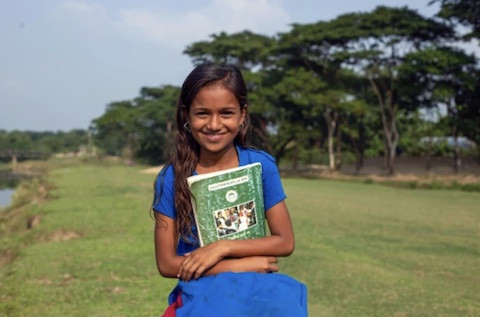 Why Mother Language-Based Education Is Essential 2022-02-27 Every year on 21 February, the world celebrates International Mother Language Day, which was established at the initiative of Bangladesh by UNESCO’s General Conference in 1999. The Day is an essential platform to promote the importance of cultural and linguistic diversity, and multilingualism for peaceful and sustainable societies. UNESCO has been leading the way and advocating for multilingual education based on the mother tongue from the earliest years of schooling. Research shows that education in the mother tongue is a key factor for inclusion and quality learning, and it also improves learning outcomes and academic performance. This is crucial, especially in primary school to avoid knowledge gaps and increase the speed of learning and comprehension. And most importantly, multilingual education based on the mother tongue empowers all learners to fully take part in society. It fosters mutual understanding and respect for one another and helps preserve the wealth of cultural and traditional heritage that is embedded in every language around the world. However, there is still a long way to go before guaranteeing all learners their right to education in their mother language. In most countries, the majority of students are taught in a language other than their mother tongue, which compromises their ability to learn effectively. It is estimated that 40 % of the world’s population does not have access to an education in a language they speak or understand. There are about 7,000 languages spoken around the world today. But linguistic diversity is increasingly threatened as more and more languages disappear at an alarming rate. And when a language disappears, it takes with it an entire cultural and intellectual heritage. Globally, progress is being made in multilingual education based on mother tongue with growing understanding of its importance, particularly in early schooling, and more commitment to its development in public life. Through its normative frameworks for language policy and education, UNESCO shares good practices in bilingual and multilingual education and mother tongue instruction. It works with Member States to integrate multilingual education into curriculums and education systems. Recent successful initiatives to promote mother language-based education have taken place in Djibouti, Gabon, Guinea, Haiti and Kenya. The findings from UNESCO’s new report From rights to country level action shows national efforts made by different countries to foster cultural and linguistic diversity. In addition, UNESCO recently unveiled the World Atlas of Languages, an unprecedented initiative to preserve, revitalize and promote global linguistic diversity and multilingualism. Impact of COVID-19 on mother language education School closures due to the COVID-19 pandemic has exposed and deepened pre-existing education inequalities around the world. The closures ranged from a global average of 20 weeks to above 70 in some cases, more than a full school year. As always, it has impacted vulnerable and marginalized learners the hardest, which includes indigenous and speakers of languages from minority groups. According to UN estimates, nearly 500 million students from pre-primary to upper-secondary school were unable to access any remote learning opportunities during the lockdowns. In many countries, distance teaching and learning tools, programmes and content were not always able to reflect linguistic diversity: They were largely provided in dominant national or international languages. When remote learning content is not available in students’ mother tongue, it increases the risk of learning loss, dropouts and exclusion. Many learners lacked the necessary equipment, internet access, accessible materials, content relevant to contexts and needs, and human support that would have allowed them to follow distance learning. Many teachers also didn’t have the skills and readiness for using distance teaching. They also struggled with digital tools in languages that they didn’t always master. The massive digital divide shows how connectivity has become a key factor to guarantee the right to education. The lack of access to digital learning content is deepening inequalities, marginalization and exclusion. Another element that exacerbates the digital divide is the fact that many languages are not present on the Internet: There is a major linguistic divide in cyberspace today. The inclusion of languages in the digital world and the creation of inclusive learning content is vital. Remote learning based on the mother tongue should be incorporated into education systems in order for all learners, especially those from linguistic minorities, to access education during school closures and beyond. This year’s International Mother Language Day theme, “Using technology for multilingual learning,” is an opportunity to take stock of the experience of the past two years, to move forward differently and better. More on International Mother Language Day More on UNESCO’s work around languages in education URL:https://www.unesco.org/en/articles/why-mother-language-based-education-essential
 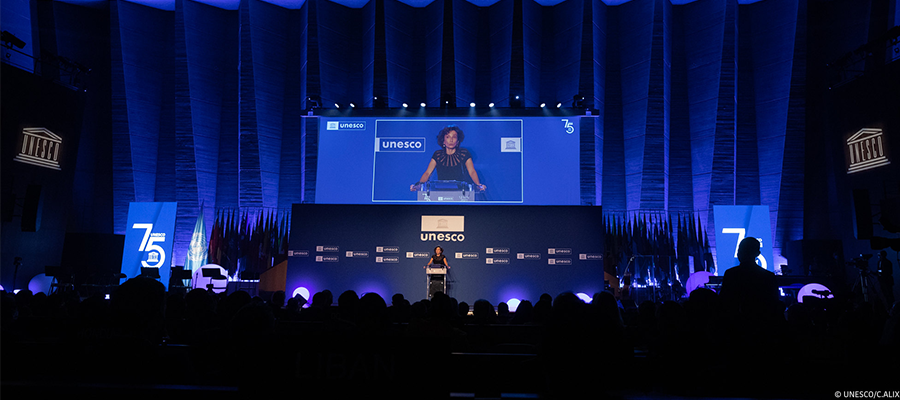 UNESCO’s General Conference reaches global agreements on artificial intelligence, open science and education 2021-11-28 The 41st session of UNESCO General Conference ended yesterday with the adoption of key agreements demonstrating renewed multilateral cooperation for educational recovery, open science and the ethics of artificial intelligence. On 9 November, the organization’s 193 Member States overwhelming voted in support of Audrey Azoulay to serve a second term of four years as Director-General of the Organization, which celebrated its 75th anniversary during this session. Member States endorsed the Paris Declaration: A Global Call for Investing in the Futures of Education at a meeting which brought together Heads of State and Government and education ministers from 40 countries on the 10 November. The purpose of the meeting was to increase support for education in the aftermath of the COVID-19 pandemic. A key part of the event was the launch of a report Reimagining our futures together: a new social contract for education by UNESCO’s Director-General and the President of Ethiopia, Sahle-Work Zewde. UNESCO’s Member States adopted the first ever global Recommendation on the Ethics of Artificial Intelligence. It will be presented by the Director-General accompanied by experts at a press conference at 15.00 CET on Thursday, the 25 November, at UNESCO Headquarters. Journalists seeking Accreditation should contact Léo Bégé-Duclaud: l.bege-duclaud@unesco.org Another landmark moment was reached with the UNESCO Recommendation on Open Science which was also adopted during the General Conference. Of particular relevance to global scientific cooperation surrounding the COVID-19 pandemic , this agrement promotes equality among scientists so that populations and policy-makers will reap the benefits of advances in science. More information is available at https://www.unesco.org/en/natural-sciences/open-science. UNESCO also passed a significant milestone by marking its 75th anniversary with a special ceremony attended by 28 Heads of State and Government. There were moving performances by an array of leading international musicians and artists. During the session, the Organization also celebrated the anniversary of its Man and the Biosphere Programme, which has been a vehicle for progress for sustainable development and the sharing of ideas and examples of best practicearound the world for the last fifty years. Finally, the Åland Islands, part of Finland with autonomous status, became UNESCO’s 12th Associate Member. More information on the General Conference at https://www.unesco.org/en/general-conference/41 Media Contact: Clare O’Hagan: c.o-hagan@unesco.org URL:https://en.unesco.org/news/unescos-general-conference-reaches-global-agreements-artificial-intelligence-open-science-and
 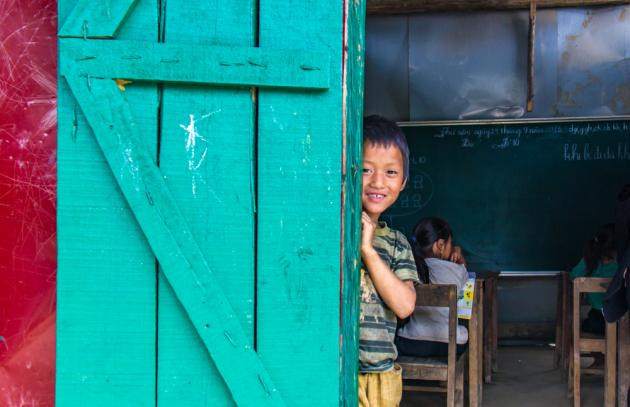 How citizens can engage in educational planning and policy 2021-11-27 "Education is perhaps the place where citizens and government have some of their closest interactions. This is the place where good governance comes alive and where trust is built or lost." -- Paul Maassen, Chief, Country Support, Open Government Partnership (OGP), keynote speaker for IIEP’s Policy Forum In IIEP’s recent virtual Policy Forum, Open Government in education: Learning from experience, the message was clear: there is growing momentum to both share more information and collaborate, but also to act on feedback and improve education systems. For three days (16-18 November), decision-makers and educational managers, OGP country representatives, civil society members, and researchers from 50 countries discussed how to move forward with open government as a promising model for integrity planning in education. More than 1,000 people from across the globe followed the event online. Watch the videos. The discussions focused on a range of open government initiatives from Colombia, India, Madagascar, Peru, Portugal, and Ukraine – all of which have been featured as case studies in IIEP’s four-year research project on open government. By bringing these examples to life, the participants gained new clarity on how open policy-making, open budgeting, open contracting, and social audits can pave the way to innovative forms of collaboration between citizens and government. They also highlighted the wide-ranging impact open government can have on education: from improving school feeding programmes to monitoring parental school donations. Some of the key questions included how to ensure equal access and use of open government initiatives, how to harness new technologies to facilitate citizen involvement, how to cement the link between open government and accountability, and finally how to address the limits and risks of citizen involvement in the policy cycle. Opening the Forum, IIEP’s Director Karen Mundy explained that research in the area has found that public access to information and citizen engagement are key to promoting greater transparency in education systems, but that additional efforts are required to ensure that they have a real impact on the management of the sector. "Open government in the education sector calls on renewed government-citizen interaction and relies on the principles of transparency, citizen engagement and participation, as well as government responsiveness." -- Karen Mundy, IIEP Director The value of national level support Open government initiatives typically require transparency and open education data. However, as explained by Muriel Poisson, IIEP’s expert on ethics and corruption in education and coordinator of the Institute's research on the topic, open government must go further: “Disclosing information publicly is key, but it is only a first step. Further action is required from education authorities to accompany new forms of citizen engagement and ensure that appropriate decisions are taken based on citizen’s feedback – including possible legal recourse,” she said. The temptation is often to start organizing at the most local level – where citizens and communities are. However, this can pose challenges for the education sector as decisions that impact people – and learners – are still largely taken at the central level. Therefore, national actors continue to play a large role in the successful implementation of open government. Among 38 countries that have adopted open government commitments in the education sector, 76% are operated and managed at the national level, compared to 41% at the school level. For example, national involvement made the first social audits possible in ten Indian states, and in Portugal it facilitated the annual involvement of some 200,000 students aged 12 to 18 in participatory budgeting for education. National support can come in the form of financing and expertise, but also through legitimatizing initiatives through legislation. In Portugal, 90% of Portuguese public schools have participated in a least one edition of the participatory budgeting program, which aims to strengthen the democratic management of schools by stimulating student participation. At the same time, the Forum highlighted the immense value of locally driven initiatives, such as Open School in Ukraine. Here, an open budget website was launched to bring more transparency to school budgeting. The site also monitors the type of donations received and opens new channels for dialogue on prioritizing the actual needs of schools. "This initiative has changed my attitude towards the authorities, my confidence has increased because now I see everything that is happening with money. When the principal makes a report, I see that this is indeed true." -- A teacher in Druzhkivka, Ukraine How to encourage the engagement of all citizens Open government is only worthwhile with an engaged citizenry. Yet, for the education sector it can often be challenging as the culture of participation often remains low. To be successful, initiatives must pay attention to how citizens access, understand, and use information, and a plurality of voices must be encouraged. In Madagascar, for example, local consultation structures (LCS) facilitated participatory planning and budgeting at the municipal level. Varied communication channels – from phones, radio, to posters and school meetings – have helped the public both access and use information to diagnose shortcomings. and formulate strategies to address them. Similarly, in India, street theatre and puppet shows were used to mobilize the public in the social audits, while in other initiatives efforts were made to ensure that underrepresented voices – including women and youth – were heard. Closing the accountability loop Beyond citizen engagement, a successful initiative must also foster important links with accountability. “We all agree that answerability is not an end. We have to move towards enforceability," said Poisson. This means that public authorities must not only report on their actions, but change practices, thereby closing the accountability loop. Nada Zohdy, the Director of the Open Gov Hub agreed: “If people don’t see any response because of their engagement, they will be demotivated. So, ensuring responsiveness and making sure citizens understand the decisions taken is indispensable, even if they are not 100 percent responding to what citizens proposed. The dialogue is important.” Looking forward, a lot of this dialogue will occur via digital platforms, especially in the age of COVID-19, smart environments, and among younger audiences. However, the participants of the Forum stressed that the existence of virtual platforms and other digital tools are not enough. Citizens need equal accessibility and universal know-how on how to use information towards the betterment of quality education for all. To learn more about IIEP’s work in the area, consult the ETICO resource platform dedicated to ethics and corruption in education. URL:http://www.iiep.unesco.org/en/how-citizens-can-engage-educational-planning-and-policy-14026
 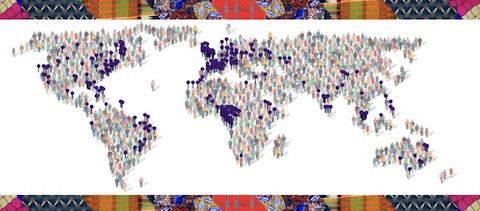 International community gives a strong push to media and information literacy 2021-11-12 Global Media and Information Literacy Week 2021 was in many ways historic. The Week was commemorated from 24 to 31 October 2021 under the theme “Media and Information Literacy for the Public Good.” Global MIL Week 2021 was co-organized by South Africa and UNESCO, with the support of the European Commission. Stakeholders around the world gathered virtually on this significant occasion and organized over 600 local events to celebrate the Week. It was the first time that Global Media and Information Literacy Week was hosted by an African country and celebrated at the United Nations level, after being proclaimed by the United Nations General Assembly on 25 March this year. Over the course of the week, close to 150 speakers underlined the pivotal role of media and information literacy for the public good in 25 thematic sessions of the Feature Conference and Youth Agenda Forum. Their profiles ranged from policymakers, experts, practitioners, to representatives from international organizations, media, NGOs and the private sector. More than 600 online and offline local events and activities related to media and information literacy were organized around the globe to commemorate the Week. In this deluge of information, we need more reference points and more rational thinking. That is why media and information literacy is a such a key skill for the education of the 21st century citizens.-- Audrey Azoulay, Director-General of UNESCO This global threat of misinformation is more pronounced today as the world battles the anti-vax lobby in the face of the devastation occasioned by the COVID-19 pandemic… We must consider new media and information literacy programmes to help people understand the consequences of creating and sharing false and misleading content. To achieve and sustain the goal of media and information literacy for all, international cooperation is most urgent.-- Cyril Ramaphosa, President of South Africa Enhancing cooperation among stakeholders to sustain media and information literacy development Also, for the first time, regional intergovernmental organizations including the African Union, Arab League, Asian Cooperation Dialogue, and European Commission, expressed their commitment to fostering media and information literacy at the regional level and to enhancing global cooperation among stakeholders. State actors from France, Kenya, Morocco, the Philippines, the Russian Federation, and South Africa, presented media and information literacy policies and strategies and related good practices in their countries, setting examples for other states. Several United Nations Agencies, Funds, and Programmes discussed ways to strengthen cooperation around media and information literacy within the United Nations system during the second United Nations Roundtable on Media and Information Literacy. Positioning media and information literacy on the international development agenda in the post-pandemic world The urgent necessity to forge partnerships and mobilize adequate resources for media and information literacy was reiterated by major donors and government representatives during the Feature Conference. The Swedish International Development Cooperation Agency, Norwegian Ministry of Foreign Affairs, Ministry of Foreign Affairs of Japan, ICESCO, Arab League, and Google called on other stakeholders to join as contributors and partners so that resources are secured to support media and information literacy programmes. Lars Amréus, Chairperson of the Swedish International Development Cooperation Agency encouraged “other donors as well as partners from the private sector to recognize the importance of media and information literacy as building block in this work,” and highlighted that “the drive for democracy aims to initiate renewed and revitalized effort to support and strengthen democracy worldwide online and offline.” The need for an International Media and Information Literacy Fund was also underlined and embraced. As a pioneering move, the Feature Conference initiated a dialogue on formulating an international multi-stakeholder framework for private/digital platforms to integrate media and information literacy in their policies and operations. Organizations such as OECD, Twitter, WhatsApp, and Commonwealth of Learning embraced the idea of this multi-stakeholder framework and offered recommendations on what it should entail. Ulrik Vestergaard Knudsen, OECD Deputy Secretary-General emphasized, “the cross-boundary nature of misinformation and disinformation also means that only collective actions will deliver the change we want to see. Only a comprehensive, multi-dimensional approach will help curb this threat.” The dialogue is to be continued on 9 December 2021 with other stakeholders at the Internet Governance Forum 2021. Youth hacking media and information literacy for better futures The role of youth in promoting media and information literacy and building better future was brought to the fore during the Week. “Youth is a priority group for UNESCO, not only as beneficiaries, but more importantly as drivers for change. Throughout our action in media and information literacy, we strive to ensure inclusion of youth as co-creators, co-leaders, and experts in media and information literacy development,” stated Mr Tawfik Jelassi, UNESCO’s Assistant Director-General for Communication and Information, during the presentation of the Global Media and Information Literacy Youth Hackathon winners and outcomes. The Global Media and Information Literacy Week 2021 Youth Agenda Forum was held in the form of four dedicated sessions during the Feature Conference with an aim to mainstreaming youth. 85 teams composed of young people and youth organizations from 45 countries engaged in the creation of innovative solutions to a series of challenges using media and information literacy, in the “Hack Media and Information Literacy for Better Futures” youth hackathon. The creative ideas of the six winning teams received recognition from the 25 jury members. The baton of Global Media and Information Literacy Week was passed from South Africa to Nigeria, the host country of the 2022 edition. Preparations have commenced... Nigeria successfully hosted in 2013 the Global Forum for Partnerships on Media and Information Literacy in Abuja... We hope to make the 2022 (edition) more colourful and impactful, especially for the continent of Africa.-- Alhaji Lai Mohammed, Minister of Information and Culture of Nigeria Global Media and Information Literacy Week 2021 was celebrated from 24 to 31 October. Its Feature Conference was held between 25 and 29 October 2021, while local events took place around the world to commemorate the Week, thanks to the involvement of the Member States, members of the UNESCO Media and Information Literacy Alliance and the Media and Information Literacy and Intercultural Dialogue University Network, among other partners. The second edition of the UNESCO Model Media and Information Literacy Curriculum for Educators and Learners was published recently. In a connected initiative, UNESCO and the Republic of Serbia, in cooperation with the European Commission will jointly launch the Global Standards for Media and Information Literacy Curricula Development Guidelines, on 11 November 2021. Learn more about the launch event here. These Standards are intended to guide policymakers, media and information literacy practitioners, and other stakeholders in general about how to design, formulate, implement and monitor a media and information literacy curriculum inside and outside school settings. These and other related resources are being adapted into an online multimedia collaborative platform to be launched in early 2022. URL:https://en.unesco.org/news/international-community-gives-strong-push-media-and-information-literacy
 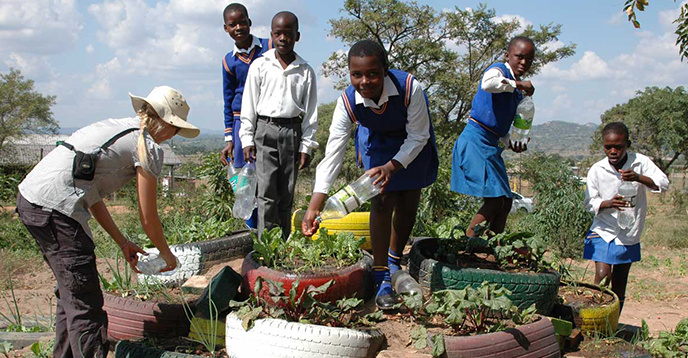 Only half of the national curricula in the world have a reference to climate change, UNESCO warns 2021-11-08 Education systems do not currently address the gravity of the climate crisis, warns the UNESCO, the UN's leading education agency, ahead of the first joint meeting of environment and education ministers at COP26 in Glasgow on 5 November. New UNESCO data from 100 countries shows that only 53% of the world’s national education curricula make any reference to climate change and when the subject is mentioned, it is almost always given very low priority. Furthermore, fewer than 40% of teachers surveyed by UNESCO and Education International were confident in teaching about the severity of climate change and only about one-third felt able to explain the effects of climate change on their region or locality. "The climate crisis is no longer the threat of a distant future, but a global reality. There is no solution without education. Every learner needs to understand climate change, and be empowered to be part of the solution, and every teacher given the knowledge to teach about it. States must mobilize for this." -- Audrey Azoulay, UNESCO Director-General When asked about the challenges of teaching climate change, 30% of the 58,000 teachers surveyed reported that they were not familiar with suitable pedagogies. Over a quarter of those surveyed felt some approaches to teaching climate education were not suited to online teaching. This is of particular concern given that 737 million students in 66 countries are still affected by full or partial school closures. In view of these findings, UNESCO decided to organize with the United Kingdom and Italy, co-Presidents of COP26, the event ‘Together for Tomorrow: Education and Climate Action’, the first joint meeting of environment and education ministers, at COP26 in Glasgow on 5 November. "Climate and sustainability education must be mainstreamed into the curriculum to go beyond the mere concept of sustainability and re-generate the school and the entire planet." -- Patrizio Bianchi, Italian Minister of Education UNESCO will underscore the need for collaboration between the education and environment sectors to successfully integrate climate change in education systems worldwide in every level of schooling. The event builds on the Youth4Climate education session jointly organized by UNESCO and the Italian Education Ministry, where young climate activists discussed their calls for quality climate education with six education ministers. ‘Together for Tomorrow” will take place on 5 November, 4 pm to 5.30 pm, in the Blue Zone, and will be open to those who have tickets to the area. Watch Together for Tomorrow on livestream: https://ukcop26.org/ Find out more about the ministers’ pledges here UNESCO’s work on education for sustainable development: https://en.unesco.org/themes/education-sustainable-development Media contact: Thomas Mallard, t.mallard@unesco.org URL:https://en.unesco.org/news/only-half-national-curricula-world-have-reference-climate-change-unesco-warns
  Global Education Ministers Conference, towards a shared action plan to counter hate speech 2021-10-31 Education Ministers from all over the world on Tuesday attended a Global Minister’s Conference held at the initiative of UN Secretary-General António Guterres and UNESCO Director-General Audrey Azoulay to reinforce the struggle against online and offline hate speech. Against a background of high anxiety caused by the COVID-19 pandemic, there has been an increase in hate speech and people’s instinctive quest for scapegoats has resulted in a sharpr rise in prejudice, stereotypes and discrimination. The UN and UNESCO have called on States to take action to curb this harmful phenomenon. The Global Ministers Conference, the first of its kind, organized by UNESCO and co-chaired by President Hage Geingob of Namibia has given rise to decisions on common actions at all levels of education, prioritizing media and information literacy, teacher training and public awareness raising about digital citizenship. "This hatred is not new. But what has changed more recently is the influence and magnitude of social media platforms, which have become an echo chamber that amplifies. The legal response is essential, but it is not enough. We must also mobilize education, because it is through education that we develop critical thinking and deconstruct prejudices." -- Audrey Azoulay, UNESCO Director-General UNESCO and partners’ work to address hate speech spans multiple areas, notably: Addressing hate speech on social media developed to monitor the existence, spread and impact of online hate speech, as well as assess capacities to counter it. Media information and literacy curriculum for teachers to help young people assess the relevance and reliability of information. Prevention of antisemitism through education, as well as teaching about the Holocaust and genocides, including training for policy-makers and teacher trainers around the world. Preventing violent extremism by providing support to youth so they can engage against hateful and dangerous ideologies, and by training and guiding educators. Organized in partnership with the United Nations Office on Genocide Prevention and the Responsibility to Protect, the Ministers Conference follows on the work of the multi-stakeholder forum organized by UNESCO early this month with the participation of governments, civil society organizations, human rights experts, as well as tech and social media companies including Facebook, YouTube and TikTok. Underpinned by the United Nations’ human rights and free speech-based Strategy and Plan of Action on Hate Speech, the Ministers Conference specifically focused on education in the struggle against hate speech, its deeply rooted causes and driving forces. Strengthening educational responses to build the resilience of learners to the rhetoric of exclusion and hate also lies at the core of the Education 2030 Agenda, and more specifically Target 4.7 of Sustainable Development Goal 4 (SDG 4) on the social, moral and humanistic aims of education. For more information and resources: https://en.unesco.org/news/addressing-hate-speech-through-education-global-education-ministers-conferencePress contact: Clare O’Hagan: c.o-hagan@unesco.org +33 145681729 URL:https://en.unesco.org/news/global-education-ministers-conference-towards-shared-action-plan-counter-hate-speech
  Major intergovernmental organizations respond to the urgency of media and information literacy for all 2021-10-20 Global Media and Information Literacy Week 2021 The current information ecosystem keeps evolving in complex ways - opening up new opportunities but also challenges. It is hard to conceive of the public good being advanced, if the public is disempowered by false and misleading content, conspiracies theories and hate speech. However, media and information literacy empowers people to develop themselves and their societies through enhanced capacities in communication and information. Media and information literate people are equipped to better respond to potentially harmful kinds of content. These issues will be the focus of 2021 edition of the annual Global Media and Information Literacy Week will be commemorated on 24-31 October 2021, under the theme “Media and Information Literacy for the Public Good”. It is co-organized by South Africa and UNESCO in cooperation with the European Commission. Its Feature Conference and Youth Forum will take place online, alongside celebration events around the globe. Among many other sessions, heads of major intergovernmental organizations such as the European Commission, African Union Commission, the Arab League, Organization of American States and Asian Cooperation Dialogue will be present in a high-level session. They will discuss how they can join forces to enhance global and regional cooperation among stakeholders to sustain media and information literacy development. As the world battles the COVID-19 pandemic on several fronts, the misuse of social media and persistent rise in misinformation undermine efforts to fight the disease, threatening even more lives and costing even more livelihoods. We must consider new media and information literacy programmes to help people to understand the consequences of creating and sharing false and misleading content.-- Cyril Ramaphosa, President of South Africa Media and Information Literacy (MIL) received a vital push during UNESCO’s General Conference in 2019, when 193 countries proclaimed International MIL Week. On 25 March 2021, the UN General Assembly adopted resolution A/RES/75/267, further cementing the urgency to ensure MIL for all. The launch of the latest edition of the Curriculum is a significant step forward in accelerating the strengthening of MIL development globally. The defining challenge of our time is to harness the power of fast-evolving digital technologies to effectively contribute to the promotion of information as a public good. In order to seize the opportunities and address content challenges, we need to recognize media and information literacy as an important factor for sustainable development. Media and information literacy, along with digital skills, are more than ever a sine qua non for an informed and resilient society. Therefore, national policies and strategies in these areas have become urgent for all countries.-- Tawfik Jelassi, Assistant Director-General for Communication and Information, UNESCO As the world recovers from the COVID-19 pandemic and continues to grapple with the alarming rise in disinformation, media and information literacy comes to the fore as a sustainable solution for building public resilience and for advancing the role of information as a public good. Stakeholders worldwide are invited to celebrate the Week by organizing local events or activities and register them on the Global MIL Week website. They will appear on the Global Media and Information Literacy Week virtual world map. Register to participate in 25 television style interactive sessions. Related links More information about Global Media and Information Literacy Week 2021 Media and Information Literate Citizens: Think critically, Click Wisely (Second Edition of the UNESCO Model Media and Information Literacy Curriculum for Educators and Learners) URL:https://en.unesco.org/news/major-intergovernmental-organizations-respond-urgency-media-and-information-literacy-all
 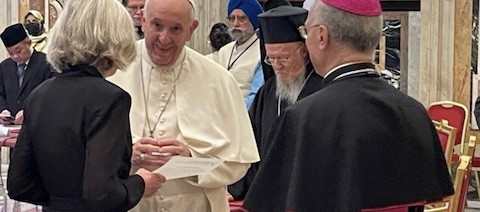 Pope Francis presents UNESCO with religious leaders’ message to the world’s teachers 2021-10-09 His Holiness Pope Francis called for educational renewal to advance universal fraternity and expressed gratitude to the world’s teachers for their dedication, during an inter-religious dialogue at the Vatican on 5 October marking World Teachers’ Day. During the event, Pope Francis handed over to UNESCO Assistant Director-General for Education Stefania Giannini a statement of greetings to teachers and educators from representatives of religions in which they express “hope that each nation will give due value and recognition to your service, in the knowledge that the future of humanity depends on the quality of teachers and education.” To achieve “open and inclusive education,” the representatives share their commitment to “putting the human person at the center of every educational process, listening to and respecting students and teaching lifestyles that are more respectful of the environment.” The message reflected the tone of the meeting, during which representatives from various religions described education’s seminal role in fostering universal values of care, tolerance, respect and solidarity. Across traditions, they advocated for a humanistic and holistic approach to education. The meeting, the first of its kind, was organized to take forward a global compact on education launched by the Pope in 2019 as a broad alliance of all those engaged in education to shape the future of our planet. “All change requires an educational process aimed at developing new solidarity and a more welcoming society,” said Pope Francis. “We want to be a stimulus for renewed education activity that can advance universal fraternity. Today we want to state that our religious traditions reaffirm the mission of integrally educating each individual - head, heart, hands and soul.” Pope Francis emphasized the responsibility of religions in promoting peaceful coexistence, dialogue and mutual respect. “If in the past, in the name of religion, discrimination was practiced against minorities, today we want to be defenders of the identity and dignity of every individual and teach young people to accept everyone without discrimination. If in the past, the rights of women, children and the most vulnerable were not always respected, today we are committed to defend those rights and teach young people to be a voice for the voiceless. Education impels us to reject and denounce he violation of the moral and physical integrity of every individual,” he continued. Affirming that “nature never forgives,” the Holy Father insisted on ecological responsibility. “If in the past we accepted the plundering of our common home, today we must train ourselves and future generations in more ecologically sustainable lifestyle.” Ms Giannini recalled that young people made a strong call for common responsibility at the Pre-COP Youth4Climate summit on 29 September in Milan. Concluding he event, she said that the statements by religious leaders resonated with UNESCO’s humanistic vision of education, stressing that teachers are at the heart of change. “Without empowered and well-prepared teachers we cannot do anything. As the COVID-19 pandemic has proven, no screen and no device can ever replace a teacher. The human factor is at the heart of learning and its success.” The meeting gathered representatives from Islam, Judaism, Sikhism, Jainism, as well as the Patriarchate of Constantinople, the Russian Orthodox Church, the Quakers, the World Council of Churches, the World Evangelical Alliance. URL:https://en.unesco.org/news/pope-francis-presents-unesco-religious-leaders-message-worlds-teachers
 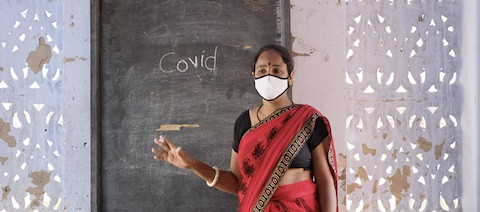 On World Teachers’ Day, UNESCO and partners urge governments to prioritise teachers in education recovery 2021-10-06 A successful education recovery hinges on increased investment in the well-being, training, professional development and working conditions of the world’s 71 million teachers to recover learning losses and manage transformations in teaching and learning imposed by the COVID-19 pandemic. This is the key message of World Teachers’ Day, celebrated on 5 October under the slogan “Teachers at the heart of education recovery.” The global advocacy day calls on governments and the international community to focus on teachers and the challenges facing their profession, and to share effective and promising policy responses. “Today we celebrate the exceptional dedication and courage of all teachers, their capacity to adapt and to innovate under very challenging and uncertain conditions. They are the principal actors of the global education recovery efforts and are key in accelerating progress towards inclusive and equitable quality education for every learner, in every circumstance,” said the conveners of World Teachers’ Day, UNESCO’s Director-General, Audrey Azoulay, UNICEF’s Executive Director, Henrietta Fore, International Labour Organization’s Director-General, Guy Ryder, and Education International’s General-Secretary, David Edwards in a joint statement. “Now is the time to recognize the exceptional role teachers play and to empower them with the training, professional development, support and working conditions they need to deploy their talent. Education recovery will be successful if it is conducted hand in hand with teachers - giving them voice and space to participate in decision-making,” argued the conveners. The educational disruptions caused by the COVID-19 crisis highlighted the crucial role of teachers in maintaining learning continuity. They have been at the heart of the educational response, from leveraging technology creatively to providing socio-emotional support to their students and reaching those most at risk of falling behind with take-home packages. But the crisis has also highlighted major challenges facing the teaching profession, including the lack of career development opportunities in online teaching and distance learning, increased workloads associated with double-shift classes and blended models and occupational safety issues. As of 27 September, schools opened fully in 124 countries. They are partially reopened in 44 countries and fully closed in 16. These figures highlight both the need for attention to teachers’ health and well-being as schools reopen, and for continued professional development to integrate and use educational technologies. According to UNESCO’s research 71% of countries have given some priority to the vaccination of teachers, but only 19 countries included them in the first round of vaccinations, while 59 countries have not prioritized them in their roll-out plans. More effort is needed to support teachers in the transition to remote and hybrid teaching. According to the 2021 global survey conducted by UNESCO/UNICEF/World Bank and OECD released in July: 40% of countries trained three quarters or more of teachers on distance learning methods and the effective use of technologies in 2020 Only six out of ten countries provided teachers with professional development on psychosocial and emotional support Just over half of all countries (58%) provided teachers with content for remote learning, while 42% provided teachers with ICT tools and internet connections Putting teachers at the heart of the education recovery will require increasing the size of the teacher workforce. According to the above survey, 31% of 103 countries recruited additional teachers for school reopening, but the global gap remains high. In total, 69 million more teachers are needed worldwide to ensure universal primary and secondary education by 2030 (SDG target 4.1) It is projected that sub-Saharan Africa will need to recruit 15 million primary and secondary teachers by 2030. To celebrate 2021 World Teachers’ Day, the conveners, together with partners, including the World Bank, the Hamdan Foundation, the International Task Force on Teachers for Education 2030 (TTF), civil society organisations and members of the Global Education Coalition, will organize global and regional events and an advocacy campaign with the participation of the UNESCO Global Network of Learning Cities. The five-day series of events will include panel discussions, webinars and online training sessions to examine effective policies, evidence and innovative practices to provide the support teachers need for successful recovery, resilience-building and reimagining education in the post-pandemic world, and to advance SDG 4. URL:https://en.unesco.org/news/world-teachers-day-unesco-and-partners-urge-governments-prioritise-teachers-education-recovery