
News
Catch up on what’s happening in the world of global citizenship education.
316 results found
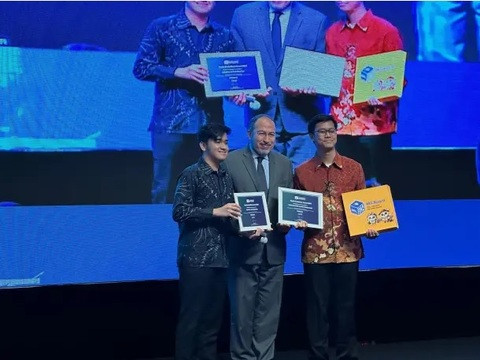 Winners of UNESCO’s Youth Hackathon 2024 Shape the Future of Media and Information Literacy 2025-02-10 Marking its sixth year, the 2024 edition set a new record with 202 teams from 68 countries submitting projects under the theme “Youth Leading the Way: Media and Information Literacy and the New Digital Frontiers of Information”. 7 February 2025"Taking part in the Youth Hackathon was a truly transformative experience. Representing Indonesia and presenting our project on an international platform was an honor, but the real impact came from the connections we built in Amman. Engaging with youth from diverse countries and backgrounds highlighted the power of collaboration and cultural exchange", said Muhammad Rafi Aurelia from Indonesia, one of the 2024 winners for his project MILBoard. Muhammad, along with three other teams from Madagascar, Iraq/UAE/Egypt, and Ukraine, attended the closing ceremony of the Global MIL Week Feature Conference in Amman on 30 October 2024. They presented their project, aiming to raise visibility and support to further develop their ideas. The Youth Hackathon is a flagship initiative in UNESCO’s ongoing efforts to engage young people in shaping the future of media and information literacy. Each year, UNESCO invites young innovators to submit projects tackling misinformation, through mobile applications, podcasts, educational tools, and community-based interventions. This year’s participants also benefited from a two-day online mentoring program covering media literacy, disinformation challenges, hate speech, and coding fundamentals. Expert mentors from DW Academie, TeensinAI, and SAP guided teams through this preparation phase. After a rigorous review by an independent international jury, four teams were selected as winners: Mobile Application: MAHWDeveloped by a collaborative team from Iraq, the United Arab Emirates, and Egypt, MAHW, inspired by the Arabic word for "erasing", is a mobile application designed to combat misinformation and enhance media literacy. Featuring gamified learning, AI-powered fact-checking, and interactive quizzes, MAHW equips users with essential tools to identify and counter misinformation. With 60% of its core features already developed, the project demonstrates significant potential for real-world impact. [Learn more about MAHW] Community-Based Intervention: ARTiFAKERepresenting Ukraine, ARTiFAKE, a blend of "Art Invades Fakes", leverages creative mediums such as street art, digital comic books, and animated cartoons to counter disinformation. By integrating visually engaging content into public spaces and distributing digital comics featuring protagonists Arti and Tina, ARTiFAKE fosters critical thinking and community-driven media literacy. [Explore ARTiFAKE's comic book series] Podcast Channel: Idea’s EchoDeveloped by CliMates Madagascar, Idea’s Echo harnesses the power of radio and podcasting to raise awareness on climate change and the UN Sustainable Development Goals (SDG13). By featuring local experts discussing region-specific issues in Malagasy dialects, the project ensures accessibility and accuracy, empowering communities to make informed decisions in an ever-changing digital landscape. [Listen to Idea’s Echo] Peer-Education Game: MILBoardCreated by a team from Indonesia, MILBoard is an innovative snakes-and-ladders-inspired board game integrated with a mobile app. Designed for children aged 10–17 in remote and underserved areas, the game introduces media and information literacy concepts in an interactive and engaging way. Features like “challenge cards” and MIL curriculum modules help participants build critical thinking skills while making learning fun and impactful. [Discover MILBoard] UNESCO Youth Hackathon underscores the creativity, passion, and resilience of young people in tackling today’s digital challenges. By fostering innovation and equipping youth with essential media and information literacy skills, this initiative plays a vital role in advancing informed, inclusive, and responsible digital citizenship worldwide. Details for the 2025 edition will be announced in June. → More on 2024 Edition URL: https://www.unesco.org/en/articles/winners-unescos-youth-hackathon-2024-shape-future-media-and-information-literacy?hub=701
  Climate Change in News Media, South-East Asia 2024-10-30 Last update: 30 September 2024 South-East Asia is among the regions most vulnerable to the effects of climate change, where rising sea levels and intensifying natural hazards affect millions of people in densely populated areas and coastal zones. As the extreme weather events increasingly impact livelihoods and cause displacement in the region, information for making decisions on climate change mitigation and adaptation is becoming all the more important. UNESCO implemented the “Climate Change in News Media” training project for news organizations in Indonesia, Malaysia, the Philippines, Thailand and Timor-Leste. The programme, which ran from March to September 2023, reinforced the climate change and environmental reporting by broadcast and online media outlets by strengthening the use of key online sources, fact-checking, data visualization, satellite imagery, cartographic regression and the like. "We use data from open sources, which allows us to create stories about environmental issues. We also use artificial intelligence and the latest technologies to help make these environmental stories resonate with the young audience."Participating media from Malaysia Enhancing Climate Change and Environmental Reporting in South-East AsiaDiscover In 2024-2025, UNESCO continues its efforts through targeted programmes in the region, including in Cambodia and Timor-Leste, to strengthen media capacity for climate reporting and disaster management. URL: https://www.unesco.org/en/climate-change/news-media/south-east-asia
 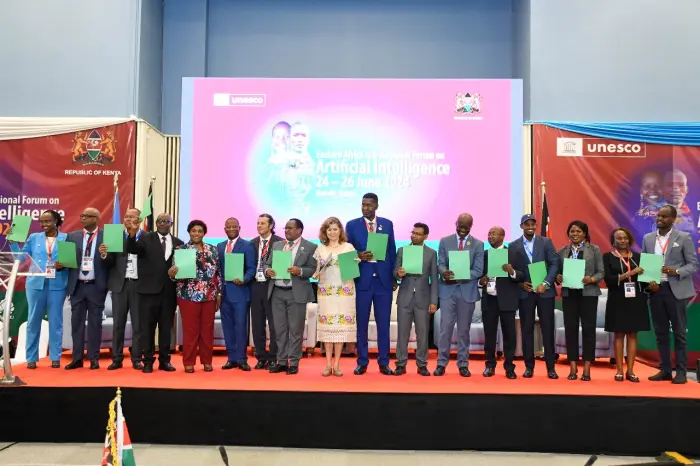 Forum sous-régional de l’UNESCO sur l’intelligence artificielle en Afrique de l’Est : adoption de la Déclaration de Nairobi 2024-08-29 The ministers responsible for education, ICT, the digital economy, emerging technologies, communication and innovation in the countries of East Africa have adopted the Nairobi Statement on Artificial Intelligence and Emerging Technologies in Eastern Africa , at the end of the UNESCO-Eastern Africa Sub-Regional Forum on Artificial Intelligence , held from 24 to 26 June 2024 in Nairobi, Kenya. Co-organised by UNESCO and the Kenyan government, the theme of the UNESCO-Eastern Africa Sub-Regional Forum on Artificial Intelligence (EARFAI) was ‘‘Harnessing Artificial Intelligence for sustainable development in Eastern Africa: Governance, Ethics, Capacities, and Partnerships’’. High turnoutA number of key figures attended the EARFAI, including the ministers responsible for education, ICT, the digital economy, emerging technologies, communication, science and innovation and their representatives from Comoros, Djibouti, Kenya, Madagascar, Mauritius, Seychelles, Somalia, South Sudan and Uganda, as well as UNESCO's Assistant Director-General for the Social and Human Sciences (ADG/SHS), Ms Gabriela Ramos, representing the Director-General of UNESCO. The Forum was also attended by UNESCO experts, experts in artificial intelligence from East Africa and beyond, academics and researchers, industrialists and partners from various sectors, representatives of civil society, etc. The Forum brought together around 400 face-to-face participants and up to 850 online participants. EARFAI was structured around three main segments: the Expert Segment, on 24 and 25 June 2024; the Partnerships Forum, on 25 June 2024; and the High-Level Segment, on 26 June 2024. Parallel events (Exhibitions, “Women for Ethical AI” Networking Session; Workshop on AI Kiswahili-English Dictionary - “Inside AI: an algorithmic adventure (Ndani ya AI - Ziara ya Algorithi) were also organised. During the opening ceremony of the high-level segment, Ms Gabriela Ramos, UNESCO’s ADG/SHS, underlined the timeliness of the organisation of the Forum, particularly in the context of the completion of the first RAM in East Africa by Kenya, and also reinforced the relevance of the African voice in the ongoing negotiations on the Global Digital Compact. H.E. Amani Abou-Zeid, Commissioner for Infrastructure and Energy of the African Union Commission (AUC), welcomed, via video message, UNESCO's support in the development of the AU's continental strategy on AI and highlighted its relevance to the achievement of the AU's Agenda 2063. H.E. (Dr) Ezekiel Machogu, EGH, Cabinet Secretary for the Ministry of Education of Kenya highlighted the critical role AI plays in the education sector and shared the strategies in place in Kenya to harness the power of AI to improve learning, foster innovation and ensure inclusivity. “UNESCO has been your most important supporter in leveraging the African voices on AI to the global discourse. With the Recommendation on the Ethics of Artificial Intelligence, we pushed for a global standard on AI – and the outcome represents YOUR collective voice. We are pushing hard for this standard to make it count in all major AI governance processes”.Gabriela Ramos, UNESCO Assistant Director-General for Social and Human Sciences "Integrating artificial intelligence into education is not just an opportunity, it's an imperative. As we enter this new era, we must work collaboratively with policy makers, educators, technologists and the wider community to ensure that AI is at the service of quality education."H.E. (Dr) Ezekiel Machogu, EGH, Minister of Education of Kenya HE. Peter K. Ngure, Ambassador and Permanent Delegate of the Republic of Kenya to UNESCO, presented the Nairobi Statement on Artificial Intelligence and Emerging Technologies in Eastern Africa , before its adoption by consensus and thanked UNESCO for choosing Kenya to host EARFAI, as well as all the panellists for their contributions to the proceedings. In particular, the Declaration approved the African Union Continental Strategy on Artificial Intelligence, welcomed the implementation of Readiness Assessment Methodology (RAM) in East Africa and called for the establishment of a coordination mechanism in East Africa to support the implementation of the UNESCO recommendation on the ethics of AI. In her closing speech, ADG/SHS Gabriela Ramos thanked all those who had contributed to the Forum's success, in particular the Kenyan government. URL: https://www.unesco.org/en/articles/unesco-eastern-africa-sub-regional-forum-artificial-intelligence-adoption-nairobi-statement
 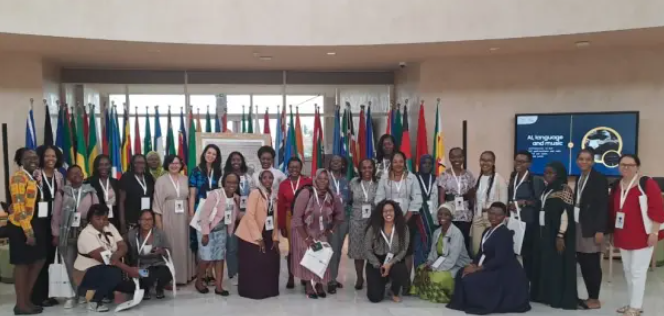 Ai movement, launches its second Summer Camp of the "African Women in Tech & AI Program" in Rabat 2024-08-29 As part of Priority Africa (Flagship Program 4 of its operational strategy) aims to reduce the digital divide on the continent and meet the challenges of inclusion for African women. Second Cohort: Launch of the "Summer Camp"The in-person training, or summer camp, for the second cohort of the "African Women in Tech and AI" project, which aims to strengthen the capacities of African women entrepreneurs in artificial intelligence (AI) and AI-applied leadership, will take place from 1 to 13 July 1, 2024, at the International Artificial Intelligence Center of Morocco, "Ai Movement," in Rabat. The training programme of the summer camp will cover topics such as strategic foresight applied to AI, AI project management, leadership, development of start-up projects, benchmarking, and market research in Africa, benefiting nearly 80 women scientists from 28 countries across the five regions of the African continent. At the conclusion of the summer camp, participants will have the opportunity to present their entrepreneurial projects to a panel of professionals from Ai Movement, the OCP Foundation, and UNESCO. This panel will select the projects that will receive incubation and financial support from the OCP Foundation, with approximately 15 projects to be selected for the 2024 cohort. This summer camp was preceded by a six-week online training programme in the spring of 2024, which was followed by the same 80 women scientists. This online training covered topics such as data science, programming languages (deep learning and machine learning), and AI ethics. The 80 participants for the 2024 cohort were selected with the support of the African Permanent Delegations to UNESCO and the African National Commissions for UNESCO. Participants will subsequently join a network of innovators sharing values oriented towards sustainable and inclusive development for the continent. First Cohort: Pilot PhaseDuring the pilot phase of the project in 2023, 34 women scientists from 11 African countries benefited from training and support, including an online training course and a summer camp at the Ai Movement Center in Rabat, Morocco. Eight entrepreneurial projects were selected with the support of the OCP Foundation, Ai Movement, and UNESCO's Priority Africa and External Relations Sector. These eight projects are currently being incubated at the Ai Movement Center, highlighting the spirit of innovation among African women. Background of the projectThe "African Women in Tech and AI" project was officially launched in 2023 and is jointly implemented by UNESCO, the Ai Movement Center of the Mohammed VI Polytechnic University, and the OCP Foundation. The project is funded by the OCP Foundation for a total amount of 500,000 USD and will span over a period of three years (2023-2025). This innovative initiative is implemented as part of UNESCO's Operational Strategy for Priority Africa (2022-2029), specifically its Flagship Programme 4, which focuses on "New and Emerging Technologies for Sustainable Development in Africa”, with a particular focus on the following key objectives: (1) Improve the capacity of African countries in the adoption and implementation of artificial intelligence (AI), and (2) Strengthen gender equality in the design and use of AI systems. It also aligns with UNESCO's Recommendation on the Ethics of Artificial Intelligence. The project aims to strengthen AI, data science, AI-applied leadership, and AI ethics skills for 150 African women professionals, while raising awareness on the strategic foresight approach to artificial intelligence. Through their scientific training and technological expertise, these women will be supported in developing AI-based solutions and projects that will transform their communities and address challenges and issues specific to the continent in sectors such as agriculture, health, education, social security, cybersecurity, renewable energy, animal health, finance, employment, and culture. These efforts will align with the United Nations Sustainable Development Goals and the aspirations of the African Union's Agenda 2063, "The Africa We Want." The "African Women in Tech and AI" project is the first project developed under the financial and strategic partnership agreement signed in July 2022 between the International Artificial Intelligence Center of Morocco, Ai Movement, and UNESCO's Priority Africa and External Relations Sector. In November 2023, the Ai Movement Center was officially designated as a Category 2 Center under the auspices of UNESCO, the first of its kind in Africa. URL: https://www.unesco.org/en/articles/ai-movement-launches-its-second-summer-camp-african-women-tech-ai-program-rabat
 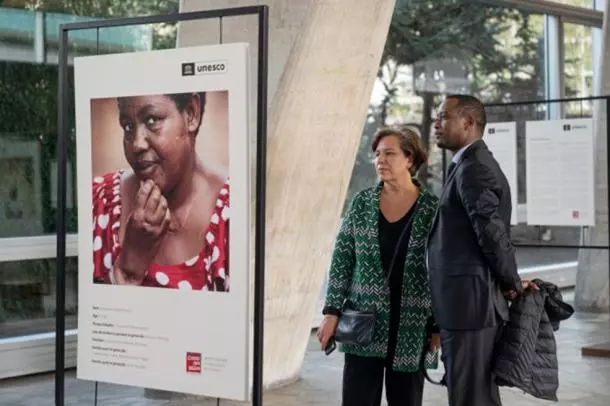 “A scar in history”: UNESCO opens a photo exhibition on the Genocide against the Tutsi in Rwanda 2024-08-27 “We knew our destiny would be grim, but we didn’t expect to be exterminated by our own neighbours”. This is an excerpt from Gaudance’s testimony. She is a survivor of the 1994 Genocide against the Tutsi in Rwanda. Her story, together with her portrait, is part of the photo exhibition “Une cicatrice dans l'histoire" (A scar in history)” that UNESCO organized between 12-21 April 2023 to commemorate the 29th anniversary of the Genocide and pay tribute to survivors along with their compatriots who bravely resisted. Conceived by the Camp des Milles Foundation – Memory and Education, the exhibition features 14 portraits captured by the acclaimed French photographer Stéphane Dumont de Sauret and accompanied by personal testimonies. It was officially presented to the public on 13 April 2023 in partnership with the Permanent Delegation of Rwanda to UNESCO, the Camp des Milles Foundation and Ibuka France. “These photos are powerful reminders of the persisting challenges in the fight to prevent mass atrocity crimes. For the exhibition heroes, genocide left indelible marks on their lives, souls and bodies. But through education and remembrance, we can begin to heal these scars,” said UNESCO Director-General Audrey Azoulay during her visit to the exhibition on 19 April. The exhibition opening took place in the presence of UNESCO Assistant Director-General for Culture Ernesto Ottone; H.E. Mr François Nkulikiyimfura, Ambassador Extraordinary and Plenipotentiary, Permanent Delegate of Rwanda to UNESCO; and Marcel Kabanda, President of Ibuka France. Dafroza Gauthier, Co-founder of the Collective of Civil Plaintiffs to Rwanda, who dedicated her life to seeking justice for genocide survivors, and Nicolas Sadoul, Director of the Camp des Milles Foundation, both behind the conception of the exhibition, shared how it was brought to life ten years ago. They stressed the continued importance of keeping the stories of survivors alive and teaching current and future generations to cherish and protect human dignity. “I have lost all my family”: stories of genocide survivors Epiphanie, Gaudance, Cassier, Ernestine and other survivors whose stories are in the spotlight of the exhibition witnessed unimaginable violence, because they were Tutsi. Many of them lost their families during the Genocide and were on the verge of death themselves. Their stories are of pain, suffering, survival, despair, hope, strength and resilience of the human spirit in the face of unimaginable horrors. “I studied at the private school … because Tutsi were not admitted to public schools,” remembers Ernestine, who never graduated. “I feel sad: the disability caused by my injuries has prevented me from having a family,” says Epiphanie, the sole survivor of the family of 12. Maurice, who was five during the Genocide, recalls how he and his little brother were saved: “[A] Hutu neighbour explained to my mother that the little Tutsi girls would not be killed but spared for future “breeding” purposes. As there were no little girls in our house, he gave my mother two red dresses.” 100 days of remembrance The 1994 Genocide against the Tutsi in Rwanda remains a haunting scar on humanity's conscience. In just 100 days, more than 800,000 members of the Tutsi minority were murdered by the Hutu extremist-led government. This period also saw the killing of moderate Hutu and those who stood against the genocide. Every year, 7 April marks the beginning of a 100-day mourning followed by remembrance events in Rwanda and around the world under the slogan “Kwibuka” (“to remember”). UNESCO joins yearly commemorations of the International Day of Reflection about the Genocide against the Tutsi in Rwanda and works systematically with policy-makers, educators and civil society worldwide to advance education about genocide and promote its importance for conflict transformation and sustainable peace. Learn more about UNESCO’s programmes to educate about the history of genocide. URL: https://www.unesco.org/en/articles/scar-history-unesco-opens-photo-exhibition-genocide-against-tutsi-rwanda?hub=70962
  The launch of the new strategy paper on Global Citizenship Education 2024-08-26 The Belgian presidency of the Council of the European Union takes advantage of the launch of the new strategy paper on Global Citizenship Education (GCED) to reiterate the importance of the levers to be used at the European level to move forward the agenda for the defence of human rights, the environment and the reduction of inequalities in the world. This 22 April is marked by the launch of the Belgian strategy paper on Global Citizenship Education (GCED). The Belgian presidency of the Council of the EU attaches great importance to education and international cooperation. It is in this context that education for global citizenship comes into play, as it lies at the intersection of the two. It also has a direct link with policy coherence on development, culture, youth and lifelong learning. The aim of the event organised today is therefore to highlight the importance of education for global citizenship within international cooperation. "This new strategy paper confirms the central role that education plays in strengthening support for international solidarity. Global citizenship education enables us to see the world from a different perspective. It allows us to empathise with situations and people from very different backgrounds or environments, or whom we do not fully understand. And this is necessary. After all, today's big challenges transcend our borders: the climate crisis, human rights coming under pressure, the threat of war and violence, inequality, migration.... Now that fake news is rampant on social media, and extremists are out to divide and undermine solidarity between people, it is all the more important that citizens - and young people in particular - have access to knowledge and information that enables them to develop an open mind, a critical eye AND avenues for solutions in international solidarity", presented the Belgian Minister for Development Cooperation. Testimonies illustrated the impact of global citizenship education, and Belgian and European players in the sector commented on the importance of this note. Experts in international relations, economics, inclusion and global citizenship will also debate the limits of current paradigms and the possible and necessary alternatives for a just and sustainable world. The event is co-organised with the Global Education Network Europe (GENE), which has been proactively involved in drafting the new strategic note and which is made up of representatives of European ministries and agencies responsible at national level for policy development, funding and support in the field of global education. Global Citizenship Education According to the European Declaration on Global Education to 2050, which was approved in Dublin in 2022, global education is defined as "education that enables people to reflect critically on the world and their place in it; to open their eyes, hearts and minds to the reality of the world at local and global level. It empowers people to understand, imagine, hope and act to bring about a world of social and climate justice, peace, solidarity, equity and equality, planetary sustainability, and international understanding. It involves respect for human rights and diversity, inclusion, and a decent life for all, now and into the future. Global Education encompasses a broad range of educational provision: formal, non-formal and informal; life-long and life-wide. We consider it essential to the transformative power of, and the transformation of, education". (Read the text of the declaration). URL: https://belgian-presidency.consilium.europa.eu/en/news/the-launch-of-the-new-strategy-paper-on-global-citizenship-education/
 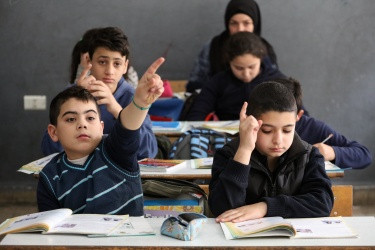 Lebanon joins the Global Partnership for Education 2024-08-11 WASHINGTON D.C./Beirut, April 25, 2024 – The Global Partnership for Education (GPE) has welcomed Lebanon as its latest partner country today.“GPE is delighted to welcome Lebanon as a new partner committed to quality and inclusive education,” said Laura Frigenti, GPE Chief Executive Officer. “Education is an essential pillar of growth, peace and security. This is why GPE has long stood by countries impacted by conflict and crises. Our partnership will reinforce Lebanon’s capacity to provide education to all children on its territory, including refugees, so they can contribute to a better tomorrow.”“Lebanon has been facing multiple crises that have taken a toll on children’s access to education - the cornerstone of recovery and prosperity,” said Dr. Abbas el Halabi, Lebanon’s Minister of Education and Higher Education. “Joining GPE is a significant milestone on our journey to advance education opportunities for children in Lebanon and to address our country’s challenges.”Over the past decade, Lebanon has faced many challenges, significantly affecting the education sector. The refugee crisis, Covid-19 pandemic, Beirut Port blast and economic decline have greatly impacted children’s access to learning, with dire long-term consequences for their future and that of the country.With support from GPE, and following inclusive consultations with relevant stakeholders, including civil society, the Ministry of Education will implement a four-year education sector plan focusing on improving early childhood education and enrolment, keeping children in schools and providing learning opportunities for those who are out of school. Ultimately, the education reforms aim at creating a future workforce that can contribute to economic recovery and growth and fairer society.Lebanon is eligible for a GPE Multiplier grant and a system capacity grant. ******About the Global Partnership for EducationGPE is a shared commitment to ending the world’s learning crisis. We mobilize partners and funds to support nearly 90 lower-income countries to transform their education systems so that every girl and boy can get the quality education they need to unlock their full potential and contribute to building a better world.www.globalpartnership.orgMedia contactTamara Kummer, GPE Head of Communicationstkummer@globalpartnership.org Tel: +1 202 948 5395 Focus areas: GovernanceRegions and countries: Middle East and North Africa; Lebanon URL: https://www.globalpartnership.org/news/lebanon-joins-global-partnership-education
 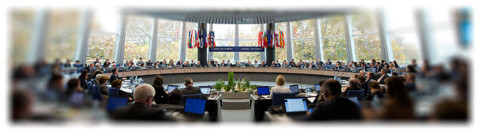 2025 European Year of Digital Citizenship Education 2024-08-09 On September 29, at the 26th session of the Council of Europe Standing Conference of Ministers of Education, the Ministers of Education declared 2025 as the European Year of Digital Citizenship Education The European Year of Digital Citizenship Education (DCE) will provide a platform for member states to set common goals, exchange sense-making practices, measure achievements and define together a road map for the future. It will concert the efforts of stakeholders to create initiatives to make learners more aware of the changes that digital technology is bringing to the world, to see more clearly the positives of the online environments they choose to move in, and improve their knowledge and skills to avoid the downsides. Moreover, it will highlight ways and advantages of participating in a culture of democracy and the importance of living peacefully together with others in culturally diverse democratic societies.The objectives of the European Year shall be: Awareness Raising: Enhance understanding of digital citizenship and its importance in a democratic society Mainstreaming DCE in education and training: Promote the integration of digital citizenship in formal and non-formal education Stakeholder Engagement: Involve diverse stakeholders in promoting DCE (grant scheme and private sector International collaboration: Facilitate exchange and collaboration, for example via sharing sense-making practices. The European Year will encourage member states to analyse their needs to create targeted campaigns on a national scale, with support and guidance from the Council of Europe and other major institutions.Key stakeholders in public, private and civil sectors will work collaboratively towards common goals. URL: https://www.coe.int/en/web/digital-citizenship-education/2025-european-year-of-dce
 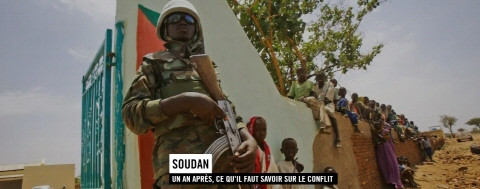 Soudan: un an après, ce qu’il faut savoir sur le conflit 2024-06-23 Il y a vingt ans, en 2003, le conflit au Darfour éclatait. Bilan humain : 300 000 morts et près de 2 millions de personnes déplacées. Après des années d'instabilité et d'insécurité, le pays fait face à une nouvelle flambée de violence depuis le 15 avril 2023. Les auteurs des crimes d’hier continuent de sévir aujourd’hui. Alors que le pays est déchiré par la guerre depuis des décennies, de violents combats ont éclaté le samedi 15 avril 2023, à Khartoum, la capitale du Soudan, et dans plusieurs villes du pays. Une nouvelle escalade de la violence qui oppose les deux hommes forts du pays : le chef d’État de facto Abdel Fattah Al-Bourhane, à la tête de l’armée régulière (les Forces armées soudanaises, FAS) et son numéro 2, le général “Hemetti”, chef d’une importante milice paramilitaire (les Forces de soutien rapide, FSR). En 2021, les deux hommes s’étaient alliés pour renverser le régime en place depuis 2019 qui avait mis fin à 30 ans de dictature d'Omar El Béchir. Mais leur alliance s’est révélée fragile. En pleine négociation autour de la mise en place du nouveau gouvernement de transition, des tensions ont explosé en raison de désaccords sur la réforme des forces de sécurité. Depuis l'embrasement du conflit il y a un an : Au moins 14,700 personnes ont été tuées et plus de 10,7 millions de personnes ont été déplacées de force en l’espace d'un an. Des millions de personnes sont piégées chez elles. Les travailleurs humanitaires ne sont pas en mesure d'acheminer l’aide nécessaire. Certaines victimes font état d'attaques apparemment indiscriminées et d'autres sont prises entre deux feux, souvent parce que des combattants ont pris position au milieu de civils, en violation du droit international humanitaire. Les parties au conflit utilisent des armes lourdes, notamment de l'artillerie, des chars et recours à des bombardements aériens, dans les zones densément peuplées de Khartoum. Des rapports font également état de violences sexuelles commises par des soldats des FSR. Les souffrances endurées depuis 20 ans par la population du Darfour sont exacerbées. Des informations crédibles laissent penser que les Forces d’appui rapide et les milices alliées ont tué ou blessé de nombreux habitant·es au Darfour occidental. Amnesty International est préoccupée par les informations faisant état d’homicides ciblés en fonction de critères ethniques, de violences sexuelles, de multiples incendies volontaires visant des habitations et du déplacement massif de la population non arabe du Darfour occidental – en particulier dans la ville d’El Geneina et ses environs – dont les Forces d’appui rapide et les milices arabes alliées seraient responsables. Tigere Chagutah, directeur régional pour l’Afrique de l’Est et l’Afrique australe à Amnesty InternationalComment en est-on arrivés là ? Voici ce qu’il faut savoir sur le conflit au Soudan. Que sait-on des deux forces au pouvoir qui s’affrontent ? Vingt-cinq ans après sa prise de pouvoir, à la fin d’un règne marqué par la corruption, les crimes de masse et une faillite économique, le président Omar el-Béchir est déposé par un coup d’Etat, à la suite à une révolte courageuse, et durement réprimée de la population civile. A la tête de cette répression, le général Mohamed Hamdan Daglo, mieux connu sous le nom de général "Hemetti". Le régime fini par tomber après le putsch militaire orchestré par le chef de l’armée Abdel Fattah al Burhan. Un collège composé de militaires - dont le général "Hemetti" - et de civils dirige le pays jusqu’en octobre 2021, où l’armée prend le contrôle complet du pays, et arrête les principales figures de la société civile, à commencer par le premier ministre du gouvernement de transition, Abdallah Hamdok. Le général Abdel Fattah al-Bourhane, prend la tête du Conseil de souveraineté de la transition qui gouverne le pays aux côtés du général "Hemetti". Mais très vite, les dissensions entre les deux hommes forts du régime émergent. Et en avril 2023, le conflit, inévitable, finit par éclater. Les Forces armées soudanaises (FAS, armée régulière) dirigées par le général Al-Bourhane, et les Forces de soutien rapide (FSR, milice paramilitaire indépendante) du général “Hemetti” sont les deux principales forces armées du Soudan. Elles ont toutes deux commises de graves violations des droits humains au Soudan, en particulier au Darfour. Les Forces de soutien rapide (FSR) sont notamment composées d’anciens combattants des milices janjawids qui, dans les années 2000, ont aidé les forces armées soudanaises à écraser la rébellion dans la région du Darfour.Ce groupe paramilitaire très puissant, s'est enrichi en acquérant des institutions financières et des réserves d'or soudanaises. On estime qu'il compte entre 70 000 et 150 000 combattants. Son chef, le général "Hemetti", entretient d'importantes relations avec des gouvernements étrangers, russe notamment. Il a conduit les FSR à s'associer au groupe mercenaire Wagner dans l'exploitation de l'or au Soudan, a déployé des combattants au Yémen pour servir les intérêts de l'Arabie saoudite et a également envoyé des combattants en Libye pour servir les intérêts des Émirats arabes unis. Les Forces armées soudanaises (FAS) ont quant à elles également commis de graves violations des droits humains, notamment en utilisant des armes chimiques contre des civils au Darfour, en 2016. Après l'éviction d'Omar el-Béchir, en 2019, et le coup d'État d'octobre 2021, les forces de sécurité soudanaises, y compris les FAS et les FSR, ont continué à commettre des crimes au regard du droit international et des violations des droits de l'homme, notamment en recourant à une force excessive contre les manifestants, tuant au moins une centaine d'entre eux et en blessant des milliers d'autres depuis le coup d'État. Vingt ans de conflits, vingt ans de souffrances Depuis son indépendance en 1956, le Soudan est secoué par de nombreux conflits internes. Pendant 30 ans, de 1989 à 2019, le gouvernement de l’ancien président Omar el Béchir a aggravé la situation du pays. Il a violemment réprimé les droits humains en s’appuyant sur des milices armées. Certaines se sont muées en véritables partis politiques militarisés et se battent pour des communautés ethniques marginalisées dans les États du Darfour, du Kordofan du Sud et du Nil bleu. C’est dans ce contexte qu’un conflit particulièrement violent éclate au Darfour, une province à l’ouest du Soudan, en 2003. Le 24 avril, le Mouvement de libération du Soudan (MLS) et le Mouvement pour la justice et l’égalité (MJE) déclarent la guerre au gouvernement. La réponse des forces armées gouvernementales épaulées par les milices janjawids, est immédiate et extrêmement brutale. Une violence extrême contre la population civile du Darfour 300 000morts causées par le conflit au Darfour entre 2003 et 2020 2 millions de personnes ont été déplacées en raison du conflit au Darfour en 17 ans 15 millions de personnes, soit 1/3 de la population soudanaise, sont confrontées à une insécurité alimentaire aiguë Un accord de paix fait renaître l’espoirAnnée après année, les accords de paix et de cessez-le-feu se suivent, sans succès. Mais le 11 avril 2019, après 16 semaines de manifestations contre son régime, Omar el Béchir est destitué par l’armée. La pression populaire met fin à 30 ans de dictature. Quelques mois plus tard, le 31 août 2020, à Djouba, le nouveau gouvernement soudanais signe un accord de paix qualifié d’historique avec les représentants du Front révolutionnaire soudanais, une coalition de neuf formations politiques et groupes armés issus de différentes régions ravagées par les conflits (Darfour, Kordofan du Sud, Nil bleu). Après 17 ans de conflit et plus de dix mois de négociations, c’est une lueur d’espoir pour des millions de Soudanais.es qui vivent au Darfour, au Kordofan du Sud et dans la région du Nil bleu. En octobre 2021, nouveau coup d’État militaire. L’armée régulière soudanaise et les Forces de soutien rapide (FSR) renversent le gouvernement de transition. Les casques bleus sont partis (2020). La situation humanitaire est toujours dramatique. Un accord de compromis prévoyant un partage du pouvoir entre dirigeants civils et militaires aboutit à la formation d’un gouvernement de transition. Mais les violences se poursuivent au Darfour, malgré l'accord de paix : exécutions illégales, passages à tabac, violences sexuelles, pillages et incendies de villages, etc. Vingt ans après, où en est-on ? Depuis vingt ans, Amnesty International a rassemblé à maintes reprises des preuves de crimes de guerre, de crimes contre l'humanité et d'autres violations graves du droit international humanitaire commis par les forces gouvernementales soudanaises, notamment l'homicide illégal de civils, la destruction illégale de biens civils, le viol de femmes et de filles, le déplacement forcé de civils, etc. En 2016, nous avons également documenté l'utilisation d’armes chimiques par les forces gouvernementales contre des civils, dans la région du Djebel Marra, au Darfour. Vingt ans après le début du conflit au Darfour, les autorités soudanaises ne parviennent toujours pas à protéger les civils, ni à enquêter sur les crimes commis pendant le conflit et à poursuivre les auteurs présumés. Les civils du Darfour sont pris dans un cycle sans fin d’attaques armées menées sans discernement. Ces dernières semaines, des civils ont une fois encore été tués par des armes lourdes, dans des zones densément peuplées. Aujourd’hui, les civils du Darfour sont à la merci des forces même qui ont commis des crimes contre l’humanité et des crimes de guerre au Darfour et dans d’autres parties du SoudanTigere Chagutah Cette spirale de la violence présente d’inquiétantes similitudes avec les crimes de guerre et crimes contre l’humanité perpétrés au Darfour depuis 2003. Même les personnes qui cherchent la sécurité ne sont pas épargnées. Une crise humanitaire insupportable Un pays au bord de la famine Le pays est en passe de subir la plus grande crise alimentaire au monde. Quelque 18 millions de personnes sont confrontées à une insécurité alimentaire aiguë (IPC3+). Selon le Bureau de la coordination des affaires humanitaires (OCHA), la malnutrition est en plein essor au Soudan. Quelque 220 000 enfants souffrant de malnutrition sévère et plus de 7000 nouvelles mères pourraient mourir dans les mois à venir s’ils ne reçoivent pas une aide d’urgence. « Sans aide humanitaire urgente et un accès aux produits de base », près de 5 millions de Soudanais.es, déjà en situation d’urgence alimentaire, « pourraient glisser dans une insécurité alimentaire catastrophique dans certaines parties du pays (Darfour Ouest et Centre Darfour) dans les prochains mois », alertait mi-mars le chef des opérations humanitaires de l’ONU Martin Griffiths. Depuis le 1er janvier 2024, les partenaires humanitaires ont apporté une aide vitale à 2,3 millions de personnes. Une goutte d’eau. De nombreuses personnes ont été privées d'accès aux services de base dans les États de Khartoum, du Darfour et du Kordofan. Les prix des denrées alimentaires, lorsqu'ils sont disponibles, continuent de grimper en flèche. Des millions de déplacés Le Soudan connaît aujourd’hui la plus grande crise de déplacement au monde. En 1 an, l’ONU estime que le nombre de personnes déplacées à l’intérieur et à l’extérieur du pays s’élève à 10,7 millions, dont 9 millions de personnes à l'intérieur du pays. 400,000 personnes ont fui vers l'Egypte (source OCHA) 523,431 personnes ont fui vers le Tchad (source OCHA) 509,526 personnes ont fui vers le Soudan du Sud (source OCHA) Il est temps de mettre fin à l’impunité généralisée Les poursuites en cours Depuis de nombreuses années, nous dénonçons l’absence persistante de justice et réclamons l’obligation de rendre des comptes pour les violations des droits humains commises lors des conflits meurtriers depuis l’indépendance, et plus récemment sous le régime d’Omar el Béchir, qui a favorisé la culture de l’impunité dans le pays. Il est scandaleux que, vingt ans après le début du conflit au Darfour, les autorités soudanaises continuent de manquer à leurs obligations et que les auteurs des crimes de droit international au Soudan échappent à la justice. Une mission d’enquête cruciale En octobre 2023, les Nations unies ont voté en faveur de la création d’une mission internationale indépendante d’établissement des faits pour le Soudan. Cette mission d’enquête a pour mandat d’enquêter sur les violations des droits humains, de préserver les éléments de preuve en vue de futures poursuites judiciaires et de se concentrer sur les situations humanitaires et relatives aux droits humains le plus préoccupantes. Malheureusement, cette mission d’enquête internationale n’a pu pourvoir les 17 postes, y compris d’enquêteurs, en raison du gel des liquidités au sein du système onusien dû au retard ou au non-paiement des contributions par certains Etats. En l’absence d’un nombre suffisant de personnes sur le terrain, la mission aura du mal à mener des enquêtes sérieuses. Alors que les mécanismes des droits humains sont de plus en plus malmenés, la création de la mission internationale d’établissement des faits pour le Soudan a été un véritable triomphe, mais faute de personnel, elle a été minée dès le départ. Il faut y remédier avant qu’il ne soit trop tardSarah Jackson, directrice régionale adjointe d’Amnesty International pour l’Afrique de l’Est et l’Afrique australe. Et le temps presse, car son mandat s’achève à la fin de l’année. Cette mission internationale est l’une des seules mesures concrètes prises pour répondre au conflit en cours. Il est crucial qu’elle soit dotée des moyens nécessaires pour mener à bien sa mission afin de préserver les preuves et d’identifier les auteurs présumés pour rendre justice aux victimes et à leurs familles. À l’heure où l’escalade de la violence entre les forces armées soudanaises et les Forces de soutien rapide s’étend à tout le Soudan, les civils du Darfour continuent de souffrir de l’incapacité des autorités à assurer leur sécurité, ainsi qu’à rendre justice et à garantir l’obligation de rendre des comptes pour les crimes de guerre et autres violations commis depuis le début du conflit dans cette région, il y a 20 ans. L’impunité est au cœur de la crise des droits humains qui ravage le Soudan et il est crucial d’y mettre fin pour l’avenir du paysSarah Jackson La communauté internationale, en particulier les Nations unies et le Conseil de paix et de sécurité de l'Union africaine, doit redoubler d'efforts pour que les responsables des crimes commis au Darfour soient traduits en justice, et pour mettre un terme à cette impunité qui participe des violences actuelles. L'ancien président et d’autres hauts responsables dans le viseur de la CPI L'enquête menée par la Cour pénale internationale (CPI) sur le Darfour, lancée en juin 2005, a conduit à l’ouverture de six affaires devant la CPI. Les exactions multiples et répétées des Janjawids dans les années 2000 ont notamment valu à Omar el-Béchir d’être poursuivi en 2009 pour crimes de guerre, crimes contre l’humanité et de génocide par la Cour pénale internationale (CPI). Dans sa requête du 14 juillet 2008, le procureur de la Cour voit un rapport hiérarchique clair entre el-Béchir et Hemetti. Ce dernier y affirme en effet sans complexe que lui et ses forces ont été mobilisés par le gouvernement soudanais et ont reçu des armes et des munitions. En dépit de deux mandats d’arrêts lancés par le Procureur en mars 2009 et juillet 2010, pour crimes de guerre, crimes contre l’humanité et de génocide Omar el-Béchir ne sera jamais arrêté, ni Hemetti officiellement poursuivi. Omar El-Béchir a même pu voyager dans des Etats parties à la CPI, en Ouganda en 2016, sans être inquiété, et en Afrique du Sud. Dans ce dernier pays, face à la mobilisation de la société civile et du milieu judiciaire, Omar El-Béchir a cependant écourté son déplacement. Pour rappel, le mandat d’arrêt contre Omar el Béchir est l’un des plus anciens lancés par la CPI. Il s’agit du premier chef d'État en exercice à être recherché par la CPI au moment de la délivrance des mandats. Omar el Béchir est inculpé de cinq chefs d’accusation de crimes contre l’humanité, de deux chefs de crimes de guerre et trois chefs d’accusation de génocide pour des crimes commis entre 2003 et 2008. Malgré la gravité des crimes commis, l’impunité a continué à régner dans au Soudan. Une impunité qui a eu des effets désastreux, en privant les victimes d’un réel recours à la justice et en amplifiant le sentiment de toute puissance des forces militaires et paramilitaires. Le procès d’Ali Kosheib, soupçonné d’avoir été le principal dirigeant des milices janjawid, s’est ouvert en avril 2022 devant la Cour pénale internationale. Cependant, le Soudan n’a pas suffisamment coopéré avec la CPI : il doit encore lui transférer l’ancien président Omar el Béchir et plusieurs autres responsables gouvernementaux. Les autorités soudanaises doivent maintenant accélérer ces transferts. Ces procès sont indispensables pour garantir la justice et l’obligation de rendre des comptes aux victimes des crimes de haine perpétrés au Darfour. Lire aussi : Omar el Béchir sous le coup d’un mandat d’arrêt de la CPI Risque de déstabilisation à l'échelle régionaleDepuis avril 2023, et le début du conflit entre les deux principales forces armées, des centaines de milliers de personnes ont dû quitter leur foyer pour échapper aux violences. De nombreuses personnes ont cherché refuge dans les pays voisins, comme au Tchad, qui a accueilli plus de 600000 personnes, ou en République-Centrafricaine (RCA). « Il existe un facteur de déstabilisation pour tout ce qui concerne le triangle frontalier Centrafrique/Tchad/Soudan, explique Enrica Picco, directrice de l’International Crisis Group (ICG) pour l’Afrique centrale, interrogée par Amnesty International France. C’est une région déjà très instable très ouverte au trafic au passage d’hommes armés, d'armes, de munitions et de tout type de trafics illicites. Donc ce n’est pas nouveau, ce n’est pas quelque chose que le conflit soudanais a introduit, mais évidemment cela a contribué à aggraver la situation. » La Centrafrique, qui peine à se sortir de plusieurs décennies de conflits armés, a vu sa situation sanitaire se dégrader depuis avril 2023. Selon le bureau des Nations unies pour les affaires humanitaires (UNOCHA), « en raison de l'insécurité qui règne le long de la frontière, le trafic entre le Soudan et la République centrafricaine (RCA) a été fortement perturbé, ce qui a entraîné́ une forte augmentation du prix des produits de première nécessité ». Une inflation qui a eu un impact important sur les conditions de vie des populations. Plusieurs dizaines de milliers de Soudanais se sont par ailleurs réfugiés dans le Nord du pays, et sont venus s’ajouter aux quelques 90 0000 personnes vulnérables que compte déjà le nord de la RCA, en proie à des attaques régulières de groupes armés. « C’est beaucoup, pour la Centrafrique, et il y a une urgence humanitaire au nord du pays, dans la Vakaga notamment, poursuit Enrica Picco. Mais ce n’est rien, comparé à d’autres pays, comme le Tchad, qui a accueilli quelques 600 .000 réfugiés depuis 2023. Il faut se rappeler qu'ils s'ajoutent aux 400 000 déjà présents au Tchad depuis la guerre du Darfour, particulièrement dans la région frontalière du Ouaddaï (Est) ». Le Tchad accueille donc désormais plus d’un million de réfugiés soudanais sur son territoire, et doit faire face à des tensions communautaires qui peuvent être ravivées par ce nouvel afflux de réfugiés. « Une des premières conséquences, explique Enrica Picco, est l'accès à la terre et aux ressources, ainsi que la hausse des prix. Pour construire des camps de réfugiés, ils ont dû prendre des champs. Et l’été dernier, ils ont dû occuper des terres qui étaient déjà prêtes pour la récolte. Certains ont perdu toutes leurs récoltes. Il y a des compensations, bien sûr, mais ça n’est jamais totalement suffisant. La guerre favorise aussi les trafics transfrontaliers.” Comme souvent, dans les régions en conflit ne bénéficiant pas d’un intérêt médiatique dans la communauté internationale, les financements de l’aide humanitaire peinent à suivre, ce qui accentue encore les risques de mécontentement des populations. D’autres pays, comme la Libye, l’Egypte, l'Ethiopie, ou le Soudan du Sud, sont également concernés par l’impact de la crise soudanaise. Nos demandes : En décembre 2022, les dirigeants civils et les militaires ont signé un accord-cadre visant à créer une nouvelle autorité civile de transition pour une durée de deux ans. L'accord établit comme principe général l'obligation de rendre des comptes pour les crimes relevant du droit international et charge l'autorité de transition de lancer un nouveau processus visant à rendre justice aux victimes et à obliger les auteurs de crimes graves à rendre des comptes. Les autorités soudanaises doivent également veiller à ce que les responsables de ces crimes ne puissent bénéficier ni d'immunité, ni d'amnistie. Les autorités soudanaises doivent ratifier au plus vite le Statut de Rome et faire une déclaration reconnaissant la compétence de la CPI sur leur territoire et leurs ressortissant·e·s, à compter du 1er juillet 2002, afin qu’il n’y ait pas de refuge possible pour les responsables des crimes de droit international commis au Soudan. Les autorités soudanaises doivent coopérer pleinement avec la CPI et permettre à ses enquêteurs et enquêtrices de se rendre librement au Soudan et au Darfour, afin d’y recueillir les éléments de preuve nécessaires pour le procès. URL: https://www.amnesty.fr/conflits-armes-et-populations/actualites/soudan-tout-ce-quil-faut-savoir-sur-le-conflit?utm_source=newshebdo&utm_medium=email&utm_campaign=newshebdo-18042024
 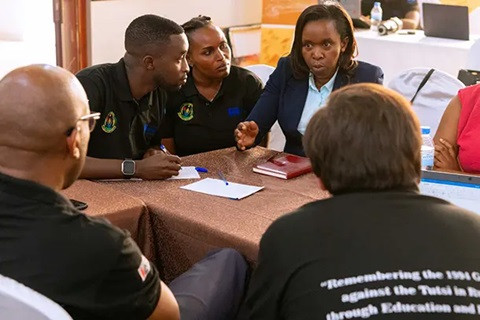 UNESCO Supports a Culture of Peace in Rwanda Thirty Years after the Genocide against the Tutsi 2024-06-10 On 22 and 23 May, UNESCO organized Remembering the 1994 Genocide against the Tutsi in Rwanda through Education and Dialogue in partnership with the Rwandan National Commission for UNESCO and Aegis Trust. Last update: 5 June 2024 Held in Nyamata, Rwanda, this consultation marked the thirtieth anniversary of the genocide and initiated a collaboration to address its lasting impacts. In light of the recent inscription of the serial property of the Memorial Sites of the Genocide – including the Kigali Genocide Memorial, Murambi Genocide Memorial, Nyamata Genocide Memorial and Bisesero Gencoide Memorial – in the UNESCO World Heritage List, the meeting served as a space to develop an interdisciplinary approach for commemoration and reconciliation leveraging dialogue and education in sites of memory. Government officials, civil society, memorial site managers, youth leaders, and educators were brought together for two days of discussion, experience sharing and commemoration. The meeting included breakout groups led by experts from the Rwandan Ministry of National Unity and Civic Engagement (MINUBUNWE), Rwanda Basic Education Board, AHEZA Healing and Careers Center, Aegis Trust, and United States Holocaust Memorial Museum. © Aegis Trust "Let us transform the pain of our past into a beacon of hope for the future. Together, let us ensure the memory of the genocide is never forgotten and that it never happens again."Pascal Gatabazi (Chief Technical Advisor, Ministry of Education, Rwanda) Participants noted the progress made over the past thirty years. They also highlighted the need to tackle distortion of history and false narratives, promote intergenerational dialogue, strengthen capacities of teachers, develop the educational dimension of memorial sites, engage youth in commemoration and leverage innovative mediums. Moving into this next phase of commemoration, it was also emphasized that memorial sites must be recognized as not only sites of mourning and meditation, but also places to ensure sensitive commemoration and remembrance through dialogue and education. © Aegis Trust "Memorial sites are not only a home of commemoration and meditation, but also a school of true dialogue, of peace and reconciliation."Jerome Kajuga (Rwandan National Commission for UNESCO) The consultation was guided by UNESCO’s Initiative for Enabling Intercultural Dialogue, created by the UNESCO Social and Human Sciences Sector, which aims to support more effective dialogue through data-led guidance. The Initiative has organized consultations globally leveraging the data of the Framework for Enabling Intercultural Dialogue to support countries in building policies and programs to enhance dialogue and achieve outcomes related to peace and inclusion. The consultation also built upon the learnings of UNESCO’s International Program on Holocaust and Genocide Education, which seeks to support Member States in addressing violent pasts of atrocity crimes. Rwanda is currently participating in the current program cycle through a project led by the Kigali Genocide Memorial and Never Again Rwanda, supported by MINUBUNWE, to develop opportunities for intergenerational dialogue about the genocide against the Tutsi, with a particular focus on out-of-school youth and rural regions that may have less access to informed knowledge about the genocide and its history. Moving forward, UNESCO is committed to continue its collaboration with the Rwandan National Commission and Aegis Trust, as well as with the participants of the meeting, to develop a new initiative for supporting a peace-oriented culture of remembrance in Rwanda through dialogue and education, by leveraging the role of the sites of memory for peace and social cohesion. URL: https://www.unesco.org/en/articles/unesco-supports-culture-peace-rwanda-thirty-years-after-genocide-against-tutsi