
News
Catch up on what’s happening in the world of global citizenship education.
316 results found
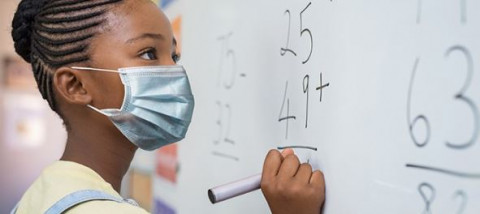 Mathematics for a Better World, UNESCO marks International Day of Mathematics, 14 March 2021-03-15 14 March, proclaimed by UNESCO as International Day of Mathematics (IDM), will be held under the theme “Mathematics for a Better World". Celebrating the beauty and relevance of mathematics, the Day highlights the essential role played by this discipline in reaching the United Nations Sustainable Development Goals. Organized by the International Mathematics Union, IDM will feature a mixture of virtual and face-to-face celebrations, notably in classrooms. Celebrations are scheduled in more than 70 countries with over 410 individual events. Mathematics, with its many technical applications, now underpins all areas of our lives. Together with algorithms, mathematics plays a key role in artificial intelligence and technological disruptions – and, as we address global issues such as the COVID-19 pandemic and climate change, we are reminded of the importance of mathematics in responding to the challenges of our time. -- Audrey Azoulay, UNESCO Director-General The new feature of IDM 2021 is the Poster Challenge to which more than 2,100 schools and organizations responded, producing their own IDM poster to illustrate one facet of the theme of “Mathematics for a Better World”. The posters will be made available to all under an open licence. IDM 2021 is celebrated on all continents. From Madagascar to Gambia, from Panama to Chile, from Albania to Malaysia, from Bangladesh to Australia, people all over the world are organizing festivities. An international live celebration in English, French and Spanish will take place on 14 March, 2 to 6pm, UTC. Also, 48 hours of live coverage on the IDM website will start at 00:00 New Zealand time and end at 24:00 Pacific time. The international celebration is complemented by national and local competitions, conferences, exhibitions, and talks, organized by mathematical societies, research institutes, museums, schools, universities, etc. In Algeria, many events will take place all over the country to show how mathematics helps improve our world. They consist in the organization of webinars, national mathematics competitions, recreational mathematics, and classroom activities. A special event involving blind pupils shows that mathematics is a universal language. Celebrations are in partnership with the public television El Maarifa channel (TV7) which will report on the different events to promote them to the wider population. -- Djamel Eddine Cheriet, Vice-President of the Algerian Mathematical Society In a joint project with the Simons Foundation, the mathematical societies of Algeria, Senegal, and the Republic of Congo will organize online and on site activities on mathematics and artificial intelligence, as well as mathematical games, for a large audience in French, Arabic, and English. They will also offer special training programmes for teachers and educators in Africa and the Arab region. The IDM is an opportunity to share the knowledge that men and women have developed throughout history. It is also a space to create, share, motivate and inspire future generations with mathematics. It is a day to remember that mathematics empowers us, sets us free, and makes us better citizens. -- Laura Vanessa Gomez Bermeo (Colombia) Through the gloom of the pandemic, IDM is an opportunity for exciting and challenging activities in schools. Students can explore how mathematics helps to understand the spread of an epidemic and how the theory of fair division allows for more equitable policies. -- Christiane Rousseau, University of Montreal, initiator for the IMU of the IDM project The date of 14 March is already known as Pi Day and celebrated in many countries. It is named after the important number π, the ratio between the circumference and diameter of a circle, approximately equal to 3.14. The IDM celebration expands Pi Day to include the whole spectrum of mathematics. In view of the pandemic, the 2021 theme of “Mathematics for a Better World” reminds us that athematics and statistics are essential tools for decision-makers in that they enable us to predict the evolution of the disease and optimizemitigation strategies with limited resources. But the role of mathematics in building a better world goes well beyond the pandemic response, and schools are invited to explore the mathematics of fair division, which has so many applications in designing economic and social policies. The IDM website is the main hub for the International Day of Mathematics. It hosts information material to be used by press and organizers (including logos and flyers in different languages) as well as proposals for activities related to the theme for everyone interested in hosting an event. All the official material provided through the website is under an open license, which means it can be freely shared, translated, and adapted. Partners: The United Nations Educational, Scientific, and Cultural Organization (UNESCO), is headquartered in Paris. As the United Nations’ “House of Peace,” UNESCO serves to develop mutual understanding and the strengthening of bonds among nations through international cooperation in education, the sciences, culture and communication. More information At the 40th session of its General Conference, UNESCO proclaimed 14 March of every year International Day of Mathematics. More information The International Mathematical Union (IMU) is an international non-governmental and non-profit scientific organization, with the purpose of promoting international cooperation in mathematics. IDM is communicated and supported by the IDM website, which is hosted by IMAGINARY, a non-profit organization dedicated to communication about modern mathematics. Sponsors: The Klaus Tschira Foundation (which supports natural sciences, mathematics, and computer science in Germany) sponsor of the IDM website and communication. The Simons Foundation sponsor of the special IDM celebrations in Africa. The Canadian Commission for UNESCO sponsor of the 2021 IDM Poster Challenge. Contacts for further information: Helge Holden, Secretary General of the International Mathematical Union, secretary@mathunion.org Christiane Rousseau, Chair of the IDM Governing Board, idm@mathunion.org, +1 514 9156081 Andreas Matt, Managing Director of IMAGINARY and of the IDM website, andreas.matt@imaginary.org, +49 151 51836352 The International Mathematical Union, Hausvogteiplatz 11A, D-10117 Berlin, Germany, imu.info@mathunion.org Pictures: The logo and all pictures below can be used freely for articles about the International Day of Mathematics. Please find high-resolution versions via the “Download Link”. The pictures are from locally organized events (exhibitions, workshops, festivals) celebrating mathematics. Logo of the International Day of Mathematics Press Kit page with images and press releases URL:https://en.unesco.org/news/mathematics-better-world-unesco-marks-international-day-mathematics-14-march
  Teachers, have your say about educating for sustainable development and global citizenship 2021-03-04 Text by: Education International EI and UNESCO launch a global survey of teachers on their readiness to teach education for sustainable development and global citizenship. EI and UNESCO have today launched a global survey on teachers’ readiness to teach education for sustainable development (ESD) and global citizenship (GCED). The study is being conducted as a part of the monitoring of UN’s Sustainable Development Goal target 4.7, which aims for all learners to acquire knowledge, skills and attitudes needed to promote sustainable development. The survey aims to understand teachers’ experience of teaching four topics in particular: climate change, sustainable consumption and production, human rights and gender equality, and cultural diversity and tolerance. It seeks to measure teachers’ perceptions of their individual capacities (motivation and competences) and the extent to which they are empowered and enabled (by schools and systems) to teach these topics which are so crucial for the realisation of all other sustainable development goals. It explores questions such as: To what extent and how are teachers currently teaching these issues? What are the obstacles encountered? How is the teaching of these subjects affected by the COVID-19 pandemic? And how could they be better supported? Currently there is limited data on the extent to which governments are meeting their commitments to ensure quality education for sustainable development and global citizenship for all. Therefore, this project was proposed by Education International to contribute to filling this gap, bearing in mind that teachers’ perspectives are crucial to accurately assess progress made towards SGD 4.7. The survey report will be launched at the UNESCO global forum on education for sustainable development and global citizenship in 2021. Education International will use the findings to advocate for improved policies and support for teachers to teach these subjects from systems across the world. David Edwards said: “Education for sustainable development and global citizenship education are central to the achievement of the SDG agenda. They are crucial to create a better a world. Systems need to urgently ensure that these important subjects are mainstreamed into national policies, curricula and teacher training. To ensure teachers are sufficiently prepared, we need to listen to them and meet their needs.” Are you a primary or secondary school teacher? Then please fill out the survey. It takes approximately 30 minutes to complete. Your feedback is valued and much appreciated. The survey is available in Arabic, Chinese, English, French, Indonesian, Italian, Japanese, Kiswahili, Korean, Portuguese, Russian and Spanish. Click here to take the survey and share it with your networks: https://survey.alchemer.eu/s3/90310926/EI-UNESCO-teacher-survey Please note that it is open until 25 April. URL:https://www.ei-ie.org/en/detail/17143/teachers-have-your-say-about-educating-for-sustainable-development-and-global-citizenship
  UNESCO figures show two thirds of an academic year lost on average worldwide due to Covid-19 school closures 2021-03-02 Paris, 25 January — One year into the COVID-19 pandemic, over 800 million students, more than half the world’s student population, still face significant disruptions to their education, ranging from full school closures in 31 countries to reduced or part-time academic schedules in another 48 countries, according to new data released on UNESCO’s interactive monitoring map. The map shows that globally, schools were fully closed for an average of 3.5 months (14 weeks) since the onset of the pandemic. This figure rises to 5.5 months (22 weeks) – equivalent to two-thirds of an academic year – when localized school closures are taken into account. The duration of closures varies greatly by region, from as many as 5 months (20 weeks) of complete nation-wide closures on average in Latin America and the Caribbean countries, to 2.5 months (10 weeks) in Europe, and just one month in Oceania. Similar regional variations are observed when accounting for localized closures: The duration of complete and localized closures exceeded seven months (29 weeks) on average in Latin America and the Caribbean compared to the global average of 5.5 months (22 weeks). Governments have endeavoured to minimize country-wide closures – down from 190 countries at the peak in April 2020 to 30 countries now –in favour of partial and/or local closures. Schools are now fully open in 101 countries. Prolonged and repeated closures of education institutions are taking a rising psycho-social toll on students, increasing learning losses and the risk of dropping out, disproportionately impacting the most vulnerable. Full school closures must therefore be a last resort and reopening them safely a priority. -- Audrey Azoulay, Director-General of UNESCO Data released today by UNESCO’s Global Education Monitoring Report shows that, even before the COVID-19 crisis, only 1 in 5 countries demonstrated a strong commitment to equity in education through their financing mechanisms, and there is little evidence of a strong equity angle in COVID-19 responses. We need an adequately financed recovery package to reopen schools safely, targeting those most in need and setting education back on track for the COVID-19 generation. Today, on International Day of Education, I call on countries and partners to prioritize education, a global common good, in the recovery.-- Audrey Azoulay, Director-General of UNESCO UNESCO’s celebration of International Day of Education calls for increased and better financing of education, and draws attention to the low priority allocated to education in recovery efforts. UNESCO data shows that the sector only receives an estimated 0.78% of relief packages worldwide. Additionally, aid to education looks set to decline by 12% as a result of the pandemic. According to our findings, the pandemic also stands to increase the funding gap for education by one third to as much as $200 billion annually in low and middle-income countries, representing close to 40% of total cost. Upfront investment in catch-up and remedial programmes will save money down the line reducing by 75% the cost of repairing the damage caused by COVID-19. At the Global Education Meeting convened by UNESCO in October 2020, governments and partners committed to protect education budgets and to focus the recovery on the safe and inclusive re-opening of schools, and support for teachers, skills development and connectivity for all. To enable a safe return to school, UNESCO has called for the world’s 100 million teachers and educators to be given priority in vaccination campaigns. To mark the International Day of Education, UNESCO and the Global Partnership for Education, with UN Headquarters, are co-organizing an event to stress the necessity to protect and mobilize equitable funding for education, give voice to 'community heroes' who acted to leave no learner behind during school closures, and present innovations that pave the way towards more resilient and inclusive education systems. URL:https://en.unesco.org/news/unesco-figures-show-two-thirds-academic-year-lost-average-worldwide-due-covid-19-school
 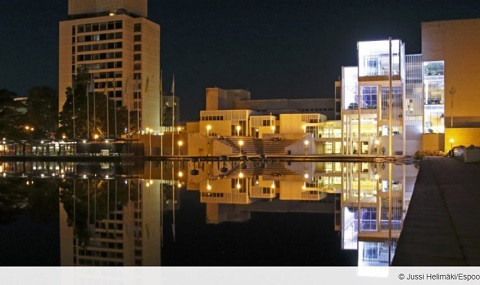 Broad commitment to education for sustainable development leads Espoo towards a sustainable future 2021-03-01 Sustainable development is the leading paradigm for learning city advancement in Espoo, Finland, one of the first UNESCO Global Network of Learning Cities (GNLC) members to be given a UNESCO Learning City Award, which it received in 2015. A key to the city’s success is a strong focus on Education for Sustainable Development (ESD). On 21 February 2021, Espoo shared its achievements with members of the UNESCO GNLC ESD Cluster. Officials from around 50 cities and representatives of the UNESCO Institute for Lifelong Learning (UIL) also participated in the event. ESD: A job for all One of Espoo’s learning city goals is to empower its citizens to work towards a sustainable future by mainstreaming ESD through development programmes such as Sustainable Espoo and Participatory Espoo. Mr Markku Markkula, Chair of the Espoo City Board, presented the Espoo Story, which outlined the city’s strategy to involve its citizens, learning institutions, NGOs, private enterprises and research institutions in building a sustainable learning city together. Next, Deputy Mayor Mr Harri Rinta-Aho showcased the cross-cutting role played by ESD in national and local education curricula, and stressed that ‘ESD is not a matter only for education, but a matter for all of us.’ To put its strategic goals into practice, the city has set up cross-sectoral ESD teams and programs, and is mainstreaming a participatory mindset throughout the city. Empowering youth A powerful example of citizen engagement in the city is the Espoo Youth Council, which is made up of 40 elected members aged between 13 and 18 who regularly meet with the mayor and other city leaders to discuss issues pertaining to Espoo’s young people. Seventeen-year-old Oscar Smith, Head of Espoo Youth Council’s Sustainable Development Team, stressed the importance of giving young people an opportunity to have their say in decisions that will affect them. Moreover, he emphasized that ‘ESD is much more than classroom teaching’ and shared examples of how the youth council has supported the expansion of contraception policies and objected to budget cuts in education. The whole city as a learning environment Ms Annika Forstén, Senior Planning Officer for Espoo Education and Cultural Services, shared some examples of the city’s efforts to engage the local community in ESD. To empower citizens to co-create and feel a sense of ownership over their city, a team of participatory designers at Espoo’s public works department engaged residents in the planning of the city landscape. Recent projects have included, for instance, artwork in subway passages designed with youth groups and a health nature trail planned together with residents and NGOs. Moreover, to inspire a love of nature in even the youngest residents, kindergartens grow fruit and vegetables in urban gardens. The city has also developed an online game, My Espoo 2050, wherein players experience a future affected by climate change to help them understand and work to address environmental challenges. Culture as a vehicle for ESD Ms Forstén also shared how appreciation of cultural diversity and of culture’s contribution to sustainable development are promoted in Espoo. Examples include the Culture Call programme, wherein art and cultural professionals visit municipal kindergartens to engage children aged three to five in creative projects, and the activities of the Espoo City Library, which has received international awards for its efforts to provide citizens with the knowledge and skills needed for the future. Educators about ESD Educators are of course key actors in fostering ESD. Ms Minna Kokora and Ms Marianne Leppänen, experts on early childhood education, shared how capacity-building for educators in Espoo is provided through a combination of pedagogical leadership, educational support, pedagogical tools and extra resources. Representing the Espoo Adult Education Centre, Ms Saana Karlsson from Espoo Adult Education Centre at Omnia shared how the capacities of adult educators have been elevated through a development project based on an eco-social approach to education by Professor Arto O. Salonen at University of Helsinki. According to the approach, taking care of ecological boundaries and a profound respect for human rights determine the possibilities for economic growth. To raise adult educators’ understanding of eco-social education, joint workshops have been arranged, educational materials have been drafted, and the required competencies of educators has been identified. The Espoo Adult Education Centre now has an exam in sustainable development, sustainability is part of annual staff development discussions, and an interactive platform for sharing experiences has been set up. A joint learning journey The UNESCO GNLC ESD Cluster will continue to identify examples of best practice and share them with the network and beyond in order to realize the potential of ESD to become fully integrated into lifelong learning strategies at the urban level. Further information UNESCO Global Network of Learning CitiesVideo tutorial: Learning cities and Education for Sustainable Development URL:https://uil.unesco.org/lifelong-learning/learning-cities/broad-commitment-education-sustainable-development-leads-espoo
 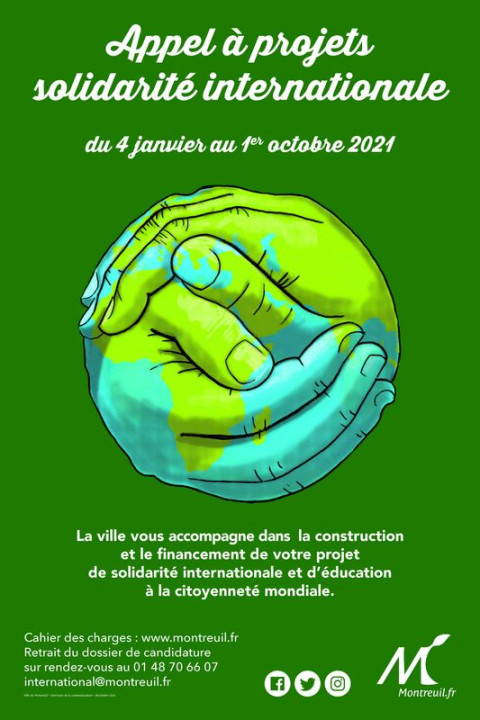 France: Appel à projets - Solidarité internationale 2021-02-21 La ville de Montreuil soutient les projets des acteurs de la solidarité internationale et de l'éducation à la citoyenneté mondialeL’action internationale de la Ville se décline dans le cadre des actions de coopération avec des collectivités étrangères et également à Montreuil, dans les quartiers, dans les associations. Parce que chaque habitant de Montreuil est aussi un citoyen européen et un citoyen du monde, il peut être un acteur de la solidarité internationale. Cet appel à projets à vocation à soutenir les actions de solidarité internationale portées par les associations montreuilloises dont c'est l'objet, promouvoir la participation des habitants aux projets de coopération, informer et sensibiliser, promouvoir l’ouverture à l’Europe et au monde. A travers cet appel à projets, la Ville de Montreuil encourage par ailleurs l'engagement des structures associatives et éducatives du territoire en faveur de l'apprentissage d'une citoyenneté mondiale qui se décline dans de nombreux projets socio-culturels, sportifs, de développement durable ... Date limite de transmission du dossier jusqu'au 1er octobre 2021. Télécharger le cahier des charges URL:https://www.montreuil.fr/actualites/detail/appel-a-projets-solidarite-internationale-edition-2021
 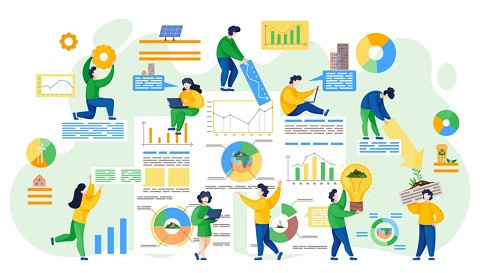 IIEP-UNESCO and NORRAG launch specialized course on “Using data and information for crisis-sensitive educational planning” 2021-02-19 Natural hazards and conflicts can devastate education systems. When faced with multiple risks – such as insecurity and severe weather – the stakes are even higher. Today, many governments, humanitarian, and development partners recognize the need to use evidence-informed risk reduction strategies to address threats head on, to prepare, and secure the right to quality education for all. Yet this requires reliable data – and especially for forcibly displaced persons, who are among the most marginalized in the world. As a response to this challenge, the UNESCO International Institute for Education Planning (IIEP-UNESCO) is launching, in collaboration with NORRAG, a specialized online course: “Using data and information for crisis-sensitive educational planning”. The course provides in-depth training on the issues, tools and strategic approaches to crisis-sensitive educational planning; risk prevention; and reduction. During eight weeks, participants will gain the technical skills to use data – from gathering, processing, to analyzing – for planning education in crisis contexts. Course data: Duration: 3 May to 25 June (8 weeks), with a preliminary 10-day phase beginning on 21 April to be acquainted with the virtual platform. 12 hours per week. Course fees: 1,600 USD for an individual | 1,400 USD for individuals in a team of four. Application deadline: 5 March 2021Follow the link below for contacts and more information. URL:https://www.norrag.org/iiep-unesco-and-norrag-launch-specialized-course-on-using-data-and-information-for-crisis-sensitive-educational-planning/
  France: Les clubs pour l’UNESCO se mobilisent en faveur de la Saison Africa2020 2021-02-14 Initiée par le Président de la République, Emmanuel Macron, en 2017, la Saison Africa2020 est un projet panafricain et pluridisciplinaire centré sur l’innovation dans les arts, les sciences et l’entrepreneuriat. Les Clubs pour l’UNESCO s’associent à cette Saison culturelle panafricaine. Initialement prévue en 2020 et reportée en 2021 au vu du contexte sanitaire, la Saison Africa2020 « invitation à regarder et comprendre le monde d’un point de vue africain », est un projet qui met à l’honneur les femmes et cible en priorité la jeunesse. La mise en œuvre opérationnelle de la Saison est assurée par l’Institut français, opérateur du ministère de l’Europe et des Affaires étrangères et du ministère de la Culture. Il s’articule autour trois priorités transversales : Placer l’humain au centre, Femmes, Éducation. Des projets donnant la parole aux femmes de sociétés africaines auront lieu durant toute la Saison et réfléchiront au futur des arts, des sciences et de l’entrepreneuriat. Enfin, le volet Éducation donnera lieu à diverses initiatives entre instances gouvernementales françaises, africaines et organismes non gouvernementaux ; ceci pour créer de nouveaux outils pédagogiques à destination du corps enseignant et des jeunes. Dans le cadre de la promotion des valeurs de l’éducation à la citoyenneté mondiale et du respect de la diversité culturelle, cette Saison culturelle constitue un « laboratoire de production et de diffusion de savoirs et d’idées » entre jeunes citoyens et citoyennes de toutes les nationalités, afin de créer de nouvelles relations au monde et d’impacter les sociétés civiles de France et d’Afrique. Cette Saison accorde une place toute particulière à l’Éducation avec 274 projets labellisés Africa2020. Le volet Éducation de cette politique culturelle est une opportunité de proposer des pistes de formations pluridisciplinaires aux enseignants et comporte donc l’organisation d’ateliers thématiques, de journées de formation et d’une Journée de l’Innovation pédagogique (avril 2021). Depuis 70 ans, les Clubs pour l’UNESCO dans le monde apportent une contribution essentielle à la réalisation des objectifs de l’UNESCO et favorisent la visibilité de l’UNESCO dans la société civile. Associations à but non lucratif, les Clubs sont accrédités par les Commissions nationales et leurs actions visent à mettre en exergue les orientations fondatrices de l’UNESCO en faveur de l’éducation culturelle pour assurer un développement durable. Aujourd’hui, les Clubs de l’UNESCO manifestent leur soutien au volet Éducation de la Saison culturelle Africa2020, dans le cadre d’un partenariat stratégique avec le ministère de l’Éducation nationale, de la Jeunesse et des Sports. Nous vous invitons à découvrir un projet de cette Saison en partenariat avec le Lycée des métiers Sainte Marie de Saint-Sernin (Toulouse), le Club pour l’UNESCO Floconville et l’établissement Sainte Jeanne d’Arc Dakar, établissement scolaire bi-culturel français & sénégalais homologué par le ministère de l’Éducation nationale. Le Club pour l’UNESCO Floconville soutient le projet intitulé « Te vois-tu comme je te vois ? ». Ce projet vise à « mieux faire connaître l’Afrique contemporaine en développant la coopération entre la France et le Sénégal grâce à la découverte des tissus wax », tissus culturels dont l’étude, dans le secteur de la recherche en Mode en France, est incarnée par Mme. Anne Grosfilley, docteur en anthropologie, spécialisée dans les problématiques identitaires soulevées par le textile et la mode en Afrique. Nous vous invitons à suivre les avancées de ce partenariat pour l’Éducation entre les clubs pour l’UNESCO, la France et l’Afrique sur la page dédiée : https://www.education.gouv.fr/la-saison-africa2020-12296 Les clubs pour l’UNESCO se mobilisent en faveur de la Saison Africa2020 : https://www.facebook.com/Association-Floconville-Club-Unesco-450319942010590 Bonne saison culturelle panafricaine à toutes et à tous ! URL:https://unesco.delegfrance.org/La-Saison-Africa2020-la-defense-de-la-diversite-a-l-honneur-en-2021-3932
  Appel à projets pour des projets internationaux 2021-02-14 La Ville de Besançon encourage et soutient les acteurs bisontins de la société civile souhaitant mener un projet international. A ce titre, le service Relations internationales a mis en place plusieurs dispositifs d’aide financière, selon le contexte des projets menés. Depuis plusieurs années, la Ville de Besançon aide au financement de certains projets associatifs internationaux par le biais d’un appel à projets annuel, d’un montant de 10 000 € en 2021. Sont concernés : les projets de développement ayant un intérêt à la fois pour les populations locales au Sud et pour le territoire bisontin, ainsi que les projets d’éducation à la citoyenneté mondiale à Besançon, pour leurs vertus de sensibilisation. Ce dispositif participe à créer les conditions d’une meilleure connaissance mutuelle et d’une citoyenneté active. Vous êtes une association loi 1901 à but non lucratif, ayant son siège sur le territoire bisontin et vous avez un projet de solidarité internationale ou d’éducation à la citoyenneté ?Reportez-vous au règlement de l’appel à projets 2021 (Pdf) pour savoir si votre projet est éligible à l’appel à projets de la Ville de Besançon. Si c’est le cas, vous pouvez télécharger votre dossier de demande de subvention : Projets de solidarité internationale (.doc) Projets d’Education à la Citoyenneté Mondiale (.doc) Ainsi que le Compte rendu technique et financier final (.doc) Le dossier complet doit être adressé avant le 31 mars 2021 :par courrier à :Ville de BesançonService des Relations Internationales2, rue Mégevand25034 Besançon CedexOu par courriel : secretariat.relations-internationales@besancon.fr Pour toute information complémentaire, contacter : 03 81 61 50 27 URL:https://www.grandbesancon.fr/demarche-administrative/les-subventions-appel-a-projets-pour-des-projets-internationaux/?fbclid=IwAR1HFQfTY0BsdPpPtuIH4ehKNeakeuHM0kxrpwAwiqCPOql3swPQdftPuDA
  Majority of countries do not ensure the right to pre-primary education, according to new UNESCO study 2021-02-07 A new UNESCO study on the right to pre-primary education shows that the legal provisions for free and compulsory pre-primary education are lacking in 2/3 of the world’s countries. Of the 193 countries examined in this study, 63 countries have adopted legal provisions for free pre-primary education and 51 countries have adopted pre-primary education as a compulsory level in national legal frameworks. “We are concerned about the status of pre-primary education from a legal rights perspective and the fact that too few countries have established pre-primary education as a right,” says Borhene Chakroun, Director of Policy and Lifelong Learning Systems at UNESCO. Despite the low take-up of legal frameworks, the study shows that enrolment in pre-primary education has been increasing since 1999 worldwide, with an acceleration since 2010. Yet, 1 out of 2 children still does not receive pre-primary education today. Early childhood care and education is increasingly recognized as an essential element in realizing a wide range of educational, social and economic rights. It enables all children, including the most vulnerable, to start school on an equal footing with their peers and improve overall educational achievement and enhance social equity. The paper has found that countries with free or compulsory pre-primary education have higher rates of early childhood well-being. The country cases in this study show that the adoption of free and compulsory education could affect the quality of education in some countries due to the level of teacher preparedness, and adequate training could be weakened with the sudden expansion of pre-primary education. Addressing the expanding capacity of teacher training institutes and the recruitment of trained pre-primary teaching personnel is therefore essential. By emphasizing a rights-based perspective to the implementation of pre-primary education, the study aims to complement existing literature on Sustainable Development Goal Target 4.2, which focuses mainly on policy outcomes. Based on the findings, the study proposes a set of levers for policymakers to promote the inclusion of early childhood and pre-primary education as a human right within long-term education and development objectives. Read also the advocacy brief accompanying the study and presenting the main findings UNESCO is convening an Innovative Dialogue on Early childhood care and education (ECCE) on 28 January 2021 to engage global leaders, policy-makers and ECCE stakeholders in a global partnership strategy. The COVID-19 response has relatively neglected young children, resulting in them becoming the greatest victims of the pandemic due to a lifelong impact on their education and well-being. Photo: fotorawin/Shutterstock.com URL:https://en.unesco.org/news/majority-countries-do-not-ensure-right-pre-primary-education-according-new-unesco-study
 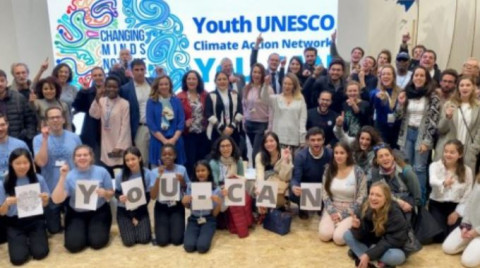 UNESCO embraces the momentum of global youth action on climate change 2020-11-17 Photo: A large group of youth, including young members of the UNESCO Man and the Biosphere programme (MAB Youth) programme, came together at the COP25 in Madrid in 2019 to attend the launch of the Youth UNESCO Climate Action Network (YoU-CAN). Results of UNESCO’s World in 2030 Survey show that climate change is the most important topic the world needs to address in the coming decade. For UNESCO, this means doubling down on its climate action and transforming its operations to find new and innovative ways of addressing the issue. The Youth UNESCO Climate Action Network (YoU-CAN) can help UNESCO in this effort, as a hub of knowledge, a pool of potential partners, a source of innovative projects, and a resource for transdisciplinary climate solutions. Strengthening strategic partnerships and meaningfully engaging with youth are complementary pursuits – mutually compatible ways of making UNESCO more dynamic, agile and engaged. Born of the Strategic Transformation’s working group on partnerships and officially launched last December at the UN Climate Change Conference (COP25) in Madrid, YoU-CAN is an excellent example of how innovative thinking can help put this into practice. Peter Dogsé, Co-Chair of the UNESCO Task Team on Climate Change, explains: “The ambition behind YoU-CAN is to promote and support youth climate action networks around the world. Young people are increasingly driving the change needed and YoU-CAN will recognize and support their mobilization and advocacy efforts to address the climate crisis”. Youth ownership driven by a group of diverse young people Successful youth engagement calls for meaningful collaboration and partnership. In line with UNESCO’s Operational Strategy on Youth (2014-2021), YoU-CAN aims to improve youth ownership in UNESCO’s activities. “Youth ownership is very important, especially for addressing climate change. No other organization in the UN system offers young people so many pathways for engagement. UNESCO can build on their knowledge and innovative ideas in all its fields of competence and can count on their incredible energy as advocates,” says Alexander Schischlik, Chief of the Youth and Sport Section, Social and Human Sciences Sector. To this end, an Ad-Hoc Steering Group of youth network representatives was established in July 2020, following consultations with UNESCO Sectors and Field Offices and a thorough selection process conducted by YoU-CAN’s project team. This Steering Group is composed of three representatives per region, keeping in mind UNESCO's global priorities Gender Equality and Africa, and Small Island Developing States among its priority targets. Accompanied by the UNESCO Secretariat, its role is to advance the operationalization of YoU-CAN until it is formally replaced by a youth-elected body to run the Network. “The Climate emergency is everyone’s urgency. We have just one planet; one home where we can live. It’s time that we turn words into action. The knowledge, expertise and drive of youth are some of our greatest assets, and definitely put us in a better position for building a climate-resilient future. That future begins with us today. As a young, multidisciplinary team, our Steering Group has an opportunity to make YoU-CAN an innovative and comprehensive tool to both strengthen the voices of young people and tackle climate challenges.” – Statement from the YoU-CAN Ad-Hoc Steering Group The youth-led Steering Group started its work in August 2020 and will be establishing a strategic direction, a governance structure, and an outline of operations for YoU-CAN. The diverse profiles of these fifteen young professionals, scientists, activists, students and volunteers contribute valuable and complementary expertise, in order to develop the network in accordance with needs on the ground. Photo: YoU-CAN Ad-Hoc Steering Group (left-right): Neeshad Shafi, Curmira Gulston, Daniel Mahadzir, Ana Karen Proa, Irène Colonna d’Istria, Chamsia Ibrahim, Ismail Farjia, Robert Sakic Trogrlic, Joy Chiadika, Aeljandro Quecedo del Val, Meng Wang, Gabriela Martínez Mendieta, Malek Abidi, Toru Tanigaki, Michèle Okala Abega. Finding solutions together with youth “YoU-CAN is pivotal. Young people form the backbone of UNESCO, and they will be its future. It is strategically important that UNESCO embrace the passion and motivation of the world’s youth, to help the Organization think outside the box and find new solutions to the world’s very complex challenges,” says Nicole Webley, Youth Focal Point for the Natural Sciences Sector. While supporting the Strategic Transformation’s pursuit of a strengthened partnership culture, YoU-CAN will also help advance UNESCO’s Strategy for Action on Climate Change (2018-2021). It will facilitate, amongst many other things, sharing and upscaling of ideas, collaboration between networks and organizations, and wider implementation of successful grassroots projects. Crucially, it will provide youth with a safe space to communicate and generate solutions to a global issue that can be, in some cases, politically fraught. Not only this, networking can be a practical way for young people to participate in this important work in a way that circumvents many of the challenges and inequalities they are faced with. The power of youth networks to help create the “Next Normal” “Recognizing that the youth of today are some of the strongest voices for social change and particularly for climate action means that connecting and supporting these voices is vital. Establishing such a large network will help the global youth movement to maintain its momentum for advocacy and activism, as well as for seeking and implementing practical solutions to climate change,” says Kristina Balalovska of the Youth Team, Youth and Sport Section, Social and Human Sciences Sector. Numerous such challenges have revealed themselves acutely during the COVID-19 pandemic. According to the project team, two key attendant issues that must be considered by YoU-CAN relate to, firstly, how the pandemic has influenced climate debate and action, and secondly, how COVID-19 has disproportionately impacted young people. Climate change has continued unabated despite COVID-19 lockdowns, and the fight against it has been hampered by impacts of the pandemic. There has similarly been deterioration in environmental protection around the world, not to mention issues like increased waste associated with single-use products. Despite this, there have also been global calls to use the crisis recovery as an opportunity to “build back better”, like UNESCO's Next Normal campaign. This momentum, which follows in the wake of a global youth uprising on climate issues, cannot be wasted, and YoU-CAN can be an incredibly pertinent and powerful tool to this end. COVID-19 has also brought to bear many of the challenges faced by youth around the world, including precarious access to education, employment, and social safety nets. Global lockdowns have increased precarity in youth employment which, hand-in-hand with associated vulnerability in housing, food security and so on, present a barrier to effective youth engagement in climate action. At the same time, young people have also spearheaded exemplary actions to fight the pandemic and its consequences. YoU-CAN represents a highly relevant way of handling such challenges, by strengthening supportive networks that link young people from all walks of life and valorizing their work. “Youth engagement in climate action is more prevalent – and vital – now than it has ever been. Around the world, young people have been actively contributing to recovery measures and calling for change from governments, the private sector, and the international community. They are the drivers of a sustainable future, and their ability to access capacity building, networking and collaboration opportunities is critical. YoU-CAN can help to create such synergies and enable their voices to be heard,” says Manon Frezouls, YoU-CAN coordinator. For queries regarding the YoU-CAN initiative, or if you wish to be involved in or support YoU-CAN, you can contact the project team at you-can@unesco.org YoU-CAN’s project team is a cross-sectoral team made up of members from the Social and Human Sciences (SHS) and Natural Sciences (SC) Sectors. The Project Team includes Manon Frezouls, Kristina Balalovska, Nicole Webley, Peter Dogsé, Alexander Schischlik, and Claudia Maresia. UNESCO’s Field Offices also played an integral role in the creation of YoU-CAN and will continue to do so during its operationalization. Useful resources Youth UNESCO Climate Action Network YoU-CANUNESCO Declaration of Ethical Principles in relation to Climate Change.UNESCO Strategy for Action on Climate Change (2018-2021)UNESCO Operational Strategy on Youth (2014-2021)Changing minds, not the climate: UNESCO mobilizes to address the climate crisis URL:https://en.unesco.org/news/unesco-embraces-momentum-global-youth-action-climate-change