
News
Catch up on what’s happening in the world of global citizenship education.
311 results found
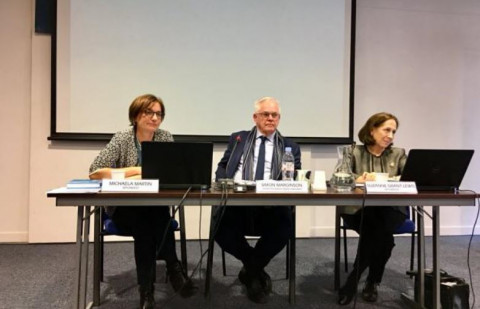 Higher education as a global common good 2018-03-26 Simon Marginson, Professor for International Higher Education and Director of the Centre for Global Higher Education, speaks at IIEP Strategic Debate on Higher Education as a Common Good. Higher education has expanded rapidly over the past 40 years. Enrolments have more than doubled in a decade – from 100 million in 2000, to 214 million in 2015 – far exceeding the rate of growth of worldwide population or GDP. Public funding for higher education has consequently come under pressure, with the burden of cost is increasingly shifted on to students and their families. Today, about one-third of all higher education students are enrolled in private institutions. This situation has led to a vigourous debate about who should pay for higher education. Key questions are who benefits from higher education, and whether it is predominantly a public or a private good. Professor Simon Marginson, Director of the Centre for Global Higher Education, came to IIEP to discuss this issue, as part of IIEP’s Strategic Debate series. The debate was well attended, and Marginson’s informative analysis led to lively discussion among IIEP’s guests. There is strong research evidence of the many benefits higher education brings to the individual. But the collective benefits – be they economic, social, or educational – are more difficult to demonstrate and measure. But Marginson made the case that higher education brings collective benefits, elaborating on the notions of higher education as both a public and a common good. Understanding higher education as a ‘common good’, he posited, is the most useful approach, as it better encompasses the multiple benefits of higher education for society and the international community. Much of the discussion is not about ‘common good’ but about ‘public good’. Marginson noted that a ‘public good’ is defined in economic theory as one that is non-rivalrous (i.e. it can be consumed without being depleted) and non-excludable (no one is excluded from consuming it). In cases where public goods, such as certain types of research, are under-produced in economic markets, public investment in them is justified to ensure they are produced for overall public well-being. Some other goods, explained Marginson, may be understood as either public or private goods – for example, teaching positions and student places, depending on whether access to higher education is within a competitive and/or stratified system offering differential benefits to students. Such goods can further be defined as either state- or non-state-produced, which is another and different meeting of ‘public’. To illustrate the different ways that educational goods are understood within different contexts, Marginson provided a graph with four quadrants representing four different situations with two extremes (higher education as a commercial market and higher education as a social democracy). Higher education systems in many countries have created opportunity hierarchies, with elite institutions at the top providing graduates with individual benefits in terms of careers and salaries, contributing to societal stratification. Marginson proposed an alternative to this model, whereby higher education is envisaged as a common good, providing equal opportunity for as many as possible in the interest of a more rights-based, egalitarian, and cohesive society. This does not necessarily mean that all higher education should be publicly provided, or publicly funded, but private institutions should be regulated to ensure they contribute to the public purpose of higher education. Countries around the globe organize their higher education within different traditions and conceptions of what is public and common. Marginson gave the example of the Republic of Korea, where higher education is largely privately funded, but closely regulated. Marginson concluded with the argument that higher education needs to be envisaged as a global common good. Within the context of increased globalization, higher education institutions are interacting beyond national boundaries and have become networked spaces for free enquiry and learning. Yet, there is no global state to maximize distributional equity, and to ensure that a truly global common good is produced. There is a strong case for international organizations to embrace this role, as much as their funding and position allows. Michaela Martin, IIEP programme specialist for higher education, commented that the boundaries between public and private higher education have become increasingly blurred, with a growing share of private investment in higher education. In order to rationalize the debate over who should pay for higher education, she said, it would be useful to more clearly determine and measure the benefits, which are economic, social, and educational, and both individual and collective. The educational benefits for students tend to be neglected; students value their higher education experience, not just because of improved employment prospects, but because it contributes to personal and intellectual advancement. Martin referred to the Education 2030 Agenda, whose target 4.3 encourages countries to ‘provide equal access for all women and men to affordable and quality TVET, including university’. This is clearly a conception of higher education as a global public good. IIEP has produced research on this topic, and Martin referred the audience to the GEM/IIEP Policy Paper ‘Six ways to ensure higher education leaves no one behind’, which offers guidance on how developing countries can provide both equitable admission policies and funding systems.#StrategicDebate: watch the livestream by clicking here And find the slides of the presentation here: Simon Marginson presentation URL:http://www.iiep.unesco.org/en/higher-education-global-common-good-4444
  Comprehensive sexuality education to prevent gender-based violence 2018-03-16 UNESCO, UNFPA, and UN Women presented the revised UN Technical Guidance on Sexuality Education at ‘Education for a Healthy Future’ – at an event on 13 March on the sidelines of the 62nd session of the Commission on the Status of Women (CSW) at UN Headquarters. The event follows International Women’s Day on 8 March, and the strengthened call for all people to think, act and be gender inclusive. The prevalence of gender-based violence Every year, an estimated 246 million children are subject to some form of gender-based violence, including mistreatment, bullying, psychological abuse and sexual harassment in or on the way to school. 25% of children experience physical violence and 36 % experience emotional violence. Educating young people is the only true, long-term solution to gender-based violence. However, it must be high-quality, age-appropriate, and evidence-based comprehensive sexuality education. Contrary to what opponents of sexuality education often claim, CSE is not just about sex. When delivered well, it promotes health and well-being, respect for human rights and gender equality, and empowers children and young people to lead safe and productive lives. Notably, it teaches that all forms of gender-based violence are wrong, and a violation of human rights. Young people not only learn how to recognise and stay away from all forms of gender-based violence, but they also learn how to prevent it, to not perpetrate it, and know where to get help. They also learn essential life skills such as empathy, negotiation, decision-making and critical thinking, encouraging them to question social and cultural norms that support unequal gender and power structures, and which often lead to violence. The importance of comprehensive sexuality education Despite clear and compelling evidence for the benefits of curriculum-based CSE, too few children and young people receive it. To help change this, UNESCO has published a fully updated International Technical Guidance on Sexuality Education. Produced in collaboration with UNAIDS, United Nations Population Fund (UNFPA), United Nations Children’s Fund (UNICEF), UN Women, and the World Health Organization (WHO), the Technical Guidance helps education, health and other relevant authorities develop and implement sexuality education programmes and materials. It advocates CSE to help young people overcome the challenges posed by sexuality and reproductive health issues, which are particularly difficult during puberty. These challenges include access to contraception, early pregnancy, sexually transmitted infections (STIs), HIV, and AIDS. What are children learning? The Technical Guidance goes beyond that. It outlines the key concepts, topics and learning objectives which should guide the development of locally-adapted curricula for learners aged 5 – 18+. It includes concepts like violence and staying safe, breaking them down into lessons around consent, privacy and bodily integrity. For learners aged 5 – 8 years, this helps them to describe how they would talk to a parent, guardian or trusted adult if they were experiencing violence. For learners over the age of 15, it teaches more complex notions of consent. The Technical Guidance advises teaching about tolerance, inclusion and respect. It guides young learners to treat all people with dignity, and older learners to understand broader concepts of harassment and bullying, acknowledging that everyone has a right to speak out about it and demonstrating ways to counter it. A young learner begins to understand that our ideas about gender and gender stereotypes can affect how we treat other people, and will learn how to define gender-based violence. As this child becomes an adolescent, they learn to identify all forms of gender-based violence, such as sexual harassment, domestic violence, homophobic violence and rape. As that child becomes an early adult, they are able to recognise intimate partner violence and know how to leave an abusive relationship. Where to now? Schools can play a pivotal role in stamping out gender-based violence. As the Technical Guidance outlines, they must implement zero tolerance policies for sexual harassment and bullying, including stigma and discrimination on the grounds of sexual orientation and gender identity. It is also up to governments. The Technical Guidance supports governments to ensure all children and young people have access to evidence-based, curriculum-based CSE, knowing that it is critical to broader efforts to end sexual harassment and assault. Cultures take time to change. Thankfully, speaking out against incidences of gender-based violence such as sexual harassment and abuse is becoming, not only acceptable, but also commonplace. Through CSE, the next generation of children and young people stand in the best position to help create an inclusive and gender equal society. Download the International Technical Guidance on Sexuality Education. Learn more about UNESCO’s work in education for health and well-being. URL:https://en.unesco.org/news/comprehensive-sexuality-education-prevent-gender-based-violence
 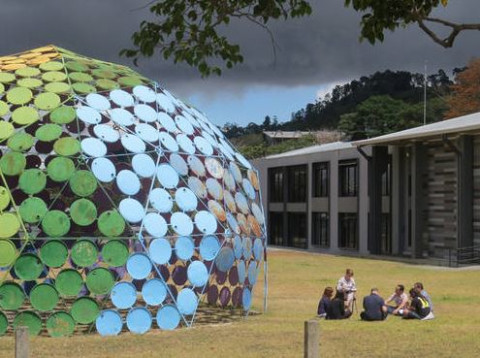 Building intercultural competences in Costa Rica 2018-03-14 In cooperation with the Ministry of Culture and Youth of Costa Rica, Parque La Libertad, the Costa Rican National Human Rights Institution and the Spanish Cultural Centre in Costa Rica, UNESCO conducted the third pilot of the UNESCO Manual on Intercultural Competences based on Human Rights in San José, Costa Rica, from 7 to 9 March 2018.Building on the previous pilot sessions in Bangkok, Thailand, and Harare, Zimbabwe, the Costa Rican pilot provided an additional opportunity to test the manual’s adaptability and effectiveness in different contexts, both from the perspective of facilitation, and with regard to its ability to build individual capacities for intercultural dialogue and understanding. Over the course of three days, UNESCO led a training of trainers session with national authorities, local NGO leaders, educators and other community leaders, as well as two pilot sessions – facilitated by the newly trained local personnel – with over 70 participants from a broad cross-section of Costa Rica’s population. The pilot sessions included a particular focus on indigenous groups, and community-level work for youth-focused violence prevention. Ms Viviana Boza, Vice-Minister of Youth from Costa Rica, opened the proceedings, highlighting “the importance of this collaboration which allows us to enhance our comprehension of the cultural differences and challenges facing Costa Rica to advance the resolution of intercultural and intergenerational conflicts”. Against the backdrop of growing cultural diversity and intercultural interaction within the sub-region, the methodology proposed in this manual provides an accessible activity based on story-telling to bring people together to reflect upon their differences and challenge their preconceptions. It provides a unique opportunity for participants to improve their capacity for empathy, tolerance, listening and understanding, and therefore reflect on sources of conflict and misunderstanding. Indeed, given the serious global challenges facing humanity in the 21st century, learning how to live together is an imperative for advancing sustainable and inclusive development. To this end, learning to be intercultural competent - in other words, having the skills needed to enhance connections and understanding across difference – is essential. The lessons learnt from this pilot session will inform final adaptions to the manual to maximize its relevance once publically released, including within the Latin American and Caribbean context. It also contributed to the building of a strong foundation of trained facilitators to help mobilize the manual’s wide dissemination and use following its expected publication before the end of 2018. Contacts: Euan Mackway-Jones, UNESCO Paris, e.mackway-jones@unesco.org Juan Pablo Ramirez-Miranda, UNESCO Office in San José, jp.ramirez-miranda@unesco.org URL:http://www.unesco.org/new/en/media-services/single-view/news/building_intercultural_competences_in_costa_rica/
  Early childhood care and education as a cradle for social cohesion 2018-03-09 Quality early childhood care and education (ECCE) has the power to transform children’s lives. It can contribute to greater efficiency in education and health systems and a better skilled workforce. Attention to early childhood can also help build more equal and inclusive societies by providing excluded and disadvantaged children with a strong foundation in lifelong learning, and throughout their lives. The right time is now Early childhood is the time when promoting gender equality and a culture of peace makes a true difference, as the pace of brain development is at its peak. When children are exposed to values and attitudes that support gender equality and peace at an early age, they are likely to hold them in later stages in life. “Many things we need can wait. The child cannot. Now is the time his bones are formed, his mind developed. To him we cannot say tomorrow, his name is today.” (Gabriela Mistral) Investing in ECCE is fundamental to the attainment of the Education 2030 Agenda, and the greater United Nations Sustainable Development Agenda. Slow progress The inclusion of ECCE in Sustainable Development Goal 4 (SDG 4) as Target 4.2 recognizes the untapped potential of quality ECCE for individuals and societies and urges countries to “ensure that all girls and boys have access to quality early childhood development, care and pre-primary education so that children are ready for primary education" by 2030. In 2007, UNESCO reminded the international community that half of the countries in the world did not have ECCE policies for children under three years old. Progress has been made on pre-school enrolment in many countries but more work is needed to make ECCE central to education systems and realize its tremendous societal benefits. Social cohesion UNESCO has partnered with the French National Commission for UNESCO to organise the International Symposium “Early Childhood Care and Education: Cradle for Social Cohesion” being held on 5 to 6 March 2018 at UNESCO Headquarters in Paris. The Symposium reflects UNESCO’s commitment to expand and improve ECCE globally. It builds on the momentum set by the international community for ECCE and increases countries’ awareness about the role of quality ECCE in fostering social cohesion. The Symposium strengthens the international knowledge and evidence base on good ECCE policies and practices. It also aims to stimulate countries in integrating ECCE, in particular in their implementation of SDG target 4.5 (Inequalities in education), SDG target 4.7 (education for sustainable development, peace and human rights education), and the 2017 UN Resolution on the Declaration and Programme for a Culture of Peace, which sets ECCE as an essential strategy for peace building. As the lead agency for the coordination of the Education 2030 Agenda, UNESCO promotes inclusion in education through holistic and quality ECCE for all children over the age of 3. UNESCO works on policy and the development of good practice, including in the area of teacher development with the Survey of Teachers in Pre-primary Education (STEPP) project. -- More information International Symposium on ECCE: UNESCO event page or webpage on French National Commission for UNESCO UNESCO’s work on ECCEURL:https://en.unesco.org/news/early-childhood-care-and-education-cradle-social-cohesion
 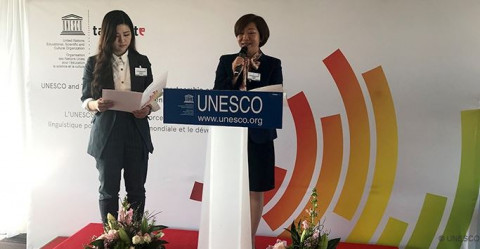 UNESCO and Talkmate strengthen their partnership on linguistic diversity for global citizenship and sustainable development 2018-02-27 UNESCO and Talkmate announce the strengthening of their partnership on the development of the UNESCO World Atlas of Languages by expanding joint efforts for the organization of the 2019 Year of Indigenous Languages and the promotion of global citizenship through linguistic diversity and multilingualism. Over 50% of some 6,700 languages spoken nowadays are estimated to be in danger of totally disappearing or are severally under-resourced with limited access to appropriate language tools and resources. In particular, languages spoken by indigenous peoples represent a huge percent of these endangered languages. This situation embodies a challenge not only to the preservation of their cultural identity and traditions sharing, but also demonstrates the impossibility to access the online community in their respective languages. This threat to access a multilingual cyberspace should be considered as a matter of imperative urgency since only 5% of the world´s languages are currently presented in cyberspace. The joint partnership between UNESCO and Talkmate on the World Atlas of Languages aims at developing an innovative and scalable ICT-supported platform to access data on linguistic diversity around the world. This partnership is not only contribute to the promotion of languages learning via the cyberspace, but also encouraging the collaboration of stakeholders to raise awareness on the importance of multilingualism by the effective application of ICTs, which are vital educational and communicational tools that help communities and organizations to access education, share information, provide services and goods, to which citizens are entitled in the context of open, pluralistic, participatory, sustainable and inclusive knowledge societies. In a long-term the partnership will contribute to fulfil the 2030 Agenda for Sustainable Development as a whole, to ensure a multilingual cyberspace by the effective application of ICTs, which are vital educational and communicational tools that help communities and organizations to access education, share information, provide services and goods, to which citizens are entitled in the context of open, pluralistic, participatory, sustainable and inclusive knowledge societies. UNESCO, together with Talkmate, is committed to safeguard the world´s diverse linguistic, cultural and documentary heritage. Therefore, the collaboration between the two partners will be extended also to support the International Indigenous Year 2019, which UNESCO, as the UN leading Agency, is organizing. An official announcement of the extended and renewed partnership agreement was made during the ceremony that took place on 23 February 2018 at the UNESCO Headquarters in Paris. URL:https://en.unesco.org/news/unesco-and-talkmate-strengthen-their-partnership-linguistic-diversity-global-citizenship-and
 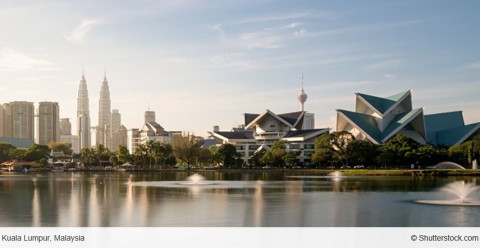 World Urban Forum – UNESCO demonstrates multi-pronged approach to resilient cities 2018-02-20 By 2050, the world will be two-thirds urban, placing cities at the frontline of global challenges and opportunities. Migration is a major factor of urbanisation, contributing significantly to economic development and cultural diversity. As people and assets concentrate in cities, these become increasingly vulnerable to the impact of climate change, disasters and conflicts. Yet if planned and managed well, cities will become an engine for sustainable development. For cities to be inclusive, safe and resilient, governments, mayors and local stakeholders need urban policies that integrate the soft power of culture, education, science and social integration, as suggested in the New Urban Agenda adopted at the Habitat III conference in 2016. UNESCO’s participation at the 9th World Urban Forum in Kuala Lumpur, Malaysia, 7-13 February 2018, demonstrated this with five events engaging international and local voices on how cities can forge a sustainable future. Cities in post-conflict and post-disaster situations face numerous challenges and were the focus of the networking event on “Culture, Reconstruction, Recovery” led by UNESCO and the World Bank. “Culture should be placed at the core of reconstruction and recovery processes by embedding cultural and natural heritage as well as intangible heritage and creativity into integrated strategies that rely on both people-centred and place-based approaches,” said Sameh Wahba, World Bank Global Director for Urban and Territorial Development, Disaster Risk Management and Resilience. Experts stressed that urban regeneration strategies need to use culture as a key resource, asset, and tool, and build on the “3-Ps” approach (people, places, policies) set out in the UNESCO Global Report, Culture Urban Future. The training event on “Creativity for Sustainable Cities: Leveraging Culture for Social Inclusion, Economic Development, and enhanced resilience” co-organized by UNESCO and UN Habitat highlighted the importance of cultural heritage, living heritage, and culture and creative industries in the shaping, implementation and assessment of culture-engaged urban development policies. “Culture is a key element to humanizing cities” said Christine Musisi, Director for International Relations in UN-Habitat. Virginio Merola, Mayor of Bologna (Italy), underscored that the major responsibility of mayors and local authorities is to enhance the “urban commons” and use culture to build the conditions for people from diverse social, cultural and generational backgrounds to live together peacefully. The importance of measuring the actual contribution of culture to urban development processes was underlined, to build not only on its economic value but also on its impact on education, people’s well-being, resilience and social inclusion. UNESCO’s event on “Building Urban Resilience” focused on how cities cope with the provision of water related services and natural hazards. Water services, for example, can be acutely affected by climate change. There are many replicable best practices and solutions for water management and policies, and disaster risk reduction. Dr Nicola Tollin, part of the UNESCO Chair of Sustainability at the Technical University of Catalonia, President of RECNET and Executive Director of the International Programme on Urban Resilience, RESURBE, demonstrated the need to bridge local and international climate action at the urban level, with projects that use nature-based solutions for water management and generate environmental, economic, social and climate co-benefits. The VISUS methodology, a science-based assessment methodology for school safety was also presented, along with the UNESCO International Hydrological Programme’s examples of knowledge sharing and exchange on water within the framework of the Megacities Alliance for Water and Climate (MAWaC), which are all useful tools and resources for enhancing the resilience of cities. As the number of international migrants worldwide has continued to grow rapidly in recent years, reaching 258 million in 2017 (UNDESA, 2017), and internal migration, though more difficult to determine the number of people moving, is vast, a networking event on “Integrating Migrants in Cities: Challenges and Opportunities” examined the importance of a holistic, intersectoral, and collaborative approach to integrating migrants in cities. UNESCO, in partnership with UNDP, Un-Habitat and the IOM, presented data from current research on migration trends and policy responses that can assist at national and local level to deal with the large scale movement of people, both internally and internationally. Among the findings that foster learning to live together sustainably in cities was the need for long term urban planning that integrates political, economic, cultural and social aspects of city life. Health and well-being of communities in urban spaces were discussed in UNESCO and ADB’s “Physical inactivity and Rising Non-Communicable Diseases” side event. Experts advocated for the creation of open and safe public spaces for sport to drive socioeconomic development in the Asia-Pacific region, particularly in tackling non-communicable diseases, a global issue on the rise all around the world. The Kazan Action Plan, adopted by the Ministerial Council on Physical Education and Sport in 2017, sets out a global road map linking sport, the SDGs and other important development frameworks. The panellists show-cased several local initiatives whereby cities that enhanced sport saw improvements in community well-being and belonging, especially for youth. For more information on UNESCO’s involvement in the 9th World Urban Forum, and its action for sustainable cities, visit here. URL:https://en.unesco.org/news/world-urban-forum-unesco-demonstrates-multi-pronged-approach-resilient-cities
  How will you ‘Love the Ocean’? Take one action for your ocean this Valentine’s Day! 2018-02-18 Show us your commitment to your ocean (and your health) – this Valentine’s day the Sea Change team are asking everyone to pledge one action to #LovetheOcean and encourage others to do the same by sharing your love across social media. It’s easy to say we love the ocean, but for many of us, our everyday actions tell a different story. Seas of plastic, declining fish stocks and ocean acidification are just some examples of the destruction caused to the ocean by our everyday activities, which also have a profound effect on our health and wellbeing. Our relationship with the ocean has become toxic and one-sided. After all, the ocean loves us in real ways – like giving us half the oxygen we breathe, climate regulation, food, medicines and a variety of recreational opportunities. The ‘Love the Ocean’ campaign aims to rebalance our relationship with the ocean and show our appreciation by pledging to take real action each day, sharing our pledges and actions online, and tagging them with #LovetheOcean. ‘Love the Ocean’ coincides with the final conference of the EU Horizon 2020 funded Sea Change project on 15 February 2018 at the UNESCO Headquarters in Paris, concluding three years of empowering and educating citizens to take action for our ocean. The conference will focus on the project’s achievements and plan for the coming years, maintaining the momentum of ocean literacy by linking with initiatives worldwide in the run up to the upcoming UN Decade of Ocean Science for Sustainable Development (2021-2030). Jon Parr, coordinator of the Sea Change project, is looking forward to the conference: “Sea Change has been looking to make a difference, to make a Sea Change, in our attitude in Europe, to our seas and ocean. We are gathering in Paris on the 15th February to celebrate what has been achieved and share our love for the ocean. We also want to look to the future, continuing that Sea Change. A lot has happened since Sea Change began and I feel confident that the recognition of the importance of our everyday lives on the ocean is growing and growing. We can all make positive changes and show our Love for the Ocean through #LovetheOcean.” We are asking for the public to post a photo or short video using the #LovetheOcean hashtag, showing what change they pledge to make to their daily lives. No change is too great or too small – you could make a pledge to take the bus to work, or simply to stop using disposable plastic drinking straws. Every positive action makes a difference to the health of our ocean! A selection of your posts will be viewed at the conference in Paris and will provide valuable insights to our team. You can also use our Facebook cover photo to share your support for the ocean across social media. The Sea Change project has sought to foster positive behaviour change by improving the ‘ocean literacy’ of citizens, whereby greater understanding will empower individuals to change their behaviour, creating an overall ‘sea change’ in how society views its relationship with the ocean. This will lead to healthy seas, healthy communities and ultimately – a healthy planet. We are promoting our ‘Love the Ocean’ campaign via Thunderclap now. Please click here for more information. Join other Sea Changers today: make your pledge using the #LovetheOcean hashtag and tag us on Facebook, Twitter and Instagram. Visit our campaign page at www.lovetheocean.eu and download our Press Pack right here! If you’re seeking further inspiration on how you can make your sea change, you can find lots of practical ideas in our video series on Vimeo or on the Sea Change project website. *** The Sea Change project is funded by the European Union's Horizon 2020 research and innovation programme under Grant Agreement n° 652644. The project began in March 2015 and will run until February 2018. The Marine Biological Association, UK (MBA) is coordinating the project. AquaTT is the project dissemination partner. The Intergovernmental Oceanographic Commission of UNESCO has coordinated the Sea Change work on marine governance by engaging policy actors and stakeholders around Europe to develop a roadmap for an effective science-society-policy interface for ocean sustainability. The Commission has moreover coordinated the development of the first-ever Massive Open Online Course (MOOC) on Ocean Literacy, From ABC to ABSeas: Ocean Literacy for All, attended by more than 500 students from all around the world. Jon Parr, Sea Change coordinator, is Deputy Director at the MBA. He has a wide remit covering operations, the development of the research infrastructure and the development of the knowledge exchange programme. He has worked with the National Biodiversity Network (NBN) and sits on the several groups including the NBN National Schemes and Societies Group and UKEOF Citizen Science Group. Jon is responsible for the Educational Programme of the MBA including the public Sea Life Survey, the Shore Thing Project and the Recorders conference. Jon organised and chaired a workshop for European Commission on Transatlantic Ocean Literacy. *** For more information, please contact: Francesca Santoro (f.santoro@unesco.org), Tel: +39 041 2601539 For more information on the Sea Change project, please visit:www.seachangeproject.eu URL:http://www.unesco.org/new/en/media-services/single-view/news/how_will_you_love_the_ocean_take_one_action_for_your/
 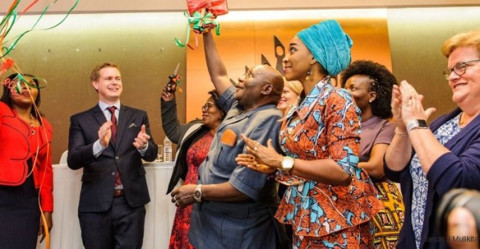 UNESCO and Sweden highlight sexuality education as a catalyst for development 2018-02-18 UNESCO and Sweden came together in sub-Saharan Africa in January, to pledge their commitment to comprehensive sexuality education (CSE) and galvanize regional action to ensure all children and young people have access to good quality, curriculum-based CSE. UNESCO representatives were joined by the Minister for Education of Sweden, Gustav Fridolin, who visited Zambia and South Africa to take part in high-level dialogues with Ministers and policy-makers from the Governments of Zambia, Zimbabwe, Ghana, South Africa, Ghana, Swaziland and Cote d'Ivoire. The Minister also took part in the regional launch of the revised UN International technical guidance on sexuality education, which aims to assists education, health and other relevant authorities in the development and implementation of CSE programmes and materials. Published by UNESCO in collaboration with UNAIDS, United Nations Population Fund (UNFPA), United Nations Children’s Fund (UNICEF), UN Women, and the World Health Organization (WHO), the Guidance facilitates development of accurate and age-appropriate knowledge, attitudes and skills that contribute to positive relationships, health and well-being, and respect for human rights and gender equality. Minister Fridolin said every young person has the right to CSE. “This makes for important steps towards gender equality, and is therefore an investment in development, economy and society as a whole. Comprehensive Sexuality Education of good quality is never an issue that concerns only girls. To reach shared and equal responsibility and healthy attitudes, sexual and reproductive health and rights and Comprehensive Sexuality Education are as important for boys and men, as they are for girls and women.” The Minister also led the launch of UNESCO’s Our Rights, Our Lives, Our Future (O3) programme, alongside the Ministers for primary and further education of Zambia. The O3 programme will strengthen CSE delivery for young people in 30 countries in sub-Saharan Africa. Patricia Machawira, Regional Health and Education Advisor at UNESCO, said that through the O3 programme, “we envision a sub-Saharan Africa where positive health, education and gender equality outcomes are a reality for children and young people,” before adding, “Young people are receiving confusing and conflicting messages about relationships, about sex and about gender. It’s critical that schools deliver scientifically accurate education that develops the skills, knowledge, attitudes, and competencies needed to navigate a healthy transition to adulthood. Government and the education sector in sub-Saharan Africa have both an opportunity and an urgent responsibility to scale up sexuality education programs.” The visit to sub-Saharan Africa highlighted comprehensive sexuality education as a catalyst for the achievement of Sustainable Development Goals (SDGs) 3, 4 and 5, around good health and well –being, quality education and gender equality. URL:https://en.unesco.org/news/unesco-and-sweden-highlight-sexuality-education-catalyst-development
 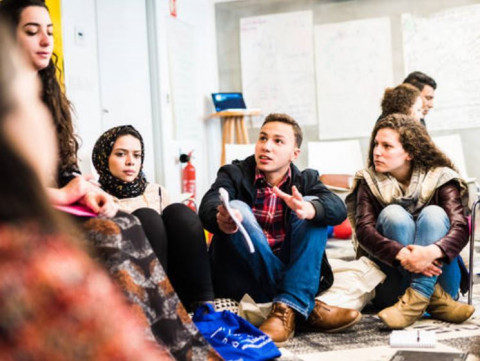 New project to tackle violent extremism in Jordan, Libya, Morocco and Tunisia 2018-02-17 A new two-year project on “Prevention of Violent Extremism through Youth Empowerment in Jordan, Libya, Morocco and Tunisia was launched by UNESCO on 1 February 2018. Funded by the United Nations Counter-terrorism Centre (UNCCT) and Canada and, this US$ 2 million project is a vital move towards engaging youth in the prevention of violent extremism, an issue that disproportionately affects young people throughout the region. The project starts from the principle that any lasting solution must put youth at the forefront of countering violent extremism. It will adopt an inclusive, multi-dimensional approach by combining issues such as youth, education, culture, and communication and information. More than 8000 young women and men and key practitioners will be trained through activities such as trainings on conflict-sensitive reporting; capacity building programmes for religious authorities to develop prevention of violent extremism (PVE) initiatives; countering online hate speech; and, creating new media spaces to disseminate alternative narratives by and for youth. UNESCO will work closely with partners such as Ministries of Youth, Education, Labour and ICT’s but also with civil society organizations such as youth, educational and cultural networks, local religious leaders, universities, etc. Partnership with private-sector companies is also on the agenda, particularly with the tech industry. The primary outcome of this project is to create an environment where young women and men are empowered, heard and engaged as change-makers in their communities. This project also aims at mainstreaming PVE through formal, non-formal and informal education. Finally, this project intends to mobilize media professionals and online youth communities to combat radicalization and online hate speech through trainings and the development of national and regional online campaigns. "UNESCO is among the most active in promoting dialogue among cultures and fighting violent extremism" said Audrey Azoulay, Director-General of UNESCO. This project shows the extent of UNESCO’s engagement in the UN's Youth, Peace and Security agenda. In this context, UNESCO is uniquely positioned to utilize its expertise and vast experience working with and for youth at the national, regional and international levels. See also UNESCO's work on the prevention of violent extremism URL:http://www.unesco.org/new/en/social-and-human-sciences/themes/youth/sv13/news/new_project_to_tackle_violent_extremism_in_jordan_libya_mo/
 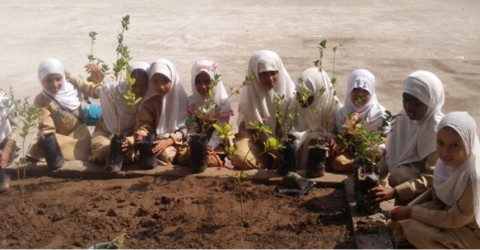 Sustainable Yemen programme recycles waste as school materials 2018-02-15 An innovative project recycling and transforming waste into educational tools and art forms is one of many sustainable development schemes coordinated by the local sub-unit of the Yemeni National Commission for UNESCO. The sub-unit, based in the province of Hodeidah with work extending to neighbouring areas, acts to coordinate and implement the multiple activities of projects on Education for Sustainable Development (ESD). It brings together educational, civil and private sector organizations to mobilize communities towards achieving the targets of the Sustainable Development Goals (SDGs) and improving their own environment. Since 2012, the initiative’s successes include training 60 teachers on the UNESCO course “Education and Learning for a Sustainable Future” and training 320 youth on project management and marketing. It has also established a youth foundation and community college and organized training of trainers. Project Manager Faisal Ali Ayed said: “The Hodeidah work is particularly important because it is the first project in Yemen that has succeeded in using ESD in a context of large population density and a high percentage of youth facing the multiple challenges of poverty and unemployment.” Other innovations include using teachers for e-learning, setting up of electronic libraries and collecting funds for poor students to provide breakfast, school meals, school uniform and school bags. Alongside these are awareness campaigns offering information and advice around healthy balanced food, early marriage and HIV/AIDS. Sustainable development clubs have also been established in some schools to promote community activities related to all dimensions of sustainable development (environmental, social and economic). Mr Ayed explained why the work had been so successful. “The project has a really dedicated team and collaborating partners. For that reason, the project has achieved real transformation in practices in schools and community and at the same time has received huge media attention so the impact is spread.” For the future, there are plans to expand the implementation of ESD projects, increase the number of the beneficiaries of educational institutions, in particular youth and women, spread the work to the neighbouring provinces of Hajjah and Rimah where six major projects will be implemented to train school principals, teacher trainers, educators, women and young people on ESD. An important aspect of the work is enabling young people and women to enter or re-enter the labour market. So far, 920 youth and women have received life and professional skills training and help on integration into the labour market. “The project has contributed to empowering women to participate in community development as well as changing society's vision of the role of women and enabling the acceptance of different roles for women in society,” said Mr Ayed. More on Education for sustainable development URL:https://en.unesco.org/news/sustainable-yemen-programme-recycles-waste-school-materials