
News
Catch up on what’s happening in the world of global citizenship education.
311 results found
 The socio-cultural implications of COVID-19 2020-06-15 Professor Fethi Mansouri, UNESCO Chairholder for Cultural Diversity and Social Justice at Deakin University, Melbourne (Australia) and UNITWIN Convenor for Inter-religious Dialogue and Intercultural Understanding, shares his views on the socio-cultural implications of COVID-19. Worldwide, the COVID-19 response has been largely premised on physical distancing, though this has, unfortunately, been discursively referred to in formal and informal discourse as social distancing. There is a big difference between the two concepts, with physical distancing not necessarily precluding social connectedness, whereas social distancing unavoidably presumes disconnectedness. But for physical distancing not to also engender social distancing and inter-personal disconnectedness, certain societal conditions need to be met and made available indiscriminately. These include, first and foremost, access to basic infrastructure such as shelter, internet and basic everyday living needs. Sadly, across the world, and even within some developed societies, this has not always been the case. Entrenched social inequalities and economic marginalization have resulted in large proportions of the world’s populations being deprived of the most basic of human needs, let alone the capacity to be physically distant while at the same time socially connected and adequately supported to meet living needs. The problem of social and economic inequalities are amplifying the challenge of managing the rapid spread of COVID-19 globally, but what has also emerged is the systematic racism, particularly against people of Asian background, in Western émigré societies. Indeed, there is plenty of anecdotal evidence of racist attacks in many countries. This is not altogether a new phenomenon; a significant existing body of evidence shows that at times of crises – be they economic, environmental, security or health-related – minority groups are often made scapegoats and are subjected to racist, exclusionary, often violent discourses and practices. COVID-19 is already showing us a variety of patterns of racism aimed at Asian people ranging from cyber bullying to physical attacks, racist trolling, and a variety of xenophobic conspiracy theories that have been articulated not only by ordinary citizens but also some politicians and world leaders. None of this serves the intercultural dialogue agenda, with its emphasis on cross-cultural contact, mutual understanding, respectful engagement and inter-communal solidarity. Yet, perhaps one of the main paradoxes of this pandemic is that the challenges of physical distancing and disruption to the normal service provision systems has meant that solidarity, both local and transnational, has also come to the fore of our collective responses. Indeed, we have seen many creative community-led practices emerge in response to COVID-19 lockdowns that reflect the core principles of intercultural dialogue. These range from the emergence of real-world examples, such as citizens of New York, Paris and many other cities gathering nightly to applaud healthcare workers, to online intra-community solidarity, where local neighborhoods work together to ensure that the most vulnerable, the elderly and the less well-off are also supported and cared for. During a time when fewer social services are being delivered, and often not in the traditional mode that many recipients are accustomed to, acts of altruism and care are being reported on a daily basis – from individuals and communities in local neighborhoods delivering shopping to the needy, to checking in on elderly neighbours and others in need of support. It is true that citizenship has emerged as the main marker of belonging. However, as governments tighten border controls and close airports, many groups within civil society have been working hard to advocate for and demand rights and protections for non-citizens, especially asylum seekers and temporary workers. Internationally, and in terms of relations between nation states, transnational solidarity has become at once a victim of COVID-19 and a key component in the global collective response strategy. Indeed, initially at least, transnational solidarity was sacrificed in the rush to contain, suppress and hopefully eliminate COVID-19. This was the case across many countries that hastily moved to shut their borders to non-citizens, stop international student mobility, shut down airports and all but stop international trade and tourism. These are all measures that represent a significant blow to globalization and its reliance on free movement of services, people and goods. It is equally a blow to the guiding principles of intercultural dialogue, which require deliberative engagement on issues of mutual concerns, including border crossings and exchange of those goods and services that affect the lives and livelihoods of individuals across borders. But the current COVID-19 situation also offers us hope for new ways of forming and sustaining solidarity across cultural backgrounds, faith traditions, political systems and geographic borders. This new, more positive transnational solidarity was showcased in the form of intercultural, transnational ‘medical diplomacy’, where countries have been sending doctors, paramedics, medicines and medical equipment across borders to those countries hit most severely by the pandemic and that lacked certain medical expertise and supplies. The examples of Cuba, China and India are good cases in point, where doctors, medicines and medical equipment have been respectively used to engage in this new form of transnational solidary at a time of acute health crisis. This form of transnational engagement highlights the deeply intersected nature of our globalized world and the extent to which it is not only intimately hyper-connected but, more critically, irreversibly inter-dependent. Our post-COVID-19 world order must heed the lessons of this pandemic as it reconfigures international relations, intercultural engagement and transnational solidarity in ways that will ensure we are better able to deal with future crises when they happen again. The outbreak of the coronavirus in Wuhan, China, and its rapid spread across the world, exemplifies this inter-dependence and highlights the urgent need for more collaboration across medical, technological, economic, environmental and social fields in order to ensure the safety and wellbeing of all global citizens irrespective of geography, ethnicity, religion or level of domestic economic development. What pandemics such as COVID-19 are exposing is that the global community will only be as capable of containing highly infectious viruses as the public health system of its least developed nations will be supported. Eliminating the current health threat, as well as other global threats, requires not less but more transnational solidarity, more intercultural dialogue and more equitable capacity-building around the aspirational Sustainable Development Goals. Transnational solidarity and intercultural dialogue are not only worth pursuing for their utopian, cosmopolitan and ethical tendencies, but also for their practical, critical and transformational roles in ensuring the safety, wellbeing and sustainability of the entire global community. *** Professor Fethi Mansouri, PhD, is Director of the Alfred Deakin Institute for Citizenship and Globalization at the Deakin University in Melbourne, Australia. He is the UNESCO Chairholder for Cultural Diversity and Social Justice, and UNESCO UniTwin Convenor for Inter-religious Dialogue and Intercultural Understanding (IDIU). Email: fethi.mansouri@deakin.edu.auFethi Mansouri | Alfred Deakin Institute | UNESCO Chair Cultural Diversity and Social Justice Recent Books:(2019), ‘Contesting the Theological Foundations of Islamism and Violent Extremism’.(2019, 2nd edition in French): ‘L'interculturalisme à la croisée des chemins: perspectives comparatives sur les concepts, les politiques et les pratiques’. UNESCO Publishing, Paris. * ICD = Intercultural Dialogue *** The ideas and opinions expressed in this article are those of the author and do not necessarily reflect the views of UNESCO. The designations used in this publication and the presentation of the data contained therein do not imply the expression of any opinion on the part of UNESCO concerning the legal status of countries, territories, cities or areas or their authorities, or concerning the layout of their borders or boundaries. URL:https://en.unesco.org/news/socio-cultural-implications-covid-19
 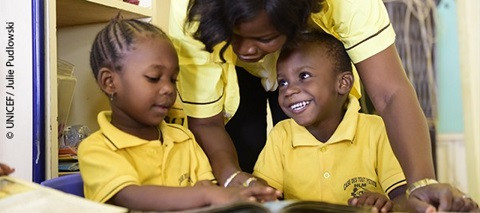 UNESCO and partners launch an early childhood education (ECE) personnel survey related to COVID-19 in Sub-Saharan Africa 2020-06-09 Preschool teacher and child in Senegal © UNICEF/ Julie Pudlowski UNESCO Dakar and partners across 48 countries in Sub-Saharan Africa have launched a survey for early childhood education (ECE) personnel during the COVID-19 pandemic. The survey aims to collect data on how early childhood teachers, teaching assistants, early childhood centre and school directors and principals are responding to the strains of the pandemic, understand the needs of the early childhood education personnel and learn how to support them. Since March 2020 when the novel coronavirus, COVID-19, was declared pandemic, learners, teachers, parents and the entire education community have been gravely affected. The UNESCO Institute of Statistics (UIS) estimates that more than 1.2 billion students have been effected globally and schools in 150 countries have been closed. In Sub-Saharan Africa, over 18.6 million pre-primary school teachers have been affected by the pandemic. Pre-primary education providers must re-think their education modalities and face unprecedented challenges such as health and safety concerns, stress and tenuous employment status. Teachers and centre directors face questions of how to provide continuous education and care admist the closure of their centres, often without having had any prior training on how to employ distance education solutions or the use of information technology. These concerns are further exacerbated by the vulnerable status of pre-primary providers and educators within the overall education personnel structure. The ADEA Inter-Country Quality Node for Early Childhood Development (ICQN-ECD), the Africa Early Childhood Network (AfECN), the Early Childhood Development task team and TALENT within the Regional Coordination Group for SDG4-Education 2030 in West and Central Africa (RCG4-WCA), ILO, UNESCO (including UNESCO IICBA), UNICEF and the World Organization for Early Childhood Education (OMEP), have all collaborated to adapt an ECE personnel survey that was originally launched by UNESCO, UNICEF and other partners in the Asia Pacific region. The findings of the survey will be employed to shed greater light on the situations and needs of the ECE sector and its workforce to respond to children’s education and well-being needs during times of crisis. The Early Childhood Development task team within the RCG4-WCA plans to host a webinar to present and discuss findings with regional stakeholders and will publish a policy brief to unpack key findings. The survey will be online until June 25th and is available in English, French and Portuguese:English: https://forms.gle/79EjxPA2fxhrPzMfAFrench: https://forms.gle/U38S7MtTrhc1Megb7Portuguese: https://forms.gle/RY6ZgbSjzkS4oMUH8 URL:https://en.unesco.org/news/unesco-and-partners-launch-early-childhood-education-ece-personnel-survey-related-covid-19-sub
  #TheWorldin2030: Help UNESCO set the global agenda on the issues you care about! 2020-06-02 Help UNESCO set the global agenda on the issues you care about! UNESCO is launching an unprecedented public survey to gain insights into global sentiment on the major challenges that threaten peace around the world today and the solutions needed to address them. The results will assist UNESCO in setting the global agenda on these issues over the next decade to ensure #TheWorldin2030 is one we want to live in. Take the survey: Click here The survey is being launched at a time of profound societal upheaval linked to the COVID-19 pandemic. There are urgent calls for reflection on the world that will emerge from the crisis and how we will address major ongoing challenges such as climate change, violence, widespread inequalities and massive technological disruption. “The next ten years are critical for putting the pieces into place for the world to come after the COVID-19 crisis, and addressing the already-severe challenges from before it began,” said UNESCO Director-General Audrey Azoulay. “This new survey is part of UNESCO’s commitment to leading a global reflection on these issues. Understanding the obstacles people are facing and their hopes for overcoming them is crucial, and I call on everyone from all regions to take part and tell us what they think.” Amid questions from some on the effectiveness and relevance of multilateralism in today’s world, the survey will also gain insights into how the international community, including UNESCO through its mandate to build peace in the minds of men and women, can better address the concerns of all populations. The survey is open to all around the world and it will soon be available in at least 20 languages. It will be open for the next three months, with the results to be released in September 2020 as part of a special “World in 2030” report analysing global and regional views on the challenges of today. A special focus has also been placed on ensuring a large number responses from young people. Through the survey, UNESCO aims to give them an opportunity to express their points of view and ideas and contribute to discussions on what the future should look like. The survey is being held as part of UNESCO’s ongoing Strategic Transformation. It also fits into wider efforts by the Organization to reflect upon the world to come, including the recent launch of the UNESCO Forum series. This series kicked off this week with video interviews featuring leading women thinkers, artists and activists, in which they aired their views on the challenges and opportunities the world will face in the wake of the COVID-19 crisis. URL:https://en.unesco.org/news/theworldin2030-help-unesco-set-global-agenda-issues-you-care-about
 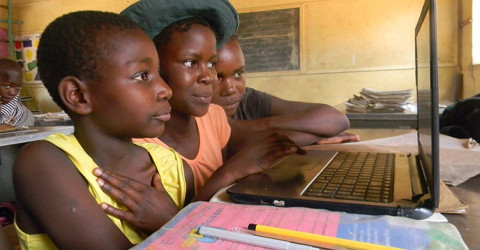 La Coalition mondiale pour l’éducation facilite l’accès gratuit à l’enseignement à distance par Internet dans plusieurs pays 2020-06-01 Major mobile telephone operators that are part of UNESCO’s Global Education Coalition have stepped up efforts to improve connectivity by providing free access to online educational content for students in all regions of the world affected by Covid-19 induced school closures. “While the Global Education Coalition supports both online and offline solutions, aiming towards connectivity for all is an important imperative, especially when our data shows that 43% of the world’s households do not have access to the internet,” said UNESCO Director-General Audrey Azoulay. “Cost is also a major obstacle for students from disadvantaged backgrounds all over the world, The Coalition’s initiative is an example of the concrete results that can be achieved by bringing together the United Nations and the private sector. By ensuring free of charge connection to educational content in a number of countries, these corporations give a strong signal as to the need to provide free access to online educational options, especially where schools remain closed.” The operators, Orange and Vodafone, are offering free of charge access to distance education platform in some countries as a response to the closure of schools which still affects 1.26 billion learners worldwide. In sub-Saharan Africa, Orange through its subsidiaries, provides free access to accredited learning platforms in Burkina Faso, Guinea, Mali and Democratic Republic of the Congo. Similar packages are planned in Botswana, Cameroon, Côte d'Ivoire, Liberia and Madagascar. The practice is also being extended to countries in other regions: Egypt, Jordan, Morocco, and Tunisia, free connection is provided to digital education contents. “For several years now, Orange has had the ambition of improving access to education for all. It is in this context that we have opened our Digital Schools and launched our socially-priced mobile data packages dedicated to online training,” said Alioune Ndiaye, Executive Director of Orange for the Middle East and Africa. “Since April, the majority of our subsidiaries have been offering free access to school and university content from our partners to enable students to continue learning from home. We hope that e-learning, which has now demonstrated its added value, will continue to develop in Africa as a complement to traditional means". In Samoa, Vodafone is providing around 80,000 learners with a free Student Sim Card that gives unlimited 4G data access to a range of approved educational websites. The company is working with the Ministry of Education, Sports & Culture and UNESCO to develop and host a free student e-Learning Portal utilizing the national learning curriculum. “Our investment into the future of our children says a lot about our values and mission. Vodafone is all about empowering future generations to be the best they aspire to be. This initiative and free Student Sim have all you need to stay on top of your studies and succeed academically,” says Vodafone CEO, Satish Sharma. UNESCO estimates that despite the efforts of governments worldwide to provide alternative remote learning, at least 500 million children and youth are currently excluded from public educational provision, partly because of lack of connectivity. While the share of students with no access to internet at home is under 15% in Western Europe and North America, it is as high as 80% in sub-Saharan Africa. Although mobile phones can enable learners to access information, connect with teachers and with one another, about 56 million learners, almost half of them in sub-Saharan Africa, live in areas that are not covered by mobile networks. To take stock of lessons learned in recent months and explore solutions to bridge digital divides, UNESCO organized a webinar on connectivity on 22 May, which brought together partners from the Coalition and beyond, including ITU, Microsoft, Ericsson, Mastercard Foundation and several UNESCO Chairs specializing in technology and education. All stressed the need for collaboration to provide public connectivity so as to maintain the right to education and enable digital learning inside and outside the classroom, leveraging new financing models, especially to benefit the most under-served areas. The Global Education Coalition which brings together over 100 partners was launched on 26 March to pool the skills and resources of a wide range of public and private entities and deploy inclusive and equitable distance learning options tailored to countries’ needs, prioritizing connectivity, teachers and gender. **** Media contact: Clare O’Hagan, UNESCO Press Service, c.o-hagan@unesco.org, +33(0)145681729 URL:https://en.unesco.org/news/global-education-coalition-facilitates-free-internet-access-distance-education-several
  Call for applications and nominations for the 2020 UNESCO International Literacy Prizes 2020-05-20 UNESCO has now opened its call for applications and nominations for the 2020 UNESCO International Literacy Prizes. This year UNESCO will reward five individuals or organizations around the world for their outstanding projects that promote literacy within the theme ‘Teaching and learning literacy: the role of educators and changing pedagogies’. This year’s thematic focus is highlighting teachers who are at the frontline of delivering literacy learning, and their contribution to promoting youth and adult literacy, linked to target 4.6 of the Sustainable Development Goal on Education (SDG4), where literacy is perceived as a continuum developed throughout life. Since 1967, the UNESCO International Literacy Prizes have rewarded excellence and innovation in the field of literacy. Over 495 projects and programmes around the world have already received recognition and support for their excellent work. Who can apply and who can nominate? Governments, non-governmental organizations and individuals who promote literacy through projects and programmes are welcome to apply. All applications should be submitted to nominating entities, such as the National Commission for UNESCO in the country of the programme, or an NGO that is in an official partnership with UNESCO. Candidates can submit their applications through the online platform. Details about the application and nomination process are on the UNESCO International Literacy Prizes’ website. National Commissions and non-governmental organizations (NGOs) in official partnership with UNESCO are encouraged to nominate individuals, institutions and organizations who are making outstanding contributions to promoting literacy and who request a nomination. Deadline for candidates to submit applications to nominating entities: 28 June 2020 (midnight, Paris time). Deadline for nominating entities to submit their nominations to UNESCO: 12 July 2020 (midnight, Paris time). The nominations will be assessed by an independent International Jury, composed of five experts on the basis of the selection criteria. Based on the recommendations of the International Jury, the Director-General of UNESCO will select the finalists to be awarded at the occasion of International Literacy Day (8 September). About the Prizes Through two prestigious literacy Prizes, UNESCO supports effective literacy practices and encourages the promotion of dynamic literate societies to close the literacy gap of approximately 750 million of people. UNESCO distinguishes between two Literacy Prizes which are given to five laureates in total: The UNESCO King Sejong Literacy Prize (2 awards), was established in 1989 and is supported by the Government of the Republic of Korea. It gives special consideration to programmes that focus on the development and use of mother-tongue literacy education and training. The UNESCO Confucius Prize for Literacy (3 awards), was established in 2005, and is supported by the Government of the People’s Republic of China. This Prize recognizes programmes that promote literacy amongst adults in rural areas and out-of-school youth, particularly girls and women. Each prizewinner receives a medal, a diploma and US$20,000. Contact: literacyprizes@unesco.org(link sends e-mail) UNESCO International Literacy Prizes URL:https://en.unesco.org/news/call-applications-and-nominations-2020-unesco-international-literacy-prizes
  Call for cases: Innovative literacy learning and education for refugees, migrants and internally displaced persons 2020-05-13 UNESCO, with the support of the Swedish International Development Cooperation Agency (SIDA), is conducting a global landscape study entitled ‘From Radio to Artificial Intelligence: Innovative Literacy Learning and Education for Refugees, Migrants and Internally Displaced Persons’. In preparation for the study, UNESCO invites stakeholders to submit promising case studies from around the world in which technology, ranging from low-tech to cutting-edge solutions, is effectively used to support these groups’ literacy learning and education and contributes to their well-being and social integration. The call is addressed to: individuals or organizations involved in the planning, delivery or evaluation of literacy learning and educational opportunities for refugees, migrants and internally displaced persons (IDPs); individuals or organizations using innovative tech solutions to address the unique learning challenges that refugees, migrants and IDPs are facing; individuals or organizations conducting academic research on the innovative use of technologies for literacy and language learning of these specific populations. Download the entire call with links to the online submission form in English, French and Arabic Deadline: 29 May 2020, 12midnight (CEST) Project website Contact:Should you have questions regarding the project, please contact the UNESCO project team: uil-lbs@unesco.org URL:https://uil.unesco.org/literacy/call-cases-innovative-literacy-learning-and-education-refugees-migrants-and-internally
  Universities tackle the impact of COVID-19 on disadvantaged students 2020-05-13 Cooperation between UNESCO and its UNESCO Chairs dealing with human rights and social inclusion issues stems from the need to better understand the social impact of COVID-19 on the most vulnerable segments of the population and the mitigating measures adopted so far. With educational institutions at all levels closing in 191 countries, learning continues through distance and notably digital solutions. Yet, for many students in tertiary education online teaching is not an option. Overcoming digital and economic divides The first obstacle is the digital divide. According to the UN’s International Telecommunications Union, before the COVID-19 outbreak only 47% of the population of developing countries used the Internet - compared to 86% of the population of developed countries. As pointed out by the Chair in Culture of Peace and Education at the Universidad Técnica Particular de Loja (Ecuador) “at least 60% of the student population has been affected by the pandemic, as many do not have the means or the instruments to access online teaching. Given that COVID-19 is having a vast impact on students, timely responses are needed.” Although primary and secondary students seem to be the most affected, the digital divide can also be observed at the university level, even in developed countries. In the words of the Chair in Philosophy for Peace in the University Jaume I (Spain) “as far as education is concerned, COVID-19 is highlighting the great digital divide that still exists today, in the 21st century. At the Universitat Jaume I, according to the students, there are people who are suffering from this situation”. When it comes to the digital divide, “the socio-economic situation of the students and their families is an aggravating factor”, observes the Chair in Democratic Citizenship and Cultural Freedom in the University La Rioja (Spain). Indeed, students in economic distress are more likely to have poor or no internet access - because they cannot afford the cost of a laptop/computer or the internet connection or because they live in regions or neighbourhoods with low connectivity. For instance, according to the UNESCO Chair in Population, Migrations and Development at the Sapienza University of Rome, in Italy about 25% of families do not have a broadband connection and among them 20.6% are in Trentino – in the north - and 35.7% in Calabria – in the south of Italy. These digital and economic divides, combined with a protracted lockdown, will result in affected students lagging further behind. Aware of the existing digital divide, the University La Rioja has taken it into account in the instructions for adapting teaching activities to the non-attendance mode in the 2019/2020 academic year. According to the UNESCO Chair “on one hand, it was made clear that the modifications introduced should take into consideration the technological capacity available in the homes of the students […] On the other hand, if students encounter problems of a technological nature, it is recommended that they inform the teaching staff or the directorate of studies of their degree.” The UNESCO Chairs in the University of Cordoba (Spain) and the University Jaume I (Spain) report that their host universities, in a bid to allow students in economic distress to access online teaching, offered these students the possibility to borrow laptops and 4G USB drives. © Shutterstock.com/Rawpixel.com Including students with disabilities Students with disabilities are amongst the most affected as they require specific support and teaching tools that are not always available in distance learning. The UNESCO Chairs at the University of Zagreb (Croatia) and the University of Padua (Italy) report the specific actions taken by their host institutions. Since the Rector's announcement on distance learning, the Center for e-learning at the computing centre of the University of Zagreb has been monitoring and supporting lecturers in the implementation of online teaching. In order to ensure inclusive distance learning, lecturers are called upon to apply specific instructions and recommendations, such as the Guidelines developed by the Office for Students with Disabilities. The Office was established in 2007 with the aim of giving equal opportunities to students who, due to illness, impairment or disability, had difficulty in fulfilling their daily academic obligations. The Inclusion Office of the University of Padua sensitized all lecturers offering online classes to the needs of students with hearing disabilities, who normally benefit from stenotype services. Furthermore, it published on its website specific guidelines on how to make teaching tools, such as videos and PowerPoint presentations, accessible to students with hearing and visual disabilities. Mitigating loss of livelihood Another vulnerability caused by the crisis with potential indirect impact on learning is the increased economic distress of students due to income loss. For instance, the Chair at the University of Maastricht (the Netherlands) reports that “many of the off-campus and foreign students who usually rely on part-time jobs to cover university tuition, lost their income due to the closure of non-essential economic activities.” In response, the University launched a crowdfunding campaign and offers students the opportunity to get an interest-free loan for a couple of months. The Chair at the University Jaume I reports the latter’s decision to postpone the payment of April tuition fees to more than 5,200 Bachelor and Master students to mitigate the economic impact of COVID-19. UNESCO’s responses Since the very beginning of the pandemic UNESCO has been at the forefront in addressing the challenges related to the adoption of online teaching. In addition to monitoring school closures and their impact on learners around the world, the Organization is focusing on strengthening capacities of distance learning systems to overcome the digital divide through resources providing support to teachers, parents and caregivers, a curated list of distance learning management solutions and an evolving repository of national responses collected from countries. In parallel, the Organization is strengthening its cooperation with the OER (open educational resource) Community to: support openly licensed teaching and learning materials in the framework of the 2019 UNESCO OER Recommendation; identify MOOCs and OERs which can provide online courses and self-directed learning content through both mobile and desktop platforms; support, through the OER4Covid initiative, transition to online learning using OER during the COVID-19 pandemic. This article was prepared with inputs by: the UNESCO Chair on conflict resolution in the University of Cordoba (Spain); the UNESCO Chair on Philosophy for peace in the University Jaume I (Spain); the UNESCO Chair in Democratic Citizenship and Cultural Freedom in the University La Rioja (Spain); the UNESCO Chair in Human Rights and Peace in the University of Maastricht (the Netherlands); the UNESCO Chair in Human Rights, Democracy and Peace in the University of Padua (Italy); the UNESCO Chair on the Free Movement of People, Migration and Inter-Cultural Dialogue in the University of Zagreb (Croatia). Given the scarcity of reliable data, UNESCO sent the Chairs a brief questionnaire to gather information and strengthen the evidence base. Based on their responses, articles will be published online. Information and experience sharing will be pursued, and this dialogue will potentially lead to coordinated initiatives in the post-pandemic phase in order to enhance solidarity and reduce vulnerability in the face of future unexpected and protracted emergencies. URL:https://en.unesco.org/news/universities-tackle-impact-covid-19-disadvantaged-students
 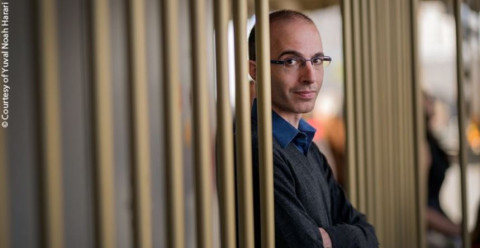 Yuval Noah Harari: “Every crisis is also an opportunity” 2020-05-07 In an interview with the UNESCO Courier, Yuval Noah Harari, Israeli historian and author of Sapiens, Homo Deus, and 21 Lessons for the 21st Century, analyses what the consequences of the current coronavirus health crisis are likely to be, and underlines the need for greater international scientific co-operation and information-sharing between countries. How is this global health pandemic different from past health crises and what does it tell us? I am not sure it is the worst global health threat we have faced. The influenza epidemic of 1918-1919 was worse, the AIDS epidemic was probably worse, and pandemics in previous eras were certainly far worse. As pandemics go, this is actually a mild one. In the early 1980s, if you got AIDS – you died. The Black Death [the plague that ravaged Europe between 1347 and 1351] killed between a quarter and half of the affected populations. The 1918 influenza killed more than ten per cent of the entire population in some countries. In contrast, COVID-19 is killing less than five per cent of those infected, and unless some dangerous mutation occurs, it is unlikely to kill more than one per cent of the population of any country. Moreover, in contrast to previous eras, we now have all the scientific knowledge and technological tools necessary to overcome this plague. When the Black Death struck, people were completely helpless. They never discovered what was killing them and what could be done about it. In 1348, the medical faculty of the University of Paris believed that the epidemic was caused by an astrological misfortune – namely that “a major conjunction of three planets in Aquarius [caused] a deadly corruption of the air” (quoted in Rosemary Horrox ed. The Black Death, Manchester University Press, 1994, p. 159). In contrast, when COVID-19 erupted, it took scientists only two weeks to correctly identify the virus responsible for the epidemic, sequence its entire genome, and develop reliable tests for the disease. We know what to do in order to stop the spread of this epidemic. It is likely that within a year or two, we will also have a vaccine. However, COVID-19 is not just a health-care crisis. It also results in a huge economic and political crisis. I am less afraid of the virus than of the inner demons of humankind: hatred, greed and ignorance. If people blame the epidemic on foreigners and minorities; if greedy businesses care only about their profits; and if we believe all kinds of conspiracy theories – it will be much harder to overcome this epidemic, and later on we will live in a world poisoned by this hatred, greed and ignorance. In contrast, if we react to the epidemic with global solidarity and generosity, and if we trust in science rather than in conspiracy theories, I am sure we can not only overcome this crisis, but actually come out of it much stronger. To what extent could social distancing become the norm? What effect will that have on societies? For the duration of the crisis, some social distancing is inevitable. The virus spreads by exploiting our best human instincts. We are social animals. We like contact, especially in hard times. And when relatives, friends or neighbours are sick, our compassion arises and we want to come and help them. The virus is using this against us. This is how it spreads. So we need to act from the head rather than the heart, and despite the difficulties, reduce our level of contact. Whereas the virus is a mindless piece of genetic information, we humans have a mind, we can analyse the situation rationally, and we can vary the way we behave. I believe that once the crisis is over, we will not see any long-term effects on our basic human instincts. We will still be social animals. We will still love contact. We will still come to help friends and relatives. Look, for example, at what happened to the LGBT [lesbian, gay, bisexual and transgendered] community in the wake of AIDS. It was a terrible epidemic, and gay people were often completely abandoned by the state, and yet the epidemic did not cause the disintegration of that community. Just the opposite. Already, at the height of the crisis, LGBT volunteers established many new organizations to help sick people, to spread reliable information, and to fight for political rights. In the 1990s, after the worst years of the AIDS epidemic, the LGBT community in many countries was much stronger than before. How do you see the state of scientific and information co-operation after the crisis? UNESCO was created after the Second World War to promote scientific and intellectual co-operation through the free flow of ideas. Could the "free flow of ideas" and co-operation between countries be strengthened as a result of the crisis? Our biggest advantage over the virus is our ability to co-operate effectively. A virus in China and a virus in the United States cannot swap tips about how to infect humans. But China can teach the US many valuable lessons about coronavirus and how to deal with it. More than that – China can actually send experts and equipment to directly help the US, and the US can similarly help other countries. The viruses cannot do anything like that. And of all forms of co-operation, the sharing of information is probably the most important, because you cannot do anything without accurate information. You cannot develop medicines and vaccines without reliable information. Indeed, even isolation depends on information. If you don’t understand how a disease spreads, how can you quarantine people against it? For example, isolation against AIDS is very different from isolation against COVID-19. To isolate yourself against AIDS, you need to use a condom while having sex, but there is no problem talking face to face with an HIV+ person – or shaking their hands and even hugging them. COVID-19 is an entirely different story. To know how to isolate yourself from a particular epidemic, you first need reliable information about what causes this epidemic. Is it viruses or bacteria? Is it transmitted through blood or breath? Does it endanger children or the elderly? Is there just one strain of the virus, or several mutant strains? In recent years, authoritarian and populist politicians have sought not only to block the free flow of information, but even to undermine the public’s trust in science. Some politicians depicted scientists as a sinister elite, disconnected from “the people”. These politicians told their followers not to believe what scientists are saying about climate change, or even about vaccinations. It should now be obvious to everyone how dangerous such populist messages are. In a time of crisis, we need information to flow openly, and we need people to trust scientific experts rather than political demagogues. Fortunately, in the current emergency most people indeed turn to science. The Catholic Church instructs the faithful to stay away from the churches. Israel has closed down its synagogues. The Islamic Republic of Iran is punishing people who go to mosques. Temples and sects of all kinds have suspended public ceremonies. And all because scientists have made some calculations and recommended closing down these holy places. I hope that people will remember the importance of trustworthy scientific information even after this crisis is over. If we want to enjoy trustworthy scientific information in a time of emergency, we must invest in it in normal times. Scientific information doesn’t come down from heaven, nor does it spring from the mind of individual geniuses. It depends on having strong independent institutions like universities, hospitals and newspapers. Institutions that not only research the truth, but are also free to tell people the truth, without being afraid of being punished by some authoritarian government. It takes years to build such institutions. But it is worth it. A society that provides citizens with a good scientific education, and that is served by strong independent institutions, can deal with an epidemic far better than a brutal dictatorship that has to constantly police an ignorant population. For example, how do you make millions of people wash their hands with soap every day? One way to do it is to place a policeman, or perhaps a camera, in every toilet, and punish people who fail to wash their hands. Another way is to teach people in school about viruses and bacteria, explain that soap can remove or kill these pathogens, and then trust people to make up their own minds. What do you think, which method is more efficient? How important is it for countries to work together to disseminate reliable information? Countries need to share trustworthy information not only about narrow medical issues, but also about a wide range of other issues – from the economic impact of the crisis to the psychological condition of citizens. Suppose country X is currently debating which kind of lockdown policy to adopt. It has to take into consideration not only the spread of the disease, but also the economic and psychological costs of lockdown. Other countries have already faced this dilemma before, and tried different policies. Instead of acting on the basis of pure speculations and repeating past mistakes, country X can examine what were the actual consequences of the different policies adopted in China, the Republic of Korea, Sweden, Italy and the United Kingdom. It can thereby make better decisions. But only if all these countries honestly report not just the number of sick and dead people, but also what happened to their economies and to the mental health of their citizens. The rise of AI and the need for technical solutions has seen private companies come forward. In this context, is it still possible to develop global ethical principles and restore international co-operation? As private companies get involved, it becomes even more important to craft global ethical principles and restore international co-operation. Some private companies may be motivated by greed more than solidarity, so they must be regulated carefully. Even those acting benevolently are not directly accountable to the public, so it is dangerous to allow them to accumulate too much power. This is particularly true when talking about surveillance. We are witnessing the creation of new surveillance systems all over the world, by both governments and corporations. The current crisis might mark an important watershed in the history of surveillance. First, because it might legitimate and normalize the deployment of mass surveillance tools in countries that have so far rejected them. Secondly, and even more importantly, it signifies a dramatic transition from “over the skin” to “under the skin” surveillance. Previously, governments and corporations monitored mainly your actions in the world – where you go, who you meet. Now they have become more interested in what is happening inside your body. In your medical condition, body temperature, blood pressure. That kind of biometric information can tell governments and corporations far more about you than ever before. Could you suggest some ethical principles for how these new surveillance systems can be regulated? Ideally, the surveillance system should be operated by a special health-care authority rather than by a private company or by the security services. The health-care authority should be narrowly focused on preventing epidemics, and should have no other commercial or political interests. I am particularly alarmed when I hear people comparing the COVID-19 crisis to war, and calling for the security services to take over. This isn’t a war. It is a health-care crisis. There are no human enemies to kill. It is all about taking care of people. The dominant image in war is a soldier with a rifle storming forward. Now the image in our heads should be a nurse changing bed-sheets in a hospital. Soldiers and nurses have a very different way of thinking. If you want to put somebody in charge, don’t put a soldier in charge. Put a nurse. The health-care authority should gather the minimum amount of data necessary for the narrow task of preventing epidemics, and should not share this data with any other governmental body – especially not the police. Nor should it share the data with private companies. It should make sure that data gathered about individuals is never used to harm or manipulate these individuals – for example, leading to people losing their jobs or their insurance. The health-care authority may make the data accessible to scientific research, but only if the fruits of this research are made freely available to humanity, and if any incidental profits are reinvested in providing people with better health care. In contrast to all these limitations on data sharing, the individuals themselves should be given as much control of the data gathered about them. They should be free to examine their personal data and benefit from it. Finally, while such surveillance systems would probably be national in character, to really prevent epidemics, the different health-care authorities would have to co-operate with one another. Since pathogens don’t respect national borders, unless we combine data from different countries, it will be difficult to spot and stop epidemics. If national surveillance is done by an independent health-care authority which is free of political and commercial interests, it would be much easier for such national authorities to co-operate globally. You have spoken of a recent rapid deterioration of trust in the international system. How do you see the profound changes in multilateral co-operation in the future? I don’t know what will happen in the future. It depends on the choices we make in the present. Countries can choose to compete for scarce resources and pursue an egoistic and isolationist policy, or they could choose to help one another in the spirit of global solidarity. This choice will shape both the course of the present crisis and the future of the international system for years to come. I hope countries will choose solidarity and co-operation. We cannot stop this epidemic without close co-operation between countries all over the world. Even if a particular country succeeds in stopping the epidemic in its territory for a while, as long as the epidemic continues to spread elsewhere, it might return everywhere. Even worse, viruses constantly mutate. A mutation in the virus anywhere in the world might make it more contagious or more deadly, putting in danger all of humankind. The only way we can really protect ourselves, is by helping to protect all humans. The same is true of the economic crisis. If every country looks only after its own interests, the result will be a severe global recession that will hit everyone. Rich countries like the US, Germany and Japan will muddle through one way or the other. But poorer countries in Africa, Asia and Latin America might completely collapse. The US can afford a $2 trillion rescue package for its economy. Ecuador, Nigeria and Pakistan don’t have similar resources. We need a global economic rescue plan. Unfortunately, so far we don’t see anything like the strong global leadership we need. The US, which acted as world leader during the 2014 Ebola epidemic and the 2008 financial crisis, has abdicated this job. The Trump administration has made it very clear that it cares only about the US, and has abandoned even its closest allies in Western Europe. Even if the US now comes up with some kind of global plan, who would trust it, and who would follow its lead? Would you follow a leader whose motto is “Me First”? But every crisis is also an opportunity. Hopefully the current epidemic will help humankind realize the acute danger posed by global disunity. If indeed this epidemic eventually results in closer global co-operation, it will be a victory not only against the coronavirus, but against all the other dangers that threaten humankind – from climate change to nuclear war. You speak about how the choices we make now will affect our societies economically, politically and culturally, for years to come. What are these choices and who will be responsible for making them? We are faced with many choices. Not only the choice between nationalistic isolationism and global solidarity. Another important question is whether people would support the rise of dictators, or would they insist on dealing with the emergency in a democratic way? When governments spend billions to help failing businesses, would they save big corporations or small family businesses? As people switch to working from home and communicating online, will this result in the collapse of organized labour, or would we see better protection for workers’ rights? All these are political choices. We must be aware that we are now facing not just a health-care crisis, but also a political crisis. The media and the citizens should not allow themselves to be completely distracted by the epidemic. It is of course important to follow the latest news about the sickness itself – how many people died today? How many people were infected? But it is equally important to pay attention to politics and to put pressure on politicians to do the right thing. Citizens should pressure politicians to act in the spirit of global solidarity; to co-operate with other countries rather than blame them; to distribute funds in a fair way; to preserve democratic checks and balances – even in an emergency. The time to do all that is now. Whoever we elect to government in coming years will not be able to reverse the decisions that are taken now. If you become president in 2021, it is like coming to a party when the party is already over and the only thing left to do is wash the dirty dishes. If you become president in 2021, you will discover that the previous government has already distributed tens of billions of dollars – and you have a mountain of debts to repay. The previous government has already restructured the job market – and you cannot start from scratch again. The previous government has already introduced new surveillance systems – and they cannot be abolished overnight. So don’t wait till 2021. Monitor what the politicians are doing right now.The opinions expressed in this interview are those of the author, and not necessarily those of UNESCO and do not commit the Organization. Read more: Who owns science? The UNESCO Courier, May 1999Medicine and health, The UNESCO Courier, August 1987World health: ten years of progress, The UNESCO Courier, May 1958 URL:https://en.unesco.org/courier/news-views-online/yuval-noah-harari-every-crisis-also-opportunity