
News
Catch up on what’s happening in the world of global citizenship education.
311 results found
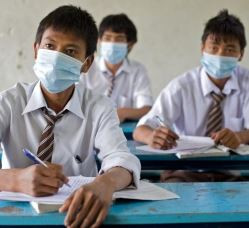 سؤال وجواب: المدارس وكوفيد-19 2020-09-03 A new school year has begun! Find out here what precautions should be taken to keep children, teachers, other staff and the wider community safe. Q: Are children at lower risk of COVID-19 than adults? Children are less often reported as cases when compared with adults, and the illness they experience is usually mild. From data reported to WHO, children and adolescents up to 18 years of age represent 1 to 3% of reported infections, even though this age group makes up 29% of the global population. While children may be less affected, they may also have a greater number of contacts in school and community settings. Further studies are underway to assess the risk of infection in children and to better understand transmission in this age group. Q: What is the role of children in transmission? The role of children in transmission is not well understood. To date, few outbreaks involving children or schools have been reported. However, the small number of outbreaks reported among teaching or associated staff also suggests that spread of COVID-19 within educational settings may be limited. As children generally have milder illness and fewer symptoms, cases may sometimes go unnoticed. Importantly, early data from studies suggest that infection rates among teenagers may be higher than in younger children. Some modelling studies suggest that school re-opening might have a small effect on wider transmission in the community, but this is not well understood. Further studies are underway on the role of children in transmission in and outside of educational settings. WHO is collaborating with scientists around the world to develop protocols that countries can use to study COVID transmission in educational institutions, which will soon be available at this link. Q: Should children with underlying health conditions (asthma, diabetes, obesity) return to school? Whether a child should go to school depends on their health condition, the current transmission of COVID-19 within their community, and the protective measures the school and community have in place to reduce the risk of COVID-19 transmission. While current evidence suggests that the risk of severe disease for children is lower overall than for adults, special precautions can be taken to minimize the risk of infection among children, and the benefits of returning to school should also be considered. Current evidence suggests that people with underlying conditions such as chronic respiratory illness, obesity, diabetes or cancer are at higher risk of developing severe disease and death than people without other health conditions. This also appears to be the case for children, but more information is still needed. Q: Should teachers and other staff with underlying health conditions return to school? Adults 60 years and older and people with underlying health conditions are at higher risk for severe disease and death. The decision to return to a teaching environment depends on the individual and should include consideration of local disease trends, as well as the measures being put in place in schools to prevent further spread. Q: What is the incubation period for children? The incubation period for children is the same as in adults. The time between exposure to COVID-19 and when symptoms start is commonly around 5 to 6 days, and ranges from 1 to 14 days. Q: What should be considered when deciding whether to re-open schools or keep them open? Deciding to close, partially close or reopen schools should be guided by a risk management approach to maximize the educational, well-being and health benefit for students, teachers, staff, and the wider community, and help prevent a new outbreak of COVID-19 in the community. The local situation and epidemiology of COVID-19 may vary from one place to another within a country, and several elements should be assessed in deciding to re-open schools or keep them open: 1. Benefits and risks: what are the likely benefits and risks to children and staff of open schools? Including consideration of : Disease trends: are COVID-19 cases being reported in the area? Effectiveness of remote learning strategies Impact on vulnerable and marginalized populations (girls, displaced, disabled, etc.) 2. Detection and response: are the local health authorities able to act quickly? 3. Collaboration and coordination: is the school collaborating with local public health authorities? In addition to the local situation and epidemiology, a careful assessment of the school setting and ability to maintain COVID-19 prevention and control measures needs to be included in the overall risk analysis. Q: What benefits would school re-opening provide? The decision to open schools should include consideration of the following benefits: Allowing students to complete their studies and continue to the next level Essential services, access to nutrition, child welfare, such as preventing violence against children Social and psychological well-being Access to reliable information on how to keep themselves and others safe Reducing the risk of non-return to school Benefit to society, such as allowing parents to work Q: What are the prevention and control measures to be prepared and put in place in schools? There are several actions and requirements that should be reviewed and put in place to ensure the safety of children and school staff while at school. Special provisions should be considered for early childhood development, higher learning institutions, residential schools or specialized institutions. WHO recommends the following: Policy, practice and infrastructure: Ensure the necessary resources, policies and infrastructure are in place that protect the health and safety of all school personnel, including people at higher risk. Behavioural aspects: Consider the age and capacity of students to understand and respect measures put in place. Younger children may find it more difficult to adhere to physical distancing or the appropriate use of masks. Safety and security: School closure or re-opening may affect the safety and security of students and the most vulnerable children may require special attention, such as during pick-up and drop-off. Hygiene and daily practices: Hand hygiene and environmental cleaning measures should be in place to limit exposure. Schools should consider training of staff and students, a schedule for daily cleaning, availability of hand hygiene facilities and national/local guidance on the use of masks. Screening and care of sick students, teachers and other school staff: Schools should enforce the policy of “staying home if unwell”, waive the requirement for a doctor’s note, create a checklist for parents/students/staff to decide whether to go to school (taking into consideration the local situation), and consider options for screening on arrival. Communication with parents and students: Schools should keep students and parents informed about the measures being implemented to ensure their collaboration and support. Additional school-related measures such as immunization checks and catch-up vaccination programmes: Ensure continuity or expansion of essential services, including school feeding and mental health and psycho-social support. Physical distancing: Physical distancing of at least 1 metre between people should be implemented in the school premises and in the classrooms. This includes increasing desk spacing and staging recesses, breaks and lunchbreaks; limiting the mixing of classes or age groups; considering smaller classes or alternating attendance schedules, and ensuring good ventilation in classrooms. Remote learning: Tele-schooling and distance learning options such as delivering assignments, broadcasting lessons on radio or television and frequent follow-up support should be adapted to the situation. Q: What are the risks during transportation to and from schools? The following adaptations to transport to and from school should be implemented to limit unnecessary exposure of school or staff members. Promote and put in place respiratory and hand hygiene, physical distancing measures and use of masks in transportation such as school buses, in accordance with local policy. Provide tips for how to safely commute to and from school, including for public transportation. Organize only one child per seat and ensure physical distancing of at least 1 metre between passengers in school buses, if possible. This may require more school buses per school. If possible and safe, keep the windows of the buses, vans, and other vehicles open. Q: Does WHO recommend staff and children to wear masks at school? And if yes, what type of masks? The decision to wear a mask depends on the assessment of risk. For example, how extensive is COVID-19 in the community? Can the school ensure physical distance of at least 1 metre from others? Are there students or teachers with underlying health conditions? Fabric masks are recommended to prevent onward transmission in the general population in public areas, particularly where distancing is not possible, and in areas of community transmission. This could include the school grounds in some situations. Masks may help to protect others, because wearers may be infected before symptoms of illness appear. The policy on wearing a mask or face covering should be in line with national or local guidelines. Where used, masks should be worn, cared for and disposed of properly. It is important that anyone feeling unwell should stay at home and call their health provider. Q: Are there any specific recommendations on school ventilation and air conditioning use? Clean, natural ventilation should be used inside buildings where possible, without re-circulating the air. If air re-circulation is necessary, filters and duct systems should be cleaned regularly and routinely changed according to the manufacturer’s instructions. Heating and cooling systems should be well maintained. Q: What should be monitored after re-opening of school? Monitoring of the following should be considered through a range of mechanisms: Detection of new COVID-19 cases in educational institutions and success of contact tracing Implementation of and adherence to recommended public health measures in school settings Information on school drop-out, disaggregated for sex, age, disability and socio-economic status Effectiveness of remote education strategies Effects of policies and measures on educational objectives and learning outcomes Effects of policies and measures on the health and well-being of children, siblings, staff, parents and other family members Based on what is learned from this monitoring, further modifications should be made to continue to provide children and staff with the safest environment possible. URL:https://www.who.int/emergencies/diseases/novel-coronavirus-2019/question-and-answers-hub/q-a-detail/q-a-schools-and-covid-19
 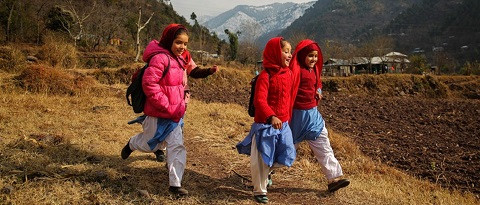 Launch of ‘girls back to school’ guide 2020-08-25 Malala Fund, Plan International, UNESCO, UNGEI and UNICEF are launching today Building Back Equal: Girls Back to School Guide. The guide aims to help policymakers and practitioners in Ministries of Education and their partners address the gender dimensions of COVID-related school closures. It provides targeted recommendations to ensure continuity of learning while schools are closed, and to establish comprehensive, timely and evidence-based plans for reopening schools in a way that is safe, gender-responsive and child-friendly, and meets the needs of the most marginalised girls. It emphasises an approach to ‘build back equal’ through gender-responsive measures that transform education systems, prioritise resilience, and address the key bottlenecks and barriers to girls’ education. This guide was developed by partners in UNESCO’s COVID-19 Global Education Coalition’s Gender Flagship, as part of a global campaign to be launched next week to ensure all girls can continue to learn during and after the COVID-19 pandemic. The Gender Flagship provides a collaborative platform for stakeholders committed to gender equality, and girls’ and women’s empowerment in and through education. Join us in our efforts to ensure that #LearningNeverStops URL:https://en.unesco.org/news/launch-girls-back-school-guide
  Los jóvenes están impulsando la acción mundial sobre el clima 2020-08-18 12 August marks International Youth Day, a day to celebrate the voices, actions and contributions of young people in building a better world. This year’s theme is “Youth Engagement for Global Action” – an opportunity to highlight the engagement of young people in climate action at the local, national and global levels as well as in the UN Climate Change process. According to UN estimates, there are 1.21 billion young people between the ages of 15 and 24 in the world today, accounting for 15.5 per cent of the global population. The need to include youth voices has become more pressing than ever as young people, whose futures are threatened by accelerating global heating, are increasingly demanding action towards a more just, equitable, and climate-resilient society. The voices and contributions of the youth are notably essential for the effective implementation of the Sustainable Development Goals and of the Paris Agreement, as recognized in the preamble of the Paris Agreement which reaffirms intergenerational equity as a guiding principle shaping climate action. “Most of the global challenges we face today, especially climate change, require a concerted and inclusive global effort where everyone can meaningfully contribute. Youth can be an important positive force for change and climate action when engaged and empowered effectively. So, on this youth day let us recognize and celebrate the key role of youth in our societies and welcome their ideas and participation,” said Adriana Valenzuela, UN Climate Change Education and Youth focal point. YOUNGO Officially Represents Youth in the UNFCCC Context YOUNGO is the official Youth Constituency of the UNFCCC and is invited to represent youth at negotiations and other UN events related to climate change. YOUNGO organizes the annual Conference of Youth which brings together young people from around the world to exchange ideas, good practices and experiences to strengthen climate action. Since 2012, two YOUNGO focal points are nominated each year – one from the Global North and one from the Global South to ensure fair youth representation at the intergovernmental processes. These focal points work closely with the Action for Climate Empowerment Agenda to design and implement activities and regularly provide input to shape global climate policies. Marie-Claire Graf, YOUNGO Focal Point for Global North, said: "Youth must sit at the table when decisions are taken and be included in climate-related policy formulation as well as its implementation." And Heeta Lakhani, YOUNGO Focal Point for Global South added: Youth have the solutions to ensure that the inheritance we leave for our future generations is one of justice, equality and a healthy planet. We need everyone to work together in order to achieve this.” The Action for Climate Empowerment Agenda The UN Framework Convention on Climate Change (UNFCCC) actively acknowledges the role of youth as essential partners in the fight against climate change and facilitates youth engagement under its Action for Climate Empowerment (ACE) agenda. And the Katowice package recognizes the key role of youth in the implementation of ACE. The ACE program under the Doha Work Programme (2012-2020) works to educate, empower and engage youth in climate action and encourages their participation in developing and implementing climate policies. It does so by undertaking various activities such as organizing the annual Global Youth Video Competition and hosting the Young and Future Generations Day which features the intergenerational inquiry on climate change event and includes high-level youth briefings and a UN Youth Booth at the annual Conferences of Parties (COPs). Engagement of youth in the intergovernmental and formal policy-making processes enables better, more inclusive and sustainable policies. The ACE Dialogues provide such a platform to youth to present their ideas to governments. Youth can also currently engage in the global consultation process to design stronger national action plans through the NDC partnership and UNDP’s NDC Support Programme to develop and review their country’s nationally determined contribution (NDC). In addition, Italy, in partnership with the UK, is organizing youth dialogues and events in the lead up to COP26. The Italian Ministry of Environment, in collaboration with Connect4Climate - World Bank Group and the Office of Secretary-General's Envoy on Youth, has recently launched a series of virtual, interactive sessions for youth entitled "Youth4Climate Live Series: Driving Momentum Towards Pre-COP26" where the youth can join the conversation on climate action. And finally, youth and children can participate in ongoing competitions such as Youth Policy Case Competition and the Children’s Visual Art Competition organized by The Adaptation Exchange. About Action for Climate Empowerment Action for Climate Empowerment (ACE) is a term adopted by the United Nations Framework Convention on Climate Change to denote work under Article 6 of the Convention (1992) and Article 12 of the Paris Agreement. The over-arching goal of ACE is to empower all members of society to engage in climate action, through education, training, public awareness, public participation, public access to information, and international cooperation on these issues. URL:https://unfccc.int/news/young-people-are-boosting-global-climate-action
  New resources to counter COVID-19 conspiracy theories through critical thinking and empathy 2020-08-15 UNESCO, in cooperation with the European Commission, Twitter, and the World Jewish Congress, is launching a series of easily accessible and comprehensive visual learning resources to raise awareness of the existence and consequences of conspiracy theories linked to the COVID-19 crisis. The resources also address how to recognize conspiracy theories, understand what drives them, refute them with facts and respond effectively to those who are spreading them. The COVID-19 pandemic has unleashed a parallel pandemic of dangerous misinformation and rumours in the form of conspiracy theories, including far-fetched explanations of the origins of the virus, how it can be cured and who is to blame for its spread. Conspiracy theories undermine science, facts and trust in institutions, and pose an immediate threat to individuals and communities. There have always been conspiracy theories, but the pandemic underway has proved to be a particularly fertile ground for their spread. They are part of a wider trend of increasing hate speech, and increased racist, xenophobic, and anti-Semitic attacks, which also target LGBTQ communities. UNESCO Director-General Audrey Azoulay underlined the dangers of misinformation and rumours in relation to the pandemic and other issues. “Conspiracy theories cause real harm to people, to their health, and also to their physical safety. They amplify and legitimize misconceptions about the pandemic, and reinforce stereotypes which can fuel violence and violent extremist ideologies,” she said. The infographics, available in Arabic, Chinese, English, French, Russian and Spanish, will be widely disseminated on social media via the hashtag #ThinkBeforeSharing, UNESCO MIL CLICKS social media pages, and through the European Commission’s website on fighting disinformation. Věra Jourová, Vice President of the European Commission for Values and Transparency, said: “Disinformation and conspiracy theories harm the health of our democracies – this has been made very clear in the context of a global pandemic. Citizens must be equipped with useful tools to recognise and debunk them. To support citizens, public institutions need to work together and with digital platforms, media professionals, fact checkers and researchers, as the European Commission and UNESCO are doing.” The visual learning resources complement UNESCO's work on Media and Information Literacy (MIL) and related educational graphics produced as part of the Organization’s COVID-19 response. They draw on the expert advice of Professor Michael Butter, author of the Guide to Conspiracy Theories, as well as Stephan Lewandowsky and John Cook, authors of the Conspiracy Theory Handbook. As part of the launch of the resources, Prof. Butter stressed the important role of education: “There is by now a lot of evidence that shows that people who have been taught what conspiracy theories are and how they work are much less receptive to them. It's easy: education is key.” Mr Lewandowsky affirmed the fact that conspiracy theories may be viewed as light-hearted, but can be dangerous, saying that “conspiracy theories have adverse consequences on society. This is especially true during a pandemic, when belief in conspiracies can harm or even kill people. It is therefore essential for the public to be informed about how to spot conspiracy theories so that they can be ignored.” The campaign is undertaken as part of UNESCO’s work in Media and Information Literacy and to counter hate speech, and supports its programmes on Preventing violent extremism through education and Global Citizenship Education. URL:https://en.unesco.org/news/new-resources-counter-covid-19-conspiracy-theories-through-critical-thinking-and-empathy
 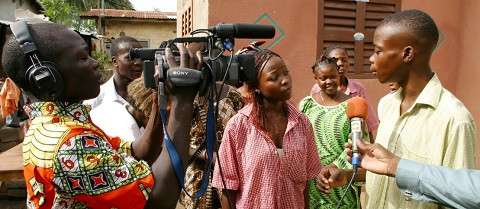 Les jeunes doivent être les leaders pour l'accès universel à l'éducation aux médias et à l'information 2020-08-11 Youth and Digital Transformation Youth are at the forefront of the digital transformation. A look into the minds of youth today can give us a glimpse into our world 20 years from now. UNESCO is fully aware of this reality and the often-understated opportunity to empower youth for change. According to ITU, the proportion of young people aged 15-24 using the Internet is significantly higher than that of the total population. High access to information provides a host of opportunities for youth engagement, leadership for change, and entrepreneurship. This is assuming that they have adequate media and information literacy (MIL) competencies. On the other hand, youth are also exposed to disinformation, online hate speech and violent extremism more frequently than other age groups. As a vulnerable and active group, it is imperative that youth acquire the knowledge and skills to effectively and wisely engage with information, media and technology in the ultra-mediated world where we live. Acquisition of MIL competencies can sharpen youth’s critical thinking, facilitate the expression of their voices, and enhance their engagement in democratic discourses. When youth are media and information literate, they can better capitalize on the benefits offered by the digital age. They also become more resilient to the negative effects. Youth are Co-leaders and Co-creators of MIL for All Peer education is instrumental in empowering youth with MIL. This is the rationale behind the Youth Committee of the UNESCO-led Global Alliance for Partnership on Media and Information Literacy (The MIL Alliance). Started in 2016, and led by a group of young professionals and activists from different countries working in fields related to MIL, the actions of the MIL Alliance Youth Committee have been supported by the Multi-Donor Programme on Freedom of Expression and Safety of Journalists. Youth organizations are at the core of the endeavour. UNESCO has enhanced the capacity of over 140 youth organizations, more than half of which are from Africa, to integrate MIL into their institutional policies and operation. Through the MIL Alliance Youth Committee, youth organizations and networks around the world build synergies at regional, national and local levels. Collectively, they are contributing to the MIL development agenda, by replicating good practices in different regions and forging multi-stakeholder partnerships. Through the annual Global MIL Week Youth Agenda Forum, youth leaders dialogue with policymakers and MIL stakeholders, and showcase their ideas and achievements. The annual Youth Agenda Forum is co-led by UNESCO and the MIL Alliance Youth Committee. During the 2019 edition in Gothenburg, Sweden, youth organizers and participants drafted and adopted a Youth Open Letter to Heads of International Development Organizations and States, urging decision makers to put MIL on their development agenda. The 2020 edition will again involve youth as co-leaders in the planning process. Global MIL Week 2020 will respond to the present COVID-19 Pandemic. It will focus on peer education to expand MIL access to all including youth, under the theme Resisting Disinfodemic: Media and Information Literacy for Everyone and by Everyone. Youth Responses to the COVID-19 PandemicThe COVID-19 pandemic entailed an unprecedented “disinfodemic” blending disinformation, misinformation, conspiracy theories, and information overload. The urgency for MIL for everyone and by everyone echoes across the world. Youth leaders shouldered the responsibility for MIL peer education alongside their senior counterparts. “No time than now has MIL been more relevant for the world and young people. The MIL Alliance Youth Committee responded to the call to combat a pandemic and an infodemic; we seized every possibility to do it even in the face of limited resources”, said Daniel Nwaeze, the global coordinator of the MIL Alliance Youth Committee. Witnessing the widespread repercussions of the “disinfodemic”, the MIL Alliance Youth Ambassadors took prompt measures to ensure their peers are appropriately equipped to tackle the challenges. These include: promoting and hosting a series of webinars on various MIL-related topics within the framework of the UNESCO MIL Alliance response to COVID-19; engaging volunteers from around the globe in the development, translation, and dissemination of a COVID-19 verified information guide; developing a database of reliable information sources on COVID-19 in over 70 languages. UNESCO joins WHO to bolster youth actions combatting COVID-19 The MIL Alliance Youth Ambassadors are also involved in the joint WHO and UNESCO international webinar and other related actions to celebrate International Youth Day. The webinar under the theme “Youth Engagement for Global Action” will take place on 12 August, from 12:30 to 14:00 (CET). Register for the webinar here. For more information about the webinar, please visit: https://on.unesco.org/3a3EBzC. In the pursuit of a media and information literate citizenry and society, youth participation in MIL actions is growing across platforms, institutions, and frontiers. Nonetheless, more young people need to be part of this effort, to facilitate and accelerate this long but important process. For more information on how to get involved or to explore partnerships, contact Alton Grizzle, a.grizzle@unesco.org(link sends e-mail) and Xu Jing, ji.xu@unesco.org(link sends e-mail). URL:https://en.unesco.org/news/youth-needed-leaders-universal-access-media-and-information-literacy
 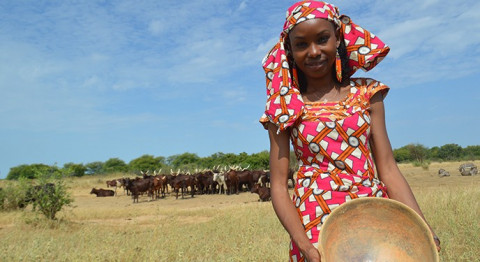 疫情威胁活态遗产,乍得湖区妇女做出回应 2020-08-11 Hindou Oumarou Ibrahim is an indigenous woman from the Mbororo pastoralist community in Chad. As nomadic cattle herders residing in the far west of the country near Lake Chad, her community have developed an array of traditional practices and weather forecasting knowledge, based on their interactions, over generations, with their living environment. During periods of drought or unexpected weather events, the Mbororo turn to such knowledge of changing seasonal patterns to adapt, often travelling vast distances over the semi-arid Sahel in search of water and pastures. Today, Ibrahim works to empower indigenous peoples’ voices and ensure their inclusion on international platforms. She is President of the Association for Indigenous Women and Peoples of Chad (AFPAT) and is currently serving as a Member of the UN Permanent Forum for Indigenous Issues and UN Sustainable Development Goals Advocate. She collaborated with UNESCO to conduct a 3D participatory mapping of Chad’s Sahel desert region, where some 250,000 Mbororos make their living from herding and subsistence farming. She is also a member of the technical and scientific committee of the BIOPALT-UNESCO project. She recently spoke with the Living Heritage Team in UNESCO’s Culture Sector about how her community is coping with the COVID-19 pandemic and its impact on their way of life, as well as their knowledge and cultural practices related to the natural environment and climate change. © ami_vita How is the coronavirus pandemic affecting your community and its living heritage? I am very scared for my community because we’re mainly pastoralists and we depend on the seasons. When it is the dry season, we migrate to other regions and sometimes to other countries – actually most of the time – then we come back to our region or to our country. So, with the lockdown of frontiers and regions, a lot of cattle will be stuck and not able to cross the border. While the ecosystem of the Sahel is very fragile, you can’t manage it, it will be very bad... all the cattle will die, communities will fight among themselves to access the resources, there will not be enough water to drink. These are really the big consequences that I am scared of. We can’t control the season, just as we can’t control the coronavirus. We can’t just say that now we will stop the rainy season until this pandemic is finished so we can produce the pasture or produce the water. Another consequence is that people do not have access to clean water to drink so they can’t access clean water to wash their hands. You can’t ask them to use soap every four hours, it’s completely impossible. And while they do not have access to the market to exchange their products, food security is a big concern; it is a big consequence and it will damage the very fragile people who are there. There is also a lack of information on the pandemic for the community. All the information given in town, is given through social media, TV, radio and in the major languages: Arabic and French. But people do not always speak Arabic or French, so they can’t get access to this information. They do not know what to do, they do not know what is happening, so they can’t avoid the sickness. How can culture and heritage be a source of resilience during such a crisis? People are turning to their traditions and traditional medicine. We always use our traditional medicine to heal ourselves. For us in the community, if you have a fever, or if you have a headache there are some plants that you can use. We can’t maybe heal COVID-19, but people turn a lot to traditional medicine to heal the symptoms that they have in their daily lives. While they can’t go to the hospital because everything is in lockdown, they protect and turn to the traditional knowledge that they do have. I found it very interesting because even the modern medicine is based on plants in the Earth and this can maybe also help people to protect the environment they are living in. They are doing this a lot in the community and hopefully those people that have that knowledge can share it with others and it can be one of the solutions. Another example, when I was talking to one community chief, is about supporting each other when old people need more support. So, when people have food, they need to take it to the more vulnerable. That’s the wonderful culture of the community: you can’t eat alone, if you have food and someone does not, you have to decide to prioritise the kids first, then the old people. This culture of sharing is so useful, even before COVID-19, and now people are coming back to this kind of culture. Can you see parallels between the current pandemic and other contemporary crises we now face, such as climate change? Climate change and COVID-19 have something in common: women leadership is key. Because women fight a lot: in my community they fight climate change and they’re innovators. They know how to share all the resources, what to protect, how to do it. Now, during the COVID-19 pandemic, even in developed countries, when you go to the hospital, the nurses, most of them are women. The women are the ones who work to care for others, as cooks, teachers. They are innovators in developed countries and in communities, and that’s a positive thing. If we can turn our leadership to women, then I think we can save the world. When you turn to the communities and to the general people, women are living in harmony with nature. They are not only protecting our environment but protecting our health. The health crisis has also made us realize how much our health depends on the environment. The food we eat around the world – in developed or developing countries – relies on sharing natural resources. For example, the borders were closed, but food shipping was still allowed as we found that we are not so self-sufficient, but that we depend on each other’s environment. So, environmental protection is becoming more evident for everybody. There are a lot of lessons learnt that we could take from the COVID-19 pandemic. Hope and solidarity, human values can help us to transform our world in a positive way -- and women leaders of course! Do you have a message for other living heritage stakeholders and communities about the future after the pandemic? Looking forward, I think the crisis has made us value our humanity and give us hope. We understand the need to live all together and the fact that we rely on each other. Living in solidarity, harmony, sharing within families and across communities. This protects our health and also the environment. If the world is smart, we can learn from the COVID-19 pandemic. Governments were able to mobilize billions and billions in a month around the world. So, if they inject that money in the right economy, using for example the SDGs, that can help to recover the climate. If we compare the COVID-19 pandemic and the climate, we will see that they both increase food insecurity, vulnerabilities, lack of adaptation, and neither of them recognize frontiers. We can build a big leadership and say hey guys if we managed to respond to COVID-19, we can also respond to climate change and if we want to improve our health, we must protect the environment. Conversation has been edited for length and clarity. To learn more about: The UNESCO 2003 Convention for the Safeguarding of the Intangible Cultural Heritage The UNESCO survey results on how the COVID-19 pandemic is impacting living heritage The resilience of living heritage in emergencies click here Indigenous Peoples UNESCO Indigenous Peoples Bulletin Issue 1: Indigenous Peoples and the COVID-19 pandemic (August 2020) URL:https://en.unesco.org/news/covid-19-threatens-living-heritage-around-lake-chad-women-respond
 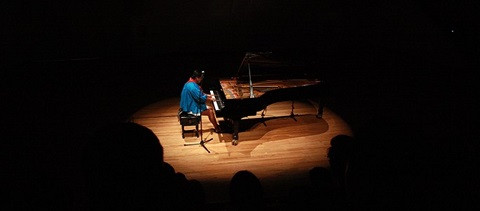 Amplify the voices of indigenous communities during crisis and beyond 2020-08-08 Healthy democracy requires open communication. Independent and plural media are essential for a society where ideas and information flow freely – citizens to decision-makers, decision-makers to citizens, and citizens to citizens – and access to information and knowledge is non-discriminatory. In Mexico, a country with the largest and most varied indigenous populations in Latin America[1], Indigenous and community media play an essential role in achieving equality among its diverse peoples: they act as an accessible medium and enable community members to express themselves and make their voices heard in decision-making processes. Such media also play a key role in promoting dynamic cultural and creative sectors by providing access to a diversity of content, often rooted in ancestral knowledge, in a diversity of languages. “Design of Public Policies for the Strengthening of Indigenous and Community Radios in Mexico and the Inclusion of Indigenous Content in Public and Commercial Media,” a UNESCO project supported by the European Union, has developed from these convictions. Through this project, indigenous and community radios are empowered to obtain a formalized legal status as well as to pursue a more sustainable business model. Participants will produce and disseminate their content not only among their communities and indigenous media, but also in commercial, public and national media. By reaching beyond their usual audience, the project can enhance the appreciation and perceived value of these diverse cultural expressions across the country. The current health crisis has further highlighted the necessity for indigenous and community media in order to realize a more sustainable, resilient, and democratic future. The COVID-19 pandemic has triggered an information crisis, where citizens have had difficulty finding accurate information, understanding complex data, and determining the validity of the news. In this climate, indigenous members of the society can be particularly vulnerable, as “mainstream” media often disregard how these communities are affected differently and possess varying resources to cope with an emergency of this magnitude. The novel coronavirus has also threatened rich and diverse cultural expressions across Mexico, safeguarded by members of the indigenous communities and created by indigenous artists across the country. As the lockdown measures accelerate the digital shift of cultural content, these non-mainstream, independent artforms risk being marginalized and left behind, often due to poor access to technologies or limited skills in using new digital tools. This resonates with the aspirations of the Los Pinos Declaration [Chapoltepek] adopted last February in Mexico which recognizes the need to strengthen support for the production and dissemination of original content by indigenous media. It calls for a greater presence of indigenous people in the media in general including an increase in the share of programmes in indigenous languages. The Declaration will guide the International Decade of the World's Indigenous Languages. Today, the benefits of indigenous and community media are clearer than ever: they can save lives, empower active citizenship, safeguard cultural expressions, and contribute to more sustainable, democratic societies. UNESCO, together with the Presidency of Mexico and the European Union, works to amplify the voices of indigenous communities during crisis and beyond. [1] Minority Rights Group International https://minorityrights.org/minorities/indigenous-peoples-4/ More information: Indigenous Peoples UNESCO Indigenous Peoples Bulletin Issue 1: Indigenous Peoples and the COVID-19 pandemic (August 2020) URL:https://en.unesco.org/news/amplify-voices-indigenous-communities-during-crisis-and-beyond
 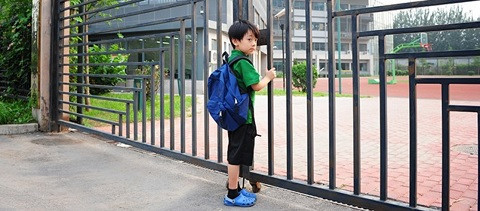 UN Secretary-General warns of education catastrophe, pointing to UNESCO estimate of 24 million learners at risk of dropping out 2020-08-08 UN Secretary-General António Guterres today launched the Education in the time of COVID-19 and beyond Policy Brief warning that the pandemic has created the most severe disruption in the world’s education systems in history and is threatening a loss of learning that may stretch beyond one generation of students. School closures are also likely to erase decades of progress, according to the Policy Brief, which builds on UNESCO’s data and features recommendations on ways to avert the looming catastrophe. UNESCO led the drafting of the Secretary-General’s Policy Brief which contains inputs from 15 sister organizations. “We already faced a learning crisis before the pandemic,” said UN Secretary-General Antonio Guterres in a video statement to launch the Policy Brief. “Now we face a generational catastrophe that could waste untold human potential, undermine decades of progress, and exacerbate entrenched inequalities.” The Brief calls for national authorities and the international community to come together to place education at the forefront of recovery agendas and protect investment in education. With this objective, UNESCO will convene a special session of the Global Education Meeting before the end of the year. UNESCO data shows that nearly 1.6 billion learners in more than 190 countries, 94% of the world’s student population, were affected by the closure of educational institutions at the peak of the crisis, a figure that stands at 1 billion today. As many as 100 countries have yet to announce a date for schools to reopen. The Policy Brief points to UNESCO’s projections whereby 24 million learners from pre-primary to tertiary education risk not finding their way back to their studies in 2020 following the COVID-19-induced closures. The largest share of learners at risk, 5.9 million, live in South and West Asia. Another 5.3 million students at risk are in sub-Saharan Africa. Both regions faced severe educational challenges even before the pandemic, which is likely to worsen their situation considerably. According to UNESCO, tertiary education is likely to experience the highest dropout rate and a projected 3.5% decline in enrolment, resulting in 7.9 million fewer students. Pre-primary education is the second worst affected level with a projected 2.8% decline in enrolment, i.e. 5 million fewer children attending. According to these projections, 0.27% of primary and 1.48% of secondary education students, corresponding to 5.2 million girls and 5.7 million boys at both levels, risk dropping out of school. “These findings emphasize the urgent need to ensure the continuity of learning for all in the face of this unprecedented crisis, in particular the most vulnerable,” says UNESCO Director-General Audrey Azoulay. “The Brief calls to protect investment in education at all levels, and warns that according to UNESCO estimates, the pandemic will increase the gap in funding needed to reach the internationally agreed 2030 Sustainable Development Goal on Education (SDG4) in low and lower-middle income countries by one third, from the already staggering shortfall of USD 148 billion.” School closures do not only undermine education. They also hamper the provision of essential services to children and communities, including access to a balanced diet and parents’ ability to go to work. They also increase risks of violence against women and girls. Preventing the learning crisis from becoming a generational catastrophe must become a top priority for world leaders and for stakeholders across the education community, says the brief, emphasizing education’s role in driving economic progress, sustainable development and lasting peace. The Brief makes recommendations in four areas to mitigate the effects of the pandemic: Suppress transmission of the virus and plan thoroughly for school reopening: this covers health and safety measures, attention to the needs of marginalized children and joint planning and consultation with teachers, parents and communities The UN has issued guidance to help governments in this complex endeavour. Protect education financing and coordinate for impact: despite public spending constraints, national authorities must protect education budgets and include education in COVID stimulus packages. The international community must protect official development assistance for education. Relieving, postponing and restructuring debt for low and lower-middle income countries is part of the solution to help countries invest in education. Strengthen the resilience of education systems for equitable and sustainable development: Building back resilience requires a priority focus on equity and inclusion, with measures to address the needs of the most marginalized and vulnerable learners and to ensure that economic strains and gender norms do not prevent girls from returning to school. Risk management capacities need to be reinforced at all levels. Reimagine education and accelerate positive change in teaching and learning: The scale of innovations made in a short time to ensure learning continuity proves that change can happen quickly. They have set the ground to reimagine education and build systems that are more forward-looking, inclusive, flexible and resilient. Solutions must address learning losses, preventing dropouts, particularly of the most marginalized, and ensuring the social and emotional welfare of students, teachers and staff. Other priorities include better support to the teaching profession, removing barriers to connectivity, investing in digital technologies and flexible learning pathways. The UN Policy Brief is being launched alongside #SaveOurFuture, a multi-partner campaign led by ten entities, including UNESCO, to raise awareness of the global education emergency and urge increased investment to build better, more inclusive and resilient education systems for the future. **** Secretary-General’s Policy Brief on Education and COVID-19 UNESCO COVID-19 Advocacy Paper: “How many students are at risk of not returning to school?" #SaveOurFuture campaign URL:https://en.unesco.org/news/secretary-general-warns-education-catastrophe-pointing-unesco-estimate-24-million-learners-0
  Media Development and Freedom of expression: the impact of the COVID-19 pandemic in West and Central Africa [Online Regional Consultation] July 29th & 30th, 2020 2020-07-24 Dakar, July 20th - Within the realm of its "COVID-19 Labs" initiative, a space for reflection and analysis on the present and future implications of the COVID-19 pandemic on UNESCO's fields of competence in Africa, the UNESCO Multisectoral Regional Office for West Africa-Sahel is organizing, jointly with the UNESCO Regional Offices in Abuja and Yaoundé, an online Regional Consultation entitled : "Media Development and Freedom of Expression: Impact of the COVID-19 pandemic in West and Central Africa". Since the emergence of the coronavirus pandemic in Africa, the media has continuously mad essential contributions when it comes to, among other things, informing citizens about the development of the disease, raising awareness about protective measures, uncovering misinformation, countering rumors and promoting the sharing of good practices. However, this necessary contribution has been made and is still being made in a context where the media is facing many technical, economic, social and even political difficulties due to the effects of the measures taken to contain the pandemic. These difficulties are all the more important in West and Central Africa, where the economic model of the media is particularly fragile. Indeed, there is virtually no dimension of public, private and/or community media (online and offline) that is not impacted. The effects are likely to shape the media landscape of countries in a sustainable way. It is for this reason that a background analysis should be carried out to draw the consequences and propose options to ensure media development in an environment that is conducive to economic viability, freedom of expression and safety of journalists. It is In this perspective that UNESCO - as the lead agency for the promotion of freedom of expression, media development and the security of journalists, organizes an online regional consultation where experts, decision-makers, politicians, civil society actors, media organizations and professionals will debate the future of the media in West and Central Africa. The main objectives of this online regional consultation, scheduled for July 29th and 30th, 2020 will be as follows: Identifying and promoting the contribution of the media in the fight against the COVID-19 pandemic, and in particular the fight against disinformation; Understanding the impact and the implications of the COVID-19 pandemic on freedom of expression, safety of journalists, respect for human rights, gender equality in the media, etc.; Identifying courses of action to support the development of the media and strengthen its resilience to the effects of large-scale crises such as the COVID-19 pandemic; Promoting good practices in the media's contribution to fighting against pandemics. To participate in the online Consultation, which will be held in English and French, please log on to the following link: http://bit.do/ConfirmParticipation Contacts: Michel Kenmoe (me.kenmoe@unesco.org(link sends e-mail)) – Advisor for Communication and Information, UNESCO's Multisectoral Regional Office for West Africa (Sahel), Dakar, Senegal Théodore Somda (tz.somda@unesco.org(link sends e-mail)) – Communications Officer, UNESCO's Multisectoral Regional Office for West Africa (Sahel), Dakar, Senegal URL:https://en.unesco.org/news/media-development-and-freedom-expression-impact-covid-19-pandemic-west-and-central-africa
 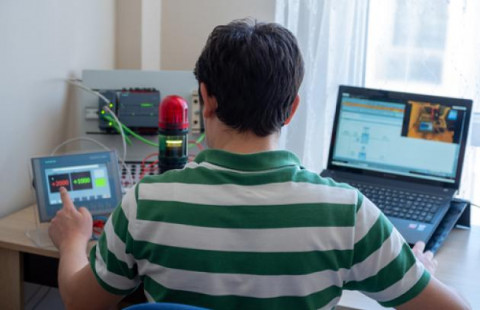 Journée mondiale des compétences des jeunes : développer la résilience en période d'incertitude 2020-07-17 The transition into the world of work is a challenging time for many young people. From having to choose a career path to getting access to training opportunities, many youth struggle to get their first job offer. In 2020, this will be even more complicated because of the COVID-19 pandemic. As the COVID-19 crisis shut schools worldwide, skills development training was also interrupted. Given these precautions to help curb the spread of the virus, many technical and vocational education and training (TVET) institutions turned to distance learning. “Remote education can work for soft skills, such as communication, but delivering and developing practical, vocational skills online presents its own unique set of challenges,” says Naceur Chraiti, Manager of the Platform of Expertise in Vocational Training, at IIEP-UNESCO Dakar. However, changes go beyond just how or where training takes place – the skills youth need are undergoing fundamental shifts. Along with 21st century skills, the current uncertainty within the global economy obliges young people to be more resilient in the face of any future disruption. Job markets are also adapting – and shrinking – with marginalized youth, as well as other vulnerable groups, often facing the highest rates of exclusion. One in six young adults is out of work since the onset of COVID-19 Already before the COVID-19 crisis, young people globally (15-24 years old) were three times more likely to be unemployed than adults. Today, more than one in six young adults is out of work because of the pandemic. This year’s World Youth Skills Day – celebrated annually on 15 July – highlights these challenges, as well as the important role youth will play in shaping the post-COVID-19 world - if they are equipped with the right skills for productive and decent employment and entrepreneurship. Comment from our expert “Changes to the labour market are going to have a lasting impact on TVET systems. They will need to be adaptive and responsive: existing trades will see new skill requirements and new trades and job profiles will emerge because of the COVID-19 pandemic. Both digital skills and the digitalization of TVET are also likely future trends – two areas where technical support of country institutions will be pivotal. Securing financing should be high on the international cooperation agenda for the years to come as a way to ensure sustainable and inclusive socio-economic development.” - Naceur Chraiti, Manager of the Platform of Expertise in Vocational Training, IIEP-UNESCO Dakar Despite the negative headlines of an economic downturn, there are efforts being made around the world to arrest the decline in youth opportunity. Here are three inspiring examples: 1. Niger: Reaping the demographic dividend Youth are a crucial source of development and prosperity – but only when they are provided with the right knowledge and opportunities needed to thrive. This is especially true for countries with a fast-growing youth population like Niger. Over the next decade, the number of children ready for the first grade will double – from 600,000 in 2020, to 1.2 million in 2030. Given this forecast, the government of Niger has made education and vocational training a top priority so that its booming youth population becomes a national asset. In line with this, Niger has allocated 20% of its national budget to education. 2. Mauritania: Closing the skills gapA public-private partnership in Mauritania recently highlighted an innovative approach to addressing the skills mismatch common to many labour markets across the globe. Companies from three top economic sectors (mixed farming, fishing, and construction and public works) identified in-demand jobs that they see as crucial to their future. National vocational training centres will now adapt their programmes so that youth can pursue training for these newly identified career paths - the idea being that by listening to the needs of employers, youth will be in a better position to develop the right skillset in response to the needs of the current labour market. 3. Worldwide: Youth showcase their adaptability From China, Barbados, to South Africa, young people have shared videos with UNESCO-UNEVOC for World Youth Skills Day about how they have continued to learn during the COVID-19 pandemic. Shae White, a chef in the hospitality industry in Barbados, says she had to put everything on hold. “Hotels were pretty hard hit and closed pretty early, and my school was closed as well,” she says. “I had to acclimate myself to online learning, which was a very interesting experience to begin with, but it all paid off in the end.” Qian Jaicong, a student from the Zhejiang Technical Institute of Economics in China, said the internet service crashed several times – leaving her “in the dark” – at the beginning of the pandemic. She thinks people should find ways to cooperate more efficiently online and that the new generations should embrace these new ways of learning. With the right ingredients, youth can build a better future These three stories touch on the many facets of how to address youth employment. They also illustrate how, with the right ingredients, investment in youth, focused engagement, and relevant opportunities all contribute to strengthening the resilience of tomorrow’s workforce. Contact:Naceur Chraiti (Formation professionnelle, PEFOP)mn.chraiti-h-sini@iiep.unesco.org URL:http://www.iiep.unesco.org/en/world-youth-skills-day-building-resilience-uncertain-times-13468