
News
Catch up on what’s happening in the world of global citizenship education.
1,668 results found
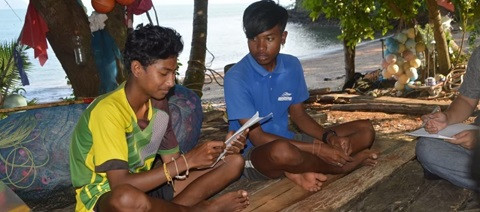 Minority language speakers risk being left behind due to lack of multilingualism in COVID-19 education response 2021-02-19 © Mahidol PMT project - Thailand The COVID-19 pandemic has only magnified the existing challenges in literacy and learning: Around 773 million young people and adults still lack basic literacy skills (UIS), and 40 % of the global population doesn’t have access to education in a language they speak or understand. On 21 February, the world will celebrate International Mother Language Day which will focus this year on “Fostering multilingualism for inclusion in education and society.” Ahead of the Day, we're discovering how UNESCO International Literacy Prizes winners are coping with and reflecting on their literacy programmes through mother language learning in the light of the pandemic, which has disrupted education around the world. In Thailand, minority language speakers at risk of being excluded from learning and accessing crucial information during the pandemic While multilingualism can advance inclusion and the Sustainable Development Goals’ focus on leaving no one behind, the opposite can prove to be a major struggle for learners and their parents during a pandemic. Especially minority groups are the most vulnerable in emergencies. Global research shows that children who were already disadvantaged have suffered the most from the pandemic school closures and thus the education gap between the have and have-nots has grown even bigger. “Emergency education materials are usually provided only in major national or international languages. This has proved to be a problem in many countries,” says Emeritus Professor Dr. Suwilai Premsrirat from the Research Institute for Languages and Cultures of Asia, Mahidol University in Thailand. She was in charge of implementing the Patani Malay-Thai Multilingual Education (PMT-MLE) Programme which received the UNESCO King Sejong Literacy Prize in 2016. The Jury for the UNESCO prize at that time was impressed by the fact that the team had created a Thai-based orthography to write Patani Malay, since it had formerly only been a spoken language. The UNESCO King Sejong Literacy Prize has contributed to advocacy efforts that have managed to convince the Thai government about how mother tongue-based multilingual education can help ethnic minority children’s learning. But when it comes to emergencies, maintaining multilingual approaches has not been easy. During the pandemic, learning was partly ensured by the government through TV classes. However, for ethnic minority groups, this was not always helpful: “For ethnic minority children in Thailand, the TV classes were a waste of time because they could understand very little of the language used. Many minority parents complained that they were unable to help their children’s distance learning because the Thai language used in emergency materials was too hard for the parents to understand,” says Dr. Premsrirat, also emphasizing the importance of involving the parents in maintaining their childrens’ learning and being able to understand the information. Rather than capitalizing on the one-size fits all solution, she encourages the use of mother tongue-based literacy learning in local communities with low-cost solutions such as e-books: a cheaper and faster produced medium than printed books, since mother tongue material can be written and translated from anywhere and reach people on their mobile phones. In Algeria, maintaining multilingual approaches in adult distance literacy learning is crucial for information sharing Another example of the importance of mother-language based education and literacy learning, as well as the use of information technologies during emergencies, is from the National Strategy for Multilingual Literacy by the National Office of Literacy and Education for Adults in Algeria, who won the UNESCO King Sejong Literacy Prize in 2019. The programme provides literacy courses for adults in two Algerian official languages, Tamazight and Arabic, emphasizing the importance of literacy learning in the mother language. Mr. Kamel Kherbouche, Director of the National Office of Literacy and Education for Adults (ONEA), emphasizes the importance of a multilingual approach to learning and particularly literacy learning:“From our point of view, it is wise to take a bilingual literacy approach, ensuring that the first contact with the written word is in the mother tongue, to inhibit fears of failure and increase the participation rates. However, it is equally important to become literate in the official language(s) of work and communication(s) of the country, to allow inclusion and access to the labor market and hence, to economic and social empowerment.” © National Office of Literacy and Education for Adults - Algeria Arabic and Tamazight, while both being national languages, some citizens are only literate in one of them. A multilingual approach to communication and information, therefore, is key to ensuring that all citizens receive vital messages and information, especially during the pandemic. “As for the fight against the spread of COVID-19, the use of the various official national languages of the country allows the message to be received and understood by everyone. We have also explored the status of Heads of households as to making them aware of the behavior to be taken into account in the face of COVID-19. We use them as a vehicle for transmitting information to other members of their families, neighbours and the immediate community.” Since the programme received international recognition through the UNESCO King Sejong Literacy Prize 2019, the organization and activities have received better visibility and a boost from the various stakeholders, which include Officials, literacy workers and partners. In Mr. Kherbouche’s words, the Prize breathed new life into the desire of strengthening the programme and tackling new projects such as education for sustainable development and preservation of the country's intangible heritage through the knowledge of learners, family literacy and Citizenship Education. “Beyond innovative practices, the large-scale dissemination of which would undoubtedly contribute to the promotion of literacy, what seems really important to us is to share the idea that literacy is not reduced to the teaching of reading, writing and arithmetic, but that it is an investment in human potential with the assurance of individual and collective impacts.” © National Office of Literacy and Education for Adults - Algeria Learn how other UNESCO awarded literacy programmes have coped with maintaining literacy learning during the pandemic here: Jordan and the Democratic Republic of the Congo and Colombia and Indonesia. The two UNESCO International Literacy Prizes are: The UNESCO King Sejong Literacy Prize, Established in 1989, with the support of the Government of the Republic of Korea, which gives special consideration to mother language-based literacy development and the UNESCO Confucius Prize for Literacy, established in 2005 with the support of the Government of the People’s Republic of China, which is dedicated to promoting literacy amongst adults in rural areas and out-of-school youth, particularly girls and women. More information: International Mother Language Day International Literacy Prizes What UNESCO does on literacy International Literacy Day URL:https://en.unesco.org/news/minority-language-speakers-risk-being-left-behind-due-lack-multilingualism-covid-19-education
 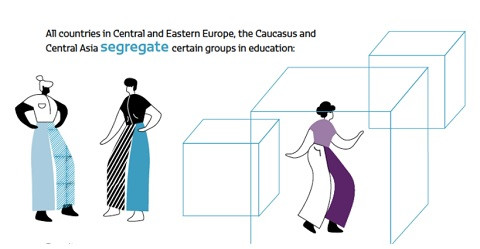 Inclusion in education in Central and Eastern Europe, the Caucasus and Central Asia 2021-02-13 A new regional Report launched today in an event by the GEM Report, in partnership with the European Agency for Special Needs and Inclusive Education and the Network of Education Policy Centers covers inclusion and education – the theme of our 2020 GEM Report – in Central and Eastern Europe, the Caucasus, and Central Asia. Working from 30 new profiles of education systems from the region, the Report shows that, while access to education is high, the region has been trying to overcome a heavy legacy of segregated education, which is holding it back from achieving inclusion for all. A shift towards a rights-based approach to inclusive education In the past 20 years, education levels in the region, already among the world’s highest, have increased further, seeing out-of-school rates fall by half. Adoption of the UN Convention on the Rights of Persons with Disabilities and the influence of international bodies, such as the Council of Europe and European Union, have led to important reforms. In countries including Poland, schools are also making their support systems broader and more flexible, investing in resource centres that share expertise and materials with mainstream schools on the way to inclusion. And there are signs of moves towards more inclusive and in-school support, with counselling and mentoring, learning assistance and specialist and therapist easier to come by. Analysis of country profiles, which are also accessible from the country pages of the PEER website, shows that two in three education systems have adopted a definition of inclusion that embraces marginalized groups beyond learners with special education needs or disabilities. Tajikistan’s inclusive education strategy addresses disability, ethnicity, migration and gender, for instance. From Estonia to Slovenia and from Armenia to Ukraine, countries have been moving away from the outmoded medical model in pedagogical discourse and thus improving identification of special education needs. But the shift to inclusion is far from complete. Many countries in the region have yet to shed one of the most poignant legacies of the second half of the 20th century: segregated education, once wrongly regarded as an efficient solution. Many children with disabilities are still placed in special schools. Even those no longer enrolled in such schools may be placed in other non-inclusive arrangements, such as special classes or home schooling. We found that support measures, at heart, may still follow the targeted and exclusionary approach that traditionally dominated. Even in countries with high levels of commitment to inclusion, such as Albania, implementation of laws and policies can lag due to capacity and resource gaps in school organization and teacher education. It can be due to resistance in the general population. In Uzbekistan, where the shift towards inclusive education is at a very early stage, a survey found that 70% of people believed children with disabilities should be in special schools.Other forms of segregation and discrimination persist. Roma children face the greatest discrimination in the region, often also disproportionally diagnosed with intellectual disabilities. Children from poorer households may also find education opportunities harder to come by. While 11% of 15-year-old students from the bottom 25% in terms of socio-economic status scored in the top 25% in reading in OECD countries, the share was below 8% in Bulgaria and Hungary, among the lowest levels in the world and less than half those in Estonia and Kazakhstan. Gender equality in education similarly has become a highly contested topic. In Belarus, the education code implies a traditional gender lens, and training guidelines reinforce gender stereotypes. The Turkish curriculum, reformed in 2016, barely mentions women’s rights. In addition, just 7 of 23 countries have policies or action plans explicitly addressing and prohibiting school bullying based on sexual orientation, gender identity and expression and/or variation in sex characteristics. Russian Federation law prohibits talking in school about the existence of lesbian, gay, bisexual, transgender and intersex people. COVID-19 has made the need for inclusive policies particularly urgent. Despite strong government education responses to COVID-19, many learners were left unassisted, as in all corners of the world. Access to online education was a challenge for the estimated 1 in 4 secondary school students in the region without a laptop and 1 in 10 without access to the internet. Globally, teachers have insufficient digital skills for the challenge. A study of about 1,000 primary school teachers in Poland found that 52% had difficulty using digital tools. The reality is that, as home environments and parental support have grown in significance during the remote learning period, those with a disadvantage are falling further behind. The need for stronger inclusive education policy is greater than ever. Countries must deploy a range of policies boosting inclusion. Inter-ministerial collaboration is well embedded in the region but needs strengthening regarding data exchange as in Lithuania, whose education, health and social ministries agreed to jointly develop measures to help children identified with autism or other developmental disabilities. Management responsibilities for local authorities and schools support efficient resource use but require clear mandates and adequate resources. Countries should use models that allocate funds based on use of support services, instead of student categories, to ensure sustainability and avoid strategic behaviour; the Czech Republic is switching to funding per staff member. Curricula and textbook development needs to adhere to inclusion principles as in Romania, whose curriculum has offered a comprehensive framing of Roma history since 2017. Students and parents need to be involved more; only the Republic of Moldova reported engaging students in curriculum design. Last but not least, teachers need more support to embrace diversity and be ready to teach all students. The ageing of the teaching force makes this need even more pressing. URL:https://gemreportunesco.wordpress.com/2021/02/12/inclusion-in-education-in-central-and-eastern-europe-the-caucasus-and-central-asia/
 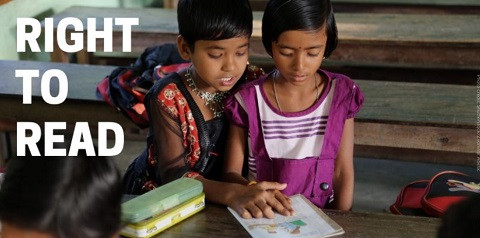 Right to read: Joint efforts to provide books to minority-language learners 2021-02-13 During this world-upending pandemic, ethnolinguistic minority learners are falling further through the cracks. Even if they have access to the technology necessary for distance learning, they will likely not receive content in their own language. Here is what organizations like UNESCO are doing to make sure minority learners don’t fall further behind. A bedtime story or sharing your favorite book with a friend in class are treasured childhood experiences. Children from minority-language communities can miss these life-shaping moments, simply because there are no books available in their language. Without these books, it is difficult to learn to read, and to learn in school at all. In the classroom, the impacts of this language barrier can be profound. These students are more likely to drop out of school and often struggle with the consequences of low literacy and poor educational attainment for the rest of their lives. The pandemic is making learning harder for minority children During the world-upending crisis of the pandemic, ethnolinguistic minority learners are falling further through the cracks. Less than 30% of low- and middle-income countries have designed distance learning materials for speakers from minority-language communities. Even if these students have access to the technology necessary for distance learning, they will likely not receive content in their own language. This widens the digital divide for already marginalized groups. Regardless of the pandemic, however, the solution remains the same and begins with using a language the child already knows. Many studies show that mother tongue-based education is crucial to ethnolinguistic minority students succeeding in school. Successful mother-tongue based education relies on children having access to books in their own languages first. These learning materials are fundamental to early education experiences that support them for the rest of their lives. The simple idea of creating books in minority languages has provided a common goal for countless individuals and organizations to rally around. The Asia-Pacific Multilingual Education Working Group (MLE WG) is one of them, and is currently leading a series of webinars to support the teaching and learning of ethnolinguistic minority learners. The most recent webinar focused on efforts to reach these learners with digital educational materials. This effort is driven by a strong, interconnected system of actors working together to make sure every child has access to reading materials in a language they understand. In the COVID-19 crisis, this work is all the more urgent in the absence of distance learning materials in minority languages. Good practices from India in getting books in several languages As schools closed in India, for example, the Pratham Education Foundation quickly activated a WhatsApp network to send learning activities to communities in 11 different languages. These learning materials met an urgent need as many of the government schools lacked digital content in regional languages. The defining feature of Pratham’s efforts has been the use of partnerships. Beginning with existing relationships and networks and expanding as the crisis continued, Pratham has partnered with over 600 NGOs and 14 state governments to reach more than 12,000 communities. Collaboration in this field extends to the global level in initiatives such as the ‘Translate a Story’ campaign. In light of school closures and the need for digital learning materials, the campaign was launched to create reading materials in local languages using the platforms African Storybook, StoryWeaver (Pratham), Global Digital Library and Let’s Read! (The Asia Foundation). By rallying volunteer translators, this project was able to translate 6,614 books into more than 100 languages in just under two months. This was possible because the campaign was able to mobilize existing networks of translators that already had experience translating for minority language communities. Collaboration and partnerships are key These partnerships have worked effectively through the pandemic because of years of building trust and collaboration. For example, Bloom, a platform for creating, translating and sharing books, jointly decided with Pratham Books and The Asia Foundation to use creative commons licences so books in each of their libraries could be accessed by all learners. The use of the creative commons licence illustrates the collaborative nature of this effort, extending beyond large global foundations and thriving on the contribution of minority language communities. Sharing materials under a creative commons license matters because speakers from these language communities are actively involved in creating, translating and distributing content. This initiative can be seen in the Afghan Children Read project, in which participants from the Ministry of Education insisted on creating their own books to reflect their own values and culture. While translating existing books is quicker than creating original materials, culturally tailored materials are uniquely able to reflect the world that children know. These learning materials will help improve literacy learning outcomes for Grades 1 to 3 students in Dari and Pashto. By using recognizable settings and content, these books support children’s learning and affirm their ways of life. The project has already printed and distributed 595,000 early grade reading teaching and learning materials that do just this. The leadership of translators, teachers and organizers from minority language communities makes it possible for children in these communities to experience the joy of reading. Across the global movement, partnerships bind together the people and groups working from the local level in early childhood care centers and schools to the global level in governments and international organizations. The response to the pandemic has proven the strength of these relationships and networks, and these are just a few examples of providing acutely needed learning materials in all languages. Beyond the pandemic, these strong partnerships will be necessary to ensure education for all and meet the needs of the estimated 2.3 billion people who lack access to education in a language they speak. Learn more about the MLE WG and sign up for the newsletter to receive information about the next webinar in the series on education for ethnolinguistic minority learners. By Nyi Nyi Thaung, UNESCO Bangkok Asia and Pacific Regional Bureau for Education, and Kristen Gracie, UNESCO Bangkok Asia and Pacific Regional Bureau for Education *This article was originally published on GPE (Global Partnership for Education) URL:https://bangkok.unesco.org/content/right-read-joint-efforts-provide-books-minority-language-learners
 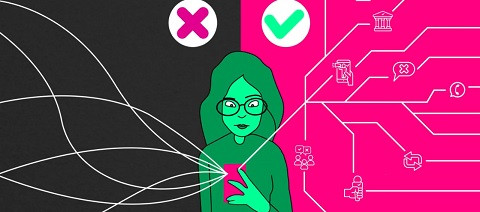 Latin America: combating COVID-19 Disinformation 2021-02-12 PortalCheck is the first digital COVID-19 resource hub in the region and one of the first of its kind in the world. Designed and Implemented by UNESCO and Chequeado - LatamChequea the platform includes resources, recommendations, news and fact-checking experiences and more The information shared about COVID-19 is increasingly being threatened by the "fake news" phenomenon that is rapidly spreading throughout social media networks and as a consequence could potentially cost lives. On Thursday 11th February 2021, UNESCO and Chequeado - LatamChequea will officially launch PortalCheck, an online initiative that offers valuable resources and tools on how to combat COVID-19 mis/disinformation in Latin America and the Caribbean. The platform (regional hub) consists of compiled notes and resources for distinct audiences created by expert fact-checkers from throughout the region. PortalCheck is designed and implemented by UNESCO Montevideo in partnership with Chequeado and LatamChequea and funded by the European Union. The platform includes a section based on the most recurrent COVID-19 disinformation in the region, and content can be viewed in different formats such as videos, texts and podcasts. It also includes tips and tools for educators, content creators and influencers, to support them not to unwittingly spread mis/disinformation. The launch will also coincide with the first edition of "Digital Lab PortalCheck", The Lab aims to link representatives of leading digital social networking platforms, fact-checkers and fact-checking organisations, journalists with some of the most prominent social media influencers in Latin America and the Caribbean. You can connect with the event through this link. Lidia Brito, director of the UNESCO Regional Office of Sciences for Latin America and the Caribbean, said that "this project is part of the global initiative '#CoronavirusFacts - Addressing disinformation about Covid-19'. We are pleased to announce that we have already recorded 2,500 people registered for the launch and 27,000 visitors to the website and this is before we have conducted the official launch". "PortalCheck is a collaborative project by organisations who are working on disinformation, to offer useful resources in one unique space so that we can all contribute to verifying information that comes to us and prevent the spread of disinformation," said Laura Zommer, executive and journalistic director of Chequeado. For more information, please contact Sandra Sharman, project advisor for #CoronavirusFacts: Latin America and the Caribbean s.sharman@unesco.org URL:https://en.unesco.org/news/latin-america-combating-covid-19-disinformation
  Majority of countries do not ensure the right to pre-primary education, according to new UNESCO study 2021-02-07 A new UNESCO study on the right to pre-primary education shows that the legal provisions for free and compulsory pre-primary education are lacking in 2/3 of the world’s countries. Of the 193 countries examined in this study, 63 countries have adopted legal provisions for free pre-primary education and 51 countries have adopted pre-primary education as a compulsory level in national legal frameworks. “We are concerned about the status of pre-primary education from a legal rights perspective and the fact that too few countries have established pre-primary education as a right,” says Borhene Chakroun, Director of Policy and Lifelong Learning Systems at UNESCO. Despite the low take-up of legal frameworks, the study shows that enrolment in pre-primary education has been increasing since 1999 worldwide, with an acceleration since 2010. Yet, 1 out of 2 children still does not receive pre-primary education today. Early childhood care and education is increasingly recognized as an essential element in realizing a wide range of educational, social and economic rights. It enables all children, including the most vulnerable, to start school on an equal footing with their peers and improve overall educational achievement and enhance social equity. The paper has found that countries with free or compulsory pre-primary education have higher rates of early childhood well-being. The country cases in this study show that the adoption of free and compulsory education could affect the quality of education in some countries due to the level of teacher preparedness, and adequate training could be weakened with the sudden expansion of pre-primary education. Addressing the expanding capacity of teacher training institutes and the recruitment of trained pre-primary teaching personnel is therefore essential. By emphasizing a rights-based perspective to the implementation of pre-primary education, the study aims to complement existing literature on Sustainable Development Goal Target 4.2, which focuses mainly on policy outcomes. Based on the findings, the study proposes a set of levers for policymakers to promote the inclusion of early childhood and pre-primary education as a human right within long-term education and development objectives. Read also the advocacy brief accompanying the study and presenting the main findings UNESCO is convening an Innovative Dialogue on Early childhood care and education (ECCE) on 28 January 2021 to engage global leaders, policy-makers and ECCE stakeholders in a global partnership strategy. The COVID-19 response has relatively neglected young children, resulting in them becoming the greatest victims of the pandemic due to a lifelong impact on their education and well-being. Photo: fotorawin/Shutterstock.com URL:https://en.unesco.org/news/majority-countries-do-not-ensure-right-pre-primary-education-according-new-unesco-study
  Remembering the Holocaust 2021-02-07 Empowering people to reflect on the root causes and repercussions of hate crimes is essential Ron Malka, Walter J. Lindner & Eric Falt To read the published version in the Hindu, click here Every year on January 27, the United Nations honours the victims of the Holocaust by reaffirming its unwavering commitment to counter anti-Semitism, racism, and other forms of intolerance. The date marks the anniversary of the liberation of the Nazi Concentration and Extermination Camp of Auschwitz-Birkenau by Soviet troops in 1945 and calls for a sombre reflection on the real dangers of extreme forms of hatred. “All of us, dying here amidst the icy, arctic indifference of the nations, are forgotten by the world and by life.” This poignant statement by a camp inmate engraved on the walls of Yad Vashem should make us all sit up and take note that this is not just a forgotten sentiment in the pages of history books. This is a palpable feeling even today. Time and again, we have seen how hate speech can prompt ordinary people to feed into prejudices and hostilities. Has the eternal promise to “never forget” already been forgotten? Hate speech has intensified Currently, the anonymity of the Internet and increased screen time during the pandemic have intensified hate speech. Greater exposure to hateful discourses online has allowed anti-Semitism and other variants of racism to fester in our societies. According to researchers at Tel Aviv University, the feelings of uncertainty, alienation and dejection brought on by the COVID-19 pandemic have aggravated anti-Semitism worldwide by attributing blame to the Jewish people and using them as a scapegoat. In this crucial time that requires unity, the proliferation of anti-Semitic sentiments on social media has revived prejudices and stereotypes, further dividing society. For this reason, understanding the significance of the Holocaust carries great importance today. The Holocaust was a watershed moment in history as it illuminates the many manifestations of hate and its impact. Therefore, whilst urging member states to strengthen the resilience of people against hateful ideologies, the UN emphasises the use of education as a potent tool to inculcate a culture of peace. Within the framework of its programmes on the prevention of violent extremism and Global Citizenship Education, UNESCO continually works towards advancing activities to prevent and address tacit and overt forms of anti-Semitism.However, education must not be viewed as a panacea to cure intolerance. Lessons on how racist ideologies and hate speech inform the development of tragedies like the Holocaust must go beyond textbook learning. This is because, often times, we have seen highly educated people perpetuating hatred. Denial and distortion Holocaust denial and distortion is flourishing online. This is defined by the International Holocaust Remembrance Alliance as a virulent expression of contemporary anti-Semitism. According to a previously launched report by the World Jewish Congress, more than 100 posts per day on average denied the Holocaust. This brings to light the increasingly growing dangers of online platforms in distorting reality and stoking hatred. UNESCO’s recently launched campaign called #ProtectTheFacts, developed by the International Holocaust Remembrance Alliance, the UN, and the European Commission, provides a unique opportunity this year to commemorate the victims of the Holocaust by promoting sound policies and practices that raise awareness about Holocaust denial and distortion. In today’s polarised world, empowering people to question and engage in critical reflections about the root causes and repercussions of hate crimes is essential. Individuals always have more power than they realise, for better or for worse. Consequently, equipping them to make the rational choice of acting as active bystanders rather than perpetrators is the only way to create peaceful and sustainable societies. Ron Malka is Ambassador of Israel to India, Walter J. Lindner is Ambassador of Germany to India and Eric Falt is the Director and Representative of the UNESCO New Delhi cluster office covering Bangladesh, Bhutan, India, the Maldives, Nepal and Sri Lanka URL:https://en.unesco.org/news/remembering-holocaust
 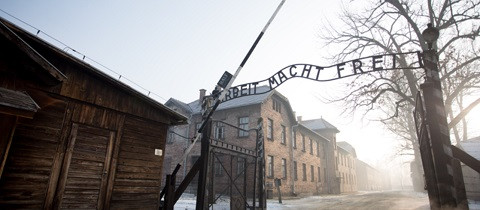 Education about the Holocaust is key to combating conspiracy theories today 2021-02-05 On the occasion of the International Day of Commemoration in Memory of the Victims of the Holocaust, Audrey Azoulay (Director-General of UNESCO) and Irwin Cotler (Canada’s Special Envoy on Preserving Holocaust Remembrance and Combatting Antisemitism) publish an article on the importance of holocaust education to combat the rise of antisemitism and conspiracy theories today. One-third of Europeans have little to no knowledge of the Holocaust. Nearly one-quarter of young people in the United States believe the Holocaust is a myth, and in Canada, 52% of Millennials cannot name even one concentration camp or ghetto, while 22% don’t know, or are unsure if they have heard of the Holocaust. As we mark the International Day of Commemoration in Memory of the Victims of the Holocaust, unfortunately antisemitism is on the rise, just as we witness a disturbing decline in awareness of the Holocaust. This is not without consequences. In 2019, violent antisemitic attacks worldwide rose 18 per cent over the previous year, with the highest number of incidents reported in major Western democracies, including the United States, France, the United Kingdom and Germany. The motives and hateful narratives that drove such crimes are no longer exceptional. Conspiracy theories, hate speech, and racism have found their way into the mainstream, driving the antisemitism that thrives in the online cauldron of disinformation and ignorance of the past. We know of the historical precedent of antisemitic conspiracy theories targeting Jewish populations. In the COVID-19 context, Jews around the world are targeted by new global conspiracy theories alleging that they have manufactured and are spreading the virus to profit from the pandemic. This has become a global challenge, with the Internet blurring national borders: it is now of a speed and size that are impossible to curate. We need holocaust education and critical thinking skills that are as powerful as the information devices we hold in our hands. Unfortunately, we are not there yet. In a truly global media landscape, where falsehoods and fake news circulate faster than authoritative content and information, the response cannot just be at the national level. International cooperation is key, along with sharing best practices, monitoring web platforms and taking relevant action. For decades, the international community elaborated norms and standards, including the Universal Declaration of Human Rights and the United Nations Genocide Convention. The clear next step is to develop stronger education programs at national, regional and global levels – and support teachers on the frontline of bringing these principles from international summits to local schools. To tackle Holocaust denial and distortion, UNESCO is developing training tools and studies across the globe – including recently with the Oxford Internet Institute and the World Jewish Congress to assess Holocaust distortion online – to strengthen educational responses. We are building on the role of education, research, culture and information to support policymakers and teachers worldwide in advancing Holocaust education as well as confronting contemporary antisemitism and hate speech. In 2019 alone, UNESCO, along with the OSCE Office for Democratic Institutions and Human Rights, trained policy-makers from more than 60 countries to develop education initiatives against antisemitism. This year, UNESCO will launch a global program with 2 million dollars support from Canada, to develop education programs, in partnership with the U.S. Holocaust Memorial Museum in Washington. Education is the most powerful tool we have, not only to combat antisemitism in all its forms, but also to fight radicalization, which is currently on the rise. Only education can prevent intolerance, bigotry and hatred from taking hold. Twisted truths, disinformation and hateful ideologies masquerading as pathways to salvation always form the backbone of racist and violent regimes.-- Audrey Azoulay, Director-General of UNESCO As we know, a democracy can be destroyed from within. Six million Jews died in the Holocaust; 1.1 million at Auschwitz-Birkenau alone, the worst extermination camp of the 20th century. Jews were murdered in Auschwitz because of antisemitism, but antisemitism did not die there. It remains the bloody canary in the mineshaft of evil today. If the Holocaust is a paradigm for radical evil, antisemitism is a paradigm of radical hate. This history must be transmitted, to prevent such atrocities from happening again. We must therefore remember and learn from history; understand how propaganda tools and mass media can weaponize distortions into a killing machine; and strengthen our critical thinking and collective ability to resist disinformation and conspiracy theories. This is not only about knowing the past, it is also about developing skills for democracy today. This vision will certainly be a challenge to implement, but, in the words of the late Nelson Mandela, “It always seems impossible until it’s done.” Audrey Azoulay is the Director-General of UNESCO (United Nations Educational, Scientific and Cultural Organization) Irwin Cotler is Canada’s Special Envoy on Preserving Holocaust Remembrance and Combatting Antisemitism. URL:https://en.unesco.org/news/education-about-holocaust-key-combating-conspiracy-theories-today
  IHRA Leipzig Online Plenary Meetings underway 2020-11-28 For the second time this year, over 250 experts, members of civil society and government representatives are meeting around a virtual table to discuss the latest developments in the field of Holocaust education, remembrance and research. Originally planned to be held in Leipzig, the IHRA Leipzig Online Plenary Meetings are taking place over three weeks, from 16 November – 3 December 2020. Now at the half-way mark, here are some key takeaways from the Working Group, Committee and Project meetings that have been held thus far. 1. Exploring new ways of remembering and learning about the Holocaust In her welcome address, IHRA Chair Ambassador Michaela Küchler called upon all delegates to embrace the motto “Remembering and working in a digital context.” With this in mind, many meetings explored innovative digital ways of remembering and learning about the Holocaust. The Education Working Group (EWG) featured presentations on the possibilities of online education methods. Eyal Kaminka of the Israeli delegation showed how Yad Vashem developed MOOCs to engage with students and teachers internationally. Jurmet Huitema-de Waal of the Dutch delegation discussed new ways of sharing Anne Frank’s life story with a younger audience. Meanwhile, the Museums and Memorials Working Group (MMWG), addressed the impact of the pandemic on Holocaust Memorial Days and underlined the necessity to maintain authentic sites in the center of commemorations. Gilly Carr of the United Kingdom’s delegation explored the digital presence among authentic sites of the Holocaust. With a more robust presence online comes both opportunities as well as challenges, and, in true IHRA spirit, the Working Group also explored ways different institutions from different parts of the world could help support each other’s digital innovation. 2. Sharing information and examples of best practice The IHRA brings together experts from a variety of disciplines, and institutions of various sizes. All this allows for greater exchange and information-sharing among actors from across the field. In order to also improve the sharing of information within the IHRA, the Leipzig Online Plenary Meetings featured open sessions to the meetings of the Monitoring Access to Holocaust Collections Project as well as the Safeguarding Sites Project, where they presented their latest findings. Project presentations were also given at the Academic Working Group (AWG) and MMWG meetings, facilitating even greater exchange. Updates from IHRA Permanent International Partners (PIPs) were also provided in the Committee on Antisemitism and Holocaust Denial. Karel Fracapane of UNESCO and Tome Shekerdjiev of the OSCE Office for Democratic Institutions and Human Rights (OSCE/ODIHR) announced the launch of a series of four curricula developed in partnership with University College London (UCL) which provide guidance on addressing antisemitism and countering prejudice. Henri Nickels from the EU Agency for Fundamental Rights (FRA) provided an overview of data on antisemitism in the EU over the last ten years, exploring the implications for the continued fight against antisemitism. 3. Working with the IHRA's latest working definition The decision to adopt the working definition of antigypsyism/anti-Roma discrimination on 8 October represented a significant step toward implementing the commitments outlined in the 2020 IHRA Ministerial Declaration. The decision “solidly underlines our pledge to remember the genocide of the Roma,” IHRA Chair Ambassador Küchler stated in her welcome address to delegates. Now, the Committee on the Genocide of the Roma is focused on discussions concerning how to use the working definition to raise awareness of the issue of antigypsyism/anti-Roma discrimination in Member Countries. Such efforts will include further engagement with grassroots organizations, making sure to continue to involve Roma organizations in this work. 4. Combatting Holocaust distortion As the pandemic wears on, instances of Holocaust distortion are becoming more common. With this, the importance of being able to identify and adequately respond to Holocaust distortion becomes all the more urgent. The Global Task Force Against Holocaust Distortion is in the final stages of developing recommendations on the topic, which were discussed with the Committee on Antisemitism and Holocaust Denial. These recommendations will help to raise awareness of Holocaust distortion and will provide policymakers with tools to address it. Holocaust distortion has implications for all fields, including education. IHRA Honorary Chairman Yehuda Bauer paid a visit to the EWG for a lecture on the topic and how educators have a special responsibility to safeguard the record of the Holocaust. Carrying on the work begun at the Berlin Virtual Plenary with the adoption of the IHRA Statement on Rehabilitation, the Committee on Antisemitism and Holocaust Denial delved deep into the topic of rehabilitation as well. Want to know what the IHRA's delegates will be up to for the next week of Leipzig Online Plenary Meetings? Learn more at #IHRAfromLeipzig and follow the IHRA on social media @TheIHRA. URL:https://www.holocaustremembrance.com/news-archive/ihra-leipzig-online-plenary-meetings-underway
  School-related gender-based violence impedes inclusive education of good quality 2020-11-26 Today we celebrate the International Day for the Elimination of Violence against women, something which also takes place in educational settings. Today is also the start of the 16 day campaign against violence against women, run annually from November 25 to December 10 (International Human Rights Day). Earlier this month we also celebrated the first ever International Day against Violence and Bullying at School, including Cyberbullying. To mark these occasions, we share some findings of our recently released GEM 2020 Gender Report on the prevalence of school-related gender-based violence worldwide and measures to prevent and address it. School violence is complex, multifaceted and highly gendered School-related gender-based violence involves acts or threats of sexual, physical, or psychological violence occurring online, in or around schools. These categories overlap with each other, and they are rarely developed as isolated events. They tend to be deeply rooted in unequal gender relations, gendered social norms and discriminatory practices. Girls are more likely to experience sexual violence perpetrated by classmates and teachers. In sub-Saharan Africa, girls reported that male teachers demanded sexual favours in exchange for good grades, preferential treatment in class, money and gifts. In Ghana, Kenya and Mozambique, girls stated it was difficult to decline teachers’ proposals as they feared retaliation. Boys are more often subject to physical violence. Globally, 45% of male students reported being involved in a fight compared to 27% of girls. In most countries, boys are also more likely than girls to experiencecorporal punishmentperpetrated by teachers. The prevalence ofbullying is even higher for boysin most countries. Violence is often directed at those whose gender identity does not fit binary gender norms. In the United States, 17% of heterosexual students reported having been bullied, compared with 24% of those unsure about their gender identity and 33% of lesbian, gay, bisexual, transgender and intersex students Similarly, in the United Kingdom evidence shows that 64% of transgender students were bullied due to their gender identity. The rapid advancement of technology has increased risks of threats, intimidation and harassment online. In European countries, one in five 18- to 29-year-olds reported having experienced cyber-harassment. Similarly, evidence from the UNICEF Global Kids Online Report indicates that, on average, a higher percentage of girls reported suffering from violence online (54% vs 48% of boys). Girls were more likely to be treated in a hurtful or nasty way via social networks (38%), text messages (21%), mobile phone calls (16%) and chat rooms (5%) while boys reported more mistreatment in online games (10%) and on media-sharing platforms (5%) such as YouTube, Instagram and Flickr. School-related gender-based violence often goes unreported and unpunished for different reasons, including lack of reporting mechanisms and confidentiality, fear of further retaliation, stigmatization, lack of support, taboos, and lack of awareness of one’s rights. Research from Cambodia, Indonesia, Nepal, Pakistan and Vietnam suggests that students lack trust and confidence in reporting due to the fear of being blamed and the absence of structured responses from school to address this issue. School-related gender-based violence affects students’ wellbeing and learning. Consequences may include severe health and psychological harm, pregnancy, HIV or other sexually transmitted infections. Violence can lead to loss of interest in school, disrupted studies or early school leaving. In Honduras, 55% of girls reported not attending school at some point due to physical violence perpetrated by teachers, while 22% of female students in Malawi missed school due to unwanted sexual experiences. According to 2018 PISA data, bullied students in OECD countries scored 21 points lower in reading on average than their peers who had not been bullied. There are concerns that the COVID-19 pandemic may intensify the risk of domestic violence, including against children, as a consequence of the restricted movement. Limited access to support services may reduce access to contraceptives and increase unintended pregnancies as is being reported in Kenya, for example, possibly leading to early marriage and school dropout. Peace is not just the absence of war. Many women under lockdown for #COVID19 face violence where they should be safest: in their own homes.Today I appeal for peace in homes around the world.I urge all governments to put women’s safety first as they respond to the pandemic. pic.twitter.com/PjDUTrMb9v — António Guterres (@antonioguterres) April 6, 2020 What steps have been taken to address school-related gender-based violence? Countries have introduced laws, policies and programmes to combat SRGBV. The GEM 2020 Gender Report and our background paper on the issue show measures that have been evaluated and have promising results. Curriculum-based programmes. Evidence shows that most countries have adopted curriculum-based programmes to prevent school-related gender-based violence and challenge gendered norms. Connect with Respect is an example of a curriculum-based approach in Southern and Eastern Africa and the Asia/Pacific region that aims to help students understand concepts such as gender-based violence and respectful relationships, assisting them in challenging harmful practices through practical learning activities. Access to comprehensive sexuality education as part of the curriculum is also critical to prevent school-related gender-based violence. The World Starts with Me programme in Uganda combines comprehensive sexuality education with learning IT skills targeted at in- and out-of-school youth. Working with young men and bystanders. Some programmes to combat school-related gender-based violence are addressed explicitly to male students to raise awareness of gender-based violence. The Young Men Initiative in the Balkans seeks to contribute to non-violent and gender-equitable lifestyles amongst boys and men, offering a gender transformative life skills programme. In Hong Kong, Project P.A.T.H.S aims to help secondary students develop different life skills. Part of this programme focuses on facilitating students to become helpful social bystanders, through general awareness-raising on bullying, space for self-reflection and opportunities to rehearse this new behaviour. School codes of conduct. The development or enforcement of school codes of conduct is a step that has been taken to address school-related gender-based violence in Côte d’Ivoire, Ethiopia, Sierra Leone and Zambia, which launched in 2018 the Teaching Profession (Code of Ethics) Regulations where gender discrimination is prohibited, together with corporal punishment, ill-treatment or abuse. Infrastructure. Modifying or adapting specific school settings could prevent school-related gender-based violence and improve student safety. Shifting Boundaries, a US-based programme created in 2010 in response to high levels of violence in schools, increased staff presence in spots where violence is likely to occur, while students and teachers helped identify these points. Reporting mechanisms, counselling, support and referral services. Some countries have implemented confidential, independent and easily accessible reporting mechanisms to providing victims/survivors and witnesses with secure channels to denounce school-related gender-based violence. In Nepal, the Zero Tolerance Programme incorporated a suggestion box as a reporting mechanism to encourage students to inform authorities about any incident. Feeling safe at school implies not only being able to report violence cases but also receiving the appropriate assistance from school authorities. In Brazil and the Democratic Republic of Congo, the Youth Living Peace Programme provides therapy to adolescents who have witnessed and/or experienced violence in their homes. Although there is still much to do to reduce school-related gender-based violence, the programmes described above show satisfactory outcomes and possibilities to be replicated in other contexts. Some factors may determine their success. Programmes for boys appear to be successful in challenging gender stereotypes. Participatory and multisectoral approaches also characterize the most successful programmes. Collaborative work with students, parents, school personnel and community, seem to be fundamental, not only to create a feeling of ownership but also to identify their specific concerns. Building strong political commitment to reduce school-related gender-based violence is necessary to place the issue as a priority in the political agenda. By Constanza Ginestra, Nicole Bella and Matthias Eck in the GEM Report team URL:https://gemreportunesco.wordpress.com/2020/11/25/school-related-gender-based-violence-impedes-inclusive-education-of-good-quality/
 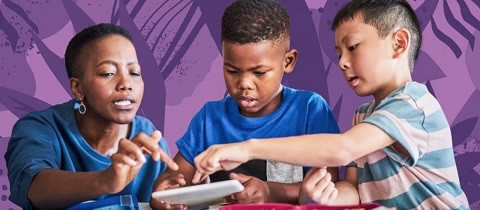 Over 100 teachers participate in regional ESD course 2020-11-25 Over 100 teacher and technical and vocational education and training (TVET) educators from Lesotho, South Africa and Zambia participated in a virtual course on Education for Sustainable Development (ESD) from 14 September 2020 to 13 November 2020. The Sustainability Starts with Teachers programme and course seek to support educators to integrate ESD into all areas of education and support the implementation of Target 4.7 of Sustainable Development Goal 4. The course focused on developing advanced leadership in ESD and provided teacher educators with the theoretical and practical foundations to strengthen ESD Change processes in the three countries. The virtual course, which entailed daily on-line lectures complimented with working sessions, achieved the following learning outcomes: Comprehensive shared understanding of the ESD context in the three countries; Deepened theoretical and practical knowledge of ESD change processes relevant to teacher and TVET education in SADC; Expanded understanding of the importance of transformative learning and assessment processes to support change; Increased appreciation of available ESD resources, tools and good practices from previous capacity building efforts in the country, region and beyond; Developed strategies to roll out “change projects” in TE and TVET institutions; and Established network of support to enable the key project-implementing partners to understand their respective roles and commitments, and begin the implementation processes for their projects. During the course, participants had an opportunity to present and further develop their ESD Change Projects. These are institutional change initiatives in Teacher Education and TVET institutions supported by the programme. The programme also demonstrates the importance of contextualizing ESD by integrating cultural heritage and indigenous knowledge into teaching on sustainability practices. Participants were also exposed to the new global framework “ESD for 2030” which will be launched in Africa on November 26, 2020. Register here. Following the course, participants returned to their respective institutions to implement their Change Projects with their communities of practice. Next years, the trained teacher educators will attend a regional ‘policy dialogue meeting and present the progress and achievements of their institutional programmes and its contribution to transformative learning to senior education policy makers. Rhodes University Vice Chancellor Dr Sizwe Mabizela acknowledged the importance of the course and recognised the efforts of Education for Sustainable Development (ESD) actors to make our planet a better place to live on. UNESCO Regional Director for Southern Africa, Professor Hubert Gijzen, said ESD requires innovative, learner-centred teaching and learning methods to help empower learners with the knowledge, skills and values they need to address the social, environmental and economic challenges of the 21st century. URL:https://en.unesco.org/news/over-100-teachers-participate-regional-esd-course