
News
Catch up on what’s happening in the world of global citizenship education.
1,668 results found
 유네스코 우호그룹, 집행이사회 계기 인종차별 반대 결정문 채택 2021-04-09 Today UNESCO adopted a global call against racism, spearheaded by the Republic of Korea (@unescokr_eng) and a large number of co-sponsors. #COVID-19 has unleashed a pandemic of dangerous disinformation, hate speech and violence against certain ethnicities or nationalities. Together we can #stopracism. Since wars begin in the minds of men and women, it is in the minds of men and women that the defences of peace must be constructed.-- The preamble to UNESCO’s Constitution Throughout the history, racism creates the conflicts and hatred in the minds of men and women, disrupting mutual understanding and trust to build peace in the world. Racism also impedes the United Nations’ efforts for the social dimension of sustainable development. The COVID-19 pandemic has unleashed a parallel pandemic of dangerous disinformation, hate speech and violence against certain ethnicities or nationalities. Under these circumstances, we as Member States are more than ever committed to reinforcing the fight against racism to promote inclusion, non-discrimination, and solidarity of mankind. Existing inequalities have deepened and the crisis risk to undermine progress that has been made in achieving the Sustainable Development Goals, in particular with regard to gender equality and the empowerment of women. This is why we, Member States, firmly condemn all forms of racism. In this regard, we are calling on the world to take action and join the efforts led by UNESCO in its fields of competence to address the root causes of racism to reject any act of racial discrimination, incitement to racial hatred and/or racial hate crimes following resolution 40 C/81 of the General Conference of UNESCO. Firstly, through education, particularly the Global Citizenship Education programme, UNESCO works to ensure that schools promote inclusiveness, solidarity, gender equality, the culture of peace and non-violence and respect for others, and provide opportunities for students to reflect and discuss these issues and their personal responsibility. Furthermore, education is essential in combating deadly stereotypes and prejudices. UNESCO’s work to prevent discrimination and stigmatization, especially the training of teachers and awareness-raising of decision-makers, contributes to these efforts; Through the promotion of tangible and intangible cultural heritage, which is a factor of unity and pride for many communities, and through the protection of the uniqueness of every culture, UNESCO is committed to preserving cultural diversity and respect for others; Through projects such as “The Slave Route: Resistance, Liberty, Heritage”, UNESCO is fighting racism and discrimination with the involvement of cities, museums, site managers and itineraries of memory; Through the implementation of public policies and awareness-raising activities, like those put in place at the local level, particularly by the International Coalition of Inclusive and Sustainable Cities and the Creative Cities Network, UNESCO fights racism and discrimination on a daily basis; Through the promotion of freedom of expression, freedom of the press, safety of journalists, and media literacyprogrammes, UNESCO supports a free, diverse and pluralistic media, and works to develop critical thinking among citizens; We also need to support the development of academic networks, in particular in social and human sciences, as we are doing through the UNESCO Chairs network; UNESCO strengthens the global values of education and addresses the younger generations, giving them the tools they need for their engagement. Global citizenship, the value of sport and civic spaces for open and inclusive dialogue are essential elements for the younger generations to open up an inclusive dialogue. We will continue to support the work of UNESCO to fight racism, including through further exchanges of best practices and experiences on this issue, thereby defending human rights including gender equality and putting humanity at the heart of our political, economic, social and cultural system. We must take action now, all together URL:https://en.unesco.org/news/global-call-against-racism
  Look after hidden out-of-school children in high income countries as schools reopen 2021-04-09 Europe is one of the worst hit regions by COVID-19. Schools remain closed in many countries. New closures have been announced in the last few days across France, and many schools are only partially open in Germany, Ireland, Italy and Portugal. It may be assumed that, relative to other countries, high-income countries will be quick to bounce back. But we should not forget that there were already many hidden out-of-school children in those countries before the pandemic. Many may have been on school registers but were spending large amounts of time outside school. They may have been expelled or suspended, with some even encouraged to un-enrol so as to keep school records rosy. If we think that some children’s behavioural issues may have been problematic before we confined them inside for many months with just screen to stare at all day, we may find a nasty surprise when the world gets back to normal. Preparing to support this ‘lockdown generation’ and the depression many of them have been suffering these past months means looking into providing relevant additional education and counselling services. Zero-tolerance policies may seem suitable off the cuff reactions, but will only exacerbate the problem. As in any country, some categories of students are disproportionally more likely to be temporarily or permanently excluded. According to one estimate in England, for example, students with special needs were over nine times as likely to be permanently excluded as their peers. In 2017/18, they accounted for almost half of the official 411,000 temporary and 8,000 permanent exclusions (5.1% and 0.1% of the student population, respectively). And this does not include the many students who are ‘off-rolled’, encouraged to un-enrol voluntarily to pre-empt formal expulsion. Schools have both leverage and incentive to off-roll. Students avoid a stain on their records and schools avoid including them in disciplinary exclusion statistics. Recent estimates suggest that 1 in 10 students experiences an unexplained exit during secondary education in the country. About 24,000 students, or 4 in 10 of those who experience an unexplained exit, do not return to a publicly funded school. Expulsion cannot be the right approach While antisocial behaviour can significantly disrupt learning for all, removing students interferes with their education progression and can perpetuate a failure cycle, a cycle that can culminate in prison. In the United States, through zero-tolerance measures, such as mandatory suspension and law enforcement referral, schools in disadvantaged areas may initiate a so-called school-to-prison pipeline. A discretionary suspension or expulsion nearly triples the likelihood of a student being in contact with juvenile justice in the following year. Adults who as students went to schools with above-average suspension rates experienced 15% to 20% higher incarceration rates. High suspension rates also negatively affect education attainment. Yet learners excluded from school retain their right to education, even in prison. Children are funnelled into the juvenile and criminal justice systems for often minor infractions. Such disciplinary policies disproportionately affect black students, who represent 31% of school-related arrests, around twice their share of the student body, and are suspended and expelled three times as often as white students. In a Mississippi school district, children as young as 10 were routinely arrested and taken to jail in handcuffs whenever teachers requested. Some were held for days before being given access to a lawyer. At schools in the district, including special schools, students were suspended and expelled for more than 10 days at 7 times the state rate. Black girls were strongly affected, representing the fastest-growing group in the juvenile justice system. Unlike their white peers, they received out-of-school rather than in-school suspensions. Nationwide, 9.6% of black girls in public primary and secondary schools received out-of-school suspensions in 2013/14, compared with 1.7% of white girls. The high rate of exclusion of special needs students underscores the need for more proactive behavioural supports to prevent further marginalization and exacerbation of education difficulties. In the United States, one study suggested that 19.5% of students with disabilities had been suspended at least once in the academic year. Nationwide, the out-of-school suspension rate of students with disabilities (10.6%) was twice as high as the national average (5.3%). Many of these children have learning disabilities or histories of poverty and neglect. Even when students were extremely disruptive, teachers may have provoked or escalated the behaviour, and school rules may have been inappropriate. A couple of years ago, the New York Police Department signed a policy limiting police officers’ responsibilities in the New York City public schools – the nation’s largest district, serving 1.1 million students. The initial policy holds hope and was part of an effort that includes hiring 285 new school social workers. It aims to limit out-of-school suspensions and to provide support for educators to practice positive discipline techniques. Only just last week, a story of a five year old boy in another state being put in handcuffs after misbehaving in school was a reminder of the importance of this being rolled out more widely. We have all been pushed to the limits by the experiences brought on by COVID-19. Children in particular have been penalised enough this past year to need to be punished further. If we have learnt to value one thing this year, however, it is patience. We must use this to muster up even more support for children with behavioural issues in the coming months. URL:https://gemreportunesco.wordpress.com/2021/04/07/look-after-hidden-out-of-school-children-in-high-income-countries-as-schools-reopen/
 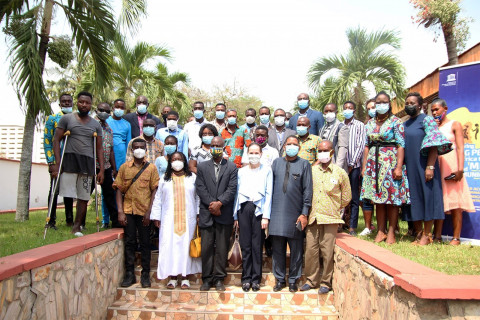 Ghanaian Media and Youth Converge to Discuss Issues of Migration in the Country 2021-04-08 To provide a common platform to contribute to the raising awareness of irregular migration while providing the opportunity for the increase in coverage of migration issues in Ghana, UNESCO Accra office together with the Department of Communication Studies, University of Ghana have organized a stakeholders forum on media and migration. This forum discussed the place of the media in reducing irregular migration while drawing the attention of young people to the perils of irregular migration. The forum is one of the activities under the ‘Empowering Young People in Africa through Media and Communication’ project funded by the Italian government through "Fondo Africa" a financial instrument aimed at supporting interventions to revive dialogue and cooperation between Italy and the African countries. The Head of Office of UNESCO, Accra office, Mr. Abdourahamane DIALLO, stated that the high rate of youth unemployment is one of the numerous factors driving irregular migration. “It is interesting to note that Africa currently has the largest youth population in the world that needs to be invested in to reach return on investment or demographic dividend,” he noted. He also mentioned the media’s role in creating awareness on the risks involved in irregular migration and the provision of relevant information to people. Mr Diallo stated that under the “Empowering Young people in Africa” project, UNESCO has trained 40 journalists on migration and gender sensitive reporting. The trainees have formed a network of journalist on migration with the aim of sharing information among themselves and the public on migration. He further spoke about the collaboration between UNESCO and media organizations to produce educational programs on migration and to create awareness on the dangers of irregular migration. “UNESCO is also looking to collaborate with GCRN to revisit the production and dissemination of TV magazine progammes targeted at migration prone areas in local languages. We are also working with the CIVIC Care Platform on youth led campaign targeted at Senior High School students and finally the establishment of professional standards on reporting for migration in Ghana and the creation of migration desks in newsrooms across the country to be facilitated by the Ghana Journalists Association.,” he noted. It is interesting to note that Africa currently has the largest youth population in the world that needs to be invested in to reach return on investment or demographic dividend. -- Abdourahamane Diallo, The Head of Office of UNESCO, Accra Office On his part, the Minister of Information, Mr. Kojo Oppong Nkrumah called on the media to intensify education on migration through interesting and creative stories to ensure that those who could be influenced with relevant information are saved from such perilous journeys. Mr. Kojo Oppong Nkrumah expressed concern over the data from a survey conducted on irregular migrants which showed that 98% of almost 2000 irregular migrants show willingness to embark on the dangerous journey even after witnessing first-hand the dangers associated with it. He urged the media to focus on the challenges of irregular migration, how to migrate right, and most importantly, highlight ways through which young people can achieve their dreams back home. The Italian Ambassador, H.E. Madam Daniela d’Orlandi lamented about the growing figures of migrants over the years and the need to provide long-lasting solutions to the issue of migration. She explained that the role of the media in the campaign is to educate and sensitize the public on migration issues as well as the need to strengthen the media so they can improve their capability to provide quality information to people on migration issues. The ambassador also mentioned that Italy supports UNESCO regarding its initiatives to “build the capacity of young professionals in media organizations to better identify and respond to the information needs of migrant populations. The International Organization for Migration Chief of Mission, Madam Abibatou Wane-Fall touched on the reasons why people migrate. She mentioned high unemployment rates in most African countries as the major cause. She also reiterated on the need for the media to highlight the resources and opportunities available for people in their home countries in order to deter them from migrating in search of better standards of living. Mr Pius Israel Asubonteng, a returnee sadly narrated his harrowing events during the journey. Before his journey to Tunisia, he had made a number of attempts at stowing away through the Takoradi Port, something he says is very common and also a common cause of death among the youth of the Western Region. “Upon my arrival in Tunisia, I secured a job which required the use of scaffolds’. According to him on one occasion, while on the scaffold, he felt a need to latch a part of the scaffold better. While on the ground searching for something by which to do the latching he heard a loud sound. He only realized the cause three days later when he regained consciousness in a hospital with one leg amputated; he had stepped on a bomb. Thereafter, the Ghana Mission there was called to take him over and arrange his return. In all, 80 people comprising of community members and media personnel from irregular migration-prone communities in the general Bono and Ahafo areas and the Western Region were physically present at the event. The online streaming of the event reached 1,454 people with 361 engagements. URL:https://en.unesco.org/news/ghanaian-media-and-youth-converge-discuss-issues-migration-country
  Du discours de haine au génocide, les leçons à tirer du génocide de 1994 contre les Tutsis au Rwanda 2021-04-08 On the International Day of Reflection on the Genocide in Rwanda, 7 April, UNESCO will hold an online panel discussion from 15:00 to 16:30 CEST, which can be viewed here. It was on 7 April 1994 that the Hutu extremist-led government in Rwanda launched a systematic attack that within 100 days killed more than 1 million members of the Tutsi minority. The day is both a time to honor the victims and survivors, and to extract from this senseless slaughter the lessons that can still be learned to prevent genocide in the future. The online event will begin with introductory remarks from UNESCO Director-General Audrey Azoulay and Ambassador François Xavier Ngarambe, Permanent Representative of the Republic of Rwanda to UNESCO, to be followed by a conversation between Mr. Freddy Mutanguha, a survivor of the Genocide, and Dr. Tali Nates, Director of the Johannesburg Holocaust and Genocide Centre. Participants in the panel discussion are: Ms. Susan Benesch (USA), Director of the Dangerous Speech project, Mr. Marcel Kabanda (France), Historian and former President of Ibuka France, Mr. Paul Rutayisire (Rwanda), Historian. Ambassador Silvia Fernandez de Gurmendi (Argentina), Chair of Global Action Against Mass Atrocity Crimes and former President of the International Criminal Court, will deliver a video message. Closing remarks will be delivered by Ms. Alice Wairimu Nderitu, United Nations Special Adviser on the Prevention of Genocide. Dr. Stephen Smith, UNESCO Chair on Genocide Education and Finci-Viterbi Executive Director of the University of Southern California Shoah Foundation, will moderate the event. Hate speech and hate propaganda were identified as catalysts of the genocidal violence in Rwanda. The United Nations Strategy and Plan of Action on Hate Speech (2019) seeks to strengthen the UN response to the global phenomenon of hate speech and placing specific emphasis on the role of education as a tool for addressing and countering hate speech, while at the same time upholding legitimate freedom of expression and access to information. The commemoration is being organized by UNESCO and the University of Southern California Shoah Foundation UNESCO Chair on Genocide Education, with the Permanent Delegation of Rwanda to UNESCO, in partnership with Global Action Against Mass Atrocity Crimes (GAAMAC). As the only UN agency with a mandate to promote the prevention of genocide through education, UNESCO is committed to promoting genocide remembrance and education to sensitize learners about the causes, dynamics and consequences of such crimes and to strengthen their resilience against all forms of discrimination. URL:https://en.unesco.org/news/hate-speech-genocide-lessons-1994-genocide-against-tutsi-rwanda
 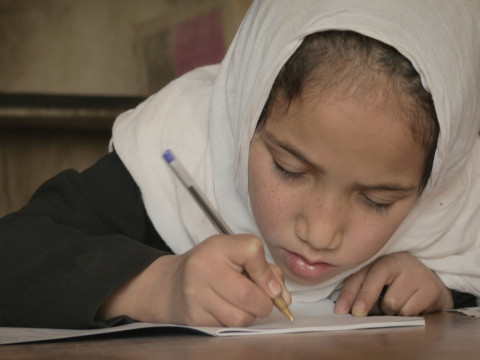 Mission: Recovering Education 2021 2021-04-07 When your house is on fire, you don’t worry about how big it is, the colour of the paint on the walls, or whether the kitchen is too small. You just focus on putting out the fire. In the education sector, our house is on fire. The COVID-19 pandemic has been the worst shock to education systems in a century, with the longest school closures combined with the worst recessions in decades. More than 1.6 billion children have lost instructional time for many months at a time, if not for much of the last year, and many children are still not back in school. School closures and the resulting disruptions to school participation and learning are projected to amount to losses valued at $10 trillion in terms of affected children’s future earnings. We need to put the fire out right now. Children’s learning has suffered immensely. And because the Education sector also provides health, nutrition, and psychosocial services, the overall welfare of children has declined substantially. Their recovery should start immediately. This is why UNESCO, UNICEF, and the World Bank are launching a joint mission – Mission: Recovering Education 2021 – focused on three priorities: bringing all children back to schools, recovering learning losses, and preparing and supporting teachers. We commit to working together as multilaterals on these priorities and to supporting countries more directly in their efforts to bring children back to school and get them back on track to learning. These priorities might not give you your dream house; they are meant to put out the fire first. For each priority, we have set ambitious targets. We will track progress on these through existing indicators following the SDG 4 monitoring framework, as well as more recent data efforts such as the UNESCO-UNICEF-World Bank joint Survey on National Educational Response to COVID-19 School Closures and the COVID-19 Global Education Recovery Tracker, a new tool developed in partnership by Johns Hopkins University’s eSchool+ Initiative, UNICEF, and the World Bank to monitor school reopening and recovery planning efforts in more than 200 countries and territories. Priority 1: All children back in a safe and supportive school The first priority is to get all children back in school for complete or partial in-person instruction before the end of 2021 – that is, to get back to pre-COVID enrolment rates. As of March 2021, more than 168 million children globally have been shut out of any form of in-person learning for almost an entire year. This figure does not include the children who have dropped out of school entirely as a result of the pandemic. Experience from reopened schools around the world shows that schools can reopen, and take all possible measures to reopen safely, even when community transmission hasn’t been completely contained and vaccination coverage is low. Young children are not only less likely to transmit the SARS-CoV-2 virus than adults, but they are also less likely to suffer from severe forms of COVID-19 when they are infected. Moreover, mitigation efforts like masking, physical distancing, ventilation, and handwashing can effectively minimize disease transmission. Schools do not just provide instruction for children; they play a critical role in child welfare and development as they also encourage children at-risk of dropping out to remain in school, they provide nutritious meals and vaccinations, and they connect children with psycho-social support, particularly children who may experience violence in their homes. Cut off from these services for many months -and in many parts of the world more than a year, children need to return to schools that provide comprehensive support to get their learning, health, and overall wellbeing back on track. Priority 2: Recovering learning loss Children around the world have lost substantial instructional time, which in turn will translate into substantial losses in learning. It can’t be assumed that when they return to school, students can easily return to their new grade with a curriculum that assumes they have mastered concepts from the previous year. Prior to the pandemic, remedial education, particularly in the poorest countries, functioned like a luxury good. It was rarely offered by schools serving disadvantaged populations, and when offered by more mature school systems, it was targeted to children at risk of failing. Now, having lost months of instructional time, many students will need some remedial education. Just as the Great Depression in the United States helped mainstream acceptance of a publicly funded social safety net, let’s use the current crisis to expand and mainstream remedial education, with a focus on foundational literacy and numeracy skills. To the extent that digital technologies can support these efforts – for example, through adaptive learning software – education systems should direct them to this expansion in remedial education. Tutoring schemes may or may not be tech supported but might be important. By the end of this year, it will be imperative to see countries reporting that their schools in each level of education provide this kind of support. In school, children are also learning how to learn and how to react to setbacks; they are developing their social-emotional skills. Recovering months of learning loss will also be challenging for them, requiring self-control, perseverance, and a positive self-image. Like remedial education, social emotional learning functioned like a luxury good before the crisis but now must be mainstreamed to get children back on track. Again, by the end of this year, we aim for countries to report that their schools have incorporated social emotional learning into their teaching. Incorporating these elements will require important financial investments to avoid losing this generation, as well as creative managerial decisions of prioritizing elements of the curriculum, adjusting school days and school calendars, and expanding the workforce as needed. Priority 3: Preparing and empowering teachers Teachers are on the front lines in putting out the fire, and they will need support to do this. They need to help children (re)learn what they should have learned last school year as well as teach the current year’s curriculum. They will need training and possible additional support to implement remedial education and social emotional learning, as for many teachers, these will be new tasks. Similarly, teachers will likely need training on delivering instruction remotely or through hybrid approaches, as pedagogy for distance or digital learning would not have been part of their formal training. They need to receive a minimum set of tools and instruments to assess the learning levels of their students and estimate the support they need. All teachers should be prepared for remedial education, social emotional learning, and distance learning by the end of the year. Teachers also have to worry about their own health. They face greater risks than children in contracting COVID-19, and they have a higher likelihood of suffering more severe consequences. Although available evidence suggests that schools are not more hazardous than other employment settings, it is imperative for all countries to prioritize teachers for vaccination, after frontline personnel and high-risk populations. What will the partners do? UNESCO, UNICEF, and the World Bank will join forces within countries to help governments and school authorities achieve this critical mission and engage with governments to prioritize education financing for these three priorities. In addition to the global tracking and monitoring of reopening and recovery, we will support countries as they measure learning both in the classroom and system-wide after schools reopen to have a clear diagnostic of students’ needs and estimate the magnitude of learning losses. We will also continue providing technical assistance and financial support for the return to school, for supporting classroom activities to accelerate learning and implement remedial education schemes, and for supporting teachers’ professional development, including the skills particularly needed for this crisis. Early in 2022, we will assess progress on these three priorities. We hope we’ll be able to tell you that the fire in education has been contained and that we can focus increasingly on the longer-term task of rebuilding. Posted on 30 March 2021 by GEM ReportBy Stefania Giannini, Robert Jenkins and Jaime SaavedraPhoto Credit: Arete/Ivan Armando Flores/ UNESCO URL:https://gemreportunesco.wordpress.com/2021/03/30/mission-recovering-education-2021/
 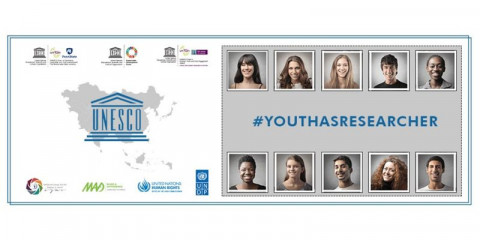 Asia and the Pacific Region Assessing the Impacts of COVID-19 from a Range of Angles 2021-04-07 The Asia and the Pacific Youth as Researchers regional teams, each with its set research compass assessing the impacts of Covid 19 from different angles, have come to agree on how detrimental those impacts are on youth. Those negative impacts include the lack of accessibility to mental health services and the rising concerns about the quality of education while transitioning to digital platforms. Yet, this article also points to how youth have been proactive and responsive to barriers, exemplified by their engagement with different agencies and organizations in volunteering on various frontlines to help reduce vulnerability to the pandemic. First off is the Asia and the Pacific Team, whose research assesses the barriers in accessing mental health services for university students. Based in Bangladesh, Brunei Darussalam, India, and Indonesia, the Asia and the Pacific Team is led by Ayesha P. Mohanty and Shivangshi Mitra. They are working on how the well-being of youth has been affected by the global Covid-19 pandemic. The pandemic has majorly affected the allocation of resources in different sectors, including the health sector. Resources of the sort encompass shortage in medical supplies and lack of sufficient technologies to be able to access remote healthcare options. Accordingly, the lack of said resources have set up barriers which have impeded accessibility of essential health services such as mental health care for university students. Besides the lack of resources, myths and stigmas have shaped some barriers to mental health services such as the mistaken belief that mental health issues can be treated through willpower and strong self-belief. Their research accordingly aims to identify the issues that prevent university students in the Asia and the Pacific region from accessing mental health services, by identifying the resources and structures in place and analyzing the amount that is currently accessible to the target group. Proposals for measures, through legal mandate and governance, are in the planning and the aim is to make mental health services more accessible to the target group through creating robust social structures and support systems for university students. The team plans to examine respondents' concerns whilst collecting data. Their concerns include confidentiality of sensitive information, high costs associated with accessing mental health facilities, the lack of family and social support systems, and insufficient confidence in the abilities of the service provider(s). Not only has the pandemic halted accessibility to healthcare services such as mental health, it has also affected the educational experience of university students as they transitioned to online platforms upon closure of campuses to contain the spread of the virus. Based in Australia, the East Asia-Pacific team, led by Astuti Kusumaningrum, are working on the research “Transitioning to Online Platforms: How COVID-19 restriction affects Higher Education student’s learning in East Asia & Australia”. A distinctive rise in online learning brings students new challenges to their study life. As in-person courses transform to remote instruction, the East Asia team seeks to explore how higher education students perceive this change, particularly exploring their peer's experiences. "During the Covid-19 pandemic, there are challenges and barriers, but positive things do happen. We want to capture and understand this transition," Kusumaningrum stated when explaining the motives of research. What’s more, adults and teachers potentially assume that young generations are able to shift to online learning quickly; "However, we want to show that even though we are digital, and familiar with devices and technology, we struggled with transitioning to online learning," team member, Yuria Kub added. The team aims to survey students from five respective countries that its team members come from, namely China, Japan, Korea, Mongolia and Australia. A wise poet once said, “amidst the darkness, a speck of light is a ray of hope.” Based in India. The South Asia team, led by Shivangi Mehra, are working on the research “The youth volunteering experience during the COVID-19 pandemic in South Asia”. Despite the stress and disruption of the Covid-19 pandemic, young volunteers ranging from digital activists to social workers are working relentlessly on the frontlines of supporting the vulnerable to mitigate the impact of the crisis and make positive changes within their communities. Their research focuses on the incentives of youth volunteers, as well as, the benefits of volunteering in the matter of skills and capacity development: “There is a potential policy gap here in terms of making volunteering experiences more valuable. We need to think about how to make volunteers benefit from their experience also,” Mehra stated. With the close teamwork across these groups and the support from UNESCO, these teams are demonstrating confidence in conducting this research and overcoming obstacles to ensure group cohesion, recruitment of adequate sample sizes, and distribution of surveys that are culturally appropriate and inclusive in nature. Stay tuned for more updates about the progress of our Asia and the Pacific teams and all of our Youth as Researchers teams by following the links below. We want to recognize….. Follow the journey of these youth researchers to learn more Youth as Researchers (YAR) Global Landing Page See also: More on the launch of the Youth as Researchers (YAR) program UNESCO Youth Program UNESCO Chair in Children, Youth & Civic Engagement, National University of Ireland Galway UNESCO Chair in Rural Community, Leadership, and Youth Development, Penn State University External links: More on the COVID-19 pandemic and education: “The future of education is here” COVID-19 impact on young people’s mental health COVID-19 economic impact on women URL:https://bangkok.unesco.org/content/asia-and-pacific-region-assessing-impacts-covid-19-range-angles
 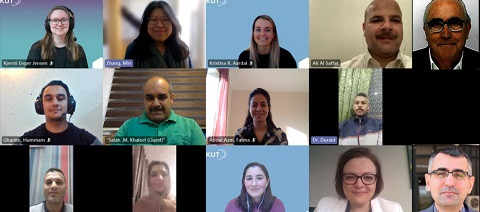 Successful implementation of the UNESCO Qualifications Passport: ensuring access to higher education and employment for refugees under Covid-19 pandemic 2021-04-07 Following the launch of the UNESCO Qualifications Passport (UQP) in Iraq on the 1st February 2021, the implementation of this pilot project has made significant progress, thanks to the major contribution of the Norwegian Agency for Quality Assurance in Education (NOKUT) in capacity building, the extraordinary commitment and dedication from the recently trained Iraqi credential evaluators from the Iraqi Ministry of Higher Education and Scientific Research (MoHESR), and support from the UN Refugee Agency (UNHCR) in collaboration with refugee community-based outreach. After approximately two months of workshops, the training of Iraqi Credential Evaluators was successfully completed on the 24th March 2021. The workshops were interactive and involved very interesting exchanges among the credential evaluators from NOKUT and MoHESR. These workshops laid the foundations for the success of the UQP Pilot project by strengthening the cadre’s knowledge of advanced methodologies in the field of qualifications recognition. Through the excellent facilitation provided by the UNHCR in coordination with the refugee community, on the 25th March 2021, 18 UQP credential evaluation interviews took place simultaneously in Baghdad, Mosul, and Basra at the Community Support Centres run by UNHCR. Due to the challenges imposed by the Covid-19 pandemic this was done virtually. This is the first time that UQP interviews have taken place virtually anywhere in the world as well as being the first time they have been carried out in the Middle East, showing the robustness of the methodology. The main focus for refugees and vulnerable migrants’ education has until now been on basic education. UNESCO is now mandated to invoke projects such as the UQP in the domain of higher education. It is vitally important to create educational pathways for refugees through the education system to assist them to complete their studies and apply their knowledge in a transition to peace, reconstruction and stability. In the broader mandate of UNESCO as the lead agency for SDG 4 to ensure inclusive quality education and promoting lifelong learning, the UQP will contribute to several targets such as ensuring “equal access to all levels of education and vocational training for vulnerable persons” (SDG 4.5) and to ensure “equal access for all women and men to affordable and quality technical, vocational and tertiary education, including university” (SDG 4.3). Finally, UNESCO would like to thank the financial contribution provided by Norway and Dubai Cares for this project and invite other actors for collaboration in creating an overall inclusive environment in Education in Iraq and around the globe. Thanks to the tremendous effort provided by the credential evaluators, the result of this round of UQP interviews will be soon communicated and UNESCO is working on the organisation of an award ceremony and an international workshop among all credential evaluators, to reinforce further multilateral international cooperation. URL:https://en.unesco.org/news/successful-implementation-unesco-qualifications-passport-ensuring-access-higher-education-and
  Google's €25 million contribution to media literacy 2021-04-07 Matt BrittinPresident, Google Europe, Middle East and Africa While navigating the uncertainty and challenges of the last year, it has proven more important than ever for people to access accurate information, and sort facts from fiction. That’s why Google is contributing €25 million to help launch the European Media and Information Fund to strengthen media literacy skills, fight misinformation and support fact checking. Our goal is to ensure that you and your family get the information you want, the answers you need and the accuracy you deserve. Our five-year commitment will support the work of the European University Institute, the Calouste Gulbenkian Foundation and the European Digital Media Observatory to fund organizations seeking to address key challenges: Help adults and young people strengthen their media literacy skills Support and scale the critical work of fact-checkers Strengthen the expertise, research and resources to help fight misinformation As the first to contribute to the European Media and Information Fund, we welcome and encourage other organizations to follow our lead and support this important work. It is clear there is an unmet demand for funding and research, with fewer than one in 10 Europeans having participated in any form of online media literacy training, according to a recent report. In the coming weeks, the Fund will open for proposals from academics, nonprofits and publishers based in the European Union, Iceland, Liechtenstein, Norway, Switzerland and the United Kingdom. Independent committees made up of industry experts will select the winning ideas and Google won't be involved in any decision making related to the Fund. Our commitment today builds on our previous grants to fact checkers and nonprofits, including those related to the COVID-19 pandemic and vaccines, and our work to tackle misinformation in the run up to other major events, such as elections. Since 2015, we’ve provided funding and technical support to organizations focused on misinformation, including innovative new models like CrossCheck in France, and provided digital verification training to 90,000 European journalists, receiving over 400,000 visits to our training website. And we’re of course continuing our other efforts to support media literacy for young people, with Be Internet Legends and Be Internet Citizens providing digital skills to help schoolchildren and teenagers verify and fact-check. Through our philanthropic arm, Google.org, we’ve provided €3.2 million in funding since 2018 to programs like Newswise, The Student View and Weitklick, and through the Google News Initiative additional funding to support Students for President and Zeit für Lehrer. If you represent an organization with an idea, you can learn more about the Fund and find out when applications open by registering on this website. POSTED IN: GOOGLE IN EUROPE PUBLIC POLICY URL:https://blog.google/around-the-globe/google-europe/googles-25-million-contribution-to-media-literacy/
 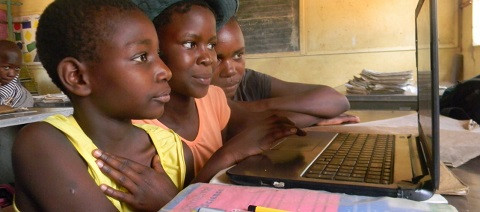 Scaling up digital learning and skills in the world’s most populous countries to drive education recovery 2021-04-06 The massive learning disruption caused by the COVID-19 pandemic has revealed the weakness and unpreparedness of today’s education systems worldwide. As schools and universities shut their doors, millions of learners were suddenly excluded from education because of the flagrant digital divide. Connectivity has now become a key factor to guarantee the right to education. Approximately half of the world’s population (some 3.6 billion people) still lack an internet connection. At least 463 million or nearly one-third of students globally cannot access remote learning, mainly due to a lack of online learning policies or lack of equipment needed to connect from home. Most students do not have the appropriate connectivity, device and digital skills required to find and use educational content dependent on technology. At the Global Education Meeting convened by UNESCO in October 2020, governments and the international community identified five priorities for urgent action, including support to teachers as frontline workers, investment in skills and narrowing the digital divide. Scaling up digital skills and learning holds the potential to increase the reach and relevance of education systems and improve job prospects for youth in our fast-changing and digitalized economies. This is why the United Nations is spearheading a new global initiative on digital learning and skills, targeting marginalized children and youth to close the digital divide and drive rapid change in education systems. Building on the established partnership of E9 countries, which groups Bangladesh, Brazil, China, Egypt, India, Indonesia, Mexico, Nigeria and Pakistan, the initiative gives them the opportunity to collaborate and scale progress on digital learning and skills. The initiative is supported by UNESCO, UNICEF, the Global Education Coalition and Generation Unlimited. Focus on some of the world’s most populous countries Representing over half the global population and some of the largest education systems in the world, the group of E9 countries can strengthen political will and collective effort to ensure quality education and accelerate progress towards SDG4. This requires a targeted approach: the E9 countries offer an initial springboard to accelerate progress on digital learning and skills in the immediate term and ultimately on the SDG4 agenda in this Decade of Action leading up to 2030. Here are some reasons why:1. These countries are among the world’s most populous (4.1 of 7.9 billion) with large youth populations (1.6 billion by 2030) and with a high potential demographic dividend in low and low middle-income countries.2. The education systems are among the largest in the world; representing 51.6 percent of all learners of the world at all levels. Most countries have federal, decentralized education systems for education delivery, with diverse and complex governance and finance structures.3. They have an established history of cooperation through the E9 partnership including on ICT.4. They have an enabling ecosystem involving governments, the private sector, youth and other key partners with potential to engage in a renewed social compact in support of digital learning, skilling and livelihoods.5. Most learners in the nine countries still face disruption to learning either fully or partially and 11.3 million are at risk of not returning to education institutions. How these countries manage the transition phase to recovery, build resilience and reimagine education is crucial for global progress and development, along with efforts to ensure no one is left behind.6. The success and lessons learned from high population countries will garner significant visibility and offer a blueprint for scaling progress in many countries across the world.7. Their positions within global education and international cooperation fora, together with alignment of this initiative with the priorities of the G7 and G20, will ensure that lessons learned are cross fertilized and shared widely. A global initiative to drive educational change Through country-wide action plans, peer-learning and rallying a global coalition of partners, the initiative will focus on:1. Expanding access to digital learning solutions that build a range of skills for all children and youth and ensures that teachers, parents and caregivers can offer the scaffolding that children need to learn.2. Connecting schools, every child and every youth to the internet.3. Providing children and youth with a range of devices (mobile, laptop, desktop) to access learning.4. Ensuring that content and data are affordable for students, teachers and schools.5. Investing in teacher training and scaling innovative practices to enable digital learning.6. Addressing the barriers facing girls and young women to digital access, including social norms, online safety and privacy, skills and leadership to close the gender digital divides. 7. Investing in reskilling and up-skilling of youth to enable the school to work and life transition.8. Engaging youth to achieve the ambition for digital learning and ensuring its relevance and protecting privacy and promoting safety. The goal is ambitious: closing the digital divide means connecting every child and youth – some 3.5 billion by 2030 – to digital solutions that can offer personalized and relevant learning. On 6 April 2021, UNESCO and the Government of Bangladesh will convene a consultation with the Ministers of Education of the E9 countries to highlight progress, share lessons and explore opportunities for collaboration and scale-up to expand digital learning and skills. A Marketplace segment for public-private partnership will showcase local and global solutions and opportunities for digital learning. The meeting will feature the participation of the UN Deputy Secretary-General, UNESCO, UNICEF, Generation Unlimited, the Malala Fund, the World Bank and other stakeholders including partners from the Global Education Coalition. Related news: One year into COVID-19 education disruption: Where do we stand? Connectivity, gender and teachers: How the Global Education Coalition is supporting COVID-19 learning recovery URL:https://en.unesco.org/news/scaling-digital-learning-and-skills-worlds-most-populous-countries-drive-education-recovery
 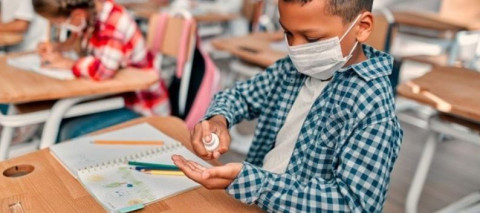 Connectivity, gender and teachers: How the Global Education Coalition is supporting COVID-19 learning recovery 2021-04-05 The COVID-19 pandemic hit the education sector with full force, disrupting schools globally and threatening to strip off decades of progress made towards learning. A year into the crisis, the situation remains bleak: Half of the world’s student population is still affected by full or partial school closures; nearly one-third cannot access remote learning; more than 11 million girls may never return to the classroom; and over 100 million children will fall below the minimum proficiency level in reading due to the impact of school closures. Unless urgent action is taken today, over 24 million children and youth are at risk of dropping out of school. As the pandemic revealed and amplified inequalities in education, UNESCO quickly mobilized support to ensure the continuity of learning around the world by establishing the Global Education Coalition in March 2020. This multi-sector Coalition brings together 175 institutional partners from the UN family, civil society, academia and the private sector currently working in 112 countries around three central themes: Connectivity, gender and teachers. A new report, published ahead of a high-level ministerial meeting, is showcasing the innovative responses that have been achieved through this unique partnership in the past year. How is the Global Education Coalition operating and what are its achievements? The Global Education Coalition has become an essential platform to support Member States to respond to the unprecedented challenges facing the education sector. Coalition contributions do not replace national responses, but rather engage new actors that would not have been obvious partners, such as technology and media organizations, to complement and support national efforts to ensure the continuity of learning. Coalition members are currently engaged in 233 projects across 112 countries. At least 400 million learners and 12 million teachers are benefitting directly or indirectly from the actions of the Coalition. Here are a few global, regional and country-specific examples of actions that have been achieved so far. In West Africa, the Francophone African regional online learning platform Imaginécole was launched as a key component of a Global Partnership for Education project to improve the quality of distance education in 10 countries: Benin, Burkina Faso, Cameroon, Côte d'Ivoire, Guinea, Mali, Niger, Senegal, Chad and Togo. The platform offers a large-scale experience in distance education for 6.6 million students and 200,000 teachers with over 600 educational resources. More than 5 million girls in the 20 countries with the greatest gender disparities in education will be supported to fulfil their right to education, with a focus on bringing back to school the most marginalized girls through wide range of actions. This includes information and awareness raising, skills acquisition and providing evidence-based recommendations to decision-makers. The Global Skills Academy, established to help equip 1 million youth with digital skills to adapt to changes in the workplace, reaching to date 142,000 beneficiaries. Since its launch, the Academy has mobilized more than 150 TVET institutions across 56 countries and is actively working with 15 partners to enroll 75,000 additional students and teachers in the coming days. In response to the explosion that rocked Beirut, Lebanon in August 2020, Coalition members mobilized financial commitments, technical assistance and capacity building support to rehabilitate damaged schools, provide technical assistance to teachers, ensure access to distance learning with content and support higher education. UNESCO and partners are supporting the rehabilitation of 55 public schools, 20 public Technical and Vocational Education and Training institutions, and 3 universities. In South Africa, a phone app-based support service for teachers developed with a partner was launched to provide a real-time chat-based learning and mentorship platform, along with a wellness and safety feature. It currently has over 67,200 users and plans to reach 400,000 more teachers in the upcoming months. UNESCO is supporting an open source platform for home-based distance learning and a regional repository of curriculum aligned resources for learners and teachers in Kiribati, Marshall Islands (Republic of), Samoa, Solomon Islands, Tonga and Tuvalu. With GIZ’s support, UNESCO is launching a teachers’ training programme for 20 Caribbean countries and a digital and social emotional skills training for migrants and refugees in Peru. Read and explore the Global Education Coalition’s latest progress report.Access the first progress report from September 2020. UNESCO is convening a high-level ministerial event on 29 March to take stock of lessons learnt, the greatest risks facing education today and strategies to leave no learner behind. It will show how the Global Education Coalition has mobilized partners to support learners, teachers and policy-makers with new tools and knowledge. URL:https://en.unesco.org/news/connectivity-gender-and-teachers-how-global-education-coalition-supporting-covid-19-learning