
News
Catch up on what’s happening in the world of global citizenship education.
1,668 results found
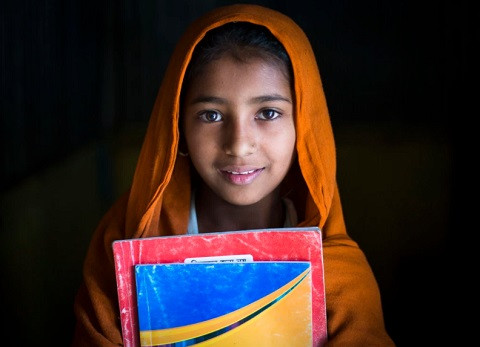 Countries are still falling short of developing textbooks free of gender stereotypes 2021-03-11 By Nicole Bella, GEM Report and Matthias Eck, UNESCO Textbooks are powerful factors in the construction of gender identities. They transmit knowledge and present social and gender norms, shaping the world vision of children and young people. In some contexts, textbooks are the first and sometimes the only books that a young person may read and can have a lasting impact on their perceptions. And yet they still often perpetuate discriminatory social norms and values. This must be challenged. Under its strategic objective B.4, the Beijing Declaration and Platform for Action, a blueprint for women’s rights signed by 189 countries in 1995 called upon countries to develop curricula, textbooks and teaching aids free of gender-based stereotypes for all levels of education, including teacher training. Twenty-five years after the adoption of this objective, girls and women are still under-represented in textbooks or, when included, depicted in traditional roles in many countries, a truth found in in teaching and learnings materials from all corners of the globe as new analysis in the recently released 2020 GEM Gender Report shows. A review of 95 primary and secondary compulsory education textbooks in the Islamic Republic of Iran, for example, showed that women accounted for only 37% of images. There were no images of women in about 60% of textbooks for Farsi and foreign language, 63% for science and 74% for social science. In the United States, a study of introductory economics textbooks found that 18% of characters mentioned were female, mostly portrayed in relation to food, fashion or entertainment. A report on the way that women’s history was reflected in pre-primary, primary and secondary social studies found that 53% of mentions of women referred to domestic and family roles and 2% to entry into the workforce. An analysis of preschool textbooks in Morocco found that only 10% of images depicting women showed them doing paid work. In Uganda, secondary school physics textbooks generally did not mention the gender of objects and subjects. However, use of gendered nouns (e.g. boy) and pronouns (e.g. his) gave the text gender connotations, while illustrations referred to men. Countries have been using different strategies to remedy this situation. Three case studies featured in the 2020 GEM Gender Report illustrate the successes and challenges to address the issue. In the Comoros, all teaching and learning materials were imported from France until 2015, when textbooks started to be produced in-country. The Ministry of Education prioritized the quantity of textbooks produced per pupil over their content. While it aimed to promote gender equality through education, there was no explicit guidance on how to operationalize this in curricula and textbooks. Slight improvements in gender-responsiveness of textbooks production after 2015 are largely the result of individual commitment. Staff of the entities involved in textbook development pushed for integrating a gender dimension into the material. The Francophone Initiative for Teacher Distance Training distributed teacher-training manuals with a gender dimension and financed the training of education officials aiming to increase the participation of girls in STEM. But the lack of greater progress can be attributed to the difficulties that those working on textbook development faced in detaching themselves from familial, social and religious influences. There was also lack of opportunities for textbook developers to be sensitized or trained on how to eliminate gender stereotypes as content was written. The government of Ethiopia has demonstrated clear commitment to gender equality in education, developing and revising textbooks and providing gender responsive professional development for teachers, while mainstreaming gender-responsive pedagogy in teacher education. Different institutions, including the Forum for African Women Educationalists (FAWE), Plan International, UNESCO with its International Institute for Capacity Building in Africa, and USAID, financed gender-related interventions in the country, for instance in research, community training, in-service gender-responsive professional development, and advice to policy makers. Despite this political will, gender stereotypes in Ethiopian textbooks remain. Textbooks still regularly portray men as powerful, assertive and intelligent leaders, doctors, engineers and politicians. Women are portrayed as weak, passive and submissive and mostly depicted in domestic, caregiving and supportive roles. A study on social studies textbooks in grades 5-8 found only 12% of names were female. Stories of African kings, male freedom fighters and leaders dominate, whereas females actively involved in the independence struggle were forgotten. Understanding why political will has not translated into better improvements means looking at depth at the process of textbook development. In Ethiopia, such analysis uncovers that women did not participate in textbook development and review processes, that training on processes was lacking and that there was limited commitment among authorities to challenge discriminatory social and gender norms. In addition, most textbook revision processes made at different times since 1995 were not based on strong evidence from gender studies and research. Nepal, which appointed a gender expert to review gender responsiveness in textbooks in 1999 and introduced a house style for the drafting of gender responsive teaching and learning materials in grades 9 and 10. The style mandates that textbooks should represent both men and women in a similar way. Gender-biased words such as headmaster, chairman, manpower would be replaced with words such as principal, chairperson and sales person. The guidelines have been accompanied by two gender audits as well as the appointment of a gender link officer. A new policy was introduced in 2007 calling for all materials to be reviewed every 5 years and reformed every 10. As a result of these reforms, textbooks are much more gender-sensitive even though a holistic overhaul of all gender stereotypes has not yet happened. In current textbooks, pictures of women are extensively used to represent all professions, for instance. Yet, in many instances, terms like ‘clever’ and ‘responsible’ are still used only for males, while females are shown to be passive and submissive. Two possible considerations missed were that, even in 2017, most textbook writers were male, while a gender audit has been done only twice since 1999. Several lessons can be drawn from these case studies. The core being that addressing gender-stereotypes in textbooks will not happen overnight. Developing gender-responsive teaching and learning material needs strong national leadership and has to be embedded in general policies on gender equality in education. Gender audits of teaching and learning materials should be conducted regularly. A textbook revision process needs to be inclusive, ensuring that women participate equally and that their views are heard. It also has to be based on research with those participating receiving training on the development of gender-responsive materials. The gender dimension has to be explicitly inscribed in tenders, terms of reference and contracts related to the drafting of teaching and learning materials, including gender specific indicators. Finally, yet importantly, teachers need to be trained in the use of gender-responsive teaching materials. URL:https://gemreportunesco.wordpress.com/2021/03/10/countries-are-still-falling-short-of-developing-textbooks-free-of-gender-stereotypes/
 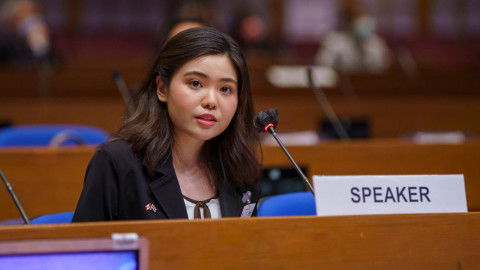 Why we must empower women leaders in the post-COVID-19 era 2021-03-10 Since the beginning of the COVID-19 crisis, women in the Asia-Pacific region have shown decisive leadership in steering their countries and communities with effective responses to the pandemic, whether it is managing their businesses and households or standing at the frontlines as health care workers. Yet, in the highest echelons of decision-making and the public sector, we see that many women's voices are still not being heard. Only a small percentage of political leaders in our region are women, far lower than the world's average. This is a detriment not only to women but to the region at large. For the response and recovery to the pandemic to be truly effective and consider everyone's needs — it is urgent that we fast-track progress towards women’s empowerment in decision-making in public life. Today, as we celebrate International Women's Day, we honour the often-overlooked contributions of women in the Asia-Pacific region, reflect on progress made towards gender equality, and renew our commitment to ensuring that women and girls are valued and empowered. We also celebrate the women who have played and continue to play a vital role in the fight against COVID-19 in our region. Thailand's efficient response to COVID-19 is in part thanks to the more than one million women healthcare volunteers who have worked tirelessly to inform, advice, and care for people in their communities. They have also been trained to prevent, detect, and report cases of suspected communicable and non-communicable diseases and have thus provided exceptional assistance to the Government of Thailand to limit the impact of the pandemic. In India, the “Asha” workers, who formed the backbone of the community level healthcare response, were nearly all women. Their significant role in the response has been acknowledged by WHO’s Independent Panel for Pandemic Preparedness and Response published recently. There are many more such cases of demonstrated leadership by women, even beyond the community level, given equal opportunity. Over the past three decades, more women have emerged as senior leaders in government and in the private sector. Many young women are thriving as entrepreneurs across our region, innovating and creating further opportunities for digital and financial inclusion for all. Women’s representation in national parliaments, local governance bodies and management positions has improved, albeit slowly. However, uneven progress, both within countries and across the region, indicates that achieving gender equality in decision-making is a significant challenge in Asia and the Pacific. For example, there are currently only three female heads of state or government in the Asia-Pacific region. All countries have less than 30 per cent women holding ministerial positions, except for New Zealand at 30.8 per cent. The latest research by ESCAP and UN Women show that women's representation in our region's national parliaments, while up from almost 13 per cent in 2000 to approximately 20 per cent in 2020, remains lower than the global average of nearly 25 per cent. Women occupy less than 25 per cent of managerial positions in the region, while the global average is almost 30 per cent. It is however worth noting that countries in Asia and the Pacific have exceeded global gains since 2000, seeing an average progress rate of 3.4 per cent, compared with a world average of 2.6 per cent. Despite these stark disparities, it is heartening to see some of the positive steps leaders in our region are taking to advance gender equality. Most notably, countries in this region have committed to the Asia-Pacific Declaration on Gender Equality and Empower of Women at the 25-year review of the Beijing Platform for Action: a vital document that recognizes the importance of harnessing the transformative power brought about by leveraging women's leadership to drive change. The Declaration calls for actions that “remove barriers and provide all women with economic empowerment opportunities to achieve full, equal, substantive and effective participation and access to leadership and senior-level positions at all levels and in all spheres”. Without the active participation of women and the incorporation of women's perspectives at all decision-making levels, we will not achieve true equality, development or peace. Countries in the Asia-Pacific region must disrupt the discriminatory gender-based social norms that constrain women in public life. Legal frameworks and policies that reduce women's organizations' abilities to advocate or receive funding must be reformed, while laws that criminalize violence and harassment against women in politics must be enacted. To move the goalposts, we must enhance partnerships and collaboration, especially with women's organizations, to inform, develop, implement and monitor gender-responsive policies and programmes that promote women's participation in public and political life. We must bolster these programmes through human and financial resources that further the mainstreaming of gender equality and women's empowerment across all government institutions, including through the establishment of sustainable gender-responsive budgeting mechanisms. We must also strengthen quantitative and qualitative data collection on women's participation in political life, including data on all levels of political, civic and economic life. The barriers that potential woman leaders in the region face are largely structural. While measures like more funding, better data reporting, and quotas can help, progress will only be possible if it is supported by change in social norms. Overturning these social norms is the responsibility of everyone, and we all have our part to play. On International Women's Day 2021, we are full of hope that the COVID-19 pandemic will soon subside. With this optimism, we celebrate women's leadership, dynamism and resilience in all our societies. As we recover better together in the post-COVID-19 world, we stand ready with the UN family and our committed partners — to support governments in our region, building more gender-equal economies and societies where no woman or girl is left behind. Armida Salsiah Alisjahbana is the United Nations Under-Secretary-General and ESCAP Executive Secretary.Anita Bhatia is the United Nations Assistant-Secretary-General and UN Women Deputy Executive Director. URL:https://www.unescap.org/op-ed/why-we-must-empower-women-leaders-post-covid-19-era#
 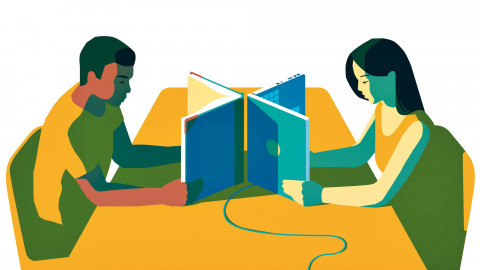 How to Create a Digital Library That Kids Eat Up 2021-03-10 In an effort to cultivate a passion for reading and provide more access to books, educators are increasingly creating digital libraries for their students, writes Kathleen Palmieri, a middle school teacher for MiddleWeb. Using a variety of techniques, educators are encouraging students to read by connecting them to new, easy-to-access books that match their interests and mirror their identities. “It’s important to tap into students’ interests, and incorporating fun ways to build a reading life using technology is a definite path to achieving these goals,” writes Palmieri. CREATE A VIRTUAL BITMOJI LIBRARY Bitmojis have taken the education community by storm. These customizable cartoon avatars of educators—and their classrooms—introduce their students to virtual lessons, games, resources, and increasingly, digital libraries, writes Palmieri, who provides some step-by-step instructions for how to make one. After downloading the Bitmoji app from the Apple Store or Google Play, download “the Bitmoji extension to your Chrome browser by going to the Chrome Web Store,” then create a virtual “library” through Google Slides, advises Palmieri. To add books, snip “the cover of the books you will be displaying, paste each onto the bookcase, and then insert a link into the book cover using the book’s web address,” says Palmieri. When students click on images of digital book covers, they’re able to access PDFs, video read alouds, and websites and apps like Epic and Sora that host free ebooks. Courtesy of Cammie DuValElementary school teacher Cammie Duval created 29 different Bitmoji library templates which were downloaded by more than 90,000 educators from across the country. Bitmoji libraries can even take on particular themes. Cammie Duval, an elementary school teacher in Milwaukie, Oregon, created a “Mad Scientist” library for her students, for example. With the help of her sixth-grade son, Duval selected books like Ada Twist, Scientist, and Beluga Whales, then linked the virtual book covers to YouTube videos of read alouds, which she put through VideoLink first to remove the ads. In Ishpeming, Michigan, Tracey Burton, a PreK-5 technology teacher, created a Bitmoji library to help her students understand that people are more alike than different to do her part to help prevent further incidents like the murder of George Floyd. “I didn’t think I could change the world, but I do feel like I [can] make a change,” she said. She filled the library with read-alouds like Hair Love, Mixed Me, and The Proudest Blue. “Reading about other cultures makes the world smaller and more connected,” says Burton. Courtesy of Tracey BurtonTo help her students find commonalities with people different from them, elementary school teacher Tracey Burton filled her Bitmoji library with books reflecting different races and cultures. FACILITATE DIGITAL BOOK TASTINGS A popular practice in classrooms—book tastings—has turned virtual too, according to Palmieri. Tastings let students sample a variety of types of books to try out new topics and styles they may not consider normally. Palmieri organizes her tastings by making a virtual “book tasting room”—a Google Slide with pictures of doors labeled with genres like “mystery” or “fantasy” that link to separate digital libraries with books of each type. To promote choice in reading, high school English teacher Jori Krulder organizes virtual book tastings on the school’s online library. Students use the library’s search tool to find recommendations based on authors they’ve liked before and keywords that reflect their passions and interests. They also browse the web, typing “If you liked [insert book name]” to get results of similar books from Google, or, they use the site Goodreads, which lists award-winning and top-voted books by the Goodread community for all age levels, Krulder says. After each search, her students write down the title, author, and why they think they’d like the book, then reserve their selections from their school library. Once in the system, the librarian and supervisory staff schedule a time for safe pick-up at the school while students are learning from home. ORGANIZE READ ALOUDS Because Palmieri’s middle school students “love to listen to read alouds” she also transferred this approach to virtual learning. Research shows that when strong readers lead read alouds, they benefit students of all ages, and while teachers often focus on reading to younger students, studies show that read alouds increase comprehension, engagement, and motivation to read independently for secondary students too. To expose students to more options, Palmieri records the first chapter of books that she thinks her students would like and hosts them on Flipgrid. “Simply go to Flipgrid.com and set up a free educator account. Then create a topic, set your access settings, and share the link,” she explains. Many publishers and authors like Mo Willems, RJ Palacio, and JK Rowling have given educators their permission to record their books during the pandemic, as long as they follow certain guidelines, she notes. Similarly, Wendy Gustavel, an elementary librarian, launched a virtual story time during the pandemic from the comfort of her couch—often cuddled up with her daughter and dog. Gustavel started out by recording a read aloud and posting it on the school’s learning management system. “Within hours, there were positive responses from families saying how much their children loved the story and its message,” she says. The positive reception Gustavel received inspired her to switch from asynchronous readings to live virtual ones spanning 15 to 30 minutes. Soon, students also wanted to be guest readers and read their own writing. Storytime became an amalgam of students across grade levels sharing their passion for literacy—they even invited their neighbors and friends from around the world to join. “With each passing day, I did less of the talking and leading as students took ownership of our time together,” reflects Gustavel. By Emelina Minero URL:https://www.edutopia.org/article/how-create-digital-library-kids-eat
  The gender digital divide: Increasing women’s participation in digital learning 2021-03-09 The move to online learning during the pandemic has disadvantaged women who typically have less access to online and digital technology than men. As the world marks International Women’s Day, Annapurna Ayyappan and Samah Shalaby reflect on how we might begin bridging this divide This year, International Women’s Day falls at a critical time, as the world confronts the unprecedented educational challenges of the COVID-19 crisis. To ensure learning continuity, most of the world has rapidly adopted emergency approaches, particularly through a shift to online learning. However, a large number of learners are still being left behind. While the shift to online has demonstrated the usefulness of technology in advancing learning opportunities, it has also revealed gaps in education systems, including in non-formal adult education. This post highlights one particular gap which jeopardizes equitable access to learning and the empowerment of half the world’s population – the gender digital divide. Worldwide, women are less likely to know how to operate a smartphone, navigate the internet, use social media and understand how to safeguard information in digital media. This lack of digital skills is apparent from the lowest skill proficiency levels, such as using applications on mobile phones to the advanced skills such as coding computer software. In addition to the lack of digital skills, women are confronted with various barriers to digital access, such as affordability, social and cultural norms, financial independence, and cyber safety. This lack of access and skills is more severe among the women who are older and/or less educated than their peers, poor, or living in rural areas and developing countries. Thus, the digital skills gap intersects with, and is compounded by, issues of poverty and educational access. Lack of literacy and numeracy skills are interconnected with low digital skills. In other words, a lack of literacy skills prevents women from fully accessing and using digital tools and benefiting from digital learning opportunities. In rural India, for example, a study found that the majority of women who owned mobile phones only knew how to answer calls; they could not dial numbers or read messages without assistance from their husbands, due to a lack of literacy and numeracy skills. To realize a balanced relationship between access and skills (literacy, numeracy and digital skills), an effective approach must be situated within well-articulated gender-responsive education systems that support lifelong learning. The purpose of this post, therefore, is our attempt to map and put together, as shown in the figure below, the elements that could help to increase women’s participation in digital learning and narrow the gender digital divide. Interlinked elements to achieve balanced relationship between access and skills in a gender-responsive learning plan Acknowledging the pivotal role of learners, in this case girls and women, as partners and agents of change means placing them at the centre of education systems and programmes. Learners’ personal agency and empowerment can play a major role in the ownership, control and effective use of digital tools for learning and other purposes. In order to encourage women’s participation in digital learning, learning programmes and materials should be contextualized based on their needs and aspirations. This would necessitate developing appropriate content and modes of delivery (online, offline and hybrid), and open educational resources. Well-planned capacity-building programmes for facilitators as well as flexible and cyber-safe learning opportunities are also essential for women to participate in digital learning and successfully attain digital competences. Global frameworks can guide coordinated gender-responsive policies and actions to regulate the practice and the use of digital learning. For example, the UNESCO Strategy for Youth and Adult Literacy (2020–2025) recognizes and calls for support to Member States to leverage digital technologies, with a strong focus on gender equality as one of its strategic pillars. Implementing policies and ensuring equitable access to ICT require innovative financing and solid governance mechanisms that bring on board all the relevant stakeholders from different sectors such as civil society organizations, the private sector (IT and telecommunication companies), and national and local actors. In order to make education systems and the digital learning for women more responsive, women should be well-represented in the development of learning and education policies, in governance, and in the development and design of learning materials and learning applications. When planning for such a transversal approach, monitoring and evaluation mechanisms have to be implemented systemically. The UNESCO Institute for Statistics has developed a set of disaggregated data on the proportion of youth and adults with information and communications technology (ICT) skills, by type of skill (UIS data, Sustainable Development Target 4.4). Building on this in connection with education and learning indicators can support countries in tracking progress in participation in relation to using ICTs. At the level of the learners and facilitators using digital tools for learning, the Learning Management System (a software application), can be drawn on for planning and executing learning programmes, also enabling self-assessment and tracking learning progress. Bridging the gender digital divide can accelerate global economic growth, and support the implementation of the 2030 Agenda for Sustainable Development. However, the efforts towards narrowing the digital gender gap must go beyond addressing immediate practical needs at the level of the learners – it should be embedded within flexible and permeable gender-responsive education systems. Annapurna Ayyappan and Samah Shalaby are assistant programme specialists at the UNESCO Institute for Lifelong Learning URL:https://thelifelonglearningblog.uil.unesco.org/2021/03/08/the-gender-digital-divide-increasing-womens-participation-in-digital-learning/
 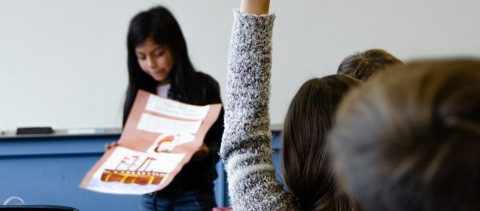 UNESCO Prize for Girls’ and Women’s Education 2021-03-09 The 2021 call for nominations is open until 26 May 2021 Gender equality in education is a basic right and a prerequisite to build inclusive societies. Although notable progress has been made over the last 20 years, 129 million girls remain out of school, and two-thirds of children of primary school age who may never set foot in school are girls (UNESCO Institute for Statistics). The UNESCO Prize for Girls’ and Women’s Education honours outstanding and innovative contributions made by individuals, institutions and organizations to advance girls’ and women’s education. It is the first UNESCO Prize of this nature and is unique in showcasing successful projects that improve and promote the educational prospects of girls and women and in turn, the quality of their lives. Funded by the Government of the People’s Republic of China, the Prize is conferred annually to two laureates and consists of an award of US $50,000 each to help further their work in the area of girls’ and women’s education. The Director-General of UNESCO awarded the Prize for the first time in 2016. Established by UNESCO’s Executive Board, the Prize directly contributes to the attainment of the 2030 Sustainable Development agenda, particularly SDG 4 on education and 5 on gender equality. It also supports UNESCO’s global priorities included in the Medium-term Strategy 2014-2021 and the Gender Equality Action Plan 2014-2021 (GEAP II), as well as the UNESCO Strategy for Gender Equality in and through Education (2019-2025). More information URL:https://en.unesco.org/news/unesco-prize-girls-and-womens-education
  Stepping Up the Fight Against Climate Change 2021-03-08 Climate change is real. The science is unambiguous and the need to act grows more urgent by the day. As a global company that connects more than 3 billion people across our apps every month, we understand the responsibility Facebook has and we want to make a real difference. Every day we see our community confronting this challenge – from people making small but meaningful changes like recycling, turning off lights, using public transport or cycling, to those using our tools to organize for change in their communities or to raise more than $80 million for environmental causes. Facebook’s global operations will achieve net zero carbon emissions and be 100% supported by renewable energy this year. But getting our own house in order is only the start. That’s why today, ahead of Climate Week, we are announcing a new Climate Science Information Center to connect people with science-based information, and an ambitious new net zero emissions target for our company’s value chain. Climate Science Information Center One of the biggest lessons we have learned from the COVID-19 pandemic is how powerful Facebook can be for connecting people to accurate, expert advice and information during a global crisis. Now, we are taking a similar approach to the climate crisis by launching a new Climate Science Information Center on Facebook to connect people to factual and up-to-date climate information. We have modeled the center and the information within it on our COVID-19 Information Center that has, so far, directed more than 2 billion people to information from health authorities, with more than 600 million people clicking through to learn more. The Climate Science Information Center is a dedicated space on Facebook with factual resources from the world’s leading climate organizations and actionable steps people can take in their everyday lives to combat climate change. The Center will feature facts, figures and data from the Intergovernmental Panel on Climate Change (IPCC) and their global network of climate science partners, including the UN Environment Programme (UNEP), The National Oceanic and Atmospheric Administration (NOAA), World Meteorological Organization (WMO), The Met Office and others. We will also include posts from relevant sources to highlight climate science news. The Center will launch in France, Germany, the UK and US to start and will roll out to other countries soon. Net Zero Emissions for Our Value Chain Beyond our goal of reducing our operational greenhouse gas emissions by 75% this year, we will achieve net zero emissions for our operations. We are also setting an ambitious goal to reach net zero emissions for our value chain – including emissions from suppliers and other factors such as employee commuting and business travel – in 2030. We are committing to the Science Based Target Initiative, aligning our corporate climate goals with the latest science. Over the next decade, Facebook will work to reduce carbon emissions from our operations and value chain, including by working with suppliers on their own goals, helping the development of new carbon removal technologies and making our facilities as efficient as possible. Tackling Climate Misinformation We’re committed to tackling climate misinformation. We partner with more than 70 independent fact-checking organizations globally, covering more than 60 languages. These fact-checkers can and do rate climate science content. As with all types of claims debunked by our fact-checkers, we reduce the distribution of these posts in News Feed and apply a warning label on top of these posts both on Facebook and Instagram so people understand that the content has been rated false. Climate change is a crisis we will only be able to address if we all work together on a global scale. We are taking important steps to reduce our emissions and arm our global community with science-based information to make informed decisions and tools to take action. We hope these efforts demonstrate that Facebook is committed to playing its part and helping to inspire real action in our community. URL:https://about.fb.com/news/2020/09/stepping-up-the-fight-against-climate-change/
 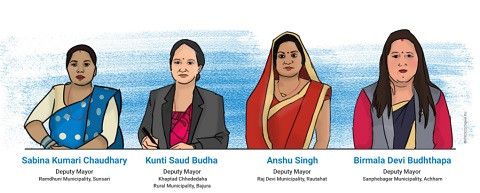 Paving the way for a gender-equal world: Celebrating International Women's Day with four Deputy Mayors and their incredible journeys to becoming the women leaders they are today 2021-03-07 This International Women’s Day, meet four women Deputy Mayors who are paving the way for a gender-equal world in Nepal – Kunti Saud Budha (Deputy Mayor of Khaptad Chededaha Rural Municipality, Bajura), Birmala Devi Budhthapa (Deputy Mayor of Sanphebagar Municipality, Achham), Anshu Singh (Deputy Mayor of Raj Devi Municipality, Rautahat), and Sabina Chaudhary (Deputy Mayor of Ramdhuni Municipality, Sunsari). What were some of the hardships you faced as a girl growing up in Nepal? Kunti: When I was 13, I had my first period and had to live in a cowshed for 22 days. I was scared because I had heard that other girls had been killed by wild animals or had sheds collapse on them at night. To avoid staying in a cowshed, I told my family that I no longer had my periods. I heard from other women that some girls do not experience menstruation for a few years after their first one which gave me the idea to hide my own. Birmala: I was married at age 16 and became pregnant by the time I was in tenth grade. I had to drop out of school to give birth and did not return to school until after I had raised three children. It was difficult juggling my roles and responsibilities as a young mother, wife, daughter-in-law, and student. How has the UNESCO-UNFPA-UN Women Joint Programme helped you as a woman leader? Kunti: After becoming Deputy Mayor, I took part in a one-week program on the implications of child marriage on girls’ education organised by the Joint Programme, which motivated me to launch young girls’ clubs in schools aiming to abolish child marriage in my municipality. Anshu: The Joint Programme’s training made me realize that when women learn about their bodies and health, they become more courageous and are able to stand up for themselves and speak out against the violence they face. “I now organize awareness-raising events and workshops for students and local government officials, based on what I learned. The training also gave me the skills to help people in my community recognize gender discrimination in their own practices. ”-- Anshu Singh, Deputy Mayor of Raj Devi Municipality of Rautahat What words of encouragement do you have for future women leaders? Kunti: The more we speak up, the closer we will get to create an ideal society where no one is discriminated against based on their caste, gender, or age. Sabina: We need to guarantee the right to education for every girl and woman regardless of their caste, economic status, or family background, and provide them with equal opportunities for education. We have a responsibility to ensure the right to education for all future generations of young women. About the UNESCO-UNFPA-UN Women Joint Programme “Empowering Adolescent Girls and Young Women through the Provision of Comprehensive Sexuality Education and a Safe Learning Environment in Nepal” is a Joint Programme led by UNESCO, UNFPA and UN Women with support from Korea International Cooperation Agency (KOICA) aiming to empower girls and young women through an integrated approach to education, health, and gender equality. Through the programme, nearly 2000 government officials and education stakeholders, both women and men, were trained on topics such as sexual and reproductive health, gender equality, and prevention of and response to gender-based violence. For more inquiries, contact the UNESCO Office in Kathmandu at kathmandu@unesco.org(link sends e-mail)(link sends e-mail) URL:https://en.unesco.org/news/paving-way-gender-equal-world-celebrating-international-womens-day-four-deputy-mayors-and-their
  Online Courses Developed for the APTE Participants 2021-03-04 APCEIU has developed Online courses available for the Asia-Pacific Teacher Exchange for Global Education(APTE) Programme participants . The APTE Programme, hosted by the Ministry of Education of the Republic of Korea and implemented by the APCEIU in collaboration with the Ministries of Education of the partner countries, is a bilateral teacher exchange programme with seven partner countries in the Asia-Pacific region – Cambodia, Indonesia, Laos, Malaysia, Mongolia, Philippines and Thailand. APCEIU's new e-learning courses aim to improve participants’ understanding of the Programme, increase accessibility to lectures and promote the efficiency of programme operations by minimizing offline training through online lessons essential for the preparation of educational activities. The courses covering 12 subjects (41 units) were developed with the cooperation of outstanding experts from each field for the APTE participants. These courses consist of 2 subjects for all participants and 10 subjects for Korean participants: ▲ Global citizenship education and teachers as global citizens (Professor. JHO Daehoon) ▲ Education System and Policy in Korea (Professor. KIM Ee-gyeong ▲ Cambodian History, Society, and Culture (Researcher. BOO Kyunghwan) ▲ Indonesian History, Society, and Culture (Dr. LEE Jihyouk) ▲ Laotian History, Society, and Culture (Professor. LEE Yohan) ▲ Malaysian History, Society, and Culture (Professor. HONG Seok-Joon) ▲ Mongolian History, Society, and Culture (Dr. Kim Janggoo) ▲ Philippine History, Society, and Culture (Professor. PARK Aileen) ▲ Thai History, Society, and Culture (Professor. SHIN Keun-hye) ▲ Role and competence of teacher in multicultural society (Professor. KIM Da Won) ▲ Korean language education as a foreign language (Professor. KIM Young Rang) ▲ Understanding the learning environment and classroom management in partner countries (Professor. HONG Youngki) These online courses will be offered mainly to Korean teachers, and APCEIU will develop additional courses in English and other languages for teachers from partner countries in the second half of this year. URL:http://www.unescoapceiu.org/post/4132
 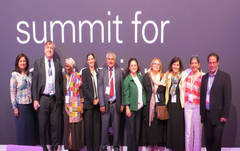 #AllmeansALL a call to action from 40 million European youth to mark Zero Discrimination Day 2021-03-04 by GEM Report To mark Zero Discrimination Day 2021, the GEM Report team, the European Students’ Union, the Organising Bureau of European School Student Unions and the Global Students Forum came together yesterday, March 1, to host an interactive webinar on the findings and recommendations from the 2021 regional report on inclusion and education in Central and Eastern Europe, the Caucasus and Central Asia. As with the 2020 GEM Report and the 2020 regional report on inclusion and education in Latin America and the Caribbean, this new regional report highlights the need to recognise young people and communities as partners for change in the implementation of Agenda 2030. Young people’s involvement, engagement and development in strengthening the foundations of inclusive education systems is an end in itself, as well as a means for young people to actively influence and shape education reforms. The discussion, which was supported by the GEM Report’s partners in this regional edition, the European Agency for Special Needs and Inclusive Education and the Network of Education Policy Centers, led to the following joint youth statement calling on governments and regional organizations to fulfil their commitments to ensure the right to education for all, highlighting the essential role of students and youth to act as a watchdog to monitor government commitments for the right to inclusive education. The statement will form the backbone of the group’s joint advocacy initiatives and campaigns throughout 2021 and beyond. We, the members of the European Students’ Union, the Organising Bureau of European School Student Unions and the Global Students Forum, call for Ministers of Education and European decision-makers to ensure inclusion in education for all learners. Even before the COVID-19 education crisis, our region’s education systems were working for some and not for others. On Zero Discrimination Day it is time for policy makers to rethink the persistence of segregation and discrimination in Central and Eastern Europe, the Caucasus and Central Asia. Much progress has been made in education access in the region over the past 20 years; it is time to go the final mile. Today, 3.7 million children and young people across the region are missing out on education, especially the most marginalized children, including girls, ethnic and linguistic minorities, migrants and refugees, children with disabilities, and those from low-income families or living in remote areas. Discrimination does not stop at school doors. Rather than welcoming what each learner brings, education is often too rigid, pushing many learners out. Two in ten children in the region feel like outsiders in school. The new 2021 Regional Report on inclusion and education by the UNESCO GEM Report for Central and Eastern Europe, the Caucasus and Central Asia underlines the importance of thinking of education as more than about just delivering academic success; the right to be in good physical and mental health, happy and connected with others is as important as the right to learn. Multiple examples are given to show that a legacy of segregated education for children with special needs, Roma learners and linguistic minorities is holding back greater diversity in our classrooms, and greater acceptance for diversity in our societies as a result. Rather than learning with and from each other, we learn apart. We all miss out. As the combined voice of 40 million students from across the region, we demand strong action from governments and regional institutions to fulfil their commitments to inclusive education. The Report’s ten messages provide a road map to strengthen education systems. There can be no excuse for inaction. The COVID-19 pandemic has pushed inequalities to breaking point making moves towards inclusion even more critical. We each have a role to play in ensuring that no child is left behind. For our part, we will hold governments to account with the power of our voices and actions. We need education systems and institutions that work for everyone, whatever their identity, background, or ability, in which people feel safe and can thrive. Join us today in calling for action to end discrimination in education. URL:https://gemreportunesco.wordpress.com/2021/03/02/allmeansall-a-call-to-action-from-40-million-european-youth-to-mark-zero-discrimination-day/
 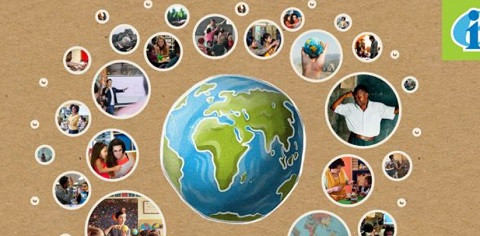 Teachers, have your say about educating for sustainable development and global citizenship 2021-03-04 Text by: Education International EI and UNESCO launch a global survey of teachers on their readiness to teach education for sustainable development and global citizenship. EI and UNESCO have today launched a global survey on teachers’ readiness to teach education for sustainable development (ESD) and global citizenship (GCED). The study is being conducted as a part of the monitoring of UN’s Sustainable Development Goal target 4.7, which aims for all learners to acquire knowledge, skills and attitudes needed to promote sustainable development. The survey aims to understand teachers’ experience of teaching four topics in particular: climate change, sustainable consumption and production, human rights and gender equality, and cultural diversity and tolerance. It seeks to measure teachers’ perceptions of their individual capacities (motivation and competences) and the extent to which they are empowered and enabled (by schools and systems) to teach these topics which are so crucial for the realisation of all other sustainable development goals. It explores questions such as: To what extent and how are teachers currently teaching these issues? What are the obstacles encountered? How is the teaching of these subjects affected by the COVID-19 pandemic? And how could they be better supported? Currently there is limited data on the extent to which governments are meeting their commitments to ensure quality education for sustainable development and global citizenship for all. Therefore, this project was proposed by Education International to contribute to filling this gap, bearing in mind that teachers’ perspectives are crucial to accurately assess progress made towards SGD 4.7. The survey report will be launched at the UNESCO global forum on education for sustainable development and global citizenship in 2021. Education International will use the findings to advocate for improved policies and support for teachers to teach these subjects from systems across the world. David Edwards said: “Education for sustainable development and global citizenship education are central to the achievement of the SDG agenda. They are crucial to create a better a world. Systems need to urgently ensure that these important subjects are mainstreamed into national policies, curricula and teacher training. To ensure teachers are sufficiently prepared, we need to listen to them and meet their needs.” Are you a primary or secondary school teacher? Then please fill out the survey. It takes approximately 30 minutes to complete. Your feedback is valued and much appreciated. The survey is available in Arabic, Chinese, English, French, Indonesian, Italian, Japanese, Kiswahili, Korean, Portuguese, Russian and Spanish. Click here to take the survey and share it with your networks: https://survey.alchemer.eu/s3/90310926/EI-UNESCO-teacher-survey Please note that it is open until 25 April. URL:https://www.ei-ie.org/en/detail/17143/teachers-have-your-say-about-educating-for-sustainable-development-and-global-citizenship