
News
Catch up on what’s happening in the world of global citizenship education.
1,668 results found
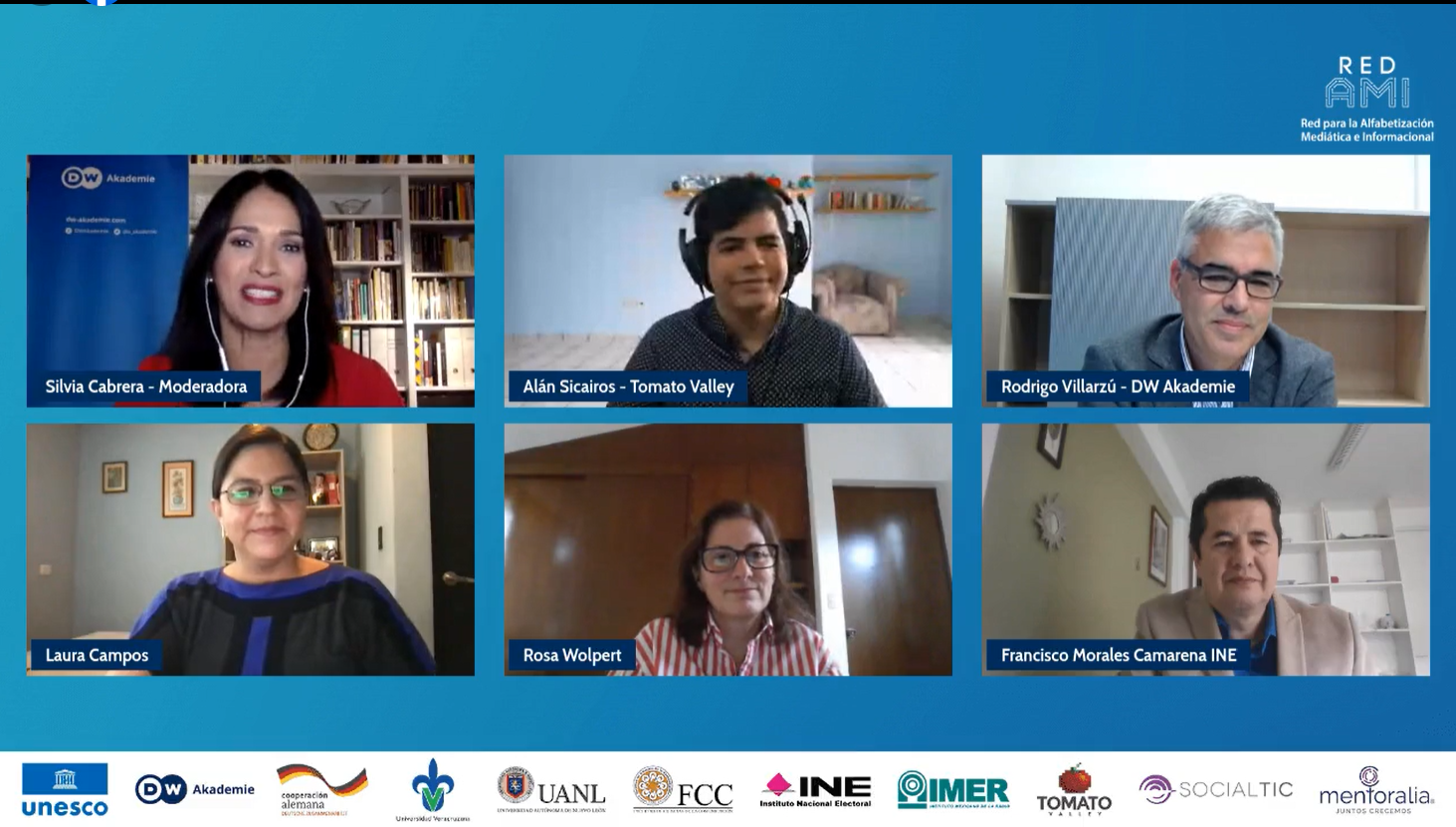 Launch of the MIL Mexico Network, an effort to promote Media and Information Literacy in the country 2021-09-08 Eight Mexican organizations and institutions are cooperating to multiply the actions on Media and Information Literacy (MIL). The Network will propose Mexico to be the host the UNESCO’s 2022 MIL Week celebration. Mexico City, August 30, 2021., - In order to combat disinformation, fake news, hate speech and discrimination, through the development of critical thinking among citizens, responsible consumption and production of information and understanding of media, information and communication technologies, the launch of the MIL Mexico Network, which will promote knowledge and skills in the country through Media and Information Literacy (MIL) was formalized on August 30. The network is integrated by eight founding members: UNESCO, DW Akademie, the National Electoral Institute (INE), the Mexican Institute of Radio (IMER), the Autonomous University of Nuevo León (UANL), the Veracruzana University (UV). Organizations such as SocialTIC and Tomato Valley. Mentoralia and Technovation Girls, also support this effort. During the presentation event (held in a virtual session) the organizations explained the importance and the need of a network that amplifies the efforts on Media and Information Literacy, mainly among multipliers relevant to the creation and dissemination of information (journalists, teachers and parents), young people aged 14 to 24, and vulnerable groups, such as indigenous communities. The MIL Mexico Network will promote, among other activities: Media and Information Literacy campaigns at national and local level. The creation of an MIL “ecosystem”. Participate in working groups, meetings and conferences. Dissemination of good practices in the teaching of Media and Information Literacy. Promote studies and research, as well as its dissemination on Media and Information Literacy in Mexico. “The quality of the information which we consume largely determines our perceptions, beliefs and attitudes, and although efforts have been made to implement a Media and Information Literacy curriculum in education systems, we are increasingly exposed to more information in multiple channels, so the efforts to promote MIL competences need to be amplified and extended beyond formal learning environments. Tools like the Media and Information Literacy help to build inclusive environments for coexistence, communication and information” said Rosa Wolpert, UNESCO México’s Education Officer. The MIL Mexico Network offers to its members: Exchange of knowledge, ideas, study and work programs. Media and Information Literacy competence training, through courses, seminars and other capacity building activities. Access to forums and materials of leading international organizations in the Media and Information Literacy (such as UNESCO and DW Akademie). Be part of a pioneering working group on a topic of high global importance. In the context of International Literacy Day and World Media and Information Literacy Week, the MIL Mexico Network will hold a series of activities such as workshops on safe and anonymous navigation and use of data for human rights defenders and journalists, a child and youth consultation on the Internet, among other activities, shared Alan Sicairos from Tomato Valley. The National Electoral Institute announced that, from the MIL Mexico Network, it will lead the proposal that Mexico hosts UNESCO’s MIL Week next year. “For the National Electoral Institute, it is very important to head the MIL Week in 2022, these activities will provide the general public with tools in the field of Media and Information Literacy. It is important to mention that, in Mexico, there are more than 126 million people, more than 92 million of them have acquired citizenship and are consumers and transmitters of information. The MIL México Network will promote the access to truthful, objective and accurate information for the Mexican population, as well as a greater participation in the public space,” said the Lorenzo Córdova, President of INE, during his participation. MIL Handbook for Journalists As a part of the launch event, the Spanish translation of the UNESCO publication Media and Information Literacy in Journalism. Handbook for journalists and journalism teachers was presented (which will be ready for consultation and free download in the coming days). This document provides tools to promote a perspective on information as a common good and a human rights approach from the journalistic environment, from training to professional practice. Go to the Microsite: Red AMI México If you are interested in joining the work of the AMI Network, you can send an email to: mexico@unesco.org, specifying in the subject: "AMI Network Mexico". Or you can contact any of the institutions through the emails of the focal points listed on the site. URL:https://en.unesco.org/news/launch-mil-mexico-network-effort-promote-media-and-information-literacy-country
  Global Media and Information Literacy Week 2021: Official website launched 2021-09-07 Global Media and Information Literacy Week 2021 will be commemorated from 24 to 31 October 2021, under the theme “Media and Information Literacy for the Public Good”. It will be hosted by South Africa. Its official website was launched and can be accessed here: https://en.unesco.org/commemorations/globalmilweek. The website will be made available in multiple languages. The highlights of this year’s Global MIL Week will include the traditional feature events, namely the Feature Conference and Youth Agenda Forum, which will take place online and gather policy makers, experts, practitioners, researchers, international organizations, NGOs, and private sector organizations from around the globe. In parallel, all stakeholders are invited to organize online and offline local events/actions to observe the Week worldwide. The registration of local events as well as participation in the feature events and for the promotion of local celebration events will be open soon via an interactive virtual events platform. For more information about Global Media and Information Literacy Week 2021, please visit its official website. URL:https://en.unesco.org/news/global-media-and-information-literacy-week-2021-official-website-launched
  Join the UNESCO Global Network of Learning Cities! 2021-09-06 Applications open between 1 September and 1 November 2021 From 1 September to 1 November 2021, cities from UNESCO Member States are invited to apply for membership in the UNESCO Global Network of Learning Cities (GNLC). The UNESCO GNLC is an international policy-oriented network providing inspiration, know-how and best practice. Members benefit from the sharing of lifelong learning policies and practices, the production and exchange of knowledge on key challenges and solutions, capacity-building and training initiatives, and participation in global events such as the International Conference on Learning Cities. The 229 members of the network work in clusters on key issues such as education for sustainable development, equity and inclusion, and health and well-being. During the COVID-19 pandemic, UNESCO learning cities have closely worked together to share good practice, strategies and activities to minimise the disruption to learning caused by the pandemic and the resulting lockdown’. Becoming a learning city A learning city: effectively mobilizes resources in every sector to promote inclusive learning, from basic to higher education; revitalizes learning in families and communities; facilitates learning for and in the workplace; extends the use of modern learning technologies; enhances quality and excellence in learning; fosters a culture of learning throughout life. UNESCO learning cities enhance individual empowerment and social inclusion, economic development and cultural prosperity as well as sustainable development. They promote literacy and education for global citizenship, entrepreneurship, health and well-being. Submit your application by 1 November 2021! Applications must be submitted to the UNESCO National Commission in your country for endorsement and submission to the UNESCO Institute for Lifelong Learning. National Commissions for UNESCO are invited to submit up to three city membership applications no later than 30 November 2021. We will announce the new GNLC members in February 2022. More information Flyer "Join the UNESCO Global Network of Learning Cities!" (English, French, Spanish) Application form and procedureAbout the UNESCO Global Network of Learning citiesCurrent members of the UNESCO Global Network of Learning cities ContactUNESCO Institute for Lifelong LearningFeldbrunnenstr. 5820148 HamburgGermany Email learningcities@unesco.org Tel: +49 40 44 80 4144Fax: +49 40 41 077 23 URL:https://uil.unesco.org/lifelong-learning/learning-cities/join-unesco-global-network-learning-cities-0
 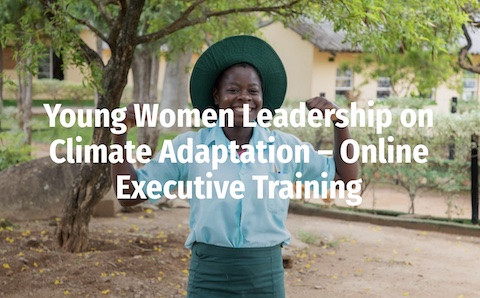 Young Women Leadership on Climate Adaptation – Online Executive Training 2021-09-01 The Young Women Leadership on Climate Adaptation Online Executive Training is a virtual educational and capacity-building program that fosters the leadership of African young women to induce and realize sustainable solutions that build resilience to the changing climate by fostering knowledge on climate adaptation elevating leadership skills connecting professional networks Key Facts about the Online Executive Training: 20-weeks part-time training program taking place from October 2021 to March 2022 Hosted fully virtually on an exclusive online learning platform Blended learning approach combining synchronous learning via live sessions via zoom and asynchronous learning (through videos, audio recordings, text resources, links, quizzes and assignments, etc.) Free course Competitive application process to complete by Sept 26th What are the contents? Core Knowledge about Gender-Sensitive Climate Adaptation Leadership Capacity-Building Project Management Coaching Networking and Career Guidance What will be asked of you? Be present in 65% of live webinar sessions (90-120 minutes, 1-2 times a week; weekdays; afternoon) and be able to commit the equivalent of 2 days a month for the course duration Demonstrate diligence in completing assignments on time and active participation in the live sessions and peer-to-peer review tasks Newly or further develop a project that integrates climate adaptation and attends to gender-related implications of climate adaptation By the end of this training, you will… …understand the global and local effects of climate change are, know what climate adaptation is and how it is implemented in gender-sensitive ways. …have developed an advanced skills set for confident and effective leadership. …have gained the knowledge and confidence to effectively communicate about and advocate for climate adaptation. …know how to plan and propose gender-sensitive adaptation projects. …have gained confidence in pursuing a career in the climate adaptation sector. …have expanded your professional network with other young changemakers and adaptation experts. Who can apply? Women from selected African countries Age group 20-35 Academic requirements: Bachelor’s degree and higher Nationalities: Democratic Republic of Congo Egypt Ghana Kenya Nigeria Zimbabwe In addition, applicants should: Be passionate about climate action and have basic knowledge of climate change. Demonstrate leadership experience in their personal or professional capacities Be involved in a project that is integrating climate adaptation or where there is a need to integrate this theme. Alternatively, applicants should be aware of a community challenge where climate adaptation should be integrated. Have an advanced understanding of/be able to communicate proficiently in English. Have access to reliable enough internet in order to complete the course. How to apply? Fill in and submit the online application form together with your CV and copy of your passport by September 26, 2021. URL:https://careclimatechange.org/academy/courses/young-women-leadership-on-climate-adaptation-online-executive-training/
 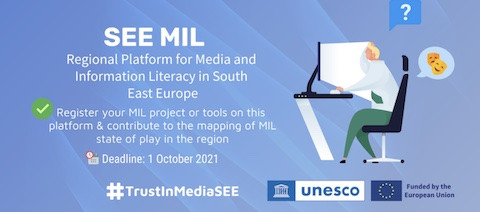 Launching of the South East Europe Media and Information Literacy platform: call for stakeholders to register their MIL projects 2021-09-01 “In the past several years, many new projects aimed at fostering Media and Information Literacy in South East Europe have developed. This is a great news because developing critical minds is an unwieldy task that can only be achieved by working together. But what is still lacking is a central platform gathering all available tools, projects and documents related to MIL in the region that would make working together much easier and efficient,” explained Sinisa Sesum, Head of UNESCO Office in Sarajevo of Regional Bureau for Science & Culture in Europe. With this idea in mind, UNESCO has developed an online platform called the Regional Platform for Media and Information Literacy in South East Europe (SEE MIL), to map out the efforts achieved in MIL by different organisations across the region. UNESCO is now inviting organisations to register their projects or tools to the platform and see their work displayed to the wide public. The deadline for the registration is 1 October 2021. The website is created within the UNESCO EU-funded project “Building Trust in Media in South East Europe and Turkey – phase 2” that, among others, aims to promote MIL in formal and informal education in the region. The SEE MIL platform seeks to offer an overview of the current state of play of Media and information in the region in formal and informal education. To collect as comprehensive data as possible regarding the work in MIL in Southeast Europe, UNESCO calls for all stakeholders dealing with MIL in the region, including governmental institutions, NGOs, media organisations and universities, to showcase their projects and results in the platform by filling out the submission template and provide the information necessary for a transparent and concise overview of their work.In addition to the regional platform, the SEE MIL offers chapters for project beneficiaries in their local languages to bring MIL closer to citizens and the younger population. In cooperation with Communication Regulatory Agency (CRA) from BiH, UNESCO started a platform in B/H/S languages to offer more content about MIL in BiH. The website will be edited and updated by CRA on an everyday basis, with more than 100 relevant authors in the field of MIL. Why is the platform necessary? “When working to bring change or progress in a specific field, stakeholders sometimes find themselves in difficulty to navigate through what is being done in that area. This platform gives impetus for coordinated and integrated efforts,” said Louise Haxthausen, Director of the UNESCO Liaison Office in Brussels. As the results achieved in MIL come together on the platform, the stakeholders will be able to understand each other’s goals and activities and potentially establish synergies and ensure that the efforts in MIL take place in a strategic manner, avoiding duplications of results and building upon the work already achieved. The platform, however, is not solely imagined to be the tool for the implementing organisations, but also for donors and the broad public, to bring transparency and accountability. How it works? The main purpose of the platform is to offer an insight into the state of play in MIL in Southeast Europe, outlining the results achieved in MIL in formal and information education in the project beneficiaries of the region. Along with this, the information about the organisations implementing the projects and the list of the entities to engage with in the area of MIL is summarized and displayed clearly. This allows stakeholders to identify with whom and how to engage and to build more efficient and complementary efforts. The platform gathers the available resources in MIL in one place, acting as a database for the MIL material focused on specific project beneficiaries and in both English and local languages. The resources are divided according to the type of beneficiary: for parents, young people, teachers, journalists, decision-makers, and MIL tools for all. The organisations contributing their projects to the platform would have to provide essential information about the implementing organisations and achieved, as well as planned, results and outputs, including the accompanying material, until 1 October 2021. The second phase of the project “Building Trust in Media in South East Europe and Turkey” was launched in November 2019 by UNESCO and the European Union, DG NEAR. To address the decline in the civil society’s trust in media in the region, the three-year project aims to, among others, pilot Media and Information Literacy in formal and informal education. Register your project by filling out this form: https://forms.gle/EyZ6CM8ziM6xuVvw7 For any additional information, please contact: a.hulin@unesco.org URL:https://en.unesco.org/news/launching-south-east-europe-media-and-information-literacy-platform-call-stakeholders-register
  Deep dive for policymakers into media and information literacy: UNESCO and the United Nations University prepare first online course 2021-08-28 People’s lives depend on the trustworthiness and the reliability of the information they receive, process, and use for decision making. The quality of information we engage with largely determines our perceptions, beliefs and attitudes. It is then urgent to afford all people with the competencies to search, critically evaluate, use, and contribute to information and media content, know their rights online and ethics about the access and use of information, understand how to combat online hate speech, and engage with media and ICTs to promote equality, freedom of expression, intercultural and interreligious dialogue, and peace, etc. UNESCO and partners around the world call this media and information literacy. In this sense, promoting media and information literacy for all becomes a matter of public good. This first Massive Open Online Course “Deep Dive for Policymakers into Media and Information Literacy” will target government officials and policymakers at national and institutional levels. It will be a self-paced online course focused on the application of media and information literacy to the public policy cycle from a multi-view perspective, and oriented through cases studies. Media and information literacy for all is a potent means for empowering people to benefit more from new information flows and digital technologies as well as to self-protect from the rising misinformation. Designing, implementing, and monitoring sustainable actions on media and information literacy at the national and global levels require public policies. Now it is time to take new actions and strengthen existing ones. Every government can formulate national media and information literacy policies. It is not a matter only for governments. Every institution also has the opportunity to develop internal polices and strategies to promote media and information literacy. This online course for policymakers will further equip national and institutional leaders with tools to articulate and implement media and information literacy polices that will build critical minds beyond the present COVID-19 crisis. The course follows the publishing of the UNESCO resource Media and Information Literacy Policies and Strategies Guidelines. By taking this MOOC on media and information literacy, national and institutional policymakers can: improve the impact and quality of public service at citizens’ disposal, restore their trust in public institutions, and stimulate their participation as active and empowered users. Follow the UNESCO, the United Nations University E-GOV, and the Autonomous University of Barcelona’s websites for the launch of this open-access course later this year. This project is part of the UNESCO Multi-Donor Programme on Freedom of Expression and Safety of Journalists, which includes promoting diversity in media and a clean information ecosystem through media and information literacy. URL:https://en.unesco.org/news/deep-dive-policymakers-media-and-information-literacy-unesco-and-united-nations-university
 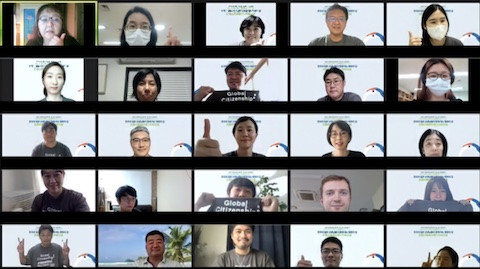 한국과 일본의 교사들, 세계시민교육을 통한 평화의 여정 시작 2021-08-26 32 teachers from Korea and Japan gathered at GCED workshopWorking together for joint projects in Japan and Korea In August 2021, Japanese and Korean teachers have gathereed at APCEIU’s training workshop on Korea-Japan Teachers’ Network on GCED 2021. Under the title of ‘walk together, paving the path of peace”, the workshop invited 32 key teachers from Korea and Japan, where they learned about global citizenship and peacebuilding, which was partnered with the Japan Association of International Education (JAIE) and APCEIU’s training alumni. The workshop sessions dealt with the true meaning of global citizenship in the context of Japan and Korea, roles of teachers as peacebuilders, direction of GCED in two countries, good cases of global citizenship education as well as peacebuilding efforts through education between Korea and Japan. Moreover, participating teachers have prepared plans for joint projects and shared their initial plans with other teacherss, identifying potential partner teachers for the collaborative lessons and research projects. The proposed projects include GCED through SDGs, gender issues and educational approaches to gender equality in Japan and Korea, textbook analysis of two countries, peacebuilding lessons through history teaching, students exchange through photography and picture book development, and lessons based on commonalities in partner teachers’ local communities. These ideas will be sharpened and further developed by the participating teachers and will be implemented in coming months. Participants hope to promote peace through these collaborative projects, inviting their students and local communities, expanding their perspectives on both countries and encouraging them to develop friendship with the students of the partner schools. They agree that this can be done with a very small step, such as meeting virtually and continously exchanging ideas, and by doing so, the teachers themselves can build friendship and long-term partnership. Even in the short period of workshop in August, teachers said that they learned much from one another and were motivated to learn deeper and more about each other. Moreover, participants agreed that amid the chilled political relations between two countries, seeking peace and restoring friendship through dialogue among citizens of the two countries is more important than ever. Education can and should play a pivotal role in encouraging mutual understanding and respect, and teachers are in the heart of this whole process. As found in the dialogue among Korean and Japanese teachers in the workshop, both in Korea and Japan, there are committed teachers trying to infuse the values of living together in their teaching practices with a recognition of the significance of embracing differences and overcoming accumulated prejudices and hatred. APCEIU realizes that it is a highly opportune moment to strengthen this network for these teachers to connect, interact, and build a collaborative network to walk together towards a journey for peace through education, not only of two countries, but also for a broader community. Therefore, APCEIU will continue to support the participants’ joint projects and their furtuer study on global citizenship and peacebuilding. They will gather again in October and November to share their experience and lessons gained from the projects. APCEIU hopes that this workshop would become a stepping stone for the upcoming peacebuilding actions and efforts between two countries, which would eventually contribute to spreading a message for peaceful coexistence of countries in the East Asia and beyond. URL:http://www.unescoapceiu.org/post/4240
 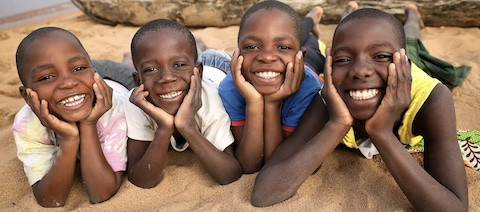 UNESCO launches Online Course on Sustainability Starts with Teachers 2021-08-25 UNESCO today launches an online course on “Sustainability starts with Teachers” for teacher and TVET educators. The course runs from 24 August 2021 to 26 October 2021. The ‘Sustainability Starts with Teachers’ (SST) is a regional capacity-building programme for Teacher Educators on Education for Sustainable Development (ESD). It seeks to strengthen ESD in teacher education institutions for teacher educators from Early Childhood Care and Education (ECCE), primary, secondary, and Technical and Vocational Education and Training (TVET). The SST programme addresses in particular the Sustainable Development Goal (SDG) 4, which is oriented towards the achievement of educational quality within a lifelong learning framework, and focuses specifically on Target 4.7, which requires all governments to ensure that all learners acquire the knowledge and skills needed to promote sustainable development. It is active in 11 countries and the 2021 focus countries are Tanzania, Eswatini and Malawi. Through this online course, participants from the three countries will look into sustainability challenges in Southern Africa, and discuss how these can be addressed through ESD and the integration of SDGs in the school system, and into Teacher/TVET education curriculum. The regional course will develop a shared understanding of the context for ESD in the countries, deepen theoretical and practical knowledge of ESD change processes relevant to teacher and TVET education in SADC; expand understanding of the importance of transformative learning and assessment processes to support change; and enhance networking amongst the participating countries. UNESCO Regional Director for Eastern and Southern Africa, Prof. Hubert Gojzen will speak at the opening ceremony webinar. Other delegates will include Eswatini’s Permanent Secretary in the Ministry of Education and Training (Mr. Stewart); Malawi’s Principal Secretary in the Ministry of Education, Science and Technology (Mrs. Mussa); Tanzania’s Principal Secretary in the Ministry of Education, Science and Technology (Dr. Akwilapo); Rhodes University Vice Chancellor (Prof. Mabizela); and Senior Programme Officer for the Swedish International Development Cooperation (Ms. Michelle Bouchard). Funded by the Swedish International Development Cooperation (SIDA), the SST programme started in 2019 to date, 166 teacher and TVET educators in 77 institutions are engaged in ESD transformative projects, called Change Projects. In all the participating countries, the SST programme has become an integral element of the ESD for 2030 country initiative. URL:https://en.unesco.org/news/unesco-launches-online-course-sustainability-starts-teachers
 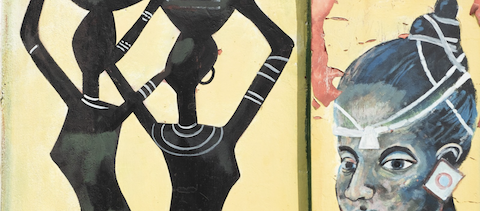 United to remember the tragedies of the past to promote a peaceful future: Commemorating the International Day for the Remembrance of the Slave Trade and its Abolition in the Caribbean 2021-08-24 One of the most widespread and damaging legacies of the slave trade is racism, discrimination, and prejudice that affects every continent of our planet. Every year, on August 23, UNESCO commemorates the International Day for the Remembrance of the Slave Trade and its Abolition to highlight and raise awareness on the importance of sharing history as a mechanism to fight against all forms of oppression, discrimination and racism in contemporary times. On this day in 2021, the Casa de las Américas, the National Commission for UNESCO in Cuba (CNCU) in cooperation with the Ministry of Culture and with support of UNESCO, represented by its UNESCO Regional Office for Latin America and the Caribbean in Havana and the UNESCO Cluster Office for the Caribbean in Kingston, united to strengthen the culture and values transmitted from Africa to its diaspora to promote cultural expression, inclusion and mutual understanding, while raising awareness of the fearful past of the Trans-Atlantic Slave Trade. This is in line with UNESCO's Global Appeal against Racism adopted at the 210th session of UNESCO's Executive Board in the fight against exclusion and racial discrimination. Lest we forget, on the night that spanned August 22 and 23, 1791, the enslaved in the French colonized Saint-Domingue, started a revolution, the only instance of a successful armed black protest in world history and the founding event of the first modern black Republic. -- Dr. Verene Shepherd, Director of the Centre for Reparation Research, UWI Dr. Verene Shepherd, Director of the Centre for Reparation Research at the University of the West Indies (UWI) based in Kingston, Jamaica, provided remarks at a panel discussion organized by Casa de Las Américas as part of its Afroaméricaprogramme. She adds “In a cruel twist of fate, while today we are celebrating the start of that glorious revolution that resulted in Haitian independence in 1804, we are also mourning the loss of lives because of yet another earthquake. The inability of their social and physical infrastructure to withstand natural hazards is part of that colonial legacy manifested not only in environmental degradation, but also in the economic poverty of a nation that faced a crippling reparation debt until 1947 and external interference before and after 1947.-- Dr. Verene Shepherd, Director of the Centre for Reparations Research This panel session aims to provide a historical panorama on the Slave Trade, linking past and present through an analysis of recent Latin American and Caribbean research on the Slave Trade, the Slave Trade as a literary theme in Latin American novels, and the legacy of the Slave Trade and the quest for justice and equity in the Caribbean. Watch Prof. Shepherds contribution here. Other panelists are Ms. C. Miriam Herrera and Dr. C Ronald Antonio Ramirez, both professors at the University of Havana. Presentations are available on the Casa de las Americas website. August 23 commemorates the anniversary of the insurrection, on the night of August 22-23, 1791, of enslaved men and women who rose against the brutality of their oppressors in Saint-Domingue to pave the way for the end of slavery and dehumanization. This revolt, which took place in what is today known as Haiti, marks the universal demand for freedom, the end of colonial slavery, and dehumanization. The ripple effect of the 1791 uprising has shaped the course of peoples' liberation struggles and movements for the defense of human and civil rights for more than 200 years. It crystallizes the challenges, concepts, and principles that are essential to know in today's fight against modern slavery and human trafficking. The lessons of this history are fundamental to shaping the path to peace and dignity and the non-repetition of past cruelty. Drawing on more than 25 years of experience in breaking the silence on the slave trade and slavery, UNESCO stresses the importance of recognizing the links between the history of the slave route and modern expressions of prejudice, racism, and discrimination. UNESCO also emphasizes the contributions of enslaved people to the receiving societies through the identification, preservation, and promotion of sites and itineraries of memory. UNESCO's Slave Route project was launched in 1994 to contribute to a better understanding of the impact of this history on our modern world and thus promote intercultural dialogue and mutual understanding. It explores the foundations, ways of functioning, and consequences of the slave trade and slavery in different regions of the world. It offers the opportunity to reflect together on the historical causes, methods, and consequences of the slave route. Links: International Day for the Remembrance of the Slave Trade and its Abolition URL:https://en.unesco.org/news/united-remember-tragedies-past-promote-peaceful-future-commemorating-international-day
  Stronger Together: Better coordination needed for effective GBV response 2021-08-18 Article 38 of The Constitution of Nepal, 2015, states that “No woman shall be subjected to physical, mental, sexual, psychological or other forms of violence or exploitation.” Yet, according to the World Bank, in 2017 149 people were killed as a result of gender-based violence (GBV) in Nepal. Of these, 140 were female, of which 75 were killed because of domestic violence. These are likely underreported figures due to the stigma attached to GBV. With the increase of GBV cases due to the COVID-19 pandemic and prolonged lockdown, how are local-level governmental and non-governmental bodies in Nepal responding? On 23 July 2021, the UNESCO-UNFPA-UN Women Joint Programme, with support from KOICA, organised its third Community of Knowledge (CoK) in partnership with the Forum for Women, Law, and Development (FWLD), entitled “Services and Referral Pathway on GBV: Status and Practice with Reference to Sarlahi District.” Sarlahi was selected as a case study to understand the status and practices of GBV services and referral pathways at local levels. Renuka Poudel, Deputy Mayor of Hariwan Municipality in Sarlahi, highlighted the establishment of the Judicial Committee following the 2074 Local Government Operation Act. One of the committee’s main functions is to address cases of violence against women and children, including, but not limited to, domestic violence. To date during the 2077/78 fiscal year (2020/21), 300 cases have been registered at the Judicial Committee in Hariwan, out of which 50 are domestic violence-related. Most of these cases were solved within the community or family through reconciliation efforts, as those involved generally believe these should be considered internal matters. Nonetheless, Deputy Mayor Paudel shared that the municipality is currently providing relief and support to GBV survivors as per the nature of the cases. This support includes monetary disbursements and/or referrals for psychological counselling. Krishna Giri, Police Inspector at the Women, Children and Senior Citizen Service Center of Sarlahi District Police, noted that 729 cases related to domestic violence were reported in the year 2077/78 (2020/21). Nonetheless, Giri said that women in Sarlahi District rarely seek help when faced with violence, partly due to a lack of awareness both at the individual and community level on how law enforcement can provide assistance in GBV cases. In many parts of Sarlahi District, domestic violence is widely accepted as part of a culture rather than considering as a crime...it is difficult for women to openly speak up about the violence they have suffered, due to various threats and stigma ingrained in society.-- Krishna Giri, Police Inspector at Women, Children and Senior Citizen Service Center, Sarlahi Dist Rohit Kumar Mahara, Public Health Inspector, One-stop Crisis Management Center (OCMC) in Malangwa, Sarlahi, believes that giving psychological counselling and medical assistance to GBV survivors should be a major priority when providing immediate response services. The OCMC plays an important role in providing these services to survivors, after being informed of these cases via social media and/or helpline numbers, as well as through the Police, safe houses, and the Judicial Committee. Lastly, Banita Baral, Chairperson of the safe house Shanti Mahila Kendra in Malangwa, Sarlahi, shared that the pandemic and lockdown has led to an increase in the number of GBV cases, particularly those related to domestic violence. In general, survivors approach the safe house directly, but the lockdown has created more challenges for those who need help to connect and seek support. Although GBV cases are being addressed by local bodies and the police, there is an important need for more effective coordination between these entities, safe houses, and the OCMC. In GBV cases, seeking help is still a challenge, as most women suffer in silence.-- Banita Baral, Chairperson, Shanti Mahila Kendra, a safe house in Malangwa, Sarlahi Anamica Gauchan from UNESCO concluded the session by thanking the speakers and urging everyone to approach issues of access to education, health, social leadership, and legal reforms through a gender lens, as the lack of access to these basic needs is part of a broader form of GBV. While the state has taken initiatives such as legal remedies, social protection, and community mobilization to reduce GBV, continuous efforts are needed to meet and address challenges at the local level. Gauchan highlighted the importance of youth participation and leadership, as well as the need for broader sexuality education for young women and adolescents, in order to raise awareness and reduce GBV cases. The session, broadcast live on Facebook, has so far received 204,000 views, 2800 reactions, 105 comments, and 98 shares. Comments were primarily surrounding the referral mechanisms adopted by different local-level agencies to provide response services to GBV survivors. About the UNESCO-UNFPA-UN Women Joint Programme “Empowering Adolescent Girls and Young Women through the Provision of Comprehensive Sexuality Education and a Safe Learning Environment in Nepal” is a Joint Programme led by UNESCO, UNFPA, and UN Women with support from KOICA aiming to empower girls and young women through an integrated approach to education, health, and gender equality. For more inquiries, contact the UNESCO Office in Kathmandu at kathmandu@unesco.org URL:https://en.unesco.org/news/stronger-together-better-coordination-needed-effective-gbv-response