
News
Catch up on what’s happening in the world of global citizenship education.
1,668 results found
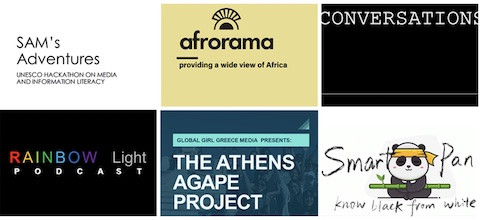 Truly digital entrepreneurs: six solutions win Global Media and Information Literacy Youth Hackathon 2021-11-03 Youth creators from around the world participated in the 2021 Global Youth Hackathon led by UNESCO and South Africa, in cooperation with the European Commission and IBM-Z. Six submissions have been crystalized as the winning solutions and were presented during the Global Media and Information Literacy Week 2021, which took place from 24 October to 31 October. On 27 October 2021, youth representatives of the winning teams exposed their ideas and solutions in an interactive online session opened by Tawfik Jelassi, UNESCO’s Assistant Director-General for Communication and Information. Representatives of the Hackathon’s jury and the event partner IBM-Z also shared their insights on the importance of youth engagement in media and information literacy, and the many creative ideas brought forward by Hackathon’s participants. During the session, the moderator, Tom Burridge, former Journalist at BBC, spotlighted every team to engage in a lively discussion showing the creativity and enthusiasm of the participants of this third edition of the Global Media and Information Literacy Week Youth Hackathon. In his opening remarks, Mr Jelassi highlighted youth as a priority group for UNESCO and how UNESCO’s action strives to ensure inclusion of youth as co-creators, co-leaders and experts in media and information literacy development. “Around the world, UNESCO works to strengthen the capacities of youth organizations to integrate media and information literacy in their policies and operations,” said Mr Jelassi. “This has resulted in over 300 youth organizations using media and information literacy to address various sustainable development issues, including on peace building, democratic governance, health, gender equality and countering hate speech,” he added, while emphasizing the focus on African countries. You are truly the digital entrepreneurs. […] You are building a better society through technology innovation and information literacy. You can change the world. Keep believing in yourselves and keep achieving your dreams. Congratulations!-- Tawfik Jelassi, UNESCO’s Assistant Director-General for Communication and Information The 2021 Hackathon “Hack Media and Information Literacy for Better Futures” counted a respectable number of participants with more than 450 people who registered to participate in the virtual hackathon, making up 85 teams from 45 countries all around the world. These teams were given the task to tackle one of three challenges: Media and Information Literacy in City Spaces, Promote Peacebuilding Narratives and Address Hate Speech, or Media and Information Literacy within Youth Organizations. After an intense three-hour mentoring session on 8 October the “hacking” started, and teams had 10 days to bring their ideas and solutions to life by preparing a presentation and video pitch. Out of all the participants, thirty-three teams submitted creative, innovative and inspiring projects to tackle one of the mentioned challenges. These submissions were carefully evaluated by a judging panel composed of 25 competent and passionate experts from UNESCO, MIL practitioners and private sector partners, resulting in six winning teams. Media and Information Literacy in City Spaces Global Girl Media Greece (Greece & USA/ EUR)A radio programme/podcast AGAPE from Global Girl Media Greece focuses on the shadow pandemic of gender-based violence (GBV), on the rise globally since the Covid-19 crisis. It includes a podcast and instagram campaign empowering girls and women in the most vulnerable communities in our city, such as refugee camps and shelters, but also in all neighborhoods, helping them to access information and resources, but most importantly providing a safe place, both online and offline for them to speak about their experience and create brave, new narratives that will inspire and encourage other survivors to come forward. Media and Information Literacy within Youth Organizations Smart Pan (China/APA)A game Smart Pan immersive LARP game design, which integrates media and information judgment training to improve young people's media and information literacy in the form of game-based learning. The design of LARP is situational and in the process of the game, it can stimulate the subjective initiative of young people and drive students to exercise their media and information literacy ability. Rainbow Light (China/APA)A radio programme/podcast Team Rainbow Light consists of a group of visually-impaired (VI) college students in China and their friends with normal vision. The mission is to empower VI communities through a weekly podcast that not only shares news and information that are not easily accessible, but also introduces the audiences to apps, software and services with solid accessibility, and further speaks to software developers and companies on the improvement of products representing the interests of the podcast's VI audiences. You will hear talks, demonstrations, interviews and Q&A sessions through our podcast channel. Promote Peacebuilding Narratives and Address Hate Speech OTH Regensburg (Germany)A game SAM’s adventures are a hybrid treasure hunt aiming to educate young children between the ages of 8 to 12 on Media Information Literacy. Kids are confronted with hate speech such as cyberbullying from early on. Teachers can be easily overwhelmed with the task of educating responsible media use alongside the standard curriculum. The game is designed to combine digital and physical tasks, which are easy to implement for teachers as they will be provided with all needed materials. Further, the combination of digital and physical tasks can enable synergy effects by transversing the liminal boundary between reality and virtuality. PICKUP 6 (Nigeria)A radio programme/podcast Conversations is a scripted and dramatised radio program/podcast that pitches a teenager/young adult with an older adult. Usually, the younger one needs to understand something, while the older, more experienced one indulges him/her. There are different scenarios, but they all casually bring up the past with a view to showing the listener how we have drifted from "the good old days". This program will be produced in studios and aired on radio stations. Afrorama (South Africa)An application or a website Afrorama is a collaborative and digital general encyclopedia of Africa which ambitions to democratise knowledge, encourage knowledge production and promote learning related to Africa. As an Afrocentric platform it aims to inspire the next generation of African leaders for positive change and to build common understanding between different cultures. URL:https://en.unesco.org/news/truly-digital-entrepreneurs-six-solutions-win-global-media-and-information-literacy-youth
 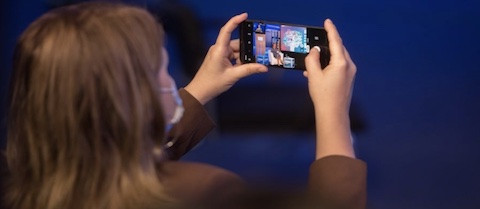 UNESCO South East Europe Regional Conference on Media and Information Literacy (MIL) underlines the key role of information as a public good 2021-11-03 Sarajevo, 21 October 2021. “In these times of unprecedented flows of information and disinformation, people risk being confused or manipulated, particularly by algorithmic personalized targeting on social media. Therefore, it is critical for citizens to develop and reinforce their skills and knowledge of handling information to make informed judgments and decisions and critically engage in sustainable development for which information as a public good is indispensable,” said Sinisa Sesum, Head of UNESCO Antenna Office in Sarajevo of Regional Bureau for Science and Culture in Europe, opening the UNESCO South East Europe Regional Conference on Media and Information Literacy. Organized in a hybrid format on 21 October 2021, the conference aimed at taking stock of the progress of the introduction of Media and Information Literacy (MIL) in formal and informal education in the South East Europe region, and notably as part of the UNESCO EU-funded project “Building Trust in Media in South East Europe and Turkey – Phase 2”. The conference was also to mark the UNESCO Global MIL Week around its central theme this year: “MIL for the public good.” Gathering 22 speakers – some participating in-person, speaking from a studio set up in UN House in Sarajevo, some connecting online, 200 participants joined the event online. The first panel discussion of the conference focused on the relevance of MIL strategies and policies for formal education. Evis Kushi, Minister of Education and Sports of Albania, Naida Hota-Muminovic, Minister of Education of Sarajevo Canton, and Emir Vajzovic, Professor at the Faculty of Political Science at the University of Sarajevo, underlined how deepening critical thinking skills of citizens could be best achieved by introducing this topic in primary and secondary education. “The Covid-19 pandemic has speeded up the process of making MIL a priority and a sustainable educational policy at a national level in Albania. We are more than convinced that MIL will help the younger generation shape their characters and strengthen their competencies for democratic culture,” emphasised Ms. Evis Kushi, highlighting the work done in the country through the UNESCO EU-funded project “Building Trust in Media in South East Europe and Turkey – Phase 2”. The second panel of the conference took stock of the achievements and results of Media and Information Literacy projects in the region by gathering project leaders and beneficiaries. Among them, Anida Sokol, Project Coordinator at the Media Centre in BiH, underlined the two main lessons learnt from its EU-funded project “Media for Citizens – Citizens for Media.” On the one hand, we realised that school systems across the region are very rigid when it comes to changes and teaching new skills. On the other hand, we discovered that MIL is a topic able to create a great enthusiasm among beneficiaries in the region.-- Anida Sokol, Project Coordinator at the Media Centre in BiH Astrit Dautaj from the Agency for Quality Assurance in Pre-University Education in Albania (ASCAP) shed light on the importance of monitoring the effectiveness of the piloting of Media and Information Literacy within schools through evaluation tools. “In our pilot phase with UNESCO, we are assessing teachers’ performance at three levels. This is a challenging task, but it is a must to ensure successful upscaling of our piloting in the future,” he said. The third panel discussion of the conference brought together five young women, implementing or beneficiaries of MIL-related projects targeting youth. A powerful message from these speakers was that youth is the best voice to reach out to youth and trigger their attention in a meaningful way. Yet, “based on my experience, my peers are not well-equipped to recognize disinformation. I often see that they share surprising information that they see as a “novelty,” but that is in fact, a piece of disinformation. This comes from our education system. Not many encouraged us in primary and high school to think critically and outside of the box and ask questions,” explained Hadzera Selimovic, Young European Ambassadorfrom BiH. Tara Simovic discussed her experience as a Young Reporter in the UNICEF Montenegro project, “Although we are digital natives and use social media all our lives, I think we are not fully aware of what media is and our role in the media landscape.” As a last panel of the conference, the discussion focused on the importance of Media and Information to empower journalism online. Marina Tuneva, Executive Director of the Council for Media Ethics in North Macedonia, Bojan Cvejic, Editor-in-Chief of Danas Portal from Serbia, and Lea Auffarth, Project Coordinator of the Journalism Trust Initiative at the Reporters Without Borders, all emphasised the critical role of media to help citizens distinguish reliable information from dis- or mis-information and also to understand the particular role of media in democratic societies. Last but not least, the conference was the opportunity to officially launch the regional SEE MIL platform and its local chapter on MIL for BiH. In addition, young journalists of the region covered the event live from Sarajevo through the SEE Youth Newsroom. This gave them the chance to conduct interviews with some speakers and bring their youth perspective to the conference. Their coverage of the event will be published on the SEE Youth Newsroom platform. URL:https://en.unesco.org/news/unesco-south-east-europe-regional-conference-media-and-information-literacy-mil-underlines-key
 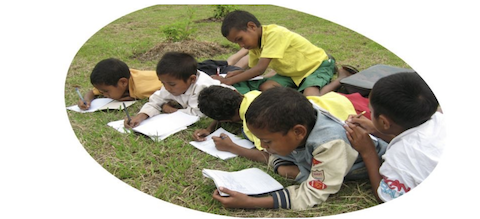 Strengthening Inclusive Education Policies and Legal Framework in the Southeast Asian Countries 2021-11-03 To examine the impact of the COVID-19 pandemic on the inclusive education progress, UNESCO Jakarta conducted a study on Inclusive Education Policies and Legal Frameworks in its five cluster countries, namely Brunei Darussalam, Indonesia, Malaysia, Philippines, and Timor-Leste. The study revealed that the current educational policies and legislation are insufficient to progress inclusive education. Many marginalised groups of children experienced multi-faceted barriers to their learning processes during school closures. In partnership with the University Kebangsaan Malaysia Pakarunding, UNESCO Jakarta organised a meeting on 21 October 2021 to discuss the findings and recommendations from the study towards Inclusive Education with the representatives from the ministry of education from the five cluster countries. Children with disabilities are facing greater challenges to following online learning. They are at risk of being left behind due to digital exclusion and the absence of appropriate assistive equipment, internet access, accessible materials and support. It is estimated only 0.5 per cent of books in developing countries, including Southeast Asian countries, are available in the accessible formats required for persons with learning disabilities. The participants of the meeting validated five recommendations to improve education policies and legal frameworks to overcome the challenges for inclusive education: A call for holistic, interconnected and up-to-date policies towards inclusive education to respond to the COVID-19 pandemic. Reform of the inclusive education policy to include all children at risk of exclusion from the general education system, including and not only children with disabilities. Improve early identification and intervention programmes to identify children at-risk of education exclusion as early as possible, followed by an innovative intervention such as telehealth and tele-education. Realisation that inclusion requires a broader systemic reform to be part of the family and wider society socially and culturally than just moving a child from one classroom to another. Provide comprehensive programmes to train and support all professionals and family members to adjust to the new normal routines The activity is part of UNESCO Jakarta contributions to the achievement of SDG 4, specifically target 4.1 and 4.5 for equitable and inclusive education. Inclusion in Education URL:https://en.unesco.org/news/strengthening-inclusive-education-policies-and-legal-framework-southeast-asian-countries
  Global Education Ministers Conference, towards a shared action plan to counter hate speech 2021-10-31 Education Ministers from all over the world on Tuesday attended a Global Minister’s Conference held at the initiative of UN Secretary-General António Guterres and UNESCO Director-General Audrey Azoulay to reinforce the struggle against online and offline hate speech. Against a background of high anxiety caused by the COVID-19 pandemic, there has been an increase in hate speech and people’s instinctive quest for scapegoats has resulted in a sharpr rise in prejudice, stereotypes and discrimination. The UN and UNESCO have called on States to take action to curb this harmful phenomenon. The Global Ministers Conference, the first of its kind, organized by UNESCO and co-chaired by President Hage Geingob of Namibia has given rise to decisions on common actions at all levels of education, prioritizing media and information literacy, teacher training and public awareness raising about digital citizenship. "This hatred is not new. But what has changed more recently is the influence and magnitude of social media platforms, which have become an echo chamber that amplifies. The legal response is essential, but it is not enough. We must also mobilize education, because it is through education that we develop critical thinking and deconstruct prejudices." -- Audrey Azoulay, UNESCO Director-General UNESCO and partners’ work to address hate speech spans multiple areas, notably: Addressing hate speech on social media developed to monitor the existence, spread and impact of online hate speech, as well as assess capacities to counter it. Media information and literacy curriculum for teachers to help young people assess the relevance and reliability of information. Prevention of antisemitism through education, as well as teaching about the Holocaust and genocides, including training for policy-makers and teacher trainers around the world. Preventing violent extremism by providing support to youth so they can engage against hateful and dangerous ideologies, and by training and guiding educators. Organized in partnership with the United Nations Office on Genocide Prevention and the Responsibility to Protect, the Ministers Conference follows on the work of the multi-stakeholder forum organized by UNESCO early this month with the participation of governments, civil society organizations, human rights experts, as well as tech and social media companies including Facebook, YouTube and TikTok. Underpinned by the United Nations’ human rights and free speech-based Strategy and Plan of Action on Hate Speech, the Ministers Conference specifically focused on education in the struggle against hate speech, its deeply rooted causes and driving forces. Strengthening educational responses to build the resilience of learners to the rhetoric of exclusion and hate also lies at the core of the Education 2030 Agenda, and more specifically Target 4.7 of Sustainable Development Goal 4 (SDG 4) on the social, moral and humanistic aims of education. For more information and resources: https://en.unesco.org/news/addressing-hate-speech-through-education-global-education-ministers-conferencePress contact: Clare O’Hagan: c.o-hagan@unesco.org +33 145681729 URL:https://en.unesco.org/news/global-education-ministers-conference-towards-shared-action-plan-counter-hate-speech
  UNESCO Launches Social Media for Peace Project in Kenya 2021-10-30 Social media platforms are increasingly continuing to shape political and social interactions in societies, and people’s perceptions of reality. This increasing prominence of social media indicates the strides towards digital innovation, and advancement of freedom of the media and expression. Today, almost four billion people – or more than half the global population – have access to the internet. In Kenya, internet penetration is currently at an all-time high of over 85 percent. Of this number, about 22 million are active internet users. Among the youth of course, internet usage is much higher, and is mainly used for social media.’ However, with this progress comes risks and adverse impacts associated with the spread of harmful content online that threatens social harmony. The rise in internet penetration and the resultant increased use of social media has accelerated the spread of fake news, misinformation and disinformation, and hate speech in society. Consequently, the fabric and foundation of our democracy and societal cohesion are under threat, now more than ever. It is in this regard, that on 22 October 2021, UNESCO launched a European Union funded new multi-year projected entitled: Social Media 4 Peace in Kenya. The project seeks to strengthen resilience of civil society to potentially harmful content spread online, in particular hate speech inciting violence, while enhancing promotion of peace through digital technologies, notably social media. While digitization of societies has enhanced free flow of information, digital communication tools have become instrumental platforms for spreading harmful content with significant impact on conflict dynamics and peace. In his opening remarks, Prof. Hubert Gijzen, UNESCO Regional Director for Eastern Africa and Representative to Kenya reiterated UNESCO commitment to implementing the United Nation Plan of Action on Hate Speech by fostering information as a public good and strengthening transparency of the internet ecosystem. "We need to craft new solutions for addressing and countering such emerging threats as hate speech, dis and misinformation, by maximizing the potential of digital technologies’ as tools for peacebuilding rather than instruments for violence." -- Prof. Hubert Gijzen, UNESCO Regional Director for Eastern Africa and Representative to Kenya He further emphasized that the project’s success will be determined by partnerships built around its implementation with government, national authorities, UN family, CSOs, INGOs and academia. Mr. Marc Fiedrich, Head of Unit, Foreign Policy Instruments, Stability and Peace Crisis Response, Conflict Prevention and Peace Building at the European Commission stated that: “It is crucial that all stakeholders engage with us and collaborate to help social media platforms to better understand the risks and challenges to peace that are at stake, and work out collectively solutions to improve moderation of harmful content to tackle orchestrated campaigns of disinformation, hate speech that exacerbates tension, division and leads to violence.” At the launch Mr. Stephen Jackson, the United Nations Resident Coordinator in Kenya stated that at the height of COVID 19 Pandemic, the UN launched ‘Verified’. An initiative to combat the growing misinformation by increasing the volume and reach of trusted, accurate information. "Hate speech, for its part, is a menace to democratic values, social stability and peace. It attacks tolerance, inclusion and diversity. Its impact is felts across all UN areas of operations, including: human rights protection; prevention of atrocity crime; preventing and countering terrorism and the underlying spread of violent extremism; preventing and addressing gender based violence; and enhancing protection of civilians." -- Mr. Stephen Jackson, United Nations Resident Coordinator in Kenya Dr. James Njogu, Deputy Secretary-General of the Kenya National Commission for UNESCO; also acknowledged that while hate speech and disinformation predate social media, these digital platforms now amplify their prominence. Rev. Dr. Samuel Kobia CBS, Chairman of the National Cohesion and Integration Commission (NCIC), expressed optimism that through initiatives such as UNESCO Social Media for Peace project, hate speech, election violence, and disharmony among people shall be prevented, tolerance within communities boosted and media and information literacy (MIL) skills and competencies enhanced among social media users in Kenya. While officially launching the project, the Chief Guest, Mr. Joe Mucheru, the Kenya Cabinet Secretary for ICT, Innovation and Youth Affairs, represented by Col. (Rtd) Cyrus Oguna, Kenya Government Spokesperson noted that the project was timely, especially with the upcoming elections in the country where hate speech and disinformation often peaks. He assured UNESCO of the government’s partnership commitment and support during the implementation of the project: “Every generation faces its peculiar challenges: ours is the challenge of balancing development - especially in the digital space – with ensuring that such development does not come at a huge cost to society in terms of disinformation and disintegration of our moral fabric. My ministry remains fully committed to working with UNESCO and other like-minded partners to champion the Social Media for Peace campaign.” The launch of the Social Media 4 Peace in Kenya brought together stakeholders from government, UN agencies, European Union, technology companies, Embassies, CSOs, INGOs, the media and private sector to engage in an interactive discussion in two sessions on: a) harnessing the power of digital technologies for peacebuilding, looking into current state at play about the role of tech companies in peacebuilding in Kenya as well as identifying good practices, opportunities and partnerships for technology companies to contribute to peacebuilding; and b) addressing online hate speech and disinformation in Kenya; focusing in particular on existing mechanisms for tackling hate speech and disinformation, while exploring further challenges to efficiently curbing harmful content on social media, before articulating further on existing opportunities and best practices in remedying the proliferation of harmful digital content online. About the Social Media for Peace Project The Social Media for Peace project is premised on the realization that while digitalization of societies presents opportunities for information flow, digital communication tools have also become instrumental platforms for spreading harmful content with a significant impact on conflict dynamics and peace. Through the project, UNESCO seeks to enhance understanding of the root causes, scale and impact of potentially harmful content and of the effectiveness of the tools to address it in the 3 pilot countries – Kenya, Bosnia & Herzegovina, and Indonesia. The project is funded by the European Union and will contribute to the achievement of SDG 16, to promote just, peaceful and inclusive societies and to the UN Plan of Action on Hate Speech launched by UN Secretary General Antonio Gutierrez to combat the online disturbing groundswell of xenophobia, racism and intolerance. URL:https://en.unesco.org/news/unesco-launches-social-media-peace-project-kenya
  UNESCO’s participation in the United Nations Conference on Climate Change (COP26) 2021-10-30 The complexities of climate change require a holistic approach, which UNESCO provides though its longstanding expertise combining science, education, culture, and communication and information. The Organization will organize or participate in a series of events and exhibitions to bring this expertise to the United Nations Conference on Climate Change (COP26). Considering the priorities of the Presidency of COP-26 (the United Kingdom), UNESCO supports countries in incorporating climate change related issues into their education systems through two tracks. This includes implementing the education components of the Climate Convention and Paris Agreement and making climate action a core curriculum component and policy support, technical advice and capacity development in support of the UN-Water Global Acceleration Framework for SDG 6. Climate literacy, incorporating hydro climatic monitoring and forecasting, using knowledge sources such as nature-based solutions and sharing of data, and institutional support will be promoted. The role of new technologies, such as AI, both in terms of their effects on the environment and solutions they provide, will also be reflected. UNESCO events at COP 26 1 November 11:30-13:00 Snow and ice in climate change – how to create resilience against worsening impacts of disasters and changing water availability?Cryosphere Pavilion Organizers: UNESCO-IHP, World Meteorological Organisation (WMO), Tajikistan 5 November 16:00-17:30 Together for tomorrow: Education and climate actionJoint meeting of Ministers of Education and Ministers of Environment/Ministers responsible for addressing Climate Change Organizers: United Kingdom (COP26 Presidency), Italy, UNESCO14:30-17:30Ocean Action DayOrganizers: Intergovernmental Oceanographic Commission of UNESCO (IOC) See more ocean events 8 November “Climate Change and Water – The Missing Agenda at COP26” SymposiumOrganizer: UNESCO Cat. 2 Centre for Water Law, Policy and Science, University of Dundee, Scotland“UN System Strengthening Synergies & Promoting Transformational Change to Restore Balance with Nature” Interactive panel discussion Organizer: UNESCO 10 November Disaster Risk Reduction DayWater PavilionOrganizers: UNESCO-IHP and UNDRR Planning for uncertainty through climate-resilient water management approaches Climate vulnerability and water resilience in Small Islands Developing States (SIDS)Exhibitions Cold regions Warming It's About Life! Man and the Biosphere Programme 50th Anniversary Changing minds, not the climate; UNESCO’s climate action While climate change is driven by global processes, the solutions to offset the negative effects of climate risks are particularly dependent on local conditions. UNESCO’s global network of designated sites (1,121 World Heritage sites, 729 biosphere reserves and 169 Global Geoparks) provide local solutions for climate change adaptation. By assessing the impact of climate change, the designated sites are being used as climate observatories on one hand, and as pilot areas for targeted climate change adaptation actions on the other. They protect essential ecosystems; for example the 50 World Heritage Marine sites (in 37 countries) account for 1/3 of all blue carbon assets on the planet despite representing less than 1 percent of the ocean’s surface. Meanwhile, biosphere reserves cover more than 5% of the Earth’s surface, serving as serve as models of sustainable development while rebuilding our relationship with nature. Indigenous Peoples are custodians of 80% of the world’s biodiversity, and they are mobilizing their in-depth knowledge of the territories that have been the source of their livelihoods for generations in order to address climate change. UNESCO's Local and Indigenous Knowledge Systems programme (LINKS) promotes local and indigenous knowledge and its inclusion in global climate science and policy processes, including COP26. Water is recognized as a climate connector. UNESCO has been developing tools to support climate resilient water management, such as the African Flood and Drought Monitor, flood early warning systems, assessment tools and reporting. UNESCO’s Intergovernmental Hydrological Programme will follow an ambitious plan to combine transdisciplinary scientific research, together with education and training for its sustainable management (Science for a Water Secure World in a Changing Environment, IHP-IX). The results of UNESCO’s global conference on Climate-Resilient Water Management Approaches: Application Towards Climate Action and 2030 Agenda will be presented at COP26, to show how new tools and approaches for climate-resilient water management can fit into national plans for climate action. The ocean plays an essential role in our climate- it absorbs a significant part of carbon and an overwhelming portion of the excess heat. UNESCO’s Intergovernmental Oceanographic Commission (IOC) is at the forefront of new research priorities on climate change impacts on the ocean, climate change mitigation through the conservation and restoration of coastal and marine ecosystems such as mangroves and salt marshes – the so-called ‘blue carbon’ – and the overall contribution of the ocean to combatting climate change. IOC is leading the UN decade on Ocean Science for Sustainable Development, which presents a great opportunity to foster ambitious climate action. Education is an essential tool for effective and sustainable climate action. UNESCO supports countries to incorporate climate change related issues into their education systems through two tracks by: implementing the education components of the Climate Convention and Paris Agreement and making climate action a core curriculum component, and policy support, technical advice and capacity development in support of the UNWater Global Acceleration Framework for SDG 6. As part of COP26, UNESCO is organizing a Conference of Ministers of Education and Environment In parallel, UNESCO supports Youth engagement through dedicated networks, and is setting up the Youth-UNESCO Climate Action Network (YoU-CAN). More information: Addressing Climate Change COP 26 website URL:https://en.unesco.org/news/unescos-participation-united-nations-conference-climate-change-cop26
 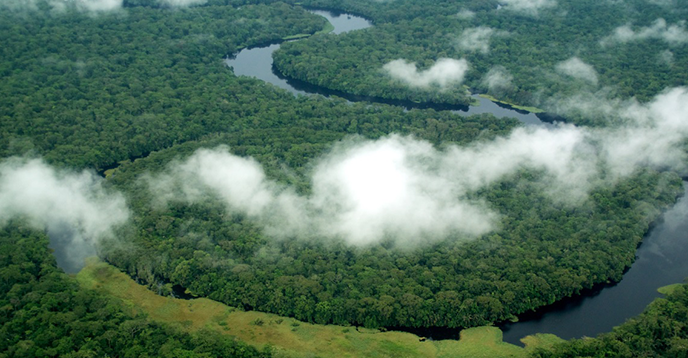 New study: How UNESCO's World Heritage forests play a vital role in mitigating climate change 2021-10-29 The first ever scientific assessment of the amounts of greenhouse gases emitted from and absorbed by forests in UNESCO World Heritage sites has found that forests in World Heritage sites play a vital role in mitigating climate change by absorbing 190 million tons of CO2 from the atmosphere each year. However, ten forests released more carbon than they sequestered due to pressure from human activity and climate change, which is alarming. World Heritage forests absorb 190m tons of CO2 each year By combining satellite-derived data with monitoring information at the site level, researchers at UNESCO, World Resources Institute (WRI) and the International Union for Conservation of Nature (IUCN) were able to estimate the gross and net carbon absorbed and emitted by UNESCO World Heritage forests between 2001 and 2020 and determine the causes of some emissions. The research found that, as a whole, UNESCO World Heritage forests in 257 separate sites, absorbed the equivalent of approximately 190 million tons of CO2 from the atmosphere each year, comparable to roughly half the United Kingdom’s annual CO2 emissions from fossil fuels. "We now have the most detailed picture to date of the vital role that forests in World Heritage sites play in mitigating climate change." -- Tales Carvalho Resende, UNESCO World Heritage Centre, co-author of the report World Heritage forests, whose combined area of 69 million hectares is roughly twice the size of Germany, are biodiversity-rich ecosystems. In addition to absorbing CO2 from the atmosphere they also store substantial amounts of carbon. Carbon sequestration by these forests over long periods has led to total carbon storage of approximately 13 billion tons of carbon, which is more than the carbon in Kuwait’s proven oil reserves. If all this stored carbon were to be released into the atmosphere as CO2, it would be akin to emitting 1.3 times the world’s total annual CO2 emissions from fossil fuels. Findings from 10 World Heritage forests are cause for concern However, given that World Heritage sites are highly prized and protected, the fact that 10 of 257 forests emitted more carbon than they captured between 2001 and 2020 due to different anthropogenic disturbances and pressures is alarming. At some sites the clearance of land for agriculture caused emissions to be greater than sequestration. The increasing scale and severity of wildfires, often linked to severe periods of drought, is also a predominant factor in several cases. Other extreme weather phenomena, such as hurricanes, contributed at certain sites. "All forests should be assets in the fight against climate change. Our report’s finding that even some of the most iconic and best protected forests such as those found in World Heritage sites can actually contribute to climate change is alarming and brings to light evidence of the severity of this climate emergency." -- Tales Carvalho Resende, UNESCO World Heritage Centre, co-author of the report In the coming years, ongoing sequestration and carbon sinks are likely to be affected at a growing number of sites worldwide as a result of increasingly fragmented and degraded landscapes, and more frequent and intense climate-related events. Better management of sites can yield results The report urges strong and sustained protection of UNESCO World Heritage sites and their surrounding landscapes to ensure their forests can continue to act as strong carbon sinks and stores for future generations. To achieve this, the report recommends rapidly responding to climate-related events, as well as maintaining and strengthening ecological connectivity through improved landscape management. For example, in Indonesia, government agencies have been using near real-time fire alert systems to significantly reduce their average fire response time. Rapid response is integral to preventing fires from developing into destructive conflagrations that produce extensive CO2 emissions. At the Sangha Trinational World Heritage site, located within Cameroon, the Central African Republic and the Republic of Congo, the creation of a buffer zone around the site has kept some human activity farther from this important carbon sink. The report also recommends integrating the continued protection of UNESCO World Heritage sites into international, national and local climate, biodiversity and sustainable development strategies in line with the Paris climate agreement, the Post-2020 Global Biodiversity Framework and the Sustainable Development Goals. "This analysis of iconic World Heritage sites shows that combining satellite data with on-the-ground information can improve local decision-making and strengthen accountability, thereby helping forests, climate, and people." -- David Gibbs, WRI Research Associate and co-author of the report "Protecting World Heritage sites from increasing fragmentation and escalating threats will be central to our collective ability to address climate change and biodiversity loss." -- Tim Badman, Director of IUCN’s World Heritage Programme Access the report and the list of 10 forests which were found to be net carbon emitters: link hereUNESCO World Heritage Centre news item: link hereMedia contact: Tom Burridge, te.burridge@unesco.org URL:https://en.unesco.org/news/new-study-how-unescos-world-heritage-forests-play-vital-role-mitigating-climate-change
 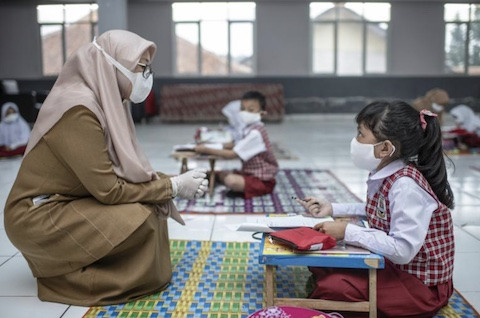 First day of school 'indefinitely postponed' for 140 million first-time students around the world – UNICEF: At least eight million of these young learners have been waiting for over a year. 2021-10-26 Nayla, 7, a student at in primary school, asks her teacher a question during class at the local village hall in Bandung, West Java province, Indonesia. NEW YORK, 24 August 2021 – A child's first day of school—a landmark moment for the youngest students and their parents around the world—has been delayed due to COVID-19 for an estimated 140 million young minds, UNICEF said in a new analysis released as summer break comes to end in many parts of the world. For an estimated eight million of these students, the wait for their first day of in-person learning has been over a year and counting, as they live in places where schools have been closed throughout the pandemic. "The first day of school is a landmark moment in a child's life—setting them off on a life-changing path of personal learning and growth. Most of us can remember countless minor details—what clothes we wore, our teacher's name, who we sat next to. But for millions of children, that important day has been indefinitely postponed," said UNICEF Executive Director Henrietta Fore. "As classes resume in many parts of the world, millions of first graders have been waiting to see the inside of a classroom for over a year. Millions more may not see one at all this school term. For the most vulnerable, their risk of never stepping into a classroom in their lifetime is skyrocketing." The first grade sets up the building blocks for all future learning, with introductions to reading, writing, and math. It's also a period when in-person learning helps children gain independence, adapt to new routines, and develop meaningful relationships with teachers and students. In-person learning also enables teachers to identify and address learning delays, mental health issues, and abuse that could negatively affect children’s well-being. In 2020, schools globally were fully closed for an average of 79 teaching days. However, for 168 million students, after the pandemic began, schools were shuttered for nearly the entire year. Even now, many children are facing an unprecedented second year of disruption to their education. The associated consequences of school closures – learning loss, mental distress, missed vaccinations, and heightened risk of drop out, child labour, and child marriage – will be felt by many children, especially the youngest learners in critical development stages. While countries worldwide are taking some actions to provide remote learning, at least 29 per cent of primary students are not being reached. In addition to lack of assets for remote learning, the youngest children may not be able to participate due to a lack of support using the technology, a poor learning environment, pressure to do household chores, or being forced to work. Studies have shown that positive school experiences during this transition period are a predictor of children’s future social, emotional and educational outcomes. At the same time, children who fall behind in learning during the early years often stay behind for the remaining time they spend in school, and the gap widens over the years. The number of years of education a child receives also directly affects their future earnings. Unless mitigation measures are implemented, the World Bank estimates a loss of $10 trillion in earnings over time for this entire generation of students. Existing evidence shows the cost of addressing learning gaps are lower and more effective when they are tackled earlier, and that investments in education support economic recovery, growth and prosperity. UNICEF urges governments to reopen schools for in-person learning as soon as possible, and to provide a comprehensive recovery response for students. Together with the World Bank and UNESCO, UNICEF is calling for governments to focus on three key priorities for recovery in schools: Targeted programmes to bring all children and youth back in school where they can access tailored services to meet their learning, health, psychosocial well-being, and other needs; Effective remedial learning to help students catch up on lost learning; Support for teachers to address learning losses and incorporate digital technology into their teaching. "Your first day of school is a day of hope and possibility—a day for getting off to a good start. But not all children are getting off to a good start. Some children are not even starting at all," said Fore." We must reopen schools for in-person learning as soon as possible, and we must immediately address the gaps in learning this pandemic has already created. Unless we do, some children may never catch up." In the following weeks, UNICEF will continue to mobilize its partners and the public to prevent this education crisis from becoming an education catastrophe. Online and offline campaigns will rally world leaders, teachers, and parents around a common cause: reopen schools for in-person learning as soon as possible. The future of the world’s most vulnerable children is at stake. URL:https://www.unicef.cn/en/press-releases/first-day-school-indefinitely-postponed-140-million-first-time-students-around-world
  UNESCO urges governments to make early childhood education accessible for all 2021-10-26 The most disadvantaged children are more likely to be denied the opportunity to have a good start to their education, according to two new studies by UNESCO and its Global Education Monitoring (GEM) Report. UNESCO’s report “Right from the start: build inclusive societies through inclusive early childhood education” reminds countries of their commitment, made in the fourth UN Sustainable Development Goal (SDG) on education, to ensure that all girls and boys have access to quality early childhood development, care and pre-primary education so that they are ready for primary education. They are published ahead of the launch of a new Global Partnership Strategy for Early Childhood in September. Coordinated by UNESCO, the partnership will bring together more than 40 organizations active in early childhood care and education (ECCE) to support governments in providing effective ECCE services and in tackling challenges arising from the COVID-19 pandemic. UNESCO’s report shows that, despite progress, an estimated 2 in 5 children, mostly in low- and lower-middle-income countries are still not enrolled in pre-primary school and currently only 28% of countries globally have made pre-primary education compulsory, ranging from none in the Arab States to 55% in Latin America and the Caribbean. "Ensuring early universal access to education is the foundation for inclusion in the lifelong journey to learning and in accessing decent living conditions. The absence of early childhood education can lock children into deprivation and marginalization. Numerous benefits for children attending quality early education are transmitted from one generation to the next with positive impacts on society as a whole. Yet, too many young children are missing out. If we want them to reach their full potential, we have to get it right from the start." -- Stefania Giannini, Assistant Director-General for Education at UNESCO The second UNESCO report “Inclusive Early Childhood Care and Education: From Commitment to Action!”, was produced in partnership with the Open Society Foundations. It calls for a renewed global commitment to early childhood inclusion with key recommendations based on positive, promising, and innovative policies and practices at national and regional levels from around the world. These include an inclusive early education reform in Georgia; an inclusive curriculum in New Zealand; an inclusive data management system in Zimbabwe, and a practical inclusive ECCE training model for teachers in Viet Nam. UNESCO and the Global Partnership Strategy for Early Childhood are urging governments to guarantee at least one year of compulsory pre-primary education. All children should be able to access a minimum level of services, regardless of socio-economic status, ethnicity, language, disability or remoteness. However, UNESCO’ reports show that vast disparities in pre-primary school access exist between the richest and poorest children, rising to over 60 percentage points in some low- and middle-income countries such as Benin, Cameroon and Mali. The poorest children face particular barriers to access. Over half of Roma children in Europe are still missing out on pre-primary school. "Too little attention is being given to ensure high quality standards in pre-schools for the most vulnerable children. Children need safe schools with access to basic hygiene and teachers who have received training to care and support them adequately so they could thrive. We urgently need more investment in early education, otherwise the significant opportunity to reduce their disadvantage will be lost." -- Manos Antoninis, Director of the Global Education Monitoring Report In Malawi, for example, a survey of caregivers found that most were female volunteers and only one in three had relevant qualifications. Pre-primary education is also critical to identify students with special education needs and assign remedial interventions. However, such screening systems are rare. The reality of some marginalized children, particularly those with disabilities, is poorly documented or not at all. Both studies support the core objectives of the new Global Partnership Strategy as follows: Mobilize all nations and relevant international agencies to collaborate in attaining SDG targets related to early childhood education. Strengthen existing inter-agency and global partnerships and forge new ones, as needed, for coordination and collaboration to implement strategies for policies and services to improve child development and family wellbeing. Substantially increase investment in pre-primary education in low- and middle-income countries which on average only received 2% of education budgets in 2018. Expand annual international aid to pre-primary education from an average of 7% of education aid in 2016 to at least 10% by 2030. Countries should address barriers to inclusion, such as ineffective or inconsistent laws and policies, lack of teacher preparation, non-inclusive curricula, absence of data on those excluded from education, lack of political will and untargeted finance. Issues of inclusion in early childhood care and education need to be addressed through cross-sectoral policies that consider the diversity of learners, including refugee and asylum-seeking children. Read the full report hereMedia contacts: Cynthia Guttman, UNESCO Kate Redman, UNESCO GEM Report Gina Dafalia, UNESCO GEM Report URL:https://en.unesco.org/news/unesco-urges-governments-make-early-childhood-education-accessible-all-1
 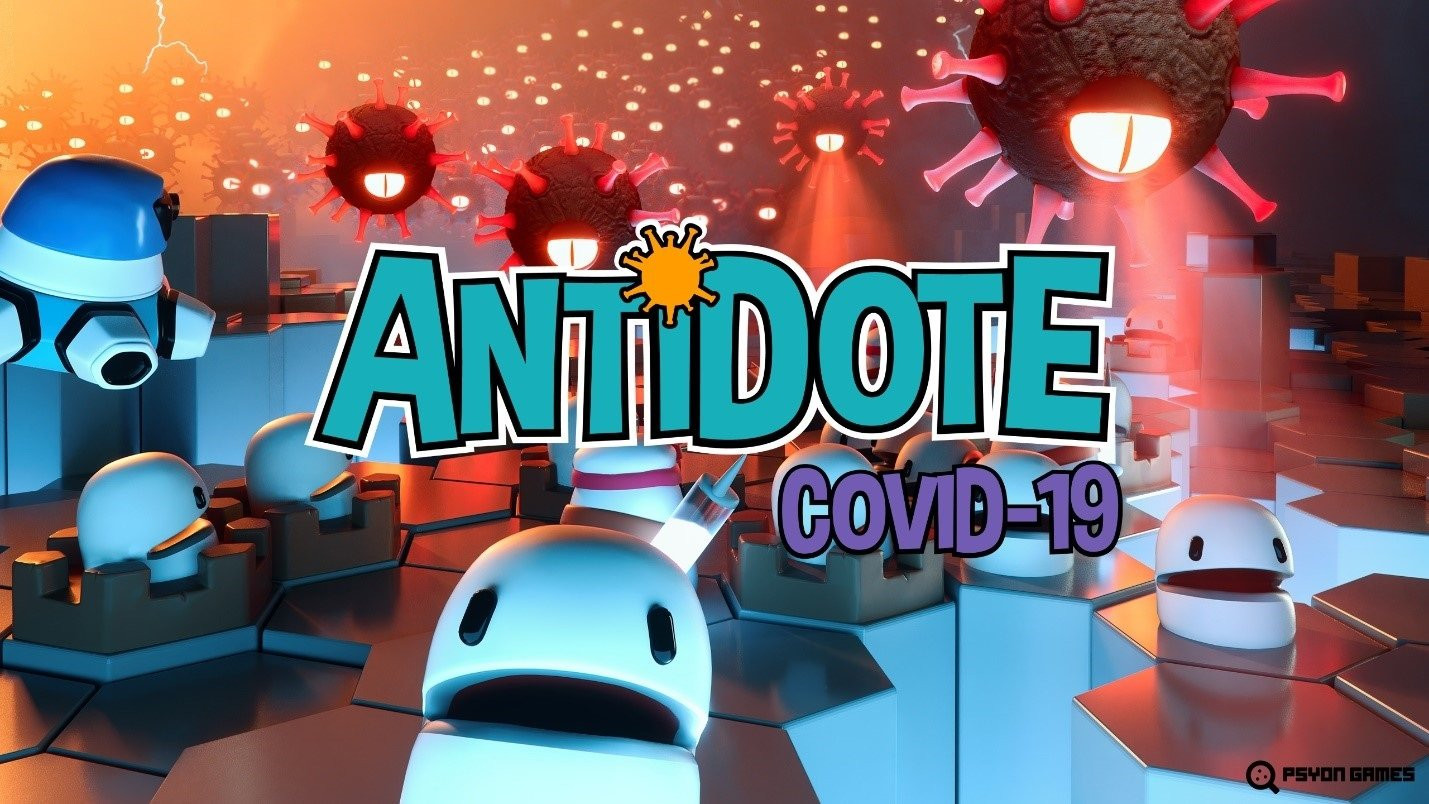 WHO and Psyon Games teach players how to stay safe from COVID-19 in the Antidote Game 2021-10-22 WHO and Psyon Games have joined forces to launch a new tower defense game called the Antidote COVID-19 to turn complex, scientific information into a fun learning experience. During the course of the game, players will learn about their immune system, pathogens, vaccines and how to protect themselves from COVID-19. The game comes at a critical point of the pandemic where misinformation is hindering COVID-19 vaccine acceptance and adherence to other public health measures due to fear, mistrust and doubt. By putting players in the driver’s seat, the game urges everyone to play a role in fighting harmful misinformation online, and learning and sharing the facts from trusted sources of information. The game starts just before the pandemic begins. The player is recruited to halt the spread of SARS-COV-2, the virus that causes COVID-19, by developing vaccines and helping the human immune system fight off the virus. Based on real events, this online adventure takes the player to the frontline of science, ultimately providing lifesaving information in the palms of their hands. “Since 2017 Psyon Games has specialized in vaccine awareness games,” said Olli Rundgren, CEO of Psyon Games. “Even then, vaccine hesitancy due to misinformation was a big problem. The global COVID-19 pandemic has brought the scale and severity of the problem to a whole new level. Now, more than ever, reaching people with reliable information in their preferred channels is an act of public health and safety. Games are the most engaging and measurable media. We believe that the power of games can contribute heavily to solving this great challenge of our time.” “Globally, including in countries where COVID-19 vaccines are widely available, misinformation is hindering vaccine acceptance and broader public health efforts,” said Andy Pattison, Team Lead, Digital Channels at the World Health Organization. “Games like the Antidote can help people digest complex scientific information about the virus while building up their resistance to misinformation on COVID-19 protective measures like masks and vaccines in engaging ways, in the palms of their hands.” Download the game URL:https://www.who.int/news/item/19-10-2021-who-and-psyon-games-teach-players-how-to-stay-safe-from-covid-19-in-the-antidote-game