
News
Catch up on what’s happening in the world of global citizenship education.
1,668 results found
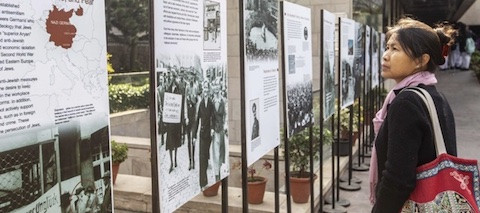 UNESCO joins pledges to strengthen global Holocaust education at Malmö International Forum 2021-10-21 As we enter a new era of remembrance, in a world with ever fewer survivors of the Holocaust, UNESCO joined world leaders at the Malmö International Forum in Sweden on 13 October to renew its commitment to strengthening Holocaust remembrance and education while combatting antisemitism. The Forum, convened by Prime Minister Stefan Löfven of Sweden, brought together heads of state and government, international organizations and social media platforms to counter the rise of antisemitism online and defend the history of the Holocaust from attempts to deny and distort its fundamental facts. UNESCO pledged to advance Holocaust education globally as a means to deal with violent pasts and contribute to the prevention of genocide. This includes expanding its international program with the United States Holocaust Memorial Museum that seeks to develop initiatives in countries around the world where Holocaust education has not yet been institutionalized. UNESCO also pledged to strengthen its engagement to address the alarming rise of antisemitism, hate speech and other forms of intolerance and discrimination, and to provide schools and educators with the tools to tackle all forms of contemporary antisemitism, building on guidance and training developed jointly with the OSCE Office for Democratic Institutions and Human Rights (ODIHR). In partnership with the International Holocaust Remembrance Alliance (IHRA), UNESCO also committed to countering rising Holocaust denial and distortion as virulent forms of contemporary antisemitism by developing resources and training to support educators, policy-makers, civil servants and journalists in addressing Holocaust distortion in their respective professional capacities. The project will build on a joint United Nations and UNESCO study and educational resources that examine the manifestations of Holocaust distortion on social media, developed in partnership with the World Jewish Congress. “Holocaust denial and distortion reflect a concerning global trend of rising discrimination and hate speech against Jewish communities and individuals that we must counter,” Stefania Giannini, UNESCO Assistant Director-General of Education, said at the Forum. “We must maximize the power of education to address antisemitism, by building the capacity of educators, school leaders and young people to recognize and respond to antisemitism, and by developing educational resources that explain the impact of antisemitism on Jewish communities.” UNESCO’s programmes on education about the Holocaust and genocide URL:https://en.unesco.org/news/unesco-joins-pledges-strengthen-global-holocaust-education-malmo-international-forum
 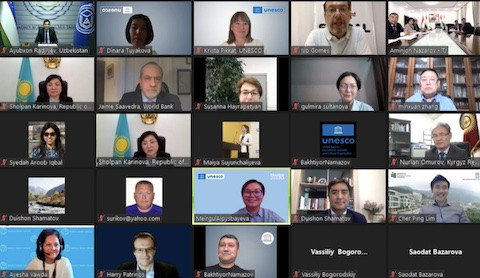 Central Asian Symposium on Education Highlights the Crucial Role of Teachers 2021-10-21 ALMATY, October 13, 2021 – Government officials, education professionals, representatives of academia from Central Asian states, as well as international experts on teacher policy, discussed approaches to developing, attracting, and retaining the best talent in teaching at the online Central Asian “Skilled Teachers – Skilled Nation” Symposium on Education. The event was co-organized by UNESCO Cluster Office in Almaty and the World Bank’s Education Global Practice. The goal of the event was to launch a regional knowledge exchange program and policy dialogue on improving learning outcomes of Central Asian students through a more effective and empowered teacher force. The timing of the event was not coincidental: theCOVID-19 pandemic has undermined human capital development gains across the region, exacerbating learning poverty, and widening the gap between students of different backgrounds.“A successful education recovery hinges on increased investment in teachers to recover learning losses and manage transformations in teaching and learning imposed by the COVID-19 pandemic,” said Krista Pikkat, Director of UNESCO Almaty Cluster Office for Kazakhstan, Kyrgyzstan, Tajikistan and Uzbekistan. “We hope today’s discussions can help enhance the country policies on teacher development, so we can improve the quality of learning.”Teachers are the critical factors behind education quality. For instance, the difference between a weak teacher and a great teacher has been measured at 0.36 and 0.54 standard deviations (SDs) in student test scores in Uganda and Pakistan which is equivalent to more than one additional year of schooling. Studies also find that several consecutive years of effective teaching can offset the learning shortfalls of marginalized students.“The role of teachers in improving education quality cannot be overemphasized. Teachers hold the keys to inspiring and unlocking every child’s potential. Their responsibility is immense,” said Jaime Saavedra, World Bank Global Director for Education. “But teachers need opportunities, motivation, and resources to succeed in leading generations of leaders, thinkers, and innovators.”Recognizing the importance of teachers in improving learning outcomes, Central Asian countries are in the early stages of reforms, as they introduce more incentives to attract, develop, and retain good quality professionals into the teaching profession. In Kazakhstan, the authorities are raising requirements to enter teacher education colleges, offering more financial support to students in education, increasing salaries and the number of hours of practical training. Teacher salaries have also increased thrice over the last decade in the Kyrgyz Republic. Meanwhile, Uzbekistan passed a law in 2021 to ensure that trainings are targeted to teachers’ needs. Such developments will empower teachers to lead improvements in education quality in their classes, schools, communities, and countries.The online symposium consisted of two main discussions focusing on national perspectives and global best practices. Representatives of education ministries of Kazakhstan, Kyrgyz Republic, Tajikistan, and Uzbekistan discussed policies and programs that can transform teaching into an attractive and progressive career.Symposium participants agreed that effective systems need to incorporate competitive recruitment, focused in-service training, school-based teacher research groups, teacher performance evaluation, and a structured career ladder that provides both motivation and a mechanism for teachers to progress in their careers.The symposium featured presentations by experts and researchers from the Education University of Hong Kong, Nazarbayev University, and Shanghai Normal University.***UNESCO has made the supply of well-trained, supported and qualified teachers one of its top priorities. UNESCO hosts the International Task Force on Teachers for Education 2030 to address the “teacher gap” as well as tackle the issues raised in SDG target 4.c – to supply qualified teachers and ensure working conditions. In Central Asia, UNESCO is supporting teachers by equipping them with relevant skills and competencies, as well as providing them with teaching resources in the area of competency-based education and distance learning. Through its Global ICT Competency Framework for Teachers tool, UNESCO is supporting Central Asian countries in assessing teachers’ ICT competencies and strengthening ICT competency standards for teachers.The World Bank’s education portfolio is $23.4 billion, benefiting approximately 18 million teachers worldwide. The World Bank’s “Learning for the Future Project” in the Kyrgyz Republic is developing digital educational resources for teachers and training 30,000 teachers in digital literacy, 6, 000 teachers in remedial reading training and 14, 000 teachers in pedagogy. The “Education Modernization Project” in Kazakhstan is supporting reforms in pre-service and in-service teacher training. The “Early Childhood Development to Build Tajikistan’s Human Capital Project” is supporting teacher training and development. In Uzbekistan, the “Promoting Early Childhood Development Project” is also helping improve professional skills of 14,000 preschool teachers across the country. URL:http://en.unesco.kz/central-asian-symposium-on-education-highlights-the-crucial-role-of-teachers
  Major intergovernmental organizations respond to the urgency of media and information literacy for all 2021-10-20 Global Media and Information Literacy Week 2021 The current information ecosystem keeps evolving in complex ways - opening up new opportunities but also challenges. It is hard to conceive of the public good being advanced, if the public is disempowered by false and misleading content, conspiracies theories and hate speech. However, media and information literacy empowers people to develop themselves and their societies through enhanced capacities in communication and information. Media and information literate people are equipped to better respond to potentially harmful kinds of content. These issues will be the focus of 2021 edition of the annual Global Media and Information Literacy Week will be commemorated on 24-31 October 2021, under the theme “Media and Information Literacy for the Public Good”. It is co-organized by South Africa and UNESCO in cooperation with the European Commission. Its Feature Conference and Youth Forum will take place online, alongside celebration events around the globe. Among many other sessions, heads of major intergovernmental organizations such as the European Commission, African Union Commission, the Arab League, Organization of American States and Asian Cooperation Dialogue will be present in a high-level session. They will discuss how they can join forces to enhance global and regional cooperation among stakeholders to sustain media and information literacy development. As the world battles the COVID-19 pandemic on several fronts, the misuse of social media and persistent rise in misinformation undermine efforts to fight the disease, threatening even more lives and costing even more livelihoods. We must consider new media and information literacy programmes to help people to understand the consequences of creating and sharing false and misleading content.-- Cyril Ramaphosa, President of South Africa Media and Information Literacy (MIL) received a vital push during UNESCO’s General Conference in 2019, when 193 countries proclaimed International MIL Week. On 25 March 2021, the UN General Assembly adopted resolution A/RES/75/267, further cementing the urgency to ensure MIL for all. The launch of the latest edition of the Curriculum is a significant step forward in accelerating the strengthening of MIL development globally. The defining challenge of our time is to harness the power of fast-evolving digital technologies to effectively contribute to the promotion of information as a public good. In order to seize the opportunities and address content challenges, we need to recognize media and information literacy as an important factor for sustainable development. Media and information literacy, along with digital skills, are more than ever a sine qua non for an informed and resilient society. Therefore, national policies and strategies in these areas have become urgent for all countries.-- Tawfik Jelassi, Assistant Director-General for Communication and Information, UNESCO As the world recovers from the COVID-19 pandemic and continues to grapple with the alarming rise in disinformation, media and information literacy comes to the fore as a sustainable solution for building public resilience and for advancing the role of information as a public good. Stakeholders worldwide are invited to celebrate the Week by organizing local events or activities and register them on the Global MIL Week website. They will appear on the Global Media and Information Literacy Week virtual world map. Register to participate in 25 television style interactive sessions. Related links More information about Global Media and Information Literacy Week 2021 Media and Information Literate Citizens: Think critically, Click Wisely (Second Edition of the UNESCO Model Media and Information Literacy Curriculum for Educators and Learners) URL:https://en.unesco.org/news/major-intergovernmental-organizations-respond-urgency-media-and-information-literacy-all
  Hack Media and Information Literacy for Better Futures is now going into the next stage! 2021-10-18 The 2021 Global Youth Hackathon led by UNESCO and South Africa, in cooperation with the European Commission and IBM-Z is gathering youth and youth organizations globally to engage in the creation of innovative media and information literacy learning in meaningful ways. Organized in the framework of the UNESCO annual Global Media and Information Literacy Week, a UN international week, the 2021 hackathon registered 85 teams from 45 countries all around the world, with Africa being the region represented with most participants (22 teams). Generally, this year’s call for applications was very successful as more than 450 people registered to participate in the virtual hackathon, which seeks to tackle various challenges, such as promoting peace building narratives, and to address hate speech through media and information literacy. On 8 October 2021, during 3 hours, hackathon organizers and international mentors prepared the participants for the coming hacking process introducing them to the hackathon purpose, challenges and methodology. UNESCO’s Media and Information Literacy Programme Specialist, Alton Grizzle, moderated the event and encouraged the teams, explaining the overall UNESCO Media and Information Literacy framework. Giannina Raffo, Digital Campaigns Director of CEDICE Libertad, introduced the project Inflaciómetro, as an example on how to break the wall of disinformation and use Media and Information Literacy to empower citizens to understand inflation in Venezuela. Paul Bagu, CEO & founder Youth Impact (Uganda) one of last year’s winner of the UNESCO Hackathon, stretched out the unique opportunity to network during this process and gave insights in his own path and project, emphasizing the importance of feedback during the hacking process. Hania Bitar, Director, Palestinian Youth Association for Leadership and Rights Activation, approached the topic of promoting peacebuilding narratives from a storytelling perspective, explaining how it is essential to integrate Media and Information Literacy in all kind of settings, formal, non-formal, and informal. For years now, with digitalization we all became creators of media content. Critical thinking is essential, and the youth is blessed that they can use their minds and be more pro-active, having different media and social media channels available. For years now, with digitalization we all became creators of media content. Critical thinking is essential, and the youth is blessed that they can use their minds and be more pro-active, having different media and social media channels available.-- Hania Bitar, Director, Palestinian Youth Association for Leadership and Rights Activation Finally, Ms Veronica Yarnykh, Co-leader of UNESCO Media and Information Literacy Cities Speak, talked about the opportunities of Media and Information Literacy in cities spaces through the example of project “mos.ru” in Moscow, Russian Federation. During the second part of the mentoring webinar, participants were given practical information on hacking techniques, design thinking, innovation and pitching. The mentoring session was conducted by Ms Melissa Sassi, Chief Penguin at IBM-Z, and Ms Samara Baba, Lead Developer Advocate of the IBM-Z Global Student Hub. Questions on how to handle uncertainty matters, how to create a business model canvas, and the importance to know your customers were only few of all discussed topics to prepare and support the participating teams in the hacking process. The teams have until the 18th October (00:00) to submit their solutions in form of a 3-minute video. The presented solutions can be either a game, an application or website, a radio programme or podcast, or a creative community-based intervention. Within the theme “Hack Media and Information Literacy for Better Futures” the participating teams face one out of three challenges and design creative solutions. The challenges are: Media and Information Literate Youth to Promote Peacebuilding Narratives and Address Hate Speech ((in partnership with the EUfunded project Social Media 4 Peace) Media and Information Literacy within Youth Organizations: Innovative Ideas Media and Information Literacy in City Spaces The submitted pitches will be evaluated by an independent judging panel selected by UNESCO, and the main criteria will be consistency, excellence, feasibility and sustainability, and potential impact. The winning teams and the outcome of the Hackathon will be presented during the Global Media and Information Literacy Week Youth Agenda Forum on 27 October 2021. The Global MIL Week 2021 is hosted by South Africa from 24 – 31 October, 2021 under the theme: Media and Information Literacy for the Public Good. You can register to participate in the online feature conference via the link:https://en.unesco.org/globalmilweek/2021/featureconference/registration Deadline for registration is 18th October 2021. URL:https://en.unesco.org/news/hack-media-and-information-literacy-better-futures-now-going-next-stage
 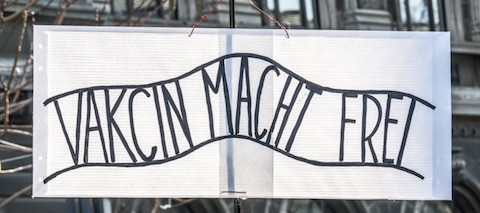 Rising threat of Holocaust distortion requires urgent international response 2021-10-14 Stefania Giannini, UNESCO Assistant Director-General for EducationKathrin Meyer, Executive Secretary of the International Holocaust Remembrance Alliance (IHRA) All around the world, opponents of COVID-19 measures invoke the genocide against the Jewish people by Nazi Germany and its collaborators to paint themselves as victims, and their governments as persecutorial regimes. In Germany, the United Kingdom, the Netherlands, the Czech Republic, France, Italy and the United States, protestors have engaged in falsifications of the history of the Holocaust, donning yellow star badges reading “not vaccinated” at demonstrations against COVID-19 measures. Until recently, such badges could be purchased on Amazon. Such outrageous comparisons are clearly false, inappropriate and grossly offensive to the victims and survivors of the Holocaust. In many cases, Holocaust distortion serves as a bridge between mainstream and more radical ideas. It fans the flames of hate – of antisemitism, conspiracy myths, hate speech, science skepticism and distrust of democratic institutions, all of which have reached new heights during the pandemic. The crimes of the Holocaust have been documented in detail by the German Nazi regime and its collaborators, repeated through eye-witness testimony and research by academics from around the world. Still, this history is abused, excused, misrepresented and manipulated: by governments who seek to minimize their historical responsibility, conspiracy theorists who accuse Jews for exaggerating their suffering for financial gain and online users who compare Nazi crimes with COVID-19 health regulations. Regardless of its form, Holocaust distortion always helps Holocaust denial, antisemitism, conspiracy myths and populism thrive. Holocaust distortion can be found at all levels of society and is far from a fringe phenomenon. Often camouflaged as opinion, distortion is difficult to identify and frequently goes unchallenged. Nowhere is this clearer than online, where distortive memes and posts spread like wildfire, luring users down a rabbit hole of increasingly extremist content. Snarky comments or jokes making fun of the systematic persecution and murder of six million Jews desensitize people to the Holocaust and its legacy, and erode their understanding of established facts. This primes people for more radical points of view. Social media platforms have pledged to take action against Holocaust denial. In an attempt to tackle this issue, Facebook has, for example, started to redirect users who search for Holocaust-related terms to the UNESCO and World Jewish Congress educational website AboutHolocaust.org. However, social media companies are struggling to propose measures that effectively respond to Holocaust distortion’s more coded messaging. Holocaust distortion and its effects – antisemitism, Holocaust denial and extreme nationalism – are international in scope. It does not stop at national borders, nor is it found in only one language. Countering distortion therefore requires an international and interdisciplinary approach that bridges the gap between governments, experts, and civil society. This approach must raise awareness of the dangers of Holocaust distortion. It must promote fact-based knowledge about the history of the Holocaust and strengthen media and information literacy. This important work is starting to be undertaken. This week, global leaders are meeting in Malmö at the Remember – ReAct Forum to pledge concrete steps to further Holocaust remembrance and combat antisemitism. This landmark event comes over twenty years after the Stockholm Forum on the Holocaust laid the foundation for contemporary action on Holocaust education, remembrance and research. At a time when Holocaust distortion poses the greatest contemporary threat to this legacy, the International Holocaust Remembrance Alliance (IHRA) and UNESCO are jointly pledging to respond to Holocaust distortion through global advocacy, training, and education. The IHRA and UNESCO are jointly launching a new program to develop trainings and resources to empower education professionals, policymakers, civil servants and journalists to address and prevent Holocaust distortion. This program complements recommendations which help policymakers recognize and counter Holocaust distortion, the Protect the Facts social media campaign, and the againstholocaustdistortion.org website launched earlier this year. “We cannot stop our fight for the truth. We cannot sit quietly.”, IHRA Honorary Chairman Professor Yehuda Bauer said. “We have to do what we can. And what we can do is to teach, to research, to educate, to further our knowledge of what happened, so that similar things do not happen again.” These efforts should not stop in classrooms. Each person has a responsibility to address Holocaust distortion and antisemitism, wherever they may encounter it. Everyone has a stake in understanding the accurate lessons of the Holocaust and standing up to hate today. As leaders from around the world meet in Malmö this October, the IHRA–UNESCO program is a first step towards doing what we can, on an international and interdisciplinary scale, to counter Holocaust distortion. There is, however, much more work to be done. Education about the Holocaust and genocide URL:https://en.unesco.org/news/rising-threat-holocaust-distortion-requires-urgent-international-response
 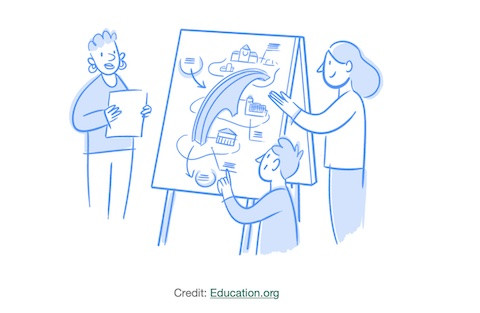 Bridge the knowing-doing gap to help fix the global education crisis 2021-10-13 Dr Randa Grob-Zakhary, CEO of Education.org, a non-profit independent foundation working to advance evidence and improve education for every leaner. With over 240 billion school days lost during the pandemic, the global learning crisis demands urgent action from global leaders. We have many of the answers; we are just failing to act. By 2030, the world has promised to ensure “inclusive and equitable quality education and promote lifelong learning opportunities for all”. That was the ambition of UN Sustainable Development Goal 4. At the current pace of progress, it is not going to happen. What would this collective failure mean for the future of our children and communities? For many, the consequences of lost opportunities in basic education are unfathomable. If we were to write a report card for our world, it would say “try harder”. It would point out that, even before COVID-19 struck and schools around the globe shut down, there were nearly 260 million children out of school. It would warn that the world is still struggling with the most basic elements of an education that many of us take for granted. Almost 620 million children – roughly six in ten – were not achieving the minimum proficiency standards for reading and maths, with another 100 million likely to join them because of the pandemic. To make matters worse, the world’s schools have recently been off sick for long periods – over 240 billion days of school have been lost since January 2020 due to COVID-19. With the ongoing threats of the pandemic, political instability and climate change, is there room at the table for a debate about the global learning crisis? Does the opportunity to press reset and build back better include our children’s education? We call on the world’s leaders not to ignore the devastating impact that will result from a continued failure to meet our children’s most basic education needs, and which has only been accelerated by COVID-19. There are easy solutions to hand, after all. Our research shows that a crucial part of the answer can be met by urgently fixing education’s knowing-doing gap. This gap currently creates a disconnect between what we know about improving education from available research, how those insights are translated for and shared with policymakers and practitioners, and what we do in practice. When I served as Board Member and Chair of the former Strategy and Impact Committee at the Global Partnership for Education, I saw first-hand the damage that this gap inflicted on an education ecosystem that advocates for and funds research but offers little effective support in putting those findings to work. This gap has painful repercussions, especially for the most vulnerable students, such as marginalised girls or students with different needs, resulting in poor coordination and ill-fitting solutions that do not match the scale or urgency of the challenges we face. Building an “education knowledge bridge” between researchers, policymakers and practitioners to eliminate this gap would lift millions of children out of deep water and into better lives. A recent White Paper we released, drawing on a thorough 12-month analysis of 45 organisations and 80 interviews with education sector leaders including ministers, academics, funders, NGOs, and international organisations leaders and practitioners, confirmed this. It shows that we have the knowledge we need to make things better, we are just failing to use what we already know. Education ministers and country managers of non-governmental organisations bemoan the fact that they struggle to make sense of the latest research in a way that can deliver positive change in their own environments. Crucially, an education knowledge bridge would allow us to make better use of the existing evidence in a way that suits different contexts, by including a broader range of sources and voices that are often left out. Such a bridge would help us make smarter use of scarce funding by identifying the greatest needs, tailoring solutions and avoiding duplication. It would encourage greater inclusion of policy and teaching voices in the early stages of research, contribute to stronger, more equitable education systems and allow us to respond more quickly, especially in times of crisis. We have seen a similar approach produce remarkable results in the healthcare sector. Investment in applied and user-centred health research has been backed up by an established and structured system of synthesising findings to create actionable, relevant and translatable guidance that informs policy and delivers impact. How can we achieve the same in education? We identified five key capabilities that must be developed to bridge the knowing-doing gap in education. First, while existing education research must be put to better use, new research must be designed with the user in mind, involving policymakers and teachers early on to focus academic studies on real-world problems. One of the major obstacles faced by policymakers is to make sense of all the jigsaw pieces in research, some of which might conflict. Developing a comprehensive and systematic approach to synthesising this information would clear the fog. However, bringing together diverse research for a generalised audience must also be supported by a process that translates these findings into helpful guidance for policymakers. Turning guidance into policy and practice requires improved capacity to implement change by engaging stakeholders from all corners of the education ecosystem, reflecting local needs and adapting mid-flow to improve outcomes, if required. This demands an enabling environment for evidence-based action: focusing on users more than theory, reinforcing existing education systems rather than forging parallel tracks, protecting research independence and policy choices from funding biases, making the most of global and local networks, and prioritising equity in education for all students. Building an education knowledge bridge will take a global effort involving everyone working in education. Without it, ambitious targets for providing quality education for all will remain out of reach and the world’s school report card will continue to make for painful reading. Change can no longer wait. Advancing evidence can help course correct this trajectory so that our world can improve education for every learner. URL:https://gemreportunesco.wpcomstaging.com/2021/10/12/bridge-the-knowing-doing-gap-to-help-fix-the-global-education-crisis/
 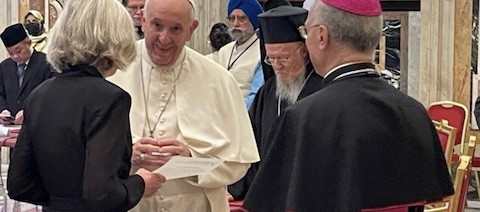 Pope Francis presents UNESCO with religious leaders’ message to the world’s teachers 2021-10-09 His Holiness Pope Francis called for educational renewal to advance universal fraternity and expressed gratitude to the world’s teachers for their dedication, during an inter-religious dialogue at the Vatican on 5 October marking World Teachers’ Day. During the event, Pope Francis handed over to UNESCO Assistant Director-General for Education Stefania Giannini a statement of greetings to teachers and educators from representatives of religions in which they express “hope that each nation will give due value and recognition to your service, in the knowledge that the future of humanity depends on the quality of teachers and education.” To achieve “open and inclusive education,” the representatives share their commitment to “putting the human person at the center of every educational process, listening to and respecting students and teaching lifestyles that are more respectful of the environment.” The message reflected the tone of the meeting, during which representatives from various religions described education’s seminal role in fostering universal values of care, tolerance, respect and solidarity. Across traditions, they advocated for a humanistic and holistic approach to education. The meeting, the first of its kind, was organized to take forward a global compact on education launched by the Pope in 2019 as a broad alliance of all those engaged in education to shape the future of our planet. “All change requires an educational process aimed at developing new solidarity and a more welcoming society,” said Pope Francis. “We want to be a stimulus for renewed education activity that can advance universal fraternity. Today we want to state that our religious traditions reaffirm the mission of integrally educating each individual - head, heart, hands and soul.” Pope Francis emphasized the responsibility of religions in promoting peaceful coexistence, dialogue and mutual respect. “If in the past, in the name of religion, discrimination was practiced against minorities, today we want to be defenders of the identity and dignity of every individual and teach young people to accept everyone without discrimination. If in the past, the rights of women, children and the most vulnerable were not always respected, today we are committed to defend those rights and teach young people to be a voice for the voiceless. Education impels us to reject and denounce he violation of the moral and physical integrity of every individual,” he continued. Affirming that “nature never forgives,” the Holy Father insisted on ecological responsibility. “If in the past we accepted the plundering of our common home, today we must train ourselves and future generations in more ecologically sustainable lifestyle.” Ms Giannini recalled that young people made a strong call for common responsibility at the Pre-COP Youth4Climate summit on 29 September in Milan. Concluding he event, she said that the statements by religious leaders resonated with UNESCO’s humanistic vision of education, stressing that teachers are at the heart of change. “Without empowered and well-prepared teachers we cannot do anything. As the COVID-19 pandemic has proven, no screen and no device can ever replace a teacher. The human factor is at the heart of learning and its success.” The meeting gathered representatives from Islam, Judaism, Sikhism, Jainism, as well as the Patriarchate of Constantinople, the Russian Orthodox Church, the Quakers, the World Council of Churches, the World Evangelical Alliance. URL:https://en.unesco.org/news/pope-francis-presents-unesco-religious-leaders-message-worlds-teachers
 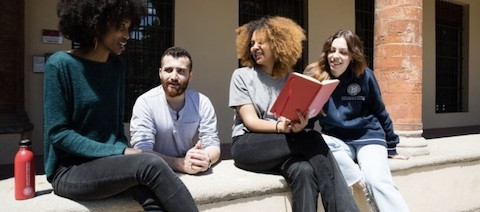 Università di Bologna GCED Chair in Higher Education strengthens vital link between research and action 2021-10-09 The COVID-19 pandemic and recent conflicts worldwide that are driving refugees and asylum seekers from their homes has further demonstrated the need for a global dimension in education and the limits of nationalistic responses to global challenges. Across the world, GCED has gained momentum in policy agenda, school practice and academic debate, and many national governments are introducing educational polices to integrate GCED in school curricula. At its heart, global citizenship education (GCED) focuses on the interdependence and interconnectedness between the local, the national and the global. Located at that nexus, UNESCO’s network of Chairs on GCED has a distinct purpose linking research to action, putting learners at the centre, and tangibly affecting people’s lives and communities. In August 2021, UNESCO is pleased to announce the new Chair on Global Citizenship Education in Higher Education, Professor Massimiliano Tarozzi, from the Department of Life Quality Studies at the Università di Bologna, Italy. Dr. Tarozzi brings a rigorous research agenda and relationships from across Europe and North America to support GCED in tertiary education institutions, which have received relatively little attention in GCED research and policy. “Establishing this Chair in Higher Education emphasizes the importance of research and the engagement of universities in the community as key levers for social change and fostering global citizenship,” Stefania Giannini, UNESCO Assistant Director-General for Education, said. “UNESCO strongly support the role of academia and research institutions in global efforts to find viable solutions to our most pressing challenges, building bridges between research, policy and society.” Università di Bologna provides a case in point of putting GCED principles into action, for example by facilitating refugees and asylum seekers access and integration into higher education, along with recognition of their existing academic credentials. The Unibo for Refugees initiative enables asylum seekers to integrate into student life and ladder into academic programmes by accessing courses at the university free of charge. In related efforts, the UNI-CO-RE project (University Corridors for Refugees) partners with Mekele University, Ethiopia, to ensure the academic progression and social support of students from Eritrea. The university also plans to provide training for early career researchers, professors, and pre-service teacher in GCED to support development across the education system. As a framing paradigm, GCED “encapsulates how education can develop the knowledge, skills, values and attitudes learners need for securing a world which is more just, peaceful, tolerant, inclusive, secure and sustainable” (UNESCO, 2014). Connecting the cognitive, socio-emotional, and behavioural dimensions of learning, GCED takes a holistic approach that can be articulated differently in diverse contexts. While fostering local networks to support newcomer students, Dr. Tarozzi also works to build global networks to support GCED promotion across the global north. Working with a team of researchers and in partnership with the Centre for Global Citizenship Education and Research at the University of Alberta, Canada, Dr. Tarozzi has recently explored networks of actors in the GCED sector across Europe and North America. He is also coordinator of the activities of the Academic Network of Global Education and Learning (ANGEL): this global network will be a special partner of the Chair, providing further possibilities of networking and disseminating activities. “I’m excited to start this formal collaboration with UNESCO, which is the key player championing Global Citizenship Education across the world. A GCED perspective in higher education is critical to progress the whole Agenda 2030,” Dr. Tarozzi said. Dr. Tarozzi joins the existing UNESCO Chairs supporting ongoing contributions to GCED, including: Professor Paul Carr from Université du Québec en Outaouais, Canada, UNESCO Chair in Democracy, Global Citizenship and Transformative Education Professor Carlos Alberto Torres, Director of the Paulo Freire Institute and Associate Dean for Global Programs, University of California, Los Angeles, United States, UNESCO Chair on Global Learning and Global Citizenship Education Professor James Williams from The School of Education and Human Development at the George Washington University, Director of the International Education Program and UNESCO Chair in International Education for Development In particular, the introduction of GCED along with Education for Sustainable Development (ESD) in the 2030 Sustainable Development Agenda, namely in SDG 4 Target 4.7, has influenced the political agenda of national governments worldwide to integrate these two programmes in education policy and practice. The proposed Chair goals and activities focusing on GCED align with UNESCO’s strategic goals as well as the achievement of the 2030 Agenda for Sustainable Development, in particular empowering learners to be creative and responsible global citizens. URL:https://en.unesco.org/news/universita-di-bologna-gced-chair-higher-education-strengthens-vital-link-between-research-and
  Call for nominations: Global Media and Information Literacy Awards 2021 2021-10-08 The International Steering Committee of the UNESCO Media and Information Literacy Alliance has announced a call for nominations for the 2021 edition of the Global Media and Information Literacy Awards. The Awards recognize excellence and leadership in the field of media and information literacy and are presented annually. It is led by the International Steering Committee and members of the UNESCO Media and Information Literacy Alliance. Submit a nomination: Click here Deadline for submissions: 20 October 2021, midnight Paris time Stakeholders in any sector can be nominated if they demonstrate the advancement of media and information literacy. Examples of sectors include intercultural dialogue, education, research, policy, advocacy, media and communication, information, and digital technology, etc. The work of the nominee should also illustrate the application and exploration of media and information literacy in one of the following areas: Creativity, Cultural Diversity, Education, Entertainment, Environment, Finance, Hate Speech, Health, Human Rights, Migration, Media and Information Literacy (Cities) for Civic Engagement, Misinformation, Peacemaking, and Poverty Reduction. Read the detailed description here before submitting a nomination. JudgingAn independent judging panel composed of 7 to 12 judges (ensuring gender parity), who are members of the UNESCO Media and Information Literacy Alliance, will be selected by the Alliance’s International Steering Committee. Judges shall not have affiliations or relationships with any of the nominees. Evaluation criteria Consistency Innovation and Excellence Impact Implementation The Global Media and Information Literacy Awards are presented every year at the Global Media and Information Literacy Week feature conference. The Awards recognize information/library, media and technology specialists, educators, artists, activists, researchers, policy makers, NGOs, associations and other stakeholder groups integrating media and information literacy in their work and related activities in an exemplary and innovative way. Global Media and Information Literacy Week 2021 will be commemorated from 24 to 31 October 2021, under the theme “Media and Information Literacy for the Public Good”. It will be hosted by South Africa. For more information about the Global Media and Information Literacy Awards 2021, visit the website. URL:https://en.unesco.org/news/call-nominations-global-media-and-information-literacy-awards-2021
 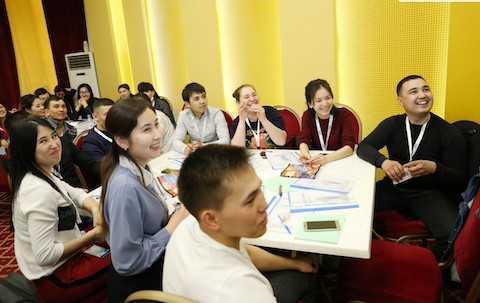 Kazakhstan experience on prevention of violent extremism was presented at the Global PVE Conference in Oslo 2021-10-07 UNDP Kazakhstan presented its unique experience on preventing violence extremism (PVE) in Central Asia during the third Global PVE Conference in Oslo. The best practices on the ways how mental health and psychological support have been integrated in PVE initiatives in Kazakhstan were discussed at the session on June 15, which highlighted examples from Central Asia. Mental health and psychosocial support (MHPSS) play a crucial role in building resilience of youth at risk of radicalisation. It is also an important part of PVE programming that allows to explore the possible links between mental health and radicalization, as well as how psychosocial support – together with other activities such as livelihoods and capacity building – can help strengthen the impact of peacebuilding interventions . However, despite an increasing interest to MHPPS application to PVE programming, there are still many factors, challenges, and risks associated with it. The rise of violent extremism and its spread across national borders has become a pressing issue for all Central Asian countries. Lack of employment opportunities, unrewarding employment, limited or constrained access to quality public services and justice, coupled with inability to participate in social and civic life lead to the overall sense of discrimination, alienation, and exclusion among youth in the region. To eradicate isolation and expand economic opportunities of at-risk youth UNDP Kazakhstan launched an apprenticeship scheme in September 2019, providing job training and employment opportunities. The scheme falls within the regional project “Strengthening Community Resilience and Regional Cooperation for Prevention of Violent Extremism in Central Asia”, funded by the Government of Japan. Within the 3-year UNDP regional initiative almost 600 vulnerable young people from remote localities of Kazakhstan took part in the subsidized 3-month apprenticeship programme. “Overall, around 600 local young people were matched to local companies and mentors. Vulnerable youth worked in enterprises, local government bodies, private businesses and civil society organisations. 331 employers from project areas participated in the Programme. Around 43,5 percent of young people have been employed on full-time basis after completion of the apprenticeship programme”, said Makhabbat Yespenova, Executive Director of KAMEDA Public Foundation, a responsible partner of UNDP within the apprenticeships scheme component in Kazakhstan. In addition to professional skills, young people were equipped with leadership and emotional intelligence skills, in-demand professional and soft skills, and received counselling and mentorship support, which could help them to withstand extremism, develop and spread ‘positive’ narratives and overcome the isolation. “Youth noted the positive changes not only as obtaining professional skills, but also as the improvement of social interaction, finding new friends, joining interest groups, gaining confidence in their capabilities and improvement of the quality of life in general,” noted Ms. Yespenova. ‘Important work is being done within the European Union funded Project on Strengthening Resilience to Violent Extremism project (STRIVE Asia). We already provided mental health and psychological support to more than 160 young people, majority of them being young women, through a series of group sessions and individual consultations with qualified psychologists’, mentioned Konstantin Sokulskiy, Head of Governance Unit at UNDP Kazakhstan during the session on June 15. Last autumn, during five-day group trainings and individual consultations vulnerable youth from Aktobe and Karaganda regions got informed about the risks of violent extremism, stress and work-life balance issues and effective communication with others. The most common issues voiced by the youth during the workshops included family related conflicts, negative emotions, persistent worry and fear about the future, search for self-identity, apathy, and depression. “As a next step, we need to take our preventive work to a next level. For example, we are still to find a way to measure impacts of our development interventions more accurately. Another challenge is achieving transformative and lasting impacts in extended geographical areas across the country’’, concluded Mr. Sokulskiy. The third Global Conference on Preventing Violent Extremism (PVE) in Oslo served a good platform to discuss the pressing issues of violent extremism, especially in the context of the COVID-19 pandemic, which brought changes to many aspects. The conference participants heard the voices from the ground on how to promote positive alternatives to radicalization; discussed issues on risks and radicalisation defined in an era of digital revolution, developed insights on how inclusive dialogue and multi - stakeholder interaction could build trust for preventing violent extremism in the society. URL:https://www.kz.undp.org/content/kazakhstan/en/home/presscenter/news/2021/june/undp-kazakhstan-to-contribute-to-the-prevention-of-violent-extre.html