
News
Catch up on what’s happening in the world of global citizenship education.
1,668 results found
 2021 International Literacy Day put literacy and digital skills at the heart of COVID-19 recovery 2021-09-24 “Education is a right. And, literacy is the foundation of all learning. It is discovery and empowerment. It expands choices and freedoms,” expressed UNESCO Assistant Director-General for Education, Ms Stefania Giannini in her opening remarks during UNESCO’s online International Conference on ‘Literacy for a human-centred recovery: Narrowing the digital divide’ held on 8-9 September 2021 to celebrate International Literacy Day (ILD). The two-day online conference brought together more than 600 participants, including Ms Koumbou Boly Barry, United Nations Special Rapporteur on the Right to Education, H.E. Ms Maria Victoria Angulo, Minister of National Education, Colombia, H.E. Mr Tiago Brandão Rodrigues, Minister of Education, Portugal, Mr Mamadou Binaté, Director of Cabinet at the Ministry of National Education and Literacy, Cote d’Ivoire, as well as representatives of governments, development partners, experts, educators and learners around the globe. Its special session on the UNESCO International Literacy Prizes welcomed the six 2021 Laureates from Côte d’Ivoire, Egypt, Guatemala, India, Mexico and South Africa, as well as the Ambassadors of Permanent Delegations of the Republic of Korea and the People’s Republic of China which support the Prizes as well as Mr John Benseman, the Chair of the 2021 International Jury. The participants explored how literacy could contribute to building a solid foundation for a human-centred recovery and reflected on what would make policies and programmes more inclusive and relevant for promoting literacy, which in today’s society also includes digital skills. The discussion illuminated the widened digital divide and other forms of inequalities due to the COVID-19 pandemic. The conference was also an opportunity to reimagine literacy teaching and learning in our increasingly digitalized society. The importance of literacy as part of the right to education was reaffirmed by Ms Giannini, Ms Barry and Mr Borhene Chakroun, Director of the Division of Policies and Lifelong Learning Systems at UNESCO. They also recognized literacy and education as an enabler to achieve other rights. Stories of Gogo, a 98 year-old primary school pupil from Kenya and Ms Hassina Sherjan, Founder and Chief Executive Officer of Aid Afghanistan for Education, Afghanistan, showed how fulfilling the right to literacy can transform people’s life. Talking about former learners of her literacy programmes, Ms Sherjan shared, “Promoting literacy is one of the solutions to problems in Afghanistan. Education is something no one can take away from them. Literacy is the weapon that they can protect themselves with and demand the rights that they were born with”. The conference shed light on the need to promote digital skills as part of literacy in today’s increasingly digitalized society. The rapid shift to distance learning due to the COVID-19 pandemic has led to a steep rise in technology-enabled literacy learning, which has generated increased demands for digital skills. This was also highlighted by a trend analysis of nominated applications of the UNESCO International Literacy Prizes 2021. Country examples from Colombia, Côte d’Ivoire, Portugal, and Morocco demonstrated how they have made strides in promoting digital skills and literacy during and before the pandemic, as well as the laureates and literacy programme of Deutsche Volkshochschul-Verband (DVV) for refugees and migrants. Several participants pointed out the persistent digital divide, for which narrowing the skills gaps is required along with the further improvement of infrastructure, affordability of digital devices, applications, and networks, as well as safety and security measures. An important message was the centrality of literacy to a human-centred recovery from the COVID-19 crisis. “We are no longer in emergency mode but rather adapting to a new reality of working, living and of course learning, with unprecedented reliance on technology. We are learning the ropes of resilience to face uncertainty and shape a more sustainable and fair future – one that leaves no one behind. This is only possible by putting people at the center and striking the right relationship with technology”, expressed Ms Giannini. The conference also showed how working together, across sectors, constituencies, disciplines, and geographical boundaries, can make a difference in tackling multifaceted literacy challenges, with examples of successful multistakeholder partnerships such as the ‘Learning Coin’ programme for marginalized and out-of-school children and young people in Thailand, the European Basic Skills Network (EBSN), and UNESCO’s Global Alliance for Literacy within the Framework of Lifelong Learning. Regarding the future of literacy learning and teaching, literacy for deep reading as well as analytical and critical thinking was highlighted. Basic literacy skills for merely encode, decode and understand simple texts are not sufficient for people to navigate in life, work and learning in our scientifically and technologically advanced societies. Ms Maryanne Wolf, from the UCLA in the United States of America, stressed the importance of ‘deep reading skills’, for which the understanding and appropriate use of the print and digital mediums, together with empathy, is crucial as they can influence differently learning of a writing system and the brain development. Based on the results of the Programme for International Student Assessment 2018, Mr Andreas Schleicher, Director of Education and Skills of OECD pointed out a shift in a focus in literacy in the past two decades from if one can read and what one can read to how one reads. Less than half of 15-year-olds in OECD countries (47%) are able to distinguish facts from opinions in texts. Noting progress in digital skills development, he illuminated that disparities in access to cultural capital such as books have widened between the privileged and disadvantaged students. Mr Sobhi Tawil, Director of Future of Learning and Innovation Team at UNESCO stated that future literacy is not only a tool for ‘learning to learn’. To adapt to rapid social transformations and shape our futures that are socially just and environmentally sustainable, it must be a tool for unlearning what perpetuate in our society, such as discrimination, exclusion, and unsustainable behaviours. Ms Amna Habiba, a representative of the UNESCO Youth Community from Pakistan said that the futures with technology can promise a lot to us, but “most of all, free and accessible learning opportunities that pave pathways to technological empowerment in developing countries”. Mr Chakroun gave his closing remarks by recalling the critical role that literacy plays for a human-centred recovery. “Any effort towards recovery has to be about human rights, it’s about recognizing the right to education, the right to lifelong learning and the right to literacy”. **** Learn more about International Literacy Day (ILD) 2021 Read UNESCO’s press release for International Literacy Day Read UNESCO’s fact sheet for International Literacy Day Visit the website for UNESCO International Literacy Prizes Watch International Literacy Day 2021 video URL:https://en.unesco.org/news/2021-international-literacy-day-put-literacy-and-digital-skills-heart-covid-19-recovery
 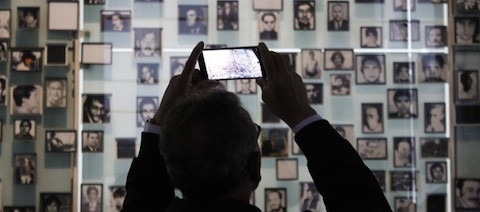 Holocaust and genocide education in Latin America and the Caribbean: Webinar series 2021-09-21 How can education address violent and conflict pasts in a democratic society? How can we promote a culture of peace and human rights that avoids mass atrocities like those that have occurred in the world and on our continent and ensure that they never happen again? These are some of the questions that will be addressed during the international seminar “Teaching about the Holocaust and Genocides in Latin America and the Caribbean” organized by the Regional Bureau for Education in Latin America and the Caribbean (OREALC/UNESCO Santiago), which is taking place over the course of five sessions between August and November this year (see schedule). “Teaching about the Holocaust and genocide is part of UNESCO’s efforts to promote Global Citizenship Education (GCED), a priority of the 2030 Education Agenda. This allows us to support the efforts of people involved in education to help students to become critical thinkers, active global citizens and responsible individuals who value human dignity and respect for everyone,” said Mary Guinn Delaney, Head of the Transformative Education Section at OREALC/UNESCO Santiago. The seminar offers an overview of opportunities that can emerge from teaching in diverse cultural contexts in which education can prevent this type of situation from the past and promote knowledge, capacities, values and attitudes that foster prevention of violence with regard to certain groups of people in today’s societies. The Holocaust is one of the most well-documented historical events in the world, and exploring this history through education can make people aware of the situations that can lead to a risk of genocide in the world today. It can also highlight the importance of human rights and universal values in the context of diversity of cultural expressions as the basis for peaceful coexistence and mutual understanding. The seminar programme features renowned specialists from museums and memory sites, policymakers and teacher trainers. Its target audience is teachers, education professionals and members of the general public. Participants who attend the entire seminar will receive a certificate and the content will be broadcast on the Zoom platform and the OREALC/UNESCO Santiago YouTube channel. This is a five-session event that is designed to contribute to the development of a conscious, respectful global citizenship that promotes human rights and cultural diversity as the basis for peaceful coexistence and mutual understanding. UNESCO’s work on education about the Holocaust and genocide URL:https://en.unesco.org/news/holocaust-and-genocide-education-latin-america-and-caribbean-webinar-series
  Hack Media and Information Literacy for Better Futures: Call for applications 2021-09-21 What can youth do to harness Media and Information Literacy to build the post-pandemic world for the public good? Hack Media and Information Literacy for Better Futures – a Global Youth Hackathon led by UNESCO and South Africa, in cooperation with European Commission, IBM Z and other partners, will seek to answer this question. In partnership with the EU-funded project Social Media 4 Peace, this year’s edition seeks to tackle the specific challenges in promoting peace building narratives, and to address hate speech through media and information literacy. The call for applications is now launched globally. Apply as a team: click hereDeadline: 3 October 2021, at 00:00 Paris time Global Media and Information Literacy Youth Hackathon is an occasion for youth and youth organizations around the world to engage in the creation of innovative media and information literacy learning in meaningful ways. Following the two first successful editions, the third Global Media and Information Literacy Youth Hackathon will be held during Global Media and Information Literacy Week 2021. UNESCO and partners will call on youth worldwide to participate in this virtual hackathon to design innovative solutions to a defined set of social challenges. With a view to enhance youth participation in this global online event, this year’s Global Media and Information Literacy Youth Hackathon will seek the engagement of media and information literacy partners in the five regions: Africa, Arab States, Asia and the Pacific, Europe and North America, and Latin America and the Caribbean. Engagement will be sought through the involvement of UNESCO Field Offices and regional and international partners. Youth from local schools, universities, youth centres, and youth organizations, as well as youth leaders from around the globe, are invited to participate by inscribing their teams in the competition. The winning teams and the outcome of the Hackathon will be presented during the Global Media and Information Literacy Week Youth Agenda Forum on 27 October 2021. Timeline 3 October 2021: Registration ends 4-5 October 2021: Two-day mentoring on MIL and the hackathon 5-17 October 2021: Hacking process 18 October 2021: Submission of pitches 19-22 October 2021: Judging process 22 October 2021: Announcement of winners 27 October 2021: Presentation of the winners and outcome during the Global MIL Week 2021 Youth Agenda Forum Eligibility Participating teams will comprise 3-6 members (ensuring gender parity, teams can be national, regional or international). Any group of persons who are aged between 18 and 35 years and adheres to the values of UNESCO, such as peace, respect for diversity, freedom of expression etc. No previous computer science or coding background is required. Experience and expertise in gaming, mobile application, website and radio/media content development would be an asset. Task and challengesWithin the theme “Hack Media and Information Literacy for Better Futures”, participating teams will design innovative and creative solutions to one of the following three challenges: Media and Information Literate Youth to Promote Peacebuilding Narratives and Address Hate Speech Media and Information Literacy within Youth Organizations: Innovative Ideas Media and Information Literacy in City Spaces Solution categories Game Application/Website Radio programme/Podcast Creative community-based intervention (non-technology focused) Submission formatPrototype of the solution and a 3-minute video pitch (a creative format is strongly recommended), which must present: The team composition Problem statement, objectives, audience and alignment with one of the three challenges Explanation of the prototype Feasibility Deployment strategies / Business model and evidence of market validation Sustainability Mentoring Regional and Global hackathon organizers will provide participants with a two-day mentoring programme in MIL and hackathon purposes and methodology. Mentoring session will be provided in English. Organizers will provide e-mail / chat support to participants throughout the event. Judging An independent judging panel composed of 7 to 12 judges (ensuring gender parity) is being selected by UNESCO. Judges shall not have affiliations or relationships with any of the participating teams or team members. Evaluation criteria Consistency Excellence Feasibility and Sustainability Potential Impact Recognition for participation and winning teamsAll participating teams will receive a certificate of participation. Winning teams will gain: Opportunity to present their projects globally during an online press conference at the Global MIL Week 2021 Youth Agenda Forum Invitation to UNESCO’s Global Media and Information Literacy Week 2022 Feature Events A winning certificate from UNESCO Recognition through a UNESCO press release and various media channels This event is organized within the framework of the Global Media and Information Literacy Week 2021 - Youth Agenda Forum: “Media and Information Literate Youth for the Public Good” More information: click here. About Global Media and Information Literacy Week 2021 The annual Global Media and Information Literacy Week, initiated in 2012, is led by UNESCO in cooperation with the UNESCO Media and Information Literacy Alliance, the UNESCO-UNAOC MIL and Intercultural Dialogue (MILID) University Network, and other partners. It is a major occasion for stakeholders to review and celebrate the progress achieved towards “Media and Information Literacy for All” and a UN international Day. The tenth Global Media and Information Literacy Week will be commemorated from 25th to 29tht October 2021 and will be hosted by South Africa. Global Media and Information Literacy Week 2021 highlights will include the eleventh MIL and Intercultural Dialogue Conference and sixth Youth Agenda Forum. More information: click here. URL:https://en.unesco.org/news/hack-media-and-information-literacy-better-futures-call-applications
 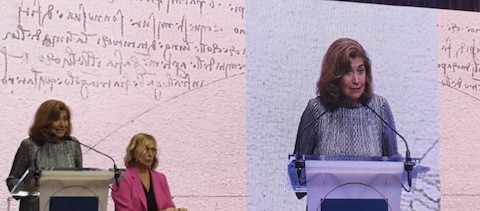 UNESCO invites G20 Ministers to join forces to fight for gender equality 2021-09-21 It is now well-known that women are not only bearing the brunt of the pandemic as they make up 70% of the health and social care workforce, but are also disproportionately impacted by the pandemic in both the short and long run. In this context, UNESCO participated in the first-ever G20 ministerial conference on women’s empowerment, chaired by Elena Bonetti, Italian Minister for Equal Opportunities and Family. Gender equality ministers from G20 countries and representatives from international organizations (UNESCO, UN Women, ILO, OECD), the business community, academia and civil society gathered in Santa Margherita Ligure on 26 August 2021. The historic meeting was the first of its kind, building on the numerous G20 gender equality actions over the past decade. It was both timely and critical as the COVID-19 crisis has highlighted the destructive effects of gender stereotypes on our societies, perpetuating gender inequalities and disproportionately affecting women. Topics addressed were “STEM, financial and digital literacy, environment, and sustainability” and “Labour and economic empowerment and work-life balance”; the organization of a specific ministerial meeting dedicated to the condition of women and girls in Afghanistan; and the destructive effects of gender stereotypes on our societies, particularly as they perpetuate gender inequalities and disproportionately affect women. Pioneering the G20’s gender equality agenda with the establishment of the Gender Target in Brisbane in 2014 and the W20 in Antalya in 2015, Gabriela Ramos, Assistant Director-General for the Social and Human Sciences Sector of UNESCO, led UNESCO’s delegation and supported Minister Bonetti’s call for immediate action. Given the resurgence of conservative movements, the unequal impact of COVID-19 on women and girls, and recently the unfolding situation in Afghanistan, where women and girls are at risk of losing everything, she invited key stakeholders to join forces with UNESCO to improve living conditions and opportunities for Afghan women and girls. UNESCO will pursue efforts to monitor the situation of schools in the country, as part of its mandate to protect and promote human rights and access to quality education. UNESCO will continue to support the people of Afghanistan, especially women and girls, to put human rights, education, freedom of expression and the protection of cultural heritage at the heart of a process to build peace. In joining forces, UNESCO’s networks, such as Chairs, Inclusive Cities and women and youth associations are part of the assets that can be activated to achieve our goals.-- Gabriela Ramos, Assistant Director-General for Social and Human Sciences at UNESCO She also reminded G20 ministers that although the COVID-19 pandemic and other world crises have the power to reverse even the minimal progress made on gender equality, comprehensive frameworks and agreements exist to guide the way forward and integrate gender equality within all mainstream policies. She urged them to integrate a holistic gender dimension into economic decisions rather than relegating gender-driven policies to an afterthought in governmental agendas and stressed the importance of changing mindsets and challenging harmful gender norms and stereotypes to bring about effective and lasting change. Among others, UNESCO’s Recommendation on the Ethics of Artificial Intelligence will be a critical instrument to help guide governments’ efforts to tackle gender biases and discrimination in the digital world and reverse trends in the digital economy. The Recommendation will be brought to UNESCO’s General Conference for approval by Member States in November this year. Ms Ramos commended the dedication, work and leadership of the Gender equality ministers and Champions of this agenda. To further increase the impact of their efforts and meaningfully engage men for this cause, she encouraged them to organize a second gender ministerial meeting together with Ministers of Finance. Let’s walk the talk. To achieve gender equality, we also need to engage men. This means bringing the Finance and Gender Ministers together, in the G20 context, to adopt decisive measures to advance equality. This can include gender-based budgeting; social protection systems that respond to women’s needs, and Targeted Basic Income for women in need.-- Gabriela Ramos, Assistant Director-General for Social and Human Sciences at UNESCO Following this significant G20 milestone on women’s empowerment, UNESCO remains resolved in its commitment to women’s rights and gender-transformative policies and honored to lead the fight for gender equality alongside such innovative and engaged change-makers. As part of the “Transforming MENtalities” Initiative, UNESCO’s Social and Human Sciences Programme — in partnership with Global MenEngage Alliance, Promundo US, the Sexual Violence Research Initiative and White Ribbon — will champion a world free of gender biases, stereotypes, violence and discrimination to help build a post-COVID-19 world where people of all genders can thrive. UNESCO will also honor this commitment by partnering with the magazine Marie Claire and the Connecting Leaders Club on 30 September 2021 to host a “Call to Equality” whole-day event at UNESCO Headquarters in Paris. Entitled "A world turned upside down, a world to think over: How can women help invent a new world?", it will address issues of gender equality related diversity, inclusion, and violence against women and girls, in the presence of ministers, business leaders, artists and intellectuals. Several French ministers are expected to attend, including Élisabeth Moreno, Minister for Equality between Women and Men, Diversity and Equal Opportunities, Marlène Schiappa, Minister Delegate in charge of Citizenship, and Elisabeth Borne, Minister of Labour, Employment and Integration. Read the Chair’s Statement of the G20 Conference on Women's Empowerment More on UNESCO’s work on Rights, Inclusion and Non-Discrimination More on UNESCO’s work on Gender Equality URL:https://en.unesco.org/news/unesco-invites-g20-ministers-join-forces-fight-gender-equality
 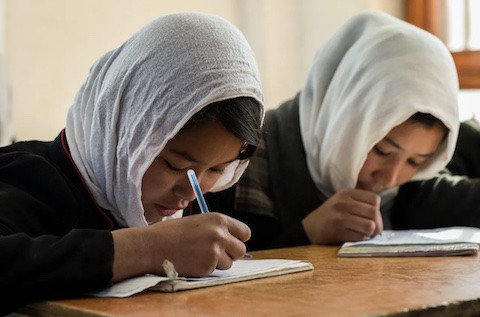 The Rise and Role of Religious Education in Afghanistan 2021-09-18 By M Niaz Asadullah, Professor of Development Economics at the University of Malaya, Malaysia and Southeast Asia Lead of the Global Labor Organization (GLO).Since the return of the Taliban to power, concerns are growing over girls’ education in the Islamic Emirate of Afghanistan. Many Taliban Ministers were educated in madrasas in neighboring Pakistan. It is likely, therefore, that the emphasis on Koranic education and Islamic teachings will rise up again in Afghanistan. Many are worried that secular schools will shut down. Girls may end up presented with a choice: sit at home or be sent to madrasas. But an emphasis on an education system compliant with the Shariah system does not necessarily mean an end to girls’ education. Taliban leaders now recognize the need for girls’ schooling but insist on complete gender segregation. This is confirmed by a major shift among the leadership which recently announced that Afghan women deserve to be in universities just as men, even if only on the condition that university classrooms remain strictly single-sex and aided by same sex teachers. Their demands also include restrictions on dress codes or forced purdah practice and ban on women’s participation in sports. To reach the university level of education, girls will need to work their way through primary and secondary school. Similar to other countries with a large Muslim population such as India, Nigeria, and Turkey, Afghanistan already has a nationwide network of madrasas to educate children, whose role is likely to increase under the current regime. There are 5000 registered madrasas and many more non-madrasa schools. Non-state madrasas remain largely undocumented but we do know that some have opened up to girls’ education in recent years. However, whether faith-based schools teach religious education as well as secular content depends by country and school, as the 2021/2 GEM Report on non-state actors due out this December will explore. The Talibans are not alone to mix education with religion and demand culturally appropriate forms of education for girls. Many other leading Muslim nations continue to ban co-educational schools and to require mandatory purdah practice. In Saudi Arabia, for instance, the government prohibits any mixing of the sexes and even forces private international schools to educate girls in a fully gender segregated environment. Sports such as football are also not allowed for female university students. Yet these restrictions have not held back progress in female education in Saudi Arabia, where equal numbers of boys and girls are in school and universities. Even in other Muslim countries with an emphasis on Islamic schooling, gender parity in education has been achieved. A case in point is Bangladesh, where partnering with thousands of registered madrasas was key to achieving gender parity in secondary school participation. This is also true for Indonesia, the most populous Muslim country in the world. One key fact is that the Taliban are returning to a very different education landscape than the one they left. Millions of girls returned to school in 2002, after the fall of the Taliban rule. Women’s visibility in public life also increased over that time, including with appointments to political office. The last Minister of Education before the change of regime was a woman, Ms. Rangina Hamidi, who spoke passionately about the importance of girls’ education when on the platform for the GPE Global Education Summit this summer. The past two decades saw the participation rate in higher education improve as well. Despite these gains, as in other parts of South Asia, such as the Sindh province of Pakistan, girls’ schooling remains less than universal. In Afghanistan, conditions of war, poverty and poor quality schooling have created an extremely challenging environment for girls’ education. The reality is that, despite USD $ 2 trillion of investment to rebuild Afghanistan since 2001, two-third of girls remain out of secondary education in the country. Even worse, those lucky enough to be in school during that time learnt little. This recent shocking GEM Report graph shows the extent of the work still to be done. It shows that Afghanistan is only now where India was twenty-five years ago as regards gender parity in primary completion.Against this backdrop, the biggest concern is that these past gains are not lost. Even after 20 years of the US administration of Afghanistan, the country remains a conservative society with deep respect for Islamic traditions. As this blog shows, there is enormous diversity in the way that girls are schooled in different Muslim communities around the world. The debate about the future of education in Afghanistan should not be about madrasa or schools, therefore. International development partners instead should demand that no Afghan girls are left outside the education system, focusing all their energy on protecting the trends in progress so far made on equity and quality wherever that education may take place. URL:https://gemreportunesco.wpcomstaging.com/2021/09/17/the-rise-and-role-of-religious-education-in-afghanistan/
  Ensuring justice in cases of gender-based violence and promoting women’s literacy digitally 2021-09-18 The COVID-19 pandemic and the ensuing country lockdowns have had devastating effects on families, economies, and women in particular. In the context of Nepal, where gender violence, women's rights, and education for girls are already in critical condition, the pandemic has exacerbated the situation. According to a survey by the literacy group Room to Read, half of Nepal's girls may drop out of school even after schools reopen. Before COVID-19, there was already a long way to go in order to reach gender equality in and through education. Currently, the gap has widened not only because of the halt in education but also due to the aggravating factor of gender-based violence (GBV). Realising this, on 6 September the UNESCO-UNFPA-UN Women Joint Programme, with support from KOICA, organised its fifth Community of Knowledge programme in partnership with the Forum for Women, Law, and Development (FWLD). This programme’s goal was to explore and understand the efforts of the Government of Nepal in ensuring an effective digital response mechanism for sexual harassment and GBV through online mediums and ensuring women and girls’ re-engagement in education through digital mediums. The programme included a dialogue session with representatives of the Health and Education Committee (HEC) of the House of Representatives, the Ministry of Education, Science and Technology (MoST) and the Cyber Bureau, Nepal Police. Surakshya K.C., Police Inspector at the Cyber Bureau, shared that during the lockdown period, many complaints were filed claiming sexual harassment on social media. She explained details of the overall increase in cybercrime, including fraud messaging, photo mutilation, and so on. As a response, the Bureau has created a Facebook page, and people can also complain through the website https://nepalpolice.gov.np/ which includes the Bureau's contact details and email address. Similarly, Deepak Sharma, Joint Secretary at the MoEST, explained the equity strategy in education, an initiative of the Ministry. Under this strategy, the government created an index to identify the areas where more children were out of school and where gender inequality in education persists. According to this strategy, the various factors affecting education include geography, poverty, the digital divide, gender equality, gender-based violence and the special needs of children with disabilities. Thus, in line with these observations, the Ministry has been engaged in ensuring an education accessible to girls and women as much as to men and boys. Another speaker, Honorable Jayapuri Gharti Magar, President of HEC, spoke about the digital divide is more evident during the pandemic. She mentioned that the situation of education is extremely grim in rural parts of Nepal, let alone in areas that are affected by floods and landslides. Even though the pandemic has worsened the state of education and equality, the speakers were optimistic about taking this as an opportunity to work to achieve technological and scientific advancement in Nepal. The program was broadcast live through FWLD's Facebook page. It received around 58,000 views, along with 693 reactions, 55 comments, and 20 shares. About the UNESCO-UNFPA-UN Women Joint Programme “Empowering Adolescent Girls and Young Women through the Provision of Comprehensive Sexuality Education and a Safe Learning Environment in Nepal” is a Joint Programme led by UNESCO, UNFPA, and UN Women with support from KOICA aiming to empower girls and young women through an integrated approach to education, health, and gender equality. For more inquiries, contact the UNESCO Office in Kathmandu at kathmandu@unesco.org URL:https://en.unesco.org/news/ensuring-justice-cases-gender-based-violence-and-promoting-womens-literacy-digitally
 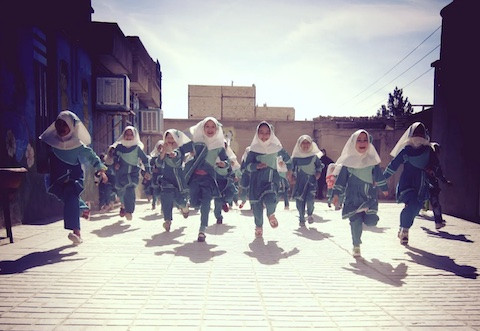 Keep Education Going in Afghanistan 2021-09-13 By Stefania Giannini, UNESCO Assistant Director-General for Education In 2001, a six-year-old girl in Afghanistan could expect, despite the odds, to attend primary and secondary school, graduate from university, and pursue a profession. These days might be over if the new order instates a system that institutionalizes discrimination against girls and women, and annuls commitments made over the past two decades to advance education. The consequences would be catastrophic for the people, the country and regional and global security. Although the country still lags far behind its South Asian neighbours on all education indicators, the progress achieved over the past twenty years – starting nearly from scratch – is nothing short of remarkable. This is documented in trends assessment report published by UNESCO here. In twenty years, the total number of enrolled students increased tenfold, from around 1 million to 8 million learners. From almost zero in 2001, the number of girls in primary school shot up to 2.5 million in 2018. Today 4 out of 10 students in primary education are girls. Their number in higher education increased from around 5,000 in 2001 to 90,000 – representing 25 percent of the student population. The number of teachers rose by 58% – and that of female teachers by over 100 %. The female literacy rate almost doubled from 17% to 30%, even if it still remains one of the lowest in the world. Behind these numbers lies empowerment, voice and opportunity – the possibility to participate in society, to contribute to one’s country. Education is a game changer.Over the past 15 years, with support from bilateral partners, UNESCO led the largest literacy program in Afghan history, reaching 1.2 million learners, including 800,000 women and girls, as well as 45,000 police officers. We supported the development of national strategies for education, established the first ever national institute for educational planning, trained planning officers and contributed to the reform of the education curriculum. It’s not the time to put a clamp on extraordinary progress but instead to maintain and step up investment in education to consolidate gains, bring down barriers to expand access, improve learning and keep children in school for a full cycle. We need breakthrough not breakdown strategies. The challenges ahead are colossal. Half of primary school-aged children are not enrolled in school while 93% of children at late primary are not proficient in reading. Child marriage continues to put a pall on girls’ education and future, affecting 1 in 3 girls under 18. The COVID-19 pandemic and conflict have placed additional strain on education development with millions of learners affected by the closure of schools and other educational institutions. The number of internally displaced persons is projected to increase, heightening the risk of learning losses among children. The system remains heavily dependent on external aid that accounts for half the education budget. A withdrawal of aid could lead the system to implode. We cannot let the Afghan people down but there are red lines. Afghanistan has enshrined the right to education for all citizens in the Constitution adopted in 2004 and guarantees 9 years of compulsory education for all girls and boys. It has signed up to international normative instruments relating to education and the rights of women, including the Convention against Discrimination in Education in 2010 and Convention on Discrimination against Women before this, in 2003. Upholding these commitments to build on the achievements of the past two decades is the starting point. This means respect for girls’ and women’s rights and their full access to education and training opportunities at all levels, including scientific disciplines. It entails curricula that promote non-violence, appreciation for cultural diversity and peace. It means ensuring safe learning environments for all learners and teachers in line with the Safe School Declaration endorsed by the country. Today’s challenges are global and interdependent, and education must reflect this to help youth build resilience and navigate change to benefit their country. You can’t take away knowledge that’s been acquired but you can keep a whole nation locked in poverty without making education a foundation for the future. The country needs more education for girls and boys to reduce poverty, make a dent into still dramatically high levels of child mortality, malnutrition and stunting. Afghanistan, together with all the world’s nations, adopted ambitious global goals in 2015 for peace, planet and prosperity. They may seem beyond reach, but as the past 20 years have demonstrated, rapid change is possible. It’s happened through political will and international collaboration – and the shared conviction that education holds the power to transform lives and development trajectories. Nearly 65% of the Afghan population is under 25 – this is the country’s richest resource and its future. We need political will and commitment from the new authorities and summon international solidarity to provide children and youth with their fundamental right to learn. Everyone will win if universal education becomes the bedrock of recovery and peace-building that the Afghan people desperately need. URL:https://gemreportunesco.wpcomstaging.com/2021/09/11/keep-education-going-in-afghanistan/
 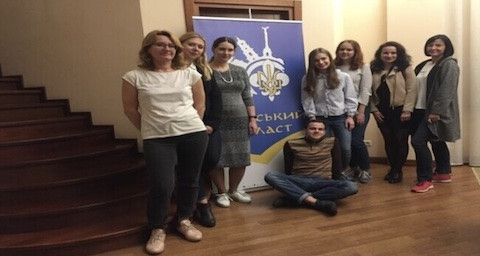 [GCED in Action] Two-day workshop on Media Literacy for youth held in Ukraine 2021-09-13 Critical Media Literacy for Young Global Citizens! Two-day workshop on Media Literacy for youth held in Ukraine On 21 & 22 August 2021, a two-day workshop on Media Literacy Course “Very Verified’ was held in Bucha, Kyiv region, Ukraine. The workshop was organized by Ms. Valeriia Moroz, a member of GCED Youth Network, with the support from APCEIU. As the alumni of APCEIU’s Global Youth Leadership Workshop on GCED, Valeriia worked to promote the importance of media literacy in this workshop, further cultivating the enthusiastic participation of youth in the enhancement of GCED. The workshop was mainly focused on providing knowledge and real-life examples on misinformation, disinformation, potential hazards of media, etc. During the first day of the workshop, twelve participants aged 12 to 19 were allowed to examine their media usage hours and level of media literacy by engaging in the World Café game and individual exercises. They brought their insights to a larger group and interacted with each other by utilizing worldwide charts and polls on media. The second day of the workshop began with the media disinformation activity “How the media influences us”. Participants mentioned that they “did not expect media to be so complicated”, “always trusted the media”, “thought that all of the media sources are equally correct” throughout the activity. Based on these reflections, participants created posters on media literacy that address the key points of the workshop, including what is media and how does it affect us. The successful implementation of this workshop has strengthened the potential of the participants in realizing their role as global citizens to advance media literacy. After participating in the workshop, participants expressed their interest and willingness to further study media literacy and global citizenship and hope to have another opportunity to continue to work on these issues. In 2021, APCEIU strengthens its support for youth leaders’ efforts in different parts of the world in promoting critical global citizenship through various glocal issues, encouraging them to identify the urgent and relevant topics and issues in their local communities and to take actions. URL:http://www.unescoapceiu.org/post/4249
 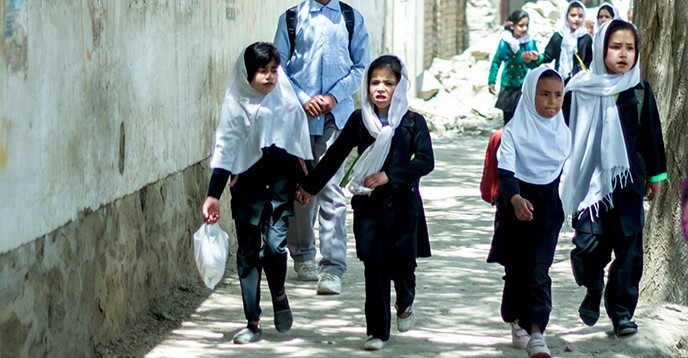 Afghanistan – UNESCO highlights key challenges for Education, Science and Culture in the country 2021-09-13 Afghanistan stands at a turning point in history. It is critical for the country, and for the entire region, that progress made over the last two decades, in terms of human rights, education and international standards remains in place. Since 2002, UNESCO and its Afghan and international partners have carried out several nation-wide programs to reform the education system, to protect cultural heritage, to increase scientific capacity, and to ensure the safety of journalists. These initiatives helped advance Afghanistan’s progress towards meaningful development. Afghanistan has made the following gains: A major increase in literacy rate, from 34% (2002) to 43% (2020) Beginning in 2006 with the support of partners including Sweden, Japan, Norway, Denmark, UN agencies and civil society organizations throughout the country, UNESCO led the largest literacy program in Afghan history, reaching 1.242.000 learners, including 800.000 women and girls. 45.000 police officers have also been reached and trained through literacy programs. From 2002 onwards UNESCO supported the government in the development of a nation-wide education revamp, encompassing all National Strategies for Education, the first-ever National Institute for Educational Planning, a global Education sector analysis, a General Education Curriculum reform (reaching over 1 million learners), and a strategic plan for higher education. UNESCO built capacity in Afghanistan: thousands of Afghan officials were trained: In the Education sector: we trained 741 planning officers from all 34 provinces. And in the Culture sector we trained several museum curators and professionals, as well as culture specialists capable of conducting inventories and monitoring heritage sites. Large-scale safeguarding operations were conducted for the preservation of the remains of the Bamiyan Valley, the Minaret of Jam and other iconic monuments that must be preserved as symbols of Afghan identity and national cohesion. Several cultural initiatives have been taken to revitalize Afghanistan’s cultural fabric and creativity, notably through the launch of the Bamiyan Cultural Center, an exhibition and training space, and through the photographic competitions which have helped give birth to the Kabul Photographic Biennale in 2017. Since 2018, the Physics Without Frontiers (PWF) programme run by UNESCO’s Abdus Salam International Centre for Theoretical Physics ICTP has been working with Kabul University to help faculty develop curricula in physics, including at undergraduate level. Some 400 Afghan students travelled to Kabul University from across the country to attend intensive Physics courses at Kabul University. Afghanistan is now home to one of the most dynamic media landscapes in the region, with 1,879 active media outlets, 203 TV channels, 349 radio stations, and 1,327 print outlets. In 2020, there were 1,741 women media workers in Afghanistan, including 1,139 women journalists These achievements all show that today Afghan society is very different from 20 years ago. The country has made huge strides, but they must be preserved or the country’s development will unravel. Many challenges lie ahead for Afghanistan: 12 million Youth and adults (15+) in Afghanistan still lack basic literacy skills 81 journalists were killed between 2006 and 2021, including 7 as of August 2021 From September 2020 - February 2021, almost one in five women journalists left the profession, due to ongoing violence and threats. UNESCO is committed to step up its support to the Afghan people. Recalling what has been achieved over the past two decades, UNESCO wishes to remind the international community what is at stake in its fields of competence, to serve as a benchmark for the future. More about: UNESCO is monitoring the evolving situation in Afghanistan with particular attention to issues concerning the universal right to education, freedom of expression and heritage. For further details, please read our statements here: UNESCO calls for respect of freedom of expression and safety of journalists in Afghanistan Afghanistan - UNESCO calls for the protection of cultural heritage in its diversity UNESCO Director General calls for unhindered right to education in Afghanistan For more information, please contact UNESCO Press Service: Clare O’Hagan URL:https://en.unesco.org/news/afghanistan-unesco-highlights-key-challenges-education-science-and-culture-country
 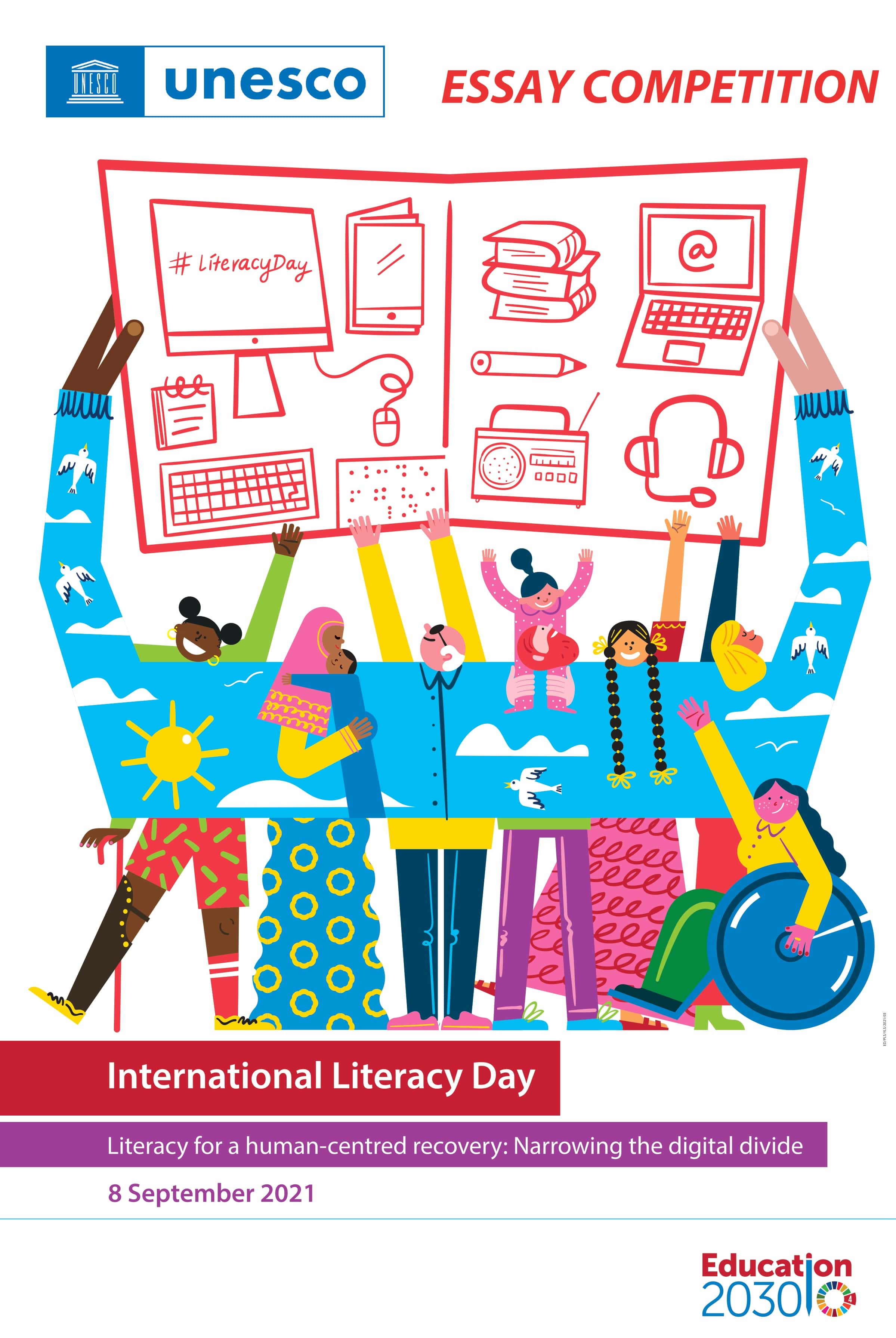 Essay competition dedicated to International Literacy Day 2021 2021-09-12 Participate in an essay competition by UNESCO Almaty dedicated to International Literacy Day 2021 and win a prize!ESSAYS SHALL BE SUBMITTED UNTIL 22 SEPTEMBER 2021 Background informationInternational Literacy Day (ILD) 2021 will be celebrated under the theme “Literacy and digital skills during COVID-19 pandemic”.The COVID-19 crisis has disrupted the learning of children, young people and adults at an unprecedented scale. It has also magnified the pre-existing inequalities in access to meaningful literacy learning opportunities, numerous literacy programmes have been forced to halt their usual modes of operation.Even in the times of global crisis, efforts have been made to find alternative ways to ensure the continuity of learning, including distance learning, often in combination with in-person learning. Access to literacy learning opportunities, however, has not been evenly distributed. The rapid shift to distance learning also highlighted the persistent digital divide, thus many students have problems the Internet connection, do not have the necessary equipment (computer, laptop, tablet) and not proficient in using technology. In addition, access to electricity is limited in some regions, which also hinders distance learning.The pandemic, however, was a reminder of the critical importance of literacy. Beyond its importance as part of the right to education, literacy empowers individuals and improves their lives by expanding their capabilities to choose a kind of life they can value. It is also a driver for sustainable development. Literacy is an integral part of education and lifelong learning premised on humanism as defined by the Sustainable Development Goal 4. Literacy, therefore, is central to a human-centred recovery from the COVID-19 crisis.ILD 2021 will explore how literacy can contribute to building a solid foundation for a human-centred recovery, with a special focus on the interplay of literacy and digital skills required by non-literate youth and adults. It will also explore what makes technology-enabled literacy learning inclusive and meaningful to leave no one behind. By doing so, ILD2021 will be an opportunity to reimagine future literacy teaching and learning, within and beyond the context of the pandemic.Essay themesWithin the competition, participants are invited to write an essay expressing their reasoning and thoughts on one of the proposed questions:1. What is the digital divide and how can it be prevented?2. How would you address the digital gap that exists in remote/rural areas?Evaluation criteria for competition entries1. Relevant to the proposed themes and questions;2. Follow the grammar and stylistics of English or Russian language;3. Essays must be original and unpublished. Plagiarized entries will be rejected;4. Ability to express own thoughts;5. Argumentation and critical thinking skills6. Essay must be up to 1-1.5 pages of typewritten text in English or Russian in Microsoft Word. Font: Times New Roman, size - 14, spacing - 1.5. All margins are 20 mm. At the top left is the surname, name of the author of the essay.DeadlineEntries must be received by September 22, 6 p.m. Almaty timeGuidelines1. Essays may be submitted by citizens of Armenia, Azerbaijan, Georgia, Kazakhstan, Kyrgyzstan, Tajikistan, and Uzbekistan, who are from 13 to 22 years old2. Essays may be submitted in English or Russian languages3. Only one entry per person is accepted4. Participation in the competition is free of charge, participants incur their own costs5. UNESCO Almaty reserves the right to exclude participants from the contest, who haven’t met the participation requirements.6. Essays must be sent to unescoata@gmail.com no later than September 22, 2021, 6 p.m. Almaty time7. Seven winners of the competition will be selected by the jury and will receive prizesPrizesA pack of branded UNESCO merchandises for 7 winning essaysHow to Enter1. Write an essay expressing your opinion on one of the proposed themes/questions2. Accept the Competition Rules by filling out all the required fields of the Registration Form3. Send the essay along with the registration form no later than September 22, 2021, 6 p.m. Almaty time to unesata@gmail.com with the subject line of "International Literacy Day essay competition" by saving and sending your work in the following format: ILD_Essay Contest_Your Surname.For more information, please contact us by email: d.tuyakova@unesco.org URL:http://en.unesco.kz/essay-competition-dedicated-to-international-literacy-day-2021