
News
Catch up on what’s happening in the world of global citizenship education.
1,668 results found
 Join our MOOC on “What does it mean to link science with human rights?” 2022-10-01 Gorodenkoff / Shutterstock.com We live in a period of unprecedented scientific advancement. And yet, despite the extraordinary progress made in all fields, human rights and ethical principles are not where they should be in the scientific process. Indeed, many of the new and persisting challenges facing science and scientific researchers are human rights issues: growing attacks on scientists and interference in their work, unequal access to scientific benefits, unequal access to vital information and persistence of the Internet divide, gender inequalities… to name but a few. Fortunately, there is new momentum toward placing people at the centre of the science process. UNESCO’s expanding normative work has contributed significantly to strengthening the link between science and universal values. Highlights include the 2017 UNESCO Recommendation on Science and Scientific Researchers, which emphasizes the protection of scientific freedom and the working conditions of scientists; the 2021 Recommendation on the Ethics of AI, which aims to “crack the algorithm” for greater equality and social justice in AI technology; and the 2021 Recommendation on Open Science. To bring about change on the ground, we need to fill the knowledge gap and put existing standards and principles into practice. This is the purpose of the Massive Online Open Course (MOOC) on Science and Human Rights, developed by UNESCO’s Social and Human Sciences Sector and the Global Campus of Human Rights. Available from 10 October to 13 November 2022, it is the first-ever educational project on this topic. "Our joint MOOC shows why science driven by human rights is a must, spelling out the benefits in a broad range of fields." -- Gabriela Ramos (Assistant Director-General for Social and Human Sciences) Is there a human right to science? What claims and obligations does it create, and for whom? What are the links with the right to health, particularly in a pandemic context, or with the handling of toxics? How is scientific freedom defined? How are open science and the promotion of diverse knowledge systems relevant to scientific freedom? How can these concepts strengthen the implementation of the SDGs and the governance of science, technology, and innovation systems? These are some of the questions that will be addressed. The MOOC offers 30 hours of active learning through readings, videos by leading experts — including Gabriela Ramos, UNESCO Assistant Director-General for Social and Human Sciences, UN special rapporteurs and members of UN Committees — discussions and quizzes. It provides examples from across the world and features prominent UNESCO projects such as the Sida-sponsored Strengthening STI systems for sustainable development in Africa. A cross-disciplinary approach will allow participants to gain a global and multidimensional understanding of the topic. The course is freely accessible. It targets scientists and university-level science students who want to understand and practice scientific freedom and scientific responsibility. Building on a long-standing partnership between UNESCO and the Global Campus of Human Rights, the MOOC is the second joint project on this topic after the 2009 Venice statement on the right to enjoy the benefits of scientific progress and its applications. Register here – deadline: 23 October Watch the teaser: "MOOC Science and Human Rights" More information URL:https://www.unesco.org/en/articles/join-our-mooc-what-does-it-mean-link-science-human-rights
 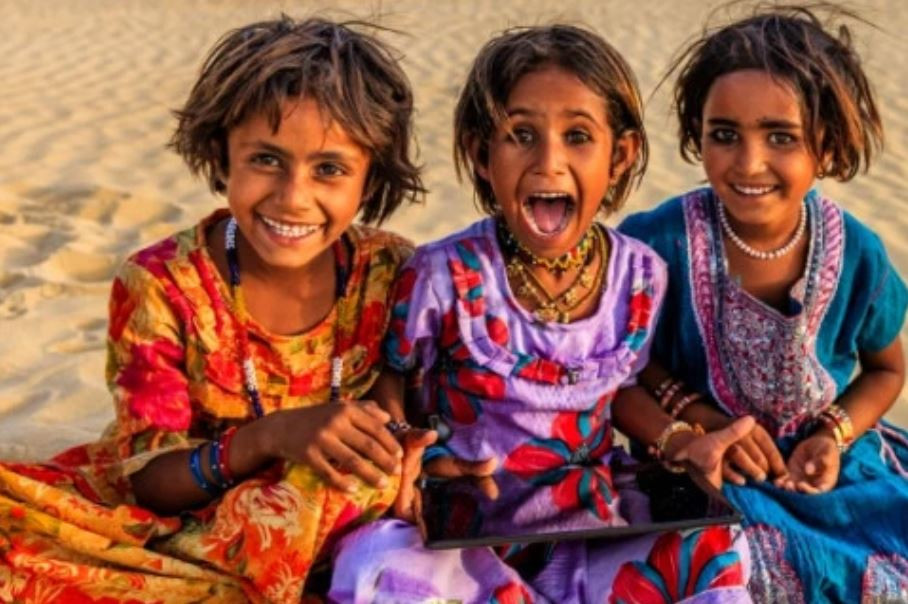 Why educating women is more important than we realize 2022-09-29 The Stri or the Female Energy is the creatrix, mother of all gods, conqueror of all evil, dispenser of all boons in the Indian culture. She is considered the divine power of the universe from where all beings are born. This divine female energy is worshipped with intense adoration and devotion in India. Yet, it is in India itself that we find the most intense contradiction towards the female shakti. On one hand we surrender to the divine Durga to protect us and on the other hand we look down upon the feminine principle with condemnation, contempt, cause of all failures, source of lust and miseries. An Indian woman suffers this wrath both in her mind and heart right from her birth. She struggles to understand her true role, position, and identity in human society. She lives in a dilemma, wondering whether to relate to the feminine deities being erected all around her or to an unborn female avatar which was never allowed to be born. Since ancient times women have not been denied legal, social, and educational rights in India but certainly in practise they have been more preoccupied and confined to domestic affairs and that is where their social subordination began. Despite such subjugation, women have survived important roles such as bold householders, strong mothers, queens, administrators, warriors, elected representatives and leaders. Therefore, despite oppression and denial, India has, time and again, truly experienced the shakti of this female creative force. The way forward for India and humans in general is to treat the Female Shakti (The Feminine Powerhouse) with respect, deep regard, equal access to experiences, learning and opportunities. All sexes should be allowed to find, above all sexual differences, their full inner potential. India, the land of diversity and contrast, India the ardent worshipper of the Shakti-The Durga can perhaps lead mankind into human success based in deep regard for the deep inner potential, intellectual prowess and ingenuity of women. Denying women their due place is denying mankind its due success. Women Across the Globe The battle for legal, civil, social, and educational equality is a central element of woman’s rights globally. However, a deeper understanding of the women’s needs has revealed that in daily life they struggle to voice their objections and opinions, struggle to agree or disagree, condemn, or promote, speak, share, discuss, and struggle to manage, participate and lead. Therefore, it would not be incorrect to state that the battle is only half won if the women get access to education and opportunities but no access to exercise their will. Women across the globe may be characterized by diversity in feminine energy and feminine approach to life, work, family, and society yet their basic emotional, psychological, physical, mental, intellectual, social, professional, and creative needs tie them together to a common cause. The common cause being-women across the globe want to be active participants and decision makers in their own lives and refuse the passivity that is expected of them. A modern progressive woman prides herself with all her feminine virtues. She wishes to embrace her own self in entirety not to put men down but only to break out of an oppressed state so that she can realize her own untapped full potential. Women today are capable of and want to accumulate the advantages of both the sexes, but she is not willing to pay an unfair price for achieving this. For instance, a young mother wants the right to work or not to work to lie within the realms of her decision-making powers. She wishes to be able to make a choice between scenarios where in one she wishes to fully involve herself in her motherhood and suspend her professional aspirations without being made to feel undeserving or financially dependent. Or in another scenario where she wishes to strike a balance between her motherhood and professional duties and yet not labelled as irresponsible and selfish. Such a state of choice with dignity would be true liberation for a young mother. Equal Education is a Steppingstone Towards Gender Equality, Quality Socialization and Economic Growth Denying women access to equal and quality education opportunities encourages gender segregation and stereotypical behaviour in society. Perceptions towards gender roles are sowed by members of family and society very early on in the lives of men and women which adversely impacts the quality of the socialization process. Creating gender neutral learning environments can serve as a steppingstone to quality socialization. This in turn can help in creating favourable position for women in creative, scientific, technological, professional endeavours and lessen their personal and social struggles. Any society that denies and discourages women from boldly participating in the learning process is only encouraging biased patterns that are deeply rooted in promoting the influential masculine identity. Quality education can help both men and women understand these deep-seated issues in our society, raise their collective and individual levels of awareness, understand the importance of all people, irrespective of sex, in building a healthy and conscious society. In order to ensure sustainable development, it has become imperative to recognize the importance of all the sexes. "When a girl is educated, she is empowered. She can make her own decisions, raise the standard of living for her family and children, create more job opportunities, and reform society as a whole. As a result, a shift in attitudes toward girl child education in India is urgently needed. Every girl child deserves to be treated with love and respect. If all girls complete their education and participate in the workforce, India could add a whopping $770 billion to the country’s GDP by 2025!" -- Childs Right and You (CRY). Some Important Statistics As per statistics presented by UNICEF, 129 million girls are out of school around the world, including 32 million of primary school age, 30 million of lower-secondary school age, and 67 million of upper-secondary school age. Borgen Project, a US based not for profit, study has revealed that every year, 23 million girls in India drop out of school after they begin menstruating due to lack of sanitary napkin dispensers and overall hygiene awareness in schools. As per National Survey of India, Literacy Rate in India has increased from 73% in 2011 to 77.7% in 2022, however it still stands behind the global literacy rate which stands at 86.5% (as per UNESCO). Of the 77.7% Indian literacy rate in 2022, male literacy rate stands at 84.7% and female literacy rate stands at 70.3% as compared to global average female literacy rate of 79% (as per UNESCO). There are several factors that influence poorer literacy rates in women as compared to men, the biggest and most crucial factors being inequality and sex-based discrimination. This discrimination pushes the girl child to either never be born (female infanticide) or the woman to be predominantly pushed into household affairs. Low enrolment rates, high dropout rates, social discrimination, unsafe public spaces, prioritizing boy child education are some other important factors that negatively influence female education. Originally published in The Times of India on 27 September 2022 by Kadambari Rana (teacher and independent educationist). The Times of India URL:https://www.unesco.org/en/articles/why-educating-women-more-important-we-realize
 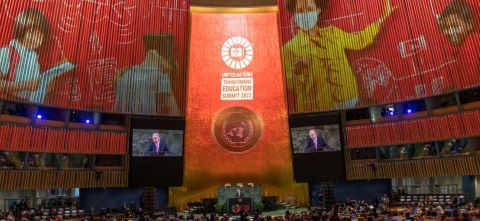 Education Transformation Needed for ‘Inclusive, Just and Peaceful World’ 2022-09-28 Culture and EducationEducation has been Secretary-General António Guterres’ “guide and touchstone,” he said on Monday, the final day of the Transforming Education Summit, warning that it is in “a deep crisis”. “I regard myself as a lifelong student…Without education, where would I be? Where would any of us be?”, he asked those gathered in the iconic Generally Assembly Hall. Because education transforms lives, economies and societies, “we must transform education”.Downward spiral Instead of being the great enabler, the UN chief pointed out that education is fast becoming “a great divider”, noting that some 70 per cent of 10-year-olds in poor countries are unable to read and are “barely learning”. With access to the best resources, schools and universities, the rich get the best jobs, while the poor – especially girls – displaced people, and students with disabilities, face huge obstacles to getting the qualifications that could change their lives, he continued. Meanwhile, COVID-19 has “dealt a hammer blow to progress on SDG4”, the Sustainable Development Goal targeting equitable quality education. “But the education crisis began long before – and runs much deeper”, Mr Guterres added, citing the International Commission on the Future of Education report card, which clearly stated: “Education systems don’t make the grade”. Failing gradeDependent upon outdated and narrow curricula, under-trained and underpaid teachers, and rote learning, he maintained that “education is failing students and societies”. At the same time, the digital divide penalizes poor students as the education financing gap “yawns wider than ever”. “Now is the time to transform education systems”, underscored the UN chief. 21st century visionWith a new 21st century education vision taking shape, he flagged that quality learning must support the development of the individual learner throughout their life. “It must help people learn how to learn, with a focus on problem-solving and collaboration…provide the foundations for learning, from reading, writing and mathematics to scientific, digital, social and emotional skills…develop students’ capacity to adapt to the rapidly changing world of work…[and] be accessible to all from the earliest stages and throughout their lives”. At a time of rampant misinformation, climate denial and attacks on human rights, Mr. Guterres stressed the need for education systems that “distinguish fact from conspiracy, instill respect for science, and celebrate humanity in all its diversity”. From vision to realityTo make the vision a reality, he highlighted five commitment areas beginning with protecting the right to quality education for everyone, everywhere – especially girls and those in crisis hotspots. Emphasizing that schools must be open to all, without discrimination, he appealed to the Taliban in Afghanistan: “Lift all restrictions on girls’ access to secondary education immediately”. As “the lifeblood of education systems,” Mr. Guterres next called for a new focus on the roles and skillsets of teachers to facilitate and promote learning rather than merely transmitting answers. Third, he advocated for schools to become “safe, healthy spaces, with no place for violence, stigma or intimidation”. To achieve the fourth target, that the digital revolution benefits all learners, he encouraged governments to work with private sector partners to boost digital learning content. Financial solidarity“None of this will be possible without a surge in education financing and global solidarity”, said the UN chief, introducing his final priority. He urged countries to protect education budgets and funnel education spending into learning resources. “Education financing must be the number one priority for Governments. It is the single most important investment any country can make in its people and its future,” spelled out the Secretary-General. “Spending and policy advice should be aligned with delivering quality education for all”. ‘Global movement’In closing, he stated that the Transforming Education Summit will only achieve its global goals by mobilizing “a global movement”. “Let’s move forward together, so that everyone can learn, thrive and dream throughout their lives. Let’s make sure today’s learners and future generations can access the education they need, to create a more sustainable, inclusive, just and peaceful world for all”. War, sickness, economic developmentCatherine Russell, who heads the UN Children’s Fund (UNICEF) drew attention to the effect of war on children’s education, calling on governments to “scale up support to help every child learn, wherever they are”. Winnie Byanyima, Executive Director of UNAIDS, highlighted the devastating impact of HIV on adolescent girls and young women in Africa, informing the participants that in sub-Saharan Africa last year, 4,000 girls had been infected every week. “This is a crisis!” she said. “Because when a girl is infected at that early age, there’s no cure for HIV, that marks the rest of their lives, their opportunities”. She told the summit that 12 African countries have now committed to Education Plus, a bold initiative to prevent HIV infections through free universal, quality secondary education for all girls and boys in Africa, reinforced through comprehensive empowerment programmes. Audrey Azoulay, leader of the UN Educational, Scientific and Cultural Organization (UNESCO) reminded that “there can be no economic development and no peace without education,” and underscored that Afghan girls must be able to go back to school. “It is their right”, she upheld. Watch here deliver her address here. Other luminariesOther distinguished speakers included UN Messenger of Peace Malala Yousafzai who called on world leaders to make schools safe for girls and protect every child's right to learn, saying that “if you are serious about creating a safe and sustainable future for children, then be serious about education”. Somaya Faruqi, former Captain of the Afghan Girls Robotics Team avowed that every girl has a right to learn, asserting that “while our cousins and brothers sit in classrooms, me and many other girls are forced to put our dreams on hold. Every girl belongs in school”. Newly announced UNICEF Goodwill Ambassador, Vanessa Nakate, stressed the need to for all children to have access to education, as “their future depends on it”. Watch her address here. Another highlight was a stirring musical performance by UNICEF Goodwill Ambassador Angelique Kidjo, who encouraged everyone to raise their voice for transforming education. 130 countries pledge education rebootLater in the afternoon, it was announced that more than 130 countries attending the summit, have committed to rebooting their education systems and accelerating action to end the learning crisis The commitments came after 115 national consultations that brought together leaders, teachers, students, civil society and other partners to gather collective recommendations on the most urgent asks. Nearly half of the countries prioritized measures to address learning loss, while a third of countries committed to supporting the psycho-social well-being of both students and teachers. Two in three countries also referenced measures to offset the direct and indirect costs of education for economically vulnerable communities, and 75% of countries underlined the importance of gender-sensitive education policies in their commitments. These statements underscored the role of education in achieving all the SDGs and linkages with the climate crises, conflict and poverty. Measures addressed COVID-19 recovery and getting back on track on the SDGs, while emphasizing the need for innovations in education to prepare the learners of today for a rapidly changing world. URL: https://news.un.org/en/story/2022/09/1127011
 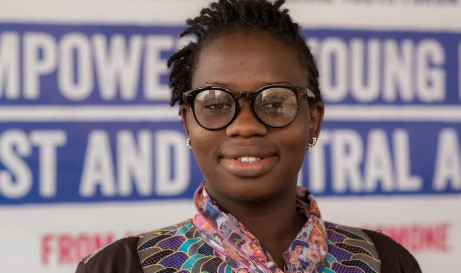 Shifting the Power to Transform Education 2022-09-24 Young people around the world are calling on governments to include them in education decision making. A blog by Nicole Rodger, ECD Policy and Advocacy Lead and Yona Nestel, Inclusive Quality Education Policy and Advocacy Lead. Education systems are not delivering the kind of education that children and young people want and need to be successful, engaged and empowered citizens and agents of change. In the face of a global climate catastrophe, COVID-19, exacerbating humanitarian crises and a roll back on rights, their rallying cry is that education must be accessible for all and provide the knowledge, skills and competencies for advancing social, gender and climate justice. On September 17, 18 and 19, governments, UN agencies, civil society, donors, philanthropists and young people will gather in New York City for the Transforming Education Summit (TES). This Summit, championed by the UN Secretary General, Antonio Guterres, aims to mobilise action, ambition, solidarity and solutions to transform education as part of the 2030 Agenda and beyond. At TES, young people will share their vision and solutions for transforming education. Plan International will stand in solidarity with them and ensure that their perspectives and priorities are central to the Summit’s outcome. Young people have a vision for educationWhen it comes to transforming education, young people have a clear agenda. Youth and feminist leadership is critical. The voices of those who are most affected must be heard. The potential of education to advance gender equality and dismantle systems of oppression and discrimination must be realised. In practice, this means more support for holistic learning that goes beyond literacy and numeracy to include socio-emotional learning, climate change education, comprehensive sexuality education, civic education and peacebuilding. It also means investing in gender-transformative education that goes beyond acknowledging and responding to gender disparities within the education system and the learning experience of the student. Gender transformative education must harness the full potential of education to transform attitudes and practices within and beyond the education system to contribute to a broader environment of gender justice for young people, in all their diversity. Engaging young people in the development of inclusive education systems in a rapidly changing world fosters vital intergenerational partnerships that create opportunities for more responsive and transformational investments. When young people, particularly girls and young women, are empowered to actively participate, they will become critical actors in shaping a gender transformative education system. Some progress is already being made. In Sierra Leone, in collaboration with the Ministry of Basic and Senior Secondary Education, Plan International Sierra Leone is supporting young people on a Youth Advisory Group (YAG). The YAG helps to ensure that children and youth are involved in decision making about all aspects of the education system as key stakeholders. The world is facing a global education crisisThe COVID-19 pandemic resulted in widespread school closures. The World Bank estimated that at the height of COVID-19, education for 1.6 billion students was disrupted. Even before the shock of COVID-19, the world was far off track on achieving international commitments to education. For example, in 2019, UNICEF reported that more than 175 million children – around half of pre-primary children globally, are not enrolled in pre-primary education. In terms of access to primary and secondary education, UNESCO said that no progress had been made for several years. Fewer than one in two children reach a minimum level of proficiency in reading and mathematics by the end of primary school[RN3] . Access to, and quality of, education remains a challenge globally. Additionally, our recent research in the Middle East, East and Southern Africa region has shown that investments in education have stagnated or declined at a time where critical investments are needed. This trend is exacerbated with Overseas Development Aid (ODA) to education stagnating in 2020, with significant cuts to ODA being made by several major donors to education. Marginalised children are most at riskLockdowns and school closures have hit girls’ education particularly hard and threaten to roll back years of progress. Being out of school doesn’t just have devastating consequences for girls’ life opportunities, it places them at risk of early and unintended pregnancy, child marriage, female genital mutilation and other forms of gender-based violence. For adolescent girls in particular, the impacts of conflict and crisis are also devastating and compound the barriers they already face in accessing education, exacerbating pre-existing gender discrimination and harmful practices. The current hunger crisis also has severe education impacts, recognising that hungry children cannot learn, and girls are even more likely to drop out of school. Young people are clear that Transforming Education requires a power shift and investments in their meaningful and inclusive participation in decision making and accountability processes. Education must be radically inclusive and prioritise the knowledge, skills and competencies that matter the most to young people as they fight for a more sustainable, equal and just world. URL: bit.ly/3DMjR0h
 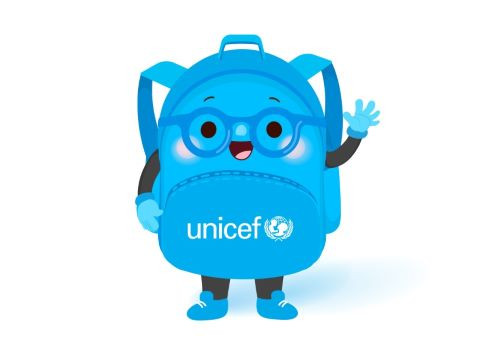 UNICEF announces new global education mascot, Uni 2022-09-24 Uni will serve to embody the importance of quality education and draw attention to the global learning crisisUNICEF today announced a new global education mascot. Uni will serve as an ambassador for learning and symbolize every child’s right to access quality education. Uni symbolizes the hope that access to quality learning gives children and their communities. Yet, with nearly 70 per cent of children in low- and middle-income countries unable to read and understand a simple written story, Uni’s purpose is also to draw attention to the current state of education and inspire urgent transformation. Ahead of next week’s United Nations Transforming Education Summit, UNICEF hopes that the mascot will help inspire much needed reform of school systems worldwide. In addition to the launch of artwork, UNICEF has created a life-size version of the mascot. Made of comforting foam and bright blue felt, Uni is encased in a full-body six-foot “backpack”, which represents UNICEF’s iconic blue backpacks, given to 1.3 million schoolchildren last year alone. Uni was designed in-house by UNICEF. “Uni embodies our aspiration that every child has the right to go to school and learn,” said Paloma Escudero, UNICEF Global Director of Communication and Advocacy. “Every child has a right not only to be in school, but to learn in school, acquiring the basic skills that are the foundation for higher learning and higher income levels someday.” URL: https://www.unicef.org/press-releases/unicef-announces-new-global-education-mascot-uni
 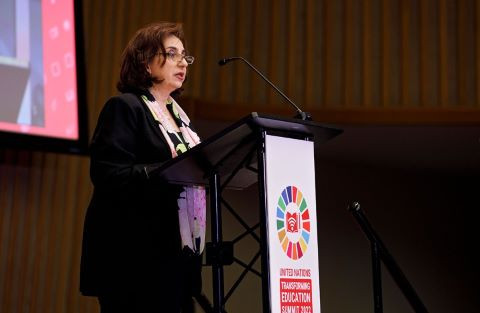 Speech: Transform education; transform gender equality 2022-09-24 Closing Remarks by Under-Secretary-General of the United Nations and Executive Director of UN Women, Sima Bahous, for Transforming Education Summit (TES) Leaders Day—Spotlight session “Advancing gender equality and girls’ and women’s empowerment in and through education” [As delivered.] We can all agree that education is a fundamental right. Yet, as we have heard here today, that right is not consistently afforded to all girls, and especially not to girls facing other challenges and crises. SDG 4 and SDG 5 must go hand-in-hand. The urgent ambition of this conference cannot be divorced from the urgent global context for gender equality. Earlier this month UN Women published data that show—based on current rates of progress—that women and girls will not achieve full equality with men and boys for another 300 years. We hear every day of rollbacks and threats to the rights that women and girls believed were secure. I don’t think any one of us would want to wait 300 years. This is why UN Women, and its partners and allies across every sector of society, launched Generation Equality—an urgent acceleration agenda and a call to action for global gender equality. Education lies at the heart of that call to action. As we have heard so eloquently today, education is critical to building agency, equality, voice and power—yes, power—for the world’s women and girls, in all their diversity. As we heard Malala say, we need to ensure that we are not working in silos, with a short-term vision. We need to be bold. To achieve that, nothing less than transformation is necessary. As Minister Ndiaye of France said, an education policy needs to be feminist. That is not an option it is an obligation. We must move beyond simply increasing the number of girls and women in education. We must transform the power relations and the harmful norms, stereotypes and biases that pervade—and degrade—our education systems. We must create safe learning spaces, in person and online, that not only protect girls and women from gender-based violence but propel their creativity, potential and innovation. We must ensure that the education we offer girls and women truly equips them for the future. Currently women are only 35 per cent of those in STEM education. We must do better, or our world will not do better. And while we make progress for girls, we must not forget about the millions of adult women who have already missed out on education. They need different educational support as well as access to childcare, safe public transport, training in life skills and decent paid work. We gather at a time when global gender equality and women’s rights are in acute danger. Education is not only a critical tool to combat this, it is the means to fundamentally improve the lives of women, girls, families and whole communities. We must hold each other accountable for doing so and safeguard our progress. That is why it is my pleasure to commend today’s Call to Action and Global Platform on Gender Equality and Girls’ and Women’s Education. Taken together, they offer a transformative agenda for action, policy change, financing and bold new partnerships to transform education through an explicit gender lens. A collaborative vision to dismantle gendered barriers and place gender considerations at the heart of education. When we transform education, we also transform the global trajectory of gender equality. The cause is urgent. We must seize the opportunity together. I thank you. URL: http://bit.ly/3S8xL0N
 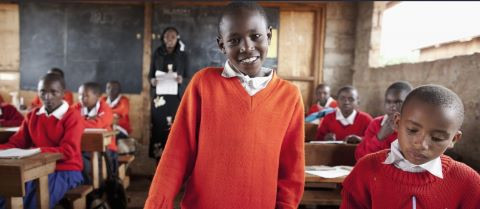 Over 130 Countries Agree to Reboot Their Education Systems: UN Secretary-General Issues Call to Action and Vision for Way Forward at UN Summit 2022-09-24 With COVID-19 exposing the fault-lines of education systems globally, more than 130 countries committed today to rebooting their education systems and accelerating action to end the learning crisis, at the UN Transforming Education Summit. The Summit deals with a crisis in education that has seen some 147 million students missing over half of their in-person instruction, since 2020. In 2021, 244 million children and young people were out of school. The pandemic has harmed the learning of more than 90 % of the world’s children – the largest disruption in history – with half of all countries cutting their education budgets, further deepening the crisis. It is now estimated that 64.3 % of 10-year-olds are unable to read and understand a simple story. This means that, in a few years, 1 out of 3 persons will be unable to understand this very text, while 840 million young people will leave school in their teens with no qualifications for the workplace of the future. Yet less than half of countries have strategies to help children catch up. If that fails to happen, these students stand to lose $10 trillion in earnings over their working lives. “Instead of being the great enabler, education is fast becoming the great divider,” stated the UN Secretary-General António Guterres. “The rich have access to the best resources, schools and universities, leading to the best jobs while the poor – especially girls – face huge obstacles to getting the qualifications that could change their lives.” 130 countries commit to prioritize education The commitments came after 115 national consultations that brought together leaders, teachers, students, civil society and other partners to gather collective recommendations on the most urgent asks. Nearly half of the countries prioritized measures to address learning loss, while a third of countries committed to supporting the psycho-social well-being of both students and teachers. Two in three countries also referenced measures to offset the direct and indirect costs of education for economically vulnerable communities, and 75% of countries underlined the importance of gender-sensitive education policies in their commitments. These statements underscored the role of education in achieving all the Sustainable Development Goals and linkages with the climate crises, conflict and poverty. Measures addressed COVID-19 recovery and getting back on track on the SDGs, while emphasizing the need for innovations in education to prepare the learners of today for a rapidly changing world. Key initiatives established, including biggest-ever investment in education The Secretary-General and Gordon Brown, the UN Special Envoy for Global Education, together announced the International Financing Facility for Education (IFFEd), the first-of-its-kind finance facility developed in partnership with the Governments of Sweden, the UK, the Netherlands as well as the Asian and African Development Banks. The IFFEd will provide an initial $2 billion in additional affordable funding for education programs to be disbursed starting in 2023 and could unlock an extra $10 billion of additional financing for education and skills by 2030. UNESCO and UNICEF launched Gateways to Public Digital Learning, a global multi-partner initiative to create and strengthen inclusive digital learning platforms and content. A Commitment to Action on Education in Crisis Situations was also revealed, as a commitment by member states and partners to transform education systems to better prevent, prepare for, respond to and recover from crises. Calls to action were also announced on addressing the learning crisis by boosting foundational learning, advancing gender equality through and in education, and a Greening Education Partnership developed in response to the Secretary-General’s call that the climate crisis is ‘a battle for our lives’. Youth Declaration urges global leaders to act now On the opening day of the 3-day Summit, youth advocates shared a Youth Declaration with the Secretary-General, laying out their collective recommendations to policymakers on the transformation they want to see, along with their commitments for action on education. The Youth Declaration is a culmination of a months-long process of consultations, reflecting contributions from almost half a million young people. The Declaration states that “in order to redeem and remake the state of the world, we must first transform the state of education.” The Declaration demands that decision-makers include youth in education-related policy design and implementation, as partners and not just beneficiaries. It also demands investment in youth leadership and in gender-transformative education. Speaking at the launch, the Secretary-General underscored that if there was one seed to prevent climate change, violent conflict or poverty, it was education. During the Summit, the Secretary-General was also handed an open call to leaders to expand the right to free education for all children. The call was facilitated by Avaaz and endorsed by UN Messenger of Peace and Nobel Peace Prize Laureate Malala Yousafzai, UNICEF Goodwill Ambassador and climate activist Vanessa Nakate, and human rights champions. Secretary-General sets out education vision, paving way to Summit of the Future The Secretary-General’s Vision Statement released at the Summit lays out a path for education in the 21st century. It serves as an input to negotiations in preparation of the Summit of the Future which will be held at the UN General Assembly in 2024. The statement insists on continued global mobilization after the success of the Summit, and on Member States and partners keeping the flame of transformation burning. “We must push forward together, with a focus on tangible actions where it matters most: on the ground, in the classroom, and in the experience of teachers and learners alike.” The SDG 4 High-Level Steering Committee will be responsible for the follow-up process to further shape the future of education and meet 2030 SDG Education targets. The Committee will continue to monitor progress, promote and facilitate knowledge and practice exchange, engage youth, and champion cross-sector and multilateral cooperation. URL: https://www.un.org/africarenewal/magazine/september-2022/over-130-countries-agree-reboot-their-education-systems
 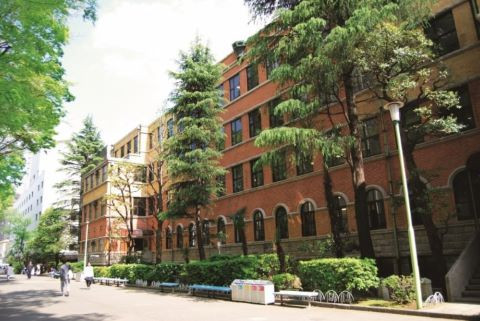 APCEIU Signed a Memorandum of Understanding with Sophia University 2022-09-18 On 19th August 2022, APCEIU signed a Memorandum of Understanding (MOU) with Sophia University. Sophia University is a research university located in Japan which is committed to promote educational and research activities based on the spirit of charity and globalism that also contribute to the realization of Sustainable Development Goals. Through the MOU signing, APCEIU and Sophia University have agreed to cooperate in the field of Global Citizenship Education (GCED) and Education for Sustainable Development (ESD). In particular, the agreed areas of collaboration include joint project implementation, capacity building, and material exchanges. The partnership between APCEIU and Sophia University is expected to contribute to enhancing the synergy between various stakeholders in realizing GCED and ESD, notably to support the implementation of related goals within SDG 4 by 2030. URL: http://www.unescoapceiu.org/post/4562
 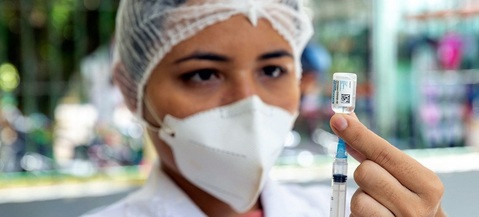 世卫组织:战胜新冠疫情的“终点线”已在眼前 2022-09-16 14 September 2022HealthAs the number of weekly reported deaths from COVID-19 plunged to its lowest since March 2020, the head of the World Health Organization (WHO) said on Wednesday that the end of the pandemic is now in sight.“We have never been in a better position to end the pandemic”, Tedros Adhanom Ghebreyesus told journalists during his regular weekly press conference.The UN health agency’s Director-General explained however, that the world is “not there yet”. Finish line in sight“A marathon runner does not stop when the finish line comes into view. She runs harder, with all the energy she has left. So must we. We can see the finish line. We’re in a winning position. But now is the worst time to stop running”, he underscored.He also warned that if the world does not take the opportunity now, there is still a risk of more variants, deaths, disruption, and uncertainty.“So, let’s seize this opportunity”, he urged, announcing that WHO is releasing six short policy briefs that outline the key actions that all governments must take now to “finish the race”.© ADB/Richard Atrero de GuzmanPeople wear protective masks in Tokyo, Japan. Urgent callThe policy briefs are a summary, based on the evidence and experience of the last 32 months, outlining what works best to save lives, protect health systems, and avoid social and economic disruption.“[They] are an urgent call for governments to take a hard look at their policies and strengthen them for COVID-19 and future pathogens with pandemic potential”, Tedros explained.The documents, which are available online, include recommendations regarding vaccination of most at-risk groups, continued testing and sequencing of the SARS-CoV-2 virus, and integrating effective treatment for COVID-19 into primary healthcare systems.They also urge authorities to have plans for future surges, including the securing of supplies, equipment, and extra health workers.The briefs also contain communications advice, including training health workers to identify and address misinformation, as well as creating high-quality informative materials.Novavax/Patrick SeibertA laboratory scientist works on the Novavax COVID-19 vaccine. Committed to the futureTedros underscored that WHO has been working since New Year’s Eve 2019 to fight against the spread of COVID and will continue to do so until the pandemic is “truly over”.“We can end this pandemic together, but only if all countries, manufacturers, communities and individuals step up and seize this opportunity”, he said. Possible scenariosDr. Maria Van Kerkhove, WHO’s technical lead on COVID-19, highlighted that the virus is still “ intensely circulating” around the world and that the agency believes that case numbers being reported are an underestimate.“We expect that there are going to be future waves of infection, potentially at different time points throughout the world caused by different subvariants of Omicron or even different variants of concern”, she said, reiterating her previous warning that the more the virus circulates, the more opportunities it has to mutate.However, she said, these future waves do not need to translate into “waves or death” because there are now effective tools such as vaccines and antivirals specifically for COVID-19. ♦ Receive daily updates directly in your inbox - Subscribe here to a topic.♦ Download the UN News app for your iOS or Android devices. URL: https://news.un.org/en/story/2022/09/1126621
 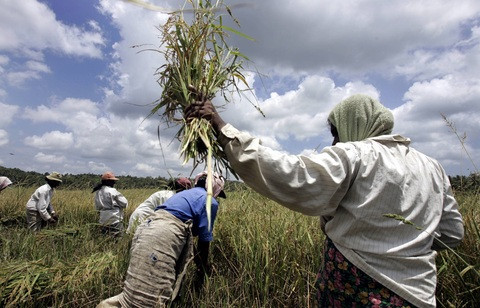 Food Insecurity in Sri Lanka likely to Worsen amid Poor Agricultural Production, Price Spikes and Ongoing Economic Crisis, FAO and WFP Warn 2022-09-16 12/09/2022JOINT FAO/WFP NEWS RELEASE Colombo/Rome – An estimated 6.3 million people in Sri Lanka are facing moderate to severe acute food insecurity and their situation is expected to worsen if adequate life-saving assistance and livelihood support is not provided, the Food and Agriculture Organization of the United Nations (FAO) and the United Nations World Food Programme (WFP) warned today in a new report.Two consecutive seasons of poor harvests led to a nearly 50 percent drop in production coupled with reduced imports of food grains due to foreign exchange constraints, according to the joint FAO/WFP Crop and Food Security Assessment Mission (CFSAM) report.The report notes that immediate food assistance and livelihood programmes - including through existing social assistance mechanisms – are critical to enable households to access nutritious food - particularly moderately and severely acute food insecure ones. Without assistance, the food security situation is expected to deteriorate further, particularly during the October 2022 to February 2023 lean season, driven by poor harvests of staple foods, in particular paddy rice, and the ongoing economic crisis. “In order to avert a further deterioration of food security conditions and to support restoration of agricultural production, livelihood assistance targeting smallholder farmers should remain a priority,” said FAO Representative in Sri Lanka Vimlendra Sharan. “With around 30 percent of the population depending on agriculture, improving the production capacity of farmers will ultimately boost the resilience of the agricultural sector, reduce import requirements amid shortages of foreign currency reserves and avert the rise in hunger.”“Months into this crippling economic crisis, families are running out of options - they are exhausted. More than 60 percent of families are eating less, and eating cheaper, less nutritious food. This comes at a time when financial constraints have forced the government to scale back on nutrition programmes, such as school meals and fortified food to mothers and undernourished children. WFP’s top priority is to provide immediate food and nutrition assistance to the most at-risk communities to prevent a further deterioration of their nutrition,” said WFP Representative and Country Director in Sri Lanka, Abdur Rahim Siddiqui.At the request of the Government, the joint Crop and Food Security Assessment Mission visited all 25 districts in the country between June and July 2022 to analyze agricultural production levels in 2022, particularly of main staple cereals, as well as to assess household food security conditions. Significant decline in harvestsA severe macro-economic crisis in Sri Lanka has caused acute shortages and spikes in the prices of essential products, including food, agricultural inputs, fuel and medicine, severely compromising the economic activity, with major disruptions to agricultural production.Production of paddy rice, the main food staple, is forecast at 3 million mt in 2022, the lowest level since the 2017 drought-affected harvest, mostly due to low yields following reduced application of fertilizers, the report finds.Production of maize, mostly used as animal feed, is about 40 percent below the past five-year average, with negative effects on poultry and livestock production. Likewise, production of vegetables, fruits and export-oriented crops, such as tea, rubber, coconut and spices, is well below average, causing a significant decline in households’ income and export revenues.Prices of most food items have been on a steady rise since the last quarter of 2021 and reached a new record high in August 2022, with the year-on-year food inflation rate at nearly 94 percent.The total cereal import requirement in 2022 is estimated at 2.2 million mt. In the first six months of 2022, more than 930,000 mt of cereals were imported, leaving an outstanding import requirement of 1.27 million mt. Given the persisting macroeconomic challenges, there is a high risk that the remaining import requirement will not be met. Mission recommendationsThe key recommendations by the joint FAO/WFP Mission are the immediate provision of food or cash-based assistance to vulnerable and marginalized communities, including pregnant and breastfeeding women, women-headed households and persons with disabilities, to help them meet their immediate food and nutrition needs. The report also recommends the immediate provision of agricultural inputs, including fertilizers, focusing on smallholder farmers. The report outlines the need to support households establish home gardens and backyard gardening to enhance their nutritional status, while providing adequate amounts of fuel to ensure effective planting, harvesting, transportation and processing of food crops.The report suggests providing high-nutrient animal feed, vaccines and veterinary health kits at subsidized price to livestock owners, especially dairy and poultry to mitigate the impacts of the feed shortages. Support for the resumption and continuation of national nutrition programmes such as school meals, which faced disruptions due to funding constraints, were also highlighted as a priority. FAO’s work in Sri Lanka during this crisisTogether with its partners, FAO in Sri Lanka is addressing urgent food security needs, protecting the livelihoods of vulnerable farmers and fishers in the most affected districts while promoting urban agriculture. To strengthen production capacity of the small holder farmers, FAO is providing fertilizer packs for over 15000 smallholder farmers in five of the poorest districts in the country. Plan for assisting another 116,800 small holder farmers with fertilizer supply is being finalized. Nearly 7000 most vulnerable small-scale marine artisanal fishers have been provided with unconditional cash transfer to meet their immediate food needs. To strengthen livelihoods 8,700 smallholder green gram farmers are being trained on improving yield and will receive a one-time cash transfer to ensure they meet their essential needs without resorting to negative coping strategies. FAO is also encouraging urban agriculture to strengthen food security for the urban poor in Colombo through the provision of agriculture kits, nutrition packs and comprehensive training on establishing home gardens and community garden initiatives for up to 600 urban poor households. Donor funding to scale up these and other similar activities is being sought. WFP’s work in Sri LankaWFP kicked off its emergency response operation in June with the distribution of vouchers valued at around $40, to pregnant women in the underserved sections of the capital city, Colombo - roughly half the cost of a nutritious diet for a family of four for a month. WFP aims to reach 3.4 million people by end of year, including 1.4 million people through cash, vouchers, or food. This targeted assistance will focus on the most vulnerable and marginalized communities, including pregnant and breastfeeding women, people with disabilities and chronic illnesses, women-headed households, and low-income households with more than four members registered in the national social protection scheme, Samurdhi. WFP will also support one million schoolchildren enrolled in the national school feeding programme, which has faced disruptions due to Government funding constraints. WFP will assist in the continuation of the Thriposha programme which provides fortified food to pregnant and breastfeeding mothers and undernourished children under five.More on this topic Joint FAO/WFP Crop and Food Security Assessment Mission (CFSAM) report URL: https://www.fao.org/newsroom/detail/food-insecurity-in-sri-lanka-likely-to-worsen-amid-poor-agricultural-production-price-spikes-and-ongoing-economic-crisis-fao-and-wfp-warn/en