
News
Catch up on what’s happening in the world of global citizenship education.
1,668 results found
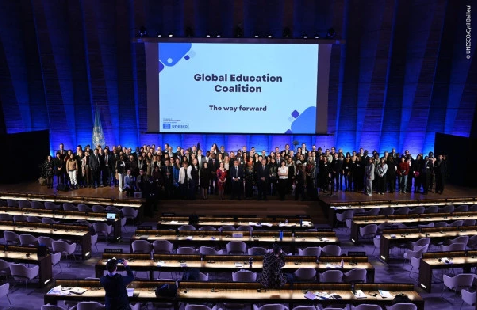 UNESCO's Global Education Coalition launches the Digital Transformation Collaborative at annual meeting 2023-08-28 11 April 2023 A new collaborative to accelerate digital transformation in education was launched as UNESCO brought together representatives from more than 70 partner organizations and over 40 Member States for the third annual meeting of the Global Education Coalition.The event, which took place on 28 March at the UNESCO headquarters in Paris, was the first in-person meeting of the Coalition. On the occasion, the Coalition’s annual report - Transforming education together: the Global Education Coalition in action - was launched, highlighting how Members are supporting countries’ efforts to achieve SDG 4 and the commitments made during the Transforming Education Summit.Opening the meeting, Stefania Giannini, UNESCO Assistant Director-General for Education, thanked the more than 200 Coalition Members for their contributions to transform education while noting the opportunities promised by new technologies and how these can accelerate the group’s efforts. “The next five years will be critical to invest in the digital transformation of national education systems … As the Coalition moves forward, steering the digital and green transitions in and through education will increasingly be at the heart of all that it does,” Ms Giannini added. The future of the CoalitionThroughout the day, Members discussed important questions on the future of the Coalition, including how the group can respond in crisis while also supporting sustainable pathways to scale, and how it can collectively overcome the challenges to creating successful and sustainable multi-stakeholder partnerships.Firmin Edouard Matoko, Assistant-Director General, Priority Africa and External Relations at UNESCO, stressed the importance of multi-stakeholder partnerships in meeting global goals for education and in addressing ongoing crises – including environmental and economic – that undermine efforts to achieve universal access to quality education.“The situation demands that we bond together - that we forge bolder partnerships and that we harness the power of collective action to overcome the barriers to learning, to bridge the gaps that exist, and to transform education in ways that will benefit all learners,” said Mr Matoko.Jane Lawrie, Global Head of Corporate Affairs at KPMG, suggested that Coalition Members should join forces and focus on a shared outcome by identifying and investing in a handful of programmes that have the greatest impact. “I think everyone in this room has a unique skill set [and] by putting their skills towards one outcome, that's where I think we make the biggest difference to young people,” said Ms Lawrie.Meanwhile, Benjamin Marteau, CEO of Pix, suggested that increased collaboration with education institutions in every country is needed for initiatives to have long term impact. The Coalition, he said, can facilitate the relationships between private sector players and relevant Ministries to make this happen.The contribution of the private sector in providing access to education was also discussed. Andreas Schleicher, Director for the Directorate of Education and Skills at the OECD, praised the Coalition for encouraging a “culture of public [working] with private in service of the public good.”“Most of the technological and also social innovation in education has actually come from private sector engagement in the public education system,” said Mr Schleicher. “The Global Education Coalition has really been able to really mobilize that … the question to me really is how can we move from a moment of managing crisis to actually working together to build a future.” The launch of the Digital Transformation CollaborativeThe newly formed Digital Transformation Collaborative, which was officially launched at the event last Tuesday, will play an important role in guiding the work of the Coalition in 2023 and beyond.Having emerged from the private sector and donor conversations during the Transforming Education Summit last year, the DTC is made up of 30 Coalition partners with on-the-ground digital technology resources and expertise.Borhene Chakroun, Director for the Division for Policies and Lifelong Learning Systems with UNESCO’s Education Sector, said “The Digital Transformation Collaborative can collectively steer digital transformation education towards equity, inclusion, sustainability, in partnership with member states.” It will do this by focusing on “five keys” - coordination and leadership, cost and sustainability, connectivity and infrastructure, capacities and culture, and content and curriculum.“We have a theory of change - if we come together and coordinate resources in a smart way, we have the potential to move the needle from small scale pockets of good practises to scale … [and build] ecosystem and sustainable policies, plans and programmes for digital transformation education at a system level and national scale,” Mr Chakroun explained.Google is one of the founding members of the DTC. William Florance, the company’s Government Relations Program Lead for EMEA, encouraged a more holistic approach to transforming education systems - one which involves working with Ministries of finance, economy and human resource development, as well as education.Florence also suggested that funding for education should come from a variety of sources - not only national budgets - and that countries need support in making smart investments in scalable technology. “Too often we see heavy investments in technology that maybe is more than what's needed to meet the basic needs of the education system,” he said. But the DTC can support Ministries in investing in the appropriate technologies to facilitate education transformation.Dina Ghobashy, Senior Manager for Digital Transformation Leadership at Microsoft, another member of the Collaborative, suggested that Member States think of Coalition partners as “innovation labs” that can mobilize research and help design solutions to their country-specific challenges. “We feel responsible to share what's possible, to amplify the best practises that we're seeing, to help governments leapfrog and even avoid some of the common pitfalls,” said Ms Ghobashy. “It is really important for us to be part of this Collaborative and the Coalition [because] a country's success is our success, and we share the same goals.” https://www.unesco.org/en/articles/unescos-global-education-coalition-launches-digital-transformation-collaborative-annual-meeting?hub=701
 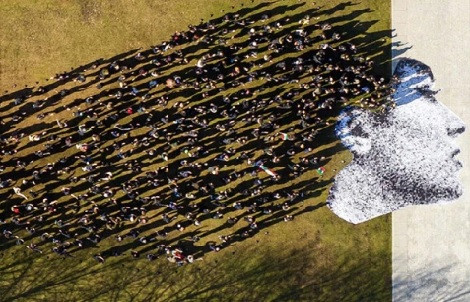 Culture : l’UNESCO appelle les États à mieux protéger les artistes en danger 2023-08-28 À l’occasion du Sommet mondial des arts et de la culture, l’UNESCO publie aujourd’hui un rapport qui appelle les États à renforcer la protection des professionnels de la culture dans les situations de crise. Il recommande notamment la mise en place de mécanismes de suivi et de politiques d’aide d’urgence pour les artistes. L’UNESCO annonce également un nouvel investissement d’un million de dollars pour financer des projets soutenant la liberté artistique dans plus de vingt-cinq pays.
 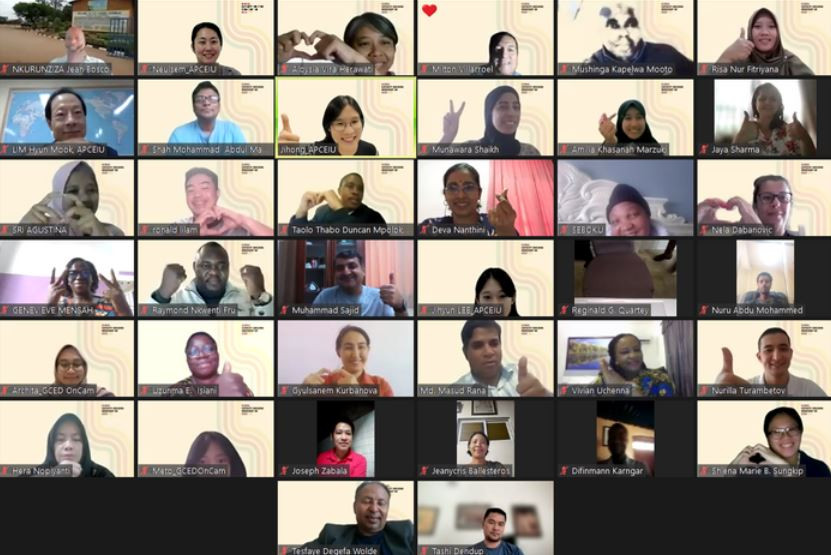 2023 Global Capacity-Building Workshop on GCED – Transforming Education through Critical Reflection, Dialogue, and Action 2023-08-14 APCEIU held the 8th Global Capacity-Building Workshop on GCED with 50 teacher educators from 28 countries in the Africa, Arab States, Asia-Pacific, Europe and North America, Latin America and the Caribbean from 13 July to 21 July, 2023. This year's workshop focused on the theme, "Transforming Education through Critical Reflection, Dialogue, and Action." At the workshop, various lectures, presentations, and exemplars from all over the world were shared. Dr Toh Swee-Hin, Ms Lisa van Wyk, Ms. Molly Beauregard, Dr Hans Schattle, Ms Jennifer Geist, Ms Lea Espallardo, Mr Jefferson Plantilla, Ms Ivy Josiah and Dr Jason Beech participated as a facilitator, delivered insightful lectures and presentations. Moreover, alumni of APCEIU shared their own experiences and projects, inspiring participants and encouraging them to explore alternative and innovative ideas and approaches. Despite the time zone difference, all participants exhibited unwavering enthusiasm and engagement during both real-time and non-real-time sessions. They actively participated in online small group meetings, even extending discussions beyond regular sessions to review their learnings and exchange ideas. The 8th Global Capacity-Building Workshop on GCED concluded on 21 July, 2023, with a closing ceremony led by Lim Hyun-mook, the Director of UNESCO APCEIU, expressing his appreciation to all attendees for this workshop. Participants who have successfully completed the 8th Global Capacity-Building Workshop on GCED are given the opportunity to apply for the mentorship by APCEIU’s experts group, where they will be provided with the advice on their project planning and implementation, along with the grant for project execution by APCEIU. URL:https://www.unescoapceiu.org/post/4864
  Workshop for GCED Schools in Bangkok, Thailand 2023-08-14 On July 23, the GCED Cooperation Centre (Director: Prof. Athapol Anunthavorasakul, Faculty of Education, Chulalongkorn University), established at Chulalongkorn University in Thailand through an MOU with APCEIU in 2021, held a workshop for GCED Schools in Bangkok in cooperation with the Bangkok Metropolitan Administration (hereafter, BMA) to develop an action plan for integrating GCED into existing curriculum, and participated by about 60 teachers from these schools. This workshop is a special occasion as it is the first time a local government has supported the activities of a GCED Cooperation Centre (hereafter, GCC), and The BMA will continue to cooperate with the GCC-Thailand on capacity building activities for teachers in Bangkok. In his congratulatory remarks delivered during the opening session of the workshop, Dr Lim Hyun-mook, Director of APCEIU, explained the special partnership between Thailand and South Korea and expressed his gratitude and congratulations to Chulalongkorn University for its participation in the GCC project, which APCEIU has implemented with the support of the Korean government since 2021. In addition, Dr Min Joung Park from the Institute for Global Citizenship Education at APCEIU introduced the GCED Lead Teacher Program in Korea and the GCED Policy of the Seoul Metropolitan Office of Education. The following day, the delegation visited Bangkok City Hall and held a one-hour policy meeting with Chadchart Sittipunt, Governor of Bangkok, and Sanon Wangsrangboon, Deputy Governor of Bangkok in charge of social development and education, to share the GCED Lead Teacher Program in Korea and other GCED policies of the Metropolitan & Provincial Offices of Education in Korea. In particular, they expressed their appreciation for the BMA’s support for the GCC at Chulalongkorn University, asked for their continuous assistance for the GCC to develop into a hub for GCED in Thailand, and suggested that the BMA take a leading role in expanding GCED to other local governments in Thailand. The delegation also visited Chulalongkorn University, where they met with Dr Parichart Sthapitanonda, Vice President for Academic Affairs and Social Outreach, to express their appreciation for the university's support of the GCC-Thailand and requested that it continue in the future. The delegation also met with Dr Wang Libing, Chief of the Section for Educational Innovation and Skills Development, and also the Interim Acting Director of UNESCO Bangkok, and Faryal Khan, Programme Specialist for Education of UNESCO Bangkok, to discuss mutual cooperation, particularly in relation to the 1974 Recommendation concerning on Education for International Understanding, Cooperation and Peace and Education relating to Human Rights and Fundamental Freedoms, which is currently under revision, and agreed to jointly explore the possibility of organizing an Asia-Pacific meeting in Korea in the first half of next year to discuss how to implement the revised Recommendation once the UNESCO General Conference finalizes the revision in November this year. URL:https://www.unescoapceiu.org/post/4863
  KIX call for proposals: Achieving gender equality and social inclusion at school 2023-07-04 The International Development Research Centre (IDRC) and the Global Partnership for Education (GPE) invite proposals for applied research projects to generate and mobilize evidence in support of contextualizing and scaling the impact of innovative approaches to strengthen gender-responsive and socially inclusive education and safe schooling experiences for all children, especially those facing multiple forms of gender inequalities and marginalization, in GPE partner countries. This call is part of the Knowledge and Innovation Exchange (KIX), a joint endeavor between GPE and IDRC. A recent scoping study identified two interrelated sub-themes as priorities: Inclusive and gender-responsive curriculum, pedagogies and leadership Safe, inclusive and supportive schools for all The objectives of this call are to: Generate evidence about how to scale the impact of innovative approaches to address challenges of gender equality and social inclusion at school Strengthen the capacities of relevant stakeholders to use that knowledge and innovation Mobilize the evidence developed to improve policy and practice in education systems Selected proposals will be awarded grants ranging from: CA$300,000 - $500,000 for projects targeting impact in a single country; CA$800,000 - $1,500,000 for projects targeting impact in three or more countries with direct relevance to specific priorities in those countries; and up to CA$2,500,000 for projects targeting impact more generally at a regional or global level, with grounded work in at least three countries, generating public goods such as toolkits or platforms. The call is open for submissions from individual organizations, or consortia of up to three organizations. Please refer to the detailed call document to see the general eligibility criteria as well as the specific eligibility criteria for each of the three types of grants. Learn more and apply The deadline for submissions is August 28, 2023 (11:59PM ET).
 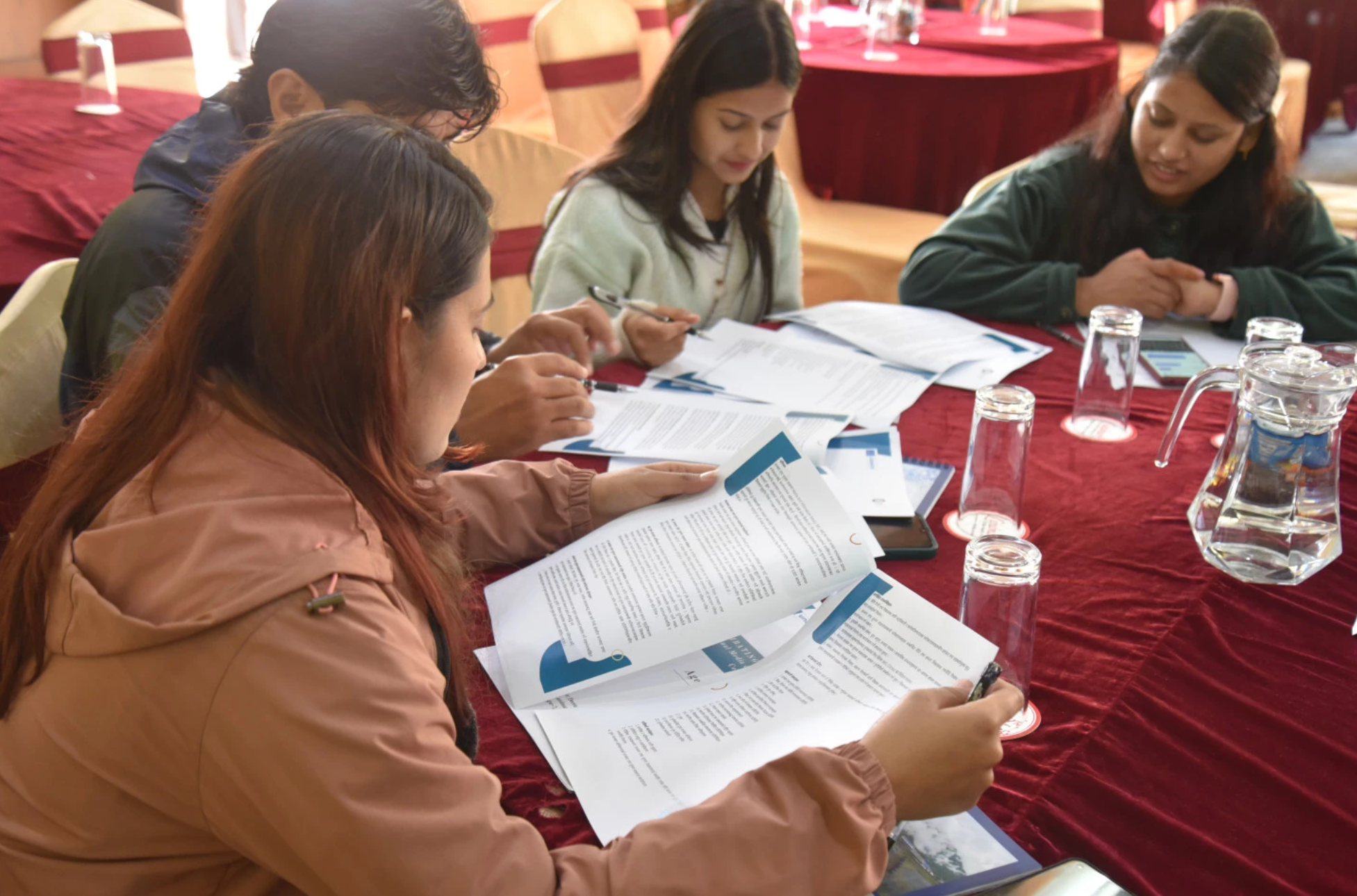 Media and Information Literacy to Empower Youth, Citizens, and communities in Nepal 2023-06-30 Media and Information Literacy (MIL) is growing in importance as a skill for learning and engaging with society in both our personal and professional lives. MIL is crucial to the freedom of expression and information as it gives individuals the knowledge they need to evaluate the functions of the media and choose the most effective way to use and create their own content. With the goal of strengthening MIL in Nepal, UNESCO launched a MIL survey, selected Youth Media Champions and held a National MIL Conference to foster MIL among youth, indigenous communities, and policymakers and advocate for MIL policy development in Nepal. UNESCO in partnership with Kathmandu University launched a survey to assess the situation of MIL at a more localized level. The survey findings provided a baseline for the work ahead in promoting MIL in Nepal. With the aim of improving youth’s digital citizenship skills, UNESCO and International Youth Media Summit under the theme “Combating Infodemic” brought an inclusive group of nine Youth Media Champions (YMCs) from all provinces of Nepal to conduct community-level intervention and sensitization on MIL. The YMCs launched a Change Initiative program in their communities especially among youth, women and girls, indigenous community, Dalits and persons with disabilities, empowering them with critical thinking and analysis skills, developing their capacity to remain safe online, identifying correct information, exercising freedom of expression and creating content online. The YMCs change initiative reached around 200 community members on 15 January 2023. Shristi Jha, a 10th grader from Jaleshwor municipality in Mahottari district, Madhesh province said that she gained an understanding of the true nature of infodemic in digital media. The MIL session helped her gain new skills in critically analyzing information, fact checking and identifying false information. She said that there should be similar workshops for children to raise more awareness on the issue. On 8-10 December 2022, UNESCO organized a National MIL Conference that brought together over 60 key MIL stakeholders, especially youth, policymakers, media, and federal and provincial representatives to have common understanding of MIL and identifying the importance of MIL at policy level and creating capacity development strategies of the relevant stakeholders. Baikuntha Prasad Aryal, Joint Secretary of the Ministry of Education, Science and Technology mentioned that the conference was extremely helpful in addressing issues of disinformation in Nepal. He said that the school-level curriculum is being updated to include critical thinking and analytical skills to empower students to become media literate citizens. Surendra Basnet, Vice Chairperson of Nepal Youth Council committed to including MIL as a vital component in the youth policy which is being updated. These initial MIL efforts in Nepal have produced several compelling recommendations for developing policies and strategies to advance MIL activities in the days ahead.
 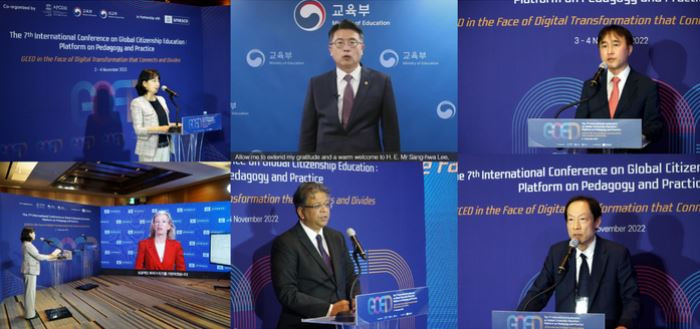 ‘제7회 세계시민교육 국제회의’ 디지털 시대의 세계시민교육에 대한 실천 및 논의의 장을 만들어가다 2022-12-05 The 7th International Conference on GCED (IConGCED), co-organized by APCEIU, the Ministry of Education, and the Ministry of Foreign Affairs of the Republic of Korea and in partnership with UNESCO, was held virtually for two days on 3-4 November 2022. Under the overarching theme of GCED in the Face of Digital Transformation that Connects and Divides, the Conference provided a venue to discuss the changes brought by digital transformation and the future of education from the perspective of global citizenship education. Over 3,000 education policymakers, educators, stakeholders from academia, international organizations and civil society organizations and youth members from around 100 countries attended the Conference. The Conference started with the Opening, moderated by Jeongmin Eom, Head of Research and Development, APCEIU, with a brief introduction of the context of the theme and the aims of the Conference, and the offering of a moment of silence to express condolences and solidarity over the tragic incident in South Korea that took place on 29 October 2022 and over all others around the world that lost lives and loved ones over all forms of violence or tragic disasters. The Opening Speeches from Sang-Yoon Jang, Vice-Minister of Education of the Republic of Korea, H.E. Sang-hwa Lee, Ambassador and Deputy Minister for Public Diplomacy of the Ministry of Foreign Affairs of the Republic of Korea, and Stefania Giannini, Assistant Director-General for Education of UNESCO confirmed the importance of enhancing the capacity of digital literacy, especially the ability to critically analyze information and eradicate hate speech and urged GCED to take active roles in promoting tolerance and respect for diversity. H. E. Khondker Mohammad Talha, Ambassador of Permanent Delegation of Bangladesh to UNESCO congratulated the Conference, emphasizing digital transformation as the universal initiative with GCED to solve self destructing problems such as climate change, cybercrimes and unregulated new technologies. He strongly affirmed that the 1974 resolution must be updated and all stakeholders should cooperate to resolve problems with accountability. Finally, Hyun Mook Lim, Director of APCEIU, warmly welcomed the speakers and the audience to participate and enrich the discussion on how GCED can be implemented in this time of digital transformation and tackle emerging challenges. He also highlighted that it is timely that we discuss the Revision of the 1974 Recommendation during this Conference as GCED is anchored in this Recommendation and regarded as a 21st-century version of education for international understanding. On the first day in the Moderated Conversation on the digital transformation and the future of GCED, Neil Selwyn, Professor of School of Education Culture & Society at Monash University of Australia, Shamah Bulangis, Co-chair of Transform Education hosted by UNGEI Philippines, and Elisa Guerra, Teacher and Founder of Colegio Valle de Filadelfia in Mexico as panels and Soon-Yong Pak, Professor of Yonsei University as a moderator discussed the overall impact of digital transformation, new issues emerging from the change, and the action plans for GCED to build just and safe future in response to those challenges. Positive aspects and opportunities of digital transformation were addressed while at the same time acknowledging the limitations such as still existing inequalities, the spread of hate speech in the digital space and lack of human interaction. Panelists emphasized the importance of the strategic utilization of technology to enhance GCED in the digital space and the need to promote universal access to digital technologies to reduce the digital divide. In the following first Plenary Session, Dylan Wray, Director of Center for Learning, Human Responsibility Accelerator moderated the discussion among Janice Richardson, International Advisor of Insight SA, Alton Grizzle, Programme Specialist of Section for Media and Information Literacy and Media Development at UNESCO, Peck Cho, Chair-Professor of Korea University’s Institute of General Education, and Lisa van Wyk, Global Communications Manager of World Wide Web Foundation, regarding major challenges that GCED faces in the digital era and the current education trend. Janice Richardson stressed that “connection, content, and behavior are at risk when it comes to global citizenship education and functional, digital, media Information, and socio-emotional literacy can turn those risks into opportunities”. Alton Grizzle argued that controlling and managing the influx of information is necessary, which is why it is crucial to take action to put MIL at the center of all levels of education. Peck Cho pointed out that COVID-19 not only exposed the danger of the digital divide between the haves and have-nots but also the divide between students’ thinking and feeling. As online classrooms are not effective in engaging students emotionally as much as conducting cognitive activities, there are limitations on the development of creativity and citizenship in students. Therefore, he suggested that all educators should design not only curriculum content but educational experiences in order to connect the cognitive and affective domains. During the Concurrent Sessions, which were divided into three sessions, participants shared ideas and good practices on how GCED should address different types of emerging issues in the digital world and contribute to building up digital citizenship. In Session 1.1, participants addressed issues emerging in the digital age, such as the digital divide and the polarization of information. In Session 1.2, participants shared best practices on how efforts are being made by UNESCO or civil society to foster digital citizenship and media and information literacy (MIL). In the Special Concurrent Session, APCEIU’s youth project “Street Dialogue” was introduced as best practice. The youths from various countries participating in the project shared their thoughts and conversations on global issues with citizens in their respective communities and streets. The session provided a room for the youths as global citizens who actively participated in the civic dialogue to share their experiences. The second day began with the second Concurrent Sessions sharing lessons learnt from previous experiences while implementing global citizenship education and discussing ways to keep the important values of global citizenship education against the emerging risks in the digital era. In Session 2.1, which was moderated by Neil Selwyn, Professor of School of Education Culture & Society at Monash University of Australia, Ethel Agnes Pascua-Valenzuela, Director of Southeast Asian Ministers of Education Organization (SEAMEO) Secretariat, Marco Pasqualini, Education Programme Specialist of UNESCO Regional Bureau for Education in the Arab States, Phinith Chanthalangsy, Unit Head of Social and Human Sciences Sector of UNESCO Regional Office for Southern Africa, and Md Walid Bin Quashem, First Secretary of Permanent Delegation of Bangladesh to UNESCO suggested what policies should be made to overcome education-related problems that emerged in the digital era, such as the digital gap that has been widened due to COVID-19 and the lack of teachers' capacities in information and communication technology (ICT), and how global citizenship education should be conducted to attract learners' participation in a digitalized environment. In Session 2.2, moderated by Shamah Bulangis, Co-chair of Transform Education hosted by UNGEI Philippines, Dylan Wray, Director of Center for Learning, Human Responsibility Accelerator, Rowena Hibanada, Director of Community Partnership and Extension Office at Philippine Normal University in the Philippines, and Jihong Lee, Head of Office of Education and Training at APCEIU discussed curriculum, pedagogy, and practice that utilized possibilities provided by the digital era. Panelists introduced online platforms that can effectively train youth using digital technology, shared the case of how APCEIU’s GCED Curriculum Development and Integration Project took place in the Philippines despite the difficulties arising from the pandemic and introduced GCED online campus that enabled the implementation of GCED during the pandemic. Session 2.3 was moderated by Esther Care, Professorial Fellow of Melbourne Graduate School of Education at the University of Melbourne in Australia, and Roshan Bajracharya, Senior Regional Advisor for Asia and the Pacific of UNESCO Institute for Statistics (UIS), Ralph Carstens, Senior Research Advisor of International Association for the Evaluation of Educational Achievement (IEA), Rachel Parker, Senior Research Fellow of Education and Development at Australian Council for Education Research (ACER), Hwanbo Park, Associate Professor of Department of Education at Chungnam National University and Daehoon Jho, Professor of Department of Social Studies Education at Sungshin Women’s University as panelists discussed GCED monitoring strategies for effective implementation of SDG 4.7. Professor Hwanbo Park and Daehoon Jho introduced APCEIU’s GCED monitoring research project and shared how the monitoring system has been developed that is in line with the global indicator (SDG 4.7.1) and simultaneously reflects the Korean context and feasibility. In the second Plenary Session, the moderators from each of the Concurrent Sessions 2 presented key ideas discussed in the previous Concurrent Sessions and concluded with recommendations for the effective implementation of GCED in various areas in the face of digital transformation and beyond. During the Session, questions were posed to the panelists and the audience about enhancing GCED in the areas of ‘Policy and advocacy’, ‘Curriculum, pedagogy and practice’, and ‘Monitoring’: ‘What actors other than teachers need to be involved in GCED?’, ‘How to move the current face-to-face teaching to online?’, ‘What are the implications of digital monitoring?’. The Conference concluded with a Special Session, sharing the background and progress on the revision of the 1974 Recommendation concerning Education for International Understanding, Co-operation and Peace and Education relating to Human Rights and Fundamental Freedoms and discussing the key issues regarding the Recommendation. Although the 7th IConGCED was held online through the Online Conference website and YouTube due to COVID-19, it received positive reviews for providing a venue for various participants from different countries to examine the role of GCED in the era of digital transformation. URL:http://unescoapceiu.org/post/4625
 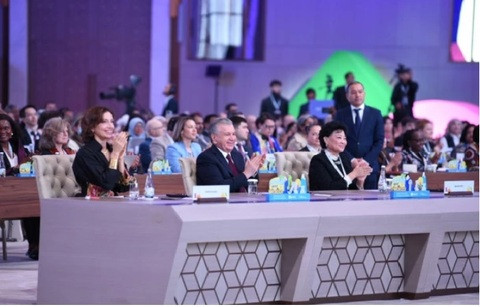 教科文组织会员国承诺将至少10%教育预算用于幼儿教育 2022-11-30 NESCO/Husniddin18 November 2022Last update: 21 November 2022 Countries committed to invest at least 10% of total education spending on pre-primary education and to ensure that salaries and working conditions of pre-school personnel are at least at par with those of primary education teachers at the UNESCO Conference on Early Childhood Care and Education held in Tashkent, Uzbekistan from 14-16 November 2022. They also reaffirmed the commitment to guarantee at least one year of free pre-primary education, in line with Sustainable Development Goal 4. Research in neurosciences and social sciences shows that 85% of brain development takes place in the first 5 years of life. In particular, the first 3 years of life is vital to awaken children’s potential. To call attention to this important phase of a child’s development and to renew commitments to early childhood care and education, over 2,500 participants from 147 countries gathered at the World Conference, including heads of states, ministers, educators and experts. Investing in early childhood is crucial to reduce social inequalities, which begin even before birth. For a long time, early childhood has been a blind spot in public policy. Increasing funding, both national and international, will make a difference for future generations.Audrey AzoulayUNESCO Director-General The conference’s final document, the Tashkent Declaration, adopted by countries on the last day of the conference, reaffirms the right of all children to pre-primary education and further calls for greater attention to environmental education to ensure that awareness of climate change and sustainable development starts in the early years. It is very urgent to solve the issue of quality education for young children at the global level and to develop joint solutions to these issues.Shavkat MirziyoyevPresident of Uzbekistan He urged that early childhood education be included as a main topic of the UN’s Summit for the Future in 2024.A UNESCO report prepared for the conference showed that globally, participation in pre-primary education has grown significantly over the past ten years, increasing from 46% in 2010 to 61% in 2020. However, participation rate is barely 20% in low-income countries, while budget allocation to pre-primary education in these countries stands at 2% of total education budgets. Today, 1 out of 4 young children under 5 never had any form for pre-primary education, which represents 33 million out of 134 million.One of the obstacles is the lack of qualified pre-primary teachers and caregivers. UNESCO estimates that another 9.3 million full-time educators are needed to make pre-primary education universal by 2030. Other challenges include policy fragmentation and lack of public provision.In 2023, UNESCO will work with its partners to define the first international standards for the professional certification of early childhood educators, like those that already exist for primary and secondary teachers. To keep the momentum of the Conference, it will also collaborate with partners, including UNICEF and the World Bank, to publish a global report on early childhood every two years, to inform public policies.The World Conference was organized by UNESCO and hosted by the Government of Uzbekistan. Tashkent Declaration and Commitments to Action for Transforming Early Childhood Care and Education World Conference on Early Childhood Care and Education Why early childhood care and education matters Press contactClare O'Hagan Head of Press office, aiPhone: +33145681729mail URL: https://www.unesco.org/en/articles/unesco-member-states-commit-invest-least-10-education-budget-early-childhood-education?hub=701
  教科文组织发现众多标志性世界遗产地冰川将在2050年前消失 2022-11-30 UNESCO / Mark Kelley3 November 2022Last update: 14 November 2022 New UNESCO data highlight the accelerated melting of glaciers in World Heritage sites, with glaciers in a third of sites set to disappear by 2050. But it is still possible to save the other two thirds, if the rise in global temperatures does not exceed 1.5°C compared to the pre-industrial period. This will be a major challenge for COP27. 50 UNESCO World Heritage sites are home to glaciers (A total of 18,600 glaciers have been identified in these 50 sites, covering around 66,000 km2), representing almost 10% of the Earth’s total glacierized area. They include the highest (next to Mt. Everest), the longest (in Alaska), and the last remaining glaciers in Africa, amongst others, giving a representative overview of the general situation of glaciers in the world.But a new study by UNESCO, in partnership with IUCN, shows these glaciers have been retreating at an accelerated rate since 2000 due to CO2 emissions, which are warming temperatures. They are currently losing 58 billion tons of ice every year – equivalent to the combined annual water use of France and Spain– and are responsible for nearly 5% of observed global sea-level rise. Only one effective solution: quickly reduce CO2 emissionsThe report concludes that glaciers in a third of the 50 World Heritage sites are condemned to disappear by 2050, regardless of efforts to limit temperature increases. But it is still possible to save the glaciers in the remaining two thirds of sites if the rise in temperatures does not exceed 1.5°C compared to the pre-industrial period. This report is a call to action. Only a rapid reduction in our CO2 emissions levels can save glaciers and the exceptional biodiversity that depends on them. COP27 will have a crucial role to help find solutions to this issue. UNESCO is determined to support states in pursuing this goal.Audrey AzoulayUNESCO Director-General In addition to drastically reduced carbon emissions, UNESCO is advocating for the creation of an international fund for glacier monitoring and preservation. Such a fund would support comprehensive research, promote exchange networks between all stakeholders and implement early warning and disaster risk reduction measures.Half of humanity depends directly or indirectly on glaciers as their water source for domestic use, agriculture, and power. Glaciers are also pillars of biodiversity, feeding many ecosystems.When glaciers melt rapidly, millions of people face water scarcity and the increased risk of natural disasters such as flooding, and millions more may be displaced by the resulting rise in sea levels. This study highlights the urgent need to cut greenhouse gas emissions and invest in Nature-based Solutions, which can help mitigate climate change and allow people to better adapt to its impacts.Dr Bruno OberleIUCN Director General Examples of endangered glaciers by regionAfrica: According to available data, glaciers in all World Heritage sites in Africa will very likely be gone by 2050, incl. Kilimanjaro National Park and Mount KenyaAsia: Glaciers in Three Parallel Rivers of Yunnan Protected Areas (China) – #1 highest mass loss relative to 2000 (57.2%) and also the fastest melting glacier on the List Glaciers in Western Tien-Shan (Kazakhstan, Kyrgyzstan, Uzbekistan) have shrunk by 27% since 2000Europe: Glaciers in Pyrenees Mont Perdu (France, Spain) – very likely to disappear by 2050 Glaciers in The Dolomites (Italy) – very likely to disappear by 2050Latin America: Glaciers in Los Alerces National Park (Argentina) – #2 highest mass loss relative to 2000 (45.6%) Glaciers in Huascaran National Park (Peru) have shrunk by 15% since 2000North America: Glacierized patches in Yellowstone National Park (United States of America) – very likely to disappear by 2050 Glaciers in Yosemite National Park (United States of America) – very likely to disappear by 2050 Glaciers in Waterton Glacier International Peace Park (Canada, United States of America) have lost 26.5% of their volume in 20 yearsOceania: Glaciers in Te Wahipounamu - South West New Zealand (New Zealand) have lost almost 20% of their volume since 2000UNESCO thanks IUCN, ETH Zurich, the Swiss Federal Institute for Forest, Snow and Landscape Research (WSL), and the Space Geophysics and Oceanography Studies Laboratory (LEGOS) of the French National Center for Scientific Research (CNRS) for their contribution to this study. Resources to downloadFull UNESCO report Note on the methodologyGlaciers in World Heritage sites have been identified by overlaying the delineation of sites with data from the Randolph Glacier Inventory (RGI) and Global Land Ice Measurements from Space (GLIMS) databases. These databases are among the most comprehensive inventories of glaciers worldwide and provide information (e.g. glacier geometry, glacier area, snowlines, supraglacial lakes and rock debris, and other glacial attributes) for more than 200,000 glaciers. In the case of Yellowstone and its close vicinity, 8 glaciers (most probably very small ice patches) covering only 3km2 have been identified. The RGI and GLIMS databases are regularly updated so it could be that some of these glaciers or very small ice patches might have already disappeared, which comes to assert our projections. Press contactFrançois Wibaux, f.wibaux@unesco.org, +33767015995 URL: https://www.unesco.org/en/articles/unesco-finds-some-iconic-world-heritage-glaciers-will-disappear-2050?hub=701
  ILO Director-General Calls for Social Protection and Minimum Wages to Respond to Cost-of-living Crisis 2022-11-30 In statements to the World Bank and International Monetary Fund Annual Meetings, ILO calls for a crisis response that reduces inequalities and promotes sustainability, through universal social protection, adequate wage increases, greater support for vulnerable economies and respect for labour rights. 17 October 2022 GENEVA (ILO News) – Preventing scarring and protecting the most vulnerable by increasing minimum wages and guaranteeing social protection benefits should be among the priority responses to the current economic and social crisis, the International Labour Organization’s (ILO) Director-General, Gilbert F. Houngbo, told delegates at the 2022 Annual Meetings of the International Monetary Fund (IMF) and the World Bank Group (WBG) .Other priority policies include investment in social protection and productive employment through the Global Accelerator on Jobs and Social Protection for Just Transitions . The Global Accelerator aims to galvanize the creation of 400 million jobs, including in the green, digital and care economies, and the extension of adequate social protection to the four billion people currently without coverage. This would support a shift to a pro-active approach to managing economic, social and environmental crises, and the just transition required to tackle climate change. “At this challenging time, it is essential that we seize the initiative… [and] shape the future so that it delivers a better, more equitable and sustainable world that will also contribute to lasting peace,” the Director-General told delegates.In his written statement to the joint World Bank-IMF Development Committee , Houngbo noted that increasing productive employment was essential to reduce inequality. Greater formalization of employment was also necessary to improve business productivity and sustainability, promote decent work, and give governments more financial resources to address poverty and inequality.Long-term policies to tackle persistent large gender gaps, including in pay, pensions and quality of work, were also needed.“Constrained by rising debt burdens and shrinking fiscal space, many countries now face [a] daunting policy landscape,” he told the Committee. “A new collective effort is needed to better manage and ultimately exit these crises and prevent future crises.” This included increasing social investment in skills development and care, addressing labour market inequalities, and raising the levels of social protection benefits and wages to maintain living standards in the face of inflation – for which there was scope without creating a wage-price spiral, he said.In a second written statement to the International Monetary and Financial Committee (IMFC) , the Director-General described a cost-of-living crisis fuelled by higher prices and a decoupling of wage growth from productivity growth, leading to falling real wages. Without immediate action and increased resources this could increase inequality and place greater strain on businesses, he said, adding that, with many countries having limited fiscal space to provide support to low-income households, this could fuel social unrest.Houngbo highlighted the need for increased support for vulnerable economies, who may face high and increasing debt. Greater respect for labour rights and the promotion of sustainable enterprises and better working conditions in supply chains could catalyse economic development, poverty reduction and greater income equality between countries, he said.He called for increased collective efforts to address the current interrelated and mutually reinforcing crises, pointing out that such action would also advance social justice and so contribute to lasting peace. URL: https://www.ilo.org/global/about-the-ilo/newsroom/news/WCMS_858517/lang--en/index.htm