
News
Catch up on what’s happening in the world of global citizenship education.
245 results found
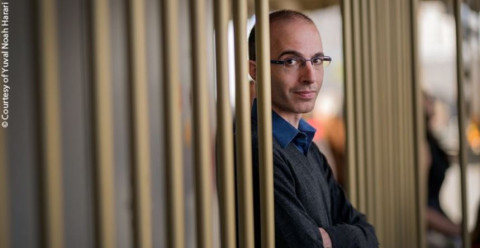 Yuval Noah Harari: “Every crisis is also an opportunity” 2020-05-07 In an interview with the UNESCO Courier, Yuval Noah Harari, Israeli historian and author of Sapiens, Homo Deus, and 21 Lessons for the 21st Century, analyses what the consequences of the current coronavirus health crisis are likely to be, and underlines the need for greater international scientific co-operation and information-sharing between countries. How is this global health pandemic different from past health crises and what does it tell us? I am not sure it is the worst global health threat we have faced. The influenza epidemic of 1918-1919 was worse, the AIDS epidemic was probably worse, and pandemics in previous eras were certainly far worse. As pandemics go, this is actually a mild one. In the early 1980s, if you got AIDS – you died. The Black Death [the plague that ravaged Europe between 1347 and 1351] killed between a quarter and half of the affected populations. The 1918 influenza killed more than ten per cent of the entire population in some countries. In contrast, COVID-19 is killing less than five per cent of those infected, and unless some dangerous mutation occurs, it is unlikely to kill more than one per cent of the population of any country. Moreover, in contrast to previous eras, we now have all the scientific knowledge and technological tools necessary to overcome this plague. When the Black Death struck, people were completely helpless. They never discovered what was killing them and what could be done about it. In 1348, the medical faculty of the University of Paris believed that the epidemic was caused by an astrological misfortune – namely that “a major conjunction of three planets in Aquarius [caused] a deadly corruption of the air” (quoted in Rosemary Horrox ed. The Black Death, Manchester University Press, 1994, p. 159). In contrast, when COVID-19 erupted, it took scientists only two weeks to correctly identify the virus responsible for the epidemic, sequence its entire genome, and develop reliable tests for the disease. We know what to do in order to stop the spread of this epidemic. It is likely that within a year or two, we will also have a vaccine. However, COVID-19 is not just a health-care crisis. It also results in a huge economic and political crisis. I am less afraid of the virus than of the inner demons of humankind: hatred, greed and ignorance. If people blame the epidemic on foreigners and minorities; if greedy businesses care only about their profits; and if we believe all kinds of conspiracy theories – it will be much harder to overcome this epidemic, and later on we will live in a world poisoned by this hatred, greed and ignorance. In contrast, if we react to the epidemic with global solidarity and generosity, and if we trust in science rather than in conspiracy theories, I am sure we can not only overcome this crisis, but actually come out of it much stronger. To what extent could social distancing become the norm? What effect will that have on societies? For the duration of the crisis, some social distancing is inevitable. The virus spreads by exploiting our best human instincts. We are social animals. We like contact, especially in hard times. And when relatives, friends or neighbours are sick, our compassion arises and we want to come and help them. The virus is using this against us. This is how it spreads. So we need to act from the head rather than the heart, and despite the difficulties, reduce our level of contact. Whereas the virus is a mindless piece of genetic information, we humans have a mind, we can analyse the situation rationally, and we can vary the way we behave. I believe that once the crisis is over, we will not see any long-term effects on our basic human instincts. We will still be social animals. We will still love contact. We will still come to help friends and relatives. Look, for example, at what happened to the LGBT [lesbian, gay, bisexual and transgendered] community in the wake of AIDS. It was a terrible epidemic, and gay people were often completely abandoned by the state, and yet the epidemic did not cause the disintegration of that community. Just the opposite. Already, at the height of the crisis, LGBT volunteers established many new organizations to help sick people, to spread reliable information, and to fight for political rights. In the 1990s, after the worst years of the AIDS epidemic, the LGBT community in many countries was much stronger than before. How do you see the state of scientific and information co-operation after the crisis? UNESCO was created after the Second World War to promote scientific and intellectual co-operation through the free flow of ideas. Could the "free flow of ideas" and co-operation between countries be strengthened as a result of the crisis? Our biggest advantage over the virus is our ability to co-operate effectively. A virus in China and a virus in the United States cannot swap tips about how to infect humans. But China can teach the US many valuable lessons about coronavirus and how to deal with it. More than that – China can actually send experts and equipment to directly help the US, and the US can similarly help other countries. The viruses cannot do anything like that. And of all forms of co-operation, the sharing of information is probably the most important, because you cannot do anything without accurate information. You cannot develop medicines and vaccines without reliable information. Indeed, even isolation depends on information. If you don’t understand how a disease spreads, how can you quarantine people against it? For example, isolation against AIDS is very different from isolation against COVID-19. To isolate yourself against AIDS, you need to use a condom while having sex, but there is no problem talking face to face with an HIV+ person – or shaking their hands and even hugging them. COVID-19 is an entirely different story. To know how to isolate yourself from a particular epidemic, you first need reliable information about what causes this epidemic. Is it viruses or bacteria? Is it transmitted through blood or breath? Does it endanger children or the elderly? Is there just one strain of the virus, or several mutant strains? In recent years, authoritarian and populist politicians have sought not only to block the free flow of information, but even to undermine the public’s trust in science. Some politicians depicted scientists as a sinister elite, disconnected from “the people”. These politicians told their followers not to believe what scientists are saying about climate change, or even about vaccinations. It should now be obvious to everyone how dangerous such populist messages are. In a time of crisis, we need information to flow openly, and we need people to trust scientific experts rather than political demagogues. Fortunately, in the current emergency most people indeed turn to science. The Catholic Church instructs the faithful to stay away from the churches. Israel has closed down its synagogues. The Islamic Republic of Iran is punishing people who go to mosques. Temples and sects of all kinds have suspended public ceremonies. And all because scientists have made some calculations and recommended closing down these holy places. I hope that people will remember the importance of trustworthy scientific information even after this crisis is over. If we want to enjoy trustworthy scientific information in a time of emergency, we must invest in it in normal times. Scientific information doesn’t come down from heaven, nor does it spring from the mind of individual geniuses. It depends on having strong independent institutions like universities, hospitals and newspapers. Institutions that not only research the truth, but are also free to tell people the truth, without being afraid of being punished by some authoritarian government. It takes years to build such institutions. But it is worth it. A society that provides citizens with a good scientific education, and that is served by strong independent institutions, can deal with an epidemic far better than a brutal dictatorship that has to constantly police an ignorant population. For example, how do you make millions of people wash their hands with soap every day? One way to do it is to place a policeman, or perhaps a camera, in every toilet, and punish people who fail to wash their hands. Another way is to teach people in school about viruses and bacteria, explain that soap can remove or kill these pathogens, and then trust people to make up their own minds. What do you think, which method is more efficient? How important is it for countries to work together to disseminate reliable information? Countries need to share trustworthy information not only about narrow medical issues, but also about a wide range of other issues – from the economic impact of the crisis to the psychological condition of citizens. Suppose country X is currently debating which kind of lockdown policy to adopt. It has to take into consideration not only the spread of the disease, but also the economic and psychological costs of lockdown. Other countries have already faced this dilemma before, and tried different policies. Instead of acting on the basis of pure speculations and repeating past mistakes, country X can examine what were the actual consequences of the different policies adopted in China, the Republic of Korea, Sweden, Italy and the United Kingdom. It can thereby make better decisions. But only if all these countries honestly report not just the number of sick and dead people, but also what happened to their economies and to the mental health of their citizens. The rise of AI and the need for technical solutions has seen private companies come forward. In this context, is it still possible to develop global ethical principles and restore international co-operation? As private companies get involved, it becomes even more important to craft global ethical principles and restore international co-operation. Some private companies may be motivated by greed more than solidarity, so they must be regulated carefully. Even those acting benevolently are not directly accountable to the public, so it is dangerous to allow them to accumulate too much power. This is particularly true when talking about surveillance. We are witnessing the creation of new surveillance systems all over the world, by both governments and corporations. The current crisis might mark an important watershed in the history of surveillance. First, because it might legitimate and normalize the deployment of mass surveillance tools in countries that have so far rejected them. Secondly, and even more importantly, it signifies a dramatic transition from “over the skin” to “under the skin” surveillance. Previously, governments and corporations monitored mainly your actions in the world – where you go, who you meet. Now they have become more interested in what is happening inside your body. In your medical condition, body temperature, blood pressure. That kind of biometric information can tell governments and corporations far more about you than ever before. Could you suggest some ethical principles for how these new surveillance systems can be regulated? Ideally, the surveillance system should be operated by a special health-care authority rather than by a private company or by the security services. The health-care authority should be narrowly focused on preventing epidemics, and should have no other commercial or political interests. I am particularly alarmed when I hear people comparing the COVID-19 crisis to war, and calling for the security services to take over. This isn’t a war. It is a health-care crisis. There are no human enemies to kill. It is all about taking care of people. The dominant image in war is a soldier with a rifle storming forward. Now the image in our heads should be a nurse changing bed-sheets in a hospital. Soldiers and nurses have a very different way of thinking. If you want to put somebody in charge, don’t put a soldier in charge. Put a nurse. The health-care authority should gather the minimum amount of data necessary for the narrow task of preventing epidemics, and should not share this data with any other governmental body – especially not the police. Nor should it share the data with private companies. It should make sure that data gathered about individuals is never used to harm or manipulate these individuals – for example, leading to people losing their jobs or their insurance. The health-care authority may make the data accessible to scientific research, but only if the fruits of this research are made freely available to humanity, and if any incidental profits are reinvested in providing people with better health care. In contrast to all these limitations on data sharing, the individuals themselves should be given as much control of the data gathered about them. They should be free to examine their personal data and benefit from it. Finally, while such surveillance systems would probably be national in character, to really prevent epidemics, the different health-care authorities would have to co-operate with one another. Since pathogens don’t respect national borders, unless we combine data from different countries, it will be difficult to spot and stop epidemics. If national surveillance is done by an independent health-care authority which is free of political and commercial interests, it would be much easier for such national authorities to co-operate globally. You have spoken of a recent rapid deterioration of trust in the international system. How do you see the profound changes in multilateral co-operation in the future? I don’t know what will happen in the future. It depends on the choices we make in the present. Countries can choose to compete for scarce resources and pursue an egoistic and isolationist policy, or they could choose to help one another in the spirit of global solidarity. This choice will shape both the course of the present crisis and the future of the international system for years to come. I hope countries will choose solidarity and co-operation. We cannot stop this epidemic without close co-operation between countries all over the world. Even if a particular country succeeds in stopping the epidemic in its territory for a while, as long as the epidemic continues to spread elsewhere, it might return everywhere. Even worse, viruses constantly mutate. A mutation in the virus anywhere in the world might make it more contagious or more deadly, putting in danger all of humankind. The only way we can really protect ourselves, is by helping to protect all humans. The same is true of the economic crisis. If every country looks only after its own interests, the result will be a severe global recession that will hit everyone. Rich countries like the US, Germany and Japan will muddle through one way or the other. But poorer countries in Africa, Asia and Latin America might completely collapse. The US can afford a $2 trillion rescue package for its economy. Ecuador, Nigeria and Pakistan don’t have similar resources. We need a global economic rescue plan. Unfortunately, so far we don’t see anything like the strong global leadership we need. The US, which acted as world leader during the 2014 Ebola epidemic and the 2008 financial crisis, has abdicated this job. The Trump administration has made it very clear that it cares only about the US, and has abandoned even its closest allies in Western Europe. Even if the US now comes up with some kind of global plan, who would trust it, and who would follow its lead? Would you follow a leader whose motto is “Me First”? But every crisis is also an opportunity. Hopefully the current epidemic will help humankind realize the acute danger posed by global disunity. If indeed this epidemic eventually results in closer global co-operation, it will be a victory not only against the coronavirus, but against all the other dangers that threaten humankind – from climate change to nuclear war. You speak about how the choices we make now will affect our societies economically, politically and culturally, for years to come. What are these choices and who will be responsible for making them? We are faced with many choices. Not only the choice between nationalistic isolationism and global solidarity. Another important question is whether people would support the rise of dictators, or would they insist on dealing with the emergency in a democratic way? When governments spend billions to help failing businesses, would they save big corporations or small family businesses? As people switch to working from home and communicating online, will this result in the collapse of organized labour, or would we see better protection for workers’ rights? All these are political choices. We must be aware that we are now facing not just a health-care crisis, but also a political crisis. The media and the citizens should not allow themselves to be completely distracted by the epidemic. It is of course important to follow the latest news about the sickness itself – how many people died today? How many people were infected? But it is equally important to pay attention to politics and to put pressure on politicians to do the right thing. Citizens should pressure politicians to act in the spirit of global solidarity; to co-operate with other countries rather than blame them; to distribute funds in a fair way; to preserve democratic checks and balances – even in an emergency. The time to do all that is now. Whoever we elect to government in coming years will not be able to reverse the decisions that are taken now. If you become president in 2021, it is like coming to a party when the party is already over and the only thing left to do is wash the dirty dishes. If you become president in 2021, you will discover that the previous government has already distributed tens of billions of dollars – and you have a mountain of debts to repay. The previous government has already restructured the job market – and you cannot start from scratch again. The previous government has already introduced new surveillance systems – and they cannot be abolished overnight. So don’t wait till 2021. Monitor what the politicians are doing right now.The opinions expressed in this interview are those of the author, and not necessarily those of UNESCO and do not commit the Organization. Read more: Who owns science? The UNESCO Courier, May 1999Medicine and health, The UNESCO Courier, August 1987World health: ten years of progress, The UNESCO Courier, May 1958 URL:https://en.unesco.org/courier/news-views-online/yuval-noah-harari-every-crisis-also-opportunity
 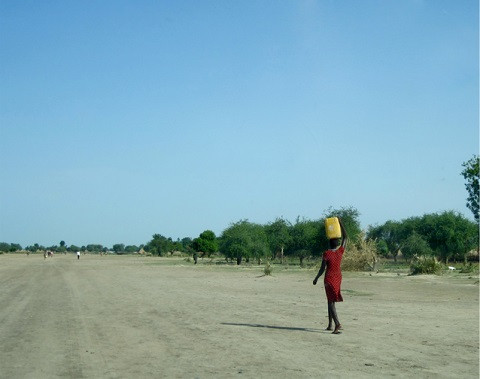 How traditional gender narratives can be used to advocate for girls’ and women’s education 2020-05-06 By Emily LeRoux-Rutledge, Lecturer in Social Psychology, University of the West of England “Education is very important for girls, women and for everyone. Education is the thing that will develop our country, and without education, the country will never go ahead,” declares a voice on community radio, in rural South Sudan. It is the voice of a primary school teacher, urging his community to send its girls to school. His words perfectly encapsulate a socially shared narrative prominent in South Sudan and much of the world: the educated woman narrative, in which a woman who finishes school is expected to earn an income, acquire material security for herself and her family, and work for the development of the country. “When the girl is educated, it will reduce the level of poverty…” he continues, “Let’s say your daughter gets married for 30 cows, and then an educated one gets married for 150 cows. That means… [the] poverty that was in that family—she reduced that.” Has he misunderstood the point of girls’ education? Not necessarily—he is now drawing on another socially shared narrative in South Sudan: the bride narrative, in which marriage happens through the giving of cows. This example demonstrates but one of the ways in which people in South Sudan are creatively using traditional gender narratives to promote gender and development goals, such as girls’ education. In a recently published study in World Development—which draws on qualitative interviews and focus groups with 94 research participants in three rural South Sudanese communities, as well as hours of community radio content—the findings repeatedly show traditional gender narratives being used in this way, alongside modern ones, to promote gender and development goals, including education. Why does this matter? In development circles, there’s a tendency to blame traditional gender roles and norms for slow progress towards goals such as girls’ education. The conclusion always seems to be that, for gender and development goals to be realized, traditional gender narratives must be challenged and changed. For example, a recent UNESCO report on South Sudan claims, “[There is] a strong bias against girls’ schooling… [F]emales tend to be viewed as a source of wealth for the family as a result of dowry payments and relocation of the girl to her husband’s family once married.” But, as we’ve just seen, the bride narrative can be used to advocate for girls’ education. So is the narrative really the problem, or the way it is sometimes used? To put it another way, is there any harm in using traditional gender narratives to support goals such as girls’ education? Perhaps. If inegalitarian gender beliefs are intrinsic to traditional narratives, then perpetuating those narratives might perpetuate gender inequality. But avoiding, or directly opposing traditional narratives risks being ineffective, and ignores the ways in which people on the ground may be creatively deploying them. Scholars who study the ways in which human rights for women are pursued and enacted in local contexts maintain that they must be “vernacularized,” or framed, in terms of existing norms, values and practices. The more successfully this is done, the more traction the ideas get. More importantly, traditional narratives need not be used in isolation. Arguments based on traditional norms, values and practices can exist alongside arguments based on gender equality. As the opening example shows, girls in South Sudan can be encouraged in their education both because it will make them more desirable marriage partners, and because women deserve to take their place alongside men in developing the country. Moreover, if material changes in women’s education levels are actually achieved, then shifts in traditional attitudes, norms and values may follow. Indeed, traditional narratives are not necessarily static, a mistake that many development practitioners make. They can change over time—especially if they are used to support gender and development goals. In South Sudan, an educated girl used to be less desirable as a marriage partner, but a man must now offer more cows to marry an educated girl. Thus, it may be that the bride narrative in rural South Sudan is taking on a new dimension, which reinforces the value of girls’ education. This is why the aforementioned World Development article argues there may be value in considering how to harness, rather than reject, traditional narratives in pursuit of goals like girls’ education. It may be time for us to carefully re-evaluate the assumption that traditional narratives are barriers, and critically assess when the use of such narratives is helpful to achieve gender and development goals. Ideally, we should do this without ignoring the possibility that traditional narratives may perpetuate gender inequalities, and without forgetting that transformational arguments, based on gender equality, can be used simultaneously. This strategy can work. It worked for Elizabeth, a South Sudanese women who was extraordinarily determined to get an education as a child—so much so that she even said, “I had to kill myself because my parents wouldn’t let me go to school”. First, she explains her ambition using the educated woman narrative: “If I continue my education, then I will be educated, and I will be somebody that can help…. Someone who is progressing, someone who is coming up, there are so many things you can do, and so many ways you can help your country.” However, she persuaded her parents to send her to school using the bride narrative, and is extremely proud of the cows her education brought to her family: “My husband brought so many cows that my parents were happy…. If I had not reached Primary 7, then the cows that I was married with might have not been brought to my parents. Because I know, so far, if you are educated, then you can bring many cows and so many good things to your parents.” This raises a final point: that women often legitimately value the identities, roles and norms represented in traditional narratives, which emphasize close family relationships—one of the most important determinants of well-being. For all of these reasons, it may be time to let go of the idea that traditional narratives are barriers to girls’ and women’s education. Critically harnessing traditional narratives would recognize the fact that traditional narratives are strategic for women, are valued by women, and are currently used to support some of the very gender and development goals that the international development community seeks to achieve. URL:https://gemreportunesco.wordpress.com/2020/04/30/how-traditional-gender-narratives-can-be-used-to-advocate-for-girls-and-womens-education/
  Global public tells the United Nations: Take action on climate change and the environment 2020-05-04 The United Nations is marking its 75th anniversary at a time of great upheaval, as COVID-19 continues to spread, exacting a heavy toll on lives, societies and economies in all regions of the world. In January 2020, the UN75 initiative launched a global conversation, inviting people around the world to discuss their priorities for the future, obstacles to achieving them, and the role of global cooperation in overcoming these challenges. As of March 2020, over 13 million people in nearly all UN Member States had taken part in the initiative, with more than 40,000 completing the one-minute survey, and more than 330 dialogues held in 87 countries. Respondents placed great emphasis on climate change and the environment, with protection of the environment one of the top three priorities. Climate and the environment were also identified as one of the top three global trends, and widely discussed in the dialogues. The vast majority of respondents agreed on the need for closer international cooperation to make progress in these and other areas. COVID-19 has revealed the vulnerability of global systems to protect the environment, health and economy. There is an increasing recognition of how multiple economic, social and institutional drivers exacerbate environment risks, impacting on human health and increasing the burden on health services. The United Nations Environment Programme (UNEP), as the authoritative voice on the environment within the UN system, is well placed to help its member countries rise to the challenge of delivering a better future. UNEP will celebrate its own anniversary in 2022, having been at the heart of the environmental movement since the Stockholm Conference in 1972. UNEP is also working with partners to implement the 2030 Sustainable Development Agenda, particularly in areas that have a direct link to the environment such as hazardous waste, governance, wildlife conservation, climate change and ecosystems. Find out what UNEP is doing to achieve the Goals. For instance, a key UNEP report is the annual Emissions Gap Report, the most recent issue of which says we must cut global emissions 7.6 per cent every year of the next decade if we are to limit temperature rise per the Paris Agreement to 1.5°C. A just-released international survey by Ipsos MORI Public opinion on the COVID-19 coronavirus pandemic says: “Seven in ten consider climate change as serious a crisis as COVID-19, and a similar proportion feel their government will be failing them if it doesn’t act on climate change now. Two thirds globally support a green economic recovery from the crisis.” Over the course of 2020, the UN75 team will gather public perspectives on global challenges and solutions on how to tackle them through a one-minute survey (in 53 languages) and dialogues – now the bulk of which will be online online – organized by partners across the world. Nature is in crisis, threatened by biodiversity and habitat loss, global heating and toxic pollution. Failure to act is failing humanity. Addressing the current coronavirus (COVID-19) pandemic and protecting ourselves against future global threats requires sound management of hazardous medical and chemical waste; strong and global stewardship of nature and biodiversity; and a clear commitment to “building back better”, creating green jobs and facilitating the transition to carbon neutral economies. Humanity depends on action now for a resilient and sustainable future. For more information, please contact Lisa Laskaridis lisa.laskaridis@un.org URL:https://www.unep.org/news-and-stories/story/global-public-tells-united-nations-take-action-climate-change-and
 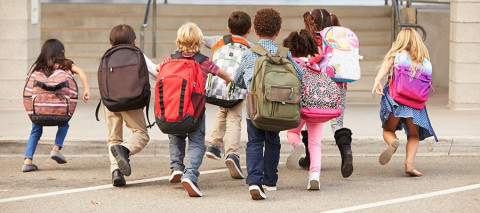 新指南为学校安全复课提供路线图 2020-05-02 UNESCO, UNICEF, WFP and World Bank today issued new guidelines on the safe reopening of schools amidst ongoing closures affecting nearly 1.3 billion students worldwide. The guidelines caution that the widespread closures of educational facilities in response to the COVID-19 pandemic present an unprecedented risk to children’s education and wellbeing, particularly for the most marginalized children who rely on school for their education, health, safety and nutrition. The guidelines offer practical advice for national and local authorities on how to keep children safe when they return to school. “While many students are falling behind in their learning journey because of prolonged school closures, the far from straightforward decision of when and how to reopen schools, should be a priority,” said UNESCO Director-General Audrey Azoulay. “Once there is a green light on the health front, a whole set of measures will need to be in place to ensure that no student is left behind. These guidelines provide all-round guidance for governments and partners to facilitate the reopening of schools for students, teachers and families. We share one goal, to protect and advance the right to education for every learner,” “Rising inequality, poor health outcomes, violence, child labour and child marriage are just some of the long-term threats for children who miss out on school,” said Henrietta Fore, UNICEF Executive Director. “We know the longer children stay out of school, the less likely they are to ever return. Unless we prioritize the reopening of schools – when it is safe to do so – we will likely see a devastating reversal in education gains.” The guidelines note that while there is not yet enough evidence to measure the impact of school closures on disease transmission rates, the adverse effects of school closures on children’s safety and learning are well documented. Gains made in increasing access to children’s education in recent decades risk being lost and, in the worse cases, reversed completely. “In the poorest countries, children often rely on schools for their only meal of the day. But with many schools now closed because of COVID, 370 million children are missing out on these nutritious meals which are a lifeline for poor families. They are also being denied the health support they normally get through school. This could do lasting damage, so when schools reopen it is critical that these meal programmes and health services are restored, which can also help to draw the most vulnerable children back to school,” said David Beasley, WFP Executive Director. The best interests of children and overall public health considerations – based on an assessment of the associated benefits and risks to education, public health and socio-economic factors – must be central to national and local authorities’ decisions to reopen schools, the guidelines say. Schools must look at how they can reopen better – with improved learning and more comprehensive support for children at the school including health, nutrition, psychosocial support and water, sanitation and hygiene facilities. As countries grapple with when to reopen schools, UNESCO, UNICEF and WFP – as part of the Global Education Coalition – urge governments to assess the benefits of classroom-based instruction compared to remote learning, and the risk factors related to reopening of schools, noting the inconclusive evidence around the infection risks related to school attendance. Jointly presented for the first time during a meeting of education ministers convened by UNESCO yesterday on planning for the reopening of schools, the guidance includes: Policy reform: Policy implications address all dimensions of the guidelines, including clear policies for school opening and closure during public health emergencies, reforms needed to expand equitable access for marginalised and out of school children as well as strengthen and standardize remote learning practices. Financing requirements: Address the impact of COVID-19 on education and invest in strengthening education systems for recovery and resilience. Safe operations: Ensure conditions that reduce disease transmission, safeguard essential services and supplies and promote healthy behaviour. This includes access to soap and clean water for safe handwashing, procedures on when staff or students feel unwell, protocols on social distancing and good hygiene practices. Compensating learning: Focus on practices that compensate for lost instructional time, strengthen pedagogy and build on hybrid learning models such as integrating approaches in remote and distance education. This must include knowledge on disease transmission and prevention. Wellness and protection: Expand the focus on students’ well-being and reinforce the protection of children through enhanced referral mechanisms and the provision of essential school-based services including healthcare and school feeding. Reaching the most marginalised: Adapt school opening policies and practices to expand access to marginalised groups such as previously out-of-school children, displaced and migrant children and minorities. Diversify critical communications and outreach by making them available in relevant languages and in accessible formats. "Once schools begin to reopen, the priority becomes reintegrating students into school settings safely and in ways that allow learning to pick up again, especially for those who suffered the biggest learning losses. This is a critical moment as it is the launching pad for a new normal that should be more effective and equitable. To manage reopenings, schools will need to be logistically prepared with the teaching workforce ready. And they will need to have plans specifically for supporting learning recovery of the most disadvantaged students. The guidelines offer a framework for moving forward that the major UN agencies are aligned around," said Jaime Saavedra, World Bank Global Director for Education. ***** Notes to editors About UNESCO: UNESCO is the United Nations Educational, Scientific and Cultural Organization. It seeks to build peace through international cooperation in Education, the Sciences and Culture. UNESCO's programmes contribute to the achievement of the Sustainable Development Goals defined in Agenda 2030, adopted by the UN General Assembly in 2015. About UNICEF: UNICEF works in some of the world’s toughest places, to reach the world’s most disadvantaged children. Across more than 190 countries and territories, we work for every child, everywhere, to build a better world for everyone. About World Food Programme: The United Nations World Food Programme is the world’s largest humanitarian organization, saving lives in emergencies, building prosperity and supporting a sustainable future for people recovering from conflict, disasters and the impact of climate change. For further information, please contact: Georgina Thompson, UNICEF, +1 917 238 1559, gthompson@unicef.org David Orr, WFP, +39 340 246 6831, David.orr@wfp.org George Papagiannis, UNESCO: Tel: +33 1 45 68 17 06, g.papagiannis@unesco.org URL:https://en.unesco.org/news/new-guidelines-provide-roadmap-safe-reopening-schools
 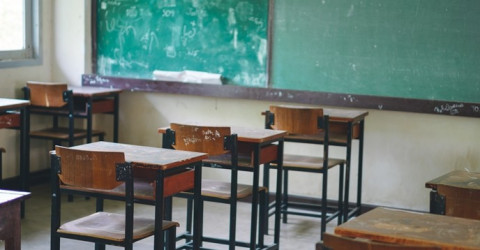 Adverse consequences of school closures 2020-04-24 More on UNESCO's COVID-19 Education Response School closures carry high social and economic costs for people across communities. Their impact however is particularly severe for the most vulnerable and marginalized boys and girls and their families. The resulting disruptions exacerbate already existing disparities within the education system but also in other aspects of their lives. These include: Interrupted learning: Schooling provides essential learning and when schools close, children and youth are deprived opportunities for growth and development. The disadvantages are disproportionate for under-privileged learners who tend to have fewer educational opportunities beyond school. Poor nutrition: Many children and youth rely on free or discounted meals provided at schools for food and healthy nutrition. When schools close, nutrition is compromised. Confusion and stress for teachers: When schools close, especially unexpectedly and for unknown durations, teachers are often unsure of their obligations and how to maintain connections with students to support learning. Transitions to distance learnign platforms tend to be messy and frustrating, even in the best circumstances. In many contexts, school closures lead to furloughs or seperations for teachers. Parents unprepared for distance and home schooling: When schools close, parents are often asked to facilitate the learning of children at home and can struggle to perform this task. This is especially true for parents with limited education and resources. Challenges creating, maintaining, and improving distance learning: Demand for distance learning skyrockets when schools close and often overwhelms existing portals to remote education. Moving learning from classrooms to homes at scale and in a hurry presents enormous challenges, both human and technical. Gaps in childcare: In the absence of alternative options, working parents often leave children alone when schools close and this can lead to risky behaviours, including increased influence of peer pressure and substance abuse. High economic costs: Working parents are more likely to miss work when schools close in order to take care of their children. This results in wage loss and tend to negatively impact productivity. Unintended strain on health-care systems: Health-care workers with children cannot easily attend work because of childcare obligations that result from school closures. This means that many medical professionals are not at the facilities where they are most needed during a health crisis. Increased pressure on schools and school systems that remain open: Localized school closures place burdens on schools as governments and parents alike redirect children to schools that remain open. Rise in dropout rates: It is a challenge to ensure children and youth return and stay in school when schools reopen after closures. This is especially true of protracted closures and when economic shocks place pressure on children to work and generate income for financially distressed families. Increased exposure to violence and exploitation: When schools shut down, early marriages increase, more children are recruited into militias, sexual exploitation of girls and young women rises, teenage pregnancies become more common, and child labour grows. Social isolation: Schools are hubs of social activity and human interaction. When schools close, many children and youth miss out of on social contact that is essential to learning and development. Challenges measuring and validating learning: Calendared assessments, notably high-stakes examinations that determine admission or advancement to new education levels and institutions, are thrown into disarry when schools close. Strategies to postpone, skip or adminsiter examinations at a distance raise serious concerns about fairness, especialy when access to learning becomes variable. Disruptions to assessments results in stress for students and their families and can trigger disengagement. URL:https://en.unesco.org/covid19/educationresponse/consequences
 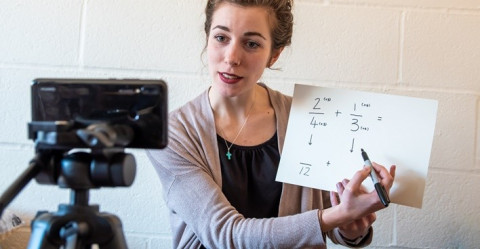 Teacher Task Force calls to support 63 million teachers touched by the COVID-19 crisis 2020-04-15 Around 63 million primary and secondary teachers around the world are affected by school closures in 165 countries due to the Covid-19 pandemic. They are on the frontlines of the response to ensure that learning continues for nearly 1.5 billion students, a number that is predicted to rise. Everywhere, together with school leaders, they have been rapidly mobilising and innovating to facilitate quality distance learning for students in confinement, with or without the use of digital technologies. They are playing a key role also in communicating measures that prevent the spread of the virus, ensuring that children are safe and supported. This unprecedented situation is putting teachers, students and families under stress. In some cases, teachers who may already be exposed to the virus themselves are trying to manage the anxiety of being told to work in situations where the COVID-19 risk is spreading. Others are dealing with the stress of of delivering quality learning with tools for which they have received little or no training or support. In many countries, contract teachers, substitute teachers and education support personnel risk seeing their contracts broken and their livelihoods disappear. The Teacher Task Force, an international alliance working for teachers and teaching, has issued a Call for Action on Teachers to ensure that teachers are protected, supported and recognised during the crisis. Leadership and financial and material resources for teachers are necessary to make sure that quality teaching and learning can continue at a distance during the crisis, and that recovery is rapid. The Task Force is calling on governments, education providers and funders – public and private – and all relevant partners to: Preserve employment and wages: This crisis cannot be a pretext to lower standards and norms, or push aside labour rights. The salaries and benefits of the entire teaching and education support staff must be preserved. Prioritise teachers’ and learners’ health, safety and well-being: Teachers need socio-emotional support to face the extra pressure being put on them to deliver learning in a time of crisis as well as provide support to their students in these anxious circumstances. Include teachers in developing COVID-19 education responses: Teachers will have a crucial role in the recovery phase when schools reopen. They must be included at all steps of education policy-making and planning. Provide adequate professional support and training: Little attention has been given to providing teachers with adequate training on how to ensure that learning continues. We must move swiftly to ensure that teachers receive the necessary professional support. Put equity at the heart of education responses: Greater support and flexibility will be needed for teachers who work in remote areas or with low-income or minority communities, to ensure that disadvantaged children are not left behind. Include teachers in aid responses: The Teacher Task Force urges financing institutions to help governments support education systems, particularly the teaching workforce’s professional development. Such support is particularly urgent in some of the world’s poorest countries, which are already struggling to meet education needs because of critical shortages of trained teachers. For more information, download the call in English, French, Spanish and Arabic. *** The International Task Force on Teachers for Education 2030 is a global network of over 90 governments and some 50 international and regional organisations (including UN organisations, civil society organisations, the teaching profession and foundations) working to promote teachers and teaching issues. Its Secretariat is hosted by UNESCO at its headquarters in Paris. URL:https://en.unesco.org/news/teacher-task-force-calls-support-63-million-teachers-touched-covid-19-crisis
  UNESCO launches CodeTheCurve Hackathon to develop digital solutions in response to COVID-19 2020-04-07 UNESCO, in partnership with IBM and SAP, has launched the CodeTheCurve Hackathon to support young innovators, data scientists and designers across the world to develop digital solutions to counter the COVID-19 pandemic. Aside from its terrible impact on the health of thousands so far, the COVID-19 crisis is having profound effects on societies, from reliable information sharing to education, with school closures currently affecting more than 1.5 billion students across the planet.“Solving this unprecedented global crisis will require the collective expertise and imagination of all of us,” said Audrey Azoulay, Director-General of UNESCO. “We know that there are young women and men around the world with new and innovative ideas on how technology can help us handle the pandemic, but they need support to bring them to fruition. Through this Hackathon, in association with our partners, we hope to help make these ideas a reality.” CodeTheCurve is organized in two phases, beginning with a video competition for ideas, it will be followed by a Hackathon among 40 selected teams. The Hackathon will run until 30 April 2020. Participating teams will work on one of three main themes: 1) Ensuring continued learning 2) Data management and information, and 3) The present and the future: societal and health issues. “With so many young people currently at home due to COVID-19 school closures, 183 countries impacted, and a need for practical, fun, and virtual education, the IBM Z team is excited to launch CodeTheCurve with UNESCO, SAP, and our collaborators. Empowering youth with tech skills, entrepreneurial zest, professional development, and mentorship is really the secret sauce for inspiring the world to transition from consumers of technology into creators, makers, and doers empowered by technology,”says Melissa Sassi, Global Head – IBM Z Global Student Hub & IBM Hyper Protect Accelerator. Participating ‘Hackers’ will receive experience pitching their innovative solutions from relevant and supportive organizations that have been brought together under the umbrella of CodeTheCurve. The selected teams will be able to benefit from a series of webinars and activity kits offered by partner organizations, such as IBM, SAP, FOSSASIA, and iHackOnline. “During these unprecedented times, we need to empower young innovators as they engage in finding solutions to this crisis,” says Claire Gillissen-Duval, Director of EMEA Corporate Social Responsibility and Africa Code Week co-founder at SAP. “True to SAP’s vision of helping the world run better and improving people’s lives, our colleagues will resolutely support the CodeTheCurve hackathon by mentoring participants.” The CodetheCurve initiative is supported by UNESCO, IBM and SAP, and the generous contribution of TruChallenge.co.uk, AngelHack, iHackOnLine and with the collaboration of Pamplemousse Communication. The initiative builds upon UNESCO’s long-standing efforts to foster digital skills and professional development competencies for youth, with a particular focus on young women software developers and designers. YOUR IDEAS CAN CHANGE OUR FUTURE!PARTICIPATE IN THE CodeTheCurve HACKATHON!REGISTER ON CODETHECURVE.ORG: http://codethecurve.org Media contactBernard Giansetto b.giansetto@unesco.org(link sends e-mail) +33 (0)1 45 68 17 64More information on UNESCO information programme URL:https://en.unesco.org/news/unesco-launches-codethecurve-hackathon-develop-digital-solutions-response-covid-19
 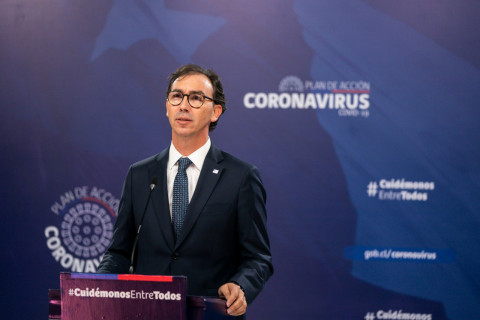 How is Chile facing the COVID19 education emergency? UNESCO talks with Raul Figueroa, Minister of Education of Chile 2020-04-06 At a moment when more than 1.5 billion students are out of school because of the COVID-19 emergency, countries face an unprecedented scenario: schools closed, families facing uncertain futures, and children and adolescents coping with disrupted routines and educational processes. Beyond the lack of classes, the disconnection with classmates, professors and the social fabric of the educational community affects all students. Consequences that go beyond the curriculum and learning outcomes are challenging education systems in scenarios in unexpected ways. The same is happening in high, middle and lower income countries. Within their local contexts, governments are seeking to offer options in the face of the emergency through initiatives aimed at various socioeconomic, geographic and technological realities. Difficult access to equipment, appropriate information and educational resources translates into enormous challenges, as do issues related to emotional support. UNESCO spoke with Raúl Figueroa, Chile´s Minister of Education, who, along with his peers in Latin America and the Caribbean is working to offer solutions that protect the right to education during the emergency, and to prepare for the re-opening of schools. “Following the complete suspension of classes in March, we made the platform Aprendo en línea available to the educational community, which has resources for students from 1st grade through the final year of secondary level” - Raúl Figueroa, Chile´s Minister of Education Minister, how has the Chilean educational system responded to the arrival of the virus? What measures have been taken? How are families being supported in this context? The Government started developing an Action Plan in January 2020 to face this threat. In that context, President Sebastian Piñera requested that we prepare for a scenario in which classes would be suspended. This allowed us to set a series of activities in motion that would provide continuity in our students’ learning, and maintain benefits for the most vulnerable sectors of society. Following the complete suspension of classes in March, we made the platform Aprendo en línea available to the educational community, which has resources for students from 1st grade through the final year of secondary level. To support the continuity of students’ learning, we formed an alliance with Athena, the Mobile Telephone Association of Chile to ensure free downloads of texts and study guides so that students would not need to use data from their phone plans to access this material. Students can also complement their studies with the Biblioteca Digital Escolar, which offers more than 10,000 free books available to all. As of end March, the platform has been used by more than two million users, which shows that we are on the right track. We need to keep working together in a coordinated way so that our students’ educational processes are not interrupted. We have also formed an alliance with Google and Fundación Chile to facilitate access and technical support to educational institutions seeking to use G Suite for Education and Google Classroom. These systems support teachers to organize the content of their courses, follow up on assignments and communicate with students. In order to support families, we have continued to provide school feeding benefits for approximately 1.600.000 children who represent the 60% most vulnerable groups in the country. We deliver a basket of goods and supplies that covers the nutritional needs of each child for fifteen days. Technology is not available to everyone, and connectivity is not the same everywhere, especially in rural areas. How is this being addressed in Chile? For those who have difficulties accessing the internet, we launched the “I Learn at Home” programme. We are distributing the same educational material in printed format, accompanied by notebooks for reinforcement that are being distributed to 3.700 rural schools and others with limited connectivity. We are using these methods to reach all corners of Chile with the needed pedadgogical tools. How is the educational system preparing for various kinds of crises? We are faced with a new situation,where working in a collaborative fashion with the authorities and educational communities is fundamental. Here the use of technology has been key as a tool for support of learning objectives, and to support parents that have had to assume active roles from home to guarantee the learning continuity for our students. Flexibility will be the key word for going back to school. You have described this period as a parentheses in the school year. How are you planning to ensure flexibility to ensure proper completion of the school year? We are facing unprecedented circumstances, and we are all learning. Flexibility will be key to resume classes and the academic calendar. The main point is that we are making every effort now to ensure learning continuity. It is a commitment that the entire educational community needs to make. The global situation that we are facing is a huge test for tele-working and distance learning. What lessons can Chile learn from this to face the future of Education? Although the work that happens in schools is unique and difficult to replace, digitalization is an important instrument that needs to be developed to face the future. Our Ministry is making progress on a series of initiatives that aim to strengthen these issues. The Assistant Secretary General of UNESCO, Stefania Giannini has said that “this is the moment to share our data and our solutions, to exchange knowledge, capacities and talents in accordance with the principles of inclusion and equity. In this sense, what does Chile expect from international cooperation, especially UNESCO? What can offer Chile to other countries? It is time for us to come together, not only to guarantee learning continuity, but to invest in the transformative power that education gives to people, communities and societies. Good ideas and practices need to be replicated. We are completely available for collaboration with other countries to strengthen educational systems and to mutually enrich ourselves to improve pedagogical tools that we make available to educational communities. What message would you lie to share with educational communities in Chile, teachers, educational workers, students and families? I would like to highlight the effort and commitment of educational communities, and to thank all for the collaborative work in which many have participated with ethical shifts, and which have helped us manage this health crisis. Two million users are already using our platform Aprendo en línea, approximately 1.600.000 students are benefitting from the school feeding programme and 3.700 rural and vulnerable schools have been integrated into the pedagogical tools network. This is the time to come together to ensure learning continuity. The actions of the Ministry of Education in Chile URL:https://en.unesco.org/fieldoffice/santiago/articles/minister-education-Chile-covid-19
 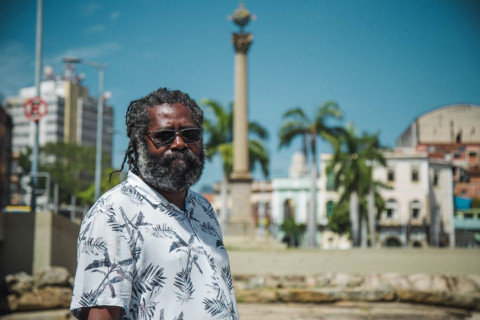 Fighting racism includes fighting for property, says Brazilian activist 2020-04-03 For 30 years, Brazilian activist Damião Braga, 53, has been fighting for the right of people of African descent to access land and property in Rio de Janeiro. On the International Day of Remembrance of the Victims of Slavery and the Transatlantic Slave Trade, this year raising awareness to the dagers of racism and prejudice, his struggle is newly in focus. A quilombola leader, he is frequently the target of threats and violence because of his activism. He demands from the State and the justice system the transfer of properties in a historical area of the city to the descendants of enslaved people. During slavery (16th to 19th century), the term quilombola referred to the enslaved African people and Afro-descendants who fled the sugar cane mills and farms to form small villages called quilombos. Today, the term refers to the descendants of these populations, who live in rural and urban communities, marked by cultural practices with strong links to ancestors. Quilombo territories and lands tenure regularization are guaranteed by the Brazilian Federal Constitution. Braga leads Pedra do Sal, one of the main Brazilian urban quilombos, located in central Rio. Pedra do Sal was a secular residence of the enslaved Africans and their descendants. The community wages a long-standing judicial and administrative battle to obtain ownership of the properties in the area, now owned by the State and claimed by the Catholic Church. In 2005, the area was recognized as quilombola territory by the Brazilian government. Despite this, 15 years later, only two Afro-descendant families actually live on the site, since the land titling process has not been completed and most of the families have been evicted. Photo: UN Brazil/Joana Berwanger“Our right has already been recognized, Pedra do Sal is a quilombola territory. But now that right must be actually guaranteed”, said Braga, attributing this delay to the recent appreciation of real estate in central Rio before and after the Olympics, in 2016. “For us, the titling of quilombola territories is a form of reparation, in the face of all that happened during the slavery period,” he said. “The territory was not titled precisely because of the structural racism that still persists”. Braga and 25 families are now awaiting the conclusion of judicial and administrative proceedings to enforce their right. For the community leader, his struggle for recognition is directly related to the fight against racism. “When we started to fight, to make this discussion about quilombola territory, the racism became even more evident, more visible.” According to data from the National Institute of Colonization and Agrarian Reform (INCRA) of 2019, there are 1,700 ongoing processes for certification of quilombola communities in Brazil. Braga is also a committee member of the Valongo Wharf Archaeological Site, listed as a World Heritage Site by the United Nations Educational, Scientific and Cultural Organization (UNESCO). Valongo is in the former harbour area of Rio de Janeiro in which the old stone wharf was built for the landing of enslaved Africans reaching the South American continent from 1811 onwards. An estimated 900,000 Africans arrived in South America via Valongo. “Valongo symbolizes the arrival of enslaved Africans in Brazil. The ‘Pretos Novos’ Cemetery symbolizes burial, those who are gone, and the Pedra do Sal quilombo symbolizes life, continuity, ”said Braga, citing historical sites in central Rio. UN against racism in Brazil On the occasion of the International Day in Memory of Victims of Slavery and the Transatlantic Slave Trade, the UN System in Brazil reminds all the work that is being done in the country to combat racism and discrimination. During his first official visit to Brazil, held in February, the representative for South America of the United Nations Office for Human Rights (OHCHR), Jan Jarab, met with quilombola leaders to verify the situation of these communities. The UN representative listened to the concerns of social leaders working in areas such as the rights of indigenous and quilombola peoples, rural movements and those affected by dams, focusing on the issue of violence in the countryside. Reaffirming the commitment to implement the International Decade for People of African Descent (2014-2024), the UN System in Brazil also launched in 2017 the “Vidas Negras” (Black Lives) campaign. The goal of the campaign is to draw attention and raise awareness of the impacts of racism, influencing strategic actors in the production and support of actions to combat discrimination and violence. URL:https://nacoesunidas.org/fighting-racism-includes-fighting-for-property-says-brazilian-activist/
 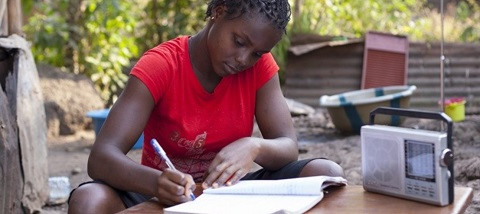 Covid-19 school closures around the world will hit girls hardest 2020-04-02 By Stefania Giannini, UNESCO Assistant Director-General for Education, and Anne-Birgitte Albrectsen, Chief Executive Officer, Plan International. As COVID-19 forces school closures in 185 countries, Plan International and UNESCO warn of the potential for increased drop-out rates which will disproportionately affect adolescent girls, further entrench gender gaps in education and lead to increased risk of sexual exploitation, early pregnancy and early and forced marriage. Out of the total population of students enrolled in education globally, UNESCO estimates that over 89% are currently out of school because of COVID-19 closures. This represents 1.54 billion children and youth enrolled in school or university, including nearly 743 million girls. Over 111 million of these girls are living in the world’s least developed countries where getting an education is already a struggle. These are contexts of extreme poverty, economic vulnerability and crisis where gender disparities in education are highest. In Mali, Niger and South Sudan — 3 countries with some of the lowest enrolment and completion rates for girls — closures have forced over 4 million girls out of school. For girls living in refugee camps or who are internally displaced, school closures will be most devastating as they are already at a disadvantage. Refugee girls at secondary level are only half as likely to enrol as their male peers. We are only beginning to understand the economic impacts of COVID-19, but they are expected to be widespread and devastating, particularly for women and girls. In the Global South, where limited social protection measures are in place, economic hardships caused by the crisis will have spill-over effects as families consider the financial and opportunity costs of educating their daughters. While many girls will continue with their education once the school gates reopen, others will never return to school. Education responses must prioritize the needs of adolescent girls' at the risk of reversing 20 years of gains made for girls’ education. Lessons from the Ebola crisis “Schools are left empty as an abandoned nest. I am so sad. Being at school can help to protect girls from pregnancy and marriage. Many of my friends are getting pregnant and I realised some have been forced into early marriage.”Christiana, 17, Sierra Leone (during the Ebola Crisis of 2014) While the magnitude of the COVID-19 crisis is unprecedented, we can look to the lessons learnt from the Ebola epidemic in Africa. At the height of the epidemic, 5 million children were affected by school closures across Guinea, Liberia and Sierra Leone, countries hardest hit by the outbreak. And poverty levels rose significantly as education was interrupted. In many cases, school drop-outs were caused by an increase in domestic and caring responsibilities and a shift towards income generation. This means that girls’ learning at home was limited, as shown by Plan International’s analysis. In villages with established “girls’ clubs” and existing sensitization efforts to promote girls’ education, fewer girls experienced adverse effects and were more likely to continue their learning. Several studies found that the closure of schools increased girls vulnerability to physical and sexual abuse both by their peers and by older men, as girls were often are at home alone and unsupervised. Transactional sex was also widely reported as vulnerable girls and their families struggled to cover basic needs. As family breadwinners perished from Ebola and livelihoods were destroyed, many families chose to marry their daughters off, falsely hoping this would offer them protection. In Sierra Leone, adolescent pregnancy increased by up to 65% in some communities during the Ebola crisis. In one study, most girls reported this increase was a direct result of being outside the protective environment provided by schools. Many of these girls never returned to the classroom, largely due to a recently revoked policy preventing pregnant girls from attending school. Applying lessons learnt from Ebola to COVID-19 For girls like Christiana, who have lived or are living through a crisis, education is a lifeline, offering protection from violence and exploitation and providing them with skills and hope for a brighter future. As governments prepare for indefinite school closures, policy makers and practitioners can look to lessons from past crises to address the specific challenges faced by girls. We therefore call on governments to protect progress made in favour of girls’ education through these six gender-responsive, evidence-based and context-specific actions: Leverage teachers and communities: Work closely with teachers, school staff and communities to ensure inclusive methods of distance learning are adopted and communicated to call for continued investments in girls’ learning. Community sensitization on the importance of girls’ education should continue as part of any distance learning programme. Adopt appropriate distance learning practices: In contexts where digital solutions are less accessible, consider low-tech and gender-responsive approaches. Send reading and writing materials home and use radio and television broadcasts to reach the most marginalised. Ensure programme scheduling and learning structures are flexible and allow self-paced learning so as not to deter girls who often disproportionately shoulder the burden of care. Consider the gender digital divide: In contexts where digital solutions to distance learning and internet is accessible, ensure that girls are trained with the necessary digital skills, including the knowledge and skills they need to stay safe online. Safeguard vital services: Girls and the most vulnerable children and youth miss out on vital services when schools are closed, specifically school meals and social protection. Make schools access points for psychosocial support and food distribution, work across sectors to ensure alternative social services and deliver support over the phone, text or other forms of media. Engage young people: Give space to youth, particularly girls, to shape the decisions made about their education. Include them in the development of strategies and policies around school closures and distance learning based on their experiences and needs. Ensure return to school: Provide flexible learning approaches so that girls are not deterred from returning to school when they re-open. This includes pregnant girls and young mothers who often face stigma and discriminatory school re-entry laws that prevent them from accessing education. Allow automatic promotion and appropriate opportunities in admissions processes that recognise the particular challenges faced by girls. Catch-up courses and accelerated learning may be necessary for girls who return to school. More information on UNESCO’s response to the COVID-19 crisis.More information on Plan International’s response to the COVID-19 crisis For UNESCO media enquiries please contact:Cynthia GuttmanEmail: C.Guttman@unesco.org(link sends e-mail)Phone: +33 1 45 68 08 56 For Plan International media enquiries please contact:Miranda Atty, Global Press OfficerEmail: miranda.atty@plan-international.org(link sends e-mail)Phone: +44 (0) 7989065738 URL:https://en.unesco.org/news/covid-19-school-closures-around-world-will-hit-girls-hardest