
News
Catch up on what’s happening in the world of global citizenship education.
245 results found
 Emanuela Di Gropello: “Education in Latin America faces a silent crisis that will become very loud. But we can build on it.” 2020-08-18 The coronavirus (COVID-19) is having a deeply worrisome impact on education in Latin America and the Caribbean, according to Emanuela Di Gropello, the World Bank’s regional practice manager for education. It’s also a “silent crisis,” she says. How could the pandemic not have a profound impact on education? Schools are closed across the region. Over 170 million kids are out of school – many of them poor or from disadvantaged areas – and grappling with mostly improvised remote education during a crisis that affects their families in so many ways. Learning losses are likely to be steep, as will learning inequities and dropouts. Emanuela discovered early in her career that education is at the core of the problems pulling back Latin America, and 20 years after joining the World Bank this perception hasn’t changed much. But there is, she believes, a possible counter story to the challenge we now face in the region. -How bleak is this scenario, and how would you describe the crisis we face? First, we must clearly recognize that the situation is very serious for the education sector, and I believe people will increasingly realize that. It’s a bit of a silent crisis; it’s not what we immediately see. The health crisis is obvious, and the economic and social crisis too. But the education crisis is very much in the making and will be more visible moving forward. It relates to the very likely learning losses and increased learning inequities that we are going to notice in the region. The silent crisis will become less and less silent and will eventually become very loud. Schools are closed in nearly all the countries in the region. This basically means that students must continue studying and learning at home. This is a challenge for all: for households with good connectivity, because remote learning is not easy, and more so for households that do not have good connectivity, live in more remote or disadvantaged areas, or come from more disadvantaged backgrounds. They may not have access to any remote learning or be able to implement it effectively. If we think that 25% of learning is usually lost during the summer (in normal times), we can appreciate the possible implications of school closures. And even when schools have reopened, the recession sparked by pandemic control measures will further exacerbate the damage on education outcomes. "There are two factors that make it very problematic in our region. Latin America was already facing a learning crisis, with very high levels of learning poverty and stark inequities, and, secondly, the level of connectivity, while higher than in some regions, was still below expectations. " -How is this different in Latin America from other regions? The likely learning losses are everywhere in the world; that’s why some countries are starting to reopen schools, often starting with the more disadvantaged students. But there are two factors that make it very problematic in our region. Latin America was already facing a learning crisis, with very high levels of learning poverty and stark inequities, and, secondly, the level of connectivity, while higher than in some regions, was still below expectations. What this means is that about 50% of students are not able to read properly by the age of 10. And, in a context where, on average, less than 60% of individuals use the internet, even in the most advantaged backgrounds, the risks to learning are particularly high—and all the more so for the most disadvantaged. -Will dropouts also be a problem? Yes, we will see a lot more youth dropping out. And for three main reasons: first, because during schools closures the relationship between educators and students becomes looser. This makes it easier to lose kids: not all are logging in as they should, assuming they have access to remote learning; and many of them do not even have this opportunity. A second issue is that if there are significant learning losses, there is a fair risk that people will drop out soon after schools reopen. And the third issue is that this risk will be further exacerbated by the economic crisis, which may drive many households to pull children out of school. All these situations are particularly serious in Latin America because of the preexisting issues and the expected severity of the economic crisis. -How is the World Bank helping mitigate this impact? Our response—and the governments’ response—is focused on three main phases. Currently we are coping with the crisis, which is the first phase. That is, helping governments set up effective remote distance learning systems. This is where most of our energy has been put so far, and countries are stepping up to the challenge and being quite proactive and innovative, and very open to sharing and exchanging good practices among themselves. Countries have also turned to education programs with lower-technology options, like television and radio, to increase access to remote learning for households with no connectivity. A second phase will happen when schools reopen. We can call this phase recovery/managing learning continuity, and the challenges will be many. Designing and implementing protocols to reopen schools safely, as well as mitigating the learning losses with remedial education programs and other academic and pedagogical measures, will be very important. We need to be able to train and redeploy teachers and make sure they can assist the most vulnerable and those who have suffered the most. And we need to have early warning systems, to monitor those who are at most risk of dropping out and target them, so that we don’t lose them. Support to this second phase, through technical assistance and operational support, is already well underway, as countries need to be ready to act swiftly to mitigate the costs on education outcomes. -You mentioned three phases. What would be the last one, moving ahead? The third phase will be the improvement of education and what we could call the silver lining of this crisis. We have been framing a response along these three phases, which overlap. The third phase is where we have the potential to build better than before. One major priority will be to sustain and improve some of the innovations developed during the first two phases. This may entail, for instance, expanding education to areas which were underserved in the past through remote learning and scale-up of computer-assisted learning to teach at the right level. Also, and as we fear that in the medium-to-long term the economic crisis will be pervasive, with a lot of public funding possibly redirected to urgent economic and social matters, we will need to build better in terms of structural reforms. This translates into simplifying curriculums and managing and deploying teachers more effectively, for example. These reforms have been delayed and we can now implement them. Furthermore, we have discovered during this crisis how difficult it is to be a teacher and that parents have a critical role in supporting their children’s education. This must be appreciated and rewarded. And finally, there is now a nice dynamic among Latin American countries in sharing their experiences in the education sector. I hope this collaboration continues going forward so that we can do things better in the future. Latin American countries should seize these opportunities, which complement each other, to build education systems better than before. URL:https://www.worldbank.org/en/news/feature/2020/06/01/covid19-coronavirus-educacion-america-latina
  Los jóvenes están impulsando la acción mundial sobre el clima 2020-08-18 12 August marks International Youth Day, a day to celebrate the voices, actions and contributions of young people in building a better world. This year’s theme is “Youth Engagement for Global Action” – an opportunity to highlight the engagement of young people in climate action at the local, national and global levels as well as in the UN Climate Change process. According to UN estimates, there are 1.21 billion young people between the ages of 15 and 24 in the world today, accounting for 15.5 per cent of the global population. The need to include youth voices has become more pressing than ever as young people, whose futures are threatened by accelerating global heating, are increasingly demanding action towards a more just, equitable, and climate-resilient society. The voices and contributions of the youth are notably essential for the effective implementation of the Sustainable Development Goals and of the Paris Agreement, as recognized in the preamble of the Paris Agreement which reaffirms intergenerational equity as a guiding principle shaping climate action. “Most of the global challenges we face today, especially climate change, require a concerted and inclusive global effort where everyone can meaningfully contribute. Youth can be an important positive force for change and climate action when engaged and empowered effectively. So, on this youth day let us recognize and celebrate the key role of youth in our societies and welcome their ideas and participation,” said Adriana Valenzuela, UN Climate Change Education and Youth focal point. YOUNGO Officially Represents Youth in the UNFCCC Context YOUNGO is the official Youth Constituency of the UNFCCC and is invited to represent youth at negotiations and other UN events related to climate change. YOUNGO organizes the annual Conference of Youth which brings together young people from around the world to exchange ideas, good practices and experiences to strengthen climate action. Since 2012, two YOUNGO focal points are nominated each year – one from the Global North and one from the Global South to ensure fair youth representation at the intergovernmental processes. These focal points work closely with the Action for Climate Empowerment Agenda to design and implement activities and regularly provide input to shape global climate policies. Marie-Claire Graf, YOUNGO Focal Point for Global North, said: "Youth must sit at the table when decisions are taken and be included in climate-related policy formulation as well as its implementation." And Heeta Lakhani, YOUNGO Focal Point for Global South added: Youth have the solutions to ensure that the inheritance we leave for our future generations is one of justice, equality and a healthy planet. We need everyone to work together in order to achieve this.” The Action for Climate Empowerment Agenda The UN Framework Convention on Climate Change (UNFCCC) actively acknowledges the role of youth as essential partners in the fight against climate change and facilitates youth engagement under its Action for Climate Empowerment (ACE) agenda. And the Katowice package recognizes the key role of youth in the implementation of ACE. The ACE program under the Doha Work Programme (2012-2020) works to educate, empower and engage youth in climate action and encourages their participation in developing and implementing climate policies. It does so by undertaking various activities such as organizing the annual Global Youth Video Competition and hosting the Young and Future Generations Day which features the intergenerational inquiry on climate change event and includes high-level youth briefings and a UN Youth Booth at the annual Conferences of Parties (COPs). Engagement of youth in the intergovernmental and formal policy-making processes enables better, more inclusive and sustainable policies. The ACE Dialogues provide such a platform to youth to present their ideas to governments. Youth can also currently engage in the global consultation process to design stronger national action plans through the NDC partnership and UNDP’s NDC Support Programme to develop and review their country’s nationally determined contribution (NDC). In addition, Italy, in partnership with the UK, is organizing youth dialogues and events in the lead up to COP26. The Italian Ministry of Environment, in collaboration with Connect4Climate - World Bank Group and the Office of Secretary-General's Envoy on Youth, has recently launched a series of virtual, interactive sessions for youth entitled "Youth4Climate Live Series: Driving Momentum Towards Pre-COP26" where the youth can join the conversation on climate action. And finally, youth and children can participate in ongoing competitions such as Youth Policy Case Competition and the Children’s Visual Art Competition organized by The Adaptation Exchange. About Action for Climate Empowerment Action for Climate Empowerment (ACE) is a term adopted by the United Nations Framework Convention on Climate Change to denote work under Article 6 of the Convention (1992) and Article 12 of the Paris Agreement. The over-arching goal of ACE is to empower all members of society to engage in climate action, through education, training, public awareness, public participation, public access to information, and international cooperation on these issues. URL:https://unfccc.int/news/young-people-are-boosting-global-climate-action
  New resources to counter COVID-19 conspiracy theories through critical thinking and empathy 2020-08-15 UNESCO, in cooperation with the European Commission, Twitter, and the World Jewish Congress, is launching a series of easily accessible and comprehensive visual learning resources to raise awareness of the existence and consequences of conspiracy theories linked to the COVID-19 crisis. The resources also address how to recognize conspiracy theories, understand what drives them, refute them with facts and respond effectively to those who are spreading them. The COVID-19 pandemic has unleashed a parallel pandemic of dangerous misinformation and rumours in the form of conspiracy theories, including far-fetched explanations of the origins of the virus, how it can be cured and who is to blame for its spread. Conspiracy theories undermine science, facts and trust in institutions, and pose an immediate threat to individuals and communities. There have always been conspiracy theories, but the pandemic underway has proved to be a particularly fertile ground for their spread. They are part of a wider trend of increasing hate speech, and increased racist, xenophobic, and anti-Semitic attacks, which also target LGBTQ communities. UNESCO Director-General Audrey Azoulay underlined the dangers of misinformation and rumours in relation to the pandemic and other issues. “Conspiracy theories cause real harm to people, to their health, and also to their physical safety. They amplify and legitimize misconceptions about the pandemic, and reinforce stereotypes which can fuel violence and violent extremist ideologies,” she said. The infographics, available in Arabic, Chinese, English, French, Russian and Spanish, will be widely disseminated on social media via the hashtag #ThinkBeforeSharing, UNESCO MIL CLICKS social media pages, and through the European Commission’s website on fighting disinformation. Věra Jourová, Vice President of the European Commission for Values and Transparency, said: “Disinformation and conspiracy theories harm the health of our democracies – this has been made very clear in the context of a global pandemic. Citizens must be equipped with useful tools to recognise and debunk them. To support citizens, public institutions need to work together and with digital platforms, media professionals, fact checkers and researchers, as the European Commission and UNESCO are doing.” The visual learning resources complement UNESCO's work on Media and Information Literacy (MIL) and related educational graphics produced as part of the Organization’s COVID-19 response. They draw on the expert advice of Professor Michael Butter, author of the Guide to Conspiracy Theories, as well as Stephan Lewandowsky and John Cook, authors of the Conspiracy Theory Handbook. As part of the launch of the resources, Prof. Butter stressed the important role of education: “There is by now a lot of evidence that shows that people who have been taught what conspiracy theories are and how they work are much less receptive to them. It's easy: education is key.” Mr Lewandowsky affirmed the fact that conspiracy theories may be viewed as light-hearted, but can be dangerous, saying that “conspiracy theories have adverse consequences on society. This is especially true during a pandemic, when belief in conspiracies can harm or even kill people. It is therefore essential for the public to be informed about how to spot conspiracy theories so that they can be ignored.” The campaign is undertaken as part of UNESCO’s work in Media and Information Literacy and to counter hate speech, and supports its programmes on Preventing violent extremism through education and Global Citizenship Education. URL:https://en.unesco.org/news/new-resources-counter-covid-19-conspiracy-theories-through-critical-thinking-and-empathy
 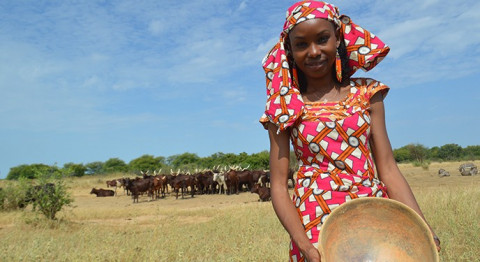 疫情威胁活态遗产,乍得湖区妇女做出回应 2020-08-11 Hindou Oumarou Ibrahim is an indigenous woman from the Mbororo pastoralist community in Chad. As nomadic cattle herders residing in the far west of the country near Lake Chad, her community have developed an array of traditional practices and weather forecasting knowledge, based on their interactions, over generations, with their living environment. During periods of drought or unexpected weather events, the Mbororo turn to such knowledge of changing seasonal patterns to adapt, often travelling vast distances over the semi-arid Sahel in search of water and pastures. Today, Ibrahim works to empower indigenous peoples’ voices and ensure their inclusion on international platforms. She is President of the Association for Indigenous Women and Peoples of Chad (AFPAT) and is currently serving as a Member of the UN Permanent Forum for Indigenous Issues and UN Sustainable Development Goals Advocate. She collaborated with UNESCO to conduct a 3D participatory mapping of Chad’s Sahel desert region, where some 250,000 Mbororos make their living from herding and subsistence farming. She is also a member of the technical and scientific committee of the BIOPALT-UNESCO project. She recently spoke with the Living Heritage Team in UNESCO’s Culture Sector about how her community is coping with the COVID-19 pandemic and its impact on their way of life, as well as their knowledge and cultural practices related to the natural environment and climate change. © ami_vita How is the coronavirus pandemic affecting your community and its living heritage? I am very scared for my community because we’re mainly pastoralists and we depend on the seasons. When it is the dry season, we migrate to other regions and sometimes to other countries – actually most of the time – then we come back to our region or to our country. So, with the lockdown of frontiers and regions, a lot of cattle will be stuck and not able to cross the border. While the ecosystem of the Sahel is very fragile, you can’t manage it, it will be very bad... all the cattle will die, communities will fight among themselves to access the resources, there will not be enough water to drink. These are really the big consequences that I am scared of. We can’t control the season, just as we can’t control the coronavirus. We can’t just say that now we will stop the rainy season until this pandemic is finished so we can produce the pasture or produce the water. Another consequence is that people do not have access to clean water to drink so they can’t access clean water to wash their hands. You can’t ask them to use soap every four hours, it’s completely impossible. And while they do not have access to the market to exchange their products, food security is a big concern; it is a big consequence and it will damage the very fragile people who are there. There is also a lack of information on the pandemic for the community. All the information given in town, is given through social media, TV, radio and in the major languages: Arabic and French. But people do not always speak Arabic or French, so they can’t get access to this information. They do not know what to do, they do not know what is happening, so they can’t avoid the sickness. How can culture and heritage be a source of resilience during such a crisis? People are turning to their traditions and traditional medicine. We always use our traditional medicine to heal ourselves. For us in the community, if you have a fever, or if you have a headache there are some plants that you can use. We can’t maybe heal COVID-19, but people turn a lot to traditional medicine to heal the symptoms that they have in their daily lives. While they can’t go to the hospital because everything is in lockdown, they protect and turn to the traditional knowledge that they do have. I found it very interesting because even the modern medicine is based on plants in the Earth and this can maybe also help people to protect the environment they are living in. They are doing this a lot in the community and hopefully those people that have that knowledge can share it with others and it can be one of the solutions. Another example, when I was talking to one community chief, is about supporting each other when old people need more support. So, when people have food, they need to take it to the more vulnerable. That’s the wonderful culture of the community: you can’t eat alone, if you have food and someone does not, you have to decide to prioritise the kids first, then the old people. This culture of sharing is so useful, even before COVID-19, and now people are coming back to this kind of culture. Can you see parallels between the current pandemic and other contemporary crises we now face, such as climate change? Climate change and COVID-19 have something in common: women leadership is key. Because women fight a lot: in my community they fight climate change and they’re innovators. They know how to share all the resources, what to protect, how to do it. Now, during the COVID-19 pandemic, even in developed countries, when you go to the hospital, the nurses, most of them are women. The women are the ones who work to care for others, as cooks, teachers. They are innovators in developed countries and in communities, and that’s a positive thing. If we can turn our leadership to women, then I think we can save the world. When you turn to the communities and to the general people, women are living in harmony with nature. They are not only protecting our environment but protecting our health. The health crisis has also made us realize how much our health depends on the environment. The food we eat around the world – in developed or developing countries – relies on sharing natural resources. For example, the borders were closed, but food shipping was still allowed as we found that we are not so self-sufficient, but that we depend on each other’s environment. So, environmental protection is becoming more evident for everybody. There are a lot of lessons learnt that we could take from the COVID-19 pandemic. Hope and solidarity, human values can help us to transform our world in a positive way -- and women leaders of course! Do you have a message for other living heritage stakeholders and communities about the future after the pandemic? Looking forward, I think the crisis has made us value our humanity and give us hope. We understand the need to live all together and the fact that we rely on each other. Living in solidarity, harmony, sharing within families and across communities. This protects our health and also the environment. If the world is smart, we can learn from the COVID-19 pandemic. Governments were able to mobilize billions and billions in a month around the world. So, if they inject that money in the right economy, using for example the SDGs, that can help to recover the climate. If we compare the COVID-19 pandemic and the climate, we will see that they both increase food insecurity, vulnerabilities, lack of adaptation, and neither of them recognize frontiers. We can build a big leadership and say hey guys if we managed to respond to COVID-19, we can also respond to climate change and if we want to improve our health, we must protect the environment. Conversation has been edited for length and clarity. To learn more about: The UNESCO 2003 Convention for the Safeguarding of the Intangible Cultural Heritage The UNESCO survey results on how the COVID-19 pandemic is impacting living heritage The resilience of living heritage in emergencies click here Indigenous Peoples UNESCO Indigenous Peoples Bulletin Issue 1: Indigenous Peoples and the COVID-19 pandemic (August 2020) URL:https://en.unesco.org/news/covid-19-threatens-living-heritage-around-lake-chad-women-respond
 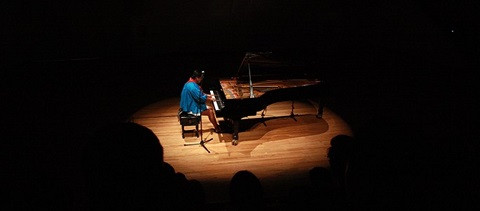 Amplify the voices of indigenous communities during crisis and beyond 2020-08-08 Healthy democracy requires open communication. Independent and plural media are essential for a society where ideas and information flow freely – citizens to decision-makers, decision-makers to citizens, and citizens to citizens – and access to information and knowledge is non-discriminatory. In Mexico, a country with the largest and most varied indigenous populations in Latin America[1], Indigenous and community media play an essential role in achieving equality among its diverse peoples: they act as an accessible medium and enable community members to express themselves and make their voices heard in decision-making processes. Such media also play a key role in promoting dynamic cultural and creative sectors by providing access to a diversity of content, often rooted in ancestral knowledge, in a diversity of languages. “Design of Public Policies for the Strengthening of Indigenous and Community Radios in Mexico and the Inclusion of Indigenous Content in Public and Commercial Media,” a UNESCO project supported by the European Union, has developed from these convictions. Through this project, indigenous and community radios are empowered to obtain a formalized legal status as well as to pursue a more sustainable business model. Participants will produce and disseminate their content not only among their communities and indigenous media, but also in commercial, public and national media. By reaching beyond their usual audience, the project can enhance the appreciation and perceived value of these diverse cultural expressions across the country. The current health crisis has further highlighted the necessity for indigenous and community media in order to realize a more sustainable, resilient, and democratic future. The COVID-19 pandemic has triggered an information crisis, where citizens have had difficulty finding accurate information, understanding complex data, and determining the validity of the news. In this climate, indigenous members of the society can be particularly vulnerable, as “mainstream” media often disregard how these communities are affected differently and possess varying resources to cope with an emergency of this magnitude. The novel coronavirus has also threatened rich and diverse cultural expressions across Mexico, safeguarded by members of the indigenous communities and created by indigenous artists across the country. As the lockdown measures accelerate the digital shift of cultural content, these non-mainstream, independent artforms risk being marginalized and left behind, often due to poor access to technologies or limited skills in using new digital tools. This resonates with the aspirations of the Los Pinos Declaration [Chapoltepek] adopted last February in Mexico which recognizes the need to strengthen support for the production and dissemination of original content by indigenous media. It calls for a greater presence of indigenous people in the media in general including an increase in the share of programmes in indigenous languages. The Declaration will guide the International Decade of the World's Indigenous Languages. Today, the benefits of indigenous and community media are clearer than ever: they can save lives, empower active citizenship, safeguard cultural expressions, and contribute to more sustainable, democratic societies. UNESCO, together with the Presidency of Mexico and the European Union, works to amplify the voices of indigenous communities during crisis and beyond. [1] Minority Rights Group International https://minorityrights.org/minorities/indigenous-peoples-4/ More information: Indigenous Peoples UNESCO Indigenous Peoples Bulletin Issue 1: Indigenous Peoples and the COVID-19 pandemic (August 2020) URL:https://en.unesco.org/news/amplify-voices-indigenous-communities-during-crisis-and-beyond
 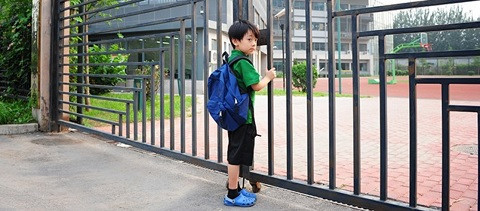 UN Secretary-General warns of education catastrophe, pointing to UNESCO estimate of 24 million learners at risk of dropping out 2020-08-08 UN Secretary-General António Guterres today launched the Education in the time of COVID-19 and beyond Policy Brief warning that the pandemic has created the most severe disruption in the world’s education systems in history and is threatening a loss of learning that may stretch beyond one generation of students. School closures are also likely to erase decades of progress, according to the Policy Brief, which builds on UNESCO’s data and features recommendations on ways to avert the looming catastrophe. UNESCO led the drafting of the Secretary-General’s Policy Brief which contains inputs from 15 sister organizations. “We already faced a learning crisis before the pandemic,” said UN Secretary-General Antonio Guterres in a video statement to launch the Policy Brief. “Now we face a generational catastrophe that could waste untold human potential, undermine decades of progress, and exacerbate entrenched inequalities.” The Brief calls for national authorities and the international community to come together to place education at the forefront of recovery agendas and protect investment in education. With this objective, UNESCO will convene a special session of the Global Education Meeting before the end of the year. UNESCO data shows that nearly 1.6 billion learners in more than 190 countries, 94% of the world’s student population, were affected by the closure of educational institutions at the peak of the crisis, a figure that stands at 1 billion today. As many as 100 countries have yet to announce a date for schools to reopen. The Policy Brief points to UNESCO’s projections whereby 24 million learners from pre-primary to tertiary education risk not finding their way back to their studies in 2020 following the COVID-19-induced closures. The largest share of learners at risk, 5.9 million, live in South and West Asia. Another 5.3 million students at risk are in sub-Saharan Africa. Both regions faced severe educational challenges even before the pandemic, which is likely to worsen their situation considerably. According to UNESCO, tertiary education is likely to experience the highest dropout rate and a projected 3.5% decline in enrolment, resulting in 7.9 million fewer students. Pre-primary education is the second worst affected level with a projected 2.8% decline in enrolment, i.e. 5 million fewer children attending. According to these projections, 0.27% of primary and 1.48% of secondary education students, corresponding to 5.2 million girls and 5.7 million boys at both levels, risk dropping out of school. “These findings emphasize the urgent need to ensure the continuity of learning for all in the face of this unprecedented crisis, in particular the most vulnerable,” says UNESCO Director-General Audrey Azoulay. “The Brief calls to protect investment in education at all levels, and warns that according to UNESCO estimates, the pandemic will increase the gap in funding needed to reach the internationally agreed 2030 Sustainable Development Goal on Education (SDG4) in low and lower-middle income countries by one third, from the already staggering shortfall of USD 148 billion.” School closures do not only undermine education. They also hamper the provision of essential services to children and communities, including access to a balanced diet and parents’ ability to go to work. They also increase risks of violence against women and girls. Preventing the learning crisis from becoming a generational catastrophe must become a top priority for world leaders and for stakeholders across the education community, says the brief, emphasizing education’s role in driving economic progress, sustainable development and lasting peace. The Brief makes recommendations in four areas to mitigate the effects of the pandemic: Suppress transmission of the virus and plan thoroughly for school reopening: this covers health and safety measures, attention to the needs of marginalized children and joint planning and consultation with teachers, parents and communities The UN has issued guidance to help governments in this complex endeavour. Protect education financing and coordinate for impact: despite public spending constraints, national authorities must protect education budgets and include education in COVID stimulus packages. The international community must protect official development assistance for education. Relieving, postponing and restructuring debt for low and lower-middle income countries is part of the solution to help countries invest in education. Strengthen the resilience of education systems for equitable and sustainable development: Building back resilience requires a priority focus on equity and inclusion, with measures to address the needs of the most marginalized and vulnerable learners and to ensure that economic strains and gender norms do not prevent girls from returning to school. Risk management capacities need to be reinforced at all levels. Reimagine education and accelerate positive change in teaching and learning: The scale of innovations made in a short time to ensure learning continuity proves that change can happen quickly. They have set the ground to reimagine education and build systems that are more forward-looking, inclusive, flexible and resilient. Solutions must address learning losses, preventing dropouts, particularly of the most marginalized, and ensuring the social and emotional welfare of students, teachers and staff. Other priorities include better support to the teaching profession, removing barriers to connectivity, investing in digital technologies and flexible learning pathways. The UN Policy Brief is being launched alongside #SaveOurFuture, a multi-partner campaign led by ten entities, including UNESCO, to raise awareness of the global education emergency and urge increased investment to build better, more inclusive and resilient education systems for the future. **** Secretary-General’s Policy Brief on Education and COVID-19 UNESCO COVID-19 Advocacy Paper: “How many students are at risk of not returning to school?" #SaveOurFuture campaign URL:https://en.unesco.org/news/secretary-general-warns-education-catastrophe-pointing-unesco-estimate-24-million-learners-0
 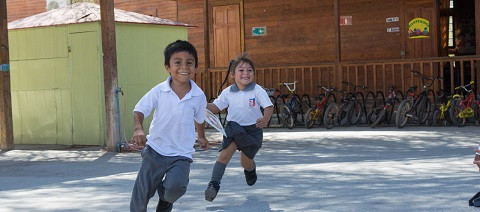 UNESCO warns of the need for greater presence of concepts such as knowledge of the world, climate change and gender equality in the Latin America and the Caribbean’s curricula 2020-07-29 A study by UNESCO's Latin American Laboratory for Assessment of the Quality of Education (LLECE) analyzed the curricula of 19 Latin American countries. The report provides information on what countries expect their students to learn in the areas of Language, Mathematics and Natural Sciences in third and sixth grades. Through this research, UNESCO explores for the first time the presence of central concepts for 2030 Education Agenda, such as global citizenship education and education for sustainable development in Latin American curricula. Santiago, July 28, 2020 - The report “¿Qué se espera que aprendan los estudiantes de América Latina y el Caribe? Análisis curricular del Estudio Regional Comparativo y Explicativo (ERCE 2019)", (What are students in Latin America and the Caribbean expected to learn? Curriculum Analysis of the Regional Comparative and Explanatory Study, ERCE 2019), was released by the Regional Bureau for Education in Latin America and the Caribbean (OREALC/UNESCO Santiago), through its Latin American Laboratory for Assessment of the Quality of Education (LLECE). This curriculum analysis is part of the ERCE 2019 study, a large-scale research study assessing the learning achievements of students in Latin America and the Caribbean, the results of which will be available in mid 2021. UNESCO's research, which was supported by UNICEF and with the technical participation of Universidad de Chile’s Center for Advanced Research in Education (CIAE), focused on the analysis of the curriculum content of 3rd and 6th grades of primary school in 19 countries: Argentina, Bolivia, Brazil, Chile, Colombia, Costa Rica, Cuba, Dominican Republic, Ecuador, El Salvador, Guatemala, Honduras, Mexico, Nicaragua, Panama, Paraguay, Peru, Uruguay, and Venezuela. The Director of the Regional Bureau for Education in Latin America and the Caribbean (OREALC/UNESCO Santiago), Claudia Uribe, explained that this study was carried out to learn about the contents and competencies prioritized by the different countries of the region and to highlight the visions and curricular trends at the time prior to the Covid-19 pandemic. "These are inputs that UNESCO makes available so that each country may review its national curriculum from a comparative perspective and assess how it responds to what students need to learn in order to develop academically and socio-emotionally as citizens of the 21st century, in an increasingly diverse society, as proposed by the 2030 Education Agenda". Among the findings, the report highlights in the area of Reading the relevance of working with a diversity of texts and the emphasis on literal and inferential reading comprehension, as well as reading strategies for comprehension, such as monitoring or re-reading. The report also points out a lesser presence of concepts linked to the areas of Decoding and Reflection and Evaluation on texts, which is especially relevant in these times due to the consumption of different quality contents by children on the Internet. Another novelty contained in this report is the regional analysis of the presence of content on global citizenship education and education for sustainable development, which inclusion in curricula is central to progress towards the fulfillment of the 2030 Education Agenda, in particular its target 4.7. "With the findings of this study, the countries will be able to review their actions to support teachers in implementing the curriculum with a view to student learning, even more in complex contexts such as the current one, where prioritizing content is essential", said Carlos Henríquez, General Coordinator of the Latin American Laboratory for Assessment of the Quality of Education (LLECE). Main results in the disciplinary areas In its disciplinary aspect, the analysis involved the revision and systematization of official curriculum documents in force until 2017 for the areas of Language, Mathematics and Natural Sciences. This information was provided by the countries participating in this stage of the ERCE 2019 study. In the area of Language, one of the most outstanding aspects in the region is the predominance of a communicative approach, focused on the use of language in different contexts. In Reading, there is a strong emphasis on Textual Diversity, which implies the reading of diverse types of texts and genres with which students relate in their daily lives. Likewise, the work on Literal and Inferential Comprehension and Reading Strategies is highlighted, for being very relevant for classroom work, since this is a learning problem affecting a significant proportion of children in the region. However, the presence of Reflection and Assessment on texts is less present, an indispensable skill in these times for the development of critical thinking and citizenship. This skill is a priority because people are increasingly exposed to texts of varying quality or to content with inaccurate or biased information, especially on the Internet. Reflecting on texts is indispensable for being well informed and participating in the 21st century societies. In the case of Writing, the presence of Knowledge about the Code and Processes Involved in Writing stands out. Knowing the written code implies understanding the alphabetic system, as well as the orthographic system and some relationships of meaning between words, all of them basic knowledge for the written production. Similarly, the presence of the Processes Involved in Writing (such as planning, writing, reviewing and rewriting) underline the importance of paying attention to the process and not only to the written product. This curricular emphasis is supported by evidence showing that teaching writing as a process contributes to the learning and improvement of this skill at school level. In Mathematics, the central finding is that most curricula adhere to the Problem Solving approach as a fundamental element in teaching and learning Mathematics to cope with the unforeseen circumstances and challenges of everyday life. According to the country, this approach is presented either as content or as a transversal skill expressed in different domains or topics present in the curricula analyzed, such as Numbers and Operations, Geometry, Magnitudes and Measurements, Statistics and Probability, and Patterns and Algebra. In Science, there is an emphasis on the Scientific Literacy approach in a significant number of the curricula analyzed. This implies going beyond the transmission of scientific knowledge, since it seeks to enable people to explain and predict the phenomena of nature. Its purpose is the development of abilities for citizen participation in decision-making that involves the interrelationship between science, technology, and society.The following curricular subjects were found in most countries: Human Body and Health, the Earth and the Universe, Science, Technology and Society, Living Beings, Ecology and Environment, Matter and Energy, this reflecting a relationship of science with real and unavoidable problems, such as sustainable development or the balance between technology and the well-being of people. Other novel findings for global challenges As an innovation, this report analyzed the presence of concepts related to global citizenship education and education for sustainable development in the region's curriculum documents. Both educational components are central to developing in students the skills, attitudes, and behaviors that will train them to respond to the changing and urgent global challenges demanded by all countries today. The study reviewed the presence of concepts in national education curricula and sought to distinguish whether these concepts appear in a declarative manner, as guiding principles, or whether they are integrated in a programmatic manner into those sections of the curriculum that are most frequently consulted by teachers when preparing their classes and, therefore, are more clearly integrated into teaching. In the areas of global citizenship education and education for sustainable development, the report found a greater presence of concepts in the declarative sections of the curriculum documents. Noteworthy, mentions of these concepts appear to a lesser extent in the programmatic documents of the curriculum, that is, in the material that guides and supports the implementation of these topics in the classroom. In the case of global citizenship education, it was observed that the notions of Citizenship, Identity, Respect, and Diversity are found in all of the countries studied. This is interesting because they belong to different dimensions of learning relevant to the exercise of citizenship, which are addressed in a broad way. However, the report points out that the concepts that are present in less than half of the countries in the region are Brotherhood, Happiness, Knowledge of the World and Empathy. These are very relevant notions that are absent in several countries, being a concern since they help to address one of the main challenges of globalization, heightened by the pandemic: how to live together. "It is important to join forces in order to strengthen comprehensive education in the region, and these concepts are a fundamental part of its consolidation. Schools are one of the main agents of socialization, and for this reason opportunities must be guaranteed in the curriculum to develop integrating behaviors, such as recognizing diversity, acquiring values such as empathy and brotherhood, and learning about global problems", said Carlos Henríquez, General Coordinator of the Latin American Laboratory for Assessment of the Quality of Education (LLECE) at OREALC/UNESCO Santiago. Other key concepts such as Gender Equality and Freedom appear in only half of the countries. UNESCO considers it relevant that education systems in Latin America and the Caribbean continue to make efforts towards greater integration of these subjects into national curricula and that they consider them in their processes of reflection, redesign, and implementation of curricula and education policies.Moreover, in countries where Gender Equality appears, it is generally addressed in the guiding sections of curricula, and not as a programmatic content. Progress in this area is crucial in order for societies to develop in an inclusive and sustainable manner. With respect to education for sustainable development, the concepts of Environment and Sustainability are present in the curriculum documents of all countries. However, concepts such as Recycle, reduce, reuse; Imagining future hypotheses; Understanding complex systems; Natural environment; Economy; Sustainable (green) processes and Carbon appear in less than half of the curricula analyzed. Mentions of Climate Change and Critical Thinking tend to appear only at a declarative level, without being intentionally integrated into classroom action. UNESCO and its Latin American Laboratory for Assessment of the Quality of Education (LLECE) have opened the disaggregated information of “¿Qué se espera que aprendan los estudiantes de América Latina y el Caribe? Análisis curricular del Estudio Regional Comparativo y Explicativo (ERCE 2019)" on its new web data platform, where this information is available to experts, public policy makers, teachers and all audiences interested in these findings. Further information Download: ¿Qué se espera que aprendan los estudiantes de América Latina y el Caribe? Análisis curricular del Estudio Regional Comparativo y Explicativo (ERCE 2019), (What are students in Latin America and the Caribbean expected to learn? Curriculum Analysis of the Regional Comparative and Explanatory Study, ERCE 2019) All the information available on this launch is available on this page URL:https://en.unesco.org/news/estudio-regional-analisis-curricular-resultados
 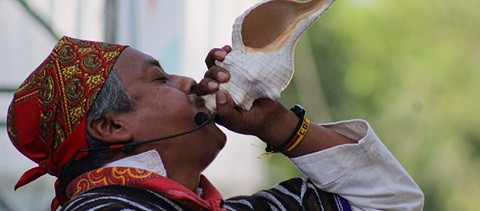 Los Pinos Declaration [Chapoltepek] lays foundations for global planning for the International Decade of Indigenous Languages 2020-07-22 A significant step has been taken with the publishing of the “Los Pinos Declaration [Chapoltepek] – Making a Decade of Action for Indigenous Languages”. The Declaration is the Outcome Document of the high-level closing event of the International Year of Indigenous Languages (IYIL2019) and is now available online in English, French and Spanish. “The ongoing COVID-19 pandemic has had a disproportionate impact on indigenous communities, and has highlighted once again the importance of linguistic diversity, including in times of crisis,” emphasized UNESCO’s Assistant Director-General for Communication and Information, Mr Moez Chakchouk, during the online event organized by the UNESCO Office in Mexico on 15 July 2020 to launch the release of the Los Pinos Declaration. Underscoring the significance of the document, he added: “There is an urgent need to draw attention to the critical loss of indigenous languages; to preserve, revitalize and promote them; and to take steps both at the national and international levels”. Lauding the content of the declaration, UNESCO Goodwill Ambassador for the indigenous peoples, Ms Yalitza Aparicio, expressed: “I wish with all my heart that the Declaration of Los Pinos ‘Building a Decade of Actions for Indigenous Languages’, obtains fruitful results and that we realize that the world must be united, not only by obligation, but by empathy, and that it is essential form alliances and take inclusive actions to stop the progressive disappearance faced by the 6,700 indigenous languages in the world, since 2,680 (40%) of the languages are in imminent danger of disappearing. It is in our hands to prevent this tragedy”. The Secretary of Culture of Mexico, Ms Alejandra Frausto Guerrero, also emphasized the importance of a long-term commitment to the cause of indigenous languages: “As a Nation, we know that one year - although the International Year of Indigenous Languages was very worthy - is not enough to build substantive public policies in the face of the threat posed by the unification of a single culture or the predominance of a single culture over the others. The drive ant intention of being on the forefront of this effort to seek to seek this declaration, to make propose a decade is because we believe that in 10 years that seed can be sown, multiple seeds much deeper.” The Los Pinos Declaration [Chapoltepek] comes out of the high-level closing event which was organized by UNESCO and the Government of Mexico, in cooperation with regional, national and international partners, on 27 and 28 February 2020 at the Los Pinos palace within the Chapoltepek Forest, Mexico City, Mexico. The Los Pinos Outcome Document presents the key lessons learnt from the activities during IYIL2019. It includes milestones for developing the future Global Action Plan for the International Decade of Indigenous Languages (2022-2032), which was proclaimed by the United Nations General Assembly on 18 December 2019. It sets out the key guiding principles for the International Decade, including the centrality of indigenous peoples with the slogan ‘Nothing for us without us’. The Declaration asserts this principle in decision-making, consultation, planning and implementation processes. This centrality, according to the Declaration, also applies to the compliance with international norms and standards protecting indigenous peoples, and to coordination across the UN-system. The document also highlights expected impact and outcomes of the International Decade, such as the need for the full spectrum of human rights and fundamental freedoms that deal with language vitality and sustainability issues, greater engagement, inclusion and empowerment of indigenous language users. The objectives of the International Decade are also outlined according to a timeframe that seeks to culminate in the mainstreaming of indigenous languages, linguistic diversity and multilingualism-related aspects into global sustainable development frameworks. In order to ensure that indigenous language users are recognized in economic, political, social and cultural spheres, the Declaration identifies strategic directions for enhancing: Inclusive and equitable education and learning environments for the promotion of indigenous languages; Indigenous languages in justice and public services; Indigenous languages, climate change and biodiversity; Digital empowerment, language technology and indigenous media; Indigenous languages for better health, social cohesion and humanitarian response; Safeguarding cultural and linguistic heritage: indigenous languages as vehicle of living heritage; Creating equal employment opportunities in indigenous languages and for indigenous language; Indigenous languages for gender equality and women’s empowerment. The release of the Los Pinos Declaration marks a critical step towards building the Global Action Plan for the International Decade. It creates a platform for joint, targeted and long-term actions in promoting indigenous languages worldwide, and draws from the lessons learnt and good practices of the IYIL2019. UNESCO, as lead UN agency of the IYIL2019, will be coordinating the implementation of the International Decade of Indigenous Languages, including its preparatory phase 2020 - 2021, in cooperation with other UN agencies and a wide range of stakeholders. Useful Links Los Pinos Declaration English | Français | Español Online presentation of the “Los Pinos Declaration (Chapoltepek)”, organized by UNESCO Mexico in cooperation with the Mexican Ministry of Culture, 15 July 2020 High-level closing event of the IYIL2019 “Making a decade of action for indigenous languages” (27-28 February 2020, Mexico City, Mexico) Rights of indigenous peoples, Resolution adopted by the General Assembly on 18 December 2019 A/RES/74/135 [on the report of the Third Committee (A/74/396)], Seventy-fourth session, Agenda item 67 (a) (UNGA) Strategic Outcome Document of the IYIL2019 IYIL2019 Website English https://en.iyil2019.org/ Français https://fr.iyil2019.org/ Español https://es.iyil2019.org/ IYIL2019 Social Media Facebook https://www.facebook.com/IYIL2019 @IYIL2019 Twitter https://twitter.com/IYIL2019 Instagram https://www.instagram.com/indigenouslanguages/ Hashtags #Indigenouslanguages #WeAreIndigenous URL:https://en.unesco.org/news/pinos-declaration-chapoltepek-lays-foundations-global-planning-international-decade-indigenous
 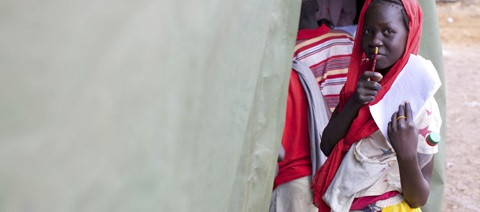 UNESCO and UNHCR call for the inclusion of refugees in the post-Covid-19 education effort 2020-07-15 We must not leave young refugees by the wayside, urged UNESCO and the Office of the United Nations High Commissioner for Refugees (UNHCR) as they pleaded in favour of young refugees’ education during an online debate on how best to provide them with improved learning during and after the pandemic. “Mobilizing for refugees is extremely urgent at a time when they are particularly vulnerable to the Covid-19 crisis and its aftermath,” said UNESCO Director-General Audrey Azoulay, as she opened the meeting. “The Covid-19 crisis is jeopardizing everything we have done for the education of refugees and migrants, their integration and chances of self-realization. We must strengthen our action in favour of the most vulnerable in order to guarantee them this fundamental right.” Canada's minister of international development, Karina Gould, who told the story of her Czech grandparents who became refugees after they fled former Czechoslovakia during World War II, put forward the necessity of “low tech solutions,” considering the digital and technological divide, and lack of communication infrastructures in many countries. Cameroon’s minister of Secondary Education, Pauline Nalova Lyonga Egbe, gave the example of mobile phones which are used by most of the population and which can be used as a cheap medium for remote education. The roundtable was also attended by two young refugee students from Rwanda and Mali now living in Kenya and Burkina Faso, a high ranking official in Kenya primary education and a member of the Pakistan National Assembly in charge of education and professional training, and representatives of the Global Coalition for Education established under the auspices of UNESCO. The UNHCR Special Envoy, actress Angelina Jolie, a long-time advocate for displaced persons, introduced the discussion and summarized its highlights. United Kingdom's Under-Secretary for Foreign Affairs, Baroness Sugg stressed that “education must be prioritized in the global recovery from coronavirus. This epidemic is not just a health crisis, it is an education crisis, especially for refugee children. Without school and an education, they will be unable to rebuild their lives and achieve their full potential.” She announced an extra 5.3 million pounds sterling to be given to UNHCR by the British Government. Concluding the discussion, The High Commissioner for Refugees, Filippo Grandi, warned “the bigger picture remained very grim because of the upcoming impact of the economic crisis on long term international assistance for education.” He stressed that 12% of education activity is supported by international aid. As between 40 and 60 million children might fall into poverty, he added, “we must include those who are among the most excluded, the people on the move.” UNESCO has warned the pandemic risked jeopardizing the progress made in education in recent years, especially for young girls. UNHCR estimates at least 20% of whom are at risk of not resuming their studies interrupted during school closures. However, a number of governments are planning to include refugees in post-pandemic response measures, such as distance education, in line with their commitments under the Global Compact on Refugees. The event was co-sponsored by Canada, the United Kingdom and the global Education Cannot Wait fund, which channelled its second COVID emergency allocation to refugees. URL:https://en.unesco.org/news/unesco-and-unhcr-call-inclusion-refugees-post-covid-19-education-effort
 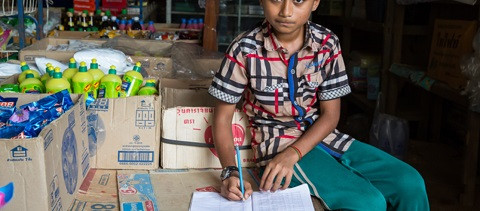 COVID-19: What you need to know about refugees’ education 2020-07-10 Despite a relative easing of COVID-19 school closures and an increasing trend towards reopening, over one billion learners globally remain affected by school closures. Disruption to education on this scale is unprecedented. COVID-19 leaves few lives and places untouched, however its impact, including in education, is harshest for groups that are already in vulnerable situations such as refugees. How are COVID -19 school closures affecting refugees’ education? Even before COVID-19 refugee children were twice as likely to be out of school than other children and despite improvements in refugee enrolment rates, only 63% of refugees are in enrolled in primary school and 24% in secondary education. The pandemic risks creating a backslide in the small gains made and creating a disaster for groups such as adolescent girls. In recent years significant efforts have been made on the inclusion of refugee learners in national education systems, however barriers to education persist and could potentially worsen due to the pandemic. There is also the worrying possibility that discrimination and xenophobia directed at refugee populations increases, negatively affecting school enrolment and retention. What can we do a ensure quality education for refugee learners? The first step is upholding and guaranteeing the right to education for refugees through ensuring all are able to learn at home and safely return to school. There are some promising signs that governments are fast-tracking the inclusion of refugees in their COVID-19 responses, demonstrating an opportunity to work on the delivery of commitments contained in the Global Compact on Refugees. As the focus shifts from distance learning and school closure to reopening and returning to school, close attention must be paid to existing and exacerbated inequities facing refugees, especially secondary school age refugee girls who were already only half as likely to enroll as their male peers. These conditions are anticipated to worsen. UNHCR estimates that 20% of the refugee girls who are in secondary school are at significant risk of never returning to school following the COVID-19 school closures. We must act now to address the inequality and dire situation facing refugee learners. Why is this so urgent and what is at stake? There is a lot at stake during and after COVID-19 for refugee learners. It is anticipated that there will be major increases in drop out, which means losing this generation if they are left out of education. In many countries the education status of refugees was already fragile prior to the pandemic, with many having missed years of schooling and having to work hard to catch up. They must now cope with further disruptions to their learning. Those who were already not enrolled in education programmes are at even greater risk of never returning to learning. Lack of access to infrastructure, hardware and connectivity, living conditions and the remoteness of many refugee-hosting areas means that refugee children are also at risk of not being able to access national distance learning programmes put in place by governments as part of the COVID-19 response. What is UNESCO doing to advance the right to education for refugees? Through the Global Education Coalition, UNESCO is facilitating partnerships between multiple stakeholders to provide learning opportunities for children youth and adults, including refugees, who have been impacted by the disruption of education due to the pandemic. UNESCO has pledged and is working to strengthen national education systems by providing Member States with expertise and technical guidance for policy design, implementation and planning support for the inclusion of refugees into all levels of national education systems. UNESCO’s qualifications passport for refugees and vulnerable migrants launched in 2019 aims to facilitate learners’ integration in the education system and labour market through assessment procedures. The process helps recognize key elements such as the highest achieved qualifications, skills, relevant job experiences and language proficiency. On 13 July from 4pm to 5:30pm CET, a high-level virtual roundtable led by UNHCR and UNESCO will bring together voices of refugees to hear about the needs and responses on the ground. The event is convened and chaired by Special Envoy Angelina Jolie and co-hosted by Canada and the United Kingdom. Watch it live here Photo: Refugee learner doing his homework, Thailand, 2015. What UNESCO does in education in emergencies UNESCO’s education response to COVID-19 The Global Education Coalition UNESCO qualifications passport for refugees and vulnerable migrants UNESCO’s Pledge to the Global Refugee Forum URL:https://en.unesco.org/news/covid-19-what-you-need-know-about-refugees-education