
News
Catch up on what’s happening in the world of global citizenship education.
162 results found
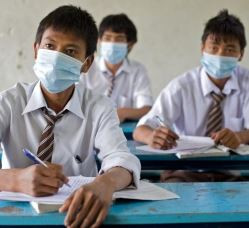 سؤال وجواب: المدارس وكوفيد-19 2020-09-03 A new school year has begun! Find out here what precautions should be taken to keep children, teachers, other staff and the wider community safe. Q: Are children at lower risk of COVID-19 than adults? Children are less often reported as cases when compared with adults, and the illness they experience is usually mild. From data reported to WHO, children and adolescents up to 18 years of age represent 1 to 3% of reported infections, even though this age group makes up 29% of the global population. While children may be less affected, they may also have a greater number of contacts in school and community settings. Further studies are underway to assess the risk of infection in children and to better understand transmission in this age group. Q: What is the role of children in transmission? The role of children in transmission is not well understood. To date, few outbreaks involving children or schools have been reported. However, the small number of outbreaks reported among teaching or associated staff also suggests that spread of COVID-19 within educational settings may be limited. As children generally have milder illness and fewer symptoms, cases may sometimes go unnoticed. Importantly, early data from studies suggest that infection rates among teenagers may be higher than in younger children. Some modelling studies suggest that school re-opening might have a small effect on wider transmission in the community, but this is not well understood. Further studies are underway on the role of children in transmission in and outside of educational settings. WHO is collaborating with scientists around the world to develop protocols that countries can use to study COVID transmission in educational institutions, which will soon be available at this link. Q: Should children with underlying health conditions (asthma, diabetes, obesity) return to school? Whether a child should go to school depends on their health condition, the current transmission of COVID-19 within their community, and the protective measures the school and community have in place to reduce the risk of COVID-19 transmission. While current evidence suggests that the risk of severe disease for children is lower overall than for adults, special precautions can be taken to minimize the risk of infection among children, and the benefits of returning to school should also be considered. Current evidence suggests that people with underlying conditions such as chronic respiratory illness, obesity, diabetes or cancer are at higher risk of developing severe disease and death than people without other health conditions. This also appears to be the case for children, but more information is still needed. Q: Should teachers and other staff with underlying health conditions return to school? Adults 60 years and older and people with underlying health conditions are at higher risk for severe disease and death. The decision to return to a teaching environment depends on the individual and should include consideration of local disease trends, as well as the measures being put in place in schools to prevent further spread. Q: What is the incubation period for children? The incubation period for children is the same as in adults. The time between exposure to COVID-19 and when symptoms start is commonly around 5 to 6 days, and ranges from 1 to 14 days. Q: What should be considered when deciding whether to re-open schools or keep them open? Deciding to close, partially close or reopen schools should be guided by a risk management approach to maximize the educational, well-being and health benefit for students, teachers, staff, and the wider community, and help prevent a new outbreak of COVID-19 in the community. The local situation and epidemiology of COVID-19 may vary from one place to another within a country, and several elements should be assessed in deciding to re-open schools or keep them open: 1. Benefits and risks: what are the likely benefits and risks to children and staff of open schools? Including consideration of : Disease trends: are COVID-19 cases being reported in the area? Effectiveness of remote learning strategies Impact on vulnerable and marginalized populations (girls, displaced, disabled, etc.) 2. Detection and response: are the local health authorities able to act quickly? 3. Collaboration and coordination: is the school collaborating with local public health authorities? In addition to the local situation and epidemiology, a careful assessment of the school setting and ability to maintain COVID-19 prevention and control measures needs to be included in the overall risk analysis. Q: What benefits would school re-opening provide? The decision to open schools should include consideration of the following benefits: Allowing students to complete their studies and continue to the next level Essential services, access to nutrition, child welfare, such as preventing violence against children Social and psychological well-being Access to reliable information on how to keep themselves and others safe Reducing the risk of non-return to school Benefit to society, such as allowing parents to work Q: What are the prevention and control measures to be prepared and put in place in schools? There are several actions and requirements that should be reviewed and put in place to ensure the safety of children and school staff while at school. Special provisions should be considered for early childhood development, higher learning institutions, residential schools or specialized institutions. WHO recommends the following: Policy, practice and infrastructure: Ensure the necessary resources, policies and infrastructure are in place that protect the health and safety of all school personnel, including people at higher risk. Behavioural aspects: Consider the age and capacity of students to understand and respect measures put in place. Younger children may find it more difficult to adhere to physical distancing or the appropriate use of masks. Safety and security: School closure or re-opening may affect the safety and security of students and the most vulnerable children may require special attention, such as during pick-up and drop-off. Hygiene and daily practices: Hand hygiene and environmental cleaning measures should be in place to limit exposure. Schools should consider training of staff and students, a schedule for daily cleaning, availability of hand hygiene facilities and national/local guidance on the use of masks. Screening and care of sick students, teachers and other school staff: Schools should enforce the policy of “staying home if unwell”, waive the requirement for a doctor’s note, create a checklist for parents/students/staff to decide whether to go to school (taking into consideration the local situation), and consider options for screening on arrival. Communication with parents and students: Schools should keep students and parents informed about the measures being implemented to ensure their collaboration and support. Additional school-related measures such as immunization checks and catch-up vaccination programmes: Ensure continuity or expansion of essential services, including school feeding and mental health and psycho-social support. Physical distancing: Physical distancing of at least 1 metre between people should be implemented in the school premises and in the classrooms. This includes increasing desk spacing and staging recesses, breaks and lunchbreaks; limiting the mixing of classes or age groups; considering smaller classes or alternating attendance schedules, and ensuring good ventilation in classrooms. Remote learning: Tele-schooling and distance learning options such as delivering assignments, broadcasting lessons on radio or television and frequent follow-up support should be adapted to the situation. Q: What are the risks during transportation to and from schools? The following adaptations to transport to and from school should be implemented to limit unnecessary exposure of school or staff members. Promote and put in place respiratory and hand hygiene, physical distancing measures and use of masks in transportation such as school buses, in accordance with local policy. Provide tips for how to safely commute to and from school, including for public transportation. Organize only one child per seat and ensure physical distancing of at least 1 metre between passengers in school buses, if possible. This may require more school buses per school. If possible and safe, keep the windows of the buses, vans, and other vehicles open. Q: Does WHO recommend staff and children to wear masks at school? And if yes, what type of masks? The decision to wear a mask depends on the assessment of risk. For example, how extensive is COVID-19 in the community? Can the school ensure physical distance of at least 1 metre from others? Are there students or teachers with underlying health conditions? Fabric masks are recommended to prevent onward transmission in the general population in public areas, particularly where distancing is not possible, and in areas of community transmission. This could include the school grounds in some situations. Masks may help to protect others, because wearers may be infected before symptoms of illness appear. The policy on wearing a mask or face covering should be in line with national or local guidelines. Where used, masks should be worn, cared for and disposed of properly. It is important that anyone feeling unwell should stay at home and call their health provider. Q: Are there any specific recommendations on school ventilation and air conditioning use? Clean, natural ventilation should be used inside buildings where possible, without re-circulating the air. If air re-circulation is necessary, filters and duct systems should be cleaned regularly and routinely changed according to the manufacturer’s instructions. Heating and cooling systems should be well maintained. Q: What should be monitored after re-opening of school? Monitoring of the following should be considered through a range of mechanisms: Detection of new COVID-19 cases in educational institutions and success of contact tracing Implementation of and adherence to recommended public health measures in school settings Information on school drop-out, disaggregated for sex, age, disability and socio-economic status Effectiveness of remote education strategies Effects of policies and measures on educational objectives and learning outcomes Effects of policies and measures on the health and well-being of children, siblings, staff, parents and other family members Based on what is learned from this monitoring, further modifications should be made to continue to provide children and staff with the safest environment possible. URL:https://www.who.int/emergencies/diseases/novel-coronavirus-2019/question-and-answers-hub/q-a-detail/q-a-schools-and-covid-19
 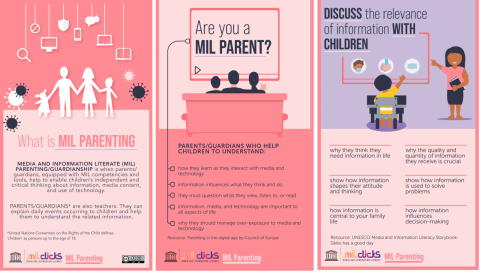 МИГ воспитание детей: 10 полезных карточек, которые помогут вашим детям в критическом осмыслении информации 2020-08-19 UNESCO produced a series of graphic messages on Media and Information Literate (MIL) Parenting. Parents/Guardians are also teachers. This reality has intensified consequent to the COVID-19 pandemic. Parents/Guardians can explain daily events occurring to children and help them to understand the related information. MIL Parenting is when parents/guardians equipped with MIL competencies and tools, help to enable children’s independent and critical thinking about information, media content, and use of technology. The UNESCO Tashkent Office prepared translations of the graphic cards into Russian and Uzbek. Download all the graphic cards (ZIP File): in Russian - Uzbek.Download and share them widely! Recall that, at the outbreak of the COVID-19 pandemic, UNESCO produced visuals, graphics and social media messages to counter disinformation, fight discrimination, and promote best practices. More visual resources are available here URL:https://en.unesco.org/news/mil-parenting-10-useful-cards-help-your-children-critical-thinking-about-information
  Respect for human rights must become an everyday reality, UNESCO’s Director-General said in her welcome address at the Samarkand Human Rights Web Forum 2020-08-19 On 12-13 August 2020, the Samarkand Human Rights Web Forum was held in Samarkand in the format of a videoconference on different issues of rights of youth. It was a part of the UN75 initiative proclaimed by the United Nations during the year of its 75th anniversary and served as a follow-up to the Asian Human Rights Forum held in Samarkand on 22-23 November 2018. It was aimed to discussing improvements in existing international and regional instruments and mechanisms for the protection and promotion of rights of youth. The Forum was organized by the Government of the Republic of Uzbekistan, the National Centre for Human Rights, the Ministry of Foreign Affairs of the Republic of Uzbekistan in partnership with the Office of the United Nations High Commissioner for Human Rights (OHCHR), the United Nations Country Team in Uzbekistan, the OSCE Project Coordinator in Uzbekistan and the Friedrich Ebert Foundation. During the two-day discussion, the participants discussed the role of young people in the implementation of sustainable development goals, identified key problems in the implementation of their rights, raised issues of human rights education for youth, as well as considered the role of the young generation in ensuring a safer future towards 2030. The Forum was attended by representatives of UN specialized agencies, including the International Labour Organization, the International Organization for Migration, the United Nations High Commissioner for Human Rights, the United Nations Development Programme, the United Nations Educational, Scientific and Cultural Organization, the United Nations Population Fund, the United Nations Children's Fund as well as representatives of the African Union, the Asian Parliamentary Assembly, the Commonwealth of Independent States, the Council of Europe, the Inter-Parliamentary Union, the Organization of Islamic Cooperation, the Organization for Security and Co-operation in Europe, the Shanghai Cooperation Organization. More than 30 youth organizations from all the regions of Uzbekistan participated in the Forum, including the Youth Union of Uzbekistan, the Youth Parliament under the Legislative Chamber of the Oliy Majlis, the National Movement "Yuxalish" and others. The Director-General of UNESCO, Ms Audrey Azoulay, gave a welcome address at the opening of the Forum participants. In her video message, she stressed the importance of calling for universal peace, and noted that human rights must become an everyday reality. "The universal message of peace has been vital for the past 75 years. It will be even more important in the future, because we need to come to making human rights an everyday reality, we still have a very long way to go especially for young people. Making these rights a reality, creating a new opportunity for youth – this is what UNESCO’s commitment to the future generation is all about. It means allowing them to reach the full potential through education and UNESCO is, as you know, strongly committed to this right especially for vulnerable youth, for girls, for women, for refugees. Secondly, this means giving young people the right tools to navigate tomorrow’s world, a world, where digital issues and an environmental protection will be more essential than ever. UNESCO works to provide youth with the skills they need in these fields. Lastly, it means supporting young people’s involvement in these policies so they can be active participants, not just observers". Full video message (24:48). Mr Alexander Schischlik, Chief of Youth and Sport Section of the Social and Human Sciences Sector of UNESCO Headquarters gave a presentation at Session 3 of the Forum. He spoke about how to strengthen human rights education (HRE) for youth and gave examples of different UNESCO initiatives:"Strengthening human rights education for youth means greater efforts to ensure that HRE is holistic, inclusive and equitable – that it is available for all youth groups in society, through formal, non-formal and informal spaces. It must also be value-based, promoting universally shared values such as non-discrimination, equality, respect and dialogue. All this, of course, requires also capacity and investment for adaptability and contextualization – from content and curricula to teachers, from learning methods to learning spaces, from families to community services". Mr Schischlik stressed that the promotion of civic engagement of youth contributes to enhancing human rights education:"It is a means for them (youth – ed.) to contribute to driving change and to improve the societies they live in. This provides a sense of purpose, meaning and belonging that connects youth to their societies and which is absolutely fundamental in preventing risk behaviours, violence or marginalization". The Forum resulted in the adoption of the Samarkand Resolution "Youth 2020: Global Solidarity, Sustainable Development and Human Rights", which calls upon States to undertake a number of initiatives. The Resolution also called on the UN General Assembly to take note of Uzbekistan's initiative to adopt a new International Convention on the Rights of Youth. At the 72nd UN General Assembly, the President of the Republic of Uzbekistan H.E Mr Shavkat Mirziyoyev proposed the development of this Convention. URL:https://en.unesco.org/news/respect-human-rights-must-become-everyday-reality-unescos-director-general-said-her-welcome
  Los jóvenes están impulsando la acción mundial sobre el clima 2020-08-18 12 August marks International Youth Day, a day to celebrate the voices, actions and contributions of young people in building a better world. This year’s theme is “Youth Engagement for Global Action” – an opportunity to highlight the engagement of young people in climate action at the local, national and global levels as well as in the UN Climate Change process. According to UN estimates, there are 1.21 billion young people between the ages of 15 and 24 in the world today, accounting for 15.5 per cent of the global population. The need to include youth voices has become more pressing than ever as young people, whose futures are threatened by accelerating global heating, are increasingly demanding action towards a more just, equitable, and climate-resilient society. The voices and contributions of the youth are notably essential for the effective implementation of the Sustainable Development Goals and of the Paris Agreement, as recognized in the preamble of the Paris Agreement which reaffirms intergenerational equity as a guiding principle shaping climate action. “Most of the global challenges we face today, especially climate change, require a concerted and inclusive global effort where everyone can meaningfully contribute. Youth can be an important positive force for change and climate action when engaged and empowered effectively. So, on this youth day let us recognize and celebrate the key role of youth in our societies and welcome their ideas and participation,” said Adriana Valenzuela, UN Climate Change Education and Youth focal point. YOUNGO Officially Represents Youth in the UNFCCC Context YOUNGO is the official Youth Constituency of the UNFCCC and is invited to represent youth at negotiations and other UN events related to climate change. YOUNGO organizes the annual Conference of Youth which brings together young people from around the world to exchange ideas, good practices and experiences to strengthen climate action. Since 2012, two YOUNGO focal points are nominated each year – one from the Global North and one from the Global South to ensure fair youth representation at the intergovernmental processes. These focal points work closely with the Action for Climate Empowerment Agenda to design and implement activities and regularly provide input to shape global climate policies. Marie-Claire Graf, YOUNGO Focal Point for Global North, said: "Youth must sit at the table when decisions are taken and be included in climate-related policy formulation as well as its implementation." And Heeta Lakhani, YOUNGO Focal Point for Global South added: Youth have the solutions to ensure that the inheritance we leave for our future generations is one of justice, equality and a healthy planet. We need everyone to work together in order to achieve this.” The Action for Climate Empowerment Agenda The UN Framework Convention on Climate Change (UNFCCC) actively acknowledges the role of youth as essential partners in the fight against climate change and facilitates youth engagement under its Action for Climate Empowerment (ACE) agenda. And the Katowice package recognizes the key role of youth in the implementation of ACE. The ACE program under the Doha Work Programme (2012-2020) works to educate, empower and engage youth in climate action and encourages their participation in developing and implementing climate policies. It does so by undertaking various activities such as organizing the annual Global Youth Video Competition and hosting the Young and Future Generations Day which features the intergenerational inquiry on climate change event and includes high-level youth briefings and a UN Youth Booth at the annual Conferences of Parties (COPs). Engagement of youth in the intergovernmental and formal policy-making processes enables better, more inclusive and sustainable policies. The ACE Dialogues provide such a platform to youth to present their ideas to governments. Youth can also currently engage in the global consultation process to design stronger national action plans through the NDC partnership and UNDP’s NDC Support Programme to develop and review their country’s nationally determined contribution (NDC). In addition, Italy, in partnership with the UK, is organizing youth dialogues and events in the lead up to COP26. The Italian Ministry of Environment, in collaboration with Connect4Climate - World Bank Group and the Office of Secretary-General's Envoy on Youth, has recently launched a series of virtual, interactive sessions for youth entitled "Youth4Climate Live Series: Driving Momentum Towards Pre-COP26" where the youth can join the conversation on climate action. And finally, youth and children can participate in ongoing competitions such as Youth Policy Case Competition and the Children’s Visual Art Competition organized by The Adaptation Exchange. About Action for Climate Empowerment Action for Climate Empowerment (ACE) is a term adopted by the United Nations Framework Convention on Climate Change to denote work under Article 6 of the Convention (1992) and Article 12 of the Paris Agreement. The over-arching goal of ACE is to empower all members of society to engage in climate action, through education, training, public awareness, public participation, public access to information, and international cooperation on these issues. URL:https://unfccc.int/news/young-people-are-boosting-global-climate-action
  New resources to counter COVID-19 conspiracy theories through critical thinking and empathy 2020-08-15 UNESCO, in cooperation with the European Commission, Twitter, and the World Jewish Congress, is launching a series of easily accessible and comprehensive visual learning resources to raise awareness of the existence and consequences of conspiracy theories linked to the COVID-19 crisis. The resources also address how to recognize conspiracy theories, understand what drives them, refute them with facts and respond effectively to those who are spreading them. The COVID-19 pandemic has unleashed a parallel pandemic of dangerous misinformation and rumours in the form of conspiracy theories, including far-fetched explanations of the origins of the virus, how it can be cured and who is to blame for its spread. Conspiracy theories undermine science, facts and trust in institutions, and pose an immediate threat to individuals and communities. There have always been conspiracy theories, but the pandemic underway has proved to be a particularly fertile ground for their spread. They are part of a wider trend of increasing hate speech, and increased racist, xenophobic, and anti-Semitic attacks, which also target LGBTQ communities. UNESCO Director-General Audrey Azoulay underlined the dangers of misinformation and rumours in relation to the pandemic and other issues. “Conspiracy theories cause real harm to people, to their health, and also to their physical safety. They amplify and legitimize misconceptions about the pandemic, and reinforce stereotypes which can fuel violence and violent extremist ideologies,” she said. The infographics, available in Arabic, Chinese, English, French, Russian and Spanish, will be widely disseminated on social media via the hashtag #ThinkBeforeSharing, UNESCO MIL CLICKS social media pages, and through the European Commission’s website on fighting disinformation. Věra Jourová, Vice President of the European Commission for Values and Transparency, said: “Disinformation and conspiracy theories harm the health of our democracies – this has been made very clear in the context of a global pandemic. Citizens must be equipped with useful tools to recognise and debunk them. To support citizens, public institutions need to work together and with digital platforms, media professionals, fact checkers and researchers, as the European Commission and UNESCO are doing.” The visual learning resources complement UNESCO's work on Media and Information Literacy (MIL) and related educational graphics produced as part of the Organization’s COVID-19 response. They draw on the expert advice of Professor Michael Butter, author of the Guide to Conspiracy Theories, as well as Stephan Lewandowsky and John Cook, authors of the Conspiracy Theory Handbook. As part of the launch of the resources, Prof. Butter stressed the important role of education: “There is by now a lot of evidence that shows that people who have been taught what conspiracy theories are and how they work are much less receptive to them. It's easy: education is key.” Mr Lewandowsky affirmed the fact that conspiracy theories may be viewed as light-hearted, but can be dangerous, saying that “conspiracy theories have adverse consequences on society. This is especially true during a pandemic, when belief in conspiracies can harm or even kill people. It is therefore essential for the public to be informed about how to spot conspiracy theories so that they can be ignored.” The campaign is undertaken as part of UNESCO’s work in Media and Information Literacy and to counter hate speech, and supports its programmes on Preventing violent extremism through education and Global Citizenship Education. URL:https://en.unesco.org/news/new-resources-counter-covid-19-conspiracy-theories-through-critical-thinking-and-empathy
 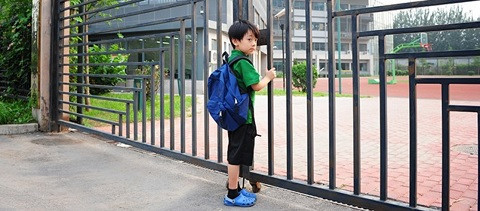 UN Secretary-General warns of education catastrophe, pointing to UNESCO estimate of 24 million learners at risk of dropping out 2020-08-08 UN Secretary-General António Guterres today launched the Education in the time of COVID-19 and beyond Policy Brief warning that the pandemic has created the most severe disruption in the world’s education systems in history and is threatening a loss of learning that may stretch beyond one generation of students. School closures are also likely to erase decades of progress, according to the Policy Brief, which builds on UNESCO’s data and features recommendations on ways to avert the looming catastrophe. UNESCO led the drafting of the Secretary-General’s Policy Brief which contains inputs from 15 sister organizations. “We already faced a learning crisis before the pandemic,” said UN Secretary-General Antonio Guterres in a video statement to launch the Policy Brief. “Now we face a generational catastrophe that could waste untold human potential, undermine decades of progress, and exacerbate entrenched inequalities.” The Brief calls for national authorities and the international community to come together to place education at the forefront of recovery agendas and protect investment in education. With this objective, UNESCO will convene a special session of the Global Education Meeting before the end of the year. UNESCO data shows that nearly 1.6 billion learners in more than 190 countries, 94% of the world’s student population, were affected by the closure of educational institutions at the peak of the crisis, a figure that stands at 1 billion today. As many as 100 countries have yet to announce a date for schools to reopen. The Policy Brief points to UNESCO’s projections whereby 24 million learners from pre-primary to tertiary education risk not finding their way back to their studies in 2020 following the COVID-19-induced closures. The largest share of learners at risk, 5.9 million, live in South and West Asia. Another 5.3 million students at risk are in sub-Saharan Africa. Both regions faced severe educational challenges even before the pandemic, which is likely to worsen their situation considerably. According to UNESCO, tertiary education is likely to experience the highest dropout rate and a projected 3.5% decline in enrolment, resulting in 7.9 million fewer students. Pre-primary education is the second worst affected level with a projected 2.8% decline in enrolment, i.e. 5 million fewer children attending. According to these projections, 0.27% of primary and 1.48% of secondary education students, corresponding to 5.2 million girls and 5.7 million boys at both levels, risk dropping out of school. “These findings emphasize the urgent need to ensure the continuity of learning for all in the face of this unprecedented crisis, in particular the most vulnerable,” says UNESCO Director-General Audrey Azoulay. “The Brief calls to protect investment in education at all levels, and warns that according to UNESCO estimates, the pandemic will increase the gap in funding needed to reach the internationally agreed 2030 Sustainable Development Goal on Education (SDG4) in low and lower-middle income countries by one third, from the already staggering shortfall of USD 148 billion.” School closures do not only undermine education. They also hamper the provision of essential services to children and communities, including access to a balanced diet and parents’ ability to go to work. They also increase risks of violence against women and girls. Preventing the learning crisis from becoming a generational catastrophe must become a top priority for world leaders and for stakeholders across the education community, says the brief, emphasizing education’s role in driving economic progress, sustainable development and lasting peace. The Brief makes recommendations in four areas to mitigate the effects of the pandemic: Suppress transmission of the virus and plan thoroughly for school reopening: this covers health and safety measures, attention to the needs of marginalized children and joint planning and consultation with teachers, parents and communities The UN has issued guidance to help governments in this complex endeavour. Protect education financing and coordinate for impact: despite public spending constraints, national authorities must protect education budgets and include education in COVID stimulus packages. The international community must protect official development assistance for education. Relieving, postponing and restructuring debt for low and lower-middle income countries is part of the solution to help countries invest in education. Strengthen the resilience of education systems for equitable and sustainable development: Building back resilience requires a priority focus on equity and inclusion, with measures to address the needs of the most marginalized and vulnerable learners and to ensure that economic strains and gender norms do not prevent girls from returning to school. Risk management capacities need to be reinforced at all levels. Reimagine education and accelerate positive change in teaching and learning: The scale of innovations made in a short time to ensure learning continuity proves that change can happen quickly. They have set the ground to reimagine education and build systems that are more forward-looking, inclusive, flexible and resilient. Solutions must address learning losses, preventing dropouts, particularly of the most marginalized, and ensuring the social and emotional welfare of students, teachers and staff. Other priorities include better support to the teaching profession, removing barriers to connectivity, investing in digital technologies and flexible learning pathways. The UN Policy Brief is being launched alongside #SaveOurFuture, a multi-partner campaign led by ten entities, including UNESCO, to raise awareness of the global education emergency and urge increased investment to build better, more inclusive and resilient education systems for the future. **** Secretary-General’s Policy Brief on Education and COVID-19 UNESCO COVID-19 Advocacy Paper: “How many students are at risk of not returning to school?" #SaveOurFuture campaign URL:https://en.unesco.org/news/secretary-general-warns-education-catastrophe-pointing-unesco-estimate-24-million-learners-0
 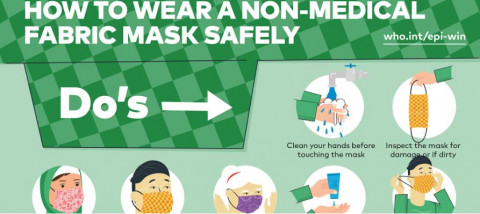 Как безопасно носить немедицинскую тканевую маску? 2020-07-17 The use of masks is part of a comprehensive package of the prevention and control measures that can limit the spread of certain respiratory viral diseases, including COVID-19, the World Health Organization says. Masks can be used either for protection of healthy persons (worn to protect oneself when in contact with an infected individual) or to control the source of infection (worn by an infected individual to prevent onward transmission). There are three types of masks used to prevent the spread of COVID-19. Medical masks (also known as surgical masks): these are made from a minimum of three layers of synthetic nonwoven materials, and configured to have filtration layers sandwiched in the middle. Respirators (also known as filtering facepiece respirators - FFP) and available at different performance levels such as FFP2, FFP3, N95, N99): these are specifically designed for healthcare workers who provide care to COVID-19 patients in settings and areas where aerosol-generating procedures are undertaken. Non-medical masks (also known as fabric masks, homemade masks) can act as a barrier to prevent the spread of the virus from the wearer to others. To use the last type of mask correctly, see the posters below. The posters were prepared by WHO. WHO also notes that the use of a fabric mask alone is not sufficient to provide an adequate level of protection. In addition to wearing the mask, it is necessary to keep a distance of at least 1 meter from others, often wash or disinfect hands, avoid touching the face or mask with your hands. URL:https://en.unesco.org/news/how-wear-non-medical-fabric-mask-safely
 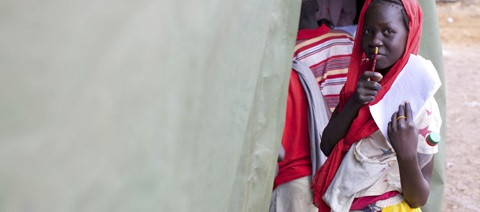 UNESCO and UNHCR call for the inclusion of refugees in the post-Covid-19 education effort 2020-07-15 We must not leave young refugees by the wayside, urged UNESCO and the Office of the United Nations High Commissioner for Refugees (UNHCR) as they pleaded in favour of young refugees’ education during an online debate on how best to provide them with improved learning during and after the pandemic. “Mobilizing for refugees is extremely urgent at a time when they are particularly vulnerable to the Covid-19 crisis and its aftermath,” said UNESCO Director-General Audrey Azoulay, as she opened the meeting. “The Covid-19 crisis is jeopardizing everything we have done for the education of refugees and migrants, their integration and chances of self-realization. We must strengthen our action in favour of the most vulnerable in order to guarantee them this fundamental right.” Canada's minister of international development, Karina Gould, who told the story of her Czech grandparents who became refugees after they fled former Czechoslovakia during World War II, put forward the necessity of “low tech solutions,” considering the digital and technological divide, and lack of communication infrastructures in many countries. Cameroon’s minister of Secondary Education, Pauline Nalova Lyonga Egbe, gave the example of mobile phones which are used by most of the population and which can be used as a cheap medium for remote education. The roundtable was also attended by two young refugee students from Rwanda and Mali now living in Kenya and Burkina Faso, a high ranking official in Kenya primary education and a member of the Pakistan National Assembly in charge of education and professional training, and representatives of the Global Coalition for Education established under the auspices of UNESCO. The UNHCR Special Envoy, actress Angelina Jolie, a long-time advocate for displaced persons, introduced the discussion and summarized its highlights. United Kingdom's Under-Secretary for Foreign Affairs, Baroness Sugg stressed that “education must be prioritized in the global recovery from coronavirus. This epidemic is not just a health crisis, it is an education crisis, especially for refugee children. Without school and an education, they will be unable to rebuild their lives and achieve their full potential.” She announced an extra 5.3 million pounds sterling to be given to UNHCR by the British Government. Concluding the discussion, The High Commissioner for Refugees, Filippo Grandi, warned “the bigger picture remained very grim because of the upcoming impact of the economic crisis on long term international assistance for education.” He stressed that 12% of education activity is supported by international aid. As between 40 and 60 million children might fall into poverty, he added, “we must include those who are among the most excluded, the people on the move.” UNESCO has warned the pandemic risked jeopardizing the progress made in education in recent years, especially for young girls. UNHCR estimates at least 20% of whom are at risk of not resuming their studies interrupted during school closures. However, a number of governments are planning to include refugees in post-pandemic response measures, such as distance education, in line with their commitments under the Global Compact on Refugees. The event was co-sponsored by Canada, the United Kingdom and the global Education Cannot Wait fund, which channelled its second COVID emergency allocation to refugees. URL:https://en.unesco.org/news/unesco-and-unhcr-call-inclusion-refugees-post-covid-19-education-effort
 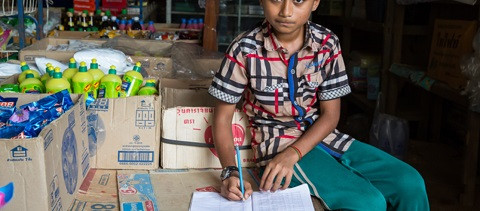 COVID-19: What you need to know about refugees’ education 2020-07-10 Despite a relative easing of COVID-19 school closures and an increasing trend towards reopening, over one billion learners globally remain affected by school closures. Disruption to education on this scale is unprecedented. COVID-19 leaves few lives and places untouched, however its impact, including in education, is harshest for groups that are already in vulnerable situations such as refugees. How are COVID -19 school closures affecting refugees’ education? Even before COVID-19 refugee children were twice as likely to be out of school than other children and despite improvements in refugee enrolment rates, only 63% of refugees are in enrolled in primary school and 24% in secondary education. The pandemic risks creating a backslide in the small gains made and creating a disaster for groups such as adolescent girls. In recent years significant efforts have been made on the inclusion of refugee learners in national education systems, however barriers to education persist and could potentially worsen due to the pandemic. There is also the worrying possibility that discrimination and xenophobia directed at refugee populations increases, negatively affecting school enrolment and retention. What can we do a ensure quality education for refugee learners? The first step is upholding and guaranteeing the right to education for refugees through ensuring all are able to learn at home and safely return to school. There are some promising signs that governments are fast-tracking the inclusion of refugees in their COVID-19 responses, demonstrating an opportunity to work on the delivery of commitments contained in the Global Compact on Refugees. As the focus shifts from distance learning and school closure to reopening and returning to school, close attention must be paid to existing and exacerbated inequities facing refugees, especially secondary school age refugee girls who were already only half as likely to enroll as their male peers. These conditions are anticipated to worsen. UNHCR estimates that 20% of the refugee girls who are in secondary school are at significant risk of never returning to school following the COVID-19 school closures. We must act now to address the inequality and dire situation facing refugee learners. Why is this so urgent and what is at stake? There is a lot at stake during and after COVID-19 for refugee learners. It is anticipated that there will be major increases in drop out, which means losing this generation if they are left out of education. In many countries the education status of refugees was already fragile prior to the pandemic, with many having missed years of schooling and having to work hard to catch up. They must now cope with further disruptions to their learning. Those who were already not enrolled in education programmes are at even greater risk of never returning to learning. Lack of access to infrastructure, hardware and connectivity, living conditions and the remoteness of many refugee-hosting areas means that refugee children are also at risk of not being able to access national distance learning programmes put in place by governments as part of the COVID-19 response. What is UNESCO doing to advance the right to education for refugees? Through the Global Education Coalition, UNESCO is facilitating partnerships between multiple stakeholders to provide learning opportunities for children youth and adults, including refugees, who have been impacted by the disruption of education due to the pandemic. UNESCO has pledged and is working to strengthen national education systems by providing Member States with expertise and technical guidance for policy design, implementation and planning support for the inclusion of refugees into all levels of national education systems. UNESCO’s qualifications passport for refugees and vulnerable migrants launched in 2019 aims to facilitate learners’ integration in the education system and labour market through assessment procedures. The process helps recognize key elements such as the highest achieved qualifications, skills, relevant job experiences and language proficiency. On 13 July from 4pm to 5:30pm CET, a high-level virtual roundtable led by UNHCR and UNESCO will bring together voices of refugees to hear about the needs and responses on the ground. The event is convened and chaired by Special Envoy Angelina Jolie and co-hosted by Canada and the United Kingdom. Watch it live here Photo: Refugee learner doing his homework, Thailand, 2015. What UNESCO does in education in emergencies UNESCO’s education response to COVID-19 The Global Education Coalition UNESCO qualifications passport for refugees and vulnerable migrants UNESCO’s Pledge to the Global Refugee Forum URL:https://en.unesco.org/news/covid-19-what-you-need-know-about-refugees-education
  "Time of nature: man, environment and biodiversity" - youth contest of socio-environmental videos 2020-07-03 The State Committee for Ecology and Environmental Protection, in partnership with the Regional Ecological Center of Europe (CAREC), announces youth competitions on the theme: "Time of nature: man, environment and biodiversity."The competition, which takes place as part of the European Union project, UzWaterAware, can be attended by students, students and high school students (10 and 11), students aged 16 to 25 years.The main goal of the competition is to attract young people, parents of senior classes and students, as well as their teachers in the field of environmental protection (EP) and conservation of biodiversity, as well as raising their awareness and drawing attention to problems and solutions in these matters. URL:https://carececo.org/main/news/molodezhnyy-konkurs-sotsialno-ekologicheskikh-videorolikov-na-temu-vremya-prirody-chelovek-okruzhayu/