
News
Catch up on what’s happening in the world of global citizenship education.
162 results found
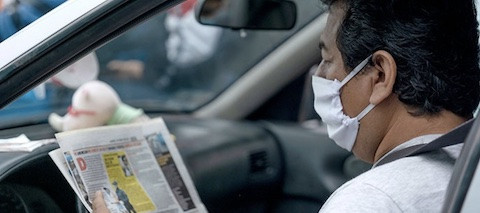 2021 World Press Freedom to promote Information as a Public Good in a severely challenged media landscape 2021-04-28 UNESCO and the Government of Namibia will host the World Press Freedom Day Global Conference in Windhoek from 29 April through 3 May, World Press Freedom Day. The laureate of the 2021 UNESCO/Guillermo Cano Press Freedom Prize will be honoured during the conference, on 2 May. Professional journalists and other media stakeholders at the Conference will call for urgent measures to counter the threats that are weakening independent and local news media around the world, a crisis worsened by the COVID-19 pandemic. They will put forward solutions to bolster media viability, push for greater transparency from social media companies, and measures to improve the safety of journalists and support independent media. Participants are also expected to urge governments to invest in media and information literacy training to help people recognize, value, and defend fact-based journalism as an essential part of information as a public good. Some 40 sessions will be held during the 5-day conference including three thematic discussions on issues currently affecting media viability, the transparency of online platforms, and ways to strengthen media and information literacy. Hage Geingob, the President of Namibia, and UNESCO Director-General Audrey Azoulay will address the conference on 2 May, alongside senior African government officials and UN Secretary-General Antonio Guterres (through a video message). Keynotes and interviews with over 250 world-renowned journalists, media and tech leaders, experts, policy makers, and activists will be held during the event which be an opportunity for registered participants to network, and interact with speakers, and access an offering of podcasts, films, and artistic contributions on a conference online platform. Notable speakers will include: Joseph Stiglitz (USA), Nobel Memorial Prize in Economic Sciences Irene Khan, UN Special Rapporteur on the Promotion and Protection of the Right to Freedom of Opinion and Expression Agnès Callamard, Secretary General, Amnesty International Maria Ressa (Philippines), CEO of Rappler Swe Win, Editor in Chief of Myanmar Now, recognized media outlet for its collaborative and investigative reporting on human rights abuses. Julie Owono, Member of Facebook’s Oversight Board. Executive Director of Internet sans Frontiers Miranda Johnson, The Economist, Deputy Executive Editor Stephen Dunbar-Johnson (USA), President, International of The New York Times Sir Nicholas Clegg, Vice-President for Global Affairs and Communications at Facebook Notable programme highlights will include: Six Regional Forums on specific, regional aspects of press freedom and ways to tackle current trends and challenges. The Forums build on the regional seminars that followed the UNESCO’s first African press freedom seminar in Windhoek in 1991. A one-on-one dialogue about information as a public good with Joseph Stiglitz, Nobel Memorial Prize in Economic Sciences and Miranda Johnson, Deputy Executive Editor of The Economist. 30 April: Presentation of key findings from UNESCO’s global study on online violence against women journalists, a trailblazing research project that assesses the scope and impact of the new frontline of media safety through big data analyses and an in-depth literature review. Link for registration here The digital revolution has weakened business models of most independent media and damaged their viability. The loss in revenue in 2020 is estimated to total US$30 billion. Local news 'deserts' are becoming ever more common as media outlets close, merge, or downsize in many parts of the Global North and South, and political interest groups take control of struggling media outlets. Due to the COVID-19 disruption, two-thirds of staff and freelance journalists worldwide have also suffered pay cuts, lost revenue, job losses, cancelled commissions or worsening working conditions, according to a survey carried out by the International Federation of Journalists IFJ. A survey by the International Center for Journalists and the Tow Center at Columbia University found that over 40% of surveyed journalists reported losing more than half their income. The COVID-19 pandemic has seen a steep rise in the in attacks on journalists and a weakening in regulations protecting freedom of expression. UNESCO’s forthcoming study on online violence against women journalists shows that 73% of the women journalists surveyed had experienced online violence relating to their work. Online violence, often in the form of coordinated misogynistic attacks, goes from hateful language to threats of sexual or physical violence. According to the International Press Institute, countries have reported more than 400 media freedom violations linked to the COVID-19 crisis, including restrictions on access to information and excessive regulations against alleged fake news, ostensibly meant to address COVID-19 related disinformation. The role of journalists in producing and sharing factual information is essential to all members of society. Whether exposing corruption, alerting us to conflicts or debunking disinformation on COVID-19, the information they provide must be recognized as a public good. This year’s celebration of World Press Freedom also marks the 30th anniversary of the Windhoek Declaration, developed by African journalists pressing for a free, independent, and pluralistic African press at a seminar organized by the UN and UNESCO in Windhoek in 1991. The declaration which triggered the proclamation of the 3rd May as World Press Freedom Day by the UN General Assembly. The Award Ceremony of the UNESCO/Guillermo Cano World Press Freedom Prize will take place on 2 May. The Prize, unique in the UN system, honours a person, organization or institution that has made an outstanding contribution to the defence and, or promotion of press freedom anywhere in the world, especially in the face of danger. Related links Programme Read our FAQs Read the concept note Visit World Press Freedom Day website UNESCO/Guillermo Cano World Press Freedom Prize Register your World Press Freedom Day event URL:https://en.unesco.org/news/2021-world-press-freedom-promote-information-public-good-severely-challenged-media-landscape
 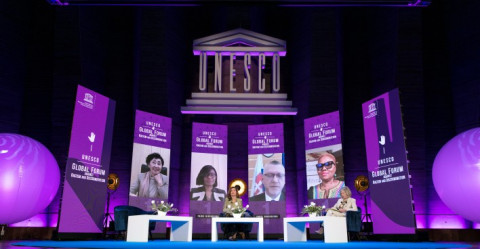 #كافحوا_العنصرية: اليونسكو تدعو إلى اتخاذ إجراءات حازمة لمكافحة العنصرية والتمييز 2021-04-04 "Fighting racism is part of UNESCO's DNA. It's history. We are working to erect effective bulwarks against racism in people’s minds." -- Audrey Azoulay, Director-General of UNESCO With these words, Audrey Azoulay, Director-General of UNESCO, opened the first Global Forum against Racism and Discrimination, co-hosted with the Republic of Korea, mobilizing a powerful global effort to step up UNESCO’s actions to tackle the alarming increase in racism and discrimination in all regions of the world. Organized on 22 March 2021, in the context of the International Day for the Elimination of Racial Discrimination, the Forum was a direct response to the strong ‘Global Call against Racism’ adopted by UNESCO Members States. © UNESCO Bringing together Ministers from several countries – including France, Mexico, Republic of Korea, Slovakia, South Africa, and the United Arab Emirates – experts, practitioners, and champions, the Forum built concrete insights and solid commitments through which UNESCO will construct an ambitious new Roadmap against racism and discrimination. The Roadmap aims to mobilize UNESCO’s crosscutting expertise, based on solid evidence-based social and human science research, to tackle the legal and institutional foundations which continue to perpetuate discrimination, and change mindsets to favour inclusion and mutual respect. It will position UNESCO to effectively combat racism and discrimination within the post-COVID context, building on its more than 70 years of moral and intellectual leadership on the issue, and leveraging its strong capacity to find intersectoral solutions through existing work on global citizenship education, the promotion of cultural diversity, the fight against hate speech, the combatting of mis and dis-information, and the mobilization of the social and human sciences to understand the problem. "We need to look deeper than just the individual racist attack. We need to focus on racism at the institutional level. We need to get the laws right" -- Denise Yvonne Aki-Sawyerr, Mayor of Freetown, Sierra Leone The discussions at the Forum underscored that whilst racial discrimination remains prevalent and pervasive in contemporary societies, strong and independent national institutions can help to provide solid legal and regulatory protections to counter discrimination. The importance of practical approaches to support such efforts, such as UNESCO’s forthcoming scanning exercise and integrated anti-discrimination toolkit, was repeatedly underlined. "Racism and discrimination are a clear challenge, and it is a challenge that requires an immediate response. To this end, there is a need more than ever for international cooperation and the support of multilateral institutions, including UNESCO." -- H.E. Choi Jongmoon, Vice Minister of Foreign Affairs, Republic of Korea "We need to develop an official mechanism and enact legislation for banning discrimination and realizing equality." -- H.E. Young-ae Choi, Chairperson of the National Human Rights Commission of the Republic of Korea Panelists addressed the mutability of racism, and the need for policymakers to understand emerging forms of discrimination that require innovative responses to be effectively tackled. COVID-19 has exposed many of these new manifestations of racism, not least those related to inequities in the access to, and benefits from, digital technologies. Calls were made for a strong ethical foundation to ensure technological progress is inclusive and absent of bias, and the work UNESCO is advancing to prepare a new normative standard on the ethics of artificial intelligence was strongly welcomed in this regard. "It goes back to human decency and respect. We need to treat people as we want to be treated. If we start off with that notion "Treat my human fellow being as I want to be treated" we'll be halfway towards winning the battle." -- Martin Luther King III The importance of forging partnerships and coalitions across different sectors and levels of government was also highlighted. Broad recognition was made to the critical nature of such collaboration for tackling the compounding effects of racism with other forms of discrimination, particularly that leveled on the grounds of gender. Additionally, the importance of providing support to local decision makers as those who are on the frontline of tackling racism and discrimination was stressed, and the essential role that networks such as UNESCO’s International Coalition of Inclusive and Sustainable Cities provide in this regard was recognized. Martin Luther King III, emphasized the importance of strong collaboration in his intervention, saying ‘we must create a partnership. For it is when you bring all the stakeholders together that it becomes possible to develop strategic plans and effect change.’ "Racism does not only hurt those directly affected; it challenges the trust and cohesion that holds our societies together." -- Gabriela Ramos, UNESCO Assistant Director-General for Social and Human Sciences Closing the Forum, Gabriela Ramos affirmed that the Forum had equipped UNESCO with the strong insights and ideas needed to take forward this critical agenda through the new UNESCO Roadmap against Racism and Discrimination. She committed to continue the process of inclusive partnership to ensure the Roadmap represents an ambitious, intersectoral vision and practical strategy, echoing the words of Stefania Giannini, UNESCO Assistant Director-General for Education, and Firmin Edouard Matoko, UNESCO Assistant Director-General for Priority Africa and External Relations, who also participated in the Forum. Accompanying the Forum, the Republic of Korea launched a social media campaign using the Forum’s hashtags #FulfillTheDream #FightRacism, bringing together a significant number of Ambassadors of the Group of Friends for Solidarity and Inclusion with Global Citizenship Education in UNESCO to reaffirm their commitment to this important issue. UNESCO intends to make the Global Forum against Racism and Discrimination an annual occurrence, providing an opportunity for the organization and its partners to take stock of progress at the same time next year. Watch the Forum on YouTube Programme Concept Note More on UNESCO’s work to foster inclusion and non-discrimination More on the International Day for the Elimination of Racial Discrimination URL:https://en.unesco.org/news/fightracism-fulfillthedream-unesco-calls-strong-action-against-racism-and-discrimination
 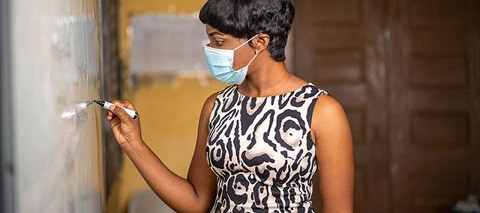 One year into COVID, UNESCO convenes global meeting of education ministers to ensure learning continuity 2021-03-30 UNESCO maps national plans to vaccinate teachers One year into the COVID-19 pandemic, 85 education ministers highlighted measures to keep schools open, address learning losses and adapt their education systems at an event convened by UNESCO on 29 March 2021. Close to half the world’s students are still affected by partial or full school closures and over 100 million additional children will fall below the minimum proficiency level in reading as a result of the pandemic. In the face of a prolonged crisis, we must redouble our mobilization and target the right priorities, those that will allow us to truly make education a common good, a fundamental right. The first of our principles is that schools are irreplaceable, as the pandemic has shown. The second is that more than ever we need resilient and innovative school systems to face present and future shocks. The third is that no screen can ever replace a teacher.-- Audrey Azoulay, UNESCO Director-General While the protection of teachers is essential for schools to reopen safely, a survey conducted by UNESCO and the International Task Force on Teachers for Education 2030 finds that only 17 countries out of 149 prioritize teachers in the first phase of vaccination efforts. Another 20 countries include teachers as a priority group for the 2nd phase of vaccinations. Meanwhile 56 countries do not prioritize teachers in national vaccine rollout plans. Stronger support to protect and train teachers was highlighted across the three parallel sessions of the conference. In the first roundtable on keeping schools open and supporting teachers, ministers emphasized the need for schools to become more resilient and flexible. They described measures in place for prevention and control, including testing within schools, teacher vaccination plans, investments in mental health and the importance of stronger partnerships with ministries of health. In the second roundtable on mitigating school and university dropout and learning loss, ministers stressed the focus on equity, a redoubling of investments in remedial education, strengthening social services, prioritizing the youngest children and funding formulas to reach the farthest behind. In the third roundtable on digital transformation and the future of education, ministers highlighted the importance of teacher training and professional development; public-private partnerships and societal engagement to promote 21stcentury skills and youth employability. In his message at the event, echoing the themes of the conference, UN Secretary-General Antonio Guterrres said, “At this pivotal moment, I am calling on all countries (to) use the recovery to narrow education divides, expand digital connectivity and reimagine education.” The Director-General of the World Health Organization Tedros Adhanom Ghebreyesus warned that “Without universal access to education and health services, the inequalities which have expended even further during the pandemic will continue to grow. WHO recognizes the central role schools play in safeguarding student health and well-being,” a theme underlined during the conference. The Africa Union’s Commissioner for Education, Science, Technology and Innovation, Professor Sara Anyang Agbor, Commissioner for Education, Science and Technology emphasized that “The consequences of COVID 19 have reinforced the importance of transforming Africa’s education systems through digital transformation, referring to the AU’s framework encompassing online learning, teachers, skills, school connectivity and on and offline safety.” To support national strategies, UNESCO, UNICEF & World Bank announced a joint mission “Recovering Education 2021” focusing on three priorities: ensuring all children and youth are back in school and receiving comprehensive support including health, nutrition and psycho-social support; accelerating learning and breaking down the digital learning divide; and preparing and empowering all teachers. Map 1: Interactive and static maps showing school closures Map 2: Prioritization of teachers in COVID-19 vaccine rollout (unesco.org) URL:https://en.unesco.org/news/one-year-covid-unesco-convenes-global-meeting-education-ministers-ensure-learning-continuity
 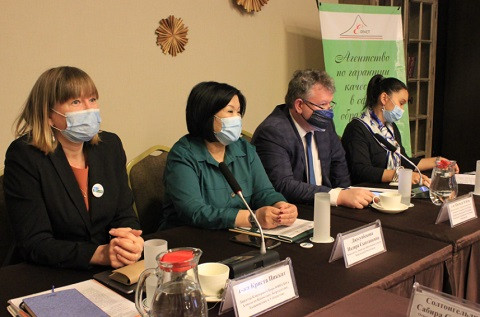 От понимания к действиям: учителя и учащиеся школ Кыргызстана уверенно реализуют Образование в интересах Устойчивого Развития 2021-03-21 “We must act! Act and protect our nature! " calls on one of the schoolgirls of the pilot schools which tested online materials within the framework of the UNESCO project on the Development of online curriculum for mainstreaming cross-cutting competencies for sustainable development in Kyrgyzstan. And this is exactly what the learning materials for 21st century skills development are aimed at, when we not only know about the challenges of our times, are able to empathize, but also take an active position and do something to prevent or solve pressing problems of our society locally and globally.45 teachers from 15 pilot schools were trained by a team of national trainers on the concept of Education for Sustainable Development (ESD) in 2020 and were able to conduct 124 lessons with their 5-6 graders during the first half of the 2020-2021 academic year. And this is only part of the achievements of the joint hard work of the team, presented by the Agency for Quality Assurance in Education "EdNet" during the wrap-up meeting on the project "Development of online curriculum for mainstreaming cross-cutting competencies for sustainable development in Kyrgyzstan" on March 17, 2021 at the Garden Hotel in Bishkek.The wrap-up meeting was opened with welcoming remarks by the Deputy Minister of Education and Science - Ms. Nadira Syntashevna Dzhusupbekova, Director of the UNESCO Cluster Office for Kazakhstan, Kyrgyzstan, Tajikistan and Uzbekistan (UNESCO Almaty) Ms. Krista Pikkat and H.E. Mr Heiti Mäemees, Ambassador of the Republic of Estonia to the Republic of Kazakhstan, the Kyrgyz Republic, the Republic of Tajikistan, the Republic of Turkmenistan. The participants noted the importance of the project not only for equipping students with the 21st century skills that are critical for the achievement of the Sustainable Development Goals, but also the importance of disseminating the project experience and its materials throughout the country in preparation for PISA-2025. The beneficiaries of the project -trainers, teachers and school directors- confirmed the uniqueness and usefulness of the training materials and expressed their hope for the further systematic use of online modules in schools of the republic.The meeting provided an opportunity to present the results of more than two years of work both on the part of the organizers, trainers and experts of the project, but also from the perspective of teachers and students. It was especially gratifying to see the heads of schools from Naryn, Osh, Chui oblast and Bishkek in person and present certificates for the advanced training course in ESD, “I Promote ESD2030” badges to all teachers and students and laptops for 6 teachers, who won the competition for the best practices in ESD!Another important result of the project was the professional teacher training course that was developed specifically for the Republican Institute for Teacher Training. This will be used to train teachers on the implementation of education for sustainable development (ESD) throughout the country.Background: The project "Development of online curriculum for mainstreaming cross-cutting competencies for sustainable development in Kyrgyzstan" has been implemented by UNESCO Almaty since 2019 with the financial support of Estonia in cooperation with the Ministry of Education and Science of the Kyrgyz Republic. The first phase of the project (2019) was implemented jointly with the Center for Social Integration Policy. The second phase of the project (2020-2021) was implemented by the Agency for Quality Assurance in Education "EdNet". In addition, the key partners of the project were the Republican Teacher Training Institute under the Ministry of Education and Science of the Kyrgyz Republic and the Mahatma Gandhi Institute for Education for Peace and Sustainable Development (India), the Laboratory for Innovation Projects (Belarus), PF "Mondo" (Estonia), as well as experts from Lithuania and Russia.Following themes were covered with online modules developed:• Demography and Migration• Healthy lifestyle• Global Citizenship• Media and Information Literacy• Ecology URL:http://en.unesco.kz/from-comprehension-to-action-teachers-and-students-in-kyrgyzstan-confidently-implement
 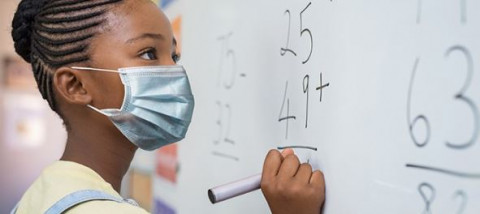 Mathematics for a Better World, UNESCO marks International Day of Mathematics, 14 March 2021-03-15 14 March, proclaimed by UNESCO as International Day of Mathematics (IDM), will be held under the theme “Mathematics for a Better World". Celebrating the beauty and relevance of mathematics, the Day highlights the essential role played by this discipline in reaching the United Nations Sustainable Development Goals. Organized by the International Mathematics Union, IDM will feature a mixture of virtual and face-to-face celebrations, notably in classrooms. Celebrations are scheduled in more than 70 countries with over 410 individual events. Mathematics, with its many technical applications, now underpins all areas of our lives. Together with algorithms, mathematics plays a key role in artificial intelligence and technological disruptions – and, as we address global issues such as the COVID-19 pandemic and climate change, we are reminded of the importance of mathematics in responding to the challenges of our time. -- Audrey Azoulay, UNESCO Director-General The new feature of IDM 2021 is the Poster Challenge to which more than 2,100 schools and organizations responded, producing their own IDM poster to illustrate one facet of the theme of “Mathematics for a Better World”. The posters will be made available to all under an open licence. IDM 2021 is celebrated on all continents. From Madagascar to Gambia, from Panama to Chile, from Albania to Malaysia, from Bangladesh to Australia, people all over the world are organizing festivities. An international live celebration in English, French and Spanish will take place on 14 March, 2 to 6pm, UTC. Also, 48 hours of live coverage on the IDM website will start at 00:00 New Zealand time and end at 24:00 Pacific time. The international celebration is complemented by national and local competitions, conferences, exhibitions, and talks, organized by mathematical societies, research institutes, museums, schools, universities, etc. In Algeria, many events will take place all over the country to show how mathematics helps improve our world. They consist in the organization of webinars, national mathematics competitions, recreational mathematics, and classroom activities. A special event involving blind pupils shows that mathematics is a universal language. Celebrations are in partnership with the public television El Maarifa channel (TV7) which will report on the different events to promote them to the wider population. -- Djamel Eddine Cheriet, Vice-President of the Algerian Mathematical Society In a joint project with the Simons Foundation, the mathematical societies of Algeria, Senegal, and the Republic of Congo will organize online and on site activities on mathematics and artificial intelligence, as well as mathematical games, for a large audience in French, Arabic, and English. They will also offer special training programmes for teachers and educators in Africa and the Arab region. The IDM is an opportunity to share the knowledge that men and women have developed throughout history. It is also a space to create, share, motivate and inspire future generations with mathematics. It is a day to remember that mathematics empowers us, sets us free, and makes us better citizens. -- Laura Vanessa Gomez Bermeo (Colombia) Through the gloom of the pandemic, IDM is an opportunity for exciting and challenging activities in schools. Students can explore how mathematics helps to understand the spread of an epidemic and how the theory of fair division allows for more equitable policies. -- Christiane Rousseau, University of Montreal, initiator for the IMU of the IDM project The date of 14 March is already known as Pi Day and celebrated in many countries. It is named after the important number π, the ratio between the circumference and diameter of a circle, approximately equal to 3.14. The IDM celebration expands Pi Day to include the whole spectrum of mathematics. In view of the pandemic, the 2021 theme of “Mathematics for a Better World” reminds us that athematics and statistics are essential tools for decision-makers in that they enable us to predict the evolution of the disease and optimizemitigation strategies with limited resources. But the role of mathematics in building a better world goes well beyond the pandemic response, and schools are invited to explore the mathematics of fair division, which has so many applications in designing economic and social policies. The IDM website is the main hub for the International Day of Mathematics. It hosts information material to be used by press and organizers (including logos and flyers in different languages) as well as proposals for activities related to the theme for everyone interested in hosting an event. All the official material provided through the website is under an open license, which means it can be freely shared, translated, and adapted. Partners: The United Nations Educational, Scientific, and Cultural Organization (UNESCO), is headquartered in Paris. As the United Nations’ “House of Peace,” UNESCO serves to develop mutual understanding and the strengthening of bonds among nations through international cooperation in education, the sciences, culture and communication. More information At the 40th session of its General Conference, UNESCO proclaimed 14 March of every year International Day of Mathematics. More information The International Mathematical Union (IMU) is an international non-governmental and non-profit scientific organization, with the purpose of promoting international cooperation in mathematics. IDM is communicated and supported by the IDM website, which is hosted by IMAGINARY, a non-profit organization dedicated to communication about modern mathematics. Sponsors: The Klaus Tschira Foundation (which supports natural sciences, mathematics, and computer science in Germany) sponsor of the IDM website and communication. The Simons Foundation sponsor of the special IDM celebrations in Africa. The Canadian Commission for UNESCO sponsor of the 2021 IDM Poster Challenge. Contacts for further information: Helge Holden, Secretary General of the International Mathematical Union, secretary@mathunion.org Christiane Rousseau, Chair of the IDM Governing Board, idm@mathunion.org, +1 514 9156081 Andreas Matt, Managing Director of IMAGINARY and of the IDM website, andreas.matt@imaginary.org, +49 151 51836352 The International Mathematical Union, Hausvogteiplatz 11A, D-10117 Berlin, Germany, imu.info@mathunion.org Pictures: The logo and all pictures below can be used freely for articles about the International Day of Mathematics. Please find high-resolution versions via the “Download Link”. The pictures are from locally organized events (exhibitions, workshops, festivals) celebrating mathematics. Logo of the International Day of Mathematics Press Kit page with images and press releases URL:https://en.unesco.org/news/mathematics-better-world-unesco-marks-international-day-mathematics-14-march
  UNESCO figures show two thirds of an academic year lost on average worldwide due to Covid-19 school closures 2021-03-02 Paris, 25 January — One year into the COVID-19 pandemic, over 800 million students, more than half the world’s student population, still face significant disruptions to their education, ranging from full school closures in 31 countries to reduced or part-time academic schedules in another 48 countries, according to new data released on UNESCO’s interactive monitoring map. The map shows that globally, schools were fully closed for an average of 3.5 months (14 weeks) since the onset of the pandemic. This figure rises to 5.5 months (22 weeks) – equivalent to two-thirds of an academic year – when localized school closures are taken into account. The duration of closures varies greatly by region, from as many as 5 months (20 weeks) of complete nation-wide closures on average in Latin America and the Caribbean countries, to 2.5 months (10 weeks) in Europe, and just one month in Oceania. Similar regional variations are observed when accounting for localized closures: The duration of complete and localized closures exceeded seven months (29 weeks) on average in Latin America and the Caribbean compared to the global average of 5.5 months (22 weeks). Governments have endeavoured to minimize country-wide closures – down from 190 countries at the peak in April 2020 to 30 countries now –in favour of partial and/or local closures. Schools are now fully open in 101 countries. Prolonged and repeated closures of education institutions are taking a rising psycho-social toll on students, increasing learning losses and the risk of dropping out, disproportionately impacting the most vulnerable. Full school closures must therefore be a last resort and reopening them safely a priority. -- Audrey Azoulay, Director-General of UNESCO Data released today by UNESCO’s Global Education Monitoring Report shows that, even before the COVID-19 crisis, only 1 in 5 countries demonstrated a strong commitment to equity in education through their financing mechanisms, and there is little evidence of a strong equity angle in COVID-19 responses. We need an adequately financed recovery package to reopen schools safely, targeting those most in need and setting education back on track for the COVID-19 generation. Today, on International Day of Education, I call on countries and partners to prioritize education, a global common good, in the recovery.-- Audrey Azoulay, Director-General of UNESCO UNESCO’s celebration of International Day of Education calls for increased and better financing of education, and draws attention to the low priority allocated to education in recovery efforts. UNESCO data shows that the sector only receives an estimated 0.78% of relief packages worldwide. Additionally, aid to education looks set to decline by 12% as a result of the pandemic. According to our findings, the pandemic also stands to increase the funding gap for education by one third to as much as $200 billion annually in low and middle-income countries, representing close to 40% of total cost. Upfront investment in catch-up and remedial programmes will save money down the line reducing by 75% the cost of repairing the damage caused by COVID-19. At the Global Education Meeting convened by UNESCO in October 2020, governments and partners committed to protect education budgets and to focus the recovery on the safe and inclusive re-opening of schools, and support for teachers, skills development and connectivity for all. To enable a safe return to school, UNESCO has called for the world’s 100 million teachers and educators to be given priority in vaccination campaigns. To mark the International Day of Education, UNESCO and the Global Partnership for Education, with UN Headquarters, are co-organizing an event to stress the necessity to protect and mobilize equitable funding for education, give voice to 'community heroes' who acted to leave no learner behind during school closures, and present innovations that pave the way towards more resilient and inclusive education systems. URL:https://en.unesco.org/news/unesco-figures-show-two-thirds-academic-year-lost-average-worldwide-due-covid-19-school
  UNESCO Green Citizens showcases grassroot projects at the service of biodiversity and sustainable development 2020-10-20 Today UNESCO will launch the Green Citizens initiative to amplify the voice of some 100 local citizen projects worldwide in key domains of biodiversity and sustainable development, including the Ocean, Water/Hydrology, Education for sustainable development, Indigenous and local knowledge. UNESCO has witnessed a great increase in the number and pertinence of local citizen projects over decades of scientific research in biodiversity, oceanography and hydrology, and conservation work in its protected sites around the world (Biosphere Reserves, Geoparks, natural World Heritage sites). The Organization wishes to highlight and support local, innovative, duplicable citizen projects with a verifiable impact on their community and stimulate the dissemination of new change driving ideas worldwide. The project reflects the conviction that changes in our relationship with living ecosystems will only be achieved by bringing together the complementary actions of the different actors at all levels and the reinforcement of networks of committed individuals and organizations. It is also a call on decision-makers to act quickly and a reminder that it is only together that we can make the change that is needed. UNESCO Green Citizens is a collective endeavour bringing together the Klorane Botanical Foundation as a founding partner, Adveris digital agency, Passion Pictures Paris, Twitter (for Good), artists including Juan Delcan, Roxane Campoy, Desta Hailé, students and volunteers, as well as partners, dubbed Watchers such as Solar Impulse Foundation, Sparknews or ChangeNow that are critical in identifying outstanding local projects. The Initiative enriches UNESCO’s extensive and growing range of programmes and partnerships aiming to protect biodiversity. **** More information UNESCO biodiversity URL:https://en.unesco.org/news/unesco-green-citizens-showcases-grassroot-projects-service-biodiversity-and-sustainable
  جائحة كوفيد-19: حثّ البلدان على اتخاذ إجراءات أكثر قوة لوقف انتشار المعلومات الضارة 2020-10-02 The World Health Organization (WHO) together with the UN, specialised agencies and partners today called on countries to develop and implement action plans to promote the timely dissemination of science-based information and prevent the spread of false information while respecting freedom of expression. WHO, the UN, UNICEF, UNAIDS, the UN Development Programme (UNDP), UNESCO, the International Telecommunication Union (ITU), the UN Global Pulse initiative and the International Federation of the Red Cross and Red Crescent Societies (IFRC), together with the governments of Indonesia, Thailand and Uruguay held a webinar on the margins of the 75th UN General Assembly to draw attention to the harm being done by the spread of misinformation and disinformation, the latter being deliberate misinformation to advance an agenda. “As soon as the virus spread across the globe, inaccurate and even dangerous messages proliferated wildly over social media, leaving people confused, misled and ill-advised”, said UN Secretary-General António Guterres. ”Our initiative, called “Verified”, is fighting misinformation with truth. We work with media partners, individuals, influencers and social media platforms to spread content that promotes science, offers solutions and inspires solidarity. This will be especially critical as we work to build public confidence in the safety and efficacy of future COVID-19 vaccines. We need a ‘people’s vaccine’ that is affordable and available to all.” “Misinformation and disinformation put health and lives at risk, and undermine trust in science, in institutions and in health systems,” said WHO Director-General Dr Tedros Adhanom Ghebreyesus. “To fight the pandemic we need trust and solidarity and when there is mistrust, there is much less solidarity. False information is hindering the response to the pandemic so we must join forces to fight it and to promote science-based public health advice. The same principles that apply to responding to COVID-19 apply to managing the infodemic. We need to prevent, detect and respond to it, together and in solidarity.” “On top of the immediate impact on pandemic responses, disinformation is undermining public trust in democratic processes and institutions and exacerbating social divides”, said UNDP Administrator Achim Steiner. “It’s one of the most concerning governance challenges of our time. UNDP is actively collaborating with Member States, fellow UN agencies, and other partners to find holistic responses which respect human rights.” “Misinformation is one of the fastest growing challenges facing children today,” said Henrietta Fore, UNICEF Executive Director. “It takes advantage of the cracks in trust in societies and institutions and deepens them further, undermines confidence in science and medicine, and divides communities. In its most pernicious forms, such as when it convinces parents not to vaccinate their children, it can even be fatal. Because misinformation is more a symptom than a sickness, countering it requires more than just providing truth. It also requires trust between leaders, communities and individuals.” “We can beat COVID-19 only with facts, science and community solidarity,” said Executive Director, Winnie Byanyima. “Misinformation is perpetuating stigma and discrimination and must not come in the way of ensuring that human rights are protected and people at risk and those marginalized have access to health and social protection services.” “Since the start of the pandemic, UNESCO has mobilised its international networks of media partners, journalists, fact-checkers, community radio stations, and experts, to give citizens the means to fight against false information and rumours — phenomena that have been exacerbated by the pandemic,” said Audrey Azoulay, the UNESCO Director-General. ”Collective mobilisation to promote quality and reliable information, while strictly ensuring respect for freedom of expression, is essential. A free, independent and pluralistic press is more necessary than ever.” “Trust is a cornerstone of our digital world,” said Houlin Zhao, Secretary-General of the International Telecommunication Union. “Building on the long-standing WHO-ITU BeHe@lthy BeMobile initiative, ITU has been working with national ministries of telecommunications and health and mobile network operators since the beginning of this crisis to text people who may not have access to the internet, providing them with science- and evidence-based COVID-19 health advice directly on their mobile phones.” WHO and partners urged countries to engage and listen to their communities as they develop their national action plans, and to empower communities to build trust and resilience against false information. “Engaging communities on how they perceive the disease and response is critical to building trust and ending outbreaks,” said Jagan Chapagain, IFRC Secretary General. “If our response does not reflect the communities’ concerns and perceptions, we will not be seen as relevant or trusted by affected populations, and the epidemic response risks failure. More than ever, local responders are at the forefront of this crisis. We need to recognize the incredible role they play in understanding and acting on local knowledge and community feedback.” The co-hosts also called on the media, social media platforms, civil society leaders and influencers to strengthen their actions to disseminate accurate information and prevent the spread of misinformation and disinformation. Access to accurate information and the free exchange of ideas online and offline are key to enabling effective and credible public health responses. "UN Global Pulse was set up a decade ago inside the UN System to pioneer the use of real-time and predictive insights to protect vulnerable communities in times of crisis”, said Robert Kirkpatrick, Director of UN Global Pulse, the United Nations Secretary-General’s initiative on big data and artificial intelligence (AI). “During this pandemic we have seen a tremendous increase in requests for advanced analytics from across the UN System and Member States. We will continue to work with WHO and other partners to help identify and combat mis- and disinformation.” Note to Editors WHO defines an infodemic as an overabundance of information, both online and offline. It includes accurate information as well as mis- and disinformation. In May 2020, WHO Member States passed Resolution WHA73.1 on the COVID-19 response at the World Health Assembly. The Resolution recognises that managing the infodemic is a critical part of controlling the COVID-19 pandemic: it calls on Member States to provide reliable COVID-19 content, take measures to counter mis- and disinformation and leverage digital technologies across the response. The Resolution also called on international organisations to address mis- and disinformation in the digital sphere, work to prevent harmful cyber activities undermining the health response and support the provision of science-based data to the public. URL:https://www.who.int/news-room/detail/23-09-2020-covid-19-pandemic-countries-urged-to-take-stronger-action-to-stop-spread-of-harmful-information
  Всемирный день учителя 2020 года будет отмечаться недельной серией виртуальных мероприятий 2020-09-30 The World Teachers’ Day 2020 will be celebrated with a week-long series of virtual events Every year on 5 October since 1994, UNESCO celebrates the World Teachers’ Day (WTD) to commemorate the anniversary of the signing of the 1966 ILO/UNESCO Recommendation concerning the Status of Teachers and the 1997 Recommendation concerning the Status of Higher-Education Teaching Personnel. These normative standard-setting instruments set benchmarks regarding the rights and responsibilities of teachers and standards for their initial preparation and further education, recruitment, employment, and working conditions. This year the WTD will be celebrated virtually with the theme, “Teachers: Leading in crisis, reimagining the future.” The celebration will begin on 5 October 2020 with the official Opening Ceremony followed by the Award Ceremony of the 6th Edition of the UNESCO Hamdan Prize for the Effectiveness of Teachers. Events are planned throughout the week around the world. The official closing ceremony takes place on 12 October with a joint World Teachers’ Day and Mobile Learning Week session. The event will focus on the innovative use of technology for teacher professional development and mentoring during the time of COVID-19. More information about other WTD events can be found here. The adoption of the Sustainable Development Goals (SDGs), including Goal 4 on Education, recognizes teachers (Target 4.c) as key to the achievement of the 2030 Education Agenda. The WTD provides an annual occasion to take stock of achievements and raise awareness around challenges facing teachers and the role of teachers in the achievement of the global education targets. Day of the Teachers and Mentors in Uzbekistan In Uzbekistan, the World Teachers' Day is preceded by a state holiday - the Day of the Teachers and Mentors, which has been celebrated annually since 1997 on 1 October. The country pays attention to the improvement of the education system, building and reconstruction of educational institutions and improvement of the quality of education. In September 2020, a new version of the «Law on Education» entered into force in Uzbekistan, introducing for the first time the concept of inclusive education. URL:https://en.unesco.org/news/world-teachers-day-2020-will-be-celebrated-week-long-series-virtual-events
 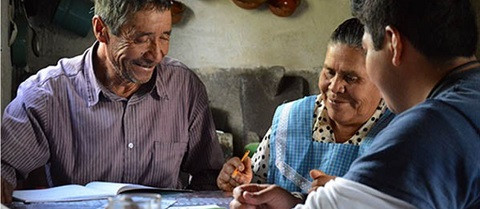 While the COVID crisis increases inequalities, UNESCO recalls that reading is the basis of development 2020-09-08 While 773 million adults and young people around the world still lack basic literacy skills, UNESCO will host an online International Conference on literacy teaching and learning in the COVID-19 crisis and beyond On International Literacy Day, 8 September. The conference will bring together experts and educators to reimagine literacy teaching and learning for youth and adults, in line with UNESCO’s Futures of Education initiative. UNESCO’s International Literacy Prizes 2020 will also award five outstanding literacy programmes from Ghana, Mexico, Nepal, United Kingdom and Yemen. The near-global lockdown caused by COVID-19 has disrupted education, affecting more than 91% of students and 99% of teachers. Reading is the key to development. Adult literacy programs should not be the adjustment variable of education.-- Audrey Azoulay, UNESCO Director-General This year’s UNESCO’s International Literacy Prizes recognizes excellence in literacy programmes in the spirit of the theme of the Organization’s Literacy Day celebration. The two UNESCO King Sejong Literacy Prize awards for mother-tongue literacy education and training, sponsored by the Government of the Republic of Korea, will be given to: Ageing Nepal for its national programme: ‘Basic Literacy Class for Older Persons,’ Nepal. The country’s first programme to target older people who have moved from rural settings to urban areas. It empowers the elderly by supporting their ability to live independently through intergenerational adult literacy education in the national language, Nepali. Ageing Nepal is a national leading non-government organization registered with the government of Nepal and affiliated to the Social Welfare Council. United World Schools for its programme ‘Providing Non-Burmese Speaking Out-of-School Children with Access to Education’, United Kingdom. The programme provides access to primary education for out-of-school children from linguistic minority communities in Myanmar’s Shan State. By employing and training community members as teachers, the programme allows children to study in their mother tongue, while bringing employment and capacity-building opportunities to teachers. United world schools (UWS) is an international charity based in the United Kingdom that focuses on sustainable quality education. The three awards of the UNESCO Confucius Prize for Literacy, supported by the Government of the People’s Republic of China, for work that benefits rural populations and out-of-school youth, particularly girls and women, will be given to: Centro Universitario de Participación Social of the Benmérita Universidad Autónoma de Puebla for its literacy programme: 'Learning by Teaching, Mexico'. Based on the creation of support networks, the programme supports the idea of global citizenship whereby volunteer college students, previously trained by mentors, live together in a rural community to teach young people and adults how to read and write, while also educationally supporting children. It is a unique model of participatory training and critical reflection on the different social problems in the context of life skills training. This approach aims to ensure sustainability and building relationships between different sectors of the society to create positive interdependency. The General literacy office in Sanaa, Yemen, for its programme ‘Educating and integrating refugees in literacy classes in Yemeni society,’. This exemplary local programme operating despite war and displacement, caters to illiterate refugees regardless of their nationality. It helps them acquire literacy skills so that they can benefit from a range of learning opportunities throughout life, including the acquisition of life skills needed to face the social and economic challenges. The programme employs flexible pedagogies adapted to different age groups and abilities to help them qualify for enrollment in formal education. The General Literacy Office in Sanaa is part of the Literacy and Adult Education Organization of the Yemeni ministry of Education, which operates in 21 provinces and supervises over 215 literacy centres in 11 districts in Yemen. Just Commit Foundation (JCF) for its programme ‘Inspirational Business Stories,’ Ghana. This programme has an innovative approach to literacy teaching and learning through business story books that inspire and guide children and youth to create sustainable businesses with limited resources. It promotes the use of waste such as paper, plastic, fabric and e-waste to create new, inexpensive and reusable products. The beneficiaries learn eco-entrepreneurship in both their local language and English, including how to develop business models, set up and run successful, sustainable and environmentally-friendly businesses. The programme also develops young peoples' personal skills such as confidence, team-work, leadership and problem-solving, and combines literacy and sustainability for the broader community. JCF was established in 2017 as a non-profit organization to leverage innovation at the service of youth and children. URL:https://en.unesco.org/news/while-covid-crisis-increases-inequalities-unesco-recalls-reading-basis-development