
News
Catch up on what’s happening in the world of global citizenship education.
1,668 results found
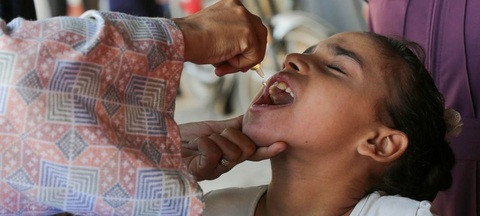 UN Regrets US Exit from Global Cooperation on Health, Climate Change Agreement 2025-02-10 21 January 2025 - Humanitarian Aid UN agencies responded on Tuesday to President Trump’s executive orders ending US membership of the World Health Organization (WHO) and its adherence to the Paris Climate Agreement, highlighting the massive potential negative impact on public health and efforts to curb global warming.“The WHO regrets the announcement that the United States of America intends to withdraw from the Organization…We hope the United States will reconsider,” said WHO spokesperson Tarik Jasarevic, hours after the new President signed an executive order at the White House, bringing US involvement in the UN agency to an end in 12 months. The US joined WHO in 1948 after a joint resolution was passed by both chambers of Congress. The resolution requires the country to provide one year’s notice to leave the organization. President Trump took steps to withdraw from the WHO in 2020 during his first term – but the move was reversed by the Biden administration. Responding to journalists’ questions in Geneva, Mr. Jasarevic insisted that WHO “plays a crucial role in protecting the health and security of the world’s people, including Americans, by addressing the root causes of disease, building stronger health systems, and detecting, preventing and responding to health emergencies, including disease outbreaks, often in dangerous places where others cannot go.” Asked about the impact of the US withdrawal, Mr. Jasarevic pointed out that he saw the executive order “this morning like everyone else” and that further analysis will be needed. He confirmed that the US was WHO’s largest single donor, accounting for 18 per cent of the agency’s budget in 2023. Also in Geneva, UN humanitarian affairs office (OCHA) spokesperson Jens Laerke highlighted the UN health agency’s importance, saying that “the world lives longer, healthier, perhaps a little bit happier because of WHO”. “WHO is in places where others cannot go,” Mr. Laerke said, including Gaza, Yemen, Afghanistan and Sudan. “It is an indispensable part of the international humanitarian system,” he insisted. Climate shock From the UN World Meteorological Organization (WMO), spokesperson Clare Nullis reacted to President Trump’s vow to quit the universally adopted 2015 Paris Agreement - marking an immediate return to the policies of his first presidential term, which ended in January 2021. The need for all countries to respect the accord was “pretty obvious”, she said, given that 2024 “was the hottest year on record”, at about 1.55°C above the pre-industrial era. “It is the defining challenge of our time,” she insisted. In the wake of the recent devastating and deadly massive wildfires that ripped through Los Angeles, the WMO spokesperson also noted that the US had suffered the bulk of global economic losses from weather, climate and water-related hazards. “It has sustained 403 weather and climate disasters since 1980 where overall damages/costs reached or exceeded $1 billion. The total cost of these 403 events exceeds $2.915 trillion, according to US figures,” Ms. Nullis said. Her comments echoed those of the UN Spokesperson’s Office late on Monday which responded to journalists’ questions insisting that “the transformation envisaged in the Paris Agreement is already underway”, with a renewable “energy revolution” offering opportunities for jobs and prosperity. “The Secretary-General remains confident that cities, states and businesses within the United States - along with other countries - will continue to demonstrate vision and leadership by working for the low-carbon, resilient economic growth that will create quality jobs and markets for 21st century prosperity," the statement continued. “It is crucial that the United States remains a leader on environmental issues,” it concluded. URL: https://news.un.org/en/story/2025/01/1159211
 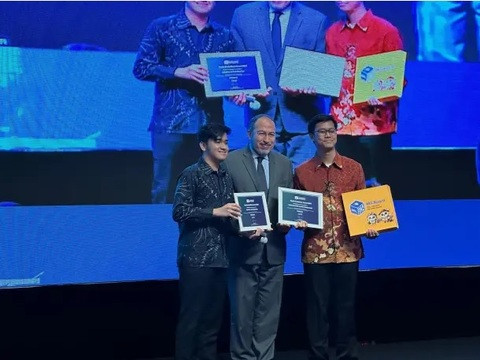 Winners of UNESCO’s Youth Hackathon 2024 Shape the Future of Media and Information Literacy 2025-02-10 Marking its sixth year, the 2024 edition set a new record with 202 teams from 68 countries submitting projects under the theme “Youth Leading the Way: Media and Information Literacy and the New Digital Frontiers of Information”. 7 February 2025"Taking part in the Youth Hackathon was a truly transformative experience. Representing Indonesia and presenting our project on an international platform was an honor, but the real impact came from the connections we built in Amman. Engaging with youth from diverse countries and backgrounds highlighted the power of collaboration and cultural exchange", said Muhammad Rafi Aurelia from Indonesia, one of the 2024 winners for his project MILBoard. Muhammad, along with three other teams from Madagascar, Iraq/UAE/Egypt, and Ukraine, attended the closing ceremony of the Global MIL Week Feature Conference in Amman on 30 October 2024. They presented their project, aiming to raise visibility and support to further develop their ideas. The Youth Hackathon is a flagship initiative in UNESCO’s ongoing efforts to engage young people in shaping the future of media and information literacy. Each year, UNESCO invites young innovators to submit projects tackling misinformation, through mobile applications, podcasts, educational tools, and community-based interventions. This year’s participants also benefited from a two-day online mentoring program covering media literacy, disinformation challenges, hate speech, and coding fundamentals. Expert mentors from DW Academie, TeensinAI, and SAP guided teams through this preparation phase. After a rigorous review by an independent international jury, four teams were selected as winners: Mobile Application: MAHWDeveloped by a collaborative team from Iraq, the United Arab Emirates, and Egypt, MAHW, inspired by the Arabic word for "erasing", is a mobile application designed to combat misinformation and enhance media literacy. Featuring gamified learning, AI-powered fact-checking, and interactive quizzes, MAHW equips users with essential tools to identify and counter misinformation. With 60% of its core features already developed, the project demonstrates significant potential for real-world impact. [Learn more about MAHW] Community-Based Intervention: ARTiFAKERepresenting Ukraine, ARTiFAKE, a blend of "Art Invades Fakes", leverages creative mediums such as street art, digital comic books, and animated cartoons to counter disinformation. By integrating visually engaging content into public spaces and distributing digital comics featuring protagonists Arti and Tina, ARTiFAKE fosters critical thinking and community-driven media literacy. [Explore ARTiFAKE's comic book series] Podcast Channel: Idea’s EchoDeveloped by CliMates Madagascar, Idea’s Echo harnesses the power of radio and podcasting to raise awareness on climate change and the UN Sustainable Development Goals (SDG13). By featuring local experts discussing region-specific issues in Malagasy dialects, the project ensures accessibility and accuracy, empowering communities to make informed decisions in an ever-changing digital landscape. [Listen to Idea’s Echo] Peer-Education Game: MILBoardCreated by a team from Indonesia, MILBoard is an innovative snakes-and-ladders-inspired board game integrated with a mobile app. Designed for children aged 10–17 in remote and underserved areas, the game introduces media and information literacy concepts in an interactive and engaging way. Features like “challenge cards” and MIL curriculum modules help participants build critical thinking skills while making learning fun and impactful. [Discover MILBoard] UNESCO Youth Hackathon underscores the creativity, passion, and resilience of young people in tackling today’s digital challenges. By fostering innovation and equipping youth with essential media and information literacy skills, this initiative plays a vital role in advancing informed, inclusive, and responsible digital citizenship worldwide. Details for the 2025 edition will be announced in June. → More on 2024 Edition URL: https://www.unesco.org/en/articles/winners-unescos-youth-hackathon-2024-shape-future-media-and-information-literacy?hub=701
 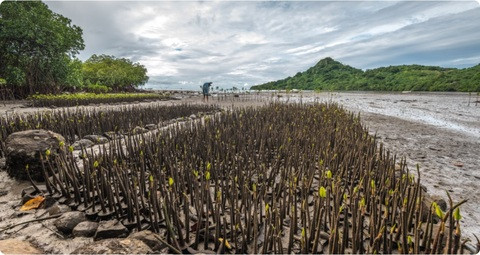 National Adaptation Plans: Building Resilience in a Changing Climate 2025-02-10 UN Climate Change News, 22 January 2025 – National plans to adapt to the escalating impacts of climate change are a necessity for every country. Whether developed or developing, countries worldwide are increasingly recognizing the threat posed by rising temperatures and extreme weather events and prioritizing climate resilience to safeguard lives, livelihoods and economies.Beyond immediate protection, these plans are essential for enabling sustainable, low-inflation growth in a rapidly changing world. The stakes are high: between 1970 and 2021, extreme weather, climate, and water-related events caused 11,778 reported disasters worldwide, resulting in over 2 million deaths and an estimated USD 4.3 trillion in economic losses, according to the World Meteorological Organization.These statistics underscore the urgency of robust adaptation planning, central to which are National Adaptation Plans (NAPs). To date, 64 countries have submitted their NAPs to UN Climate Change, including most recently Azerbaijan, Spain, the United States and Zimbabwe; additionally, Uganda has submitted two sectoral NAPs. In total, 60 developing countries and four developed countries have established their plans to build climate resilience.“I'm encouraged that 64 countries have already submitted their NAPs,” said UN Climate Change Executive Secretary Simon Stiell. “This growing list sends a strong global signal: building climate resilience is crucial to save lives, communities and economies, but much more than that – to transform them for the better.”NAPs serve as crucial roadmaps for building climate resilience – in tandem with national development plans – and achieving the goals of the Paris Agreement and the Global Goal on Adaptation (GGA). These plans outline interconnected activities that address adaptation needs at all levels, from local to national and regional, including adaptation finance. For instance: Azerbaijan aligns its NAP with the Global Goal on Adaptation, integrating the GGA’s seven thematic targets. Overall, the NAP will serve as a means to meet the requirements of the GGA, the Sustainable Development Goals and the Sendai Framework for Disaster Risk Reduction. Spain incorporates a robust monitoring system to track progress and continuously improve adaptation policies. Uganda adopts a whole-of-government approach in developing the financing frameworks for its sectoral NAPs on agriculture and health. The financing frameworks will help develop bankable projects to attract funding from existing as well as future climate change funding portfolios, particularly from multi-lateral, bilateral and philanthropic institutions. The United States, through its Bipartisan Infrastructure Law and the Inflation Reduction Act, is investing over USD 50 billion to bolster climate resilience strategies. These initiatives are not only strengthening communities but also spurring private sector innovation and accelerating the implementation of adaptation solutions. Zimbabwe’s climate change adaptation finance strategy aims to mobilize financial resources from public, private, domestic and international sources, as well as improve access to innovative financing mechanisms. This will help address its adaptation funding gap and support the implementation of priorities identified in its NAP.Adaptation investments – at the right scale and pace – can be truly transformative. Not only protecting people and economies, but also driving forward much more opportunity, equality and prosperity.More countries need to submit their National Adaptation Plans by 2025, to quantify their needs within them, and to drive collaboration across all sectors. Effective adaptation requires the engagement of global leaders, as well as the expertise and resources of philanthropic organizations, non-profits, academia, and the private sector.UN Climate Change is working with the wider UN system to help developing countries design and implement National Adaptation Plans, and to deliver on the commitment of developed countries to at least double adaptation finance from 2019 levels by 2025.Countries’ NAPs highlight the growing commitment of nations worldwide to prioritize adaptation, demonstrating a collective understanding that building climate resilience is not merely about mitigating risks but about transforming communities and economies for a sustainable future. See all NAP submissions received from countriesLearn more about National Adaptation Plans URL: https://unfccc.int/news/national-adaptation-plans-building-resilience-in-a-changing-climate
 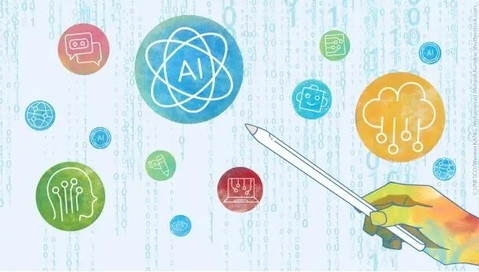 Youth Voices Shape Dialogue and Discourse on AI and Education and Learning Practices in Southern Africa 2025-02-07 In celebration the International Day of Education, UNESCO ROSA gave learners in the region voices to share their experiences on the link between AI and Education. Read more below. 6 February 2025 "Education is the point at which we decide whether we love the world enough to assume responsibility for it, and by the same token save it from that ruin which except for renewal, except for the coming of the new and the young, would be inevitable. And education, too, is where we decide whether we love our children enough not to expel them from our world and leave them to their own devices, nor to strike from their hands their chance of undertaking something new, something unforeseen by us, but to prepare them in advance for the task of renewing a common world."Hannah Arendt. This timeless quote by Hannah Arendt, a German and American historian and philosopher from the twentieth century, set the tone for the 2025 International Day of Education webinar, hosted by UNESCO Regional Office for Southern Africa (UNESCO ROSA) on 24 January 2025, under the theme, "Artificial Intelligence (AI) and Education: Preserving Human Agency in a World of Automation”, highlighting the role of innovative technologies in revolutionizing teaching and learning practices. The event attracted learners and participants from nine countries across Southern Africa to explore the potential of Artificial Intelligence (AI) in shaping the future of education whose voices took centre stage in shaping the conversation around AI and its impact on education. Discussing cutting-edge AI solutions and initiatives that are making inroads in education systems globally, such as through personalized learning and tutoring pathways, auto-graded assignments, AI-assisted grading and feedback mechanisms, the event explored AI-powered learning platforms and educational initiatives and how these are being leveraged to enhance student engagement, improve learning outcomes, and foster creativity and critical thinking skills especially to tackle global challenges.In a keynote address by the UNESCO ROSA Director, Nisha, AI was embraced as a key tool for inclusive and equitable education. She underscored the need for education stakeholders to leverage AI responsibly and ethically, ensuring that technology complements and enhances human capabilities rather than replacing them. "We must ensure AI complements and does not replace our voice, our human agency."UNESCO ROSA Director, Nisha. Nisha went on to stress UNESCO’s commitment to developing an ethical AI, as outlined in its 2021 Recommendation on the Ethics of Artificial Intelligence. Framing the discussion for the webinar, Nisha invited students to reflect on the use and benefits of AI to learners and their respective countries, emphasizing UNESCO’s ambition to explore how AI can enhance education, advance research, and build capacities across all age groups, mostly children, the youth, and the working-age population.The webinar delved into various aspects of AI in education, including its applications in curriculum design, assessment, and teacher professional development. Participants engaged in lively discussions on the ethical considerations surrounding AI use in education and explored strategies for ensuring equity and accessibility in AI-driven learning environments.Peter Wells, the UNESCO ROSA Head of Education applauded the engagement of youth and their role in shaping AI’s future, encouraging them to view AI as a tool for empowerment. "You are the future. You understand AI and technology far more than many of us. We rely on you and your insights."UNESCO ROSA Head of Education, Peter Wells. Participants expressed their optimism about the transformative potential of AI in education while emphasizing the need for continuous dialogue, research, and capacity building to maximize the benefits of this technology. Southern African youth voices shaping the discourse on AI and Education As of May 2023, a UNESCO survey indicated that of 450 schools and universities worldwide, only 10% had developed institutional frameworks or formal policies for the use of AI, and more specifically generative AI applications. According to another UNESCO survey, in early 2022, only 7 countries had implemented AI-related frameworks or programmes for teachers and educators, while 15 had incorporated AI training objectives into their national curricula, none of which were southern African countries. Moderating the discussions, UNESCO ROSA’s Education Programme Specialist, Rovani Sigamoney, explored how AI should be harnessed to enhance education while ensuring it remains a tool to empower and support human intelligence rather than replace it. Participants emphasized the importance of digital literacy and skills, critical and creative thinking, and lifelong learning as key to navigating and adapting to an increasingly automated world. Ethical considerations, human and AI collaboration, emotional and social intelligence as well as the need to build inclusive, equitable education systems were also recurring themes, highlighting a vision to use AI as a tool and force for good.Adding their voices to the discussion, participants emphasized the importance of ensuring that AI technologies are designed with inclusivity in mind, so that learners from all backgrounds can access and benefit from the tools. Ms Aone Aabobe from Botswana urged policymakers to prioritize digital literacy and ethics education to empower young people to navigate the evolving landscape of AI responsibly. "Education is the most powerful way to prepare people for a world of automation. By teaching digital literacy, fostering critical thinking and creativity, promoting lifelong learning, as well as teaching ethics and responsibility, we can ensure that human agency is preserved in a world of automation."Ms Aone Aabobe, a participant from Botswana. Ms Tshegofatso Molepo from South Africa, added that if Africans do not engage with AI there will be continued bias against them. "Education needs to be able to teach you to cope with change. It has the specific ability to inspire you to think creatively. But most importantly, schools and education have the unique ability to define specifically what it actually means for this “intelligence” to be “artificial."Ms Tshegofatso Molepo from South Africa "You have to maximize the opportunities that education is able to give you. The most successful people in this world aren't those that run away in the face of adversity. But it is those that make sure that change is made beneficial for them. So choose to make artificial intelligence work for you."added Ms Tshegofatso Molepo. The webinar concluded with an inspiring collaborative call to action by UNESCO ROSA who reiterated the need for collaboration between educators, researchers, policymakers, students and technology developers to ensure AI technologies remain ethical and inclusive and in promoting human potential. "By embracing AI thoughtfully and responsibly, we can create a more equitable engaging and effective learning environment for all learners. "UNESCO ROSA National Programme Officer, Lovemore Ndlovu. By amplifying the perspectives and insights of young people, Southern Africa is paving the way for a more inclusive and responsive approach to AI in education. As these youth voices continue to shape the discourse and drive positive change, the region is poised to leverage the transformative potential of AI technologies to empower learners and educators alike. As UNESCO continues its work to promote quality education for all, the integration of AI promises to open up new possibilities and opportunities for learners of all backgrounds and abilities.
 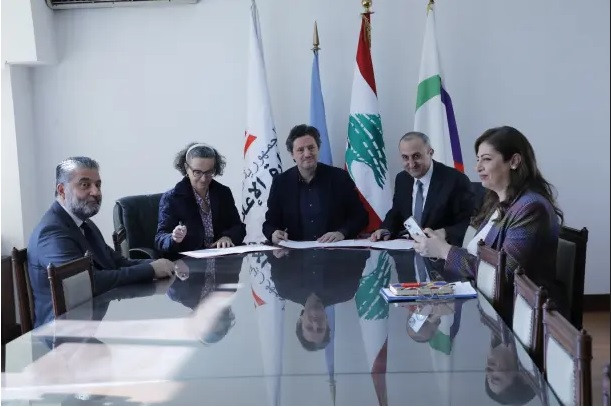 Concrete Action to Combat Disinformation and Hate Speech: Ministry of Information, UNESCO and OIF Sign Partnership Agreement 2025-02-06 14 January 2025-Last update:16 January 2025Beirut, Lebanon – January 14, 2025 – In a strategic step towards combating disinformation and hate speech in Lebanon, UNESCO signed a Tripartite Partnership Agreement today under the leadership of Ministry of Information with the Organisation Internationale de la Francophonie (OIF). The signing ceremony was attended by H.E. Ziad Al Makary, Minister of Information in Lebanon, Costanza Farina, Director of UNESCO Multisectoral Regional Office in Beirut, and Lévon Amirjanyan, Représentant de l’OIF pour le Moyen-Orient. This partnership leverages the expertise of all parties to increase critical thinking among the public, drawing on best practices to promote media and information literacy in the context of crisis. A large-scale media campaign across TV channels and social media platforms will be launched to raise public awareness on critical thinking and depicting fake news and disinformation. Capacity development actions will be taken to increase the competencies of a core team of journalists/reporters from the National News Agency on fact-checking and video reporting. The necessary equipment will also be provided. This initiative contributes to the UNESCO Action Plan for the Emergency Response for Lebanon for the strategic objective related to media, and within the framework of OIF’s program on the prevention and fight against disinformation.“I am pleased to sign an additional agreement with UNESCO and the Organisation Internationale de la Francophonie aimed at combating fake news and hate speech. This is an agreement we have been working on for some time, and it has now materialized. Its effects will be seen very soon."Makary added, “We hope to promote a culture of combating fake news among all journalists in Lebanon and to prevent its spread across all media outlets.”“UNESCO is committed to supporting and contributing to freedom of expression, access to information, and combating disinformation as part of a wider engagement in Lebanon for a conducive media landscape." Said Costanza Farina, Director of UNESCO Mutlisectoral Regional Office in Beirut.She also added: "I am delighted that the UNESCO long-standing strategic partnership with OIF under HE the Minister leadership is resulting in concrete actions at these very auspicious times for Lebanon."“It is necessary to combine our efforts and expertise to support the Ministry in strengthening its resilience against this scourge. Given the urgency of the response needed, we are framing this project within the OIF's 'Solidarity for Lebanon' action plan.” Said Lévon Amirjanyan, Représentant de l’OIF pour le Moyen Orient.By strategically partnering together, UNESCO, OIF, and the Ministry of Information intend to substantively contribute to a safer and more informed media landscape in Lebanon. URL: https://www.unesco.org/en/articles/concrete-action-combat-disinformation-and-hate-speech-ministry-information-unesco-and-oif-sign?hub=70287
 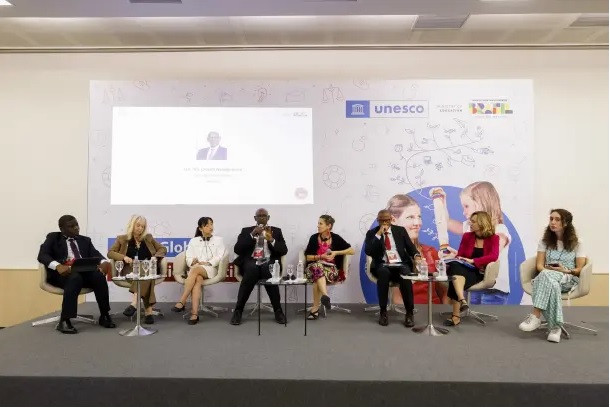 A Call from Youth for Gender-transformative Education: Insights from the 2024 Global Education Meeting 2025-01-16 The 2024 Global Education Meeting (GEM) highlighted the urgent need for system-wide transformation to achieve gender equality as a guiding principle and prerequisite for the realization of SDG 4 on inclusive and equitable quality education and learning. Ms Maria Nguyen, youth advocate for gender equality and comprehensive sexuality education, was one of the SDG 4 Youth & Student Network representatives at the 2024 GEM. In this article, she shares her views on this topic. 8 January 2025 - Last update:9 January 2025 Imagine a world where all children — regardless of their gender, background, or identity — have the opportunity to thrive through quality education. A world where girls don’t miss school because of their periods; where comprehensive sexuality education prevents early marriages and unintended pregnancies; where boys aren’t pressured to leave school to financially support their families; and where students feel safe, regardless of their gender expression or sexual orientation. A world where every student, whether they’re a boy or a girl, can dream big and pursue the subjects and careers they’re passionate about. This vision may sound idealistic, but education is about hope. It holds the power to unlock potential, drive social change, and, crucially, break the cycle of gender-based violence. If we are serious about achieving gender equality, the classroom is the place to start. Why gender-transformative education is more important than everGender-transformative education isn’t just about equal access to schooling; it’s about transforming the structures that perpetuate gender-based violence. This approach challenges harmful gender norms, addresses power imbalances, and ensures education fosters respect, equality and empowerment for all students. In a world where gender-based violence is widespread, addressing the root causes is crucial. Violence—including family, domestic and sexual violence—often stems from deeply ingrained gender norms and power structures. But it’s not just women and girls who are affected; boys and men are also impacted by the societal expectations that define masculinity, often leading to violence and repression. The urgency of gender-transformative education is even more pressing in the current global context. The climate crisis disproportionately impacts women and girls, who are more vulnerable to natural disasters, displacement, and food insecurity. Additionally, conflicts and crises often exacerbate the risks women and girls face, subjecting them to sexual violence, exploitation, and displacement. Gender-transformative education, which teaches both boys and girls, men and women, about their rights, respectful relationships and equality, can help end these cycles of violence. While gender-transformative education won’t act as a ‘magic bullet’ that ends all violence, it is a necessary step we need to take if we want to foster more peaceful, equitable societies. Global youth call for more gender-transformative educationThe SDG 4 Youth & Student Network published policy briefs, contributed articles, participated in global campaigns, and advocated for gender equality and education at regional and global fora. Together, we are not just dreamers; we are doers. We are shaping the future of education and gender equality, and in doing so, shaping the kind of world we want to see. The Youth Declaration on Transforming Education, which captures the voices of nearly half a million young people from over 170 countries, calls for three key enablers for gender equality in and through education: Meaningful engagement. “We urge decision-makers to engage with young people as true partners in shaping education policies.” A safe learning environment for all. “We call for more education and policies that target the prevention of gender-based violence in and around schools.” Gender-transformative curricula: “We advocate for education materials that empower students to challenge gender stereotypes.” These principles should be used as a reference by all countries and education stakeholders in their policies and programmes. The Fortaleza Declaration: A Call to ActionThe 2024 Global Education Meeting culminated in the adoption of the Fortaleza Declaration, a strong call to action towards inclusive and equitable quality education. It emphasizes the need to “establish integrated and inter-generational mechanisms across ministries, civil society and youth organizations to create inclusive, safe and equitable learning spaces free from gender-based violence and remove barriers to gender equality in and through education”. Now is the time for a new approach to education—one that prioritizes gender equality, inclusion and respect. The change we seek begins in the classroom. Education has the power to transform societies, and it’s through this transformation that we will create a safer, more equitable world for everyone. <Fortaleza Declaration: Insights from the SDG4 High-Level Steering Committee>The 2024 Global Education Meeting (GEM), held in Fortaleza, Brazil, marked a significant milestone in the global pursuit of education equity and financing, with the adoption of the powerful Fortaleza Declaration by over 650 participants including over 50 Ministers from across the globe.The SDG4-Education 2030 High-Level Steering Committee (HLSC), the apex body for global education cooperation, has shared its reflections on the Declaration. Discover more → URL: https://www.unesco.org/sdg4education2030/en/articles/call-youth-gender-transformative-education-insights-2024-global-education-meeting?hub=87862
  What You Should Know about Gender and Antisemitism 2025-01-16 One crucial form of intolerance remains under-explored: the relationship between gender-based hatred and antisemitism. This article provides some understanding on how both intersect, and what can be done to counter these different forms of hate. 23 December 2024The article is published as part of UNESCO’s two-year project funded by the European Commission supported by OSCE/ODIHR to strengthen the education systems of EU member states against antisemitism. Hate speech spreads with unprecedented speed and reach through digital tools, notably social media platforms. UNESCO invests in education as a powerful tool to counter this scourge.Analysis can shed light on the nuanced ways different forms of hate reinforce each other, intensifying their societal impact. Too often, we look at bigotry (such as racism, sexism, anti-LGBTQ hatred, etc.) as if each form exists in isolation—an approach that fails to capture the broader, more complex ways in which these prejudices interact. For those who face overlapping layers of discrimination, this lack of insight can mean that their experiences go unrecognized, and remain unaddressed. Antisemitism and sexism: similar ideological structureAlina Bricman, Director of EU Affairs at B’nai B’rith International, highlights how antisemitism and sexism both have a similar ideological structure: “Hate ideologies often emerge when one group perceives a loss of power to the detriment of another. We see that these biased ideologies are often held in tandem. Which is to say, research shows that one holding sexist beliefs is far more likely to hold antisemitic prejudices than one without sexist beliefs – and the reverse.”Antisemitic abuse targeting women will often deploy sexist language, including threats of sexual violence and misogynistic slurs. Beyond being dehumanizing, such gendered antisemitism is meant to instill fear, to intimidate, humiliate and silence. Research from Hope Not Hate and the Antisemitism Policy Trust in the United Kingdom identified that anti-feminism and misogyny can drive people towards antisemitism and other forms of racism. It shows that in recent years, the far right, in particular, has become increasingly adept at steering misogyny and anti-feminism towards antisemitism and other forms of racism. How antisemitism impacts women and menPhd. Mie Astrup Jensen does research on queer Jewish women’s lived experiences and practices. In her studies, Jensen found that antisemitism impacted women and men differently: women were significantly more likely to report that they had experienced sex/gender discrimination than men. However, men were consistently more likely to report that they had experienced antisemitism, including physical attacks, threatening comments, offensive gestures and online harassment. Antisemitic discourse about Jewish men has historic roots, in which notions about the ‘weakness’ and ‘emasculation’ of Jewish masculinity circulated. These stereotypes still permeate today. Although Jewish men tend to be more identifiable because some wear religious clothing (such as a kippah, rekel/bekishe and shtreimel and have payot) - this is especially the case for Orthodox Jewish men - slightly more women than men reported in FRA’s 2023 survey that they had experienced offline antisemitism in the past 12 months.In an era where hate speech is spreading faster than ever, social media has become its most powerful amplifier. UNESCO research on global trends in online violence against women journalists identified that 88% of Jewish-identifying women journalists, reported experiencing online violence, alongside 81% of women journalists identifying as Black and 86% identifying as Indigenous. When a woman’s Jewish identity is visible or known, the risk of abuse and harassment increases. “It corresponds to a lot of existing work that continuously finds that women are more vulnerable to harassment and discrimination in public than men,” explains Jensen. Both men and women experience high levels of antisemitism, the difference is in the degree and the manifestation of how they experience it. Education, awareness and empathyAlina Bricman emphasizes that researchers and practitioners are yet to pay more attention to gendered antisemitism and the broader intersection between misogyny and antisemitism. She calls for more recognition and empathy. “Jewish trauma and especially that of Jewish women has been routinely discarded, sexual violence against Jewish Israeli women has been denied or minimized by prominent progressive groups, Jewish allyship in intersectional spaces has been branded as pinkwashing. This has led many Jewish women to feel extreme isolation, loneliness and alienation.” Her solution: education. “The educational space is essential: we need to mainstream gender-responsive perspectives throughout subject matters and anchor the fight against antisemitism and sexism as necessary ingredients for democracy and peace. Ultimately, it’s the basics: we must call out antisemitism and sexism wherever they occur.”What UNESCO does to address antisemitism through educationUNESCO addresses antisemitism through education as a long-term educational investment to promote human rights and global citizenship and works to counter hate speech through education and media and information literacy promoting international standards on freedom of expression to address root causes of hate speech. URL: https://www.unesco.org/en/articles/what-you-should-know-about-gender-and-antisemitism?hub=87862
 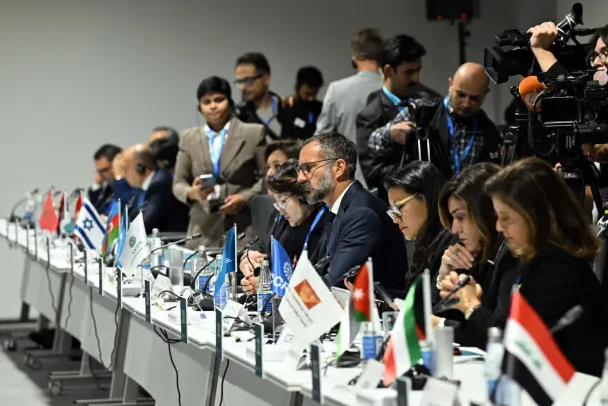 COP29 | Countries Unite to Harness Culture for Climate Action 2025-01-15 On 15 November 2024, the second High-Level Ministerial Dialogue on Culture-Based Climate Action was convened at the 29th session of the Conference of the Parties (COP29) in Baku, Azerbaijan. Supported by UNESCO as the Lead Knowledge Partner, Ministers and representatives from around the world gathered for the Dialogue, which underscored the urgent need to safeguard culture from climate change impacts and to advocate for culture’s critical role in climate action, as highlighted in the ensuing Communiqué. Led by the COP Presidencies Troika – the United Arab Emirates, Azerbaijan, and Brazil, Presidencies of COP28, COP29, and COP30, respectively – the United Arab Emirates captured the important message of the “climate emergency being a cultural emergency”, emphasizing the profound impact of climate change on communities, livelihoods, and cultures globally. The UAE also stressed that culture can act as a catalyst for climate solutions. Combining various knowledge systems with climate science, countries called for an integrated approach to climate resilience and urged the international community to take decisive action to protect both cultural heritage and the environment. A pivotal aspect of the Dialogue was the role of UNESCO as the Lead Knowledge Partner, supporting discussions on the integration of culture in climate action. The expertise and leadership of UNESCO in preserving cultural heritage, both tangible and intangible, were instrumental in supporting discussions that underscored the urgent need to protect cultural heritage from the devastating impacts of climate change. The active involvement of the Organization also highlighted the importance of leveraging cultural knowledge and practices to help communities and countries across all scales of climate action, including adapting to climate change, building resilience, and instilling behavioral change. The launch of the Group of Friends of Culture-Based Climate Action (GFCBCA) at COP28 in 2023 was a significant milestone, with new countries joining the initiative and connecting the trajectory from COP28 towards COP30 in 2025. This year, several countries emphasized the importance of sustaining this Dialogue and cooperation on embedding cultural considerations in climate action, including in the field of greening the sector, especially in consideration of the power of culture in shifting mindsets as well as shaping public attitudes and behaviors towards sustainability. Discussions also focused on the role of culture in shaping public attitudes and behaviors toward sustainability. In this regard, cultural practitioners were recognized as influential advocates for climate action, with their ability to inspire behavioral change and foster respect for the environment. The Dialogue concluded with the adoption of the Terms of Reference for the GFCBCA, establishing the operational framework of the Group. This framework outlines the broad scope and goal of the Group, membership principles, working modalities, and collaborative effort of over 40 parties and 25 knowledge partners, including UNESCO. The consensus marks an importantstep forward towards the global advocacy on the role of culture for climate action at the multilateral level. In addition to international-level efforts, Ministers also called for the mainstreaming of culture-based climate action in national climate policies, highlighting the importance of recognizing the central role of cultural heritage and the creative industries in sustainable development. The Dialogue further emphasized the need for enhanced inter-ministerial dialogue and cooperation, particularly in aligning cultural and climate agendas within national adaptation plans (NAPs), nationally determined contributions (NDCs) and other related climate policies. The Communiqué from the second High-Level Ministerial Dialogue on Culture-Based Climate Action (GFCBCA) calls for intensified climate action and scaled-up international collaboration, particularly in embedding cultural perspectives into the global climate agenda. As countries look toward COP30, the outcomes of the Dialogue will serve as a vital momentum for advancing culture-based climate action. The Communiqué also expressed gratitude to the Ministry of Culture of Azerbaijan for hosting the meeting and welcomed the launch of the “Culture for Climate” (C4C) initiative, which supports ongoing efforts to integrate culture into climate action. Finally, it was agreed that the next High-Level Ministerial Dialogue would take place under Brazil’s presidency at COP30 in 2025, to assess new developments and challenges related to the culture-climate nexus. URL: https://www.unesco.org/en/articles/cop29-countries-unite-harness-culture-climate-action
 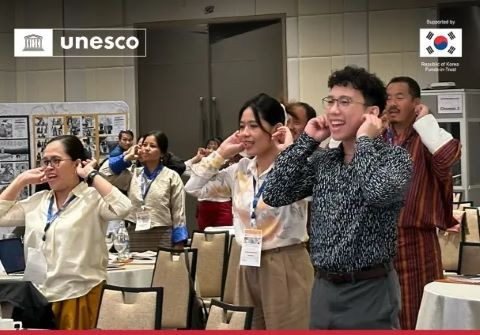 UNESCO workshop helps Asia-Pacific schools integrate Global Citizenship Education 2025-01-03 4 December 2024 The Regional Capacity Development Workshop was made possible through the financial support of the Government of the Republic of Korea From 28 October to 1 November 2024, UNESCO’s Regional Office in Bangkok hosted the Asia-Pacific Regional Capacity Development Workshop on Global Citizenship Education (GCED). The workshop brought together 50 teachers and school leaders from Bhutan, the Philippines, Thailand, and Viet Nam, alongside 11 international experts from Australia, China, France, Indonesia, the Philippines, the Republic of Korea, the Netherlands, New Zealand, and Thailand. The event aimed to equip educators with the tools and strategies necessary to integrate global citizenship principles into school practices. The workshop focused on five core themes UNESCO considers critical to embedding GCED across educational systems in the region: school leadership, curriculum and pedagogy, student initiatives, community engagement, and professional learning for educators. Integrating GCED into curricula requires innovative solutions in design, pedagogy, and assessment by employing interdisciplinary themes such as digital literacy, cultural understanding and environmental awareness, as was underscored by efforts in the Philippines towards aligning school missions, training teachers, and contextualizing learning materials in the K-12 curriculum. Incorporating cultural heritage in the curriculum for the purpose of enhancing global citizenship awareness and development was introduced by project-based approaches presented by Thailand. UNESCO/C. Chongvattanakij Exchange during the workshop emphasized experiential and project-based learning to build skills such as empathy, collaboration, and cultural responsiveness. Discussions on assessment focused on tools addressing academic, socio-emotional, and intercultural competencies. Moreover, empowering students to take the lead in initiatives was cited as key to nurturing active global citizenship, such as in Thai schools’ incorporating democratic dialogue into extracurricular activities to prompt students to address issues pertaining to environmental sustainability and cultural diversity. Bhutan fosters leadership through student-led environmental activities that match community needs, thus helping students to take charge and contribute to concrete impacts in society.Community engagement is a cornerstone for promoting sustainable GCED principles and practices, as was foregrounded by examples of partnerships between schools, families, local organizations, and stakeholders in a river restoration programme in the Philippines, and in an example of how schools in Bhutan are strengthening family involvement by hosting workshops for parents towards a greater understanding of global citizenship.Continuous professional development is vital for equipping teachers and school leaders with the skills needed to implement GCED effectively. Dedicated collaborative networks, including Professional Learning Communities (PLCs), were cited as one of the prominent modalities through which peer learning, collegial mentorship, and the sharing of best teaching practices are developed and implemented. The Incheon Global Citizenship School Model in the Republic of Korea was cited as an exemplary approach to such support for educators, as it offers multilingual professional development and access to new resources as well as assessment and evaluation mechanisms that sustain professionalism and e-learning. Draft action plans developed during the sessions were aimed at further embedding the principles of global citizenship into regional school systems, not only as isolated, pilot approaches, but towards systemic transformation. The Regional Capacity Development Workshop was made possible through the financial support of the Government of the Republic of Korea, a longtime UNESCO partner in promoting quality education and sustainable development in alignment with the Sustainable Development Goals (SDGs) – especially SDG 4 – and the 2030 Agenda. This support made possible UNESCO’s delivery of sessions that highlighted the Incheon Global Citizenship School Model as an exemplary practice for integrating GCED principles into regional education systems. URL: https://www.unesco.org/en/articles/unesco-workshop-helps-asia-pacific-schools-integrate-global-citizenship-education
 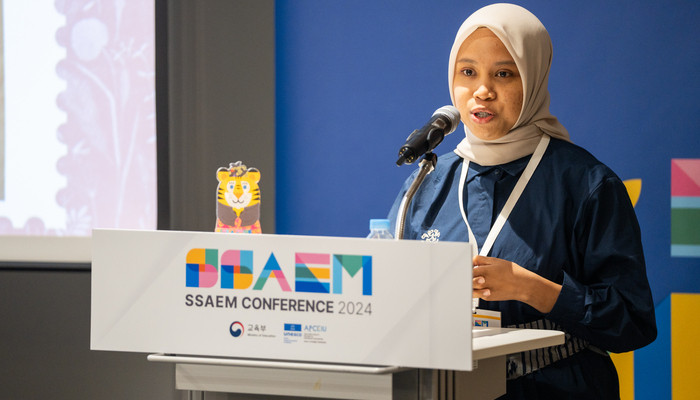 APCEIU Successfully Concludes the 2024 SSAEM Conference in Collaboration with Eight Countries 2024-12-05 The 2024 SSAEM Conference, marking the conclusion of this year’s ‘Asia-Pacific Teacher Exchange for Global Education(APTE)’, was successfully held on November 21 at Suwon Convention Center. Hosted by the Ministry of Education of Korea and organized by APCEIU, the event provided a platform to review the achievements of the APTE programme and discuss its future directions. Over 200 participants, including officials of the Ministries of Education and embassies and teachers from Korea, Cambodia, Indonesia, Lao PDR, Malaysia, Mongolia, Thailand, and the Philippines attended the conference.The opening ceremony began with opening speech from Ms. SHIN Meekyung, Director at the Korean Ministry of Education, followed by a welcoming remark by Dr. LIM Hyun-mook, Director of APCEIU. Congratulatory addresses were delivered by Ambassador Tanee Sangrat of the Royal Thai Embassy, Minister-Counsellor Alounkone Boulommavong of the Lao PDR Embassy, Second Secretary Eung Saravuth of the Cambodian Embassy, and Director Rohayati binti Abd Hamed from the Malaysian Ministry of Education. During the panel discussion, representatives from the Ministries of Education of the eight partner countries explored the significance and impact of the Programme amidst changing social dynamics. The session also highlighted the unique characteristics of each country’s implementation and outcomes, fostering a meaningful exchange of insights. Notably, students from Seoul Youngil Elementary School, one of the participating schools in the newly launched hybrid online-offline teacher exchange programme this year, took the stage as presenters. Their active participation exemplified the role of students as key stakeholders in the programme, alongside teachers. In the afternoon, parallel sessions were held, reflecting UNESCO’s Recommendation on Education for Peace, Human Rights, International Understanding, Cooperation, Freedom, Global Citizenship, and Sustainable Development, adopted at the 2023 General Conference. The sessions were divided into three themes: enhancing digital and media literacy as global citizens, understanding cultural diversity and global citizenship, and fostering solidarity for a sustainable environment. Participants shared diverse approaches and practical educational activities under these themes. A distinctive feature of the APTE is its emphasis on collaborative efforts between participants and their assigned schools to achieve shared goals. The session featuring presentations by matched schools highlighted the active cooperation and engagement between Korean schools and their counterparts in participating countries, showcasing firsthand reactions from teachers and students alike. The conference concluded with a dialogue session featuring six former participants, including teachers who joined the APTE programme as early as 2013. They shared their ongoing initiatives and follow-up activities, ensuring that the educational exchange extends beyond a one-time event. The discussion also sparked great interest as they proposed actionable ideas for follow-up activities tailored to participants, countries, and specific fields of collaboration. URL: https://www.unescoapceiu.org/post/5220