
News
Catch up on what’s happening in the world of global citizenship education.
1,668 results found
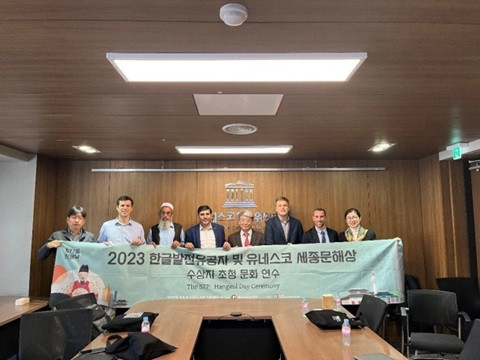 2023 UNESCO King Sejong Literacy Prize winners commemorate Hangul Day Celebrations in the Republic of Korea 2023-10-24 23/10/23From 7 to 10 October 2023, the three laureates of UNESCO King Sejong Literacy Prize from Finland, Pakistan and South Africa were invited by the government of the Republic of Korea to visit Seoul and Sejong City, and take part in the 577th Hangul Day Celebrations, which commemorates the creation of the Korean alphabet by King Sejong in 1446. Prior to 1446, the Korean language was primarily written using Chinese characters. This practice presented significant challenges due to the substantial grammatical distinctions between Korean and Chinese, making literacy an exclusive domain of the elite class. The introduction of Hangeul, named after King Sejong the Great, played a pivotal role in promoting literacy among Koreans, transcending social status barriers. Organized by the Ministry of Culture, Sports and Tourism of Republic of Korea and the Federation of Korean Language and Cultural Center, the three winners, accompanied by several ‘2023 Hangul Development Merit Award’ laureates, took part in multiple cultural visits and activities that highlighted the influence of the Hangul alphabet on the rich and diverse culture in the Korean society. Mr Jesper Ryynänen, Co-founder of GraphoGame, in Finland, represented the winning GraphoGame programme, recognized for its research-based literacy games in 14 languages which aims to continuously develop new language versions to teach children and adults literacy skills in their mother-tongue. The Himalayan Literacy Network programme from Pakistan, recognized for its efforts to catalyze a literacy movement within Pakistan’s Bakarwal community, through mother tongue-based multilingual education, was represented by Mr Muhammad Anwar Zeb, Chairman, Gojri Language and Culture Society, and Mr Mian Nizam Din, Founder and Senior Field Supervisor. Finally, Mr Stephen Bestbier, Government Partnerships Manager at Snapplify in South Africa, represented the ‘Africa e-Library project’ programme from South Africa recognized for its dedication to actively promote mother-tongue literacy across the continent. On 8 September 2023 UNESCO celebrated International Literacy Day with an international conference centered around the theme ‘Promoting literacy for a world in transition: Building the foundation for sustainable and peaceful societies’ and this year’s UNESCO Literacy Prizes award ceremony. On behalf of UNESCO Director-General, Ms Stefania Giannini, UNESCO Assistant Director-General for Education rewarded six innovative and impactful literacy programmes from Bangladesh, Dominican Republic, Finland, Pakistan, South Africa and Uganda with the two UNESCO International Literacy Prizes: the UNESCO King Sejong Literacy Prizes and the UNESCO Confucius Prizes for Literacy. The UNESCO King Sejong Literacy Prize was established in 1989 with the support of the Government of the Republic of Korea. It is awarded to excellent literacy programmes with special consideration to mother language-based literacy development. https://www.unesco.org/en/articles/2023-unesco-king-sejong-literacy-prizewinners-commemorate-hangul-day-celebrations-republic-korea?hub=701
 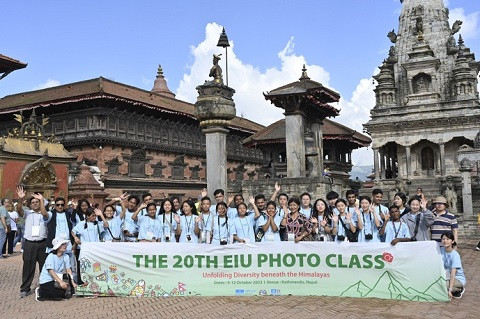 The 20th EIU Photo Class “Unfolding Diversity beneath the Himalayas” 2023-10-24 23/10/2023 The 20th EIU Photo Class held in Kathmandu, Nepal from 5 to 12 October 2023. Co-organized by the APCEIU and the UNESCO National Commission of Nepal, the workshop brought together 18 Nepali students, 8 Korean students, and professional photographers from both countries.The students captured the diversity and beauty of Nepal under the theme “Unfolding Diversity beneath the Himalayas” through their photographs. With guidance and training from Korean and Nepali professional photographers, they visited historical sites such as Bhaktapur, National Botanical Garden in Godawari, and Shankharapur to capture images of various temples and historical sites, daily life in Nepal, and its natural landscapes. Additionally, through workshops on education for international understanding and global citizenship education, they expanded their perspectives across borders and had opportunities to understand each other's cultures through cultural exchange programmes. The photographs taken by the participants were exhibited at Patan Museum in Kathmandu on 12 October 2023. The opening ceremony was attended by Lim Hyun-mook (Director of UNESCO APCEIU) and Suresh Adhikari (Secretary General of Nepal National Commission for UNESCO) along with various local officials who celebrated the students' activities and appreciated their artworks.The EIU Photo Class provides opportunities for students from all around the world to learn EIU and GCED through the art of photography. Since its inception in the Philippines in 2006, it has captured vivid snapshots of life from various regions including Bhutan, Palau, Laos Bangladesh, Iran, Kazakhstan, Malaysia, Sri Lanka, Tonga, Indonesia, Turkey, Russia, Cambodia, Mongolia, Vietnam and Thailand. The students' photographs will be displayed online through the archive of the EIU Photo Class website (https://photoclass.unescoapceiu.org/). https://www.unescoapceiu.org/post/4904
 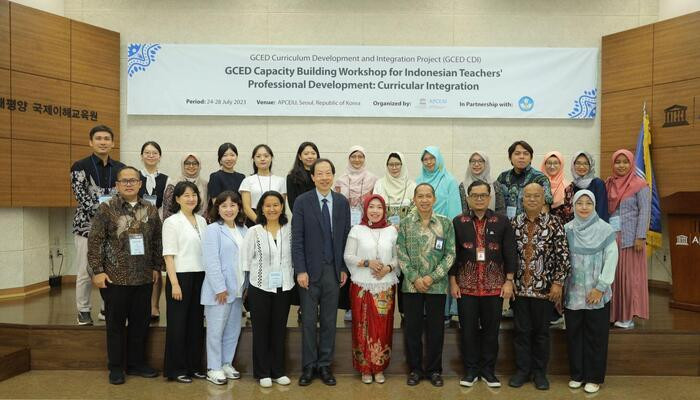 Indonesian Educators Working on GCED Curriculum Integration: Capacity-building Workshop to Develop GCED-integrated Teaching Modules for Indonesia 2023-10-22 3 August 2023 The GCED Capacity Building Workshop for Indonesian Teachers’ Professional Development: Curricular Integration was held in Seoul, Korea from 24 to 28 July and successfully concluded with inspiring presentations from Indonesian teachers and resourceful comments from APCEIU experts.Indonesia is one of the partner countries for the 3rd Round (2021-2023) of the GCED Curriculum Development and Integration Project (GCED CDI), which APCEIU has been carrying out since 2016, to facilitate the partner country to mainstream GCED through curricular integration.The GCED Capacity Building Workshop, organized by APCEIU in collaboration with the Directorate General of Teacher and Educational Personnel, Ministry of Education, Culture, Research, and Technology of the Republic of Indonesia (DGTEP), aimed to enhance Indonesian Curriculum Development Committee (CDC) members’ understanding of GCED, capacity to integrate GCED into their teaching and curricula, and the draft teaching modules and lesson plans at primary school level. The workshop started with an opening ceremony, welcomed by APCEIU Director Mr. Hyun Mook Lim, and attended by fifteen Indonesian CDC members, including Ms. Nunuk Suryani, Director General of DGTEP, who gave the opening remarks. Mr. Gogot Suharwoto, Education attache of the Embassy of the Republic of Indonesia in Seoul, ROK also attended the ceremony on behalf of the Ambassador, delivering his congratulatory remarks. The Workshop mainly provided a series of GCED seminars and write-up sessions to enhance the CDC’s competences in designing GCED integrated teaching modules and to review and revise their draft modules. Held in S. Korea, the Workshop also provided Indonesian participants with opportunities to learn about GCED practices in S. Korea and to network with Korean teachers. Good practices of GCED presented by GCED lead teachers in Korea inspired Indonesian CDC members, while the joint sessions with 30 Korean teachers were a great opportunity to learn and discuss intercultural understanding and socio-emotional learning and to share their ideas on GCED integrated classes. Based on the seminars, discussions, and consultations provided through the workshop, especially through the write-shop sessions, the draft teaching modules and lesson plans prepared by the Indonesian CDC were discussed and reviewed. The final presentations of their revision plans clearly demonstrated the participants’ enhanced understanding of GCED and curriculum integration and their effective integration of what had been learned throughout the Workshop. At the end of the Workshop, DGTEP also expressed its commitment to introducing GCED as a key learning area to the literacy and numeracy education of Indonesia.By November this year, the Indonesian CDC will focus on the finalization and dissemination of the teaching modules and lesson plans, which will then be authorized by the MOECRT to be used nationwide in Indonesia. URL:https://www.unescoapceiu.org/post/4869
 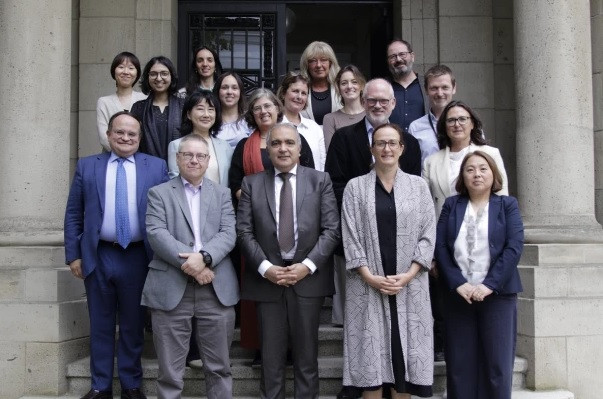 Citizenship education is key to creating a lifelong learning culture that supports learning to live together 2023-10-05 2 October 2023 UNESCO ADG/ED and Special Advisor to the UN Secretary-General among high-level participants in UIL’s recent think-tank meeting on citizenship education The UNESCO Institute for Lifelong Learning (UIL), together with the UNESCO Asia-Pacific Centre of Education for International Understanding (UNESCO APCEIU), hosted a think-tank meeting on 31 August 2023 at its headquarters in Hamburg, Germany. Titled ‘Placing citizenship education within a lifelong learning perspective: From research to action’, the meeting welcomed 28 participants, both on-site and online, comprising representatives of international organizations and academia, individual experts and practitioners to engage in a thought-provoking debate on the merits of promoting citizenship education for advancing a new social contract for education. In her opening remarks, UNESCO Assistant Director-General for Education Ms Stefania Giannini reflected on the instrumental role citizenship education plays in ‘creating a lifelong learning culture that supports learning to live together.’ She emphasized the need to inspire citizens of all ages, and in all spaces, to not only become well-informed, critical thinkers but to actively engage in shaping a society that is democratic, peaceful, sustainable and just. She also referred to the current revision of the UNESCO’s 1974 Recommendation concerning education for international understanding, co-operation and peace and education relating to human rights and fundamental freedoms. Further remarks were provided by the UN Special Rapporteur on the right to education, Ms Farida Shaheed, who described citizenship education as a human right to be exercised throughout one’s life, and Special Adviser to the UN Secretary-General for the Transforming Education Summit Mr Leonardo Garnier Rímolo, who defined citizenship education as ‘not about providing the right answer but about learning how to search for the answer.’ Discussions covered a range of themes, including the conceptualization of citizenship education, its role within lifelong learning, the need to include it in adult learning and education curriculum, building the capacities of educators to facilitate citizenship education, and how digitalization impacts citizenship education and vice versa. Best practice examples of non-formal citizenship education initiatives were also shared to further highlight the interconnectedness of multiple forms of learning throughout life.Participants agreed on the centrality of citizenship education for reshaping the educational landscape and on the importance of promoting it more widely within adult learning and education. To this end, they called for concrete strategies to advance the development of citizenship education within families, classrooms, communities and among all relevant actors.An advocacy brief based on these discussions is in development and will be published by UIL in the coming weeks.Looking ahead, UIL plans to host additional think-tank meetings on citizenship education to explore strategies for its monitoring and evaluation, as well as its relationship to well-being. More information on these meetings will be shared in the coming months. https://www.uil.unesco.org/en/articles/citizenship-education-key-creating-lifelong-learning-culture-supports-learning-live-together
 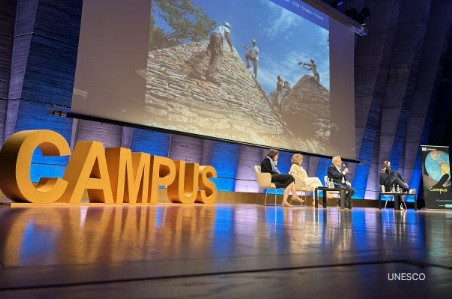 Intangible heritage: a treasure to protect for future generations 2023-10-04 20 September 2023 "Living heritage connects communities, generations, and people", according to Tim Curtis, Head of the Living Heritage Entity and Secretary of the 2003 Convention for the Safeguarding of the Intangible Cultural Heritage (ICH), at an exceptional Campus at UNESCO House. Together with Lily Martinet, ICH Project Manager at the French Ministry of Culture, and Véronique Van de Voorde, ICH Expert, Director of the Musée de Folklore de Mouscron and Project Manager for the Direction des patrimoines culturels de la Fédération Wallonie-Bruxelles, some 750 young people from the Ile-de-France region gathered to discuss the subject, ahead of the European Heritage Days. After recalling that "heritage connects people, enables them to develop a sense of community and brings societies to life", Tim Curtis and Véronique Van de Voorde emphasized the role of young people in the preservation of ICH: "It is essential, because heritage is only alive if it can be passed on to future generations (...) And on the other hand, heritage must adapt to the evolutions of young people, so that they find an interest in it".The event was then punctuated by questions from the youngsters to the experts. Lily Martinet was able to answer Maya's question about intangible heritage as a tool to protect against excessive globalization: " Absolutely because we're talking here about very slow transmissions over generations. So we're talking about a completely different kind of time. Does heritage help to ensure world peace?, Gabriel"Yes, one of the best examples may be the inscription of the Ssireum, the traditional Korean wrestling, for which the ambassadors of the two Koreas had to meet and exchange." Tim CurtisRegarding the accessibility of heritage, Tim Curtis was able to explain to Nordi that there are "different levels of access, for example the baguette is something very easy, whereas certain skills require rarer techniques". Then, to Maëly's question as to whether the protection of ICH can be linked to the preservation of biodiversity: "Yes, for example, indigenous peoples have enormous knowledge of their environment, which has been passed down for generations". What are the limits or threats to heritage?, Eric"For example, if there's a problem with standards, a project that goes against sustainable development, mutual respect between communities or involves animal cruelty will be rejected." Véronique Van de Voorde"A project can also be refused if it is done solely with an economic perspective and could in the future lead to harmful mass tourism, for example." Lily MartinetTo conclude, several young participants were able to question the experts on the evolution of intangible heritage. According to Tim Curtis, the dynamic is very positive: "a few years ago, there was very little talk of it, but the Convention helped to bring it to light in 2003". Véronique Van de Voorde is similarly encouraged: "Inscribing an element on the heritage list ensures that it will be safeguarded in the future. This fascinating exchange continued on September 16 and 17, 2023, during the European Heritage Days at UNESCO headquarters.UNESCO would like to thank the ENGIE Foundation, partner of the UNESCO Campuses since 2014, and Sylvère-Henry Cissé, contributor and moderator of the event. https://www.unesco.org/en/articles/intangible-heritage-treasure-protect-future-generations
 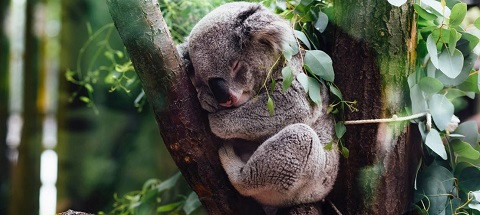 UNESCO World Heritage Sites often ‘last line of defence against extinction’ 2023-09-27 31 August 2023 / Climate and Environment Some of the world’s most iconic natural and cultural sites are also a haven for thousands of endangered species, the UN Educational Scientific and Cultural Organization (UNESCO) said on Thursday. Although properties protected under the World Heritage Convention make up less than one per cent of the Earth’s surface, they harbour more than 20 per cent of the planet’s biodiversity, new research by UNESCO and the International Union for Conservation of Nature (IUCN) has revealed.The UN agency has urged the 195 States party to the treaty to step up efforts to conserve them in the face of climate change and the threat of increased species loss.“These 1,157 sites are not only historically and culturally outstanding, they are also critical to the preservation of the diversity of life on Earth, maintaining essential ecosystem services, and addressing climate disruption,” said the UNESCO Director General, Audrey Azoulay. ‘Last line of defence’UNESCO World Heritage sites – ranging from the Great Barrier Reef in Australia to the Great Wall of China - contain more than 75,000 species of plants and trees, and over 30,000 species of mammals, birds, fishes, reptiles and amphibians.They are estimated to protect over 20,000 endangered species, including up to a third of all elephants, tigers and pandas, and at least one-tenth of great apes, lions and rhinos.For some species, such as Javan Rhinos, Pink Iguanas, Sumatran Orangutans and Mountain Gorillas, they are “the last line of defence against extinction”, the agency said.The World Heritage Convention confers the highest level of international protection to these locations, found across 167 countries. ‘The clock is ticking’The 1972 treaty has enabled successful conservation initiatives, such as those undertaken in the Kaziranga National Park in India and Chitwan National Park in Nepal, where the number of Greater one-horned Rhinos has doubled to some 4,000 since the mid-1980s.However, UNESCO stressed the urgent need to strengthen conservation measures, warning that “the clock is ticking for immediate action.”Every 1°C increase in global temperature could double the number of endangered species threatened by dangerous climate conditions. Protection and training“Given their role as vital biodiversity hotspots, UNESCO World Heritage sites must be protected at all costs by the States Parties of the Convention,” the agency said.UNESCO encouraged countries to prioritize World Heritage sites in their national biodiversity strategies and action plans, in line with a global agreement reached last year.The Kunming-Montreal Global Biodiversity Framework aims to halt and reverse nature loss through targets that include protecting 30 per cent of the planet’s lands, coastal areas and inland waters by the end of the decade.UNESCO said that all World Heritage site managers will be trained in climate change adaptation strategies by 2025, and all sites will have climate adaptation plans in place by 2029. https://news.un.org/en/story/2023/08/1140267
 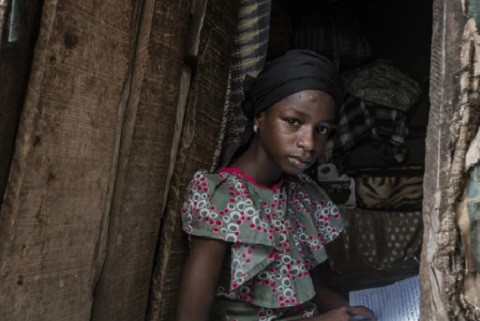 HerAtlas: UNESCO's interactive tool helping advance girls’ right to education 2023-09-27 11 August 2023 On the occasion of Malala Day, as we reflect on the inspiring journey of this champion for girls’ and women’s right to education, it is crucial to acknowledge the ongoing global challenges in ensuring education for all, especially for girls. The Universal Declaration of Human Rights affirms that education is a fundamental right for every individual. However, the harsh reality is that millions of children around the world, including girls, are still deprived of this basic right.UNESCO launched HerAtlas in 2019—an innovative online tool that empowers global citizens, policy-makers, and education advocates as a monitoring mechanism to track and promote the right to education for girls and women. The tool presents data in an accessible manner, utilizing interactive maps, graphs, and indicators to monitor key aspects of education, such as free and compulsory education, protection against school related gender-based violence or the right to education of pregnant and parenting girls.Originally depicting the state of the art as of 2019, the tool is consistently updated to present evolving situations in countries across the globe. Noteworthy progress has already been underscored, including a decrease in the number of countries imposing restrictions on the right to education for pregnant, parenting, and married girls.The recent turn of events in Afghanistan have not only brought education, particularly for girls, into sharp focus, but have also underscored the imperative need for a tool like HerAtlas. It enables the documentation of improvement and setbacks, by comparing past and current legislation, shedding light on progress and regression in educational rights.The analysis of the information contained in HerAtlas is also available in a quantitative format, to have another reading of the information provided. Guaranteeing the right to education in the legal frameworkHerAtlas serves as a powerful advocacy tool, facilitating evidence-based decision-making and empowering stakeholders to address education disparities. By providing a comprehensive and real-time view of education, HerAtlas enables governments, civil society organizations, and individuals to identify gaps, implement targeted interventions, and drive legal reforms to ensure equitable access to education for all. https://www.unesco.org/en/articles/heratlas-unescos-interactive-tool-helping-advance-girls-right-education
 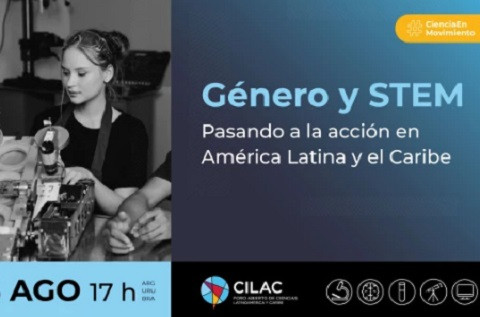 CILAC Forum Addresses Challenges and Opportunities in STEM Education and Gender Equity in Its New Colloquium 2023-09-27 21 August 2023 (Last update:30 August 2023)By Mariana Álvarez This event focuses on the challenges and opportunities presented by the region in two fundamental areas: STEM education and gender equity. The Open Forum for Science in Latin America and the Caribbean (CILAC) is gearing up to host a regional colloquium that will delve into crucial issues within the scientific and educational realms. This event focuses on the challenges and opportunities presented by the region in two fundamental areas: STEM education and gender equity.The upcoming CILAC colloquium will take place on August 23rd, at 5:00 PM (Argentina, Uruguay, and Brazil time) and 3:00 PM (Peru, Colombia, and Mexico time). The live stream will be available through the YouTube channel @forocilac.Since its inception, the #ScienceInMotion series by CILAC has managed to gather over 25,000 individuals in its previous colloquium sessions. This series has solidified itself as an ever-evolving space for the exchange of ideas and knowledge, fostering dialogue about scientific and technological advancements.The colloquium will use the recent UNESCO publication titled "Reducing the Gender Gap in STEM in Latin America: Moving into Action?" as its starting point. This report will serve as the foundation upon which the discussions of the event will be built.The central discussion of the colloquium will revolve around the need to promote active participation of women in the field of science and technology, traditionally dominated by men. The dialogue will span from identifying persistent barriers to strategies for reducing the gender gap in STEM disciplines. https://www.unesco.org/en/articles/cilac-forum-addresses-challenges-and-opportunities-stem-education-and-gender-equity-its-new
  Newly appointed Minister Bah: member of the UNESCO Girls' and Women's Education Prize jury 2023-09-27 25 August 2023 (Last update:28 August 2023) The new Minister of Information and Civic Education of Sierra Leone is Chernor Bah. His appointment by President Julius Maada Bio marks his advocacy achievements for girls and youth.Minister Bah is one of the five jury members of the UNESCO Girls' and Women's Education Prize. His work paves the way for gender equality in Sierra Leone. “Serving as a jury member of the UNESCO Prize for Girls and Women’s Education was a remarkable experience. It reinforced my commitment to advancing gender equality and education. The insights gained will enrich my perspective as Minister of Information and Civic Education. It will help me design and put in place policies. Policies that will foster an inclusive and equitable world for all in Sierra Leone,” he said. An activist dedicated to the defense of young people Minister Bah's previous work focused on young people, especially the most disadvantaged. He started when he was an adolescent, after the civil war in Sierra Leone.At the age of 15, he founded the "Childrens' Forum Network". The Network ensured that young people's voices were heard in post-war reconstruction efforts. He has led several youth-related initiatives. His global efforts include work with UNFPA and the Population Council.In 2012, he co-founded "A World at School" with the former British Prime Minister, Gordon Brown. He is also at the head of "Purposeful", the feminist hub of Sierra Leone. The hub works towards young women’s empowerment. From civic practitioner to politician "As a civic practitioner I bring to the role of Minister both grassroots and international experience. My work includes addressing the aftermath of the Ebola crisis, advocacy for girls’ education, and much NGO effort. I have a deep understanding of the challenges faced by our citizens. This will allow me to develop policies that resonate with the needs of our communities and promote civic engagement. I am dedicated to fostering a more informed, engaged, and united Sierra Leone. Combining my expertise in communication, education, and civic participation,” said Minister Bah. This election marks a new turning point in Minister Bah’s career. “My appointment is a tremendous honour and a profound responsibility. It is a significant step in my lifelong journey advocating for the rights of girls, young people, and marginalized communities. I will create an environment where information is accessible to all and civic education is a priority. To allow every citizen, especially girls and young people, to actively participate in shaping the future of our nation.” In his new functions Minister Bah prepares to face many challenges. Until 2020, visibly pregnant girls were banned from attending school in Sierra Leone. As a direct result, they found themselves on the margins of the community. The ban was lifted in 2021 thanks to the National Policy on Radical Inclusion in Schools. "Purposeful" was a partner in the development of the policy by the Ministry of Basic and Senior Secondary Education. In April 2023, a new law was enacted on basic and higher secondary education which incorporated elements of the 2021 text. Despite these efforts, many girls who are pregnant, living in poverty or in rural areas, are still at risk of being excluded from school. “While there has been progress, critical areas within girls’ and young people’s education still need urgent attention. Radical education must be accessible to all, regardless of gender or socioeconomic status. Addressing gender-based violence, early marriage, and cultural barriers hindering girls' education is paramount. Additionally, the curriculum must include digital literacy and skills for the modern world. This will prepare our youth for the challenges of the 21st century. By prioritising these we can empower our girls and young people to become active contributors to our nation's development.” URL:https://www.unesco.org/en/articles/newly-appointed-minister-bah-member-unesco-girls-and-womens-education-prize-jury
 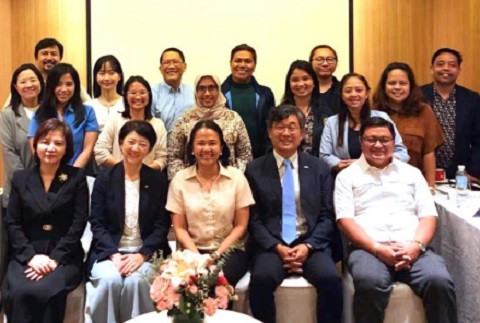 6th Project Steering Committee for Better Life for Out-of-School Girls in the Philippines 2023-09-27 5 September 2023 (Last update:7 September 2023) On 30 August 2023, UNESCO Multisectoral Regional Office in Jakarta organized the 6th Project Steering Committee (PSC) Meeting for the Better Life for Out-of-School Girls to Fight Against Poverty and Injustice in the Philippines Project, funded by the Korea International Cooperation Agency (KOICA). The PSC is a high-level technical advisory team overseeing the project’s implementation and achievements in accordance with the objectives of the UNESCO-DepEd-KOICA cooperation.The three Co-Chairs of the PSC, the Director of UNESCO Jakarta, Ms. Maki Katsuno-Hayashikawa; the Assistant Secretary for Curriculum and Teaching-Education Assessment and Alternative Learning System (ALS) of the Philippine DepEd, Asec G.H. S. Ambat; and the Country Director of the KOICA Philippine Office, Mr. Kim Eunsub participated in the meeting, which was also attended by PSC members and observers from DepEd and KOICA, and the UNESCO team.Identified needs requiring responses and actions were highlighted during the meeting with specific actions to be undertaken and agreements.Ms. Maki Katsuno-Hayashikawa expressed her sincere appreciation to DepEd and KOICA for their unwavering support to the project, emphasizing that outputs and objectives were achieved through fruitful collaboration. Asec. G.H. Ambat recognized UNESCO’s important contribution in the implementation of the ALS programme of DepEd in the Philippines, and KOICA highlighted the project’s great achievement despite various challenges: the completion of the Girls Education Centre’s construction. https://www.unesco.org/en/articles/6th-project-steering-committee-better-life-out-school-girls-philippines