
News
Catch up on what’s happening in the world of global citizenship education.
1,668 results found
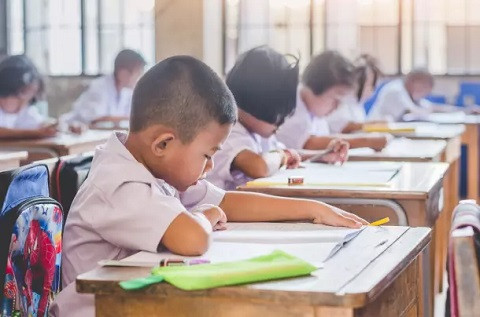 Q&A: Countering Racism in and through Education 2024-04-16 10 April 2024 Racist ideologies and discrimination are still widespread in our societies and they continue to be a global problem. They are rooted in different channels that enable their diffusion. Racism in education materials is a prevalent issue that must be addressed. UNESCO’s new publication, "Unmasking racism: Guidelines for educational materials", aims to increase awareness and improve understanding of how racism manifests itself in educational materials and to provide guidance on how to counter this phenomenon. What is the primary focus of “Unmasking racism”? The publication aims to address and rectify the presence of racism in educational materials. Its focus is on how textbooks and other learning resources can intentionally or unintentionally perpetuate racial stereotypes and biases, influencing perceptions and reinforcing social divisions. It guides educators and material developers towards creating content that is not only inclusive and respectful of diverse experiences but also actively combats racism by teaching students how to recognize, understand and oppose racial injustice and inequality. Why is it important to address racism in educational materials? Educational materials play a crucial role in shaping students’ understanding of the world and themselves. When these materials contain racist stereotypes or omit diverse perspectives, they contribute to the marginalization of certain groups and reinforce inequalities. Addressing racism in education is vital for creating an equitable learning environment where every student can see their history and experiences valued and reflected. What are the main objectives of these new guidelines? “Unmasking racism” sets out to: Eliminate racial biases in educational content, ensuring materials do not perpetuate stereotypes or misinformation. Foster an understanding of racism as both a historical and ongoing systemic issue that affects social structures and individual lives. Encourage the development of educational materials that offer a balanced and inclusive view of history and contemporary society, actively promoting anti-racist perspectives and actions. Promote critical engagement with the concepts of race and racism, helping students and educators reflect on their own positions within these dynamics and understand the importance of being actively anti-racist. Advocate for an intersectional approach to understanding identities, emphasizing how race intersects with other factors like gender and socioeconomic status to shape experiences, and guiding students towards actions that support racial justice. How does this publication propose combating racism in educational materials? To effectively combat educational racism, the publication recommends: Introducing educational content that explains race as a construct with no biological basis, challenging essentialist views and debunking myths that fuel racism. Discussing the concept of structural racism, showing how it permeates institutions and social norms, and providing students with tools to identify and challenge these structures. Incorporating knowledge-based discussions that cover the history of racism and its current manifestations, allowing for a deeper understanding of the subject and inspiring actions to combat racism. Engaging students in reflecting on their own identities and experiences in relation to power structures, fostering empathy, awareness and a commitment to anti-racist action. Employing an intersectional framework to explore how race interacts with other identity aspects, providing a more comprehensive view of discrimination and privilege, and encouraging students to advocate for justice and equality in all forms. How can educational materials perpetuate racism? A common example is the oversimplification of migration narratives, which often portray migrants negatively, focusing on issues of assimilation and cultural differences without acknowledging systemic barriers to integration. This portrayal can alienate students from migrant backgrounds and reinforce a divisive narrative that separates “us” from “them,” undermining social cohesion and mutual understanding. By reframing these narratives to highlight the contributions, resilience and diverse experiences of migrants, educational materials can foster a more inclusive and anti-racist understanding of migration and its impact on societies. What are the key recommendations of this publication? Broadening the range of stories and histories included in educational materials to ensure all students find representation and validation in their learning environment. This involves actively including anti-racist content that challenges dominant narratives and promotes a deeper understanding of racial justice. Undertaking a thorough review of existing educational content to identify and address instances of racial bias or exclusion, and incorporating counter-narratives that enrich students’ understanding of complex issues through an anti-racist lens. Equipping educators with the tools and knowledge to address racism effectively within the classroom, fostering a learning environment that encourages open discussion, critical thinking and collective action against racism. Empowering students with the skills to critically analyze content, recognize bias and appreciate the value of diverse perspectives in building a more inclusive society, and inspiring them to be active participants in the fight against racism. How does this publication envision the future of education? “Unmasking racism” envisions an educational future where materials not only impart knowledge but also cultivate critical thinking, empathy and a deep respect for diversity. It aims for an educational system where students learn to recognize and challenge inequalities, fostering a generation that values dignity, equality and human rights. Through such transformative learning, the publication hopes to contribute to building more just and inclusive societies. URL: https://www.unesco.org/en/articles/qa-countering-racism-and-through-education
 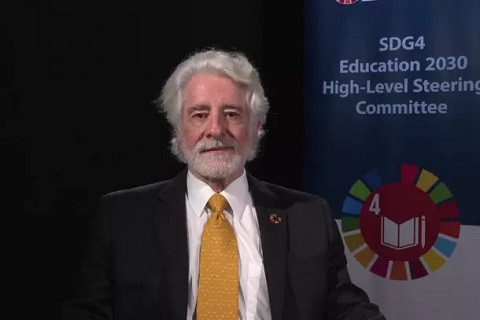 Leonardo Garnier, Former Special Adviser on the Transforming Education Summit, Shares His Views on Achieving SDG4 by 2030 2024-04-03 Leonardo Garnier outlines the early wins as well as challenges towards achieving the Education 2030 Agenda, such as the political barriers and insufficient investment in education. This article is part of the Key Learnings for Education 2030 series written by the SDG4 High-Level Steering Committee (HLSC)'s Inter-Agency Secretariat. In this series, we speak with the outgoing leaders of the HLSC about the strides that were made towards achieving SDG4 and draw inspiration from them on how to further advance the work for education transformation. We had the opportunity to sit down for an interview with Leonardo Garnier, former Special Adviser to the Secretary-General of the United Nations for the Transforming Education Summit (TES). He has also served as Minister of Education (2006-2014) and Minister of National Planning and Economic Policy (1994-1998) in Costa Rica. He shared with us powerful insights on the global education cooperation work under way to achieve Sustainable Development Goal 4 (SDG4). To begin with, the Transforming Education Summit convened in September 2022 at the United Nations Headquarters in New York was organized in response to the global crisis in education, which is a crisis of equity and inclusion, quality and relevance. Often slow and unnoticed, this crisis is having a devastating impact on the future of children and youth around the world. To tackle this issue, Leonardo Garnier highlights the key role of the Summit and how important commitments were reached based on the recognition of the global learning crisis. In particular, he highlights the outcomes and follow-up actions established at the TES, pointing out how the role of the SDG4 High-Level Steering Committee (HLSC), hosted by UNESCO, is key in this journey. Specifically, Leonardo Garnier remarks that the HLSC is crucial for overseeing the implementation and follow-up of all the commitments made during the Summit. In his view, this global body is essential for driving progress in the transformation of education. However, he is concerned about the difficulties in implementing such efforts. As he states, there is a challenge in translating awareness and agreement into concrete actions, primarily due to political barriers and, more importantly, inadequate investment in education. Reportedly alarming, in 2021, public spending on education declined by 13.5% compared to 2020. Therefore, the significant contractions observed in public spending on education are contributing to further aggravate the learning crisis. In conclusion, Leonardo Garnier underlines the importance of ensuring that education transformation initiatives effectively reach and impact classrooms and emphasizes the need for tangible results through the global education reform agenda. URL: https://www.unesco.org/sdg4education2030/en/articles/leonardo-garnier-former-special-adviser-transforming-education-summit-shares-his-views-achieving
 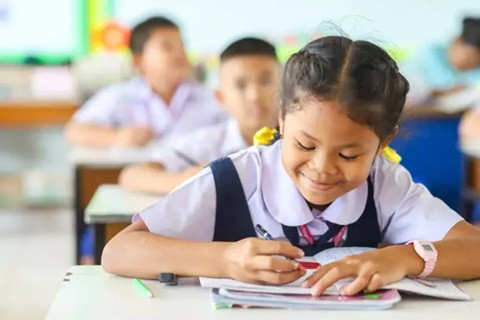 UNESCO’s Global Education Coalition: New Report Highlights the Key Role of Multi-stakeholder Collaboration to Achieve Education Goals 2024-04-01 22 March 2024 - Last update: 25 March 2024 Launched ahead of the group’s fourth annual meeting on 25 March 2024 at UNESCO Headquarters in Paris, the Global Education Coalition’s new report - ‘United for SDG 4: The Global Education Coalition in action’ – spotlights how partners around the world are collaborating to ensure inclusive and equitable education for all. The Global Education Coalition is a unique open platform with agile coordination methods that facilitate collaboration between members to scale up programming and achieve common goals for the acceleration of Sustainable Development Goal 4. As the Coalition enters its fifth year with 222 partners working across 112 countries, this year's annual meeting is dedicated to increasing partner commitment to collaborative projects that align with the Transforming Education Summit and advance progress towards the education 2030 agenda. “While the Global Education Coalition was established during the COVID-19 pandemic, this report demonstrates just how critical this platform remains today in bringing together diverse stakeholders to address the pressing global education crisis,” said Borhene Chakroun, Director of Policies and Lifelong Learning Systems Division and coordinator of the Global Education Coalition at UNESCO. The 2024 report covers the fourth year of action for the Coalition, including how its subgroup, the Digital Transformation Collaborative, successfully launched its first country collaborations as it works to advance the high-level agenda set at the Transforming Education Summit. “In addition to mobilizing resources and support in times of crisis, our members are collaborating to deliver creative solutions that accelerate progress towards the 2030 education goals," said Mr Chakroun. Mobilized to address education challenges As many as one in four of the world’s primary schools still lack electricity and only 40% are connected to the Internet. Additionally, as highlighted in last year’s Global Education Monitoring Report, only 45% of lower secondary school teachers feel prepared to use technology to teach, even after receiving training. Looking beyond the digital divide, more than one in five (23.5%) young people aged between 15 and 24 are not in education, employment or training. And, despite progress, women still account for nearly two-thirds of the 763 million adults without basic literacy skills, while girls are more at risk of early and unintended pregnancy, early and forced marriage, and violence when they do not go to school. The report demonstrates how the Coalition’s four missions – Global Skills Academy, Global Teacher Campus, Global Learning House, and Driving gender-transformative education – continue to grow and, through strategic partners, are catalyzing action to support education systems worldwide. Since its establishment, the Coalition has helped over more than 858,000 youth develop employability skills, trained over 794,000 teachers, and reached at least 2,450,000 of the most marginalized girls and women. Through the mobilization of private sector partners and a network of volunteer teachers and educators, more than one million learners now have access to resources to help develop foundational skills and support for subjects they find challenging at school. URL: https://www.unesco.org/en/articles/unescos-global-education-coalition-new-report-highlights-key-role-multi-stakeholder-collaboration
 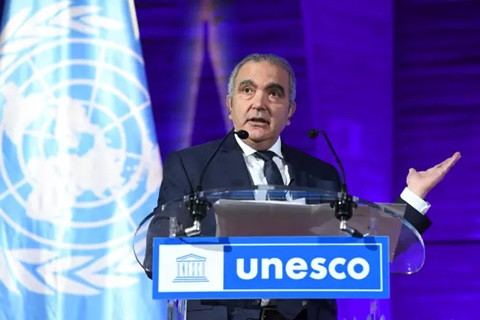 Fourth Annual Meeting of the Global Education Coalition: Key Takeaways 2024-03-30 The fourth annual meeting of the Global Education Coalition took place on 25 March in Paris. We asked Borhene Chakroun, Director of Policies and Lifelong Learning Systems Division at UNESCO, to share his reflections. The fourth annual meeting of the Global Education Coalition saw over 100 of the Coalition’s members travel to Paris to participate in a day packed with critical conversations and opportunities for collaboration that we can take forward in the months and years to come. Reflecting on the past four years, the Coalition plays a key role in facing the challenges of a rapidly evolving education landscape. However, we have much work left to do. This work calls for ambition, for dedication, for transparency and for sustained partnerships from all stakeholders. As the Coalition enters its fifth year of action, here are my three key takeaways from Monday’s discussions: Multistakeholder partnerships are pivotal for driving education transformation, particularly in the areas of digitalization and funding. But cooperation must happen at the national level - to ensure alignment in funding and priorities between partners and the government - and at the international levels - viewing education policy as purely domestic prevents us from really taking innovative approaches to scale. Every country in the world should have a multistakeholder coalition like the Digital Transformation Collaborative. If the future is built only by one actor, we will fail. It has to be multi-stakeholder; it has to be whole-of-government. And this requires building trust – across these different sectors - to create bolder partnerships. Digital technology holds significant potential for the transformative innovation we need. However, we know that equity and inclusion have not driven global digital transformation and that the biggest digital divides impact low-income countries, rural, and disadvantaged communities. We also know there are major data gaps. There’s a clear need to bolster evidence and build trust and transparency around EdTech for sustainable partnerships that are steered by country needs. Teacher involvement is crucial at every stage - from the design of digital solutions to the testing, and then in the rollout and scaling of these technologies. We must also work to consistently develop the capacities of teachers globally so that they can keep up with the rapid changes in digital technologies and effectively and efficiently leverage these as tools for teaching and learning. URL: https://www.unesco.org/sdg4education2030/en/articles/fourth-annual-meeting-global-education-coalition-key-takeaways
 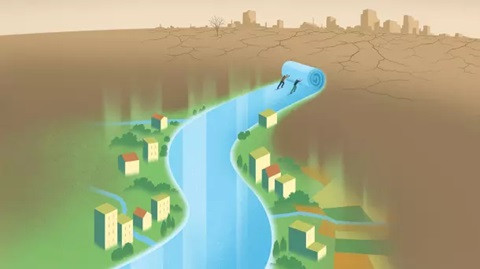 Water Crises Threaten World Peace (report) 2024-03-29 The United Nations World Water Development Report 2024, published by UNESCO on behalf of UN-Water, highlights that tensions over water are exacerbating conflicts worldwide. To preserve peace, States must boost international cooperation and transboundary agreements. "As water stress increases, so do the risks of local or regional conflict. UNESCO's message is clear: if we want to preserve peace, we must act swiftly not only to safeguard water resources but also to enhance regional and global cooperation in this area." Audrey Azoulay, UNESCO Director-General "Water, when managed sustainably and equitably, can be a source of peace and prosperity. It is also the literal lifeblood of agriculture, the major socio-economic driver for billions of people." Alvaro Lario, President of the International Fund for Agricultural Development (IFAD), and Chair of UN-Water According to the new report published by UNESCO, on behalf of UN-Water, today 2.2 billion people still live without access to safely managed drinking water and 3.5 billion lack access to safely managed sanitation. The UN goal of ensuring this access for all by 2030 is therefore far from being attained, and there is reason to fear that these inequalities may continue to rise. Between 2002 and 2021 droughts affected more than 1.4 billion people. As of 2022, roughly half of the world’s population experienced severe water scarcity for at least part of the year, while one quarter faced ‘extremely high’ levels of water stress, using over 80% of their annual renewable freshwater supply. Climate change is projected to increase the frequency and severity of these phenomena, with acute risks for social stability. Girls and women are the first victims of a lack of waterThe first impact is the deterioration of living conditions, leading to heightened food insecurity and health risks. Water scarcity also has consequences on social development, particularly for girls and women. In many rural areas, they are the primary water collectors, spending up to several hours a day on this task. Reduced access to water supply exacerbates this burden, which undermines women’s education, economic participation and safety. This may also contribute to the higher secondary school dropout rate among girls compared to boys. The lack of water security has also been identified as one of the drivers of migration. This displacement can, in turn, contribute to water insecurity by placing added strain on water systems and resources in settlement locations, thereby fuelling social tensions. A study conducted in Somalia indicates a 200% increase in gender-based violence against a group of displaced people. An urgent need for transboundary agreementsThis water scarcity can increase the risk of conflict. In the Sahel region, wetland degradation – often due to ill-advised water development projects – has exacerbated local disputes over access to water and productive land, causing tensions. While approximately 40% of the world's population lives in transboundary river and lake basins, only a fifth of countries have cross border agreements to jointly manage these shared resources equitably. Many transboundary basins are already located in areas marked by current or past interstate tensions. In the Arab region, seven countries were in conflict in 2021 – some dating back many years –which has had wide-ranging implications for water supply, infrastructure, and potential cooperation on water-related issues. Africa remains especially vulnerable to interstate tensions relating to water: 19 out of 22 states studied suffer from water scarcity, and two-thirds of the continent’s freshwater resources are transboundary. Of the 106 transboundary aquifers mapped in Africa, interstate cooperation has only been formalized in seven. Concrete progress in cooperation in several regionsIn this context, cooperation on transboundary water management appears to be a powerful lever for maintaining peace. By creating conditions for regular dialogue between all parties and instituting the necessary legal frameworks, this cooperation has the potential to resolve most disputes relating to water, and therefore prevent the emergence or exacerbation of wider-ranging conflicts. The Framework Agreement on the Sava River Basin (FASRB), signed in 2002 by Bosnia and Herzegovina, Croatia, Serbia and Slovenia, was the first multilateral, development-oriented agreement in South-East Europe. It has successfully laid the groundwork for sustainable water management. Two decades after its adoption, it has become a key driver of stability in the region, and now serves as an example of best practice for other regions of the world. The decline in volume of Lake Chad – which has decreased in size by 90% over 60 years – has led to a broad range of economic and security challenges in the region. Yet in recent years, Cameroon, Chad, the Central Africa Republic, Libya, Niger and Nigeria have given a new impetus to the Lake Chad Basin Commission (LCBC). LCBC’s mandate has expanded to ensure the most efficient use of the basin's waters, coordinate local development, and prevent the emergence of disputes that might arise among these countries and local communities. LCBC is today the most appropriate institution for addressing the specific needs of the basin, including socio-economic development and security issues. These two examples highlight the fact that, even in complex situations, states have the means to enact policies around access to water and shared resource management that are both fair and equitable thanks to international cooperation and the support of the United Nations system. Click here to view the full report URL: https://www.unesco.org/en/articles/water-crises-threaten-world-peace-report
 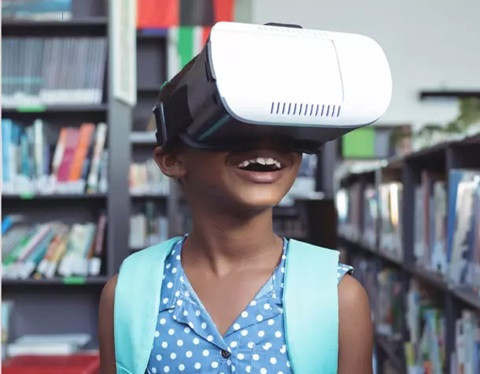 Q&A: Why Digital Global Citizenship Education is Essential 2024-03-19 14 March 2024 - Last update: 18 March 2024 Internet access has transformed the flow of information and expanded spaces for different expressions of knowing and being – and opportunities for effecting positive societal change. But it has also exacerbated and accelerated the spread of misinformation, disinformation, hate speech and online violence. That is why global citizenship education is crucial in an increasingly digital world. As the world celebrates the first International Day for Digital Learning on 19 March, here is what you need to know about UNESCO’s recent latest publication - Global citizenship education in a digital age: Teacher guidelines Why is digital global citizenship important? In 2023, 79% of world’s youth between the age of 15-24 were using the internet. The role of education, especially through global and digital citizenship, has become increasingly vital. It has the power to equip all learners, especially the youngest ones, with the skills and competencies to effectively access, critically engage with, create, use and share information and knowledge on and through diverse digital technologies, in particular social media platforms. Tools like UNESCO’s new guidelines for teachers are essential to provide a comprehensive framework for fostering global citizenship through digital literacy. This ensures learners can thrive in this interconnected digital environment. Global Citizenship Education (GCED) is a strategic component of UNESCO’s work in education that builds upon the groundwork laid by peace and human rights education, with the aim of nurturing in learners the skills, competencies, values, mindsets and attitudes necessary for responsible global citizenship, including the fostering of criticality, creativity, innovation, common humanity and an unwavering dedication to peace, human rights and sustainable development. Digital citizenship education, a central element of GCED, emphasizes the knowledge, skills and attitudes necessary to responsibly navigate the digital sphere. By integrating digital citizenship, media and information literacy, and ethics, this publication seeks to prepare learners to contribute constructively to digital communities globally. How are the new guidelines useful for educators? The guidelines emphasize the importance of ensuring all learners have inclusive access to technology and information, which is vital for their development as responsible digital citizens. This approach acknowledges complexities around the digital divide, emphasizing the necessity of inclusive education that bridges gaps and promotes equitable technology access. By growing skills in areas like critical thinking, ethical decisions and creative problem-solving, the guide aims to shape learners into responsible citizens capable of advancing a more peaceful, just and sustainable world. The guidelines offer a comprehensive collection of lesson plans, modules and teaching strategies to engage learners and reinforce global digital citizenship competencies. These resources encourage participation in both physical and digital spaces, with an emphasis on addressing global challenges through the Sustainable Development Goals. Highlighting new teaching roles and responsibilities, the guide provides valuable insights for effectively adapting methods to incorporate technological tools. This fosters student growth in communication, creativity and innovation. For educators navigating this digital terrain, the guidelines serve as a key resource for leveraging technology’s potential to enrich learning and prepare students to engage as responsible global citizens in the physical and digital world. URL: https://www.unesco.org/en/articles/qa-why-digital-global-citizenship-education-essential
 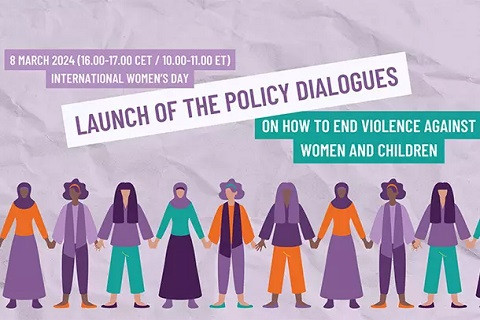 Launch of a Series of Policy Dialogues on Gender Based Violence and Maltreatment of Young People 2024-03-10 8 March 2024 A new high-level Series of Policy Dialogues on Gender-Based Violence and Maltreatment of Young People was launched by UNESCO and the Lancet Commission on 8 March 2024 at UNESCO Headquarters in Paris. Following a successful partnership at UNESCO's Global Forum Against Racism and Discrimination in São Paulo, Brazil, in December 2023, UNESCO and the Lancet Commission on Gender-Based Violence and Maltreatment of Young People join forces again to engage policymakers against violence against women and children. "20% of women and more than 7% of men have experienced sexual abuse in their childhood. And every 10 minutes, an adolescent girl is subject to violence somewhere in the world. This must change!"Gabriela RamosAssistant Director-General for Social and Human Sciences of UNESCOTogether, they want to raise awareness on the causes and consequences of men’s violence against women (VAW) and violence against children (VAC) and invite decision-makers to discuss policy issues and recommendations informed by survivors and advocates. UNESCO will hold the Series of Policy Dialogues throughout 2024 and 2025, up until the launch of the Lancet Report in the fall of 2025. Violence against women and children are a pandemic that affects millions globally, with ripple effects across our societies. 736 million women have been subjected to physical and/or sexual violence at least once in their lifetime, and children who experience any form of violence in childhood gave a 13% greater likelihood of not graduating from school. Yet, the consequences are often invisible. Survivors experience severe anxiety, self-blame, depression and this is non-exhaustive. Eradicating violence against women and young people is a moral imperative. Working towards a world free of violence will also catalyze human, social, and economic development, and will help countries meet the Sustainable Development Goals. URL: https://www.unesco.org/en/articles/launch-series-policy-dialogues-gender-based-violence-and-maltreatment-young-people
 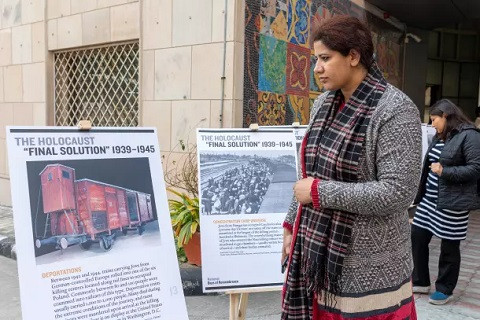 Nurturing Global Citizens through Holocaust Education in India 2024-03-10 16 February 2024 - Last update: 21 February 2024UNESCO New Delhi, in partnership with the Central Board of Secondary Education (CBSE), conducted workshops exploring the history of Holocaust with various schools to commemorate the International Holocaust Remembrance Day, from 29 to 31 January 2024. These training workshops involved more than 500 educators and students from over 300 Central Board of Secondary Education schools across Delhi, Haryana, and Uttar Pradesh. Through these workshops, participants were equipped with the knowledge and pedagogical approaches to construct defenses against hate speech and discrimination. This comprehensive approach becomes a pivotal step towards shaping a future where the profound lessons of history actively contribute to a more compassionate society. The workshop not only discussed the importance of Holocaust education but provided tangible resources. UNESCO's Holocaust Education Guide for Indian teachers was launched as a valuable tool, offering insights on incorporating these lessons into classroom discussions. UNESCO New DelhiThe essence of this workshop extended beyond being a mere platform for discussion; it served as a compelling call to action. Through fostering meaningful conversations and drawing lessons from history, educators are positioned as catalysts for transformative change. The overarching goal is clear: to empower individuals to stand against misinformation, extremism, and hate speech. As part of this collaborative effort with the CBSE, various other activities were also conducted. India's dedication to inclusive education, as outlined in the National Educational Policy 2020, provided an ideal foundation for Holocaust and Global Citizenship education programs. As the Holocaust recedes in time, the forces of racial and religious intolerance, as well as discrimination and hate speech pose new challenges to global civilizational values, thereby running the risk of repetition of the crimes of the past. UNESCO New DelhiIn this context, Holocaust education emerges as a powerful tool, breaking down ignorance and fostering understanding and empathy. Teachers play a pivotal role in shaping the perspectives of youth, empowering individuals to question, critically reflect, and stand against the root causes of hate speech and discrimination. Through an integrated approach that combines global citizenship and Holocaust education, the initiative aspires to cultivate a generation that embodies the core values of empathy, tolerance, and a collective commitment to creating a world free from prejudice and discrimination. This commitment finds resonance in the International Programme on Holocaust and Genocide Education (IPHGE) - a collaborative effort spearheaded by UNESCO and the United States Holocaust Memorial Museum (USHMM). Observed on 27 January each year, the International Holocaust Remembrance Day stands as a solemn tribute to the millions who perished in the Holocaust. The day symbolizes an unwavering commitment to the phrase "Never Again," as an essential reminder of the horrors that unfolded in Nazi concentration camps. URL: https://www.unesco.org/en/articles/nurturing-global-citizens-through-holocaust-education-india
 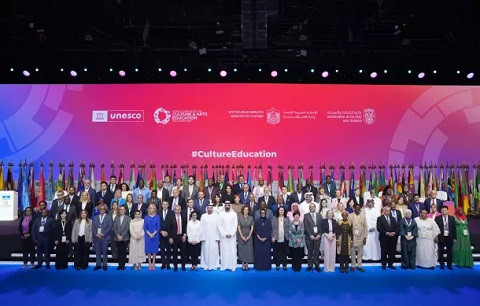 UNESCO Member States Adopt Global Framework to Strengthen Culture and Arts Education 2024-03-09 15 February 2024 - Last update: 20 February 2024 "As a UNESCO study highlighted last year, arts education helps students develop emotional intelligence, creativity and critical thinking. It improves their well-being and academic results. Artistic education also promotes openness to others and respect for diversity within society at large. I thank our Member States for this new global agreement which will make culture and arts a greater priority in education, while taking into account the use of digital technology."Audrey AzoulayUNESCO Director-General The World Conference on Culture and Arts Education, organized by UNESCO and United Arab Emirates in Abu Dhabi (13-15 February), brought together nearly 1,000 culture and education stakeholders – including 90 ministers, 125 representatives of UNESCO Member States, policy-makers, experts and NGOs, as well as UN agencies, academia and the private sector. The new UNESCO Framework stresses the need for lifelong learning in culture and art within all types of educational settings, and for placing culture and the arts at the heart of education policies, strategies, curricula, and programmes. The Framework broadens the understanding of “culture” to encompass built, natural and living heritage, cultural expressions, as well as the cultural and creative industries. It also focuses on the capacities of digital technologies in culture and arts education to help promote intercultural dialogue and linguistic diversity. The text adopted also recognizes that learning in, through and with cultural diversity is vital for overcoming divisions and fostering mutual understanding. It underlines the need for greater emphasis on local – and especially indigenous – cultures and heritage. It also calls for strengthening relationships between educational and cultural institutions. This means creating more partnerships between schools and cultural institutions and propertie, including UNESCO’s World Heritage sites, as well as the cultures, traditions, and festivals inscribed on UNESCO’s List of Intangible heritage of humanity. Building on the legacy of the UNESCO Lisbon Road Map (2006), the Seoul Agenda (2010) and the MONDIACULT Mexico Declaration (2022), this Framework is the outcome of two years of multistakeholder consultations, dialogue and negotiations with Member States. A new UNESCO-UAE partnership to implement the FrameworkThe adoption of this Framework is not an end in itself. Its recommendations must now be translated into tangible public policy. UNESCO will support this process, by enabling Member States to share experiences, launch innovative reforms and share best practices. UNESCO and the United Arab Emirates announced a first major initiative including grants and international mobility program for teachers, as well as capacity building for African Member States through experts’ visits, knowledge sharing and vocational training. "I would like to commend the important announcement made by Abu Dhabi and the United Arab Emirates for the coming years. It will give us the strength needed to translate this Framework into action, supporting the countries that need it most, and especially supporting Africa as a global priority of UNESCO."Audrey AzoulayUNESCO Director-General This new initiative will rely on three main pillars. It will provide grants to those that implement exceptional practices for arts education in each region. It will engage teachers – in particular those in the more than 12,000 UNESCO Associated Schools. Educators who design and deliver effective pedagogies for arts education will be allocated international mobility grants. In addition, the programme will support African States through experts’ visits, knowledge sharing and Technical and Vocation Education and Training (TVET). URL: https://www.unesco.org/en/articles/unesco-member-states-adopt-global-framework-strengthen-culture-and-arts-education
 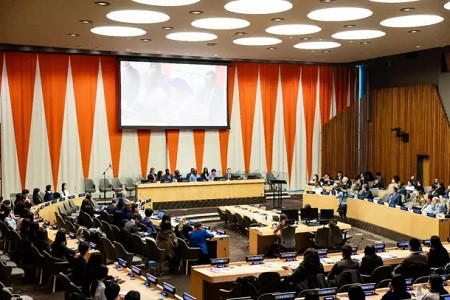 Learning for Lasting Peace: Building and Sustaining Peace through Education 2024-03-08 Last update: 9 February 2024 24 January 2024, New York: Co-organized by UNESCO and the Group of Friends for Education and Lifelong Learning, the sixth global observance of the International Day of Education centered on the pivotal role of education in shaping sustainable, inclusive, and peaceful futures, championing global initiatives on education for peace. It brought together Member States, UN entities, non-governmental organizations, education stakeholders, and youths to explore priorities and challenges in lasting peace and global citizenship education. Amid a global surge in conflicts and alarming increases in discrimination and hate speech, the International Day of Education reinforced stakeholders’ commitment to combat hate speech and promote digital citizenship through education. Building upon the principles outlined in the recently adopted UNESCO Recommendation on Education for Peace, Human Rights, and Sustainable Development, the event aimed to raise awareness for effective approaches in education for peace and mobilize commitment for their implementation. In a dynamic high-level panel moderated by Richa Gupta, a Young Leader for the SDGs, Member States and UN high-officials came together to address pressing global education challenges. H.E. Dennis Francis, President of the 78th Session of the General Assembly, set the tone by highlighting the critical need for well-resourced education systems worldwide. He praised UNESCO's forward-thinking approach in empowering learners as catalysts for change, sentiments echoed by Ms. Amina J. Mohammed, Deputy Secretary-General of the United Nations. Ms. Mohammed emphasized the urgency of bridging the financing gap for education and commended UNESCO and the Group of Friends for Education and Lifelong Learning for their dedication to prioritizing education at the UN Headquarters, and especially in discussions related to the Pact for the Future. Speaking on behalf of the Group of Friends for Education and Lifelong, H.E. Martin Kimani, Permanent Representative of Kenya to the UN, urged increased international commitment to support developing countries in expanding access to education, ensuring no one is left behind. Recognizing progress and achievements from the Transforming Education Summit and SDG Summit and looking ahead to the upcoming Summit of the Future, he reaffirmed the Group’s dedication to spotlighting education as a transformative force for positive change in addressing modern challenges. Meanwhile, Ms. Stefania Giannini, UNESCO Assistant Director-General for Education, recalled the principles outlined in the UNESCO Recommendation on Education for Peace, stressing the urgency to prioritize education in the Pact for the Future to effectively address global challenges. Delivering a key-note statement, H.E. Chernor Bah, Sierra Leone's Minister of Information and Civic Education, underscored education's enduring importance as a potent weapon against contemporary threats, showcasing Sierra Leone's commitment to education accessibility and collaboration with UNESCO to integrate sustainable solutions into the country's framework. Innovative approaches: shaping a future of lasting peace through education During the panel discussion, the crucial significance of innovative approaches in shaping a future of enduring peace through education was underscored. Panelists emphasized the urgent need to overhaul education systems to bolster resilience in crises and enhance educational quality, highlighting initiatives like the "Safe to Learn" coalition. Additionally, the significance of implementing UN Security Council resolutions on Women, Peace, and Security as a robust framework for sustainable peace was stressed, with a focus on the pivotal role of local stakeholders, including educators. The indispensable role of young people in peacebuilding and the urgency of investing in education and youth for a future of lasting peace were also highlighted, especially in anticipation of the upcoming Summit of the Future. Moderated by Christopher Castle, Director of Division for Peace and Sustainable Development at UNESCO, the panel featured voices from diverse backgrounds. Youth advocates, including Emeline O'Hara from the Dangerous Speech Project and Felipe Paullier, Assistant Secretary-General for Youth Affairs, joined the discussion alongside esteemed panelists such as Charles North, Deputy CEO of the Global Partnership for Education, and Robert Jenkins, UNICEF’s Director of Education and Adolescent Development. Other notable speakers included Mavic Cabrera Balleza from the Global Network of Women Peacebuilders, Julia Paulson from the Education Justice and Memory Network, and Anthony Jenkins from the International Institute on Peace Education. The event was enriched by a musical interlude performed by Juilliard School students on the violin, and a poignant poem delivered by Salome Agbaroji, the 2023-2024 US National Youth Poet Laureate. Agbaroji's words resonated deeply, encapsulating a powerful symbol of their vision for a harmonious future that celebrates diversity: "It is not enough to give a child a book. But they also need a palm oil tree to sit under, A glitter sky through which their kites can swim." URL: https://www.unesco.org/en/articles/learning-lasting-peace-building-and-sustaining-peace-through-education